My first trip to Haiti came less than a year after the devastating January 12, 2010 earthquake. More than a decade has passed since my last visit in 2013, yet I know the effects of that day still ripple across the country.
I first arrived through my local church on what was, in many ways, a fairly typical mission trip of the era. We came eager to help rebuild, only to be quickly schooled by Haitians who were, of course, infinitely more skilled at rebuilding than we were. What we did gain was the opportunity to spend time with a group of young men who had banded together after the earthquake to serve their community. Having lost nearly everything themselves, they devoted their energy to creating opportunities for children orphaned by the disaster. These young men changed my life. They carried dreams of education, leadership, and a better future, despite every obstacle placed before them. Their commitment to caring for others in the midst of their own loss left a lasting impression on me.
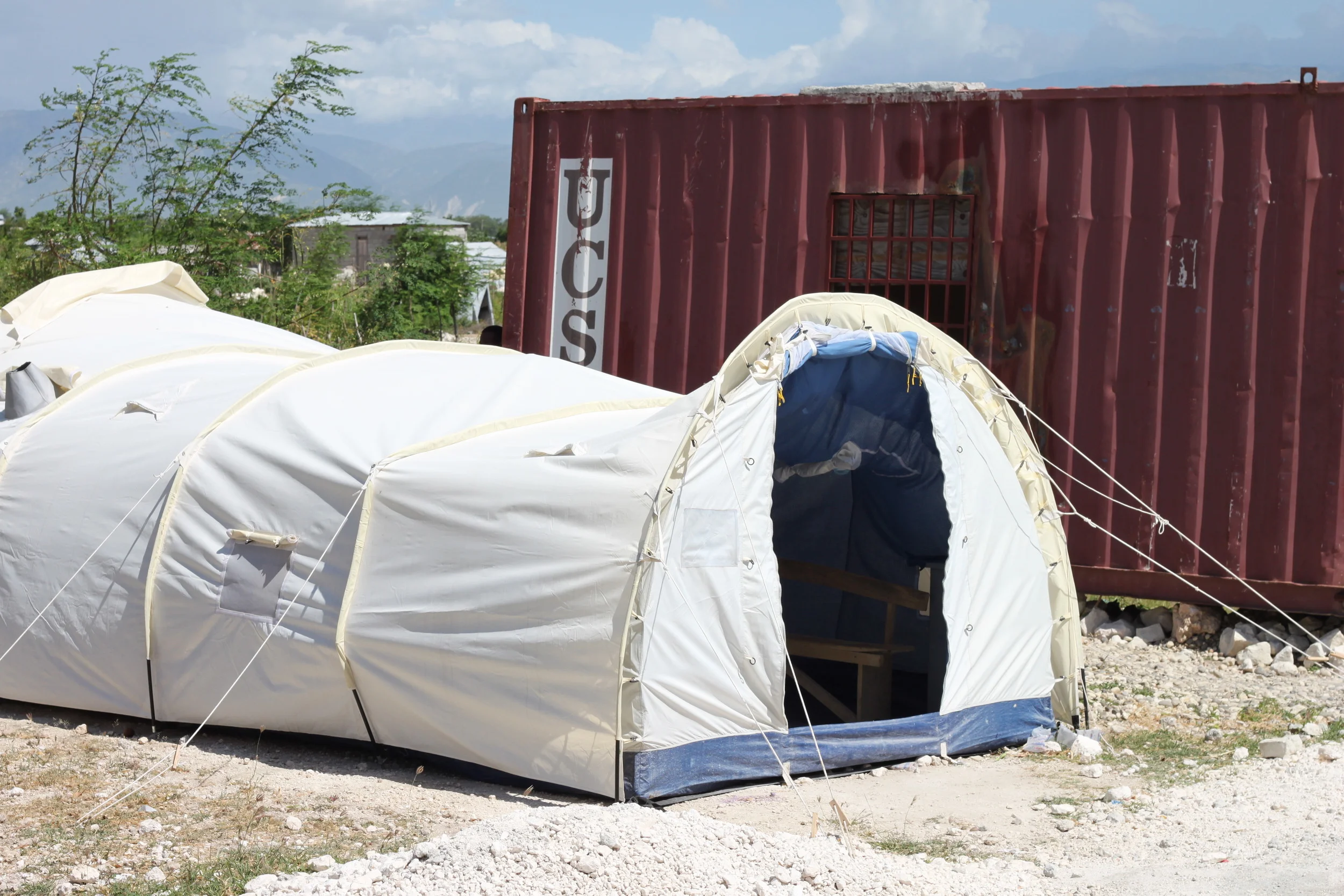
I returned the following year as a newly graduated nurse, eager to contribute in whatever ways I could. Together with a Haitian nurse colleague from Seattle, I joined a team of Haitian nurses working in one of the many post-earthquake internally displaced persons camps on the outskirts of Port-au-Prince. Looking back, I suspect we offered quite little. These nurses were operating clinics out of abandoned shipping containers with few resources, little support, and endless need. If we provided a small measure of relief or encouragement, they repaid us with deep belly laughs, hard-earned wisdom, and a richer understanding of the challenges facing the Haitian people.
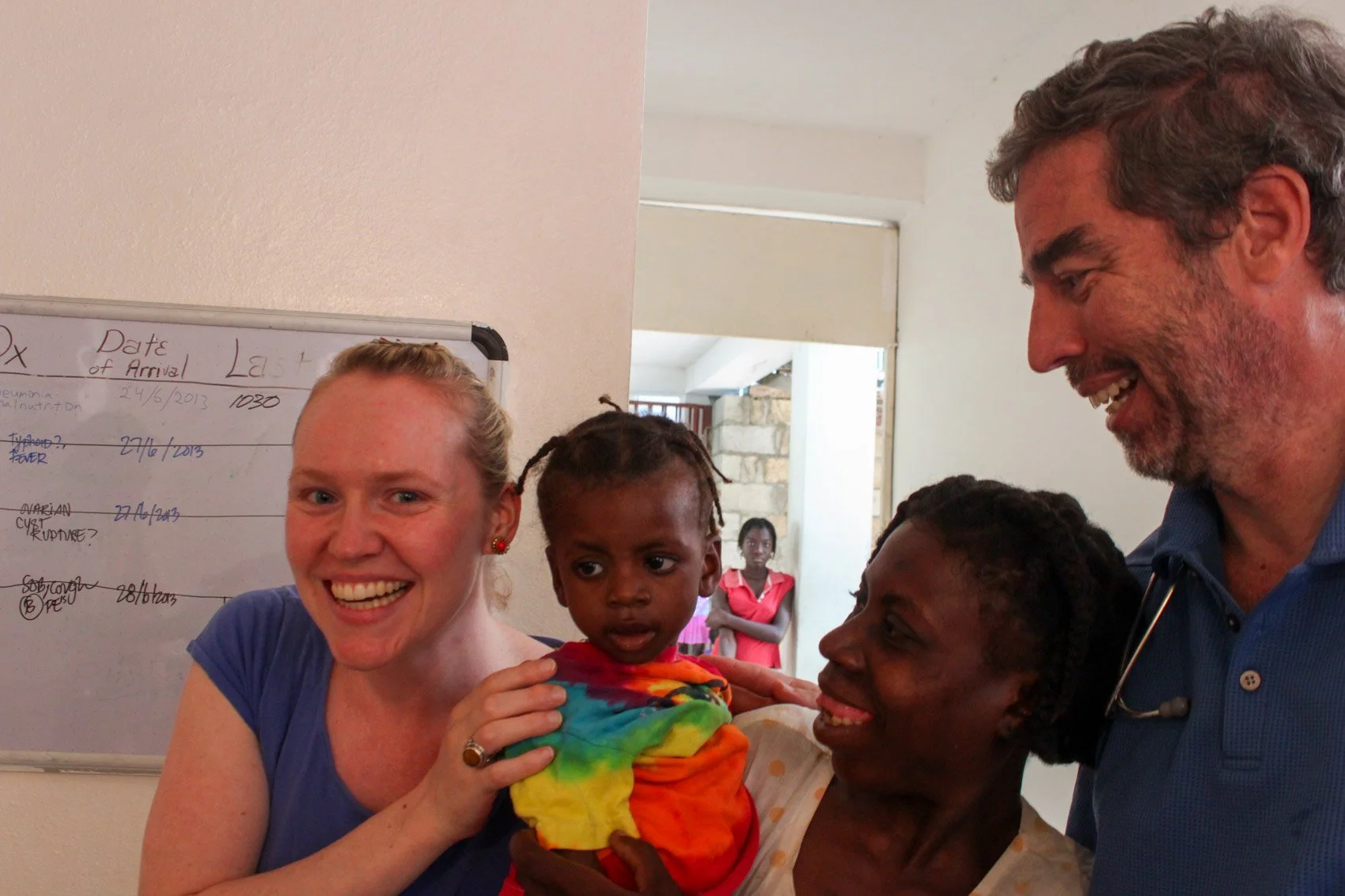
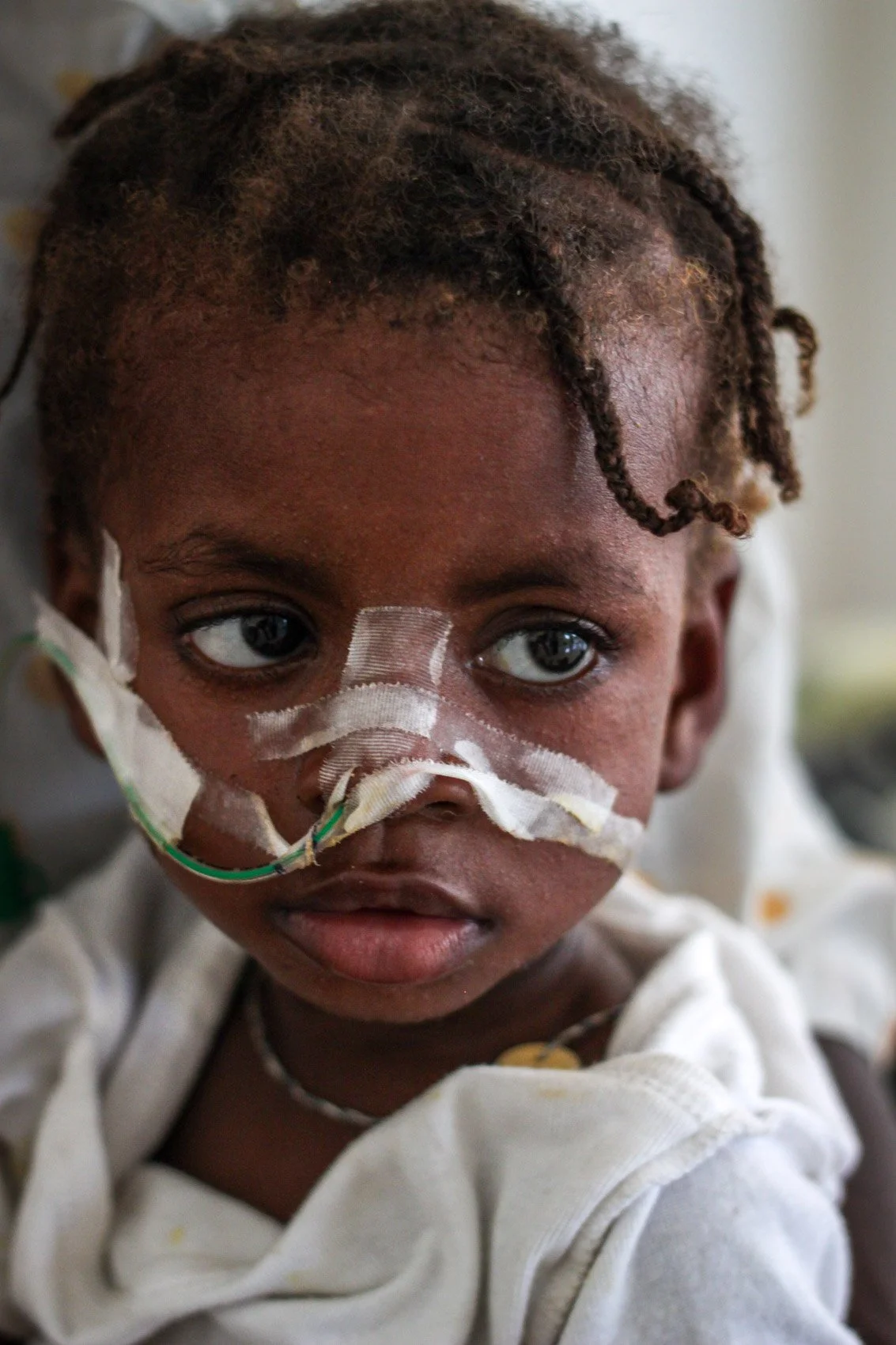
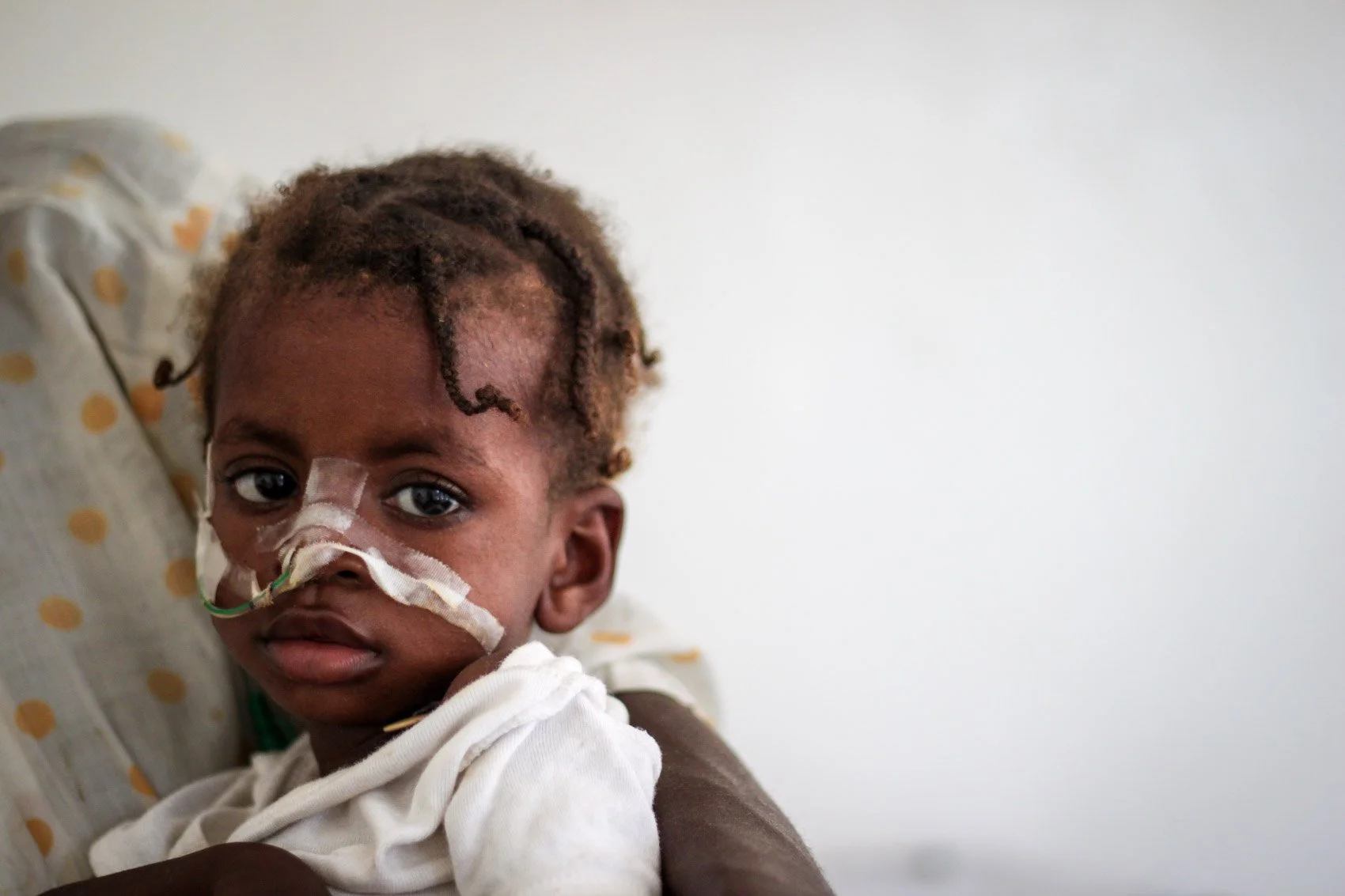
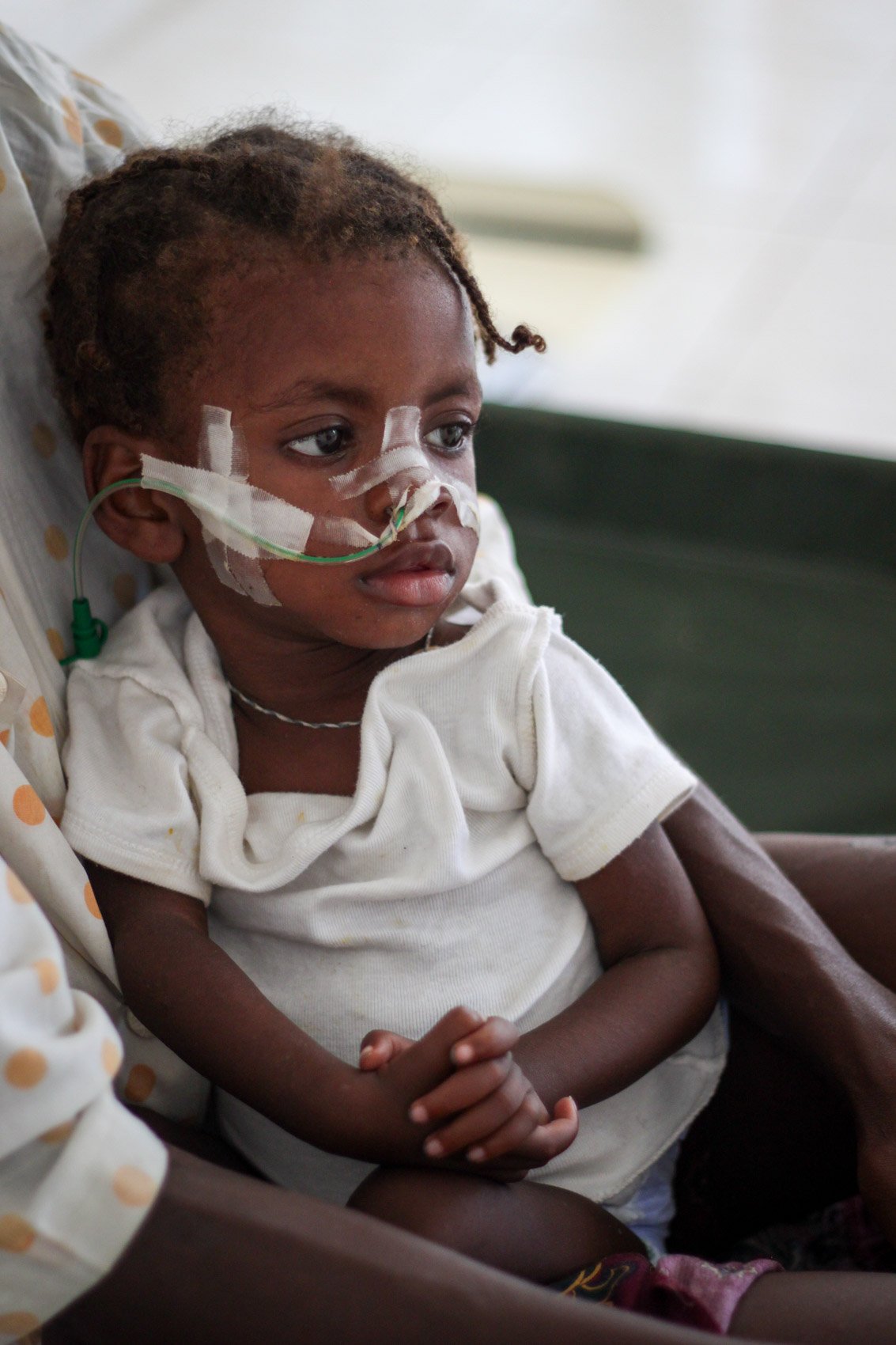
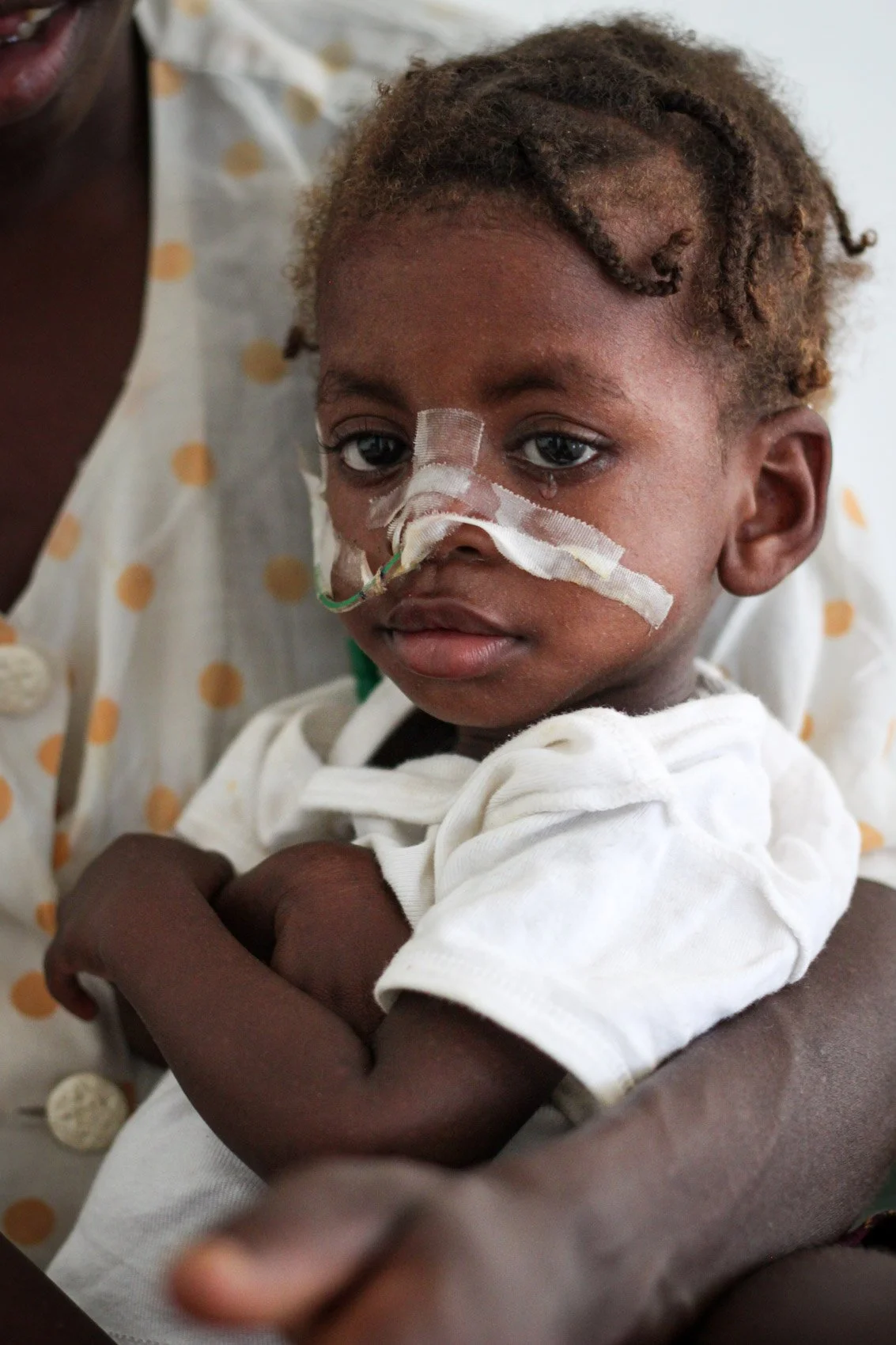
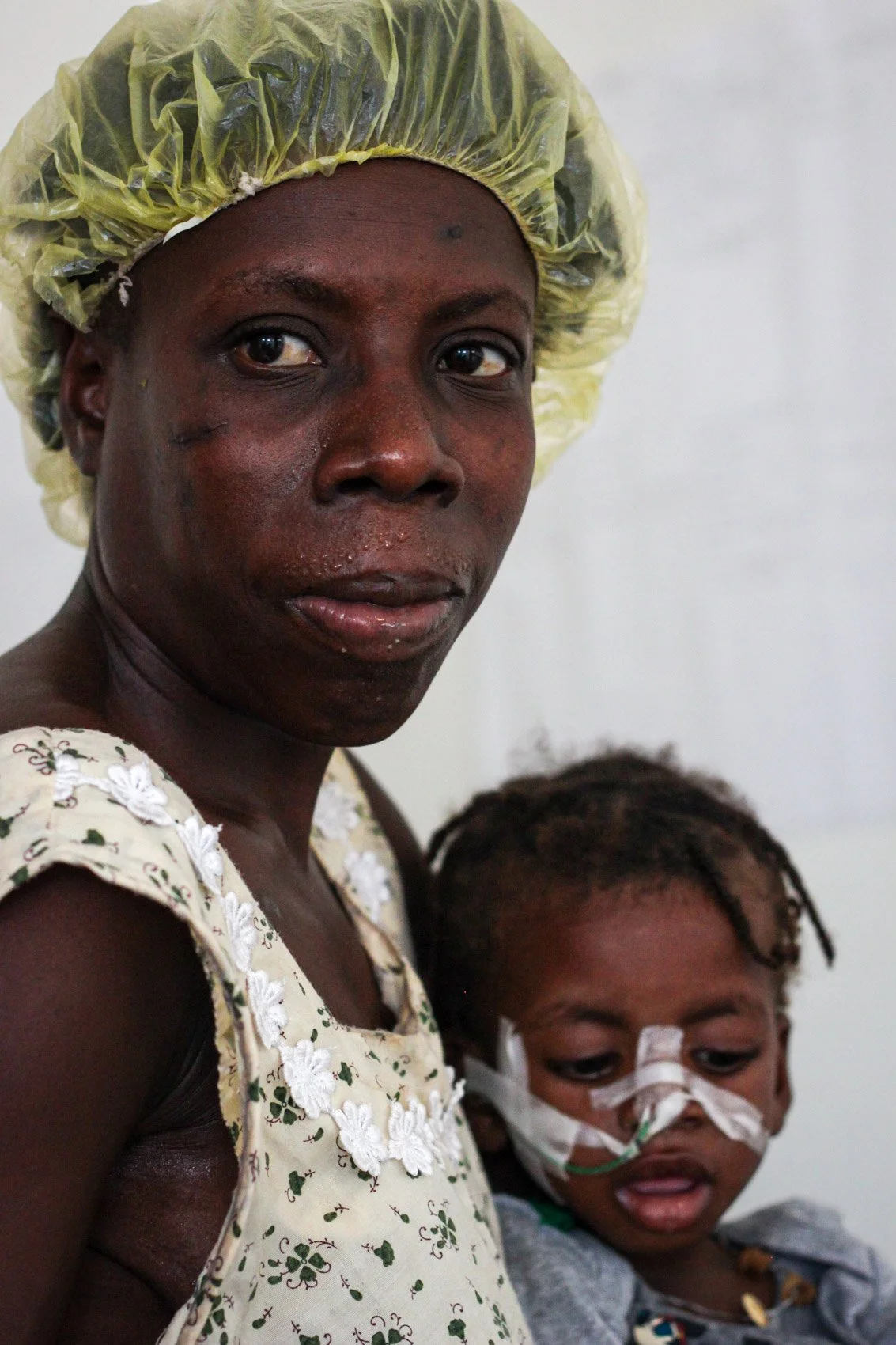
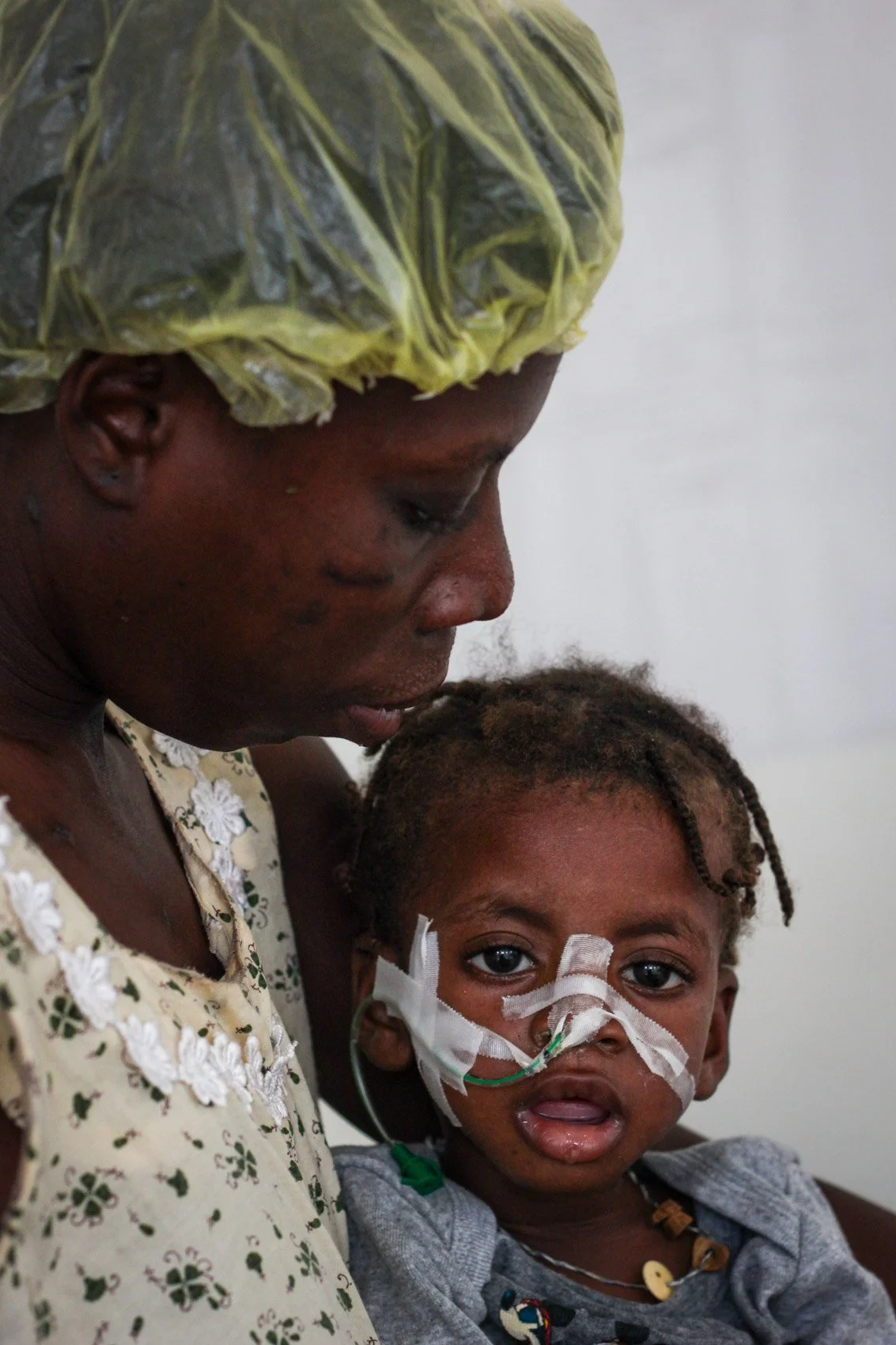
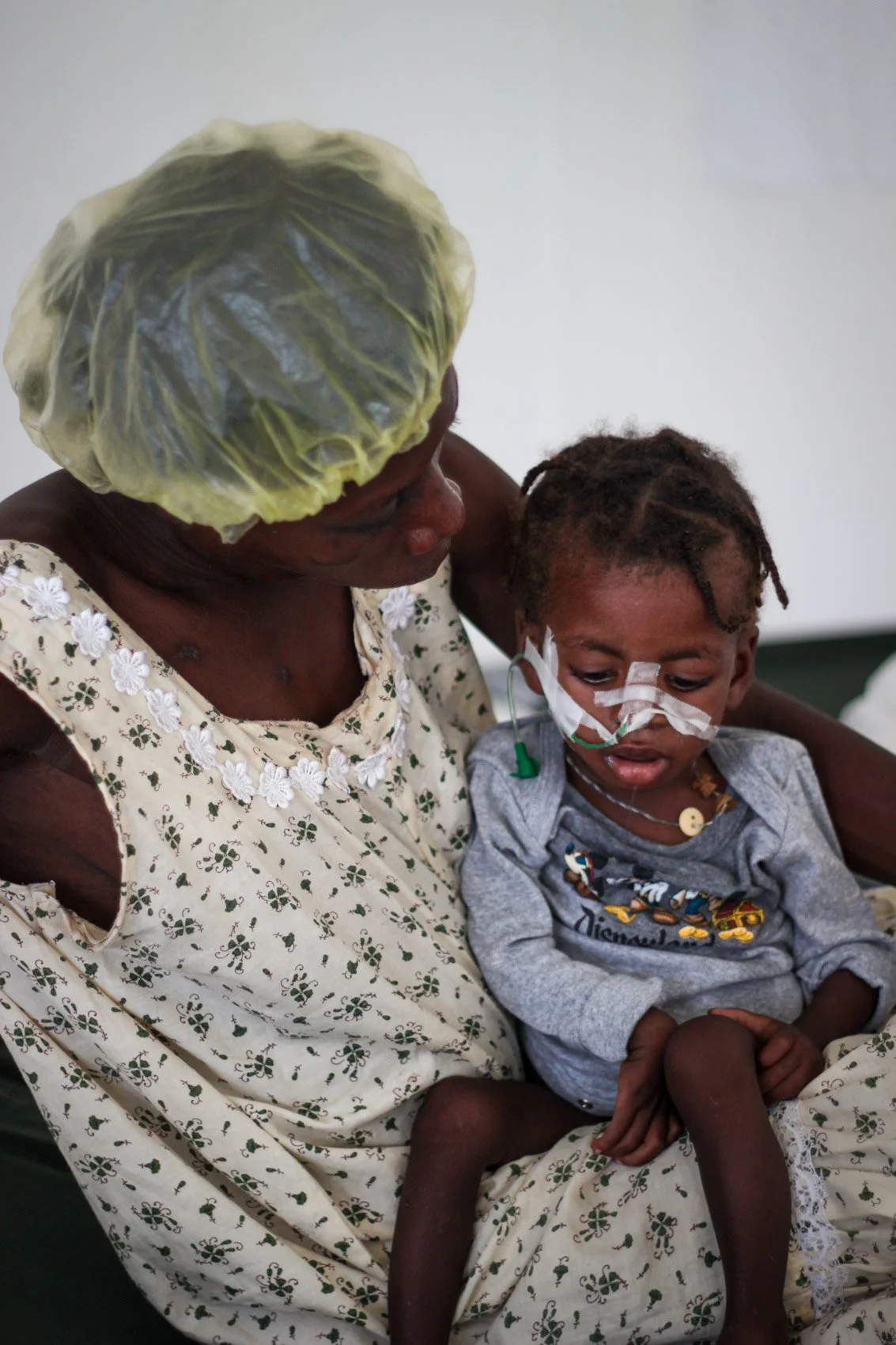
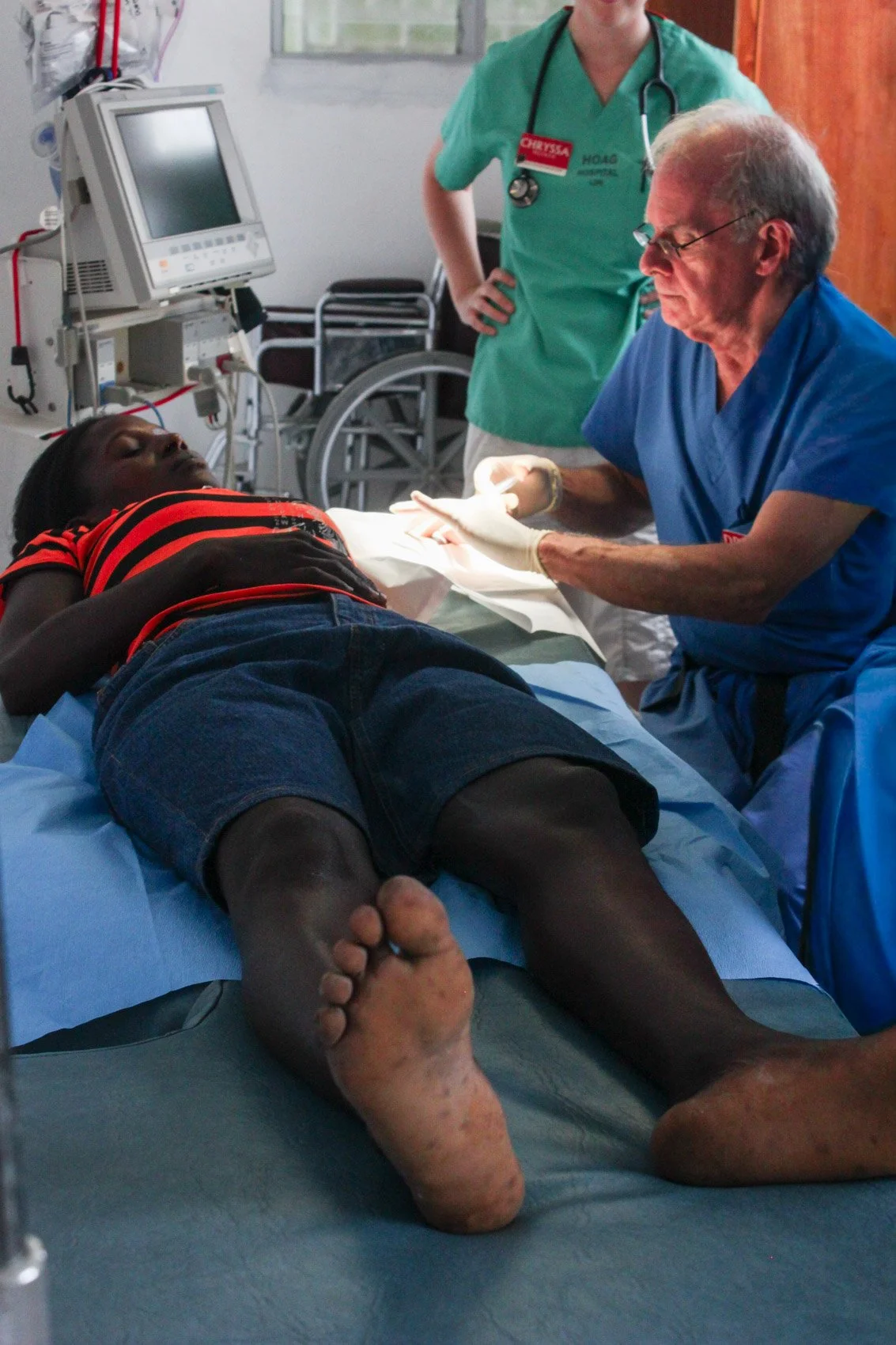
I returned once more the following year, this time to a remote clinic near Mirebalais, an area known for the work of the late, great Paul Farmer and his colleagues. Still very early in my nursing career, I found myself stretched in ways I never anticipated. I witnessed my first stillbirth—an image I will carry with me forever. I assisted with surgeries, worked alongside remarkable Haitian clinicians, and watched a child who was only moments from death make a full recovery after receiving treatment for severe malnutrition and parasitic disease. We each took turns through the night, carefully administering a specialized feeding formula until he slowly began to open his eyes, interact with his mother, and eventually walk again. It was one of the most dramatic recoveries I have ever witnessed.
That child survived because someone cared enough to bring him to the clinic. Had they not, he almost certainly would have died from a very preventable illness. Years later, I learned that his mother had continued bringing him back for follow-up visits and that additional support had been found for their family. Moments like these have stayed with me. They have shaped not only my understanding of Haiti, but also my understanding of the power of community—and how very simple medical interventions can reverse illnesses that still take the lives of far too many people around the world, particularly children.
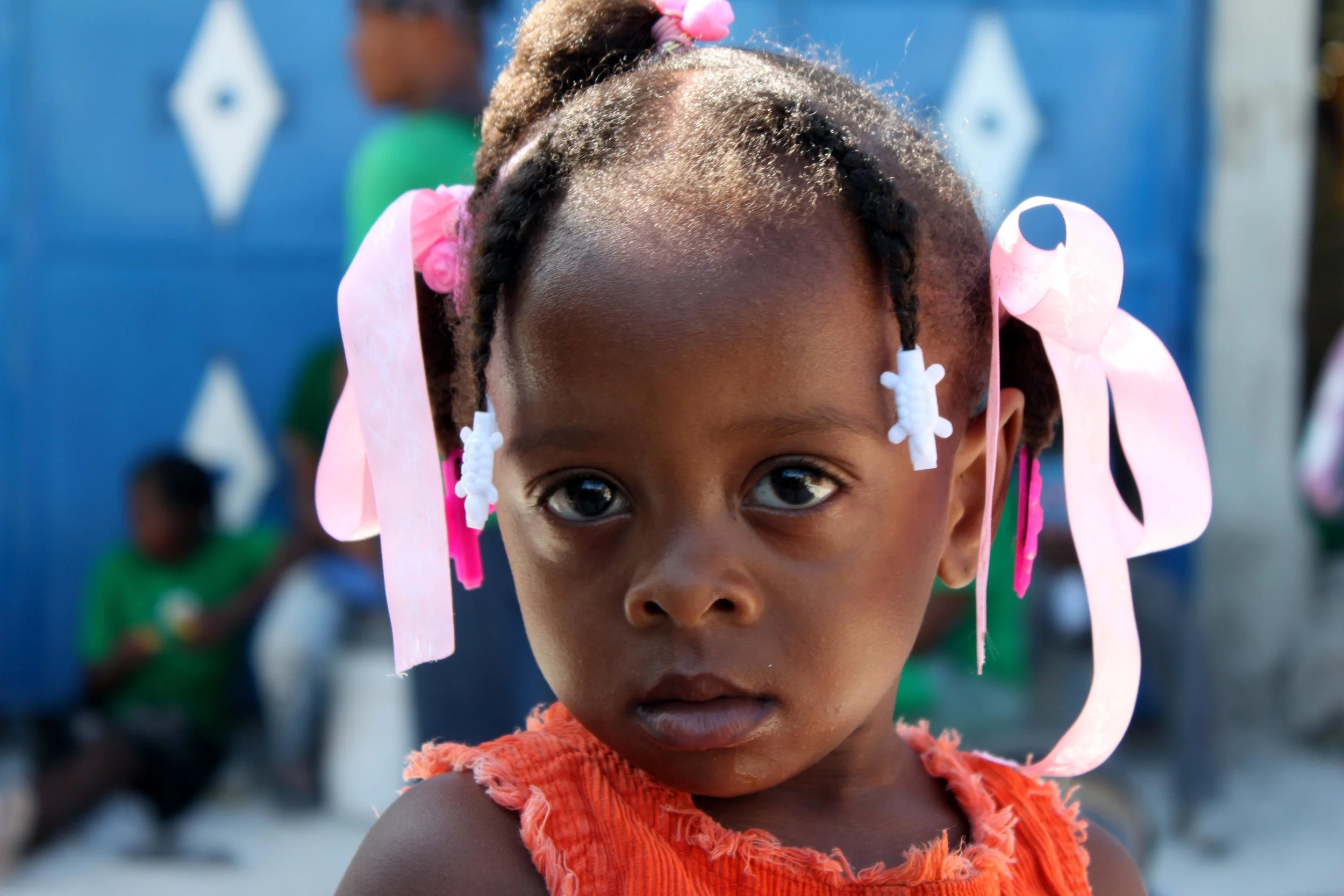
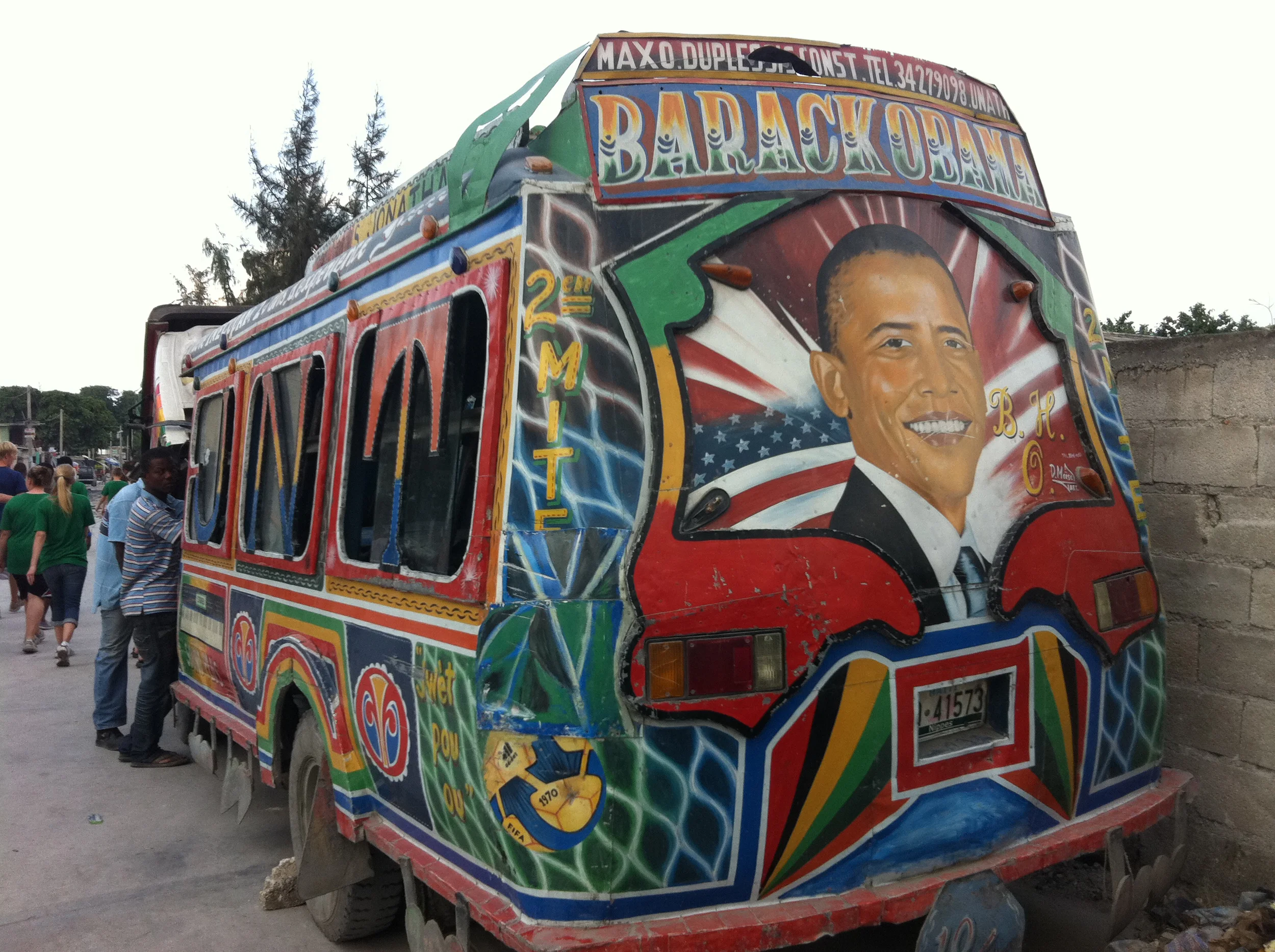
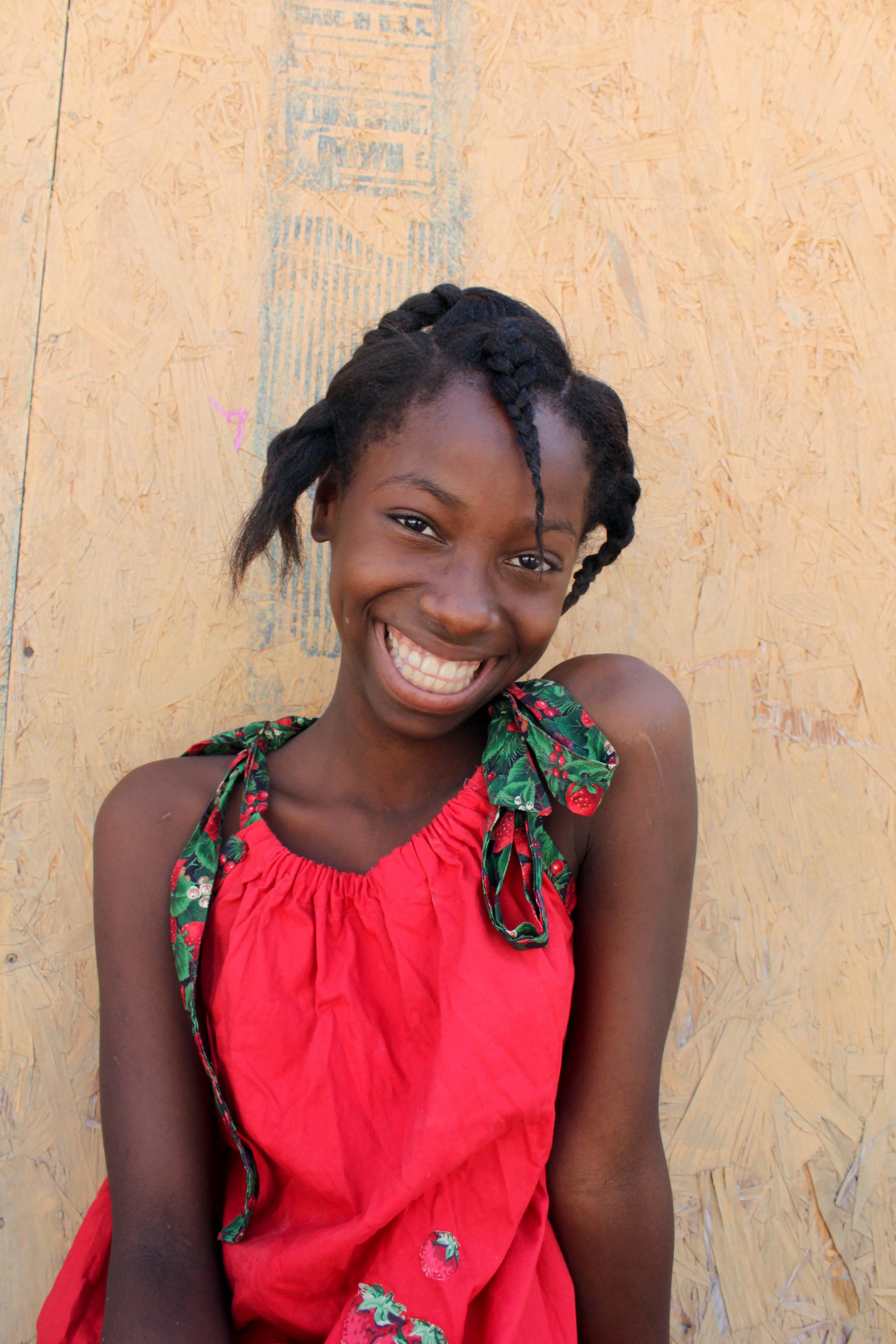
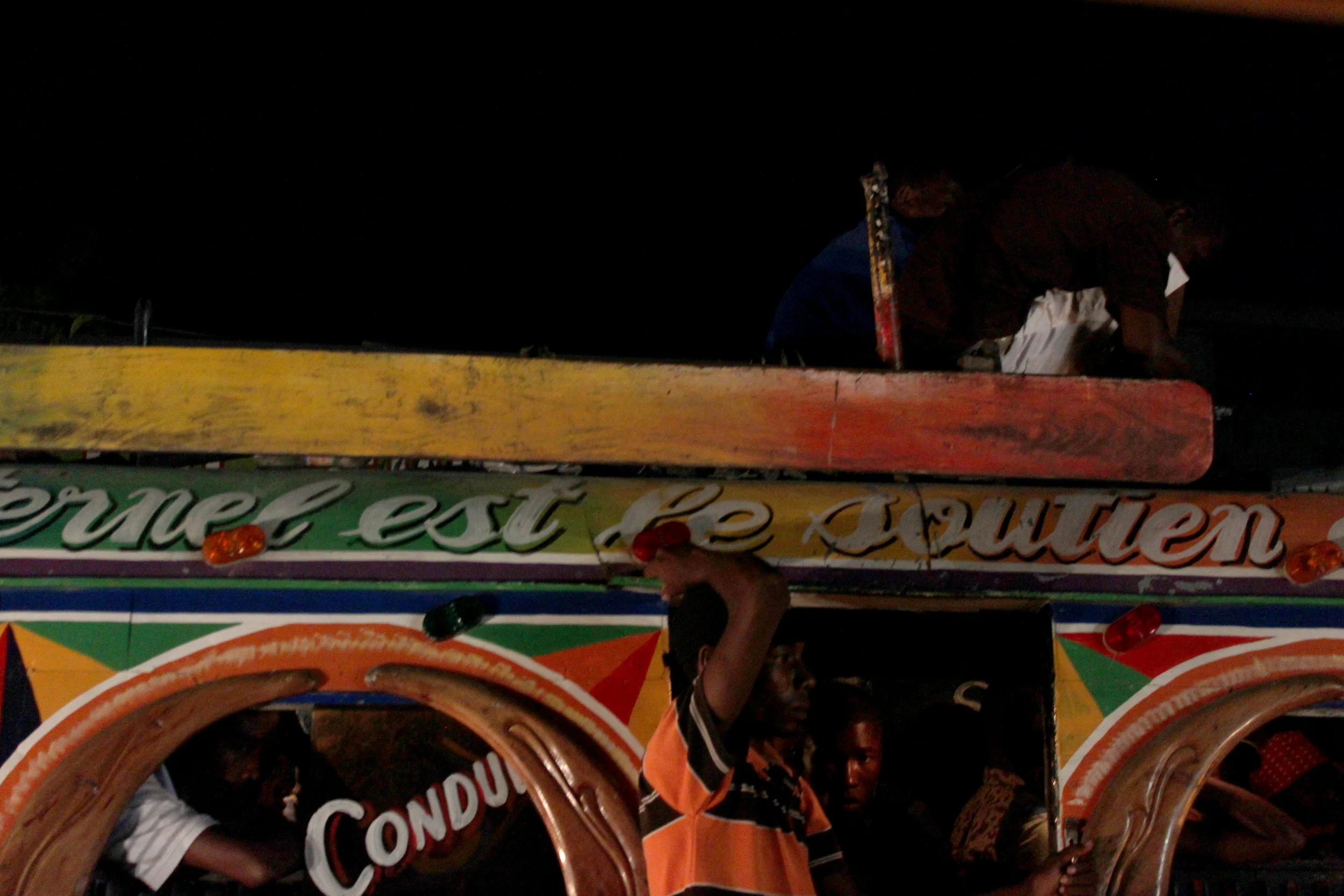
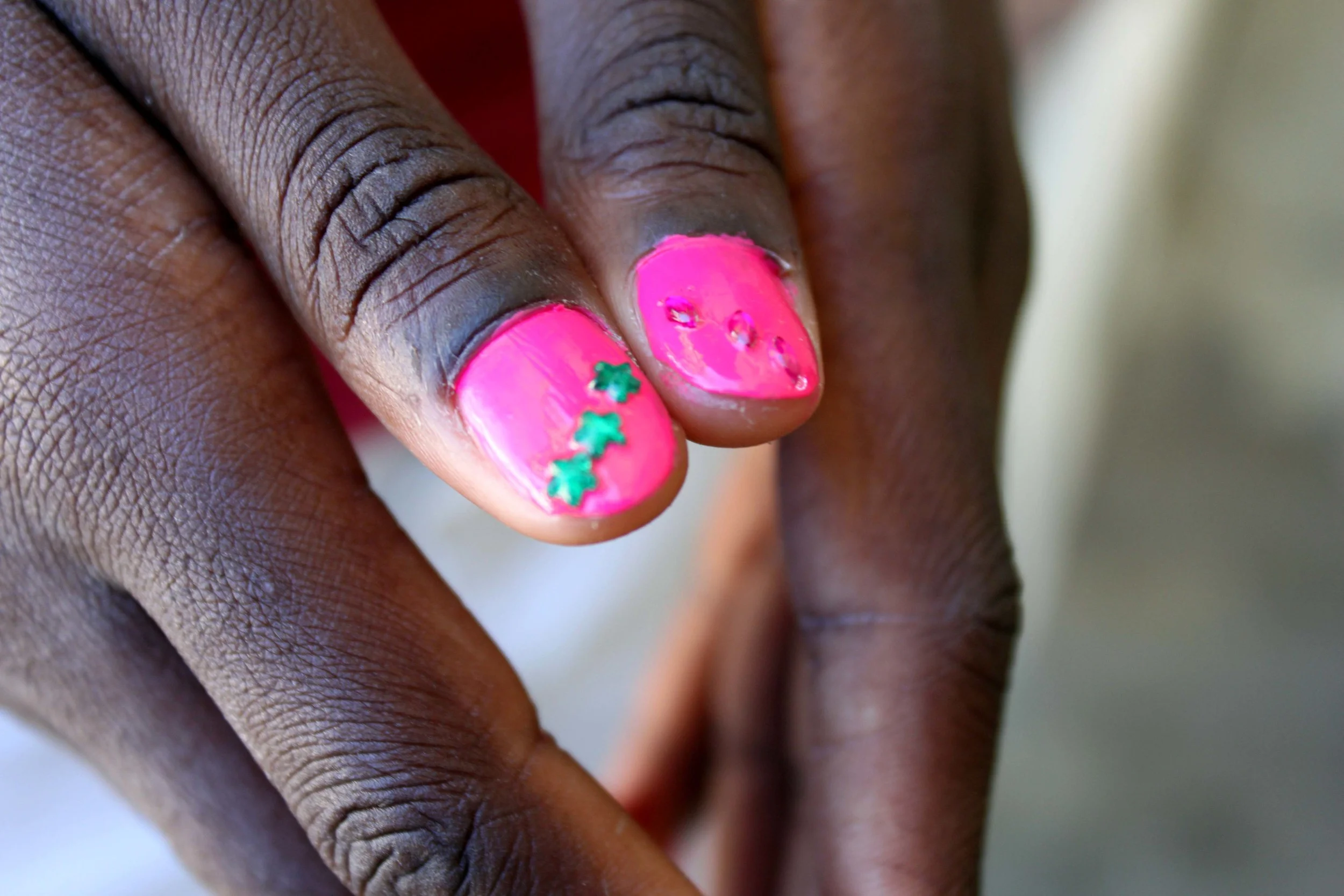
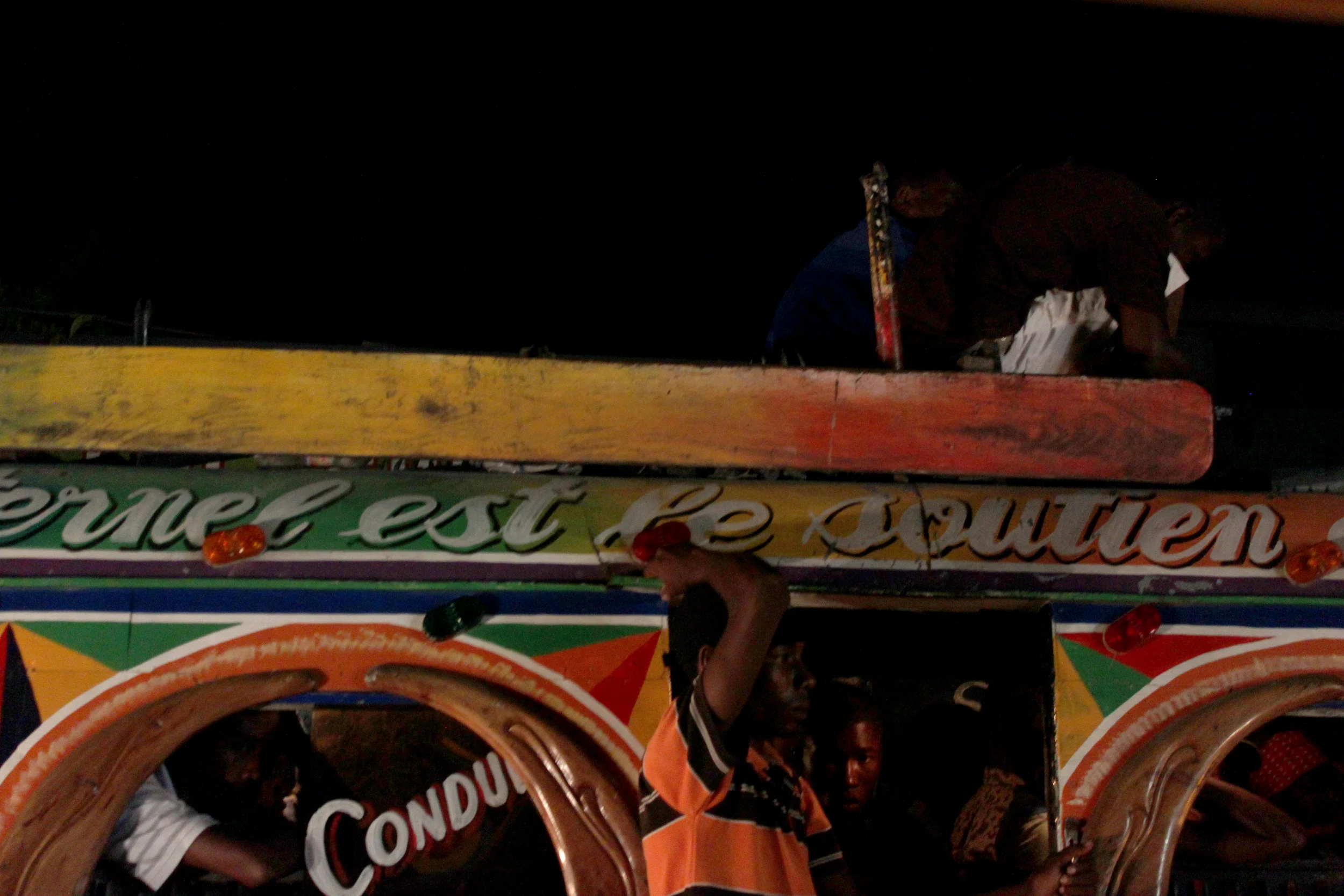
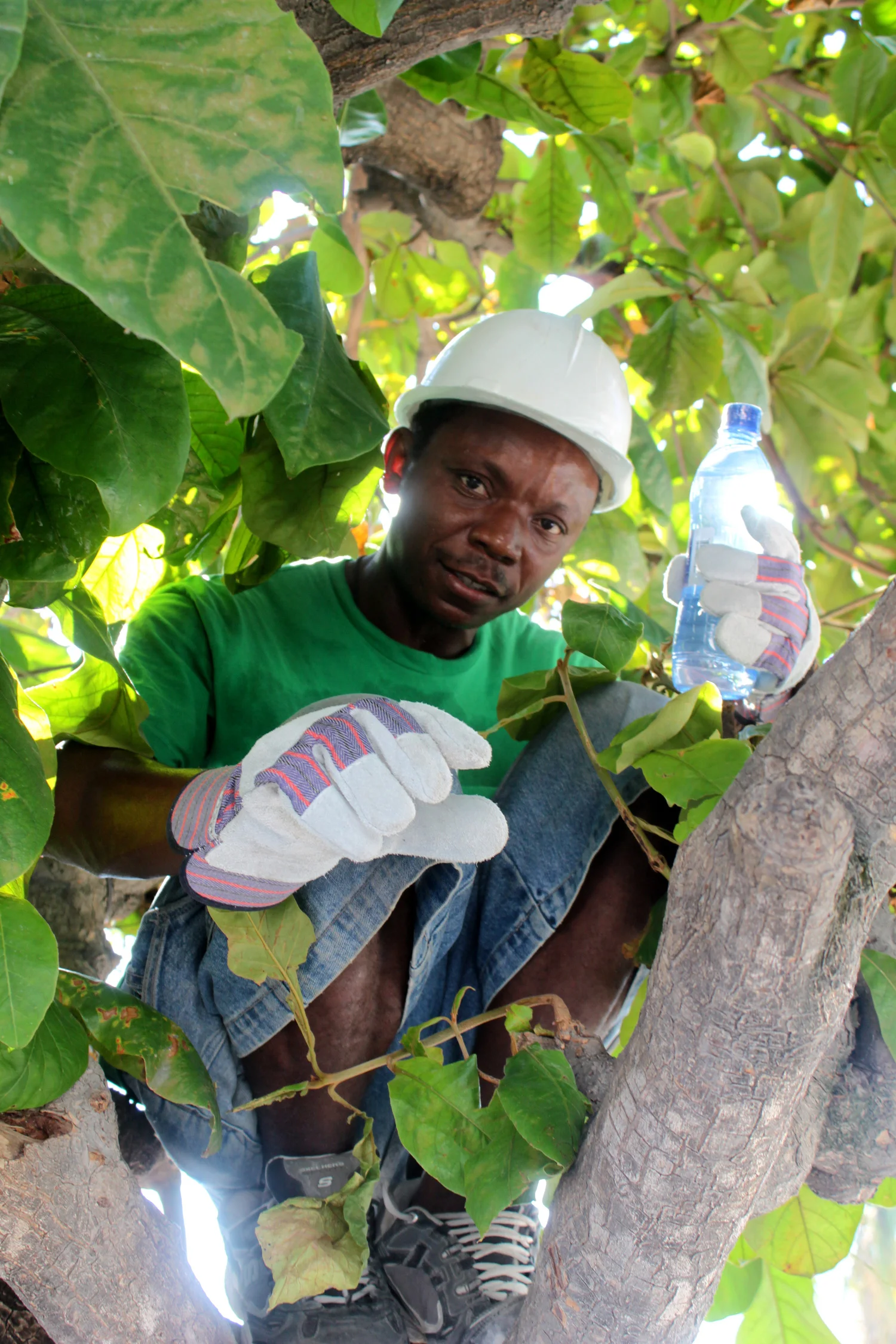
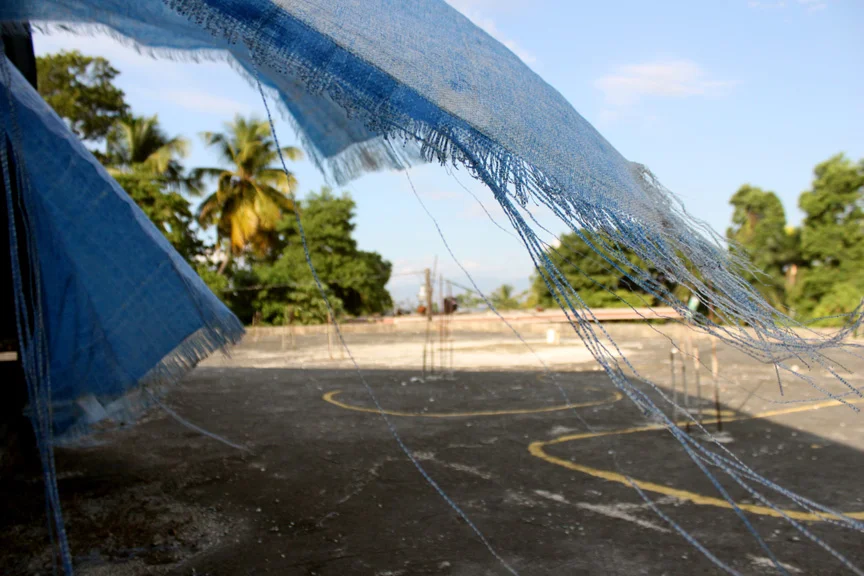
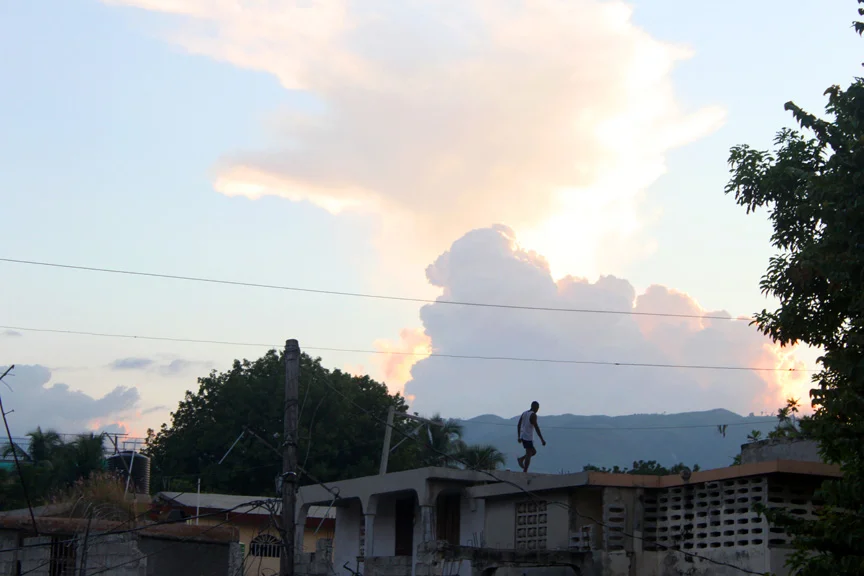
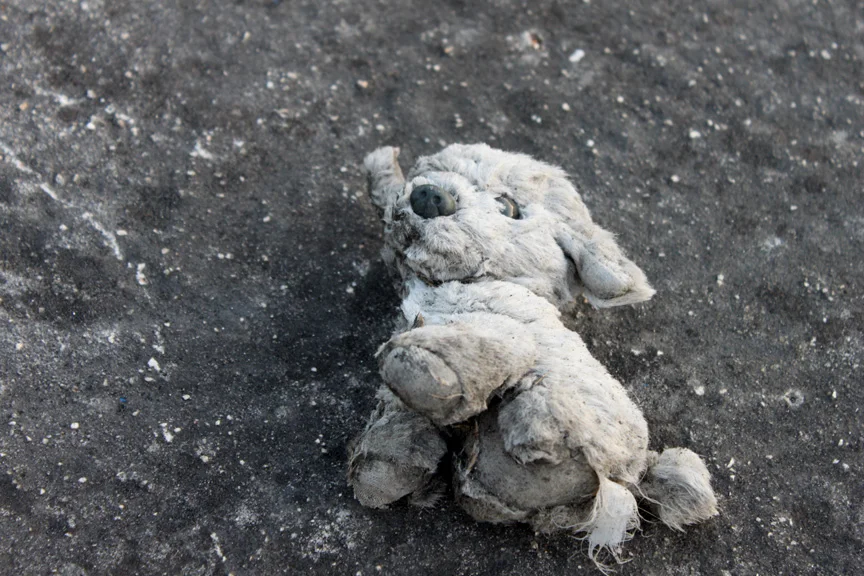
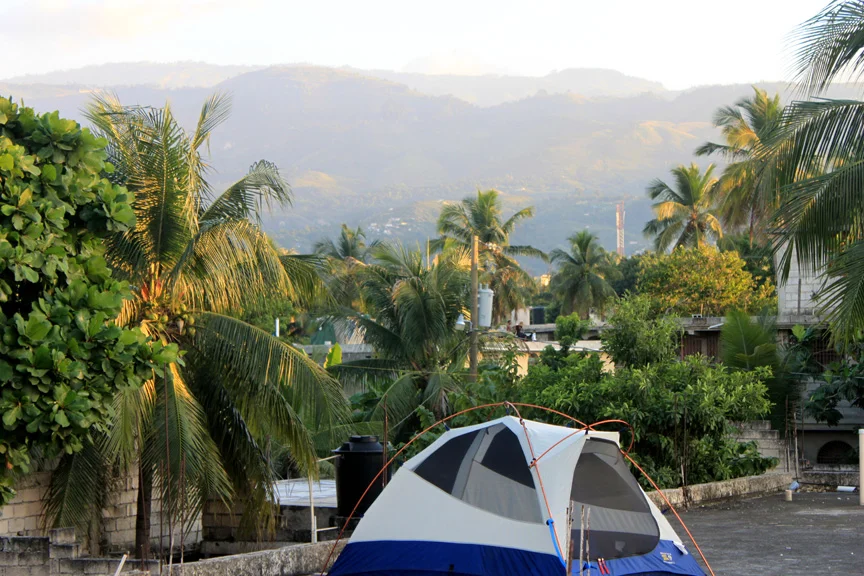
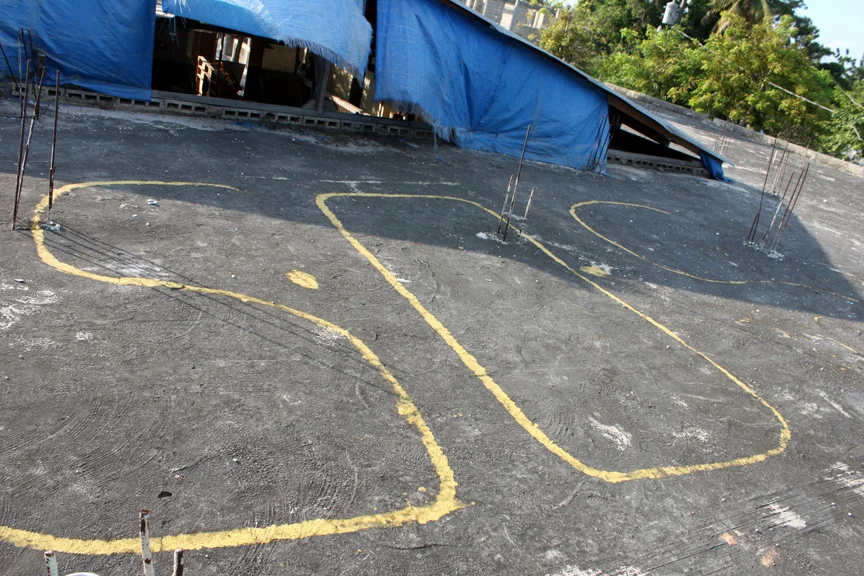
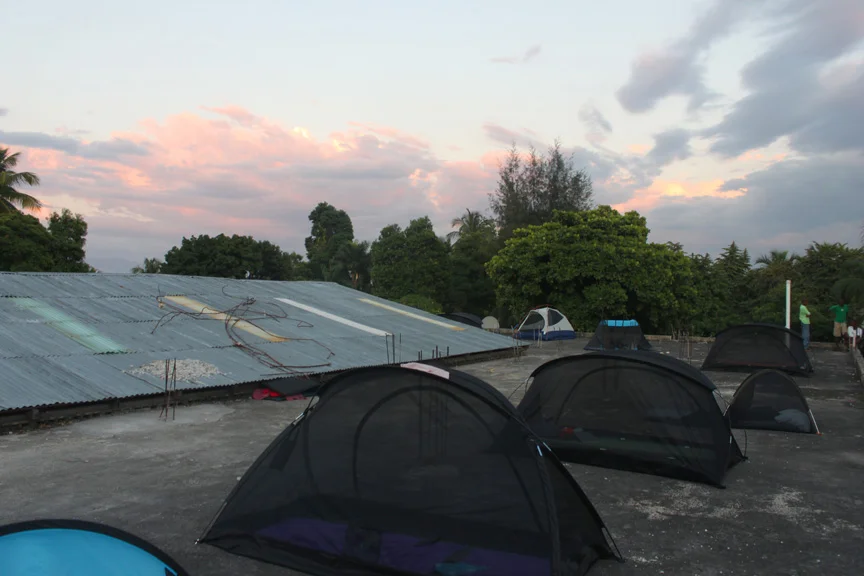
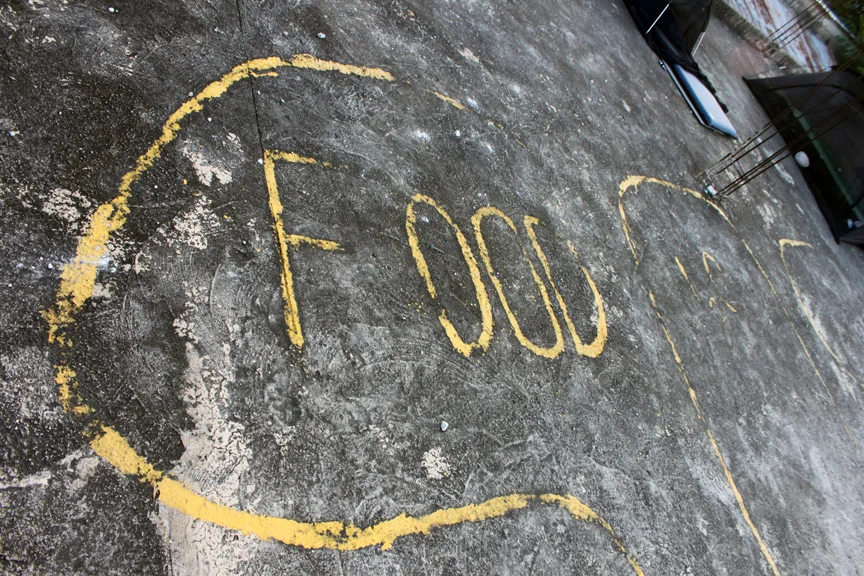
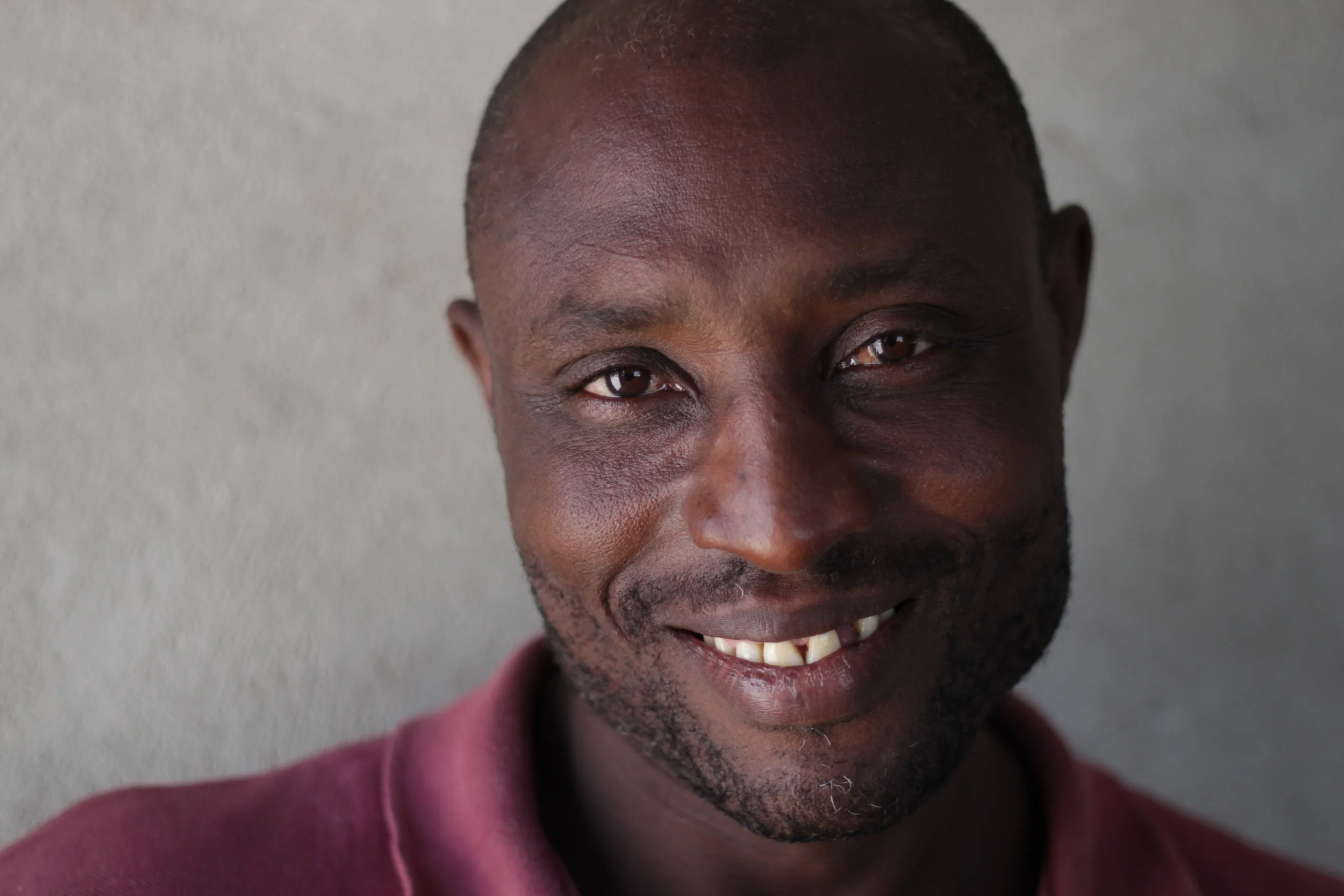
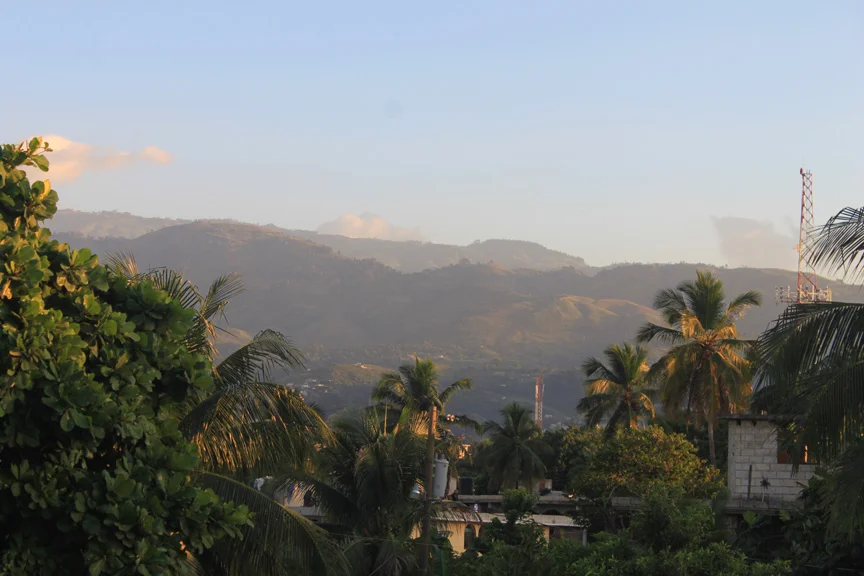
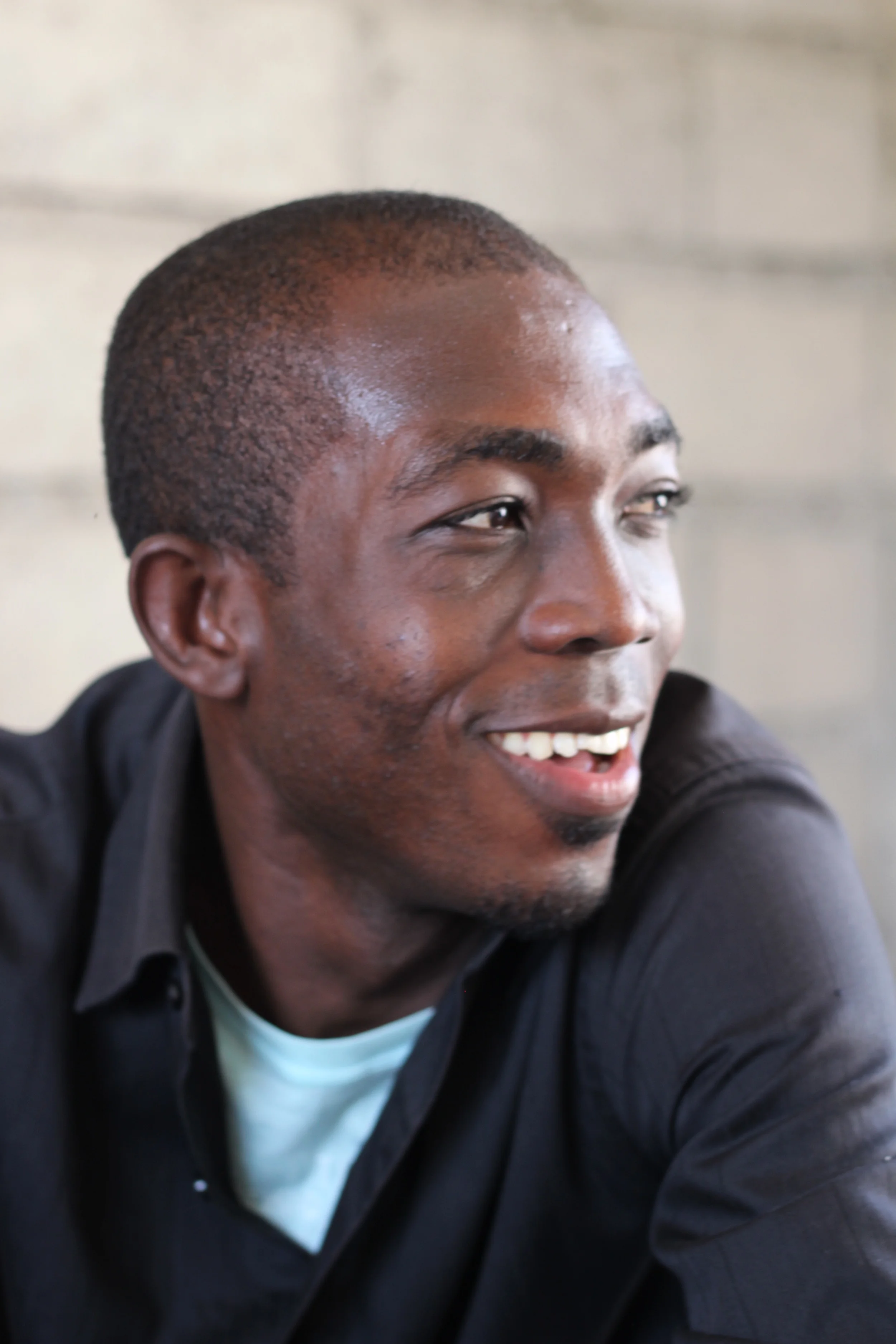
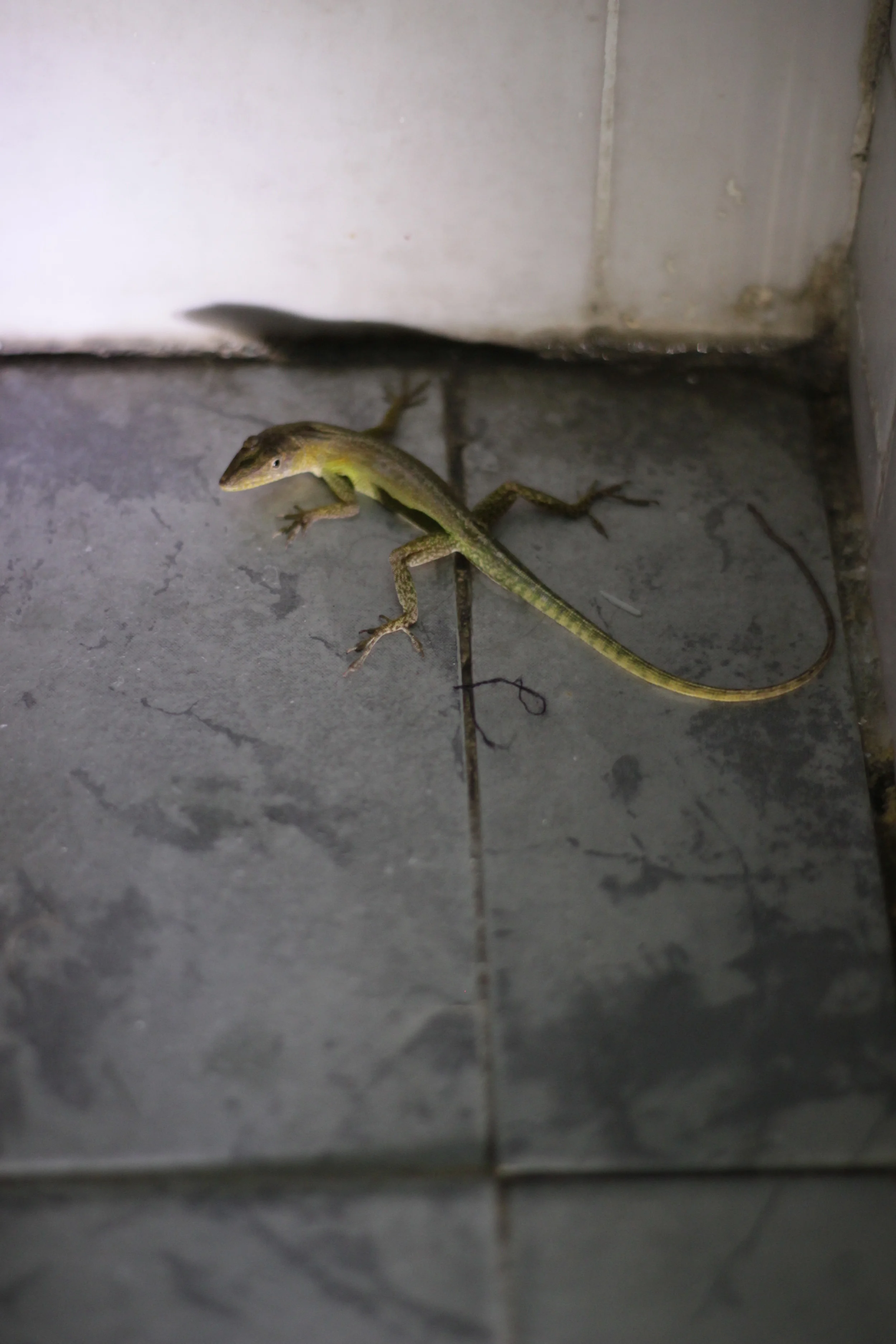
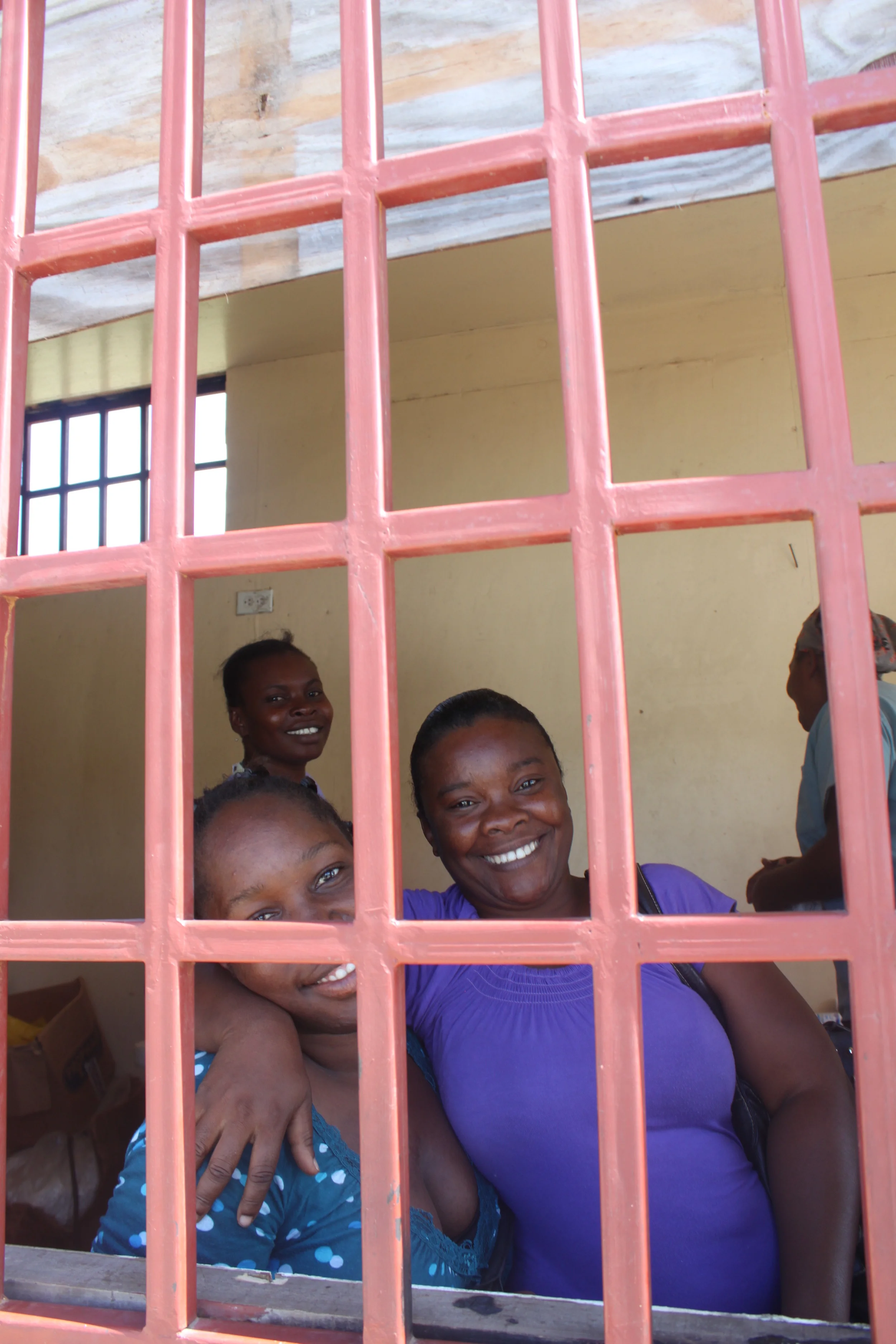
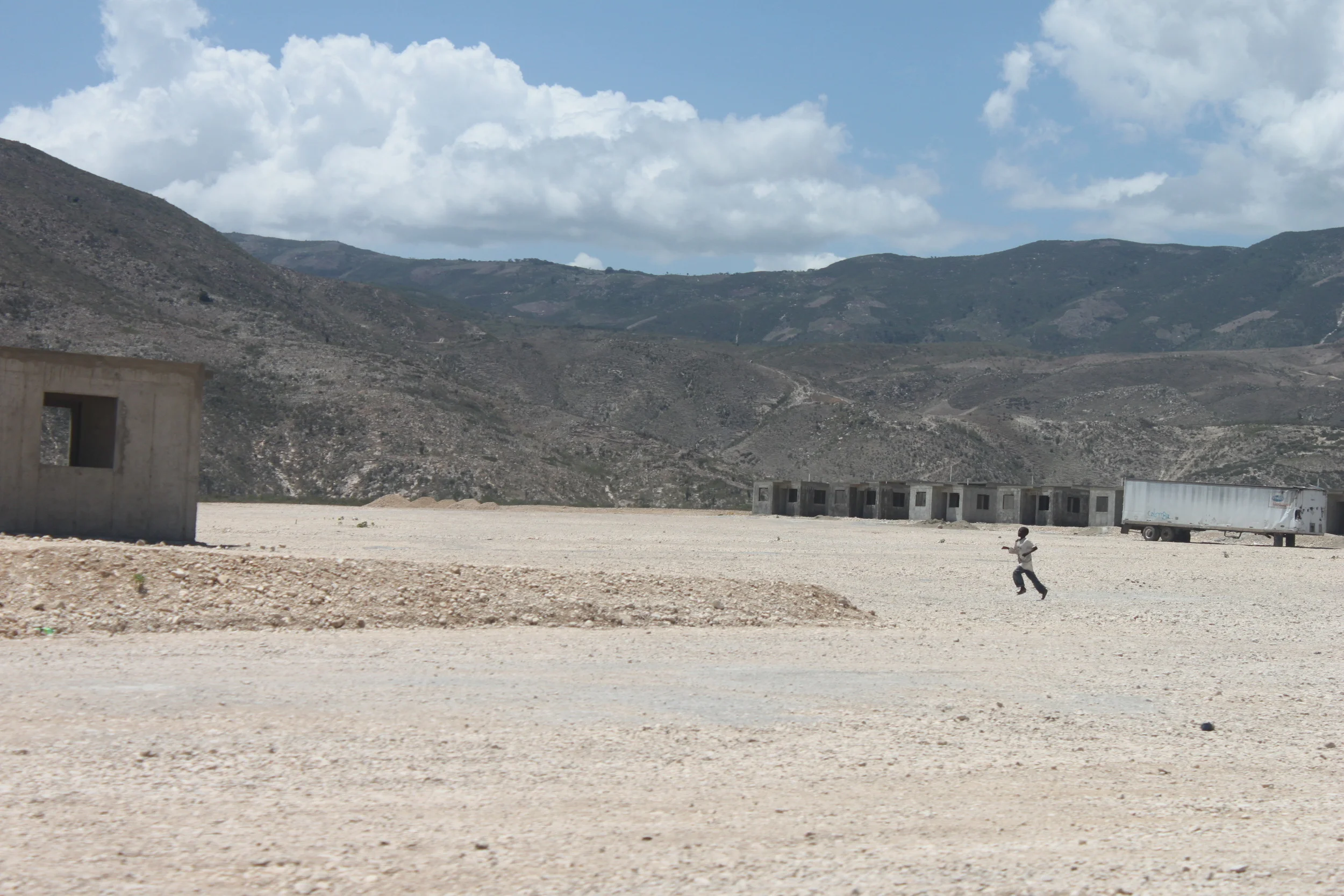
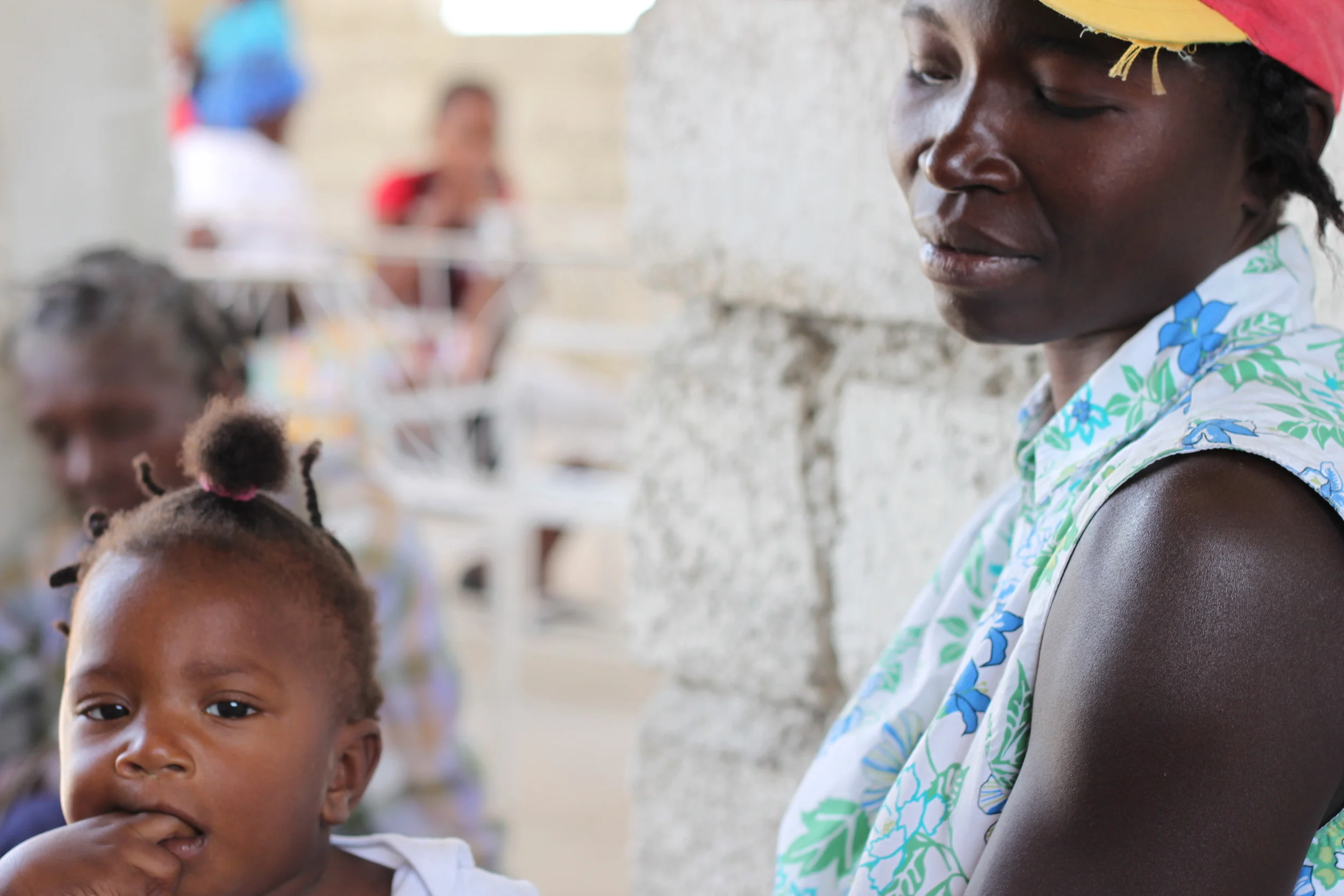
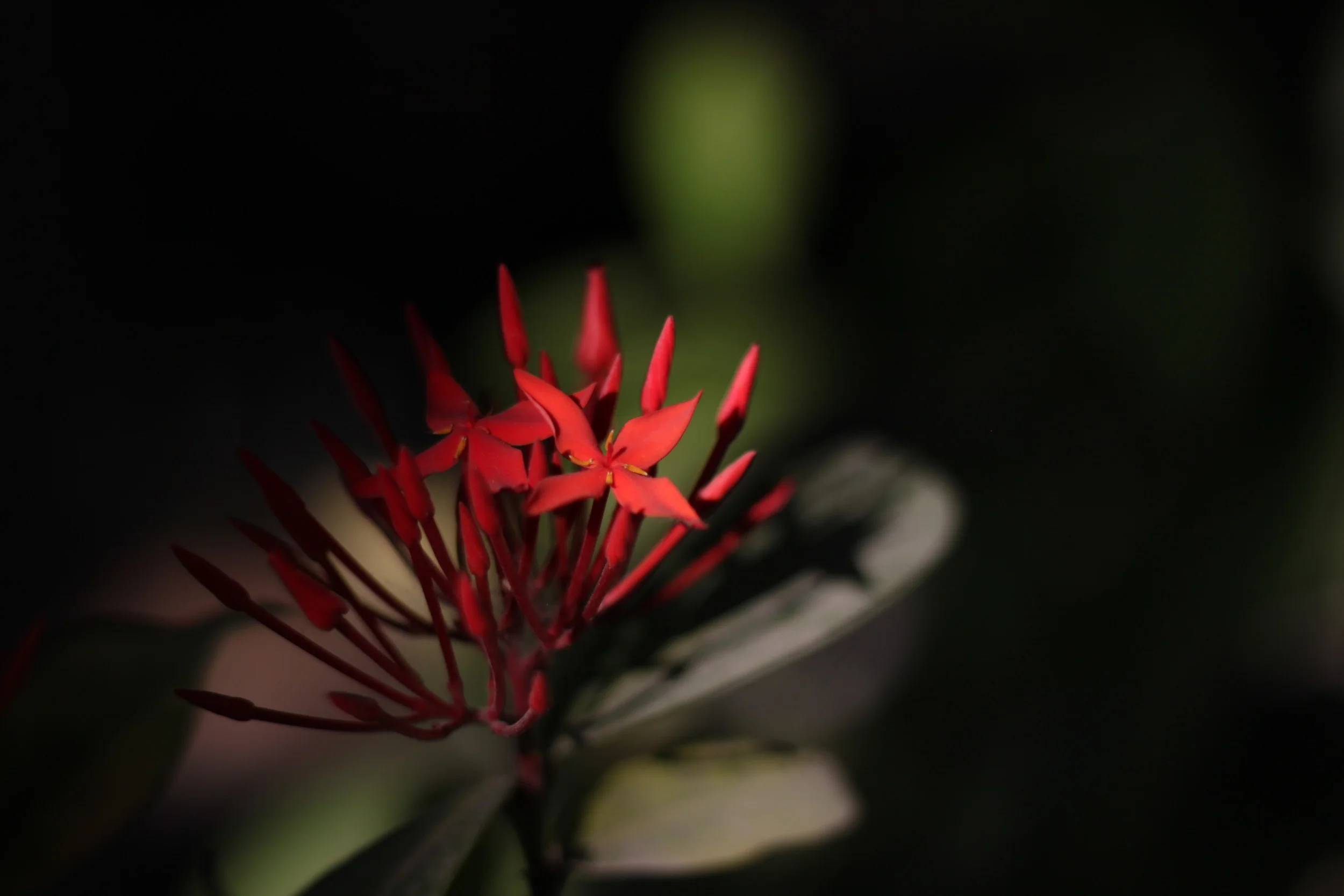
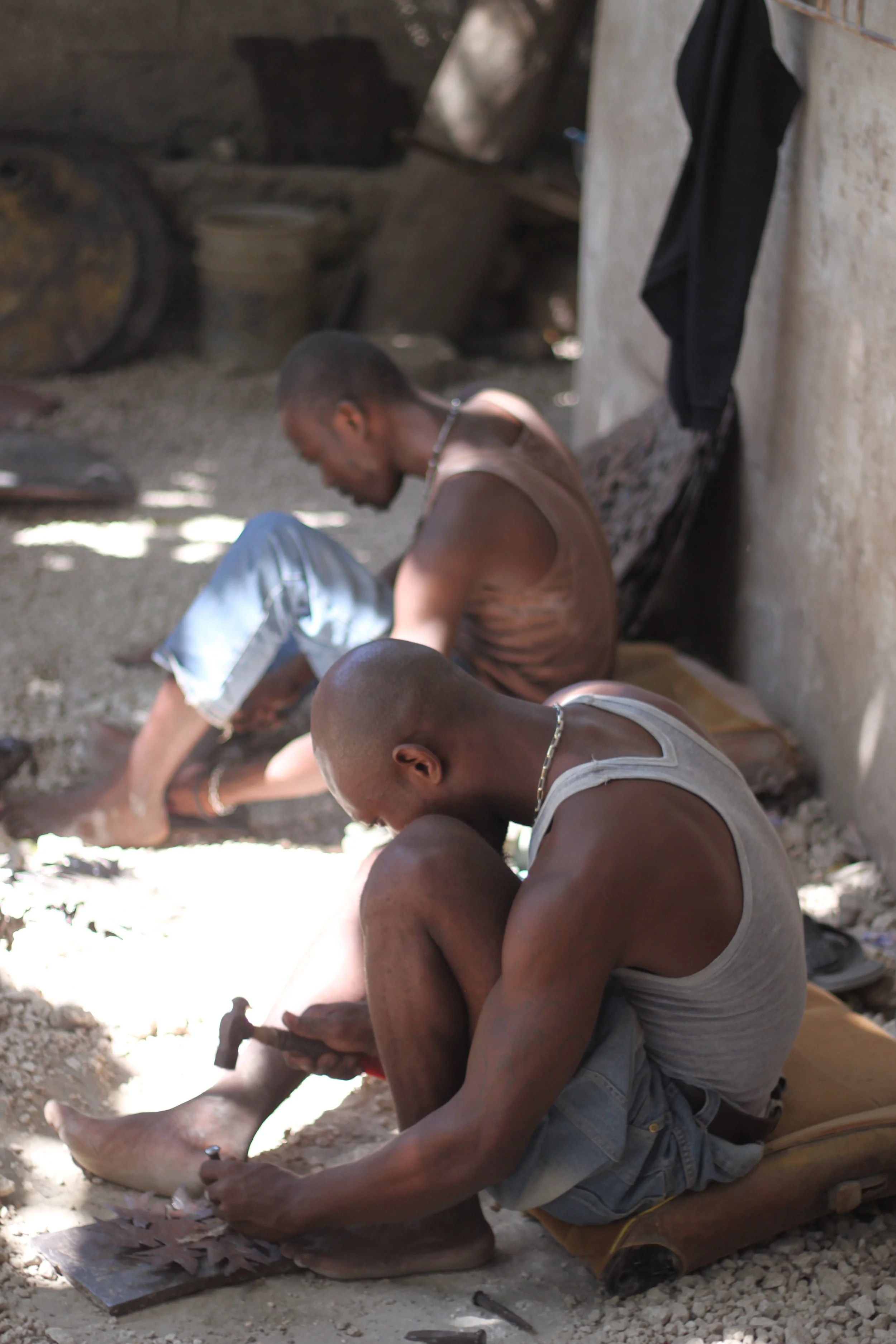
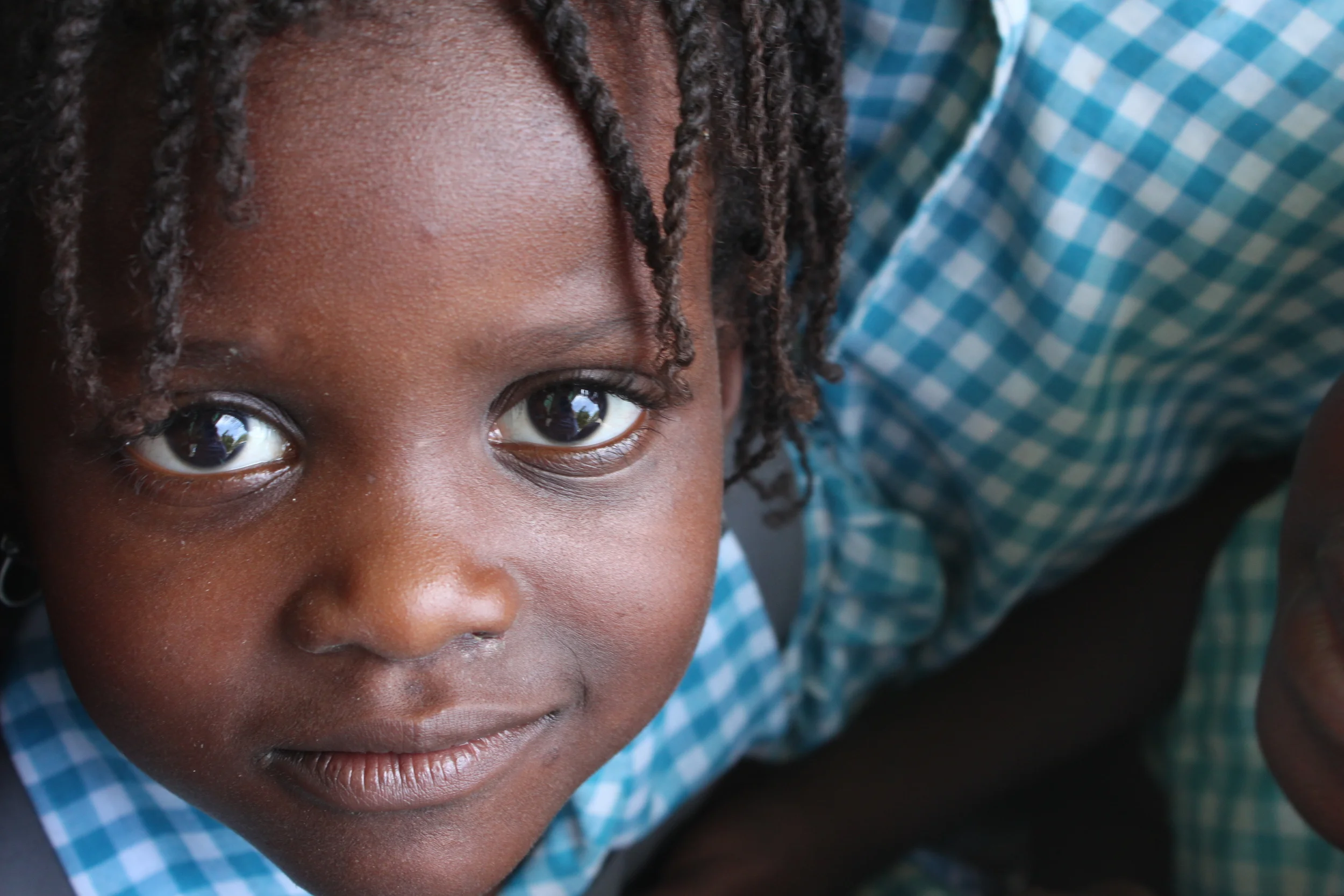
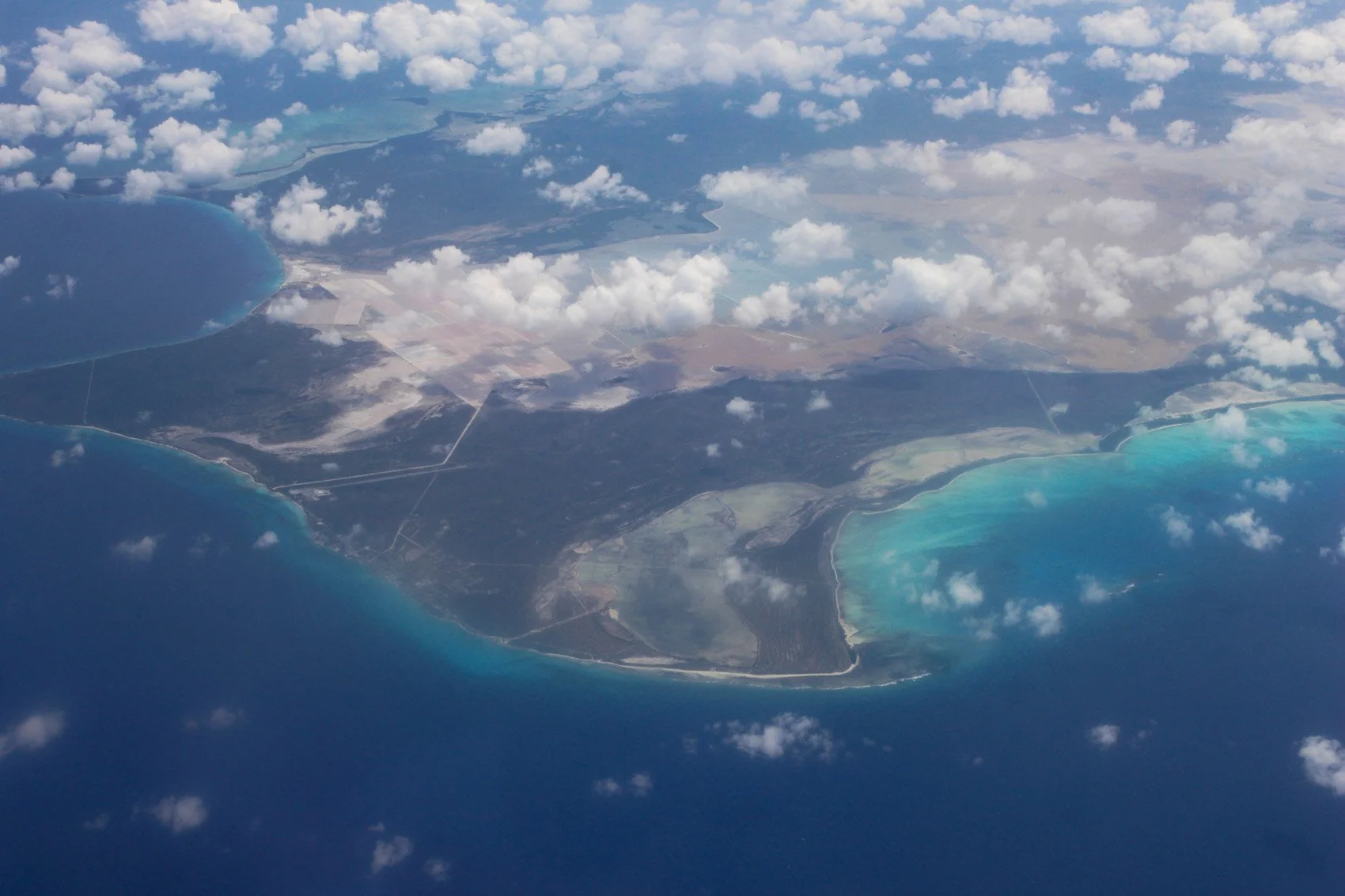
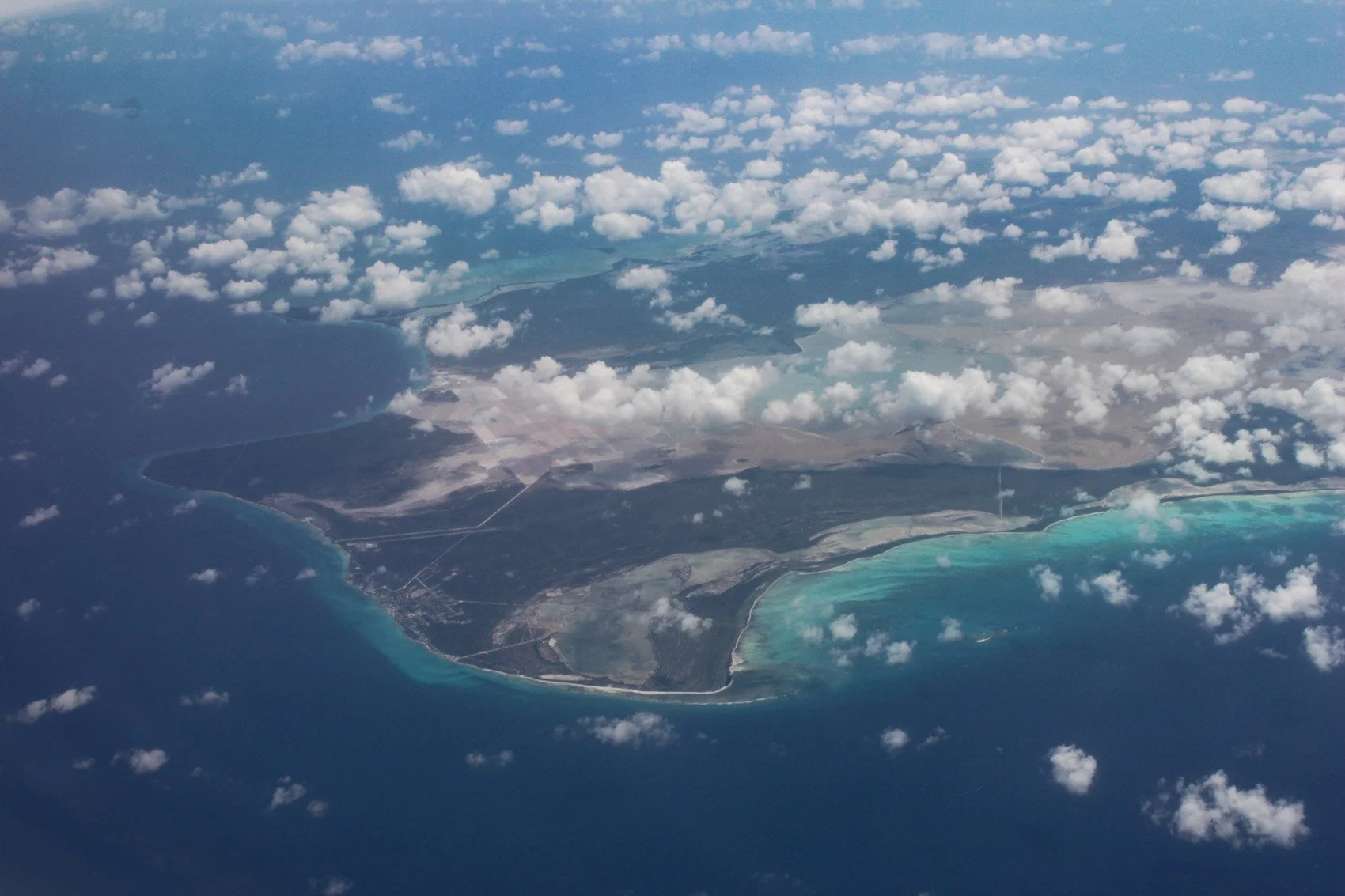
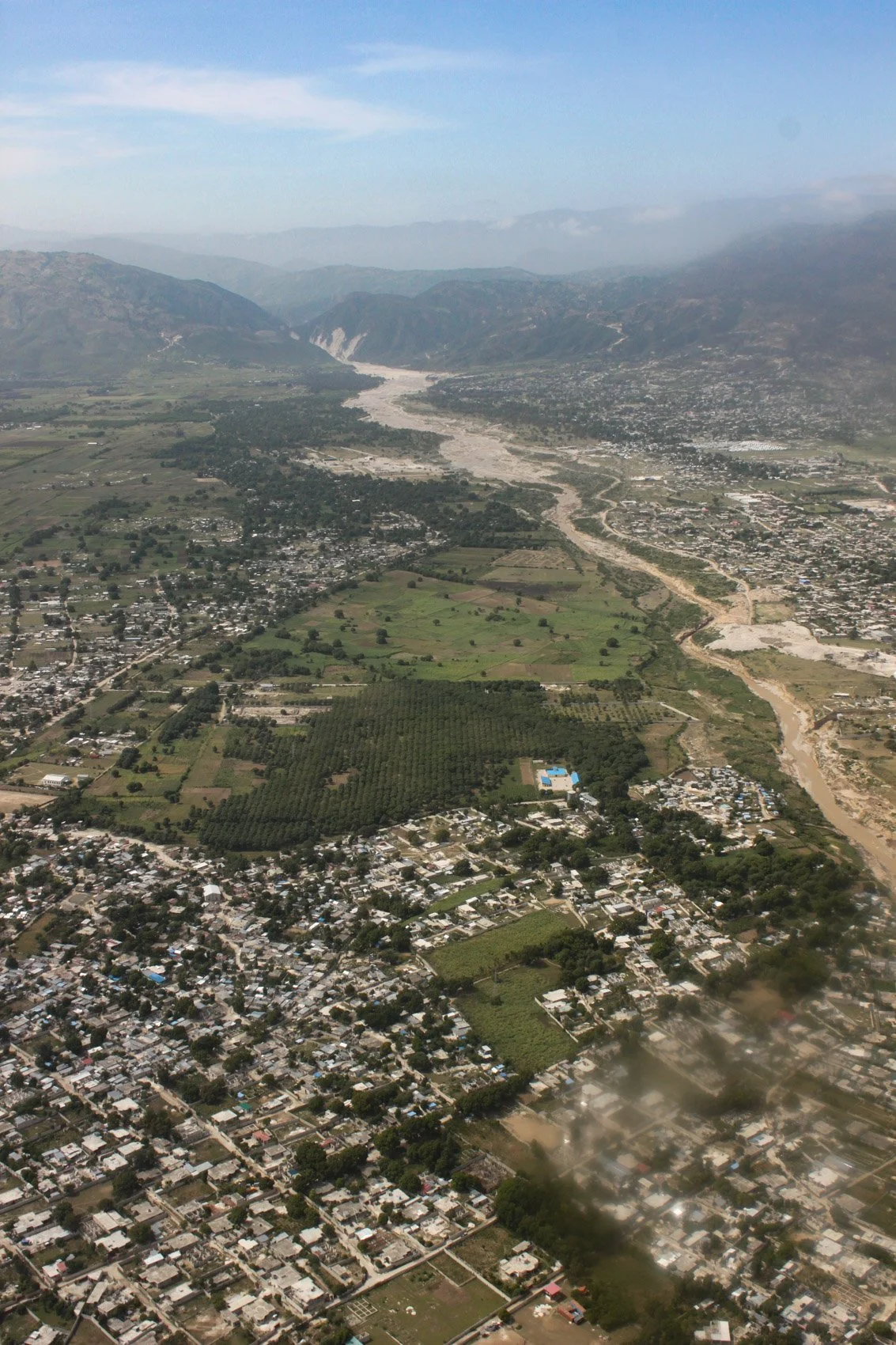
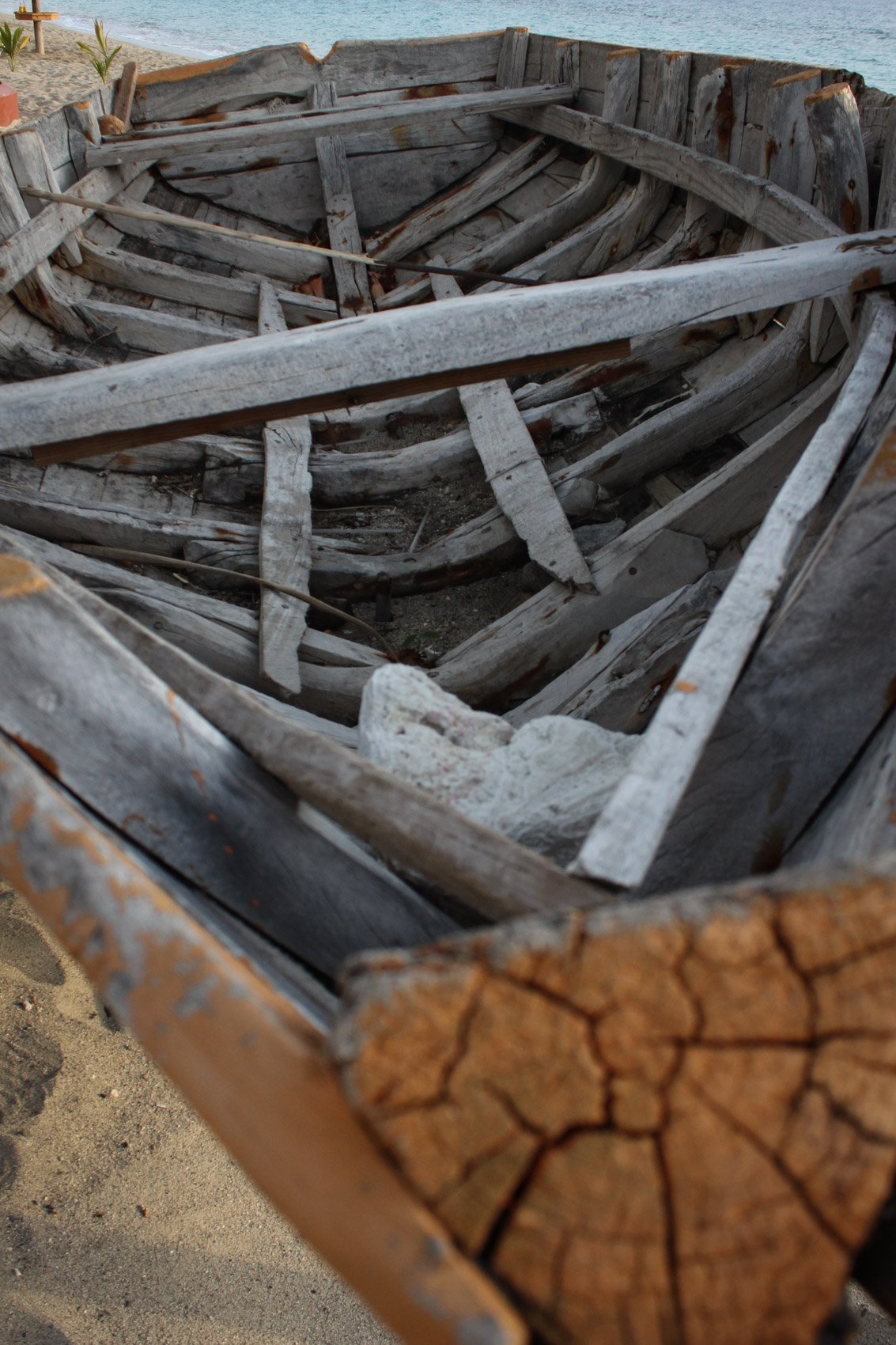
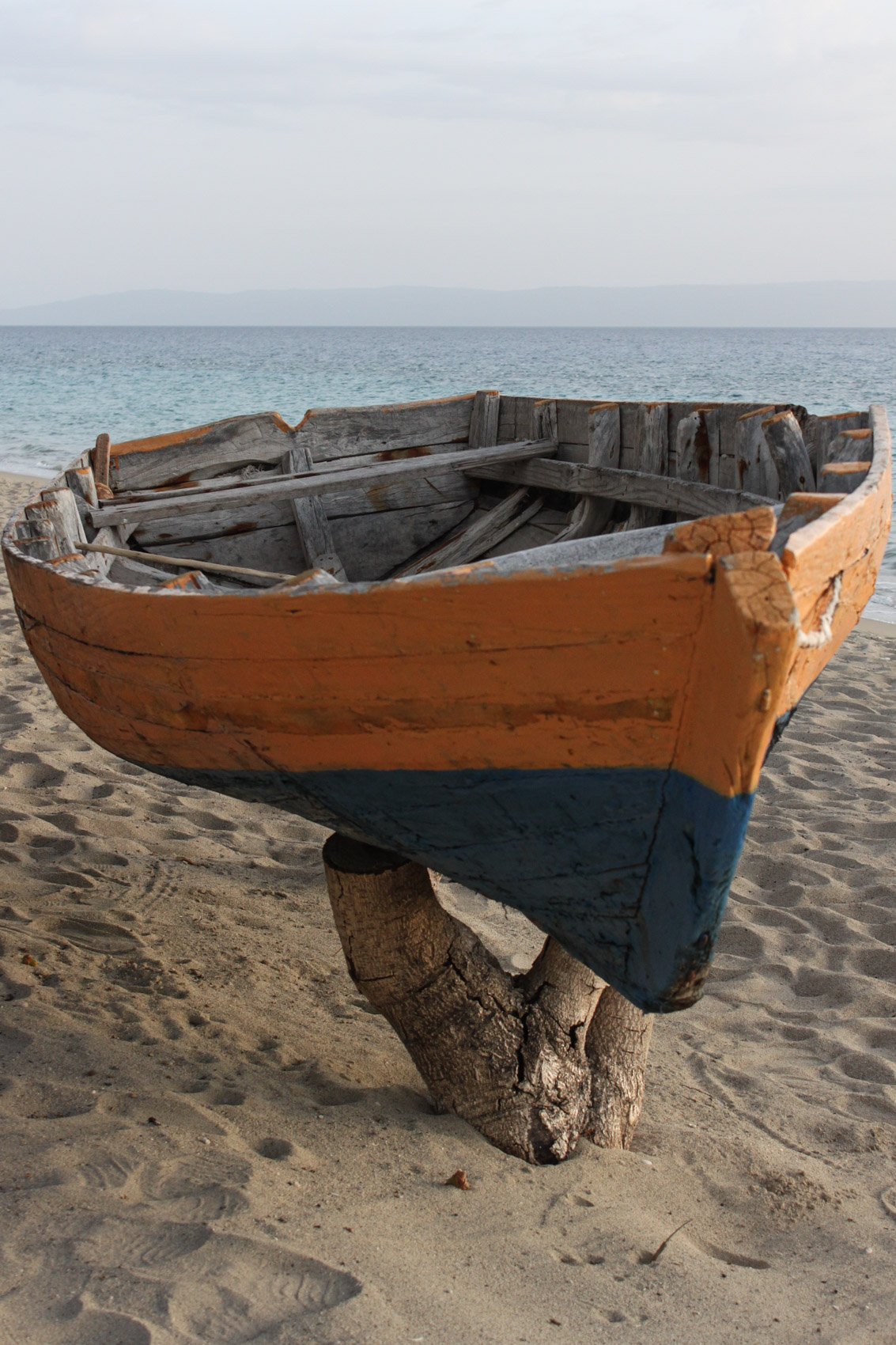
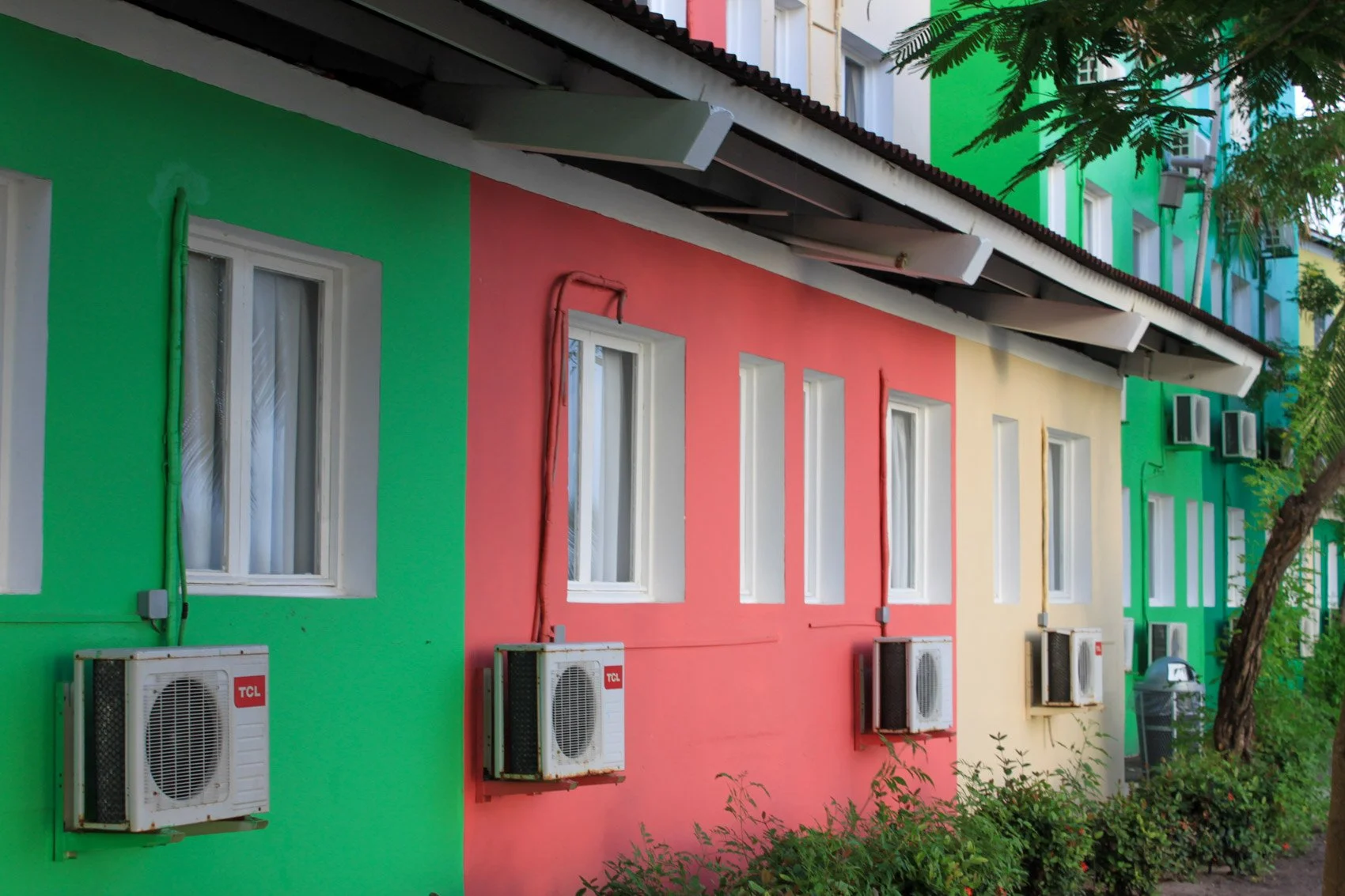
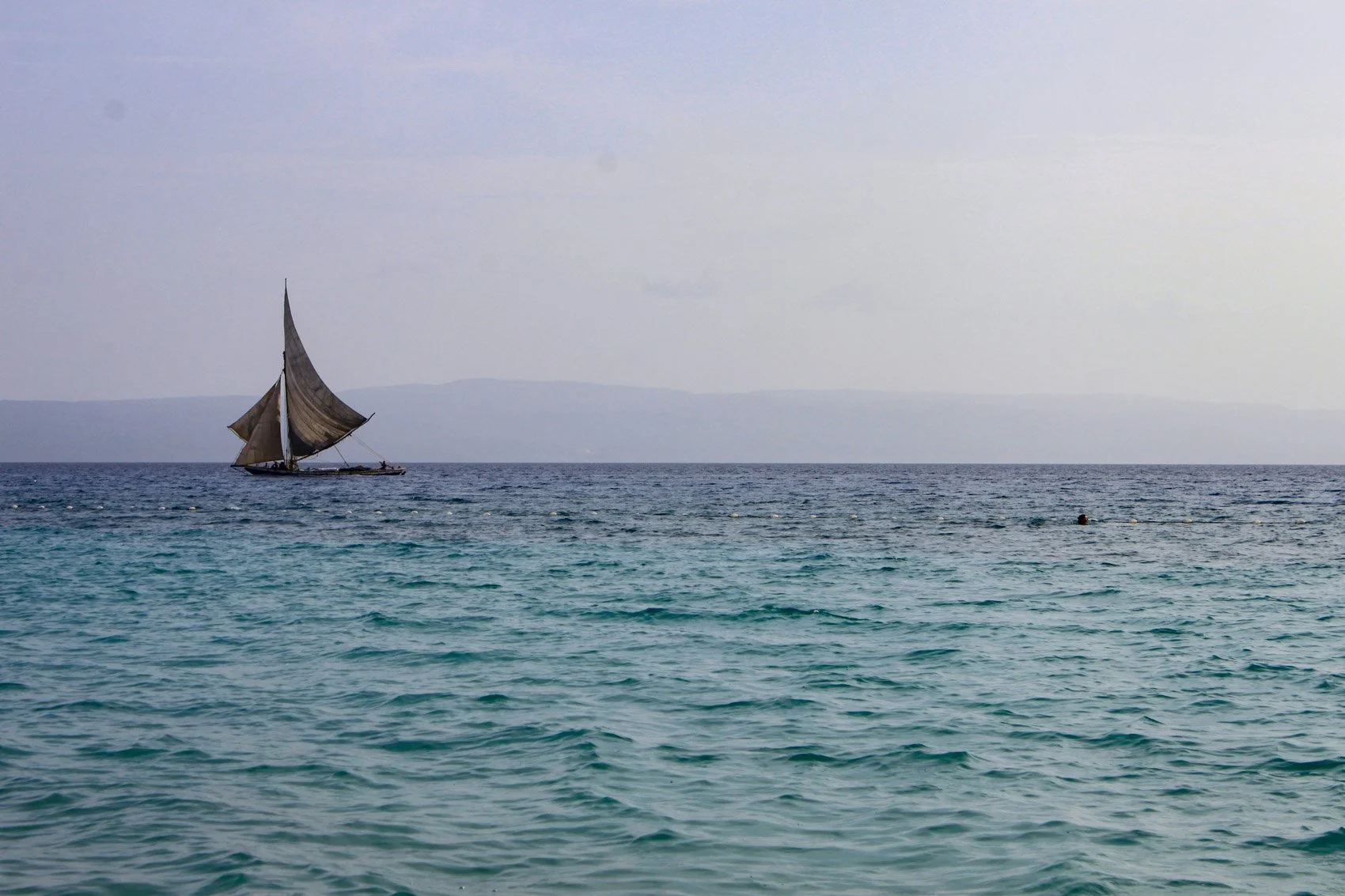
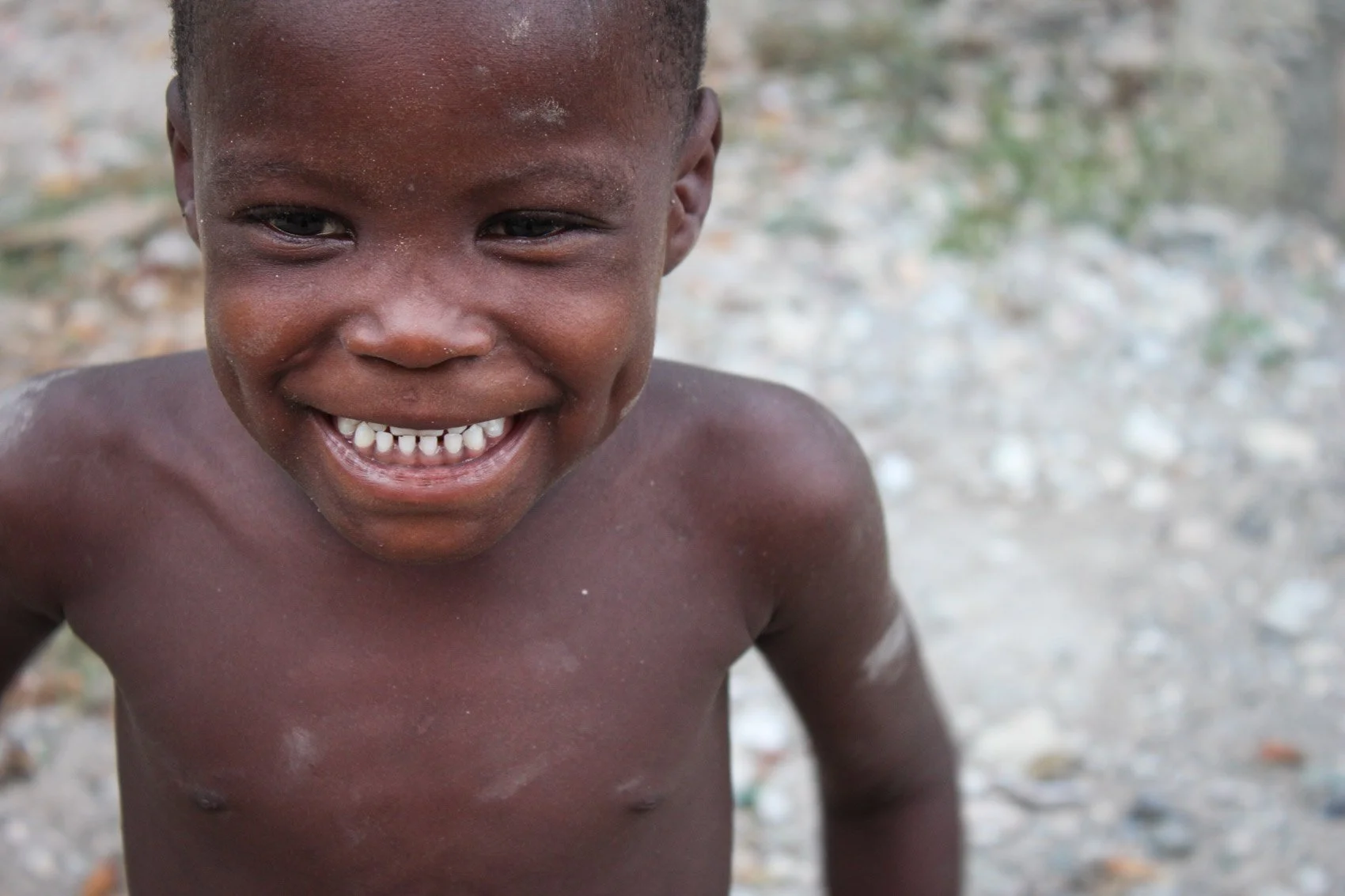
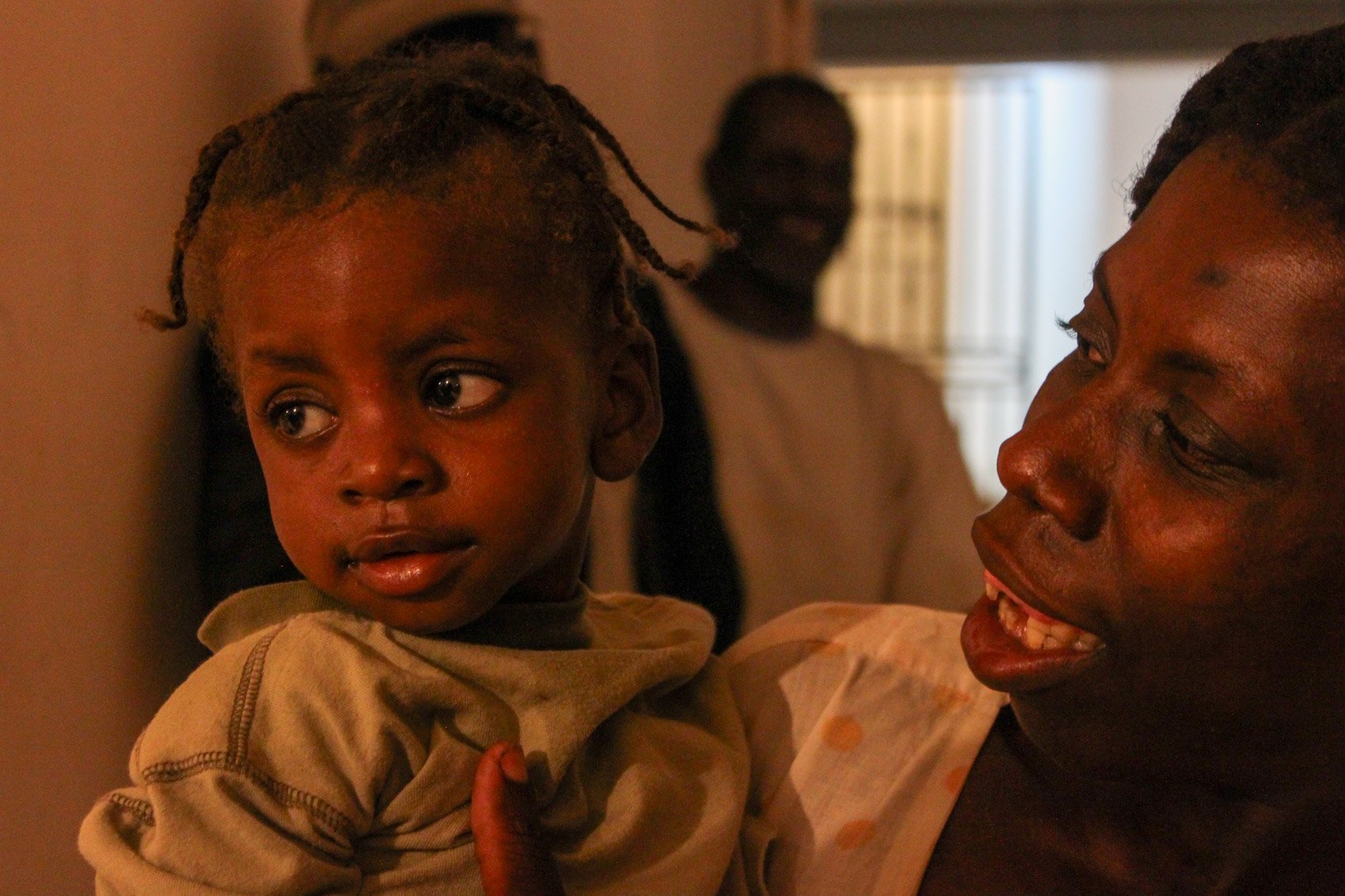
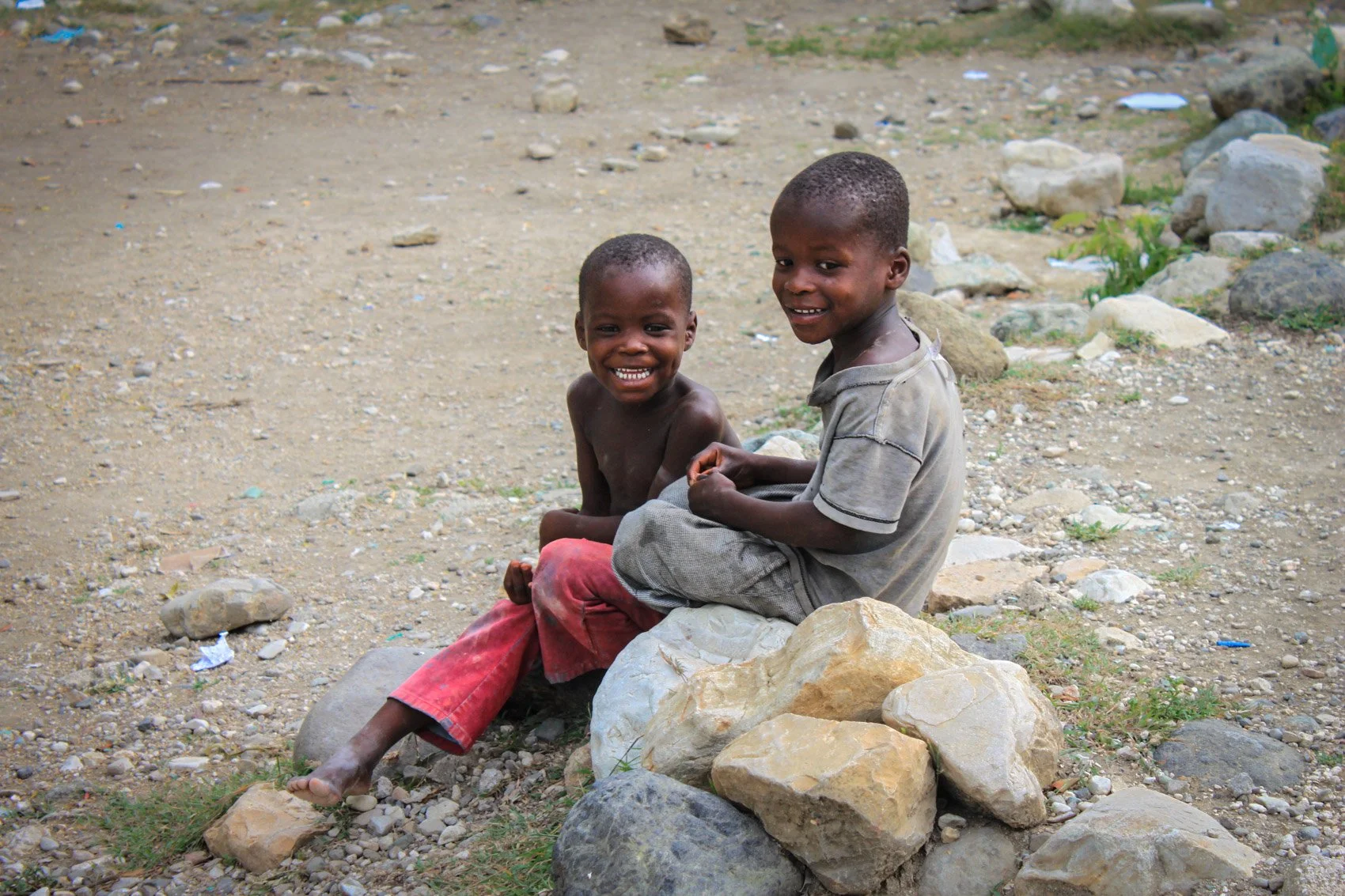
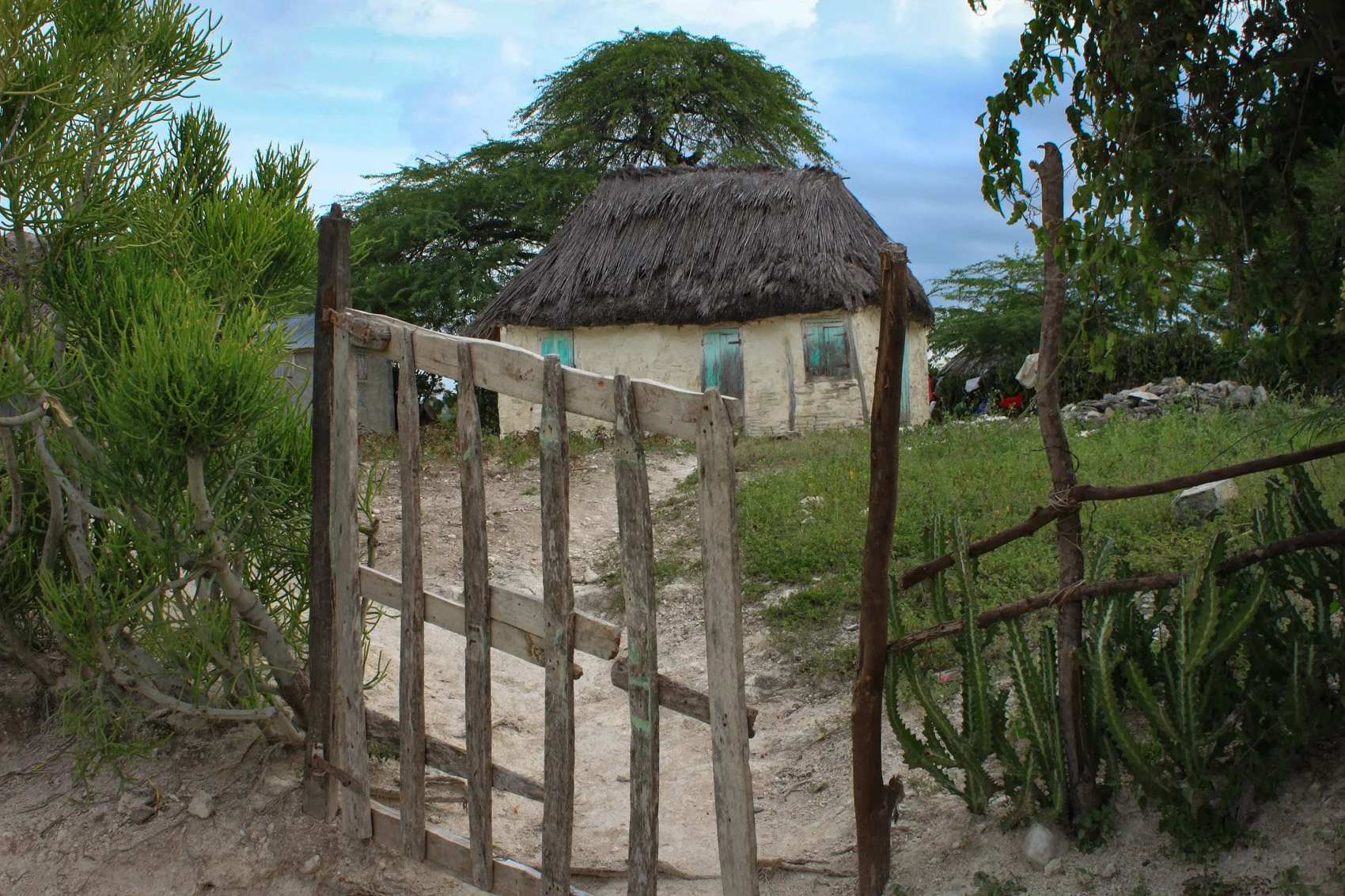
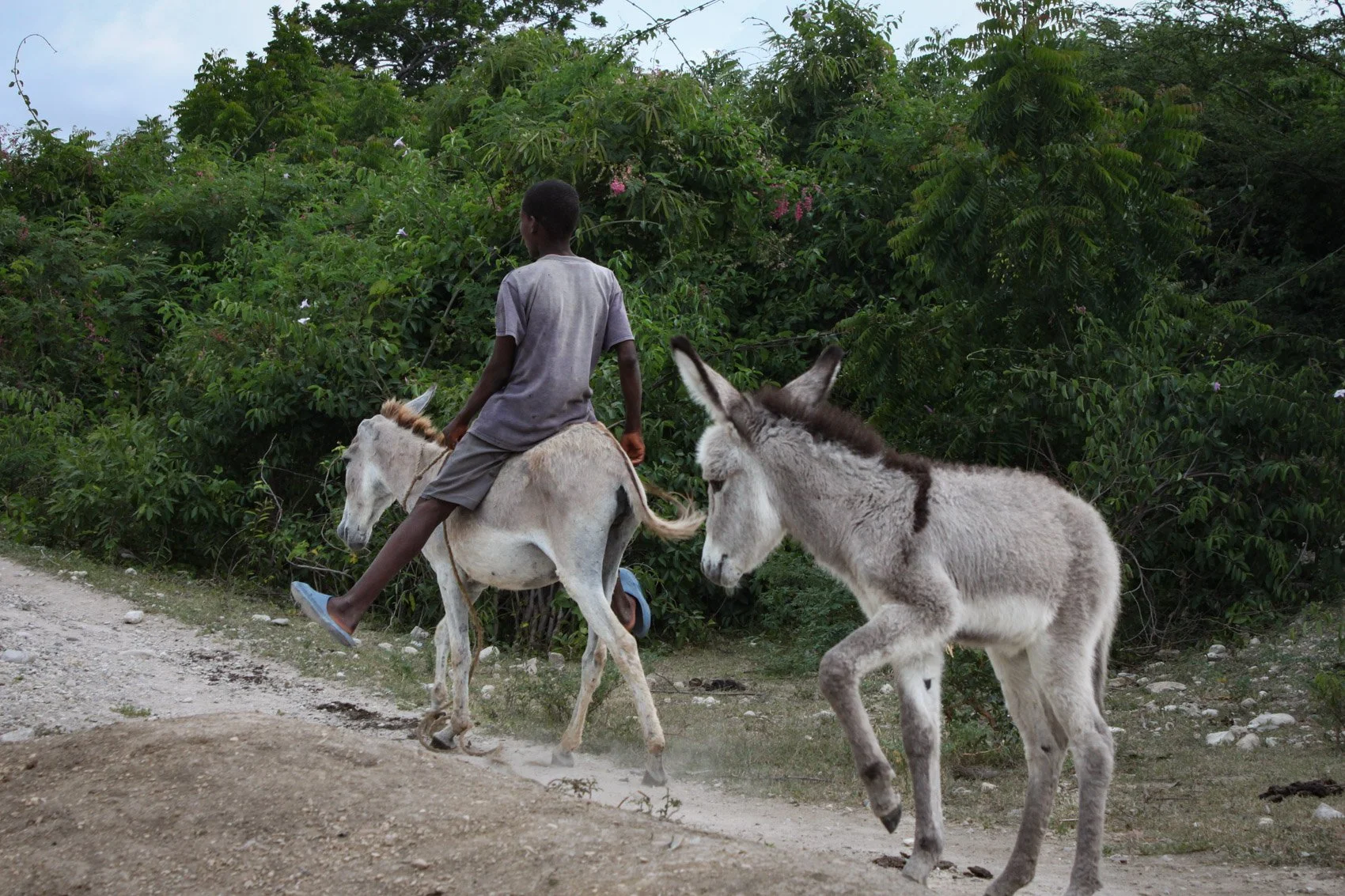
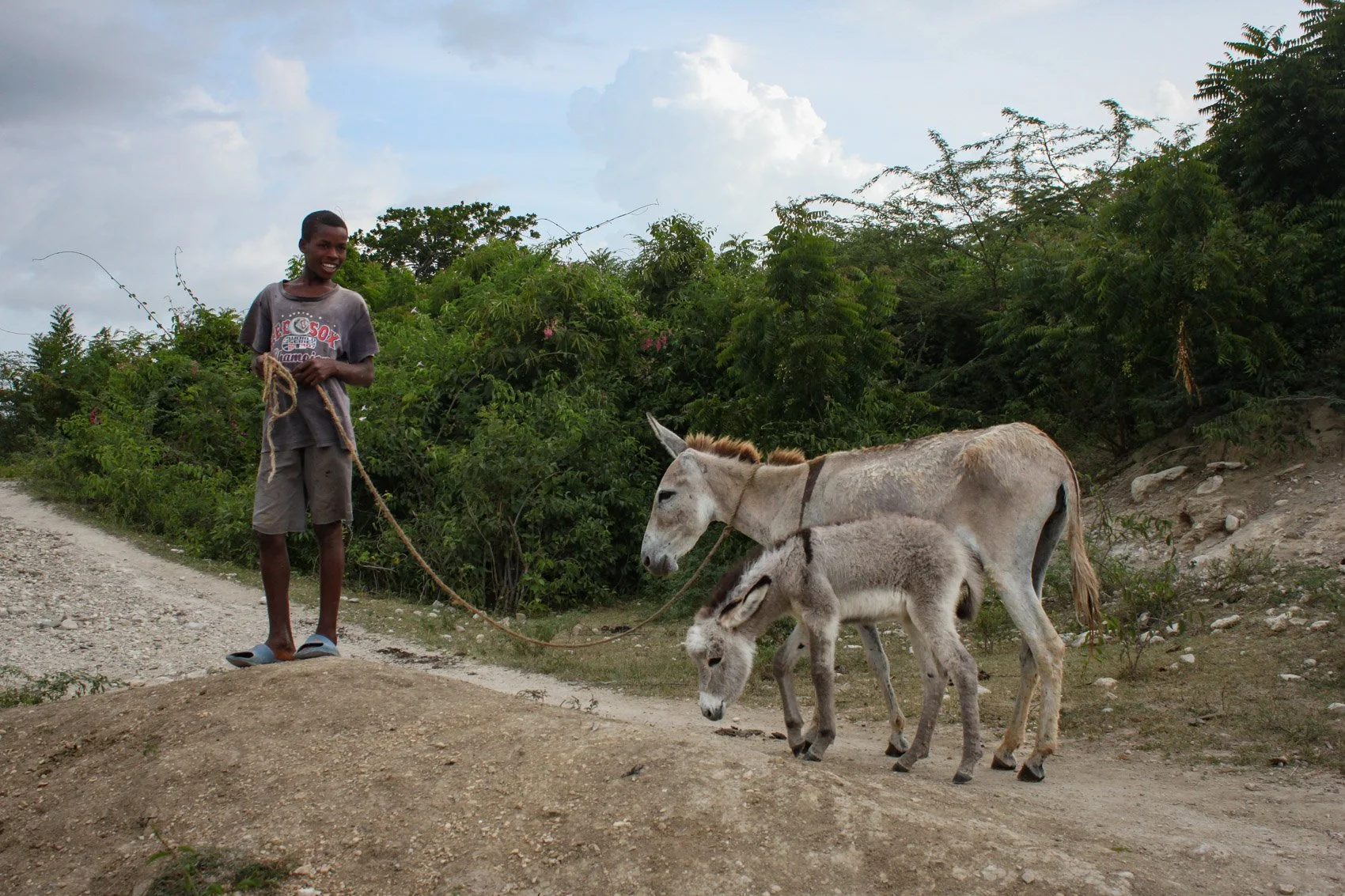
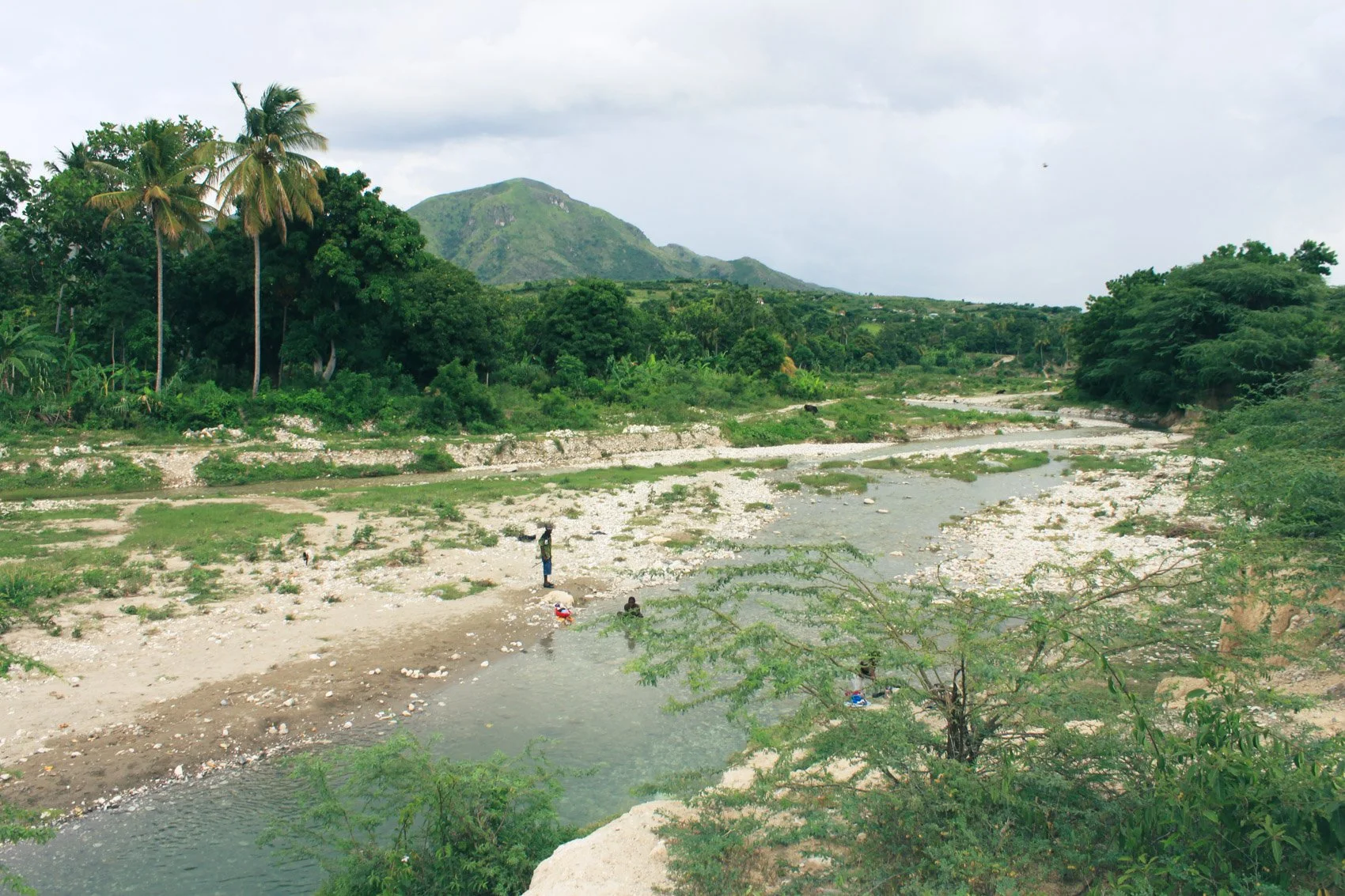
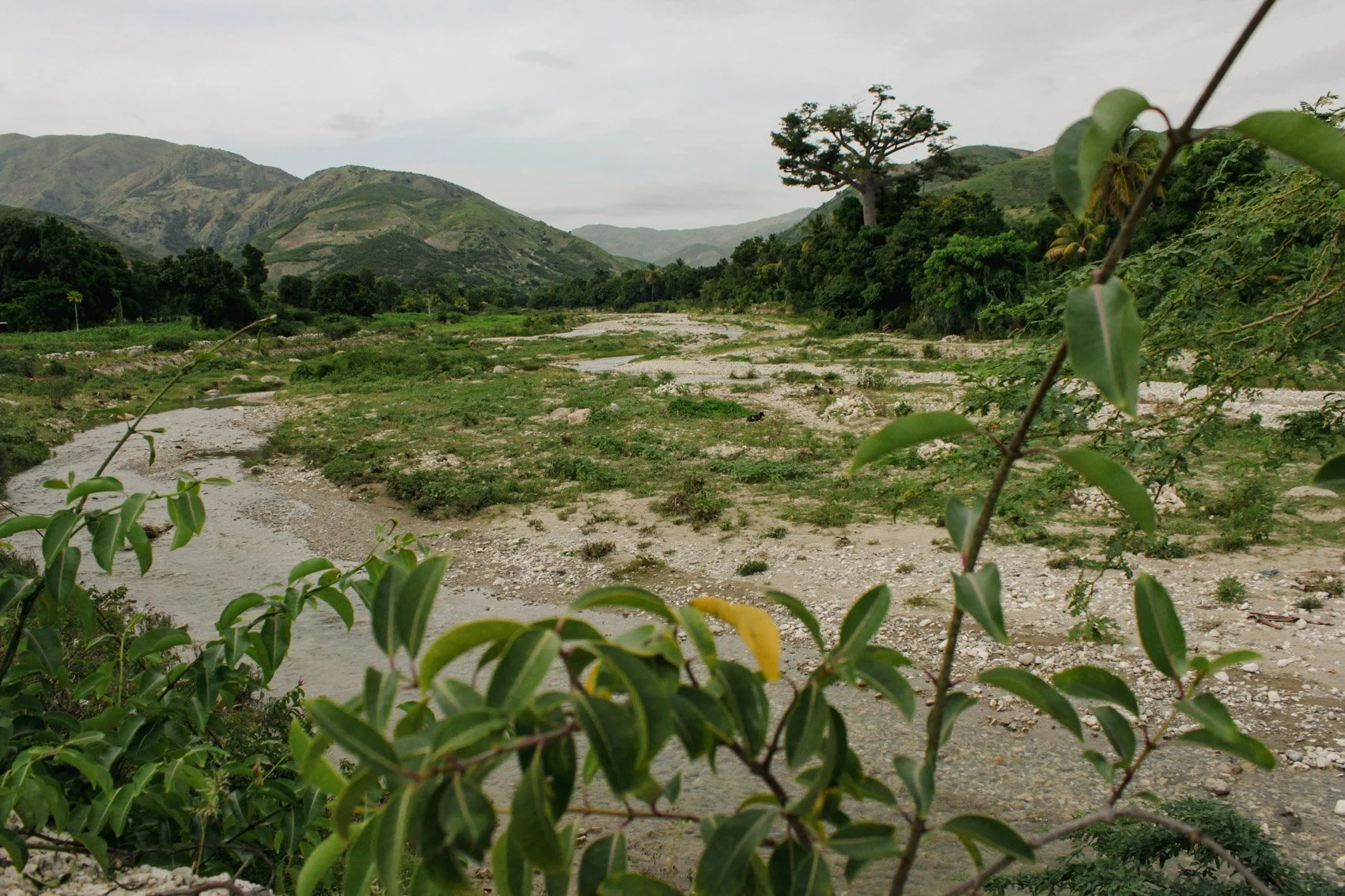
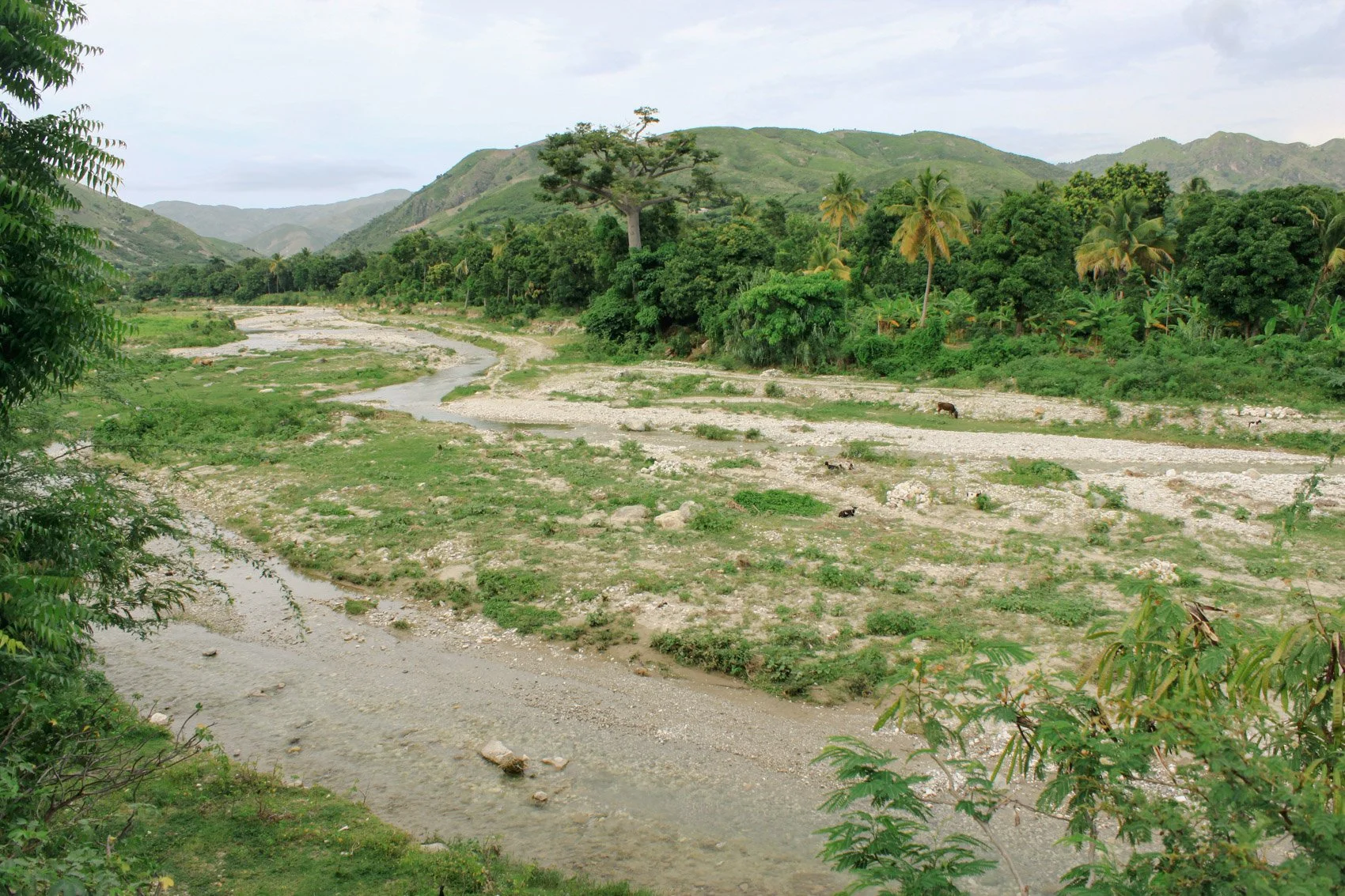
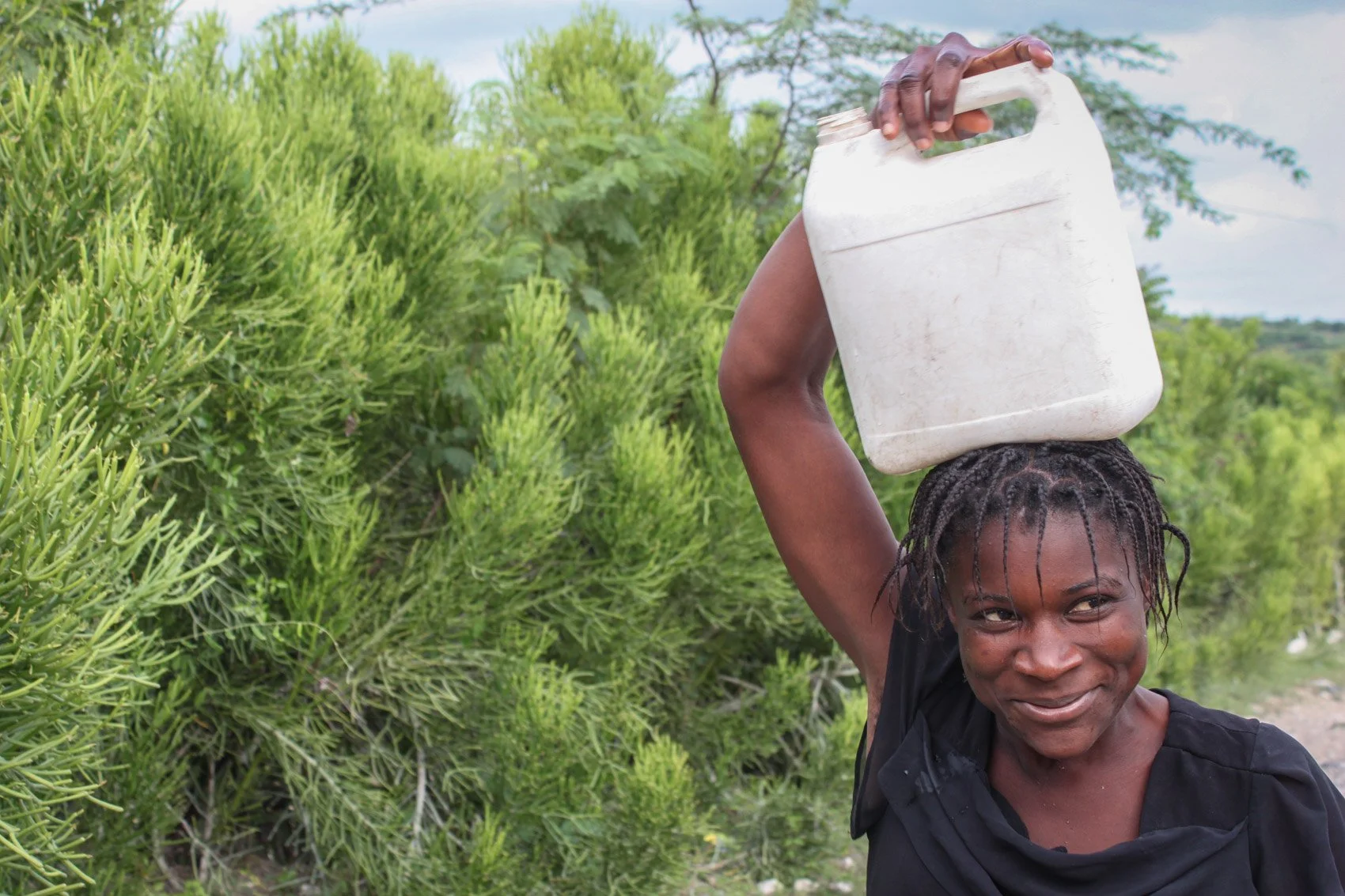
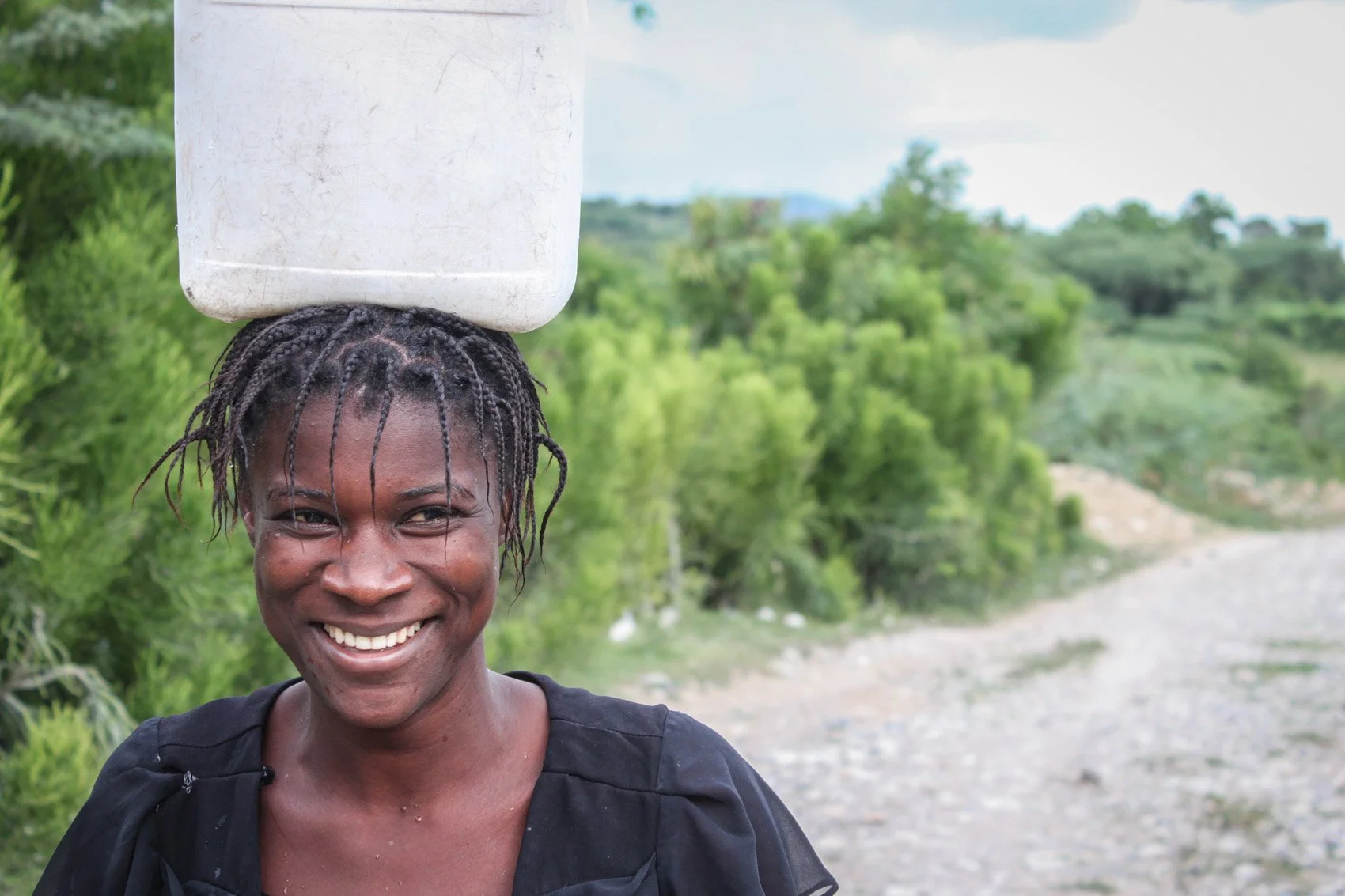
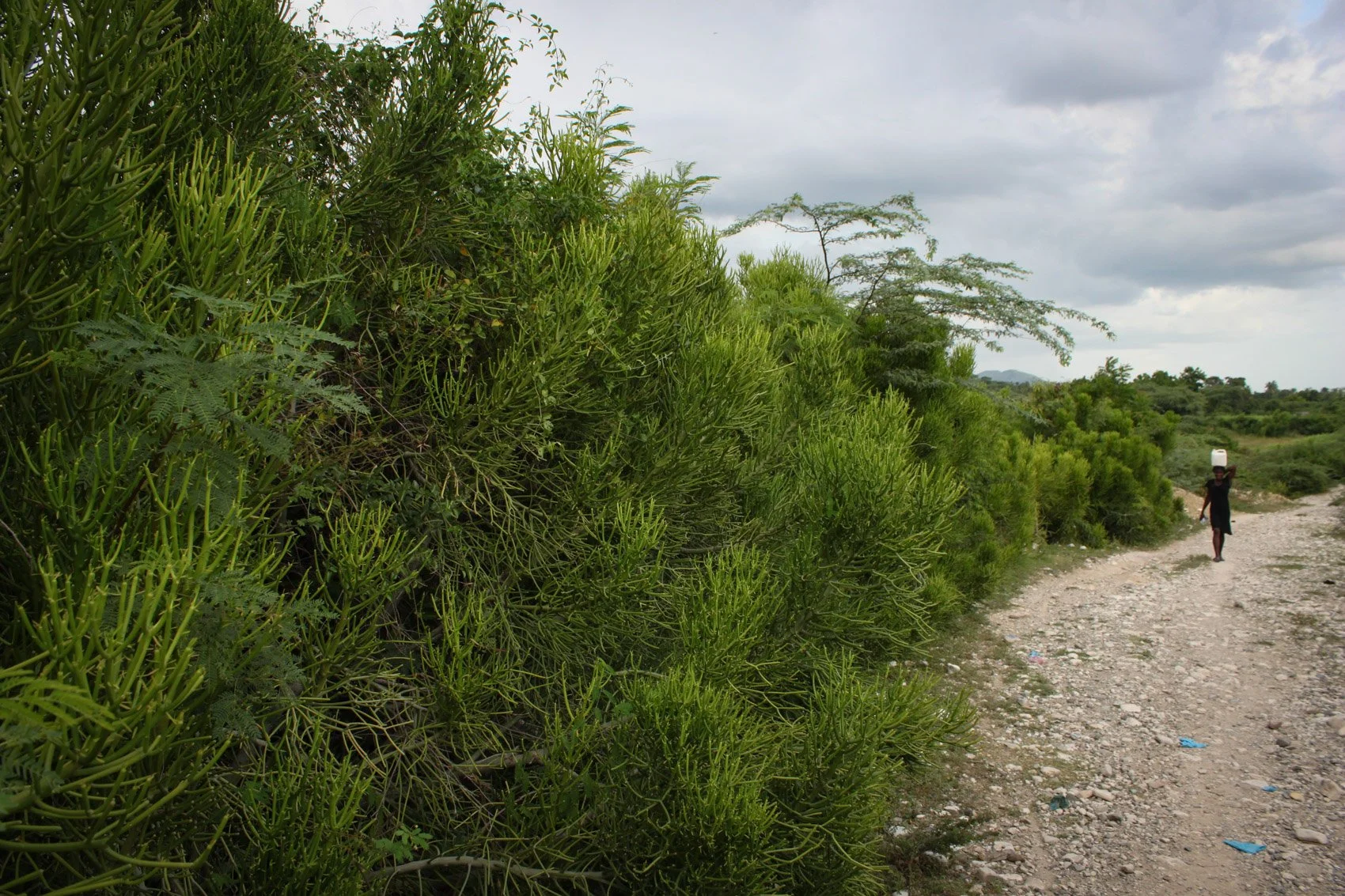
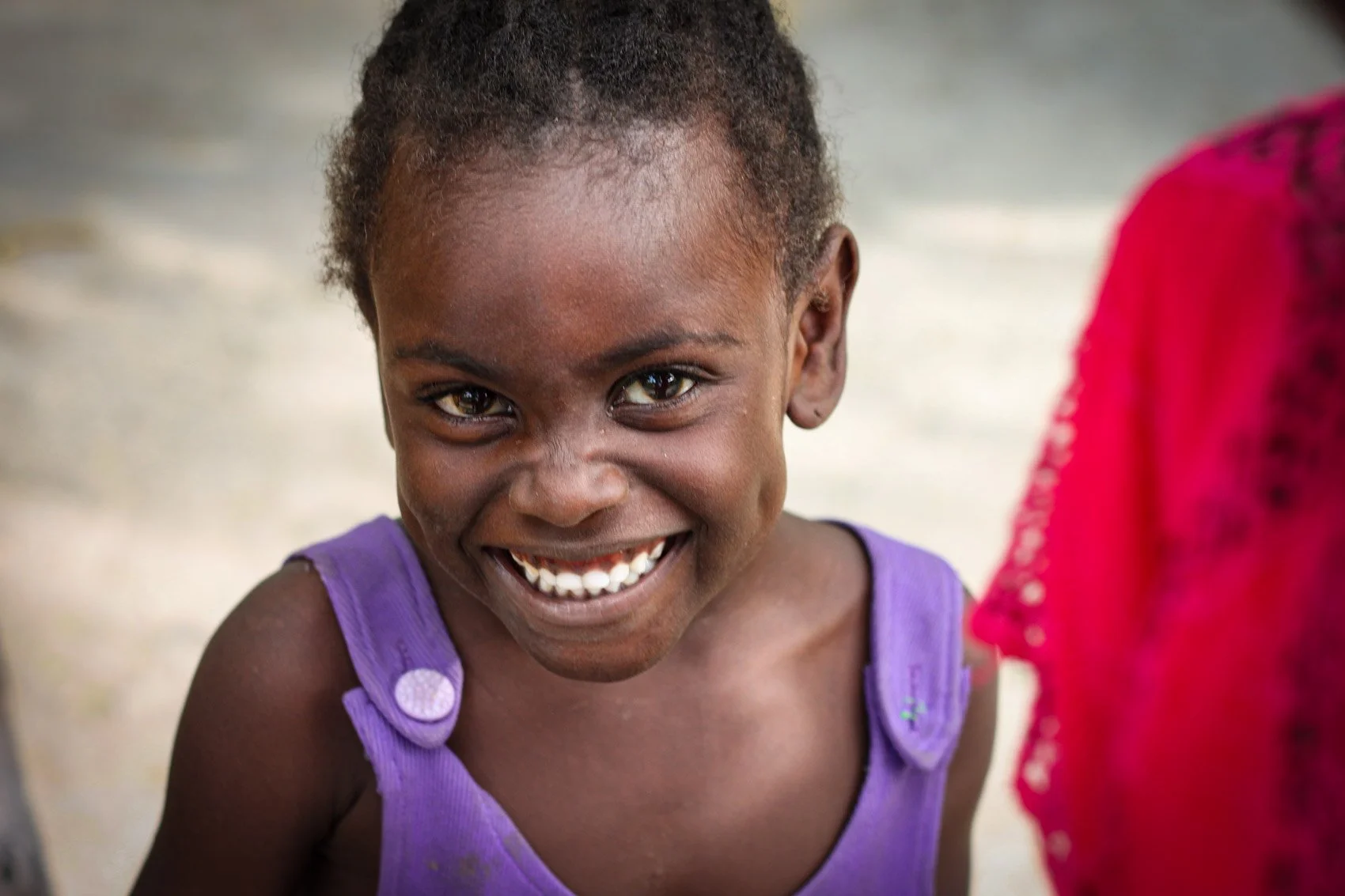
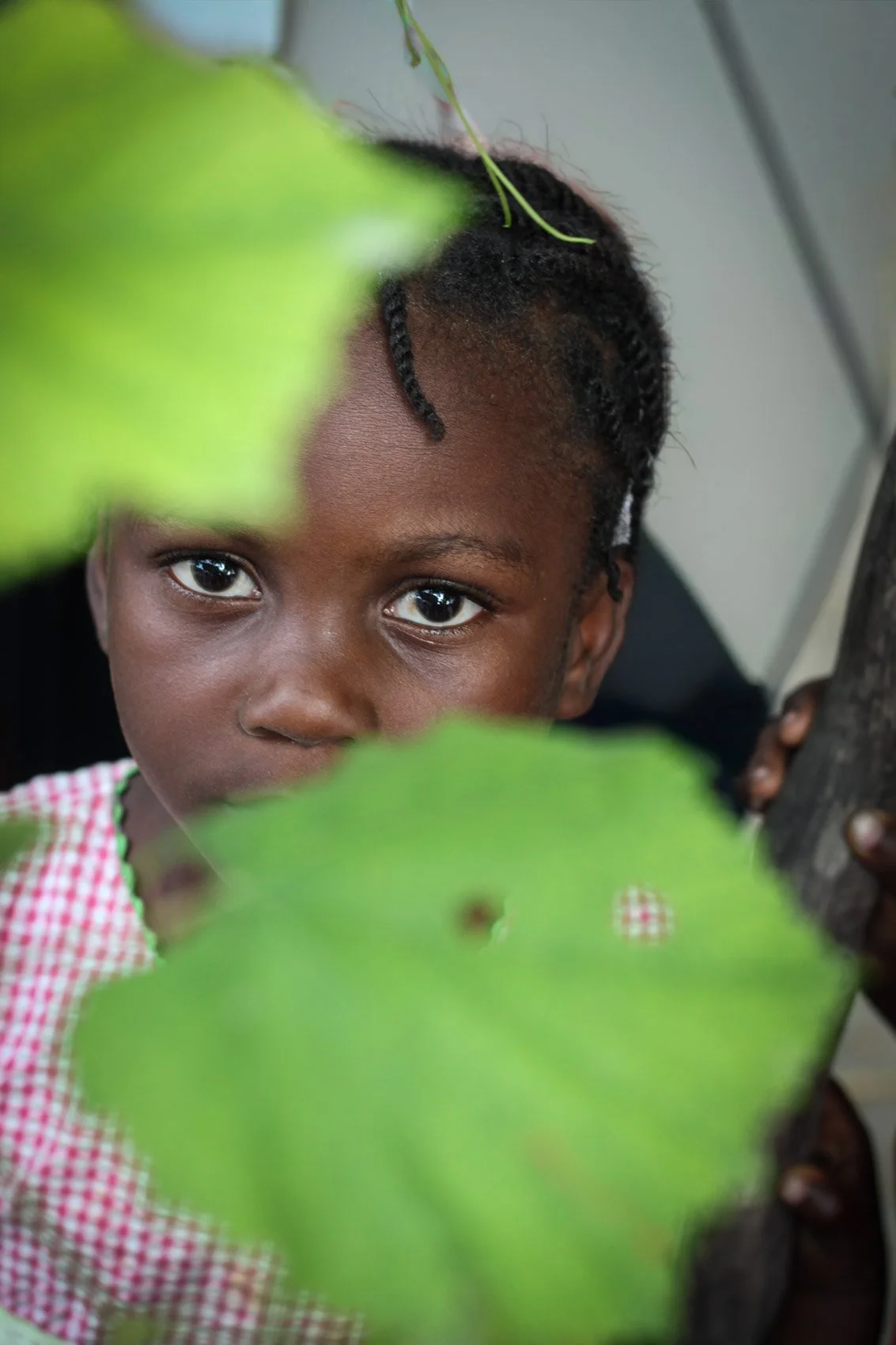
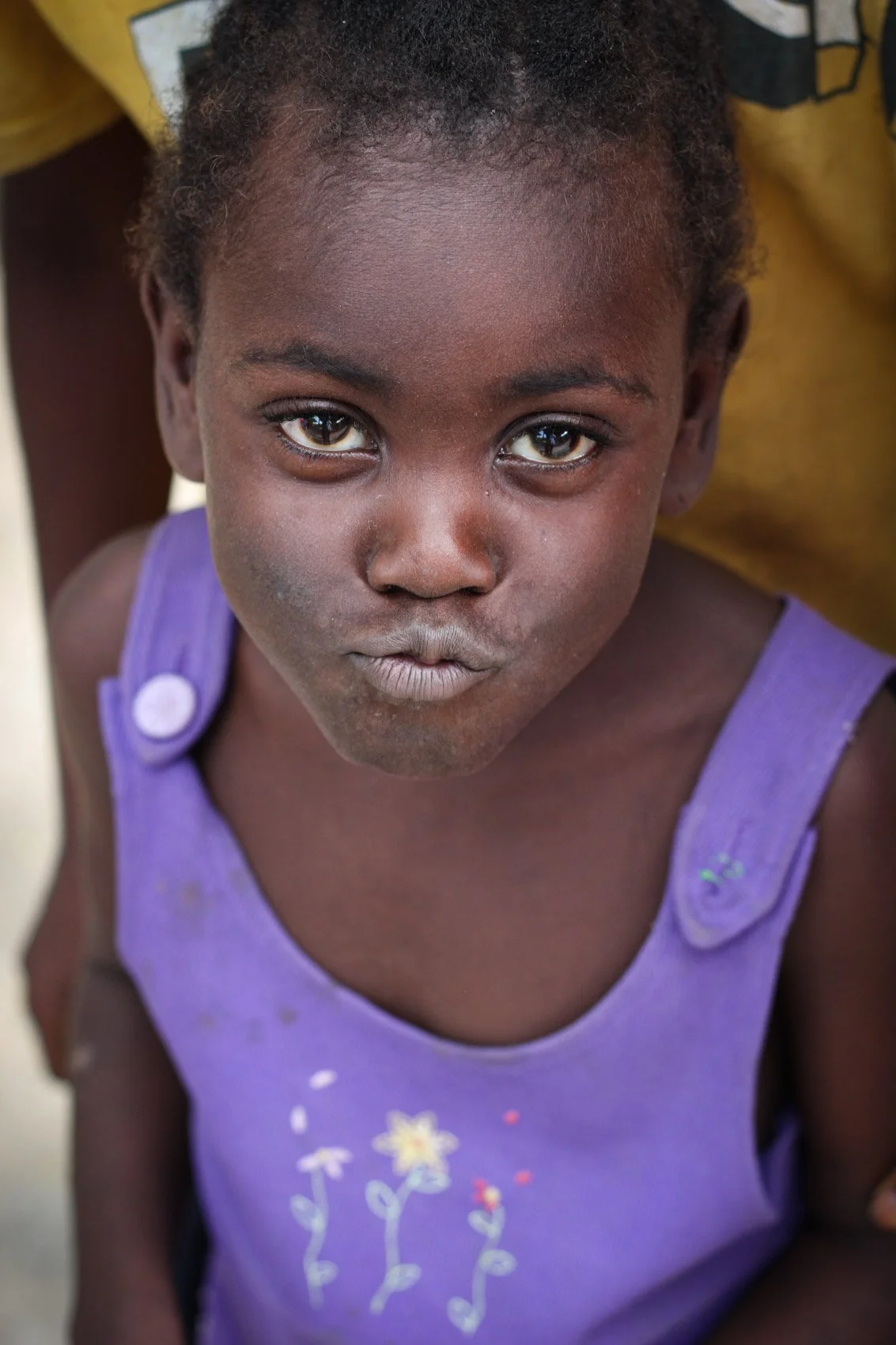
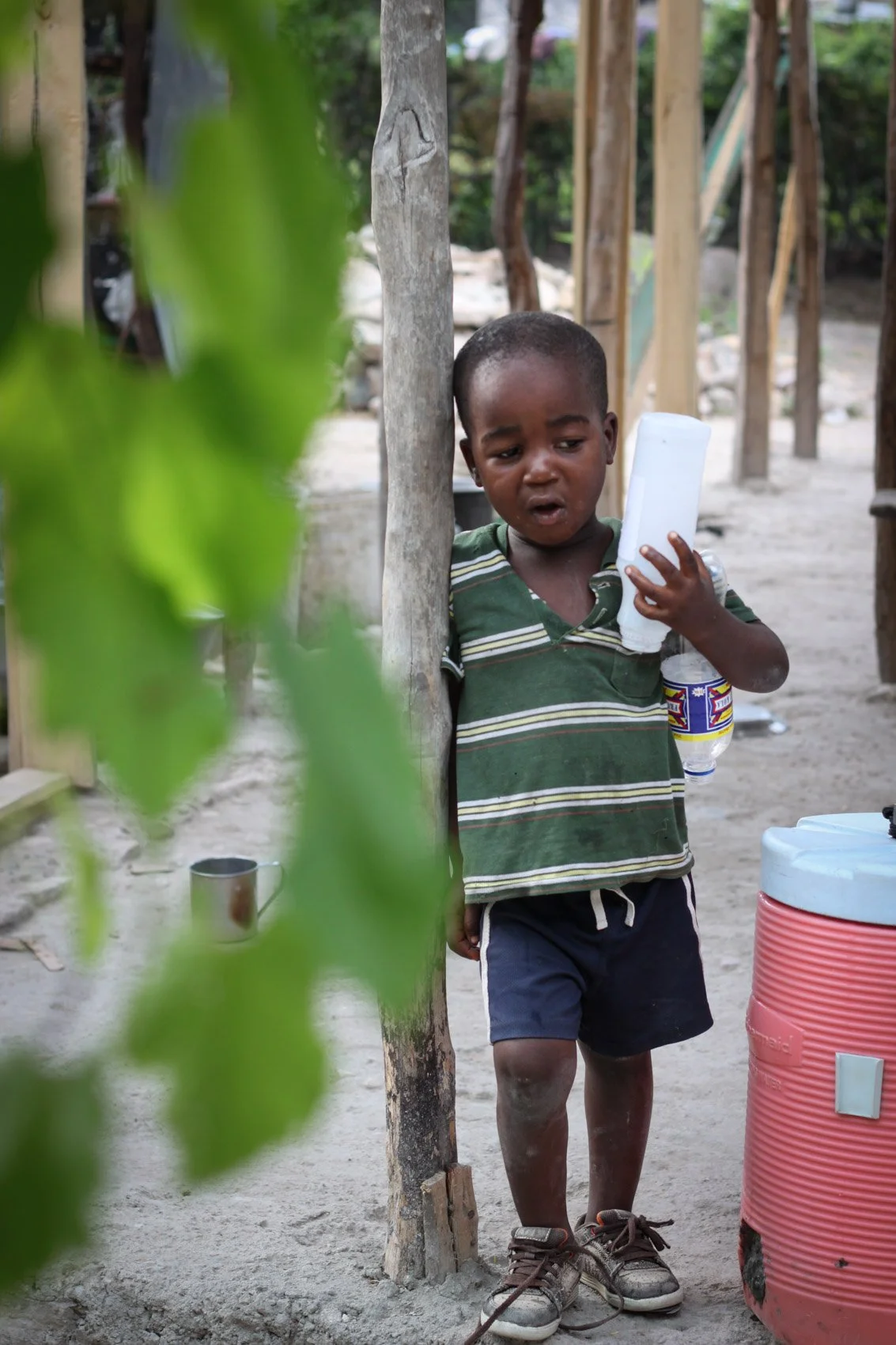
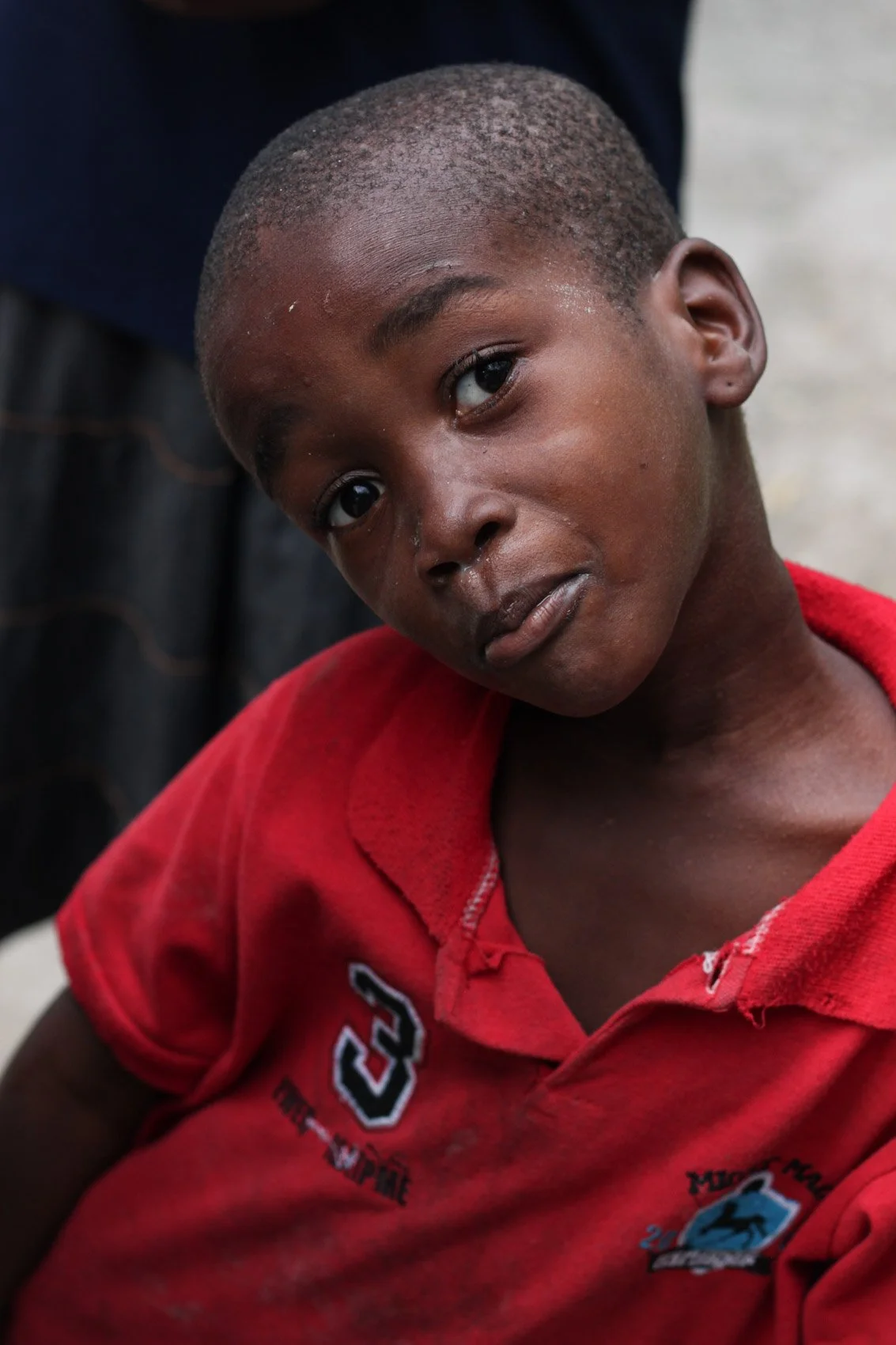
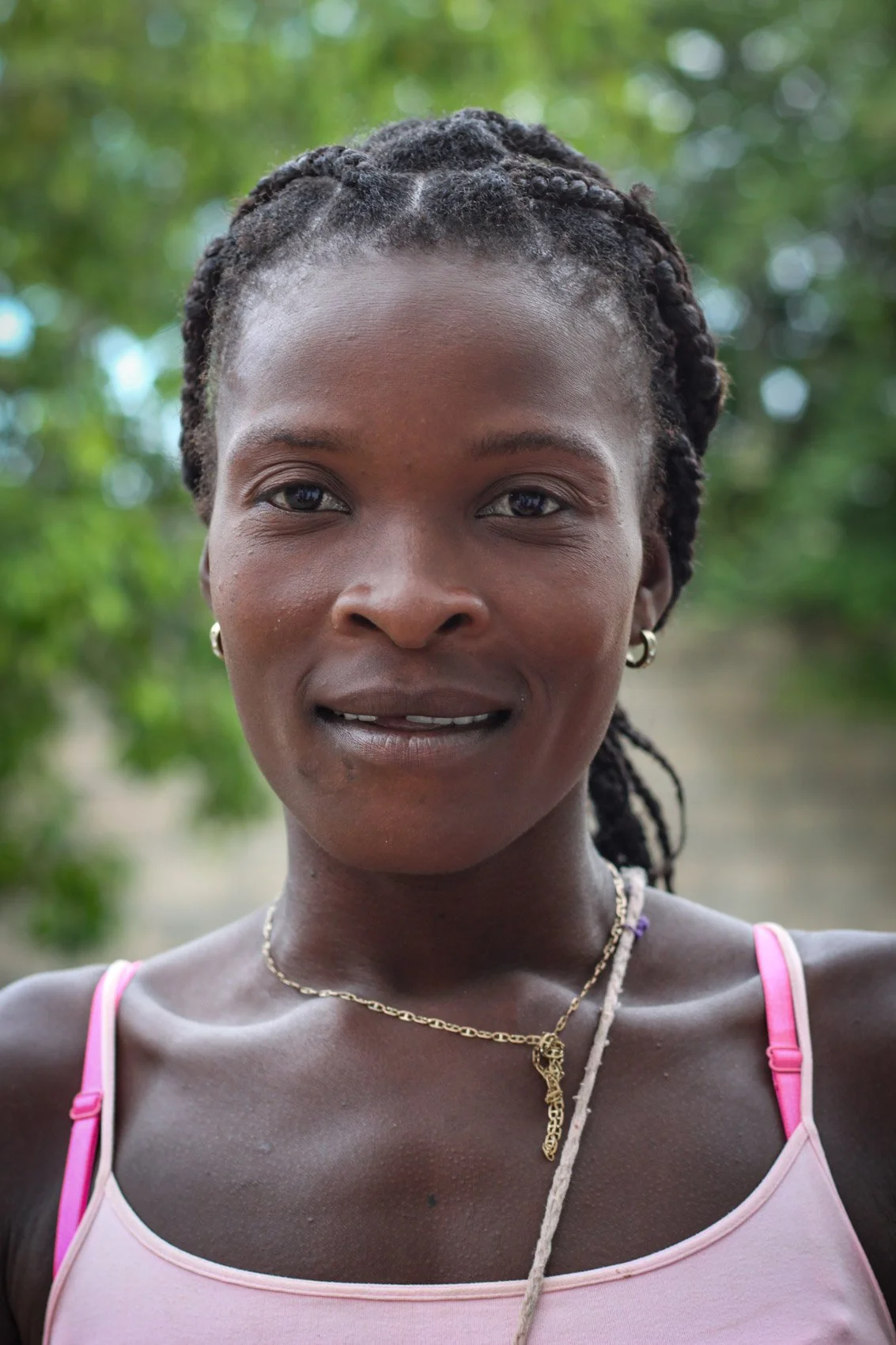
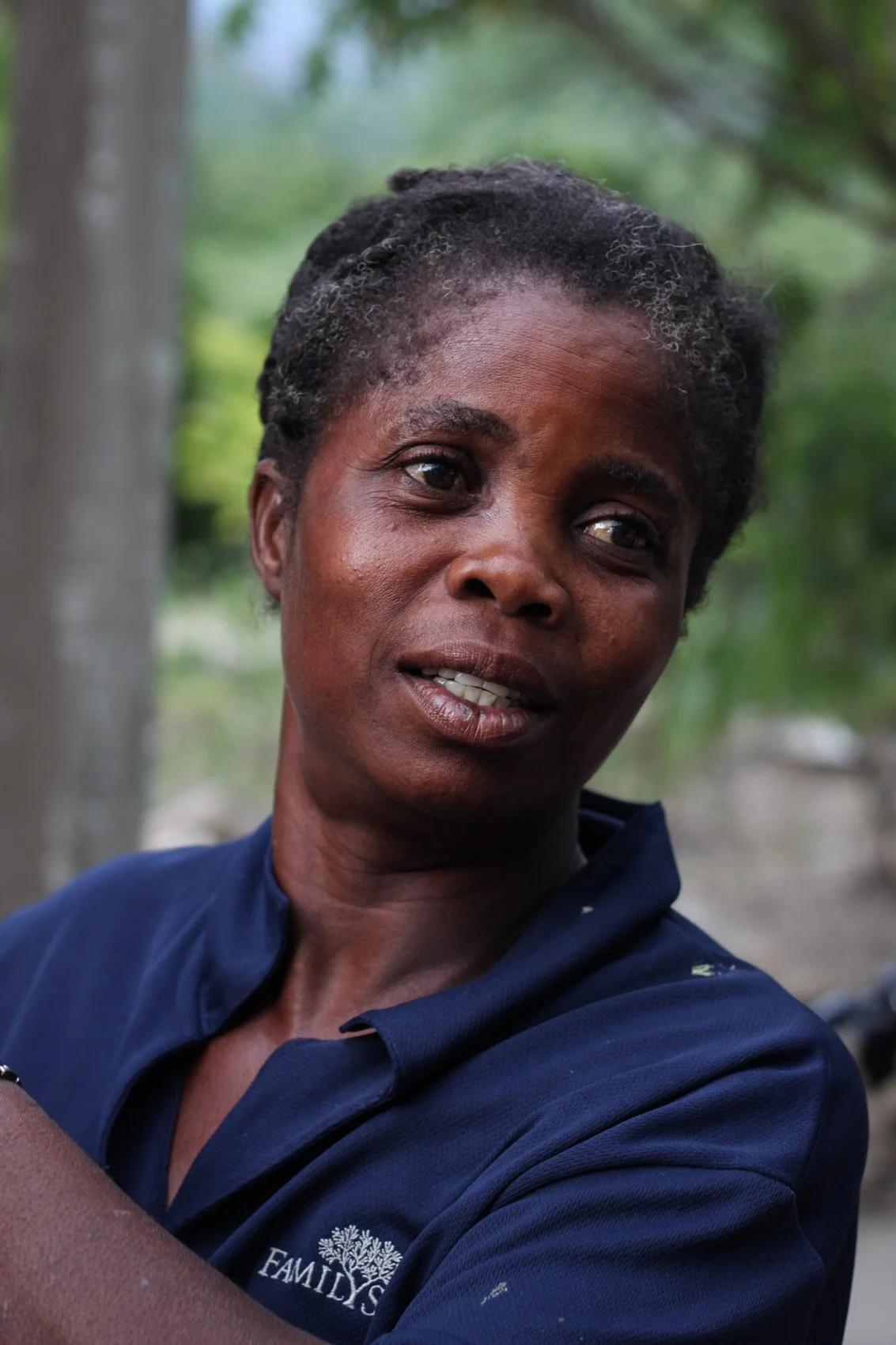
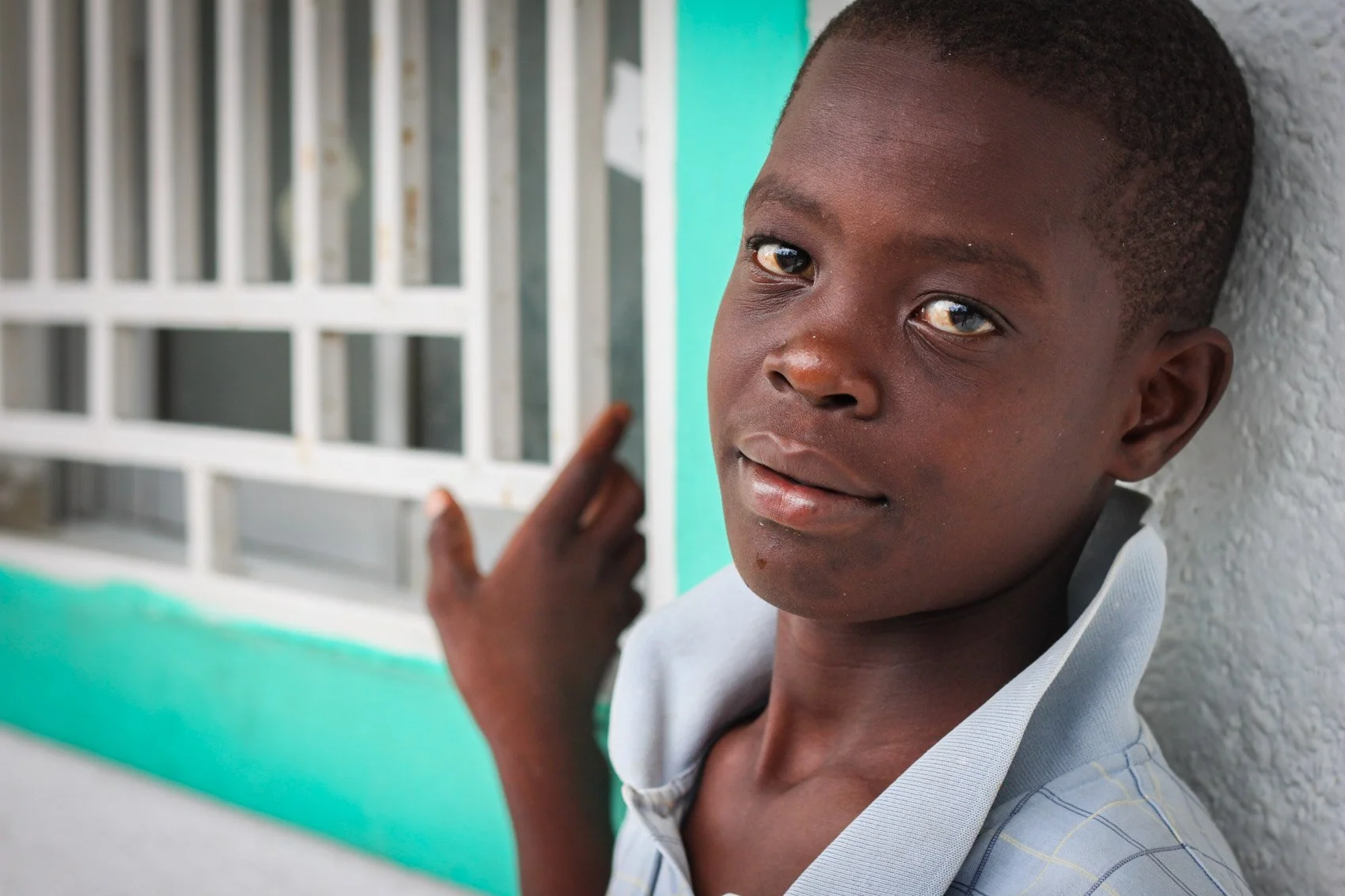
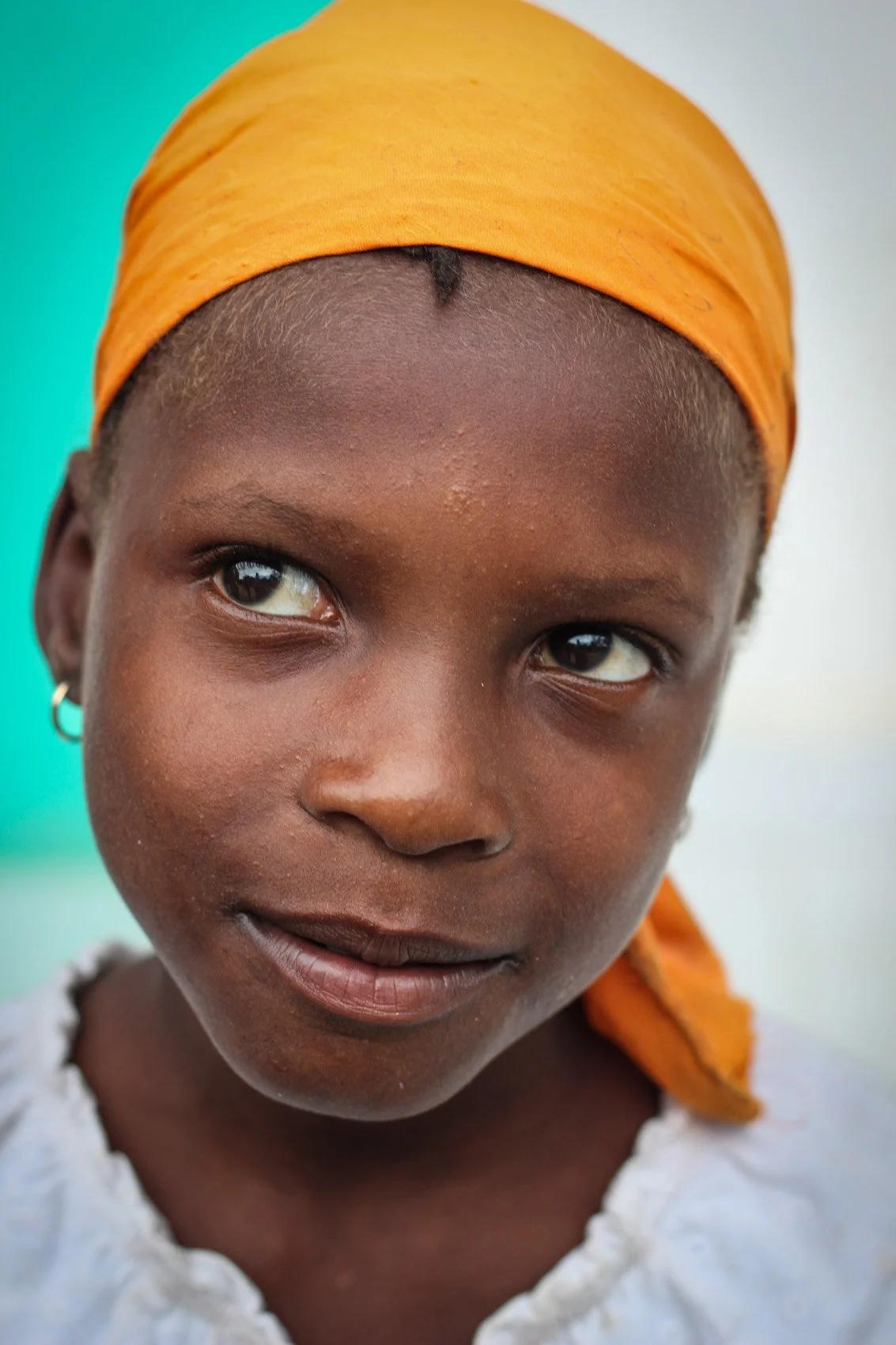
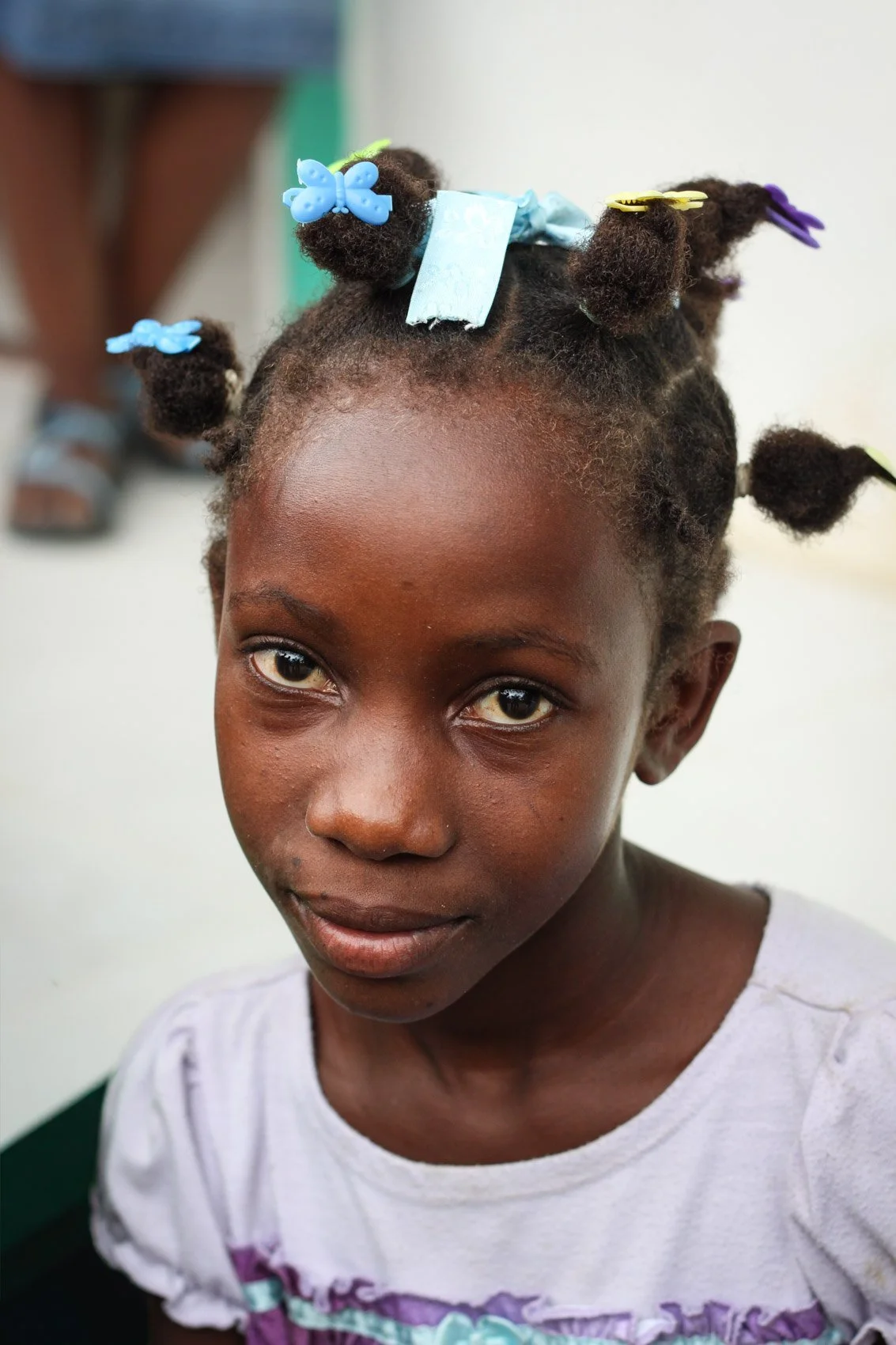
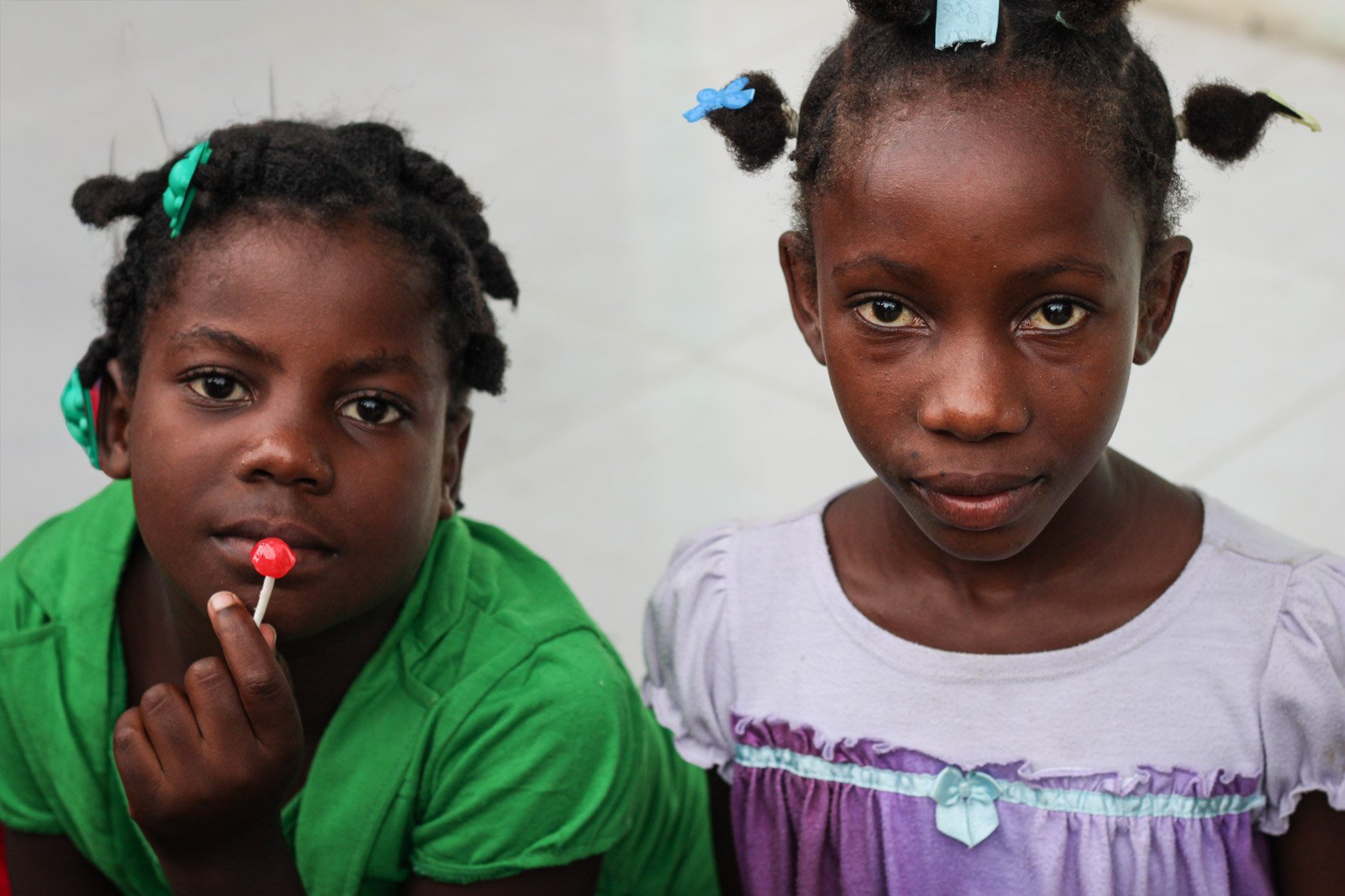
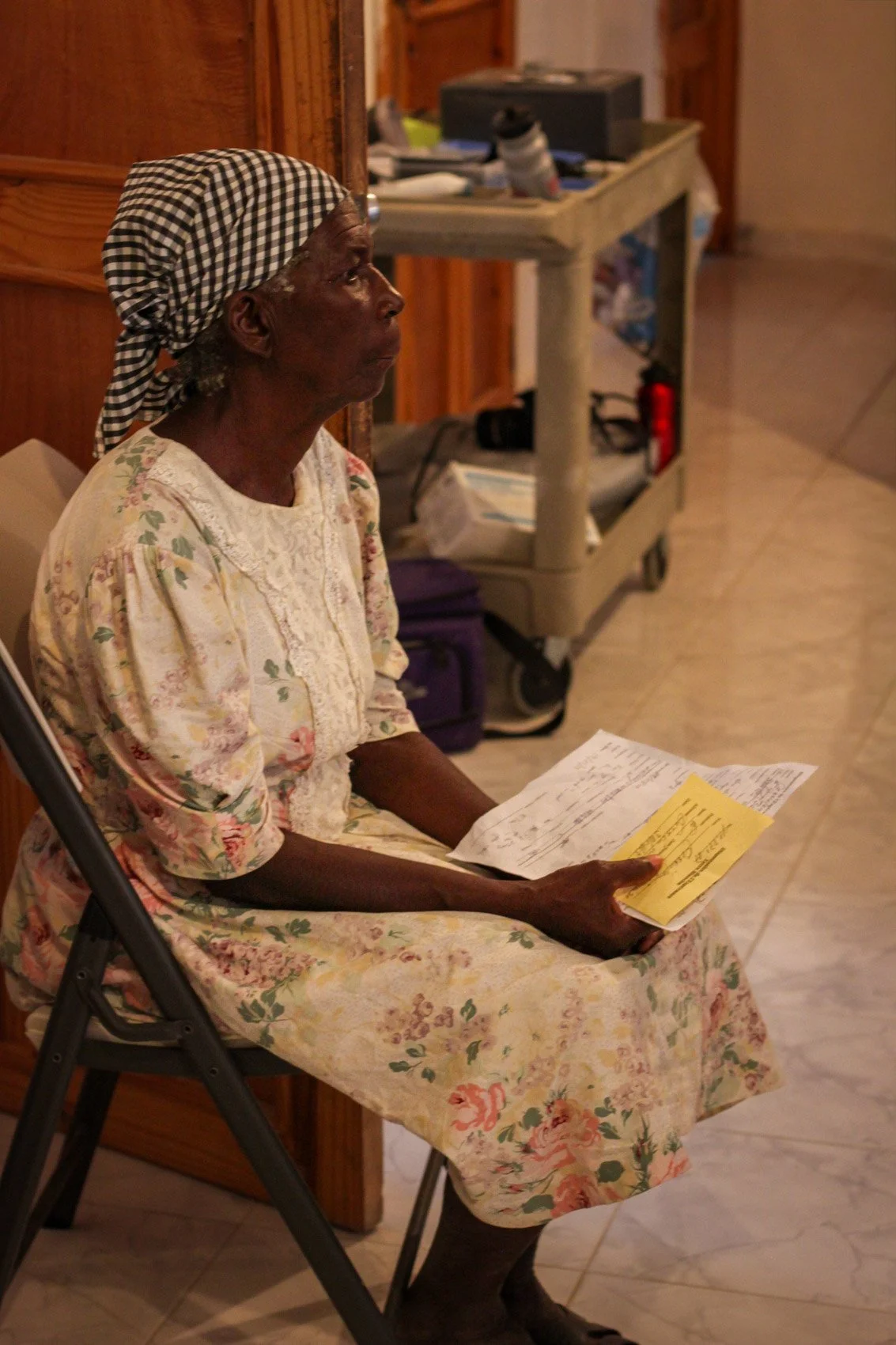
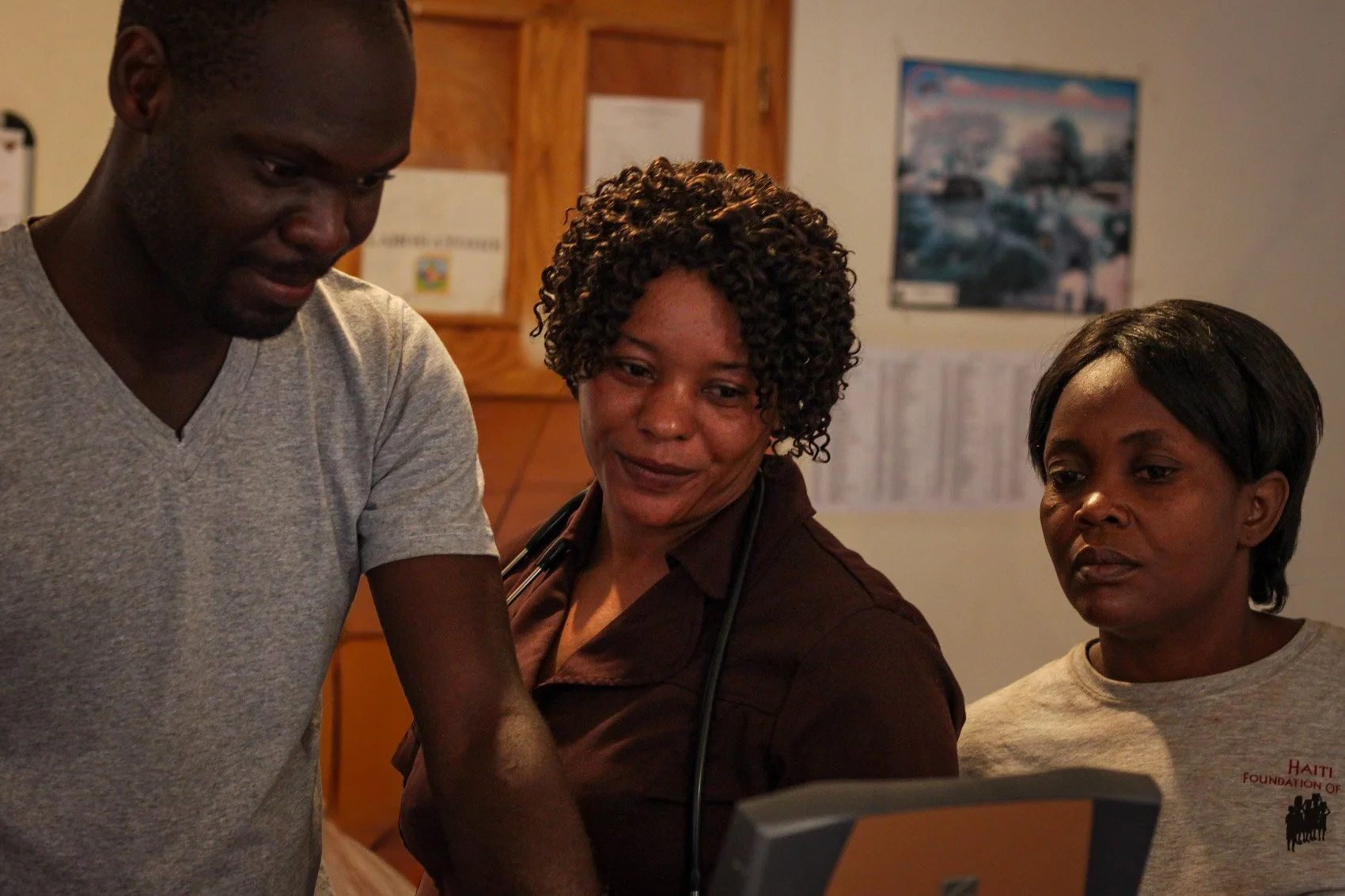
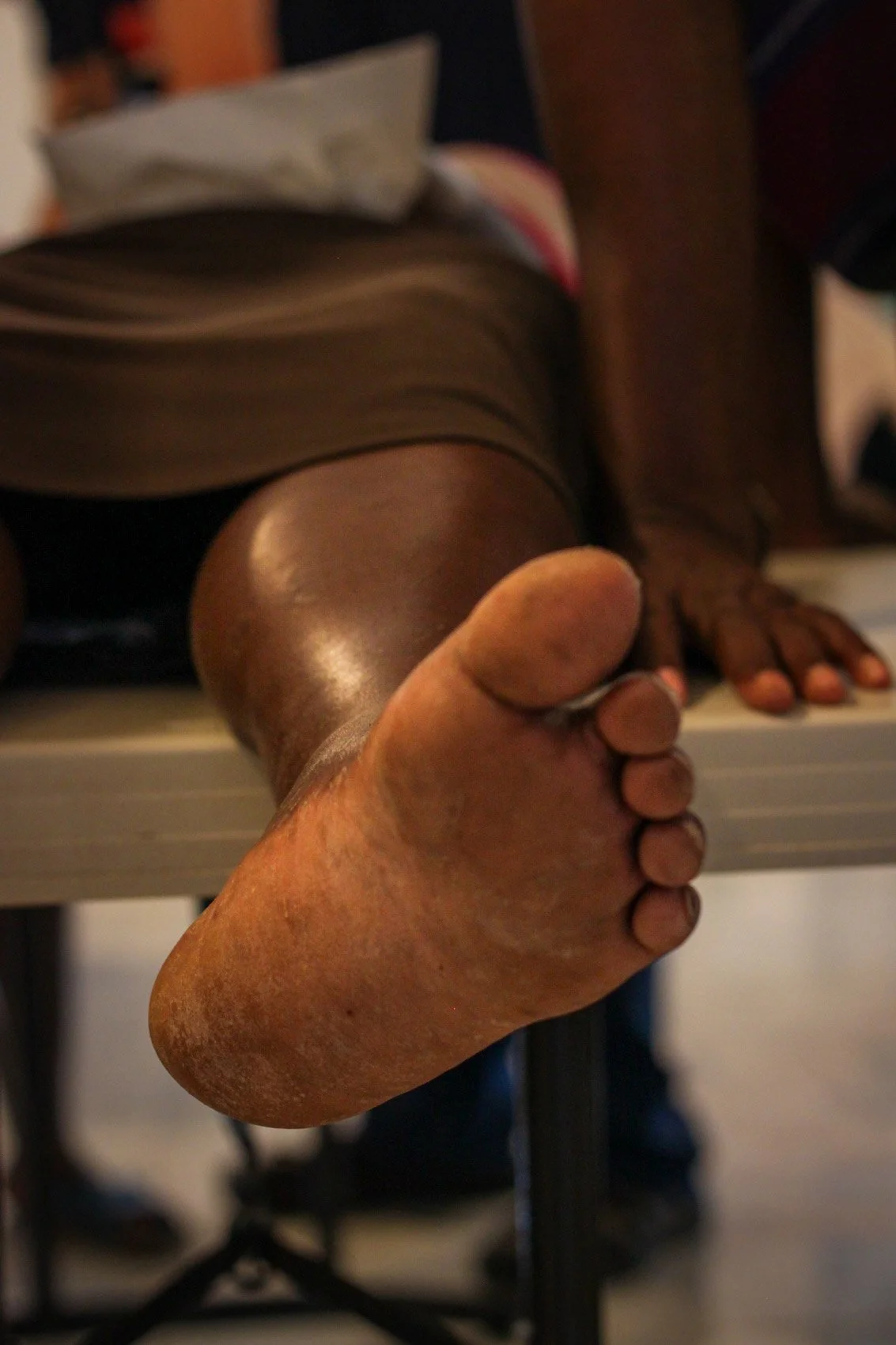
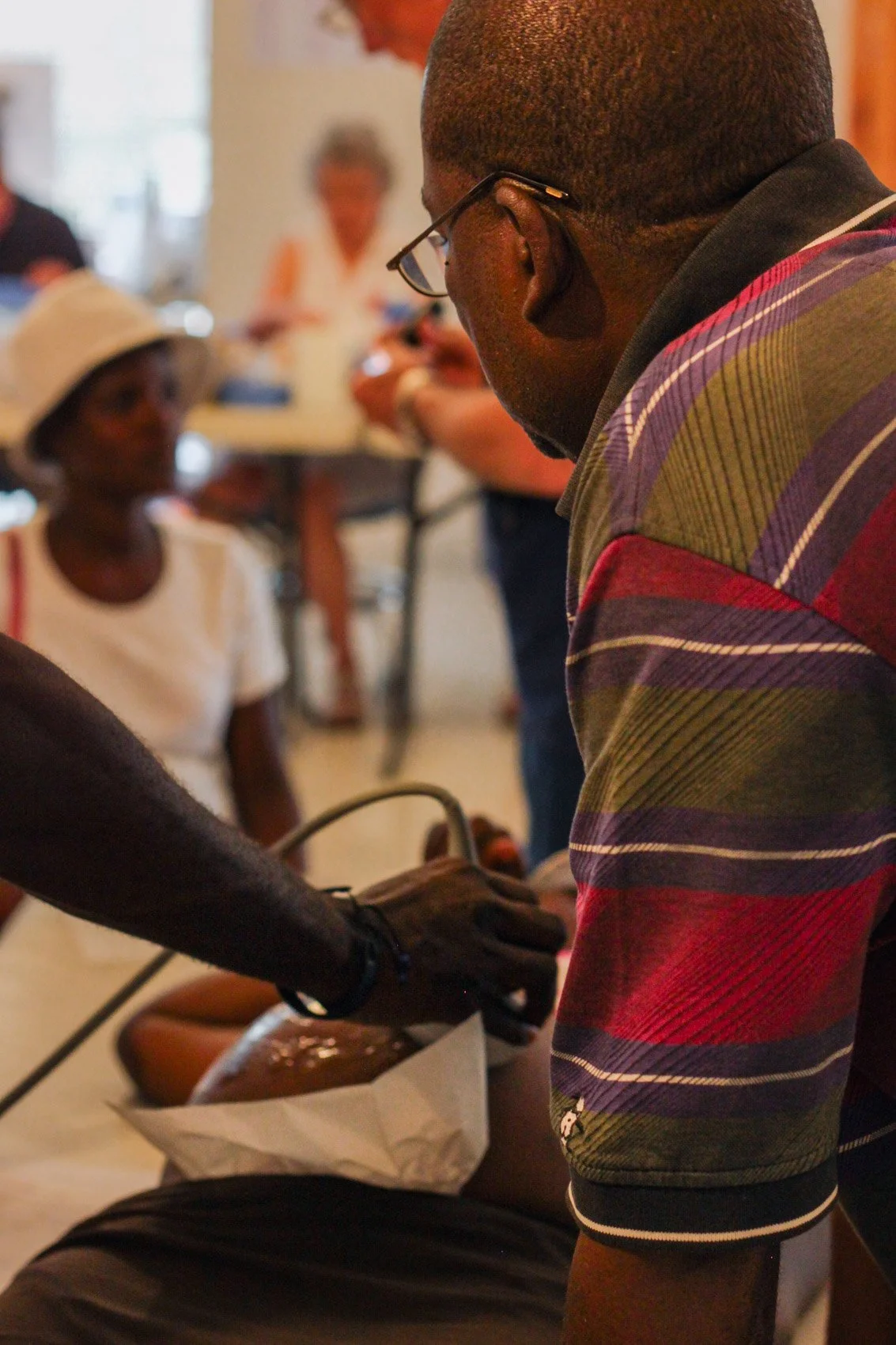
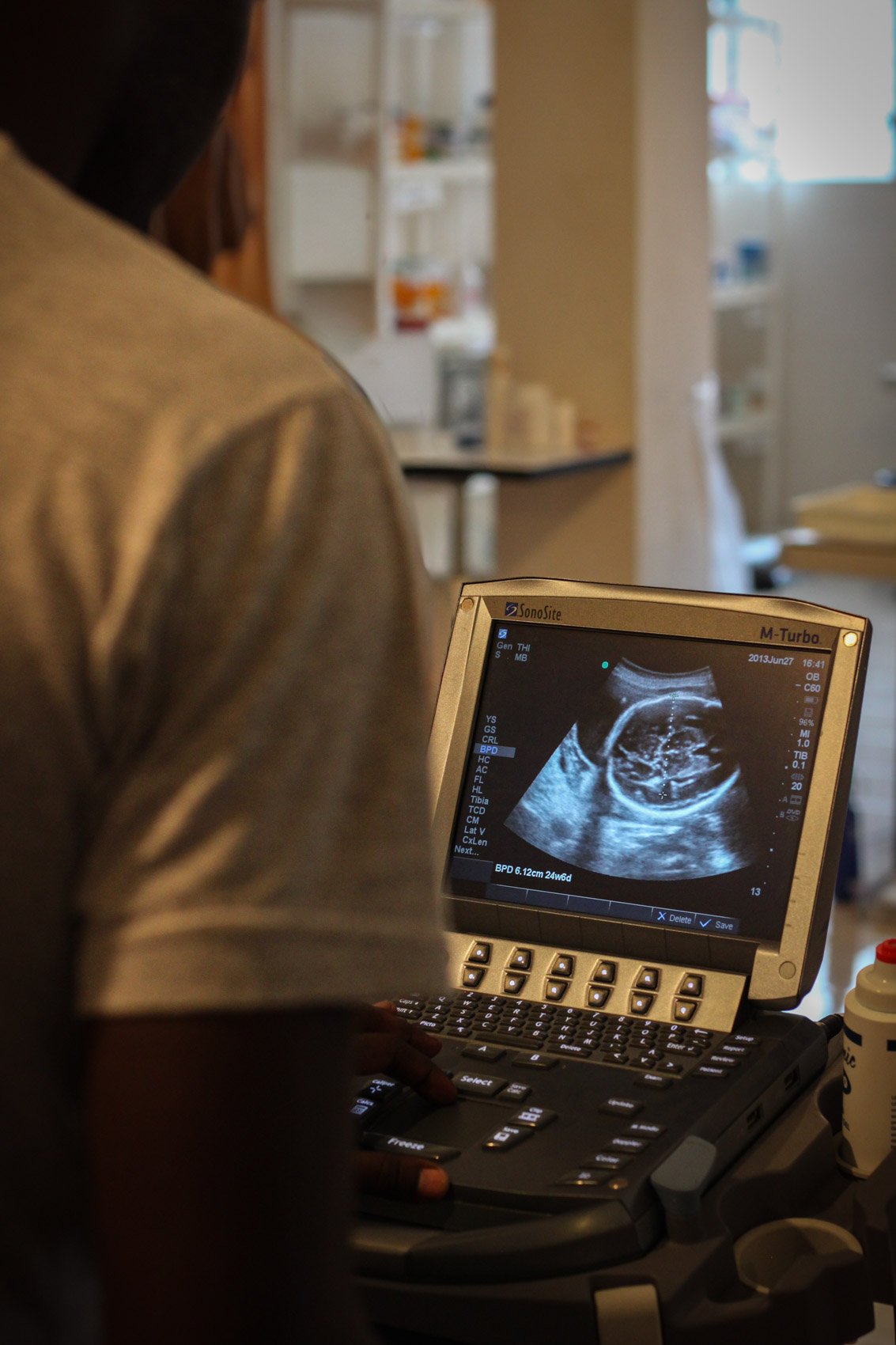
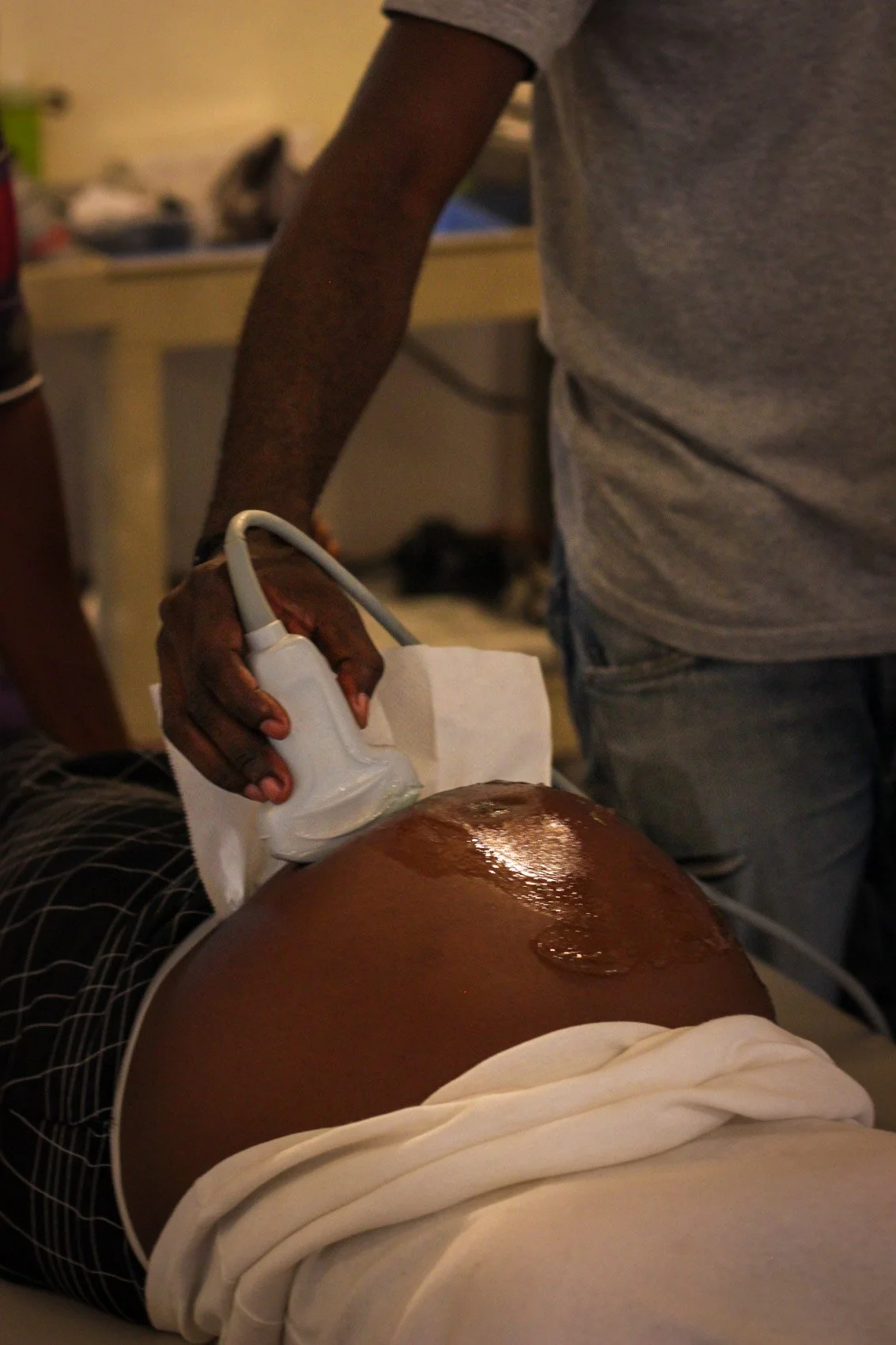
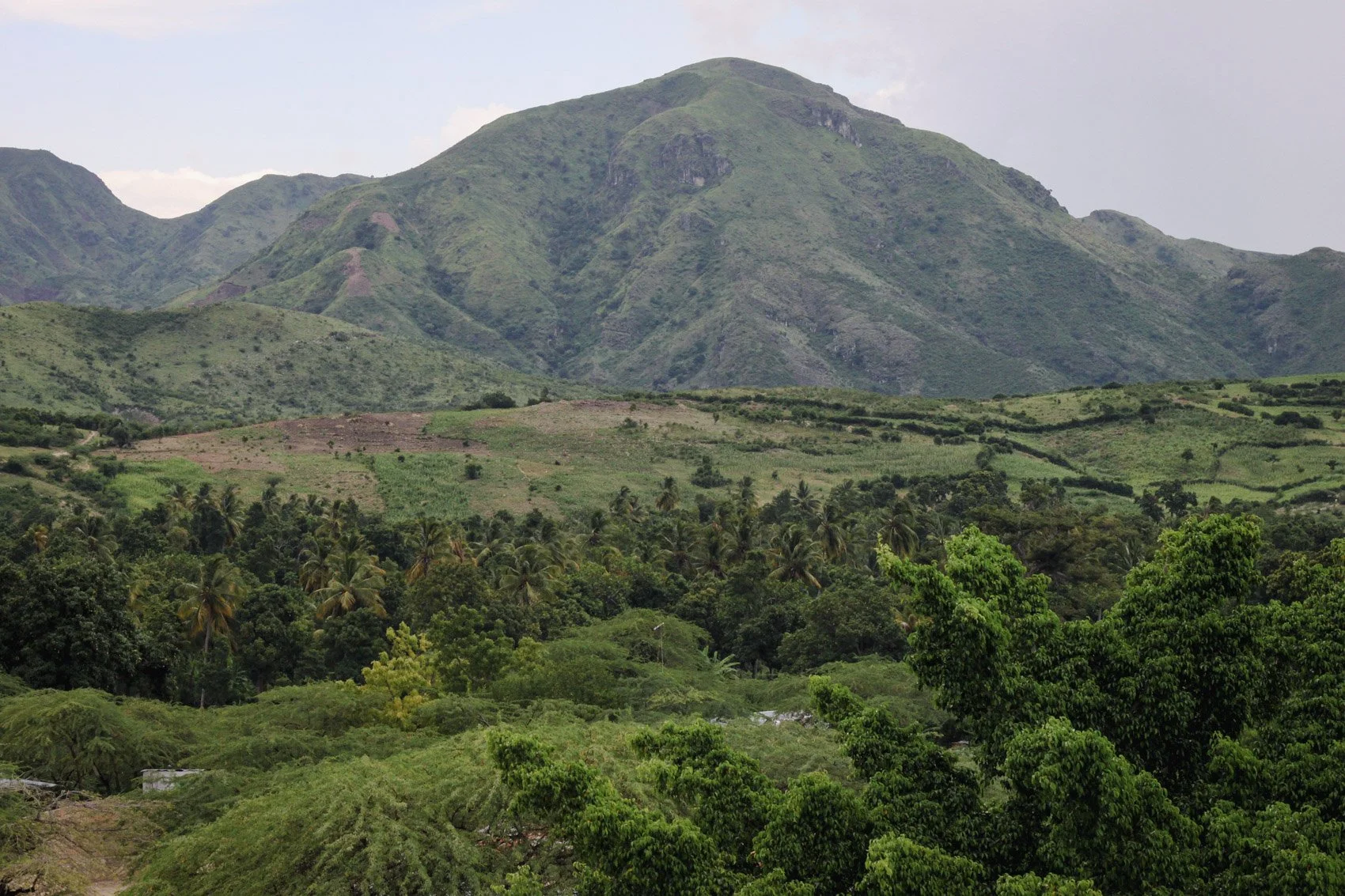
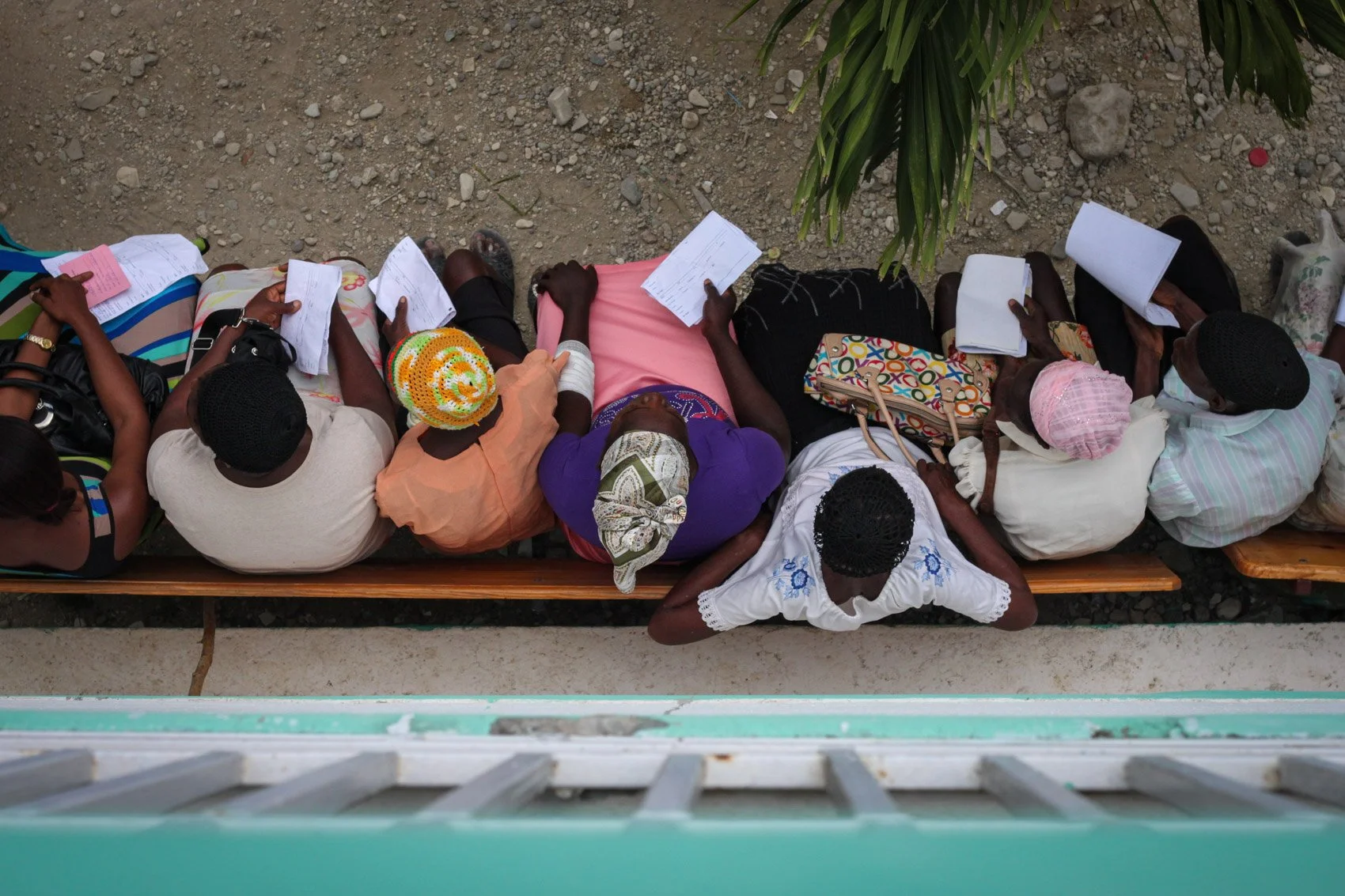
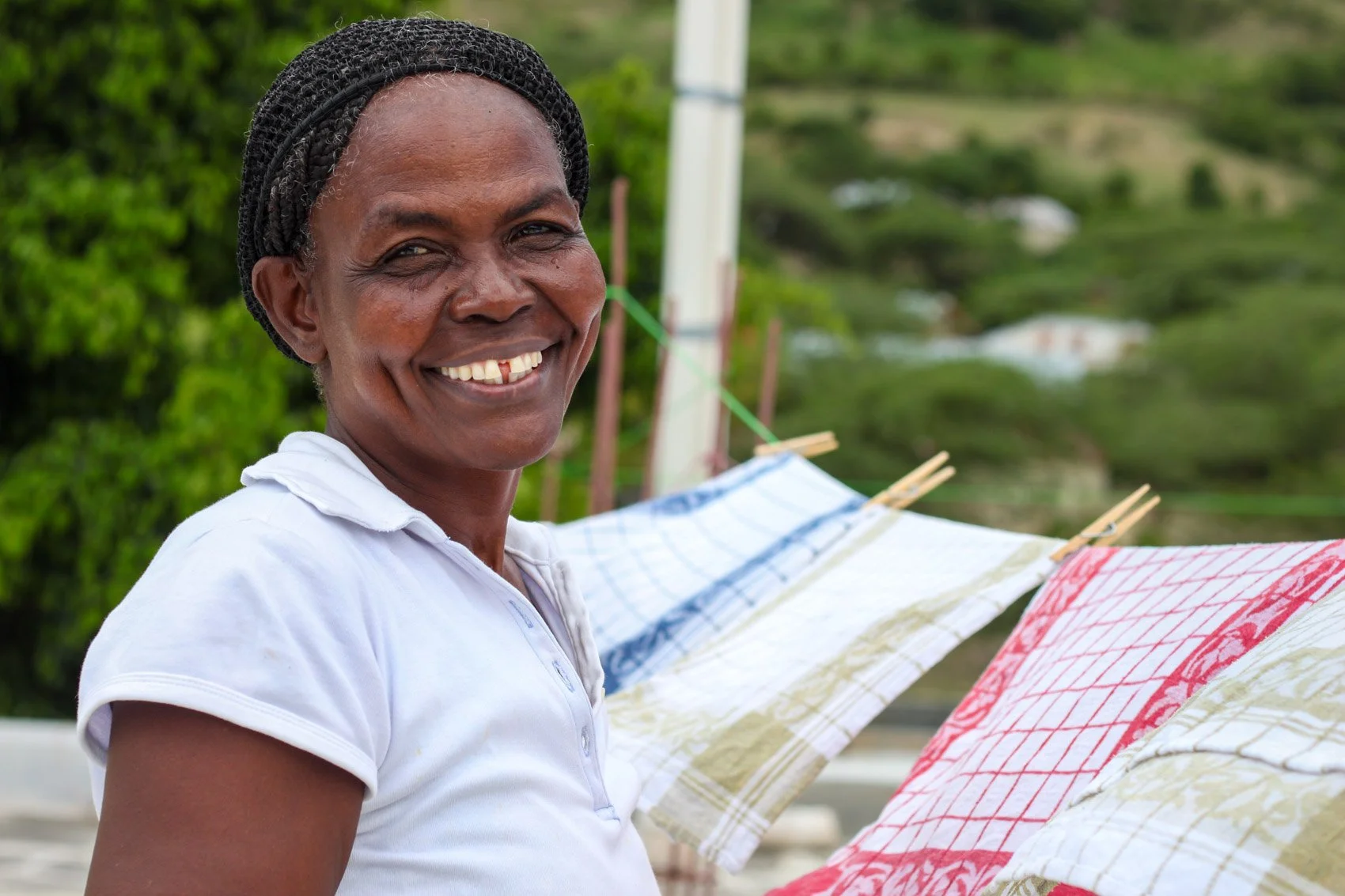
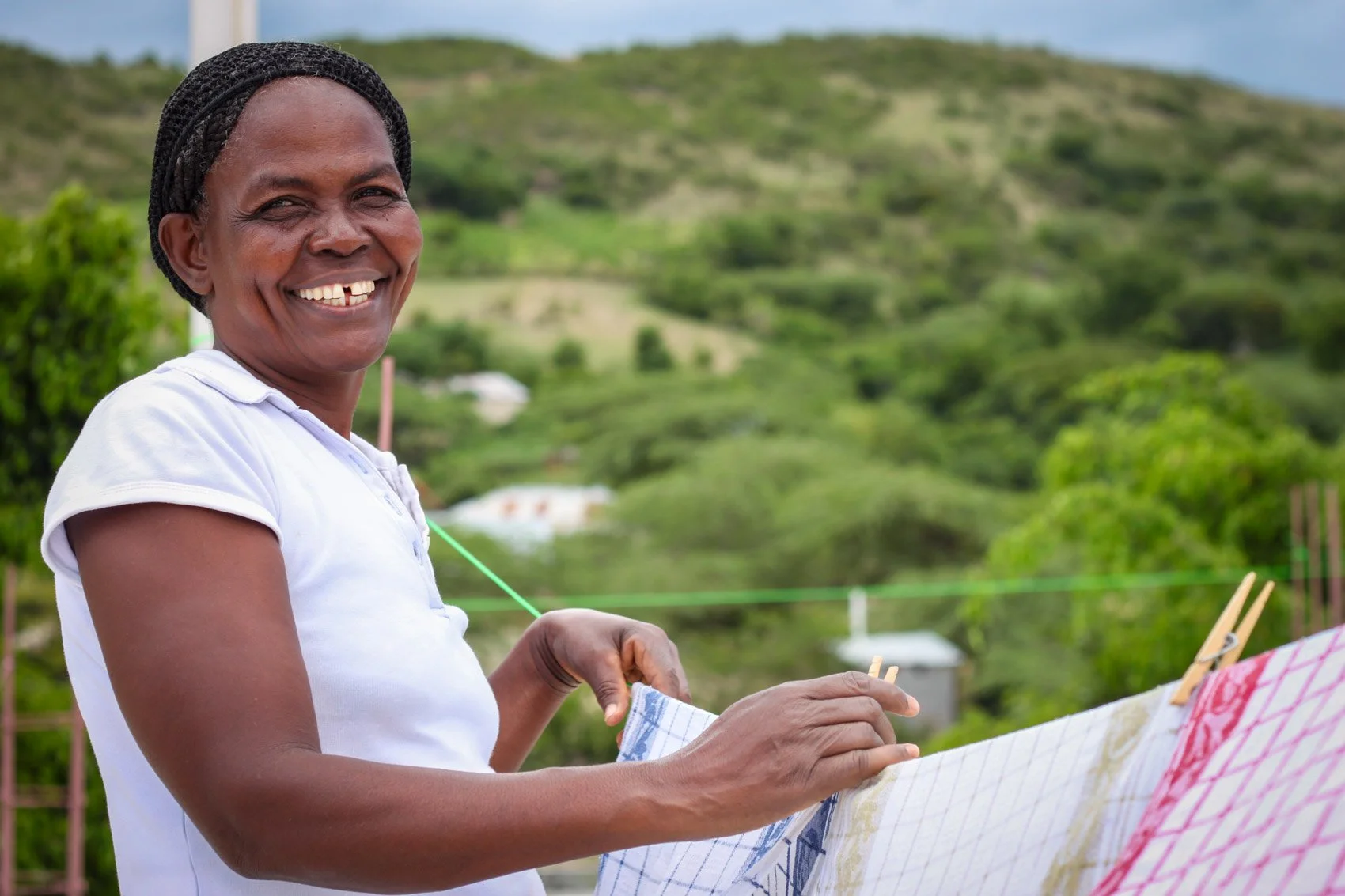
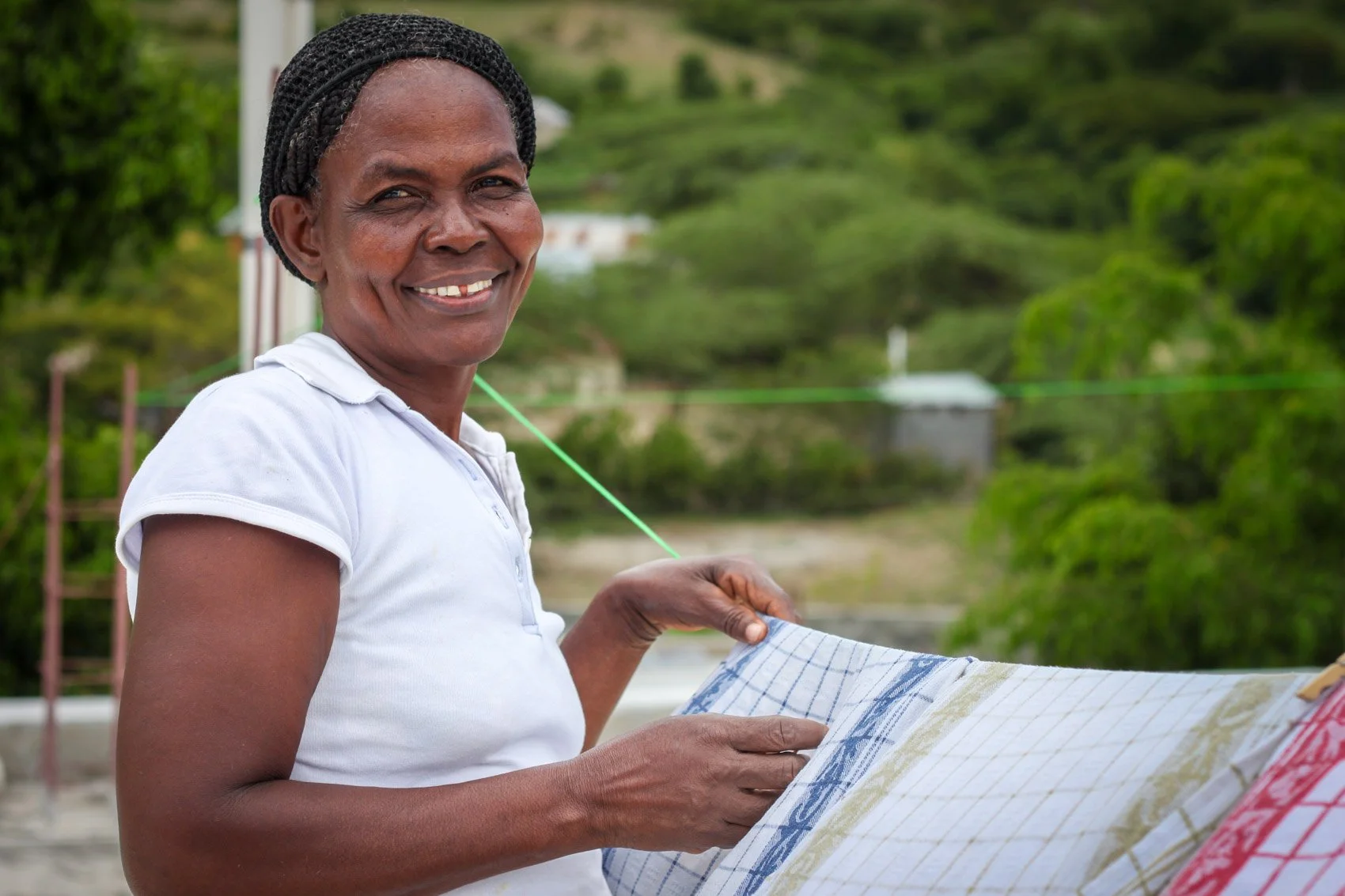
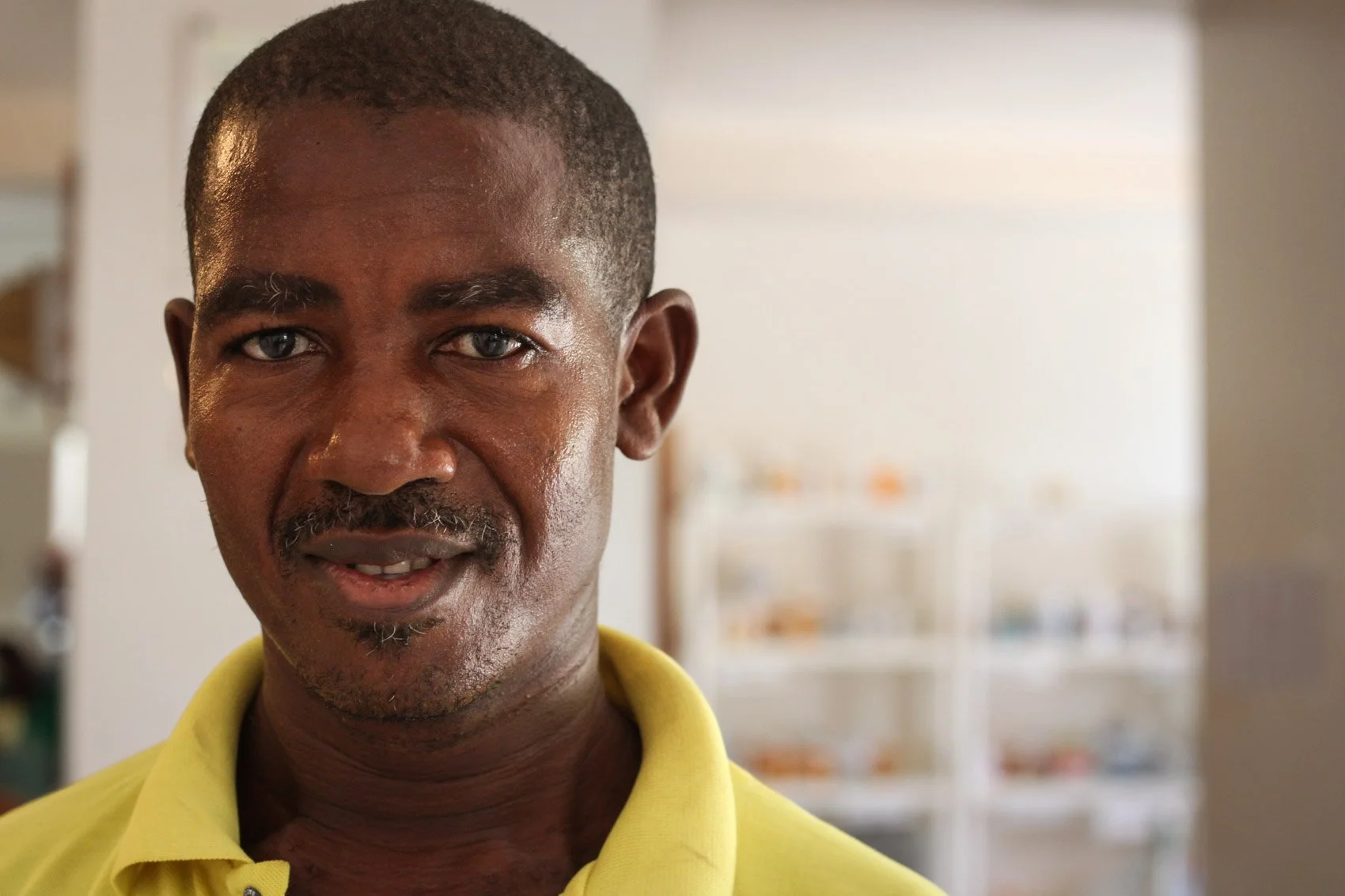
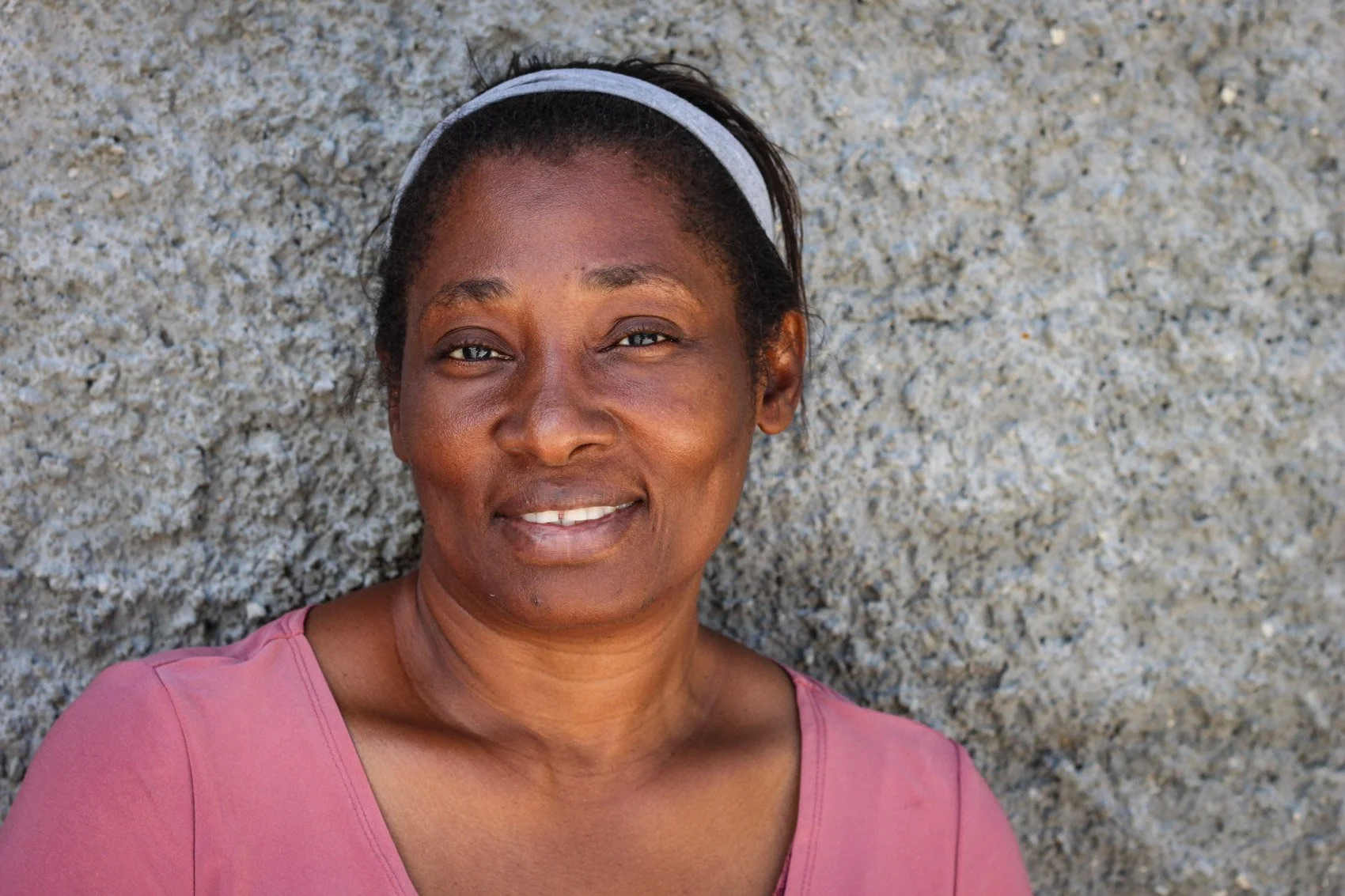
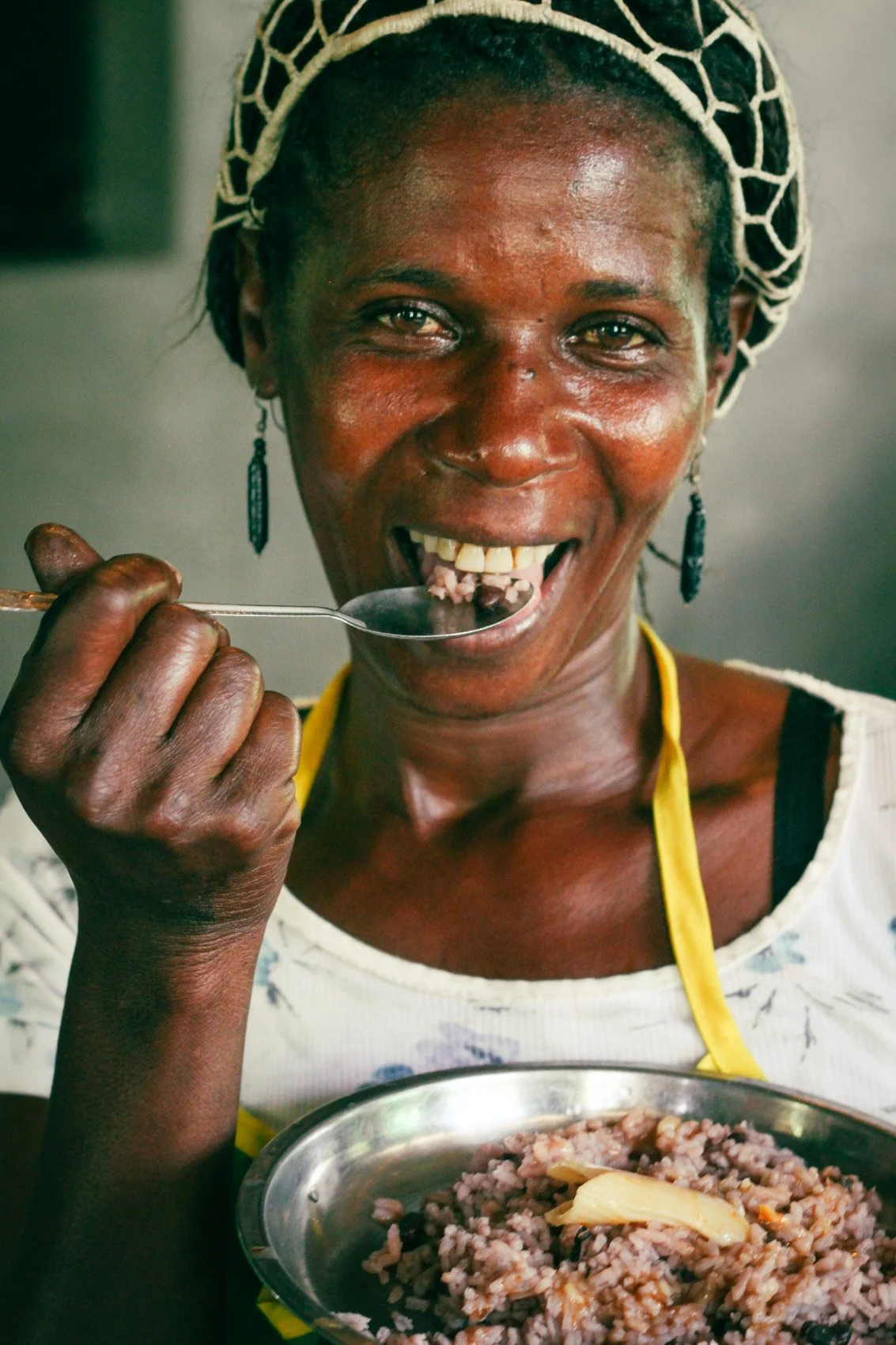
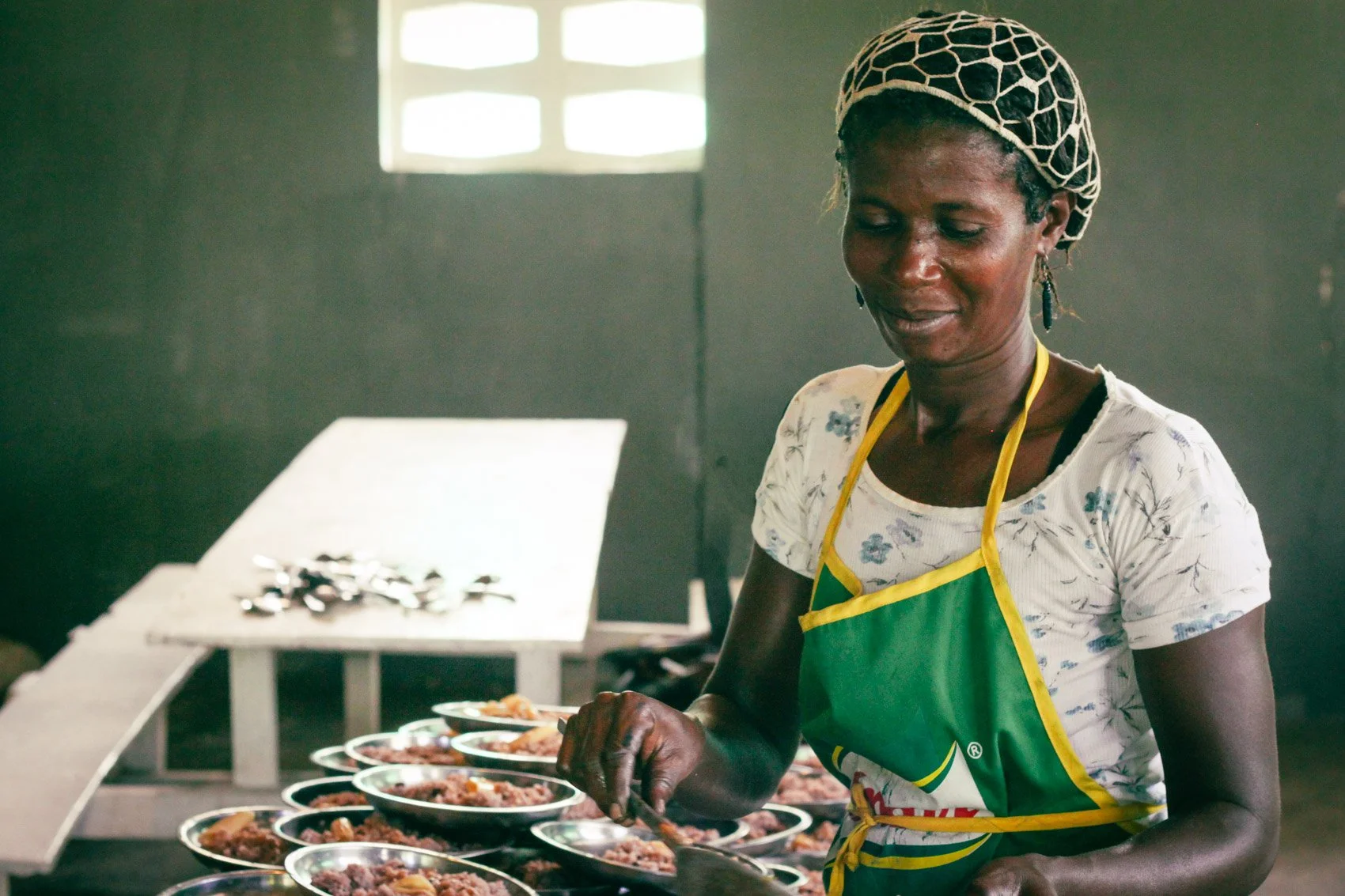
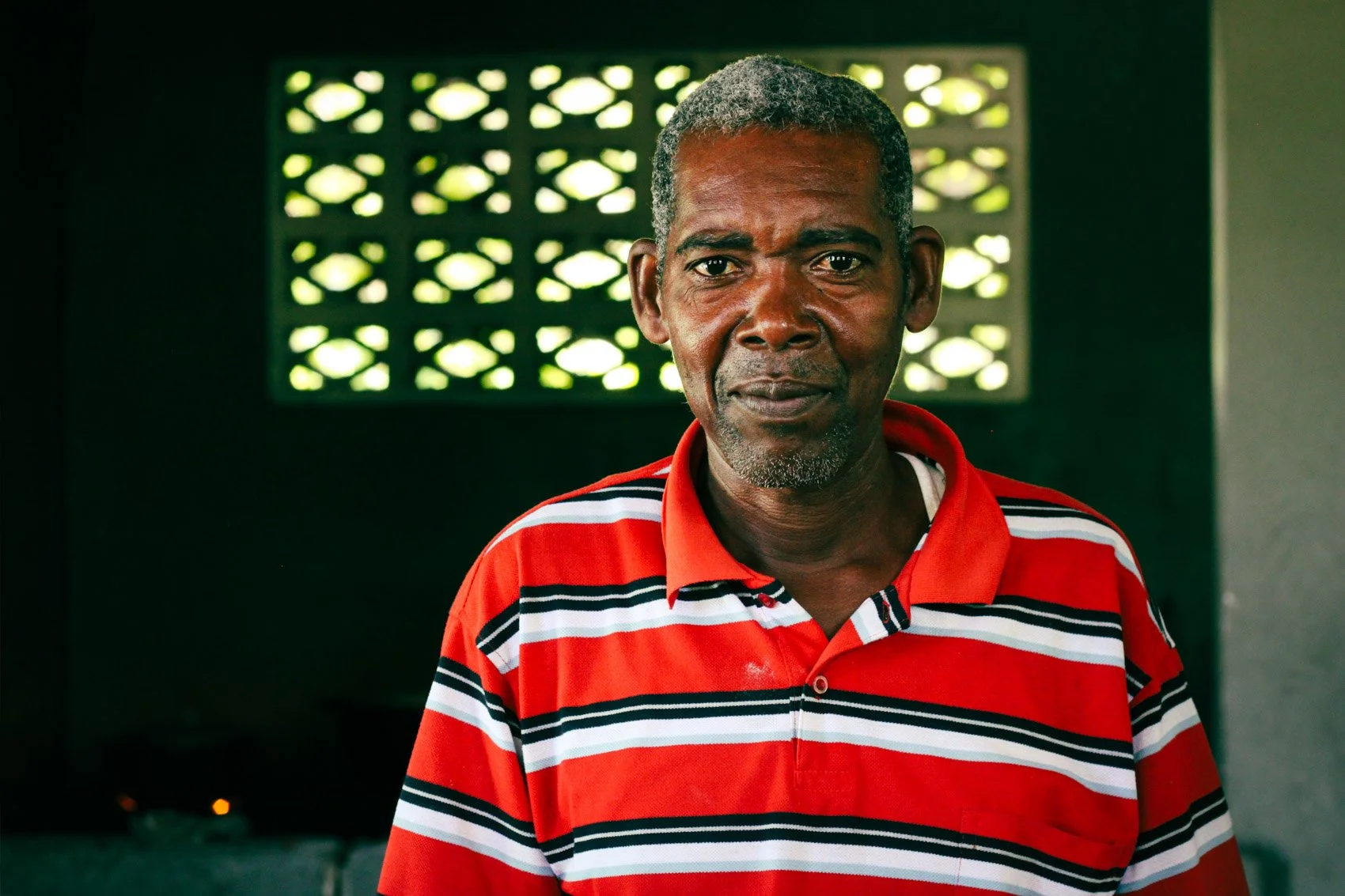
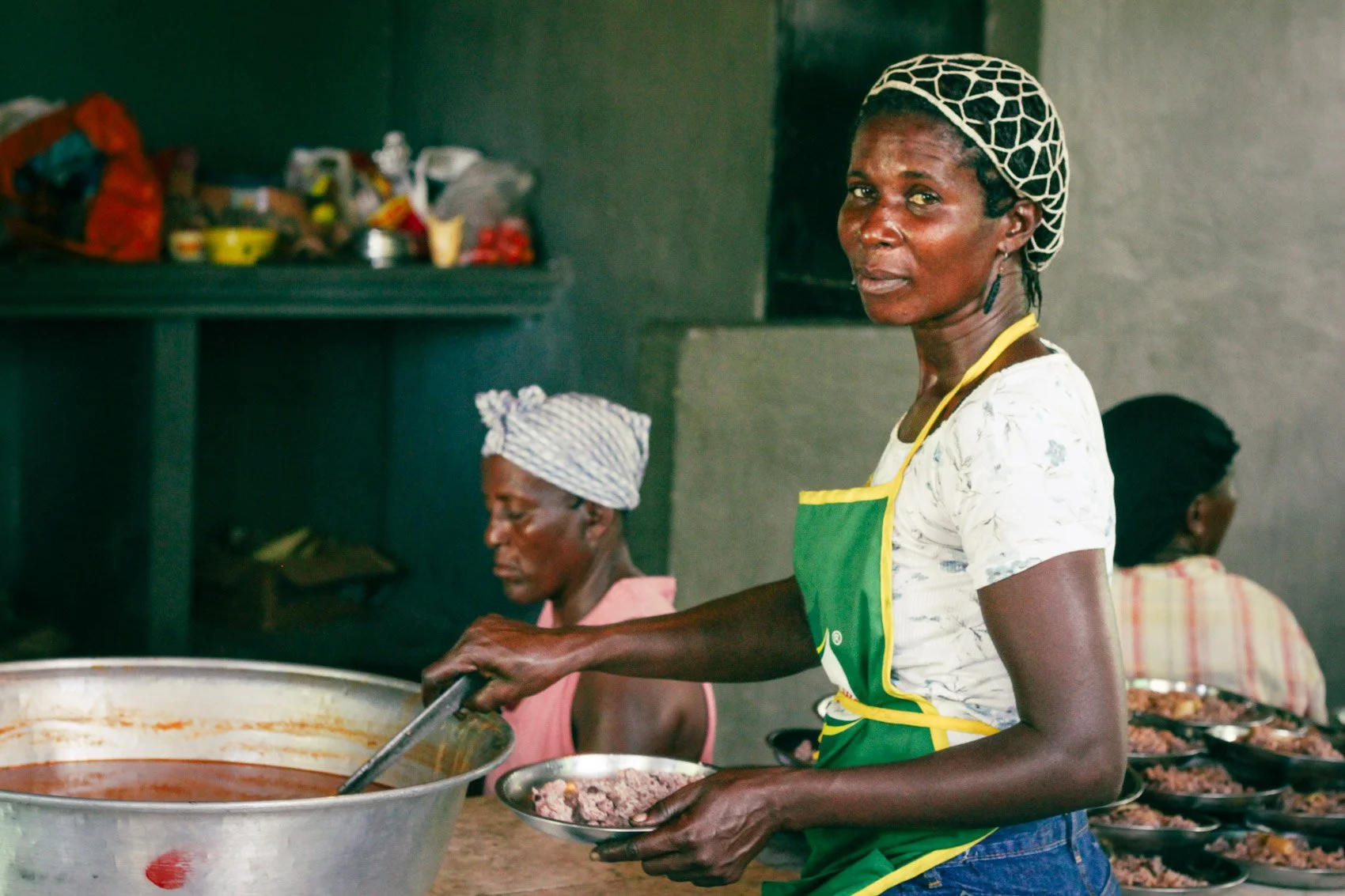
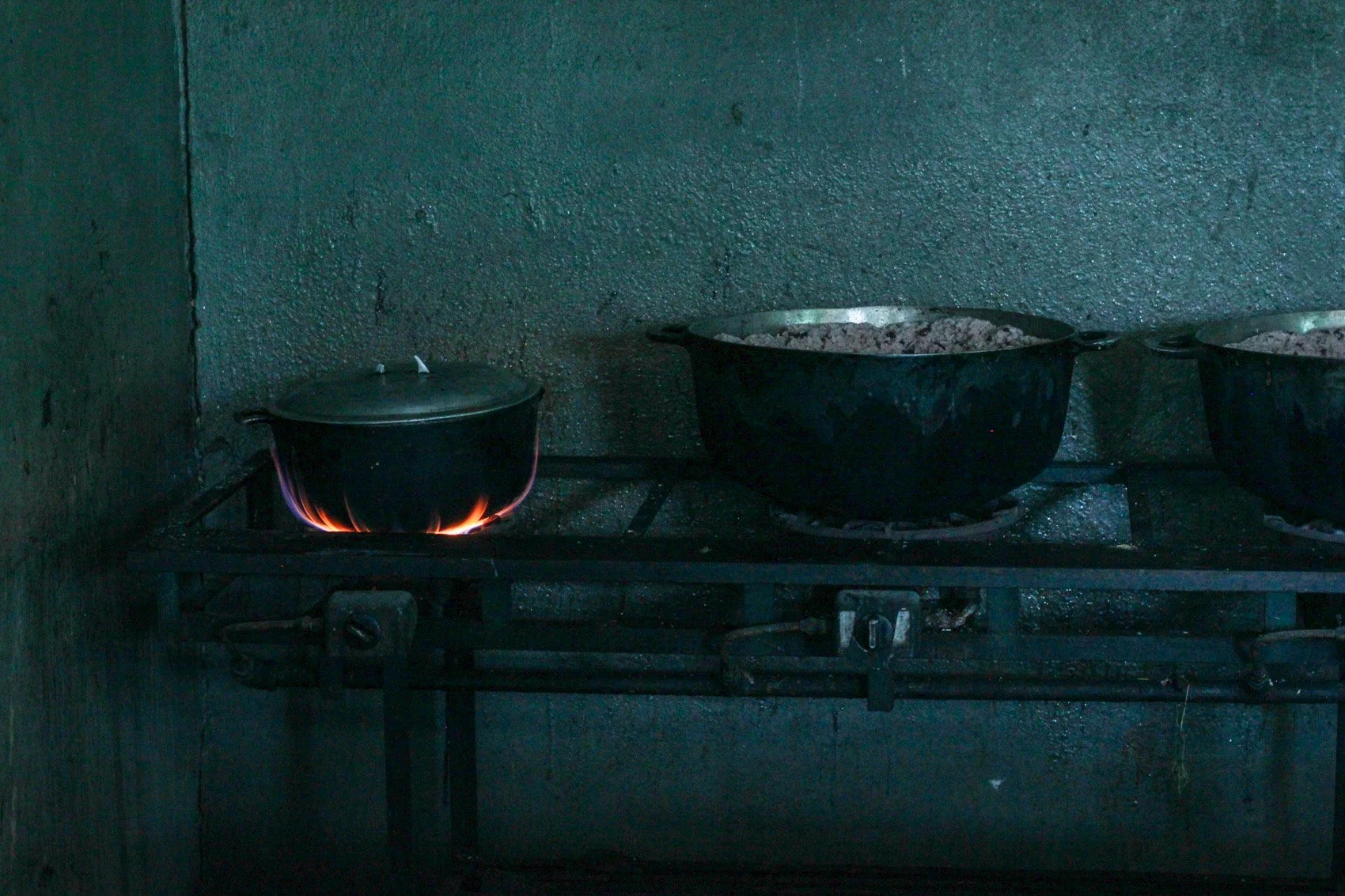
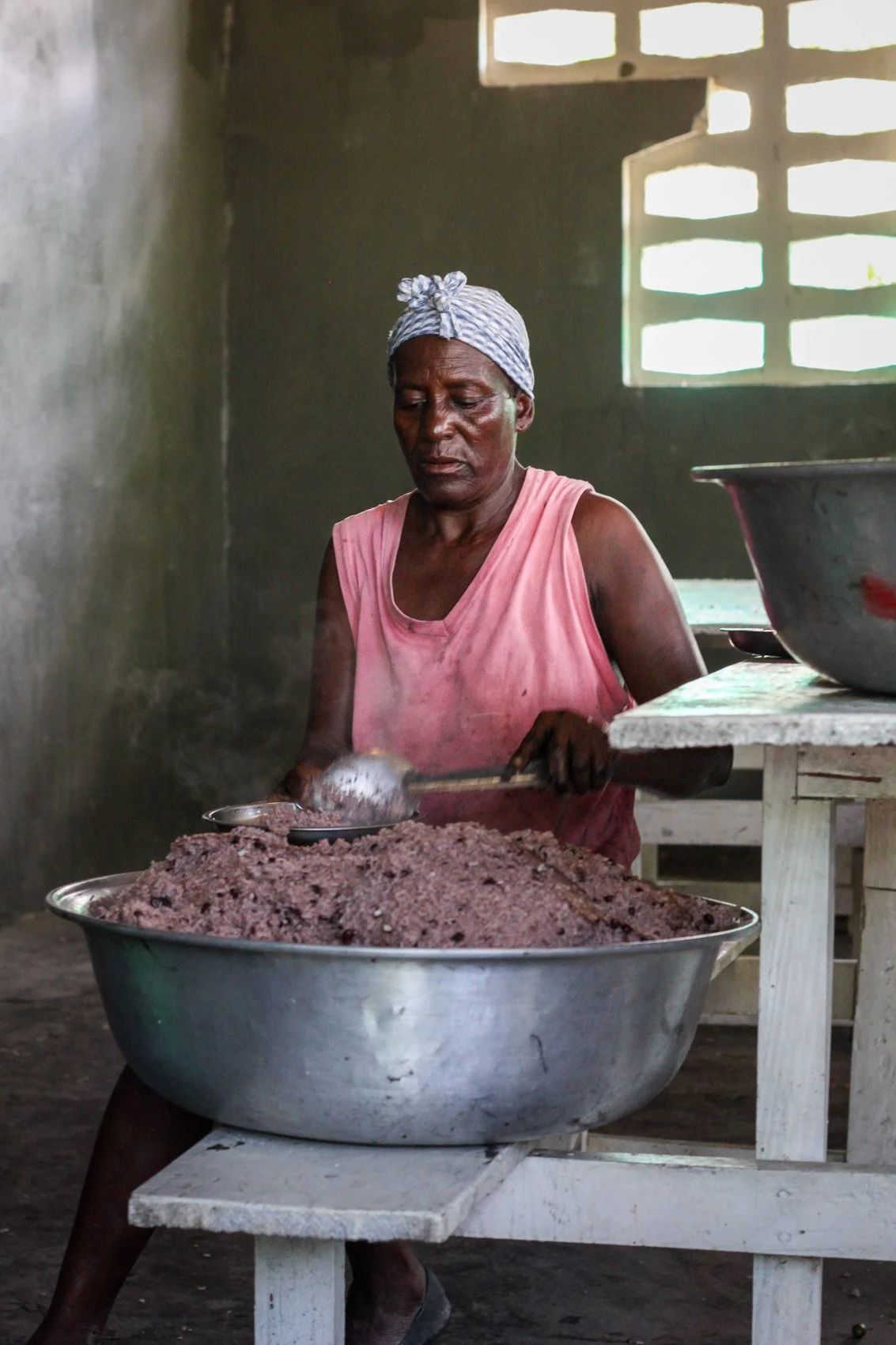
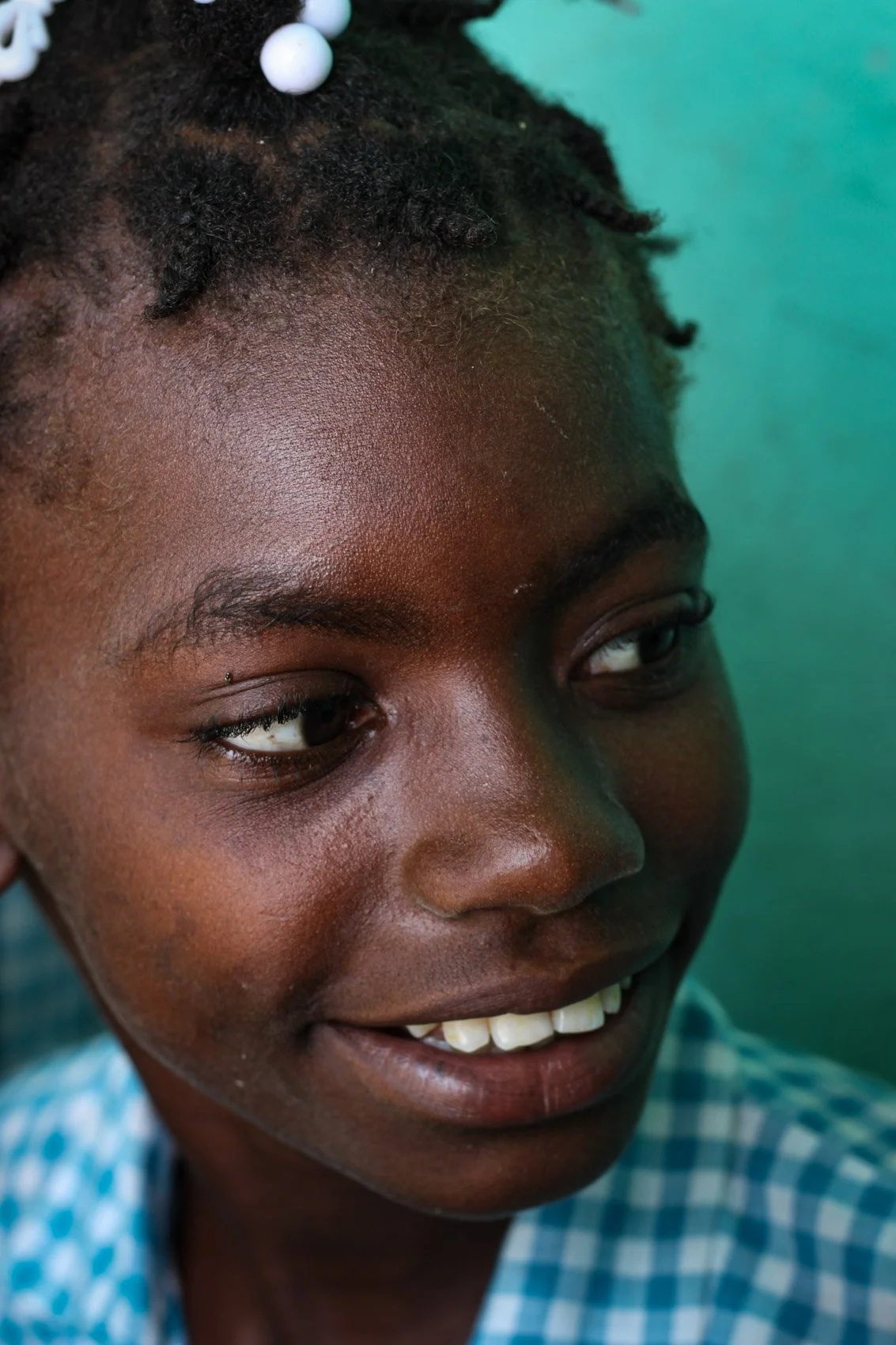
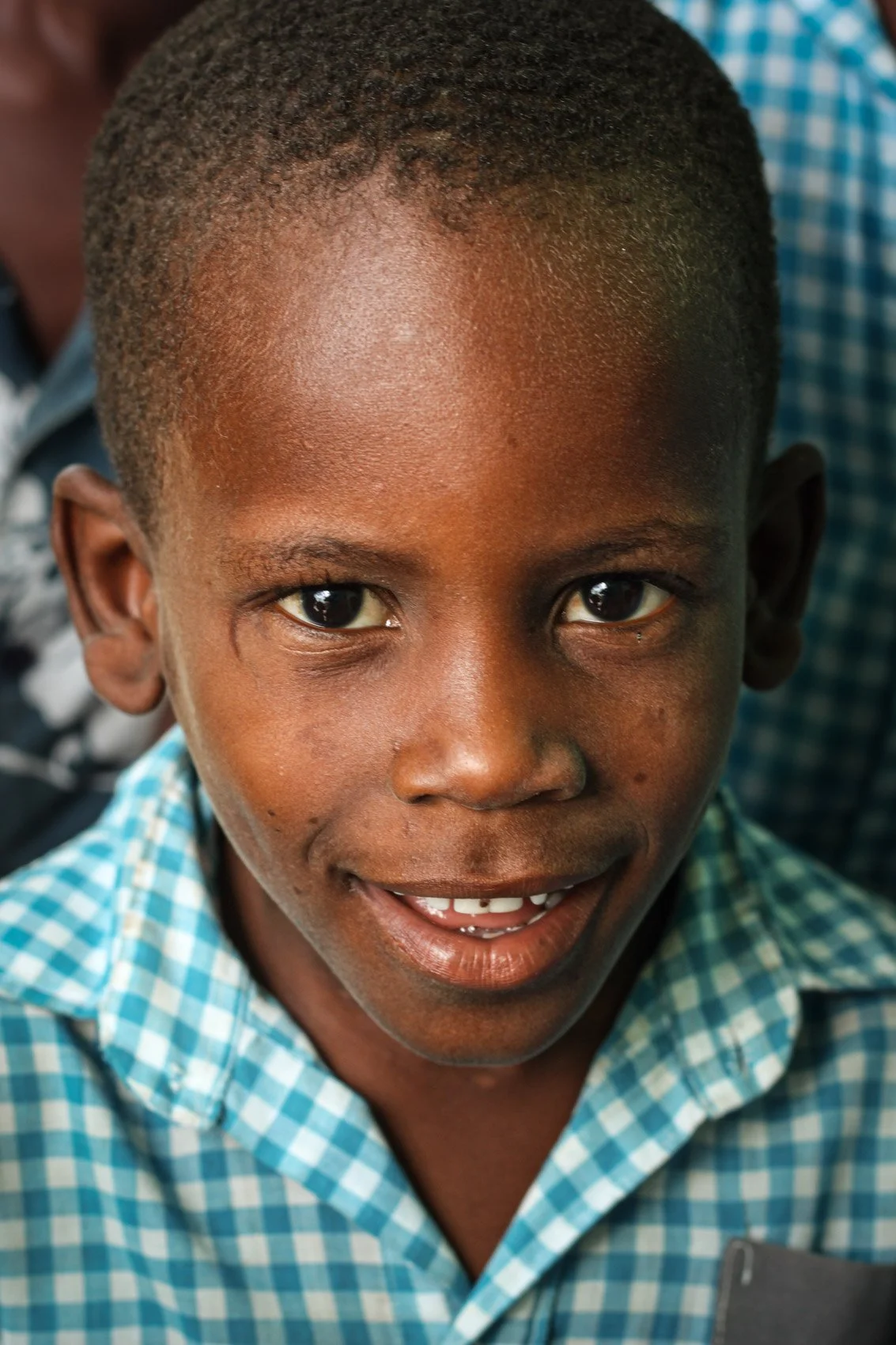
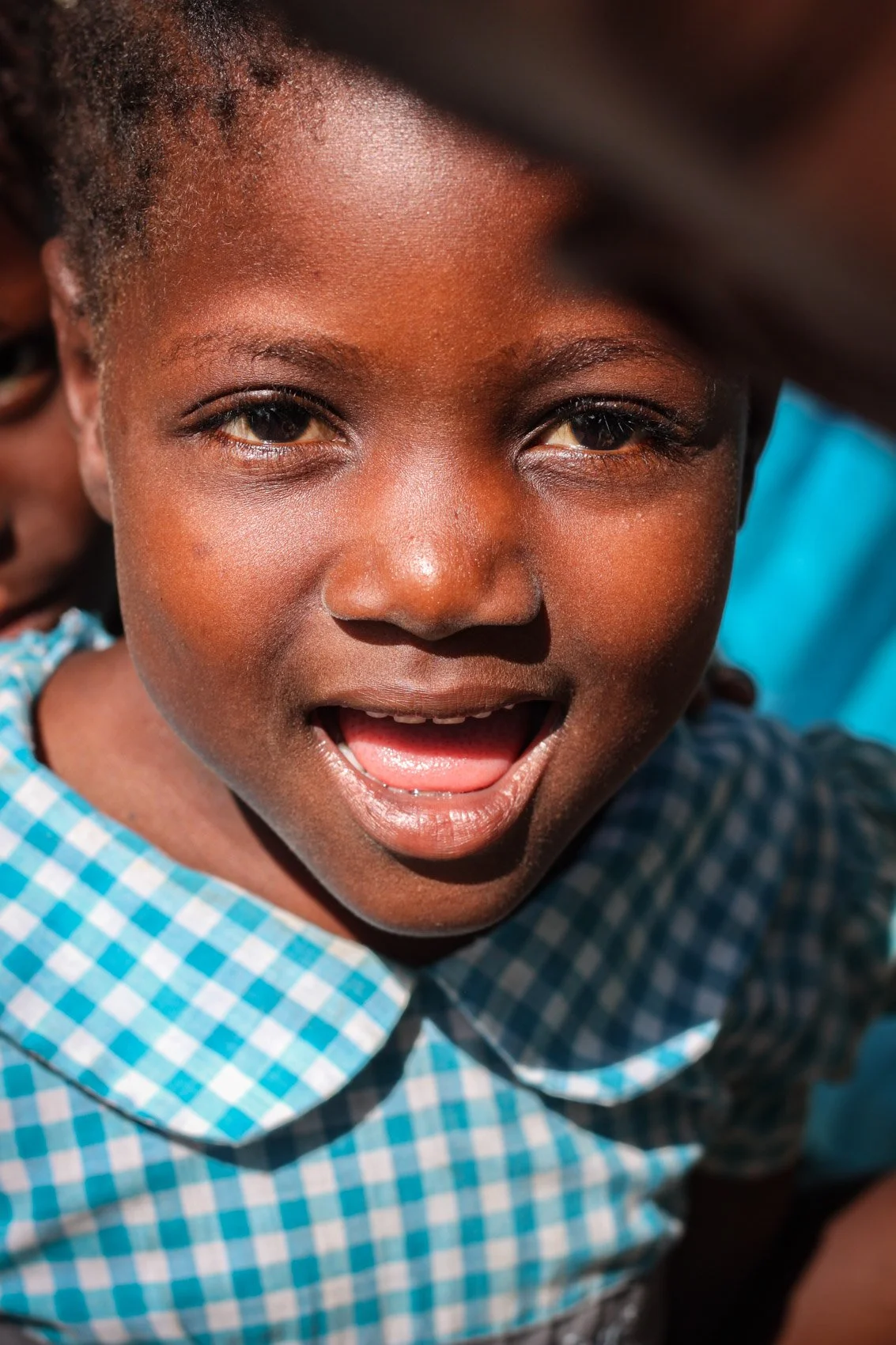
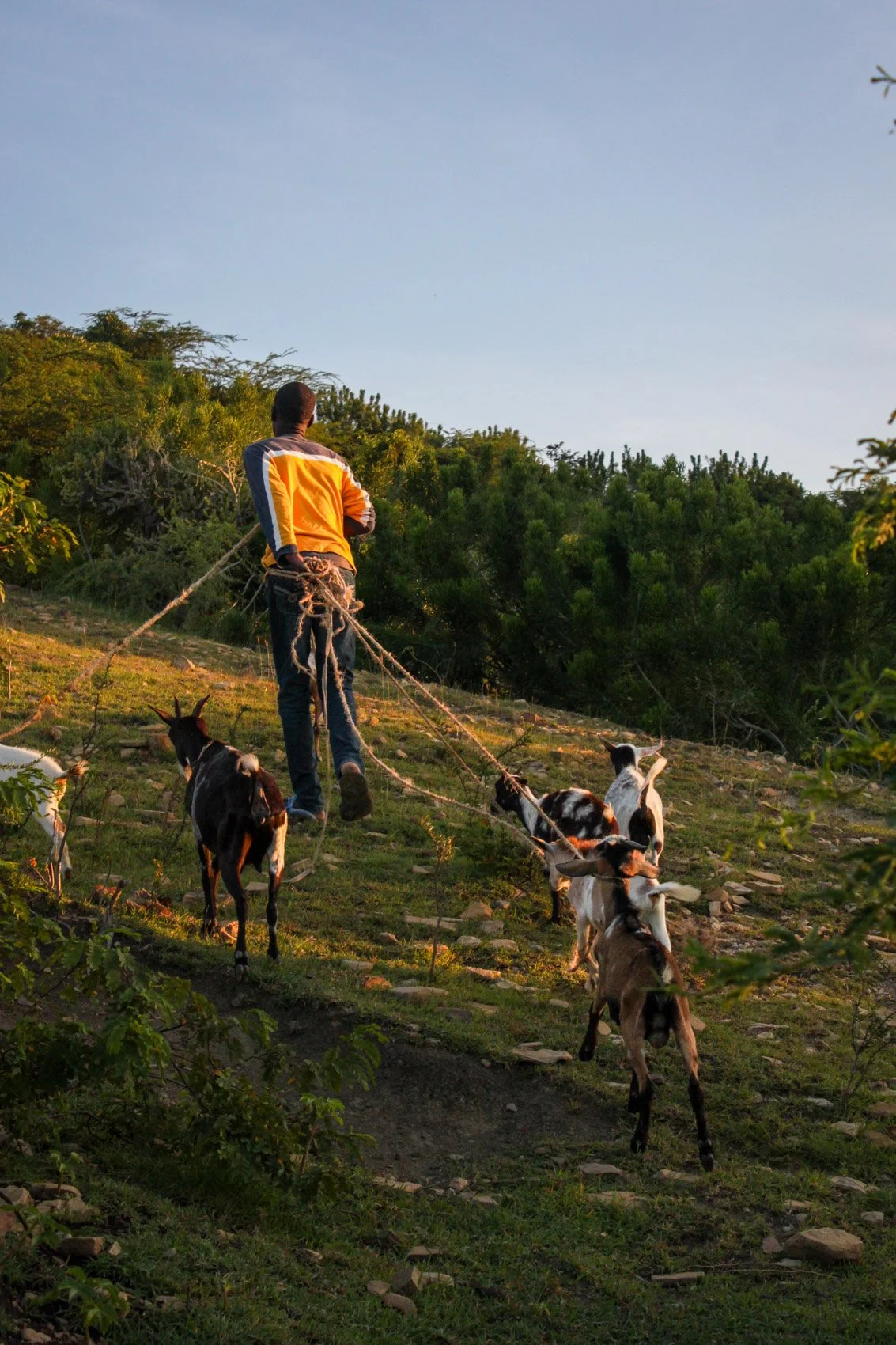
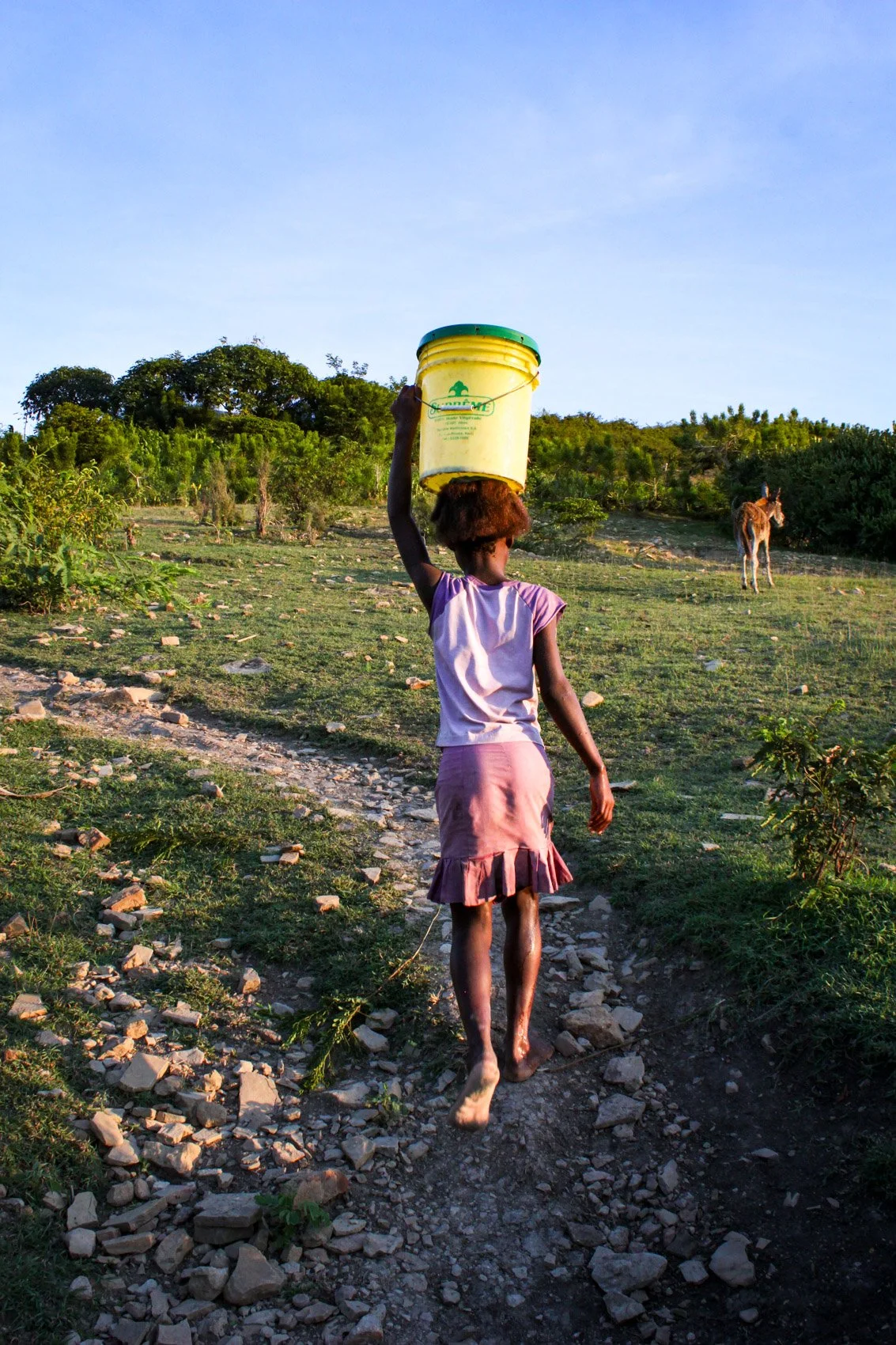
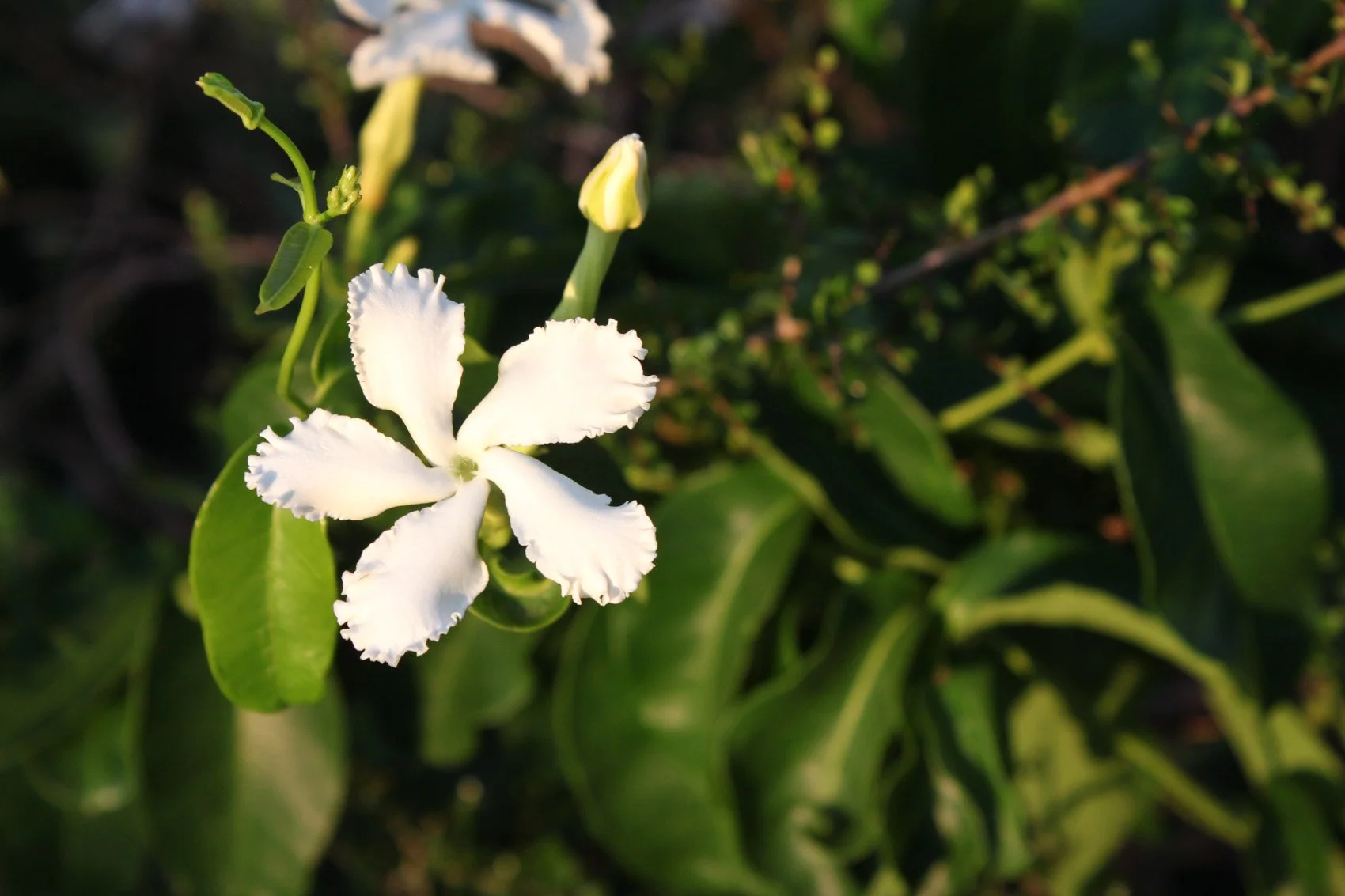
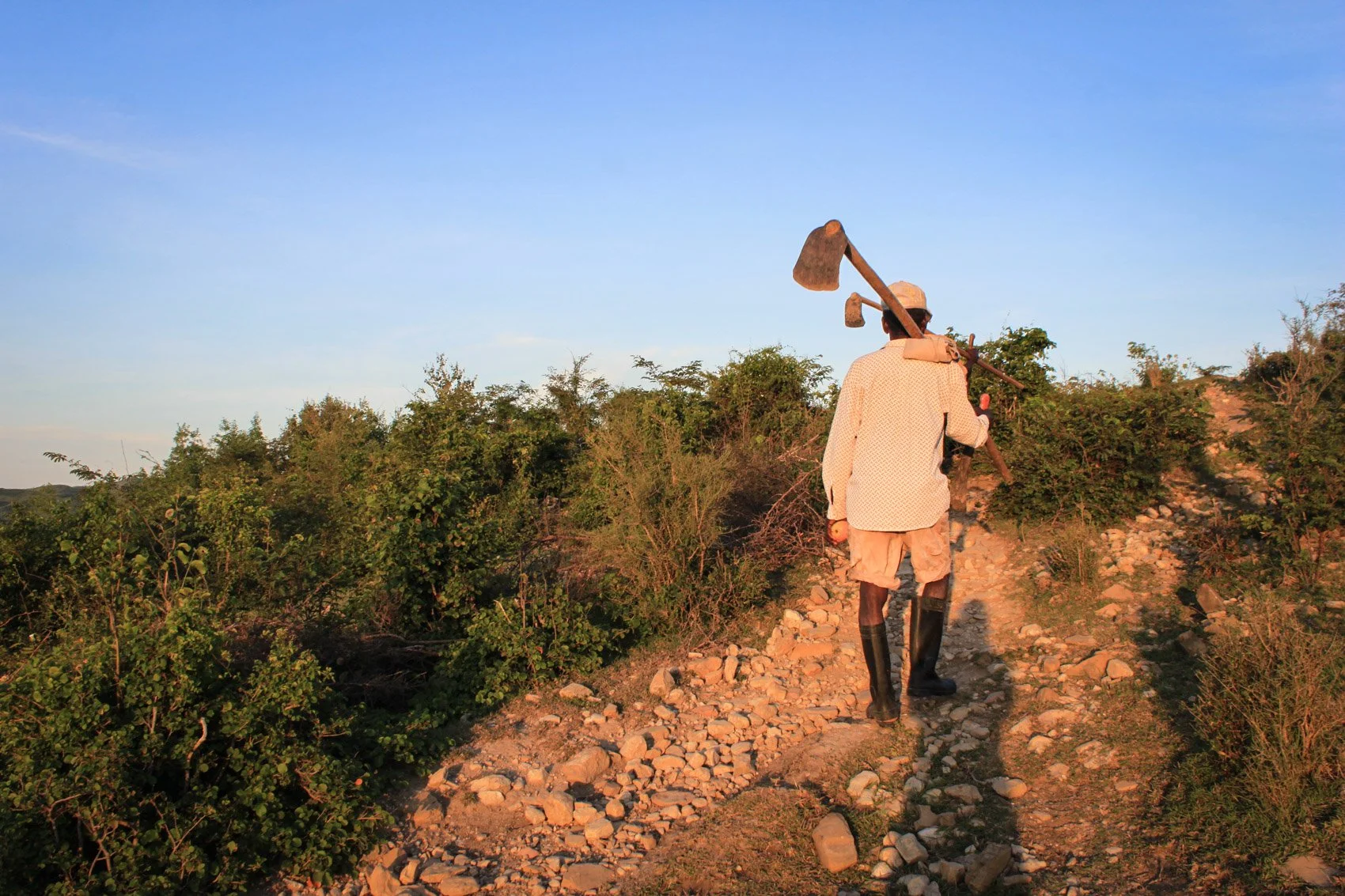
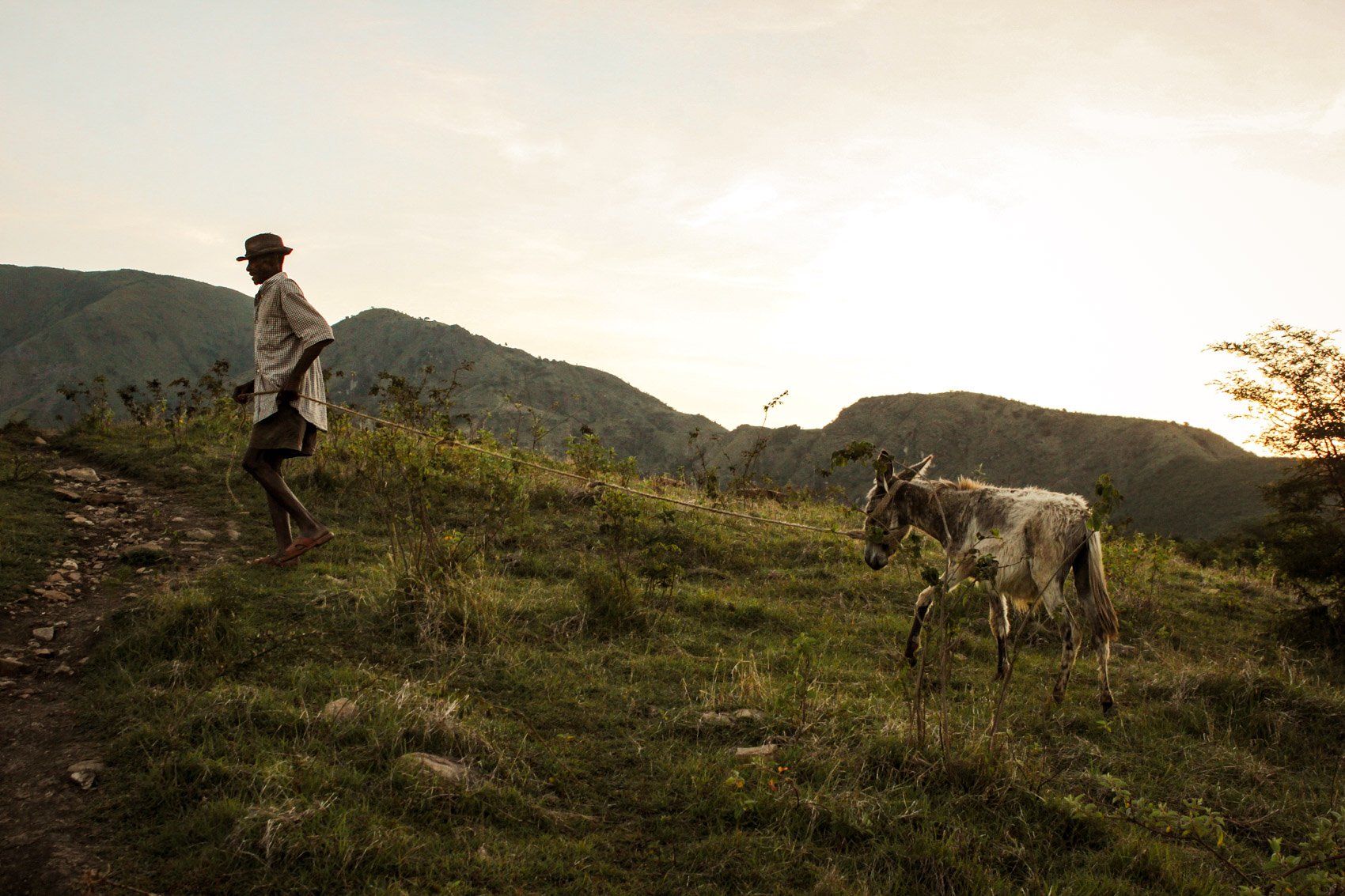
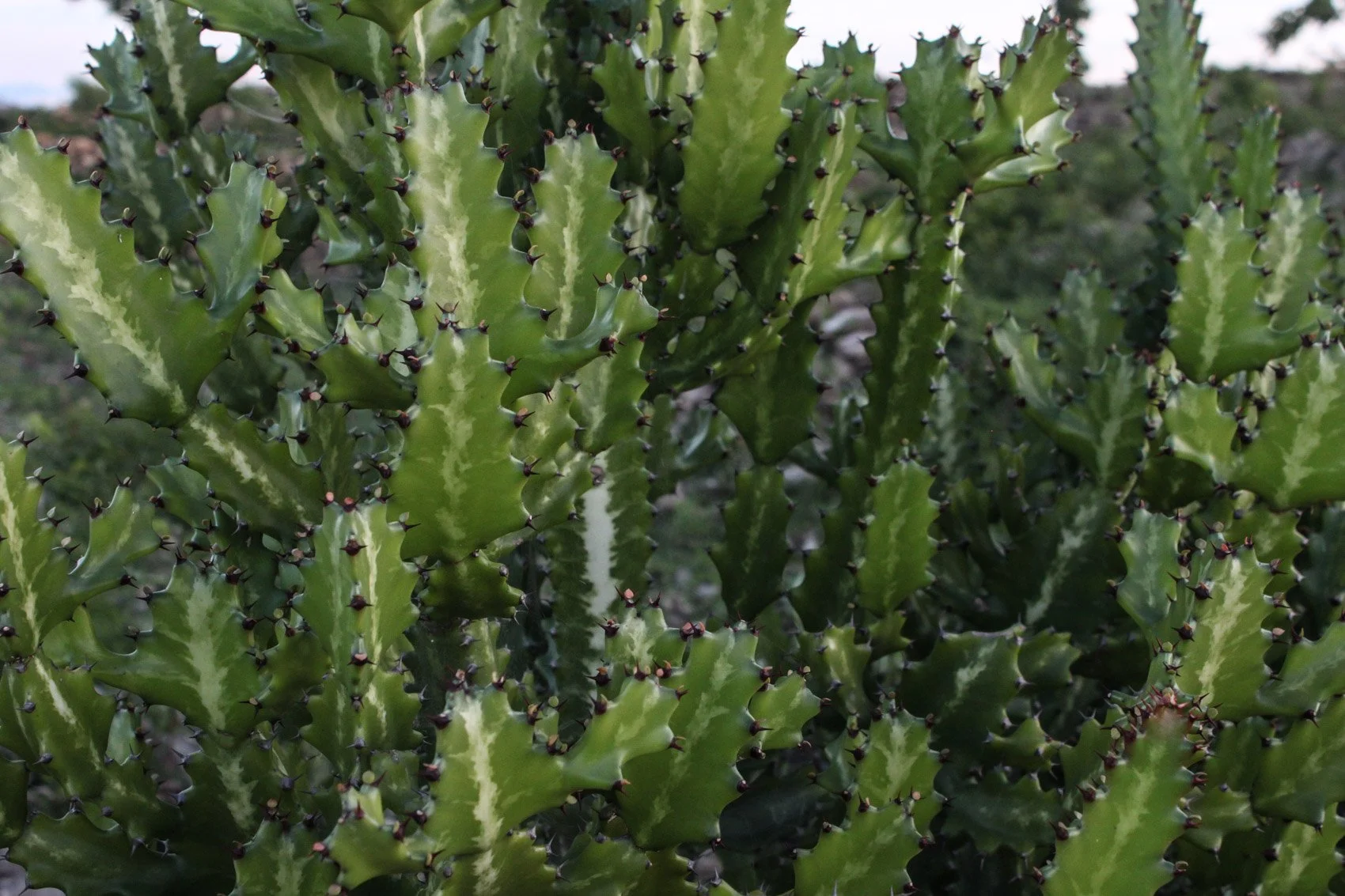
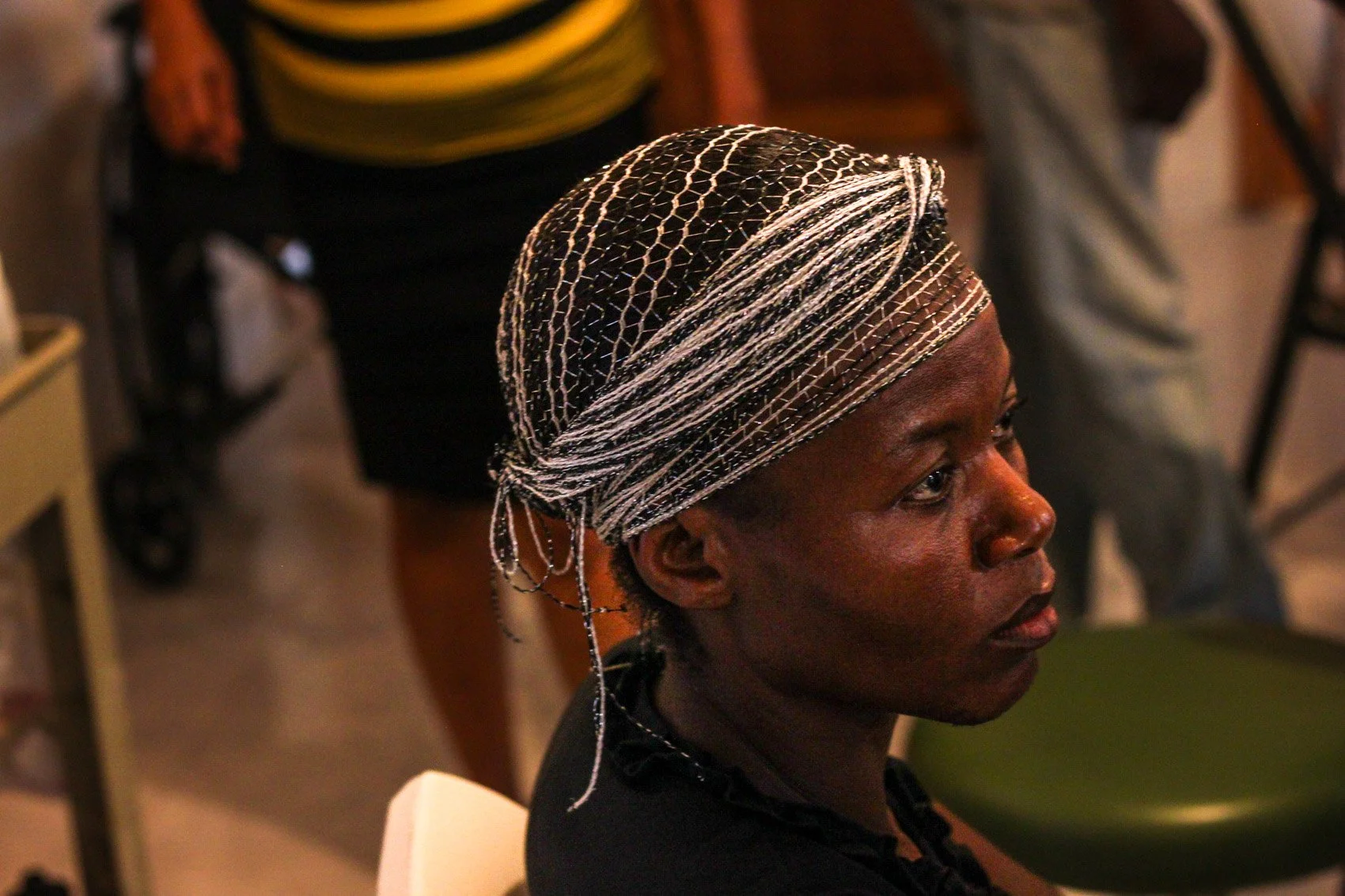
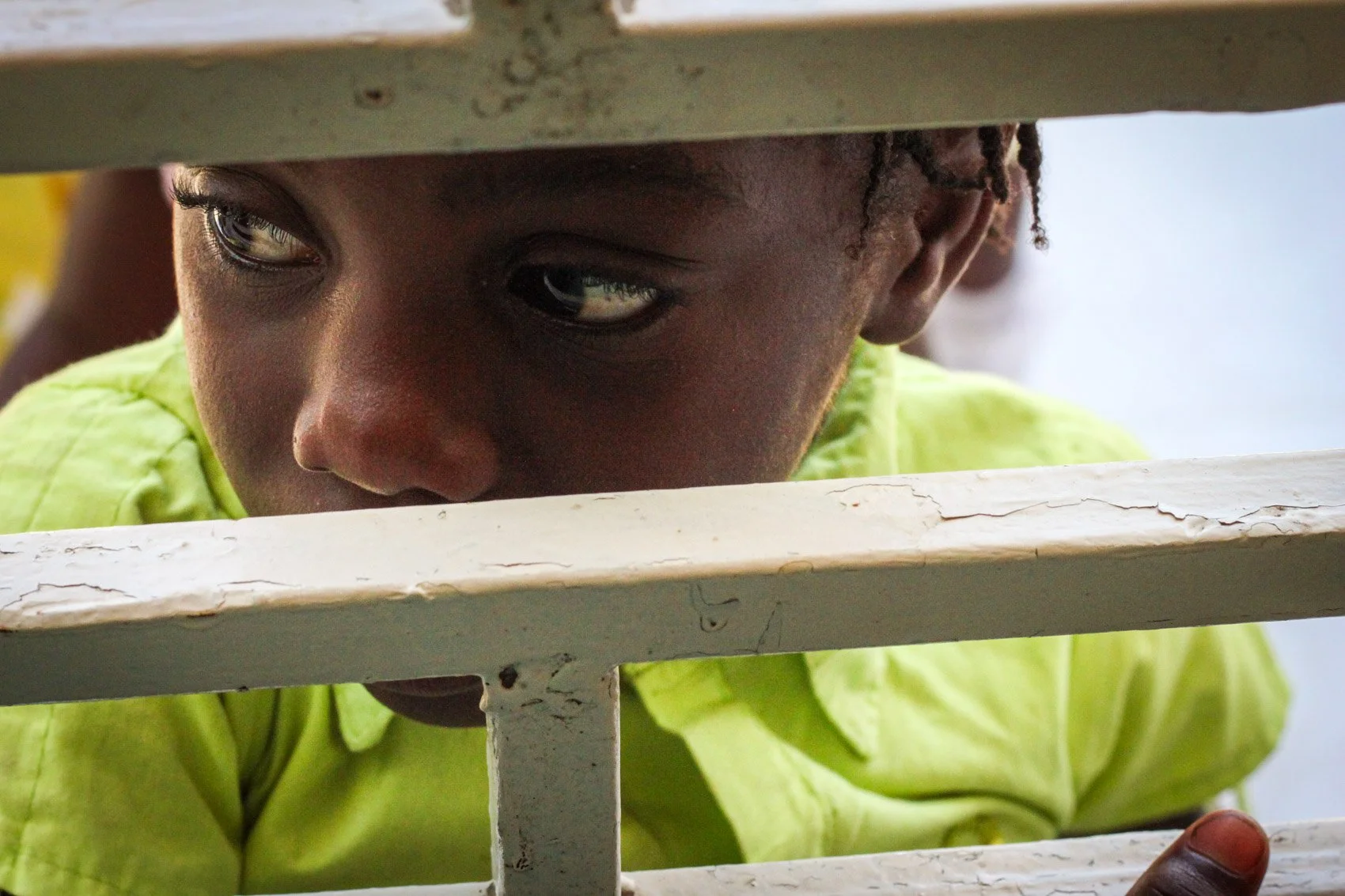
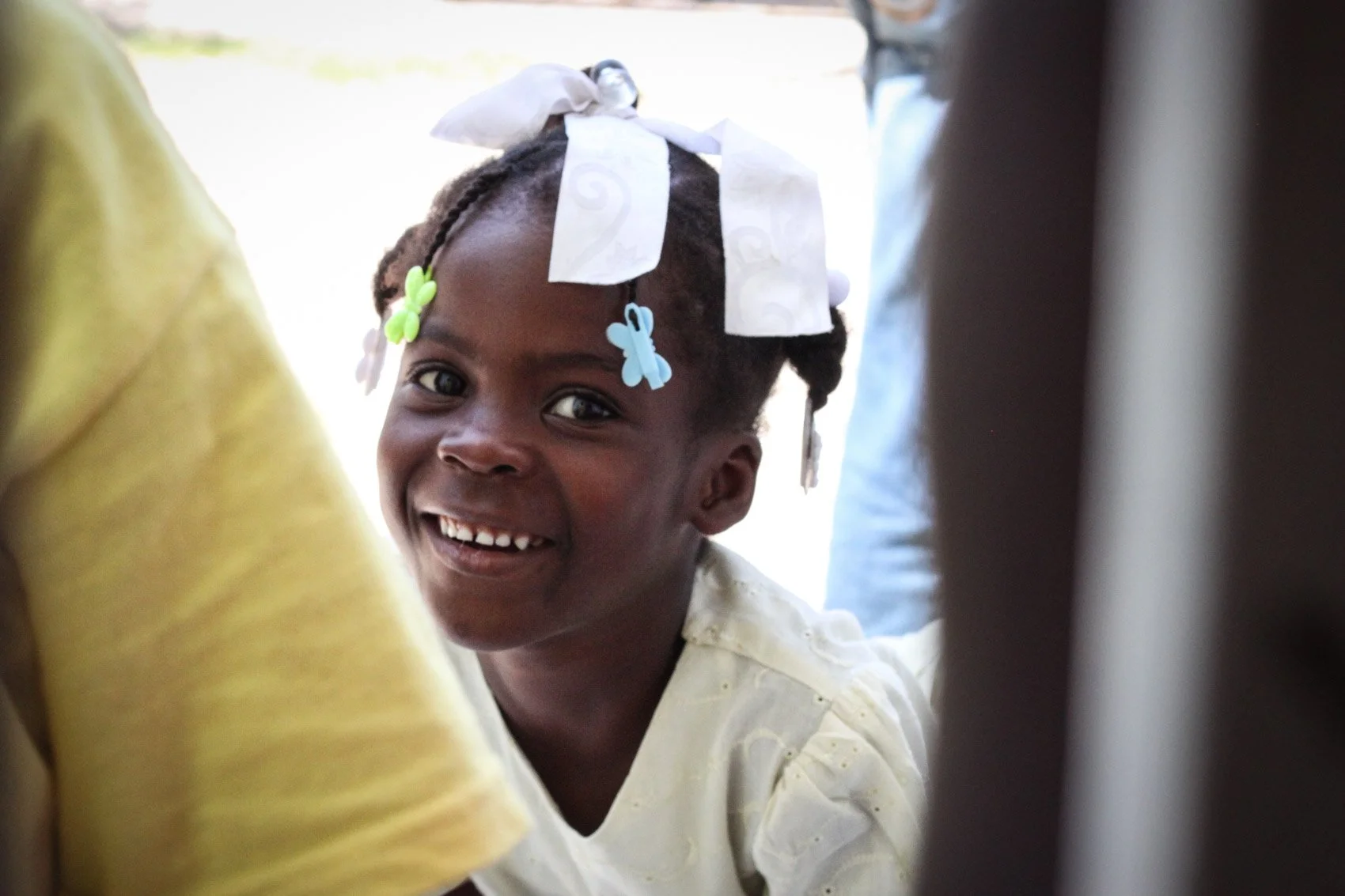
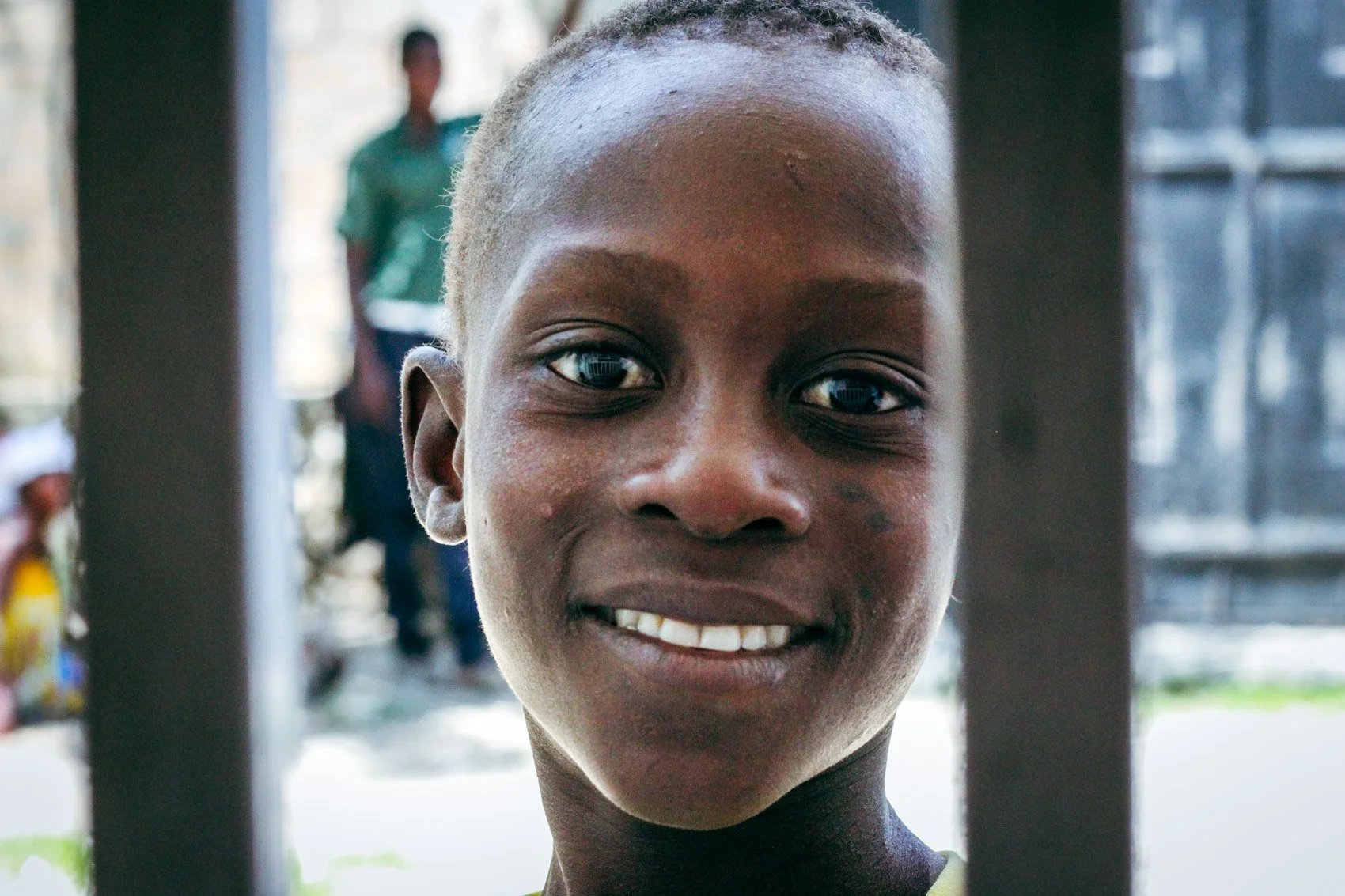
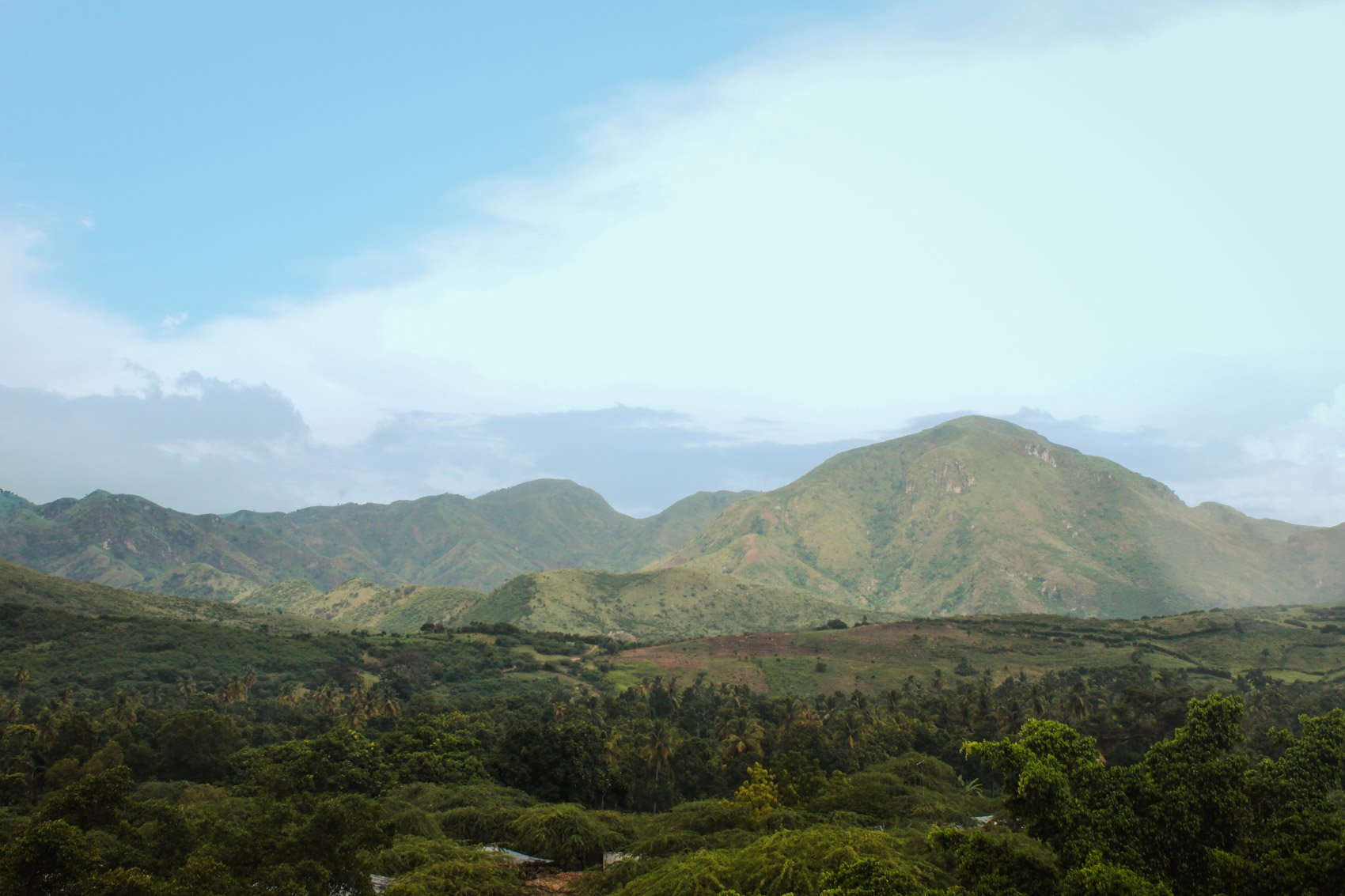
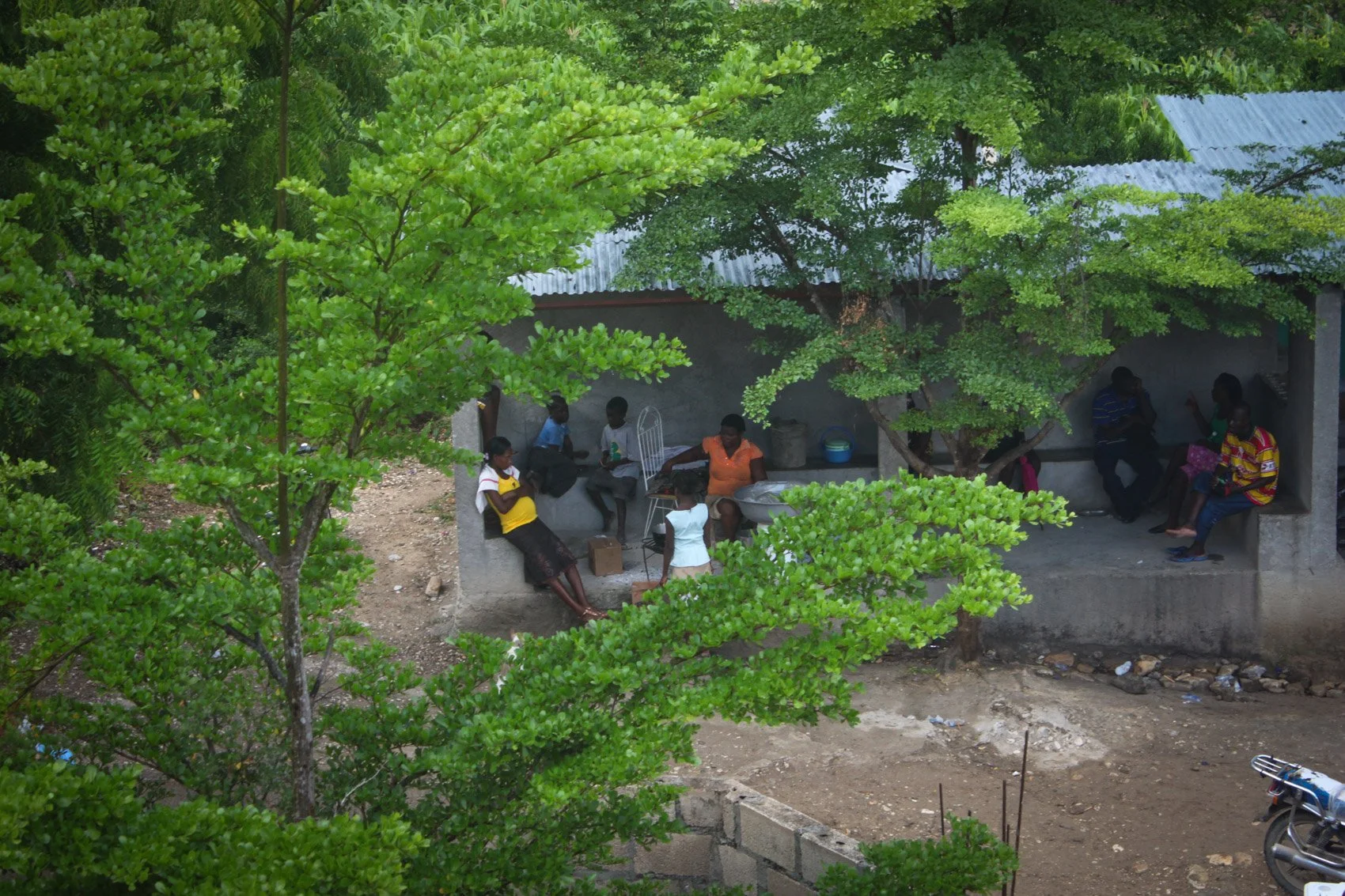
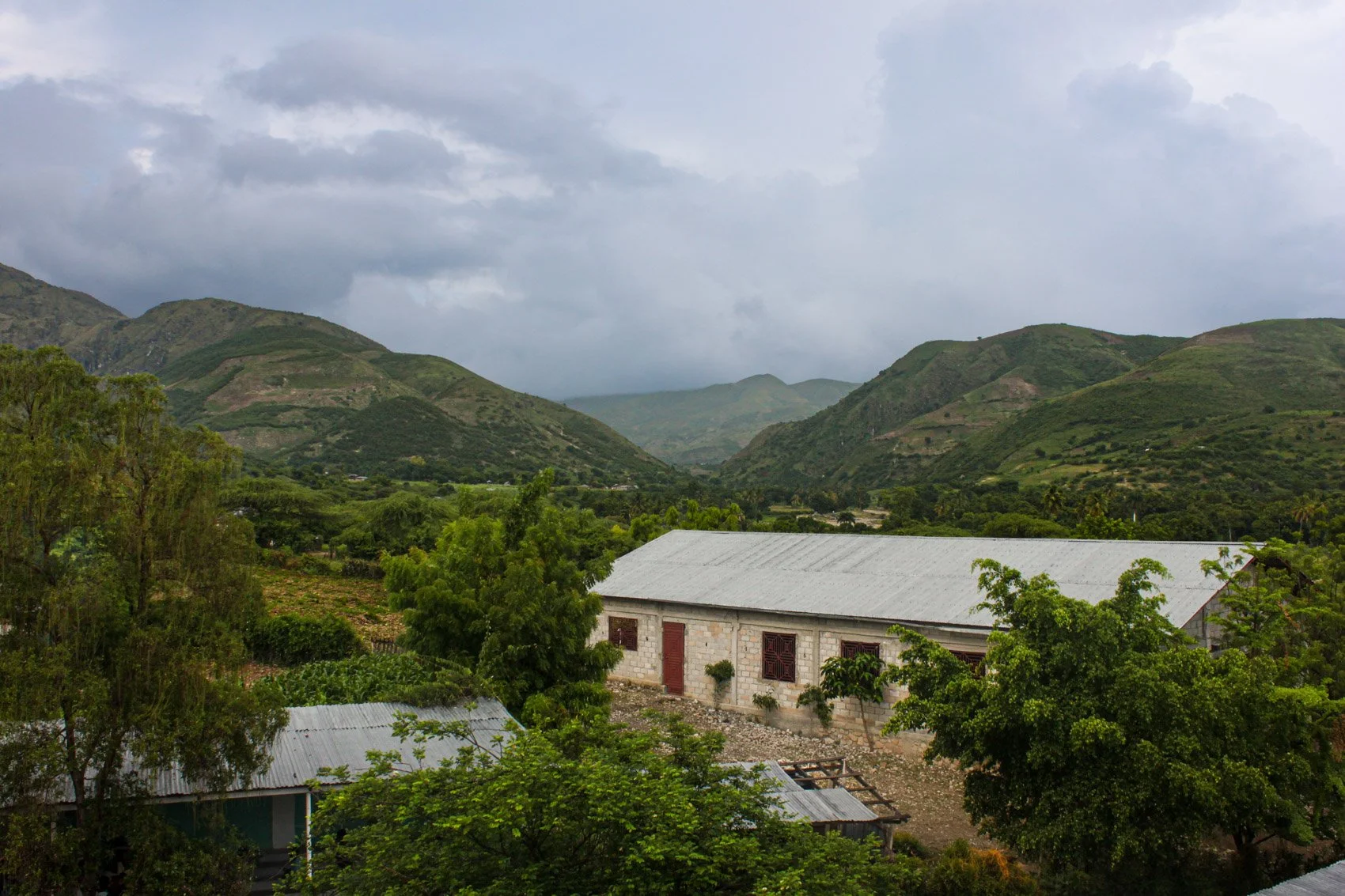
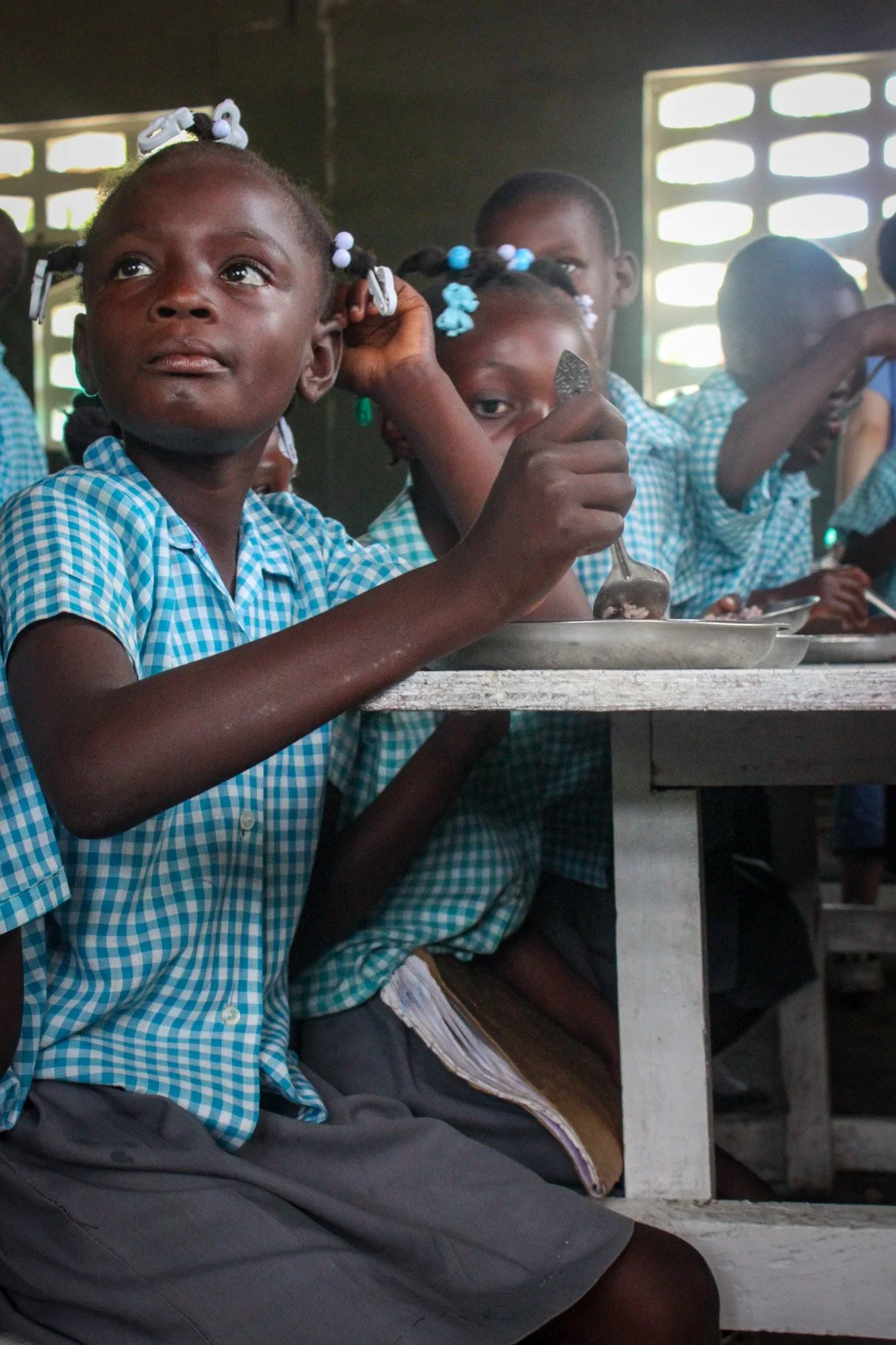
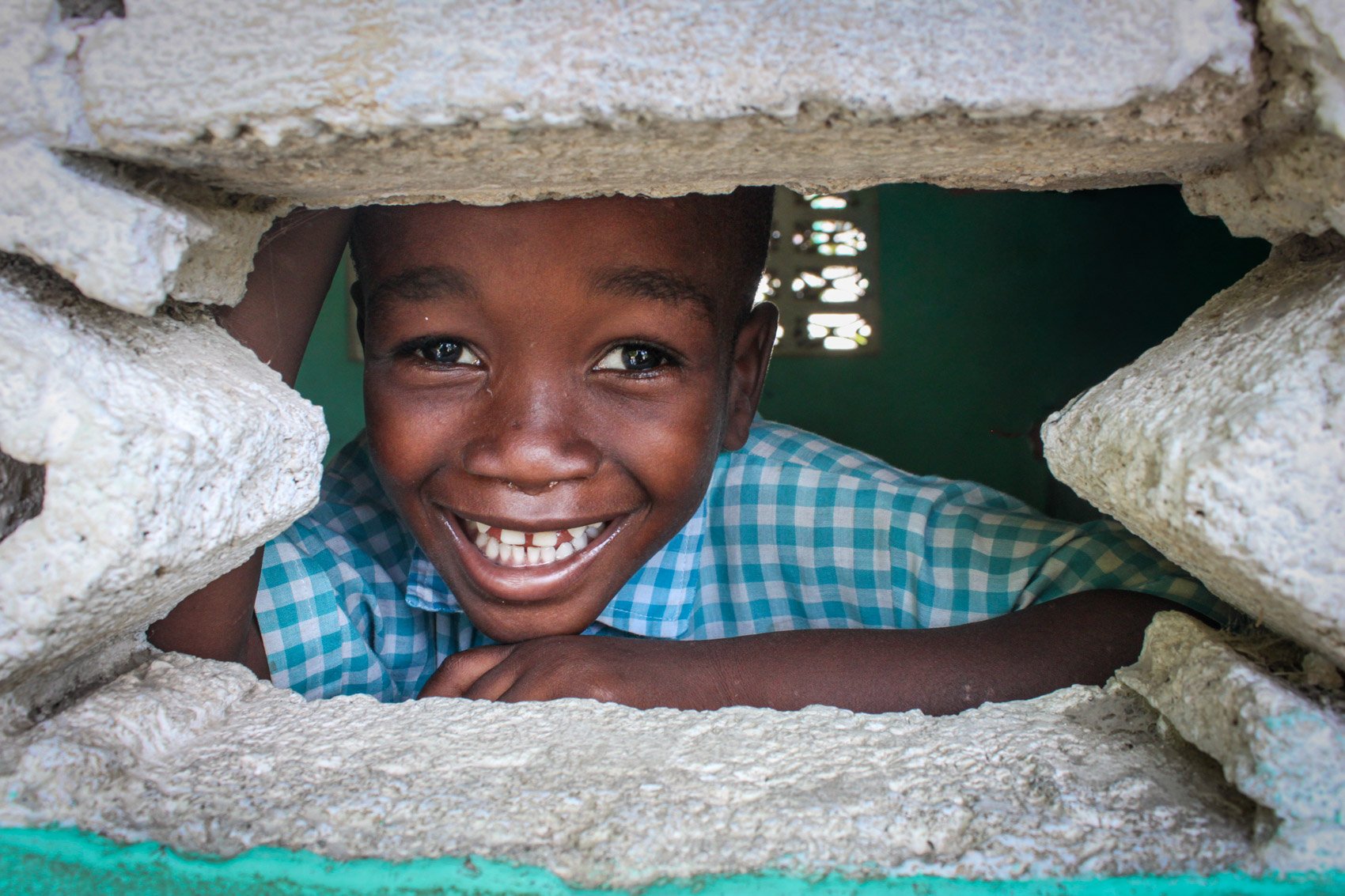
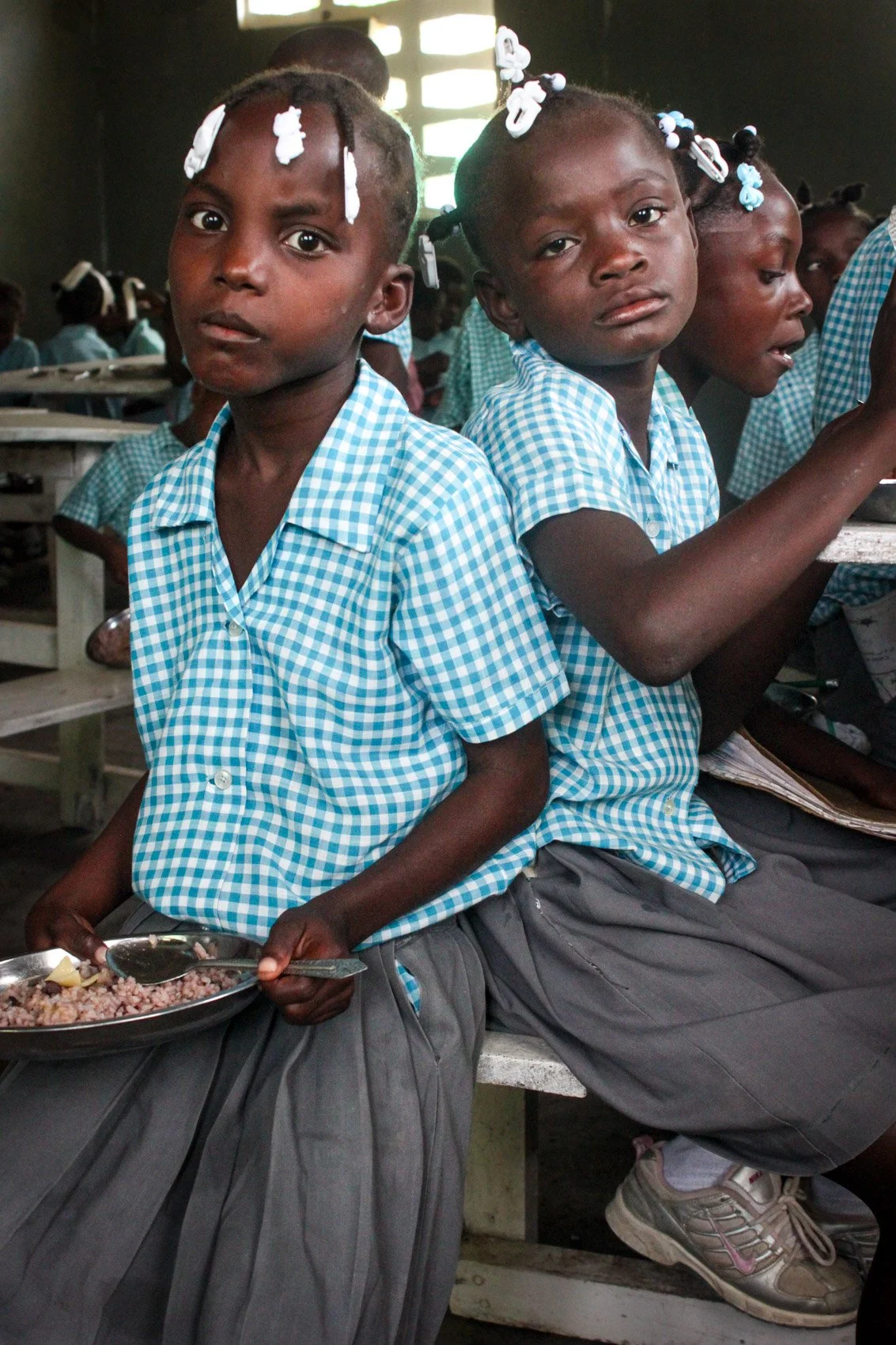
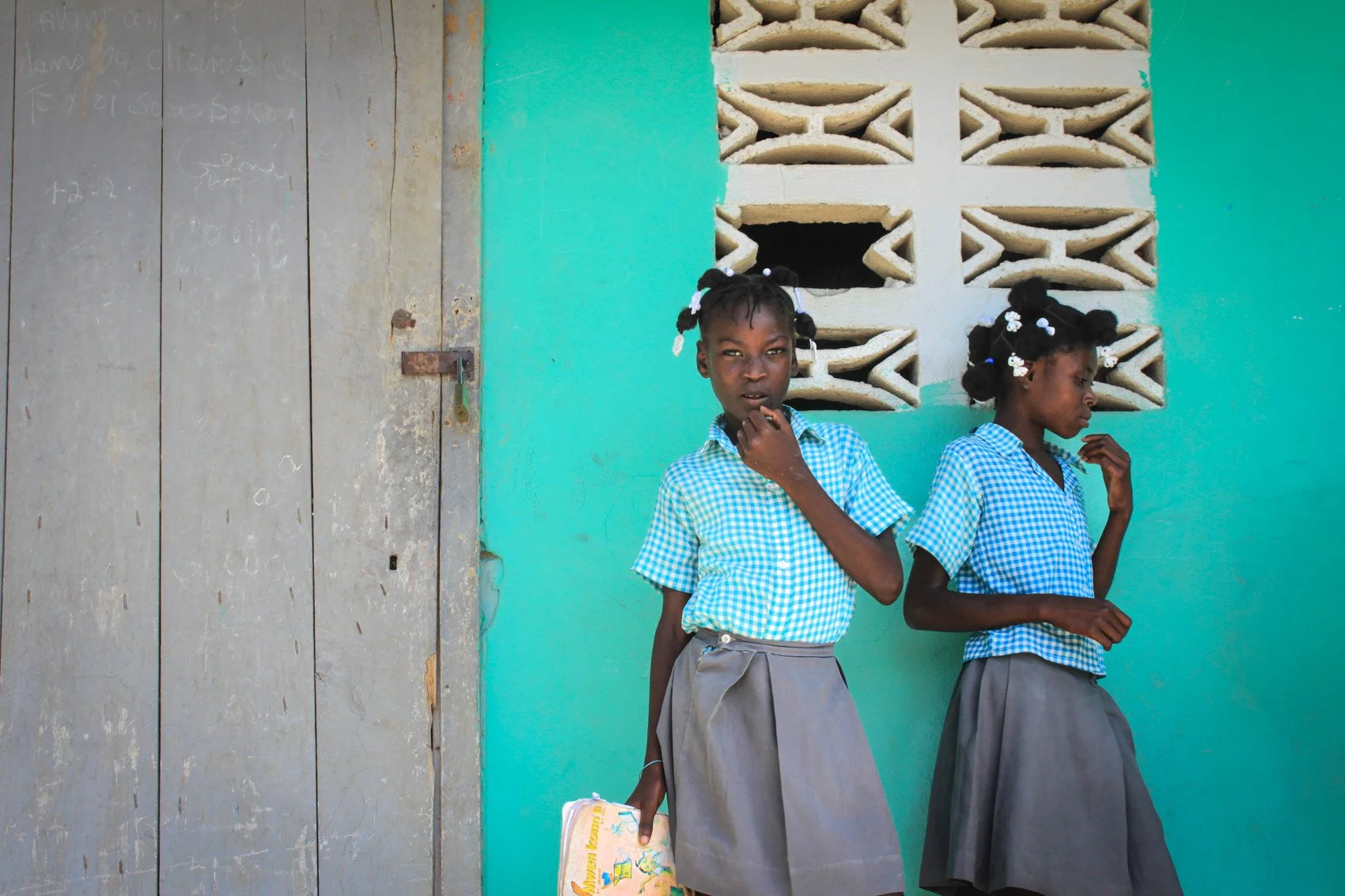
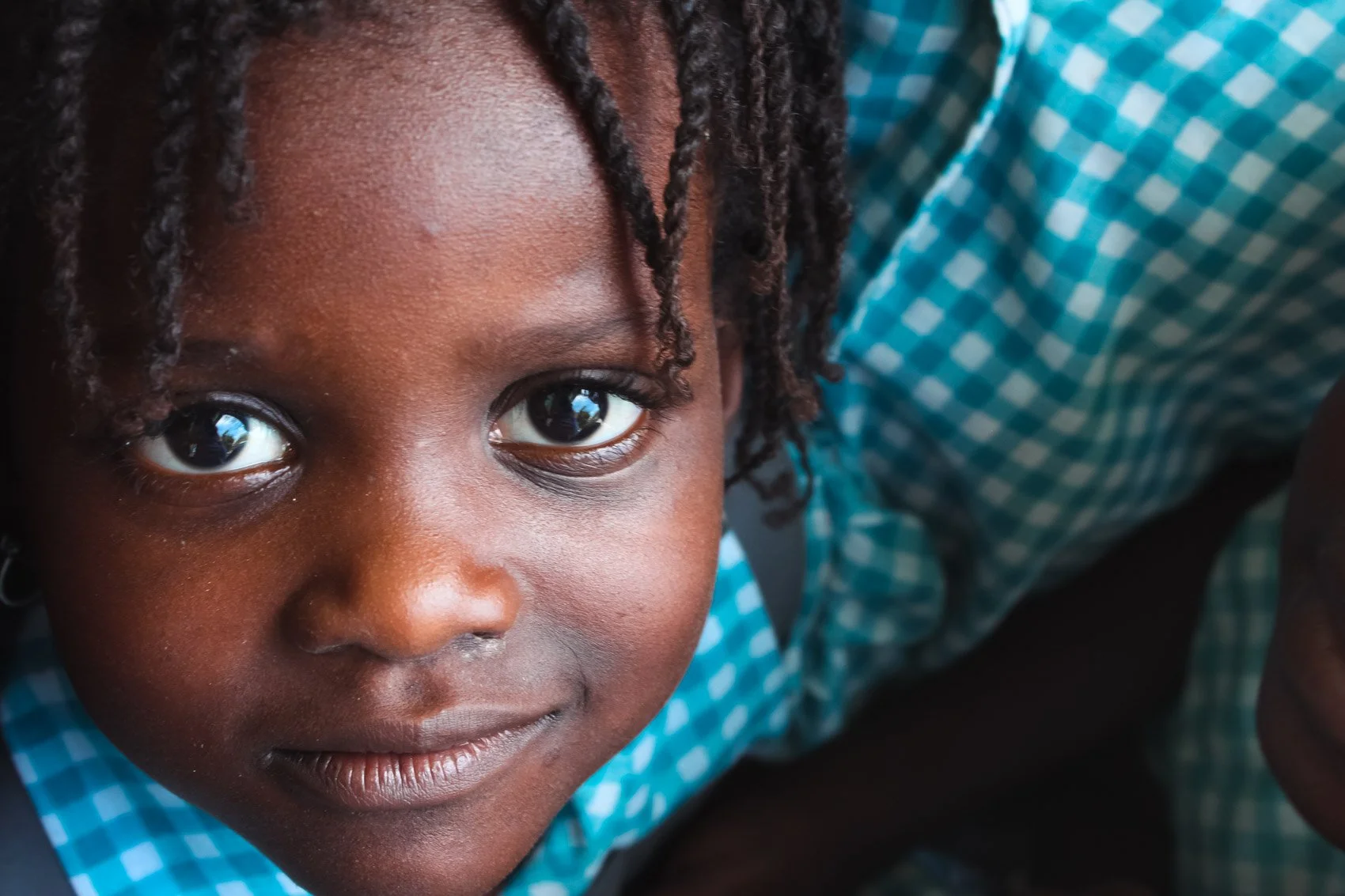
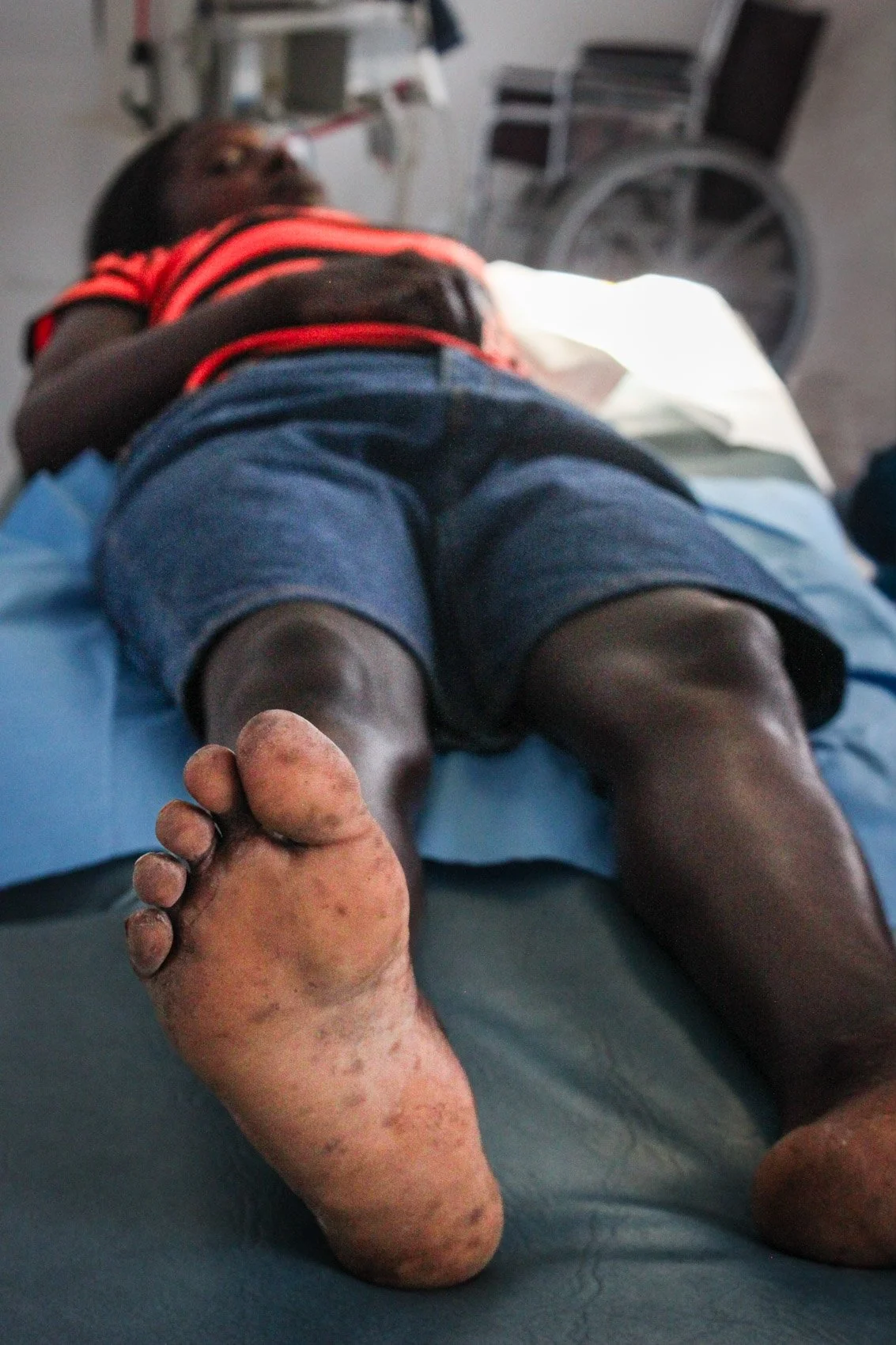
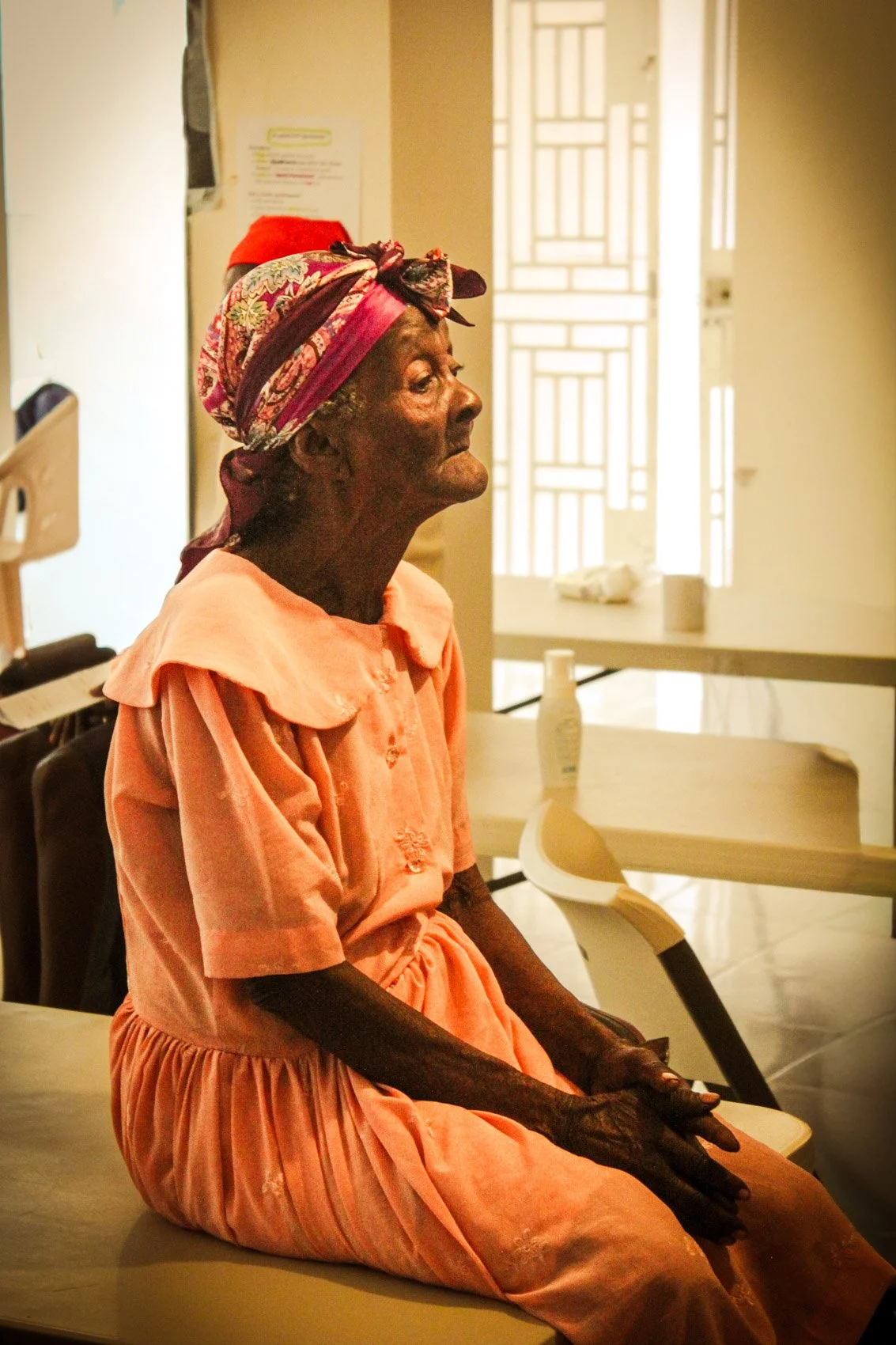
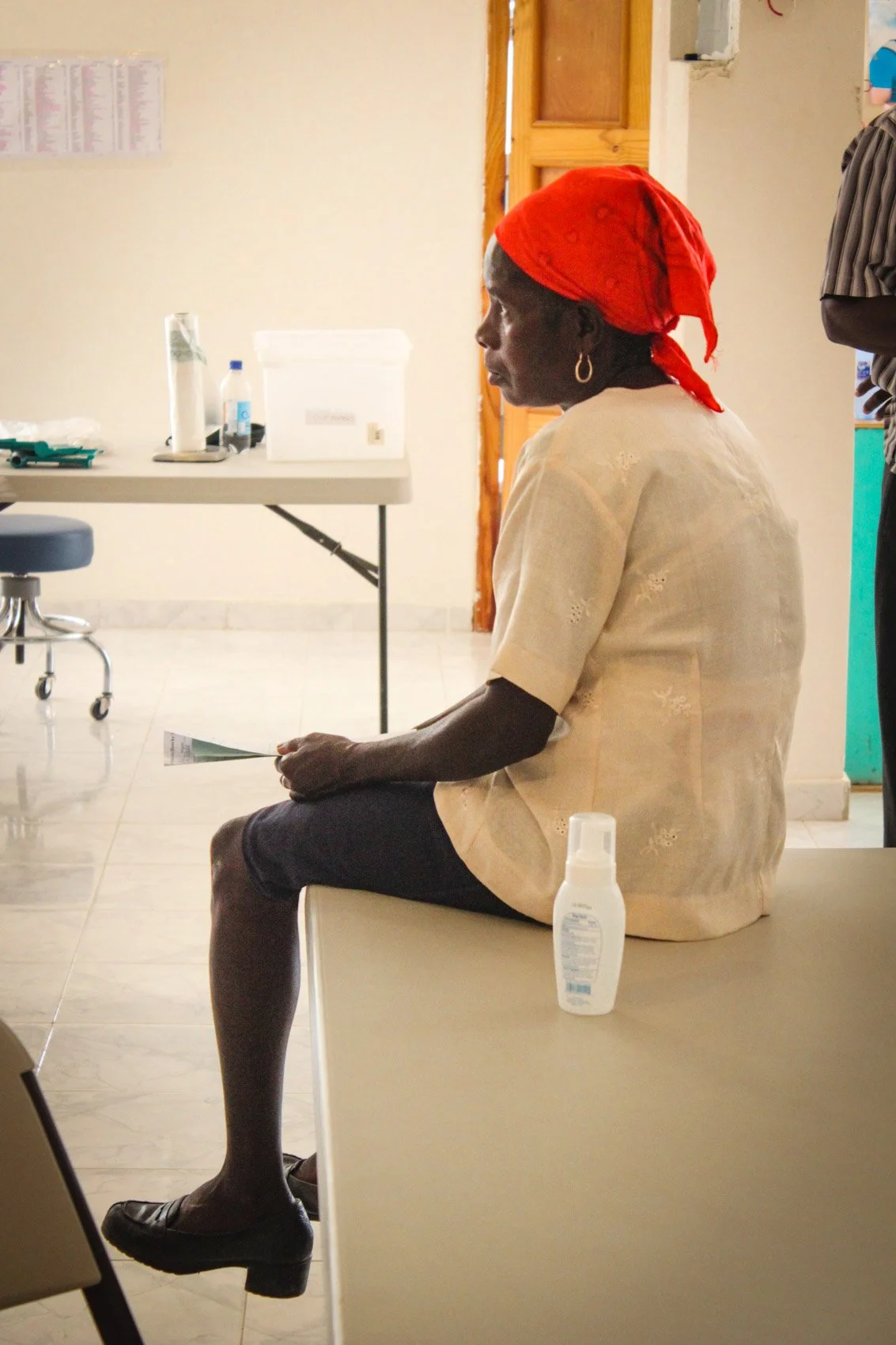
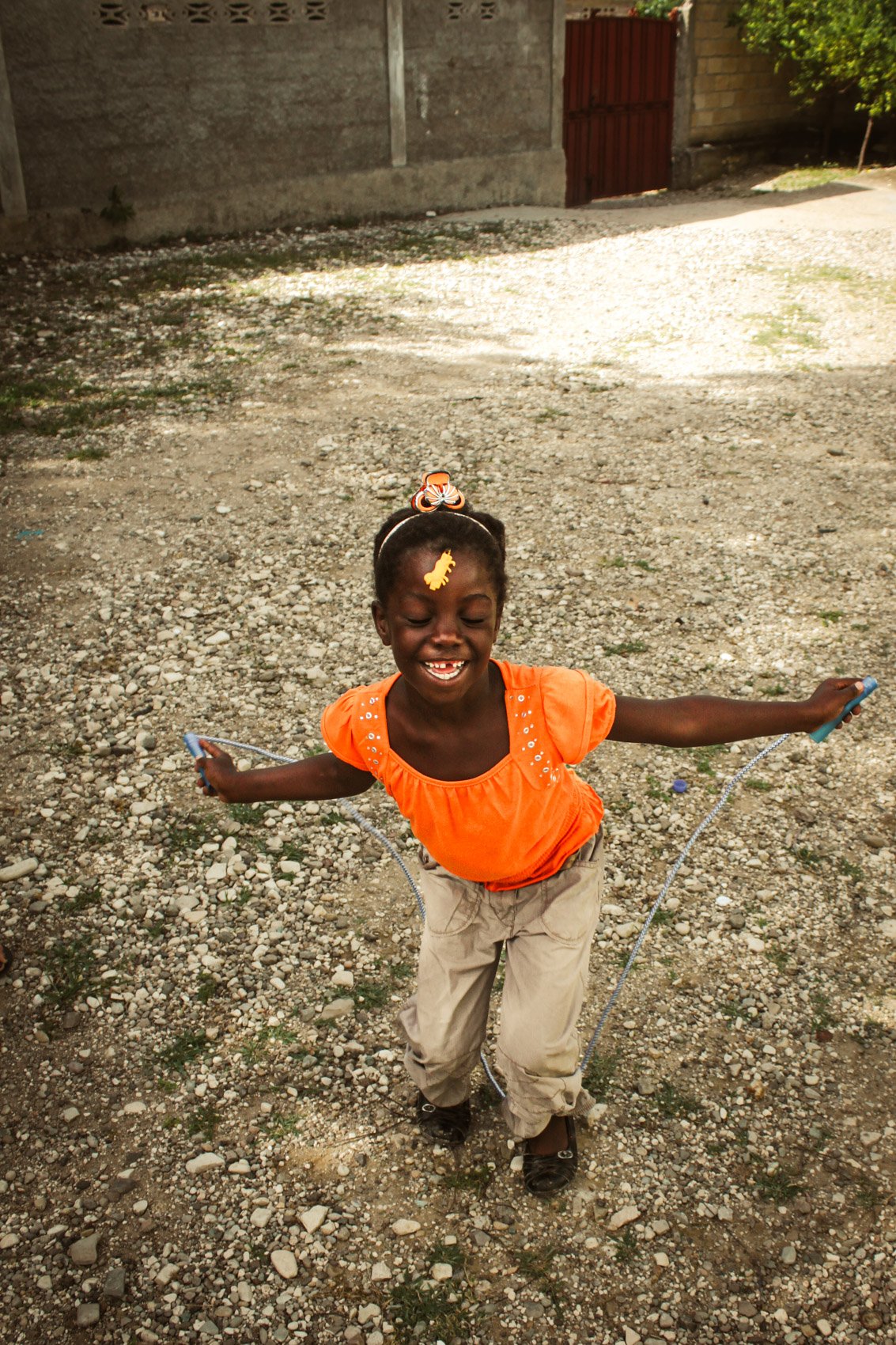
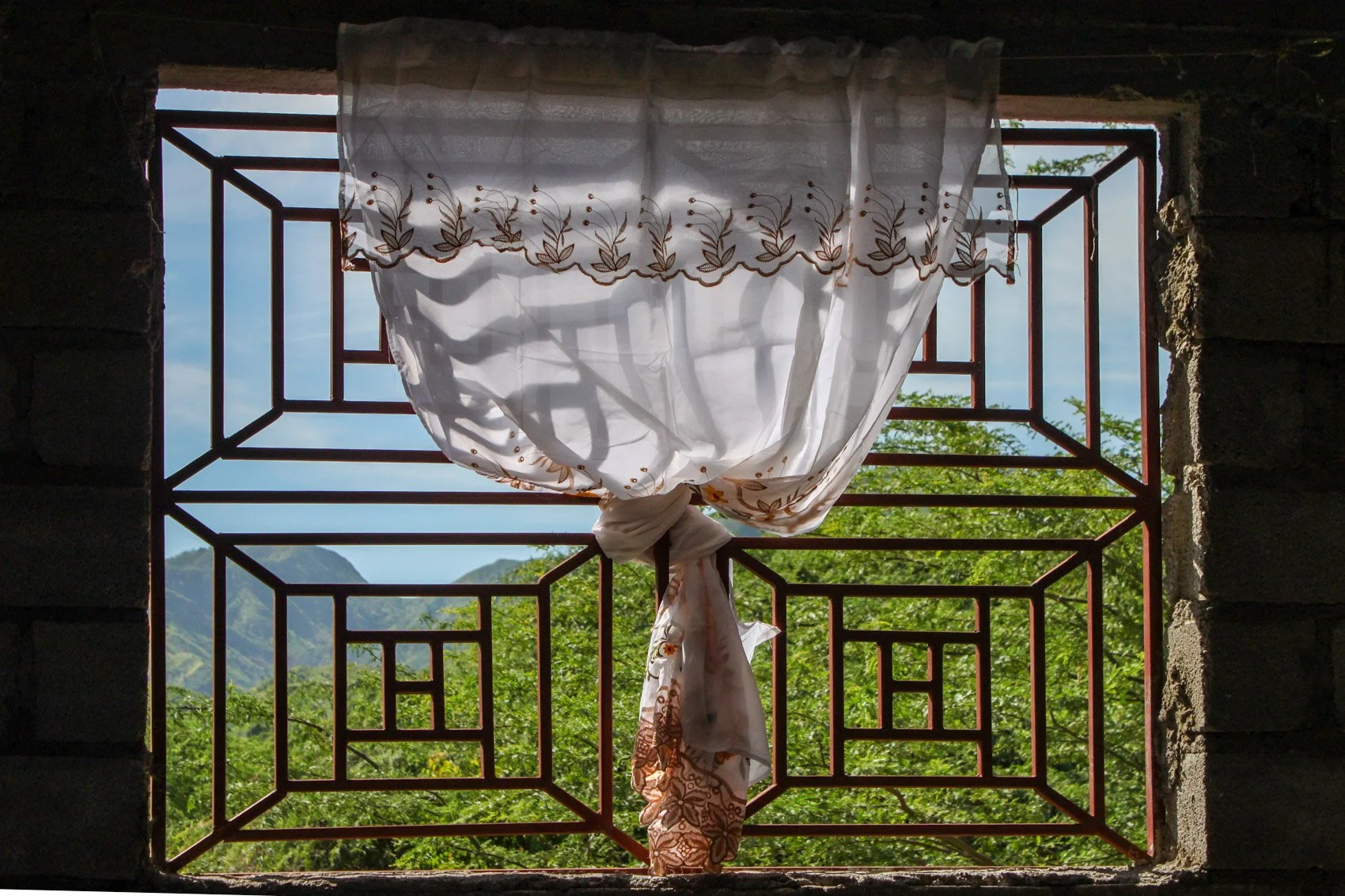
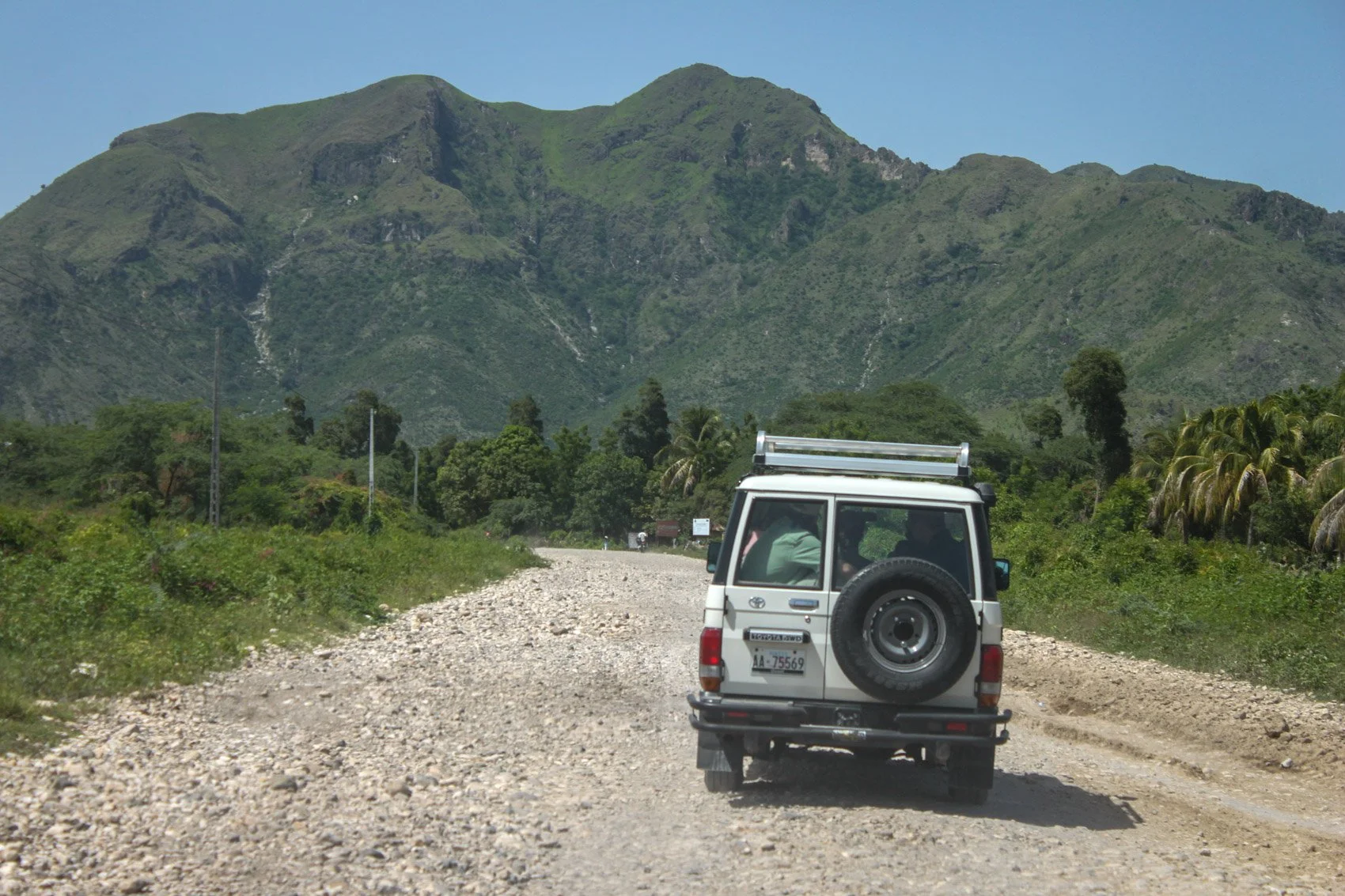
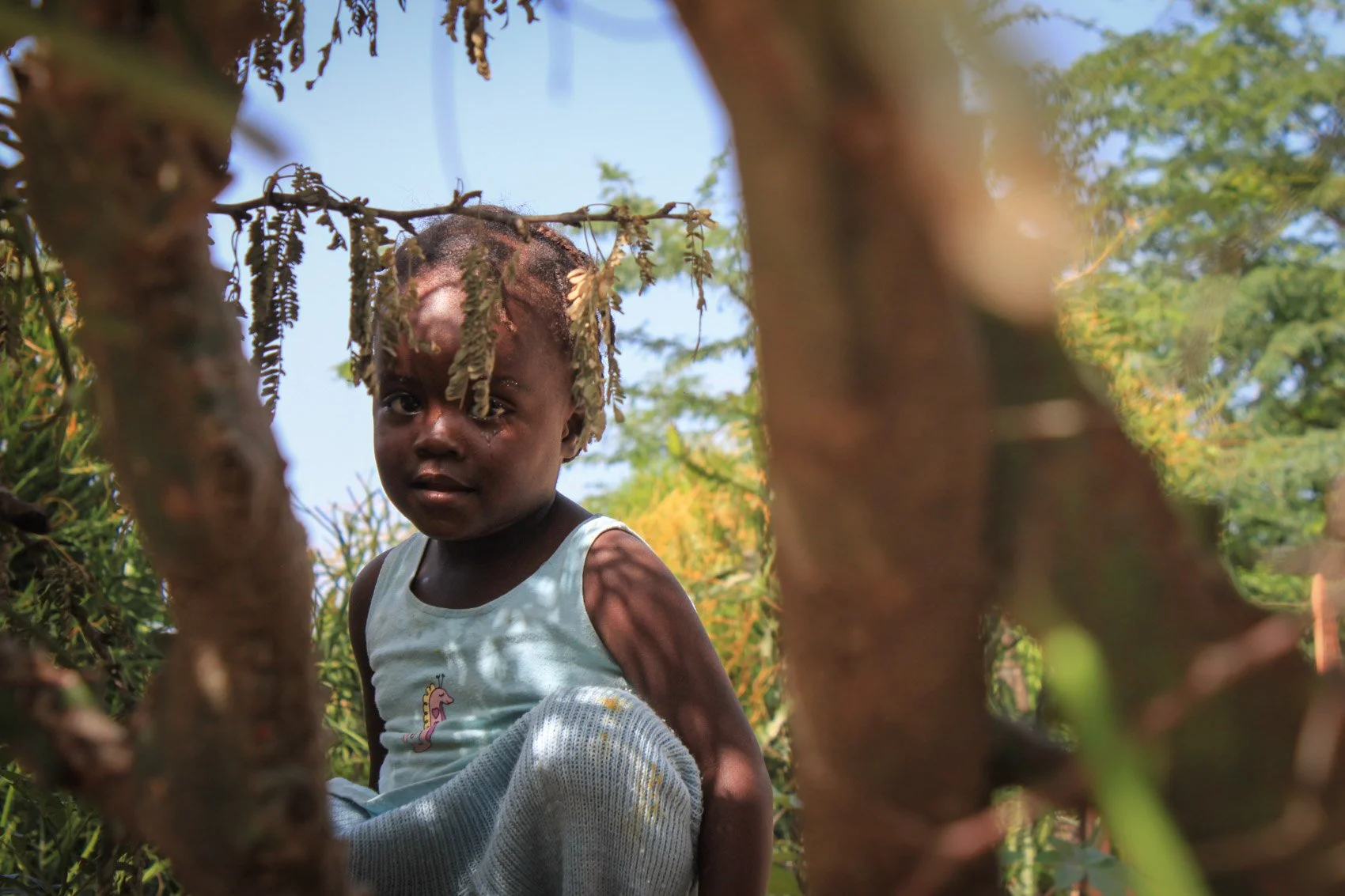
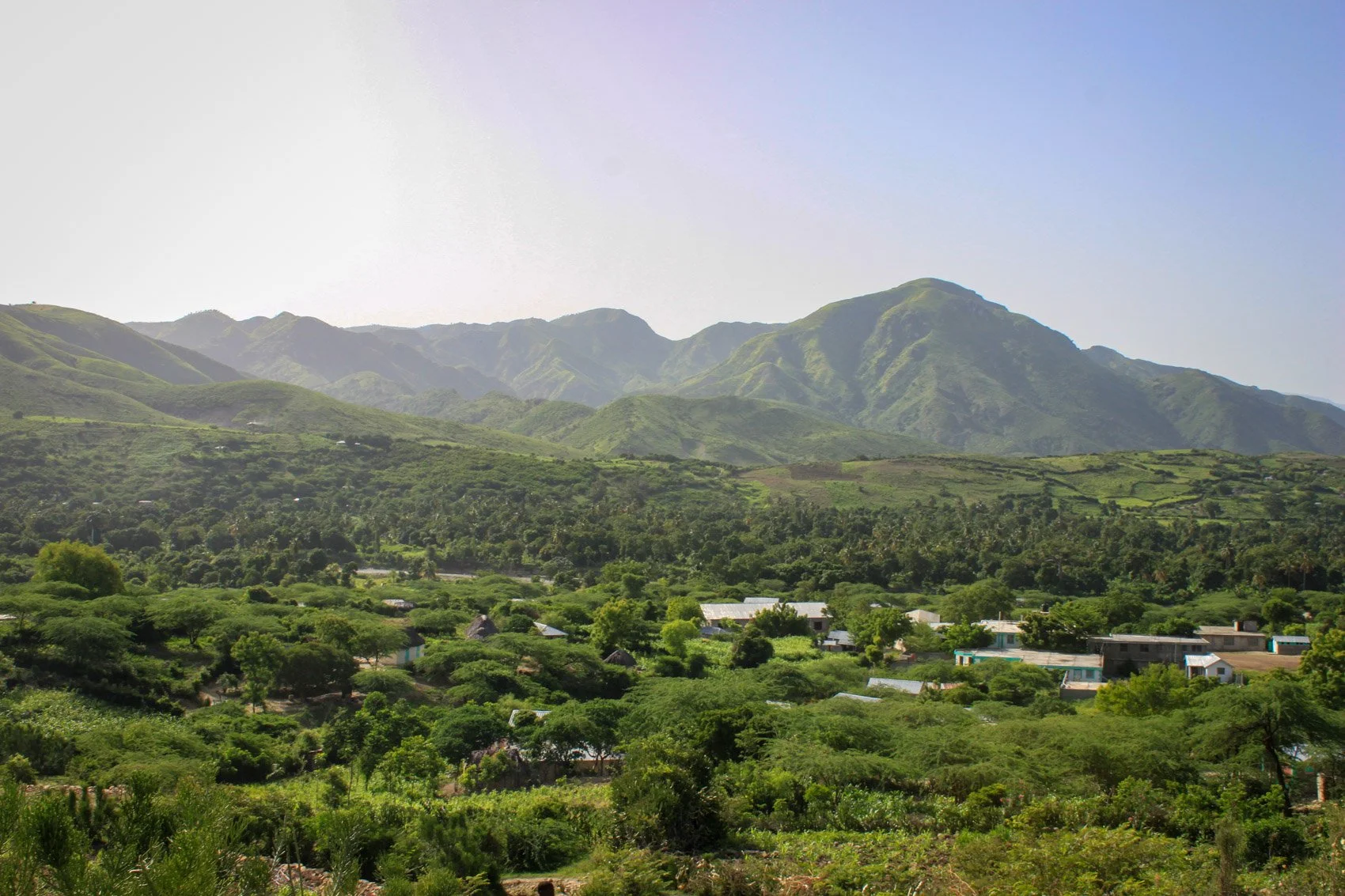
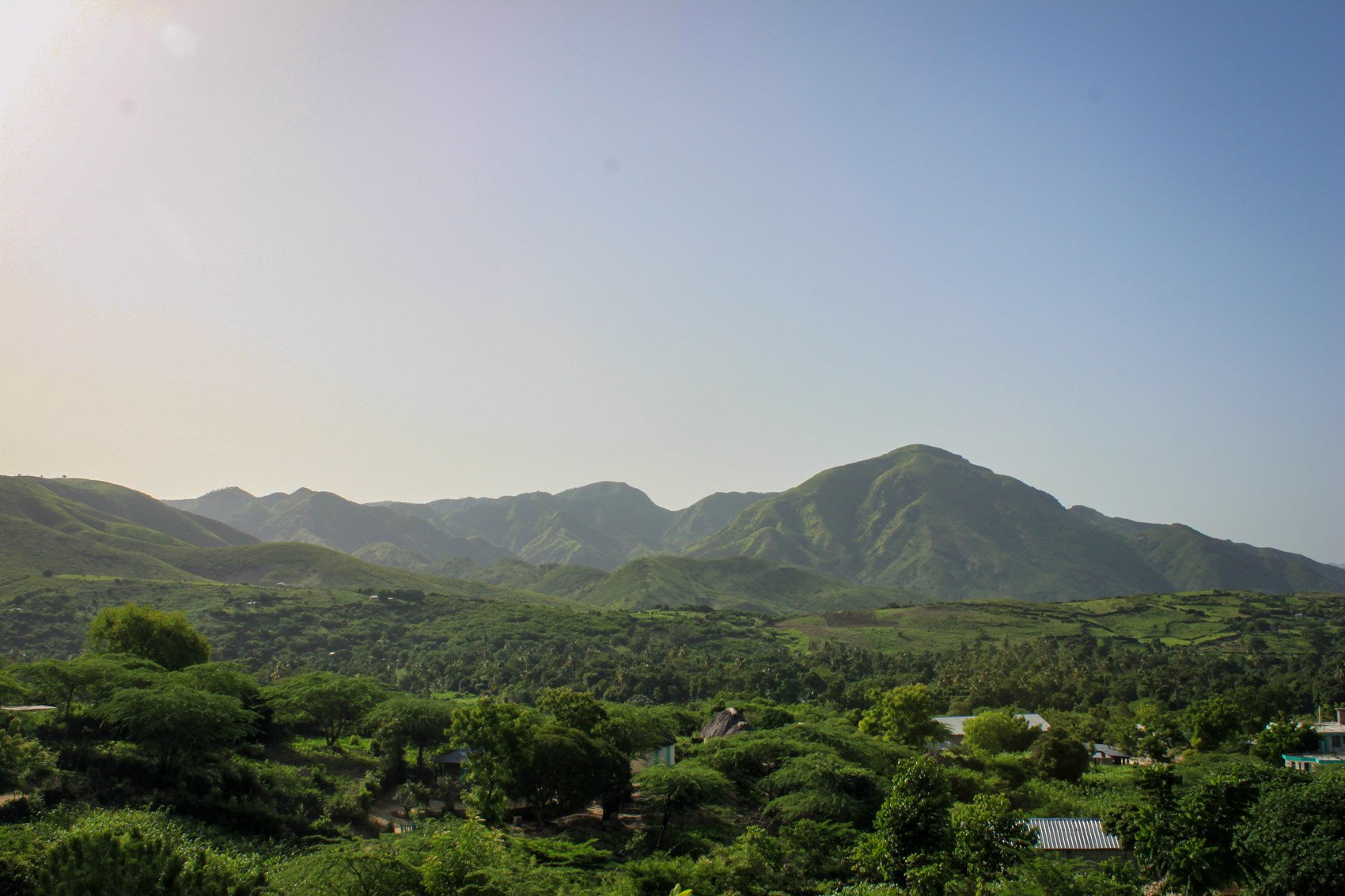
The photographs in this gallery were taken across those three visits. They capture a country often defined by disaster, but one I remember most for the resilience, generosity, humor, and determination of the people I met there.