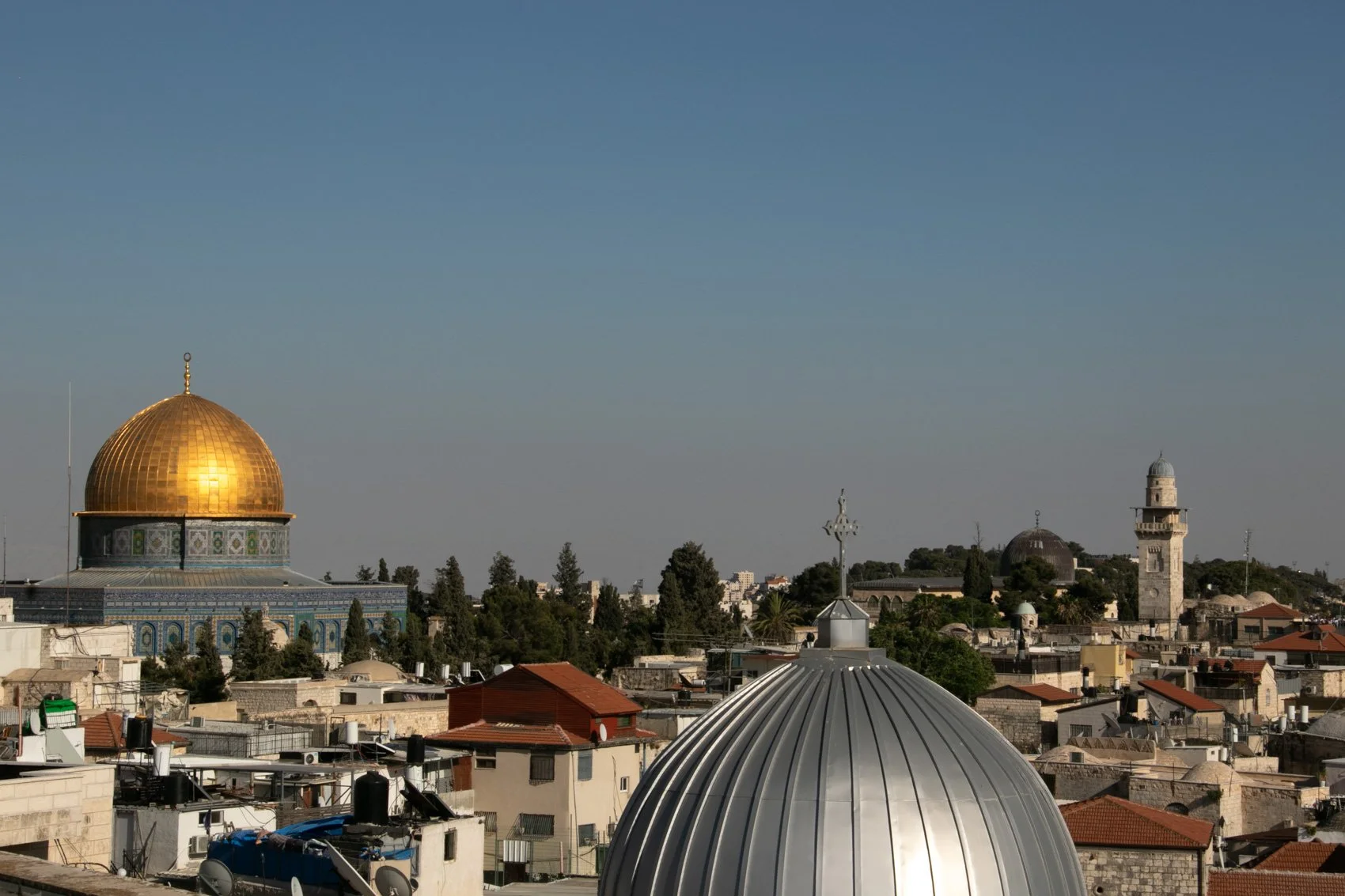
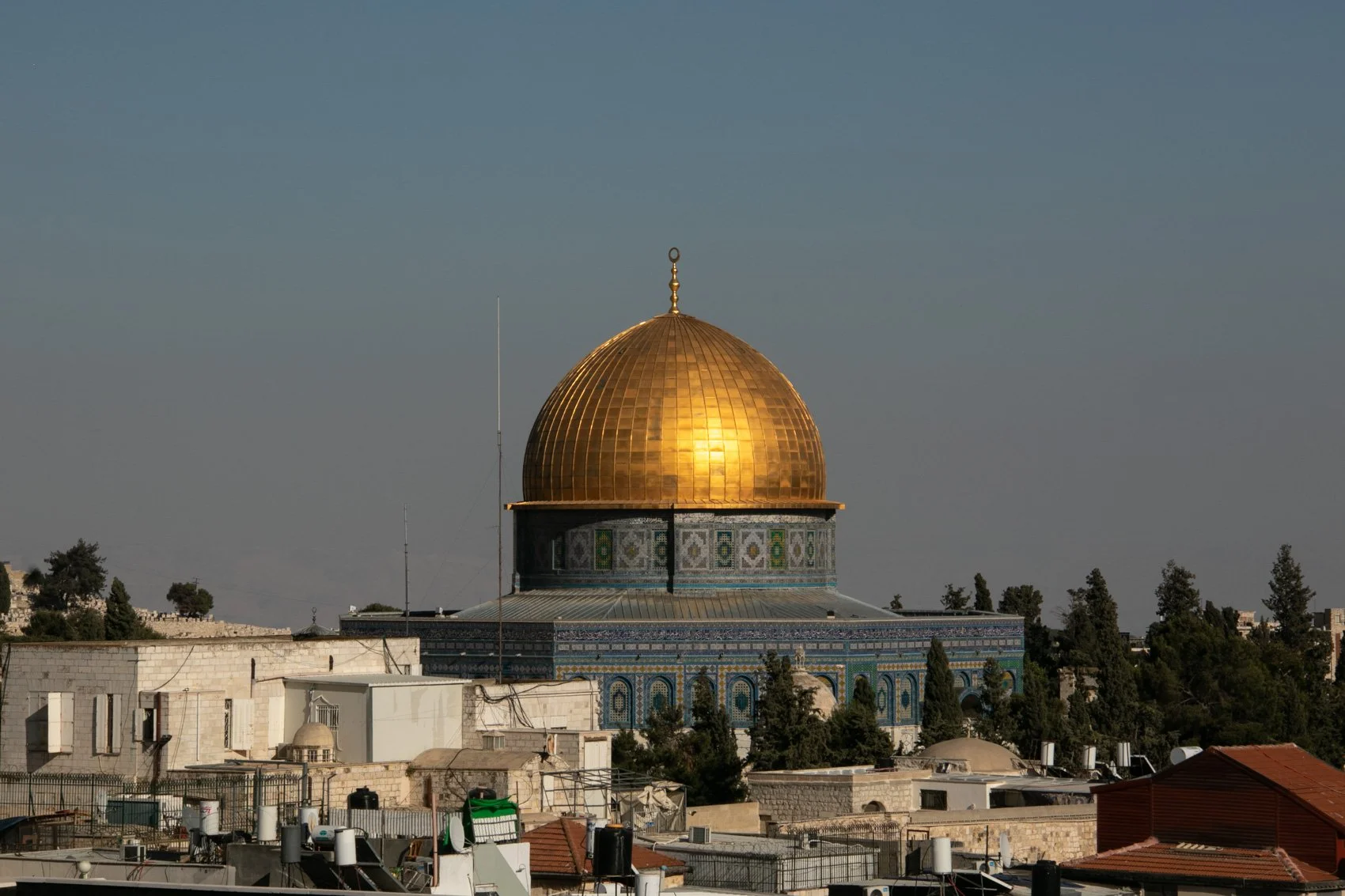
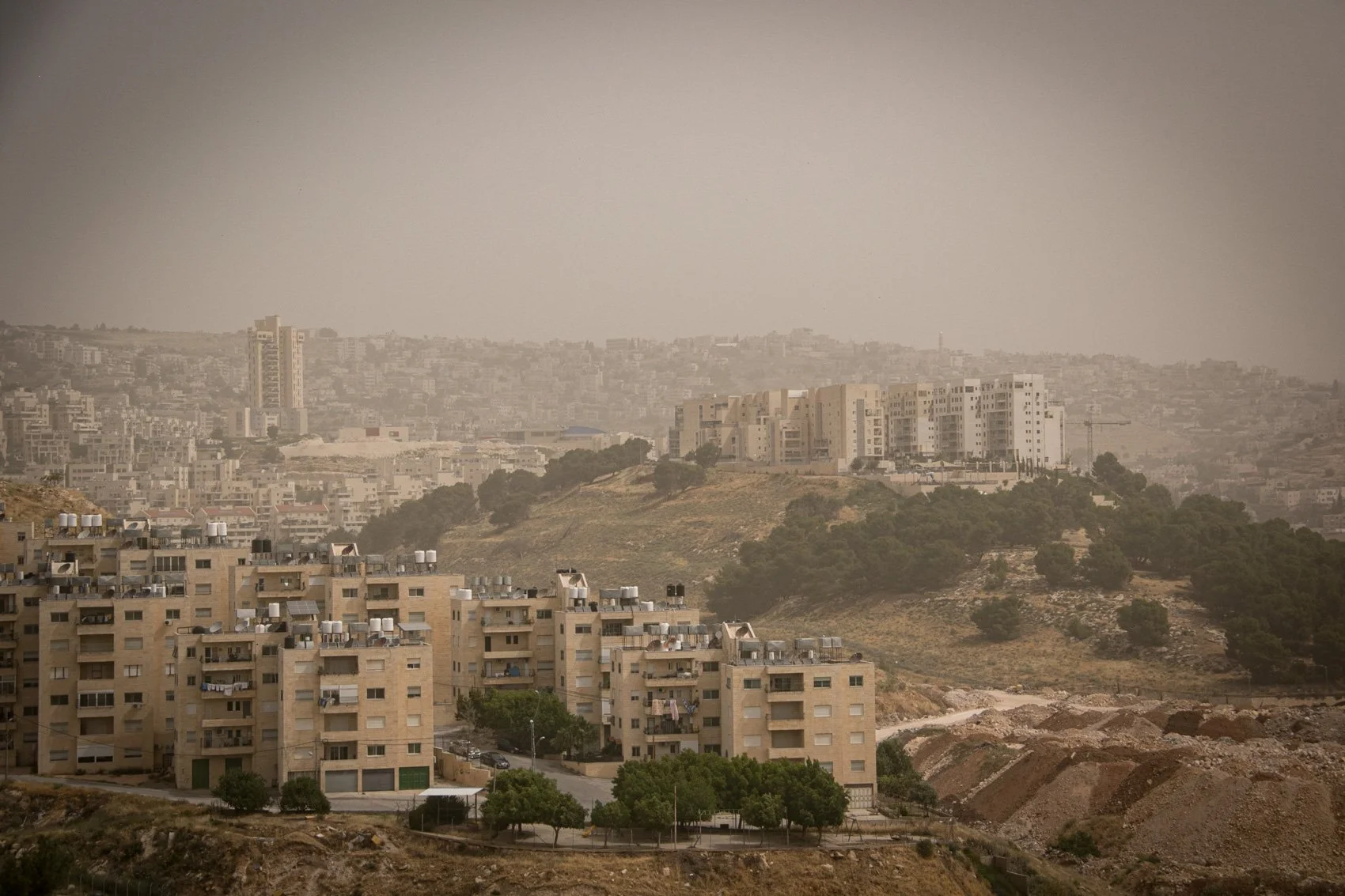
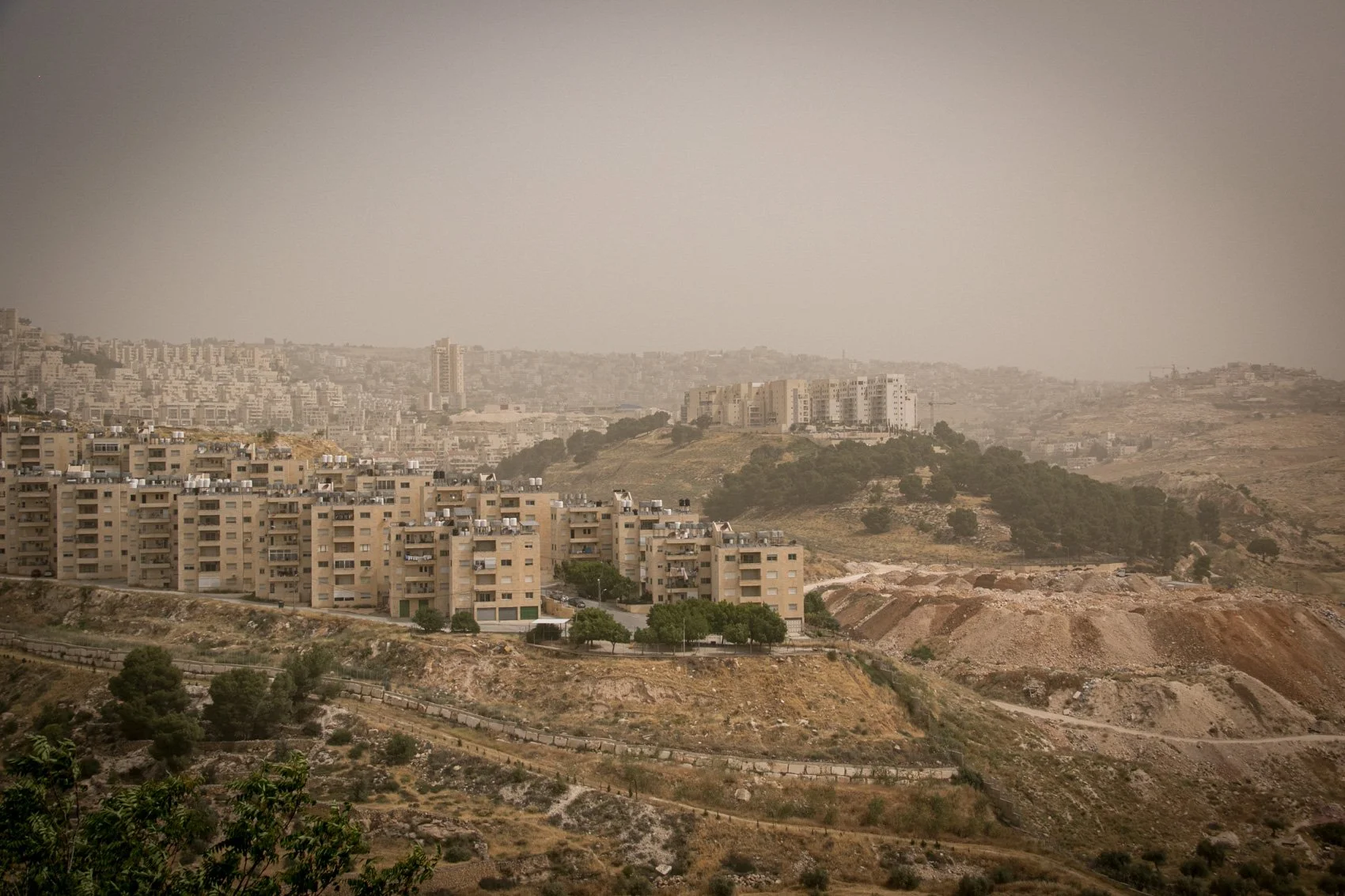
Israel & the Occupied Palestinian Territories
My interest in the region—and in the Palestinian people and the injustices they face—began more than twenty years ago. Still, it wasn’t until 2022 that I was finally able to visit and see for myself the stories I had carried for so long. The Holy Land is a place of profound contrast. For those raised on Sunday School images and Christmas carols about Bethlehem, the reality on the ground bears little resemblance to the sentimental scenes we were taught.
It is worth remembering that Mary and Joseph were forced to leave their home in Nazareth and travel to Bethlehem, where Jesus was born. He entered the world as a refugee—born into poverty, likely in a cave, to an unmarried teenage mother, as a brown Palestinian Jew living under Roman occupation. Context is everything. And yet much of this context was absent from my own religious education.
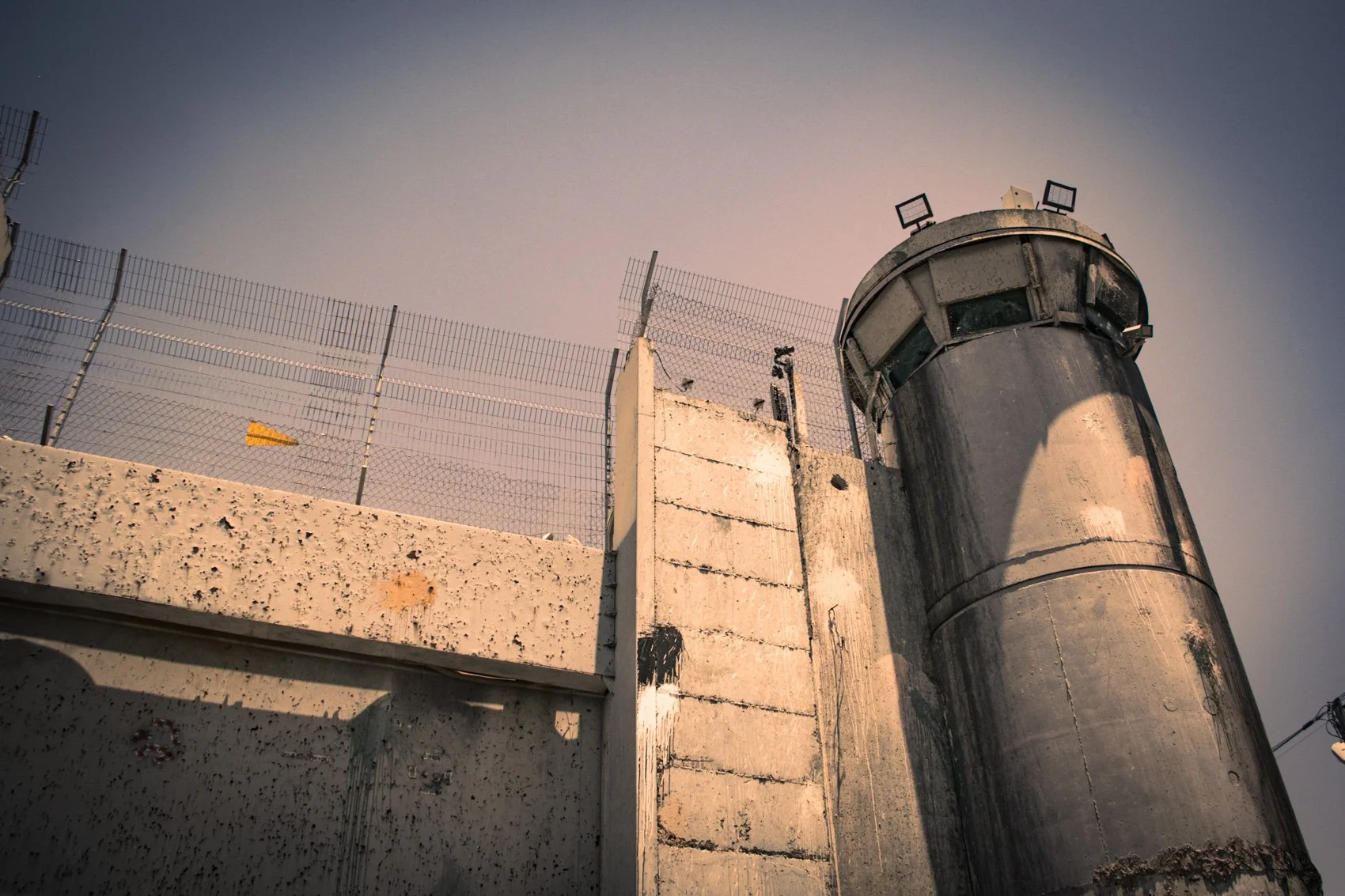
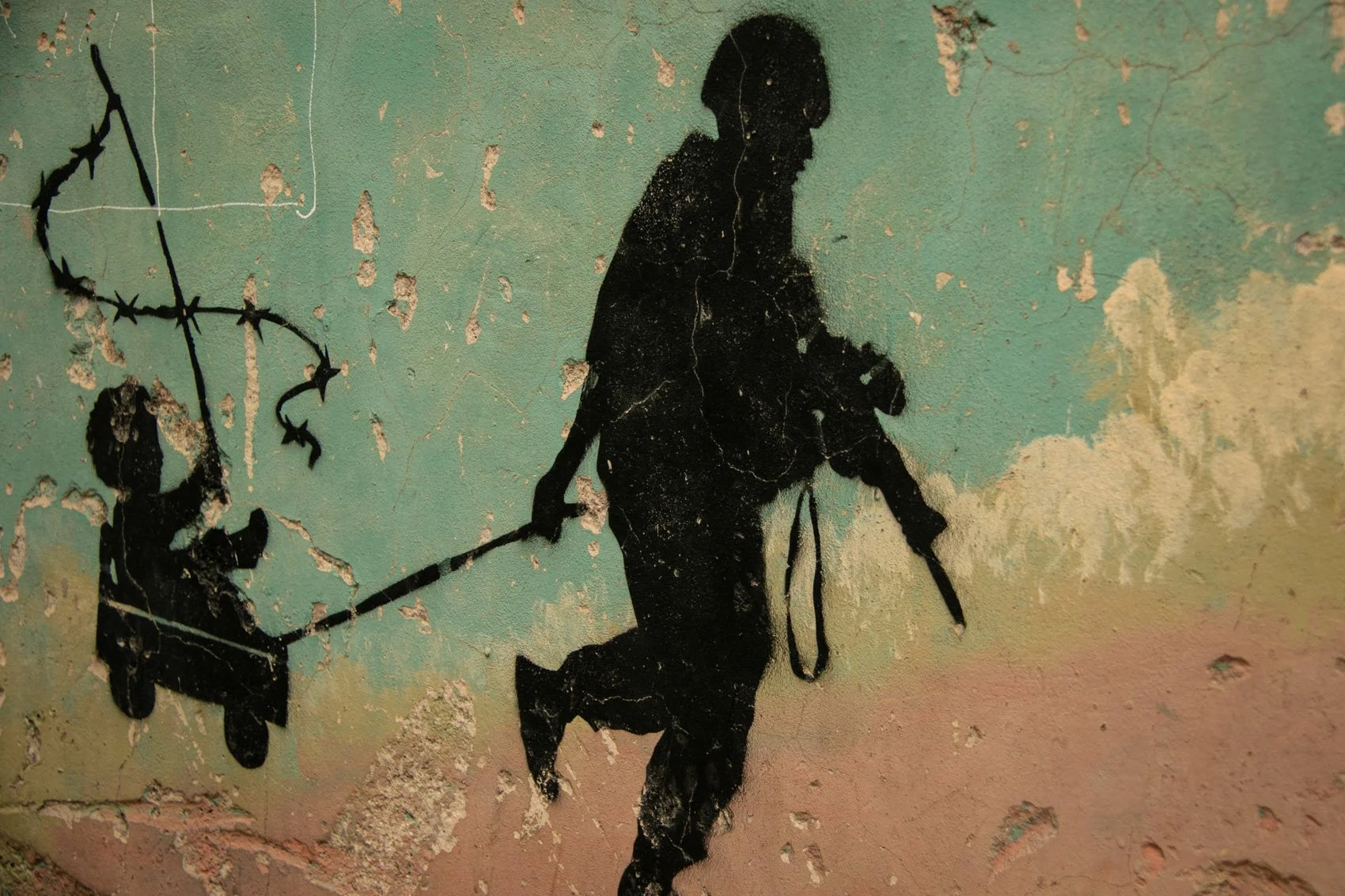
That absence makes it easier to miss the parallels that shape the region today. Empires rise and fall, but the Palestinian people continue to live under the weight of occupation—now imposed by the Israeli government and supported by my own, among others.
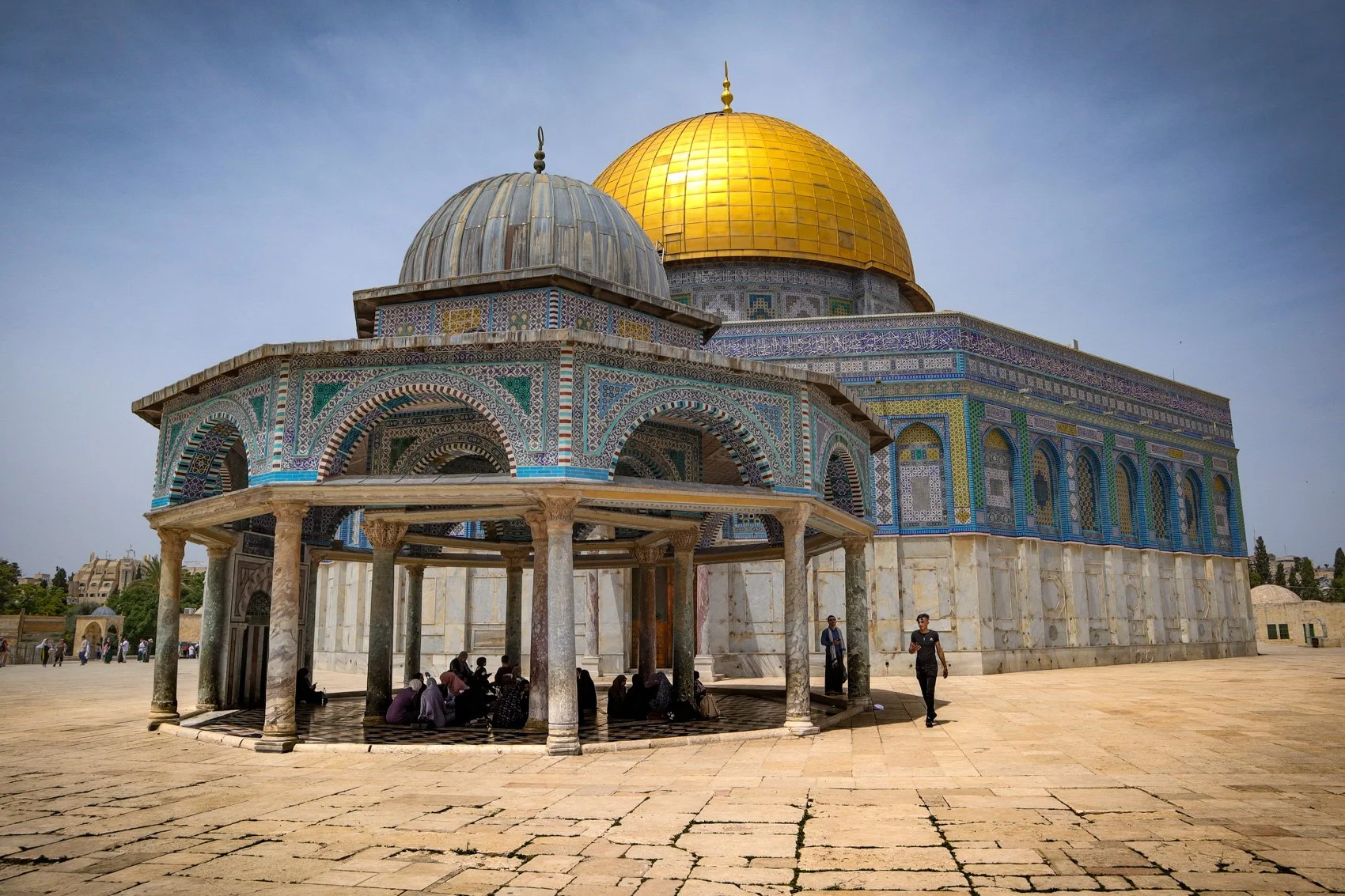
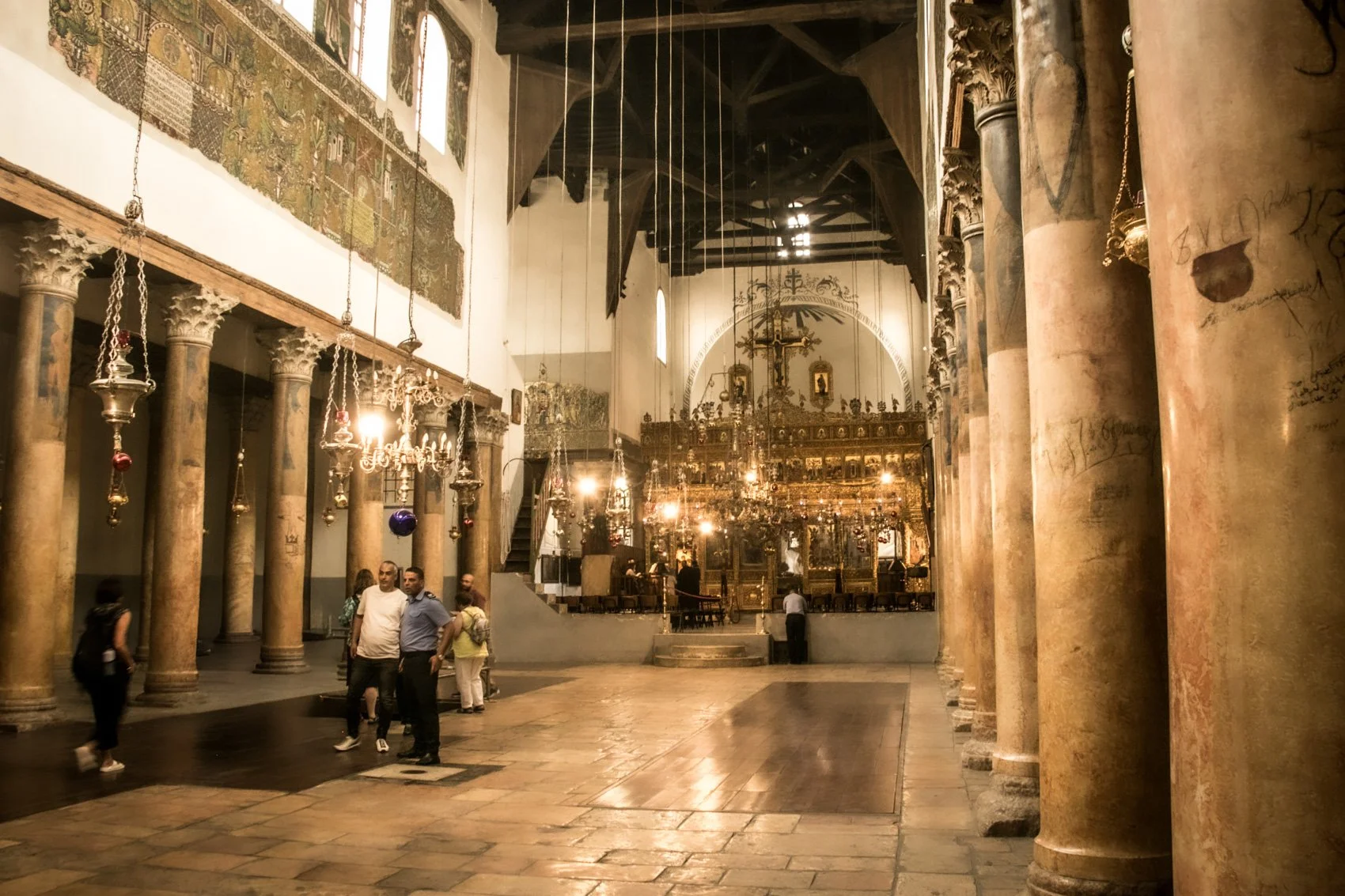
During my first visit to the holy sites, I expected reverence or awe. Instead, I felt a deep and unsettling discomfort. In the Church of the Holy Sepulchre, I found myself searching for an exit. As many Palestinian Christians remind us, God is not contained within monuments built and destroyed by empires. God is found in the living stones—the people of the land—and it is those people who are suffering. As Palestinian theologian Munther Isaac writes in his reflections on Gaza: Christ is in the rubble.
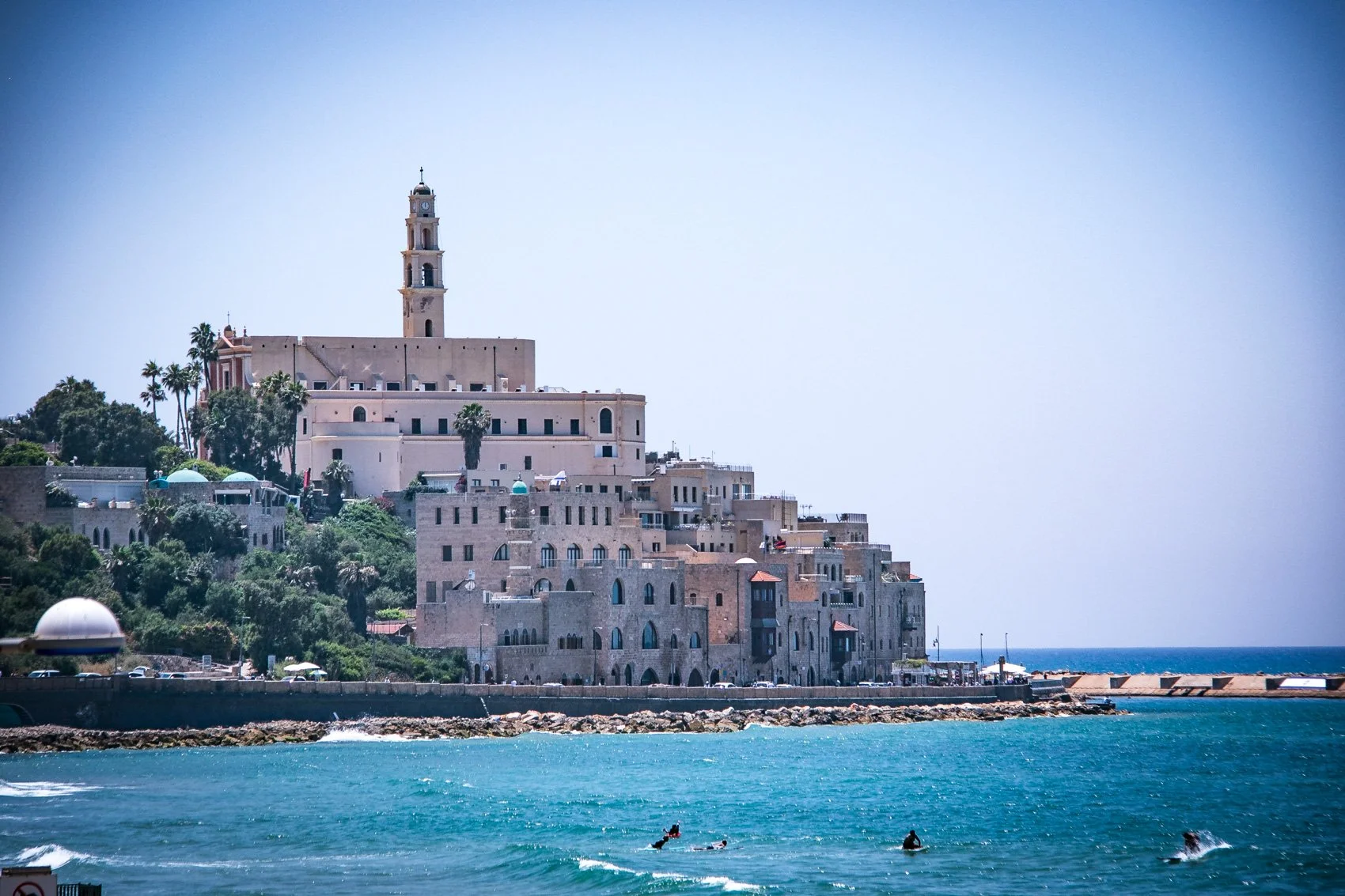
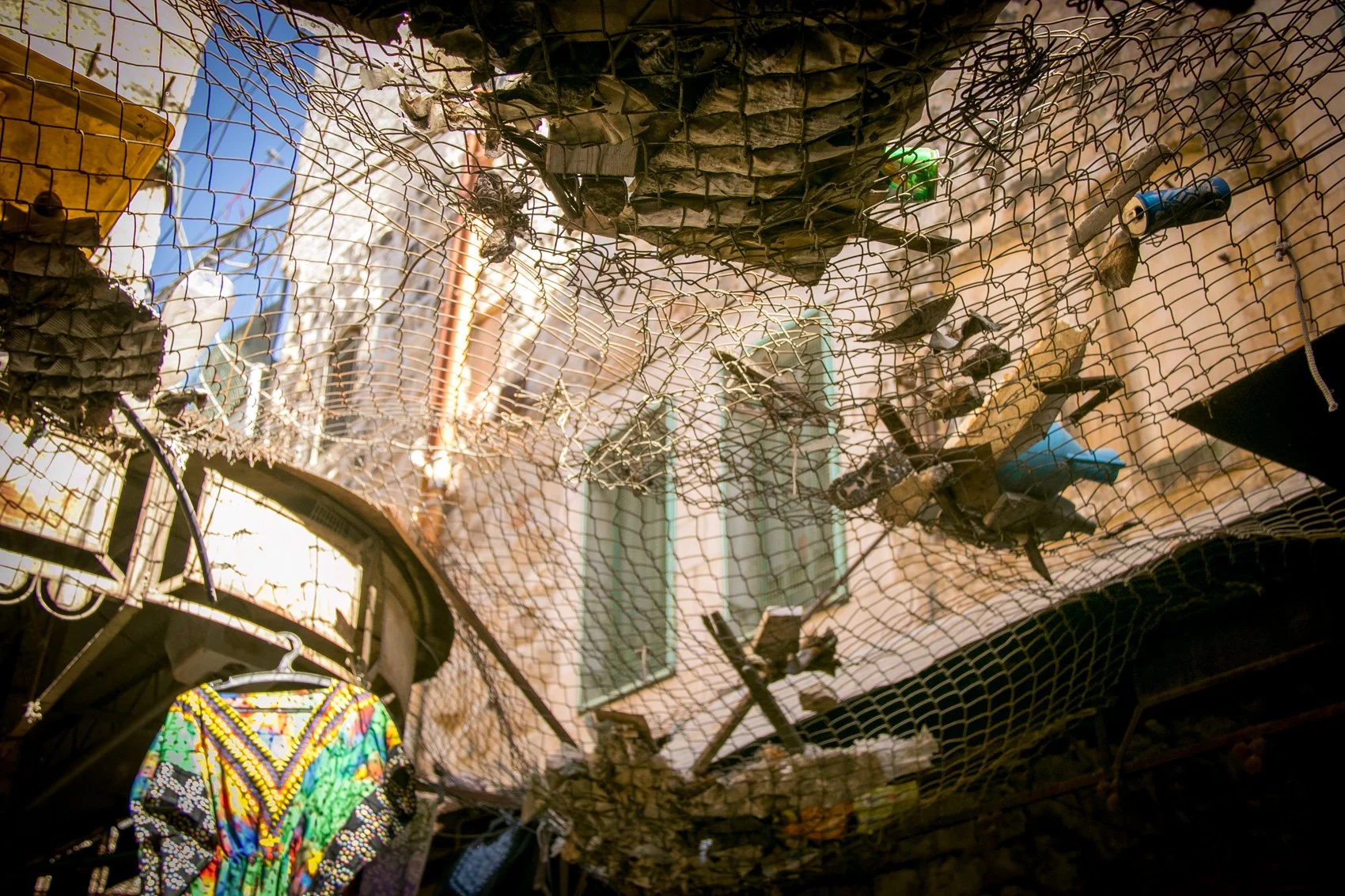
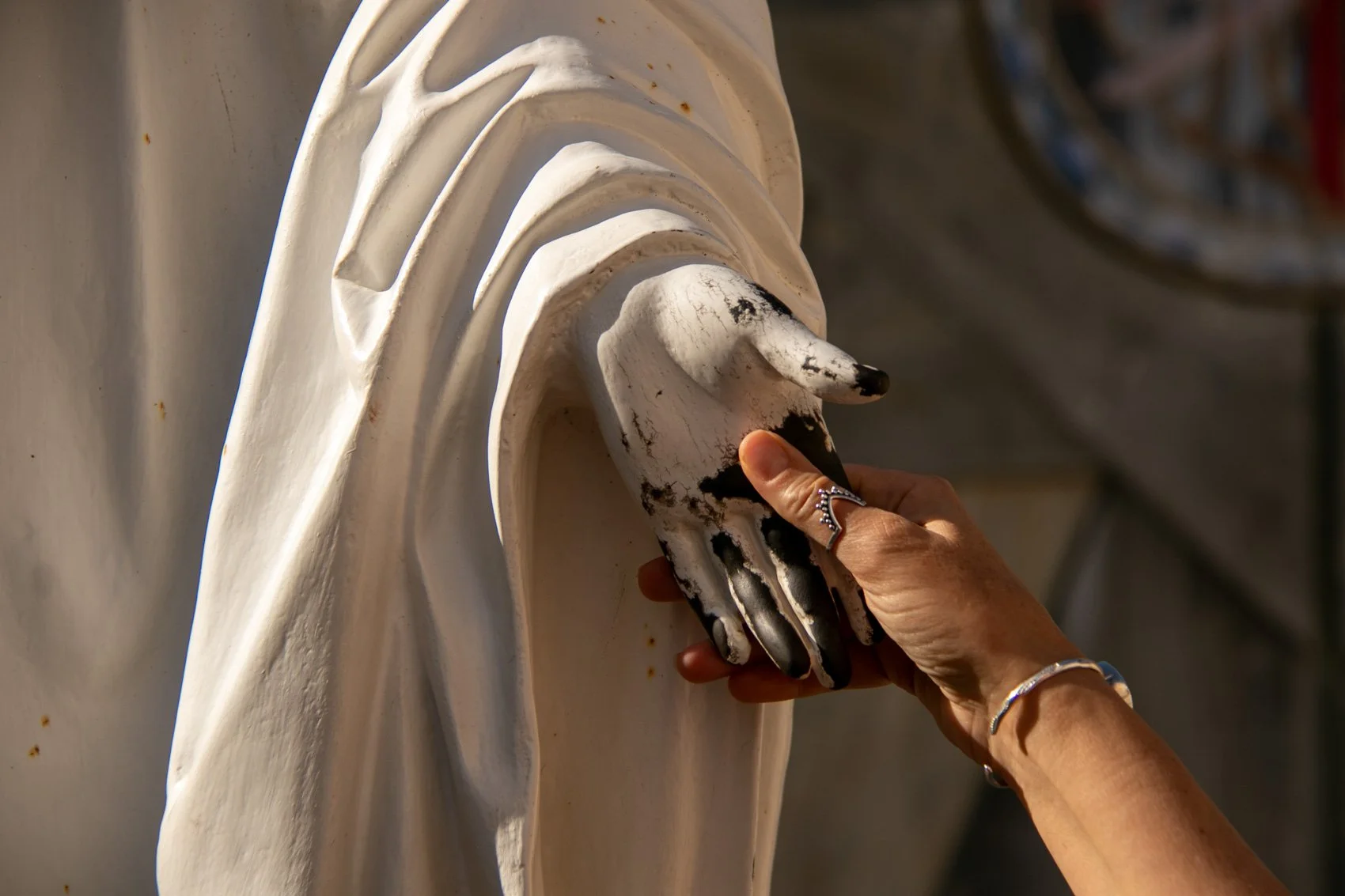
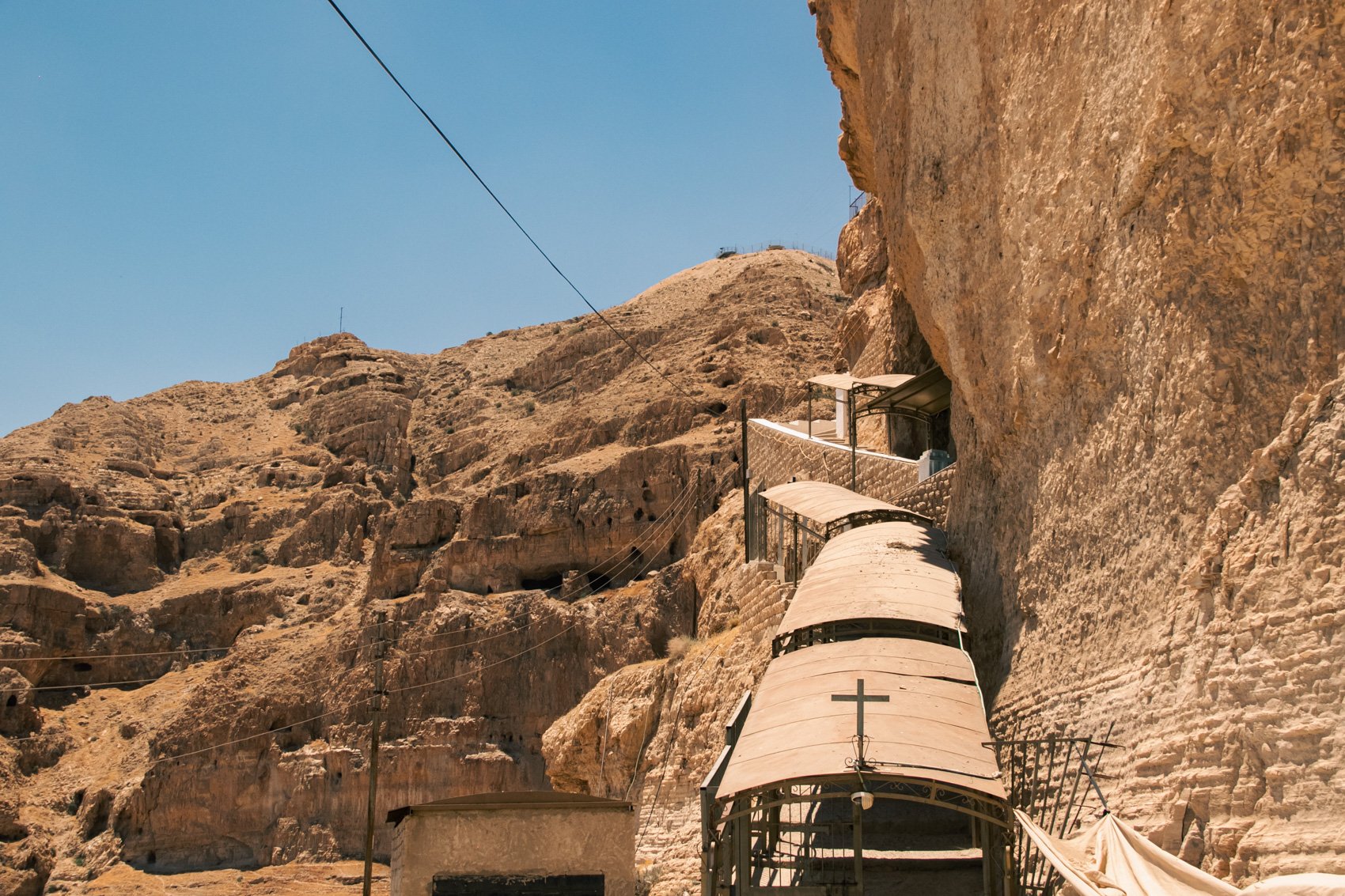
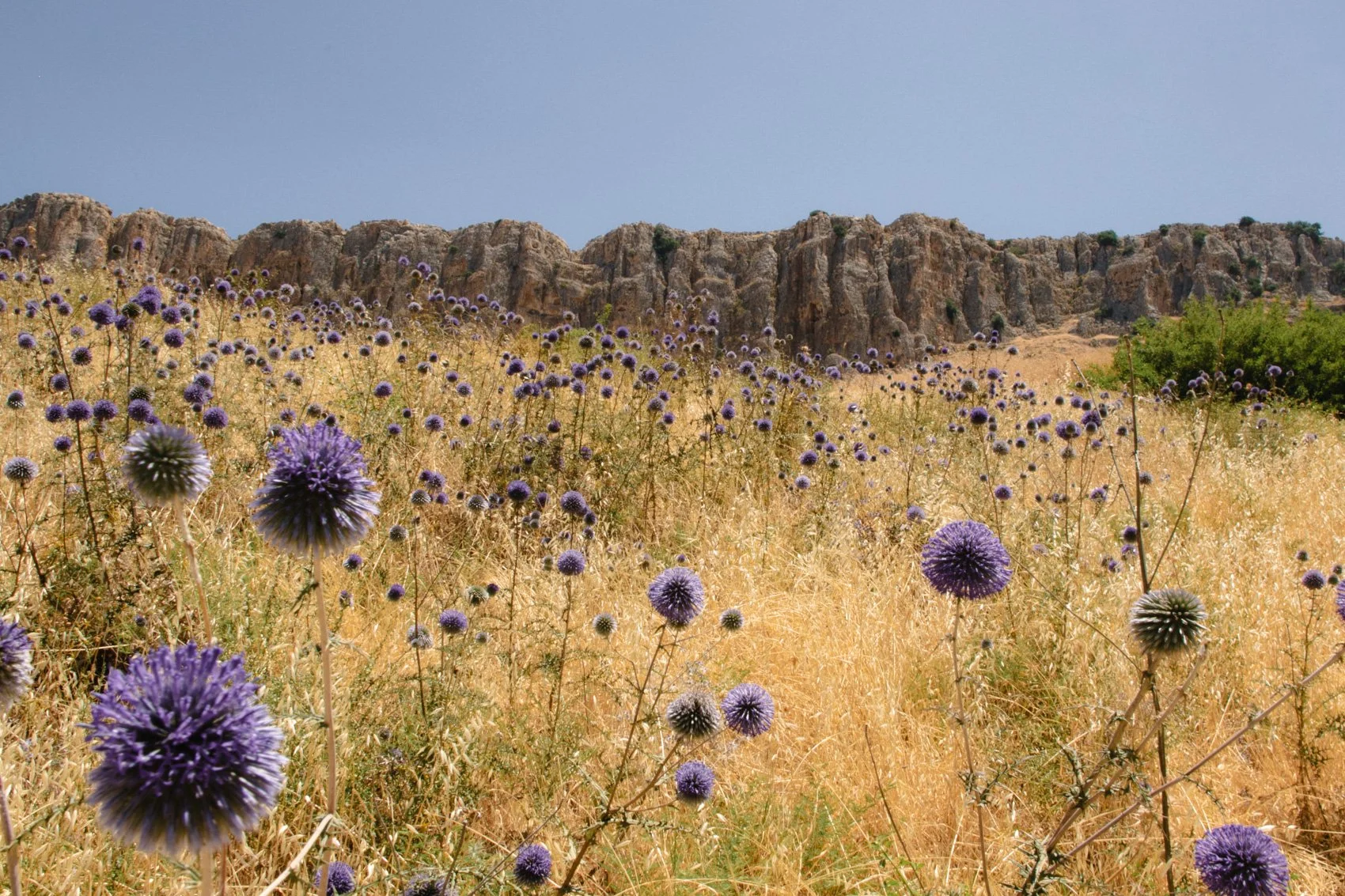
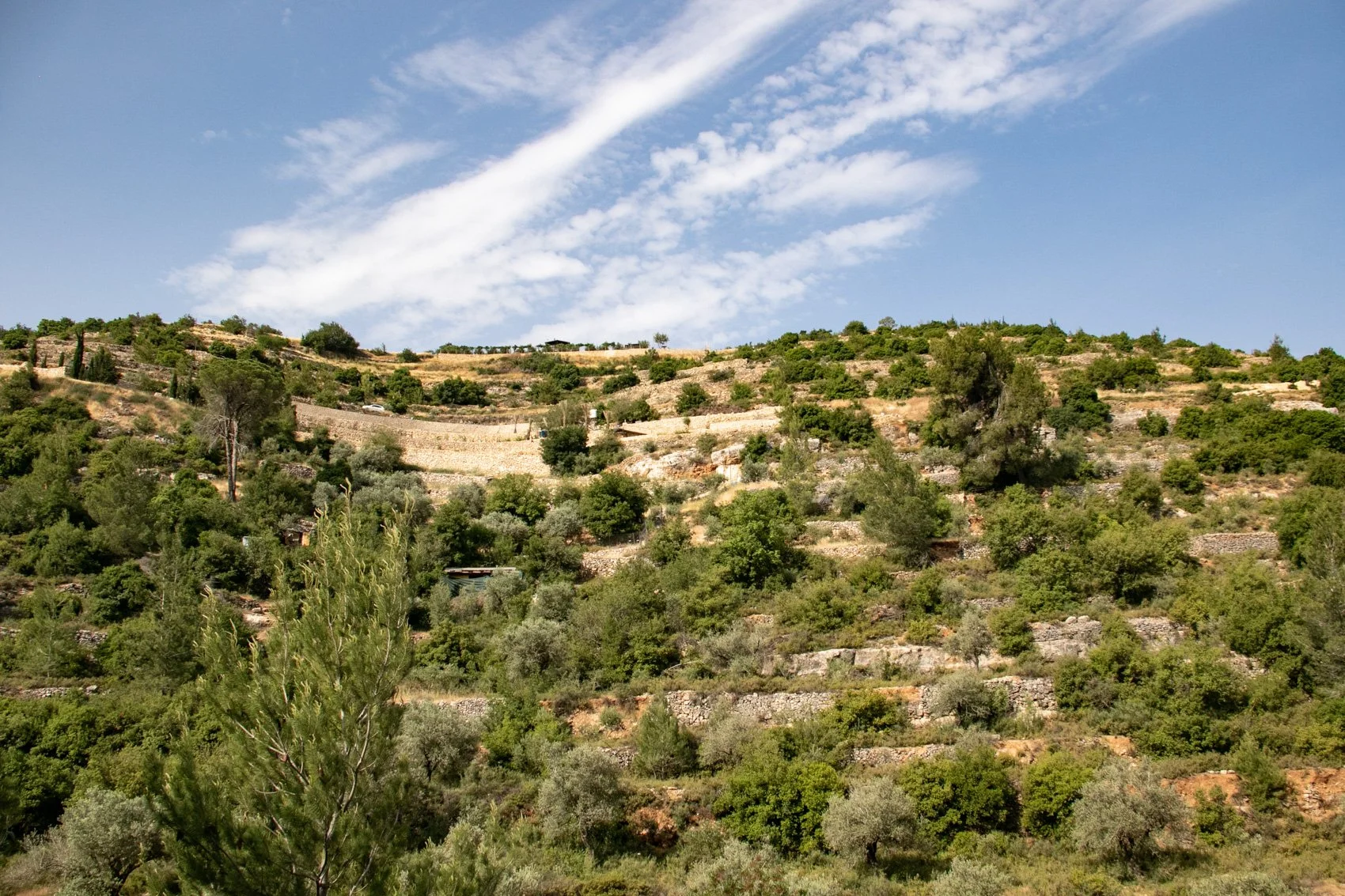
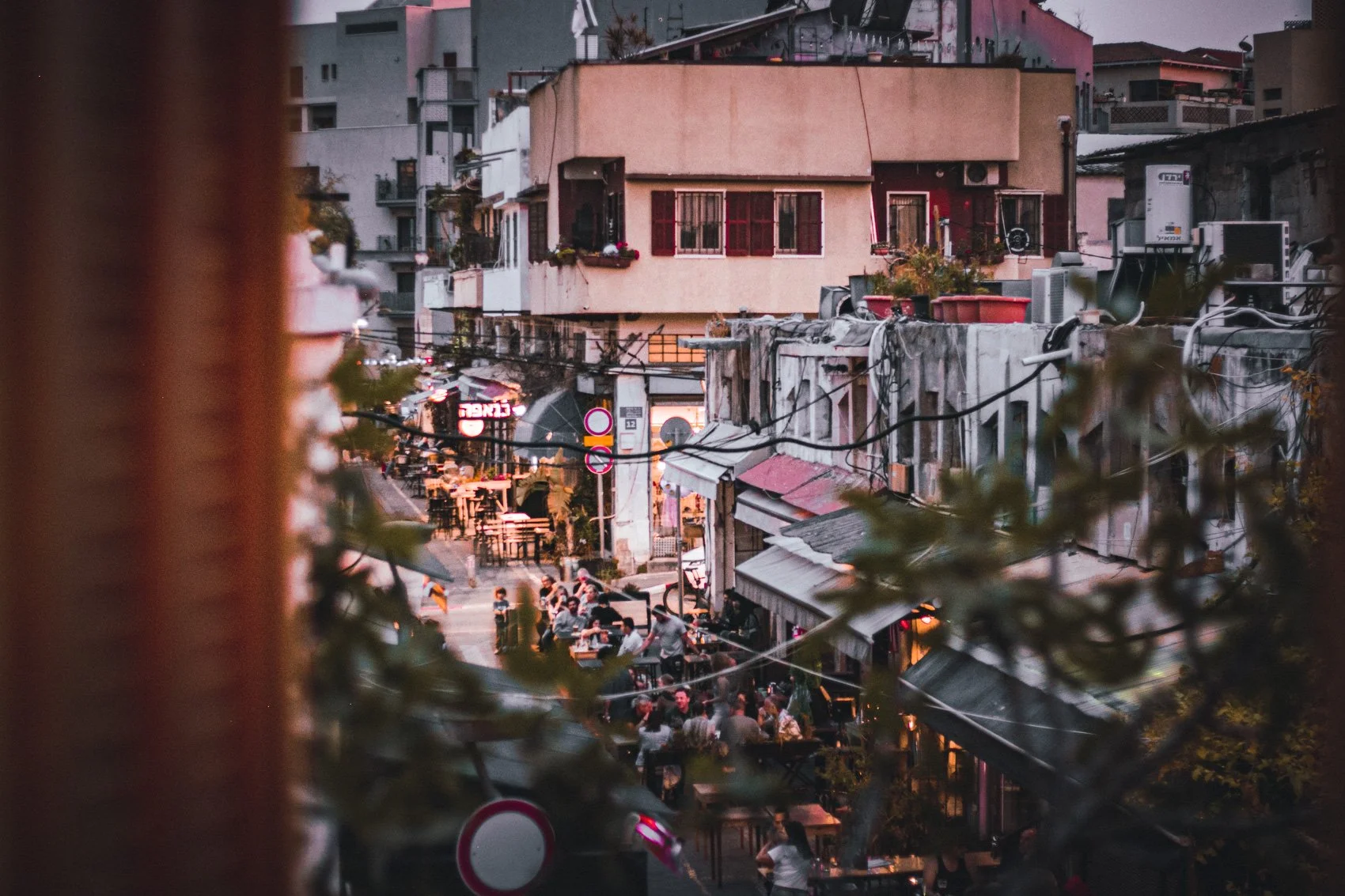
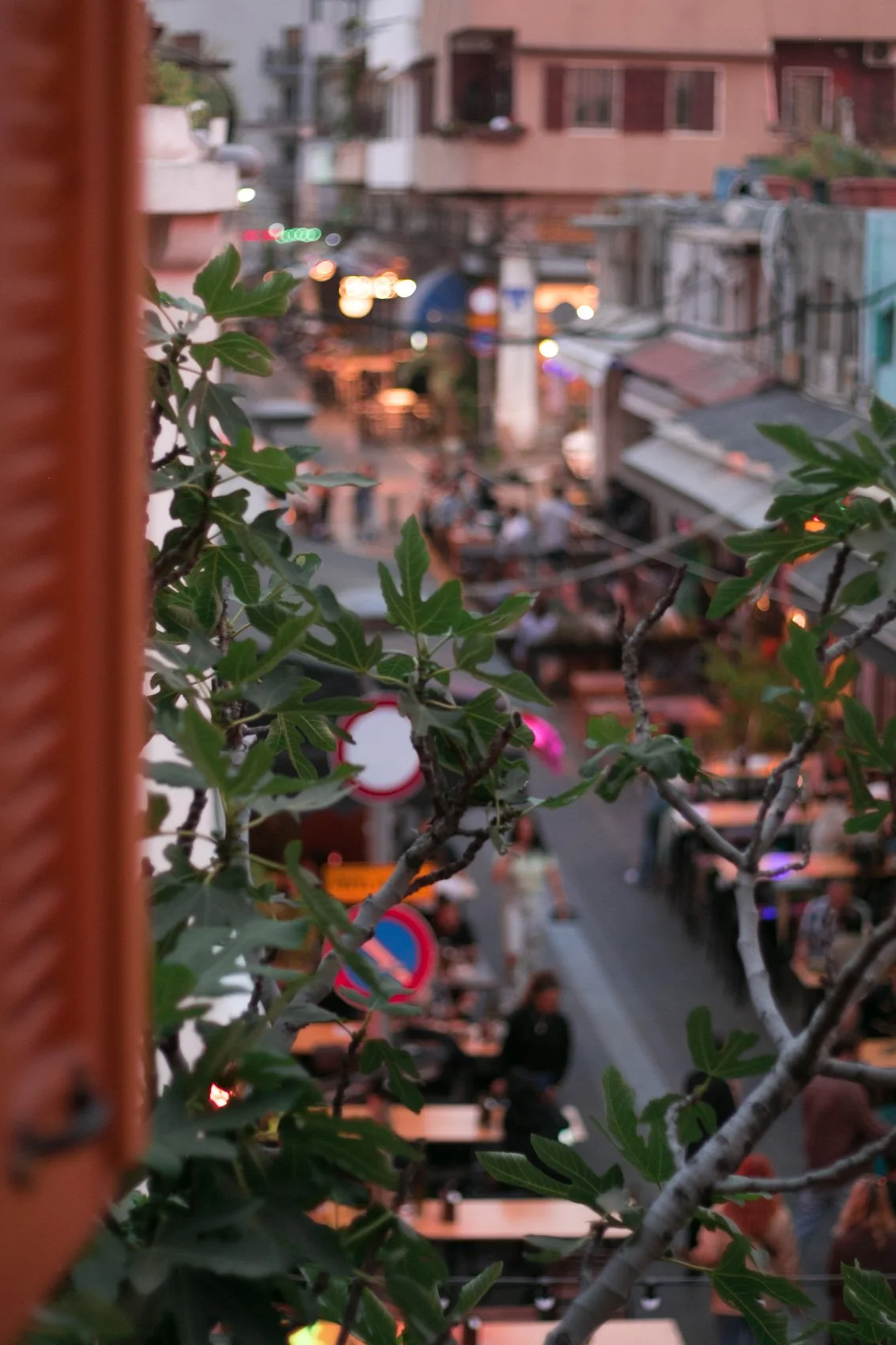
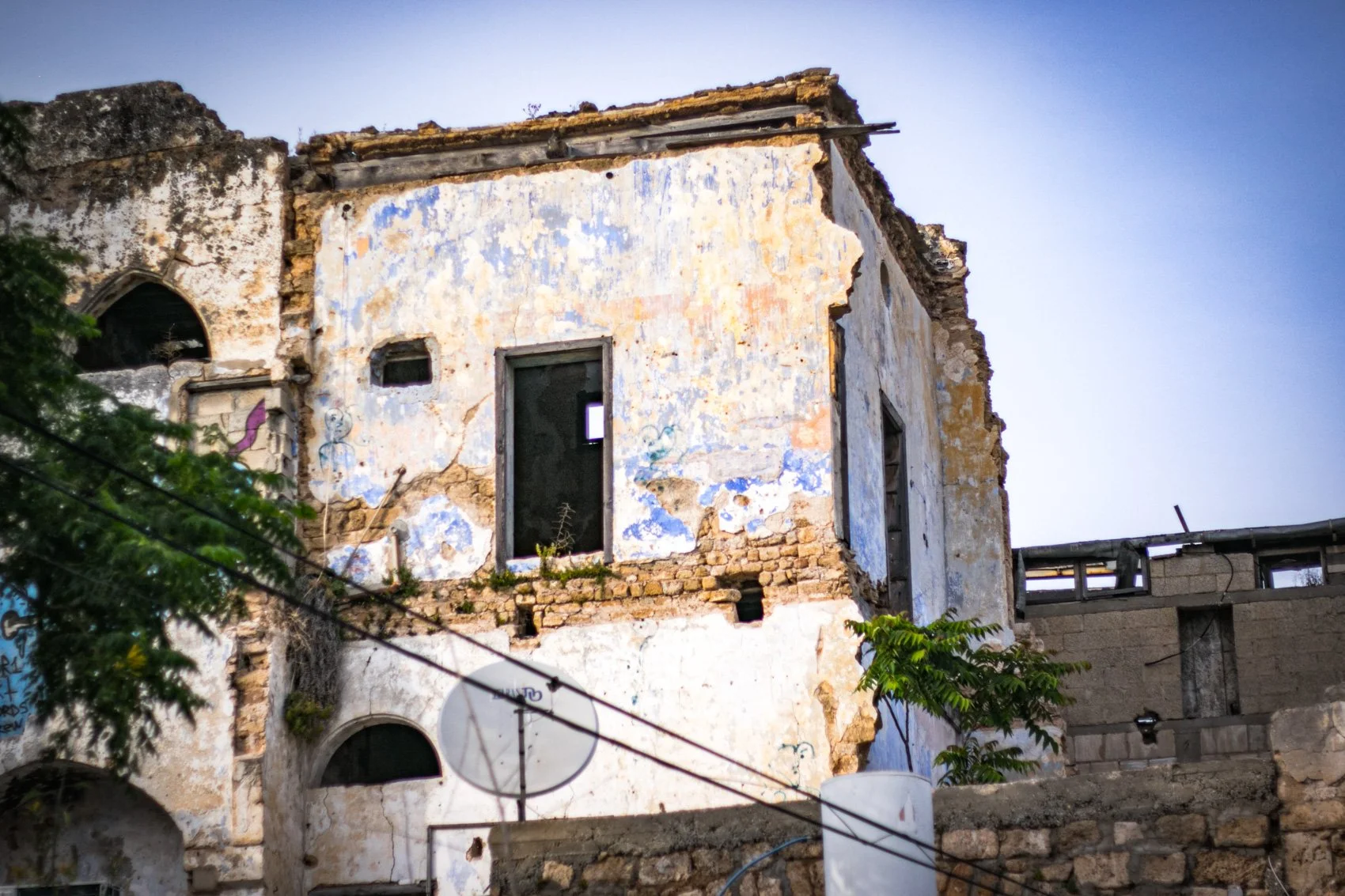
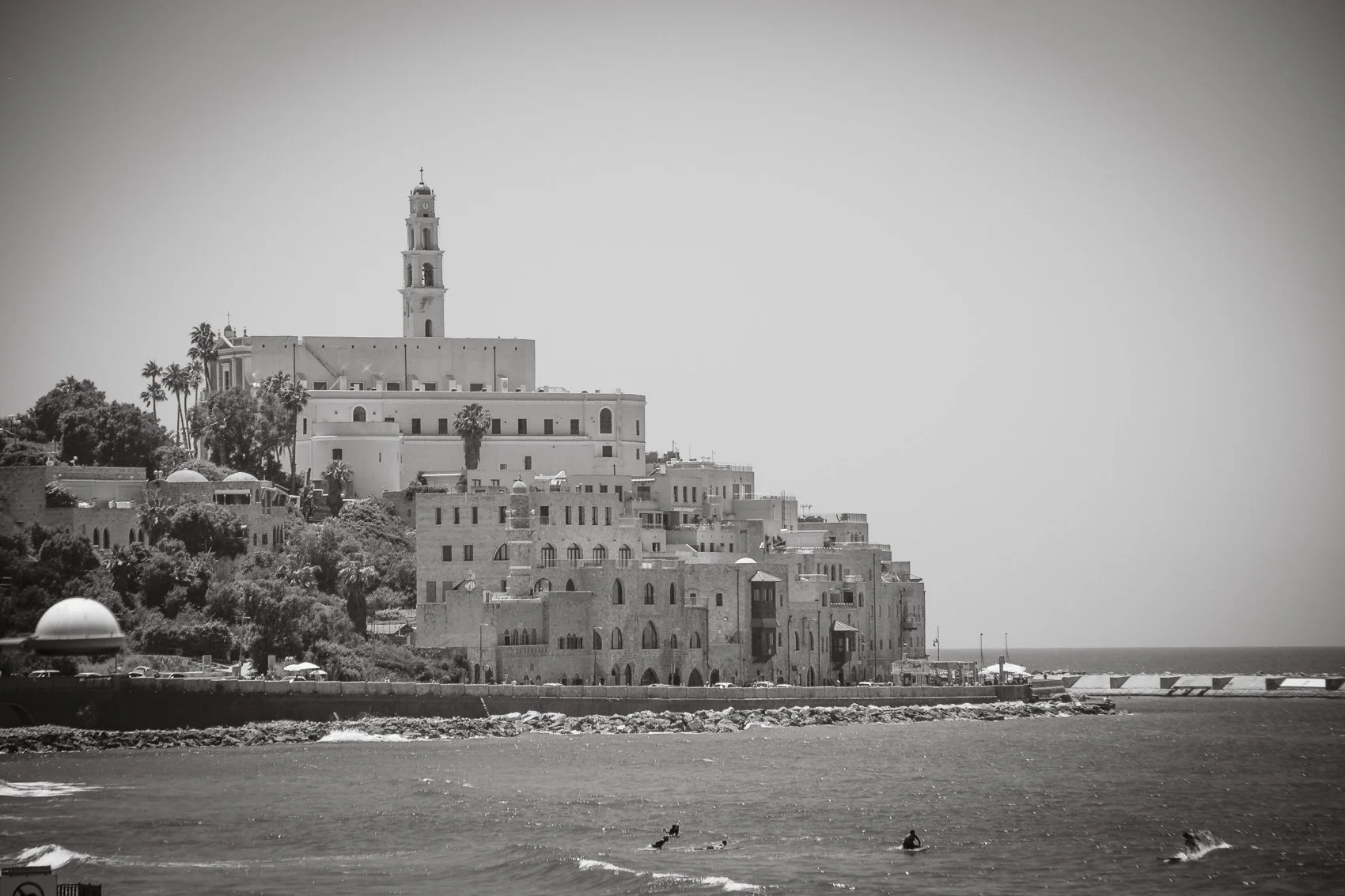
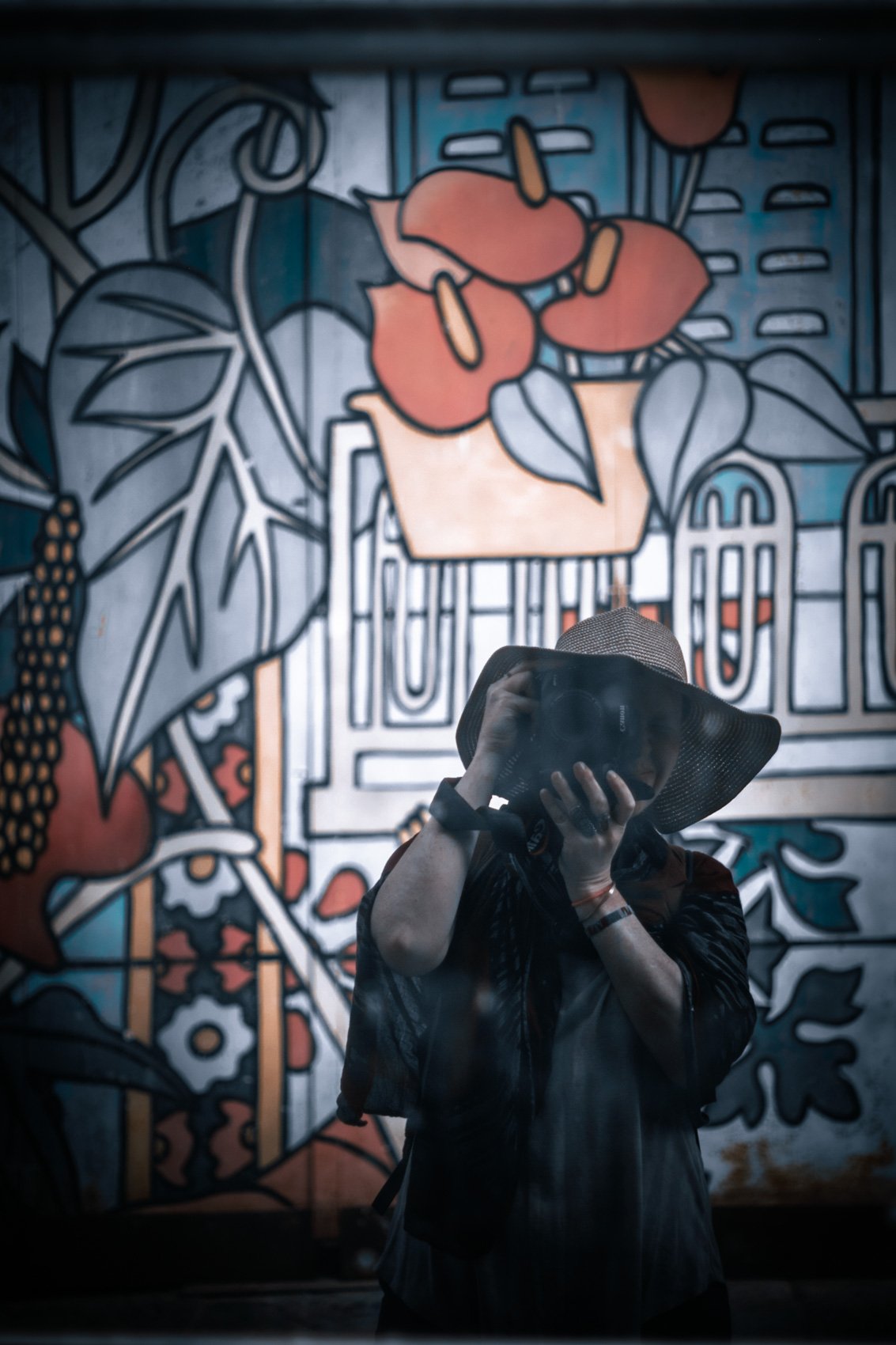
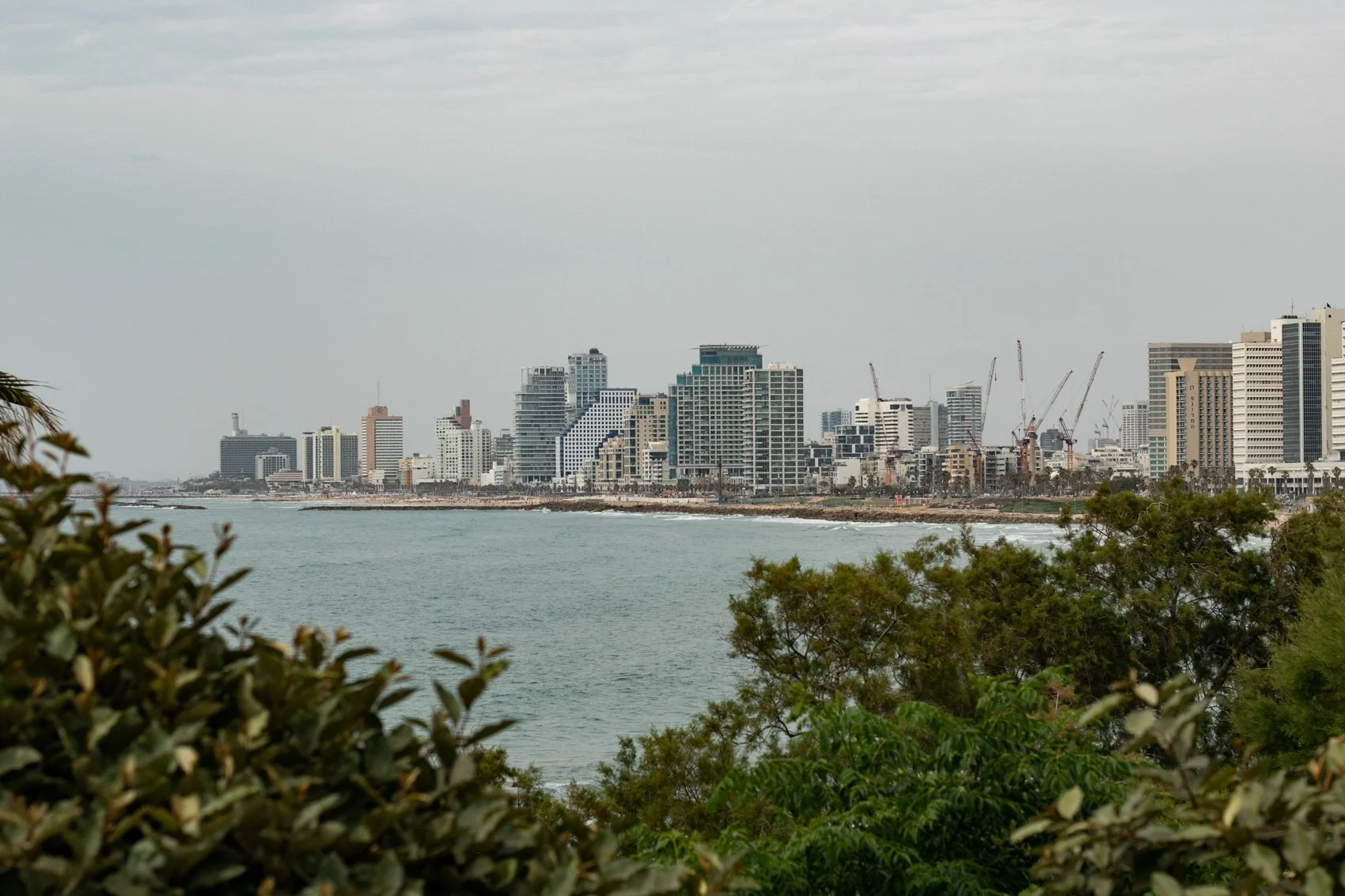
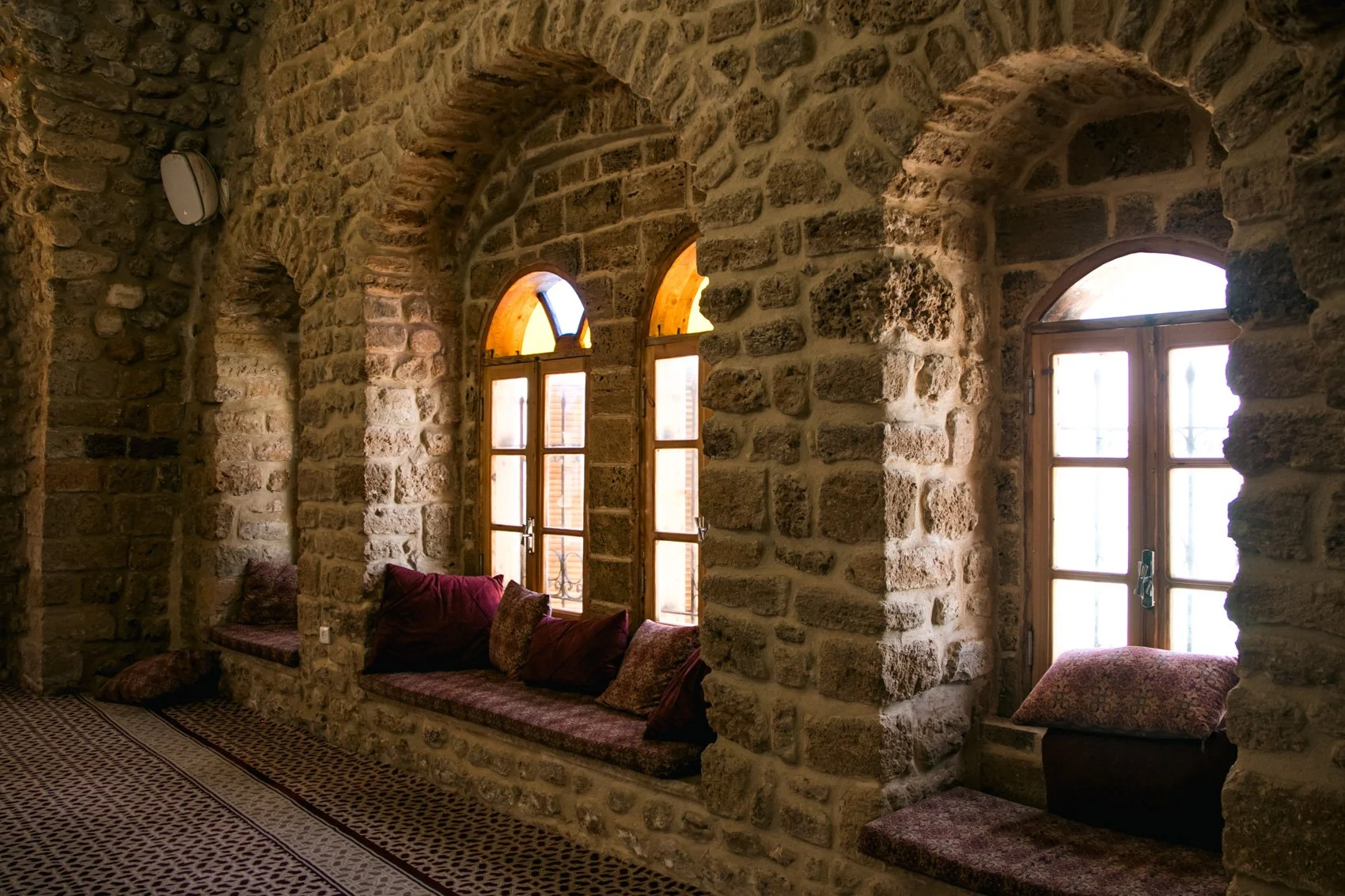
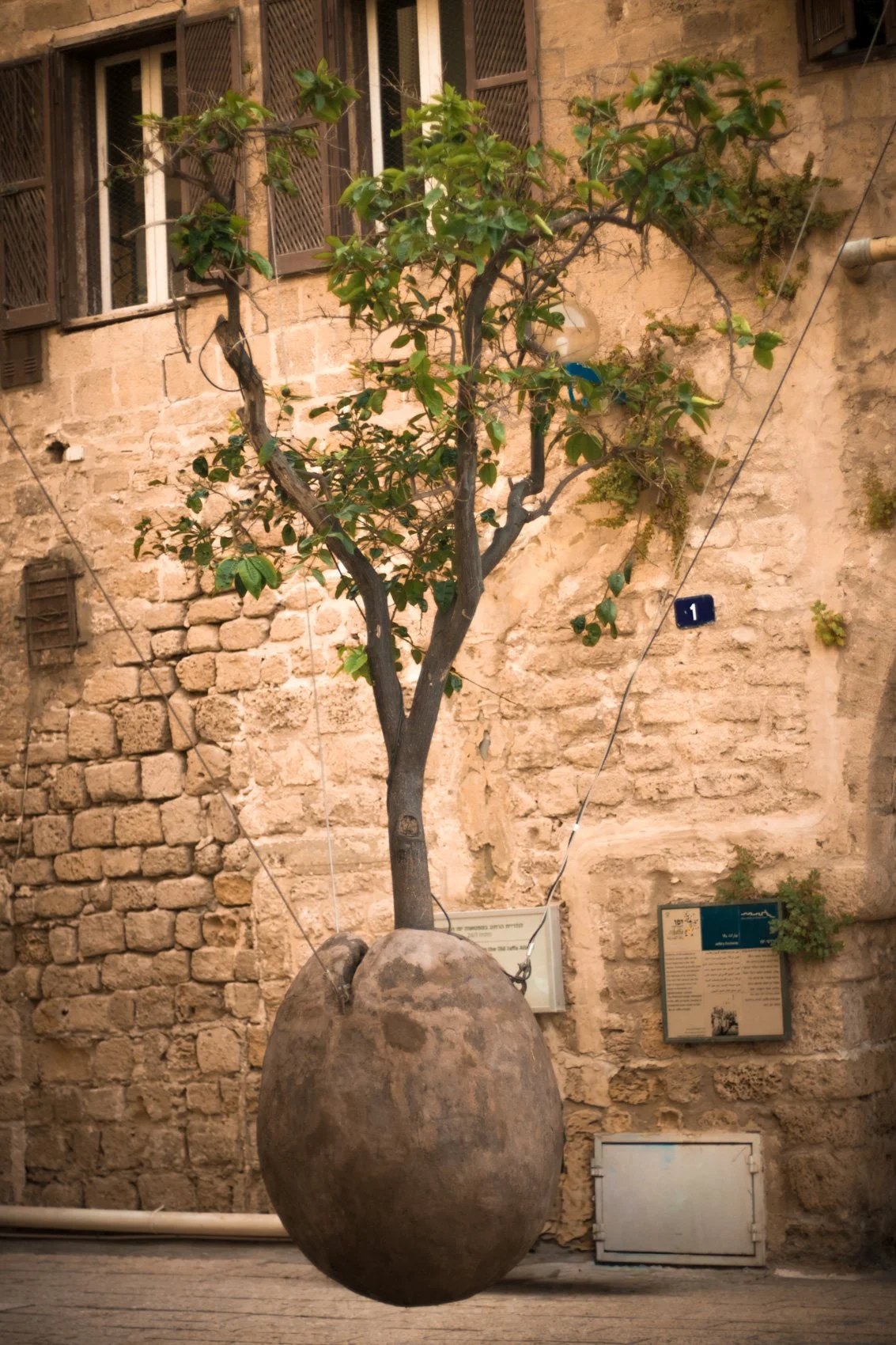
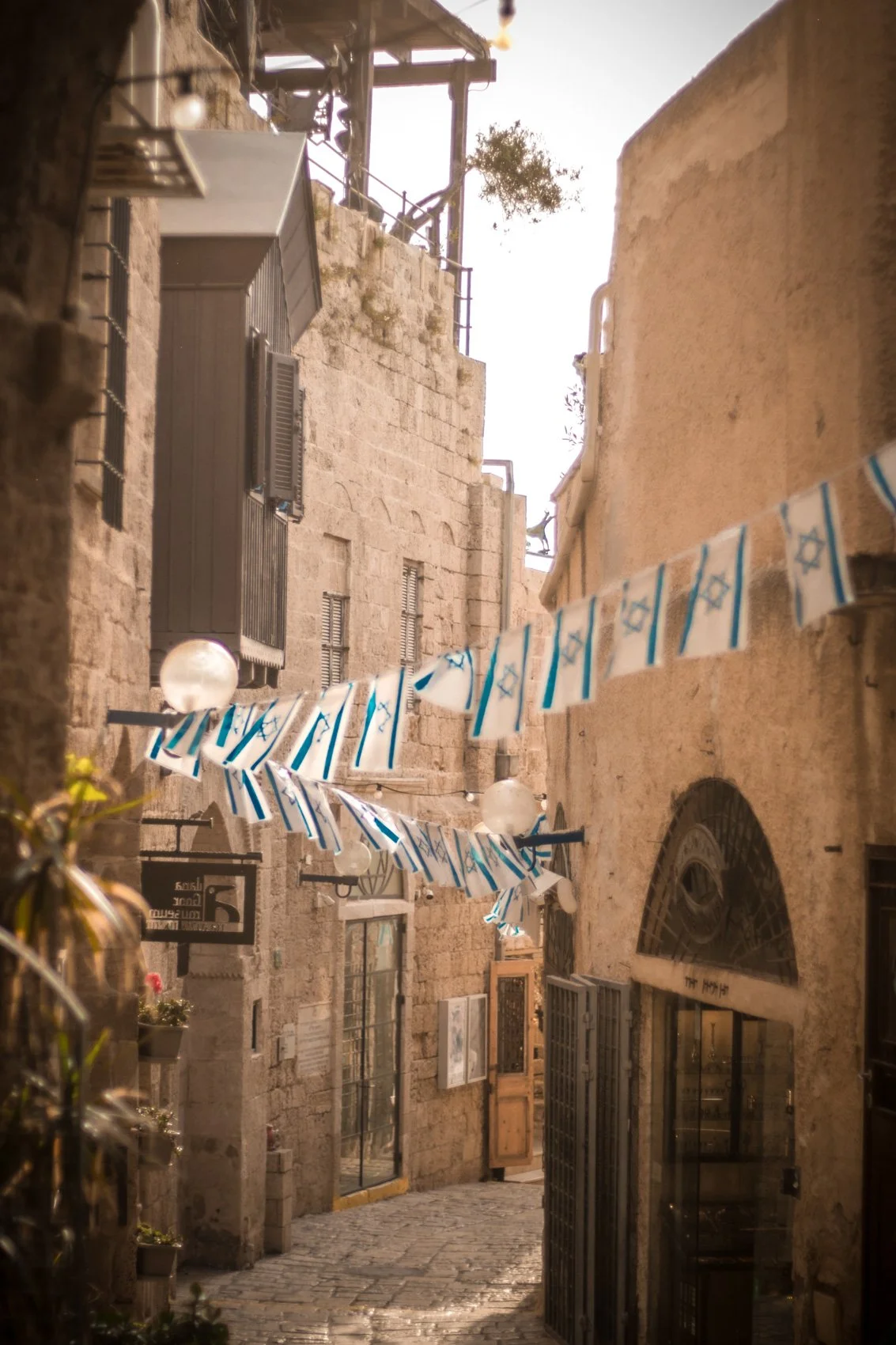
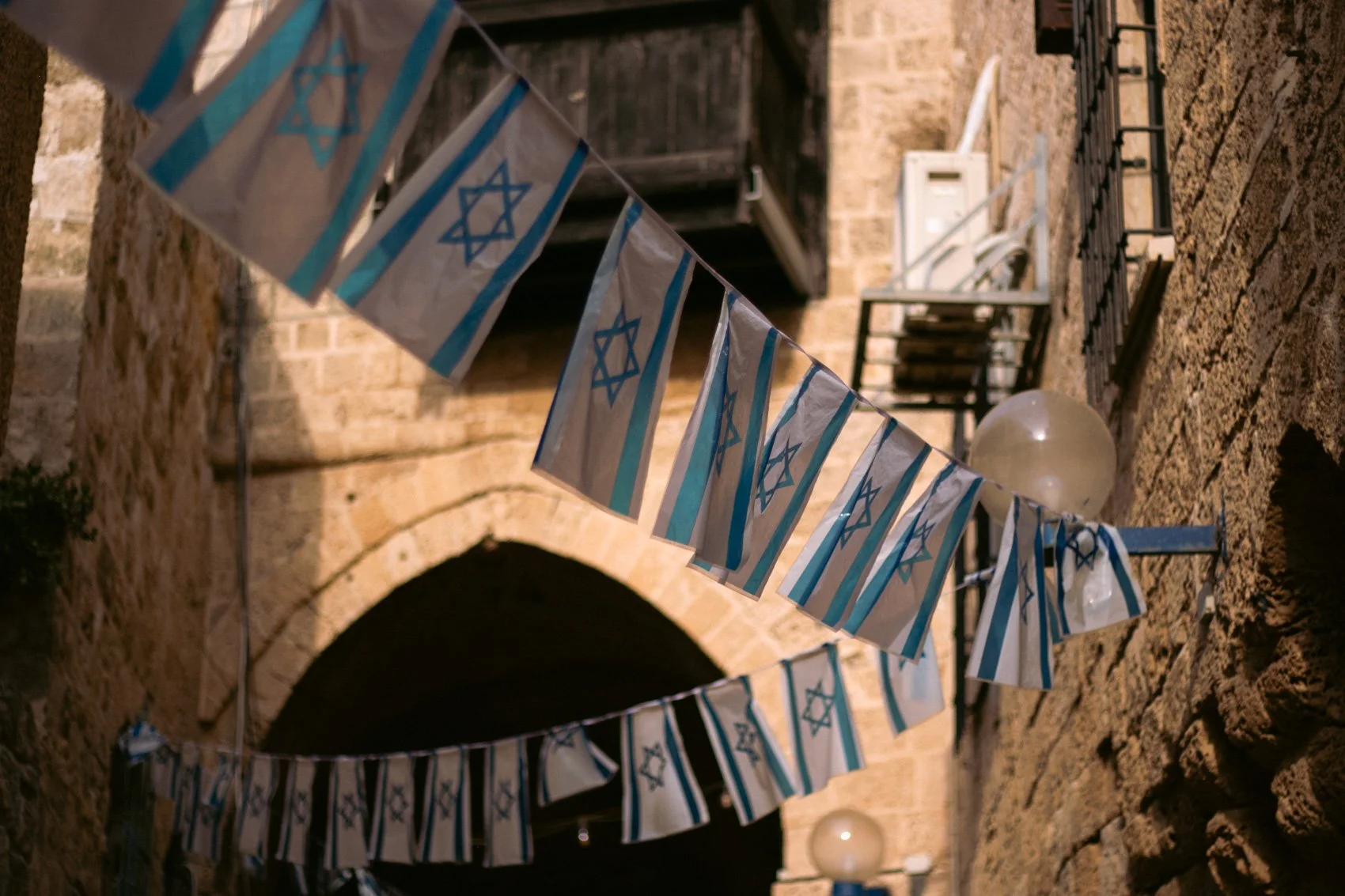
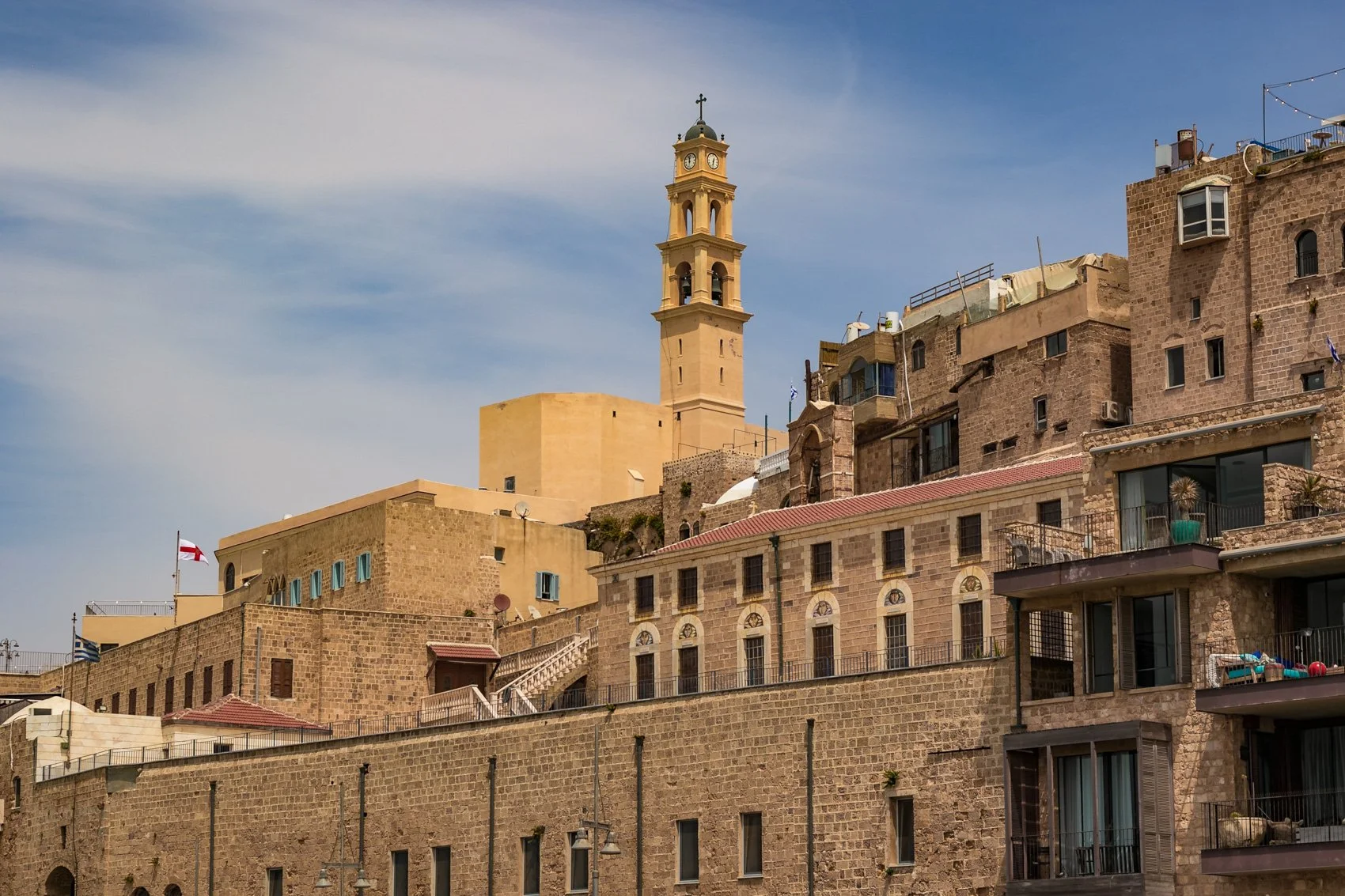
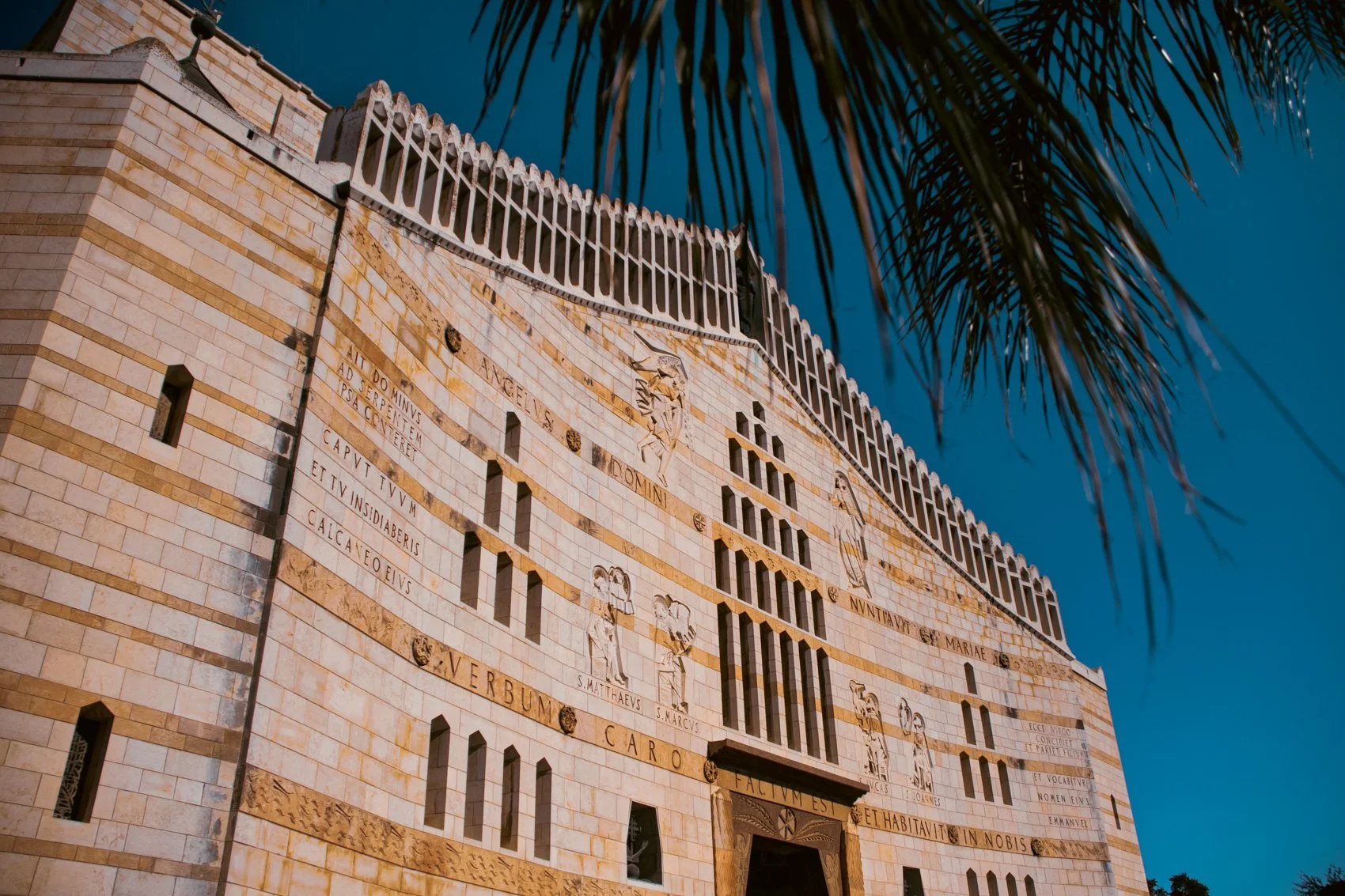
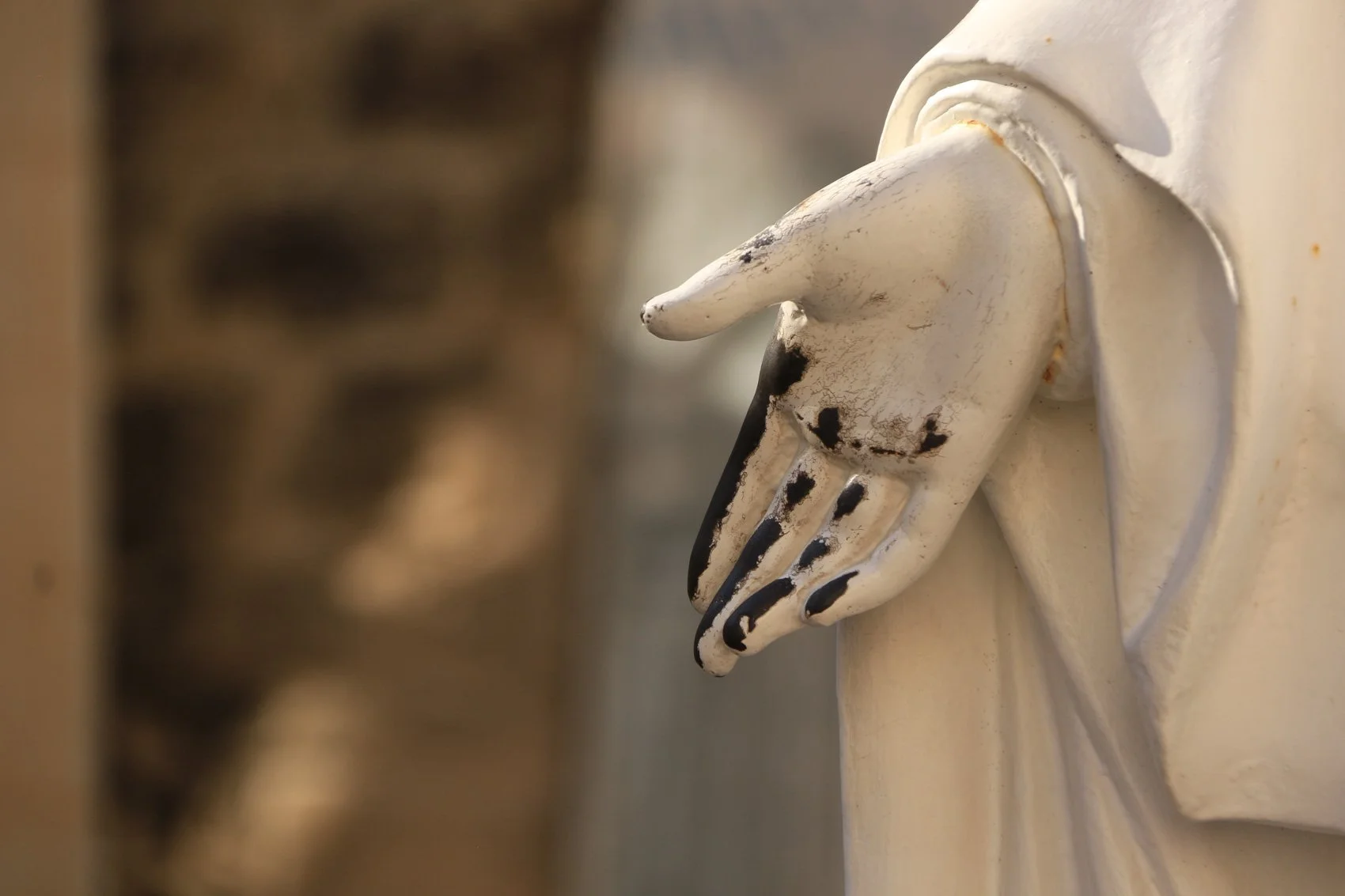
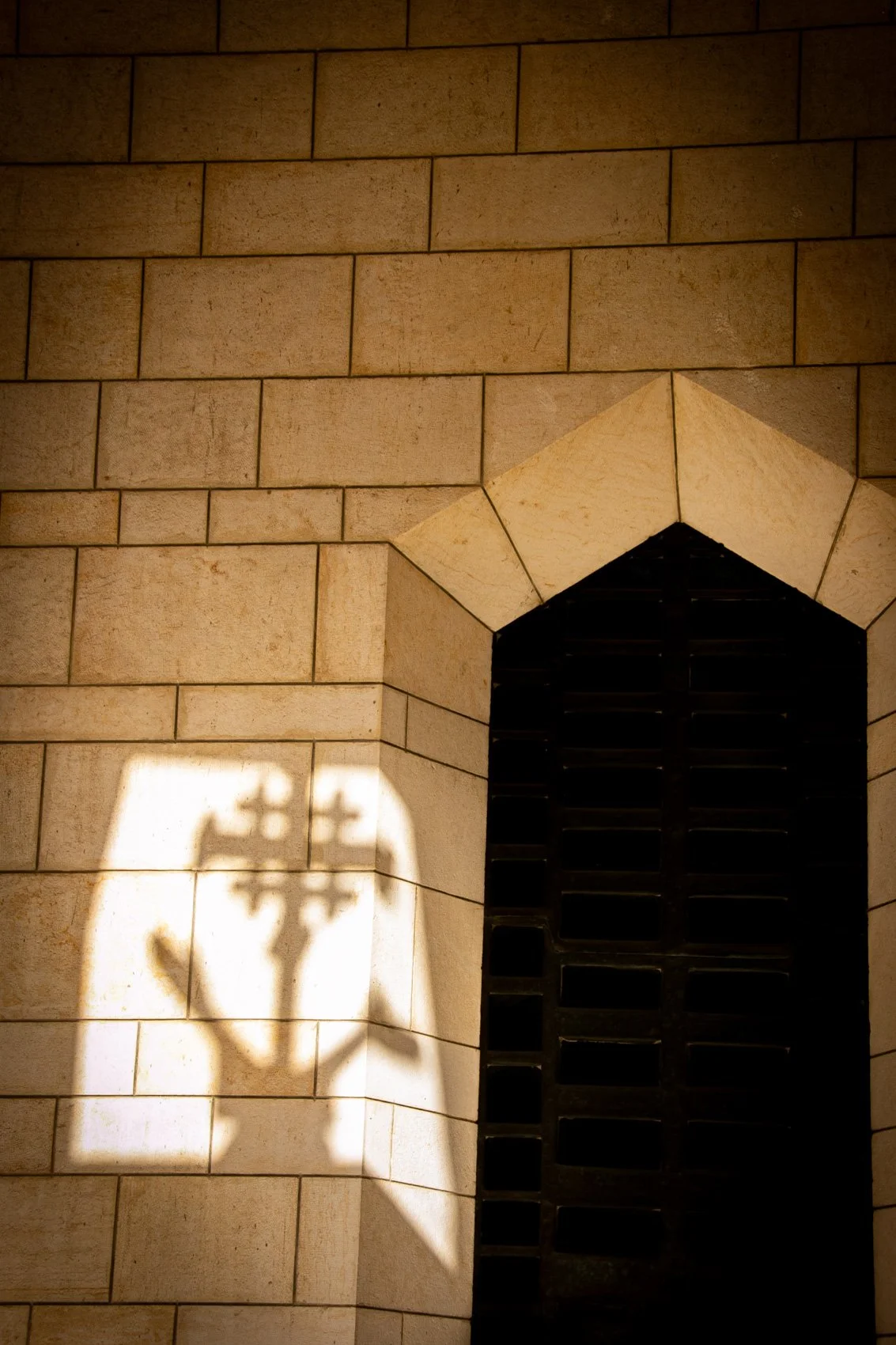
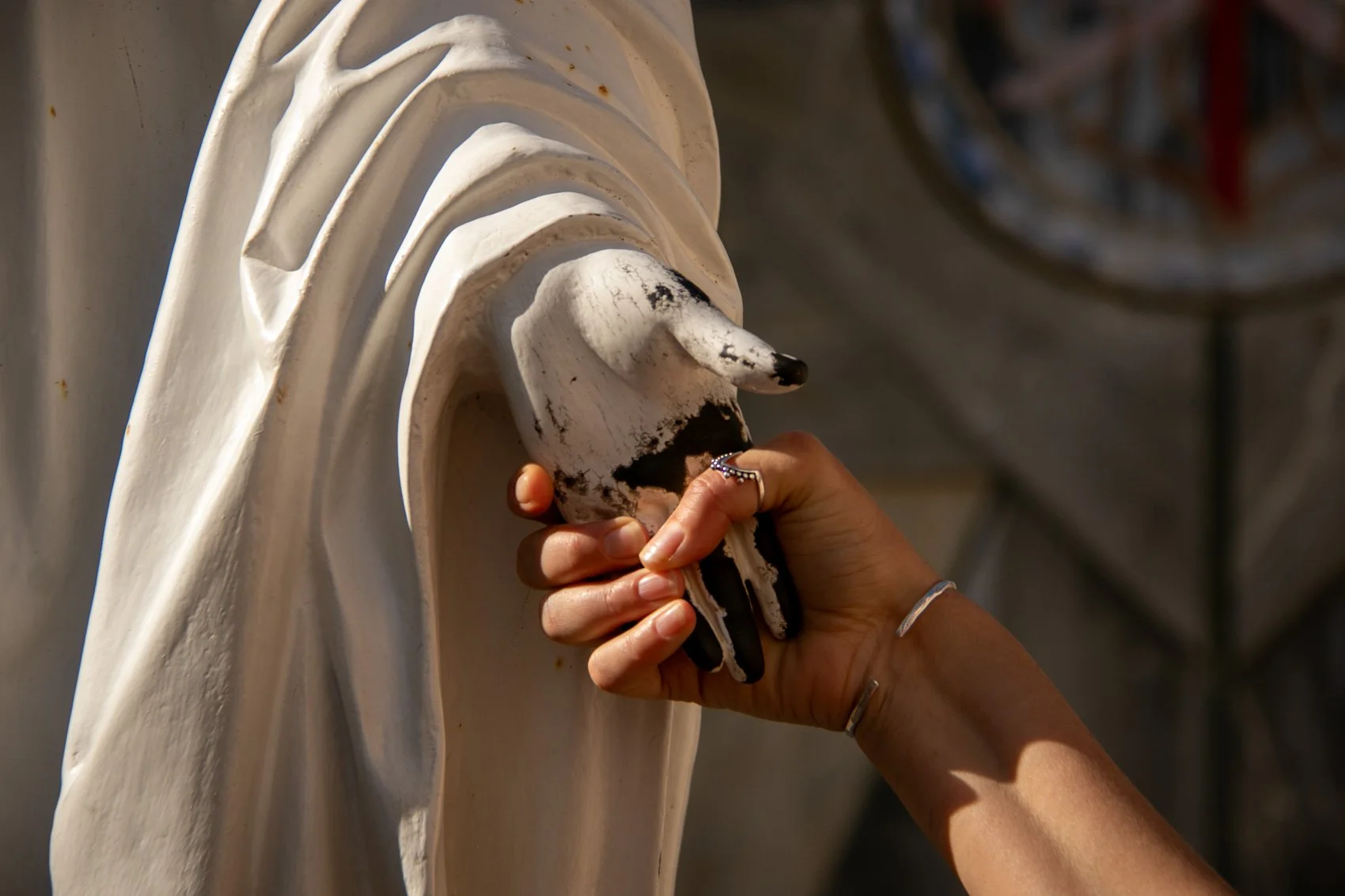
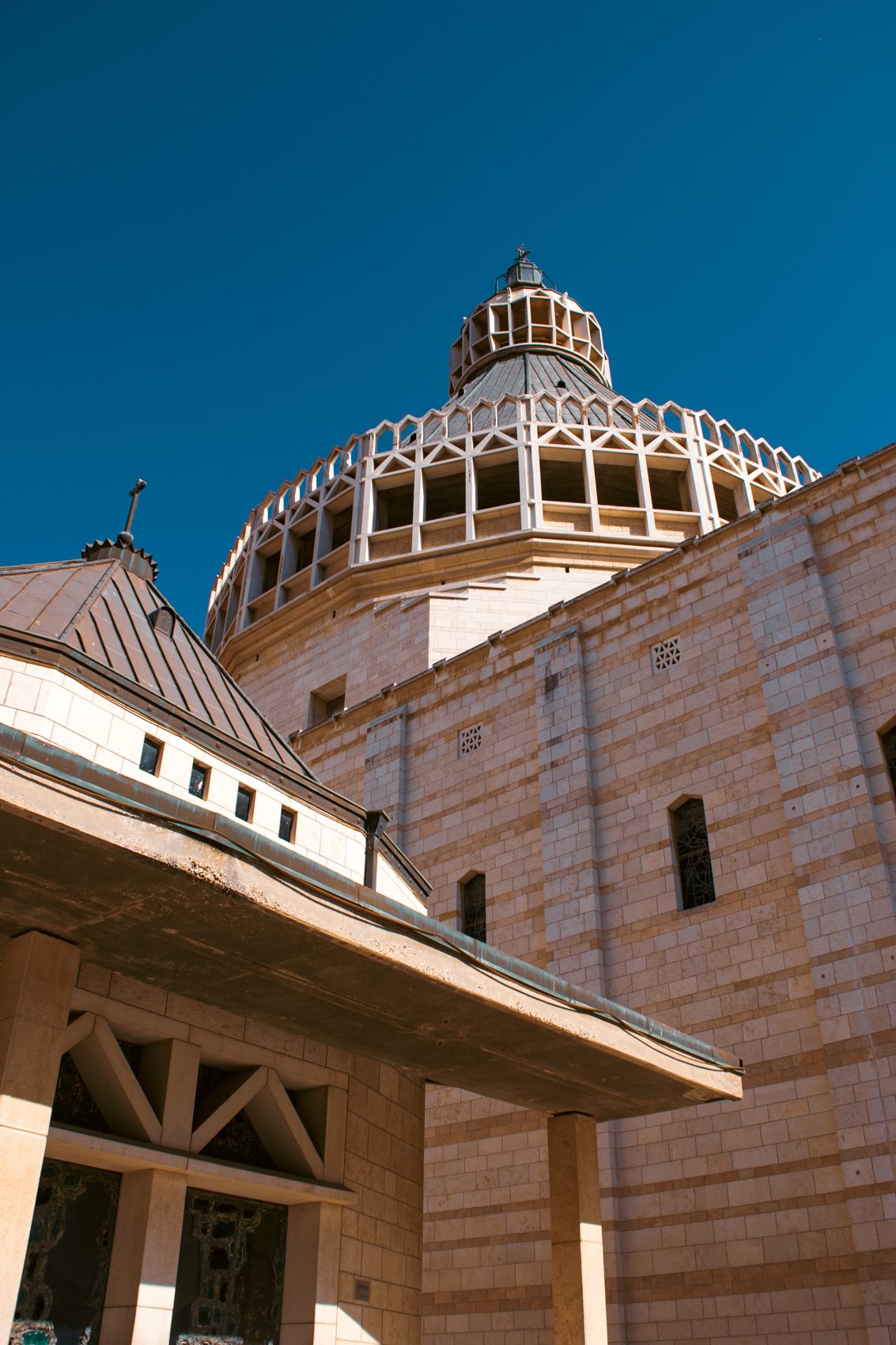
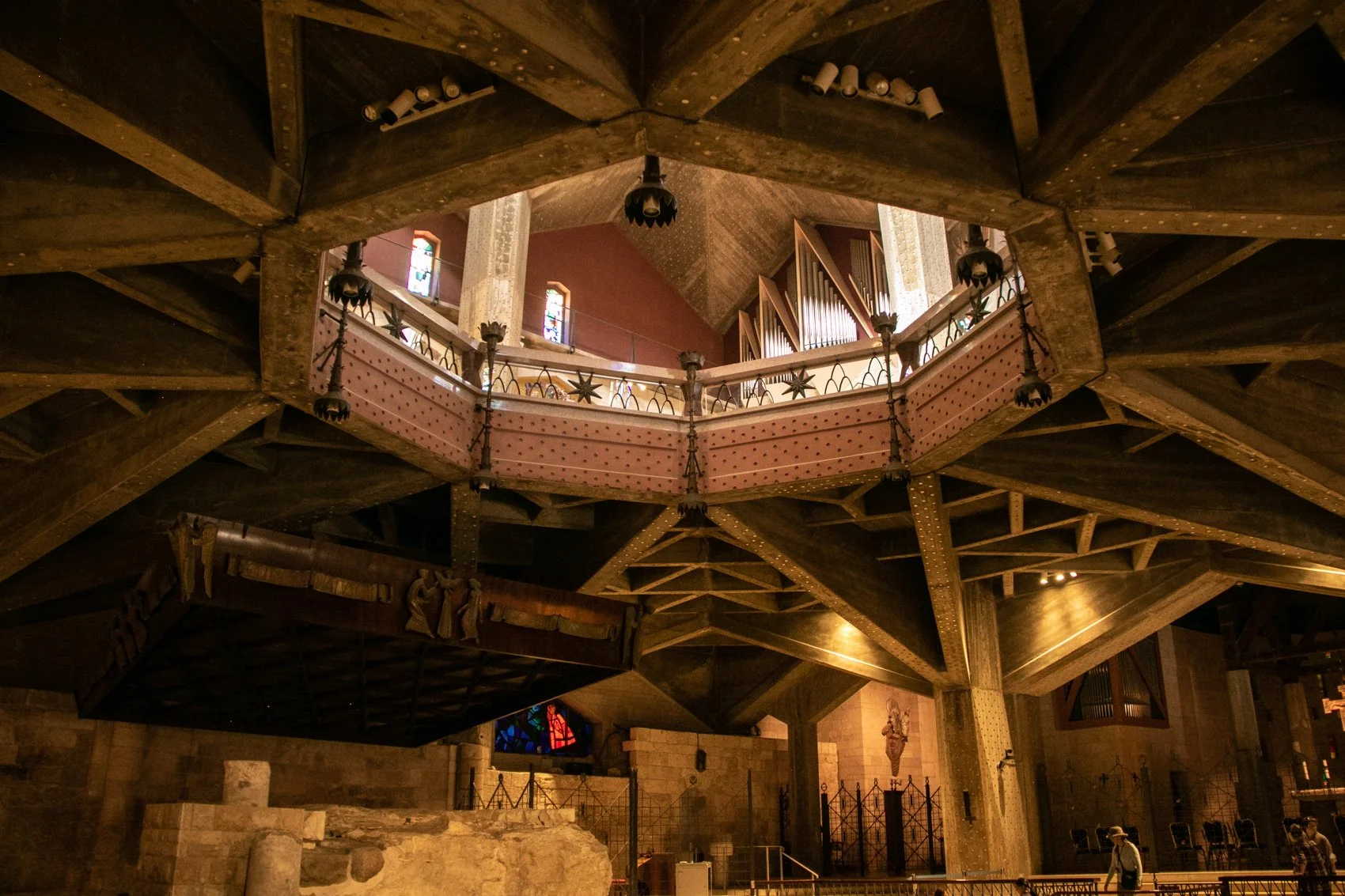
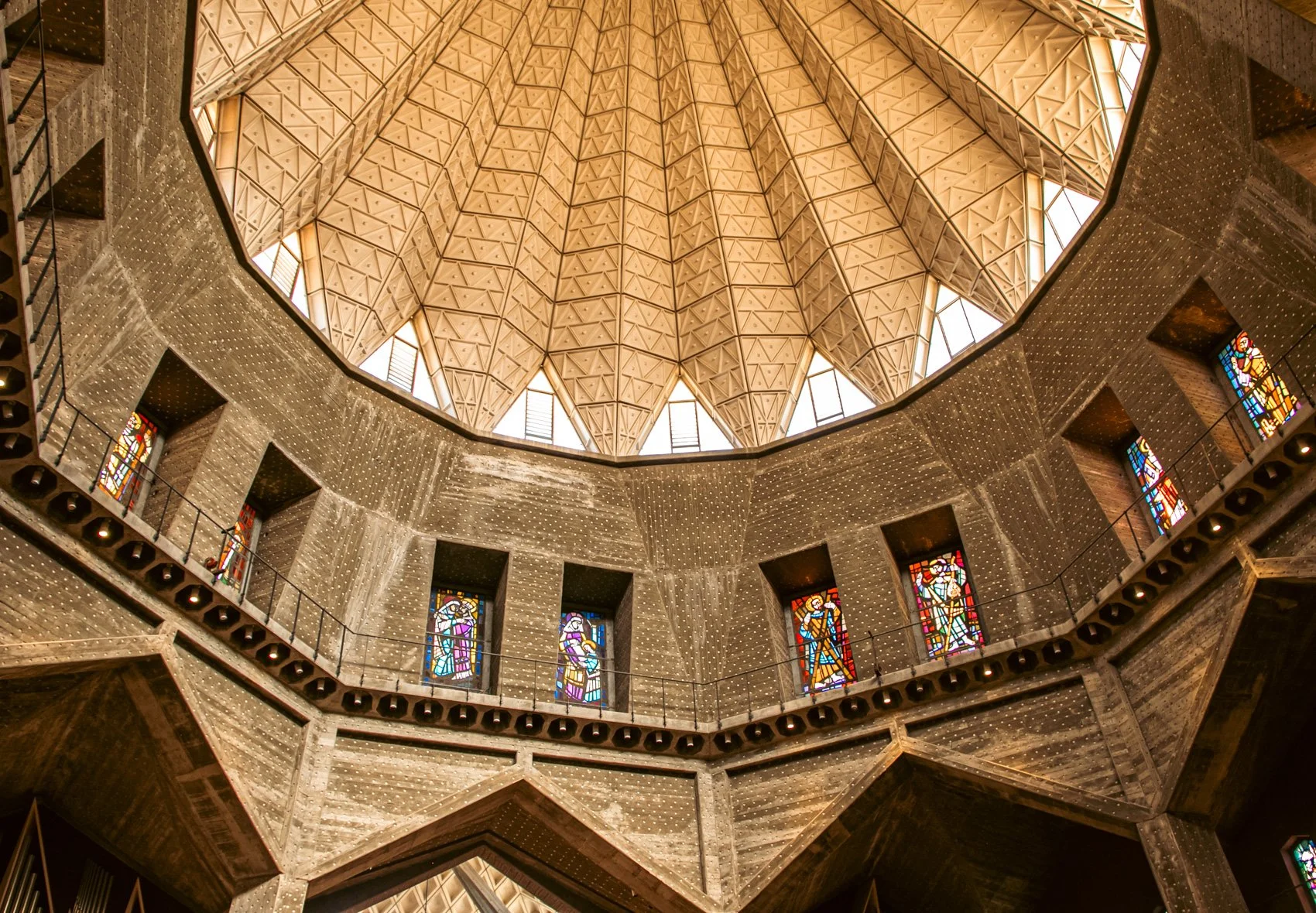
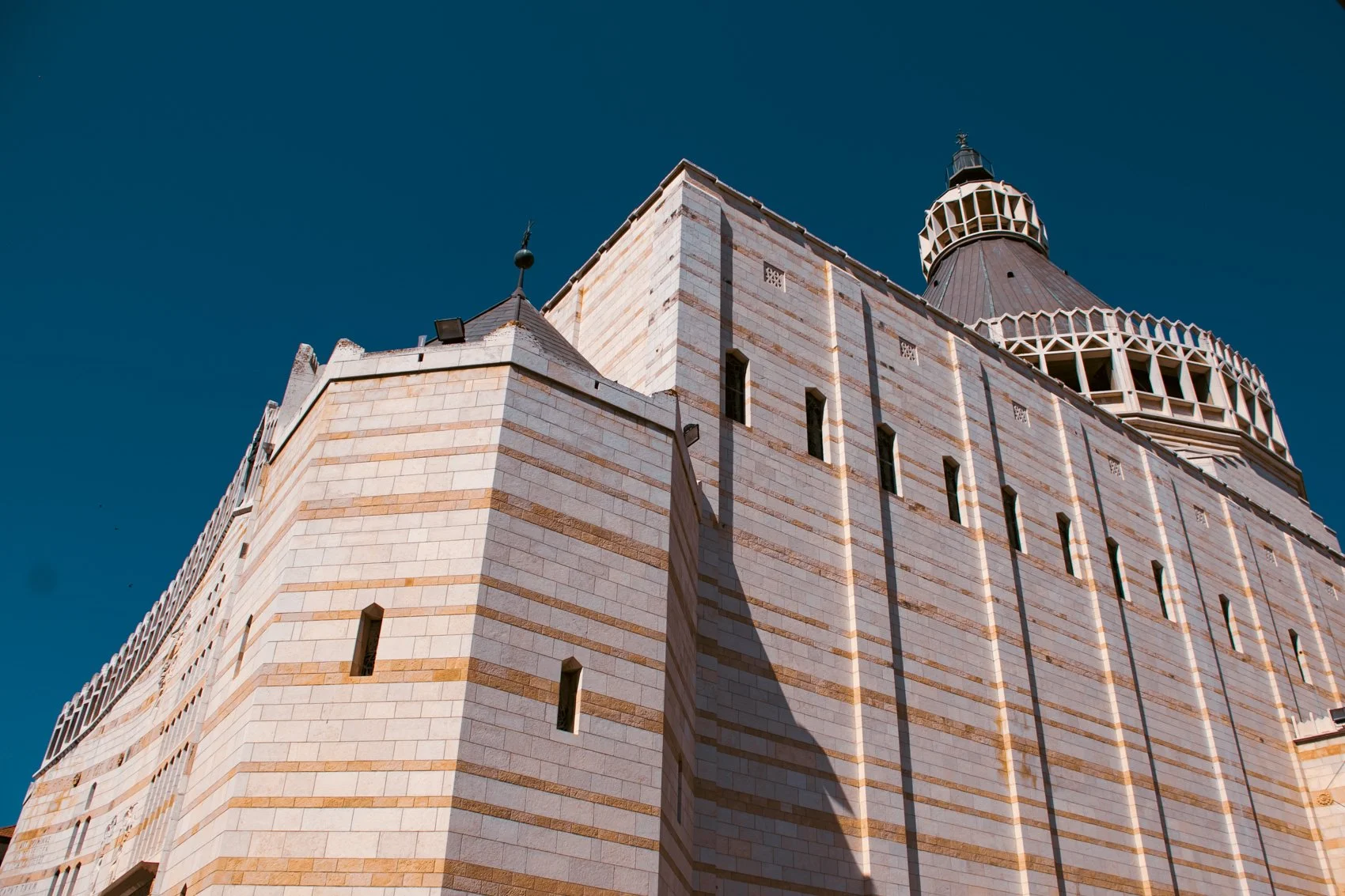
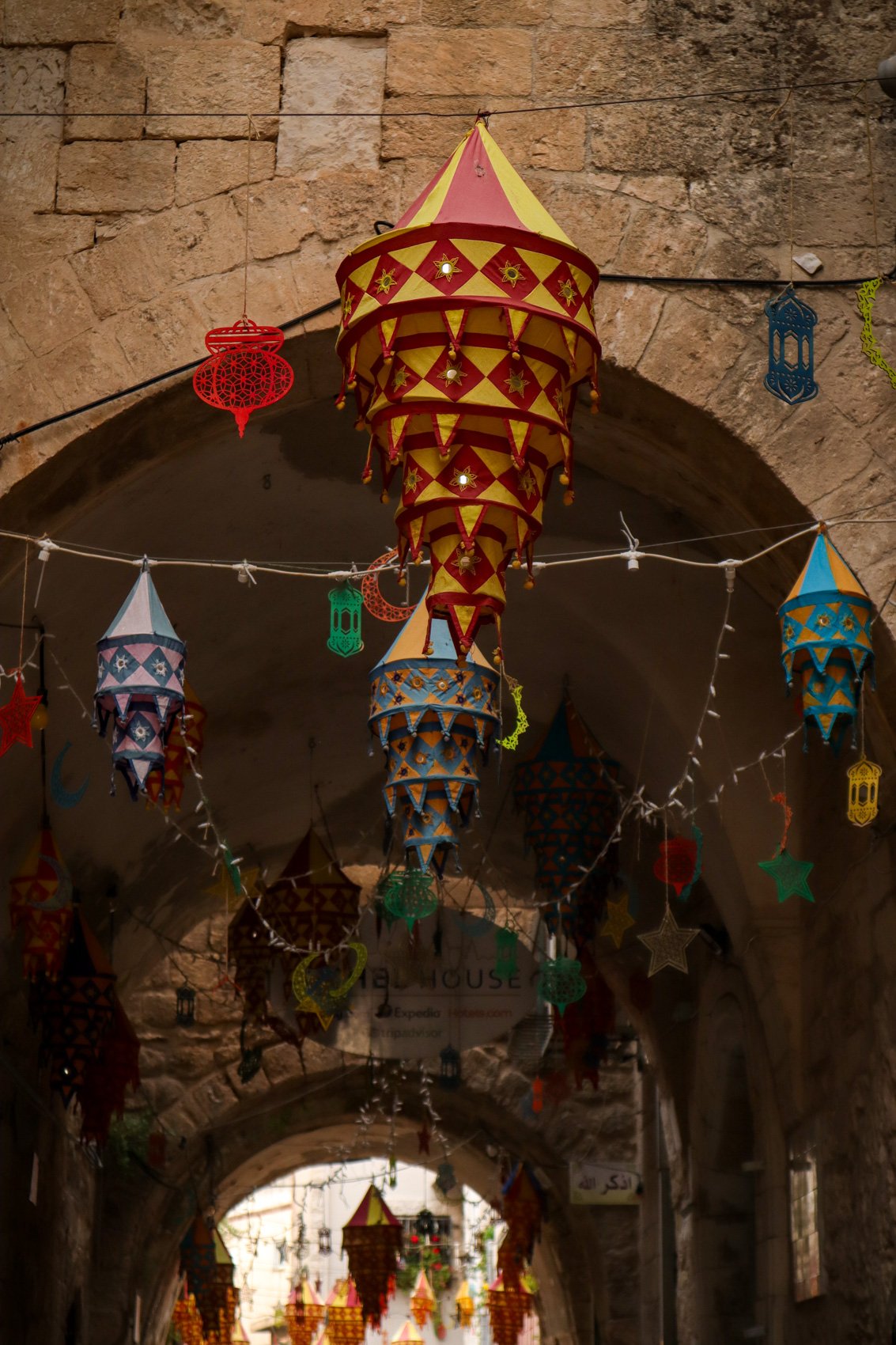
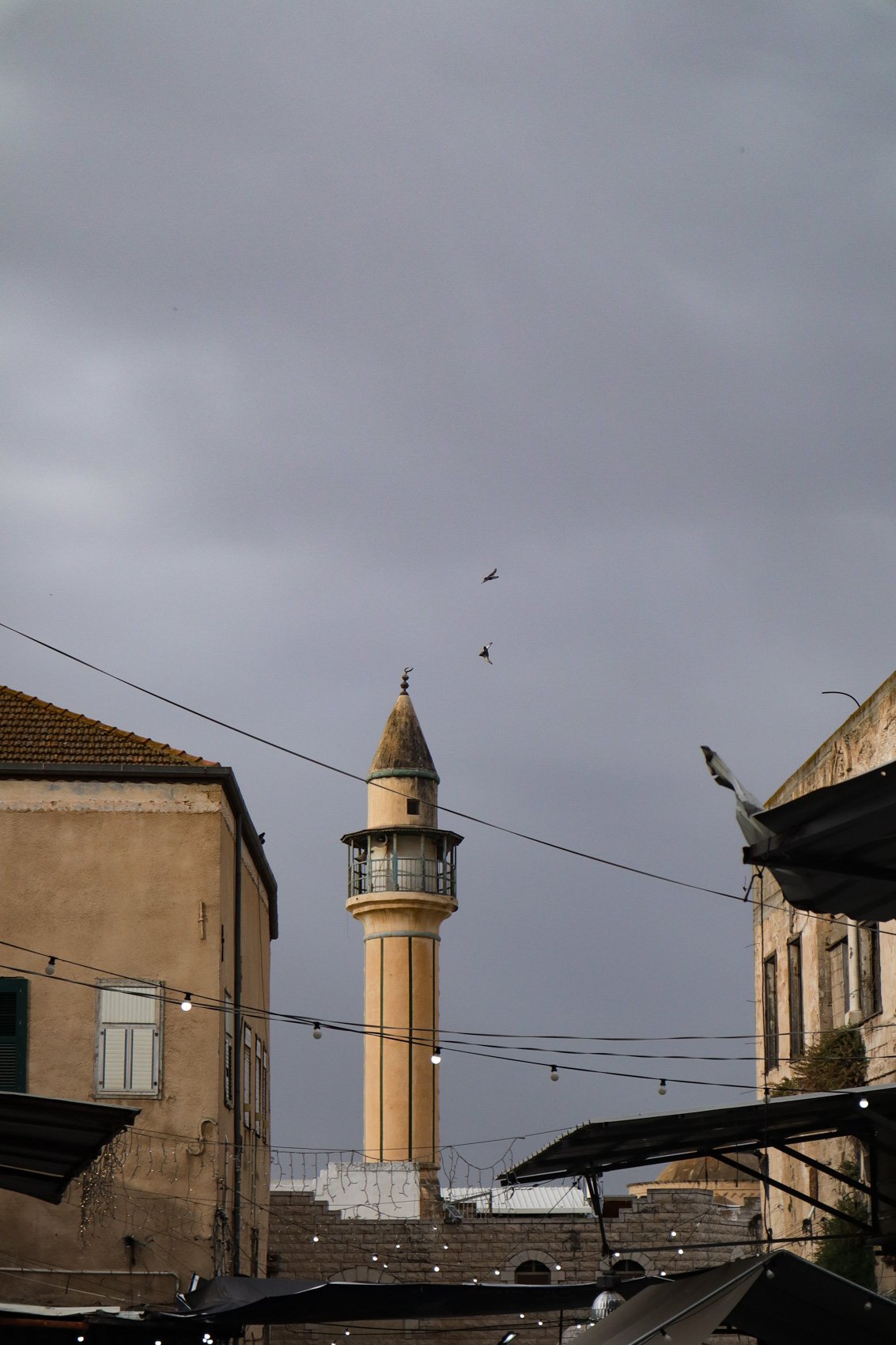
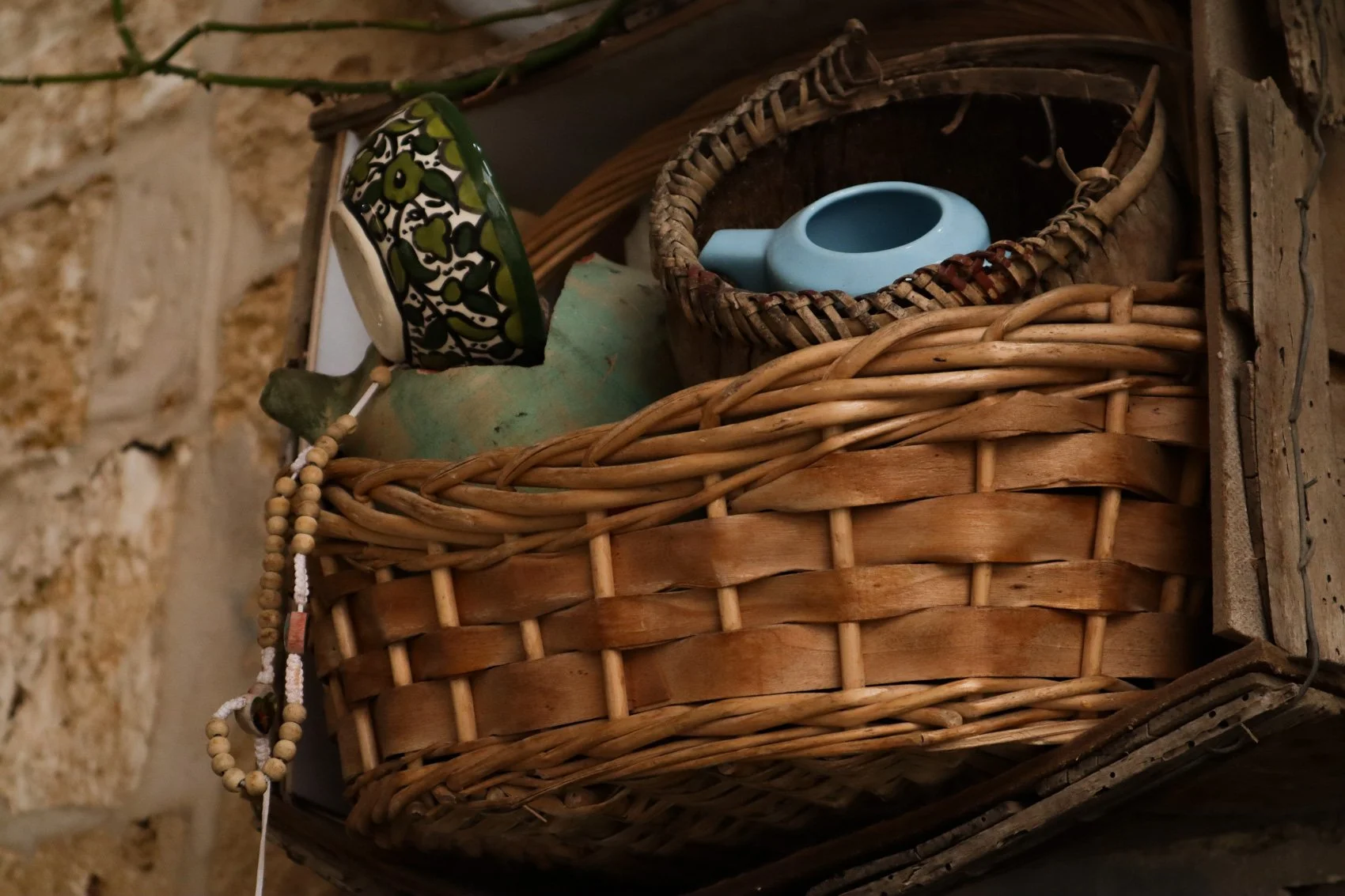
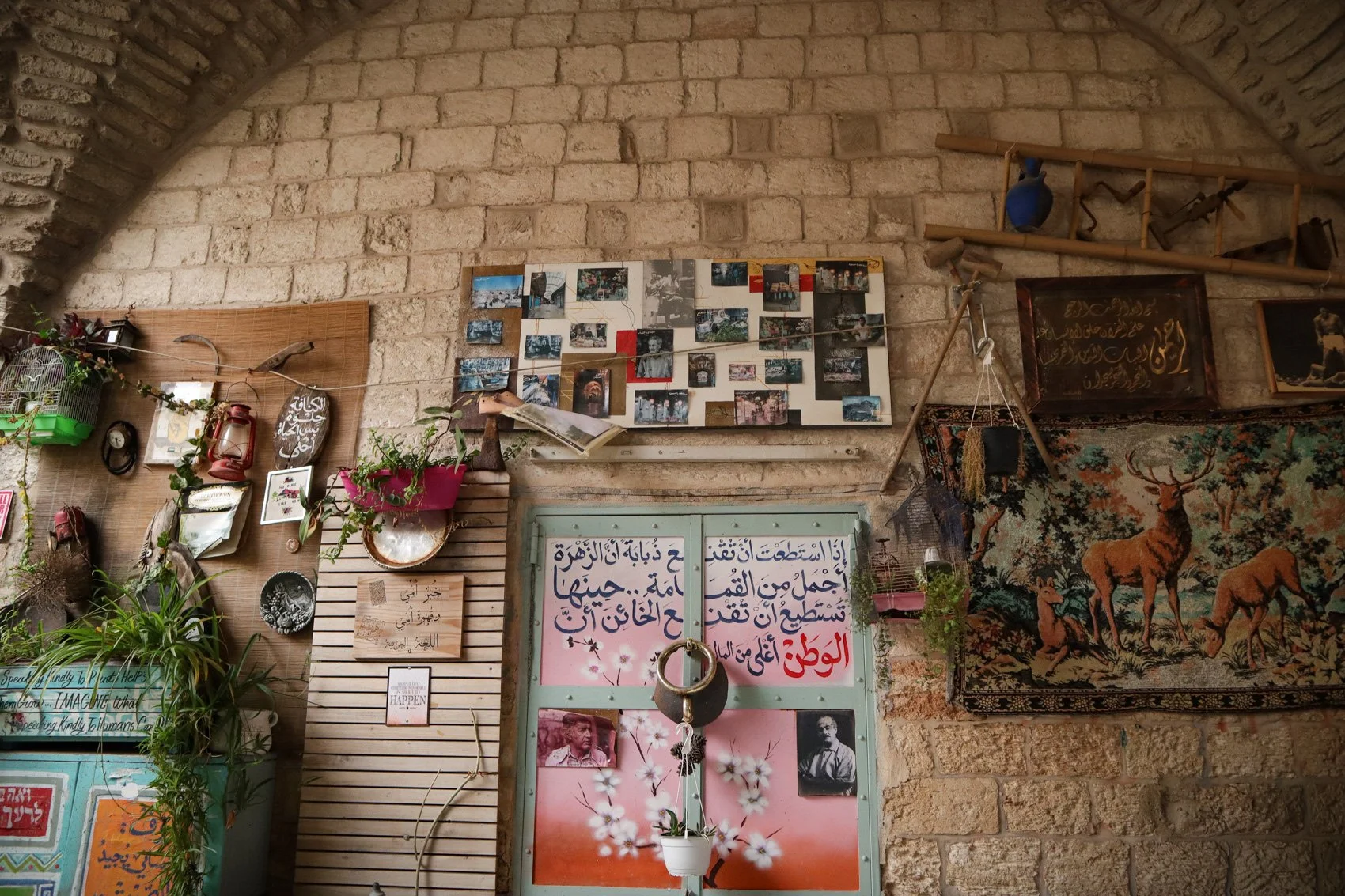
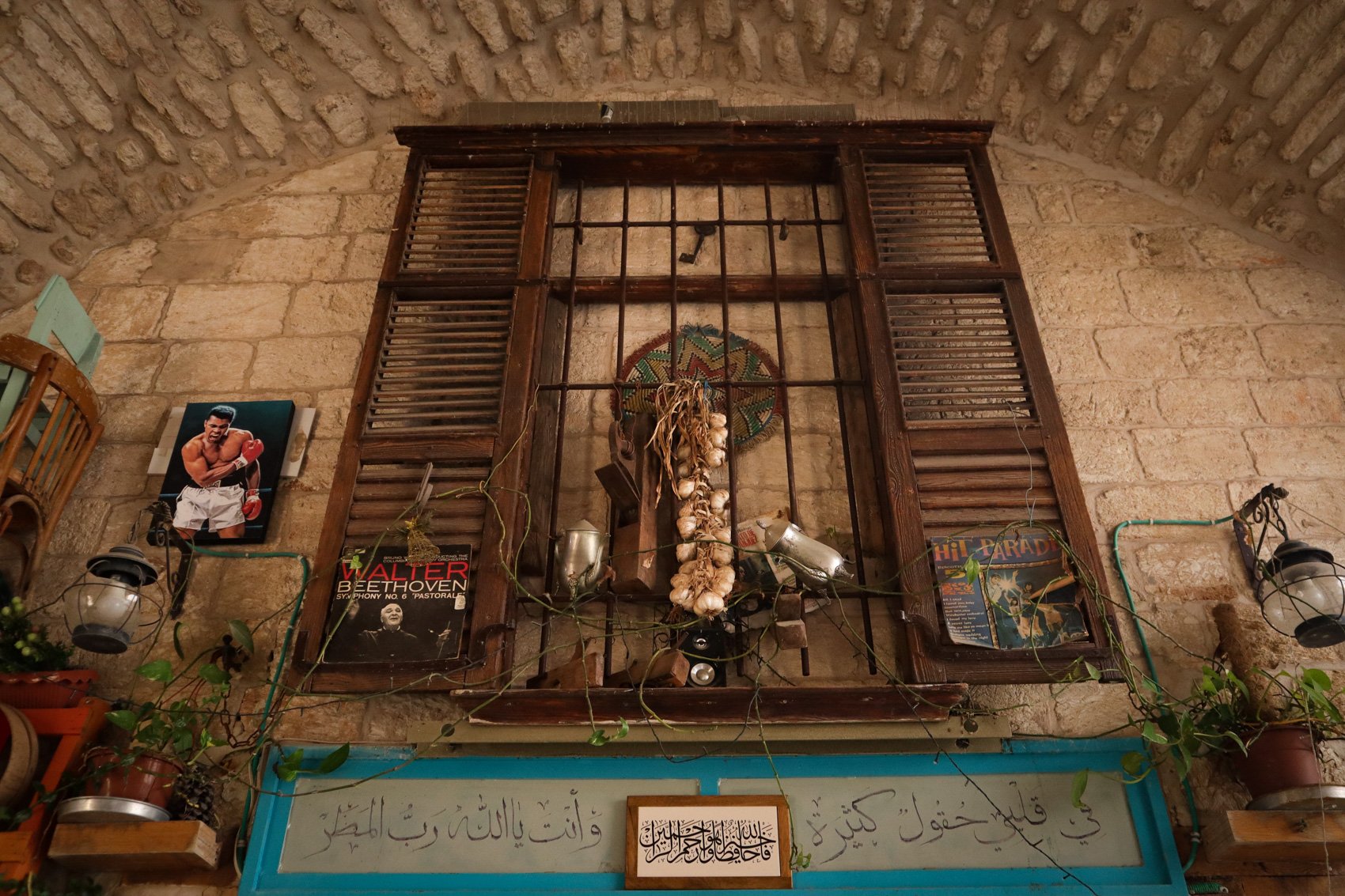
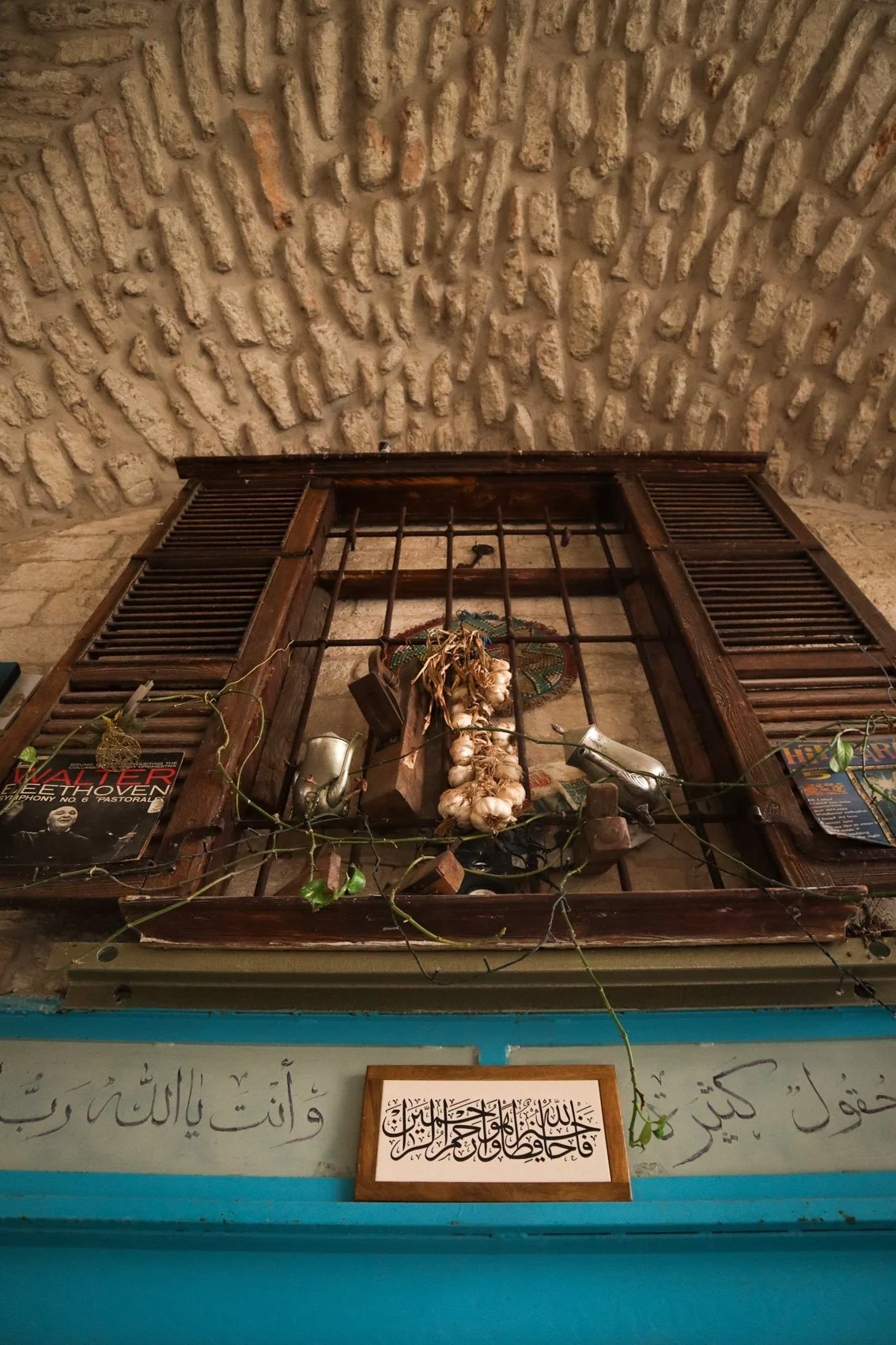
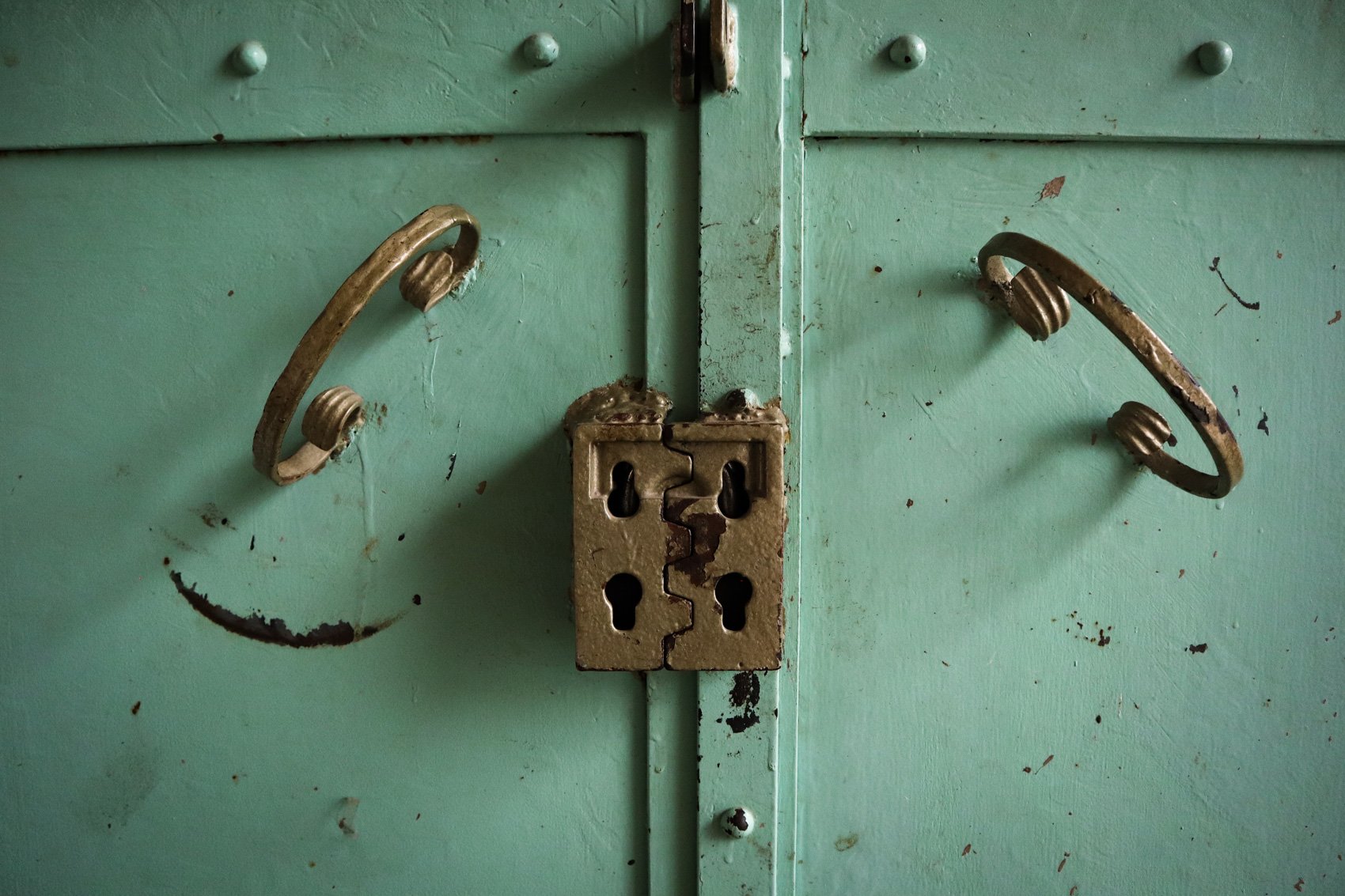
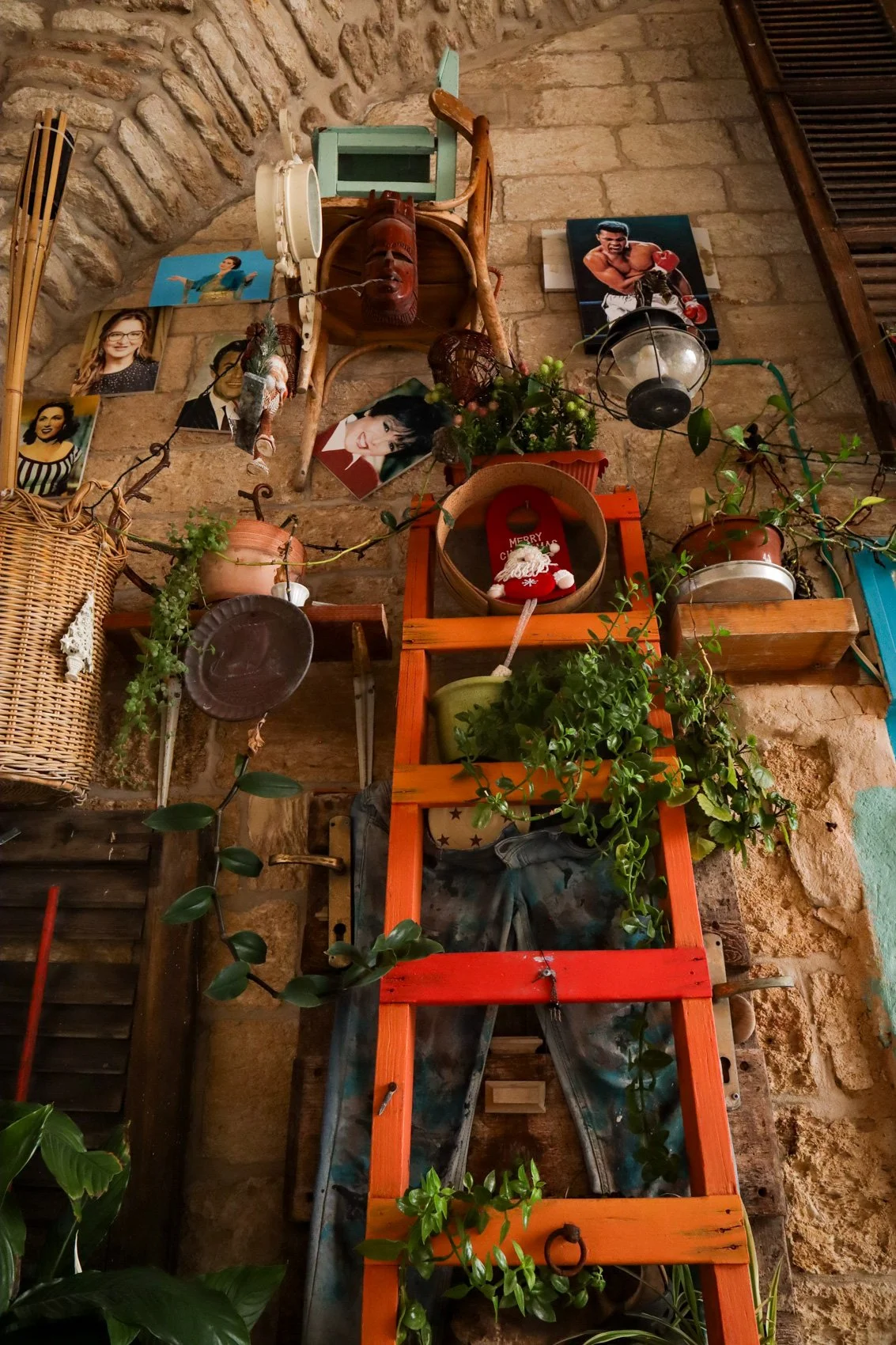
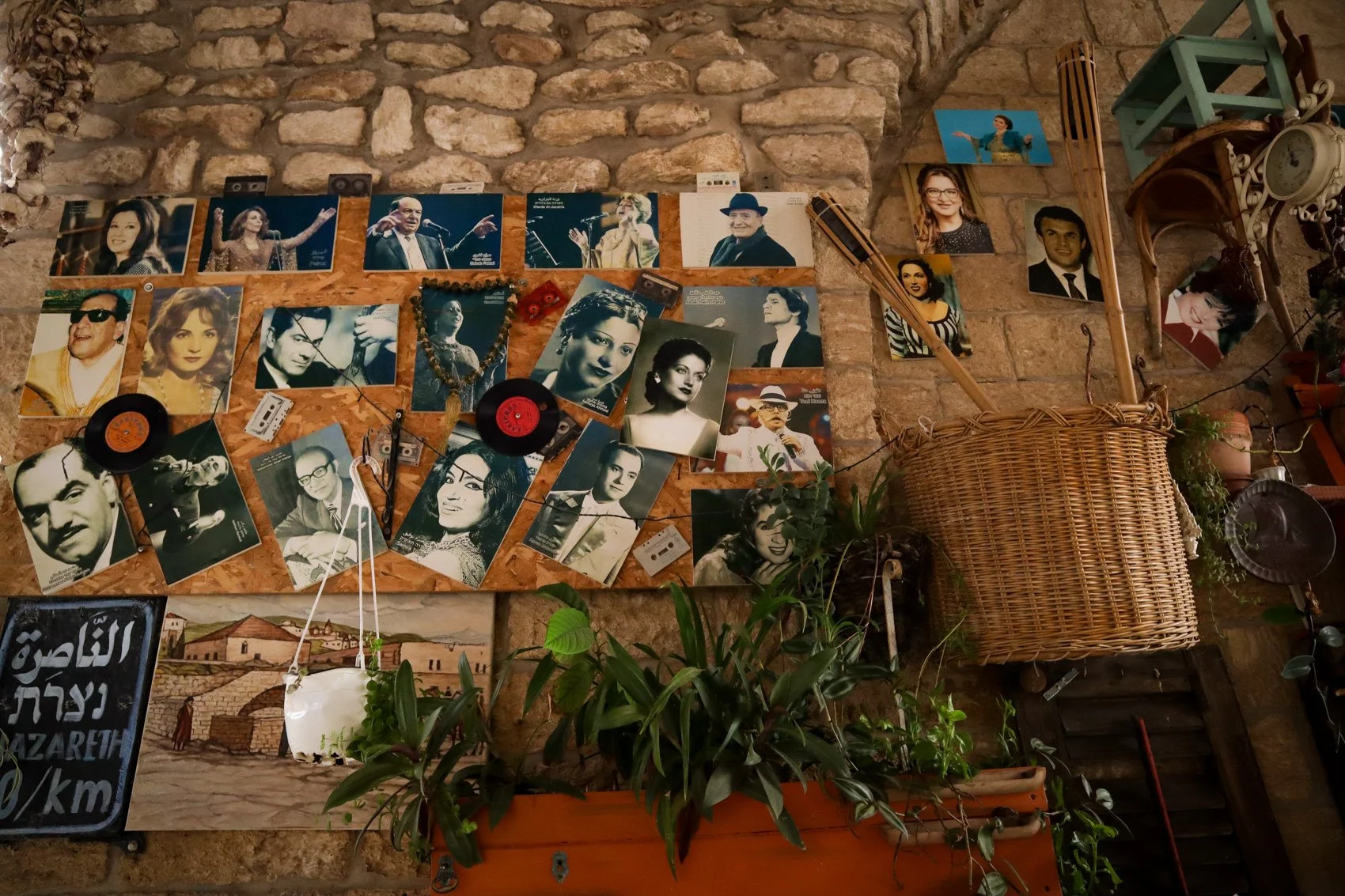
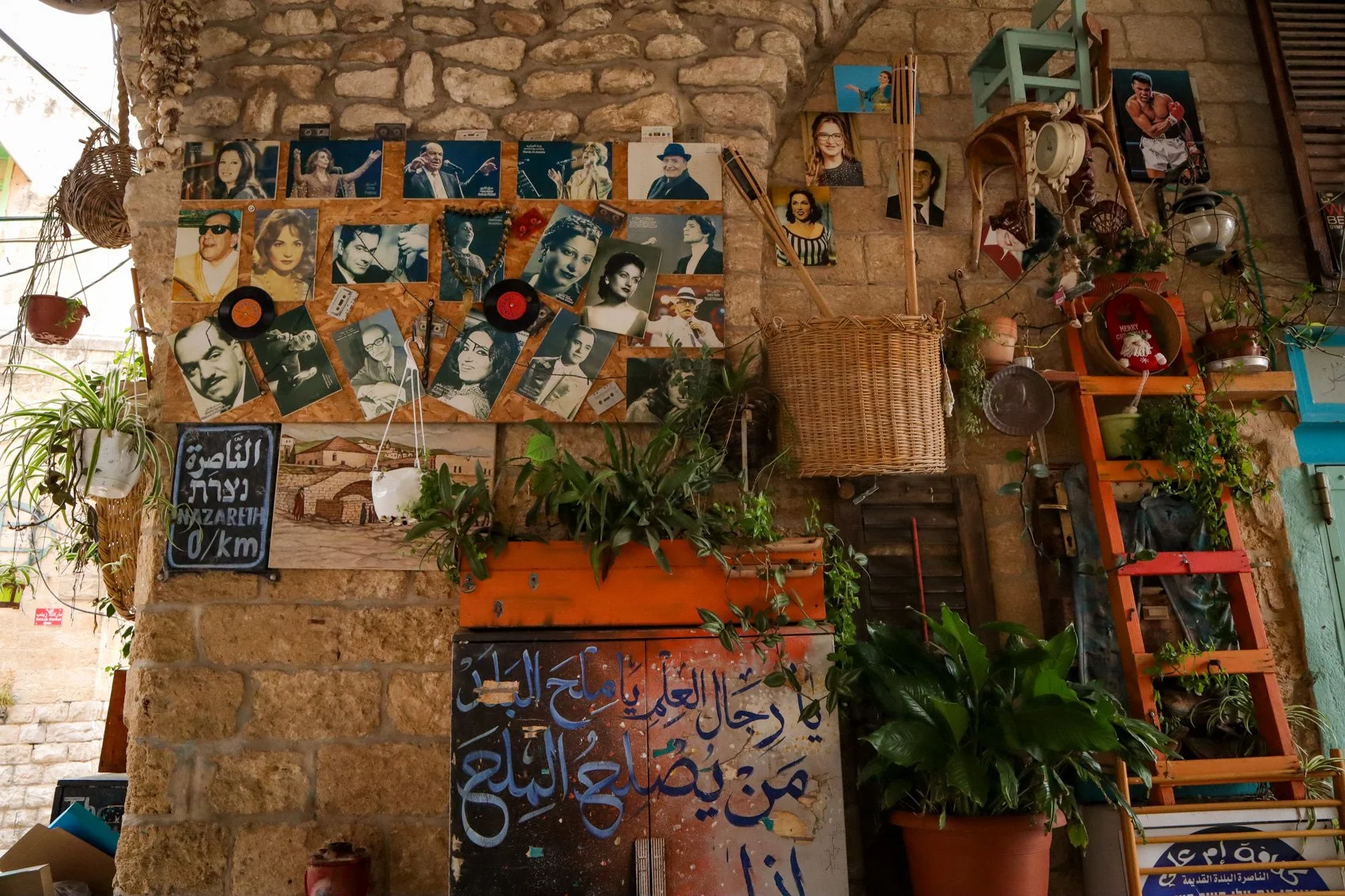
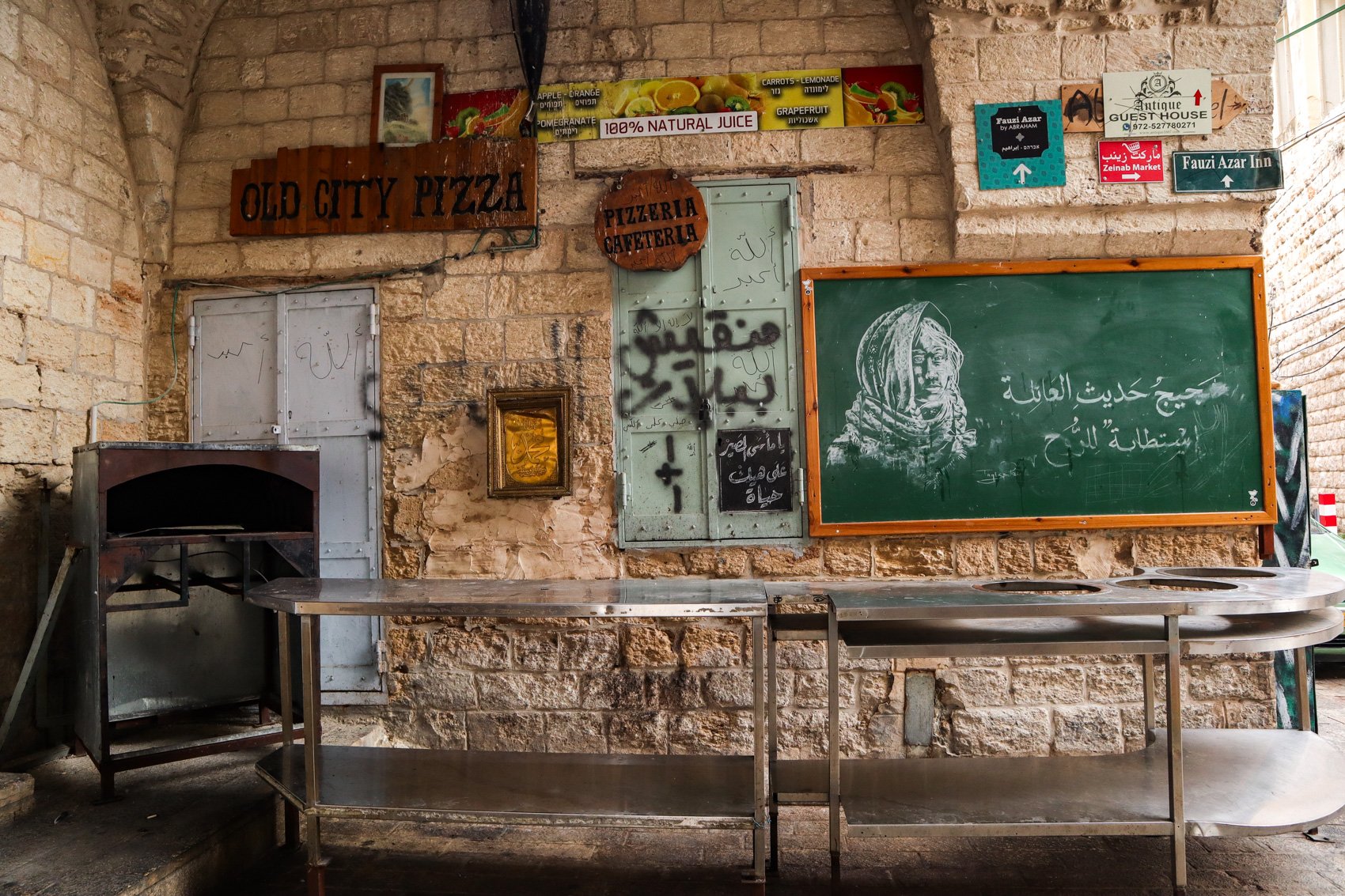
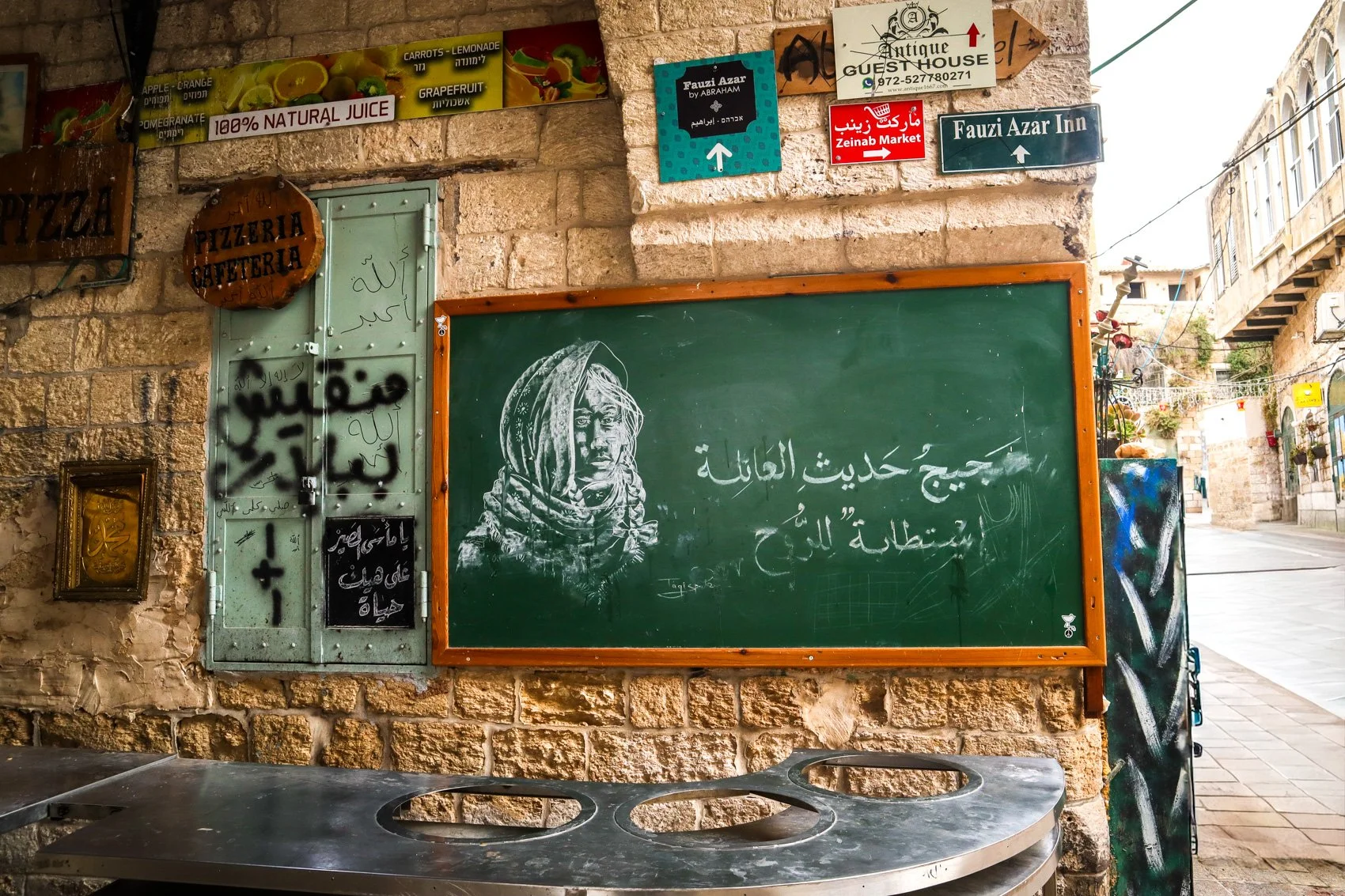
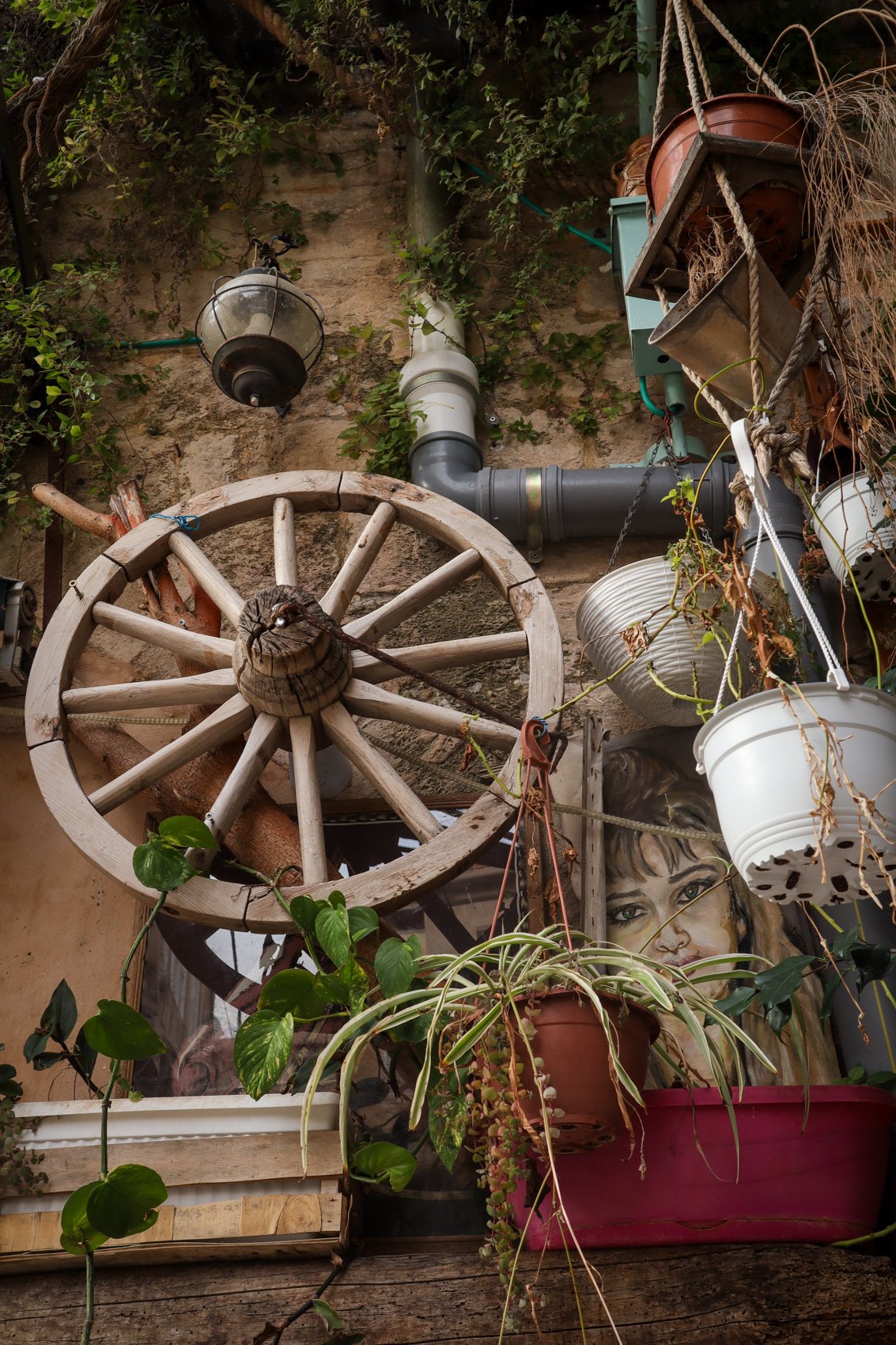
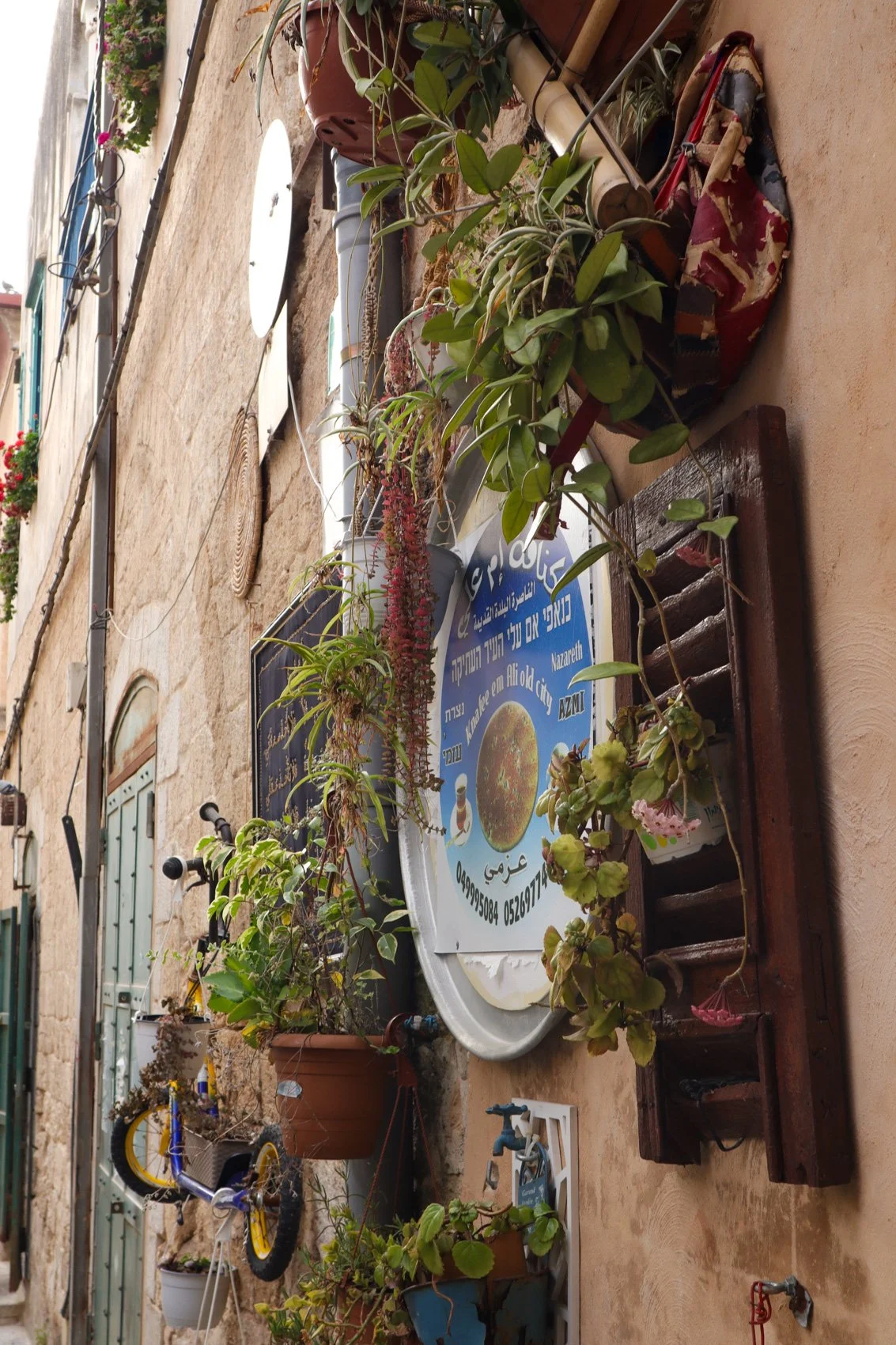
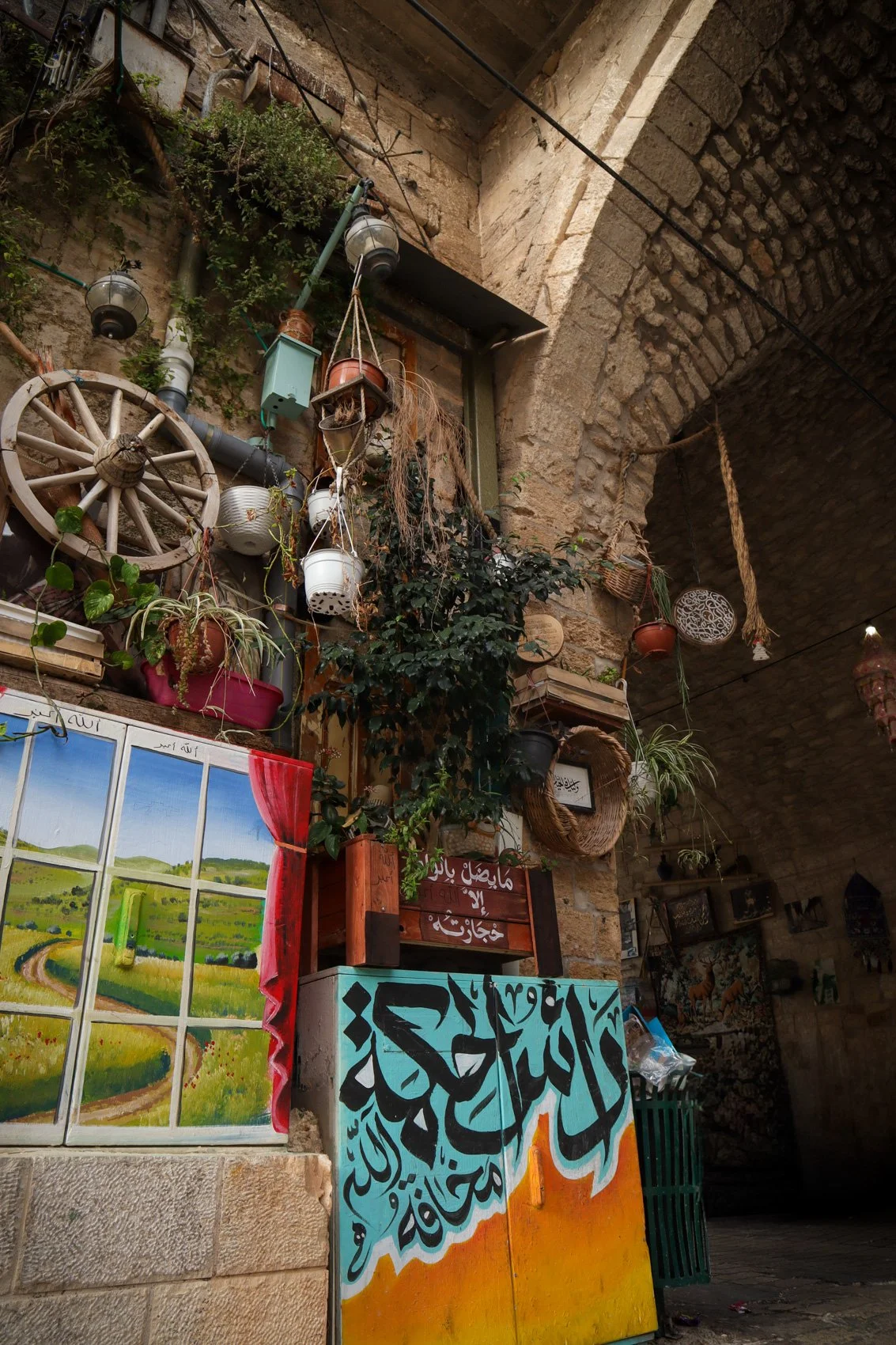
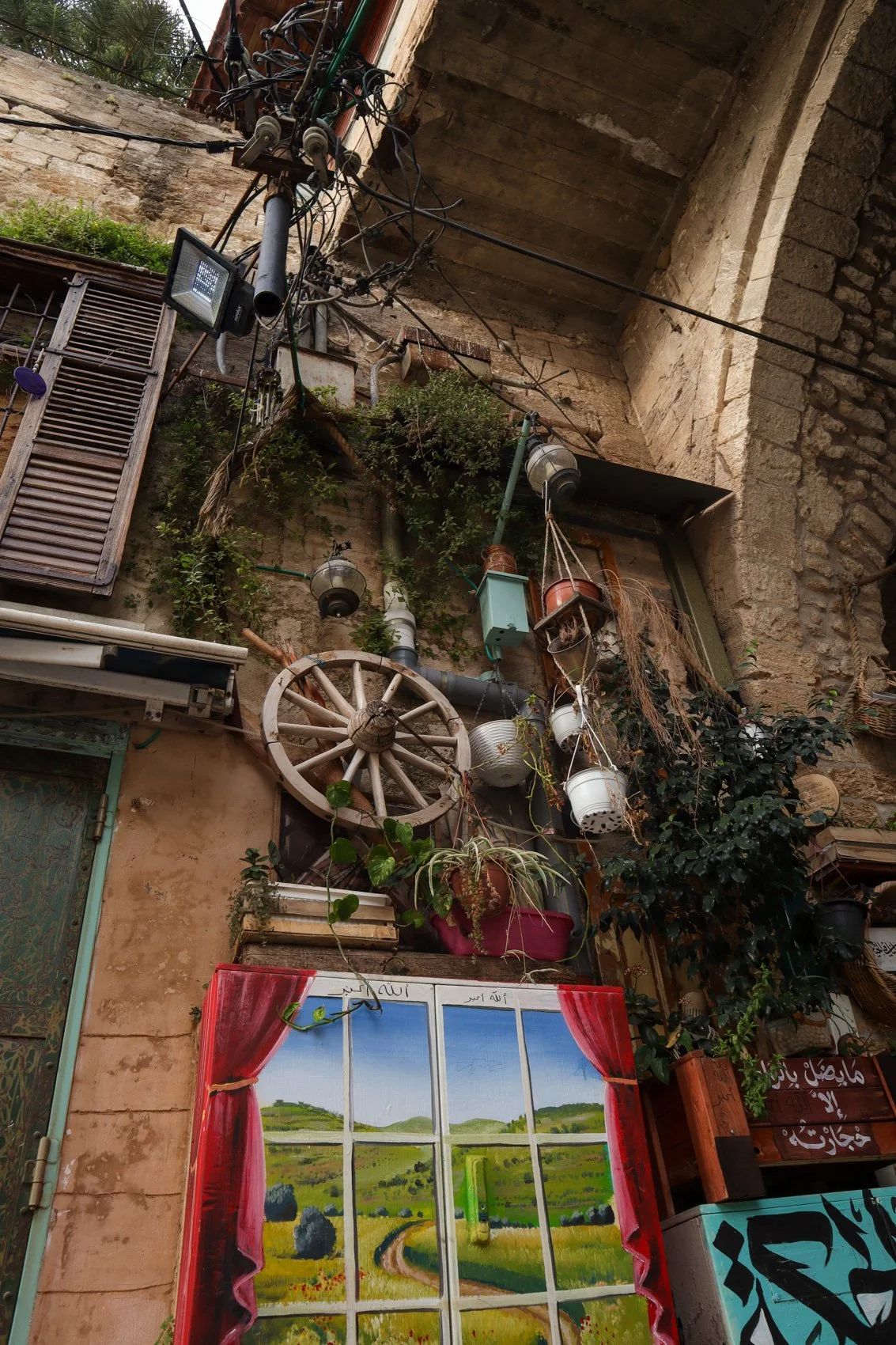
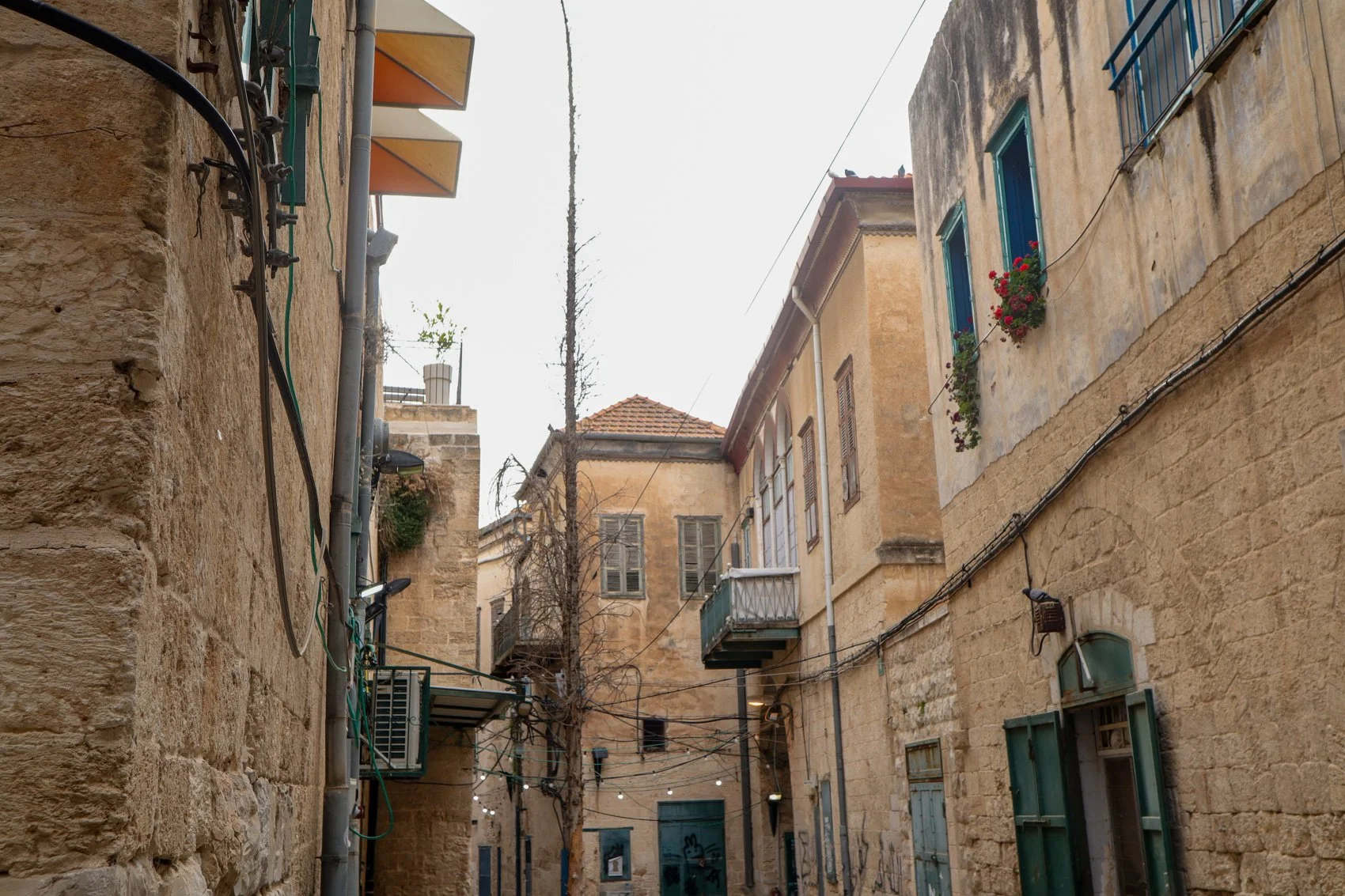
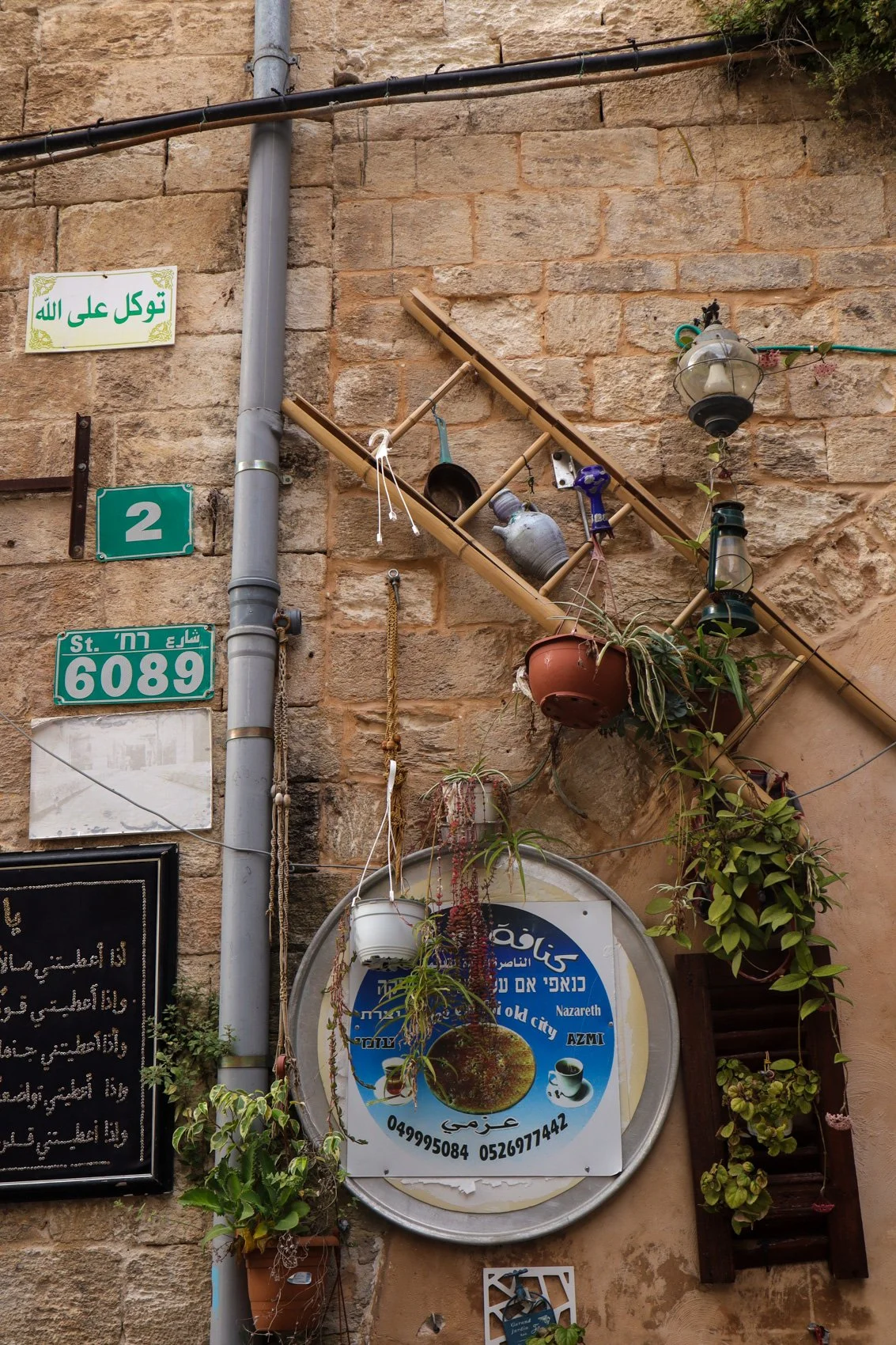
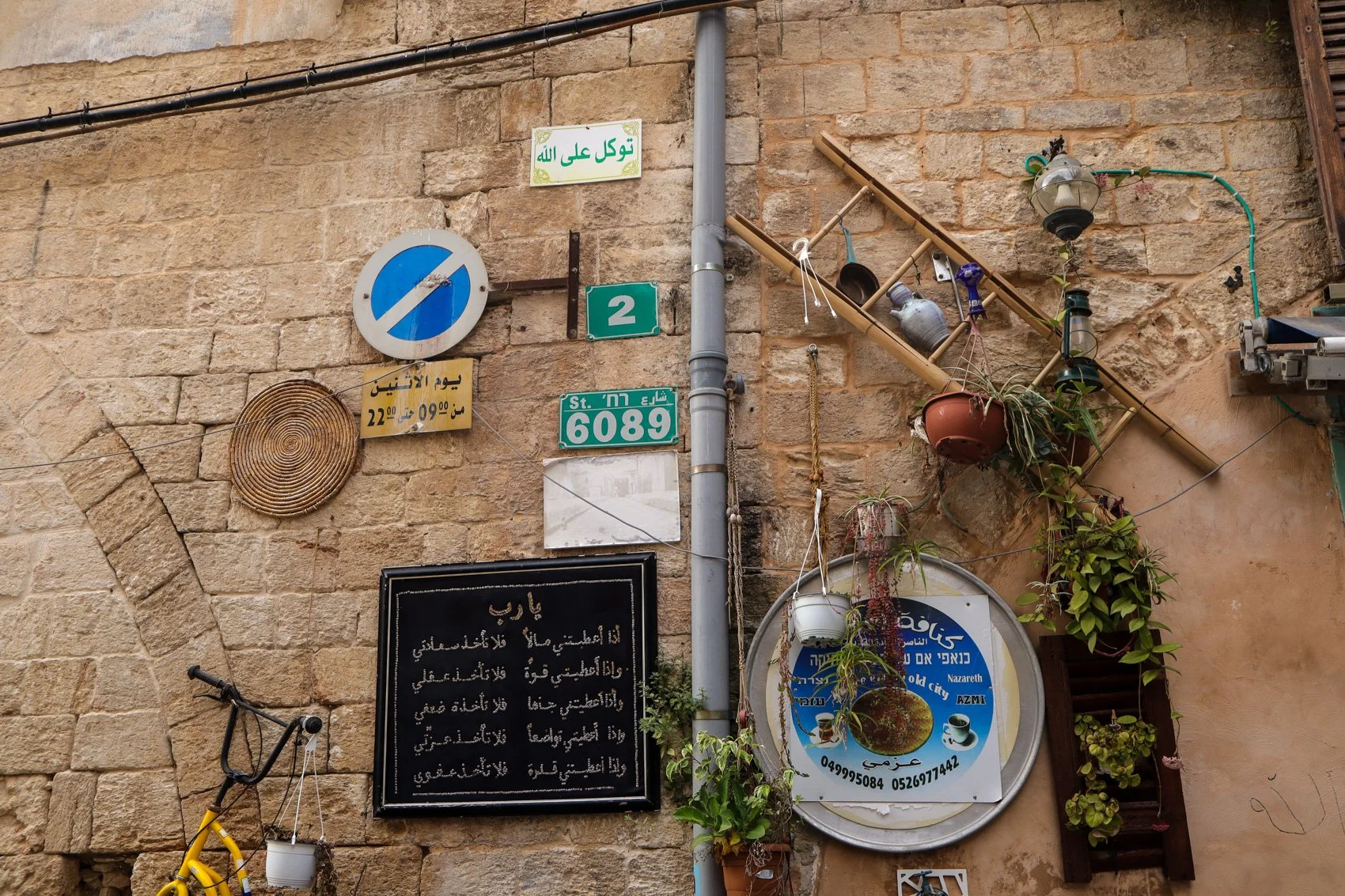
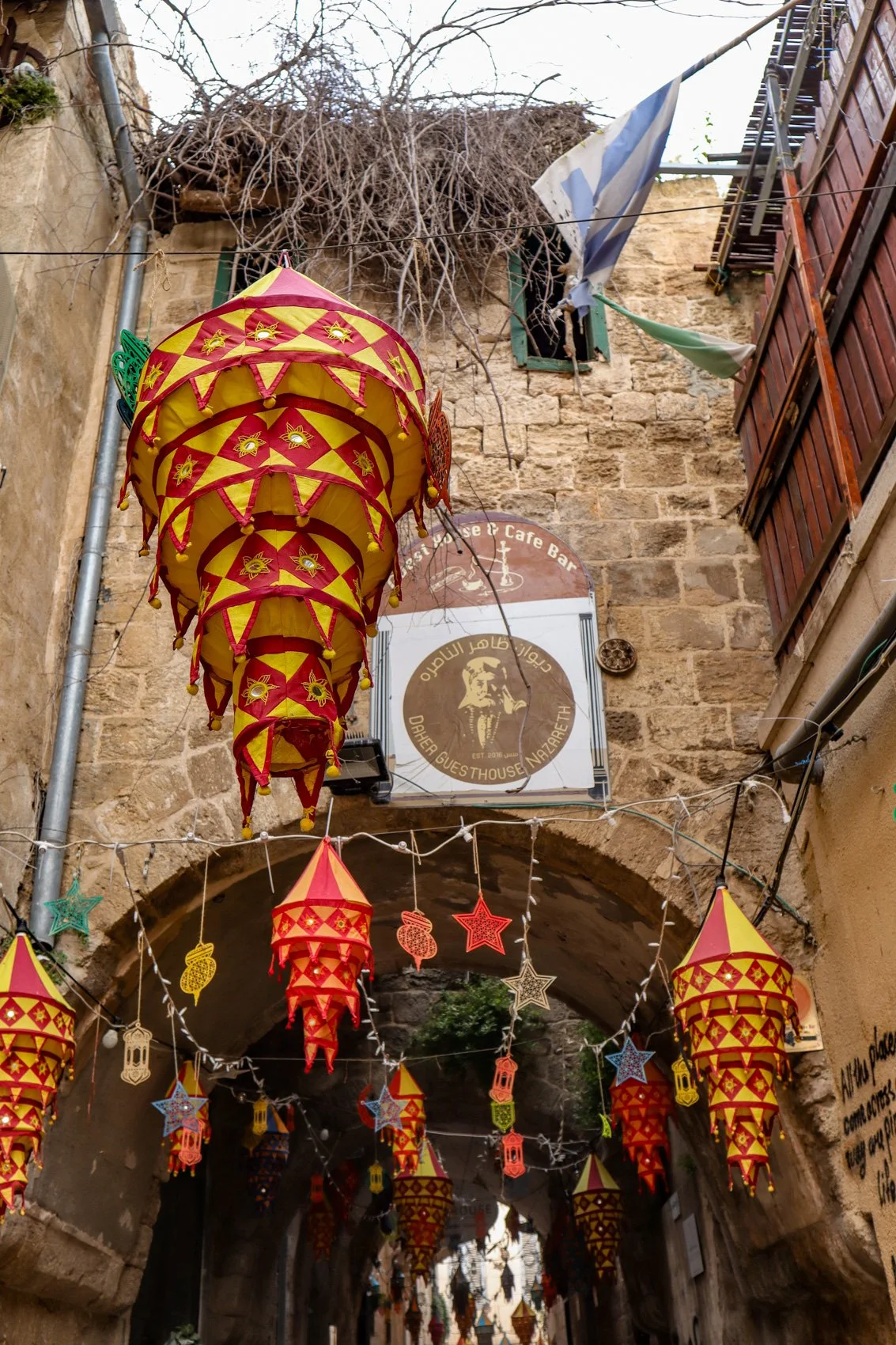
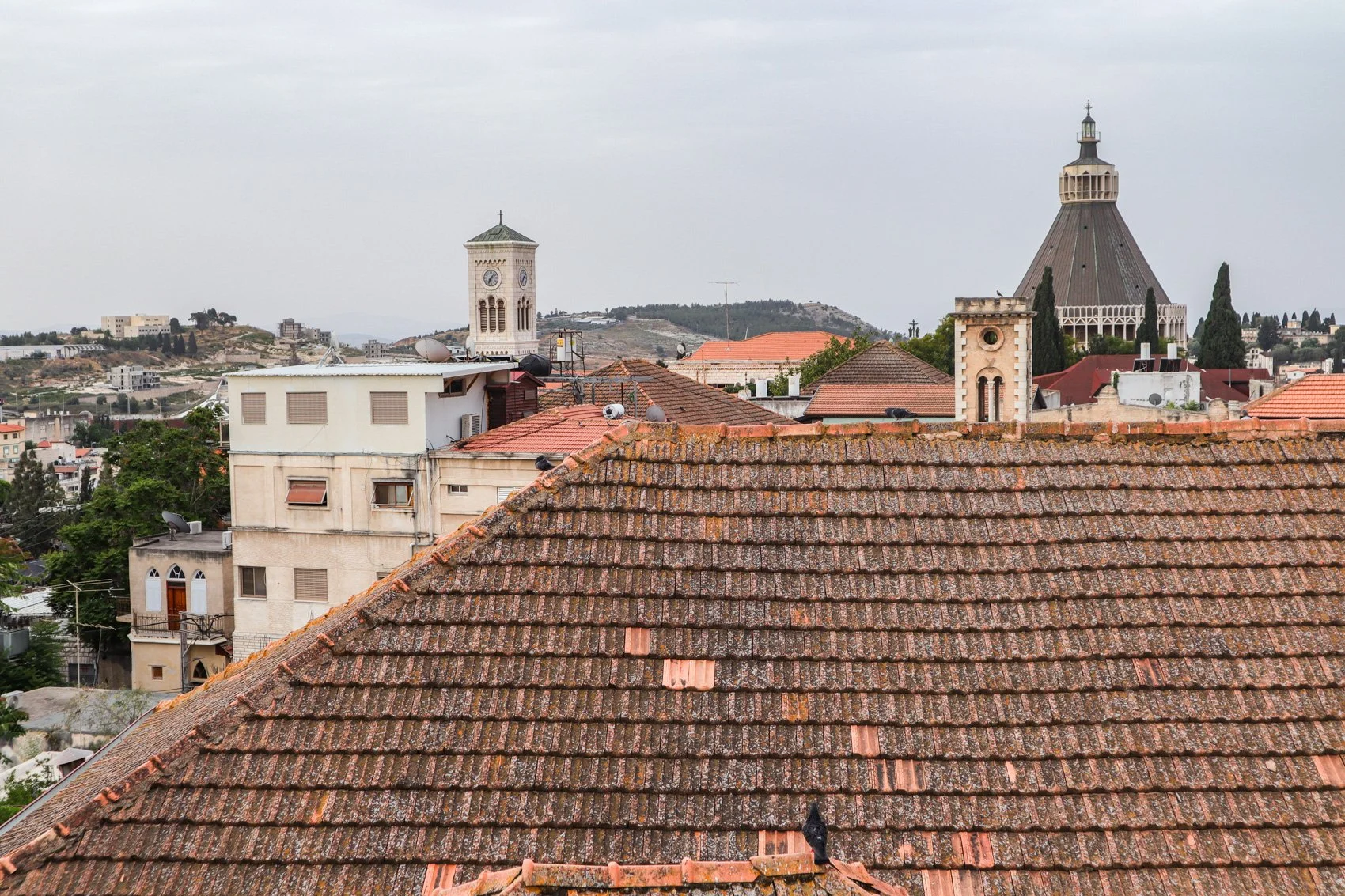
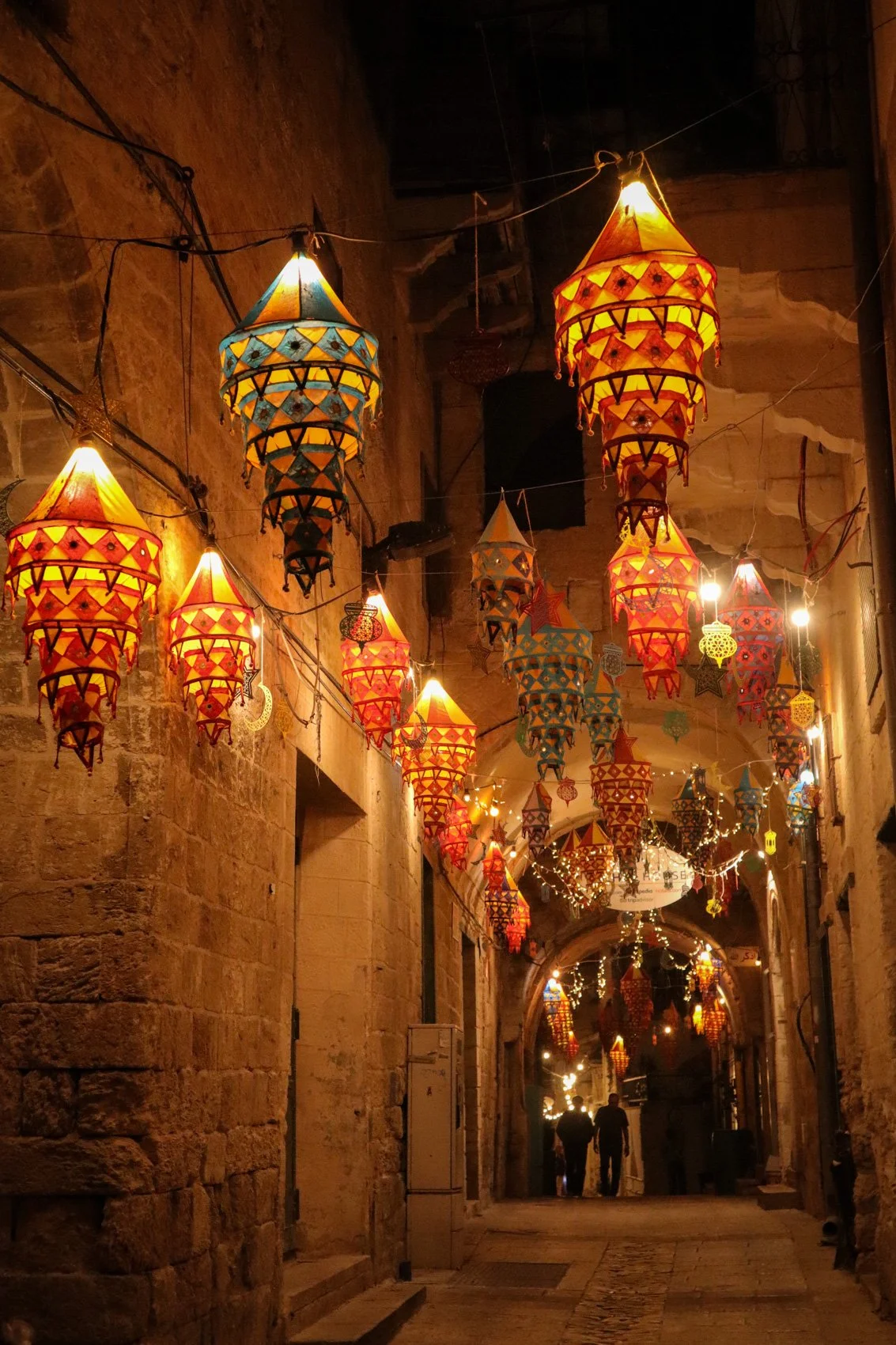
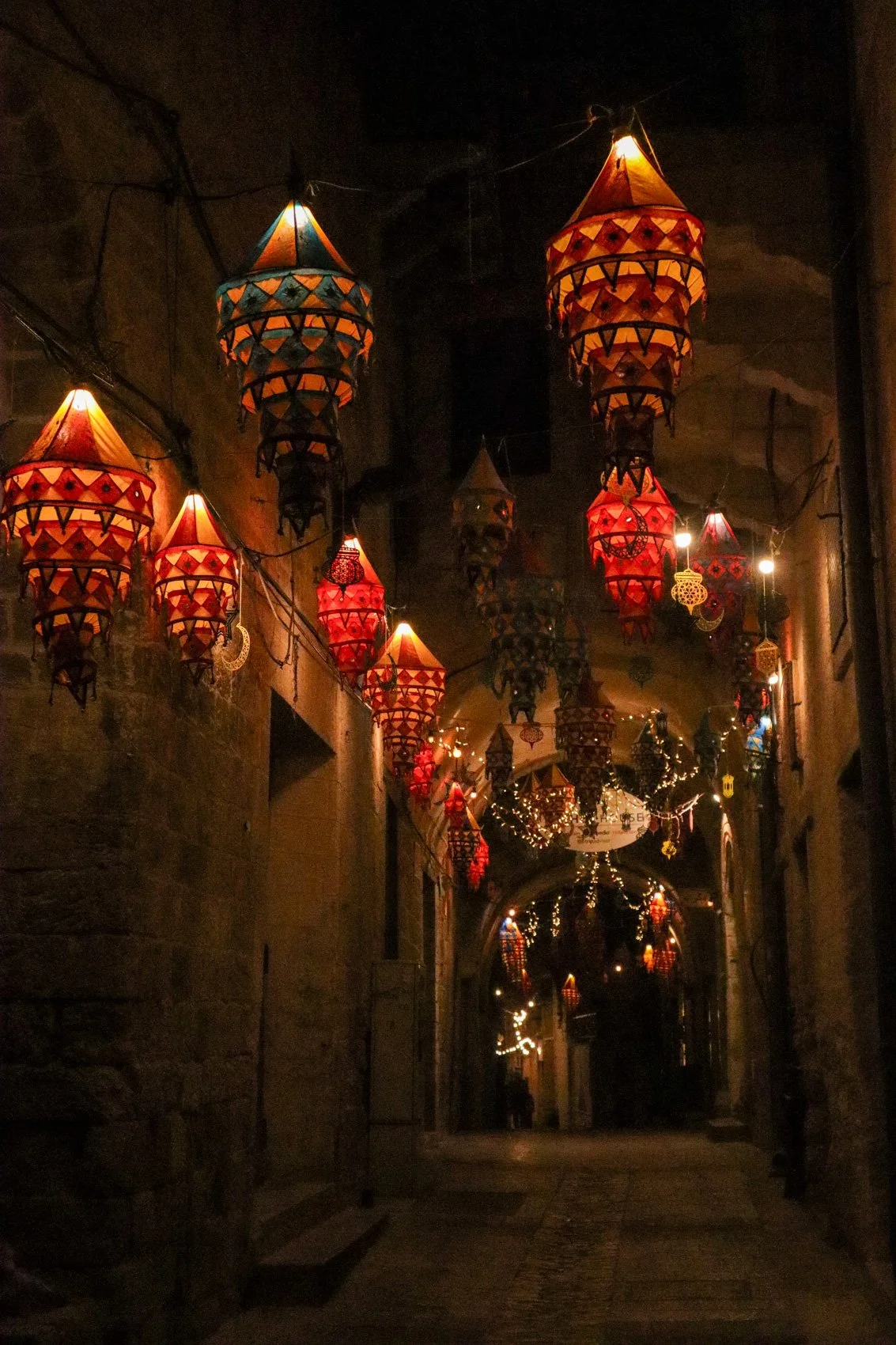
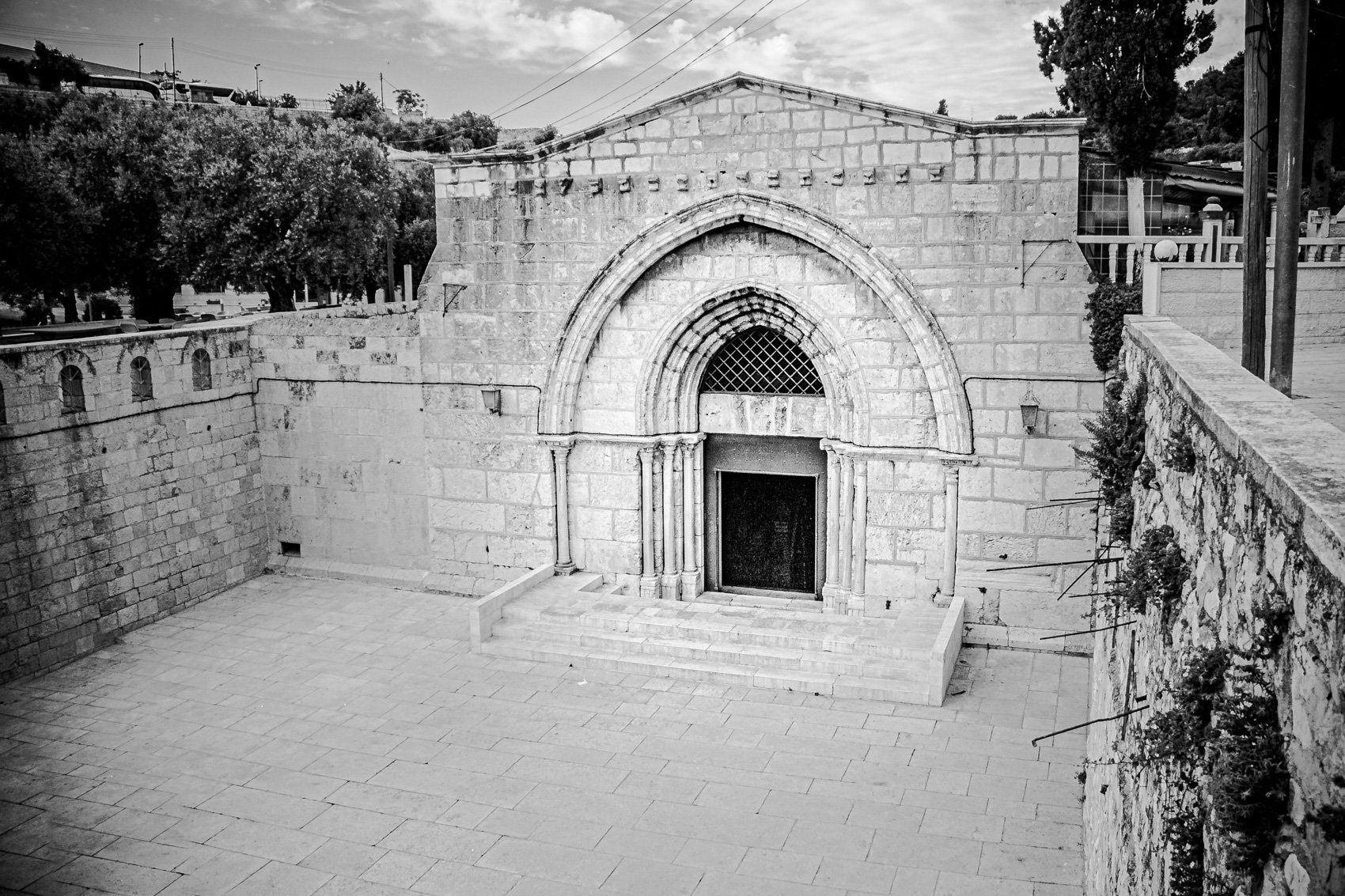
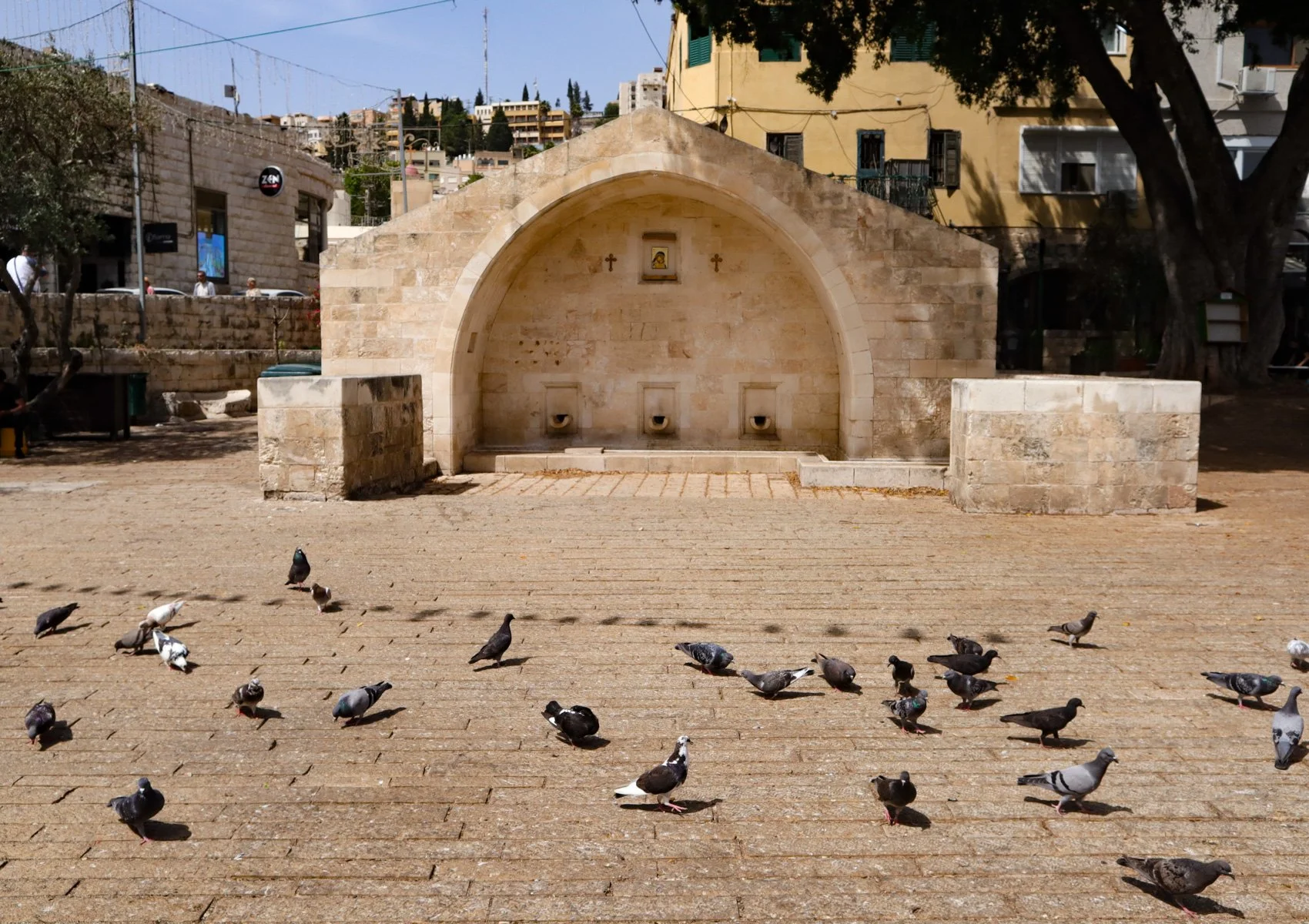
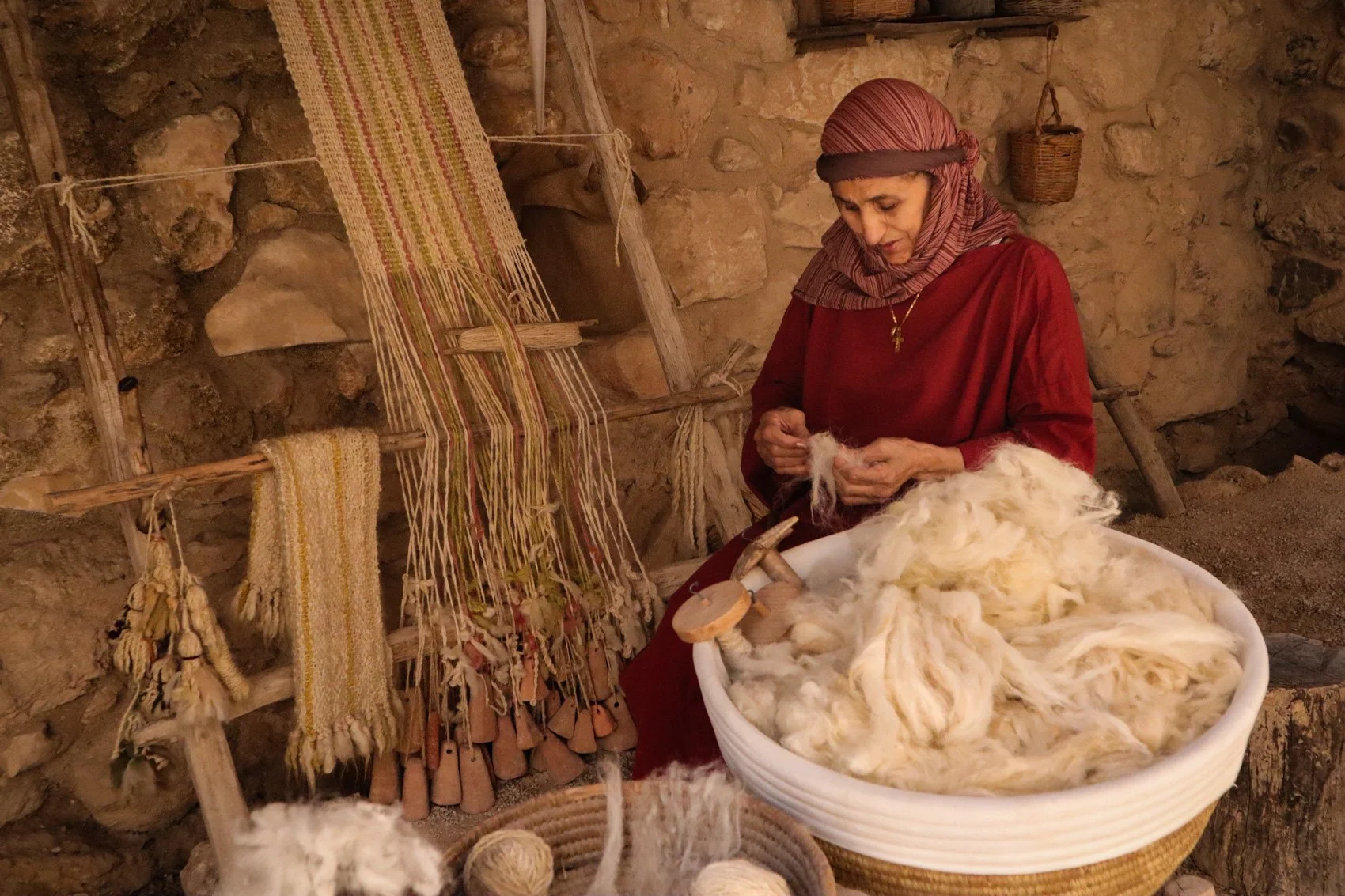
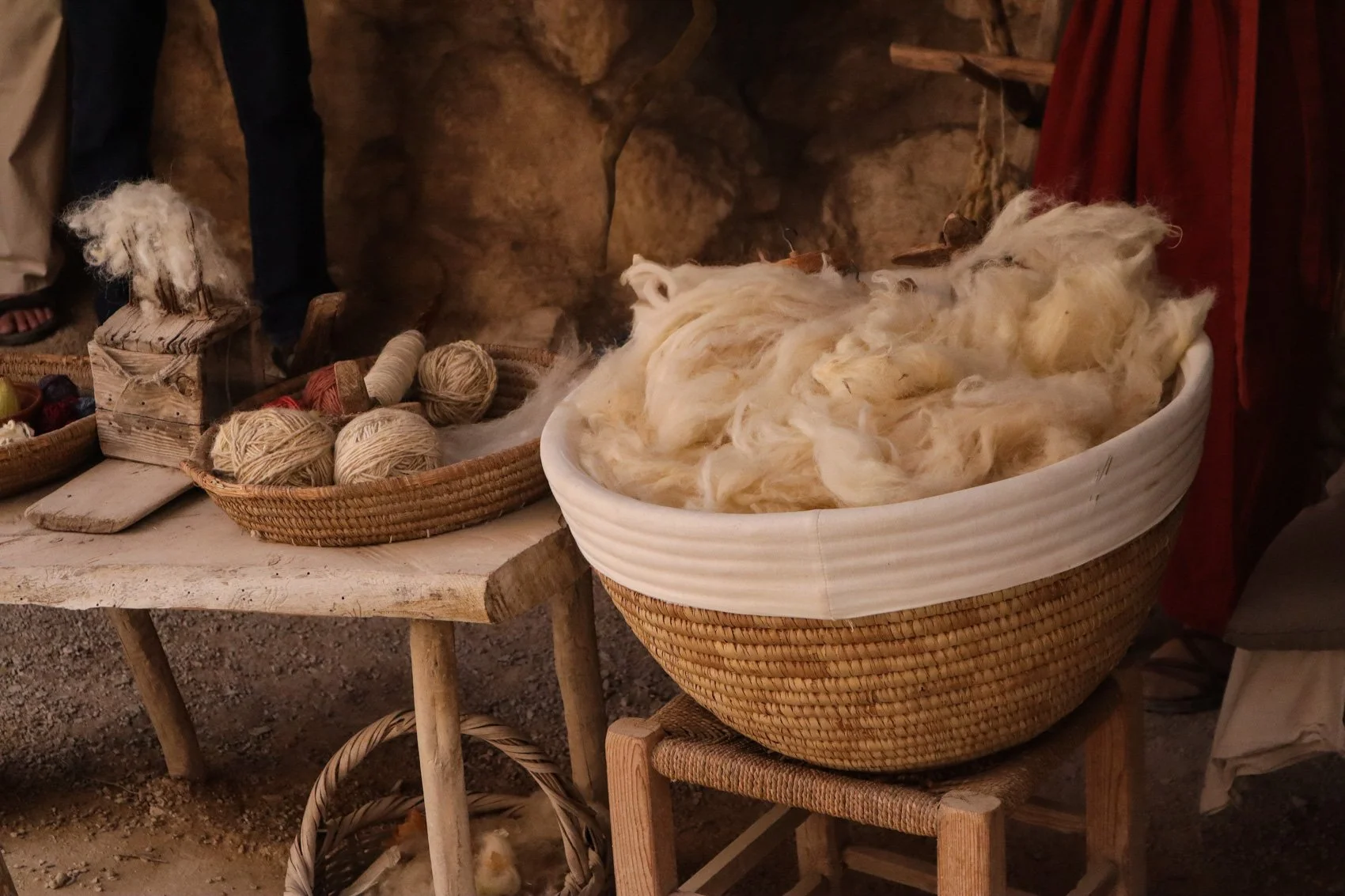
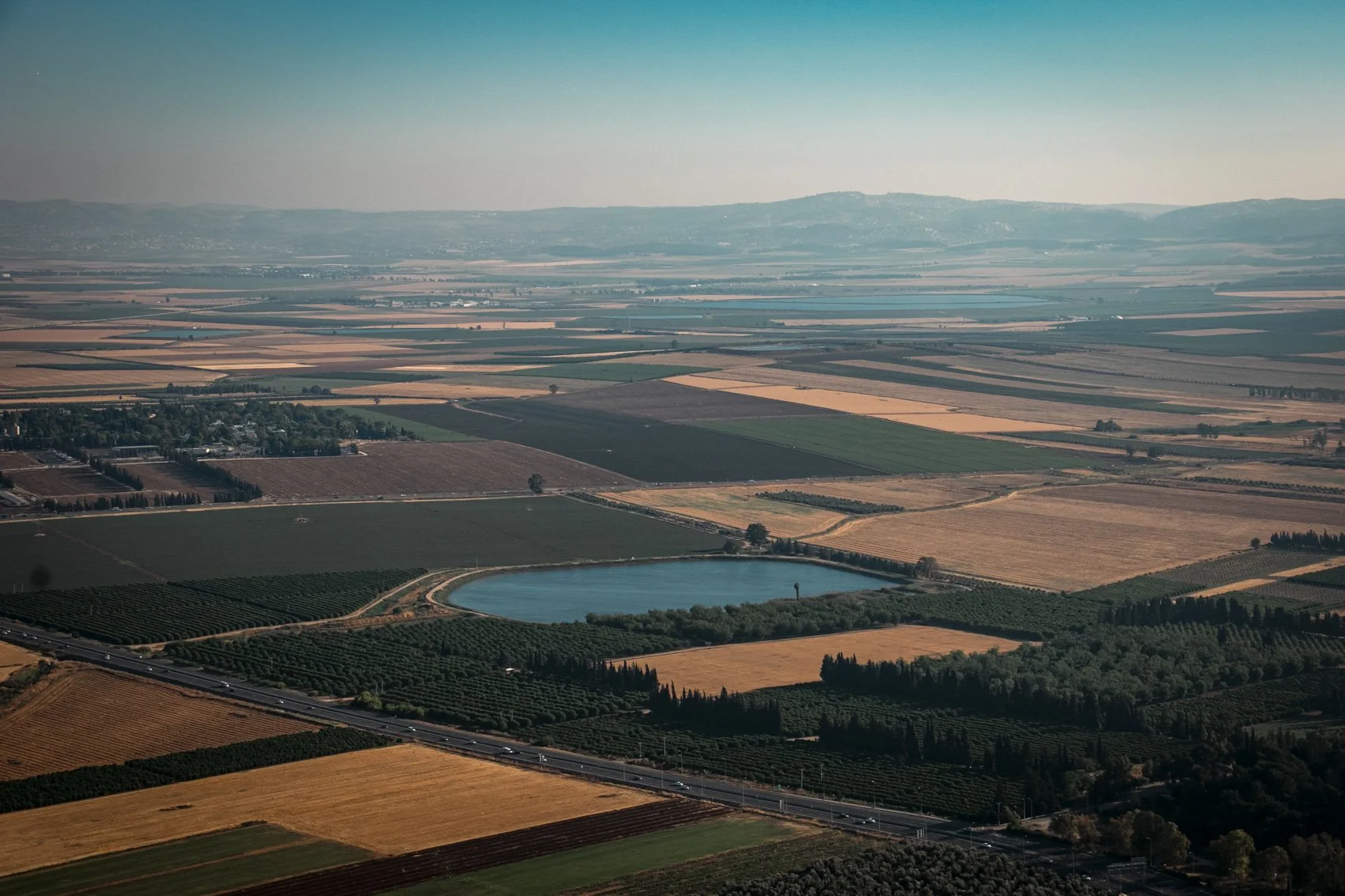
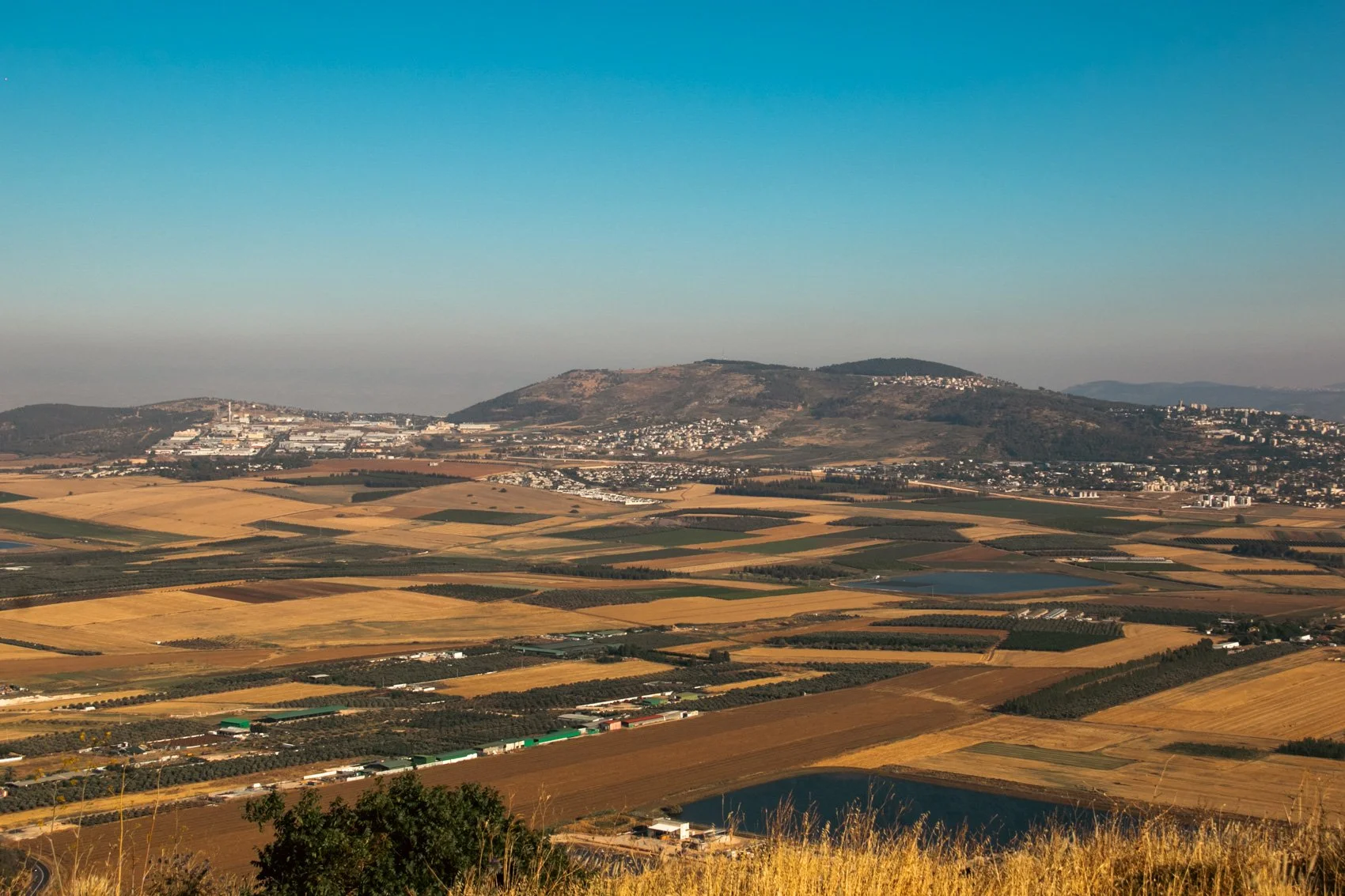
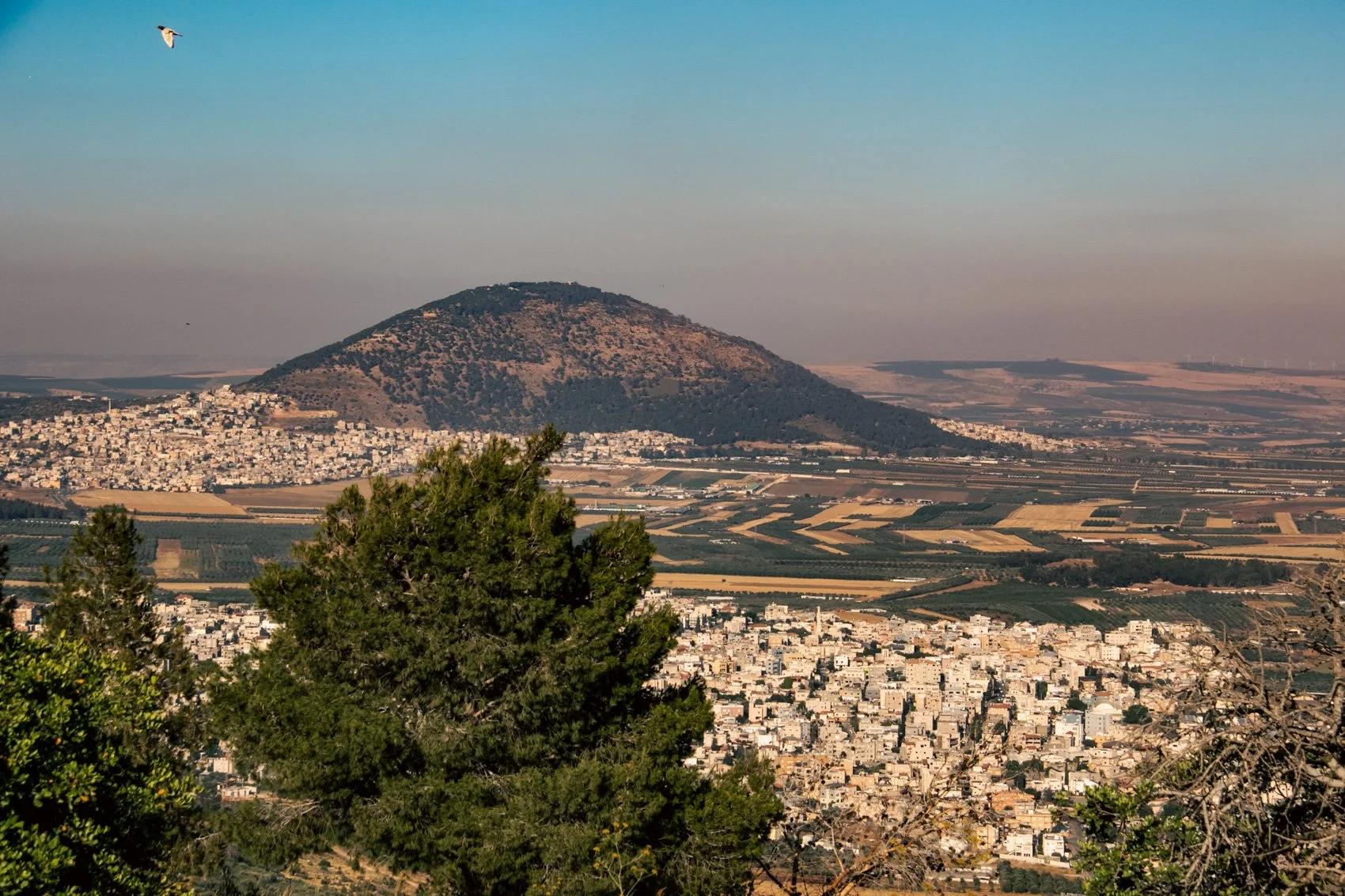
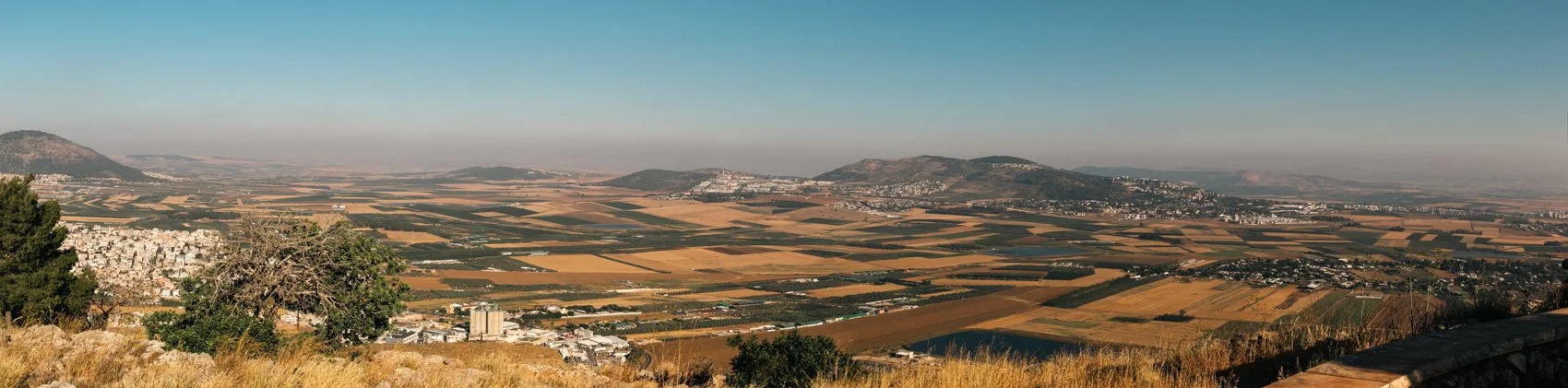
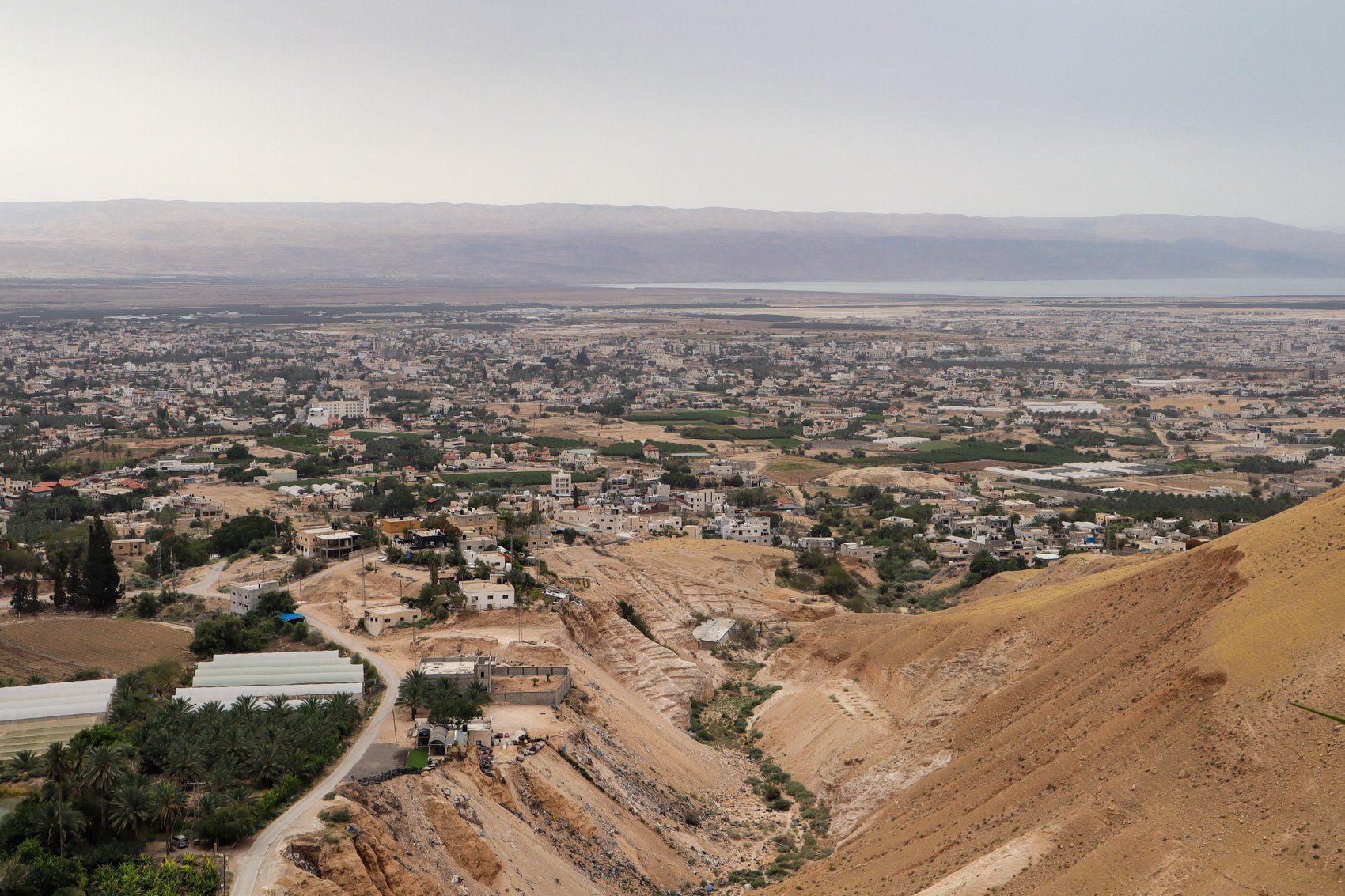
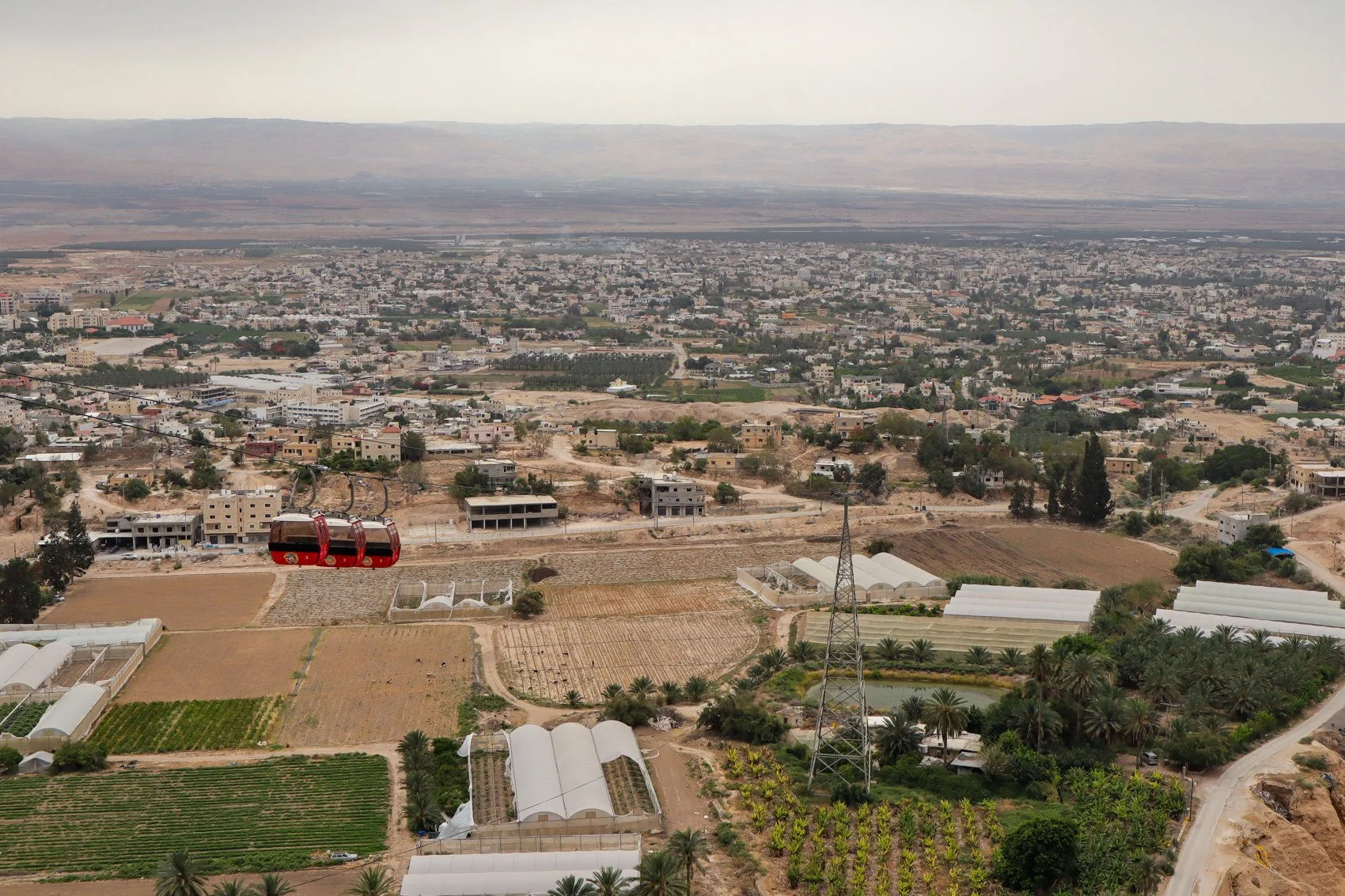
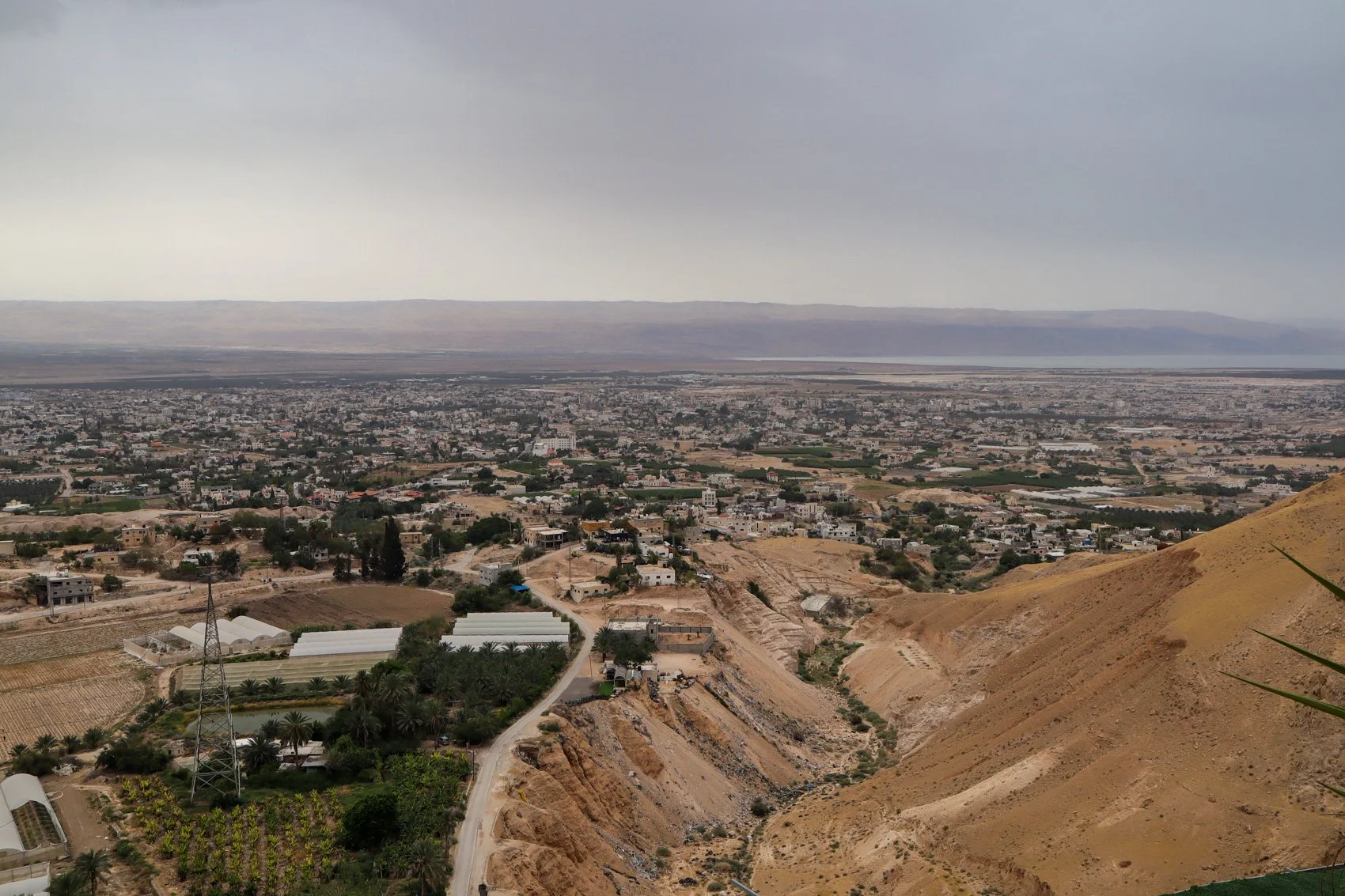
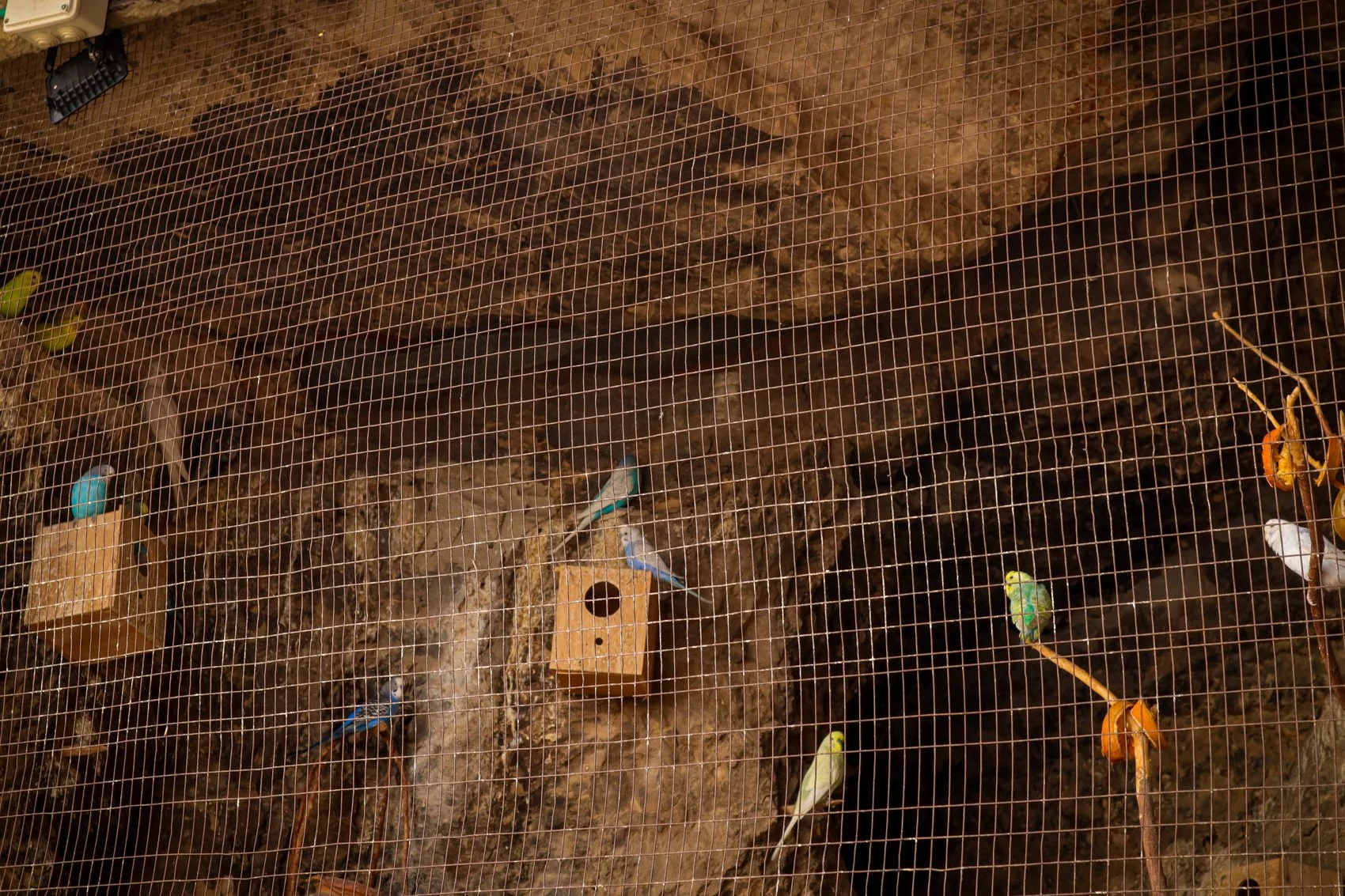
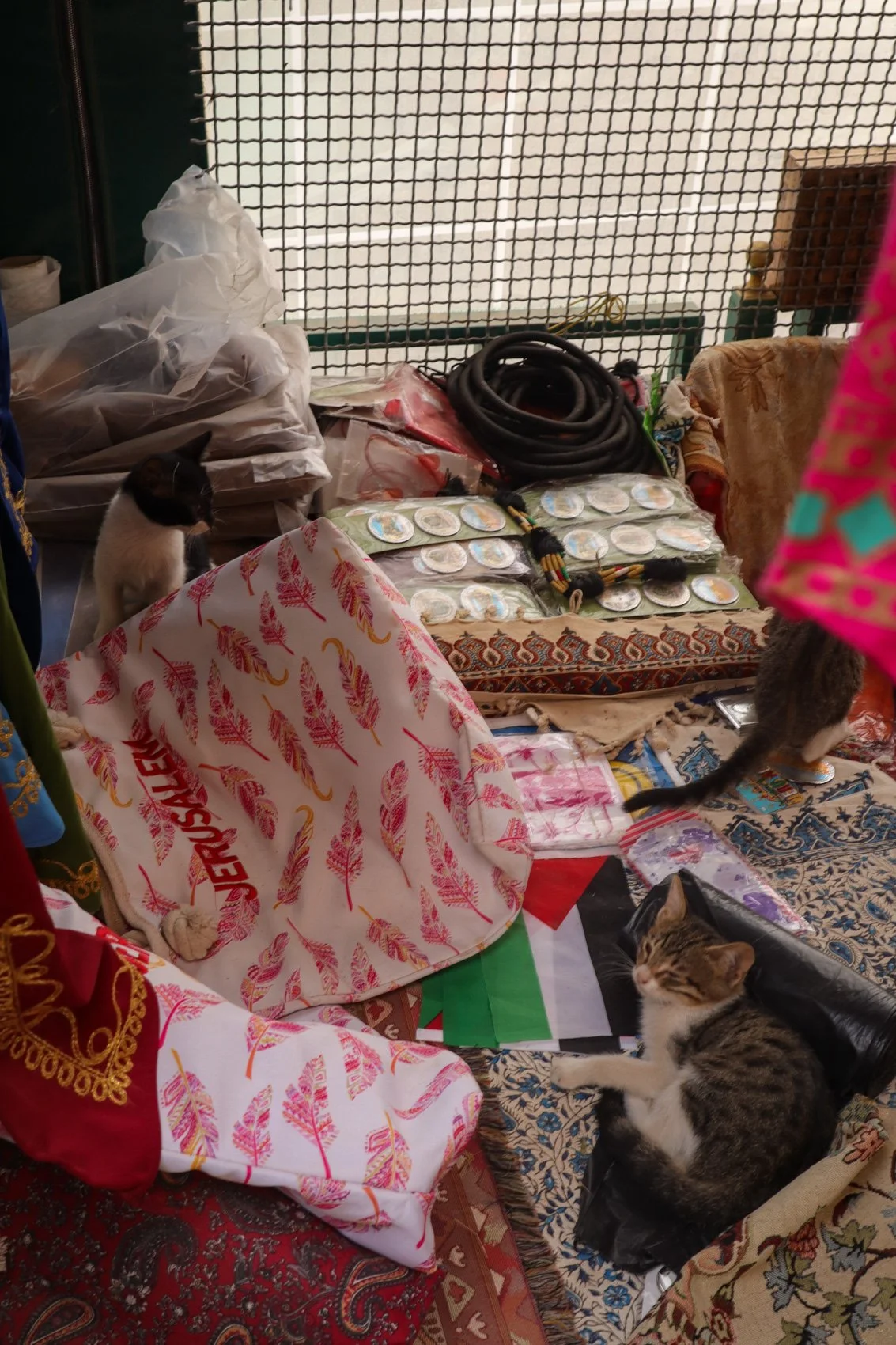
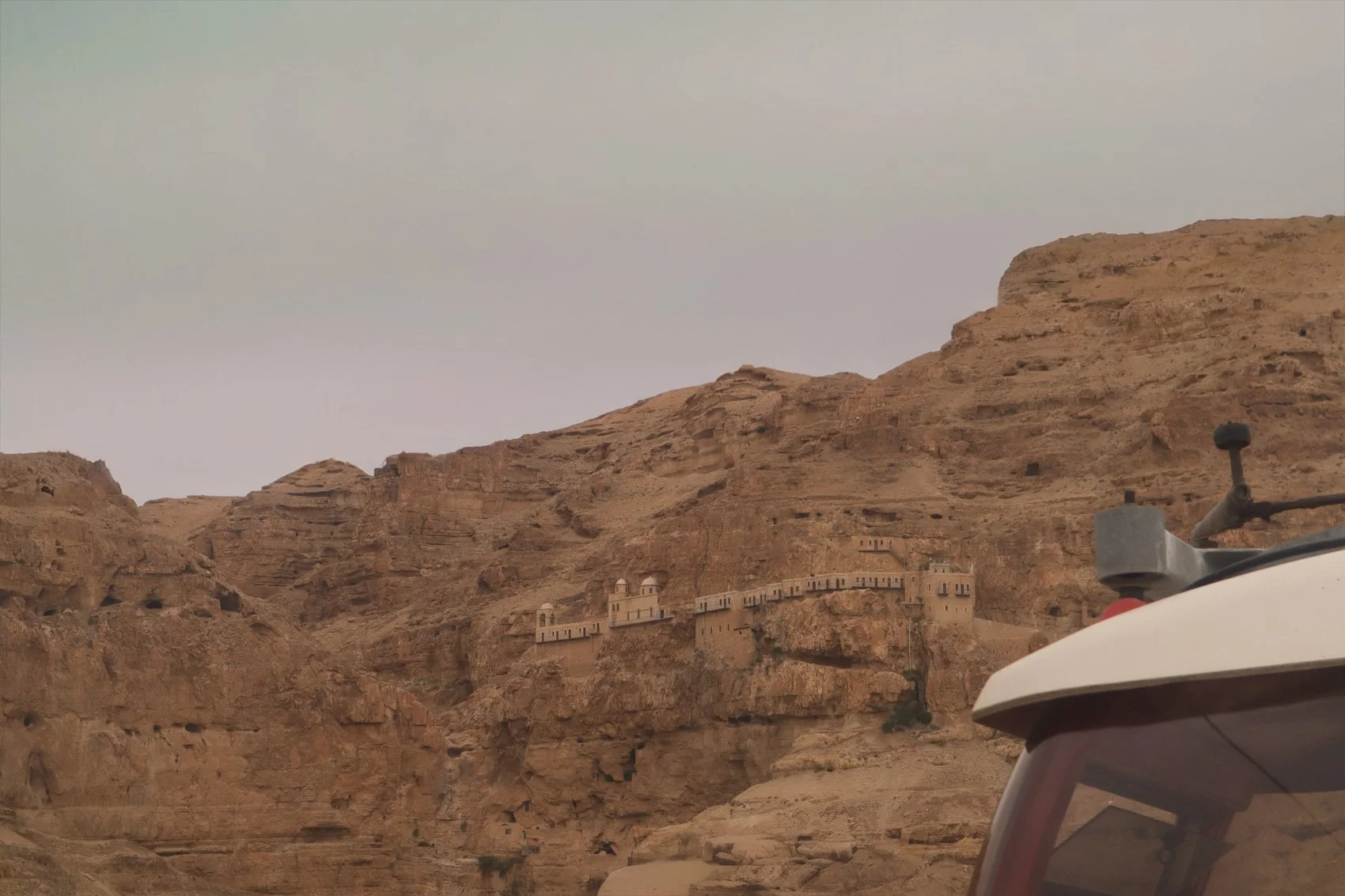
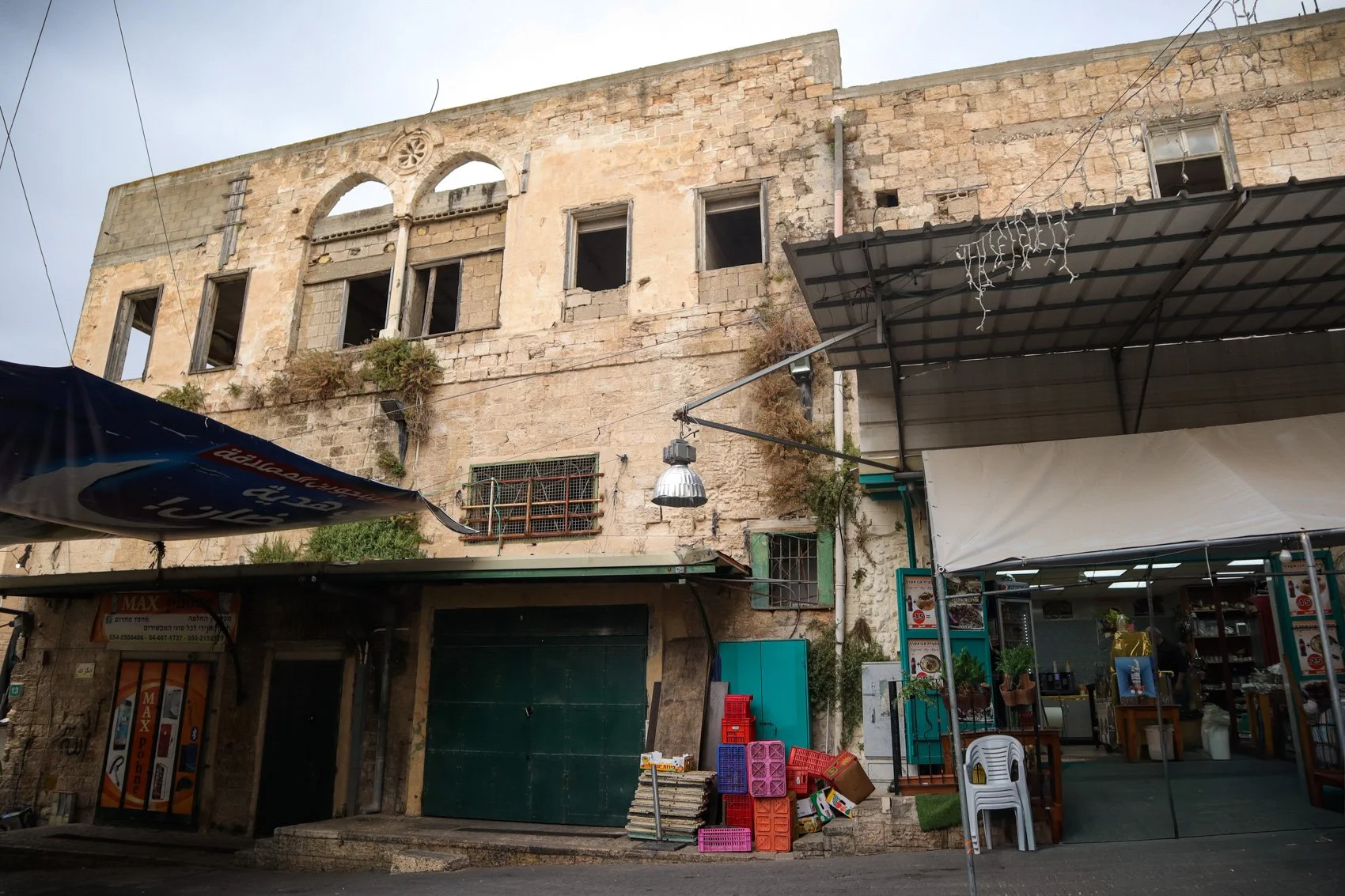
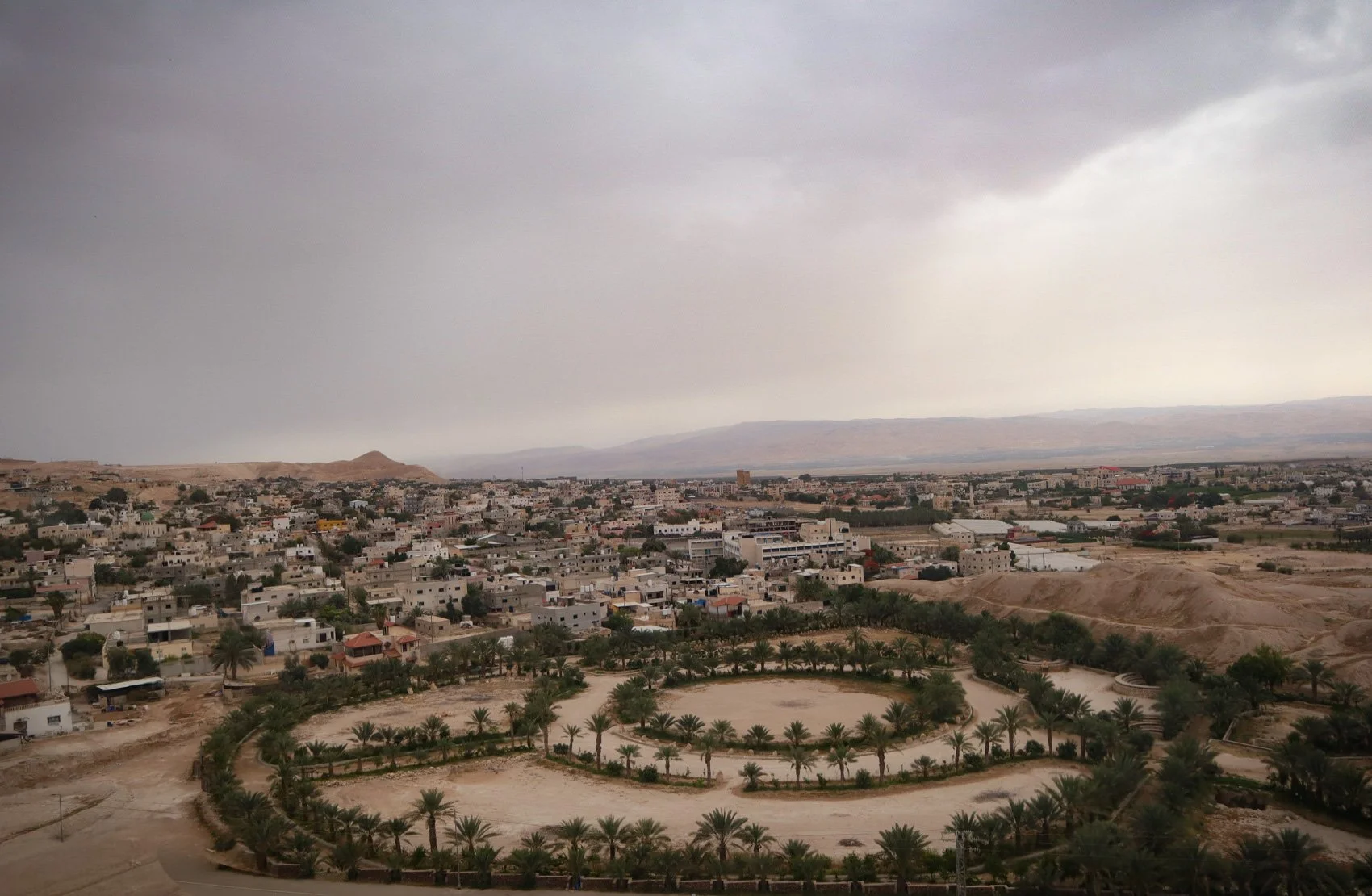
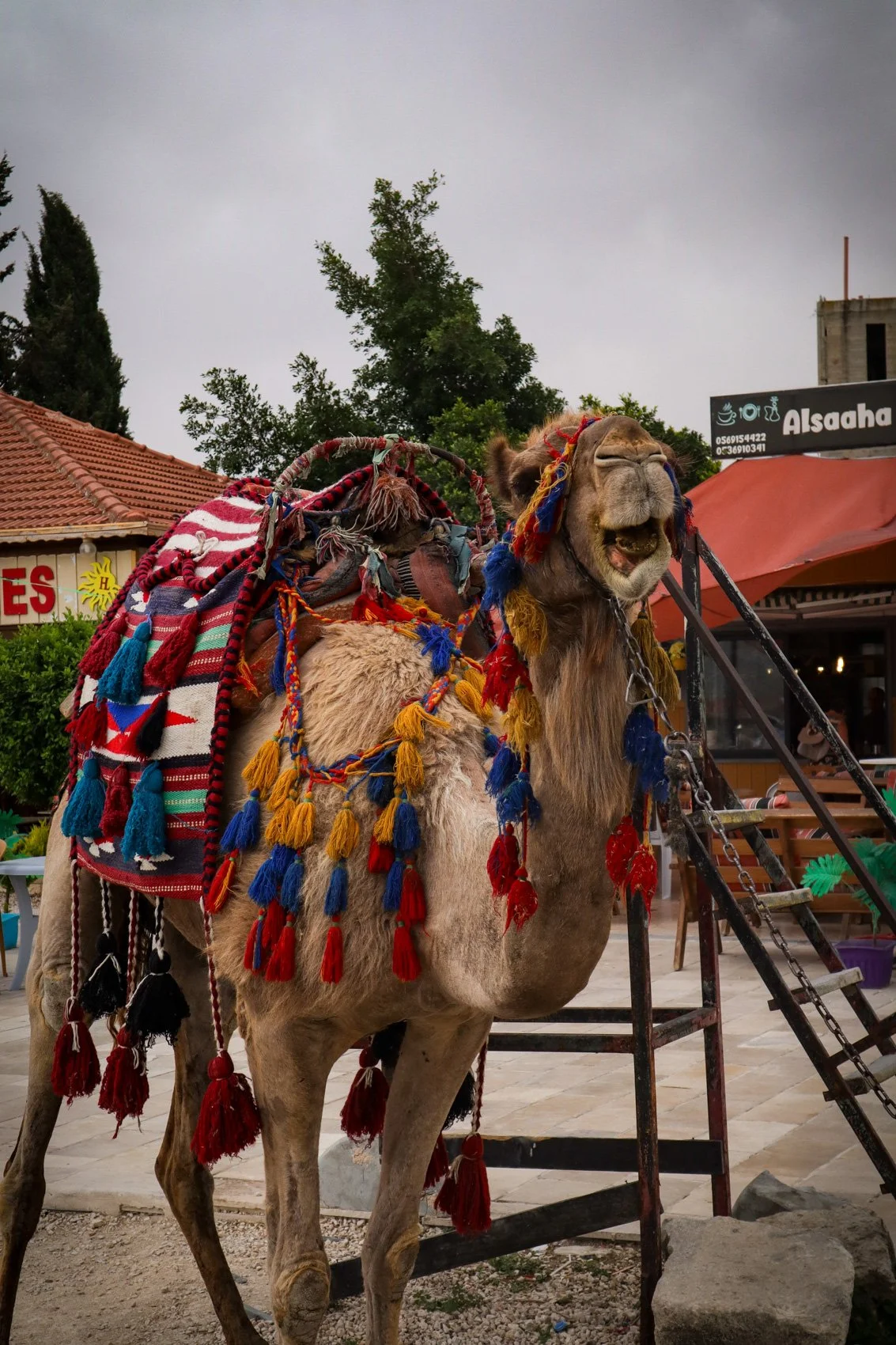
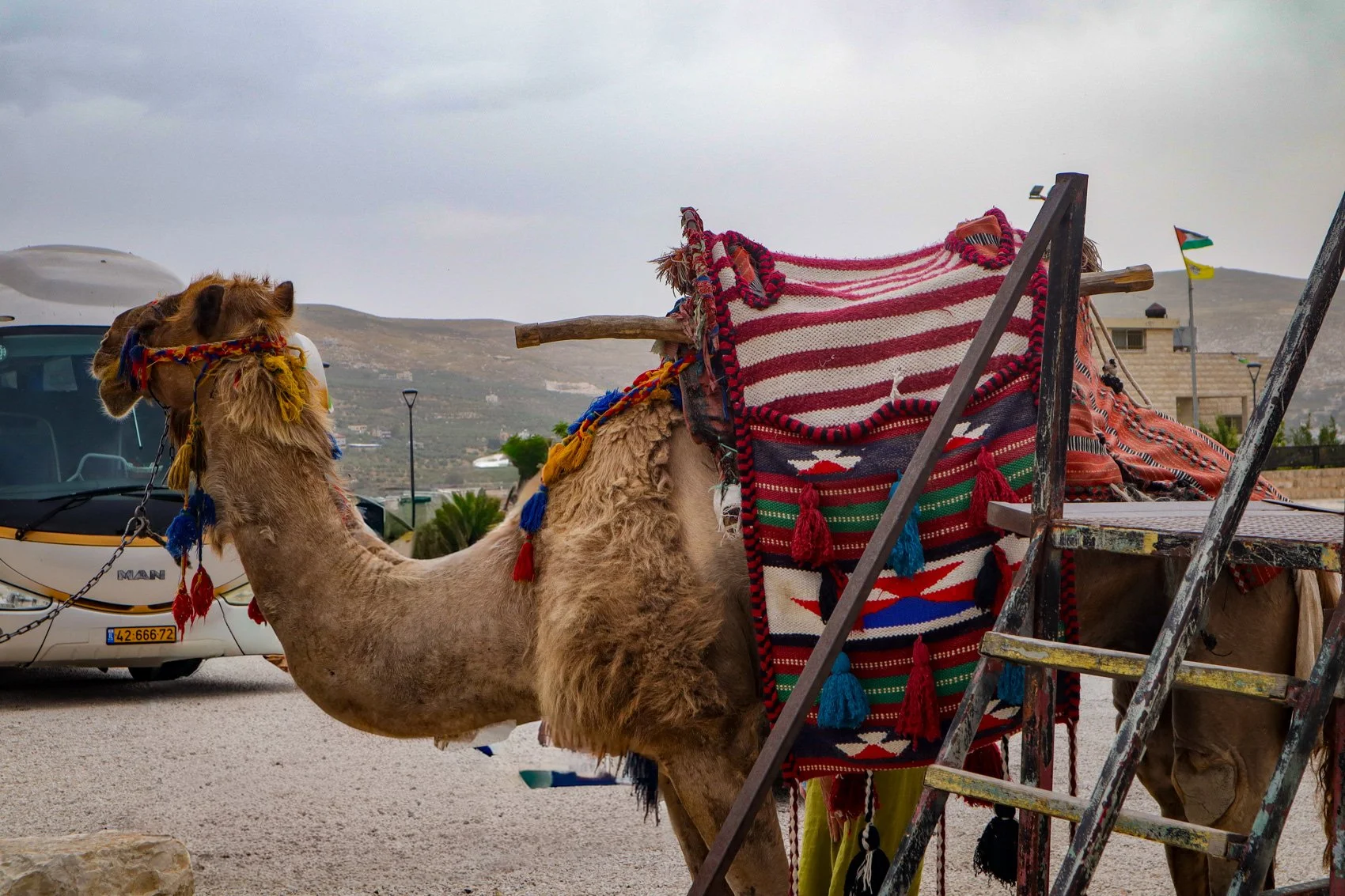
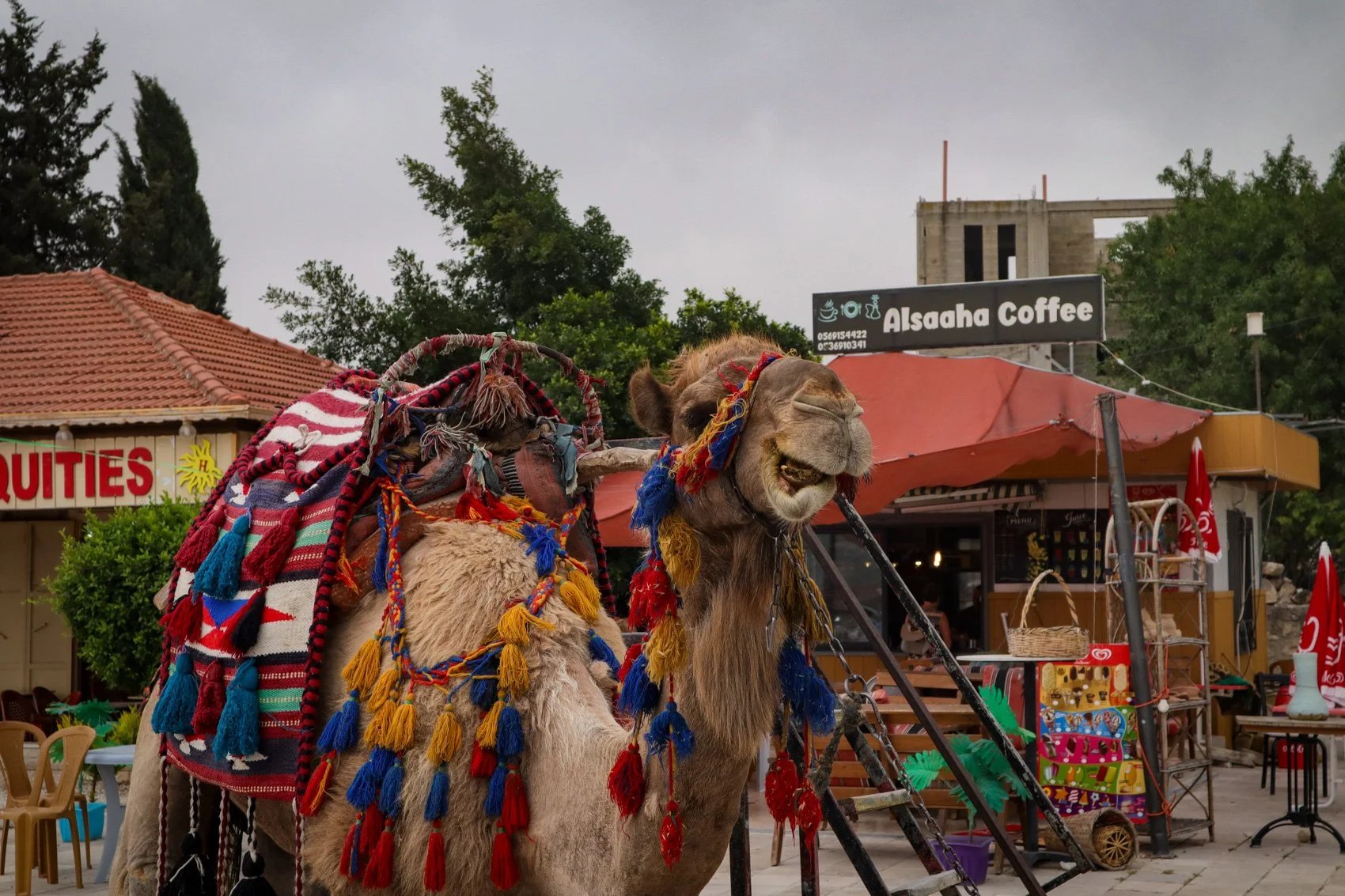
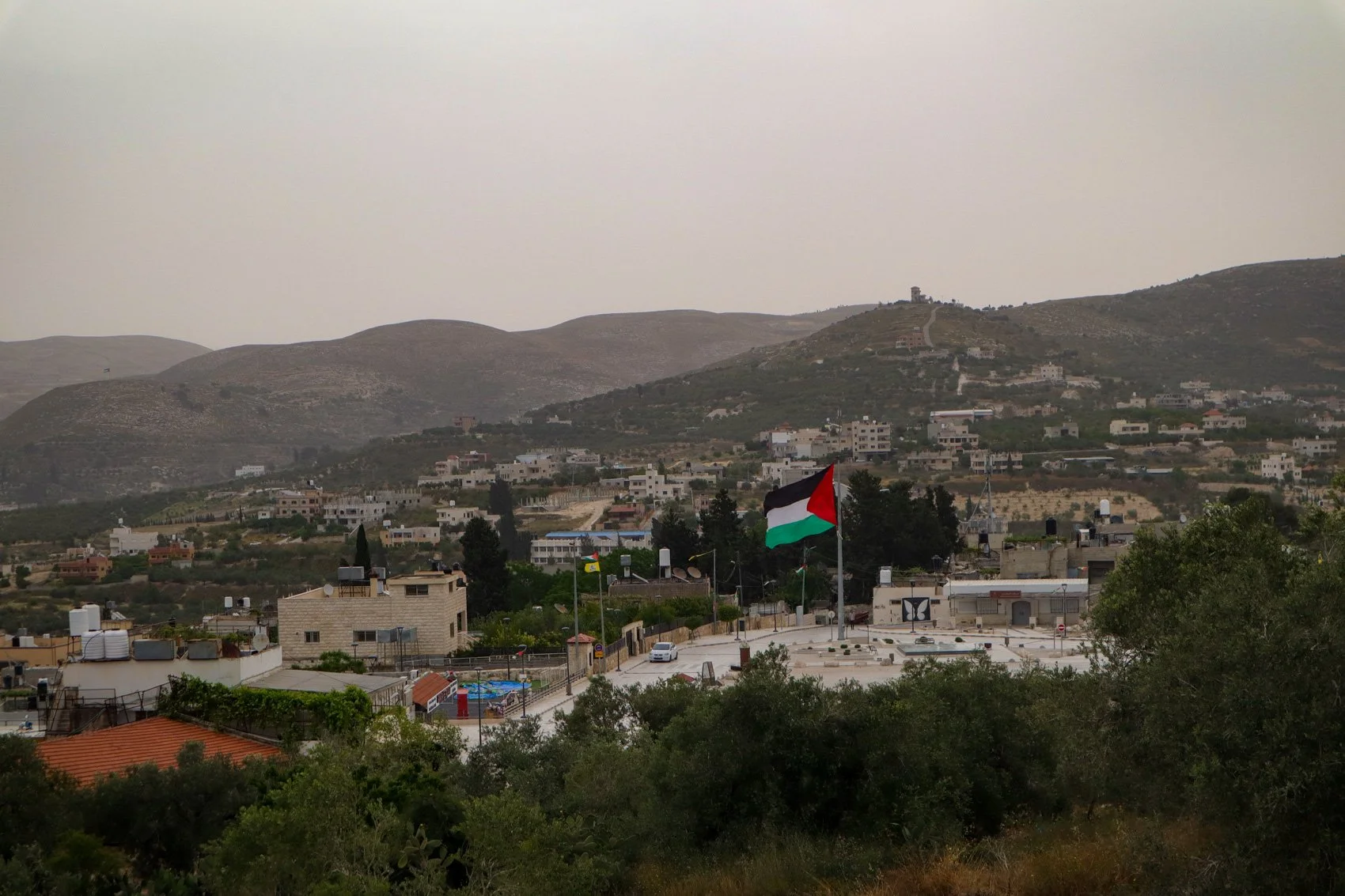
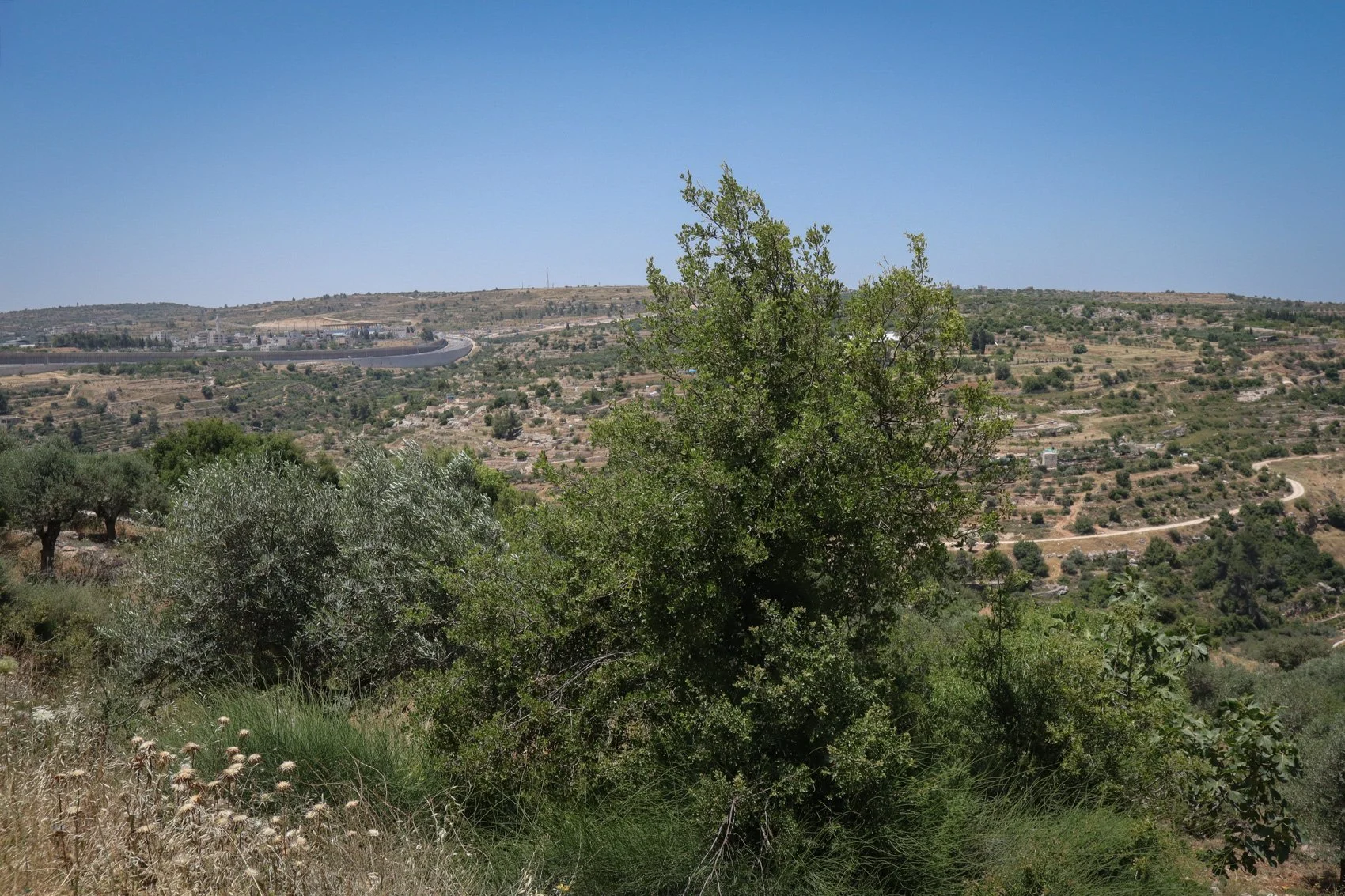
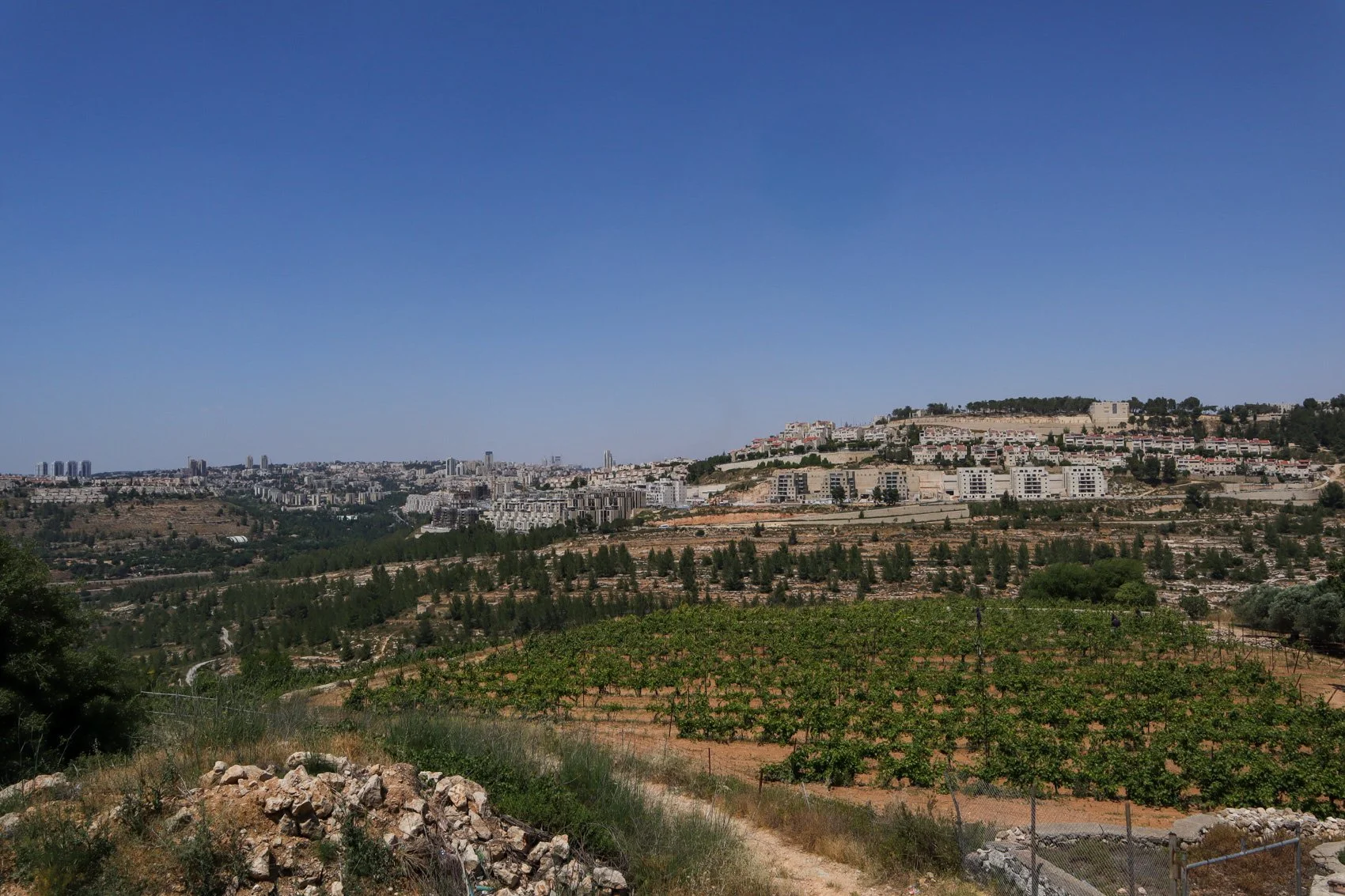
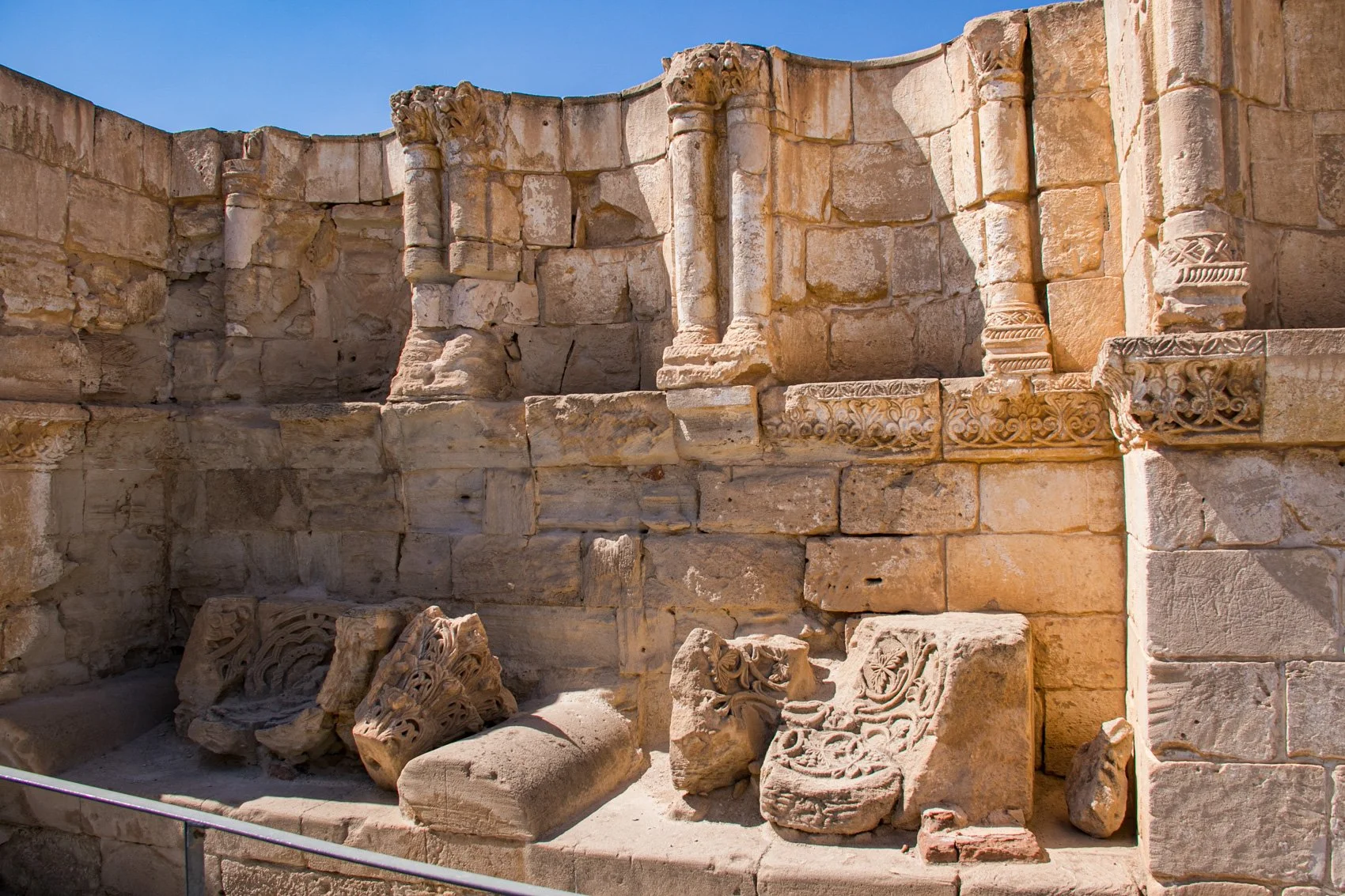
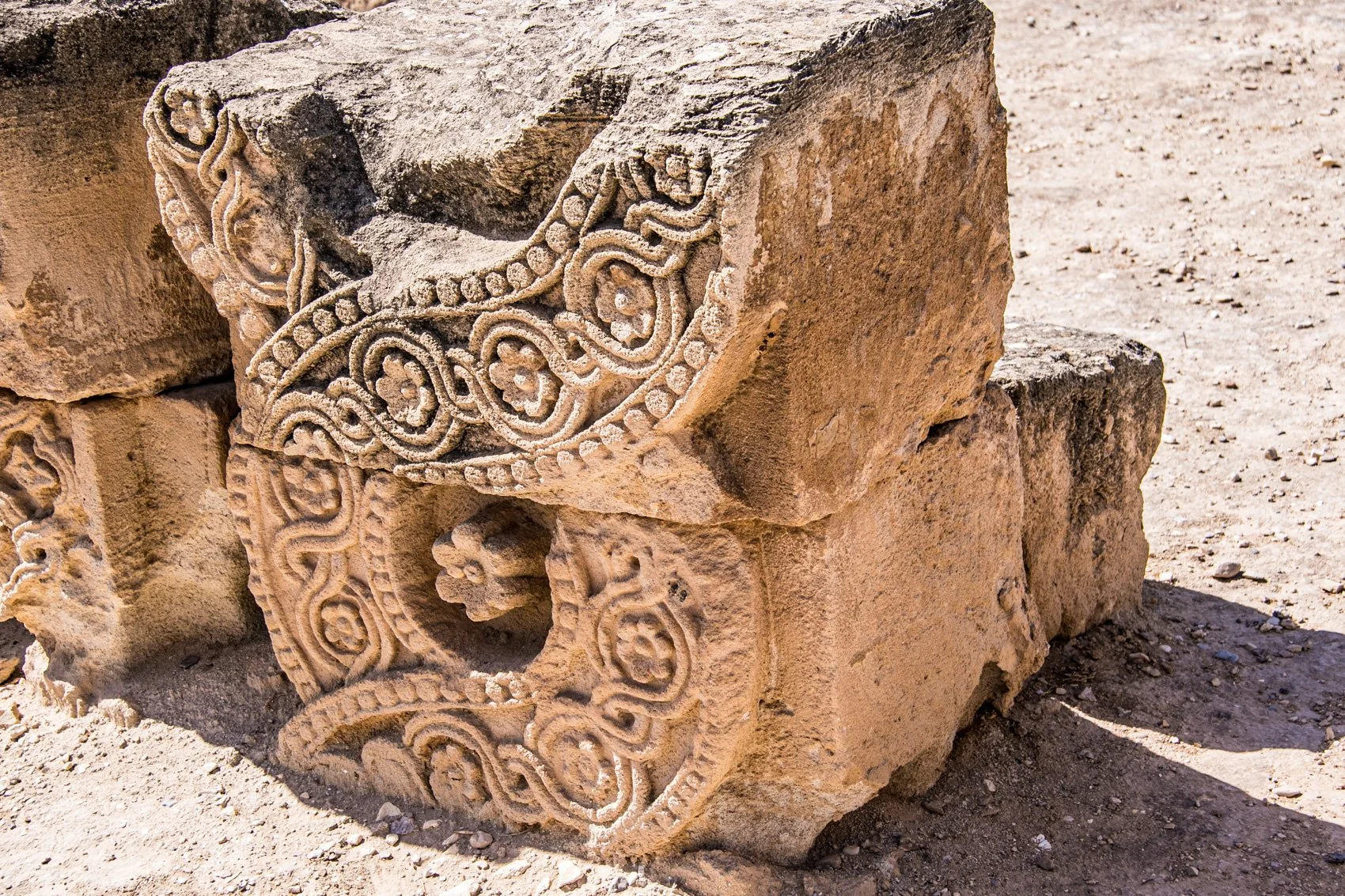
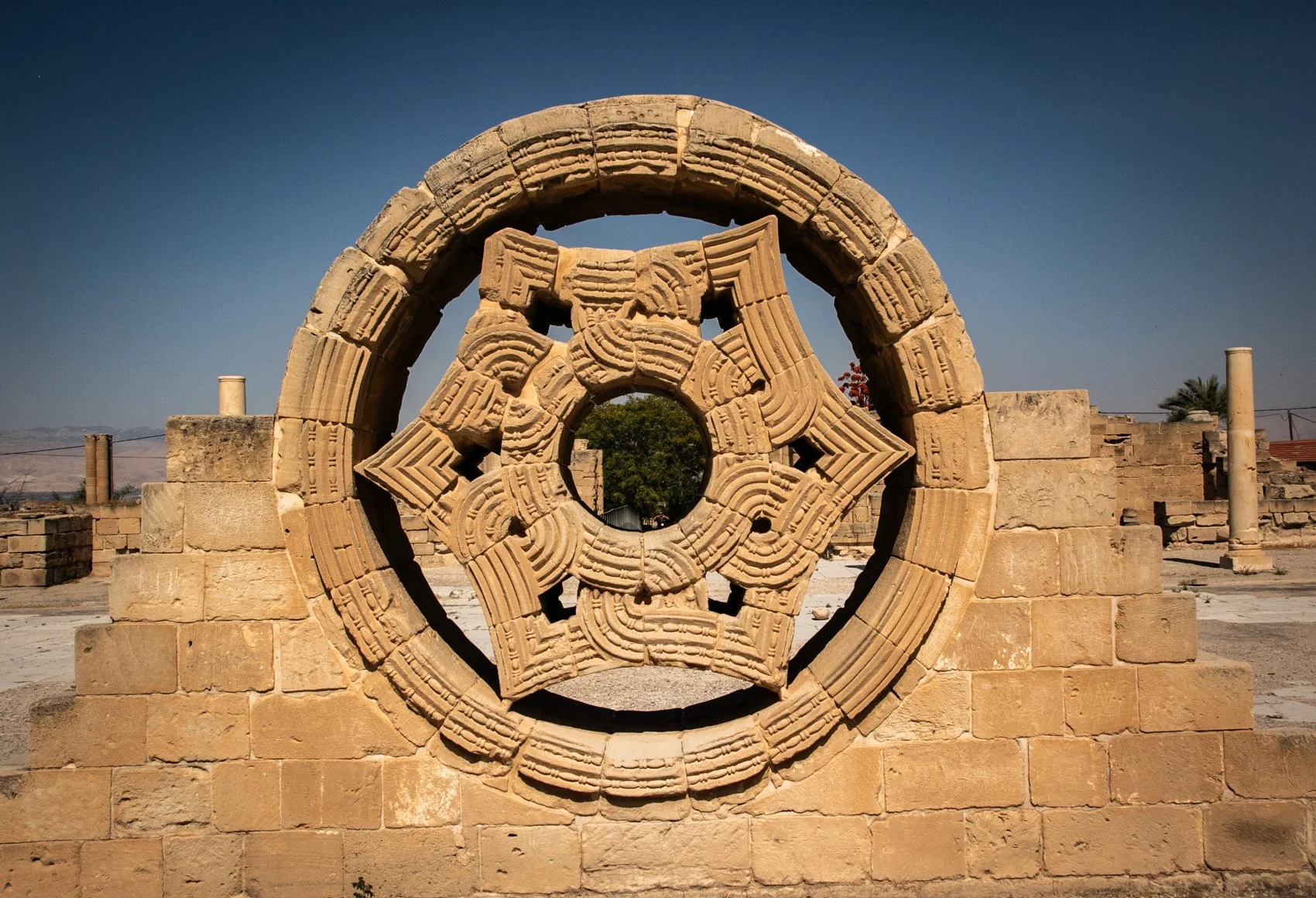
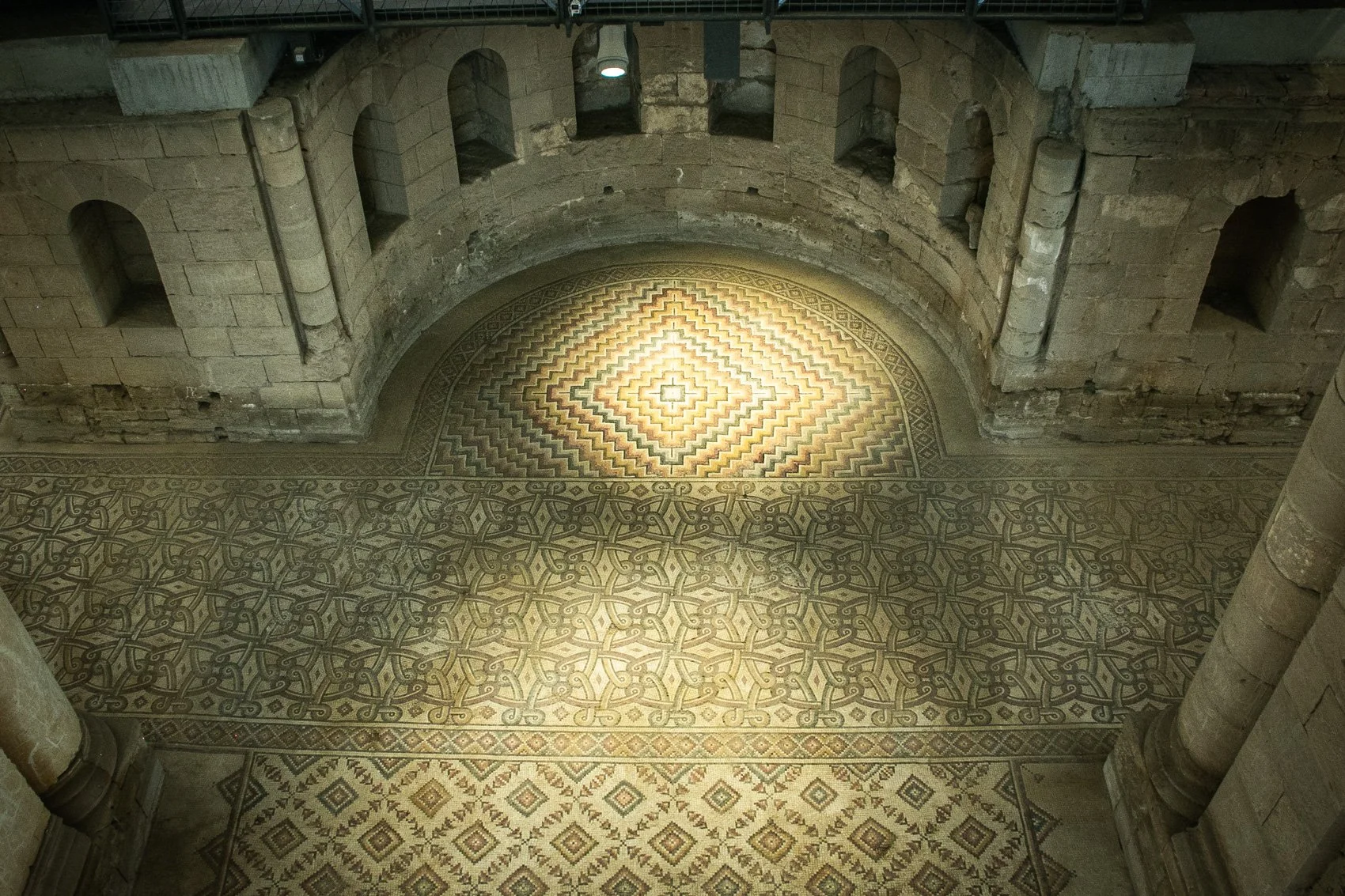
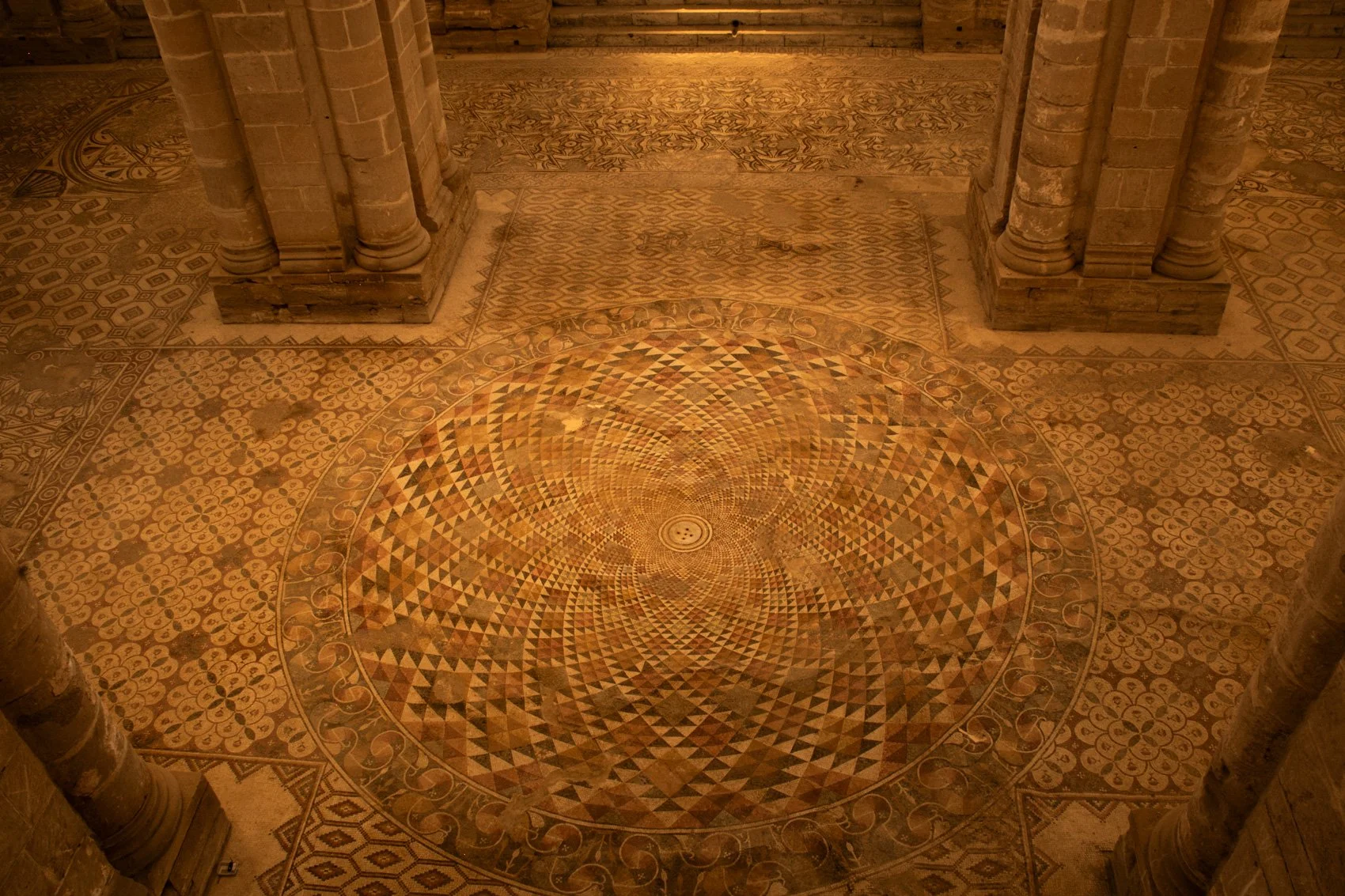
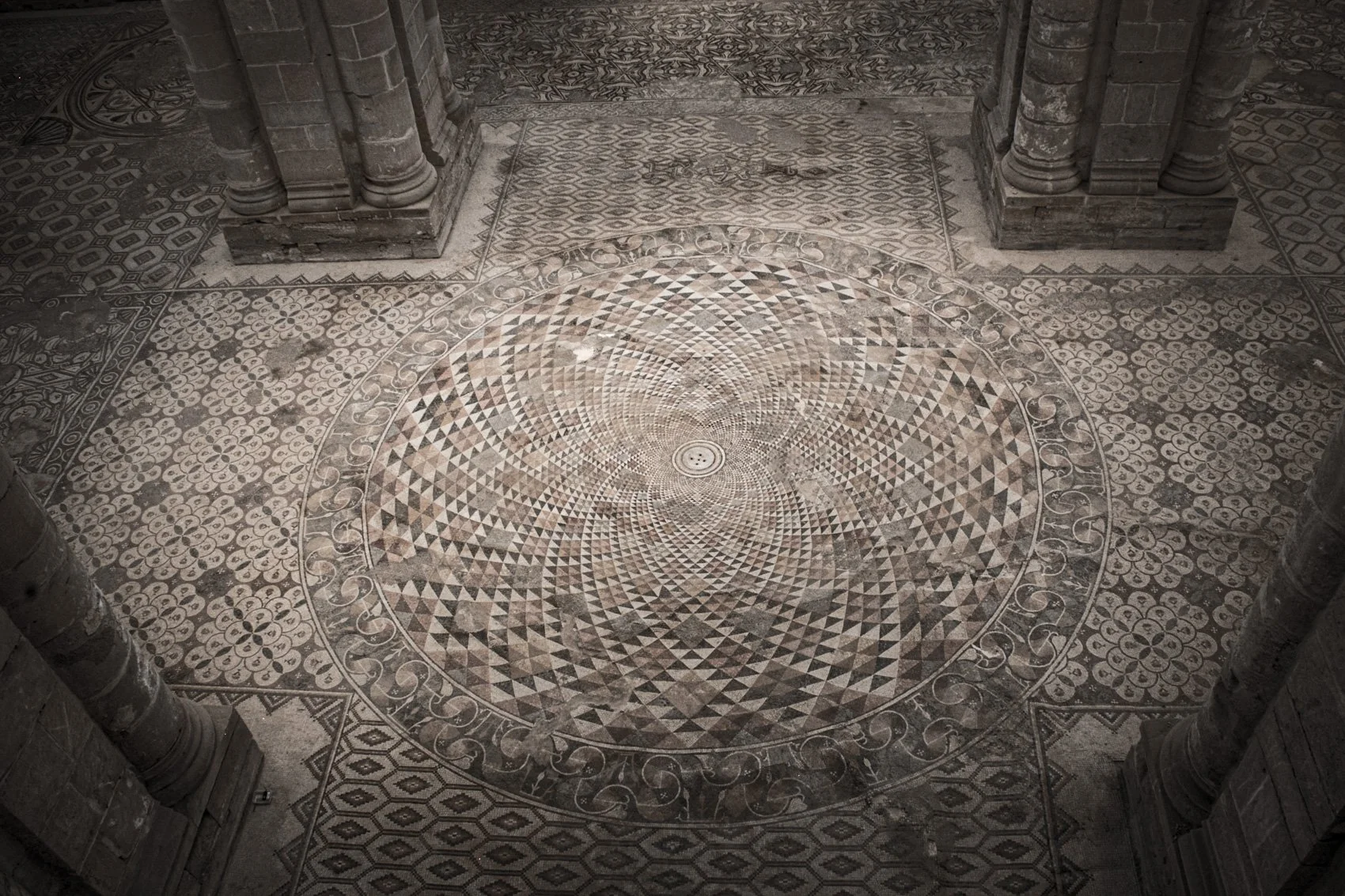
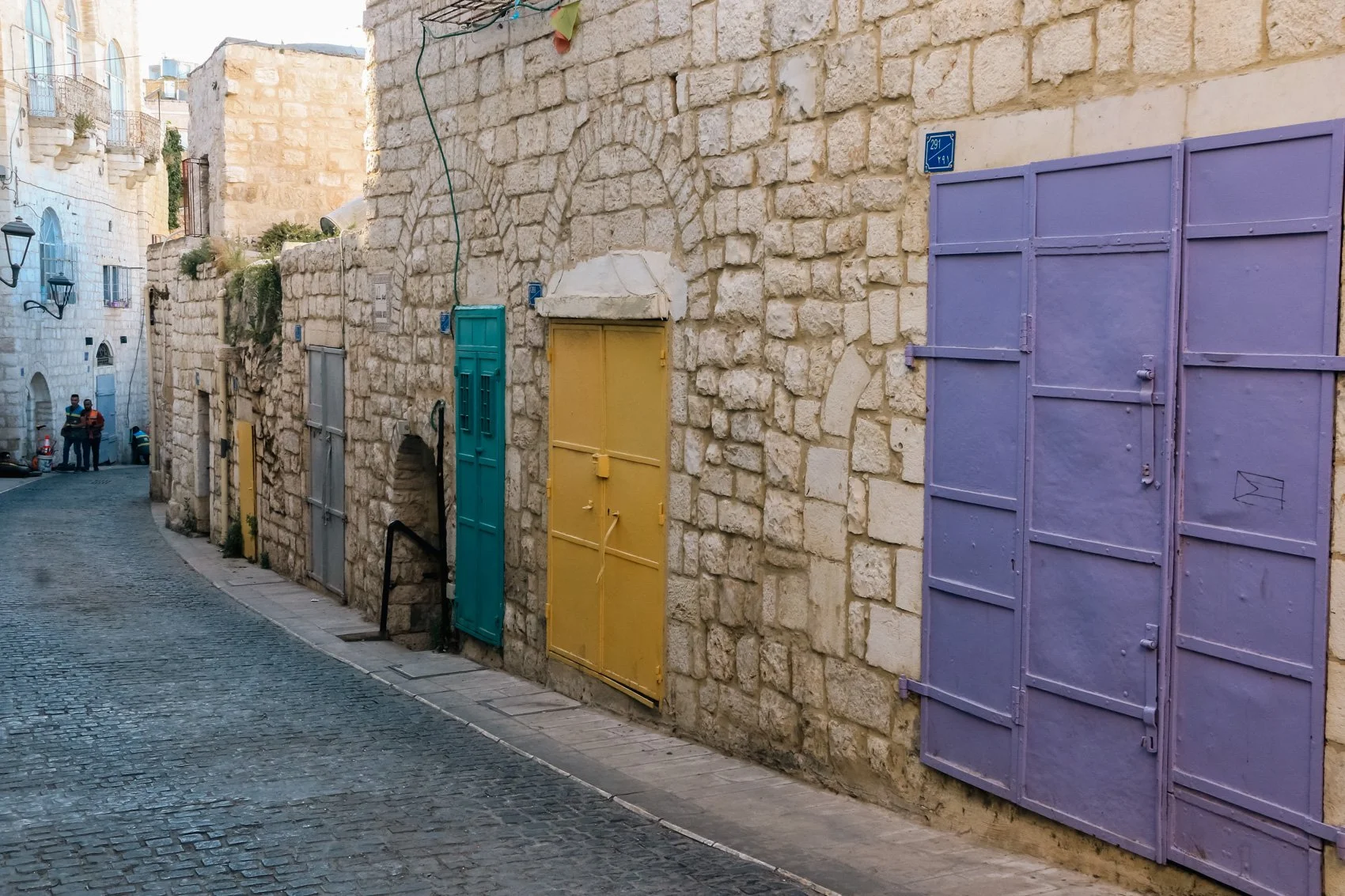
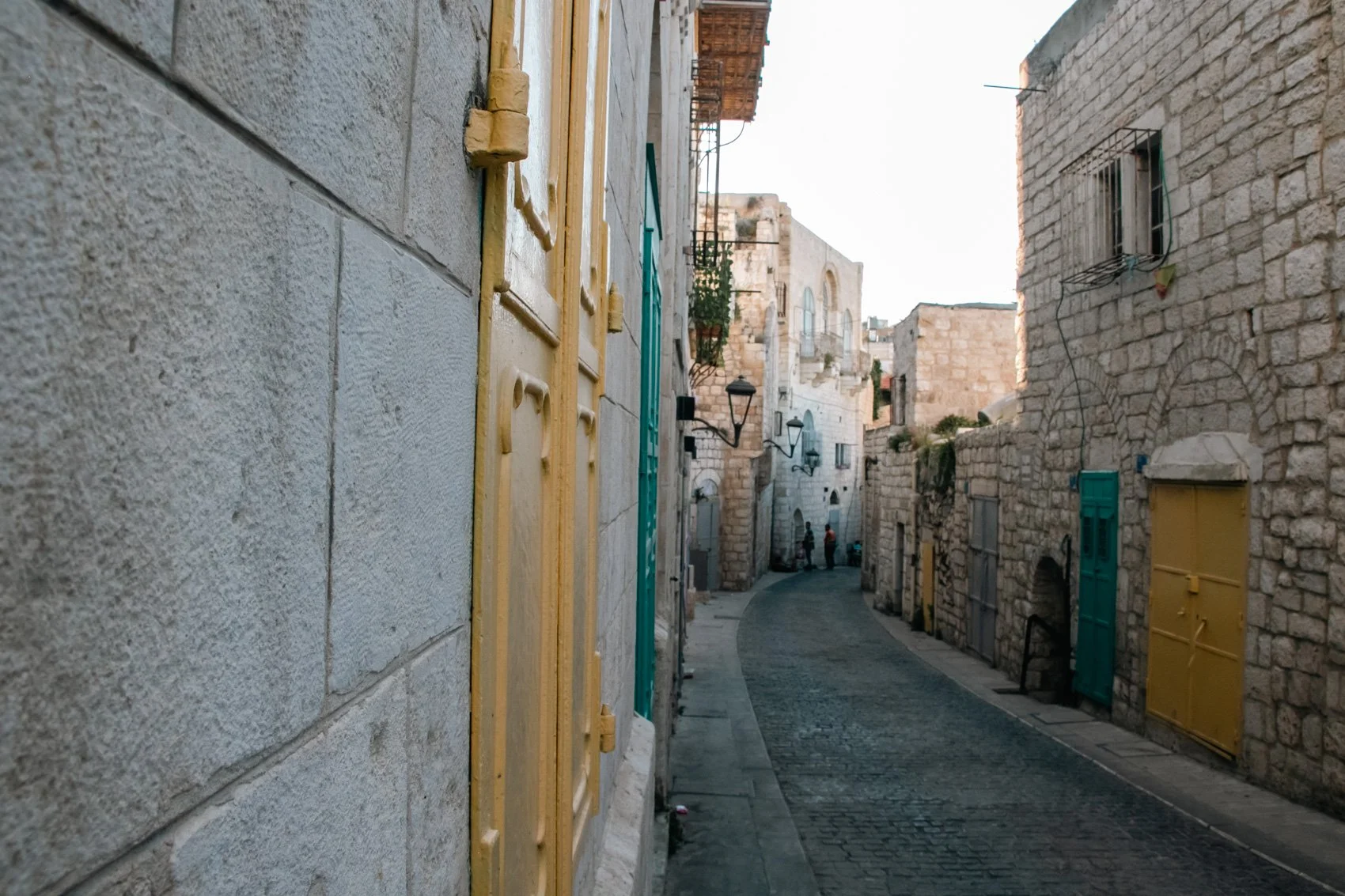
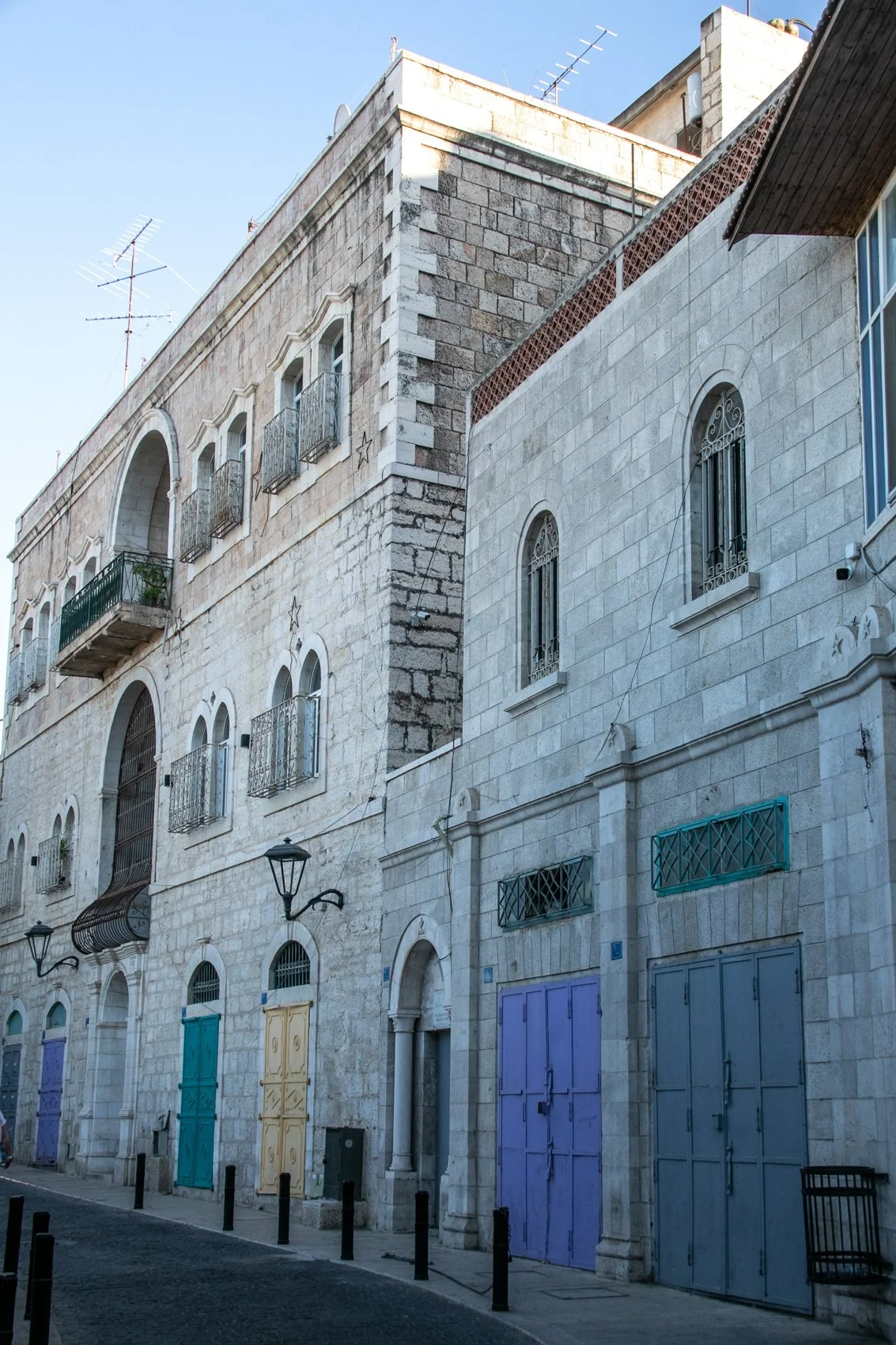
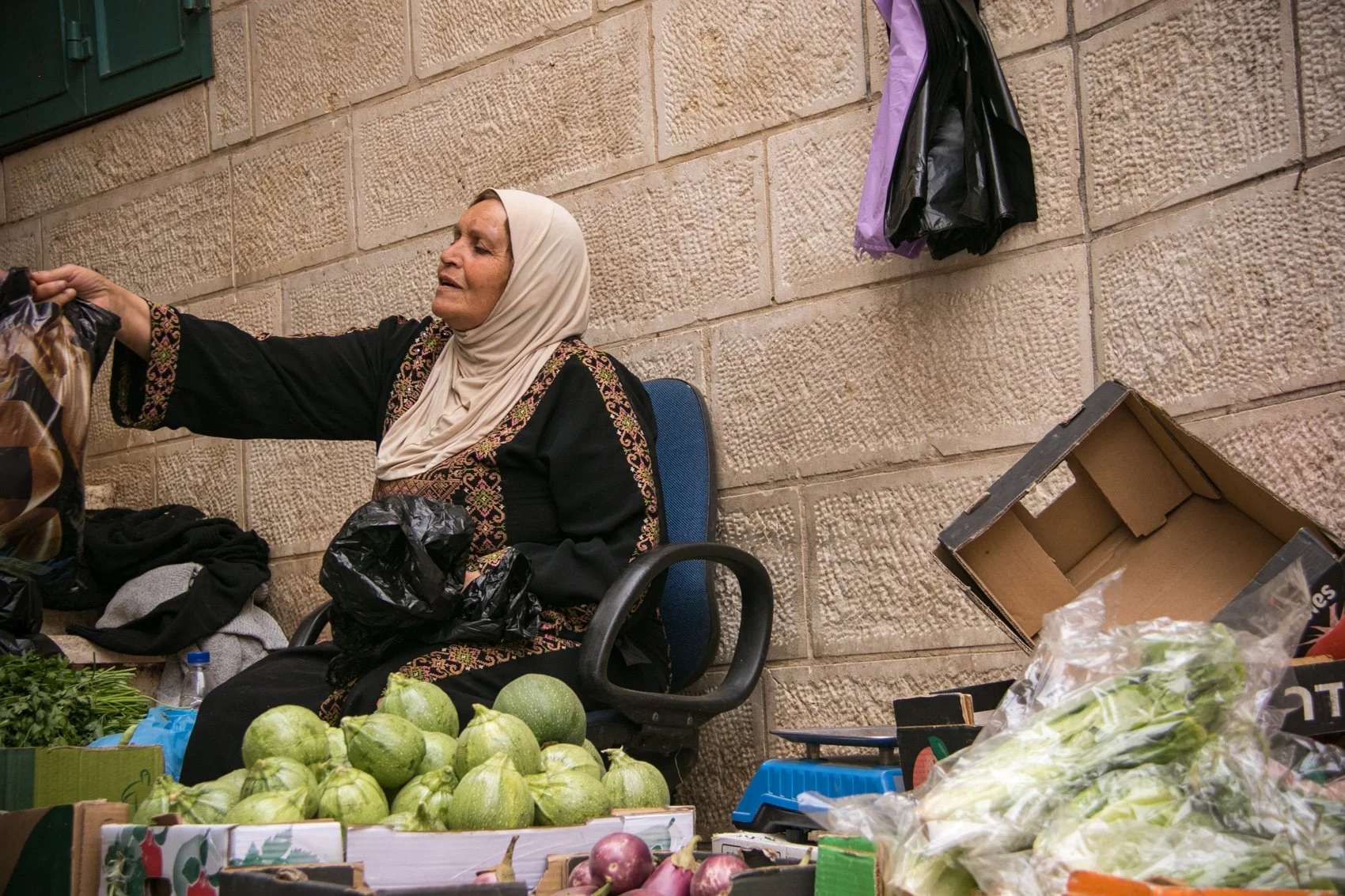
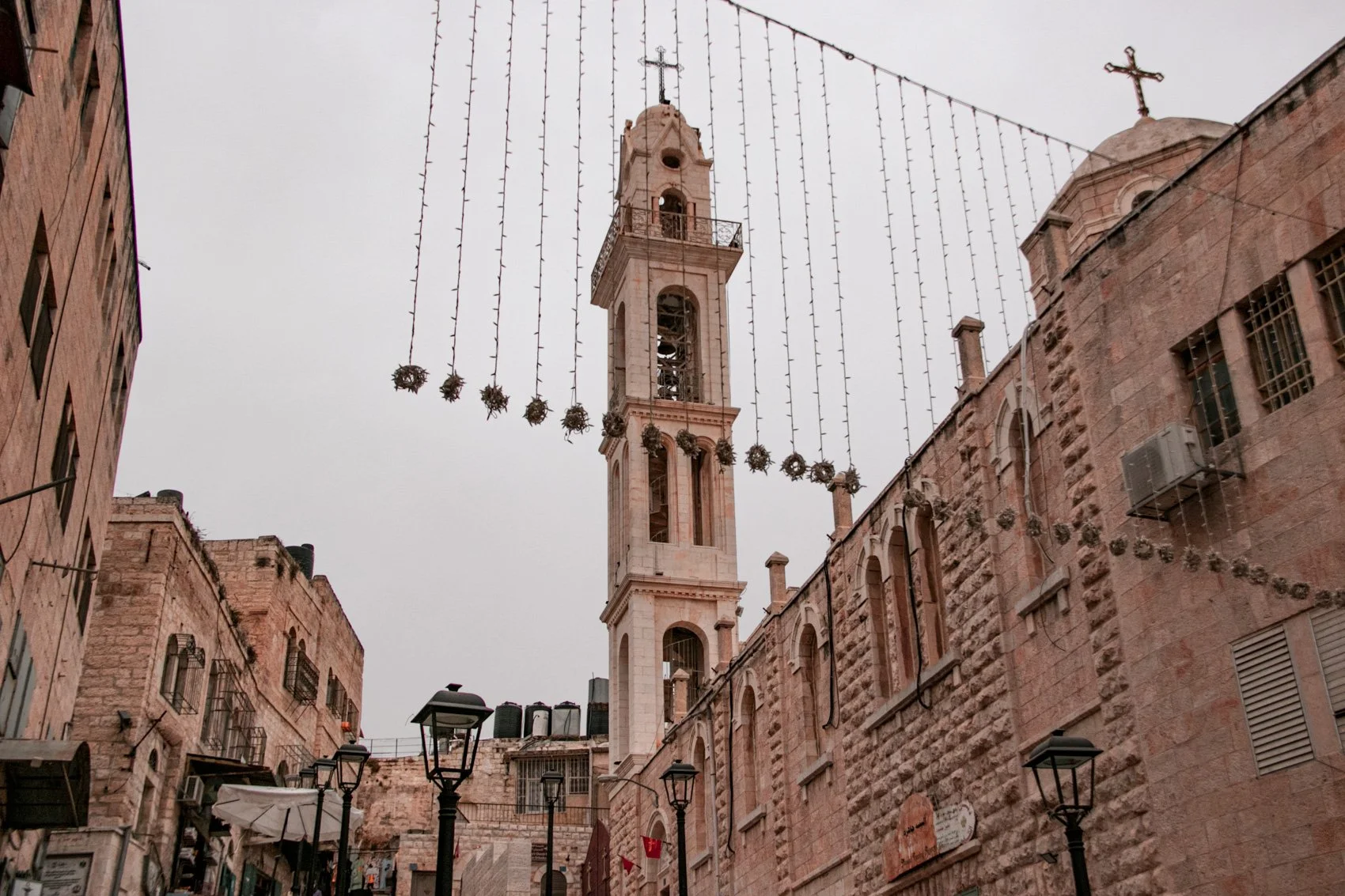
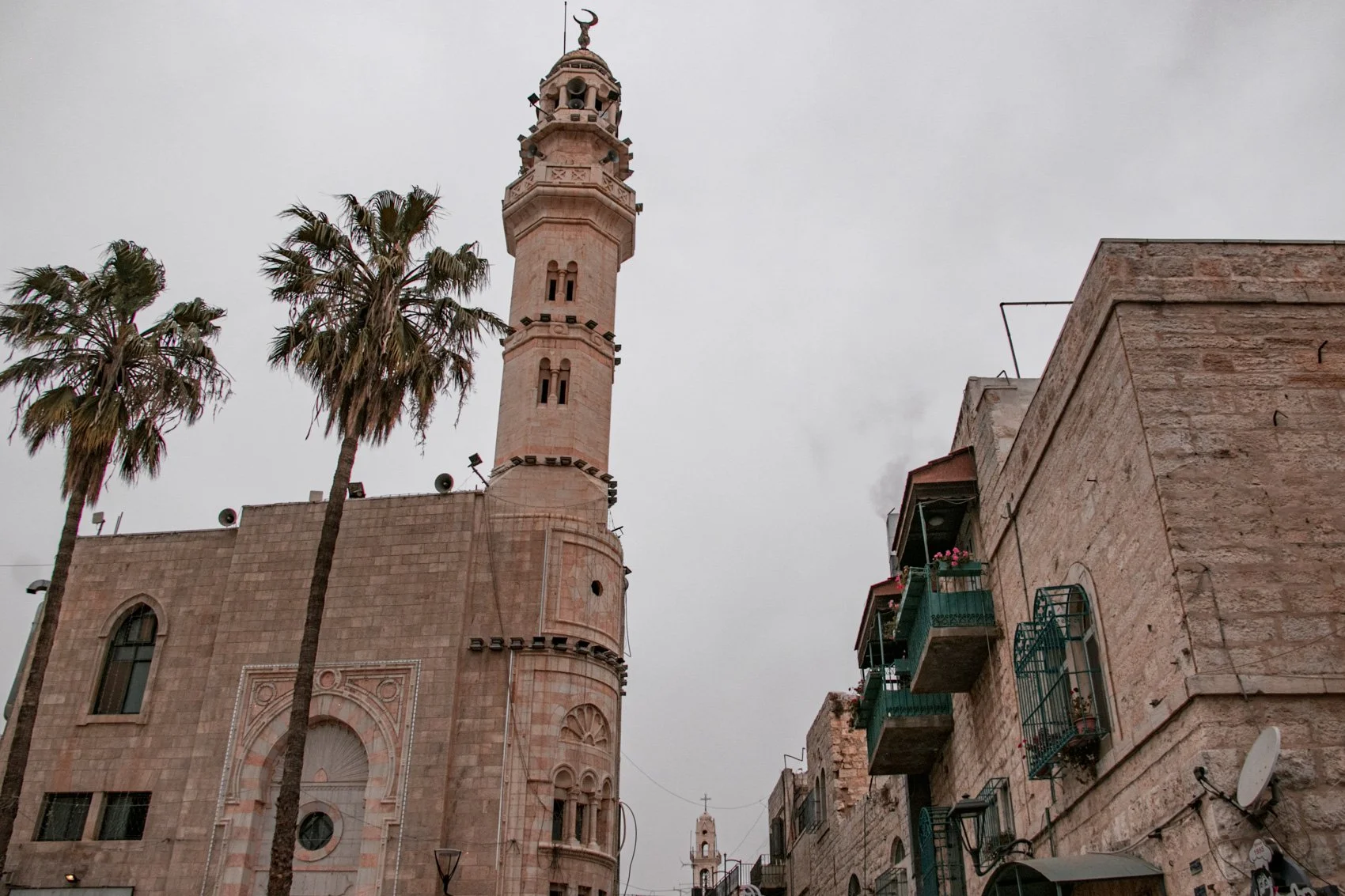
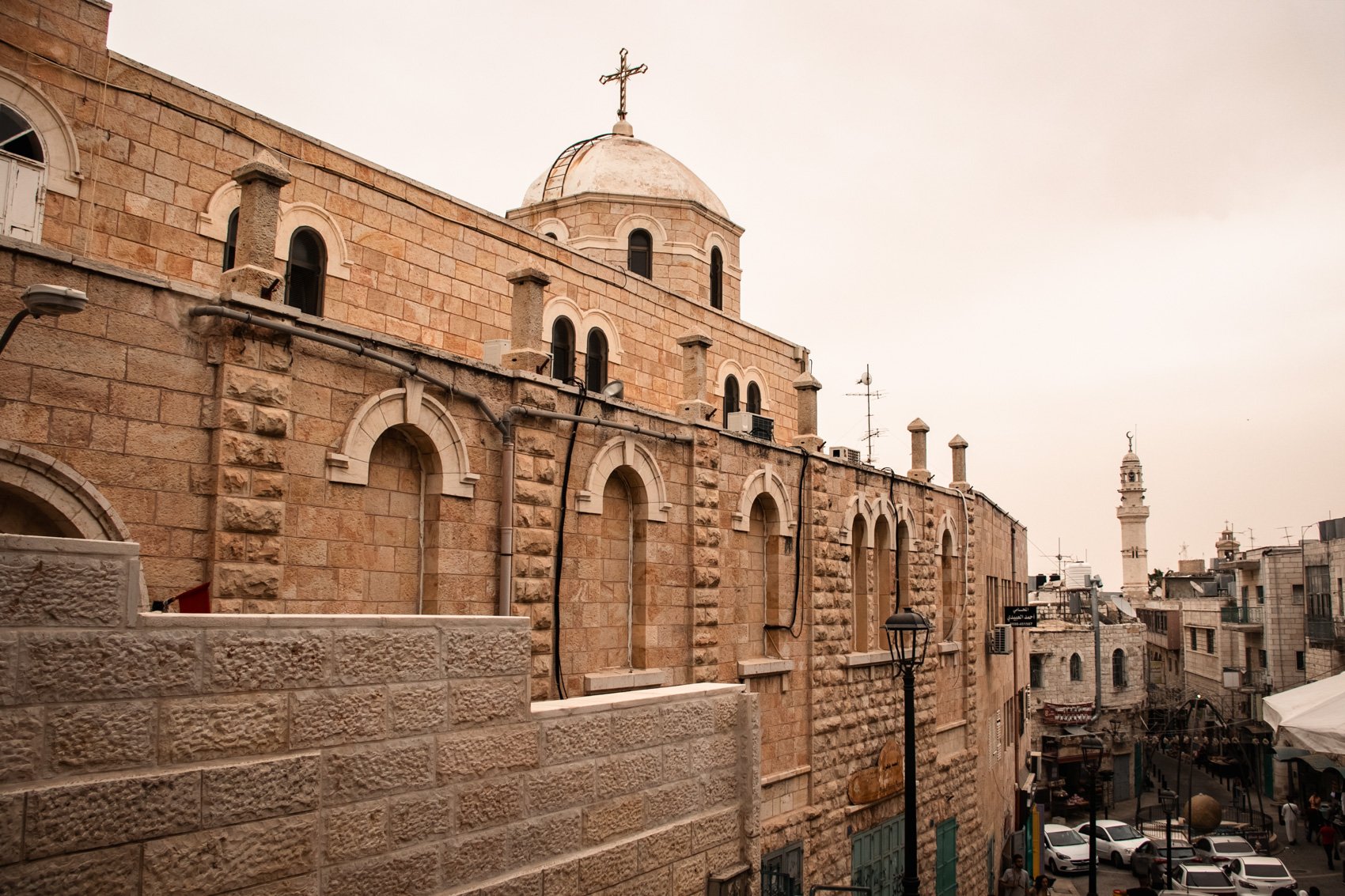
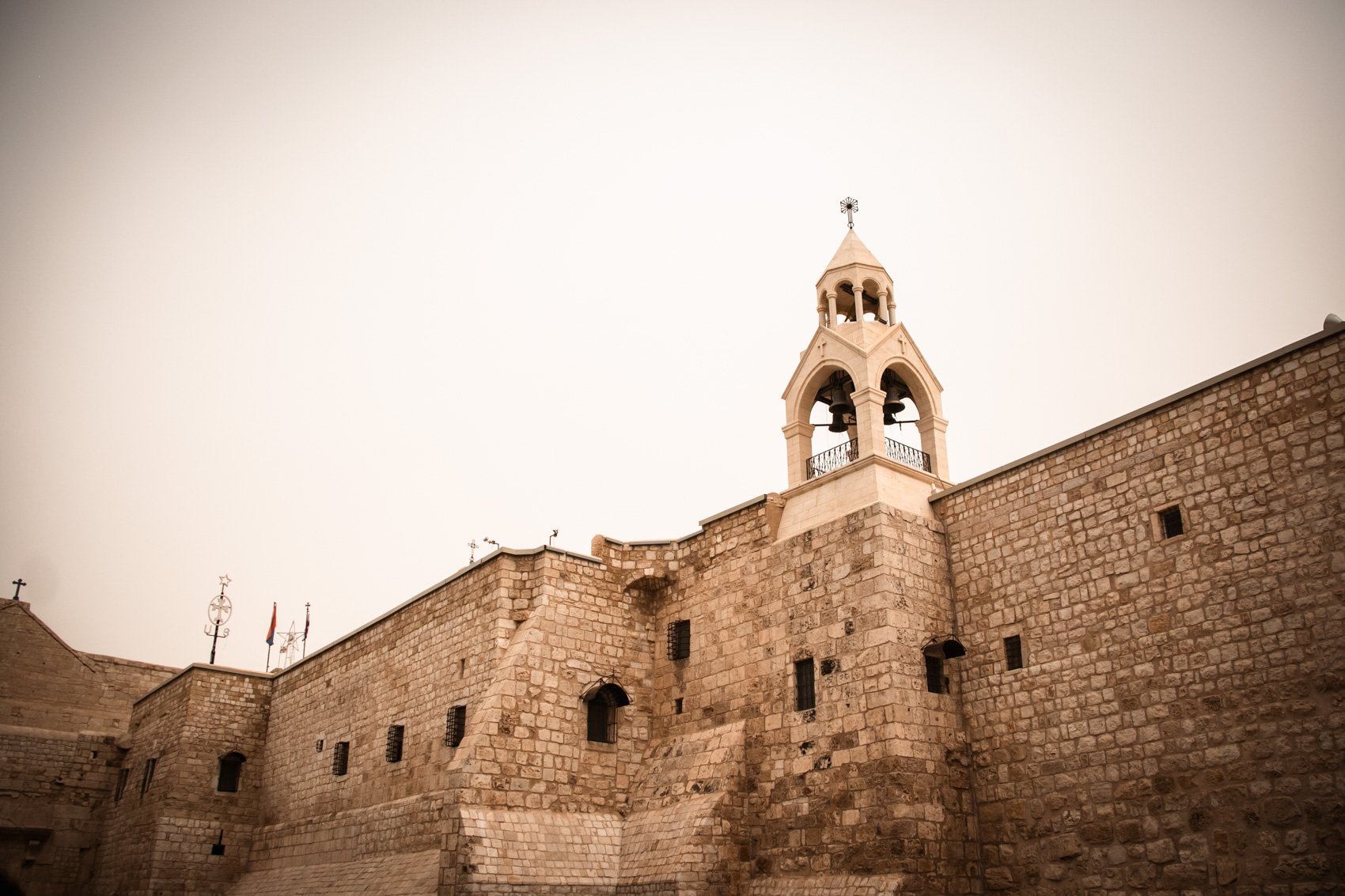
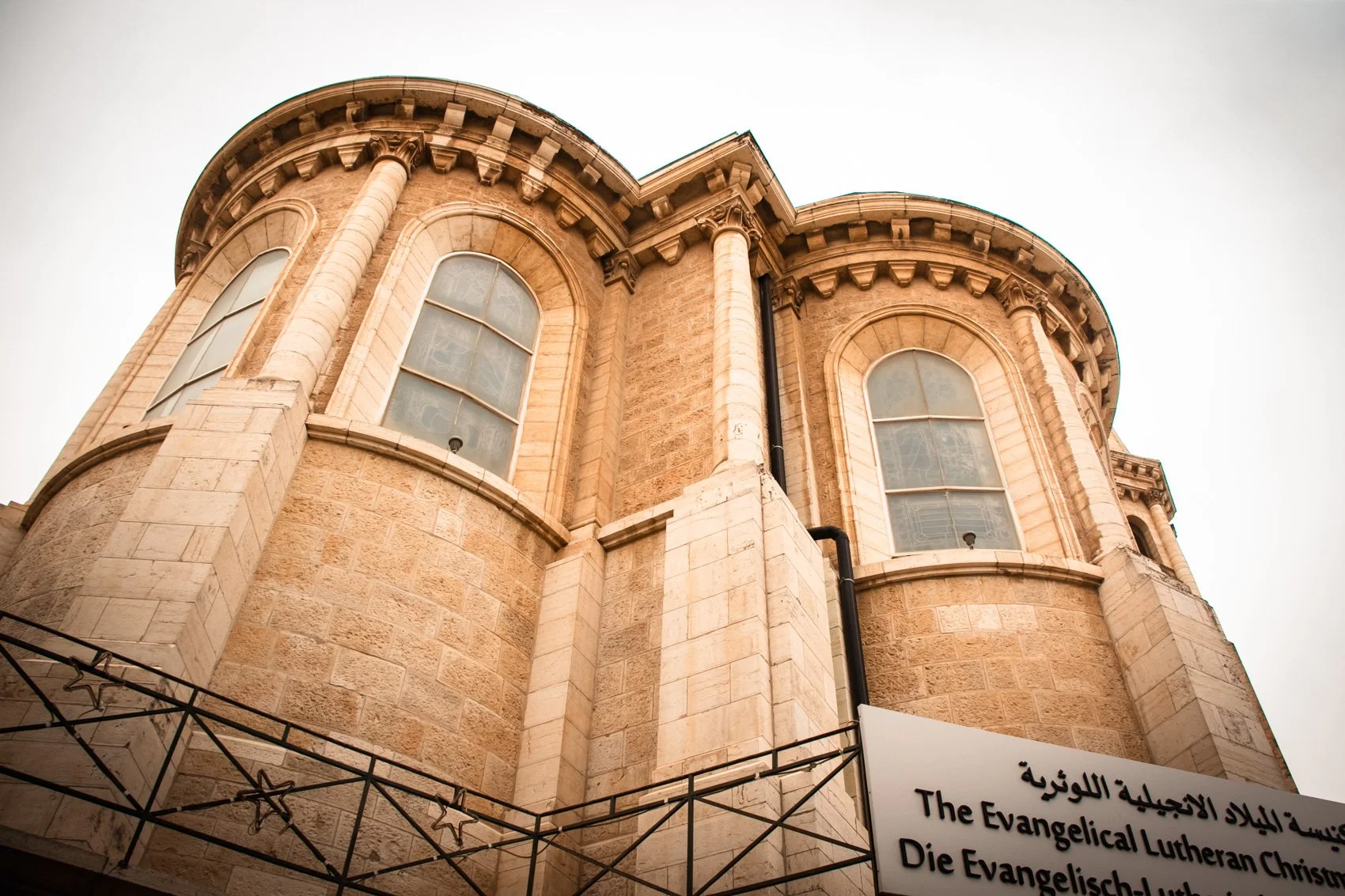
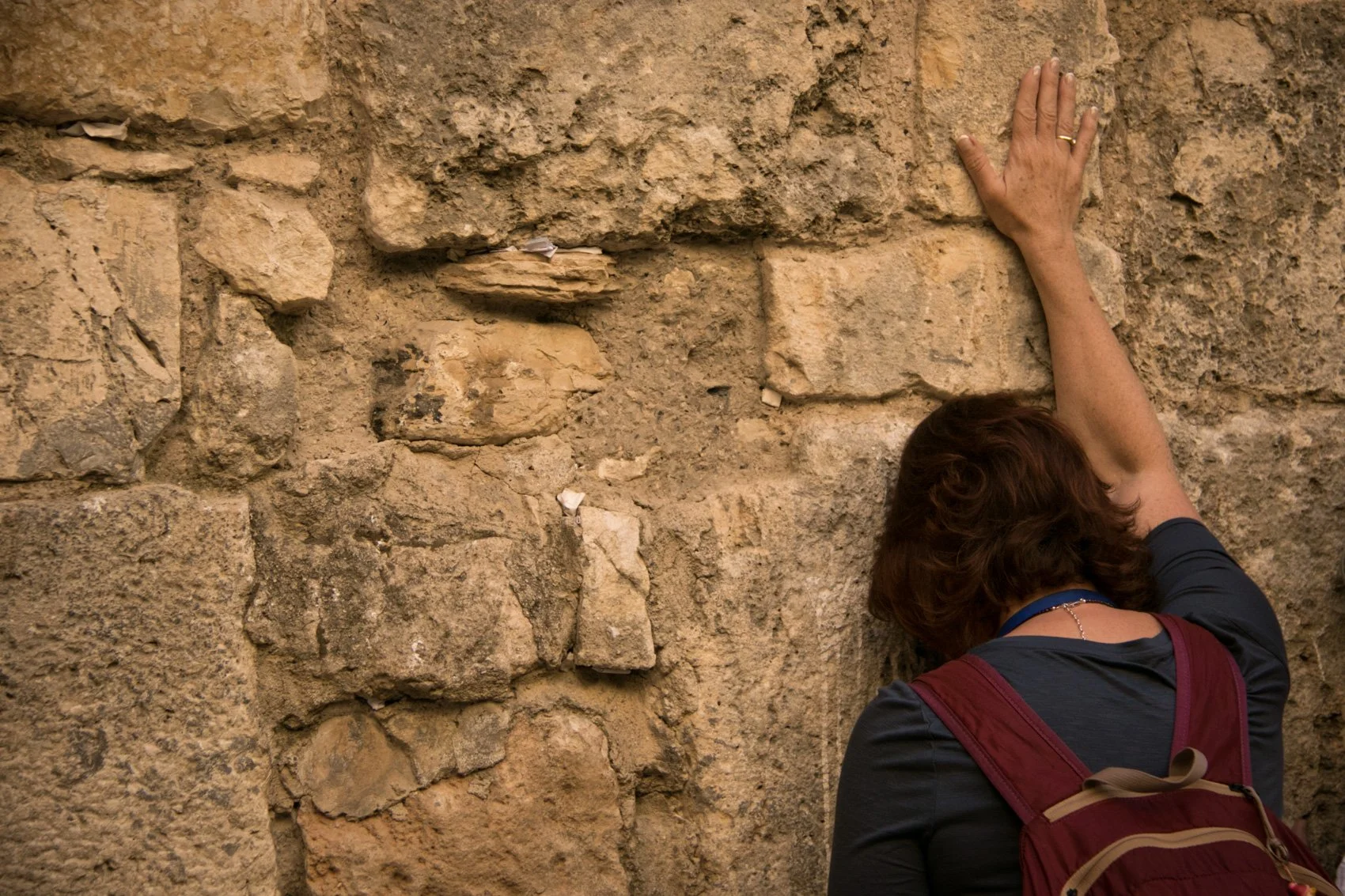
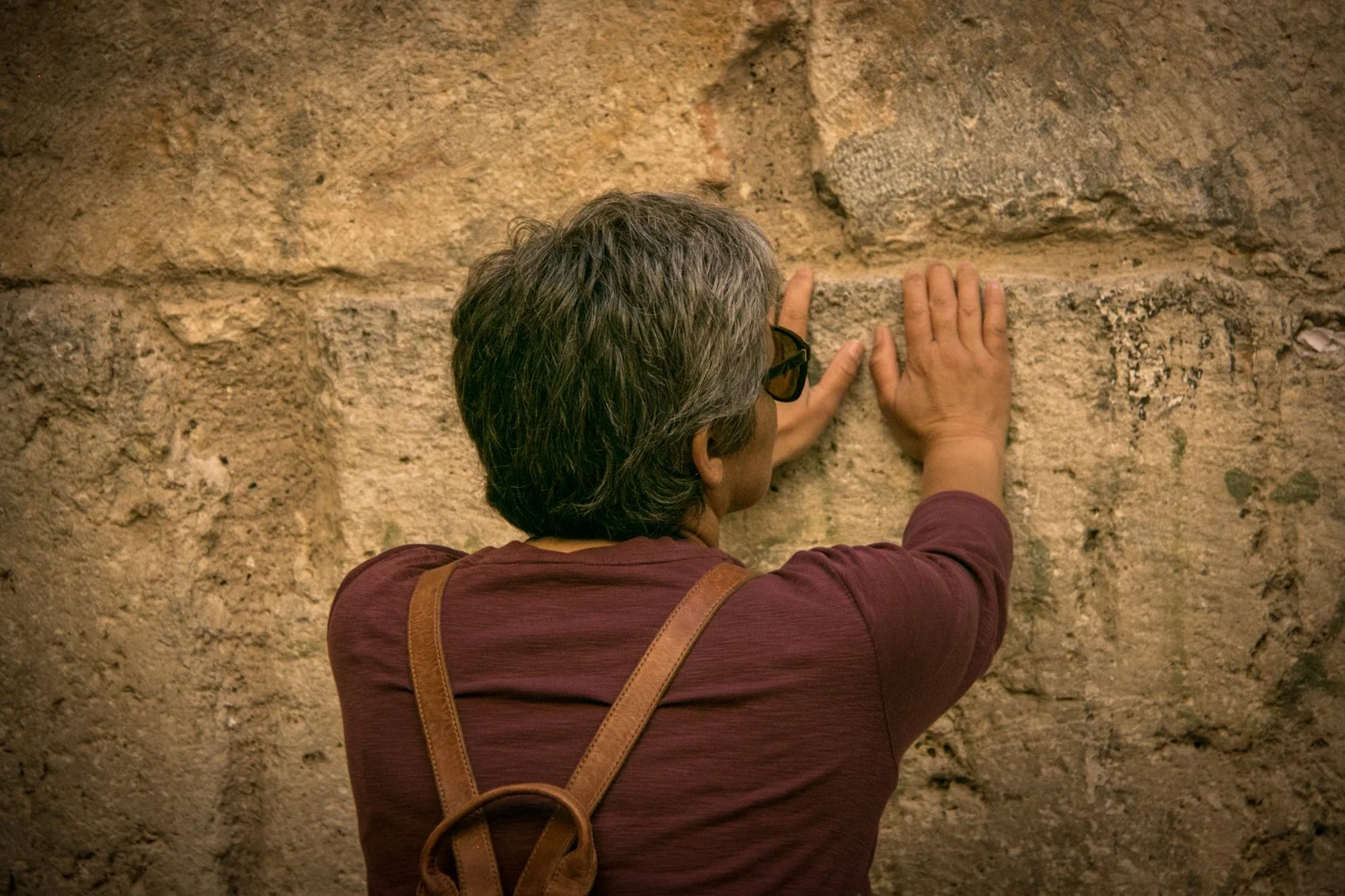
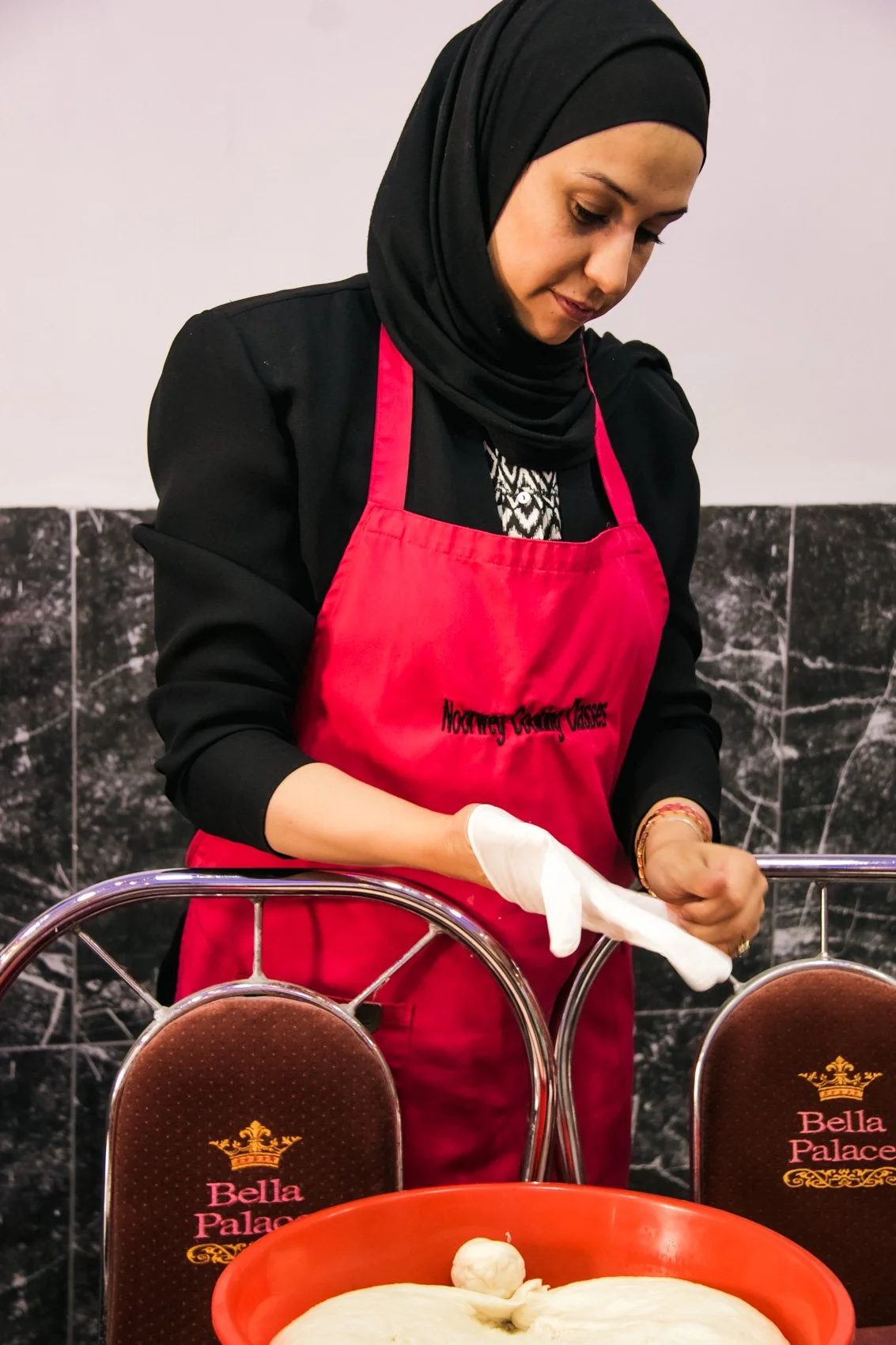
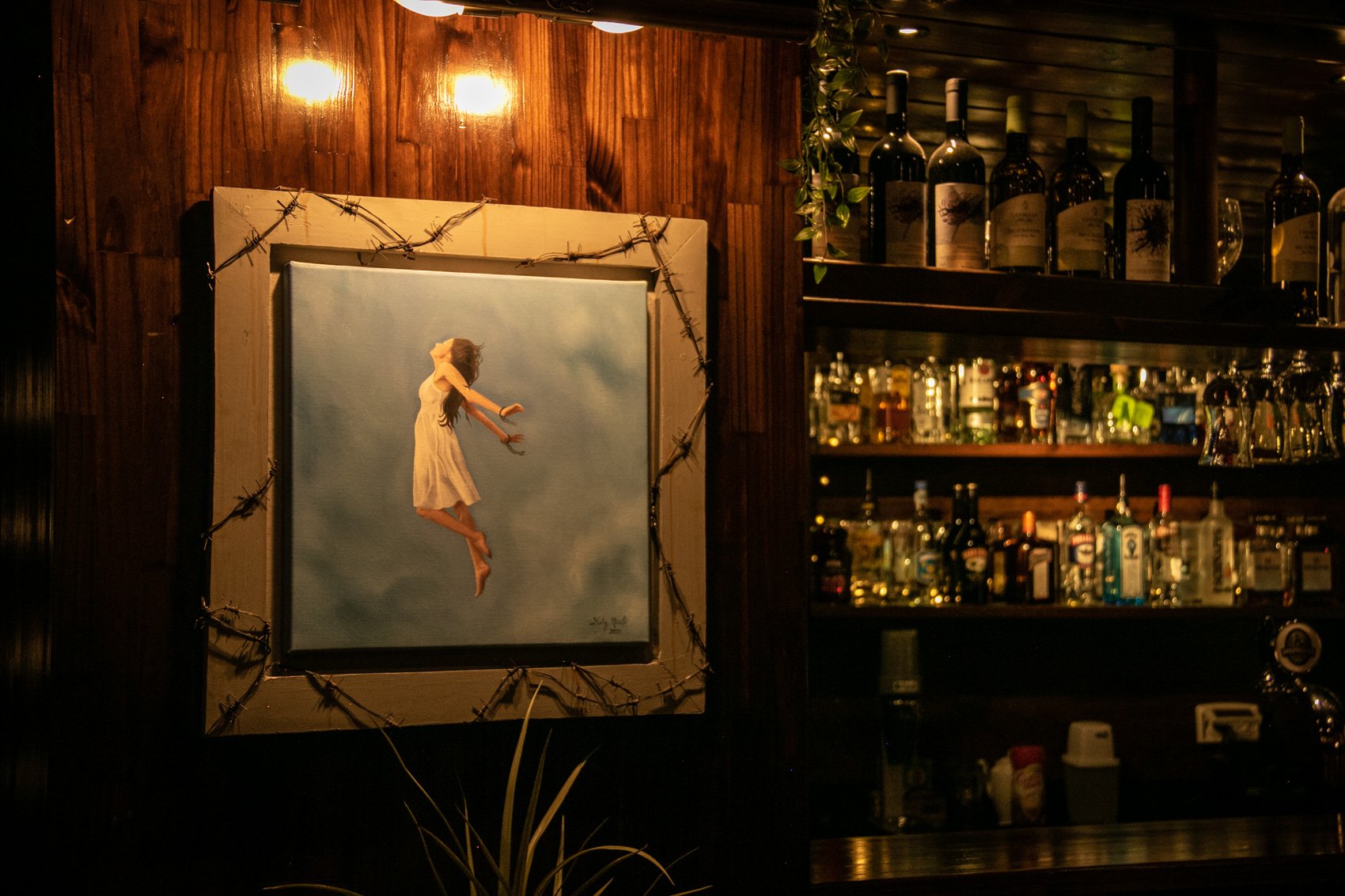
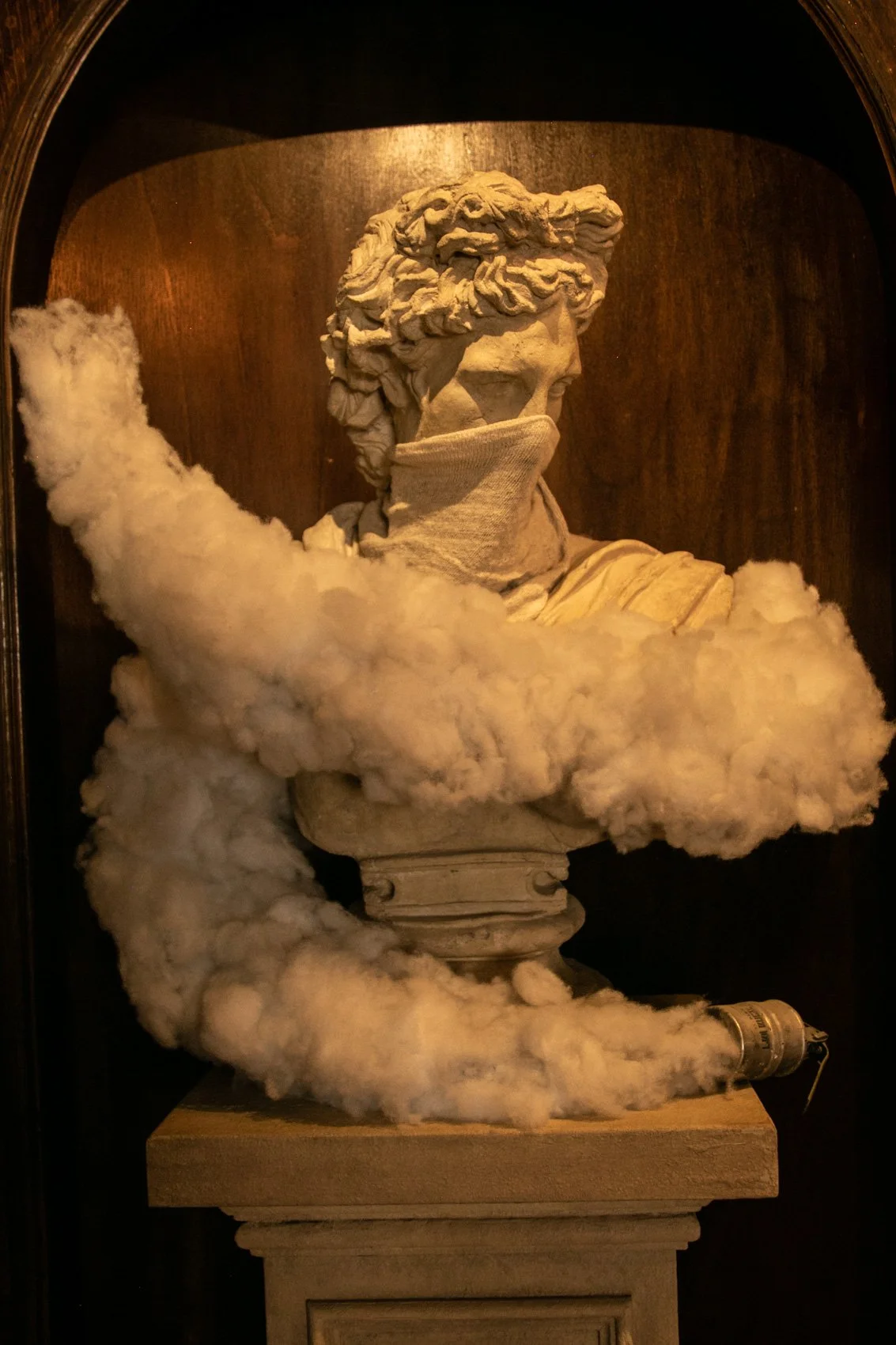
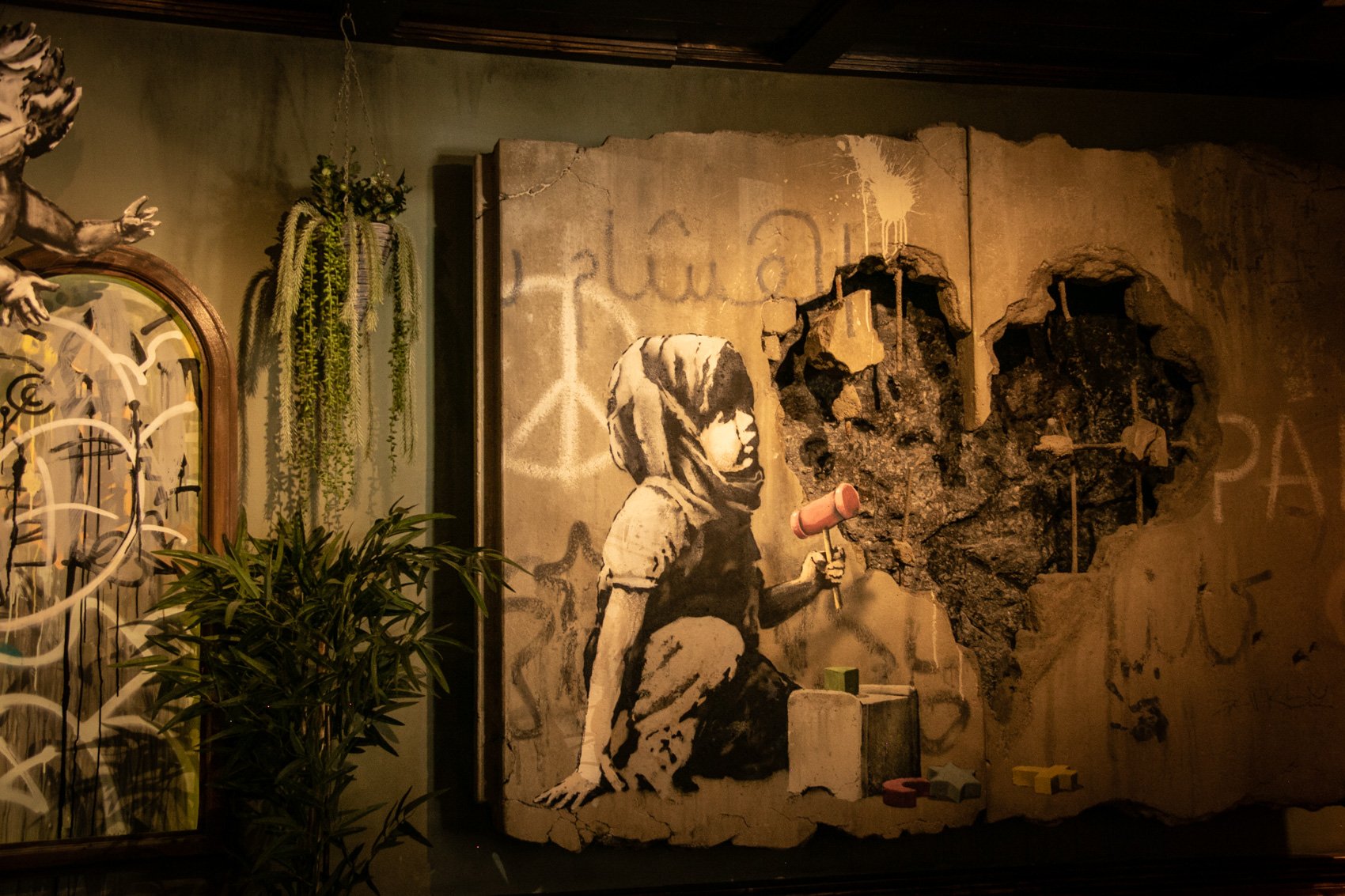
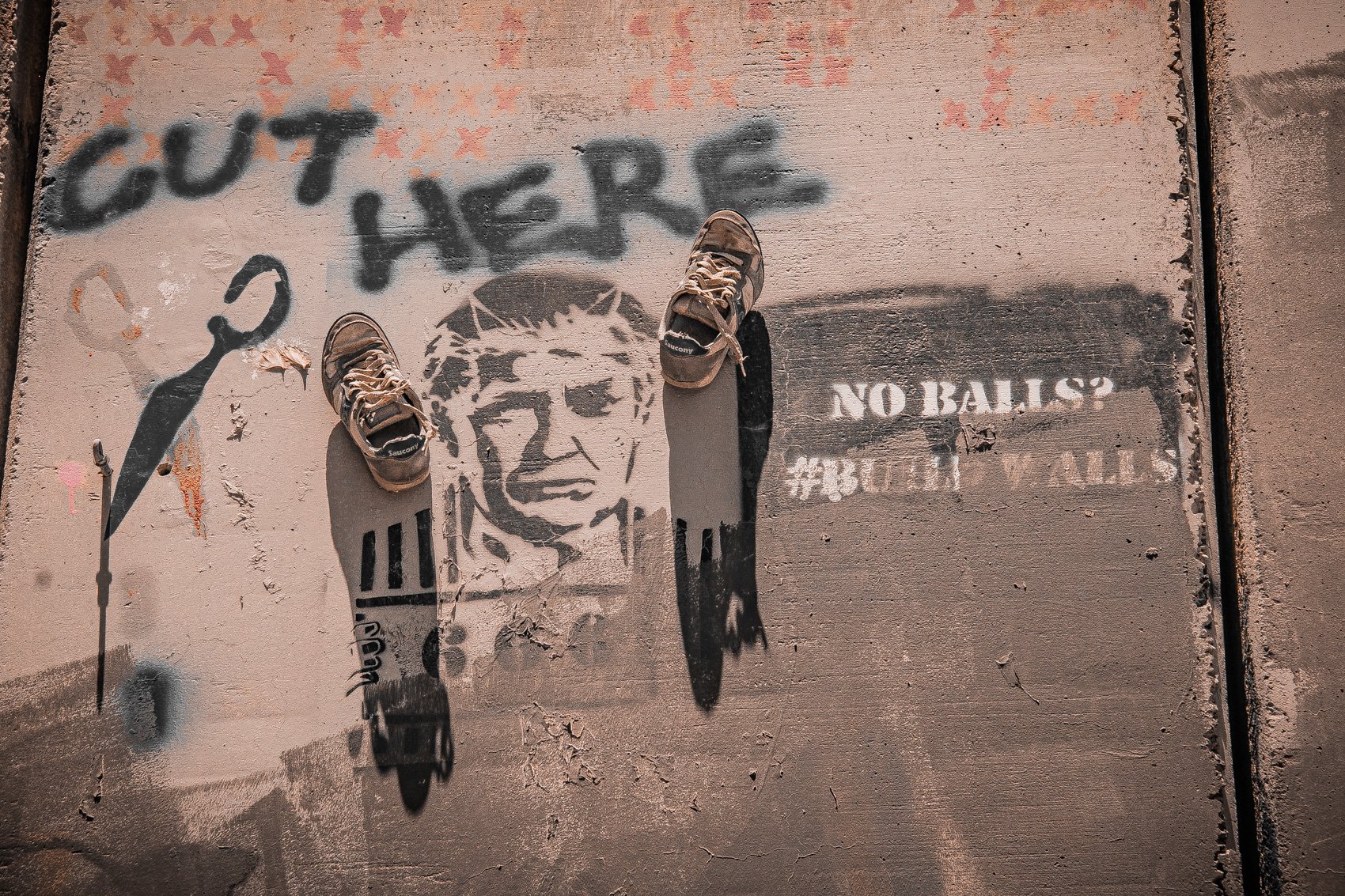
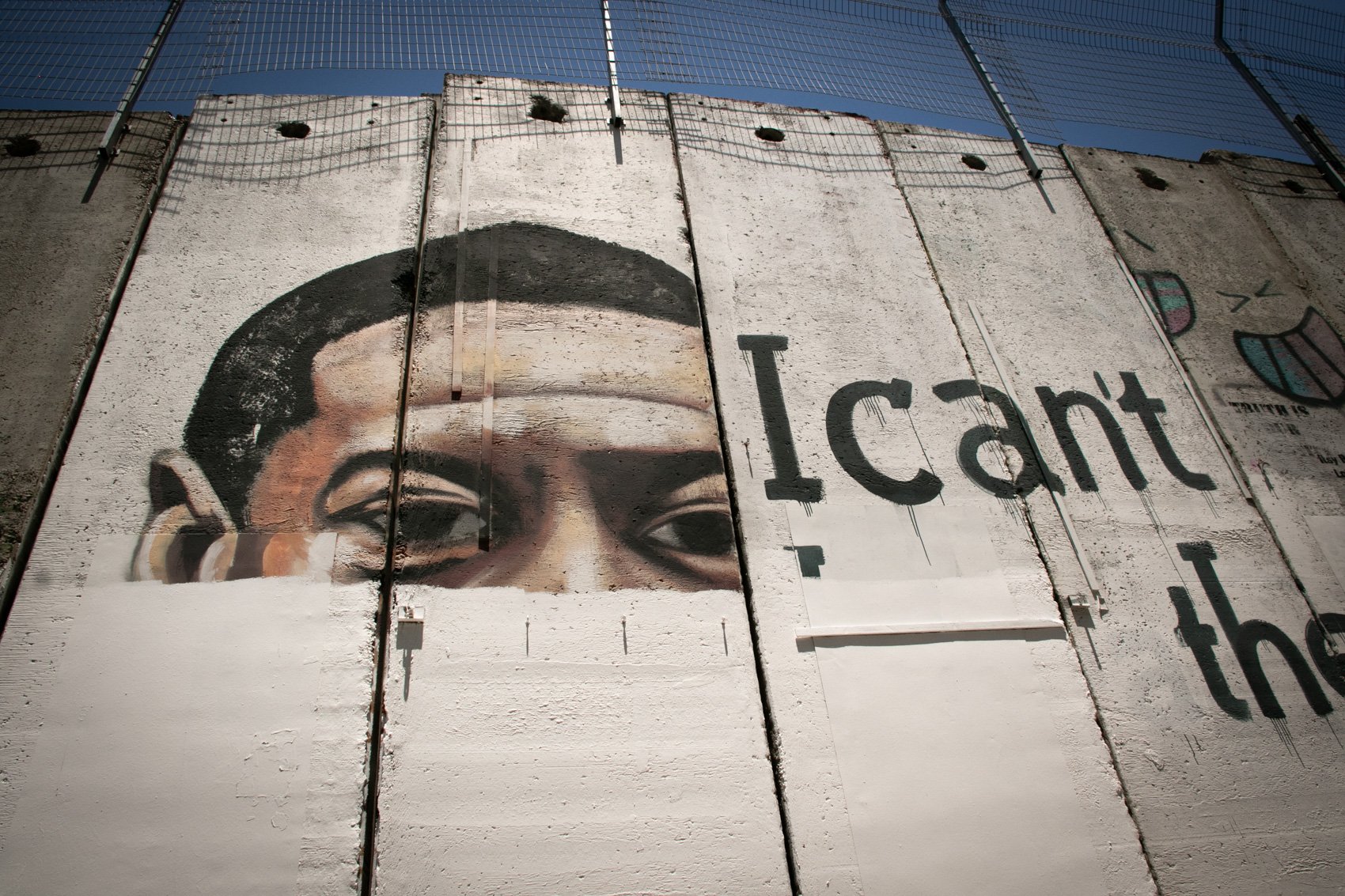
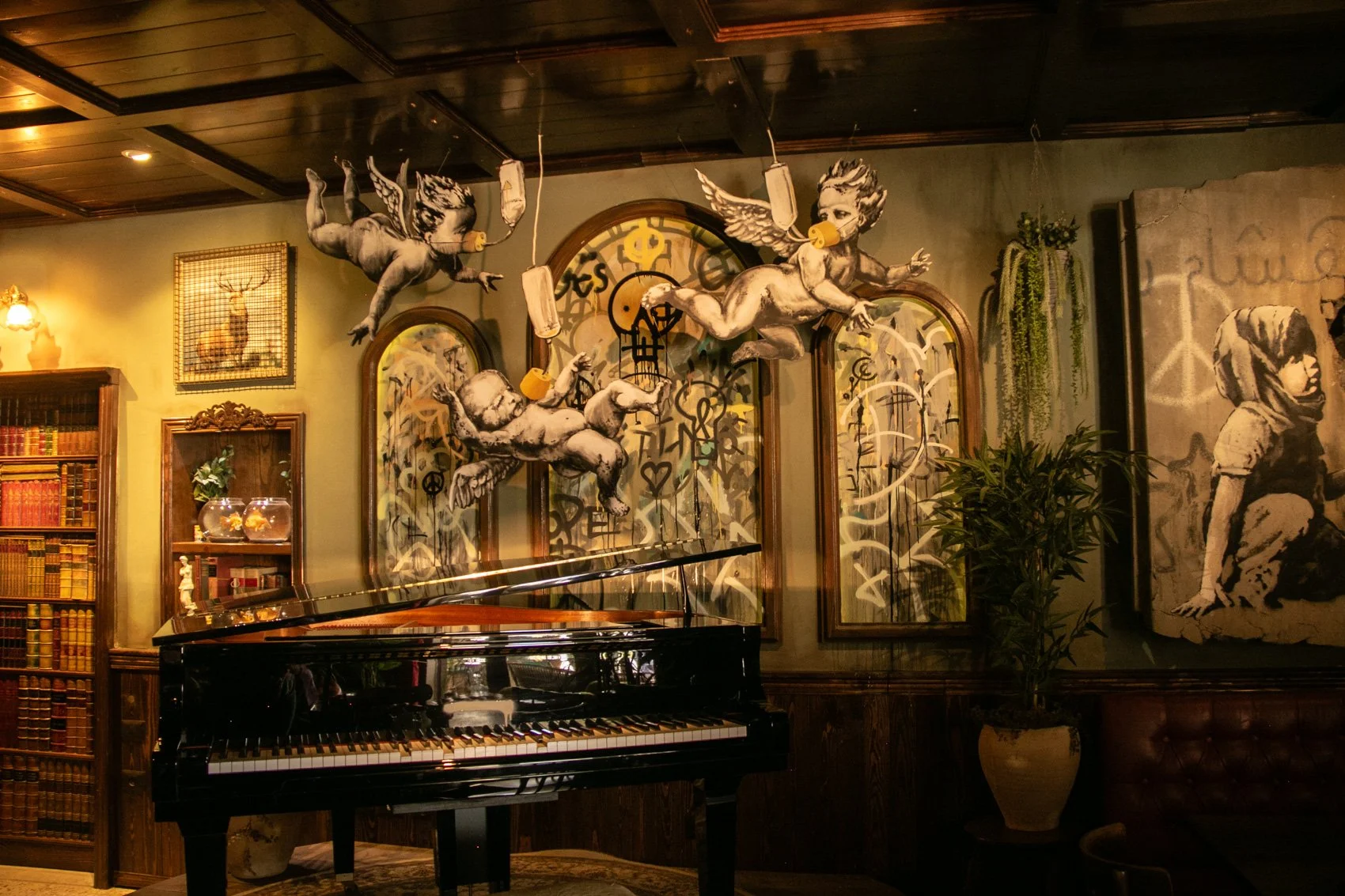
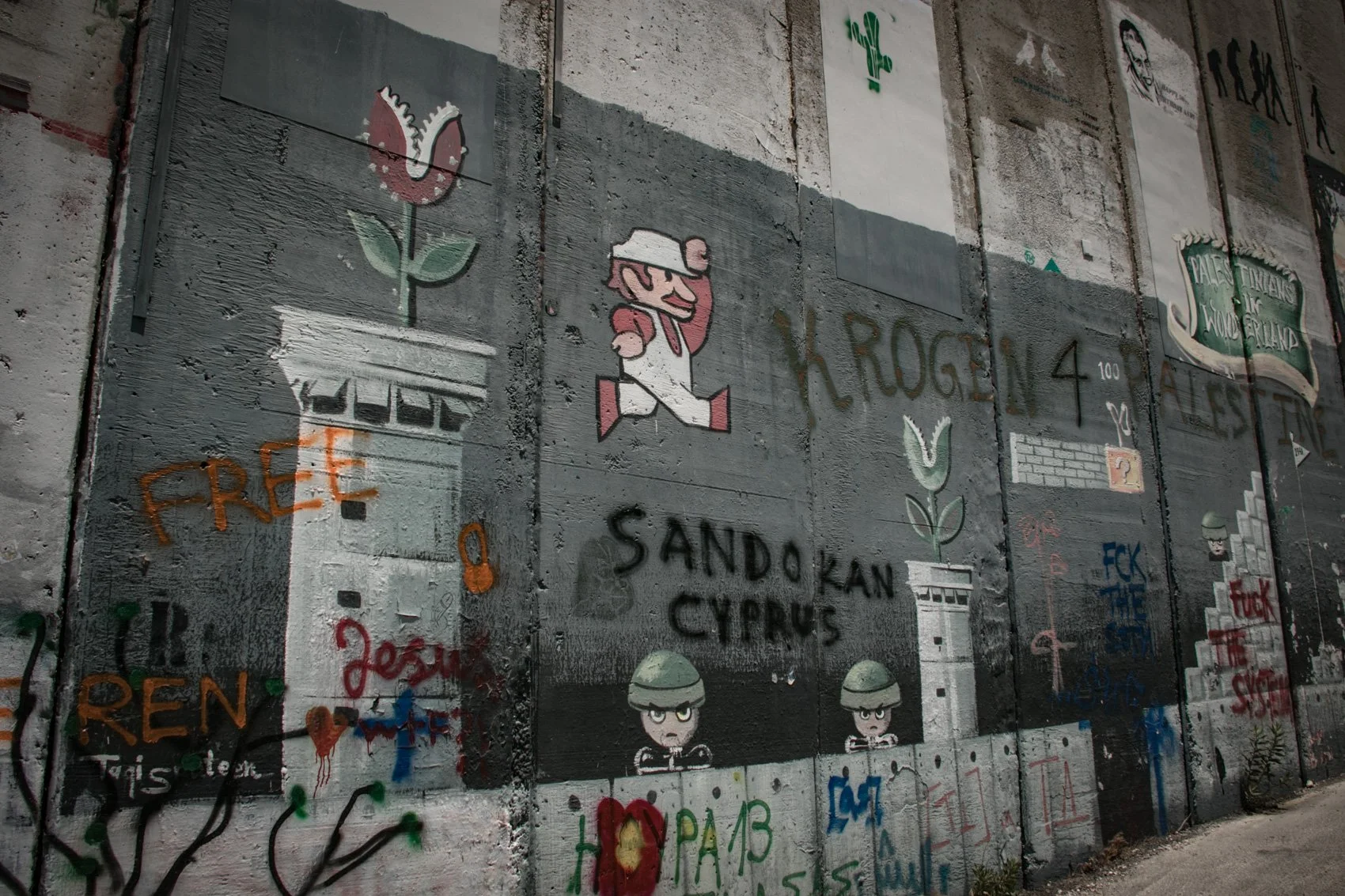
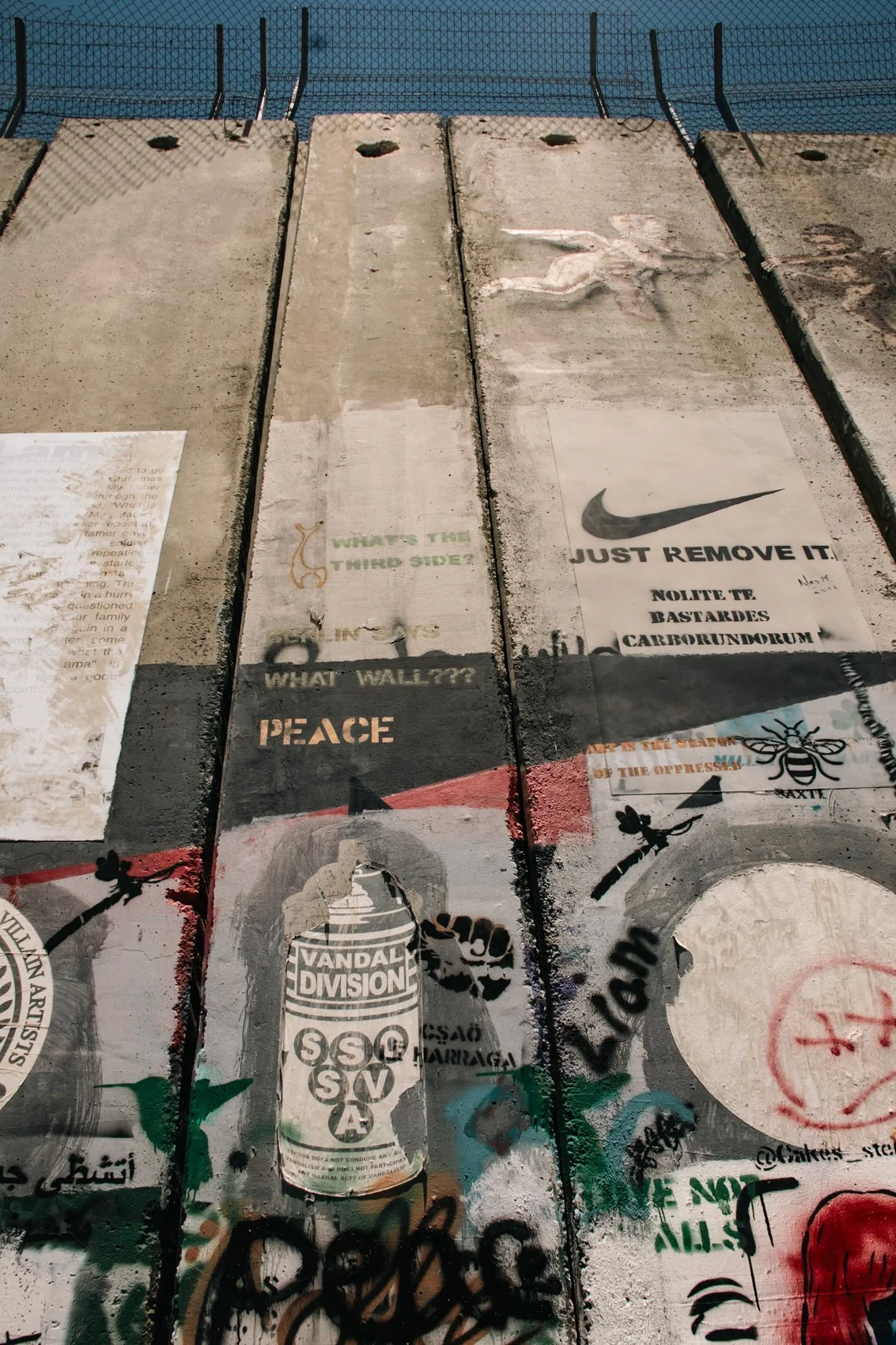
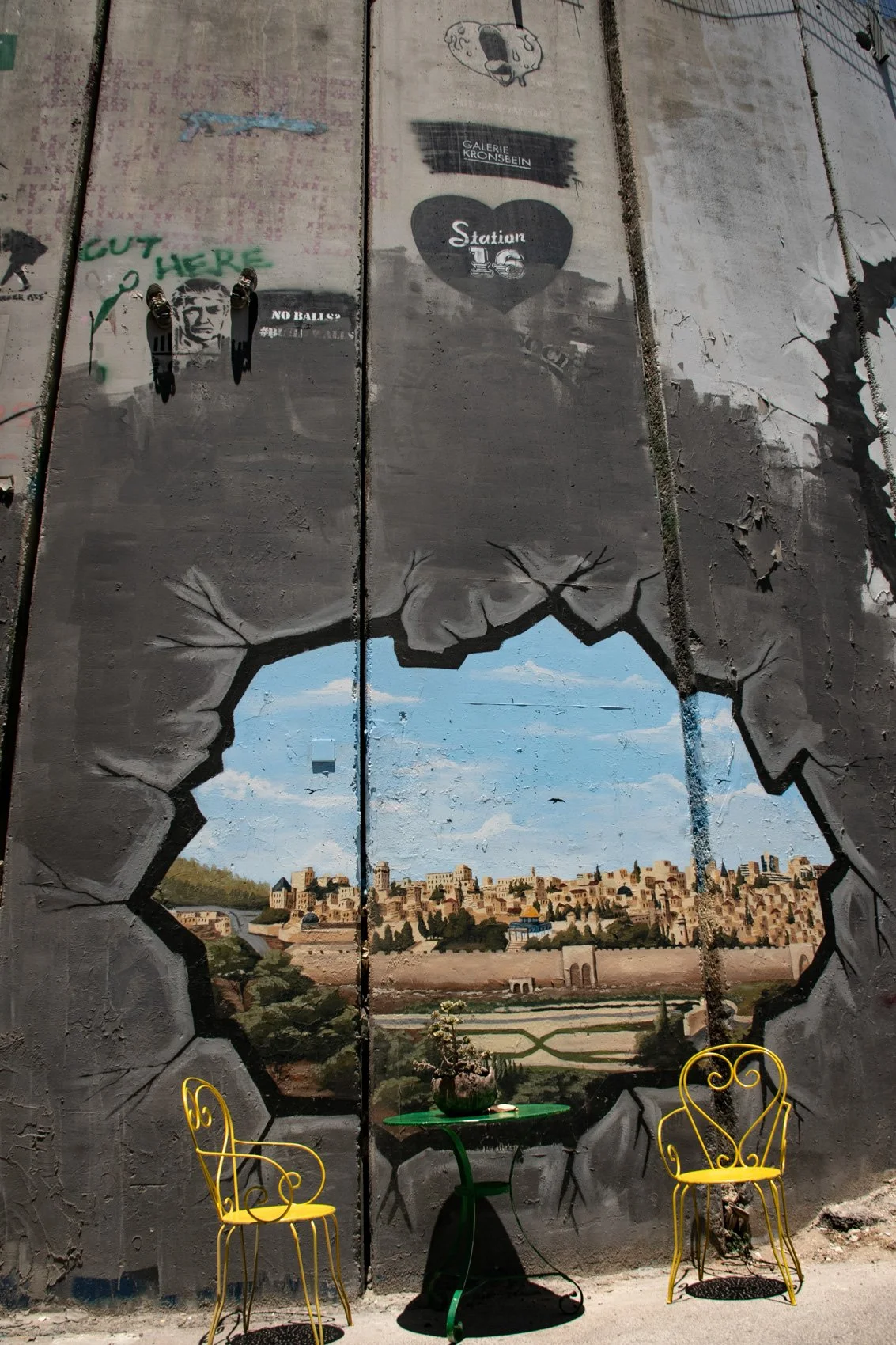
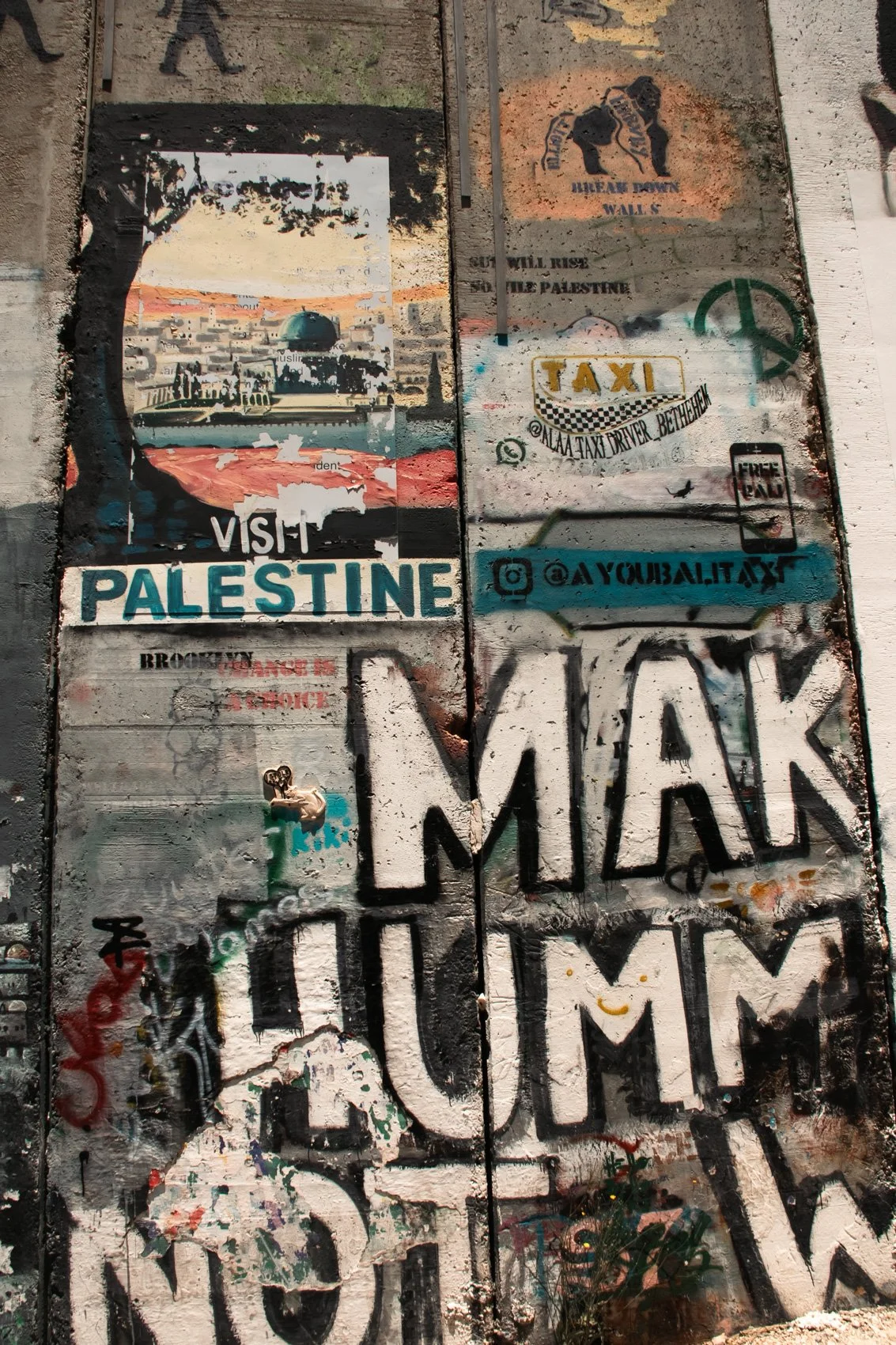
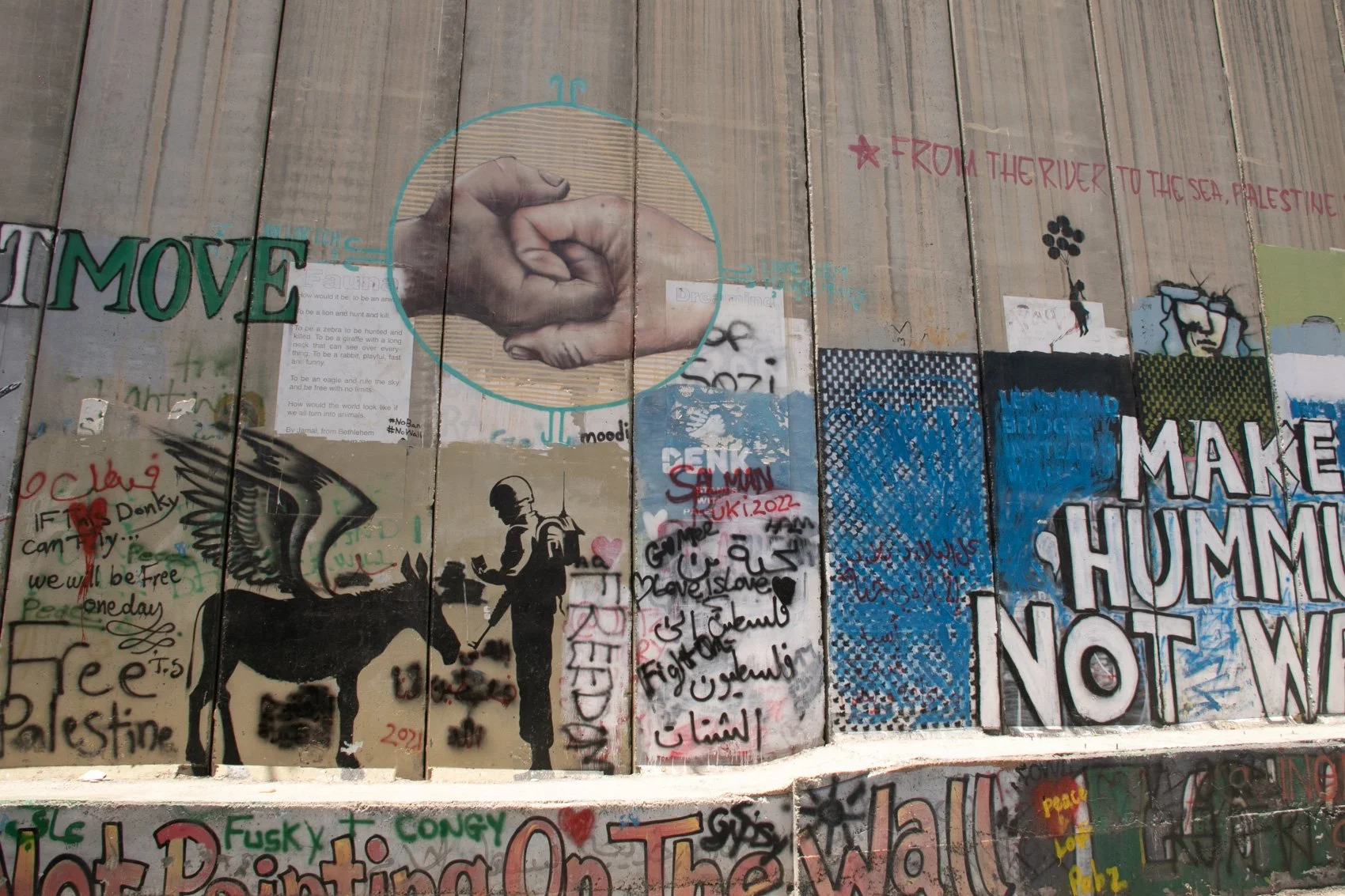
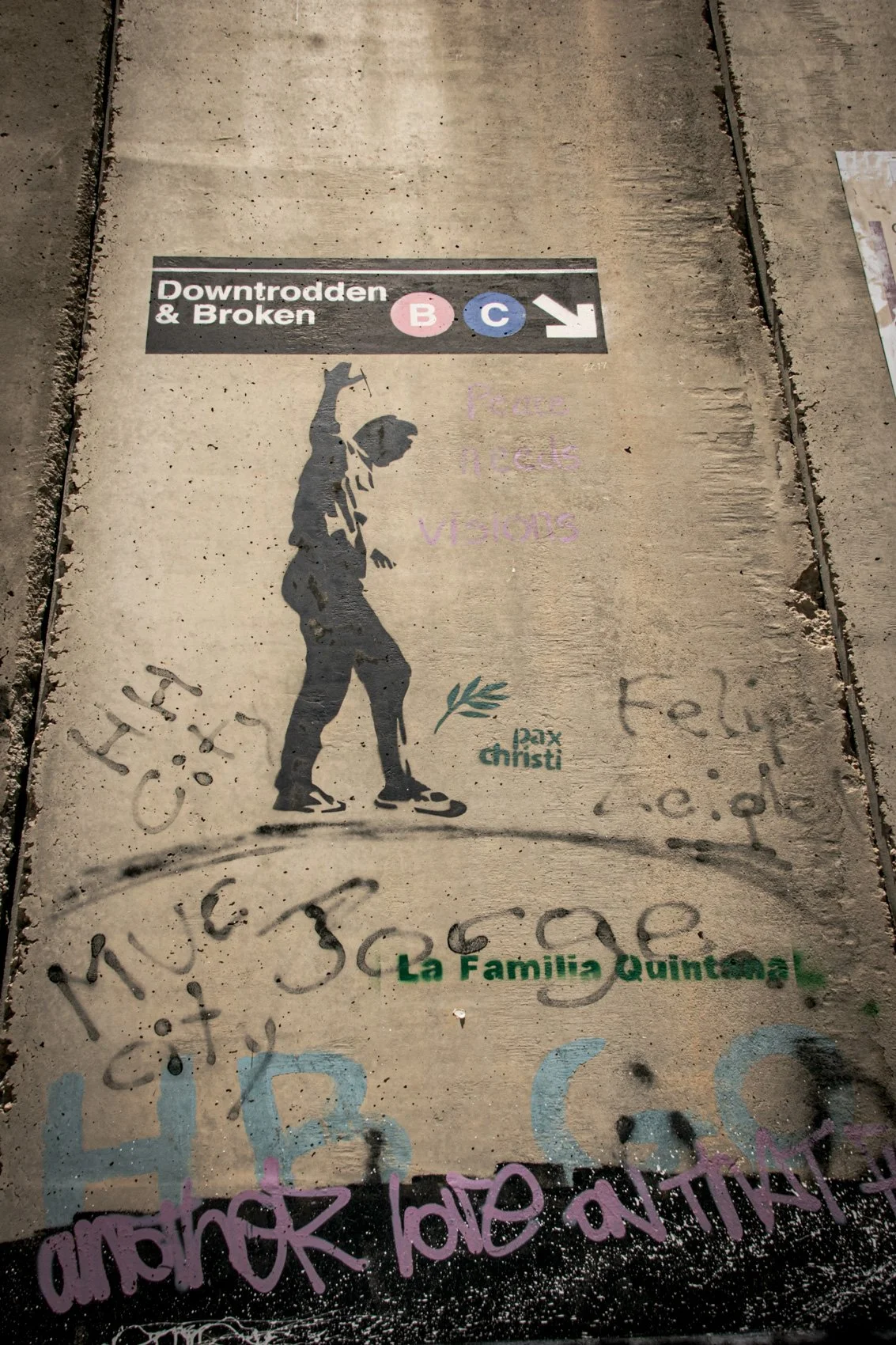
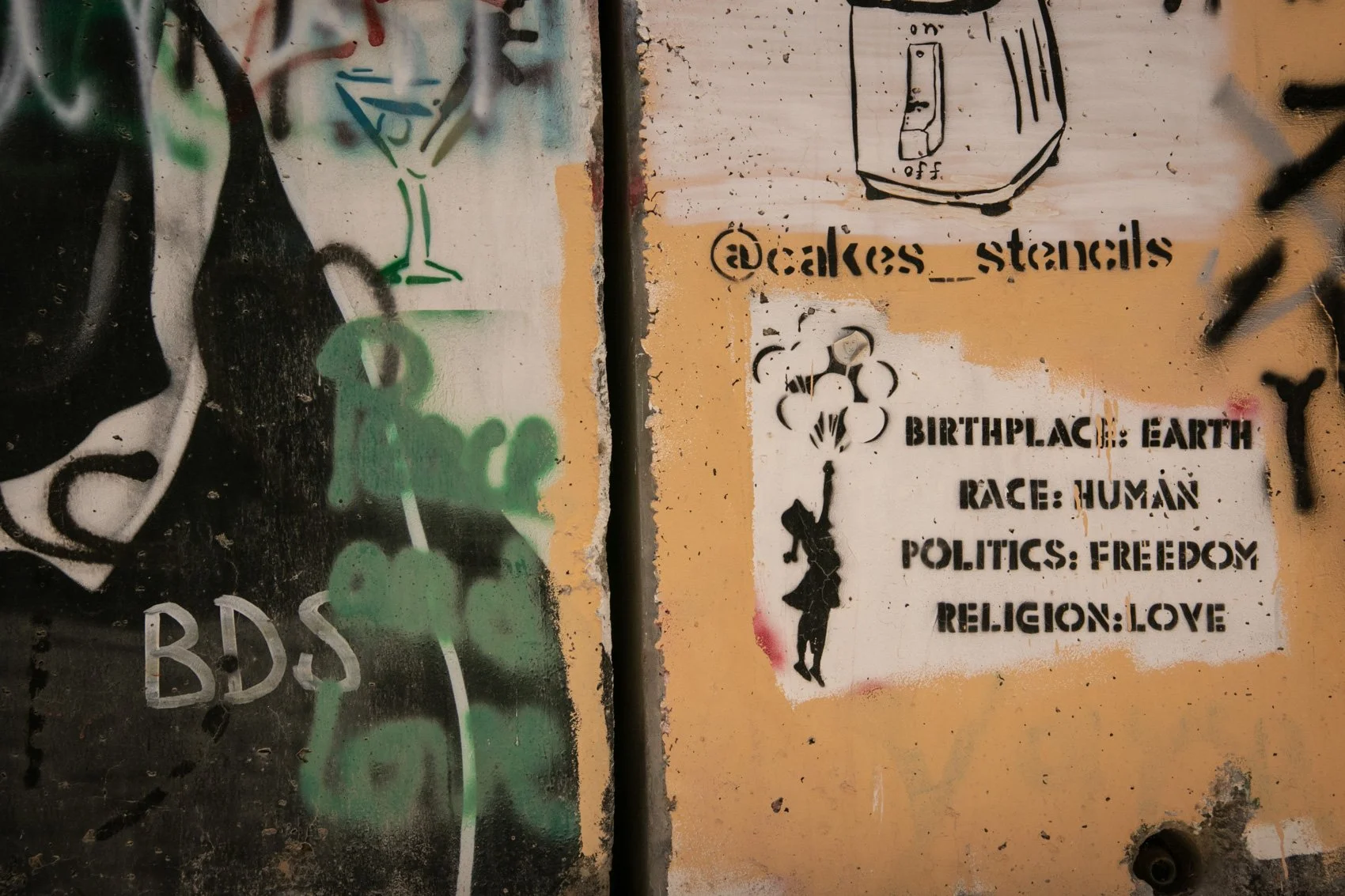
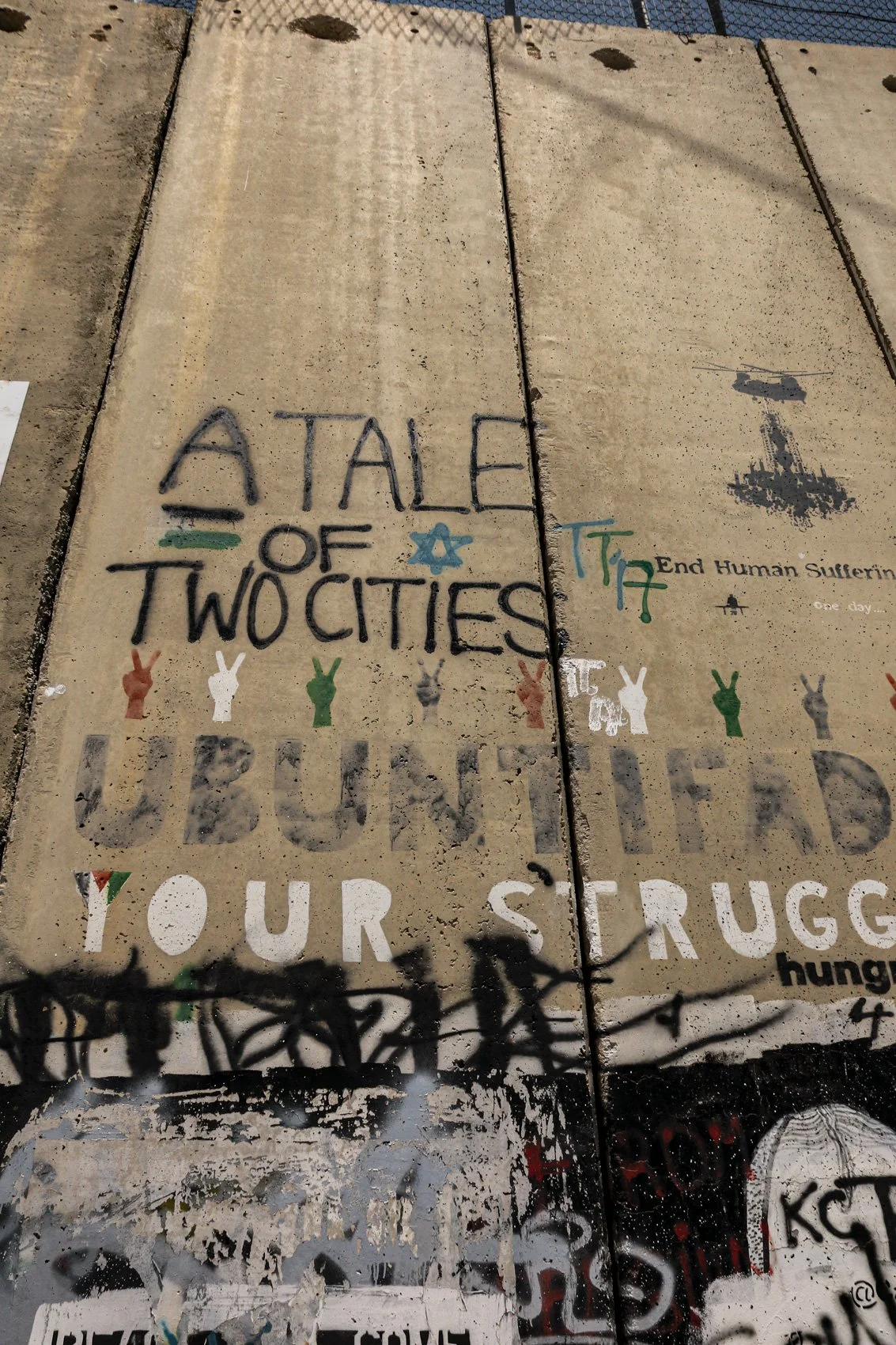
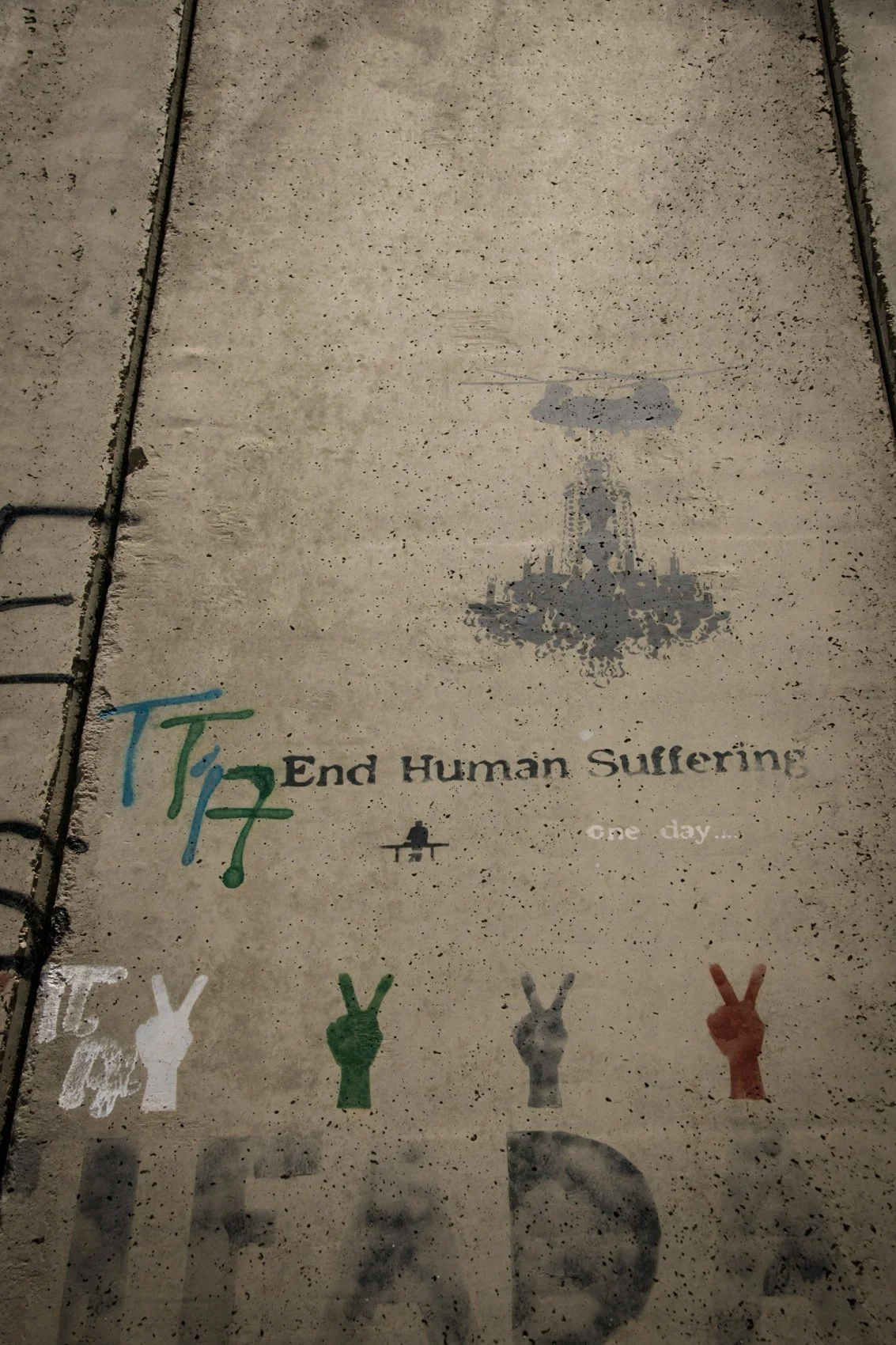
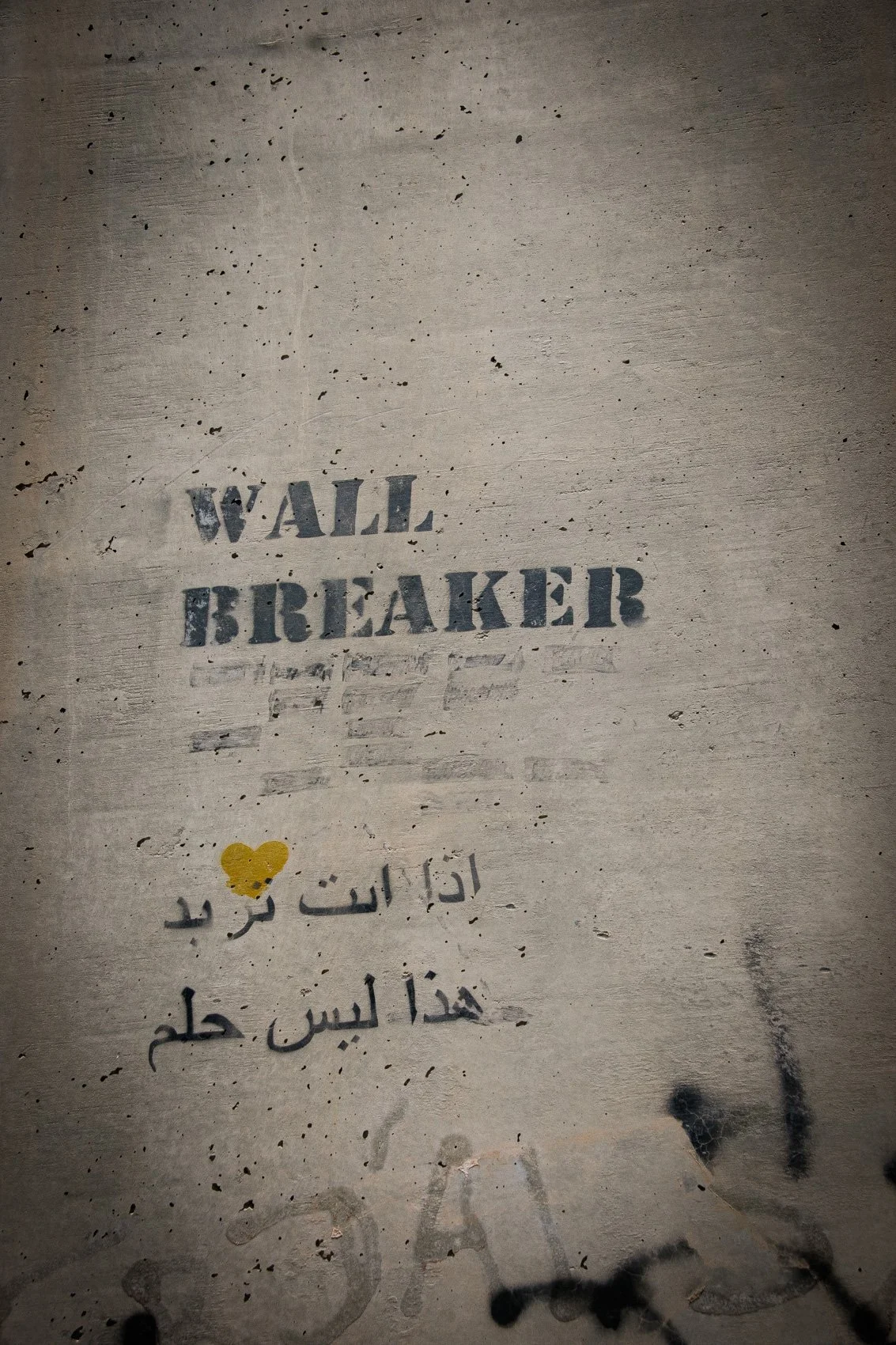
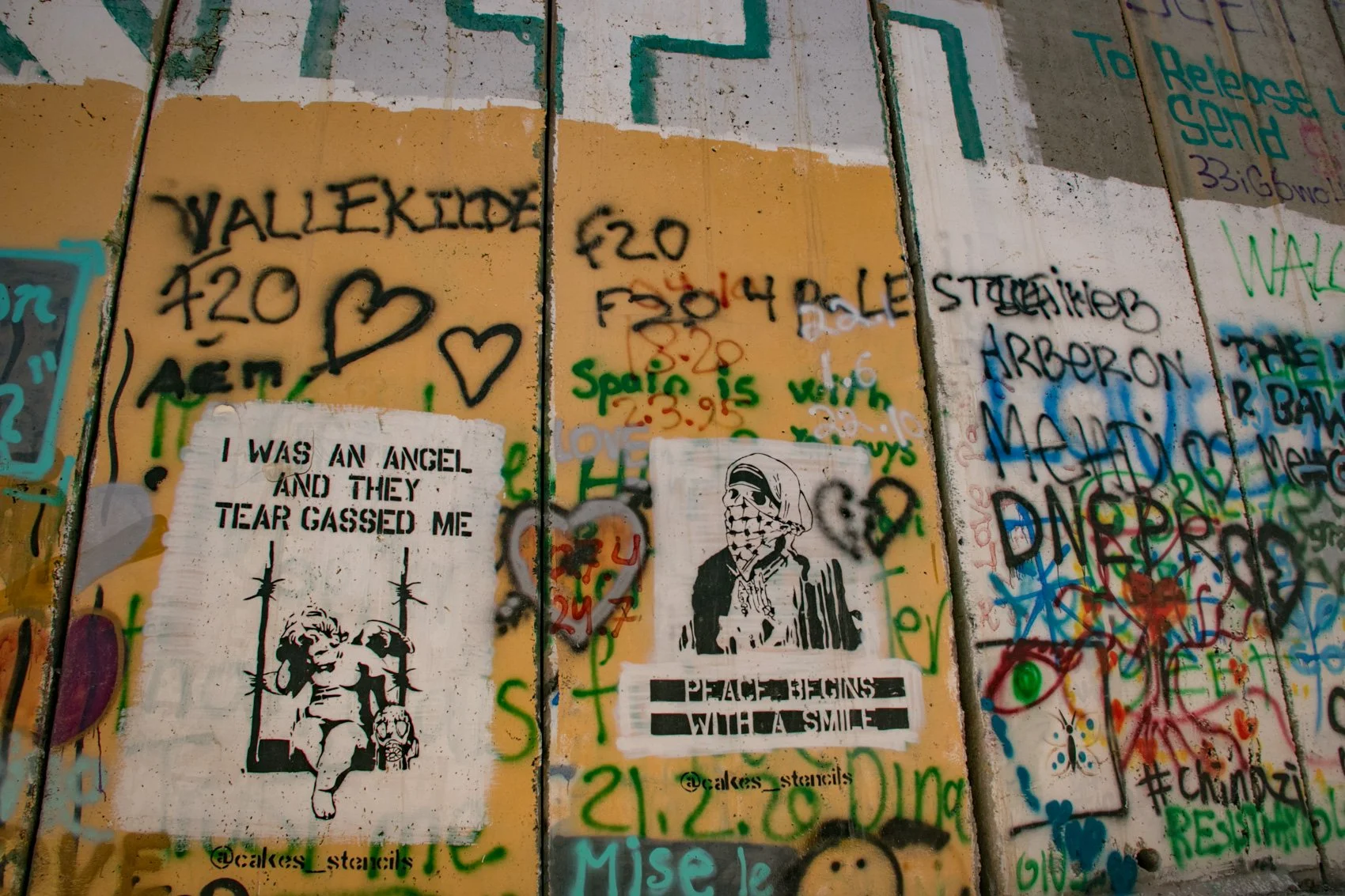
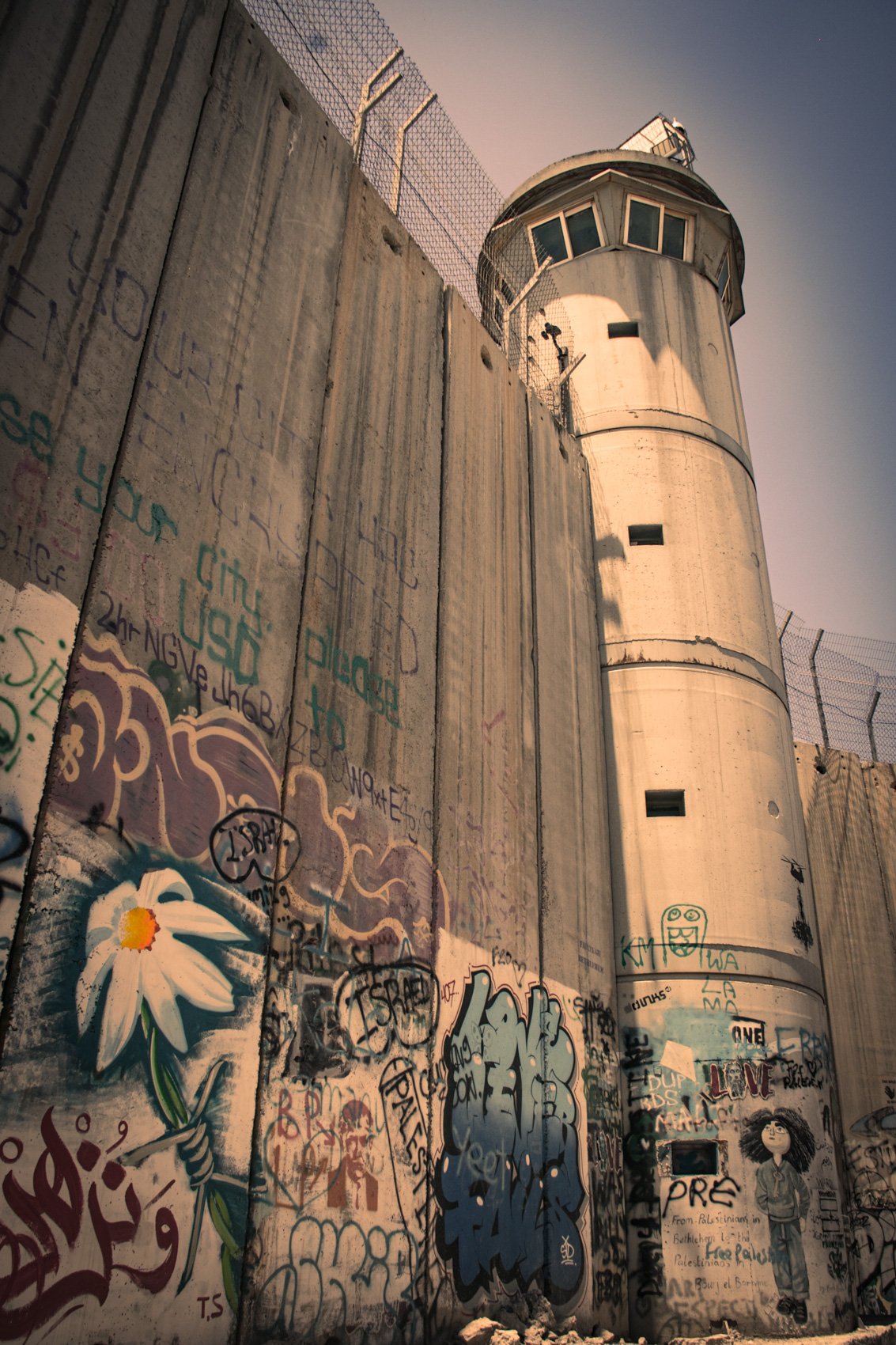
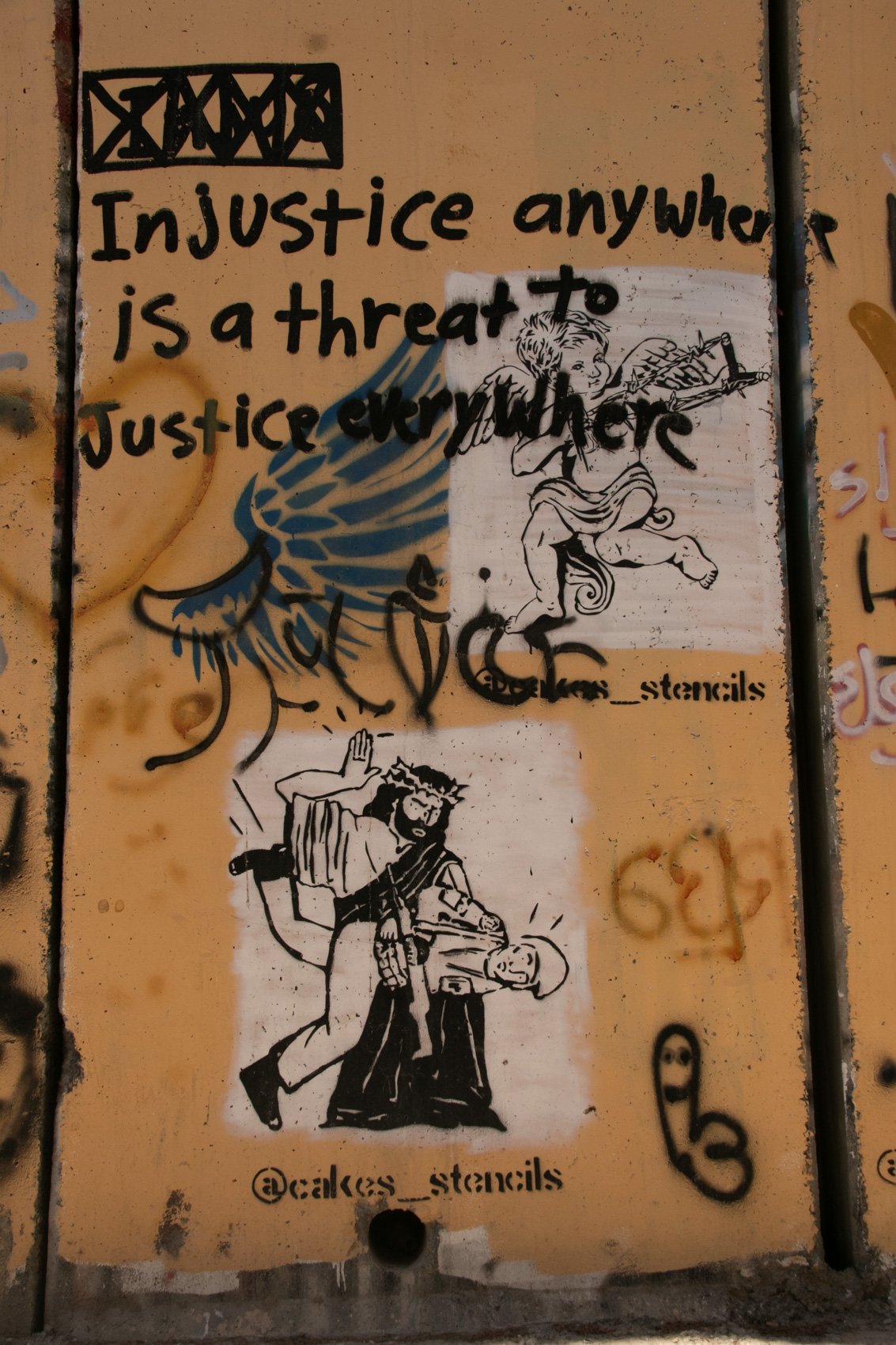
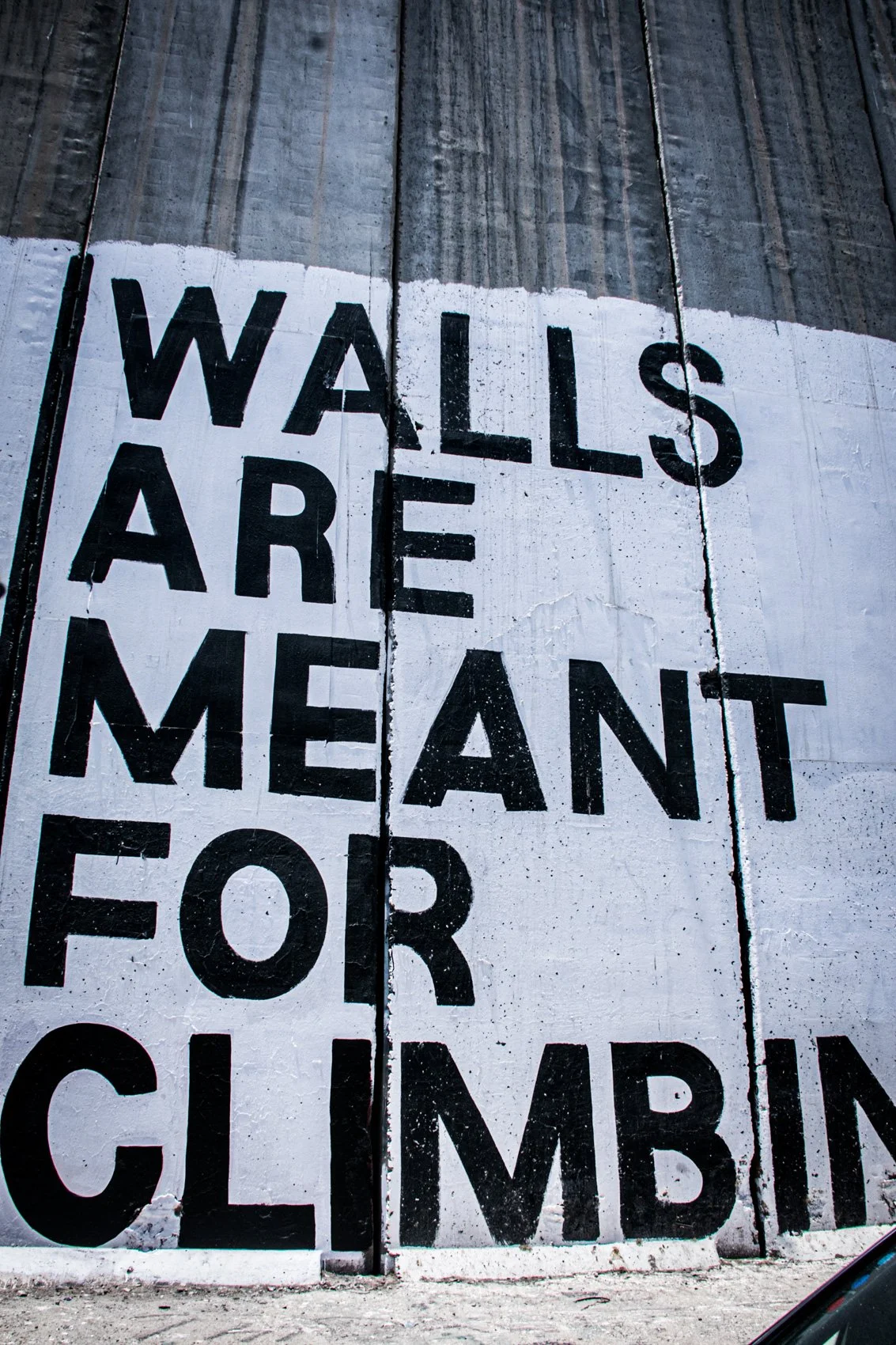
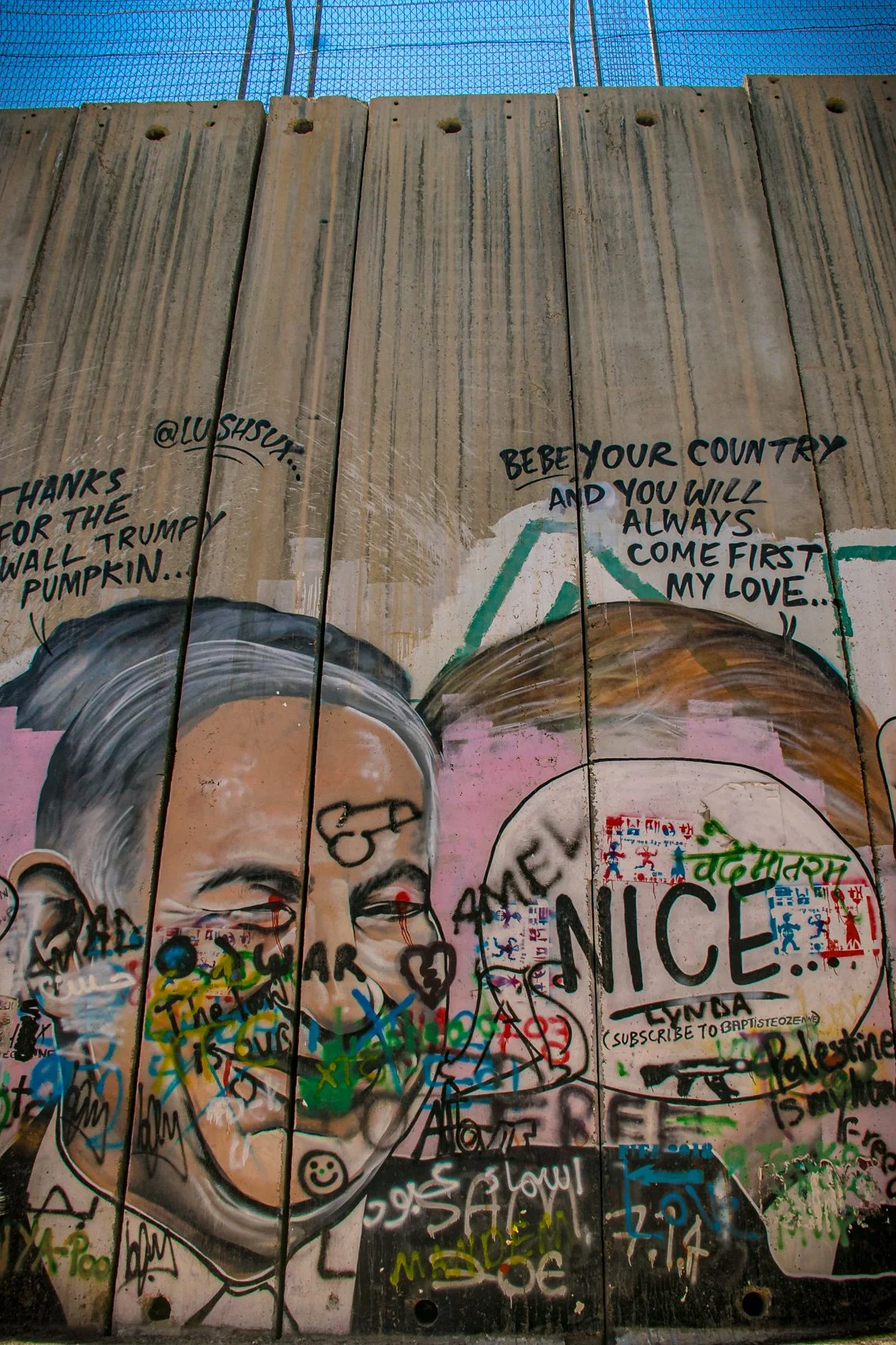
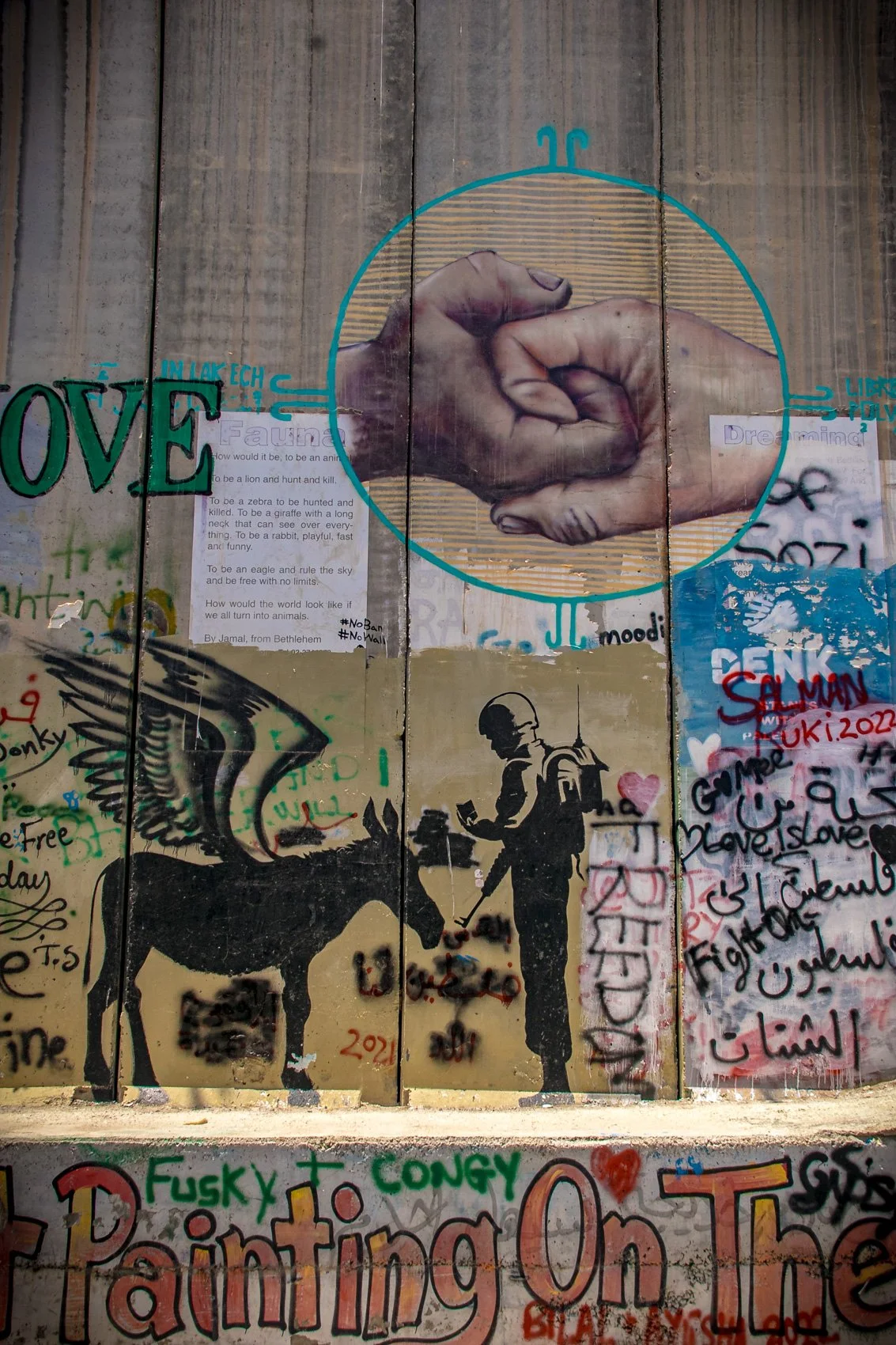
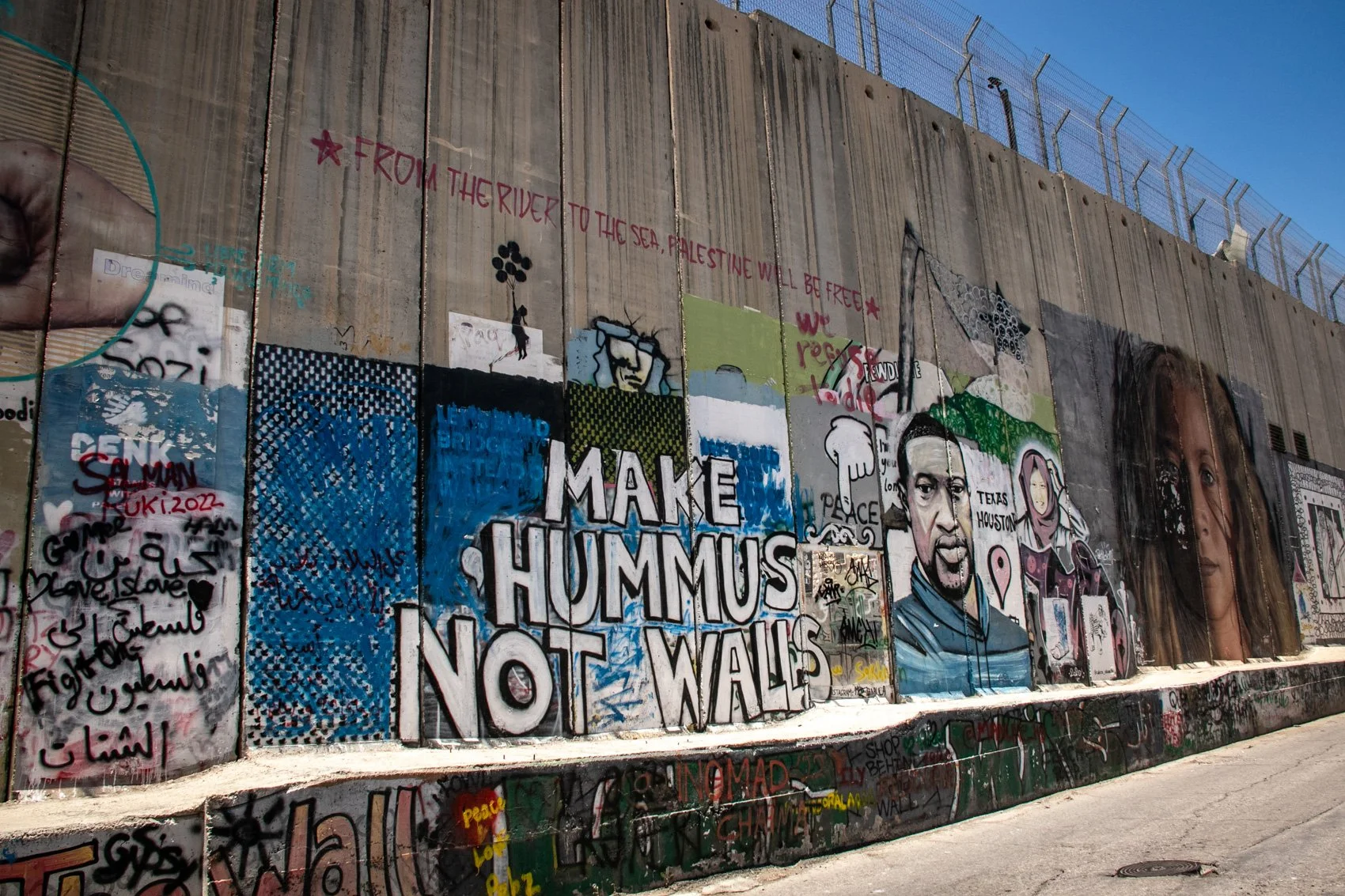
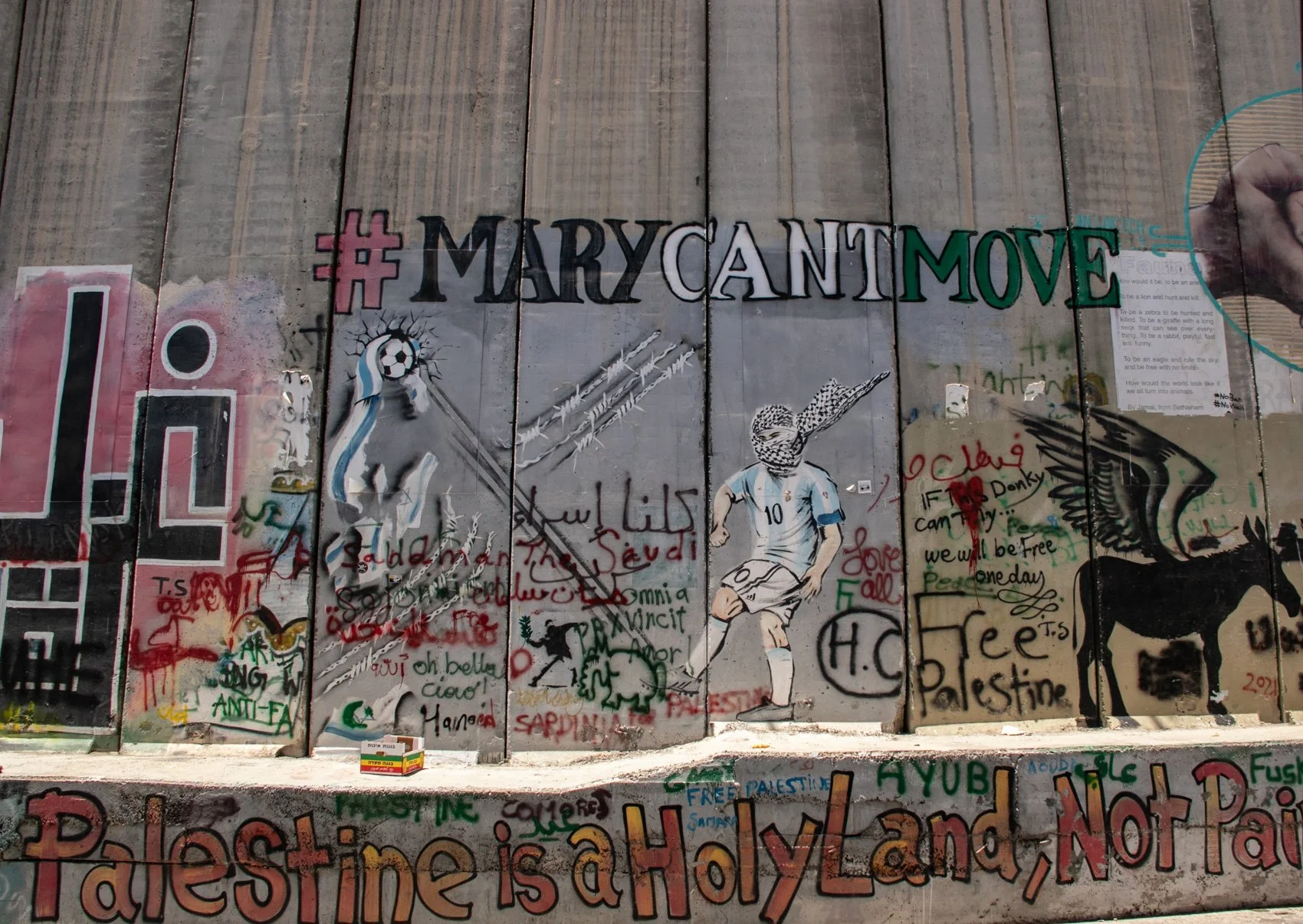
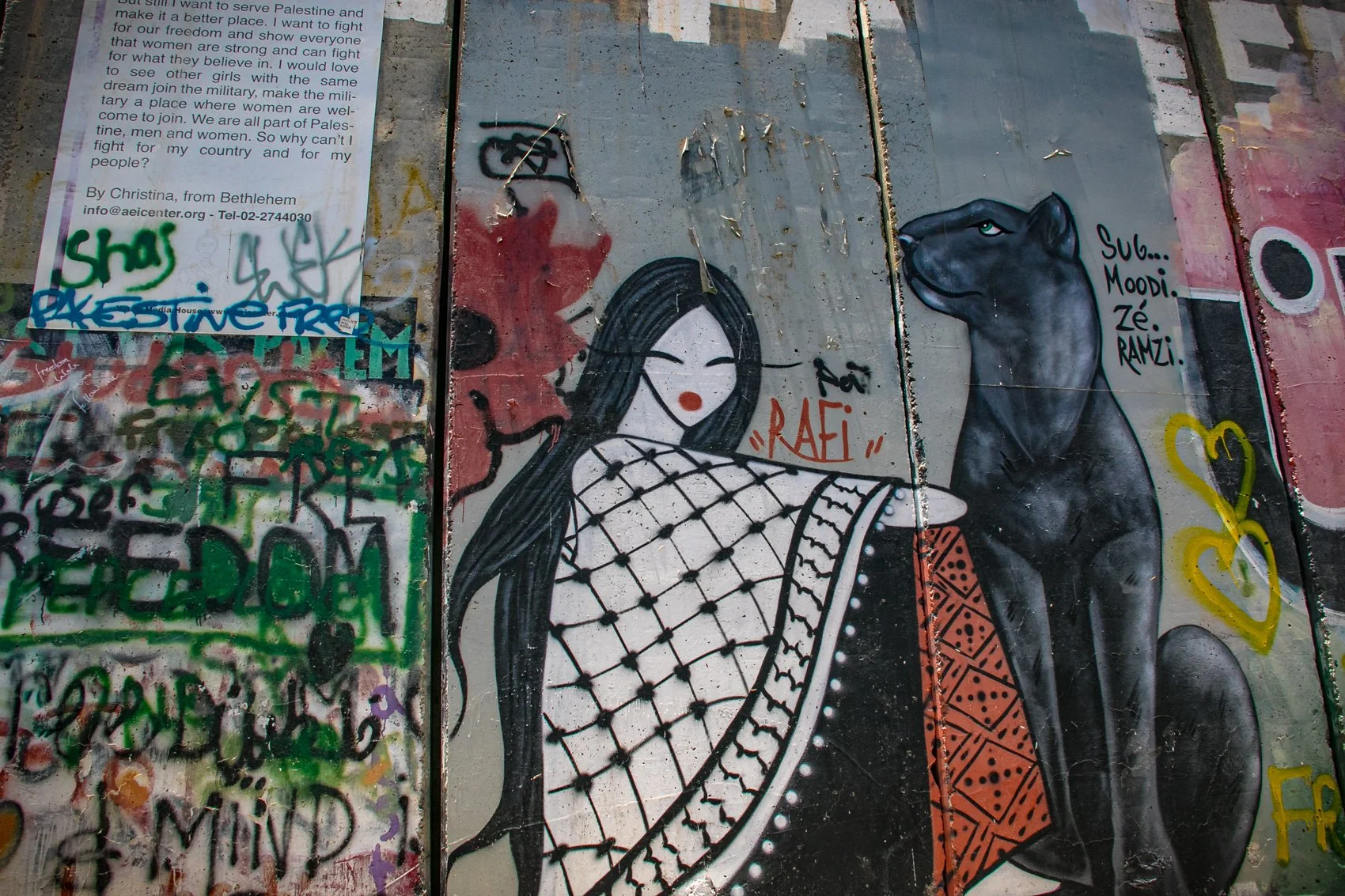
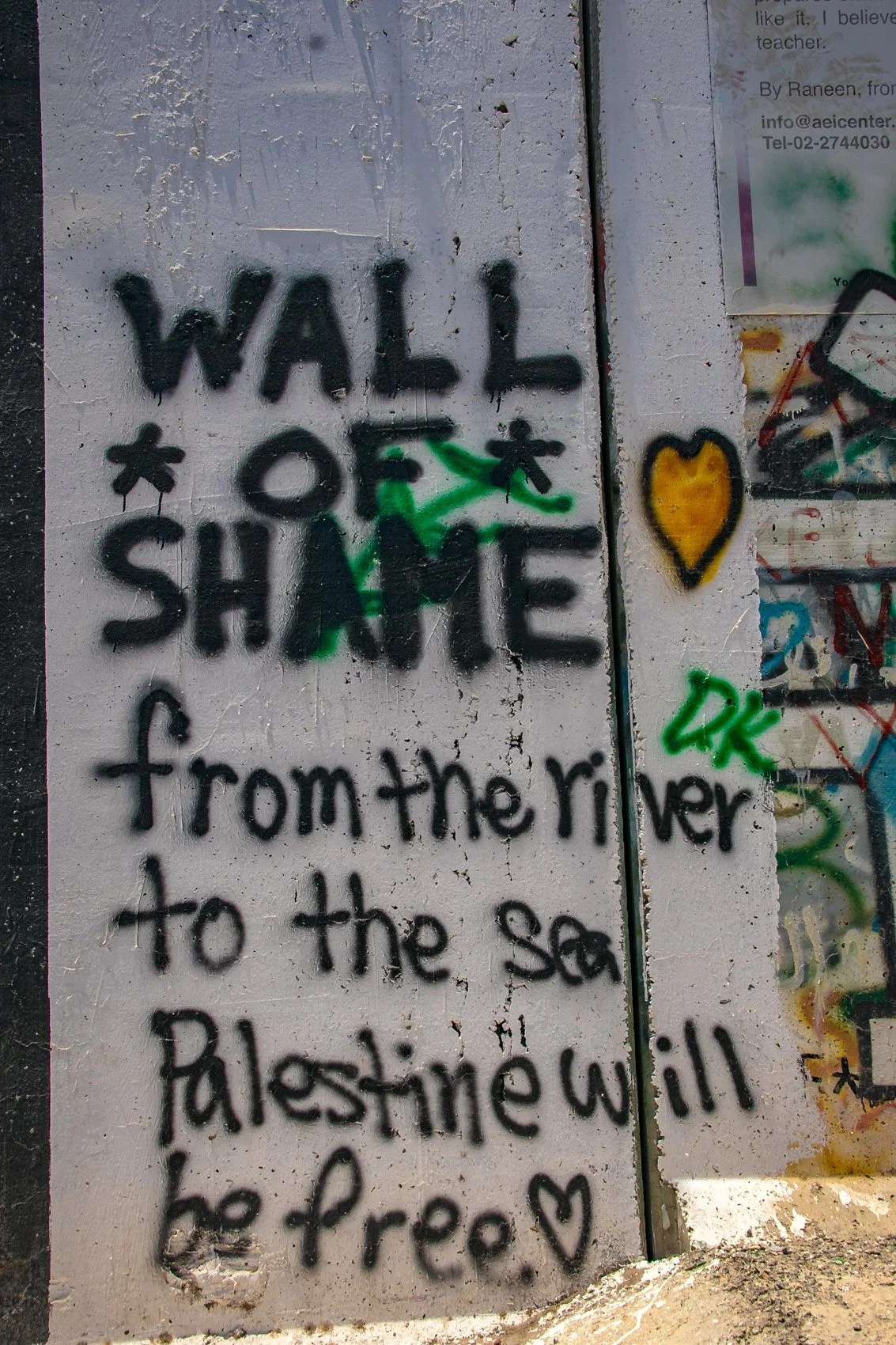
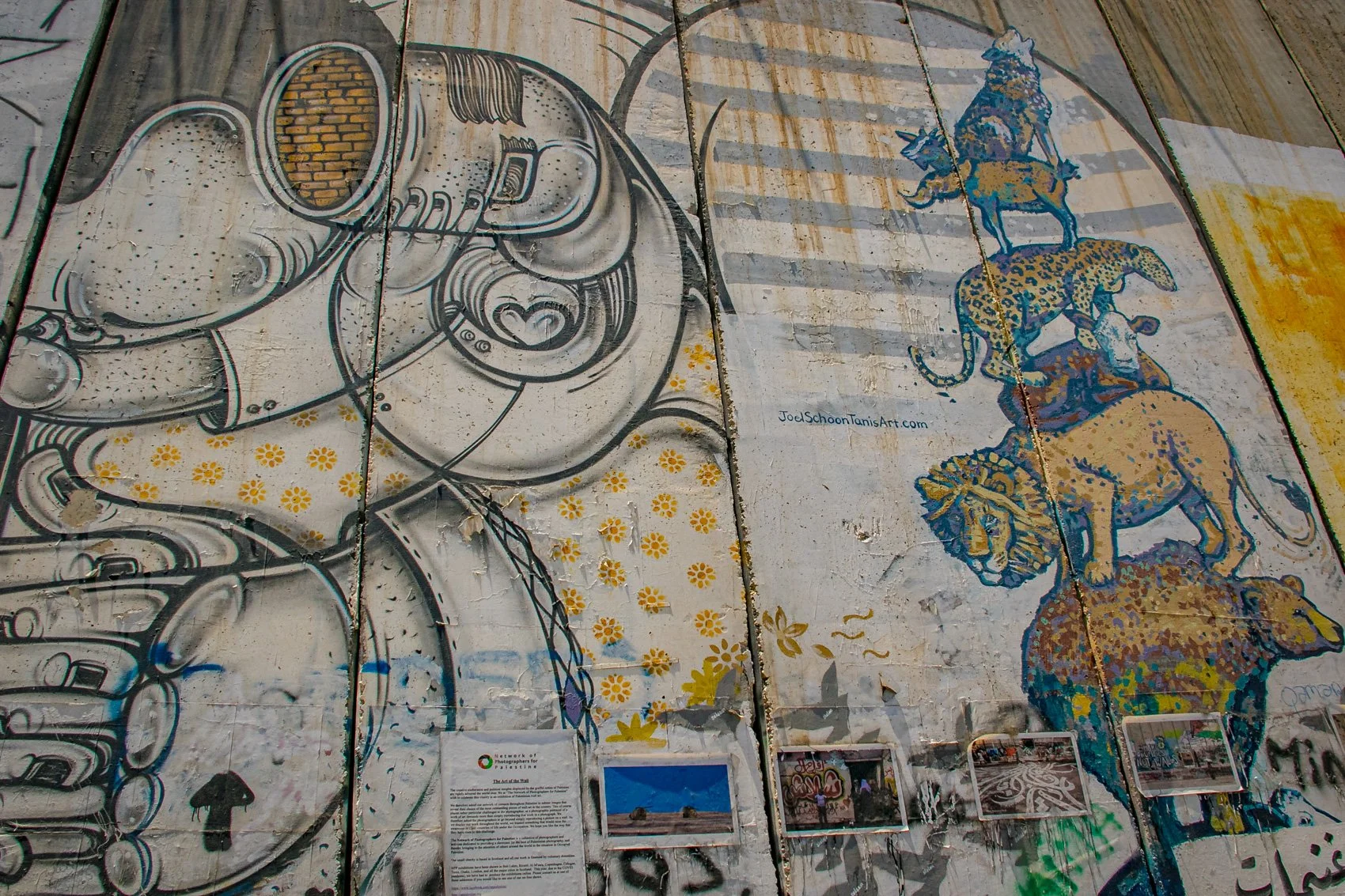
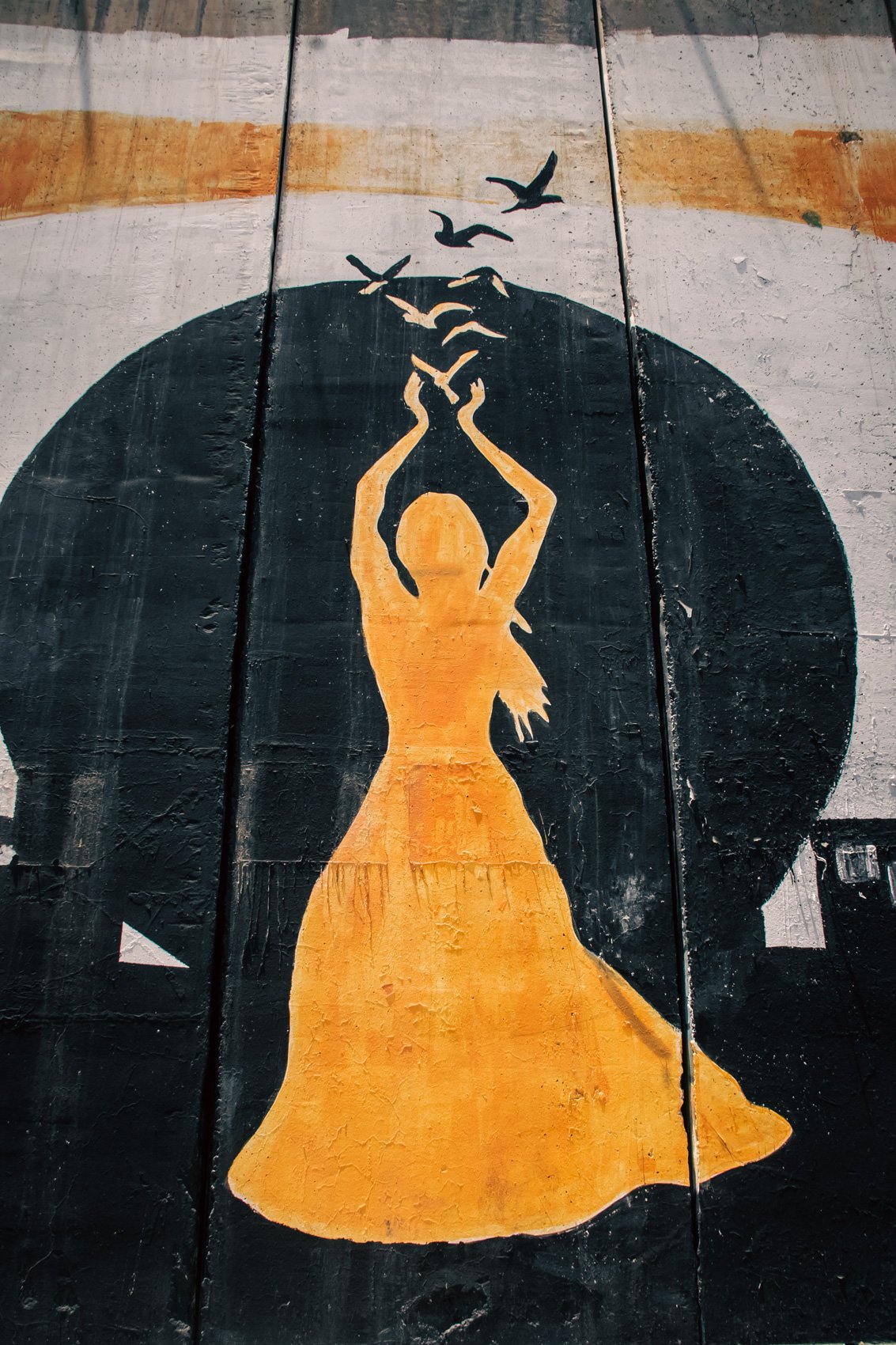
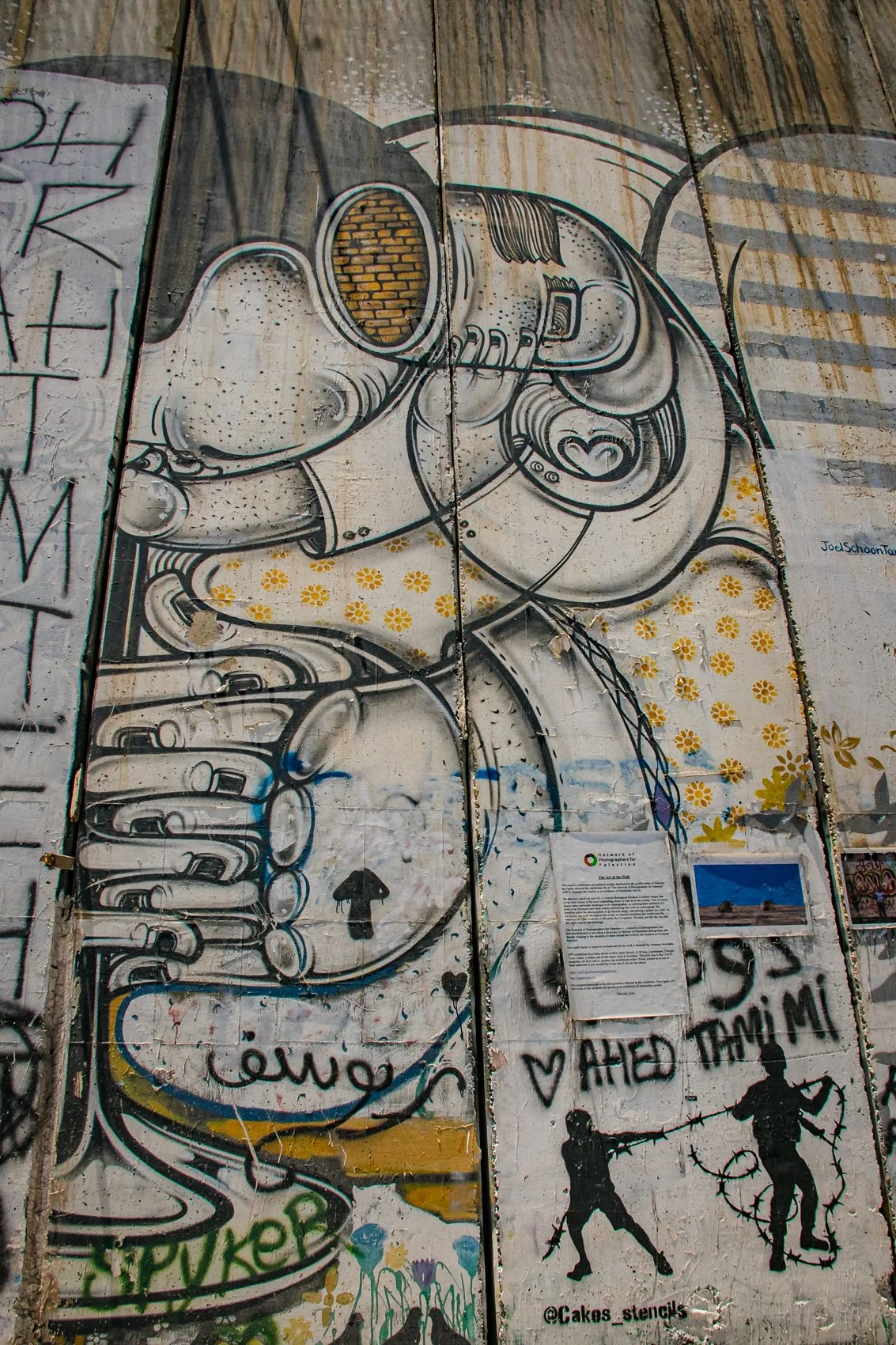
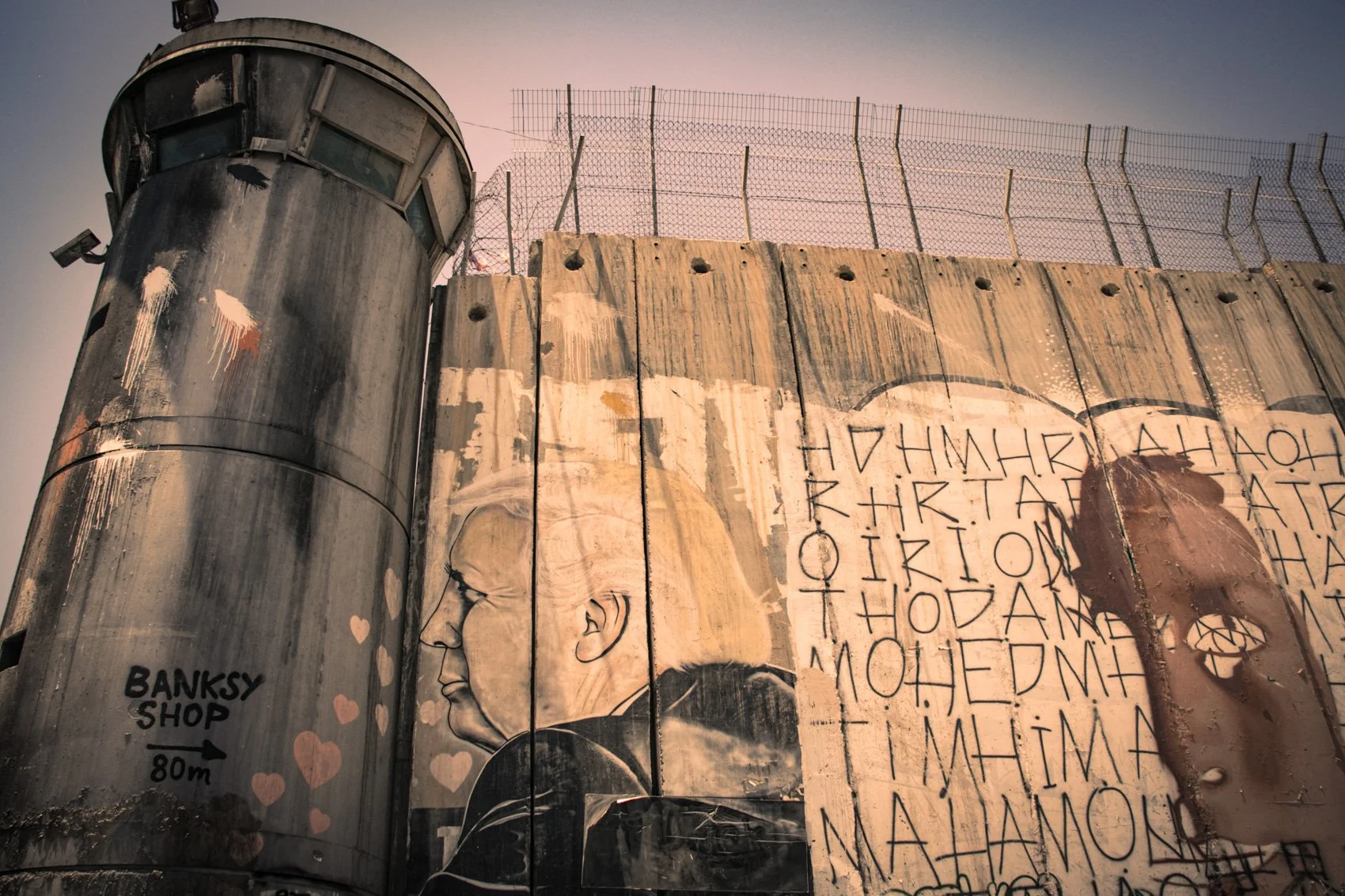
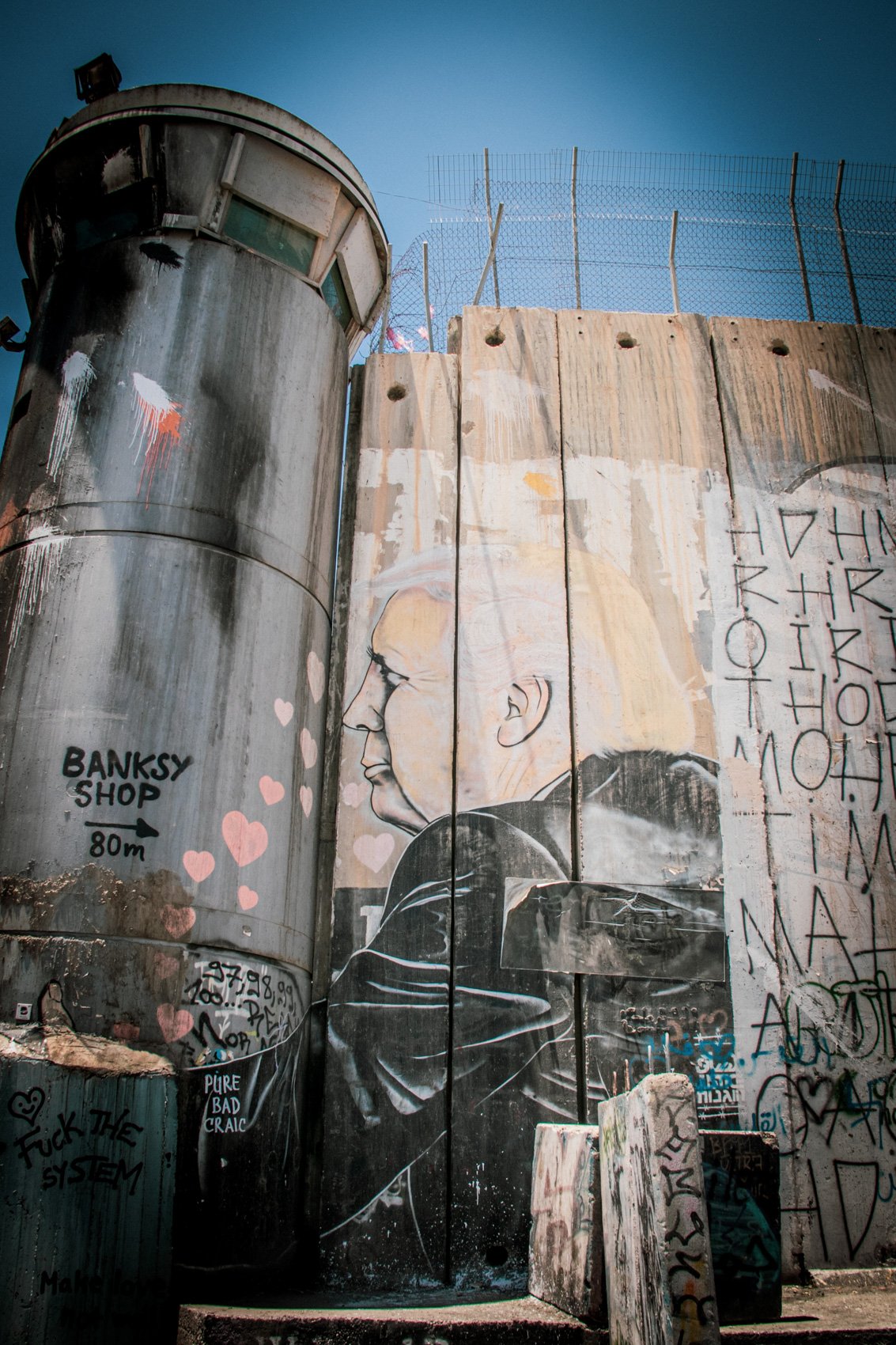
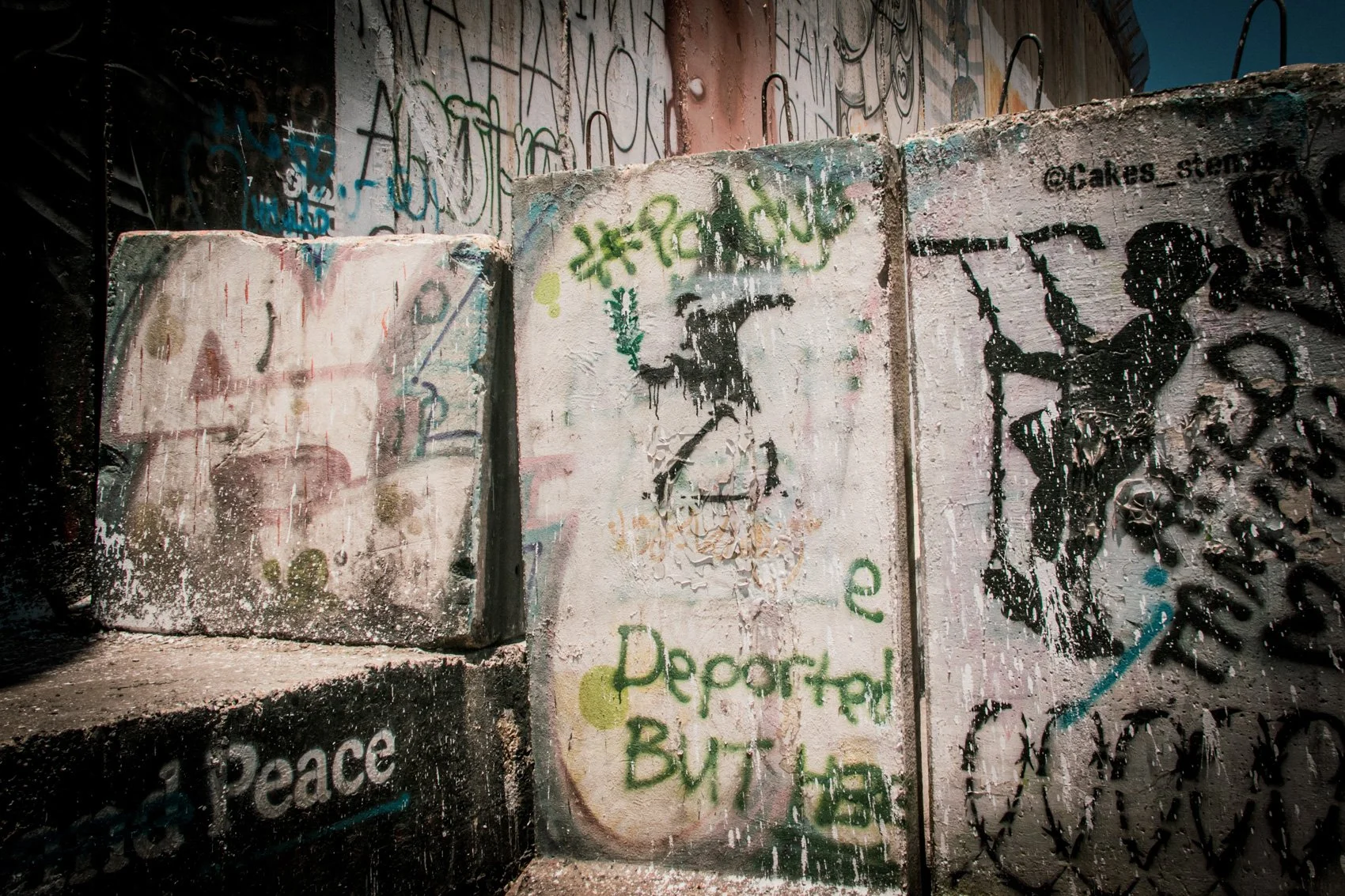
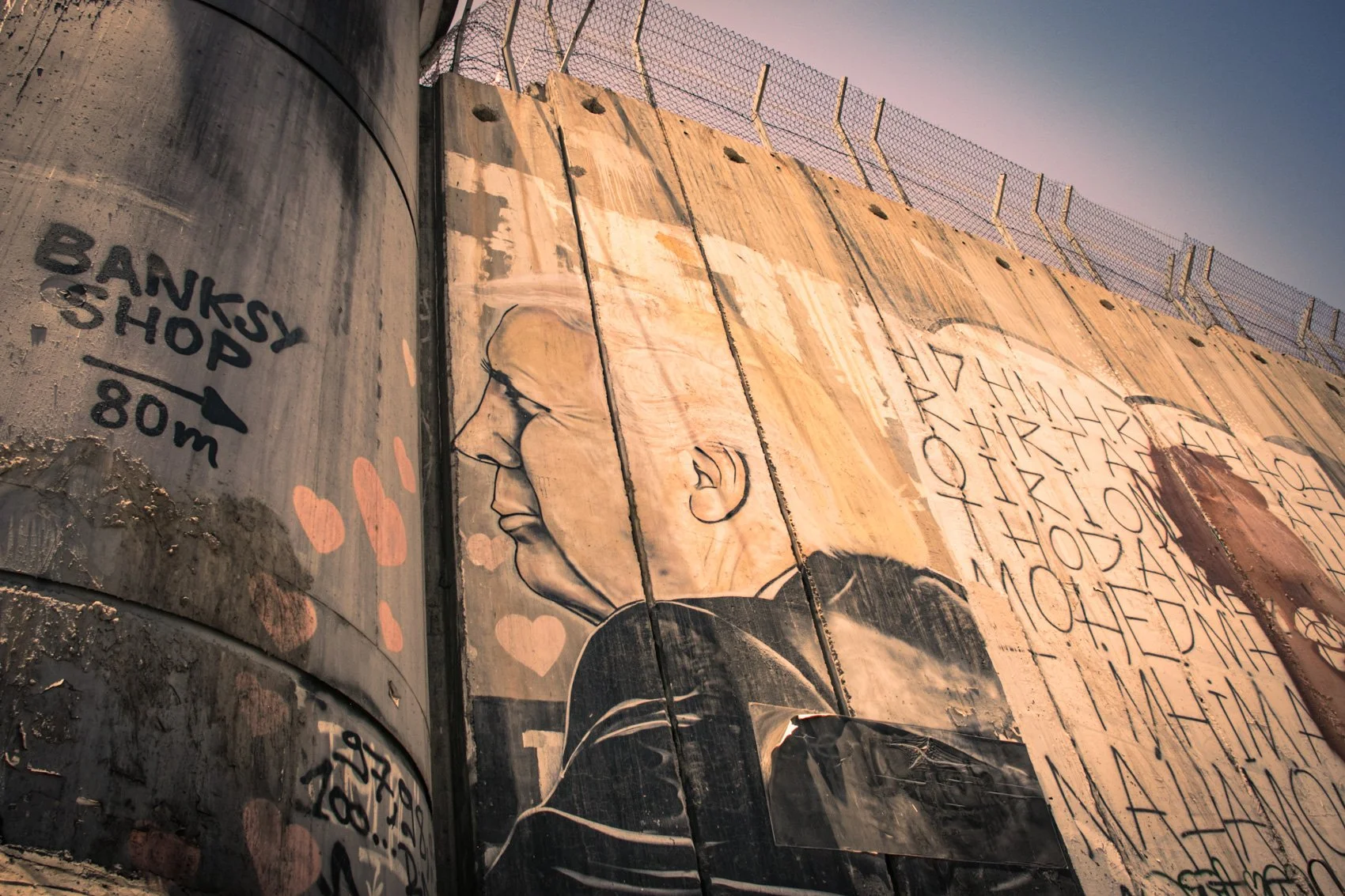
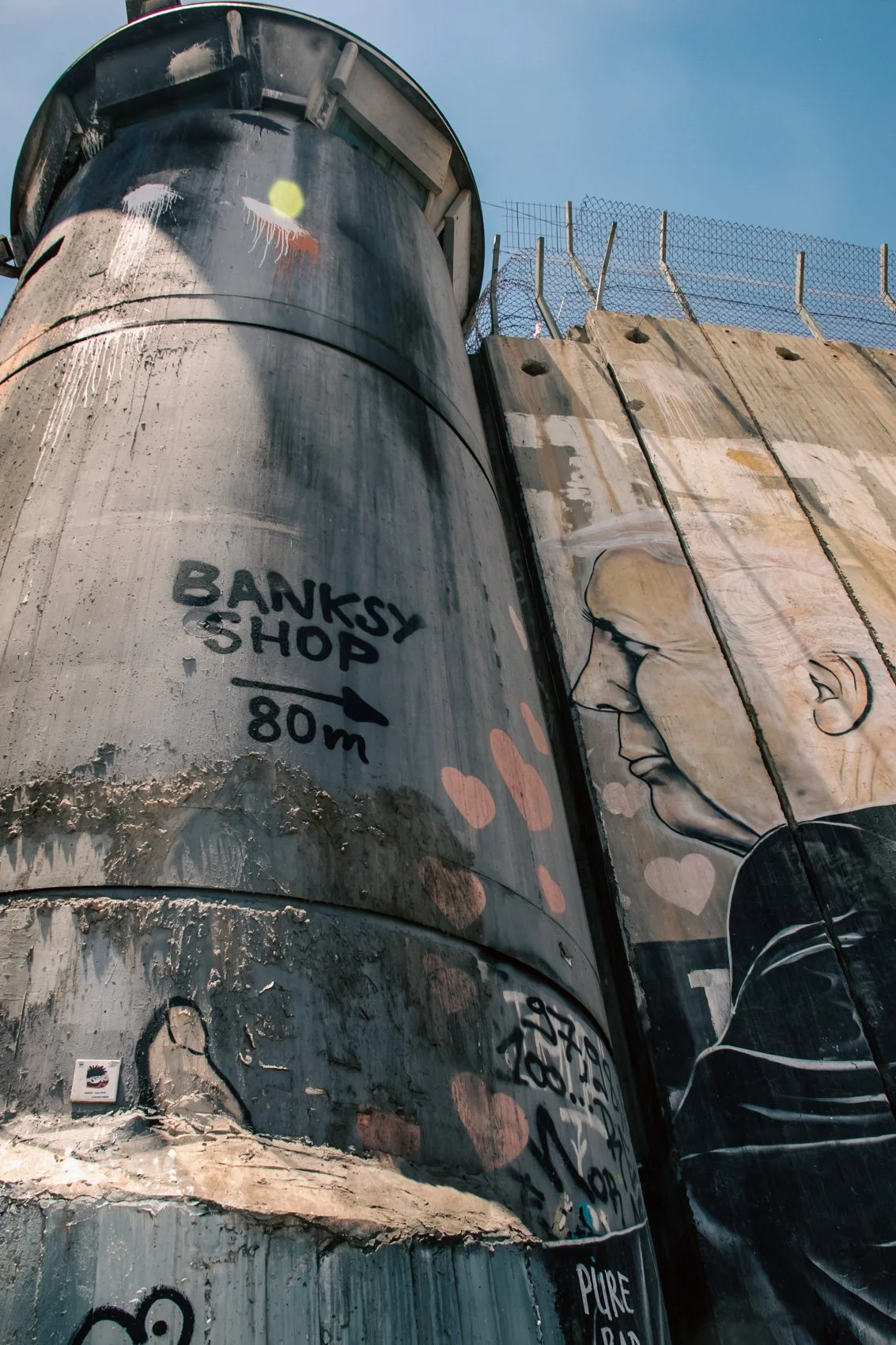
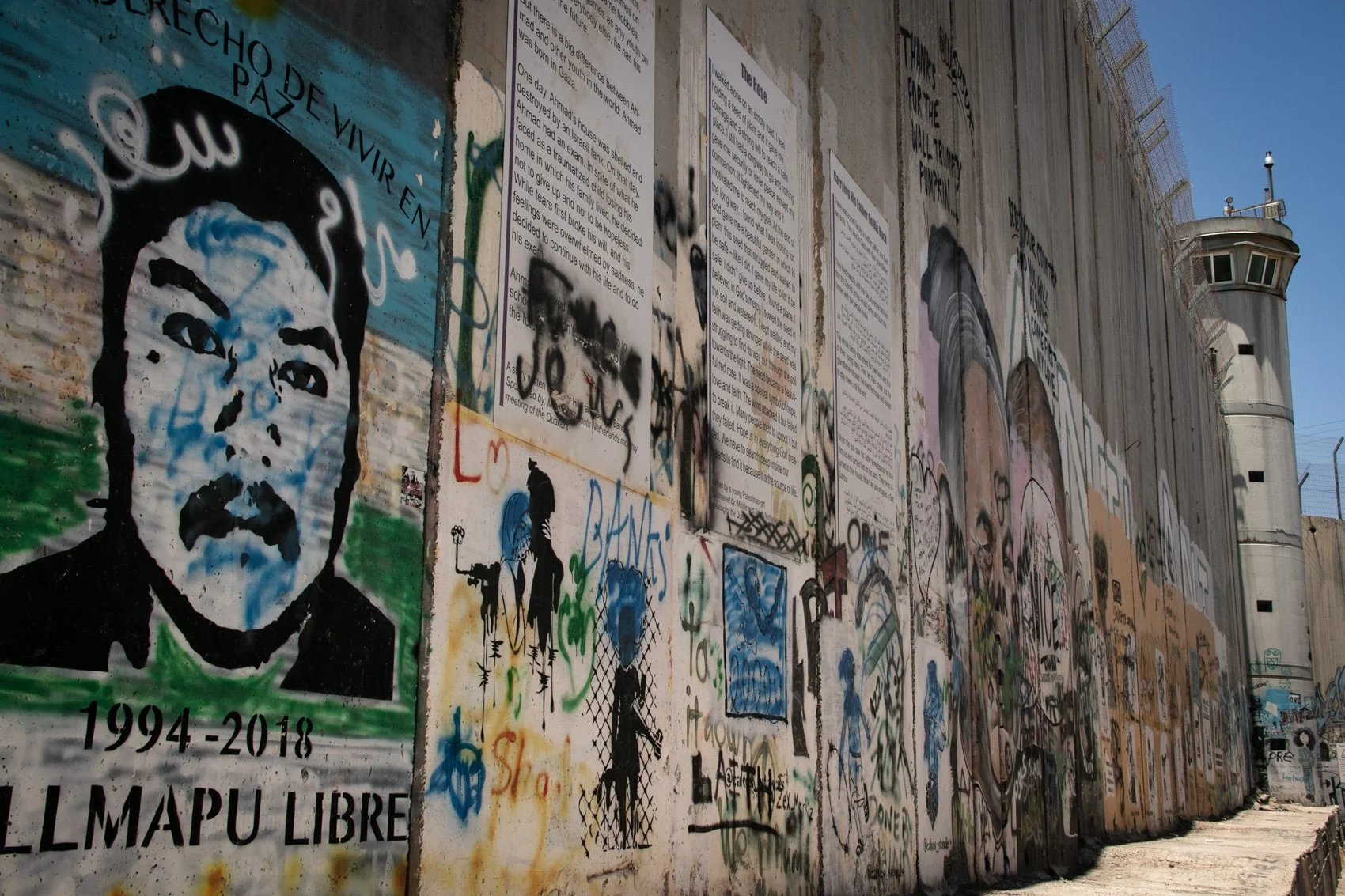
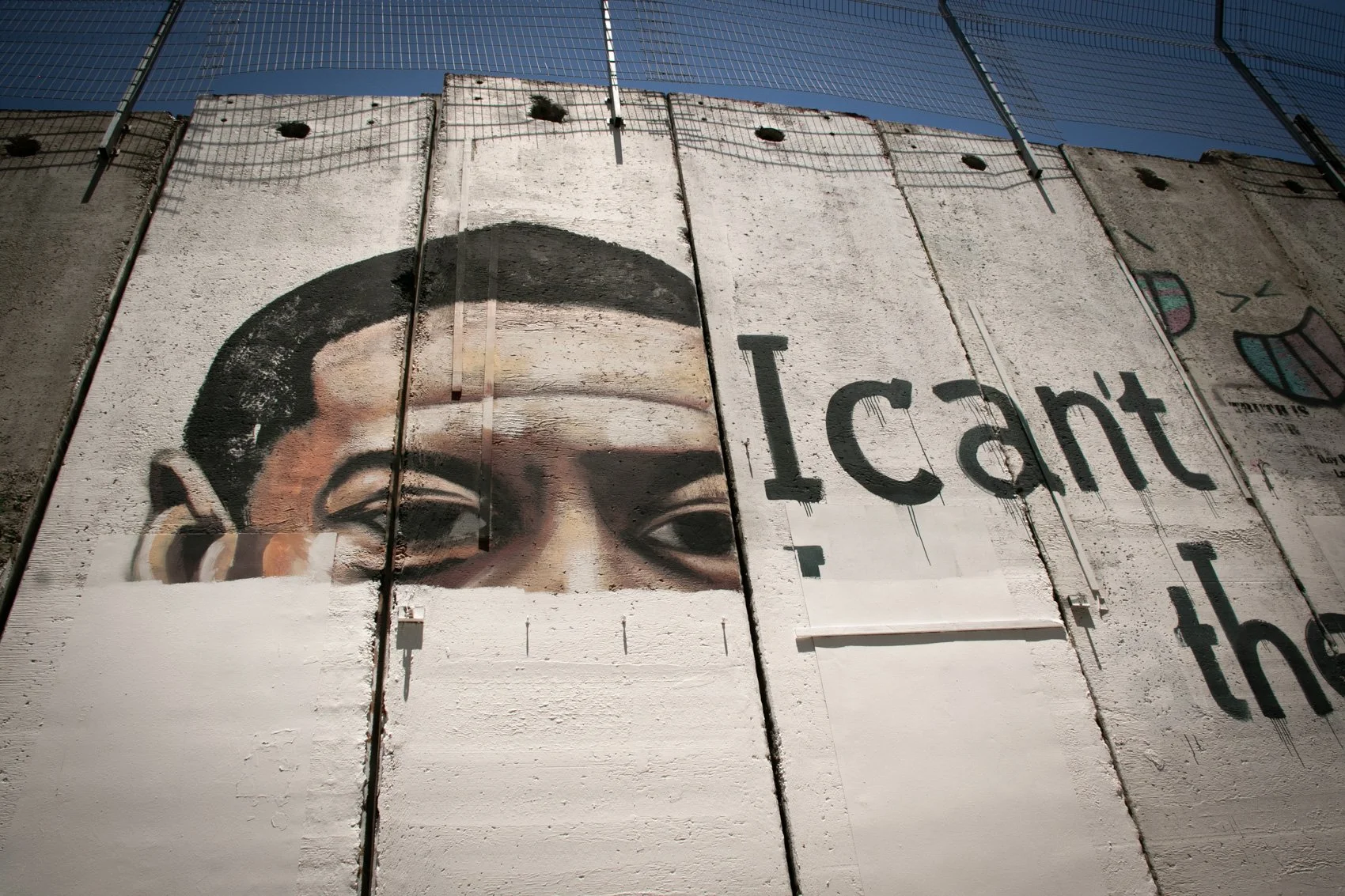
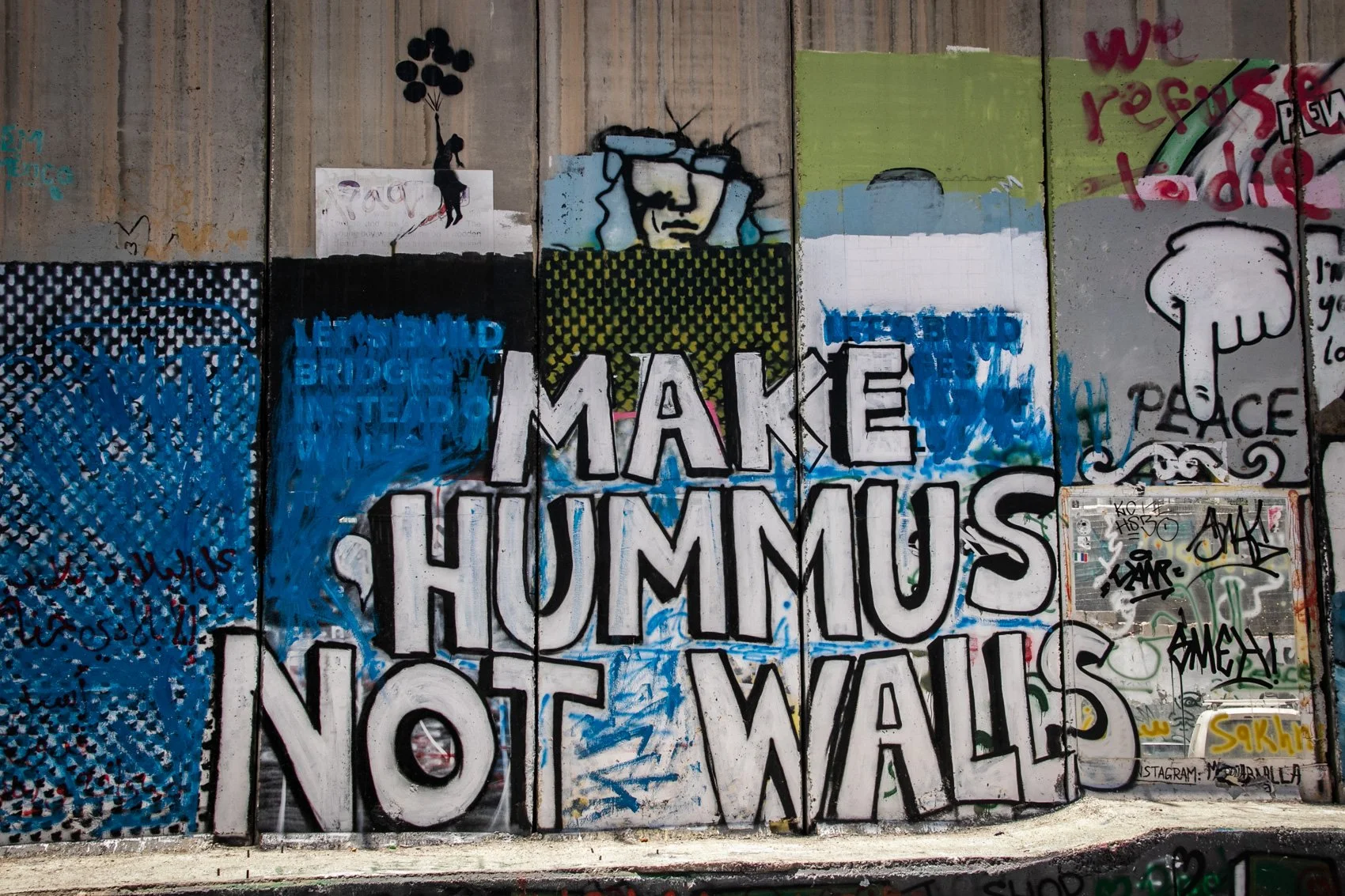
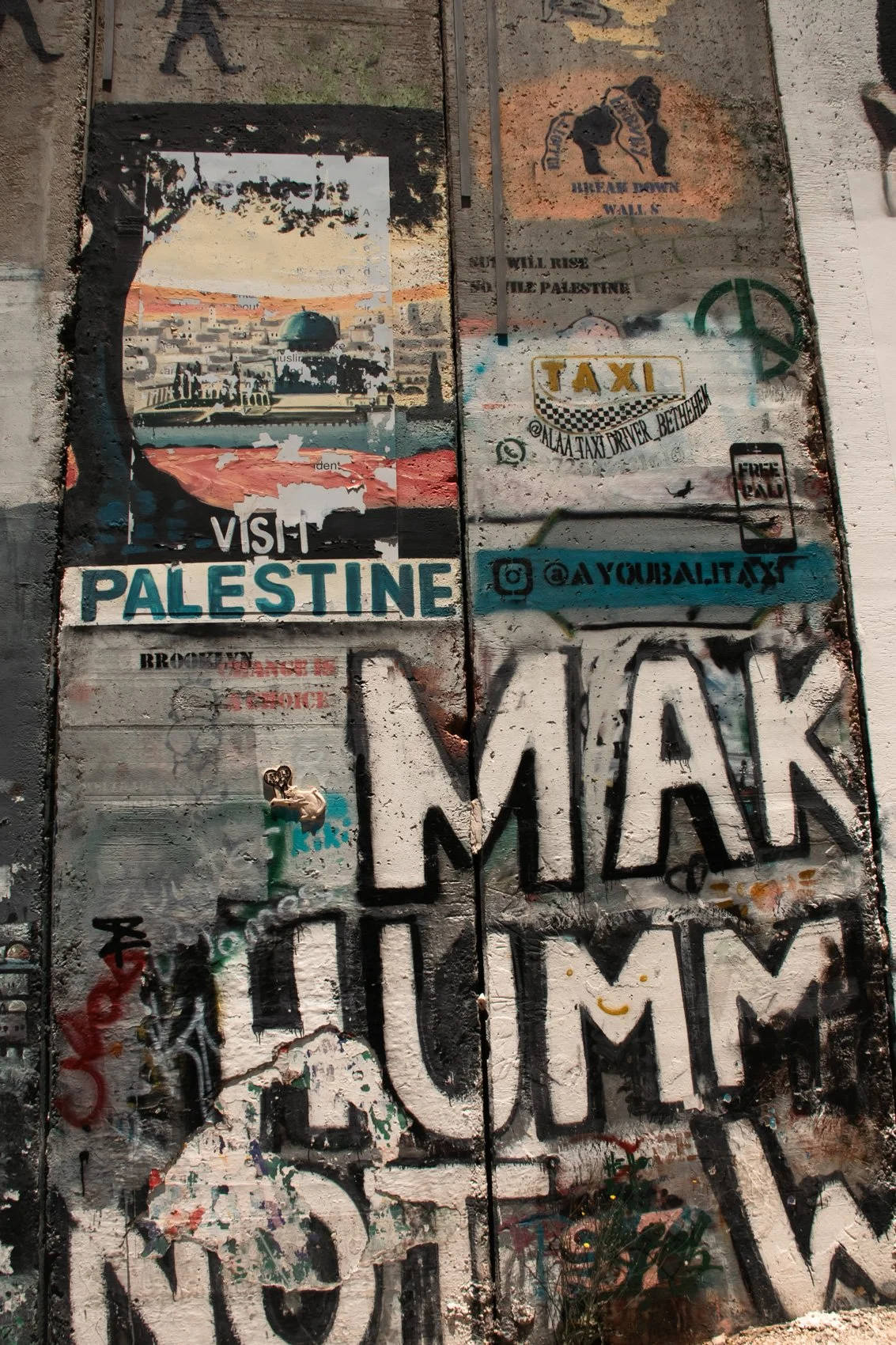
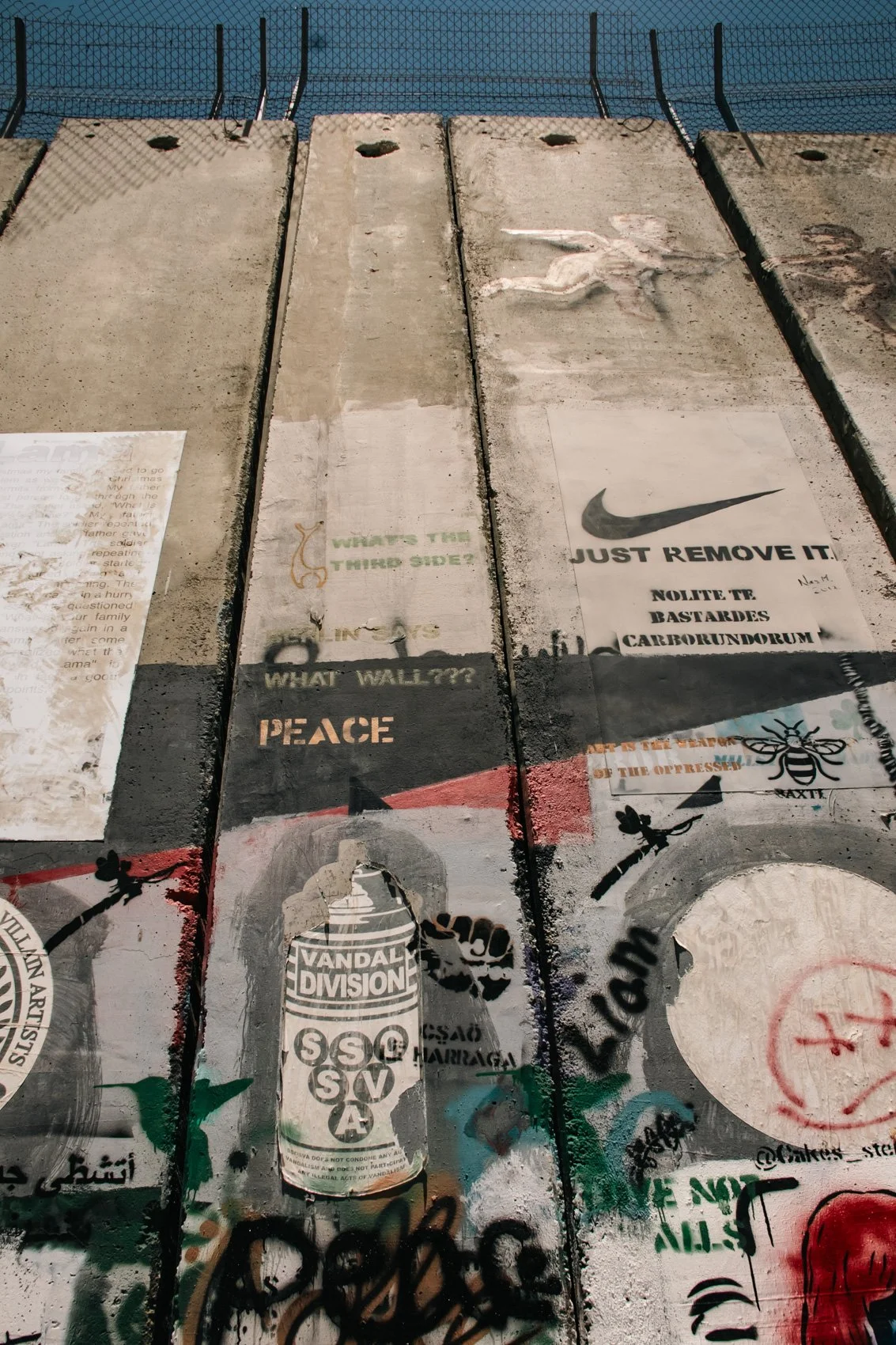
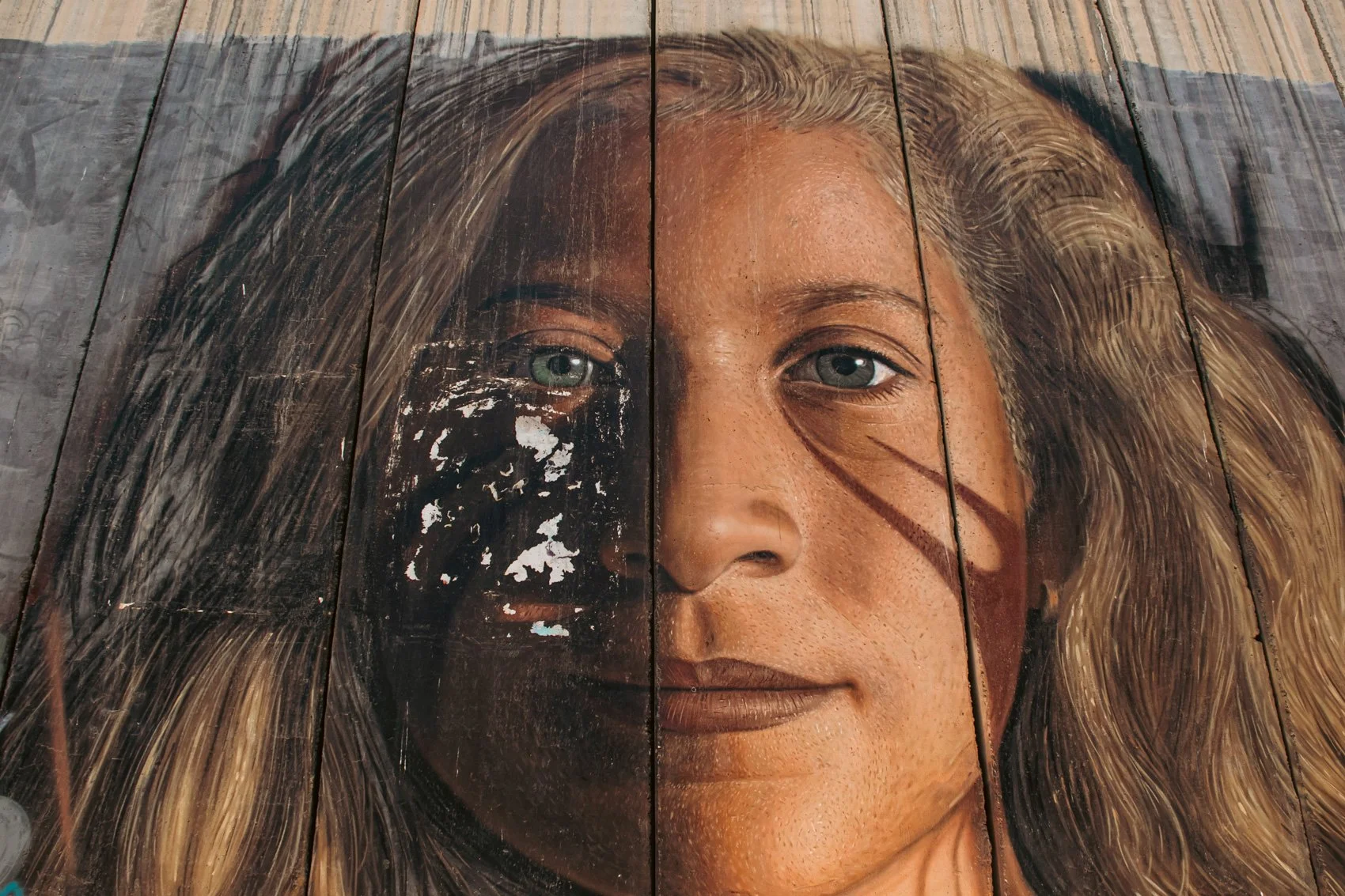
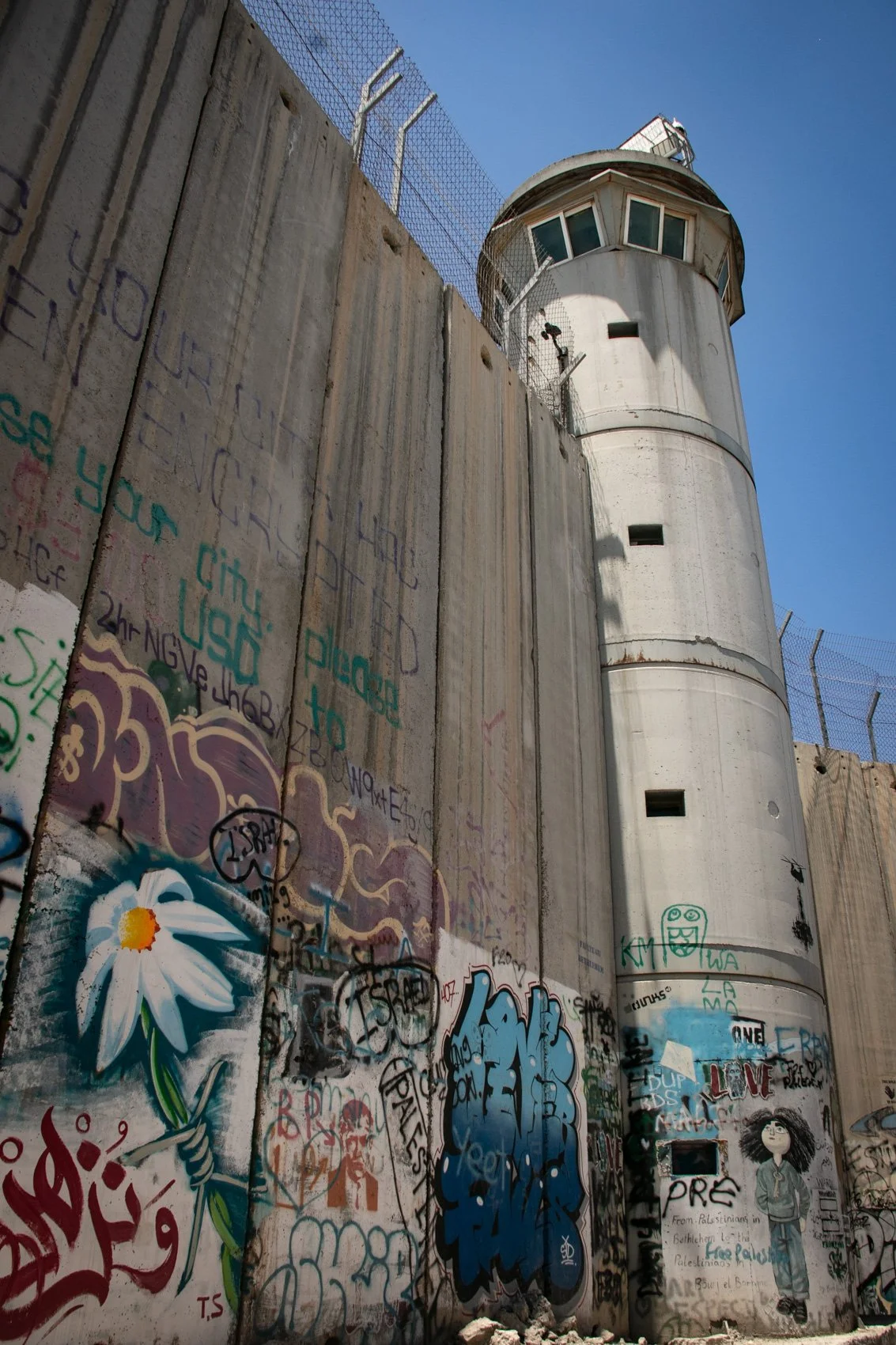
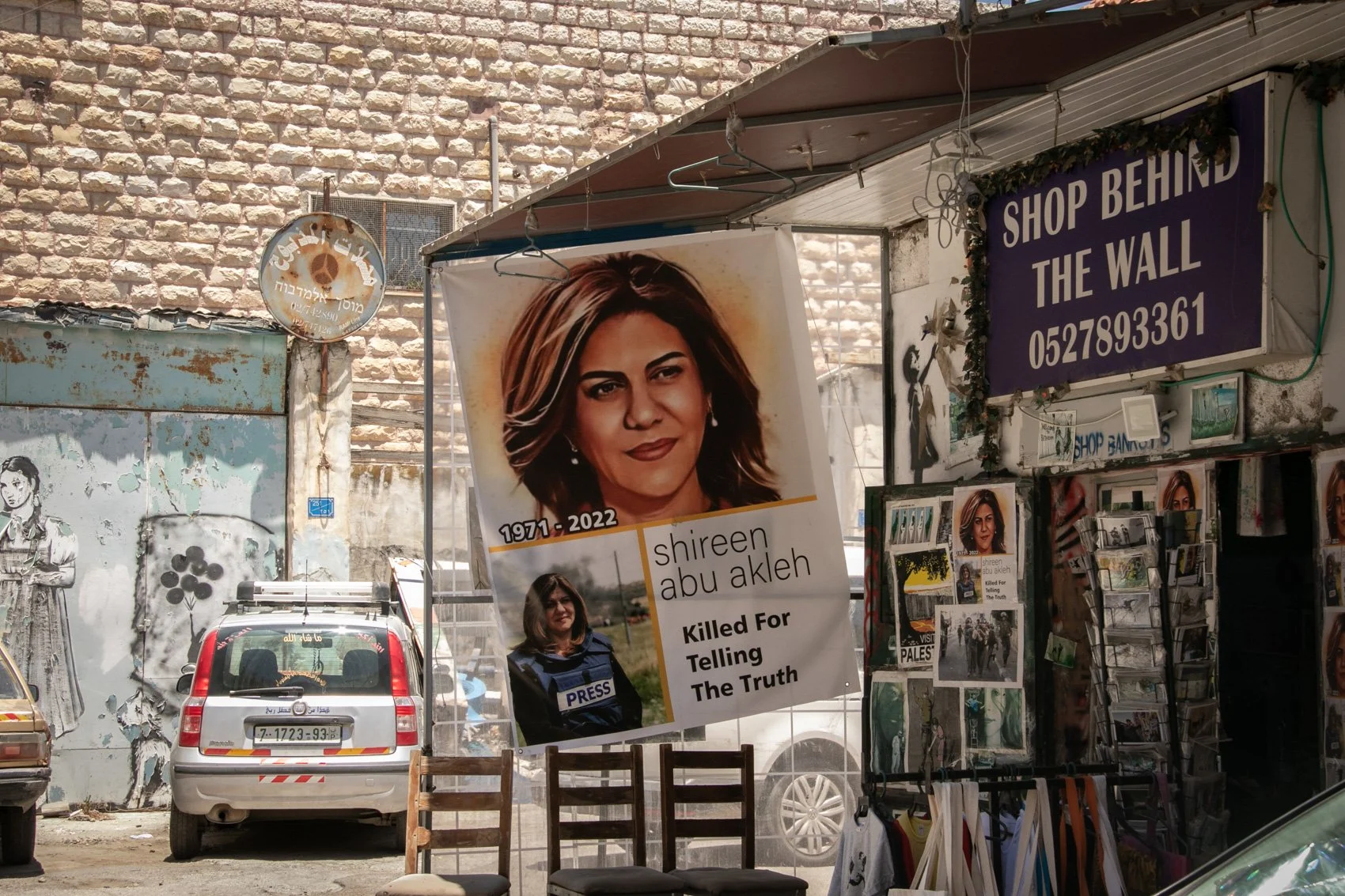
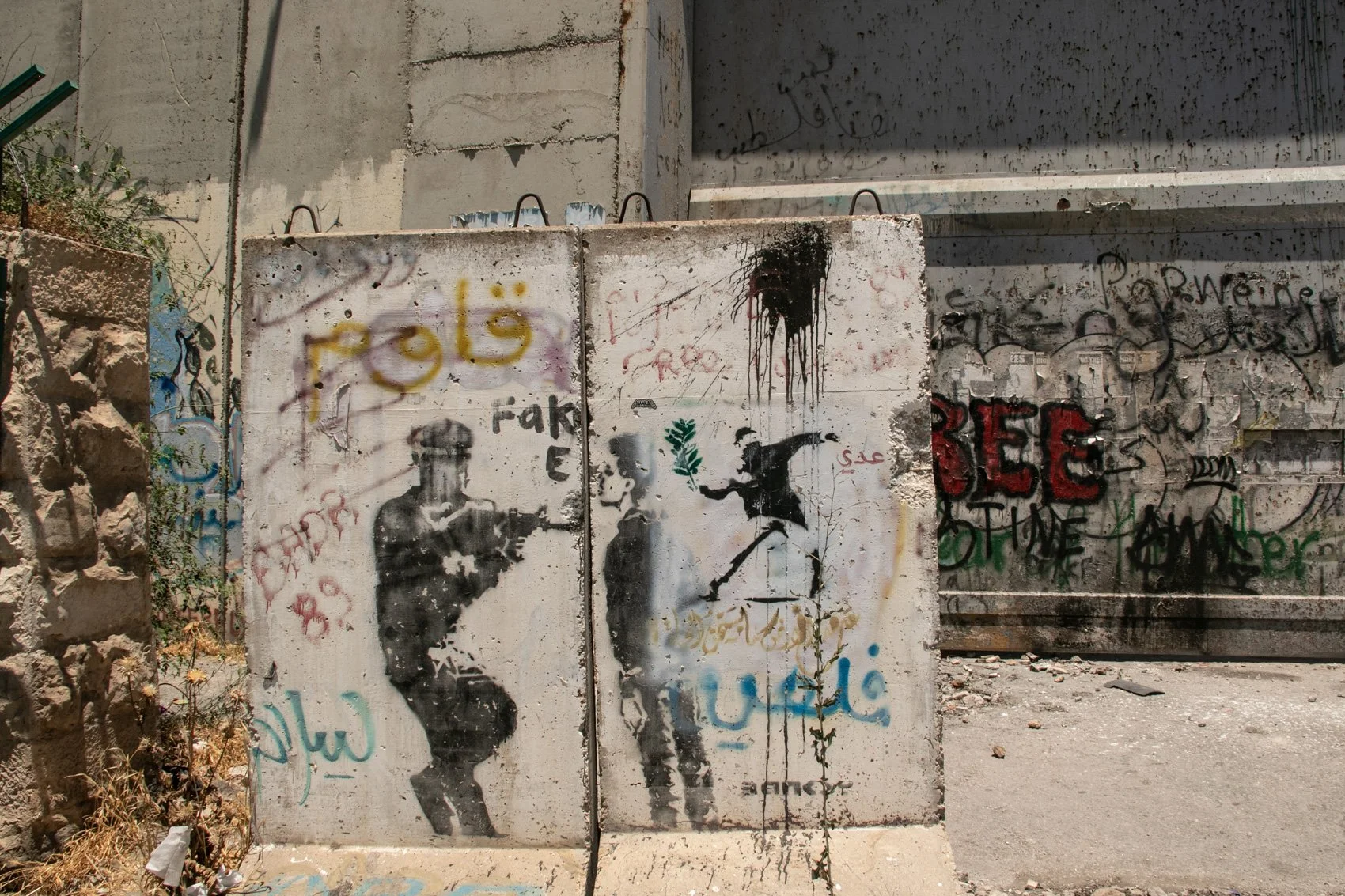
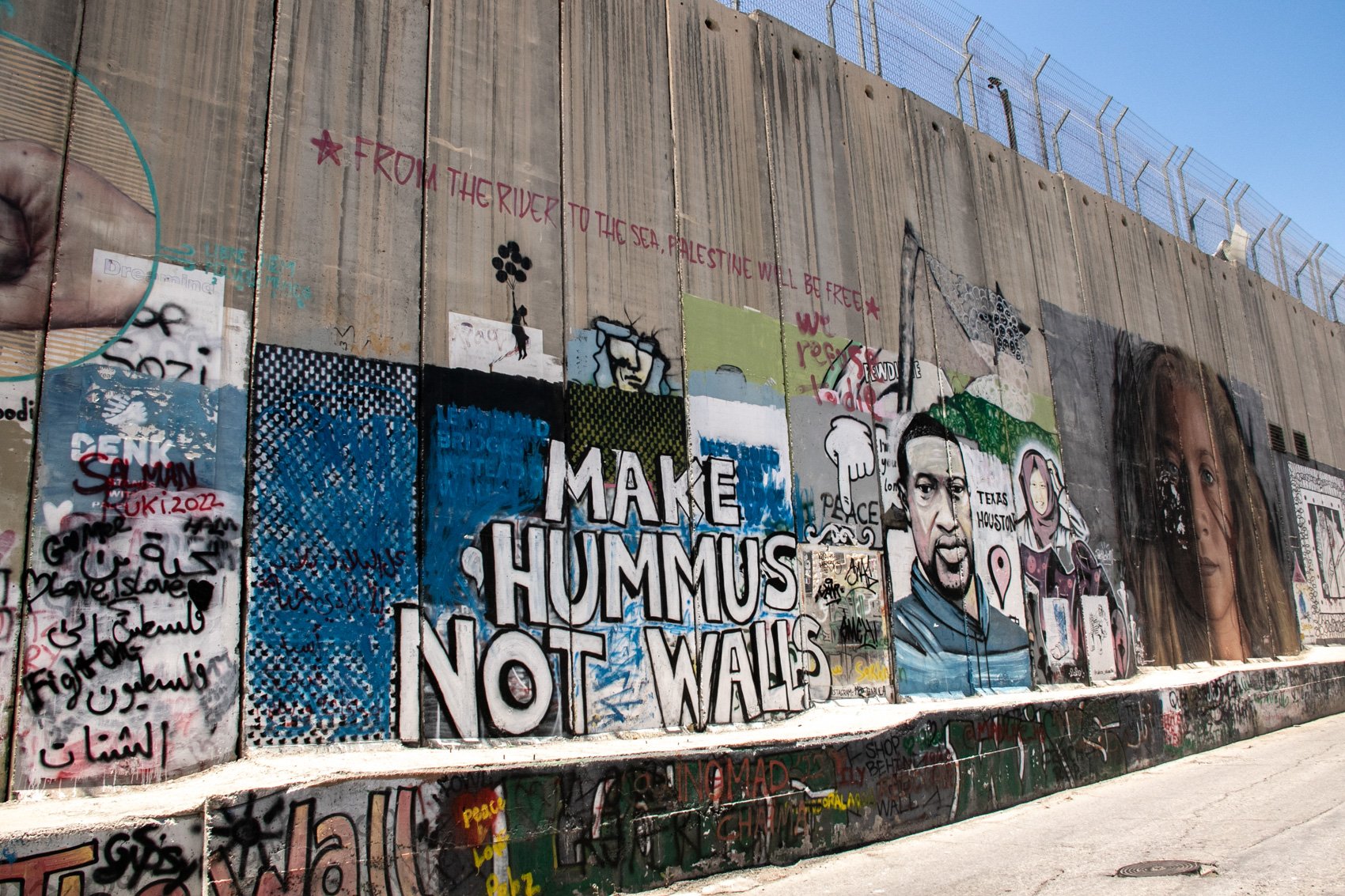
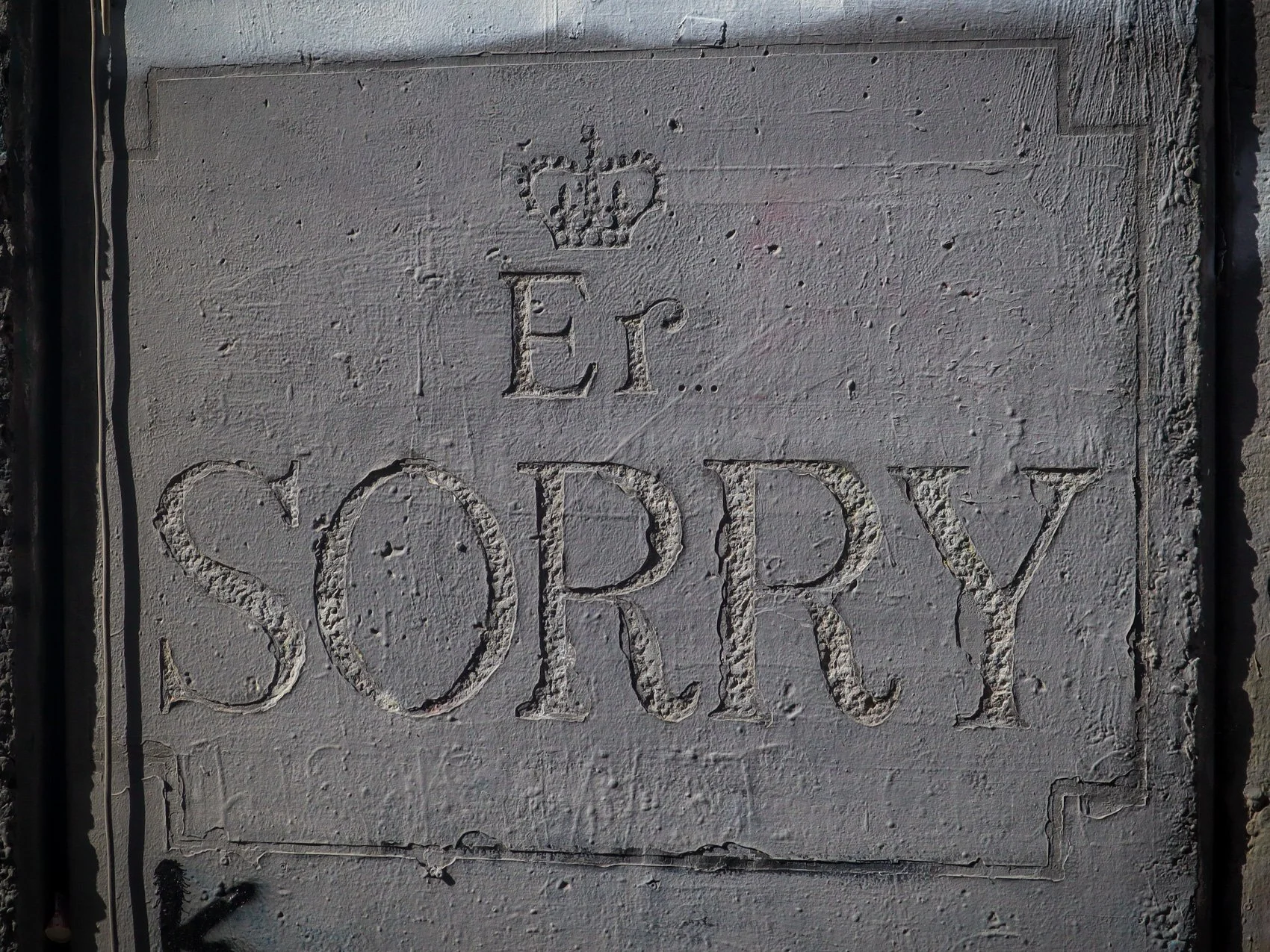
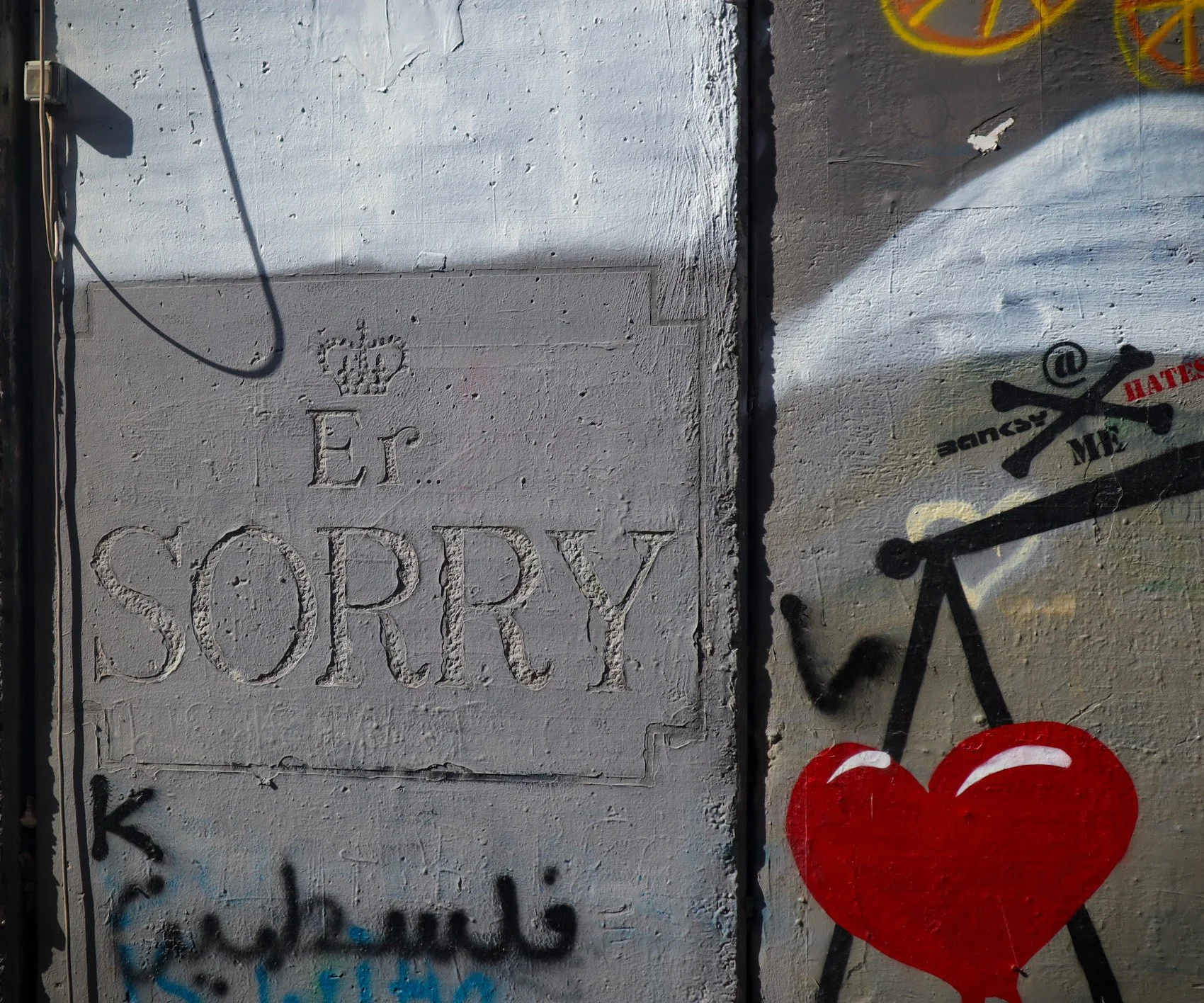
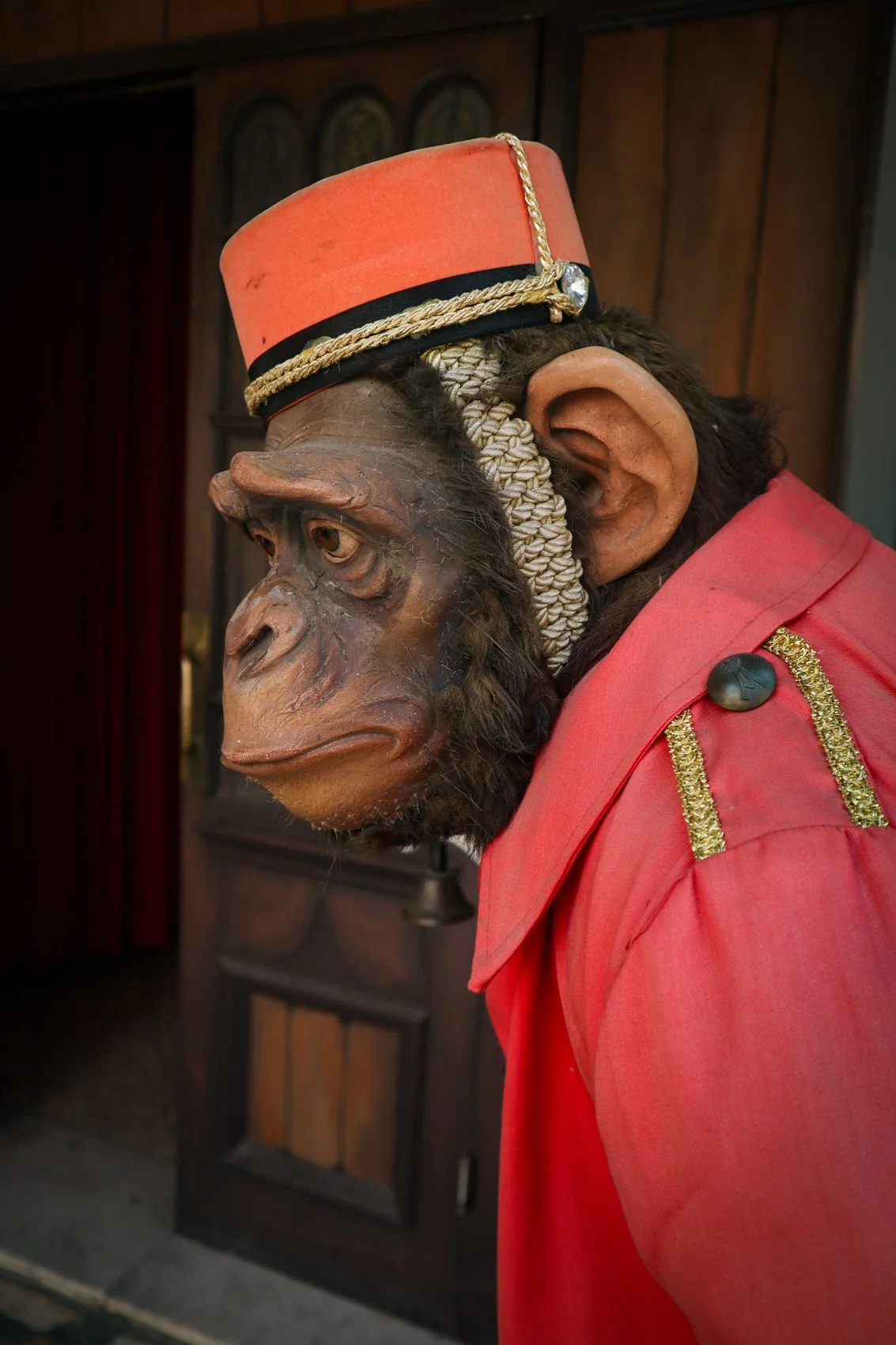
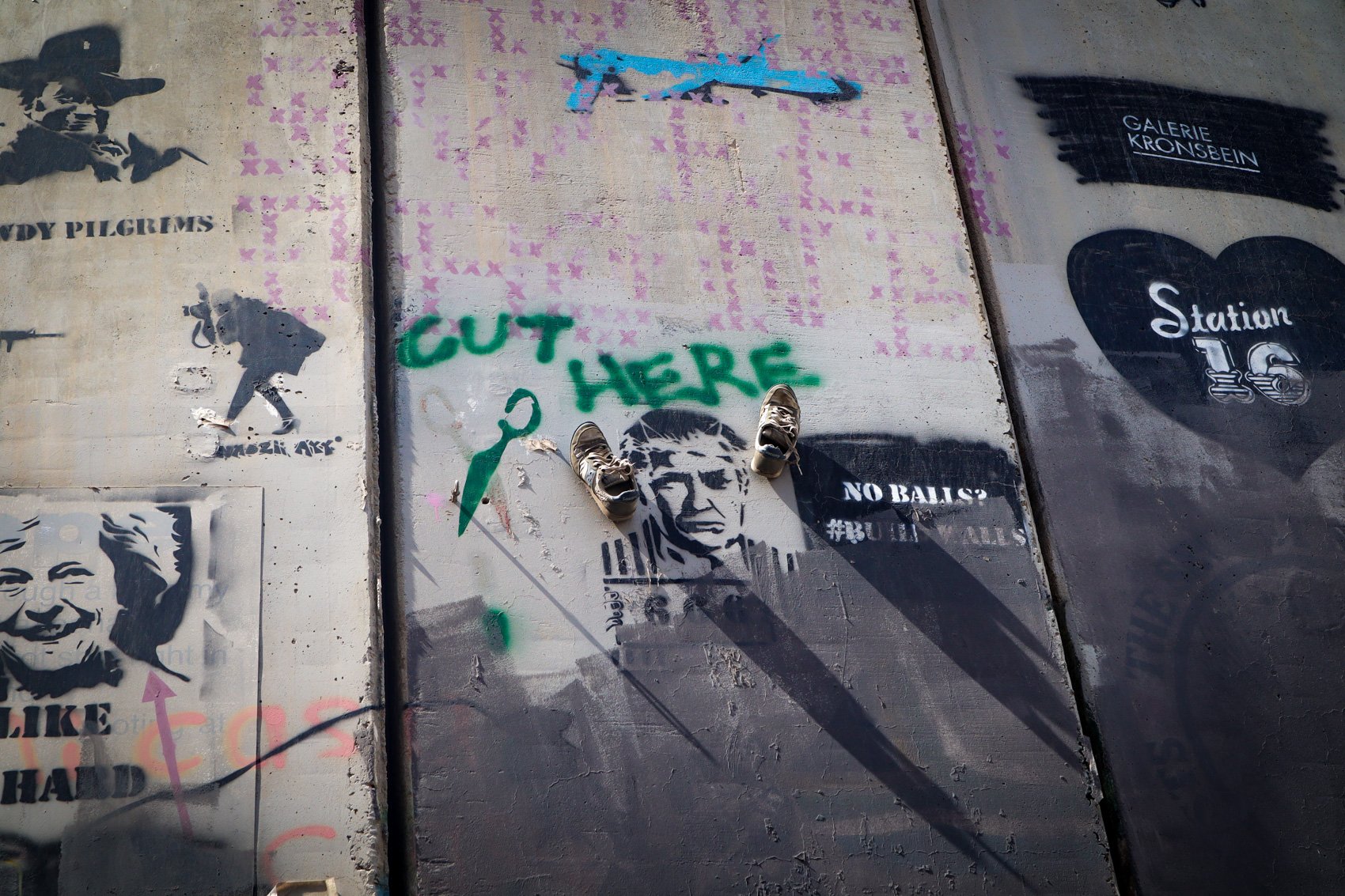
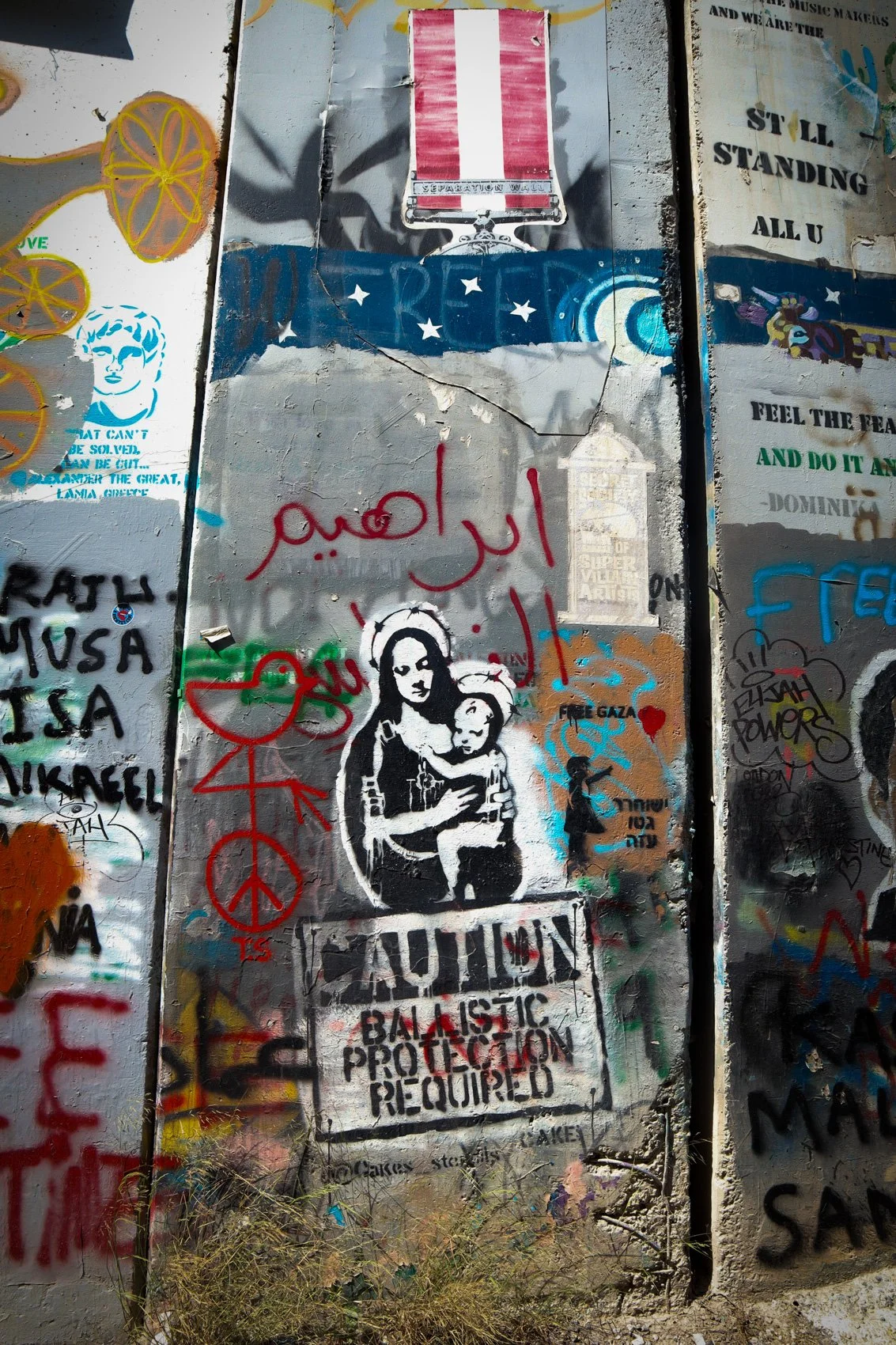
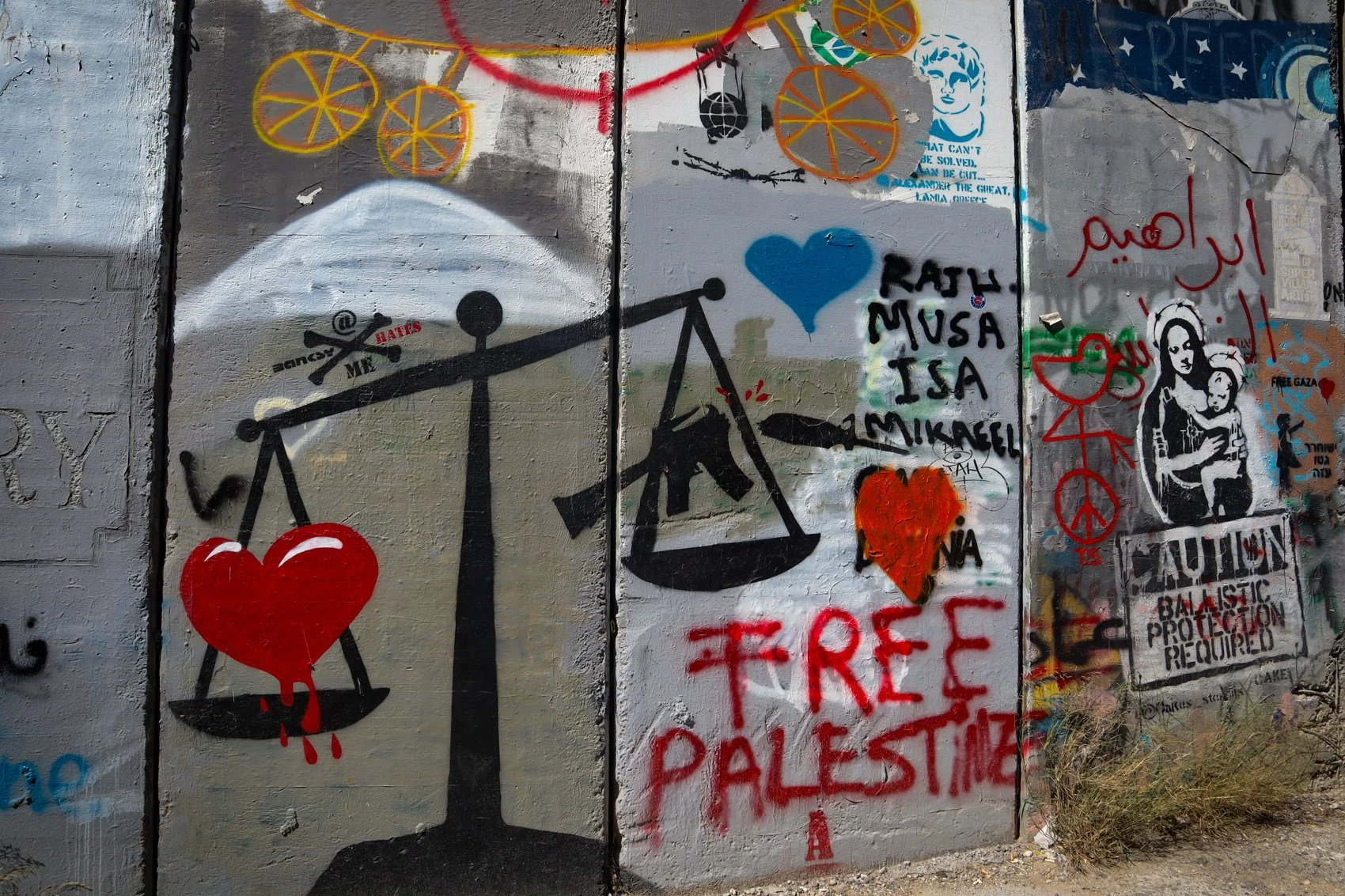
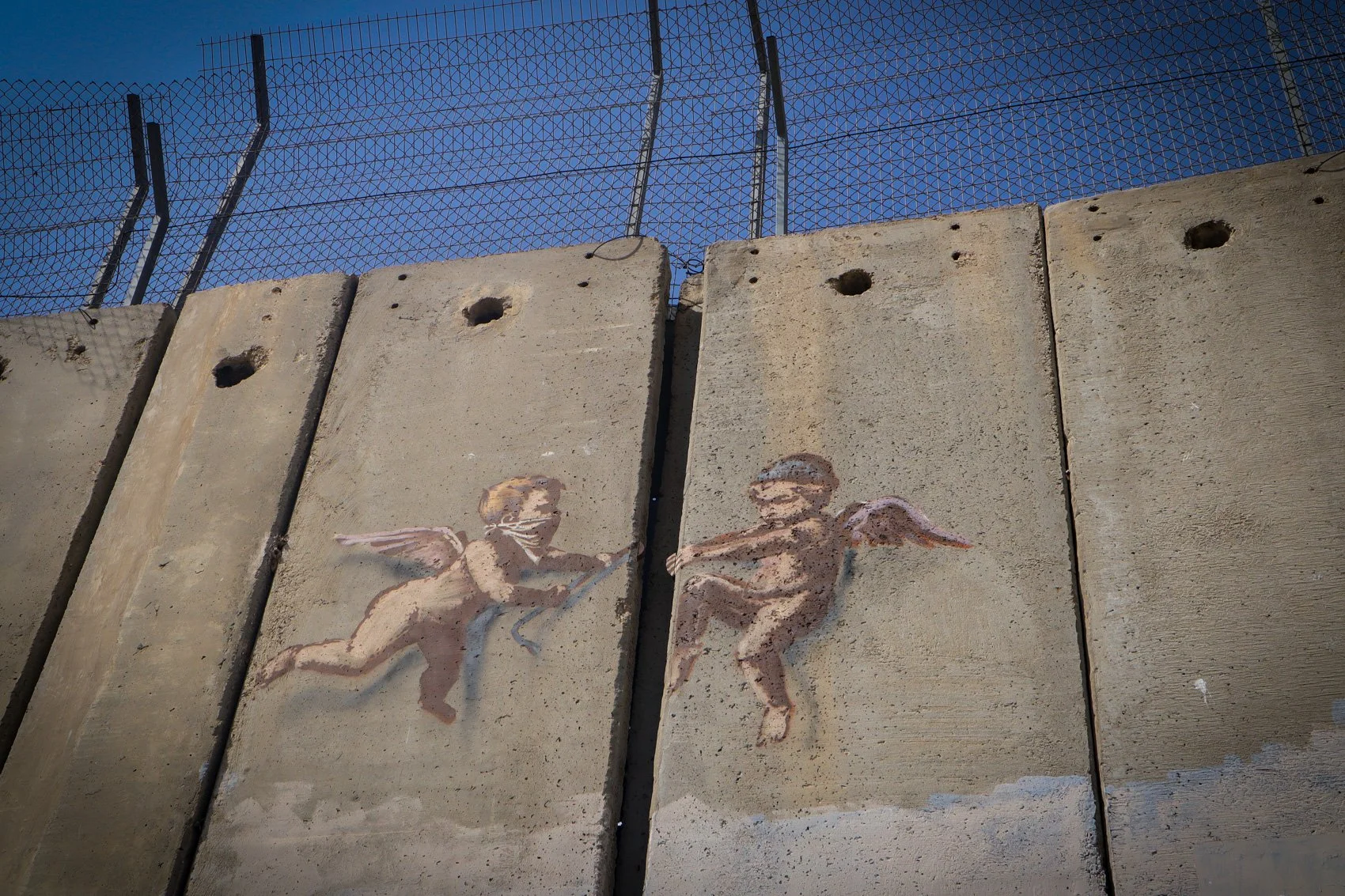
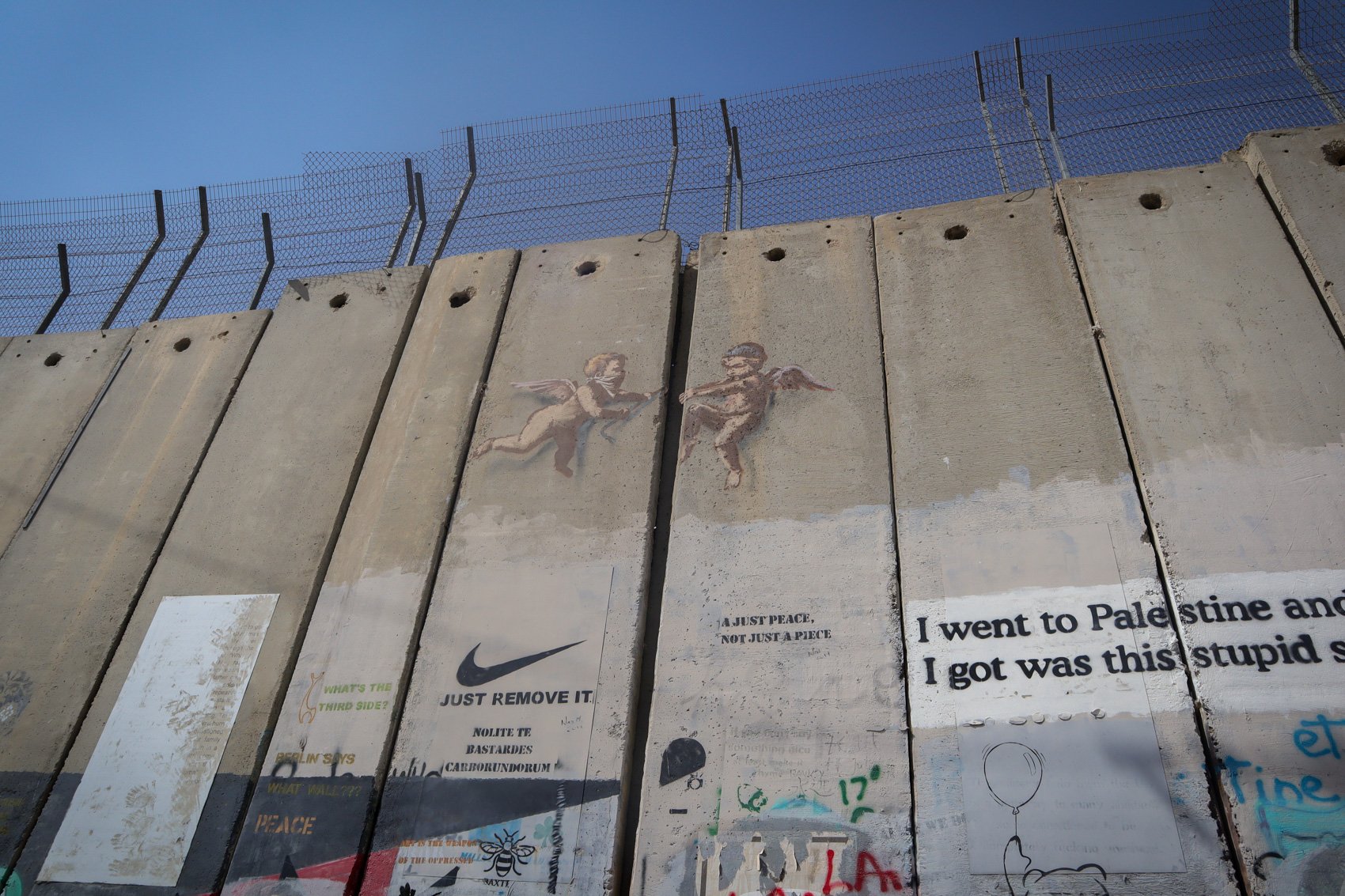
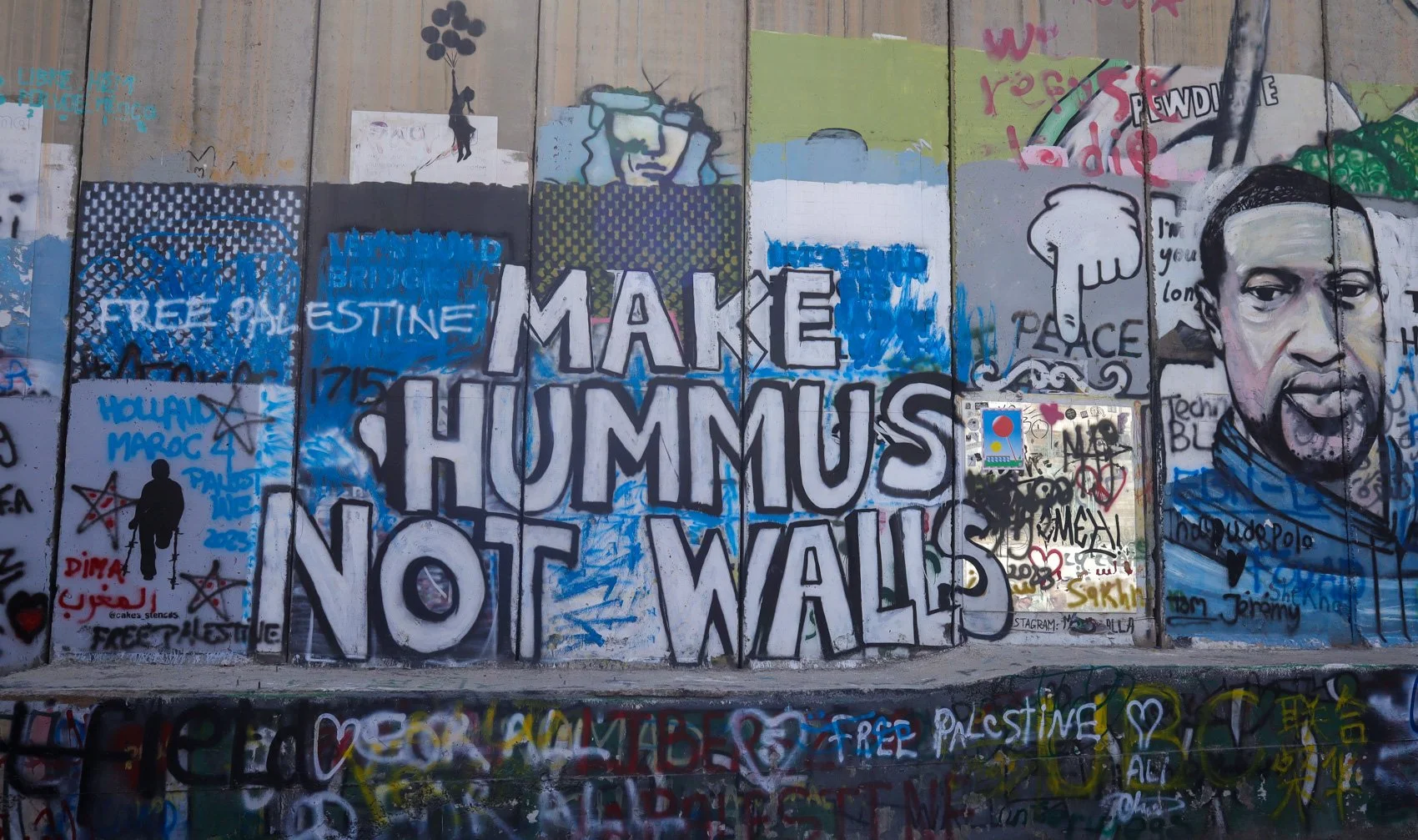
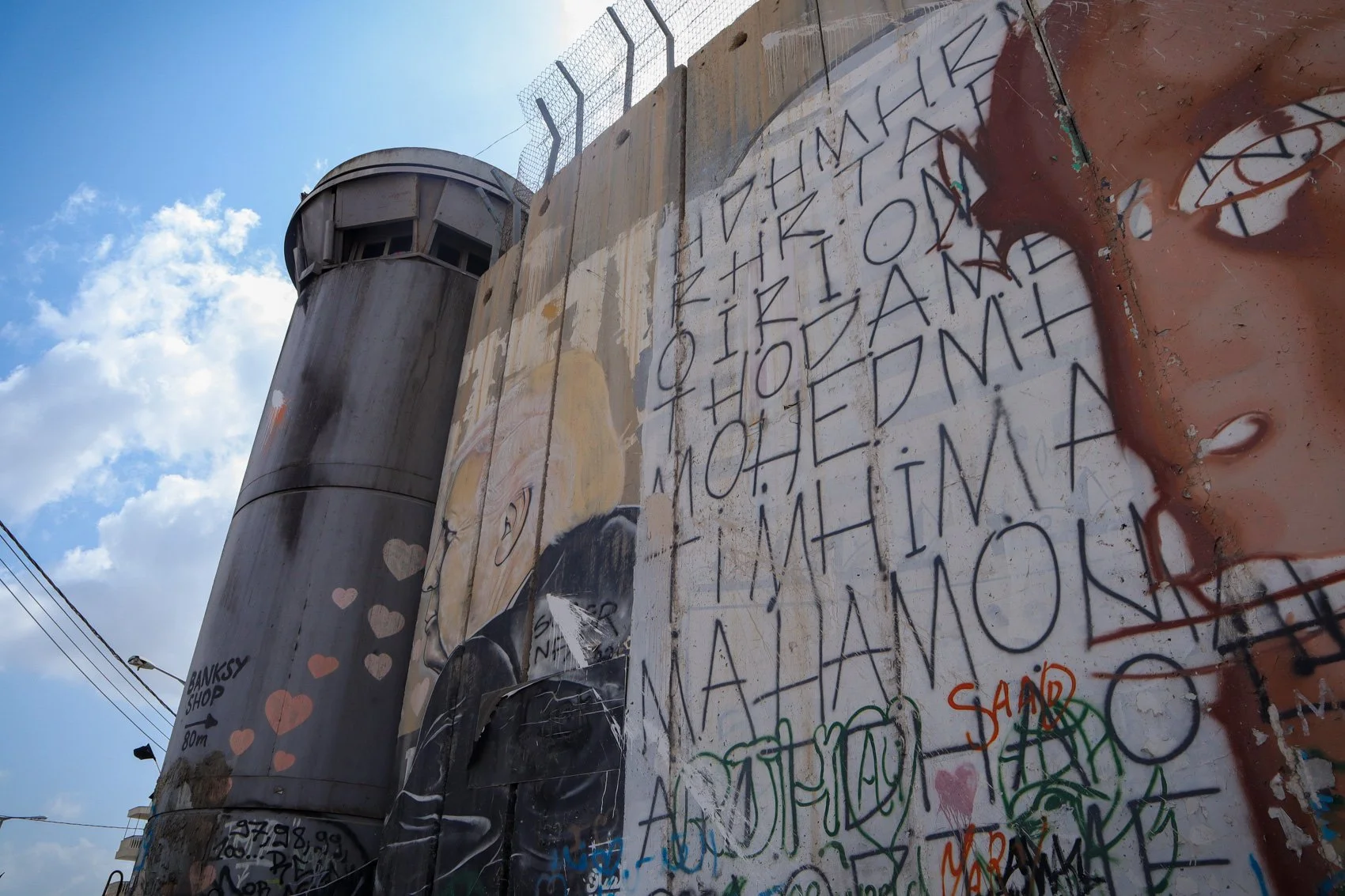
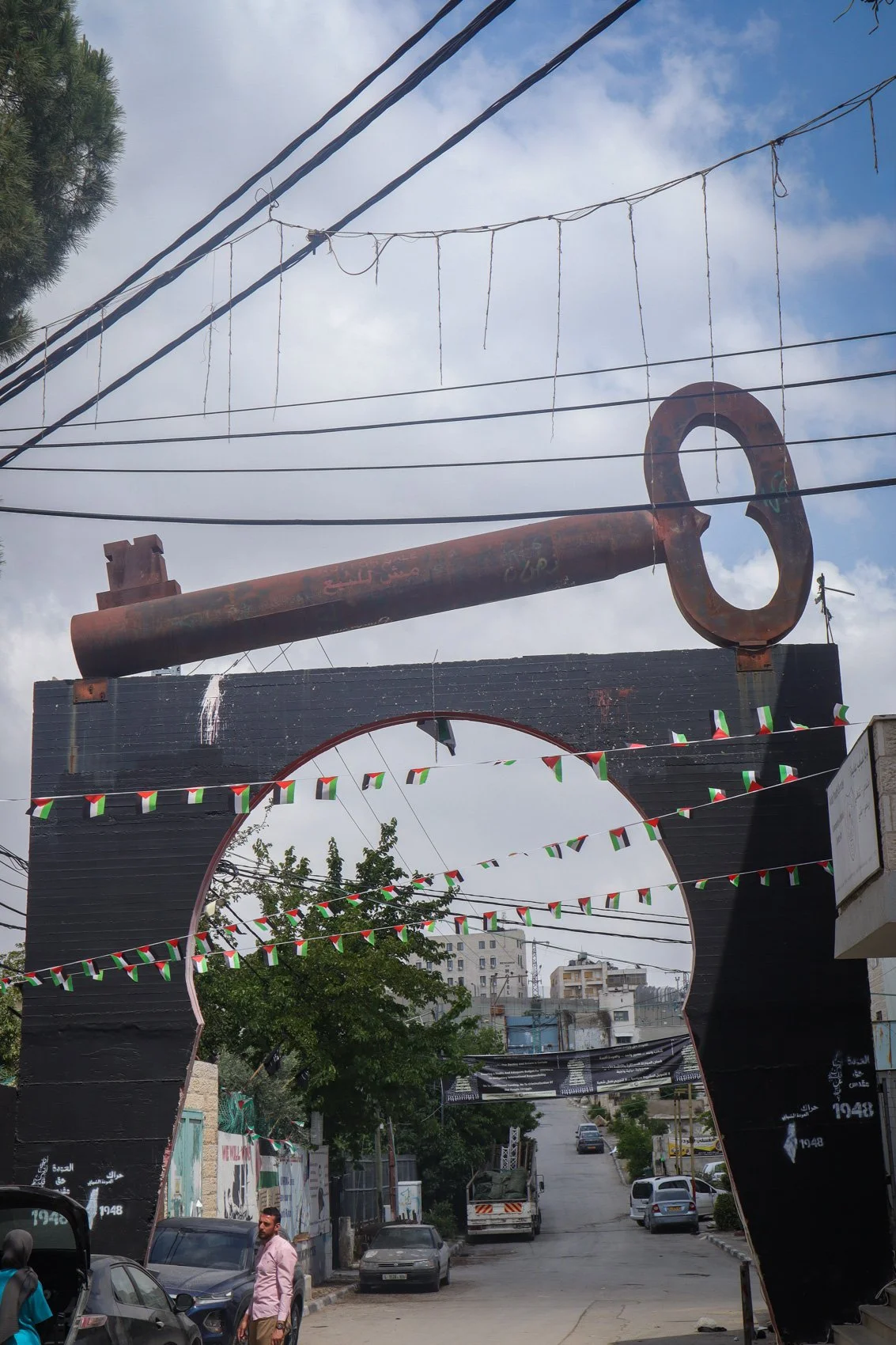
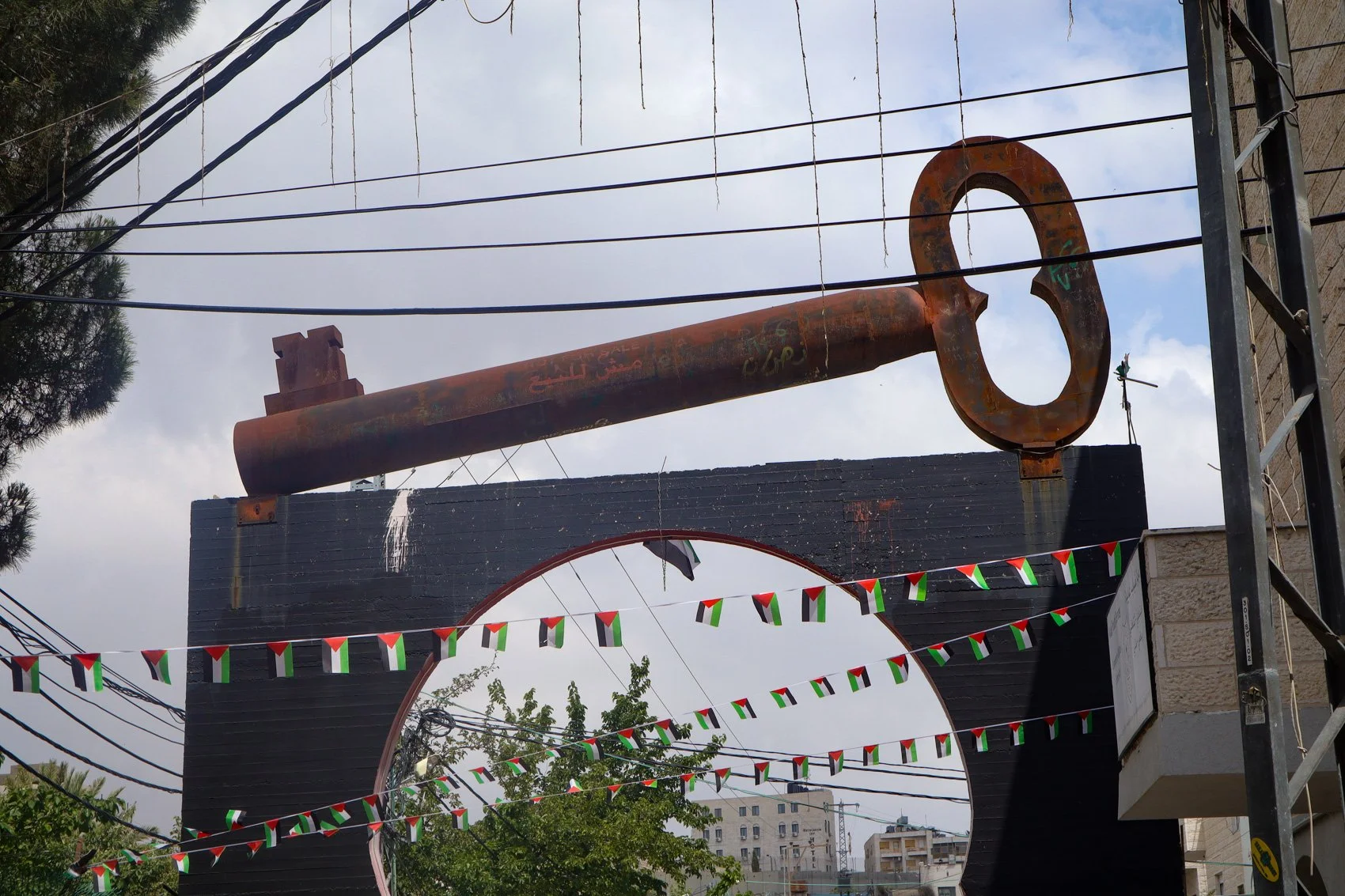
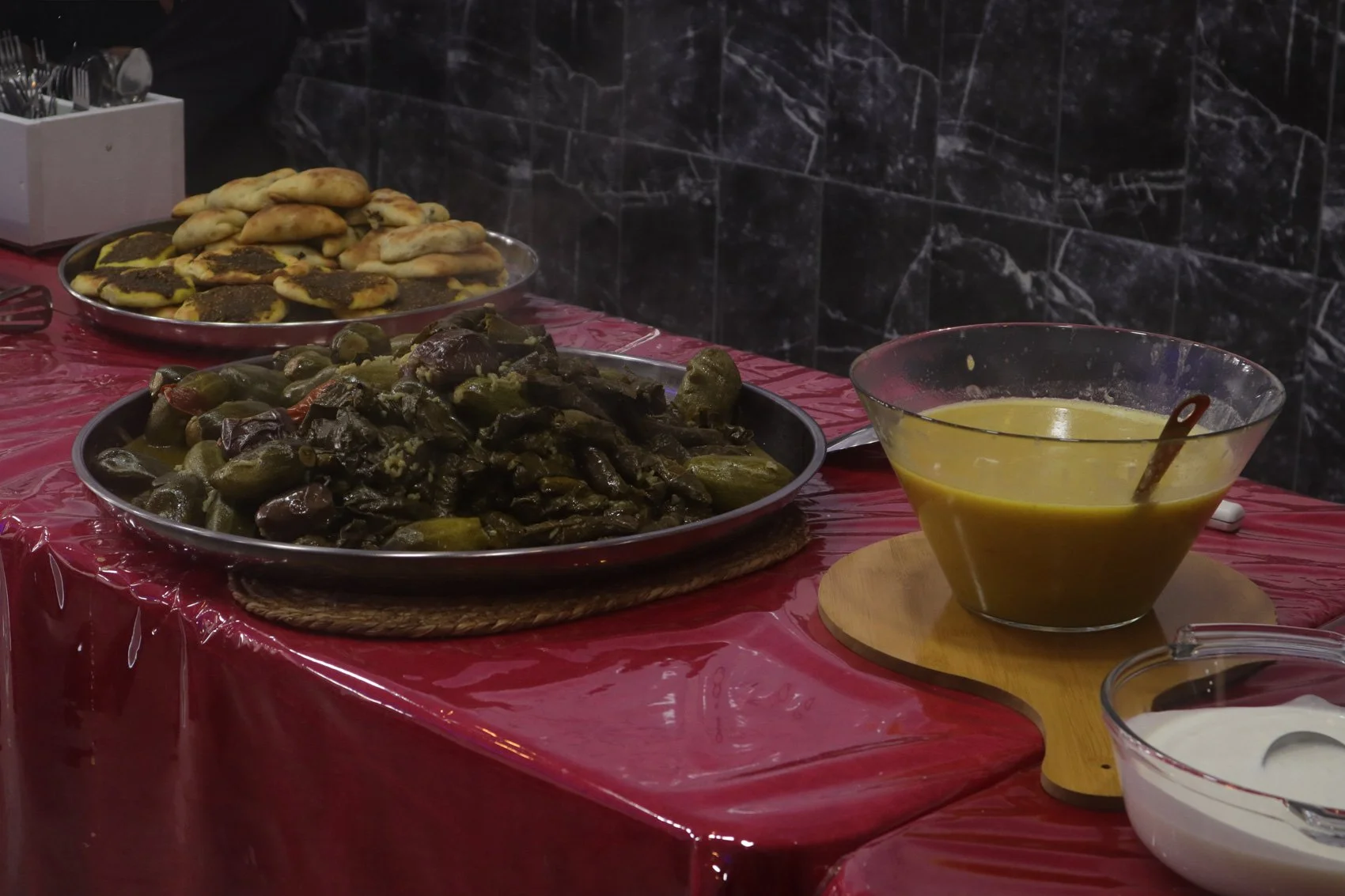
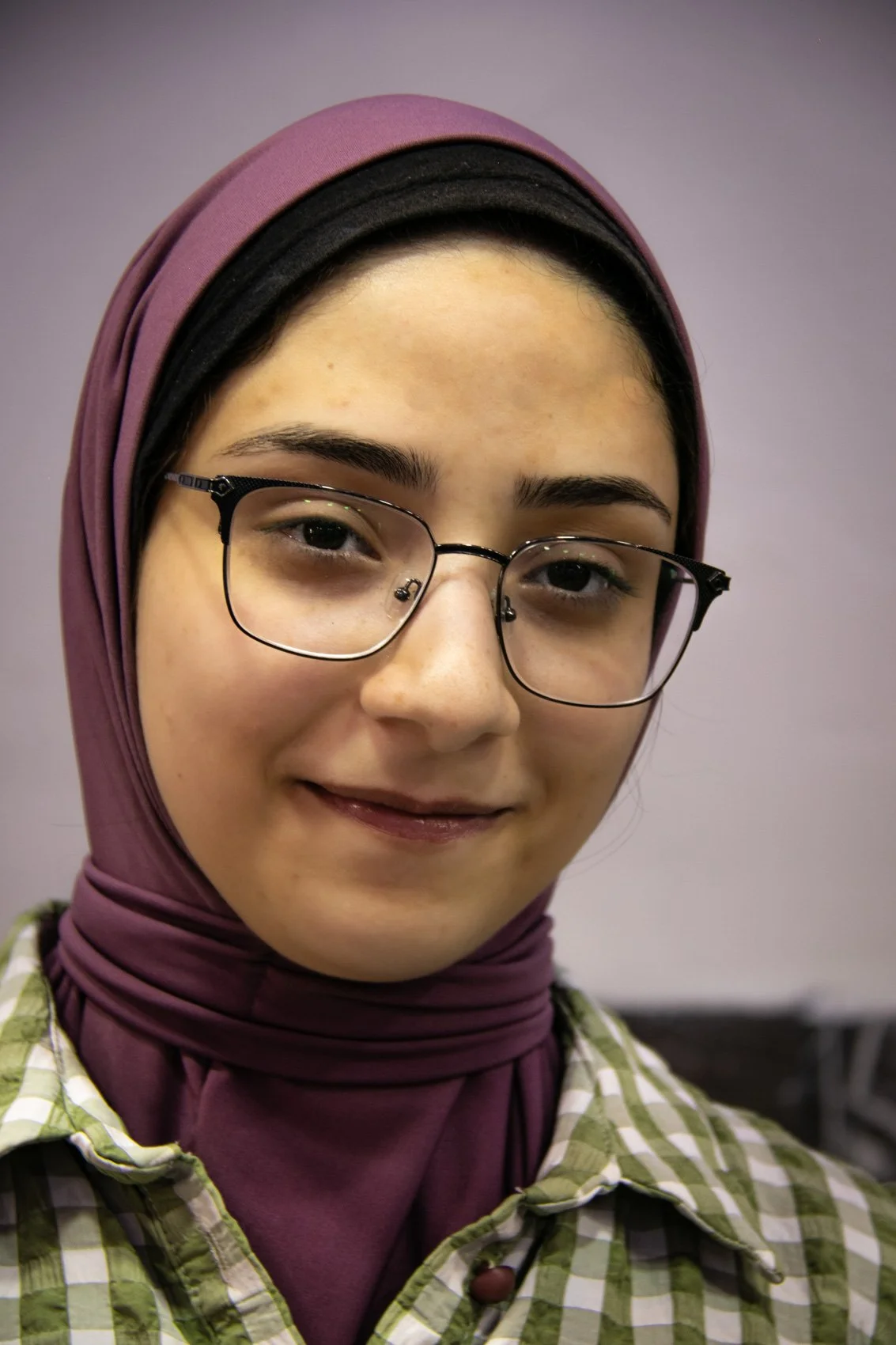
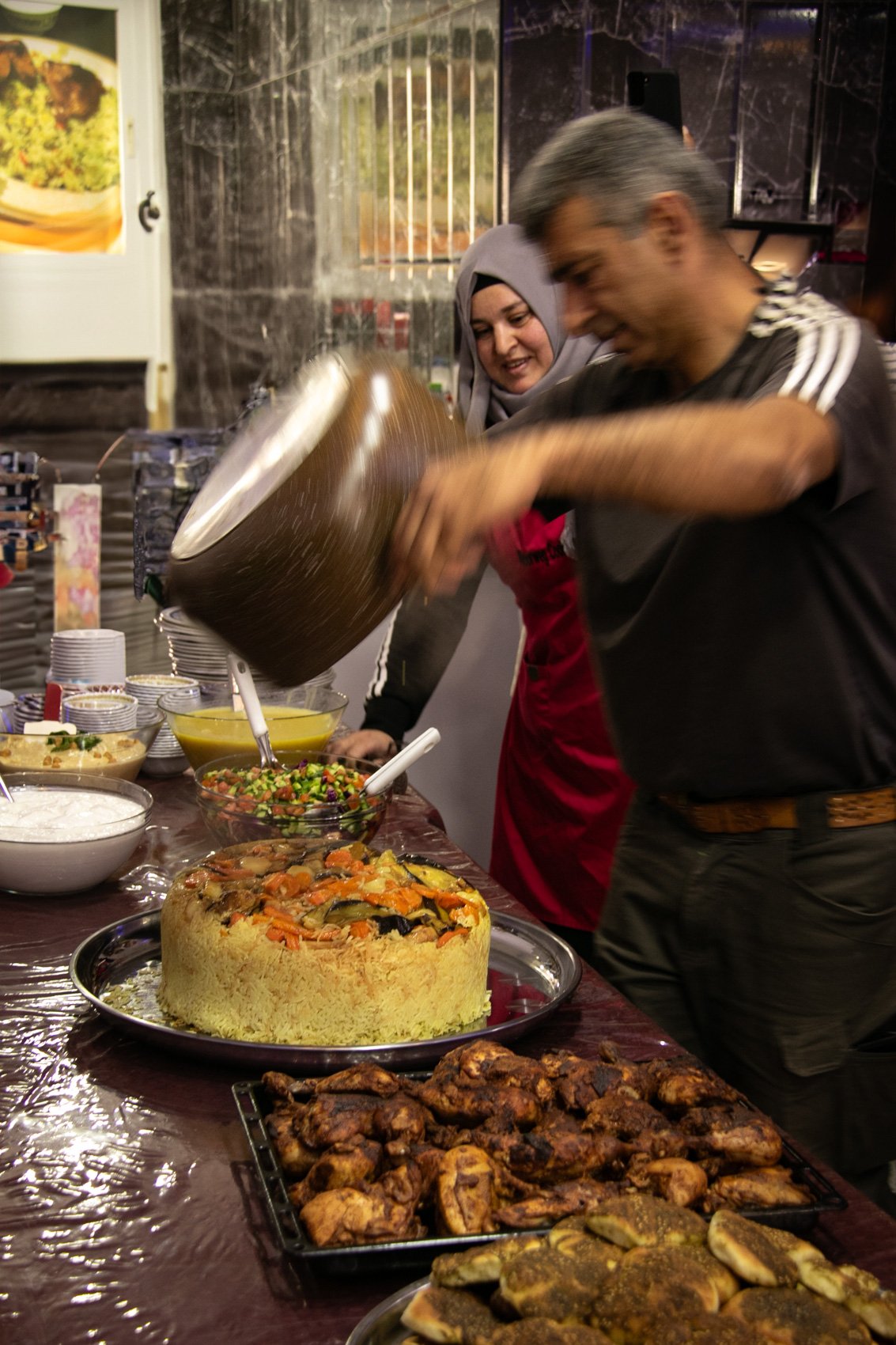
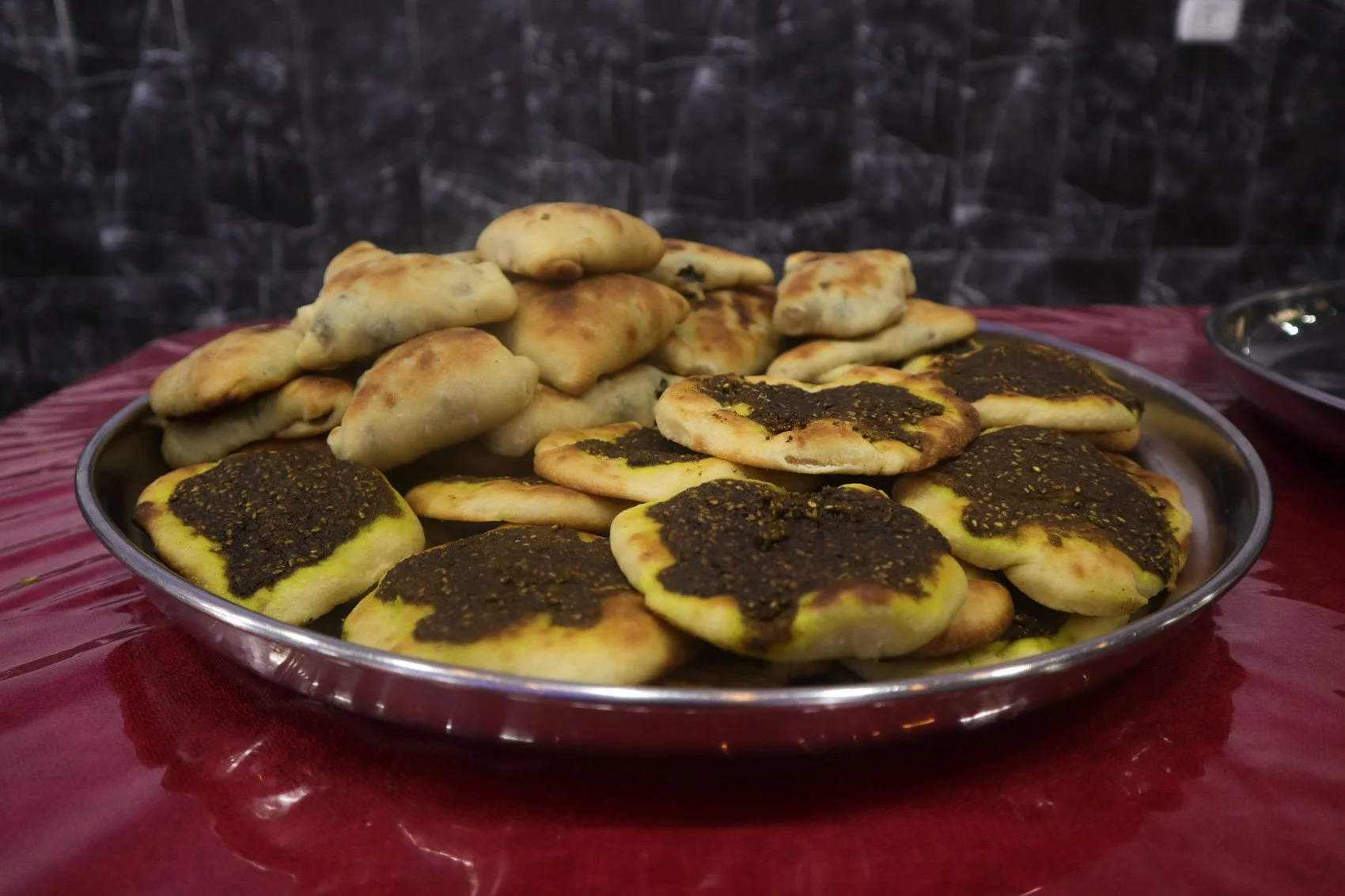
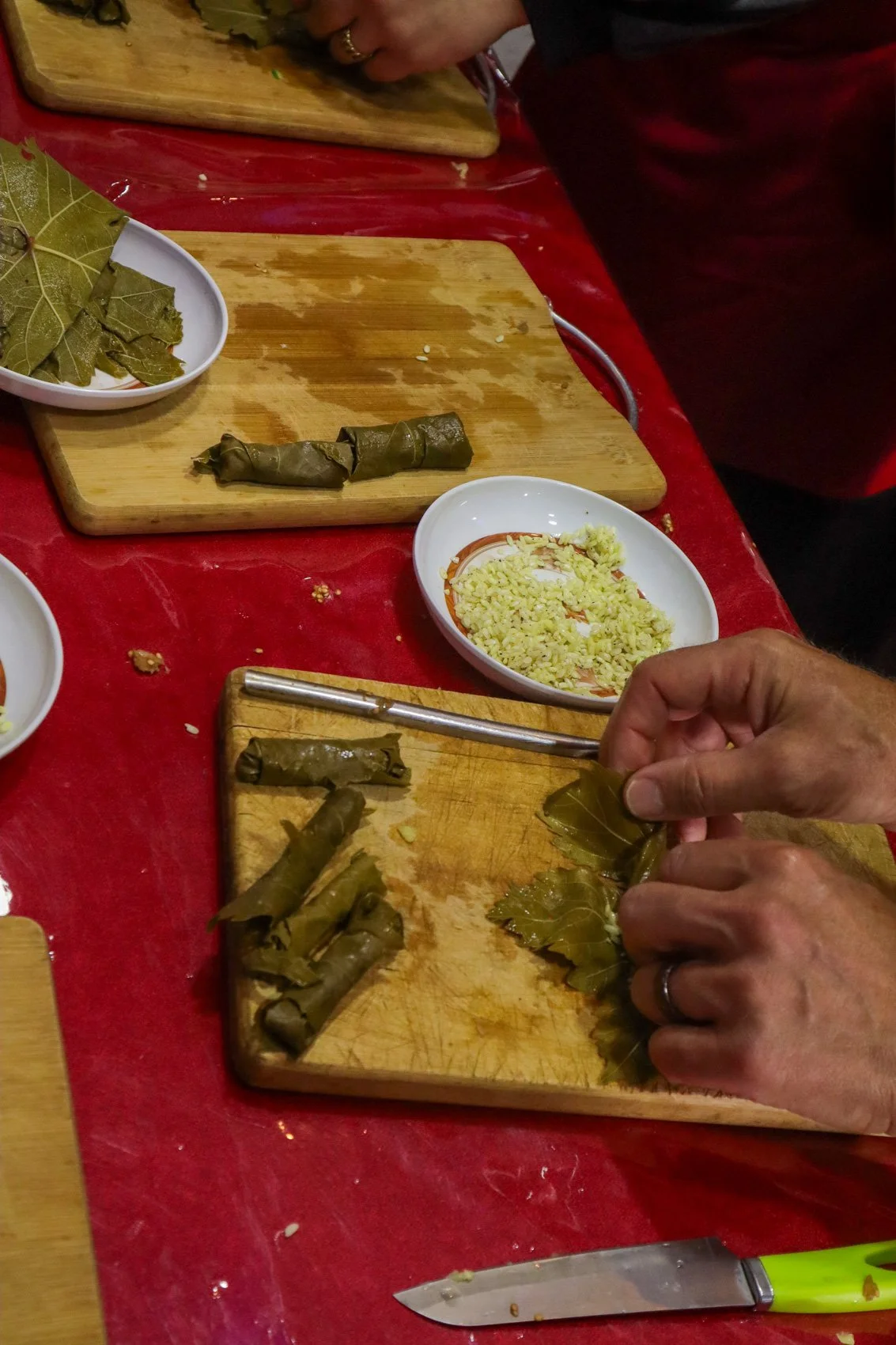
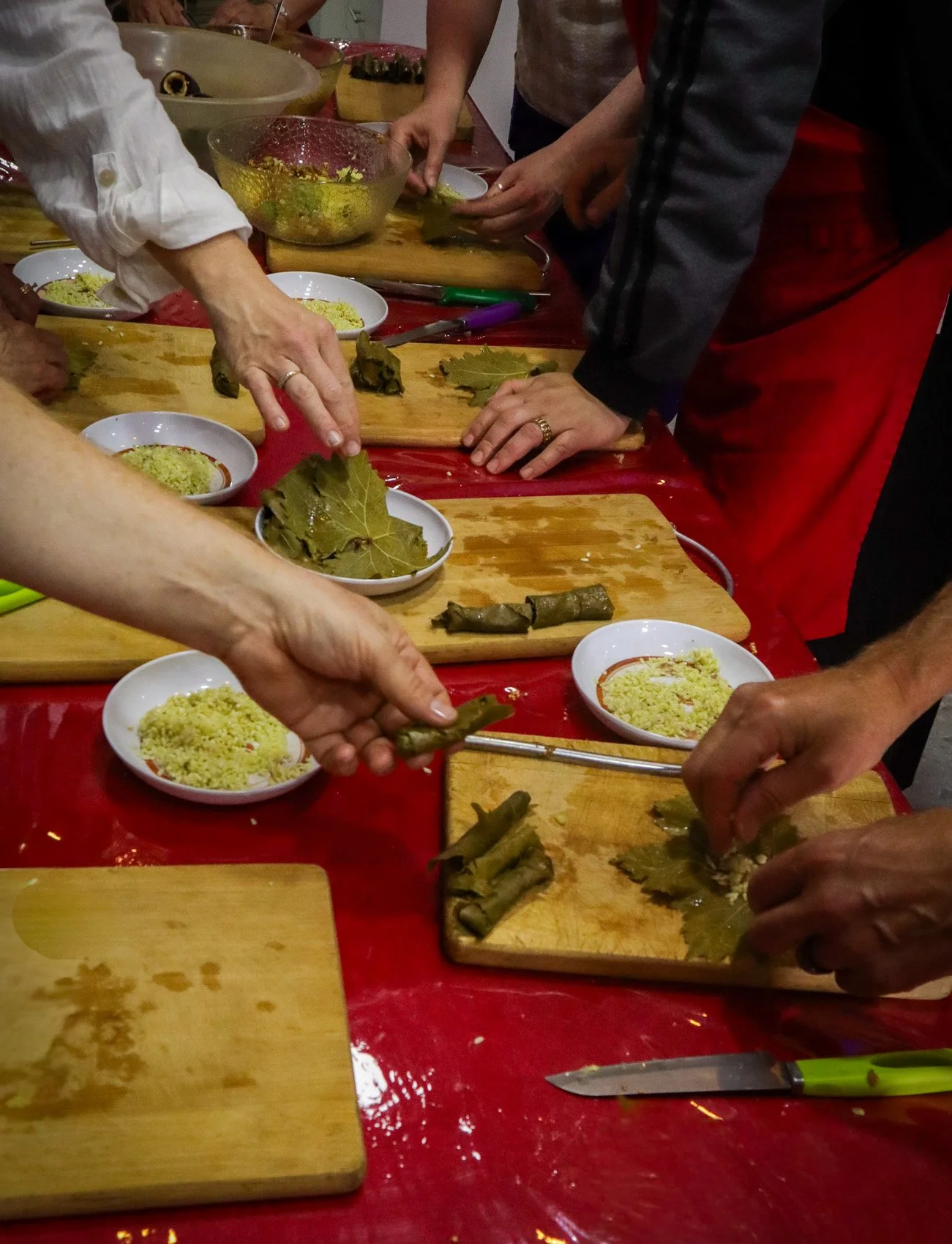
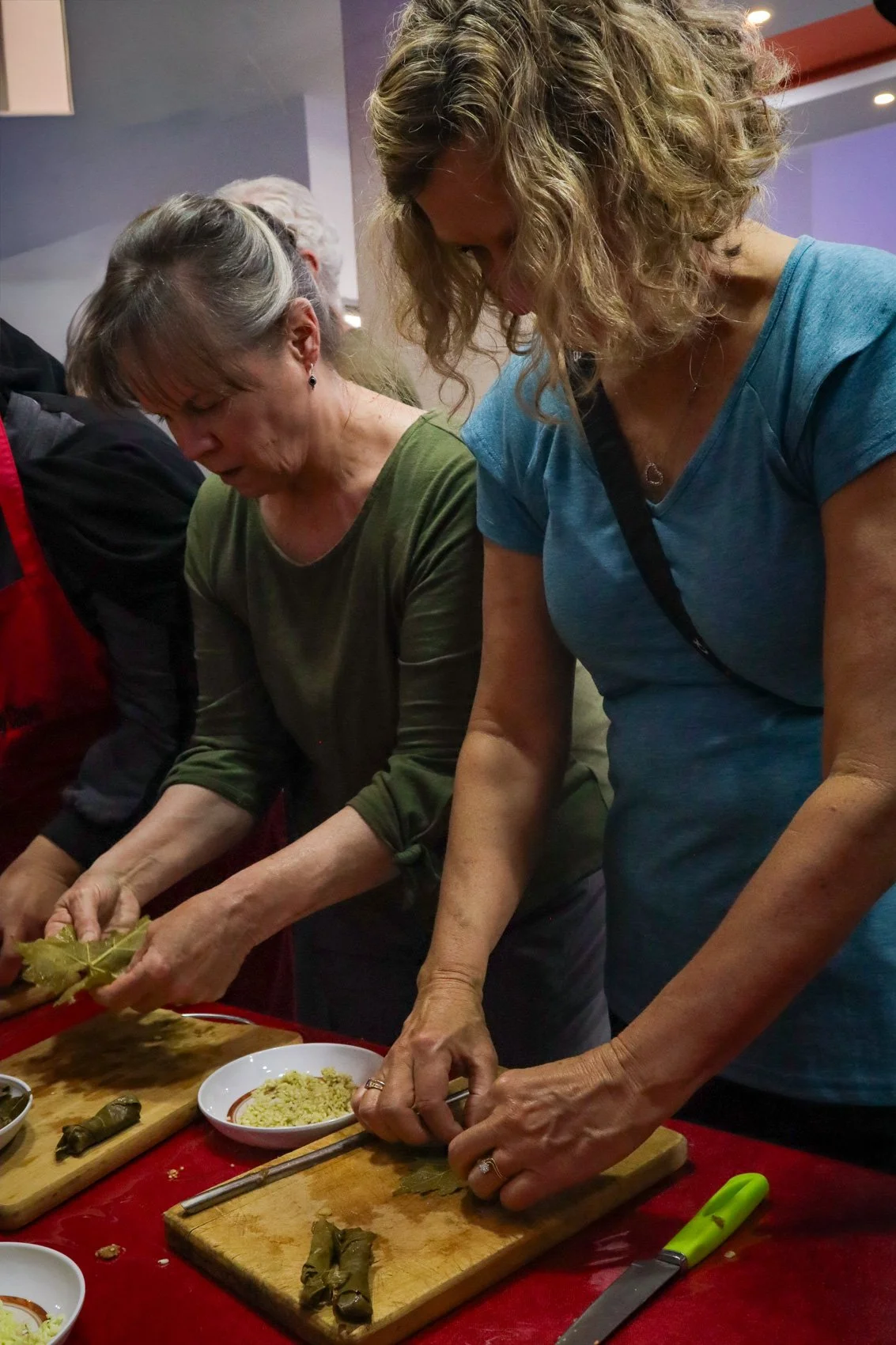
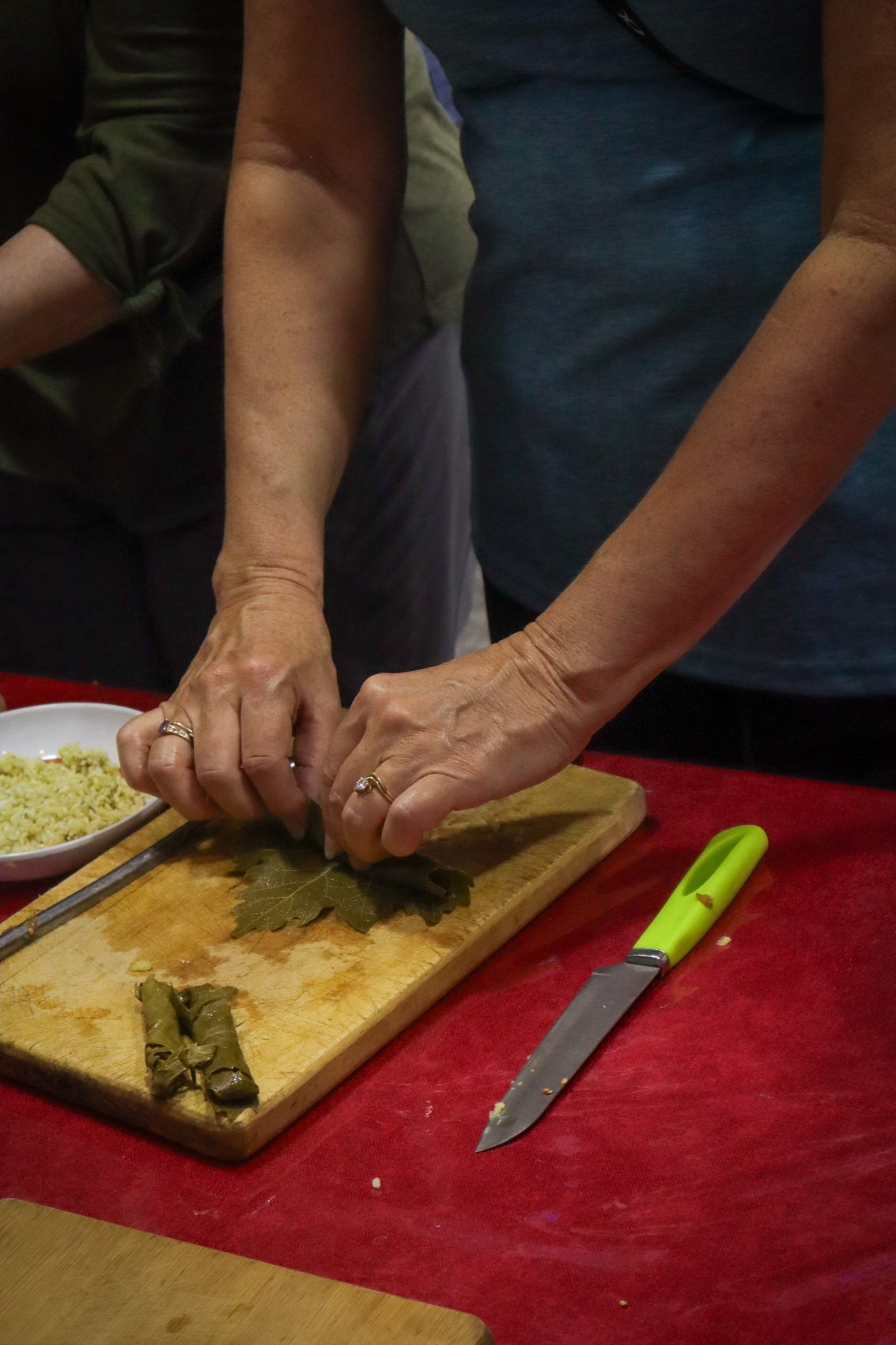
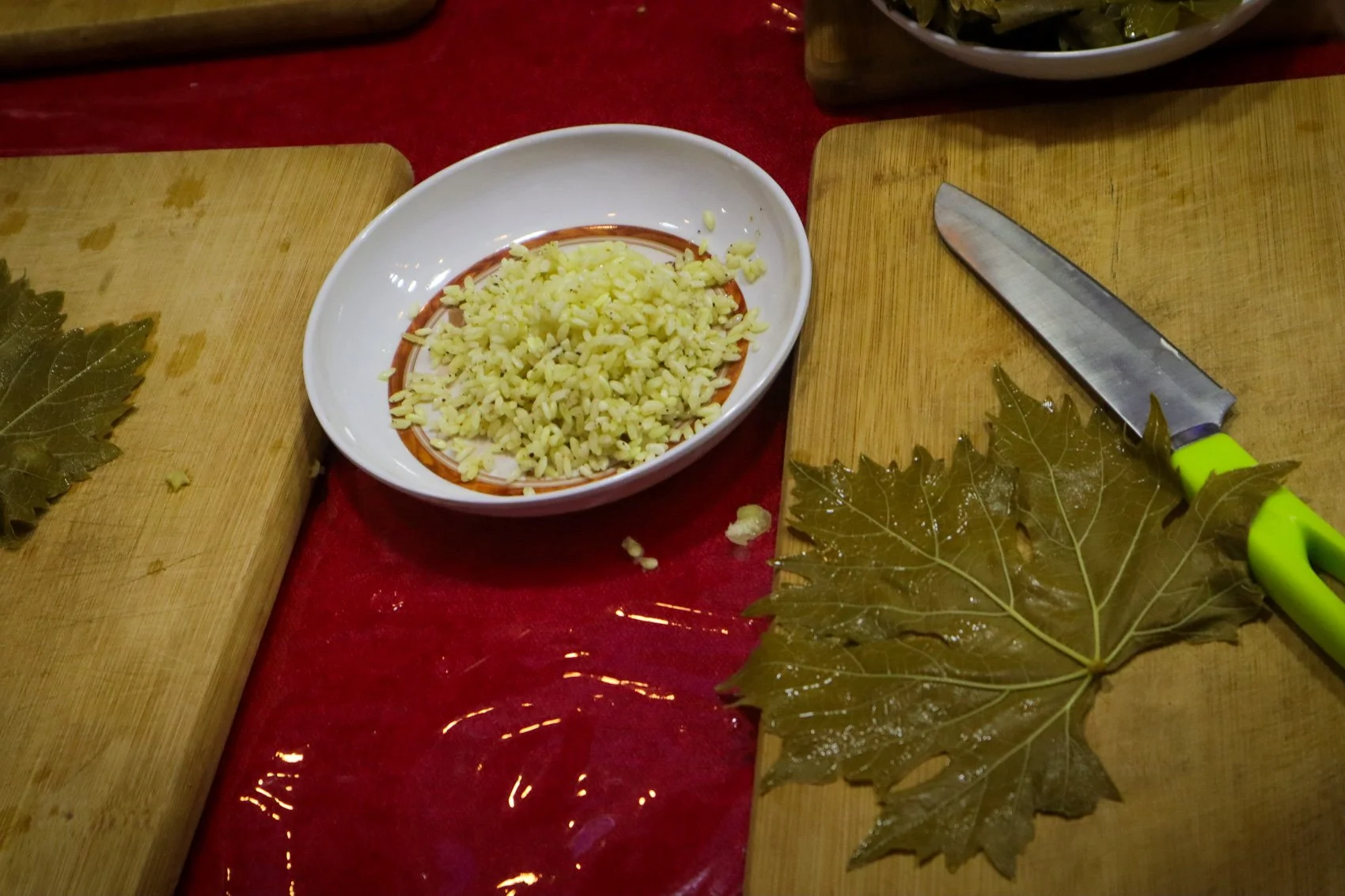
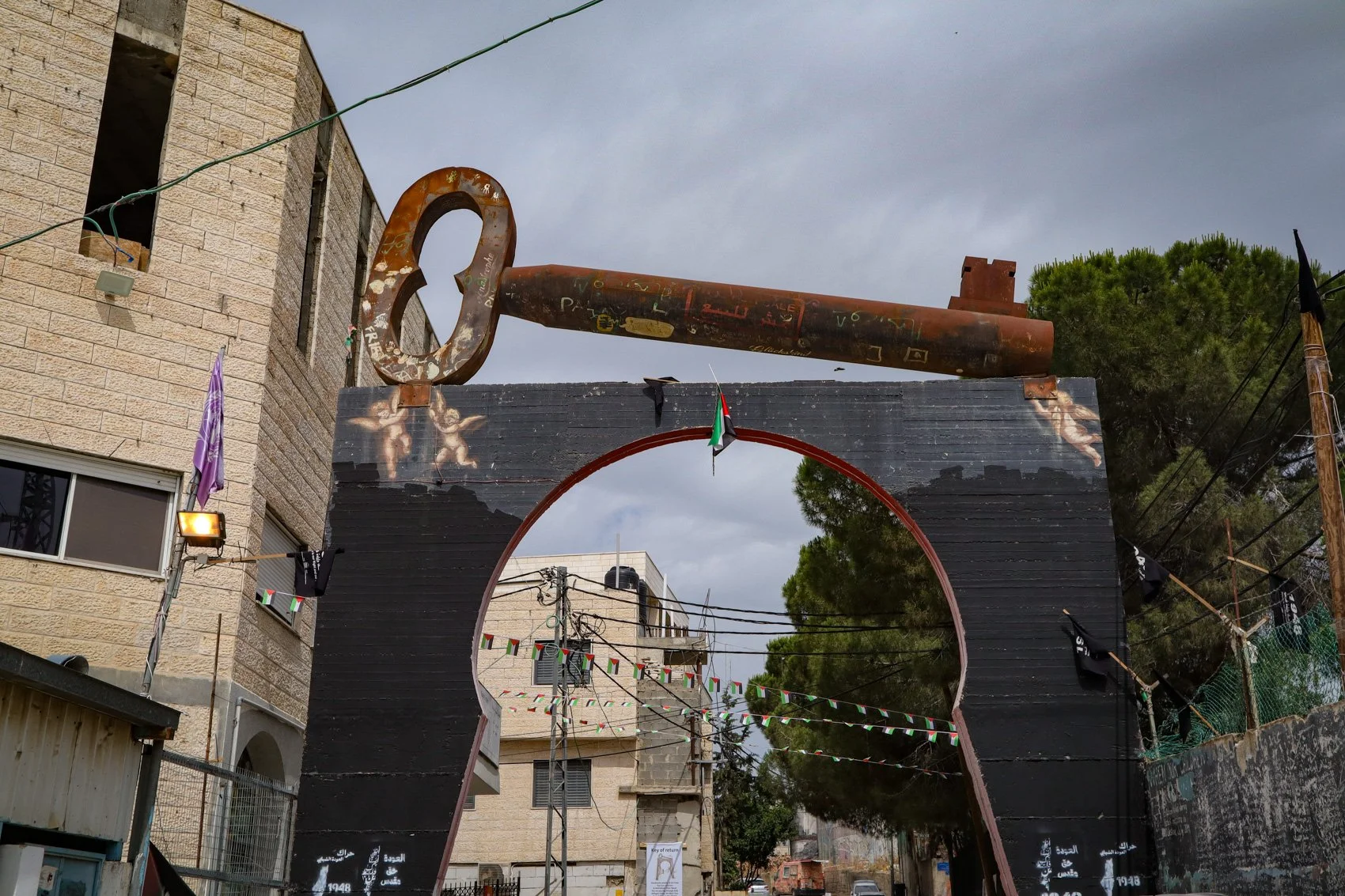
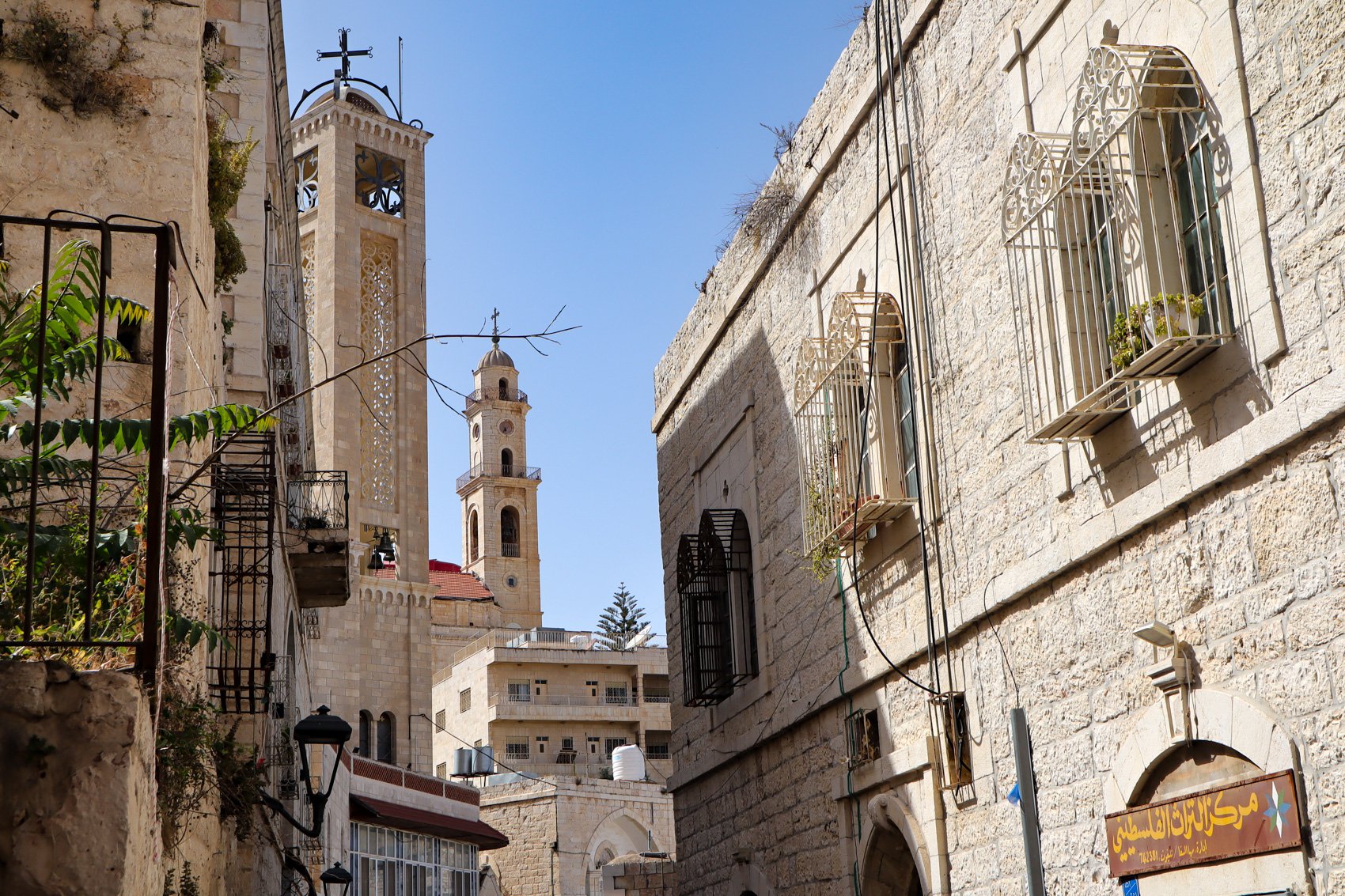
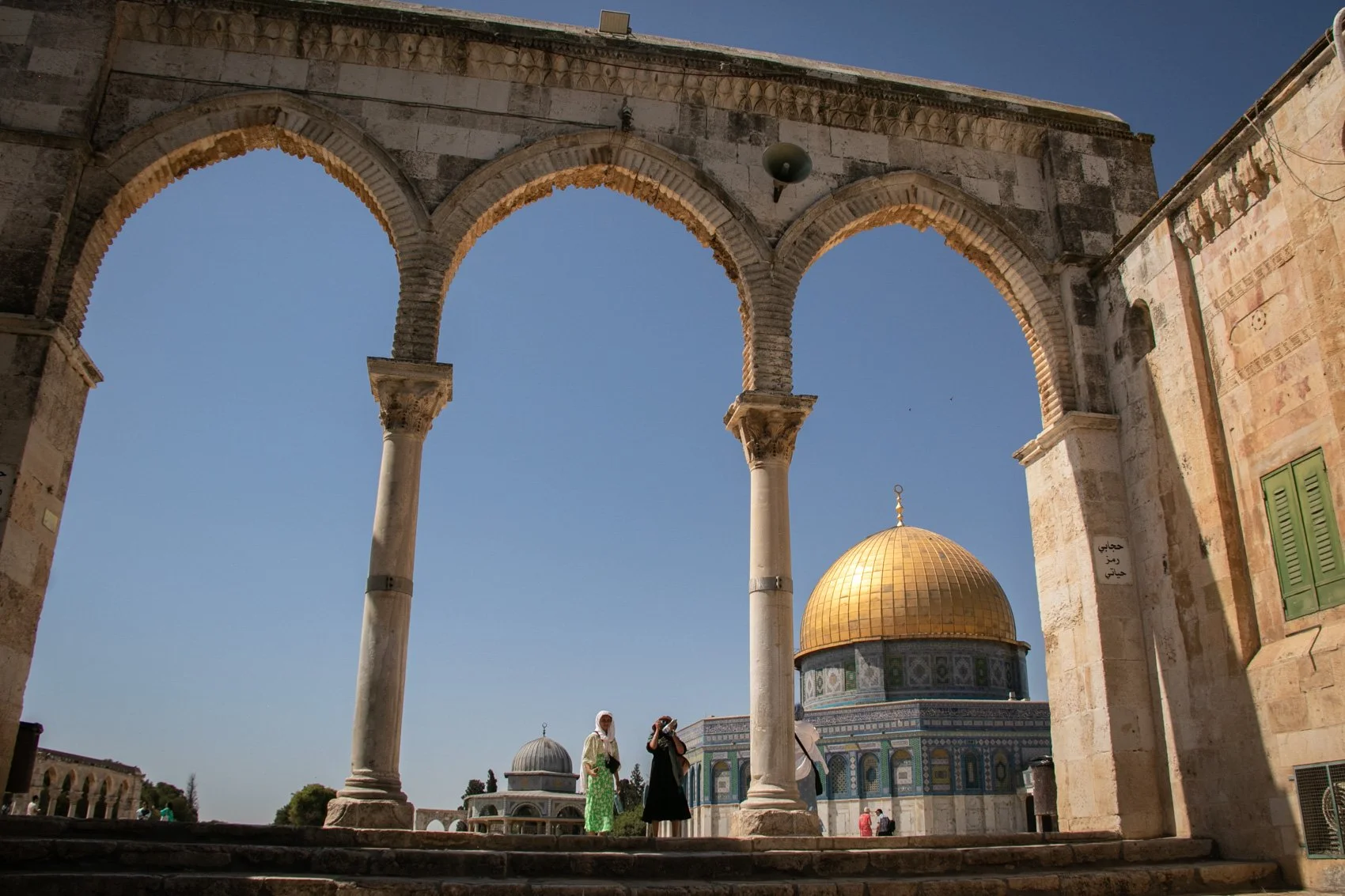
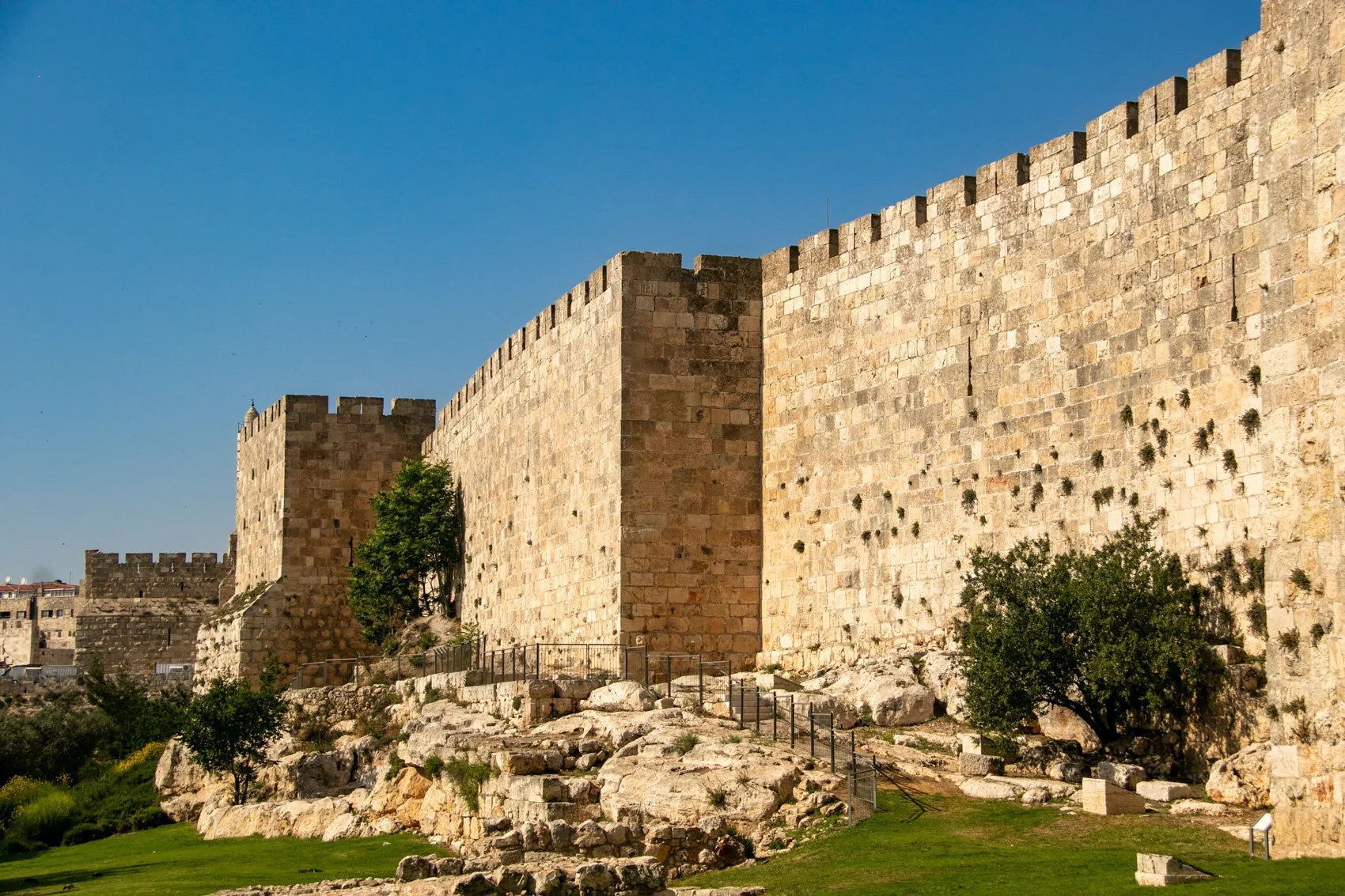
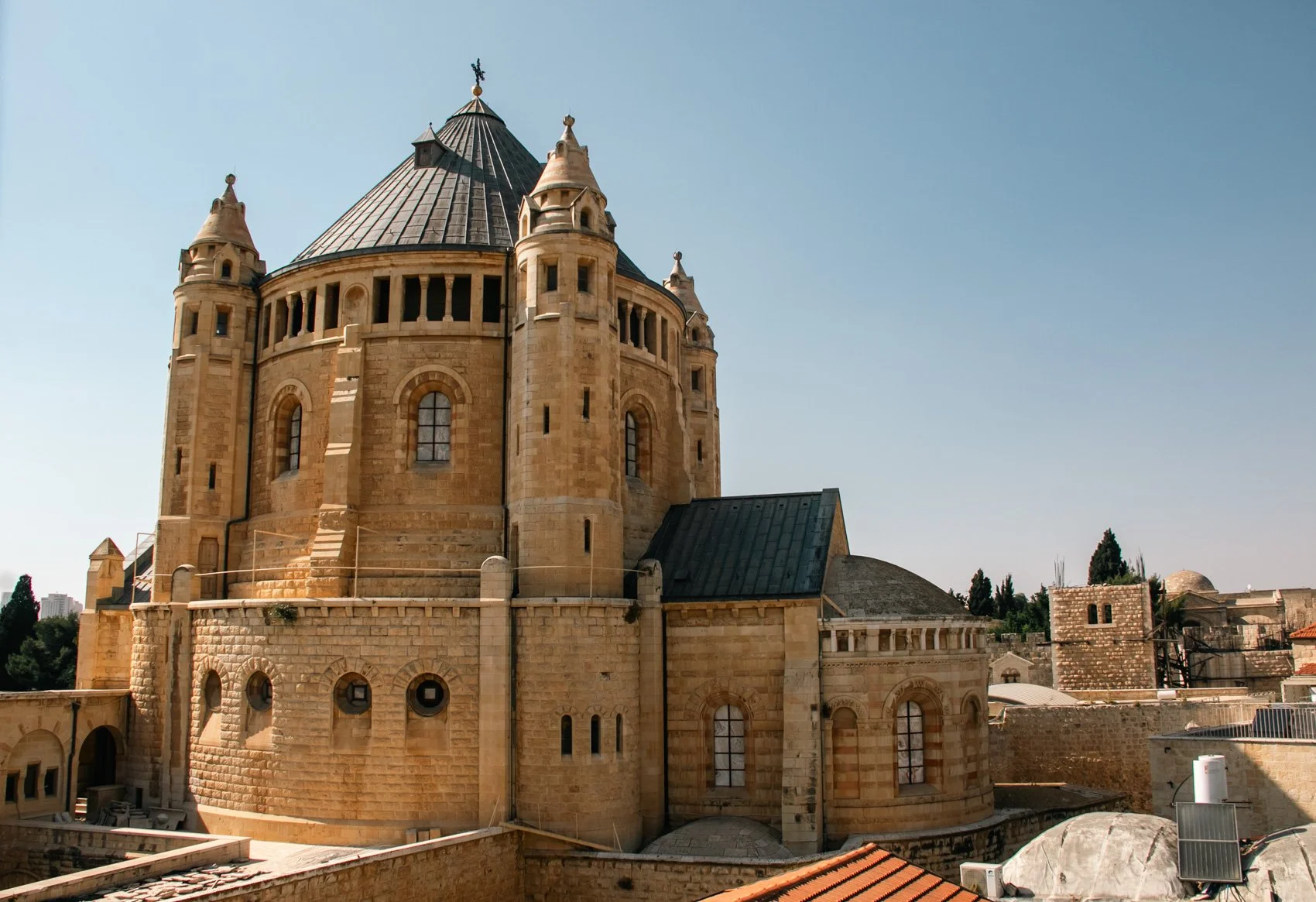
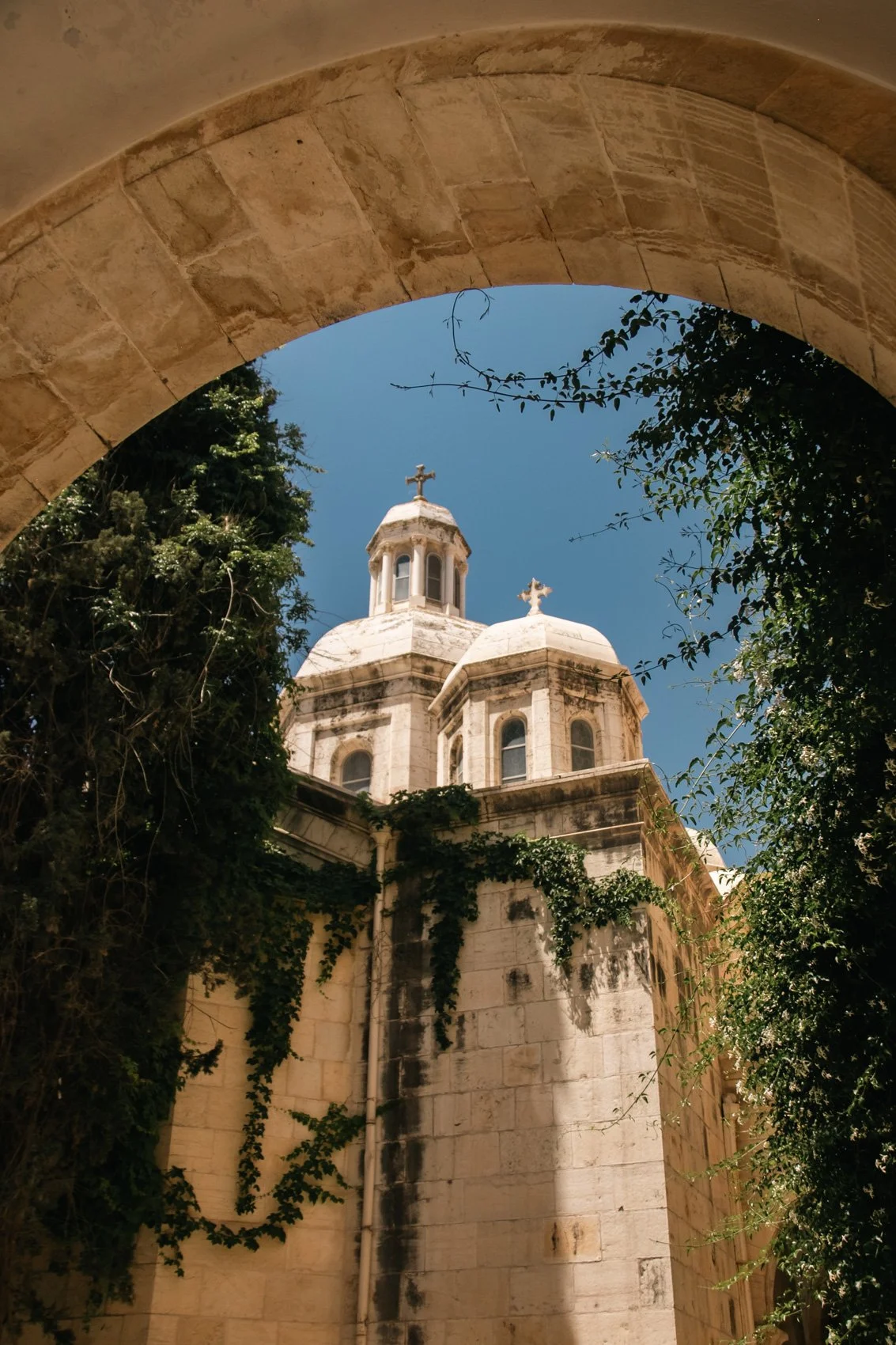
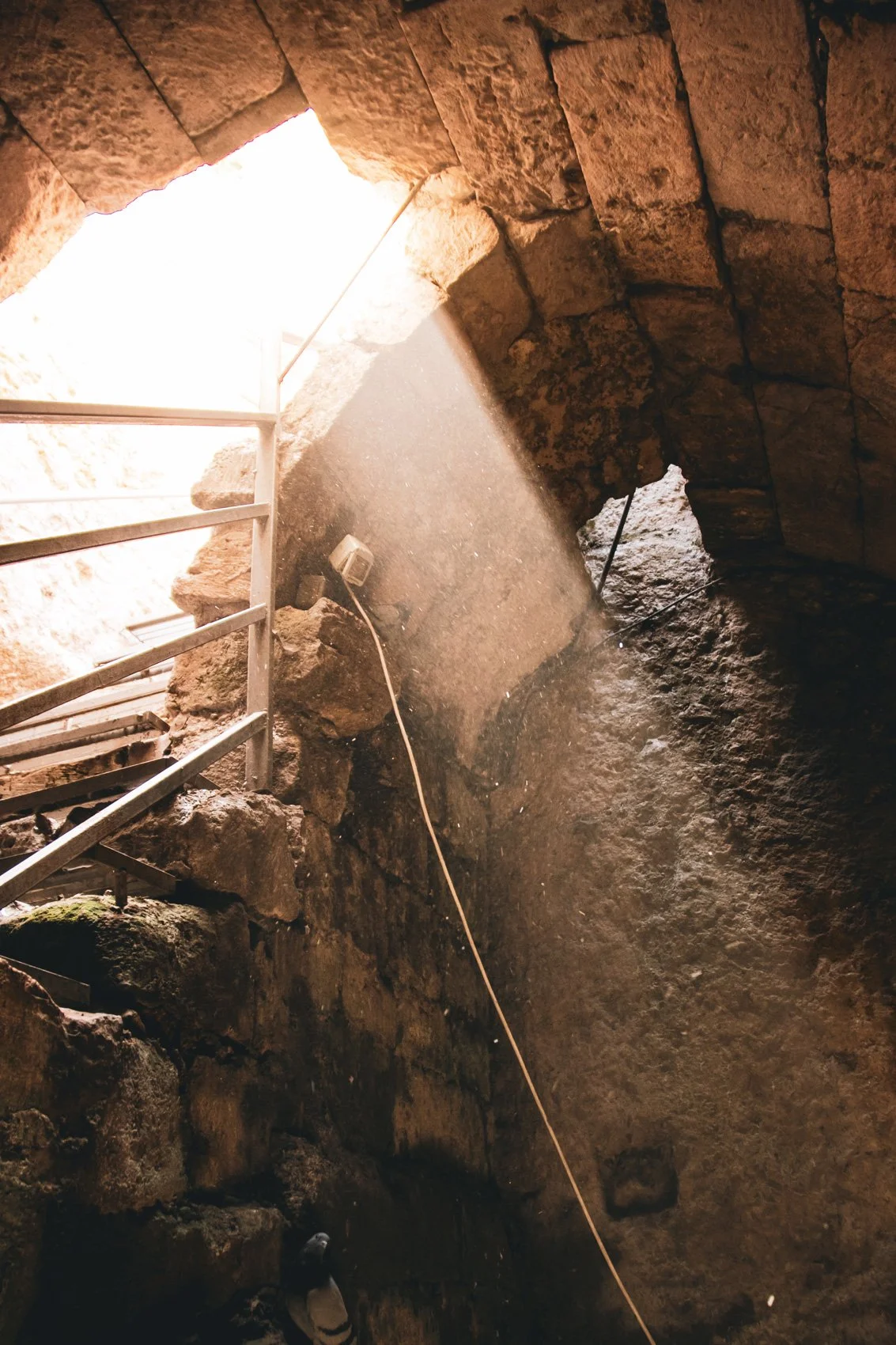
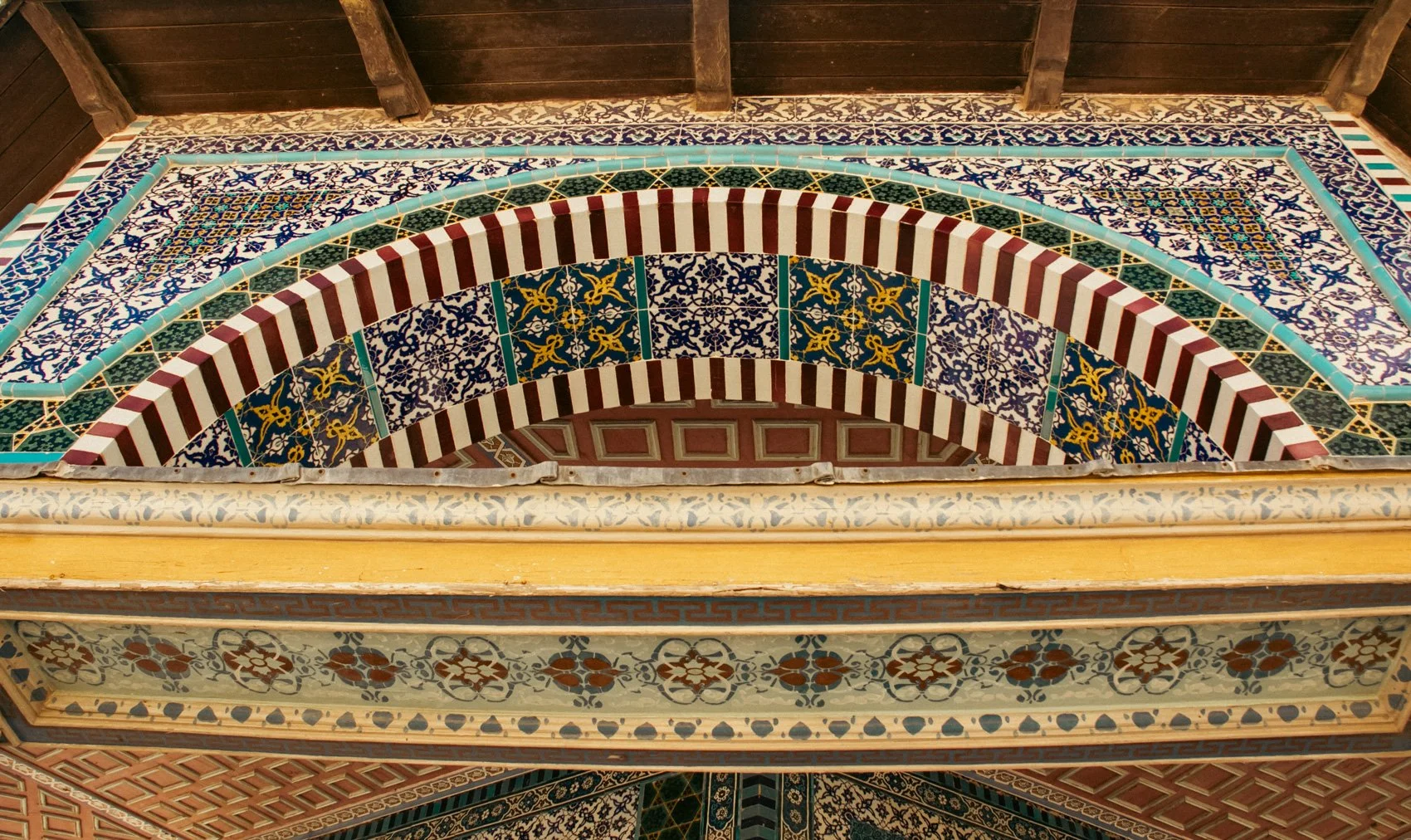
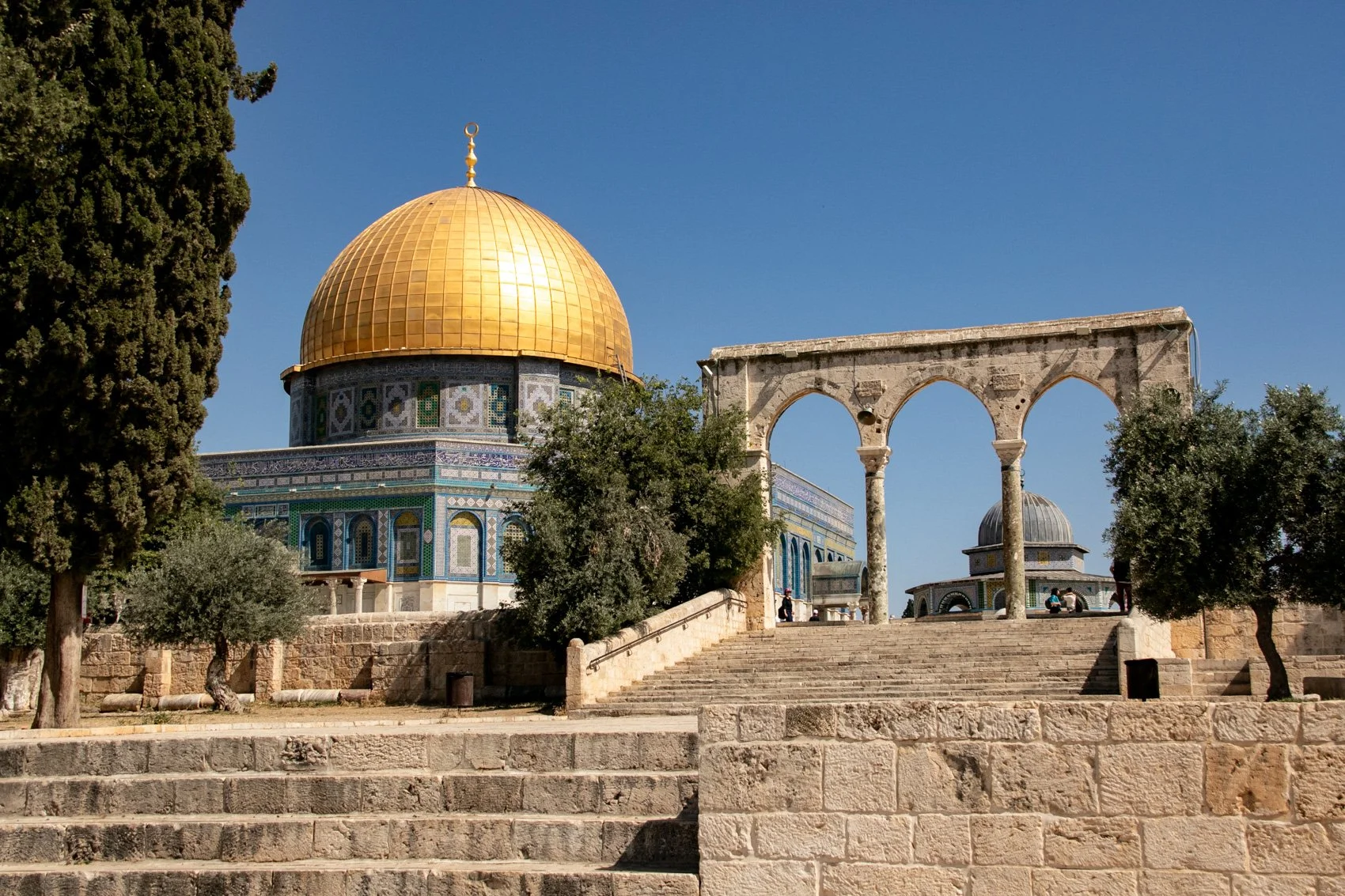
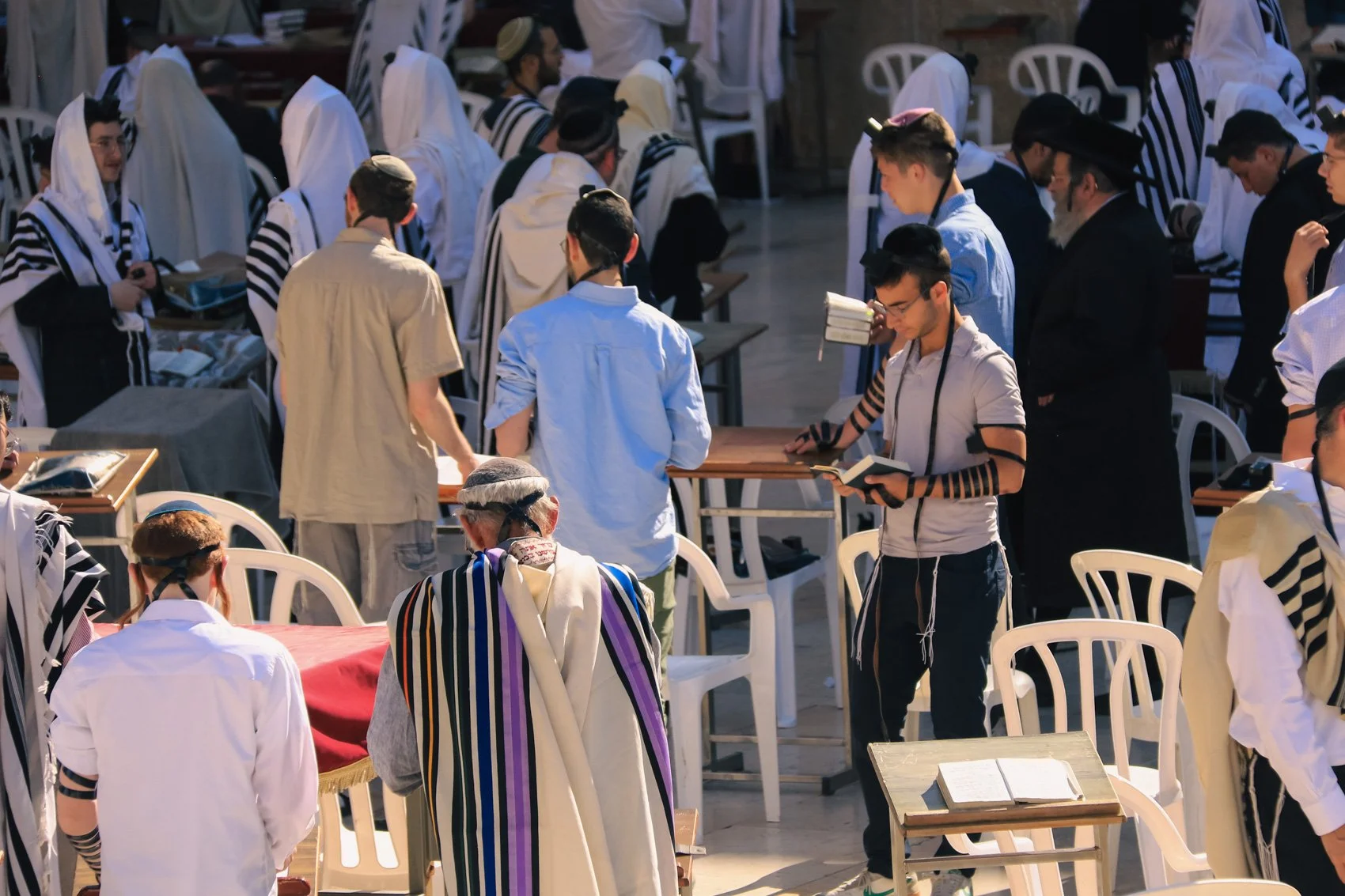
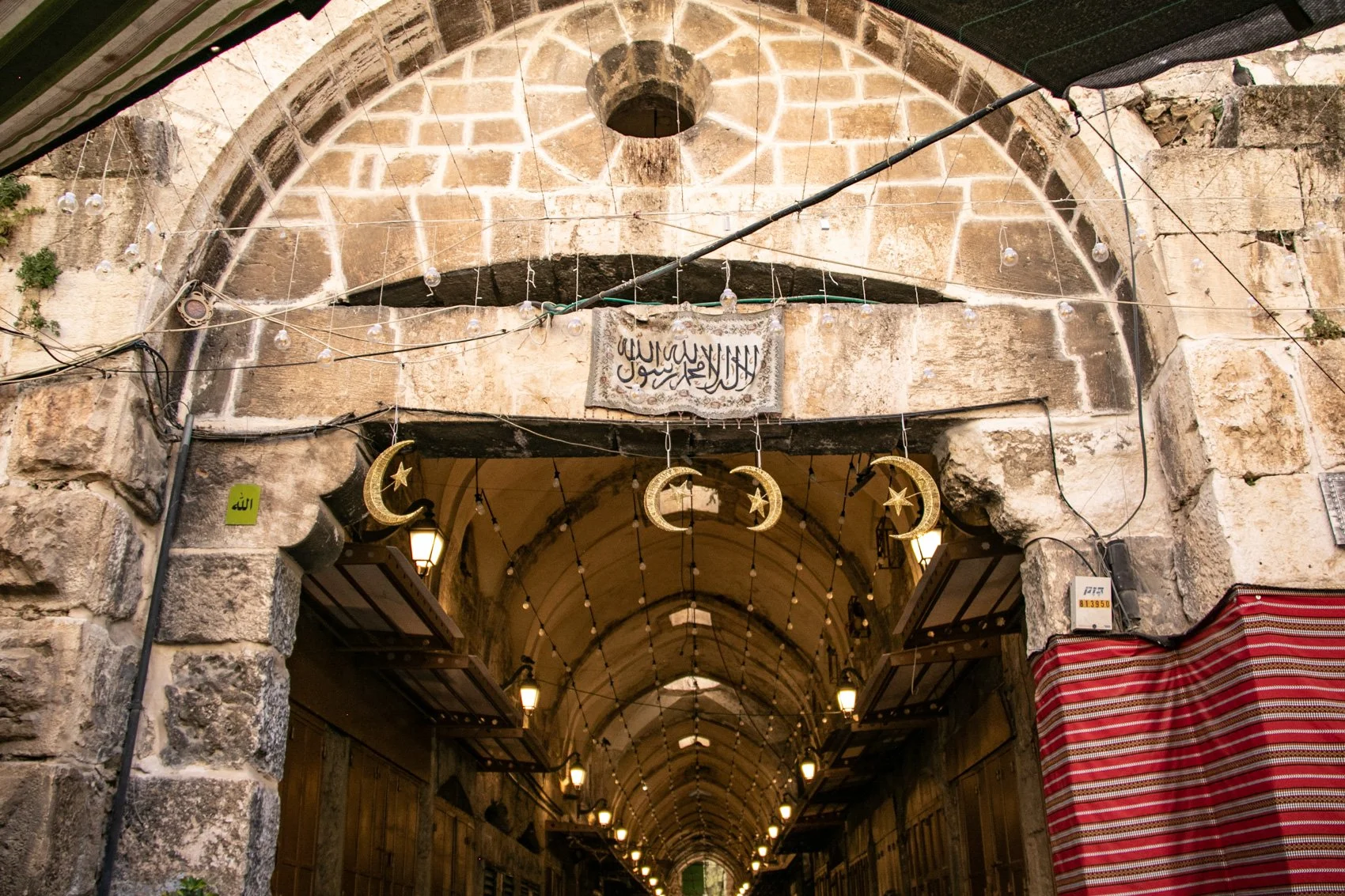
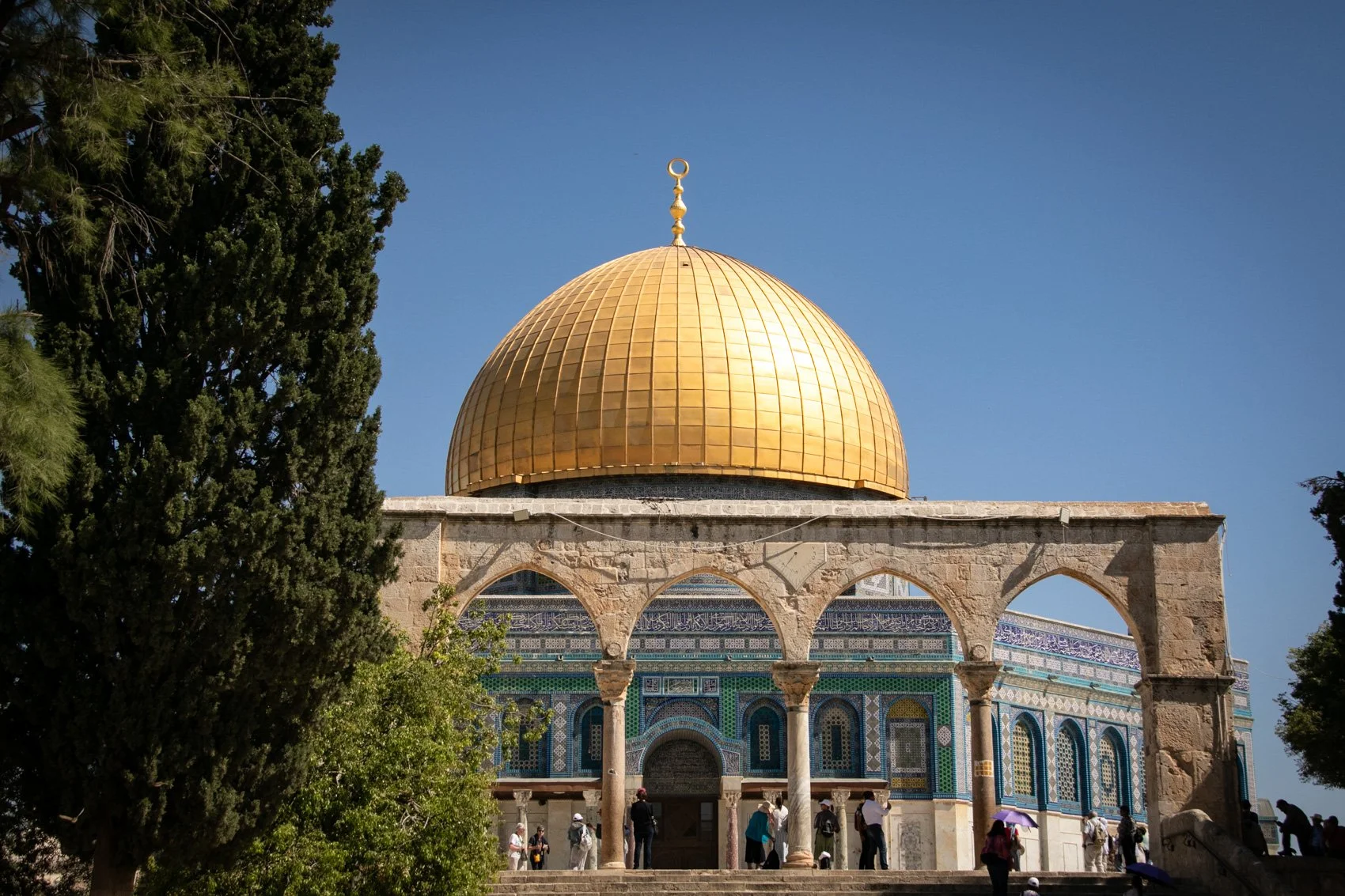
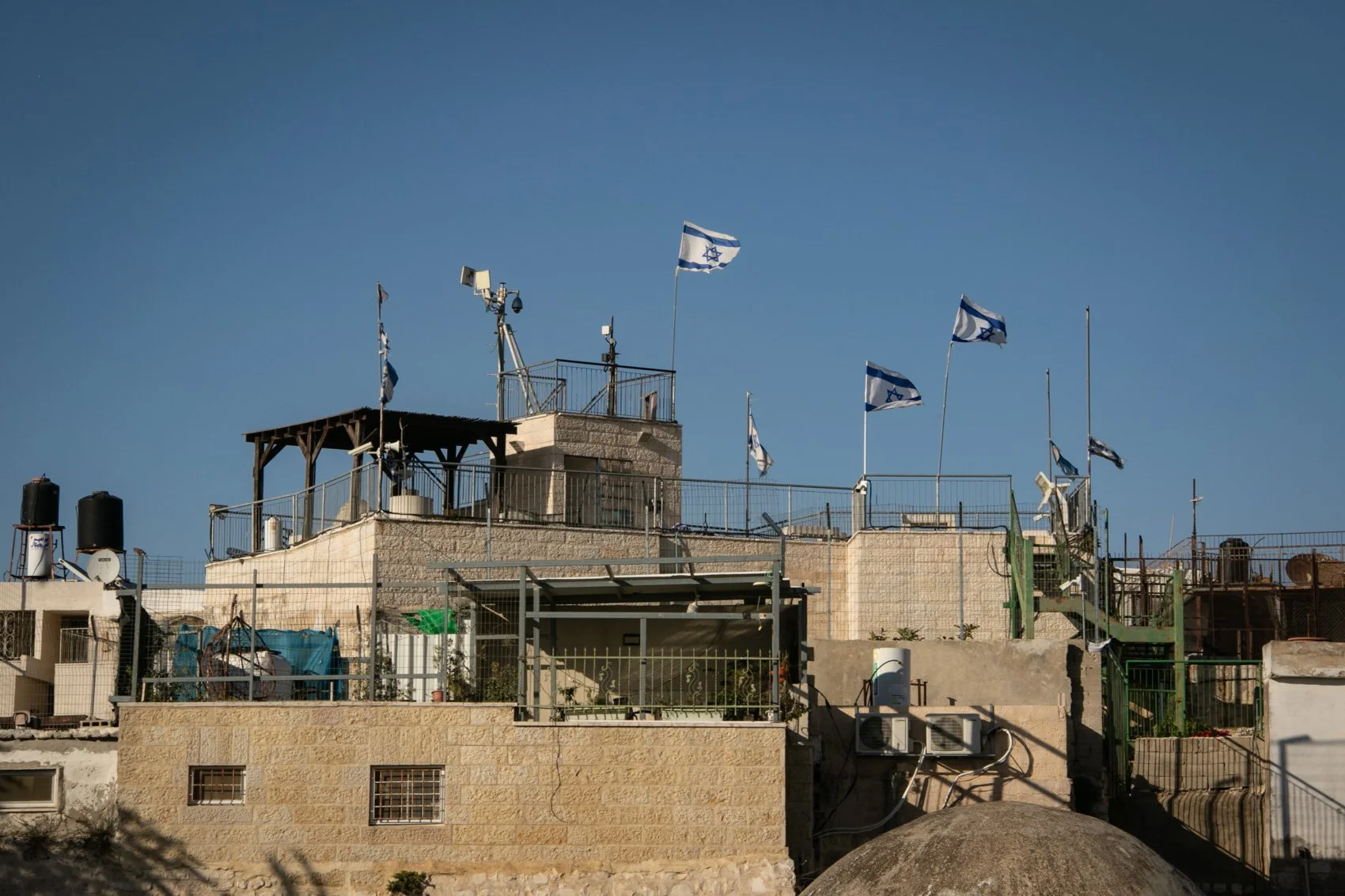
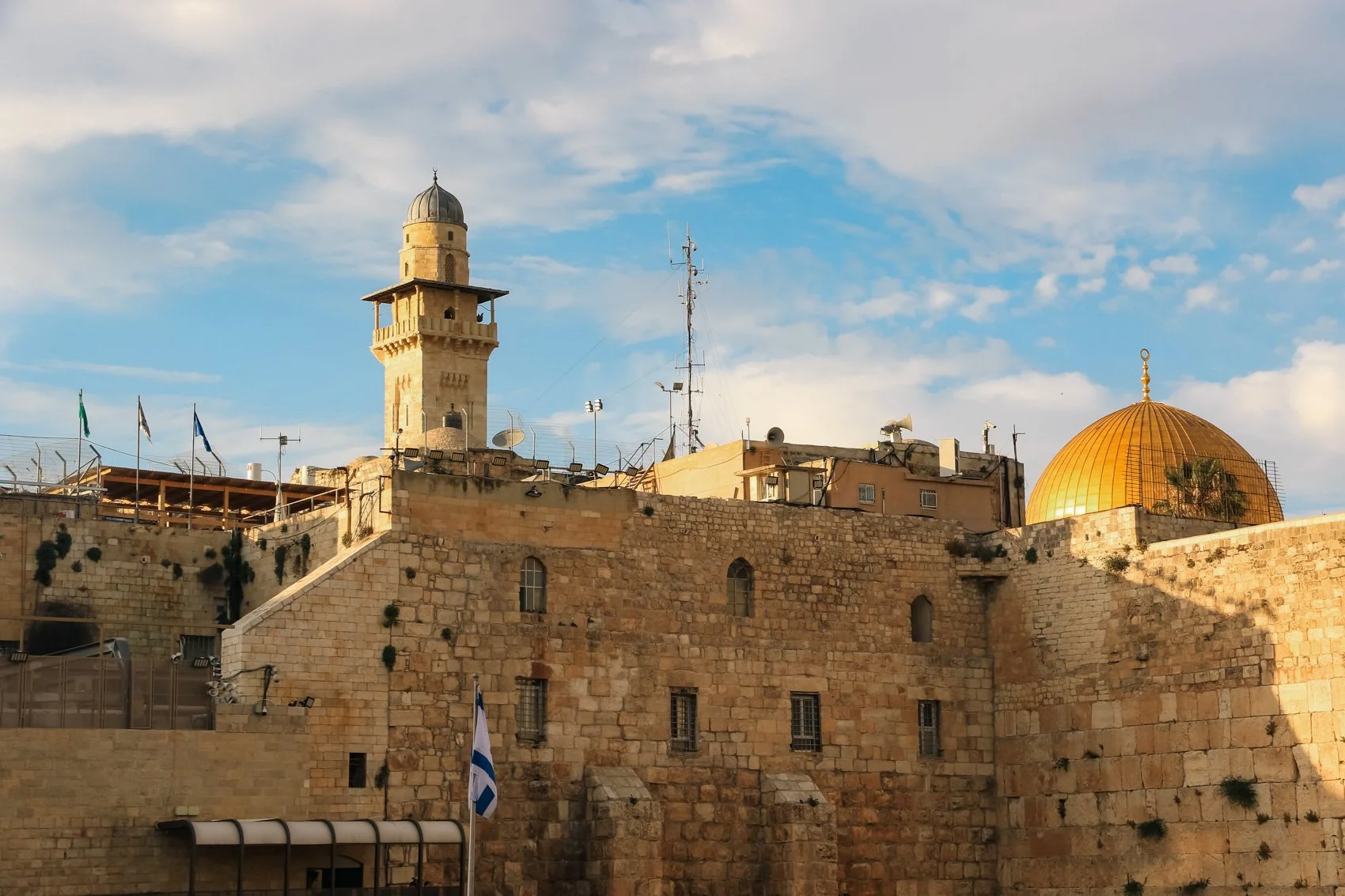
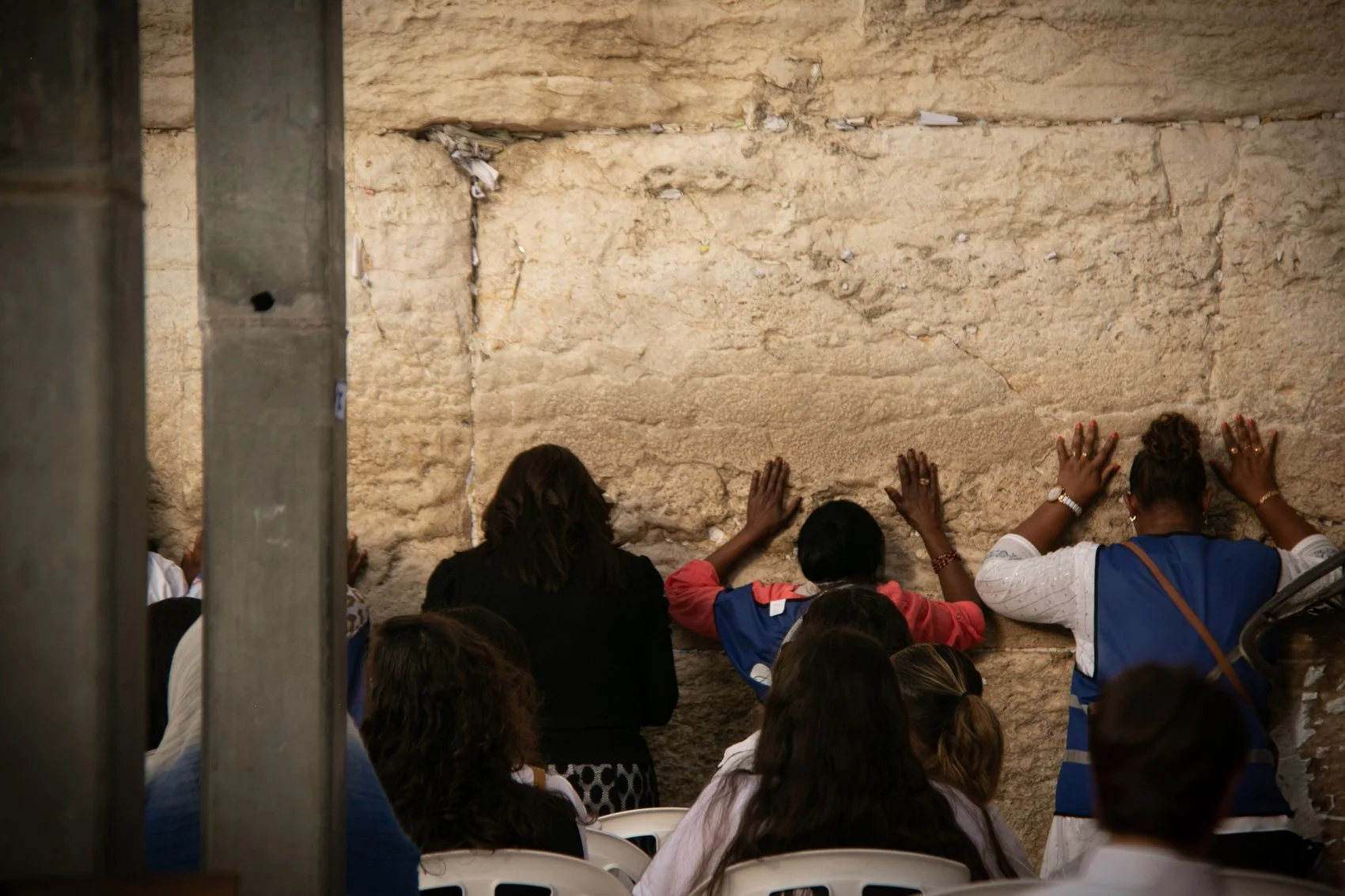
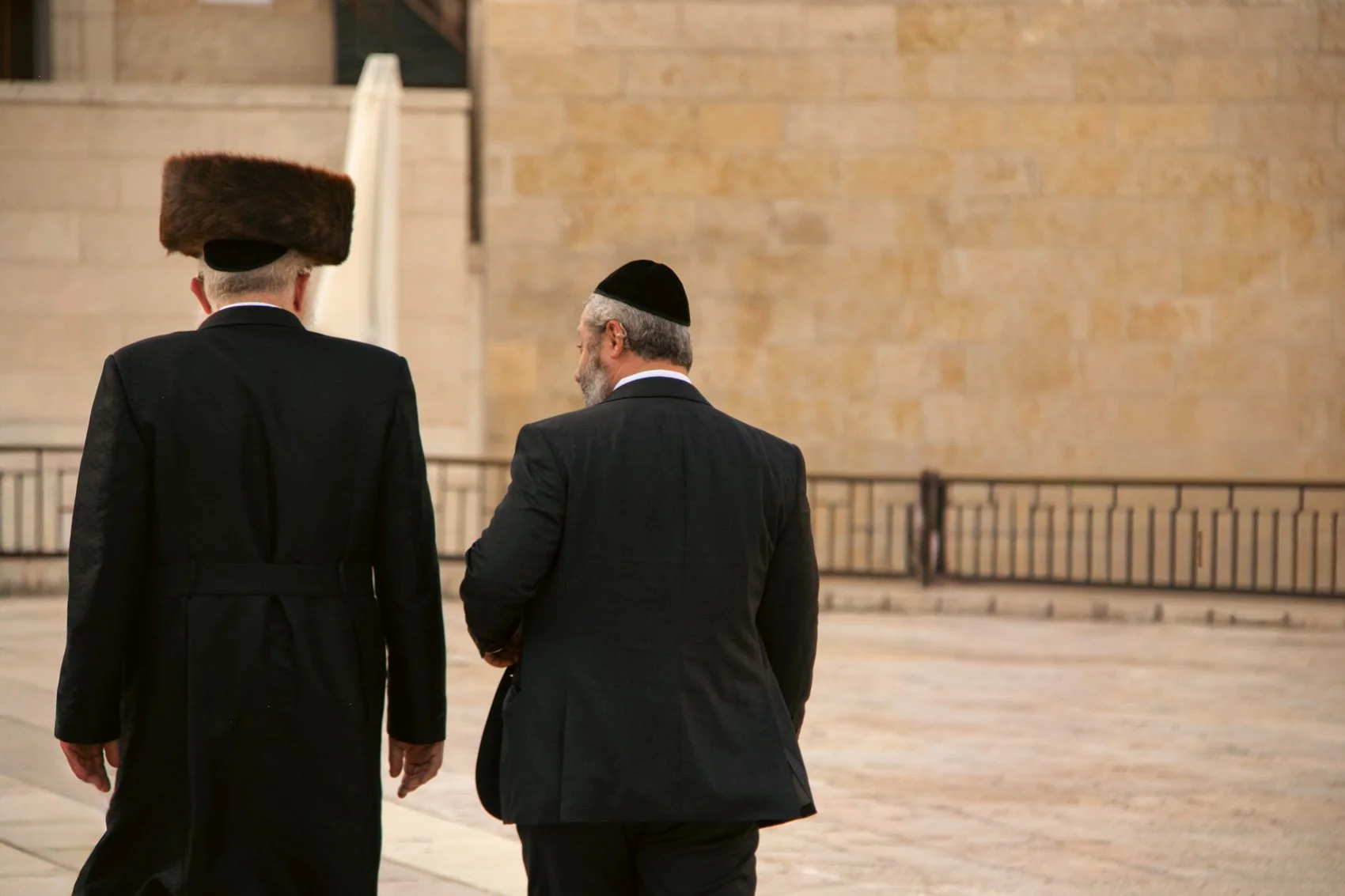
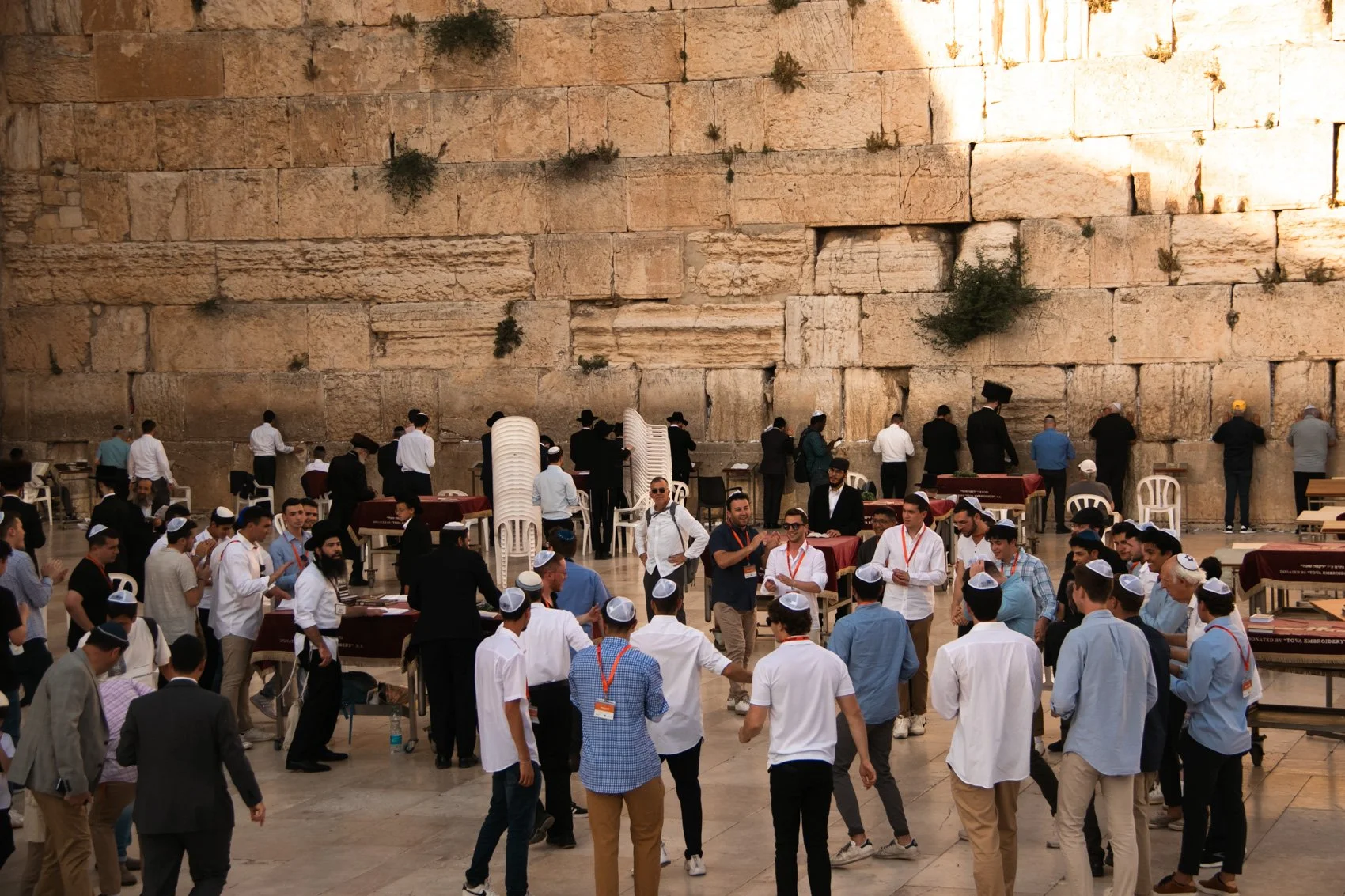
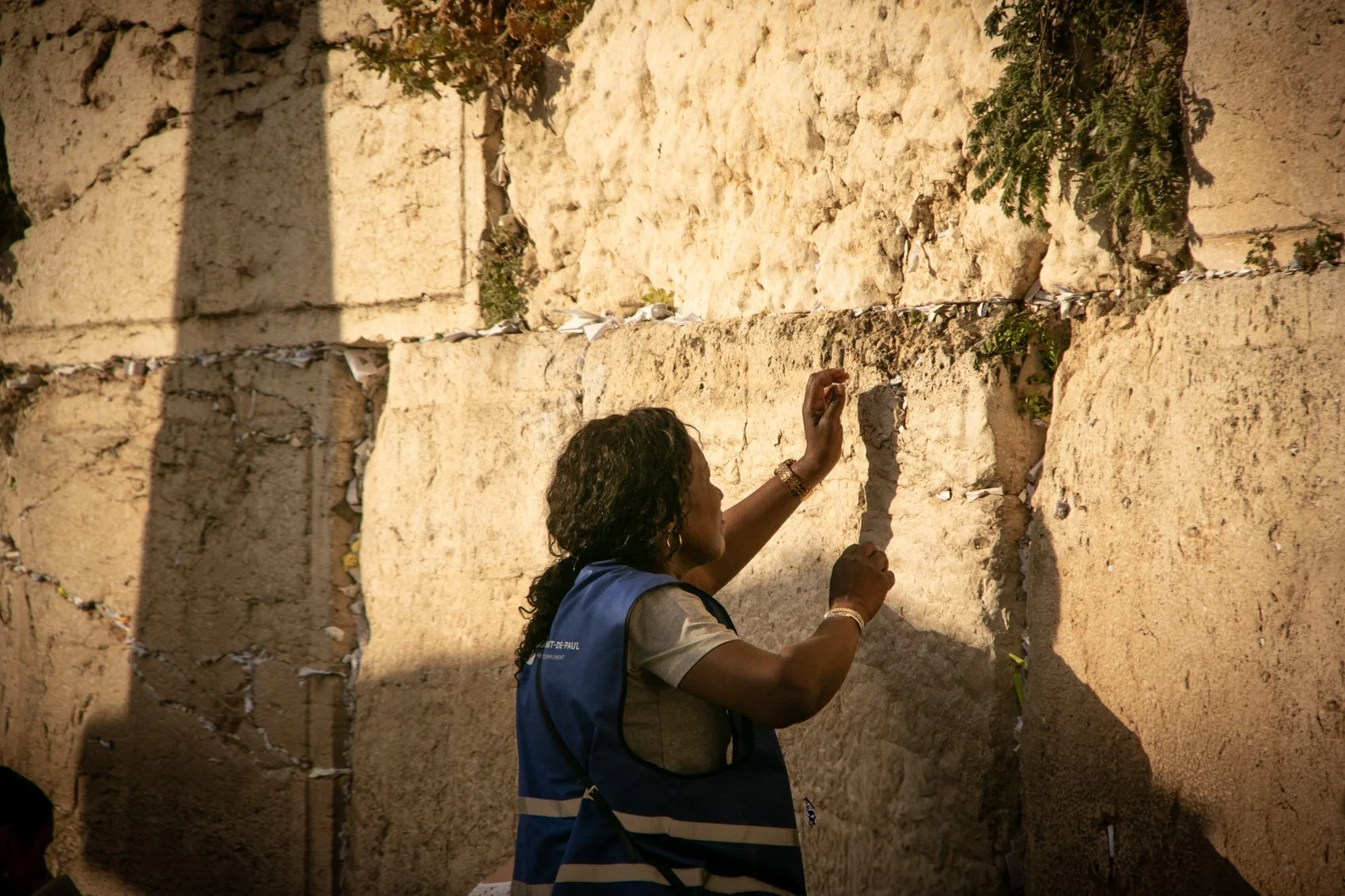
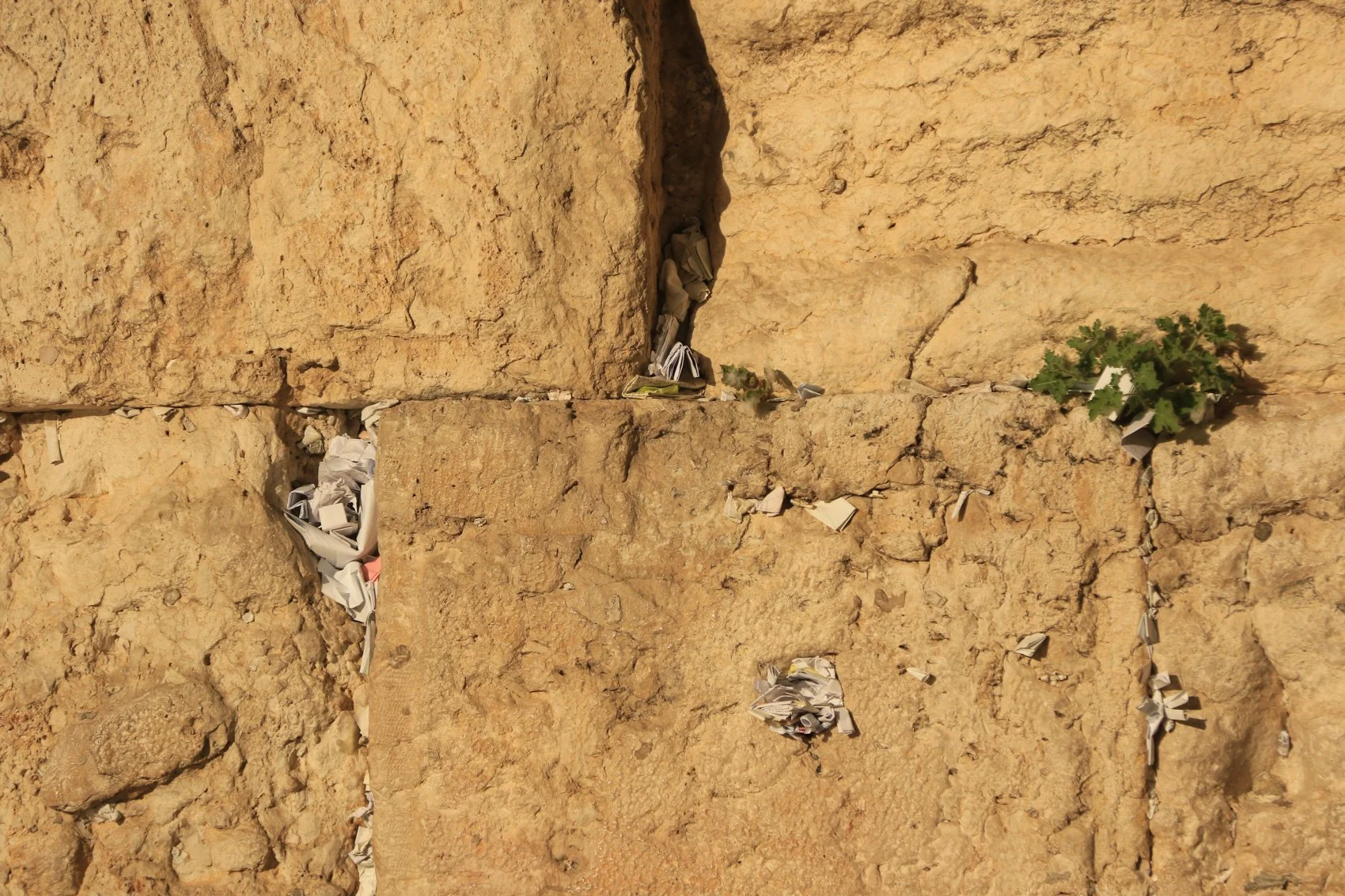
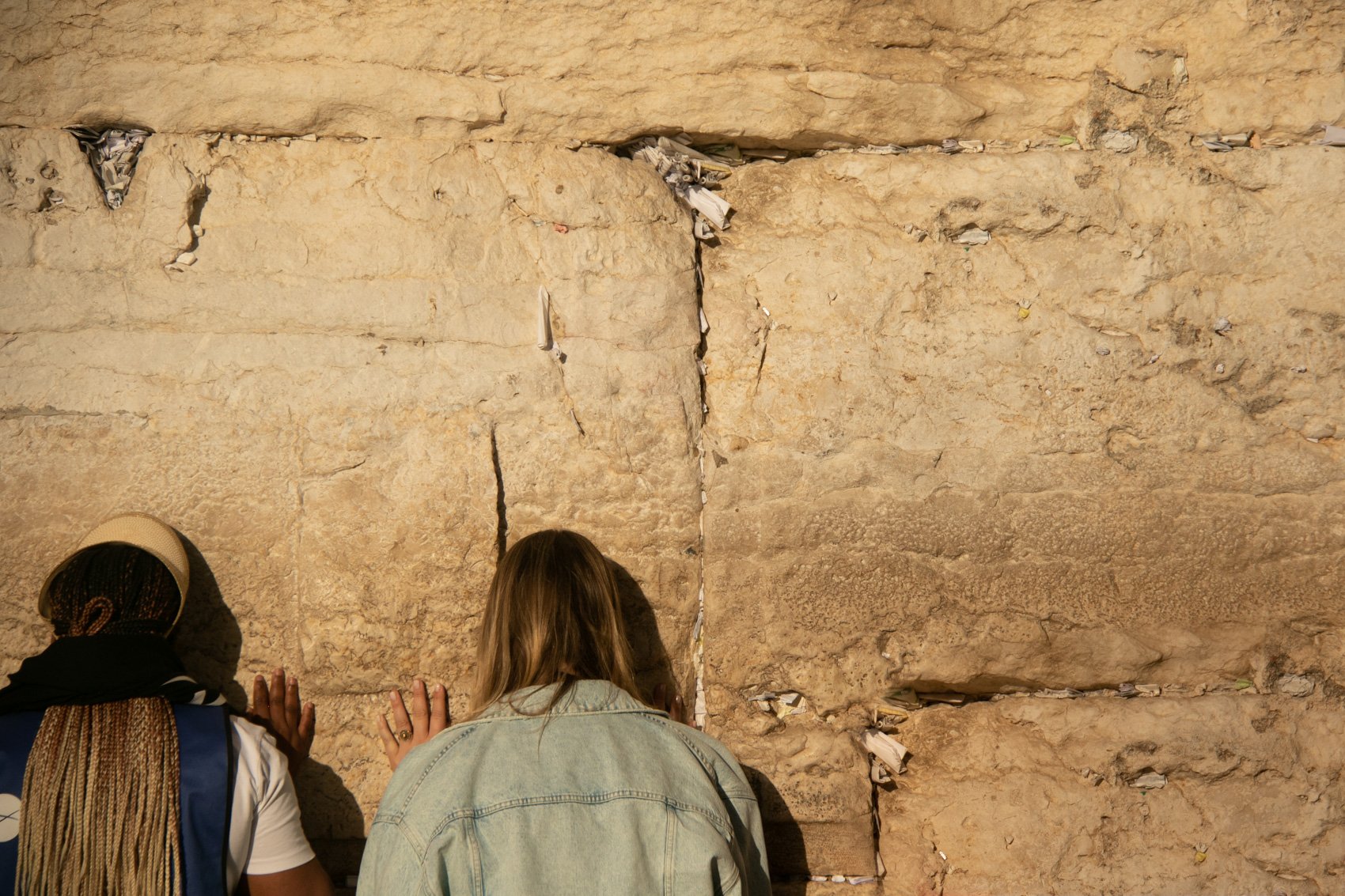
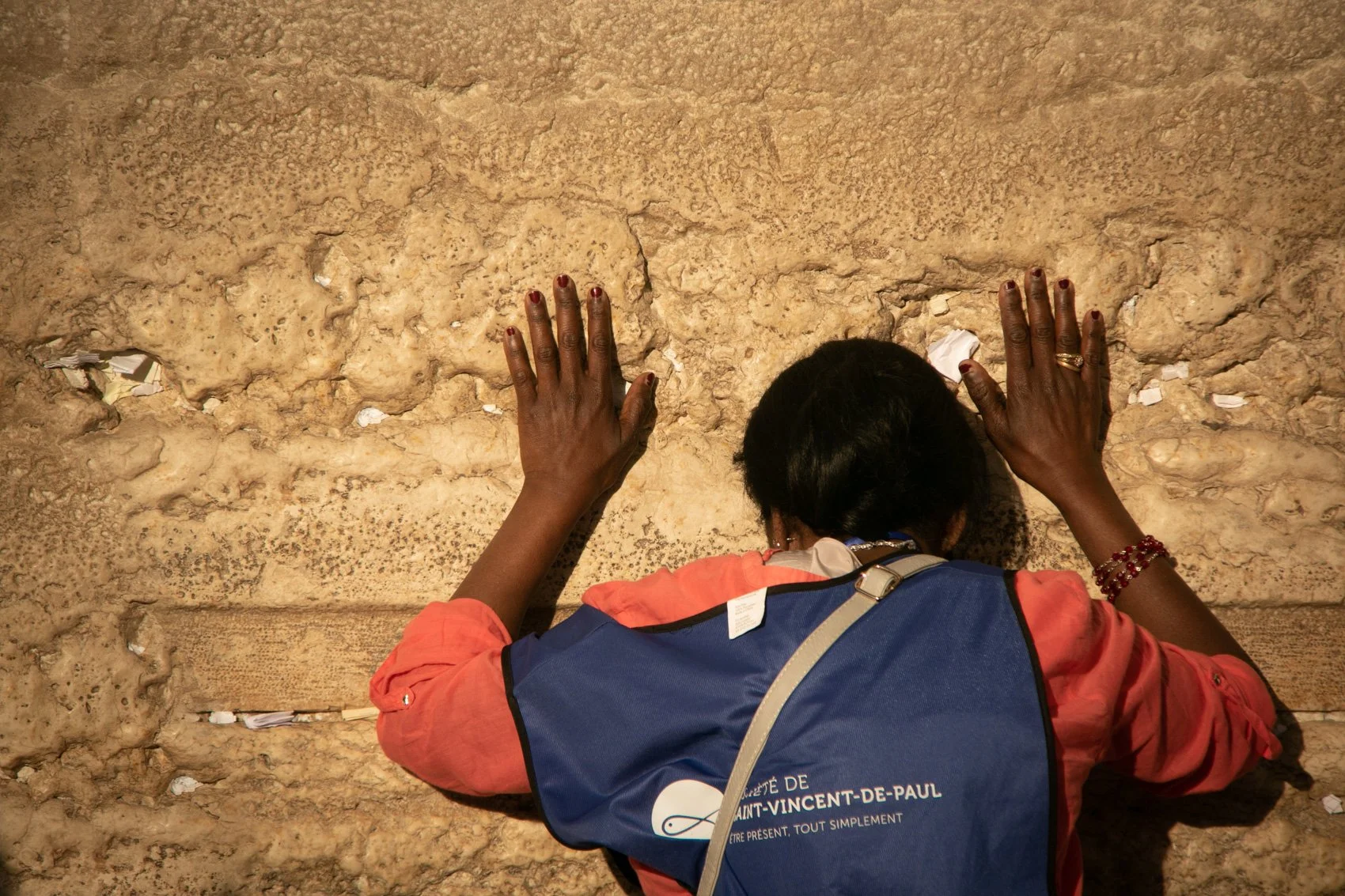
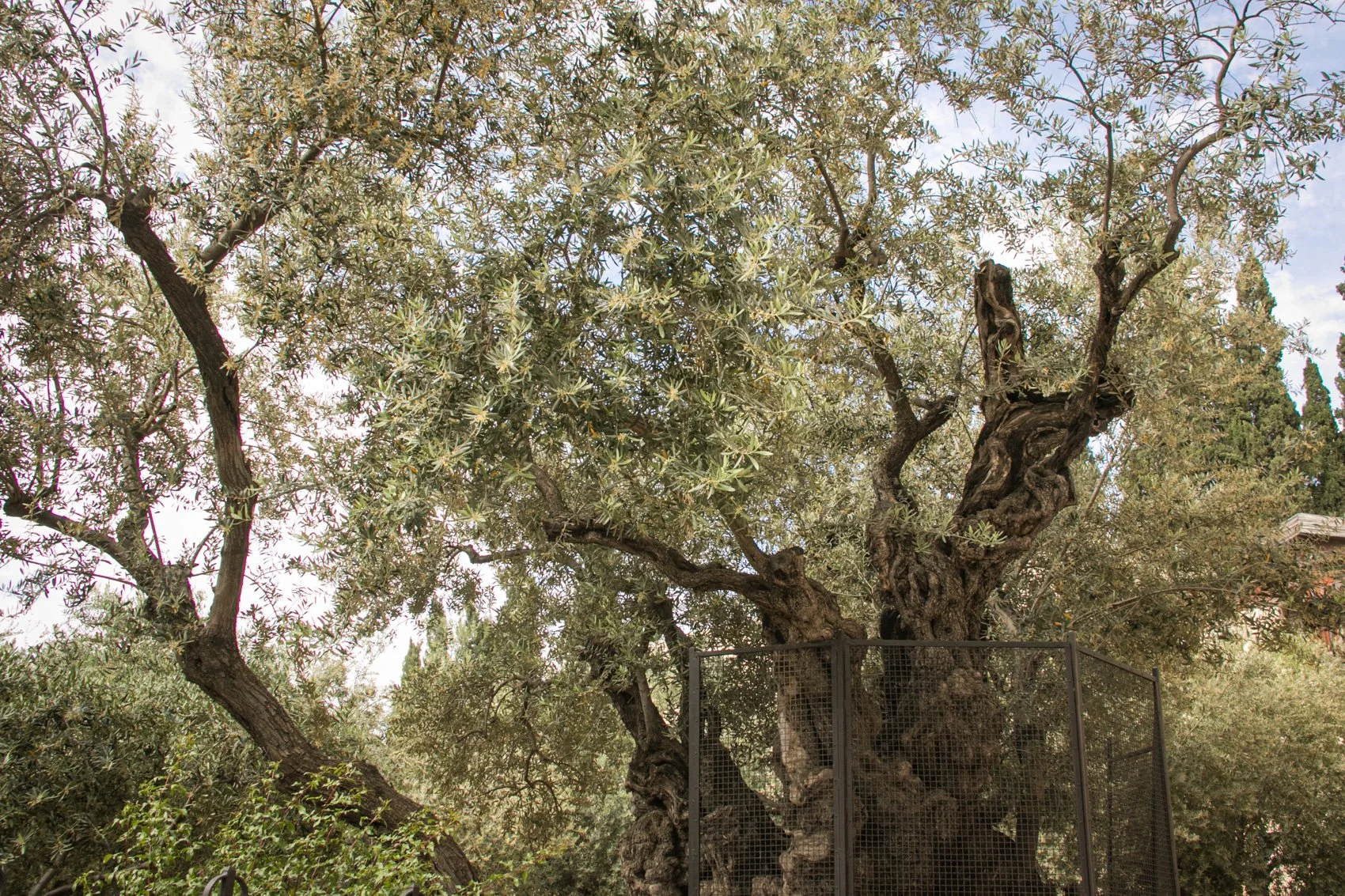
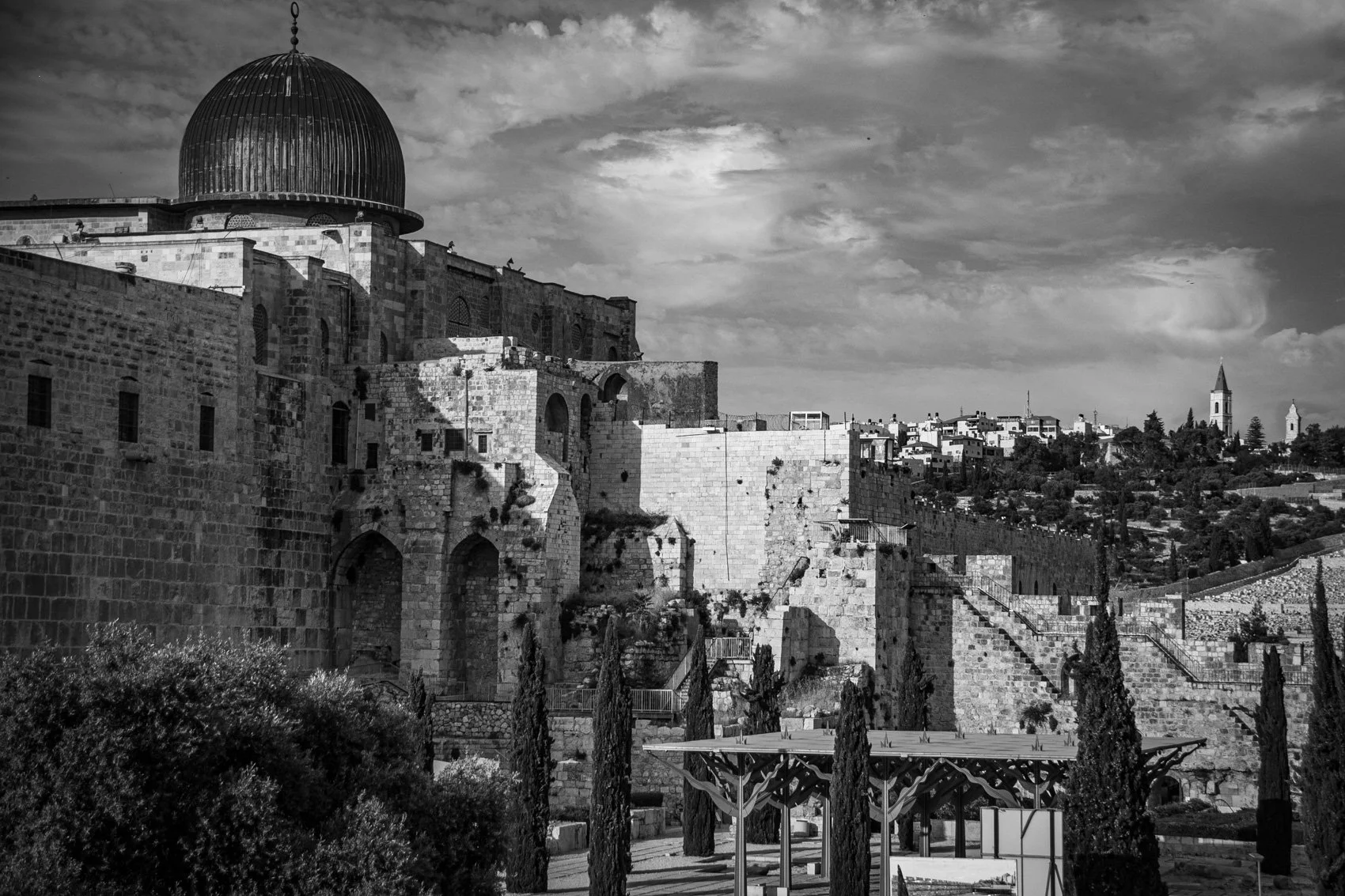
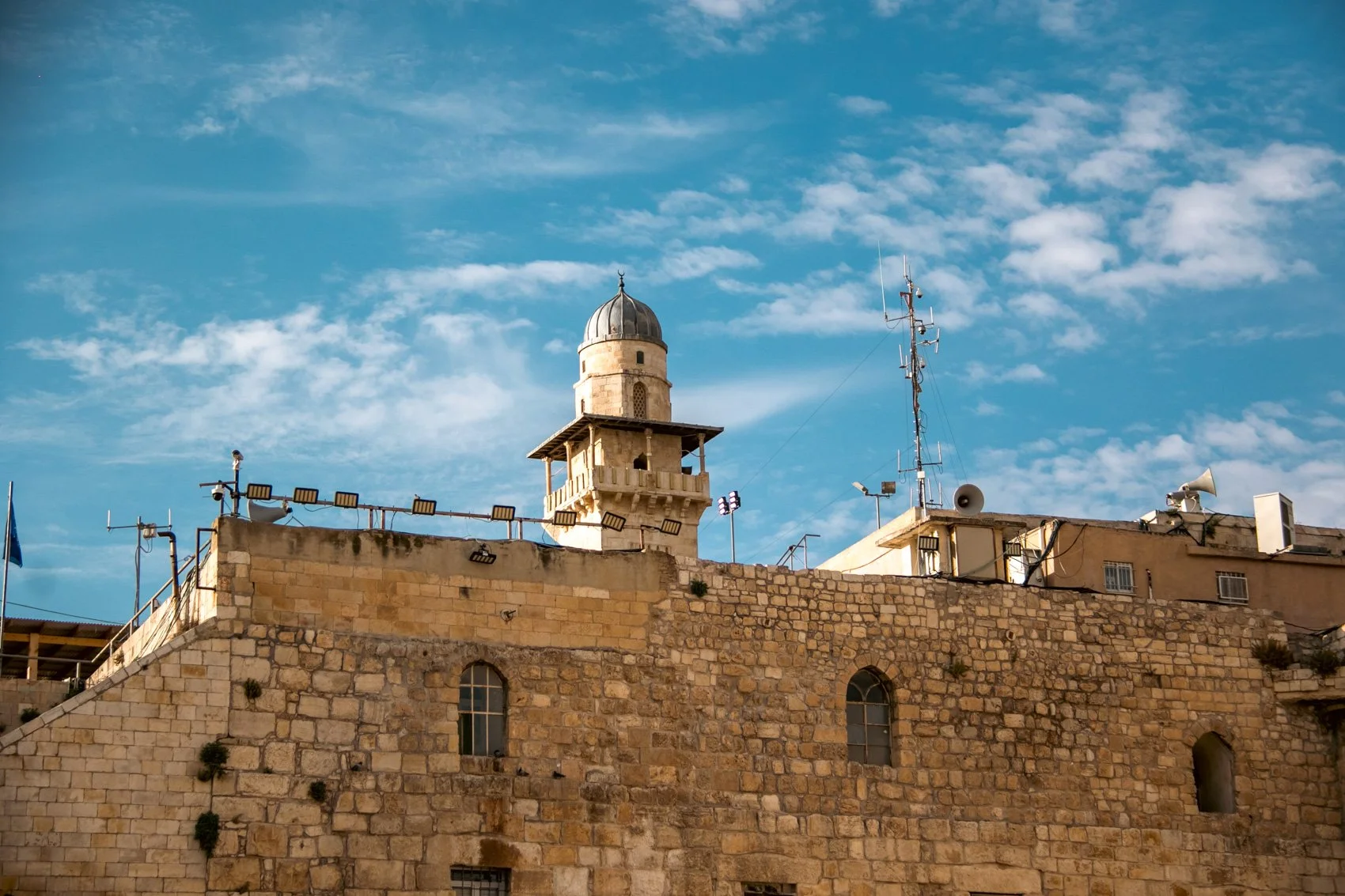
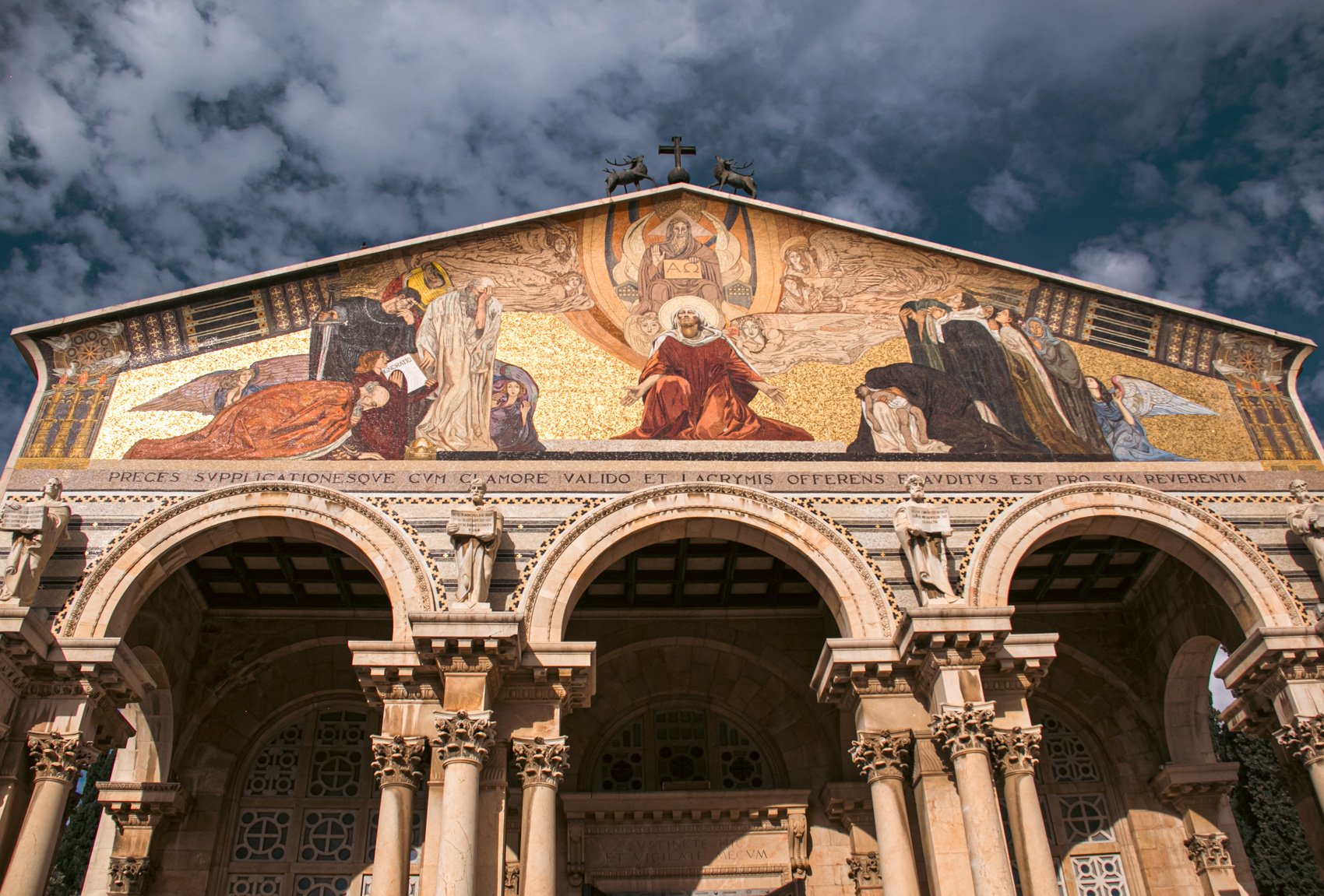
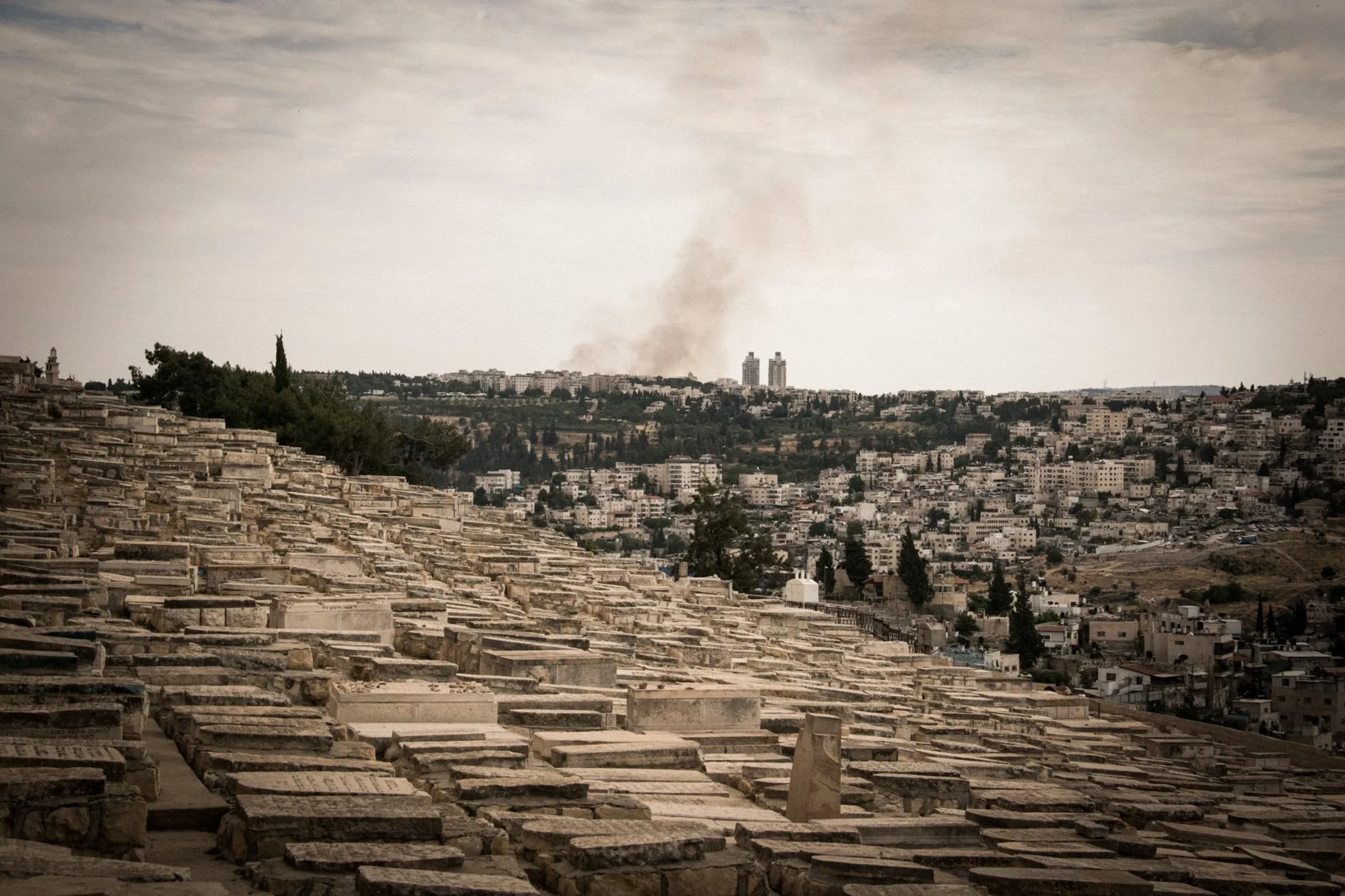
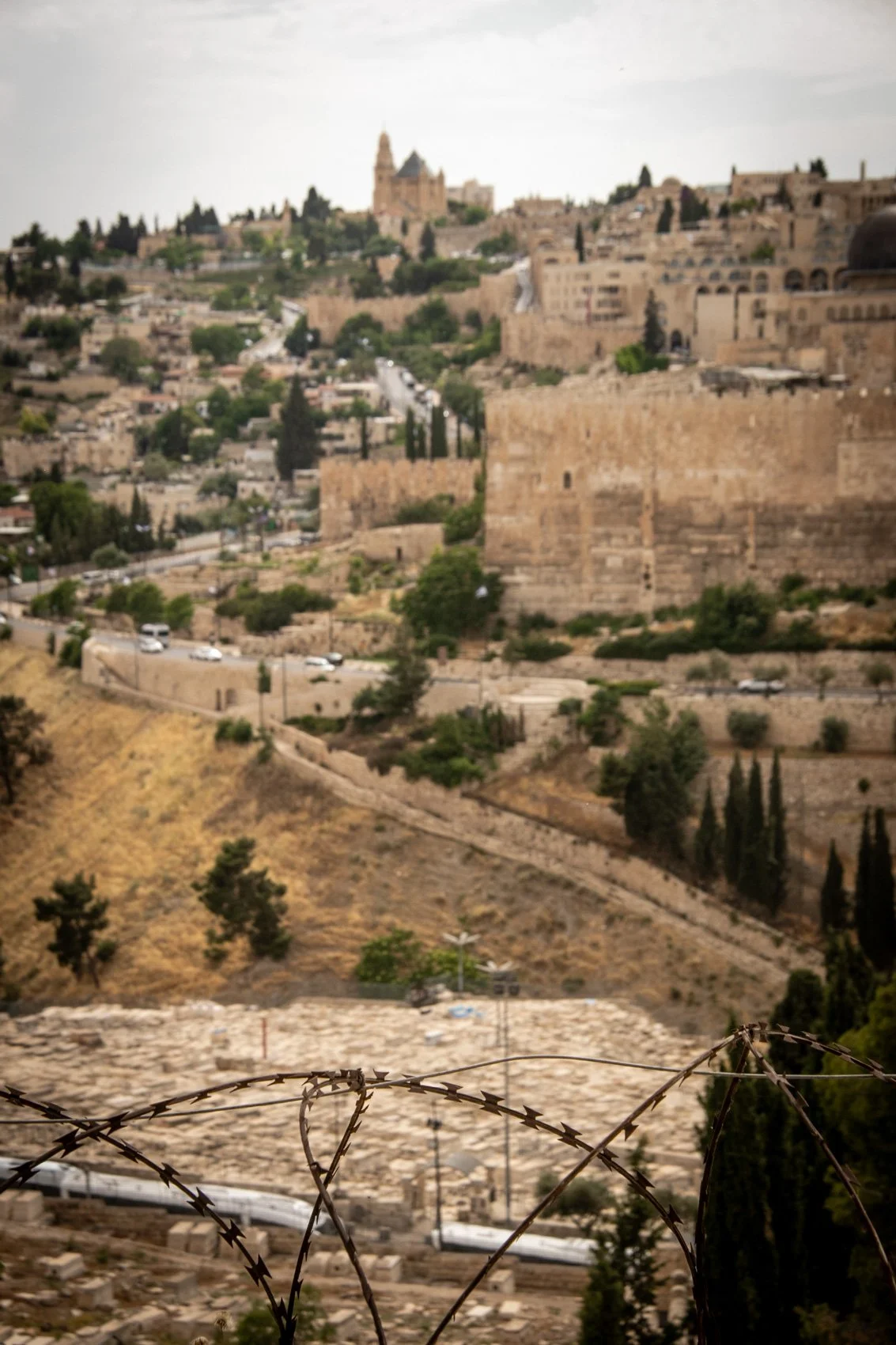
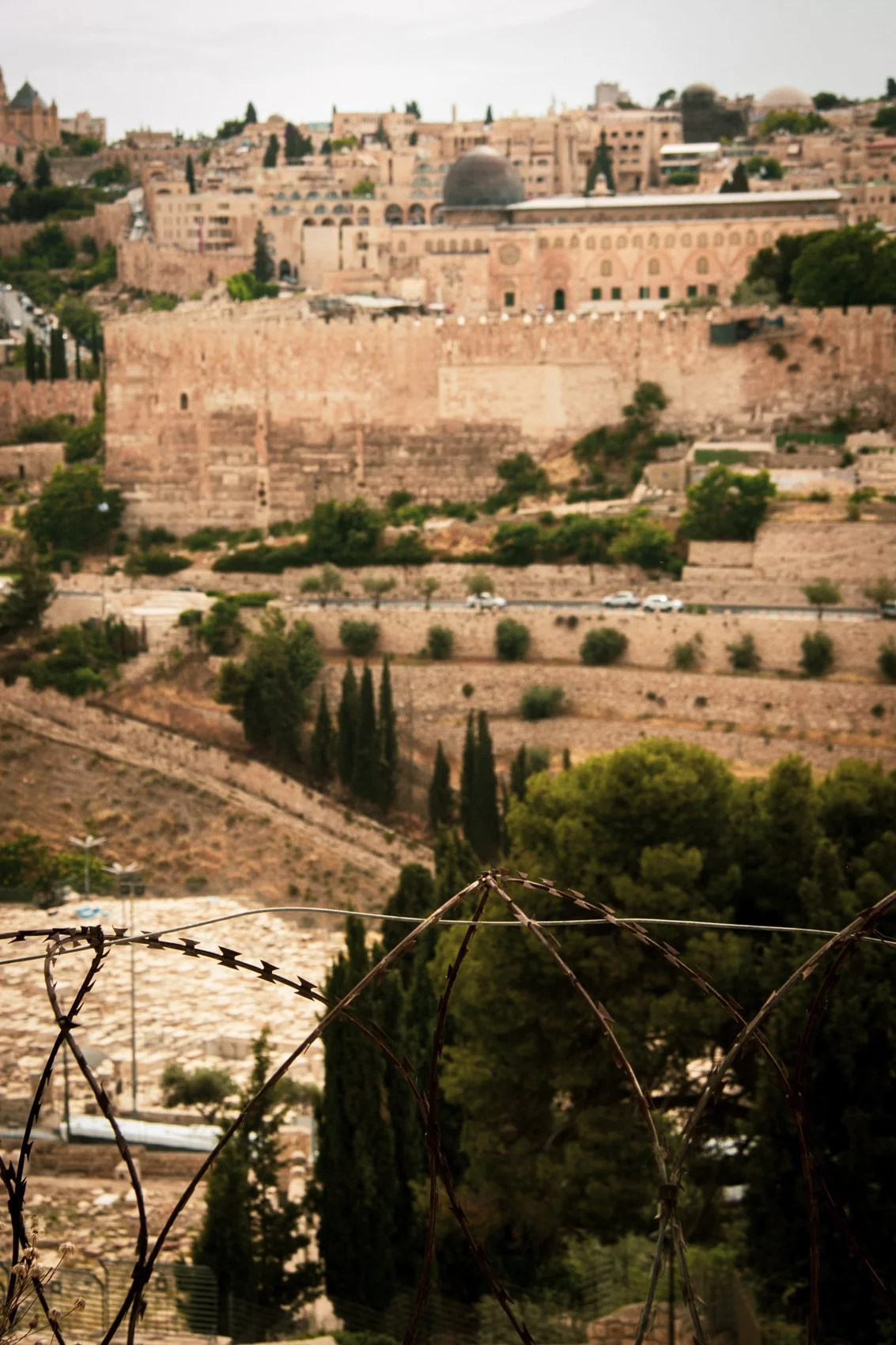
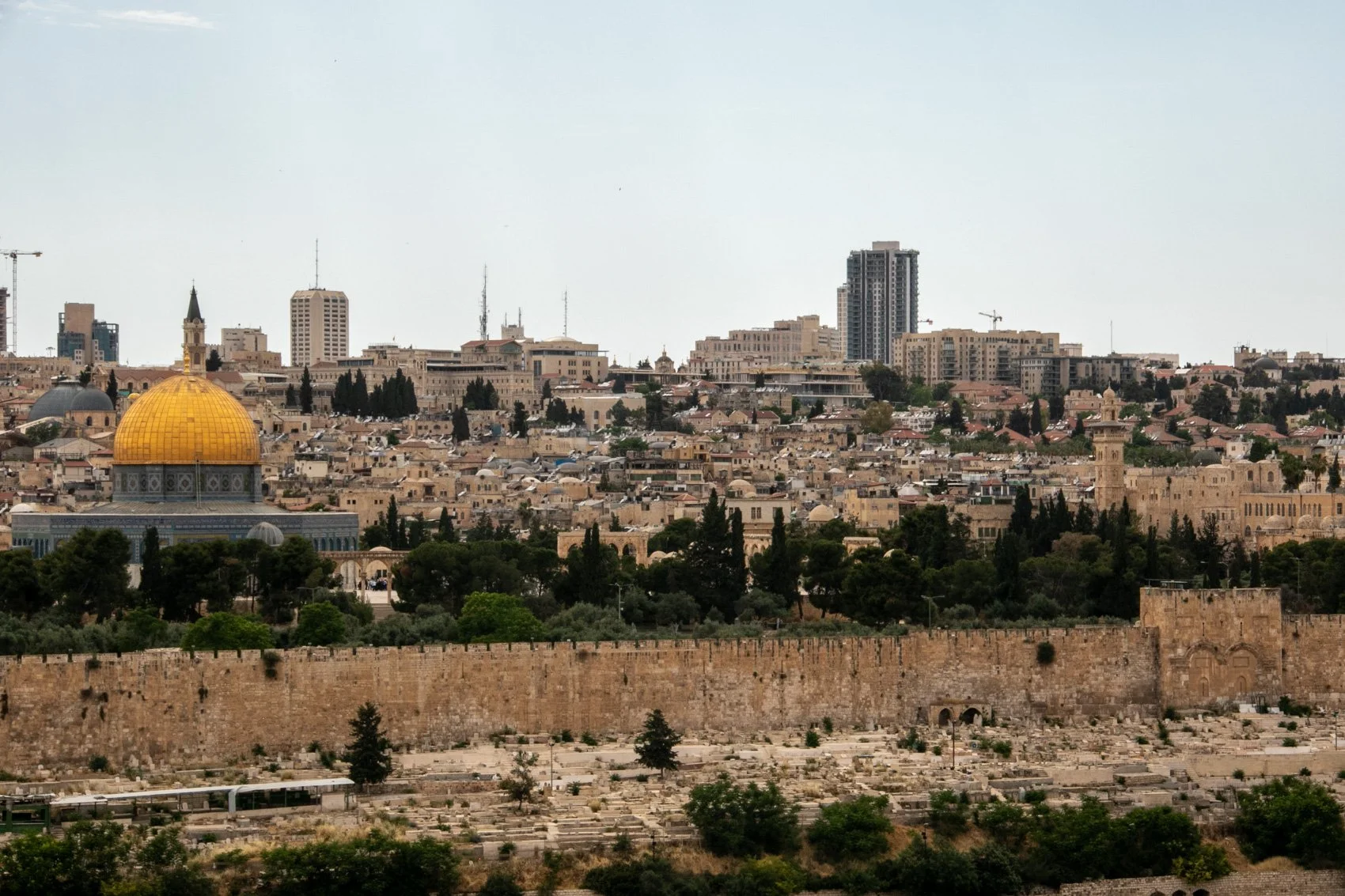
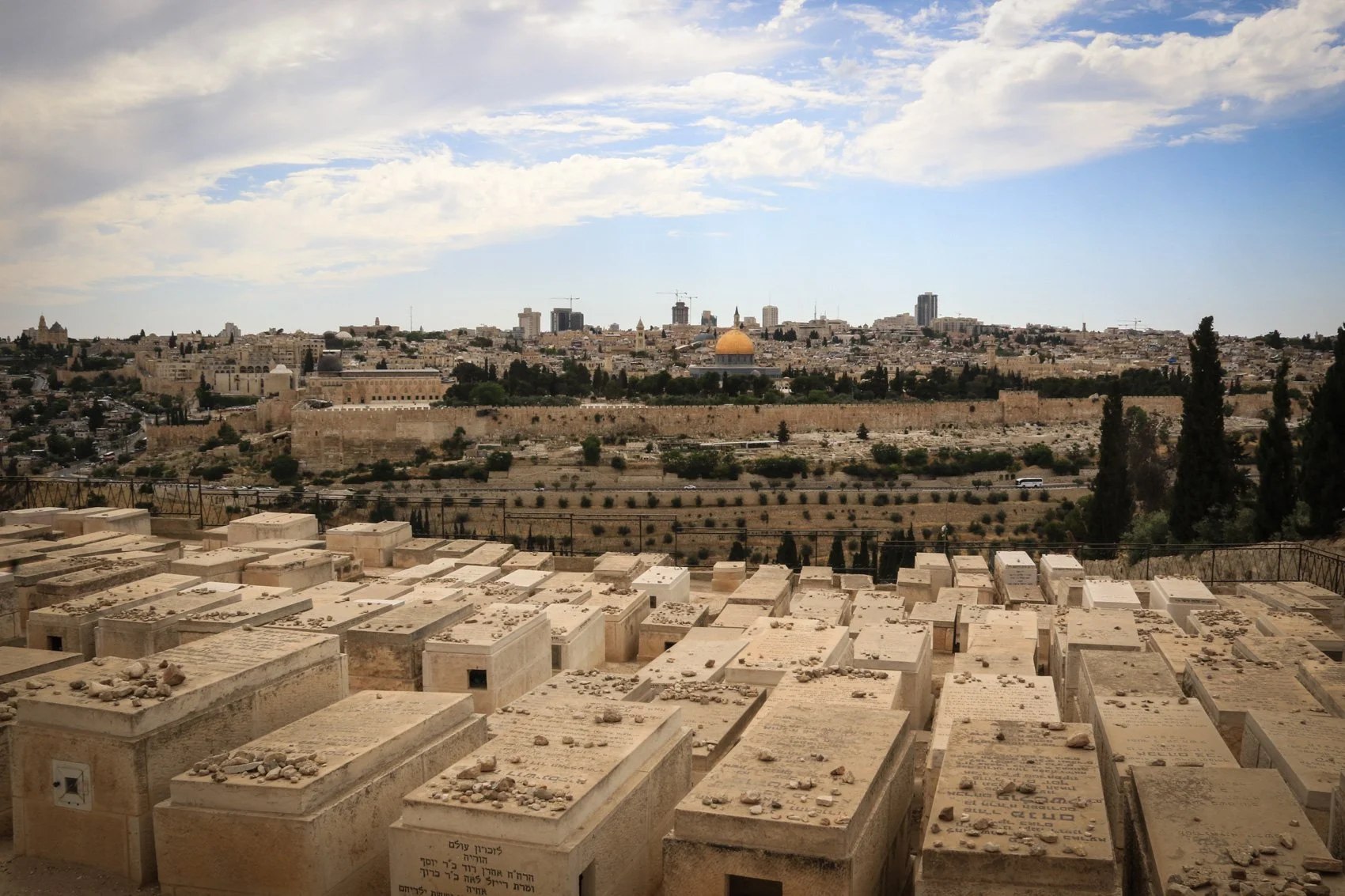
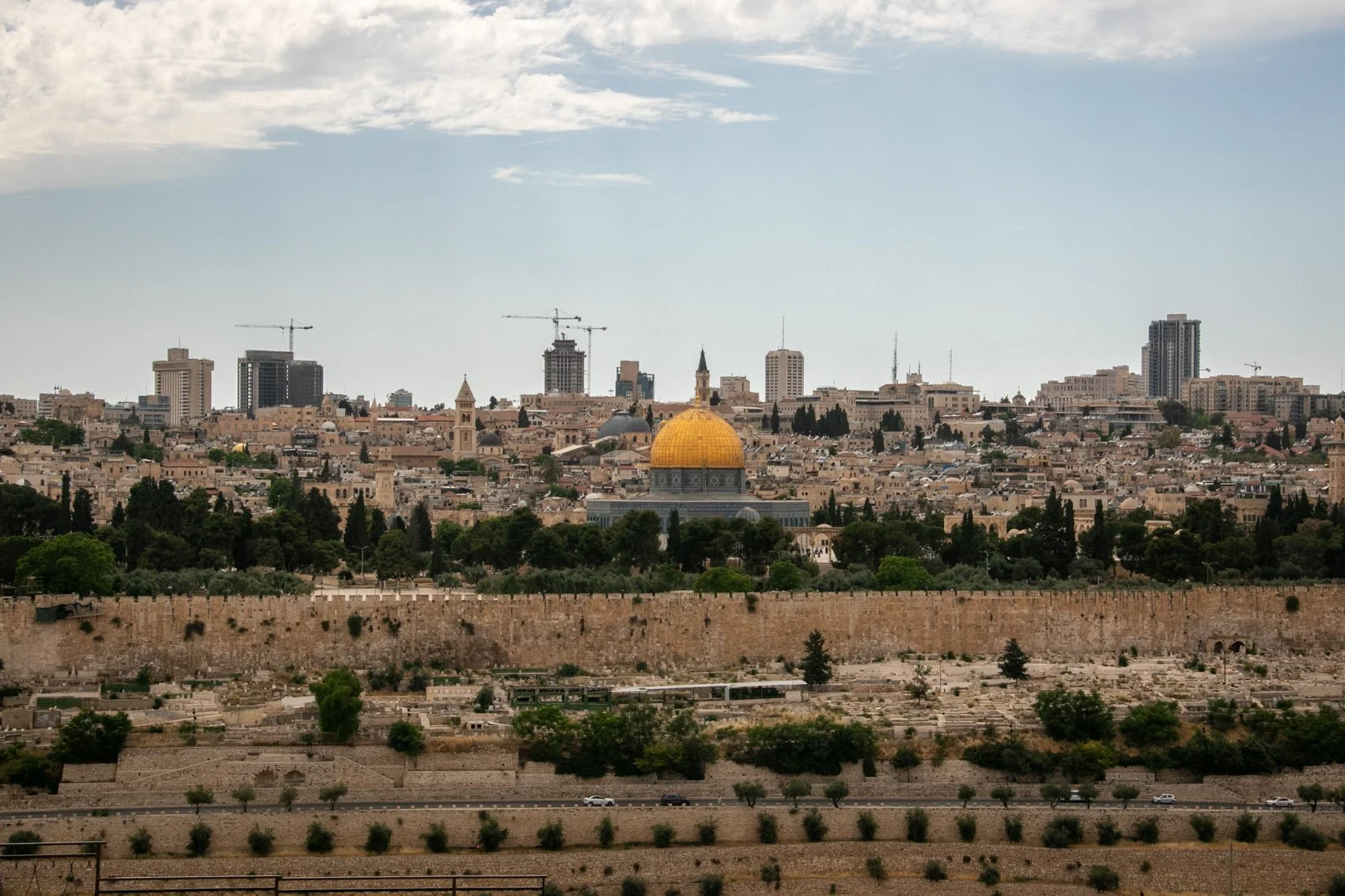
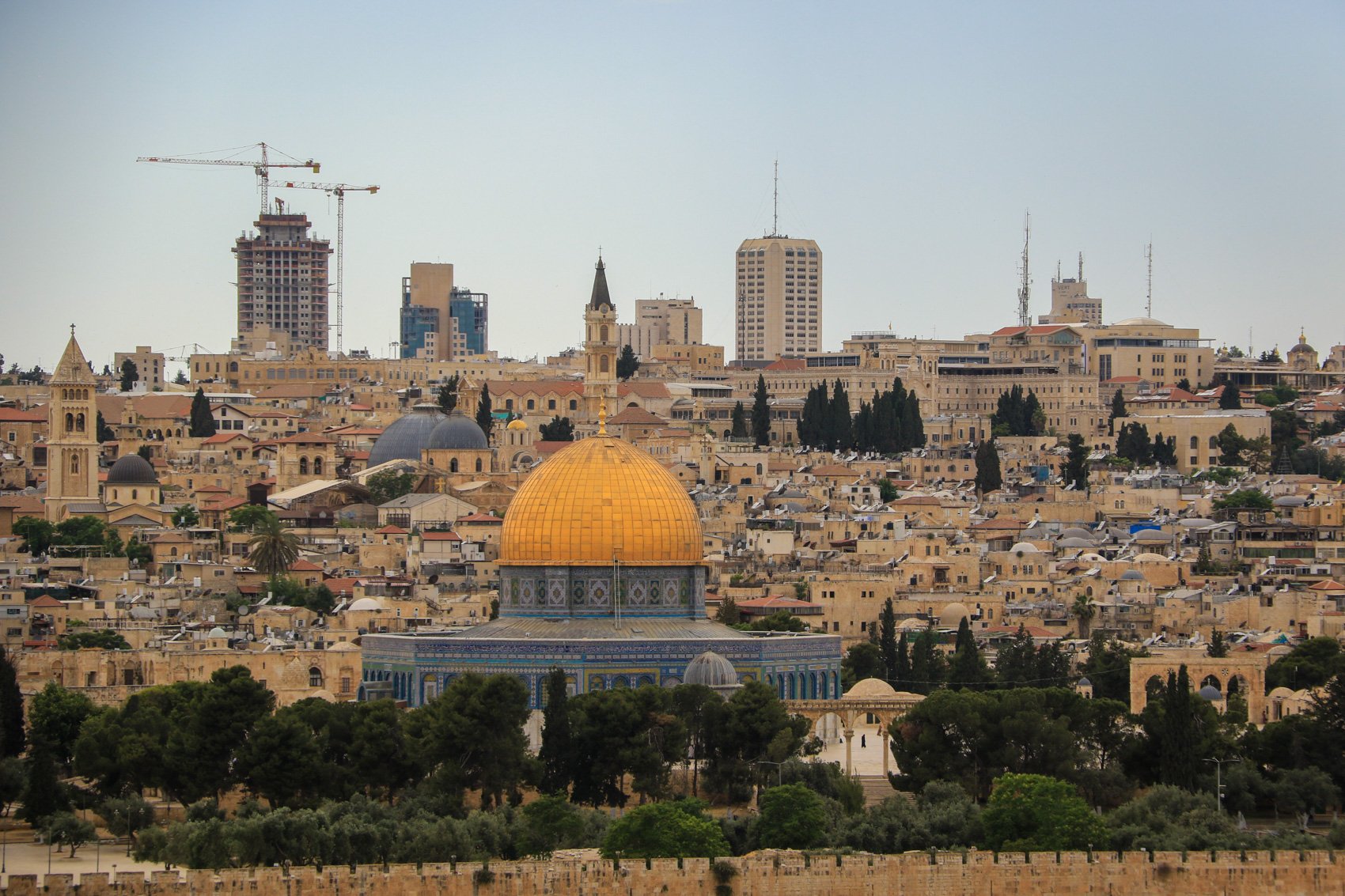
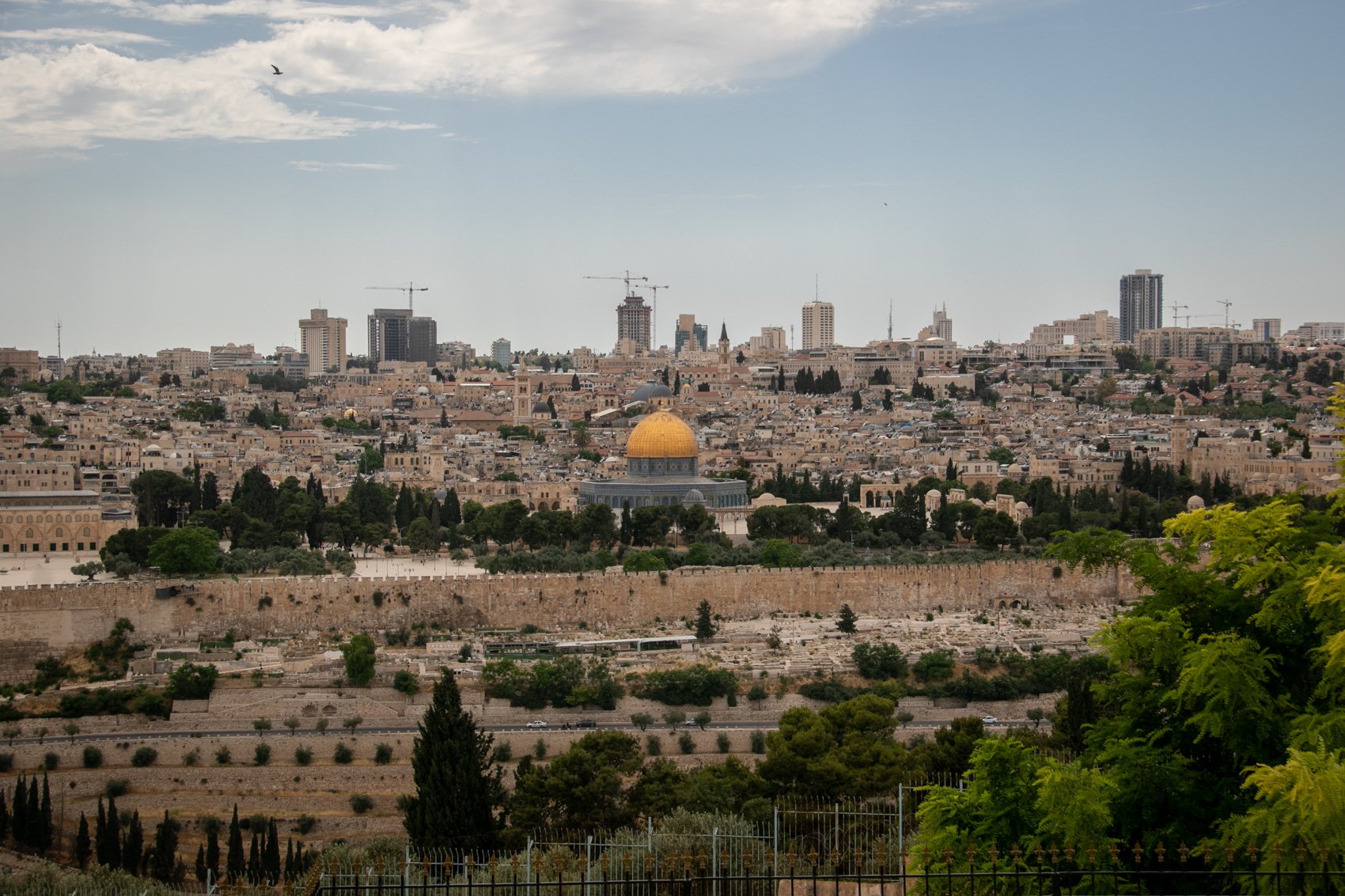
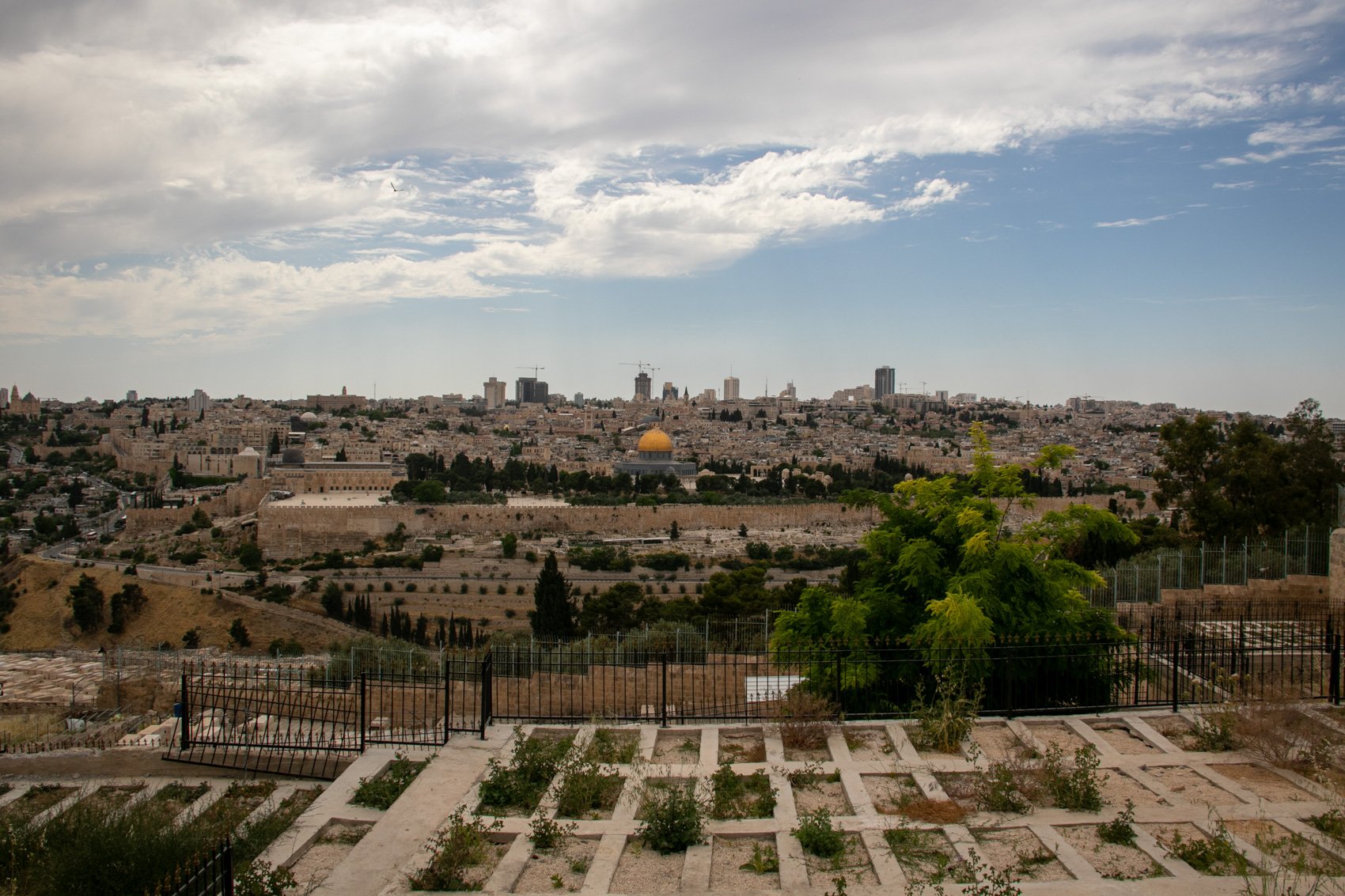
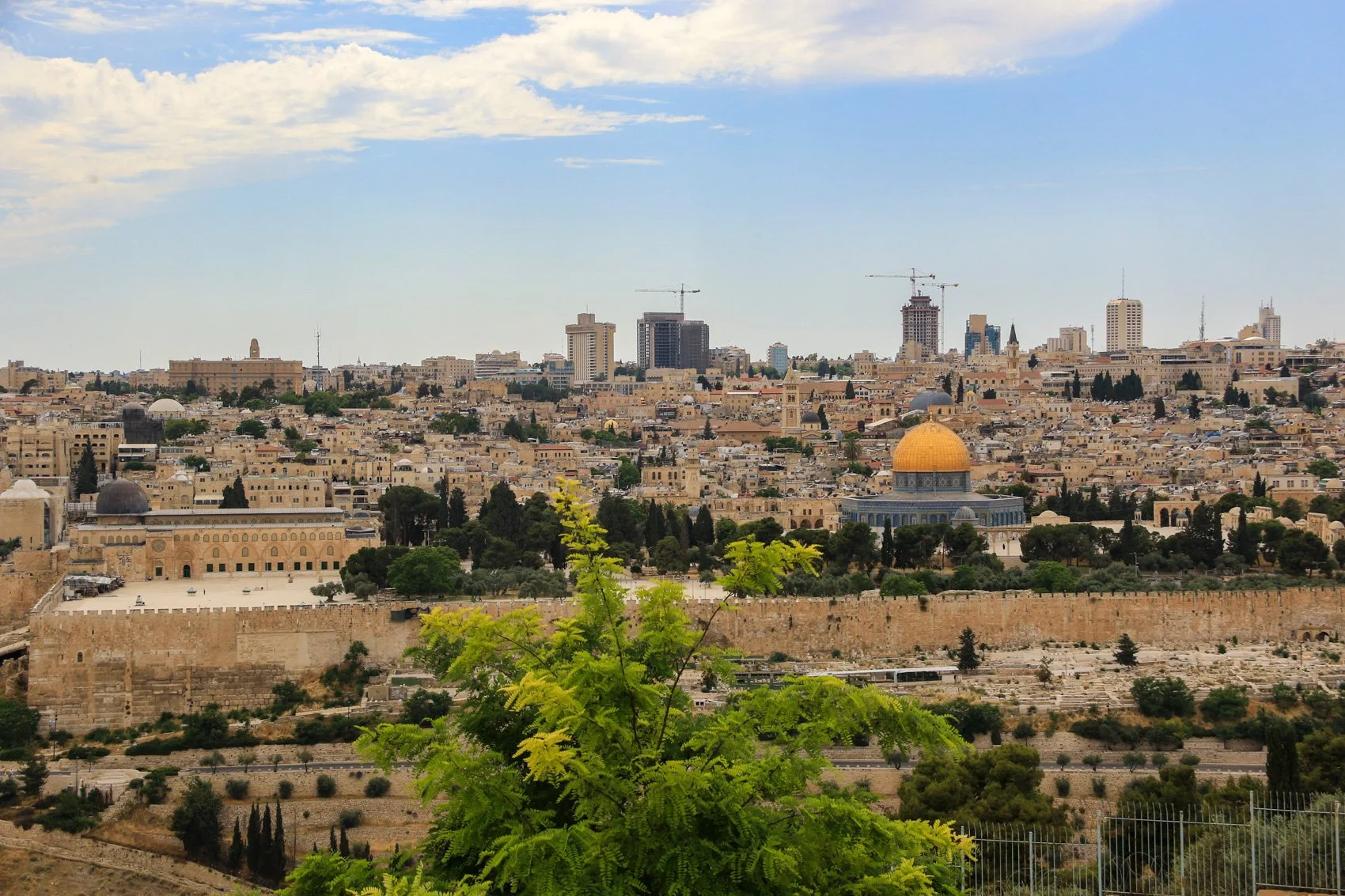
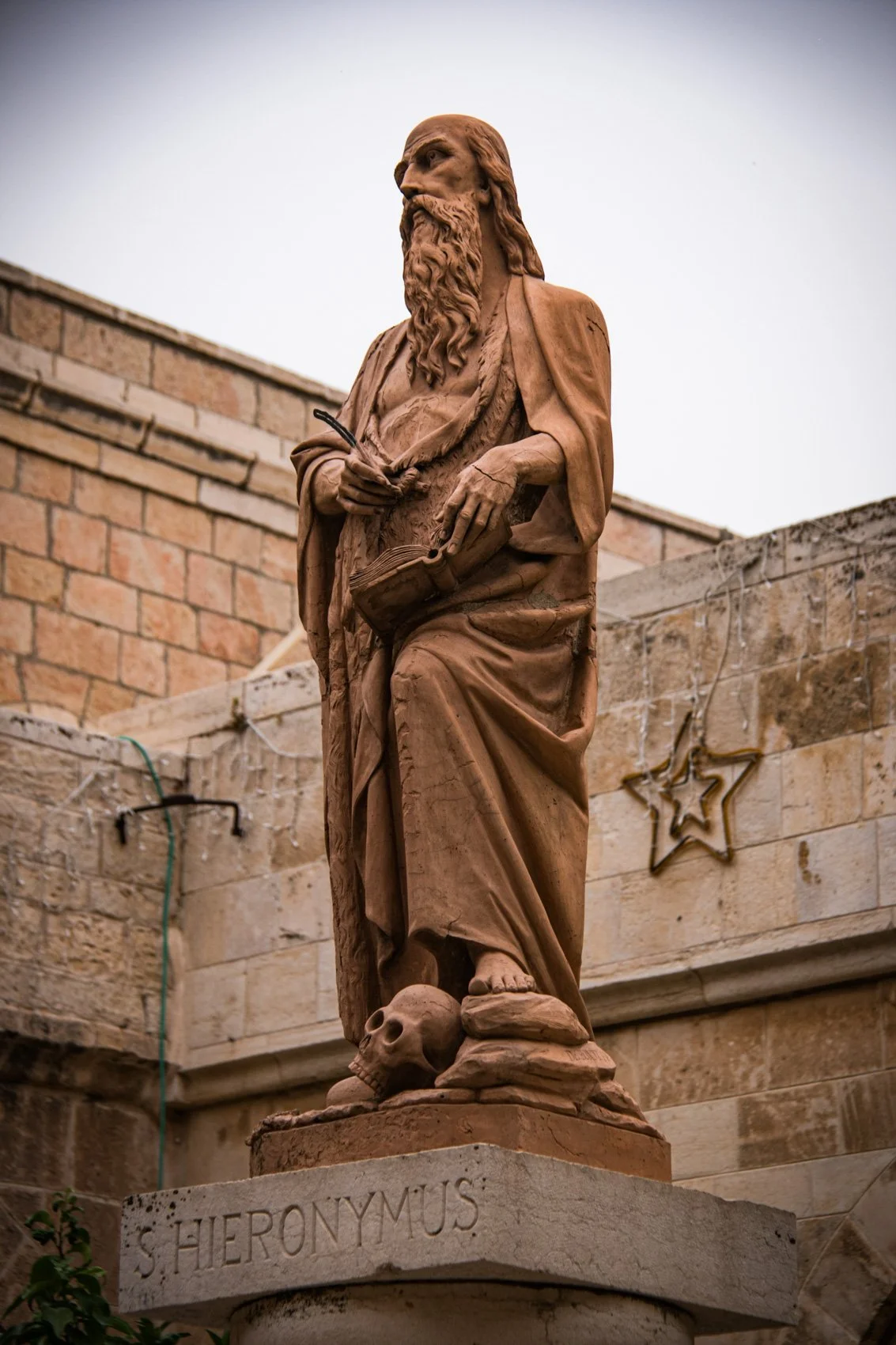
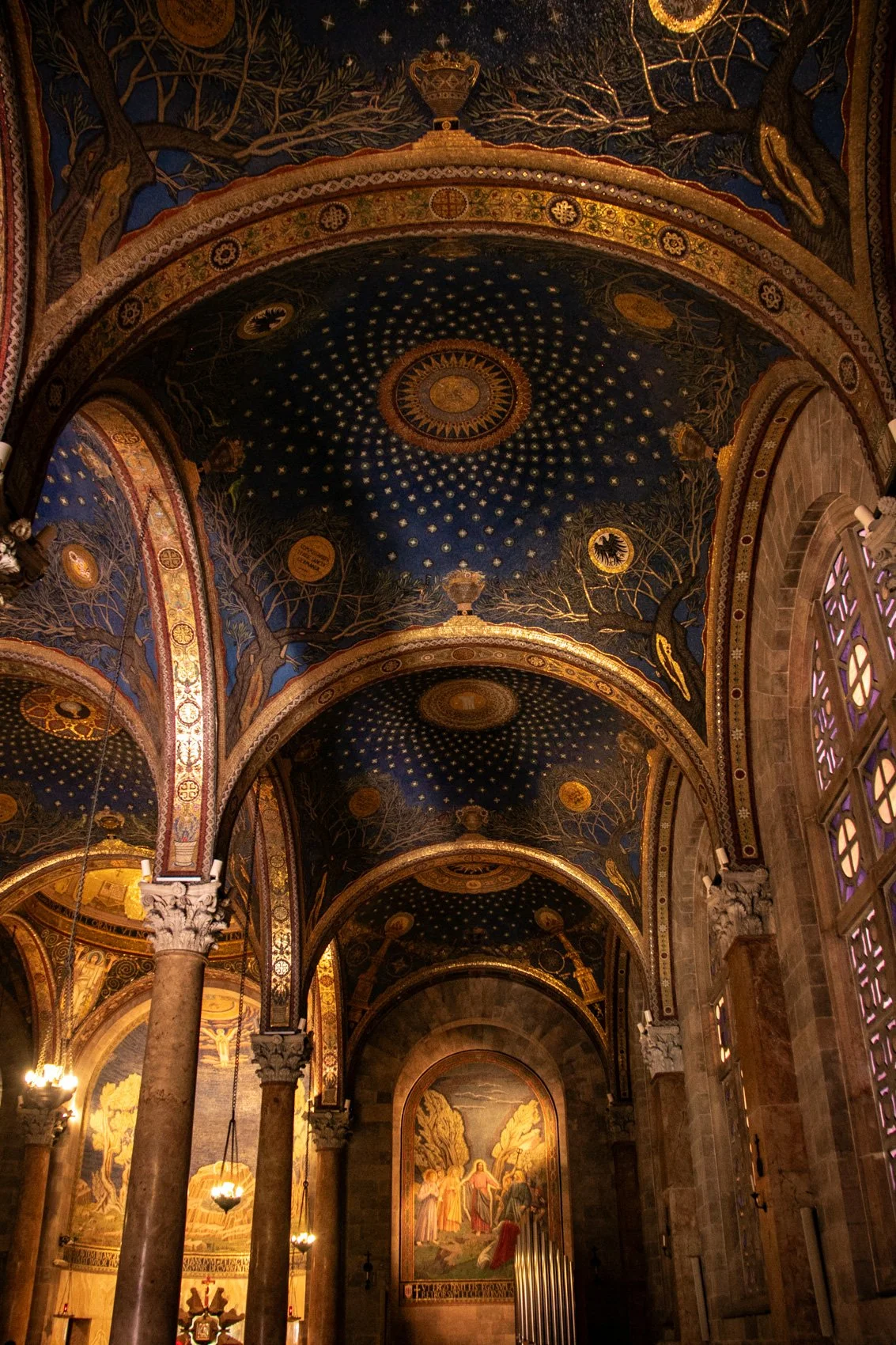
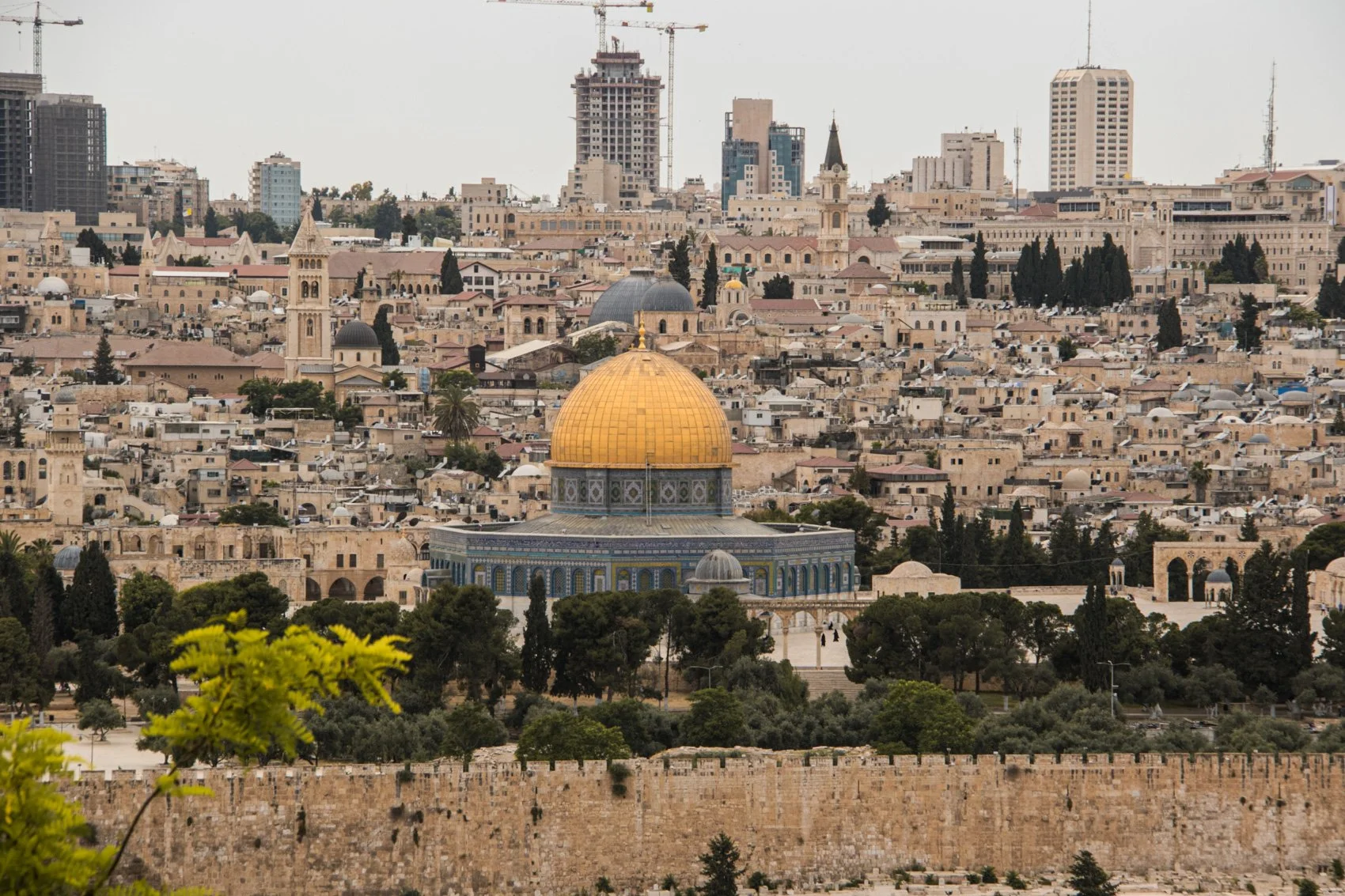
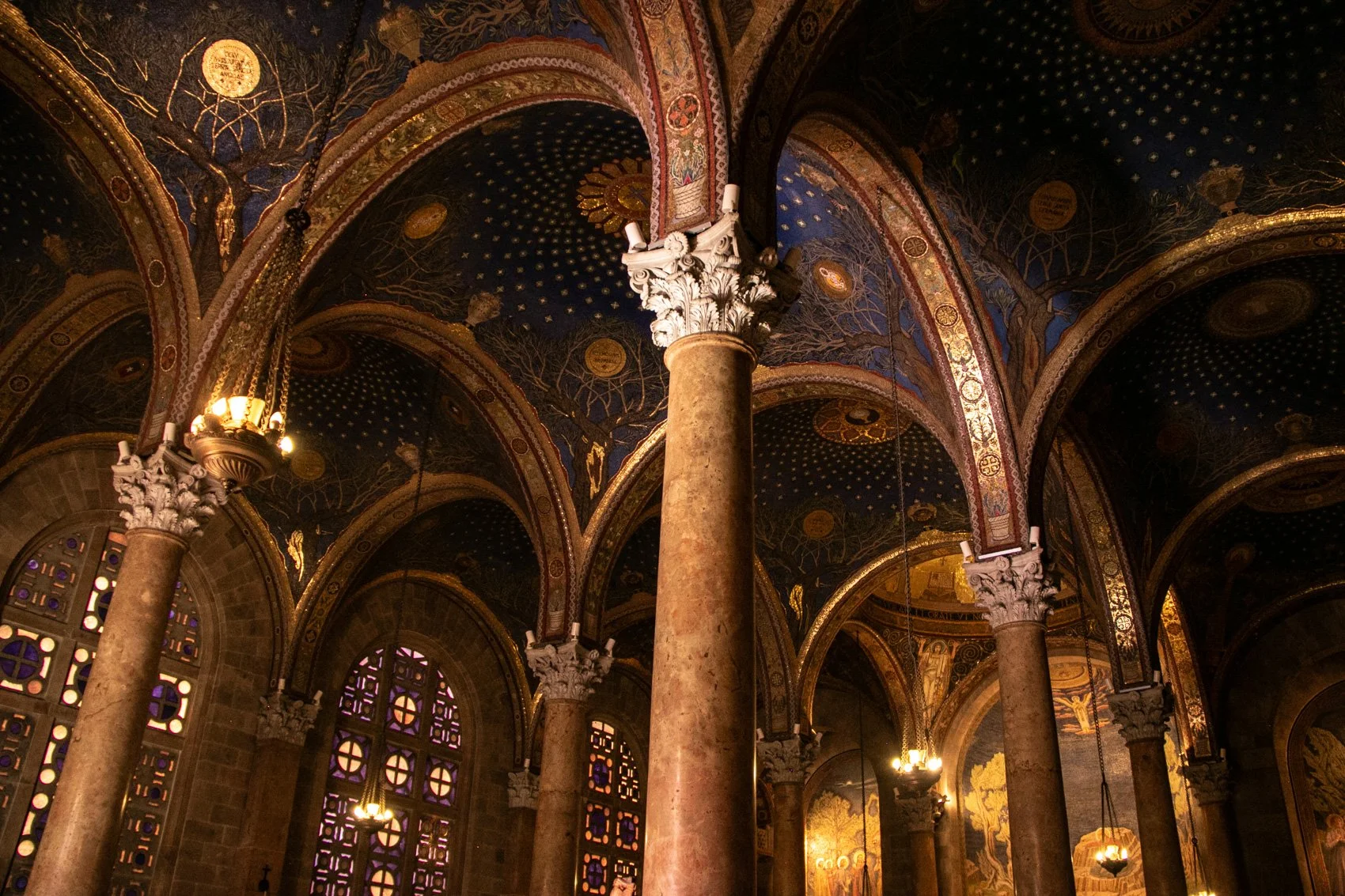
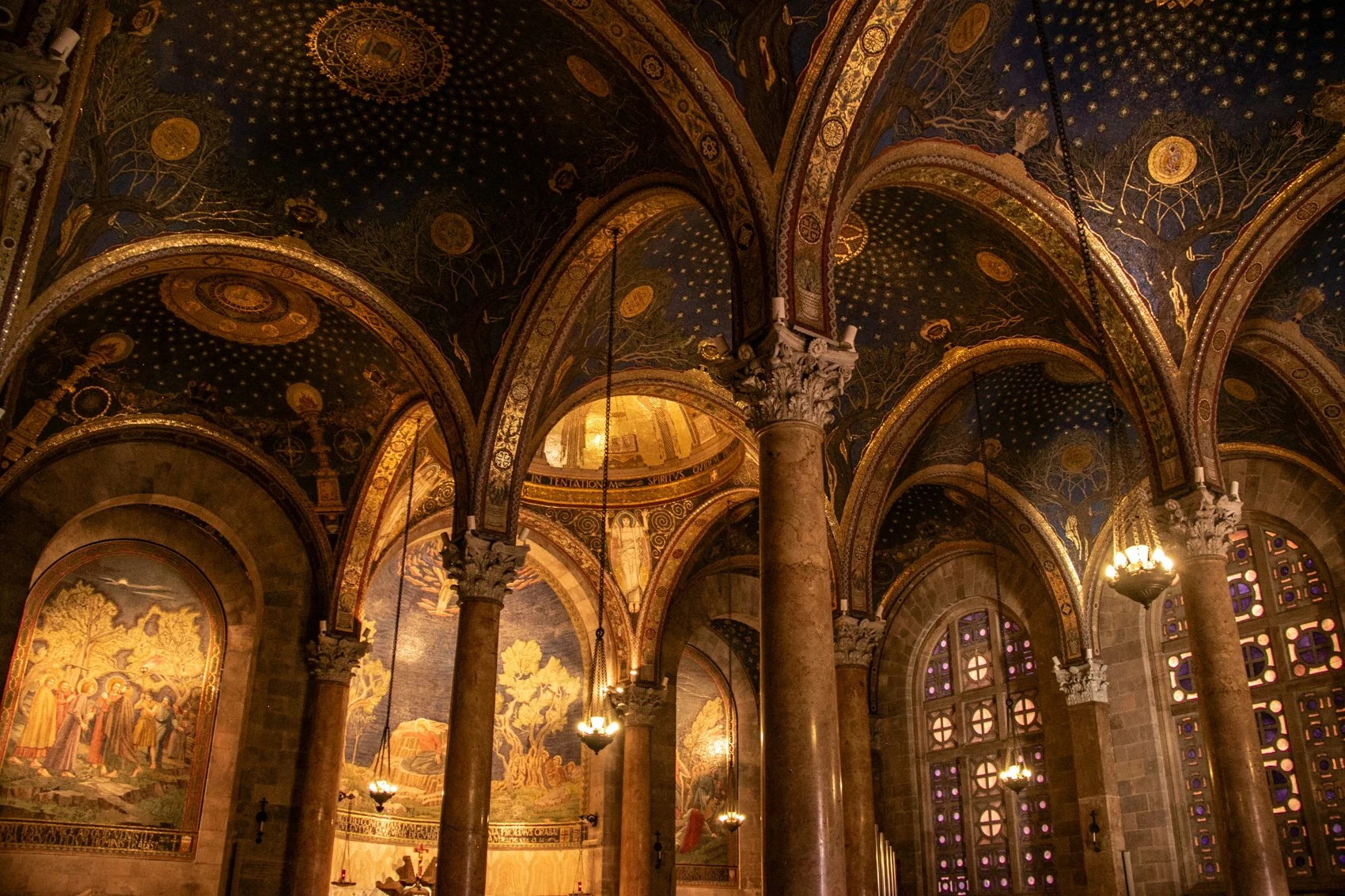
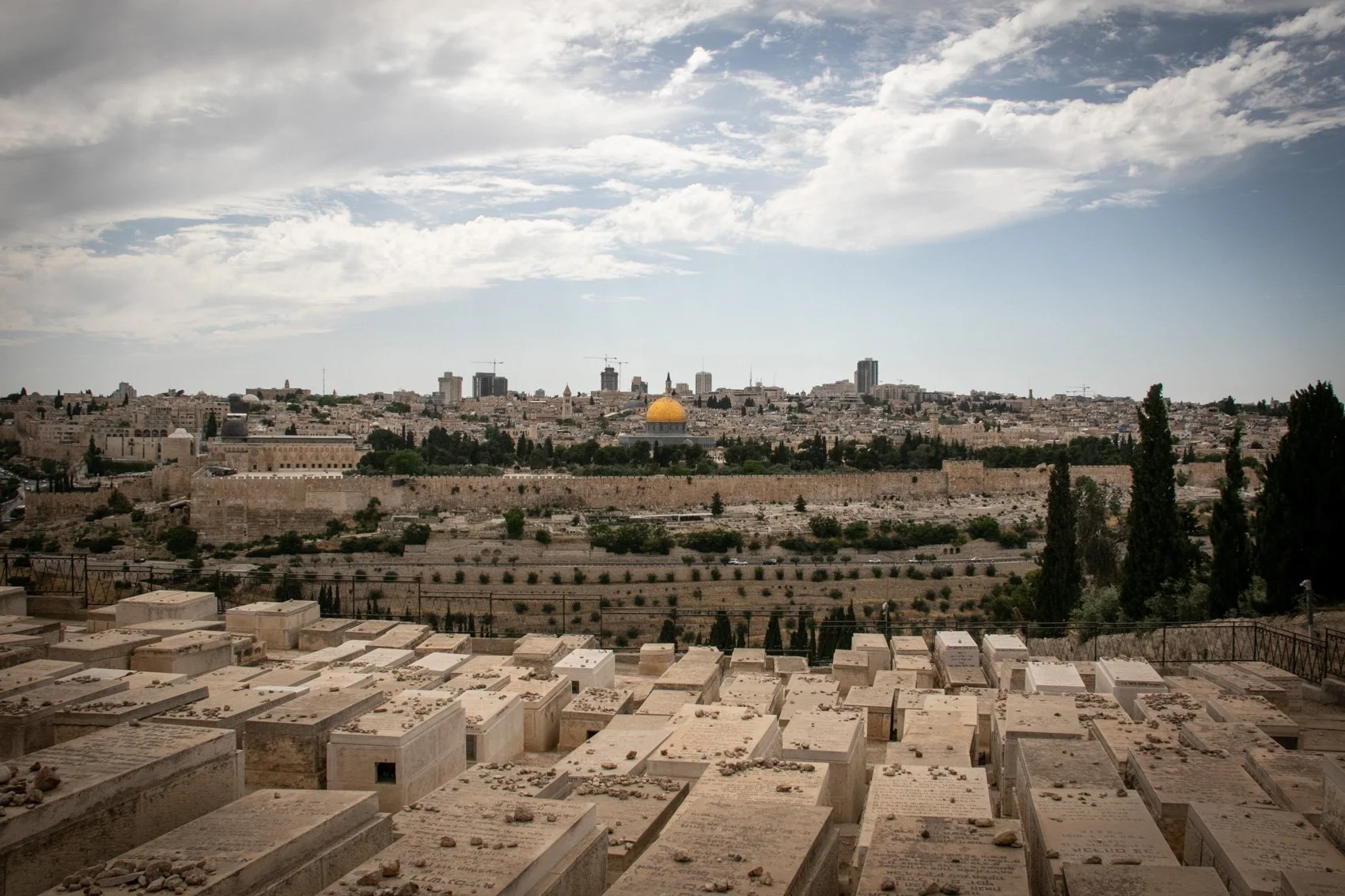
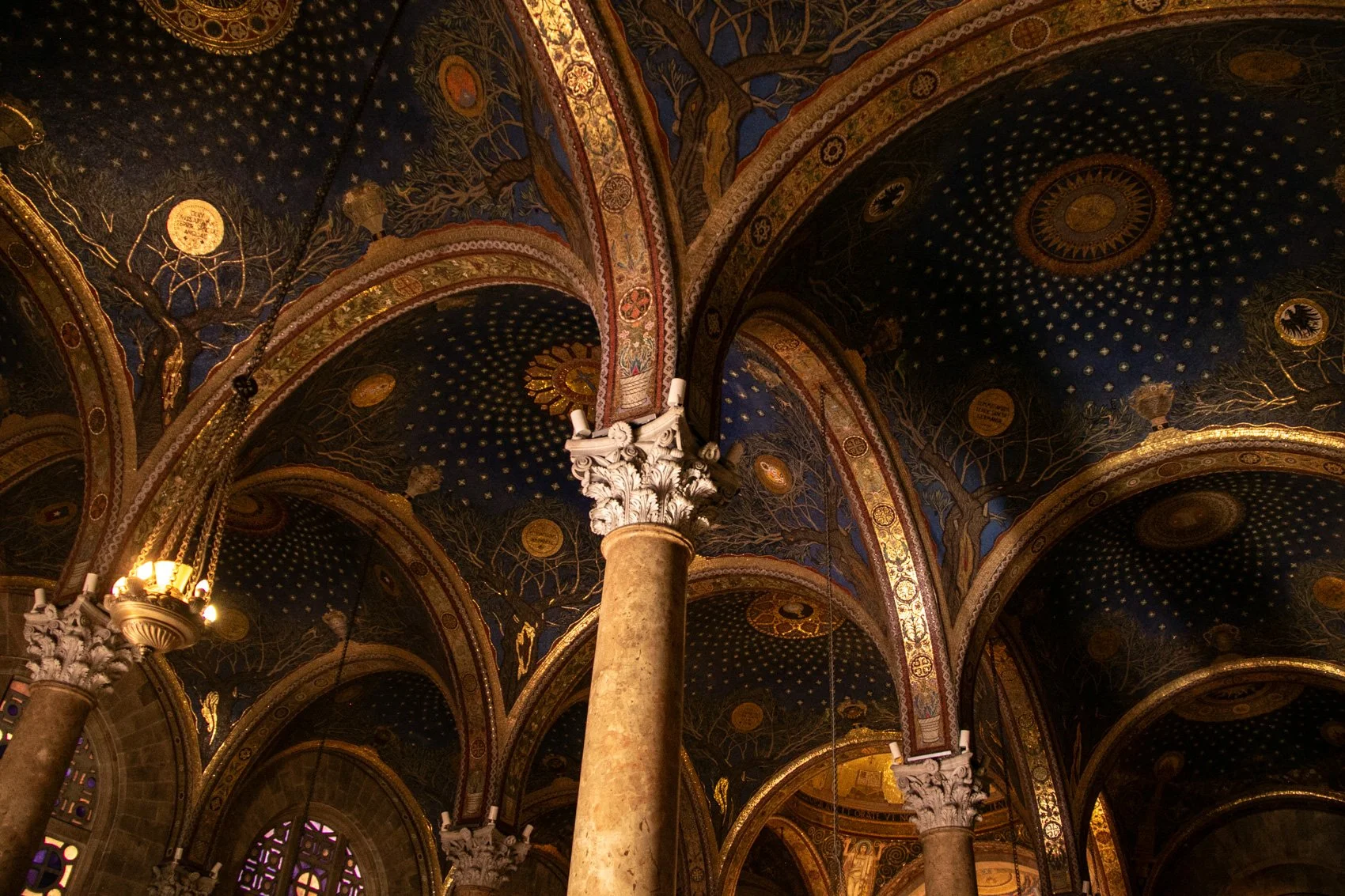
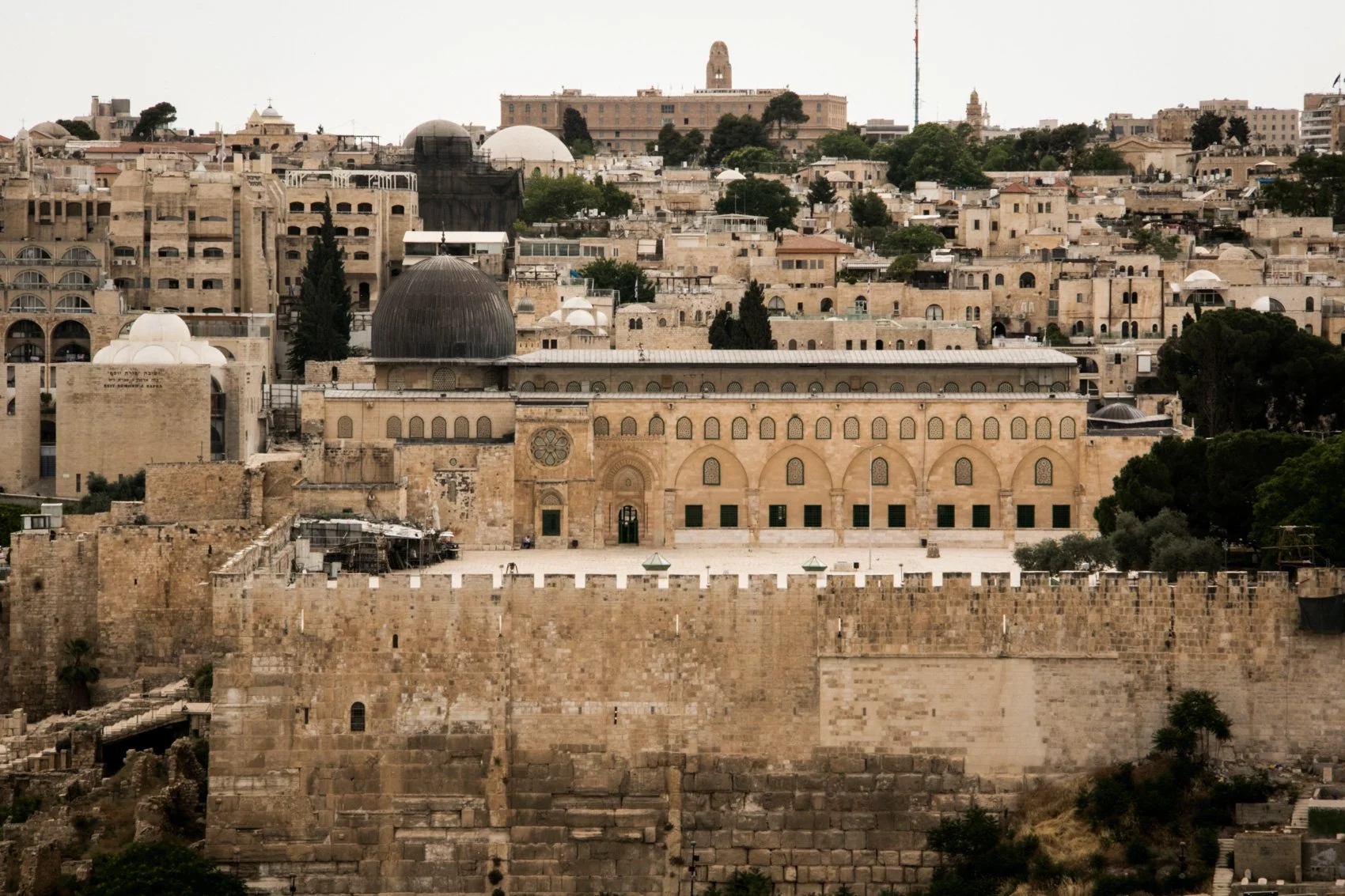
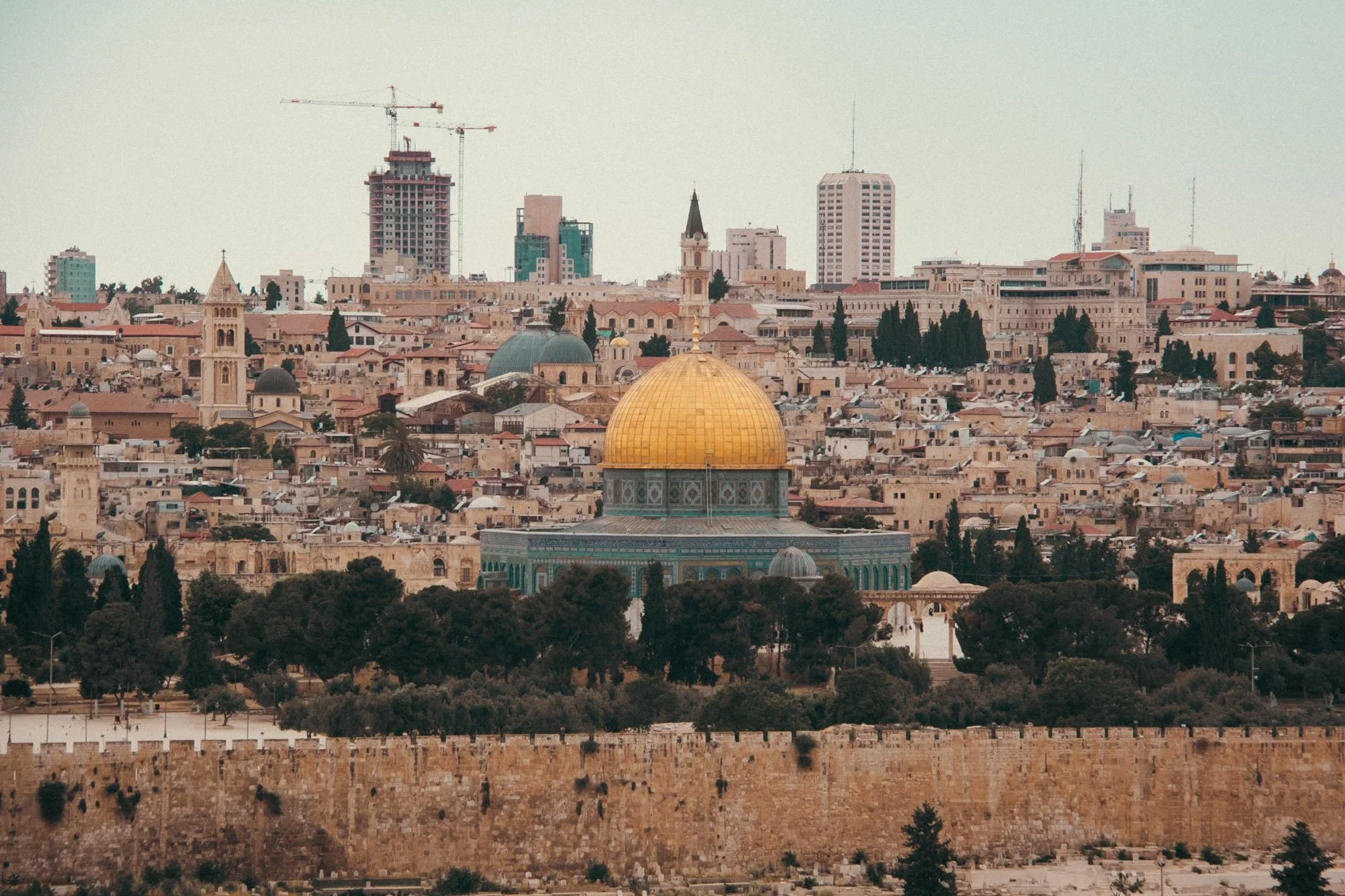
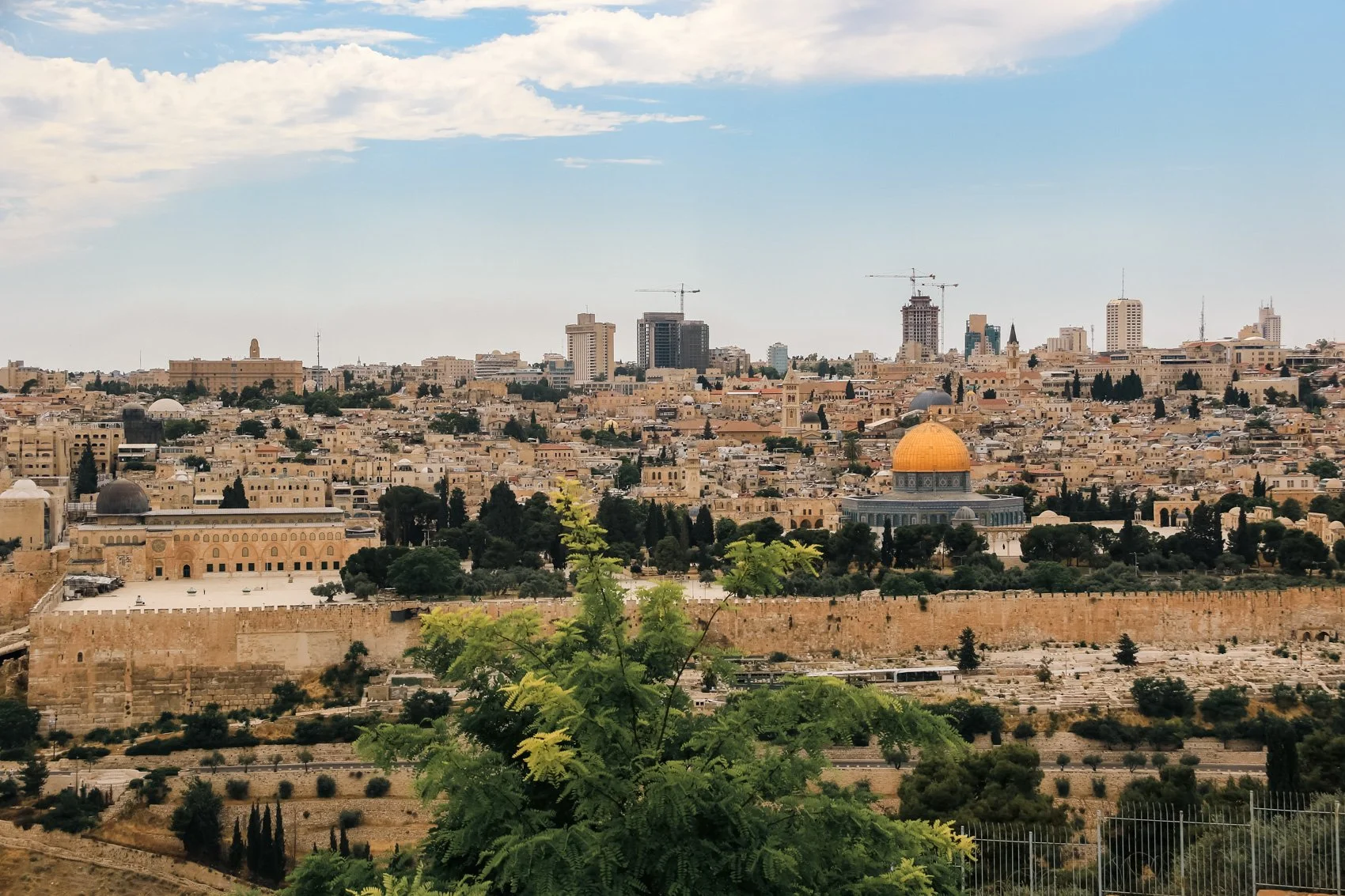
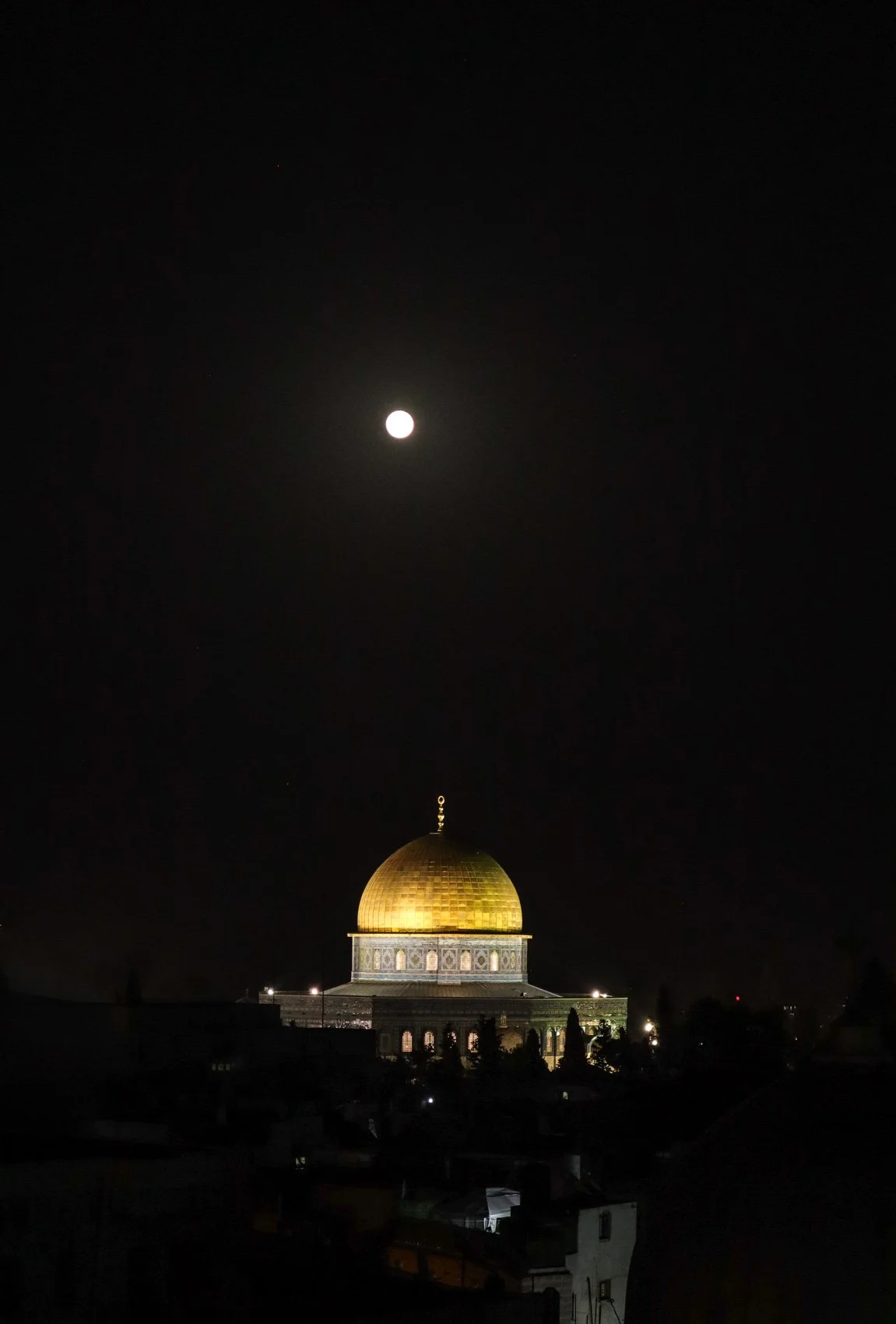
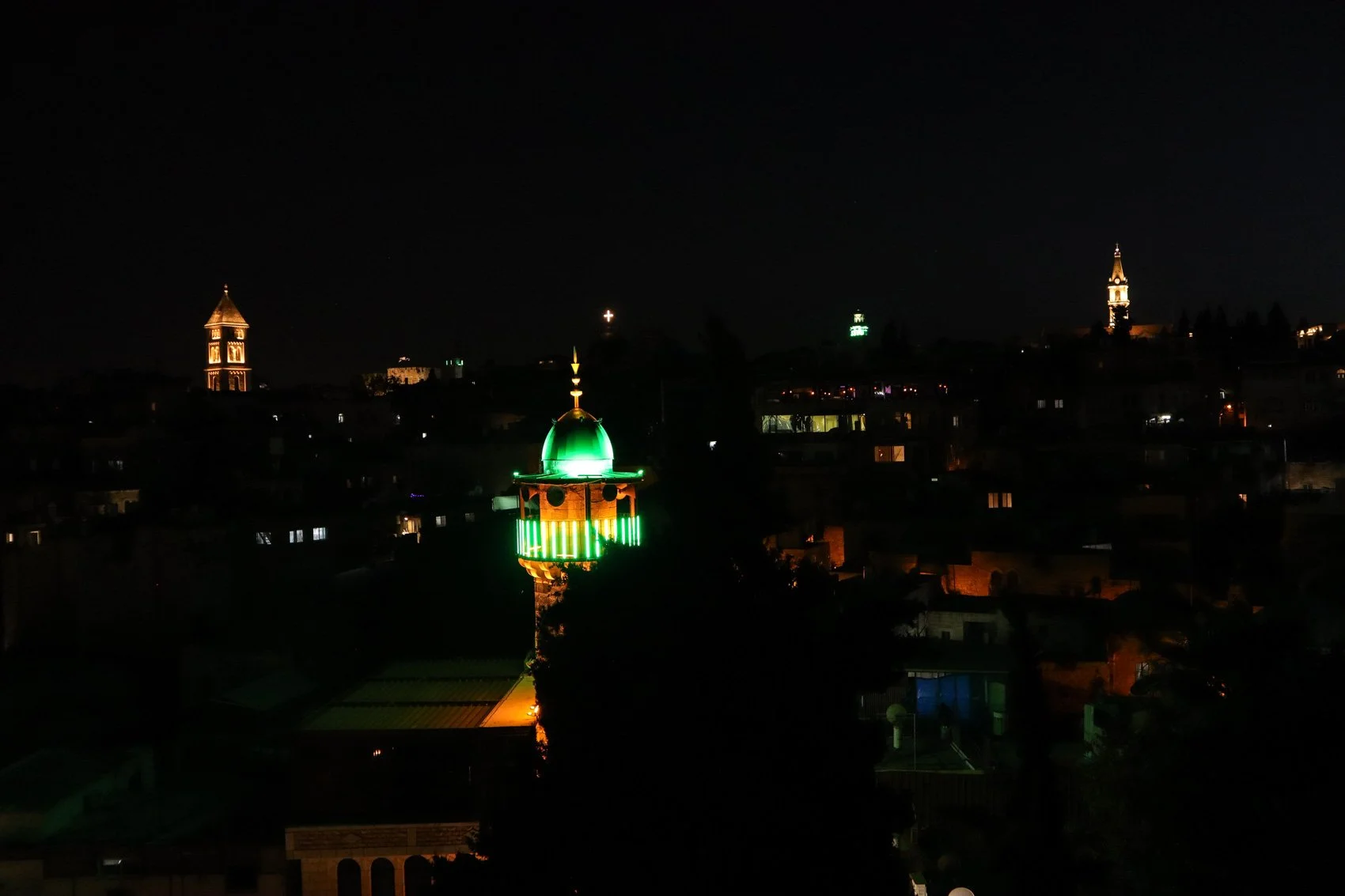
The photographs in these galleries come from two separate trips, during which I first participated in—and later helped lead—an off-the-beaten-path pilgrimage of sorts. They are not comprehensive, nor are they neutral. They are an attempt to bear witness—to lives shaped by occupation, faith, endurance, and loss—and to invite a deeper looking beyond what we think we already know.