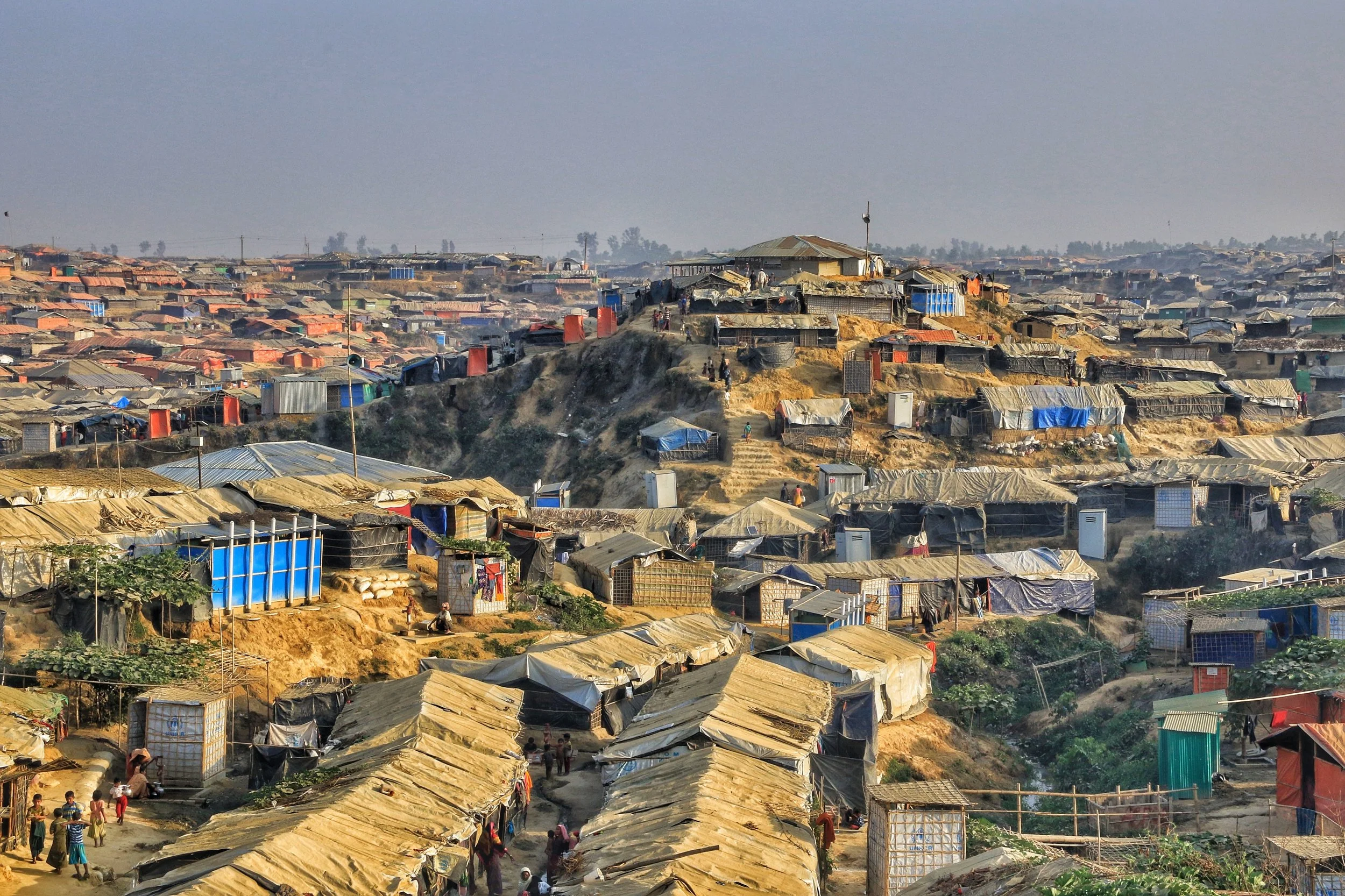
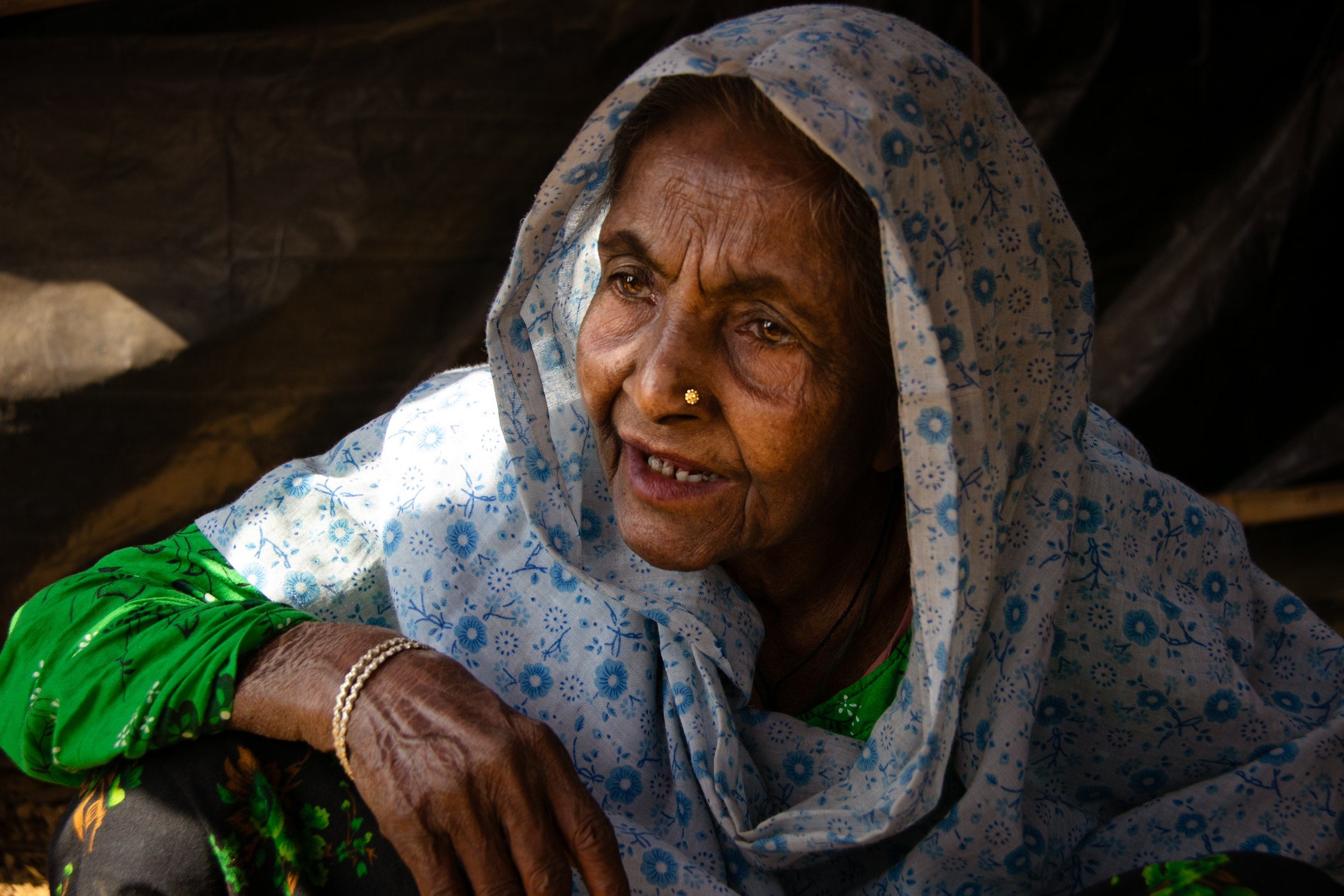
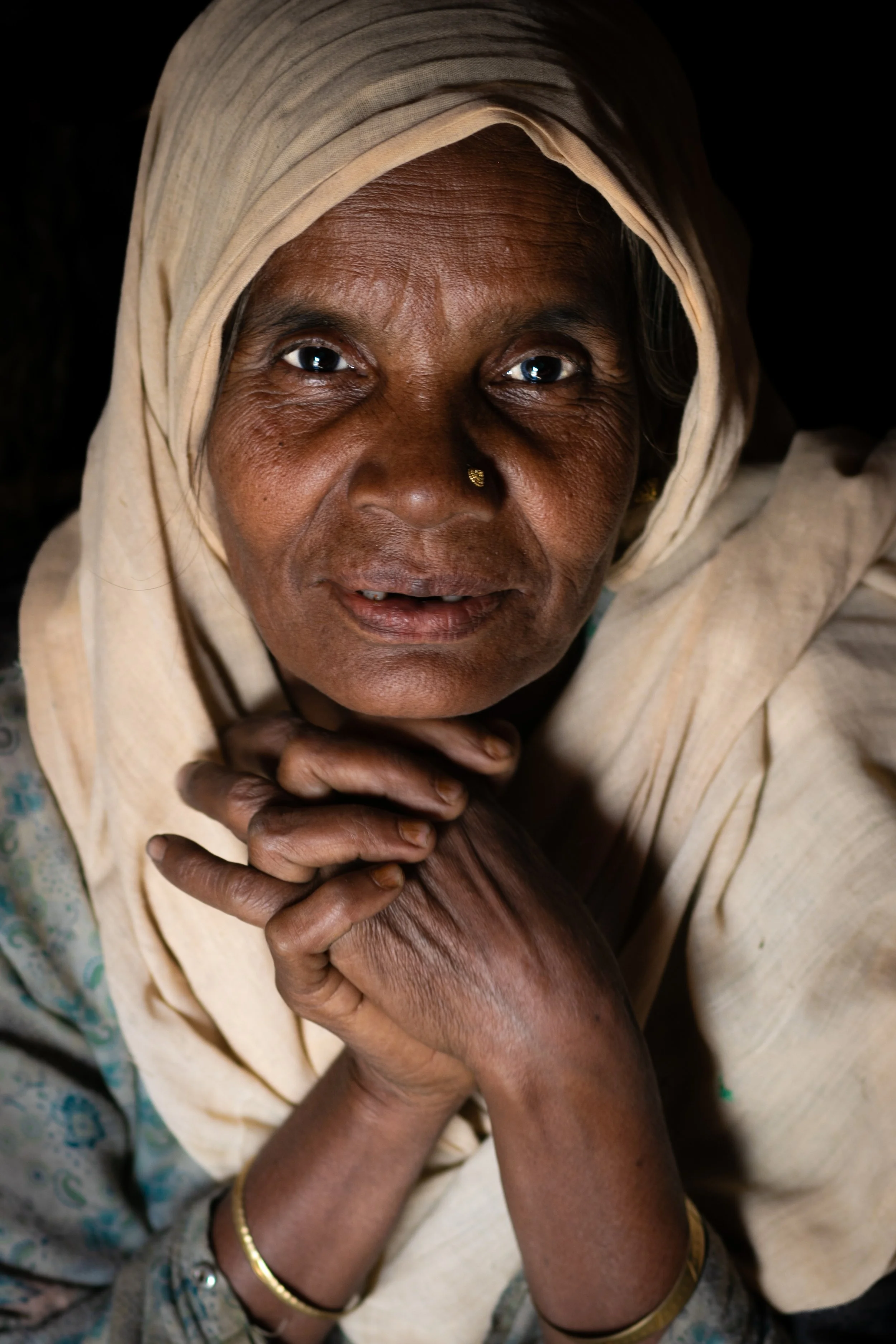
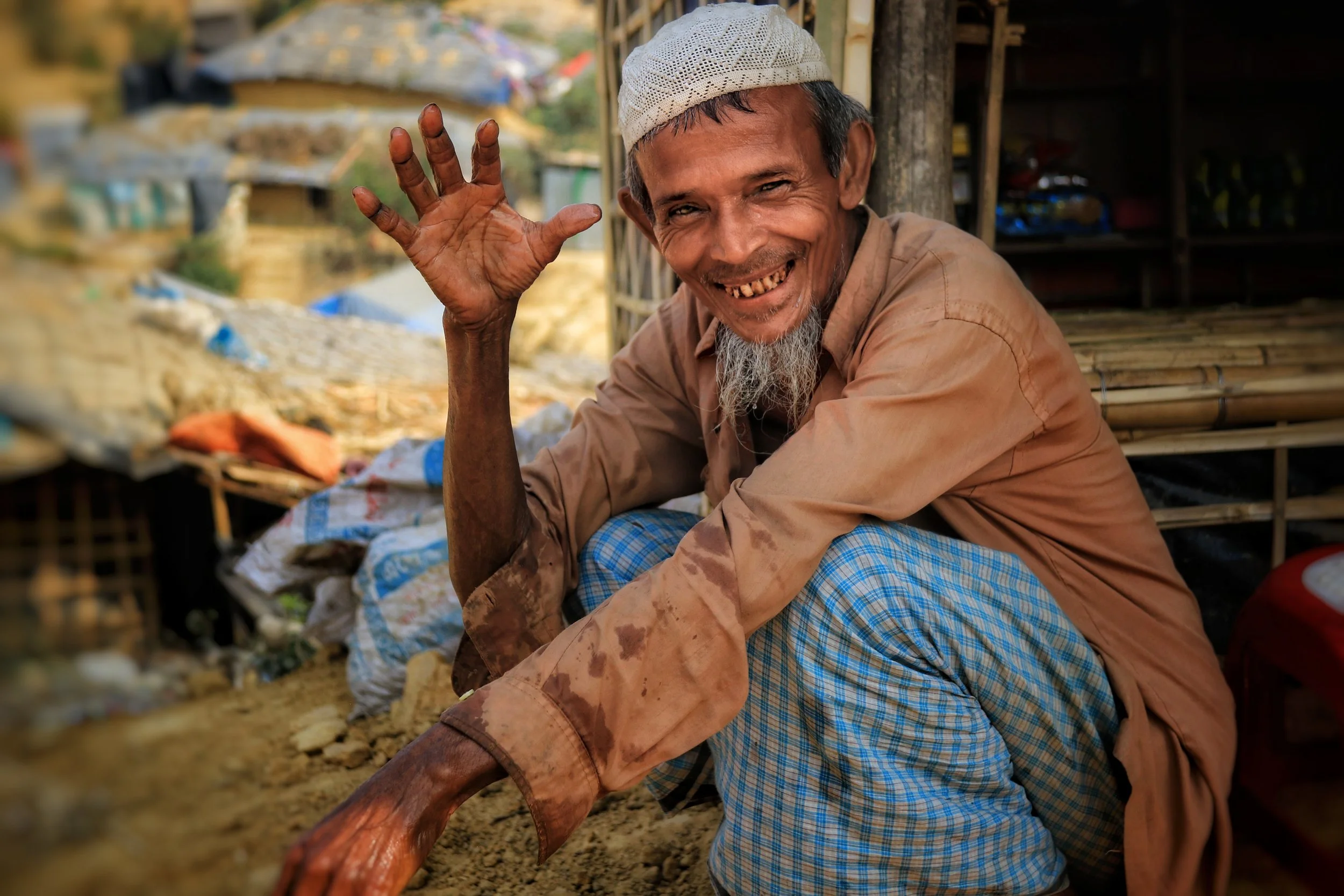
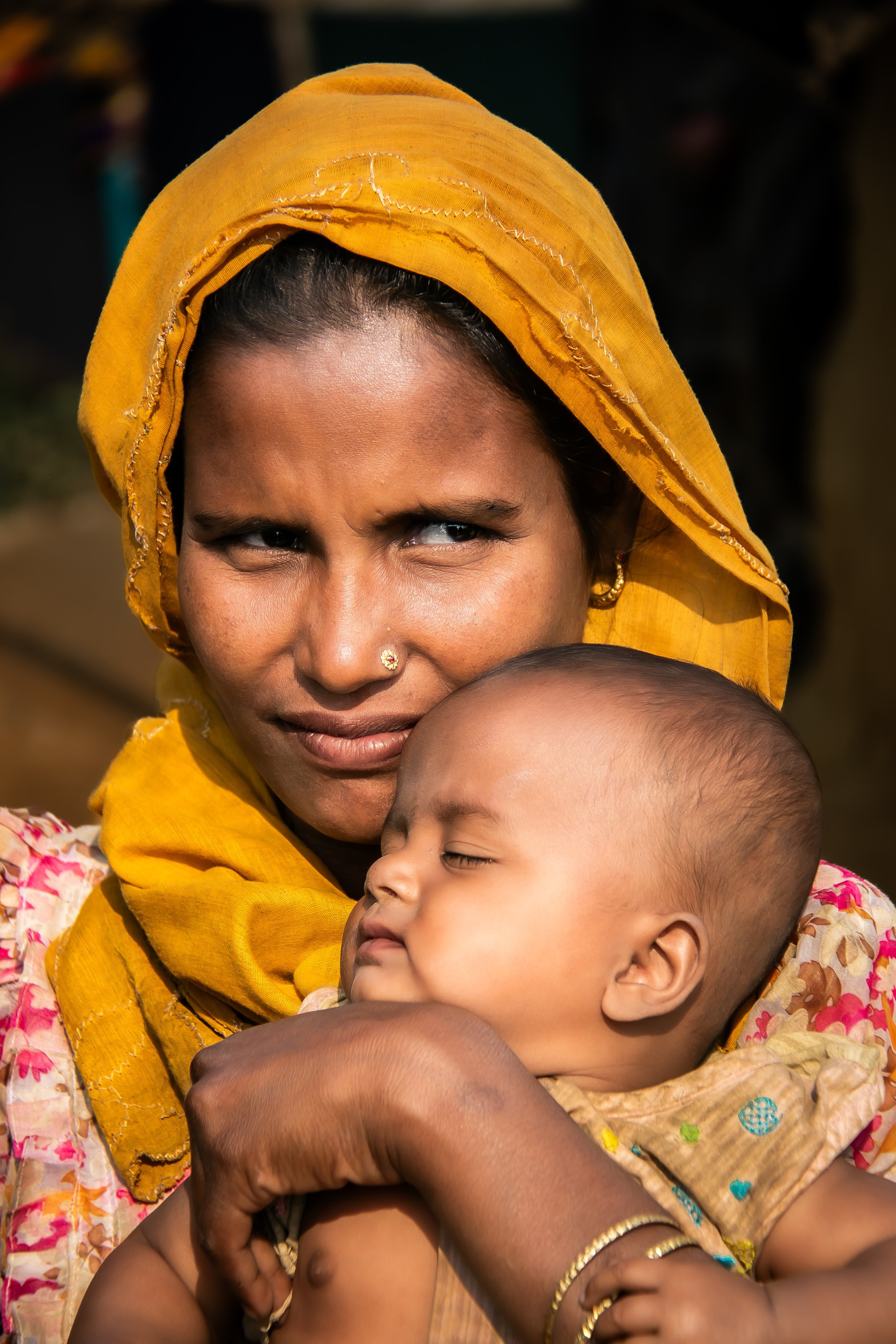
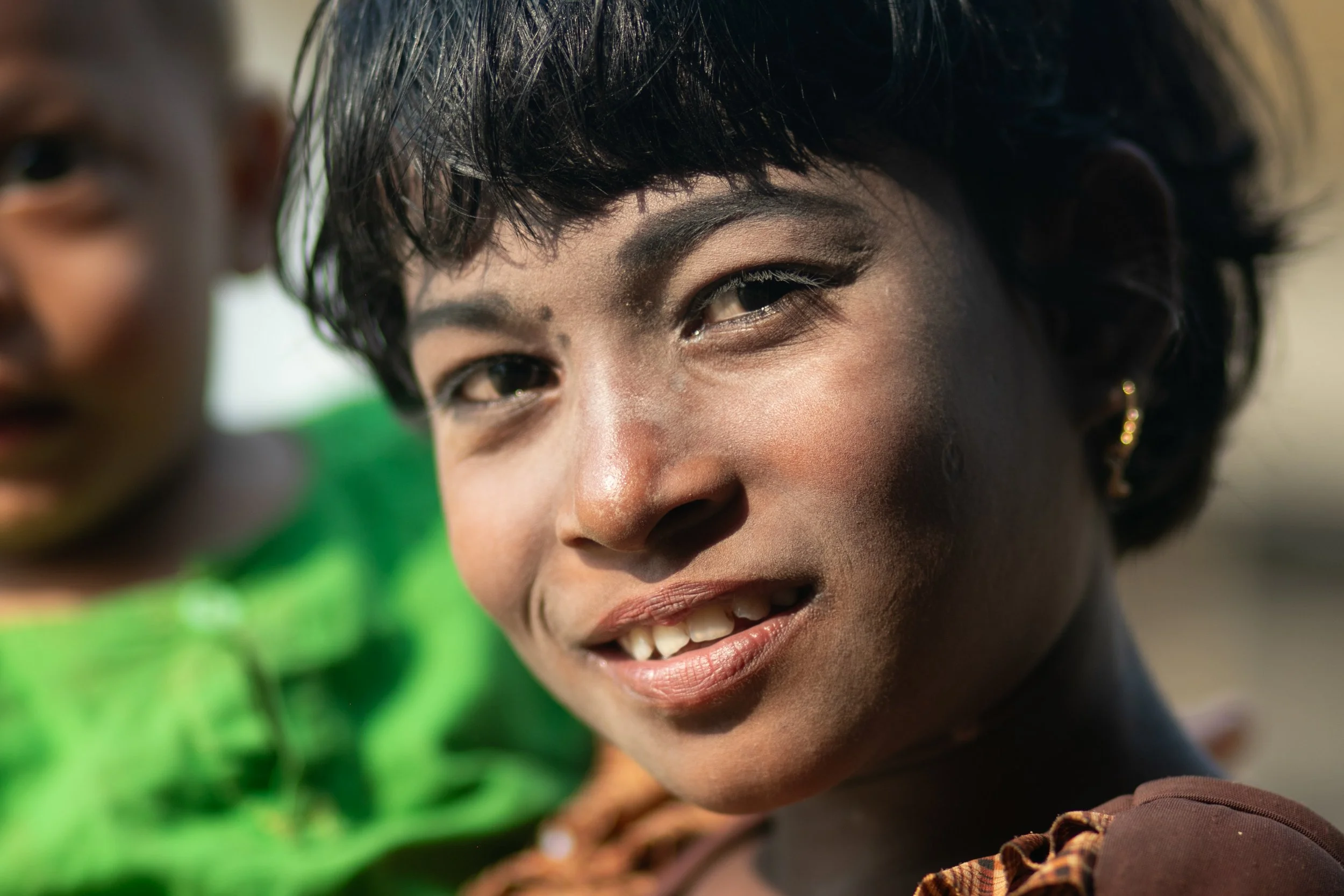
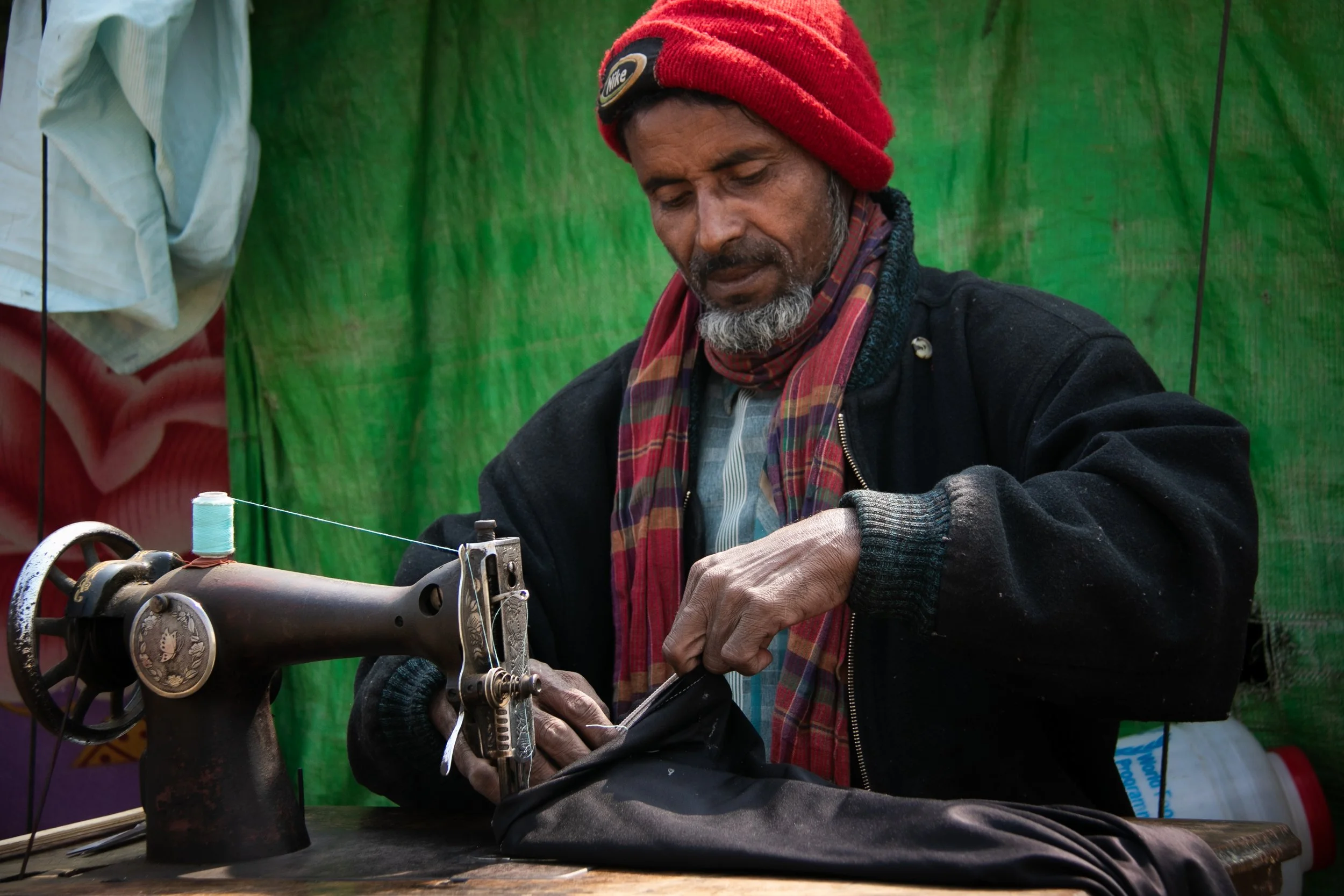
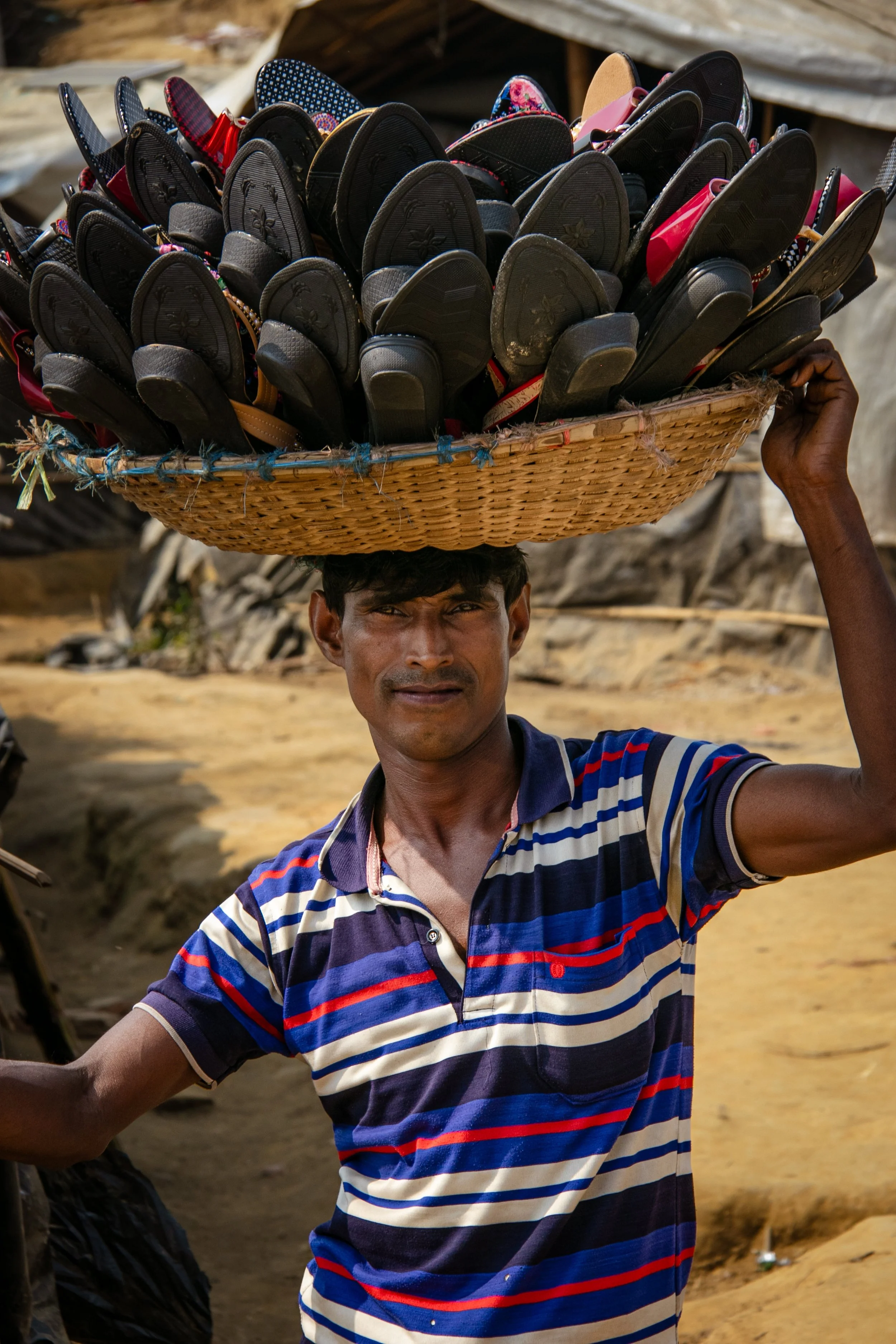
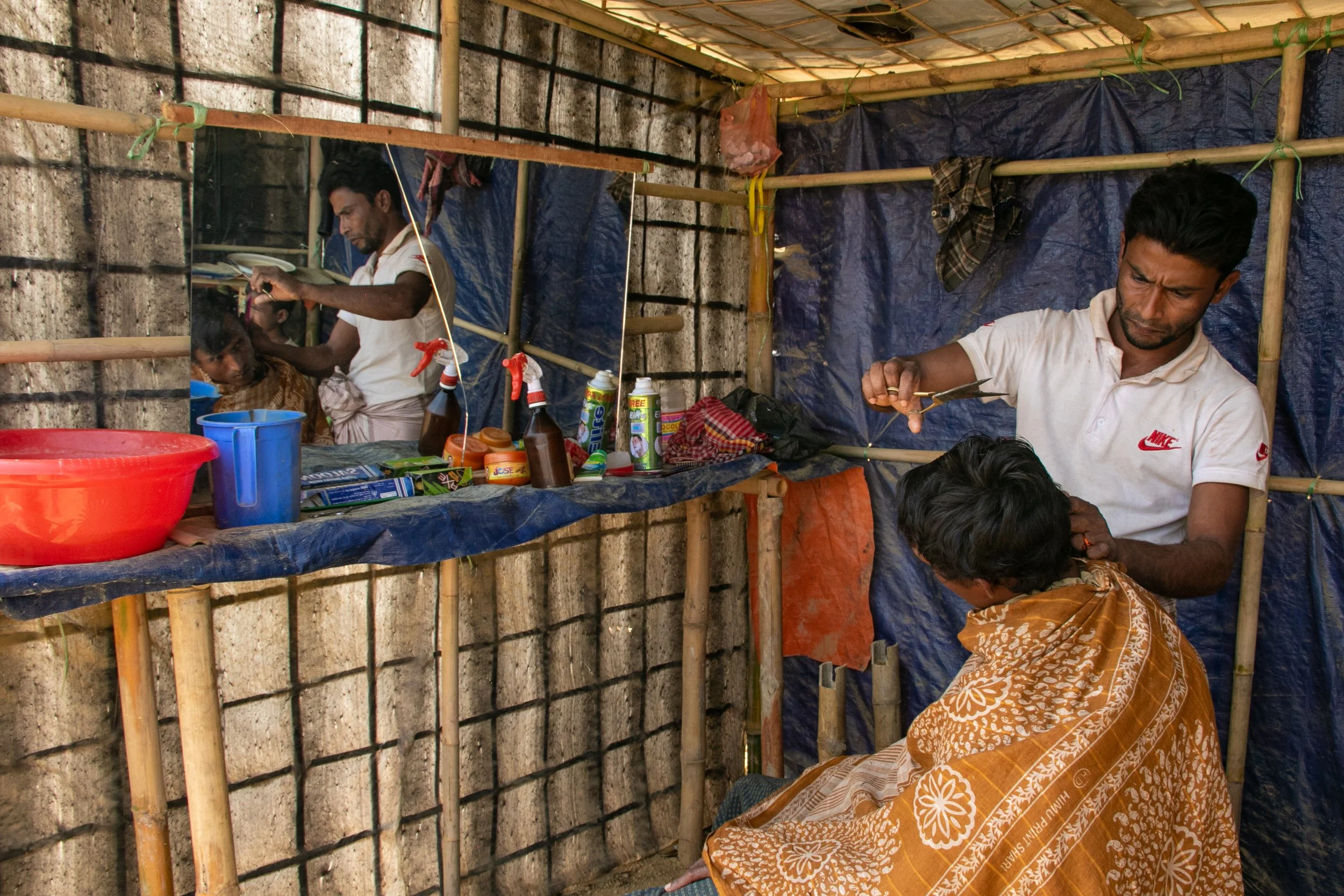
In August 2017, the Rohingya, a persecuted Muslim minority group within Rhakine State, Burma, experienced a ‘planned’ massacre at the hands of the Burmese military, which much of the world refused to name as Genocide. In a matter of months, over 700,000 Rohingya fled into neighboring Bangladesh, where they were relocated to an expanse of flood-prone land, which quickly became one of the largest refugee camps in the world. Today, over 1 million Rohingya are displaced on the border of Bangladesh; able to see the mountains of their home country but unable to return.
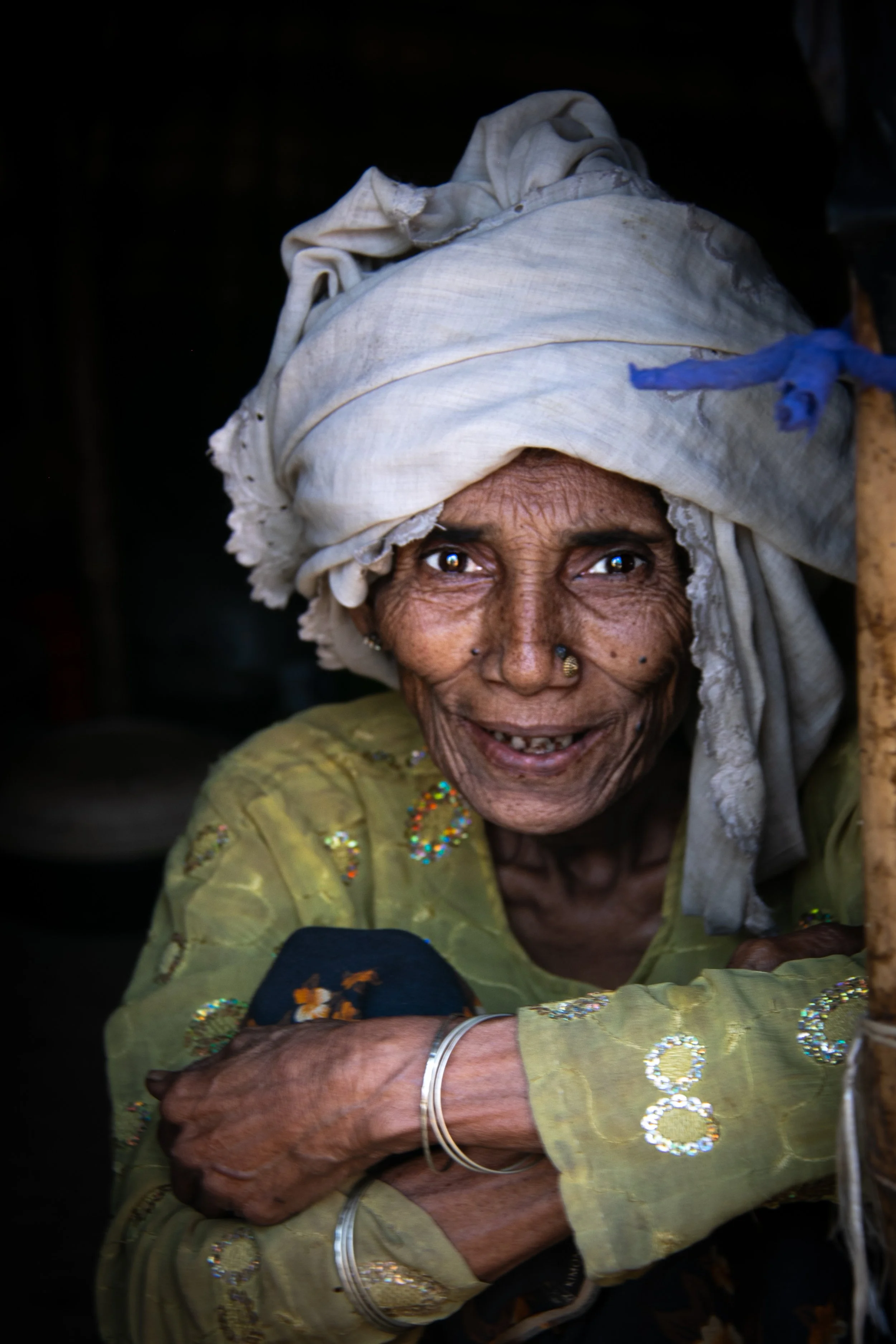
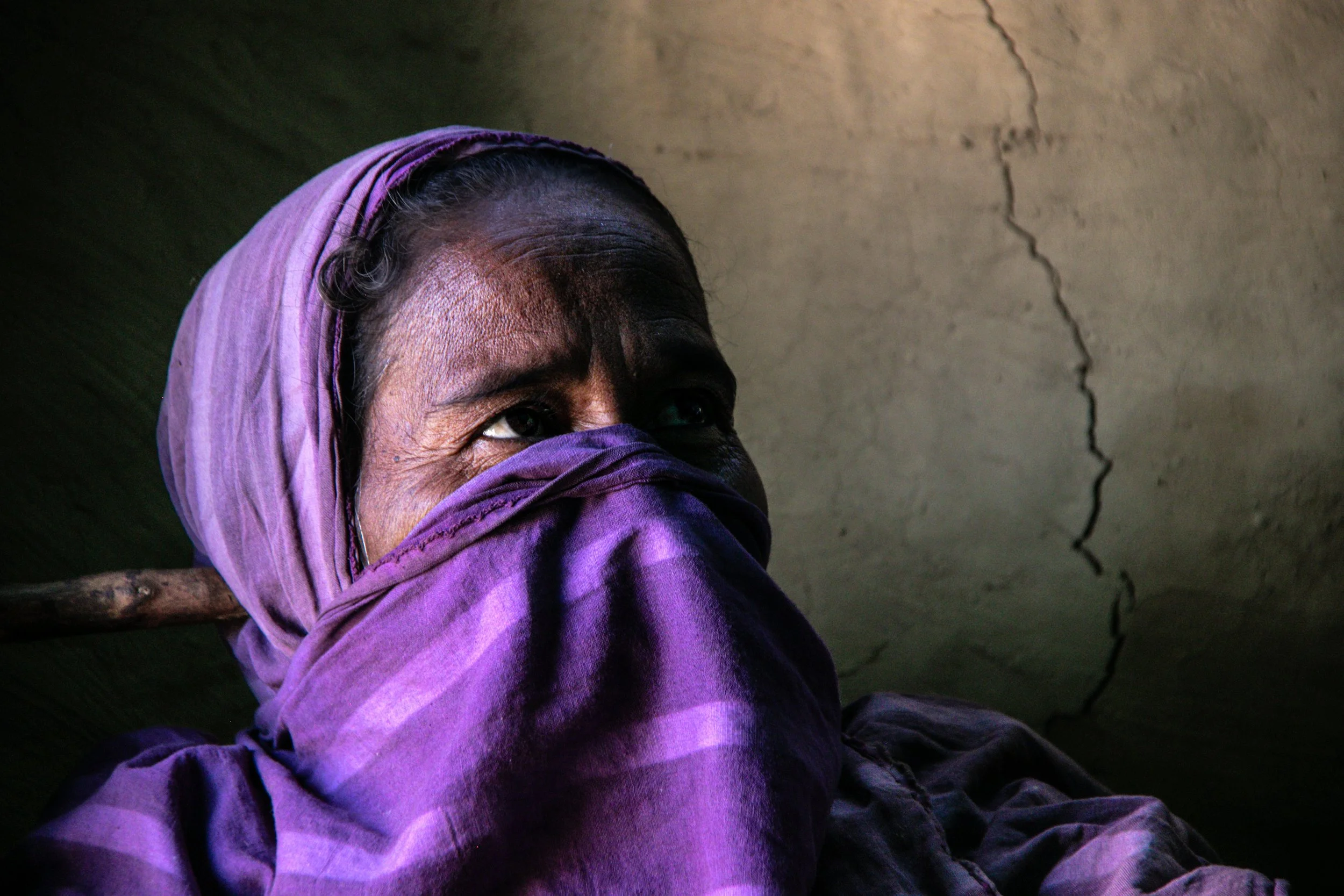
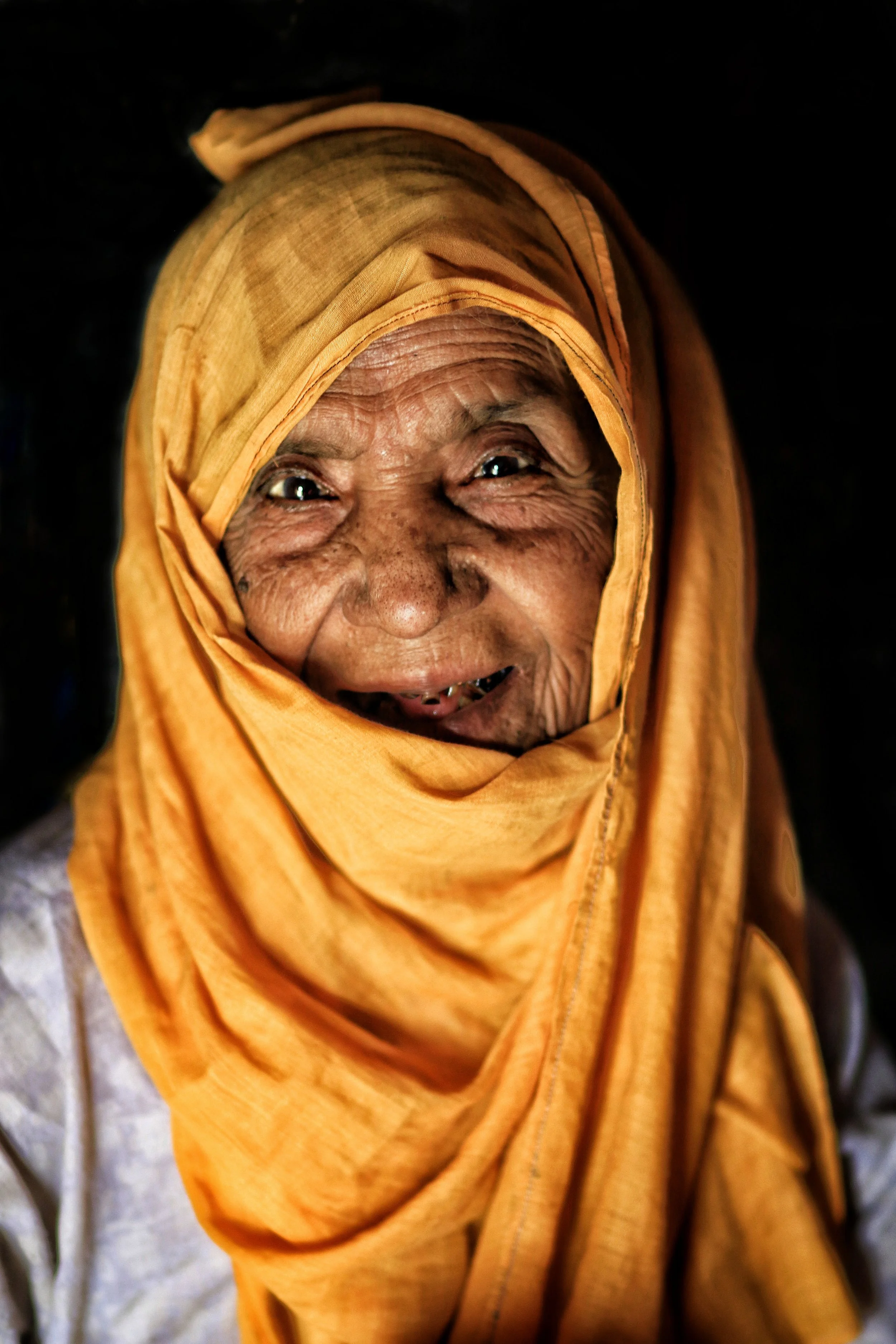
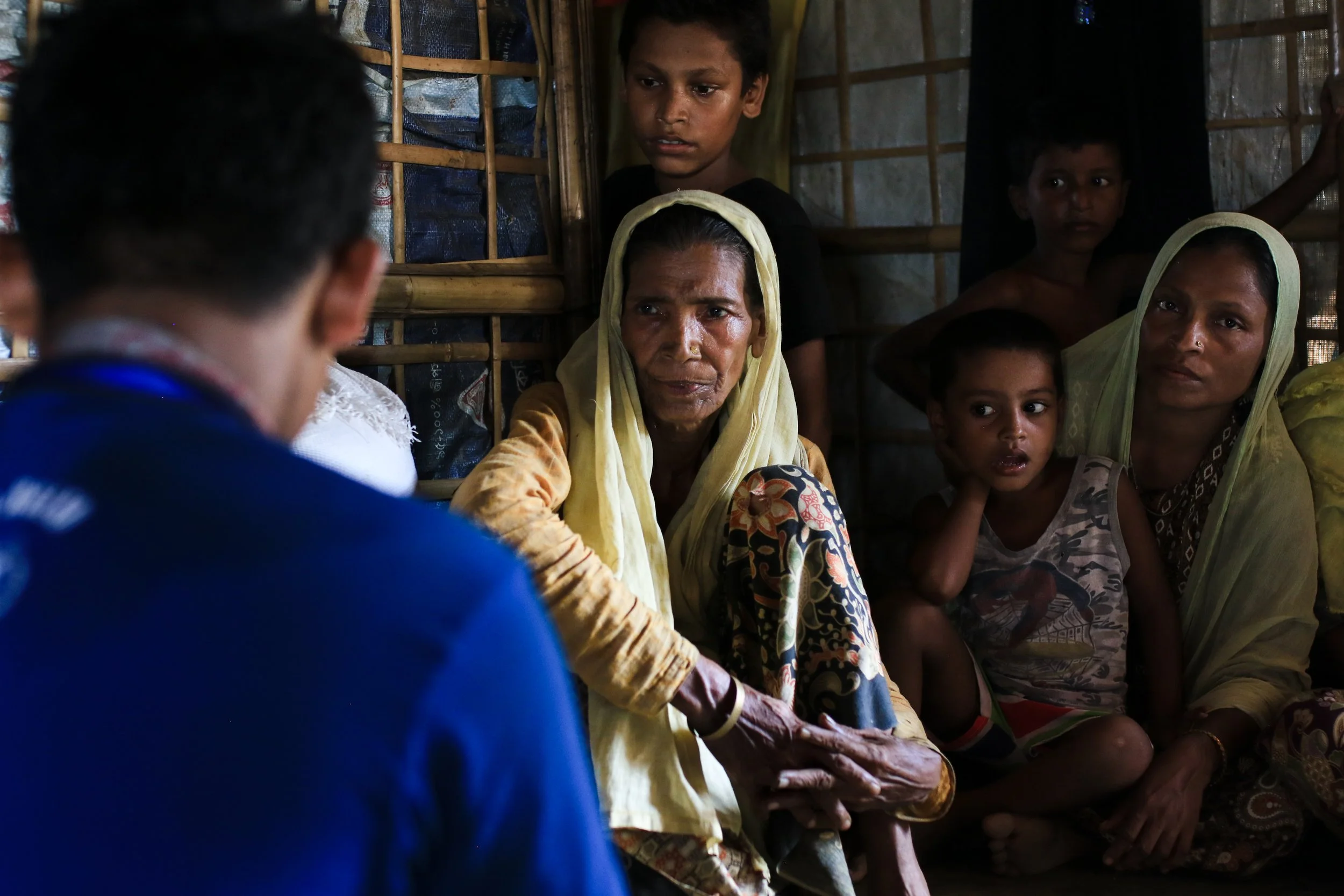
I arrived in Bangladesh several months after the genocide and spent the next year working in and around Kutapolong refugee camp, where I had the incredible opportunity to work alongside members of the Rohingya community and to bear witness to their stories. I am a registered nurse by training and have had the opportunity to work with displaced populations all over the world. While my primary role in Bangladesh was to support the delivery of healthcare in the camp, I had the fortunate opportunity of taking a break from my work to spend some time with a visiting photojournalist. We spent a week capturing the stories of those who came into our clinics. Sitting with families in their tarpaulin homes, I bore witness to their pain and suffering as they shared their stories. In some cases, families would pass me their phones; they wanted me to see the atrocities that they had captured on their mobiles. These are images that can never be unseen. They can never be forgotten.
My time with the Rohingya was one of the most remarkable experiences of my life. To sit with another human being in their pain and suffering is nothing short of sacred. I promised those whose stories I collected that I would share their images, that I would share their words. Six years later and the conditions within Rakhine state are not secure enough to facilitate safe, voluntary returns for the Rohingya. Like so many forgotten conflicts, the world has moved on. The Rohingya have not. They continue to hope and plead for a life free of persecution, for a life outside of the refugee camp.
I hope that my photos have done justice to the brave, resilient, creative and beautiful Rohingya people. Theirs is a story that needs to be told.