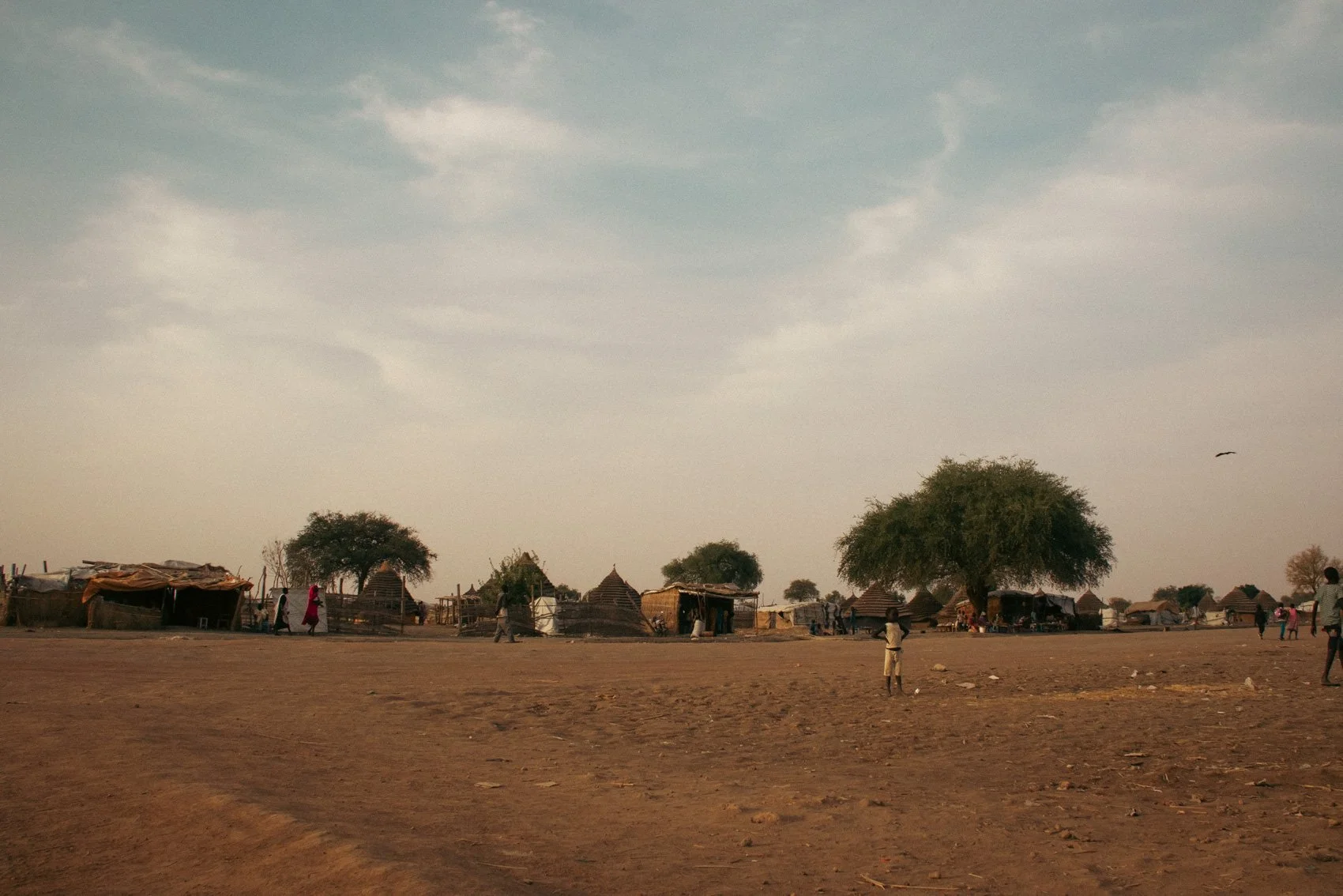
Love Letter to South Sudan- Healthcare in the midst of civil war.
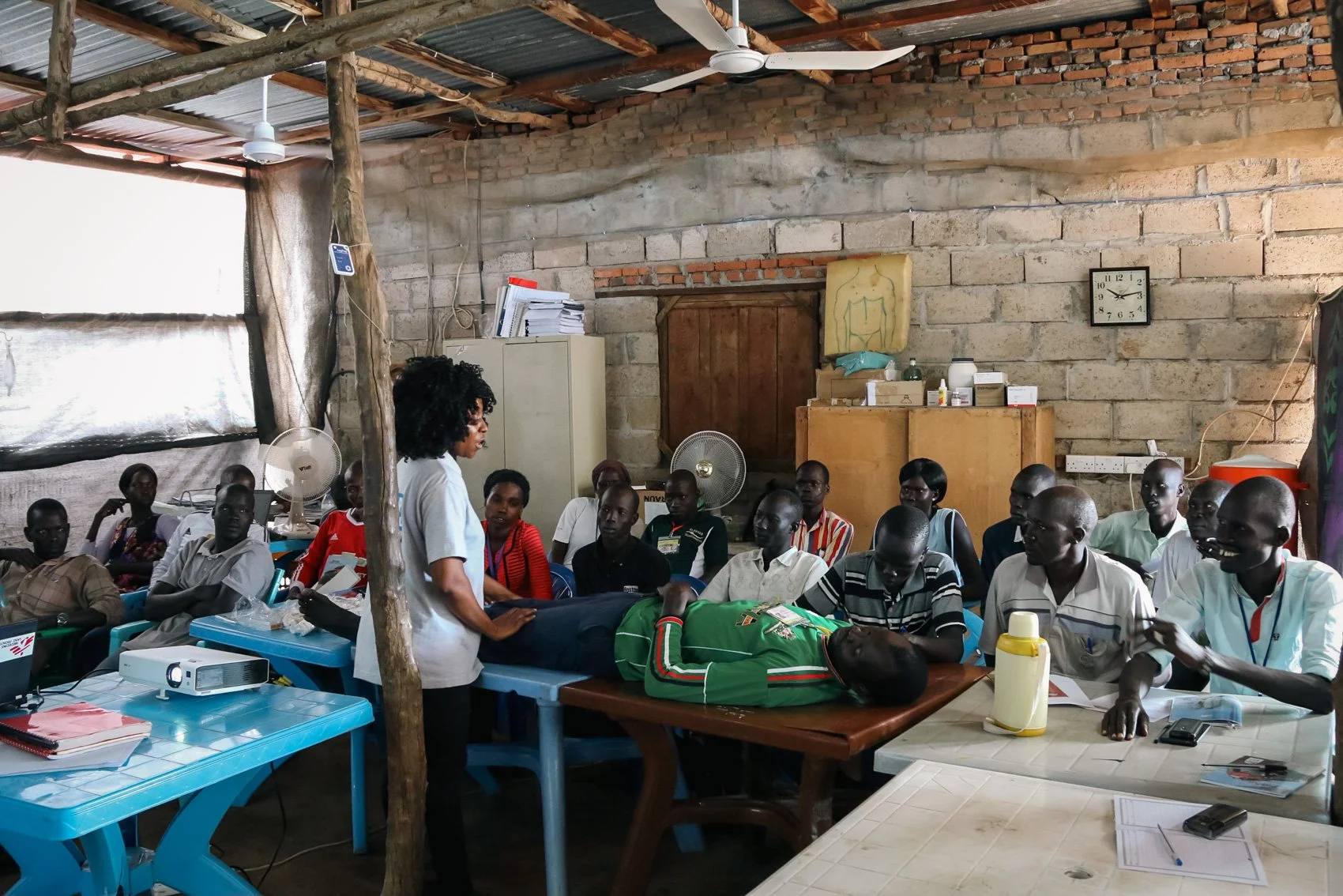
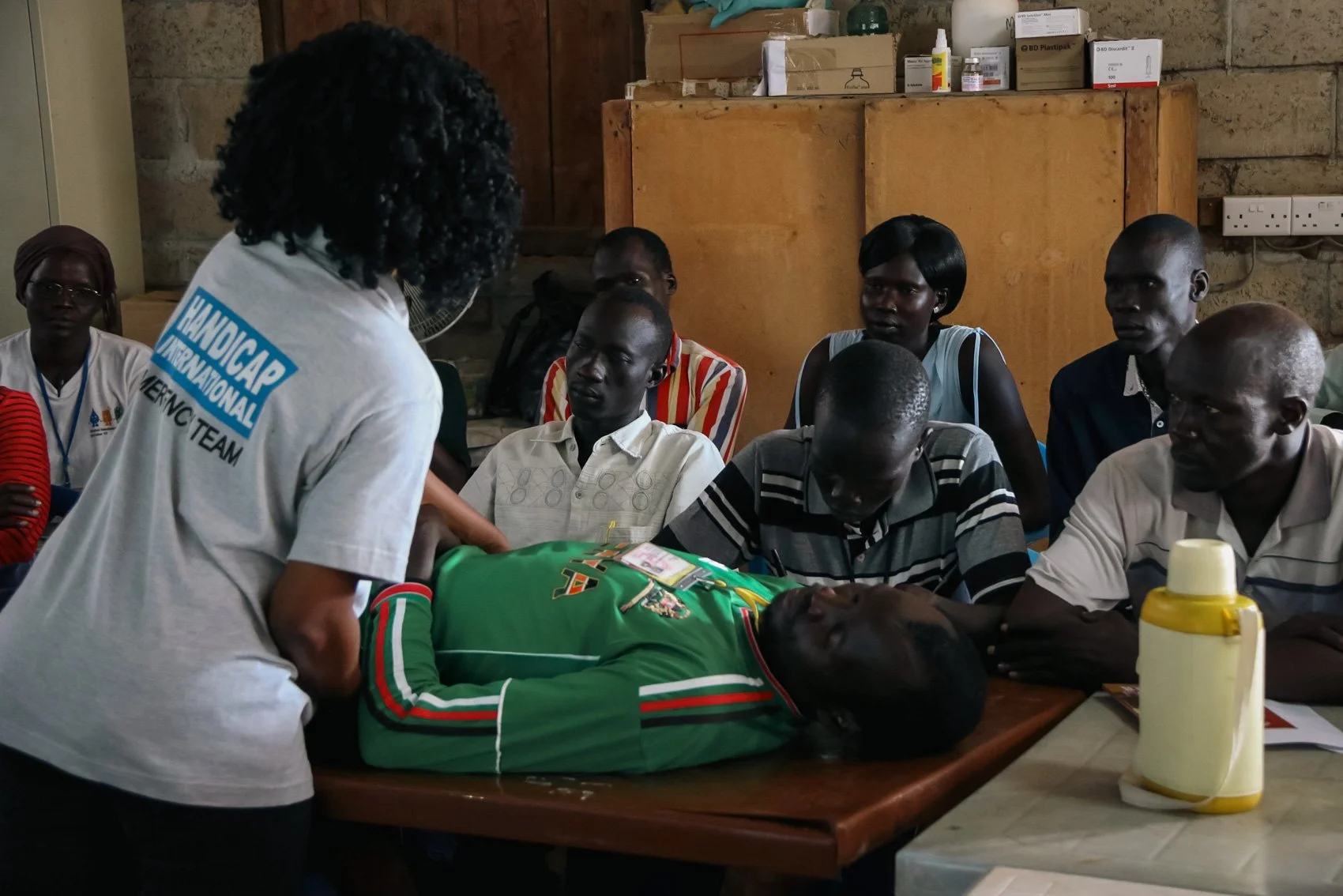
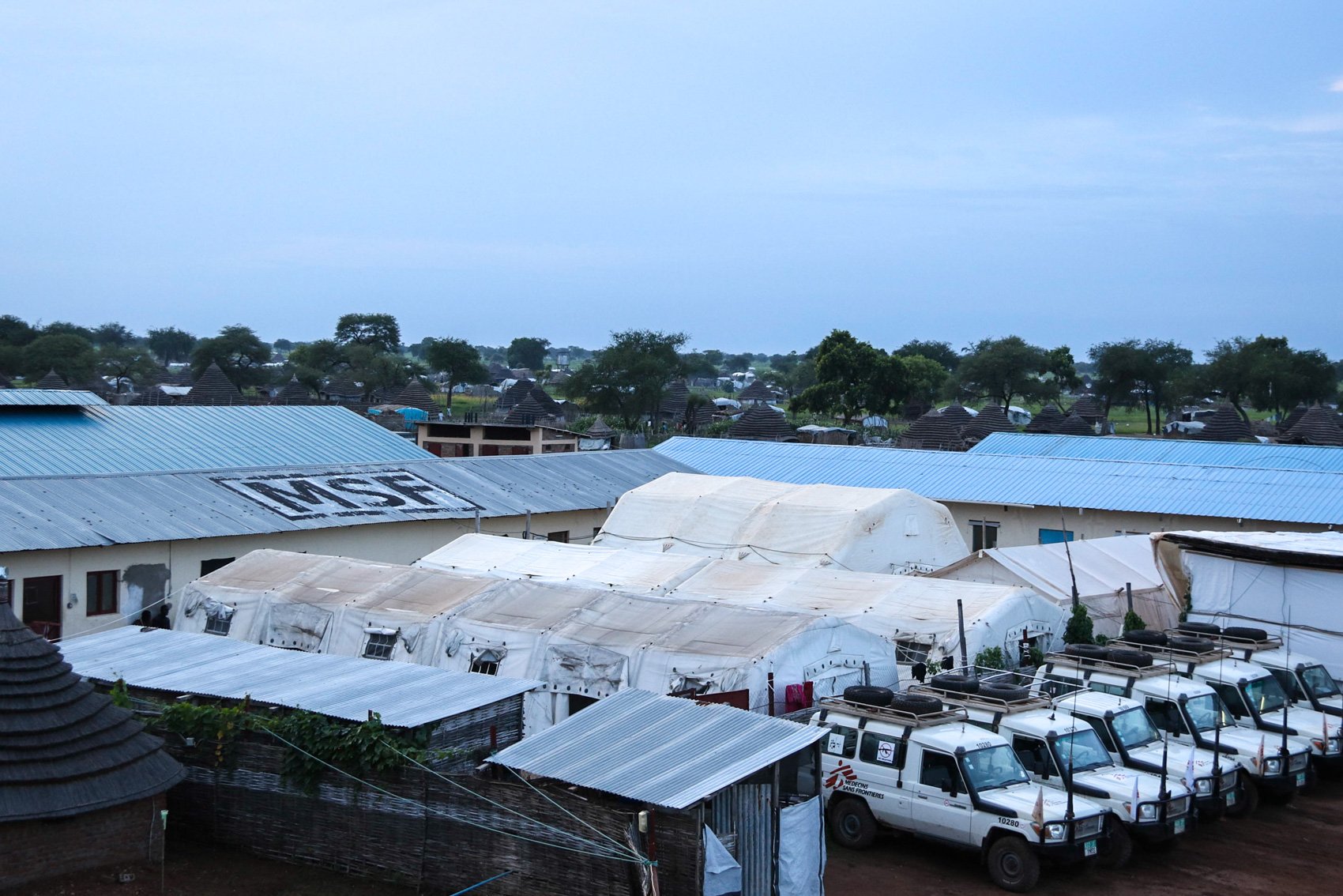
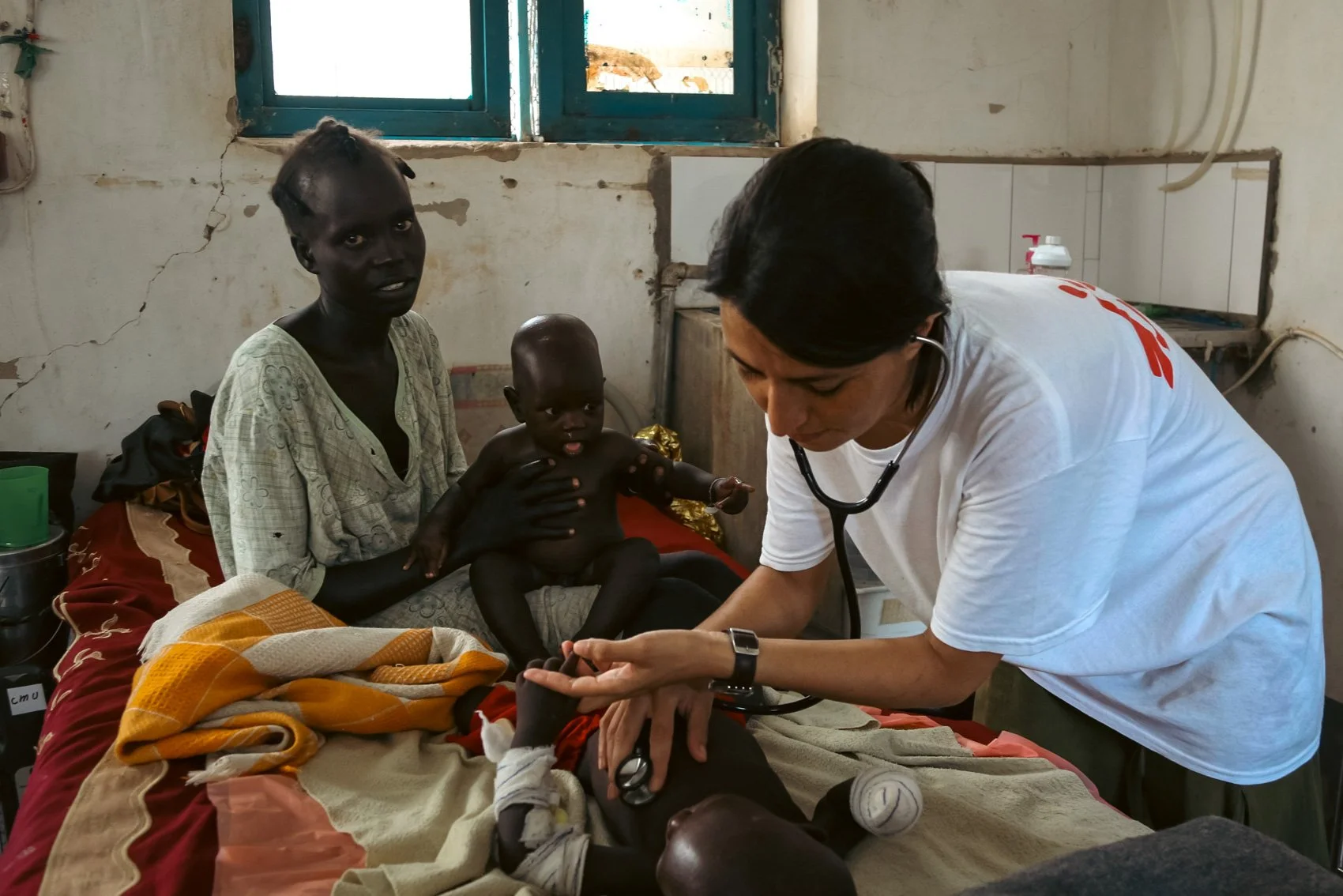
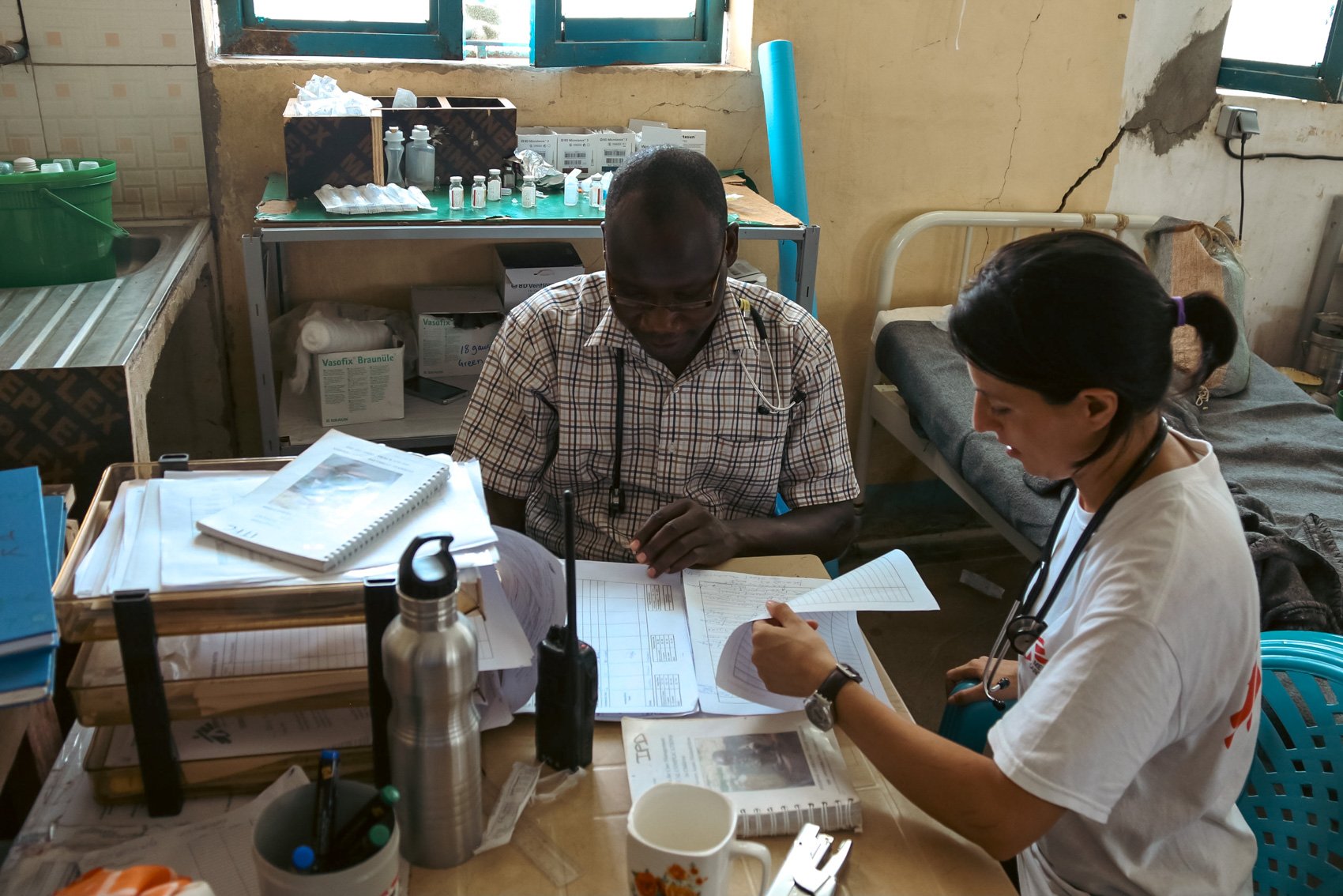
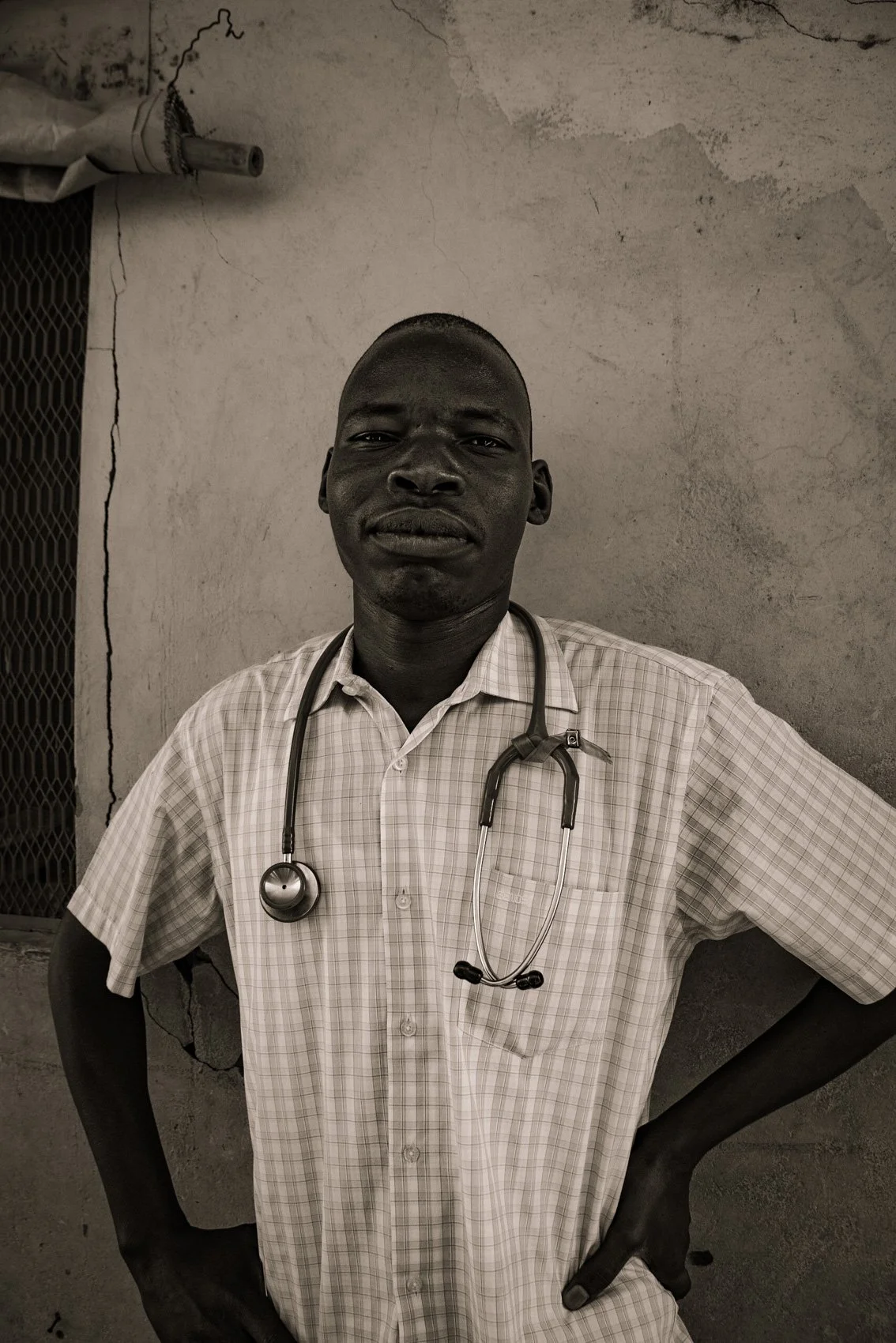
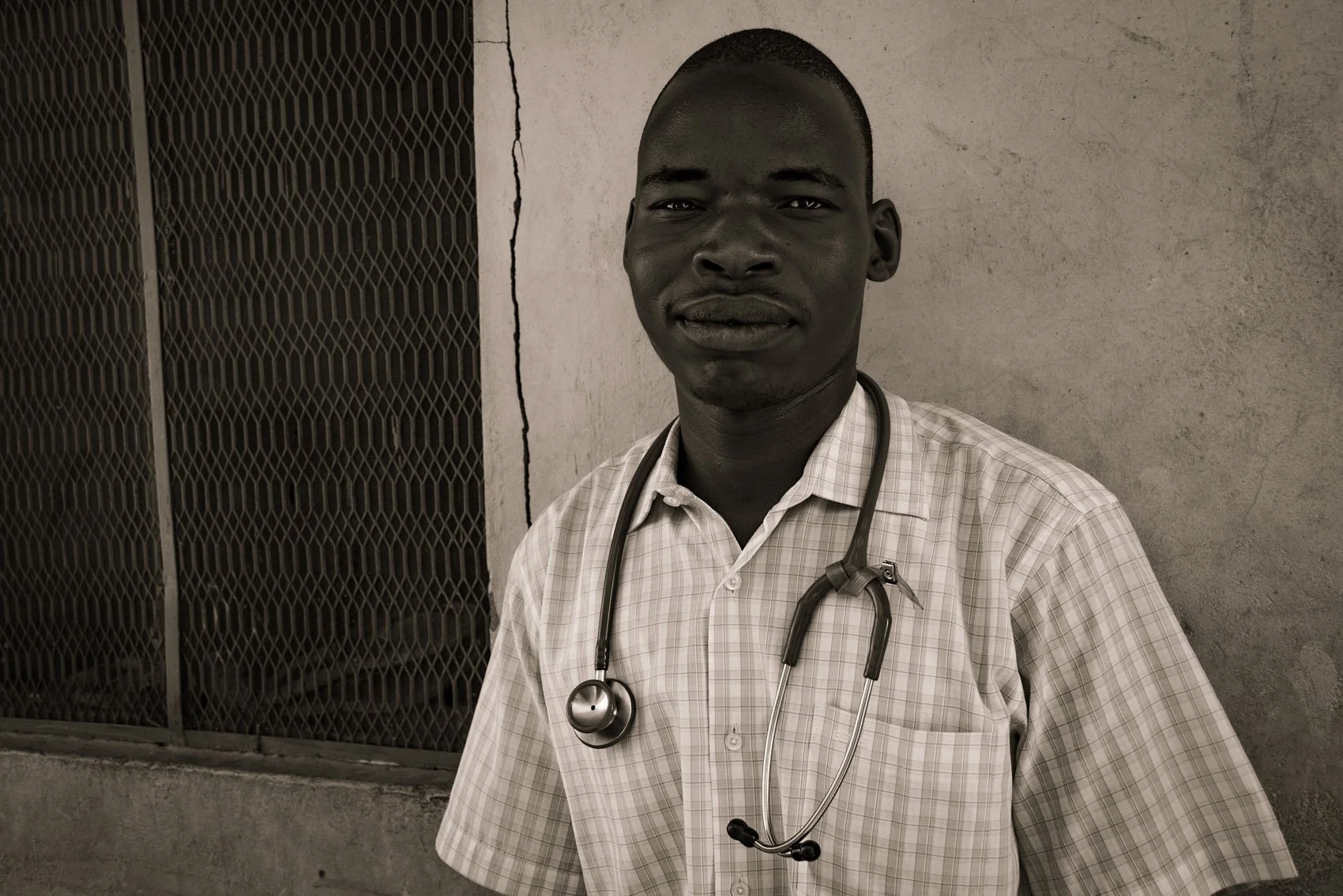
I first came to South Sudan in 2016, arriving after days of travel on a small World Food Programme plane that landed on a dirt airstrip scattered with children who ran just fast enough to clear the wheels. I came as a nurse, not to document — to care for bodies, to train, to listen, to be present inside a place shaped by war, uncertainty, and extraordinary resilience.
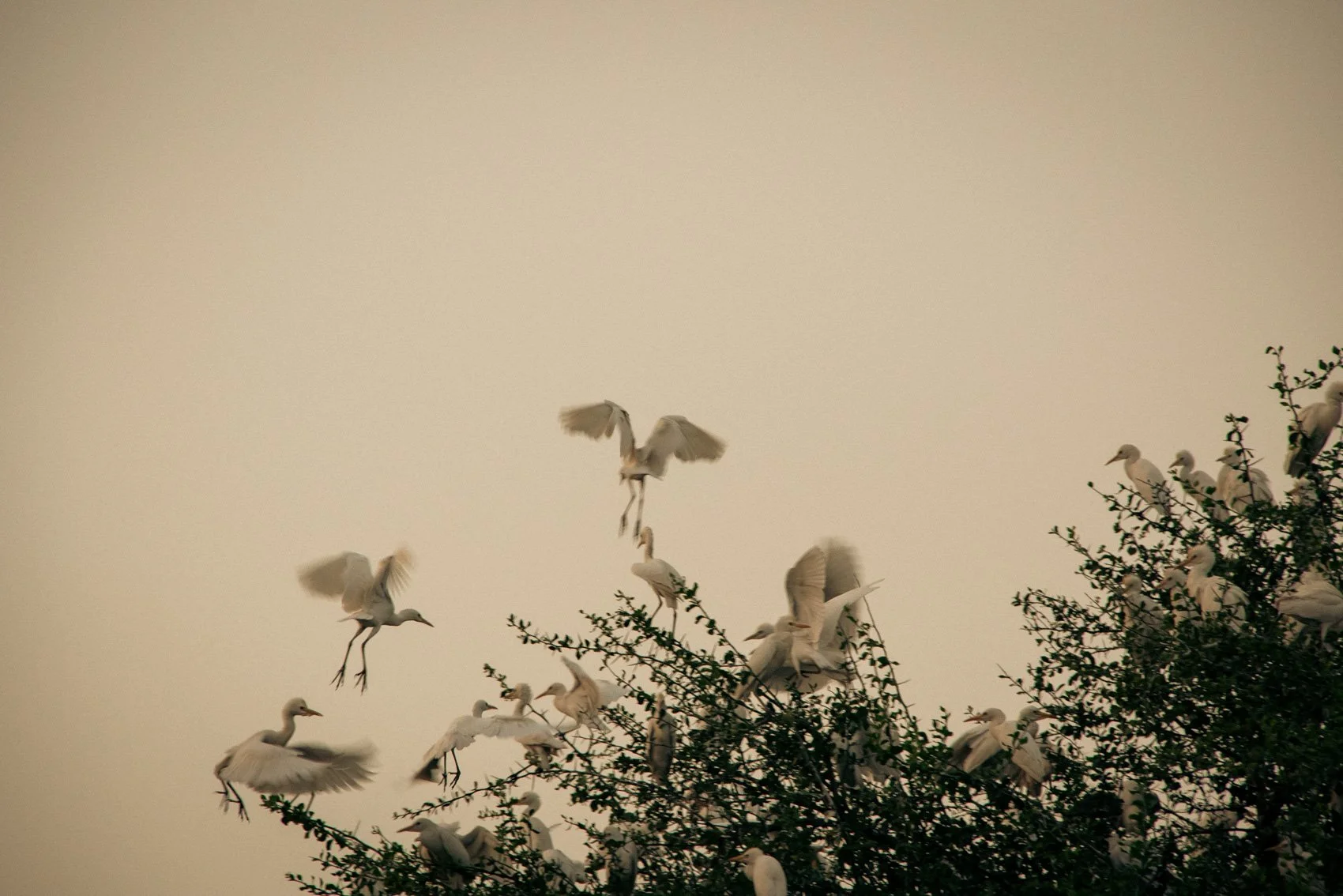
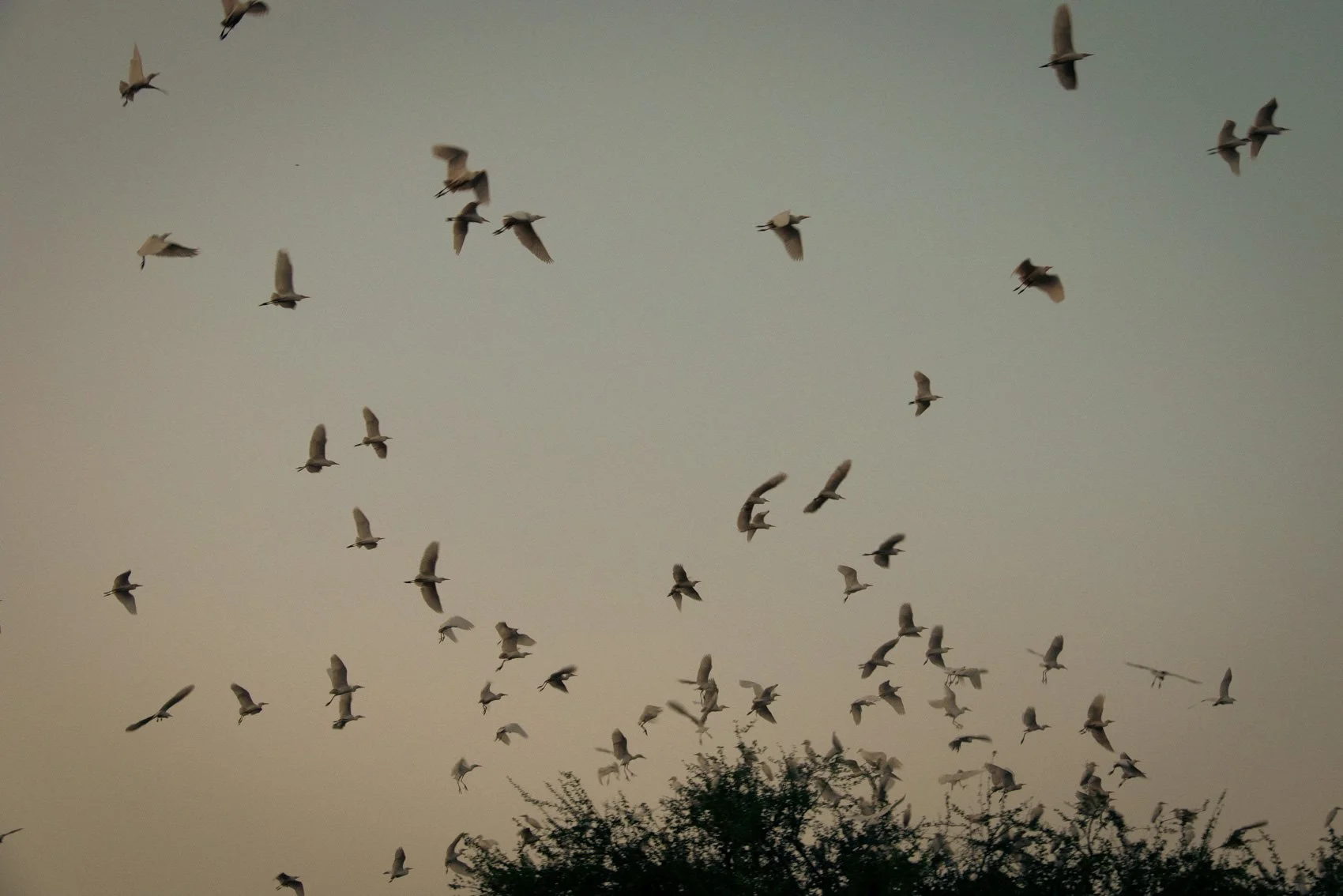
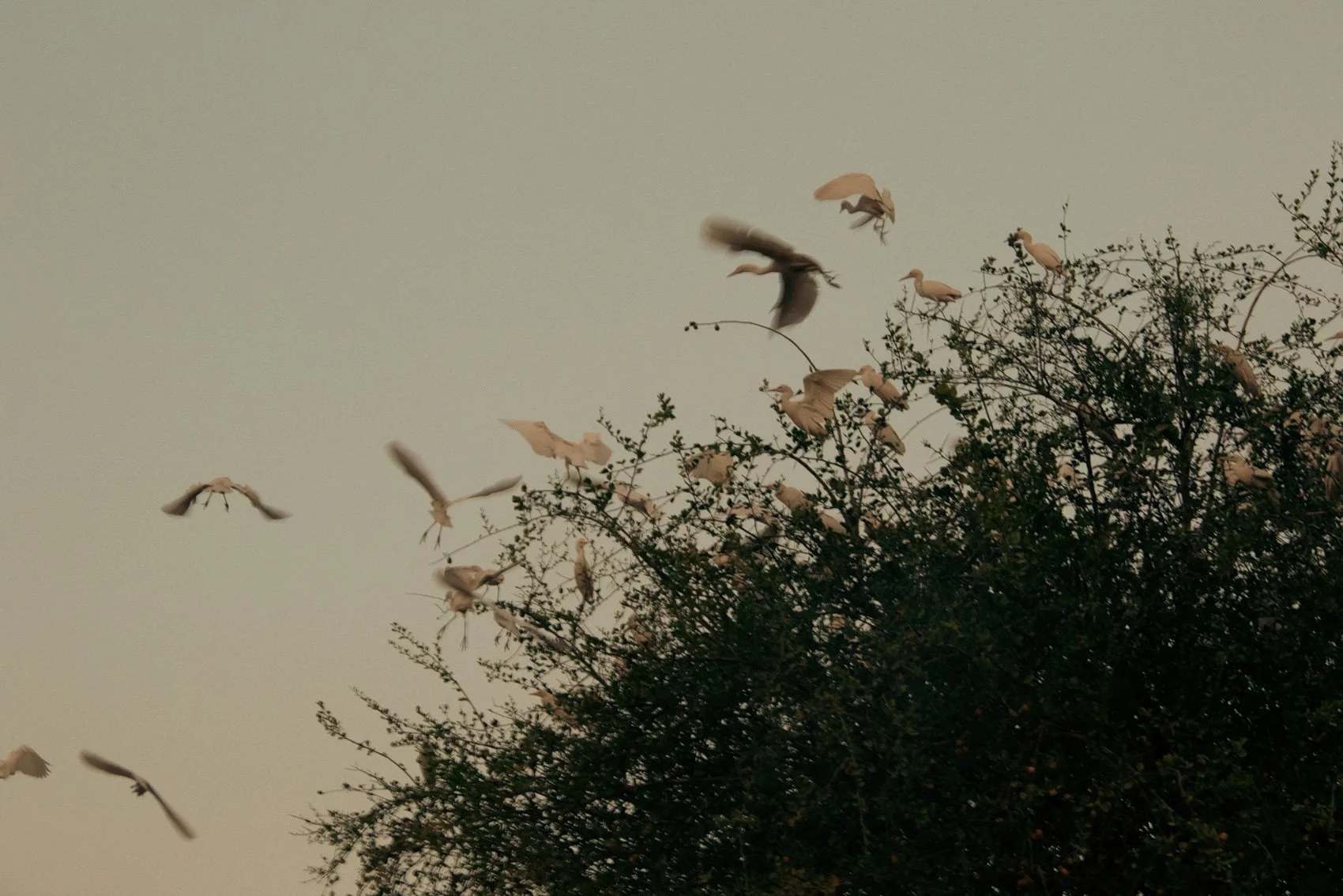
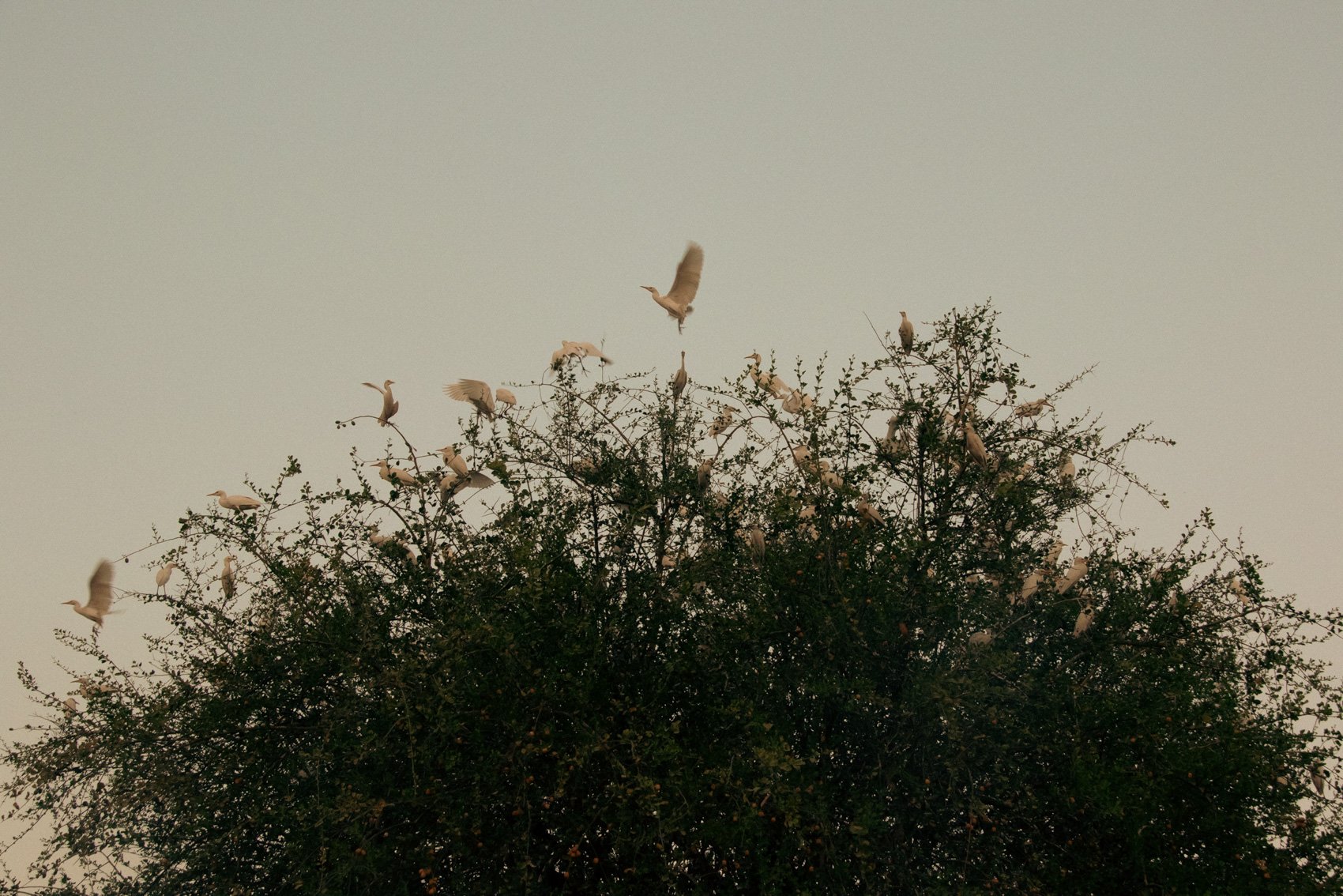
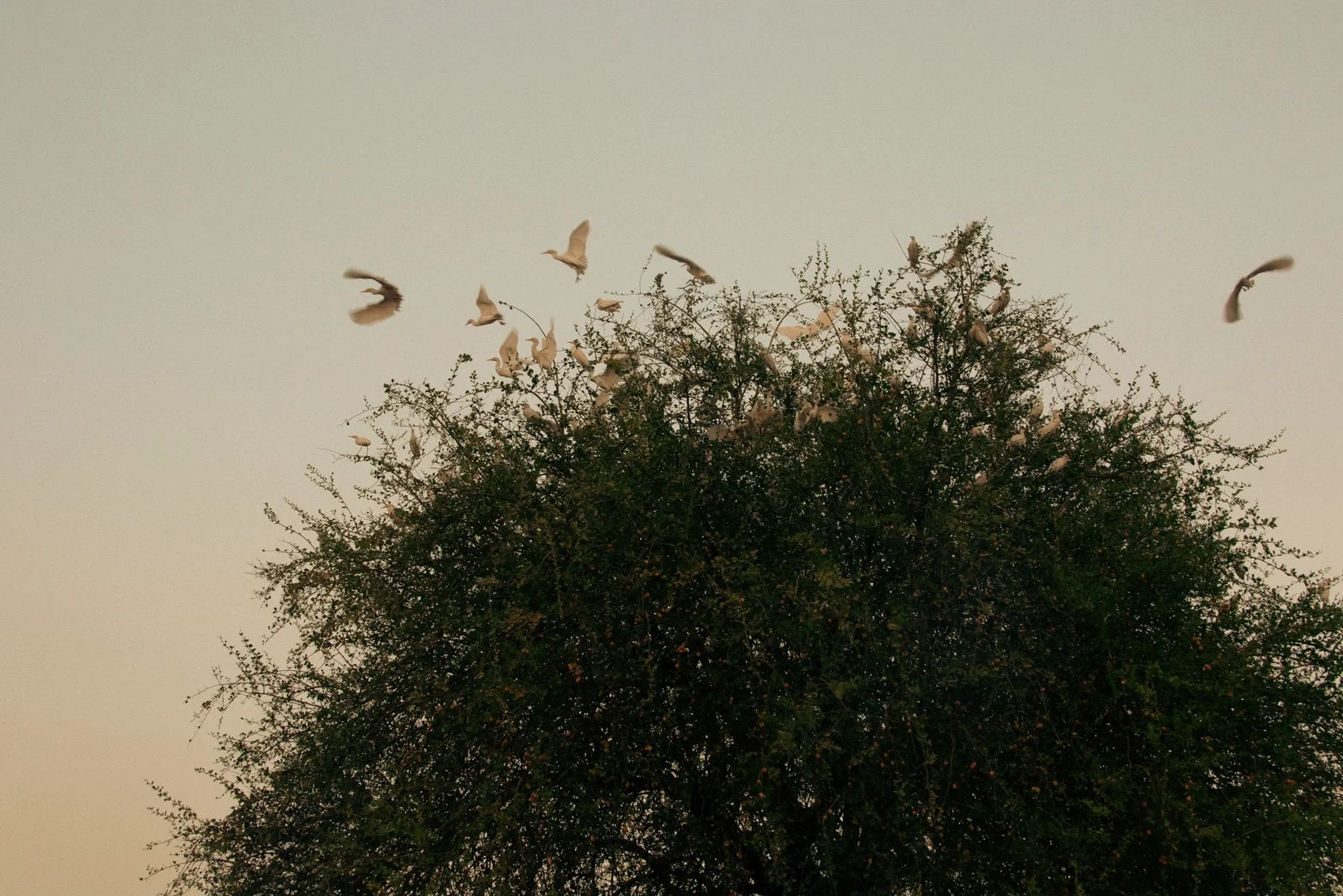
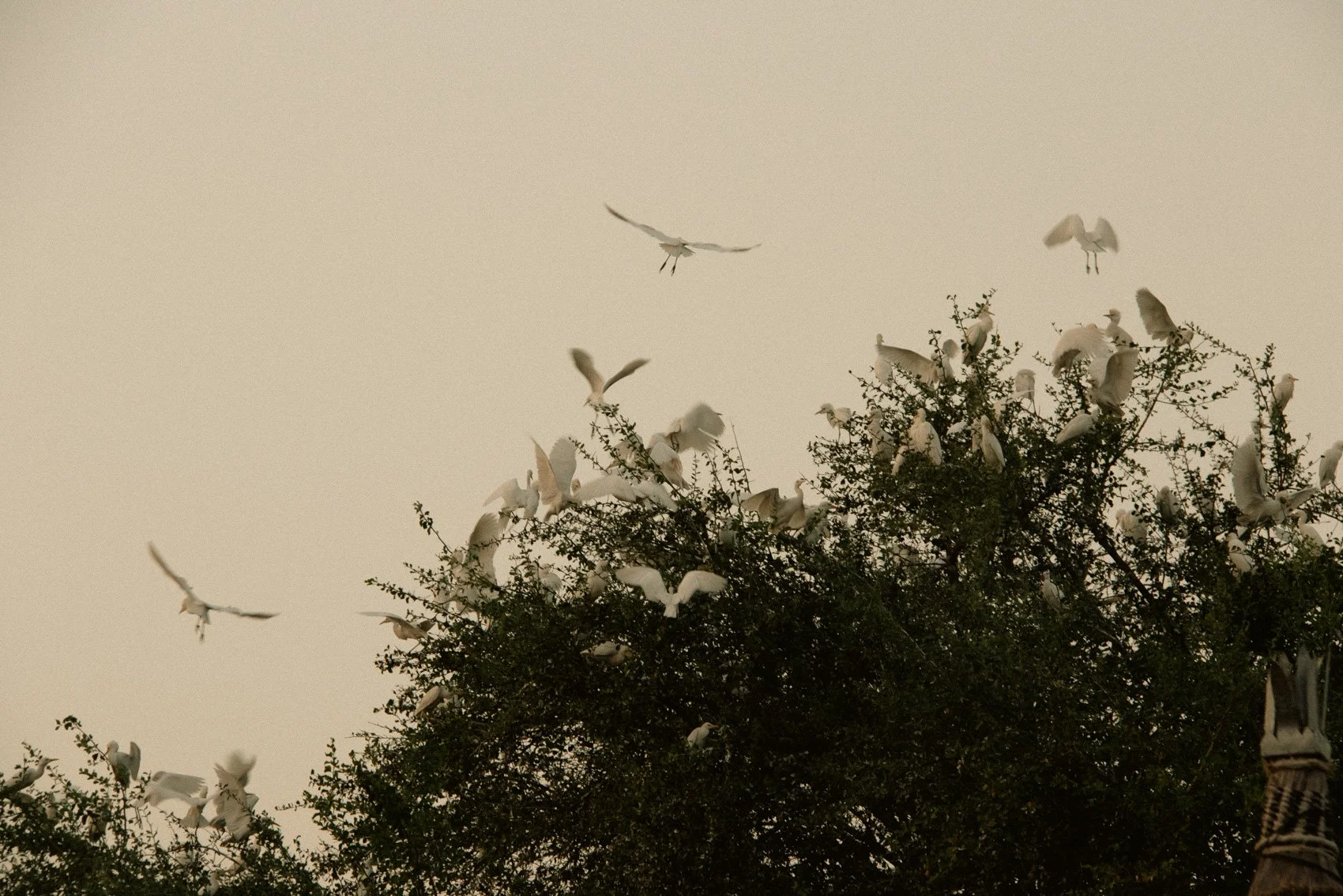
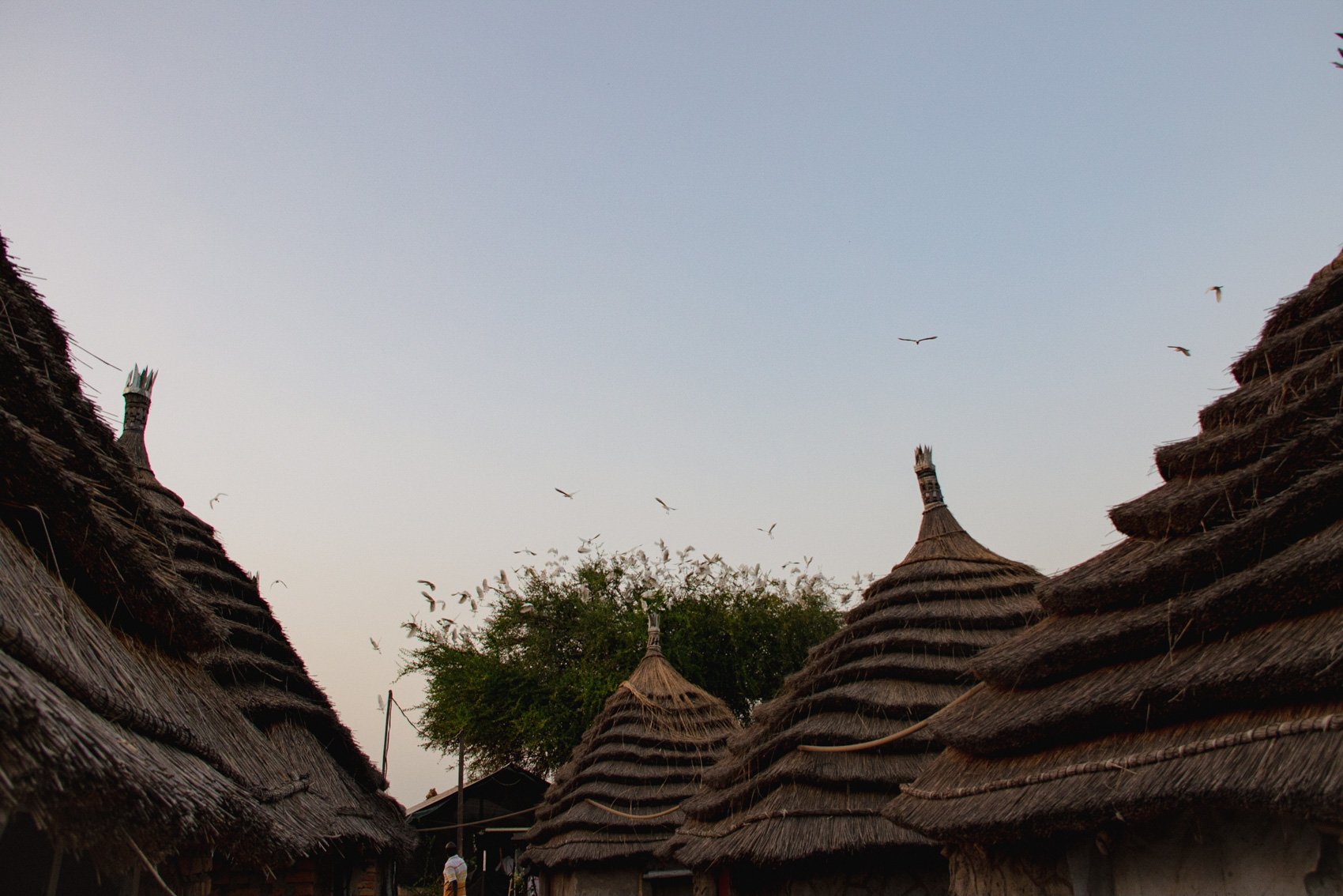
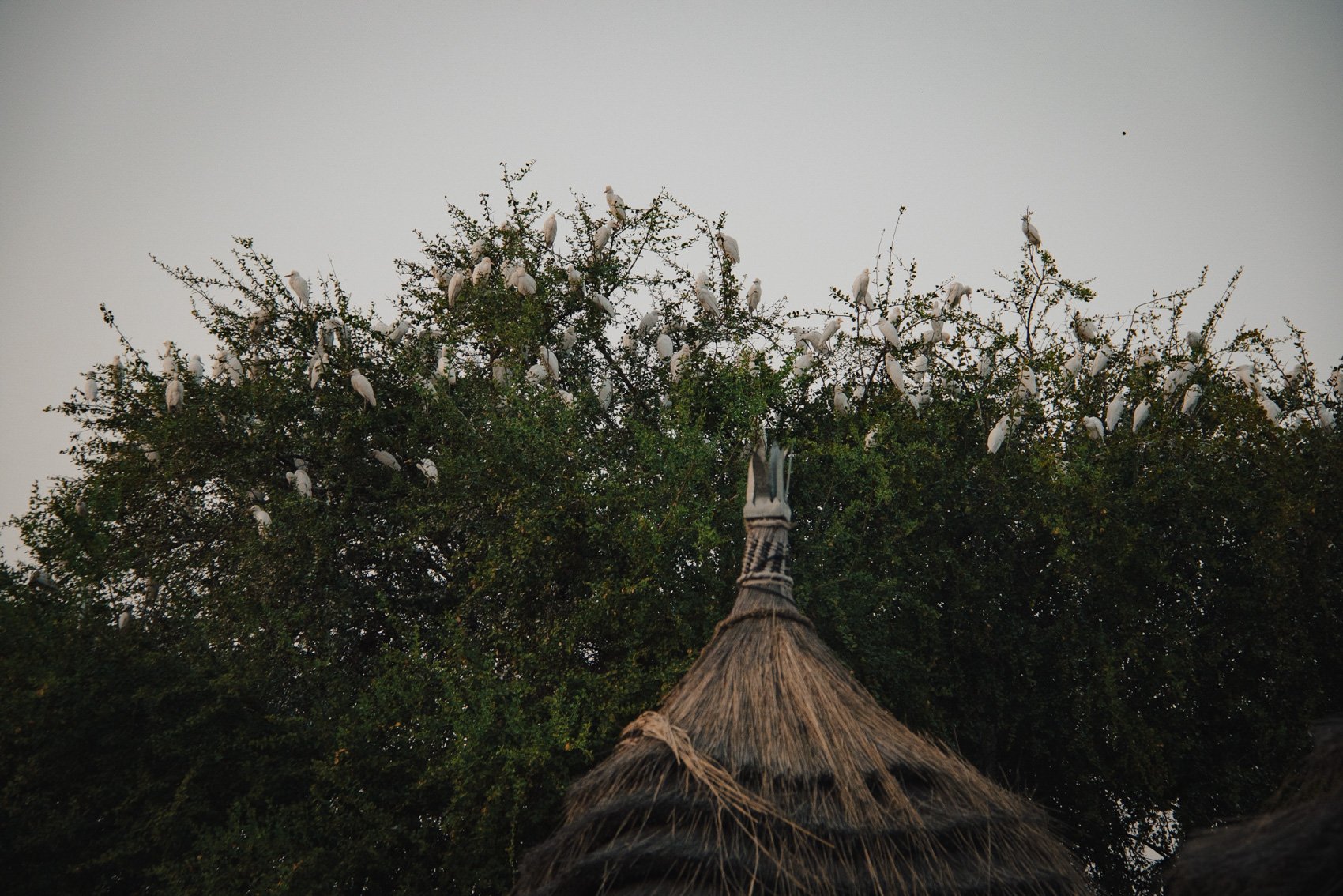
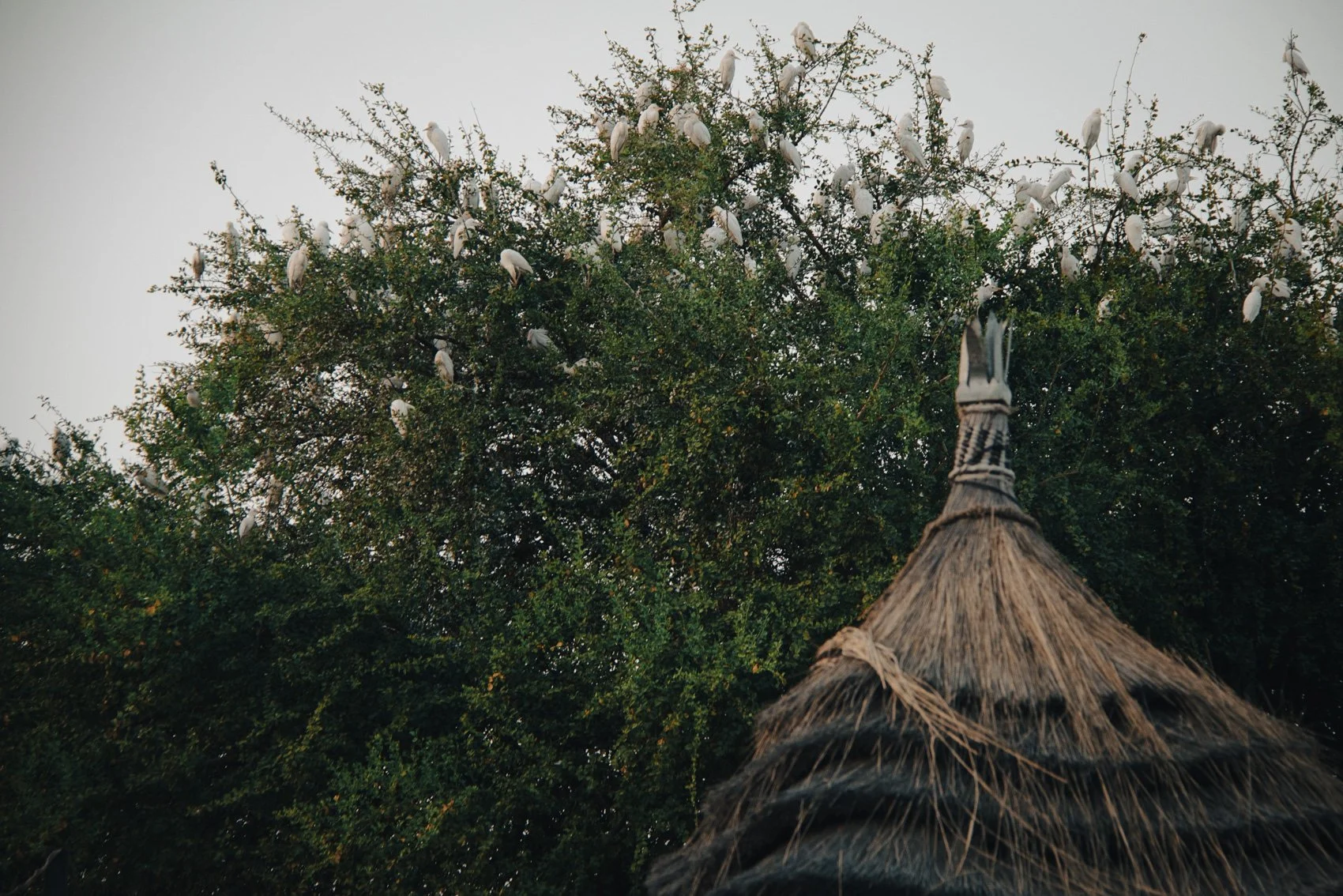
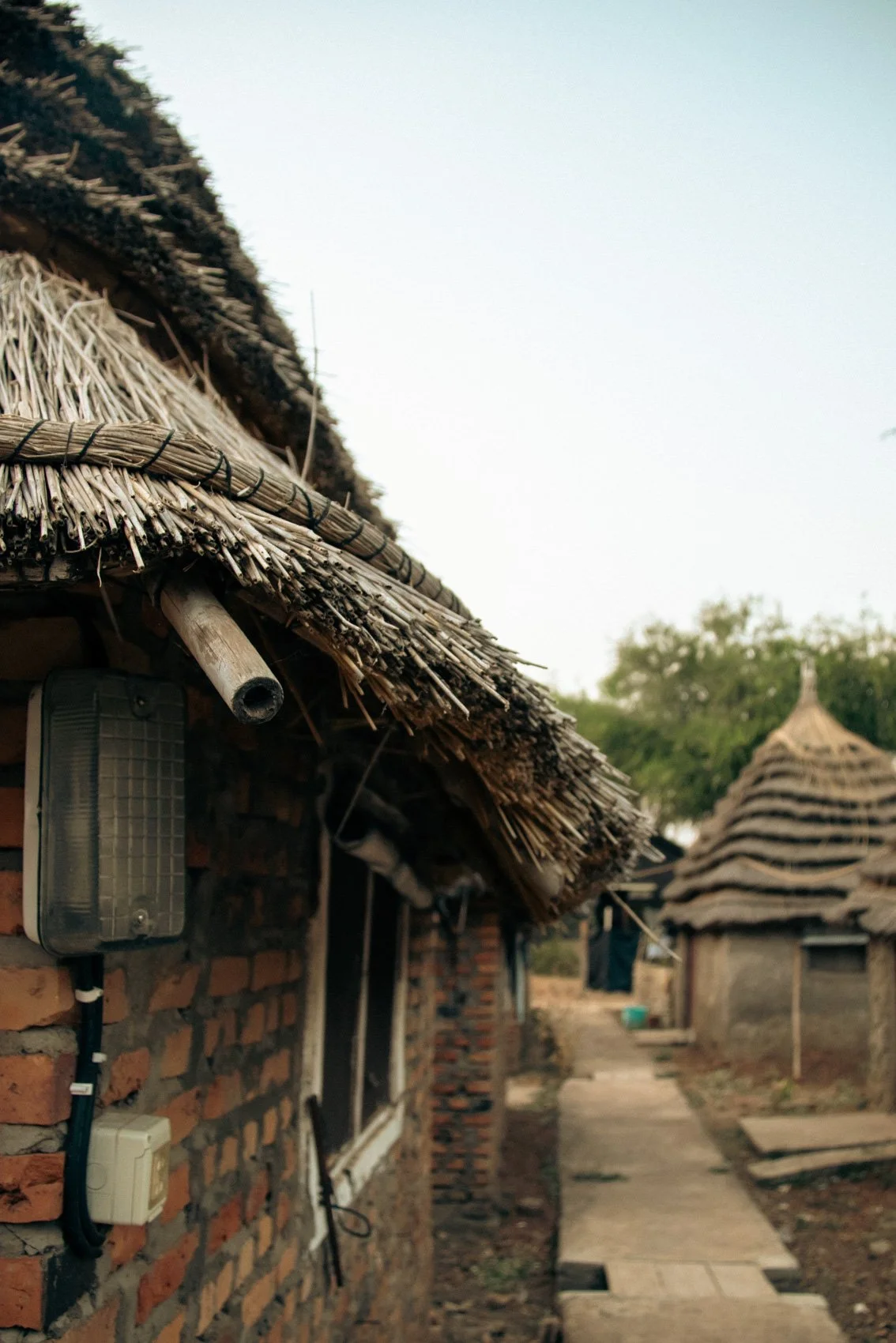
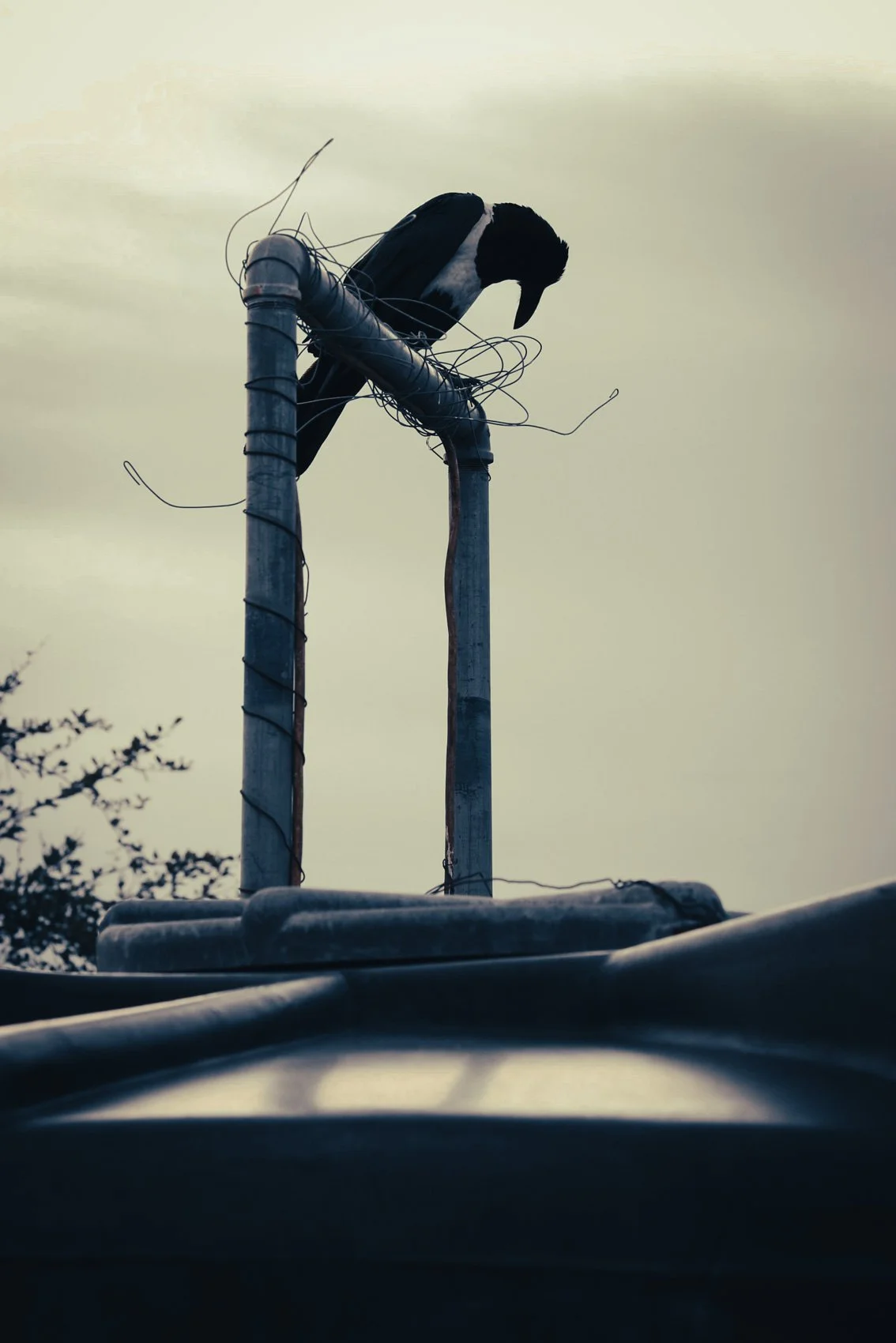
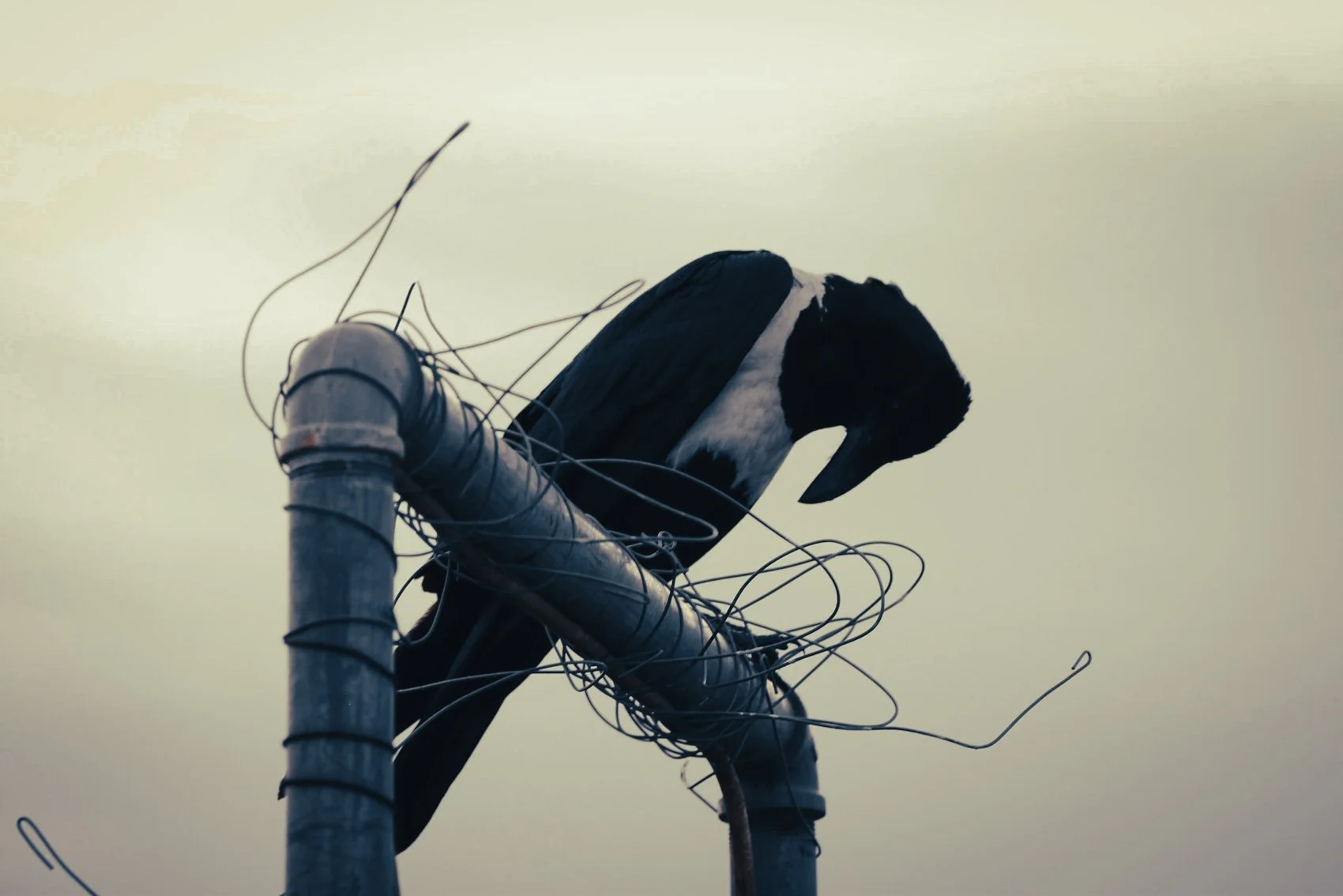
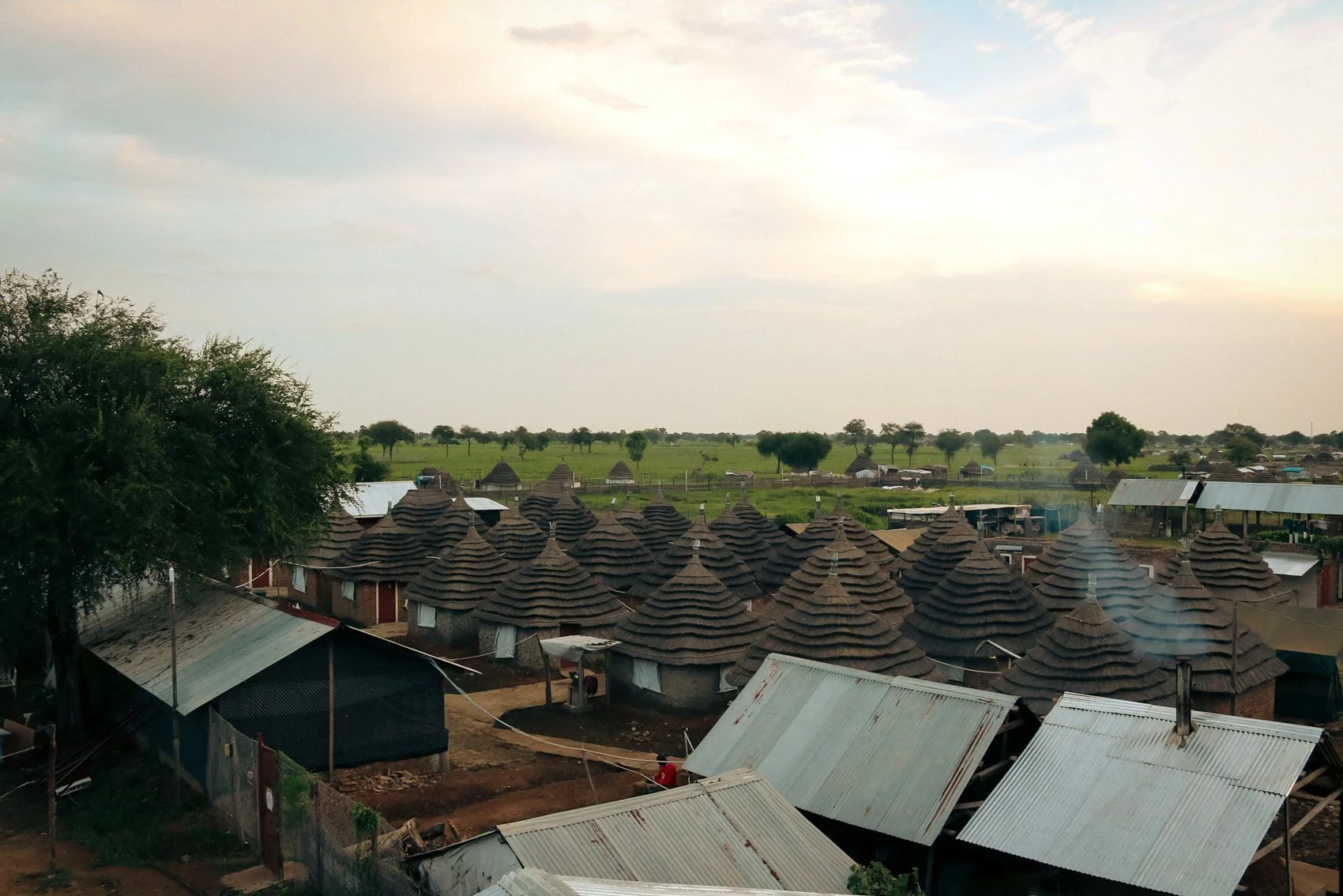
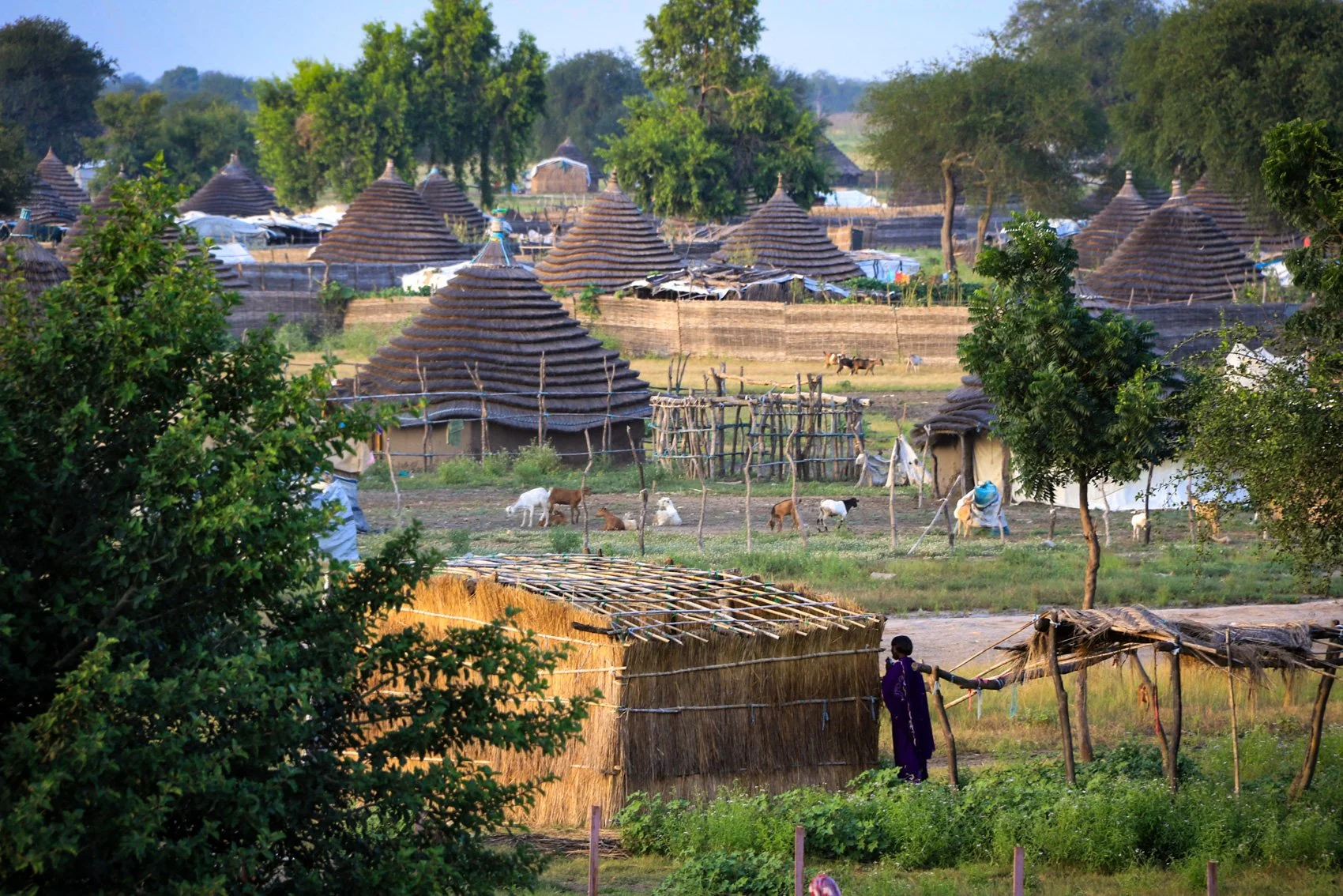
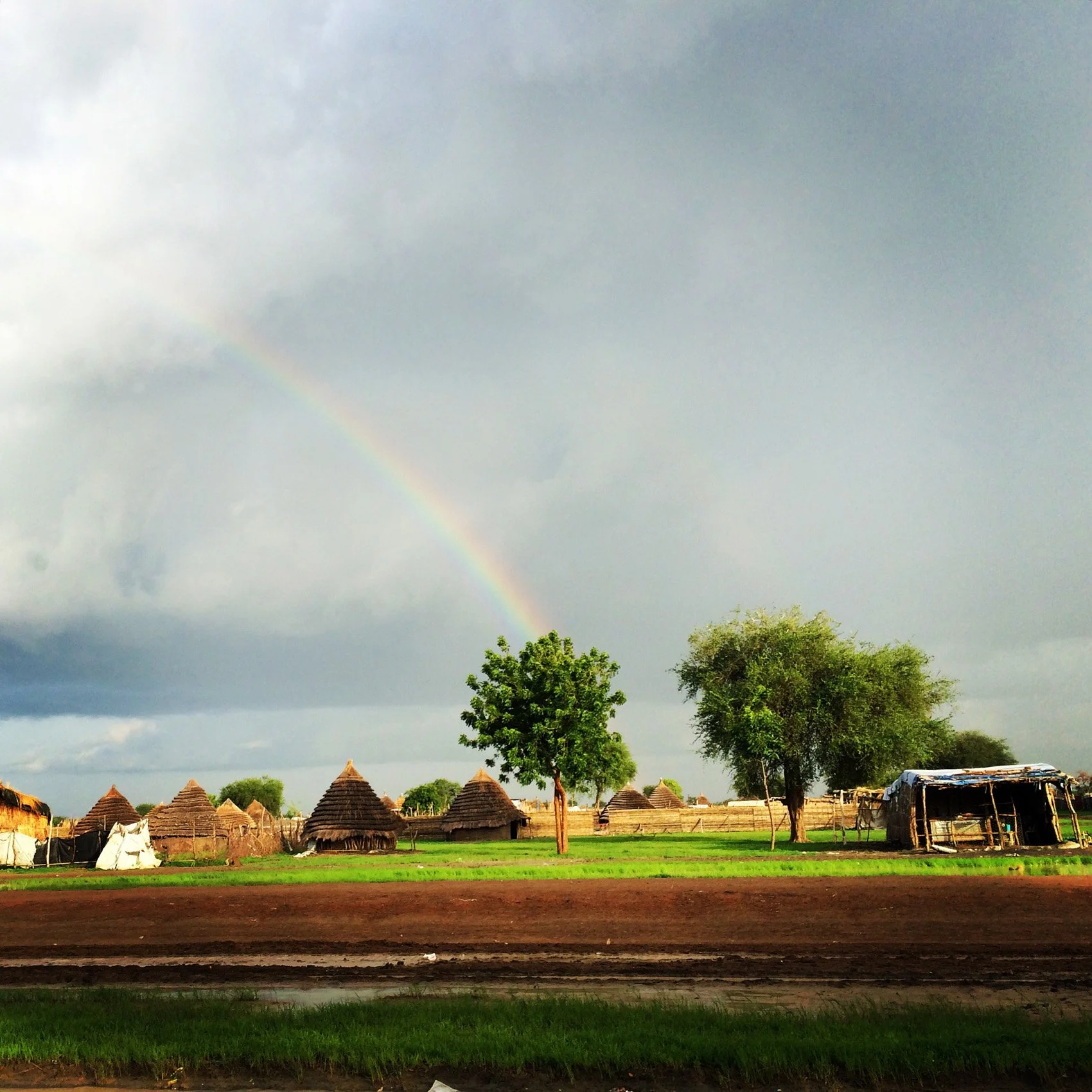
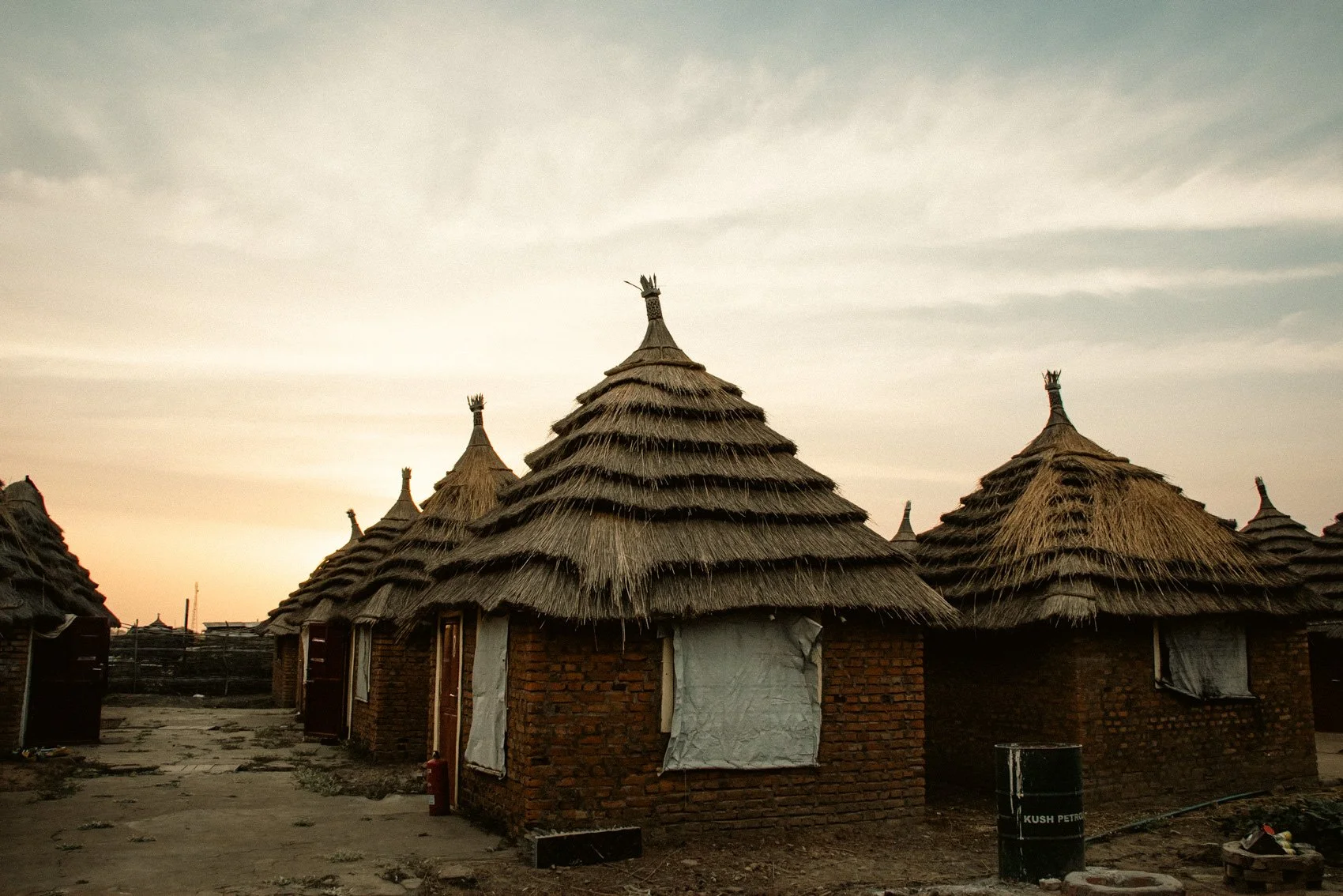
At the time, I was young enough to feel everything intensely and inexperienced enough to think I might understand it all. I didn’t. South Sudan resists simplification. Life there is magnified: heat, sound, grief, celebration, exhaustion, generosity. Compound life narrows your world even as it deepens it. You learn the rhythms of birds and the deafening sound of rain on tin roofs, the weight of stories carried quietly, the ways joy and violence coexist without explanation.
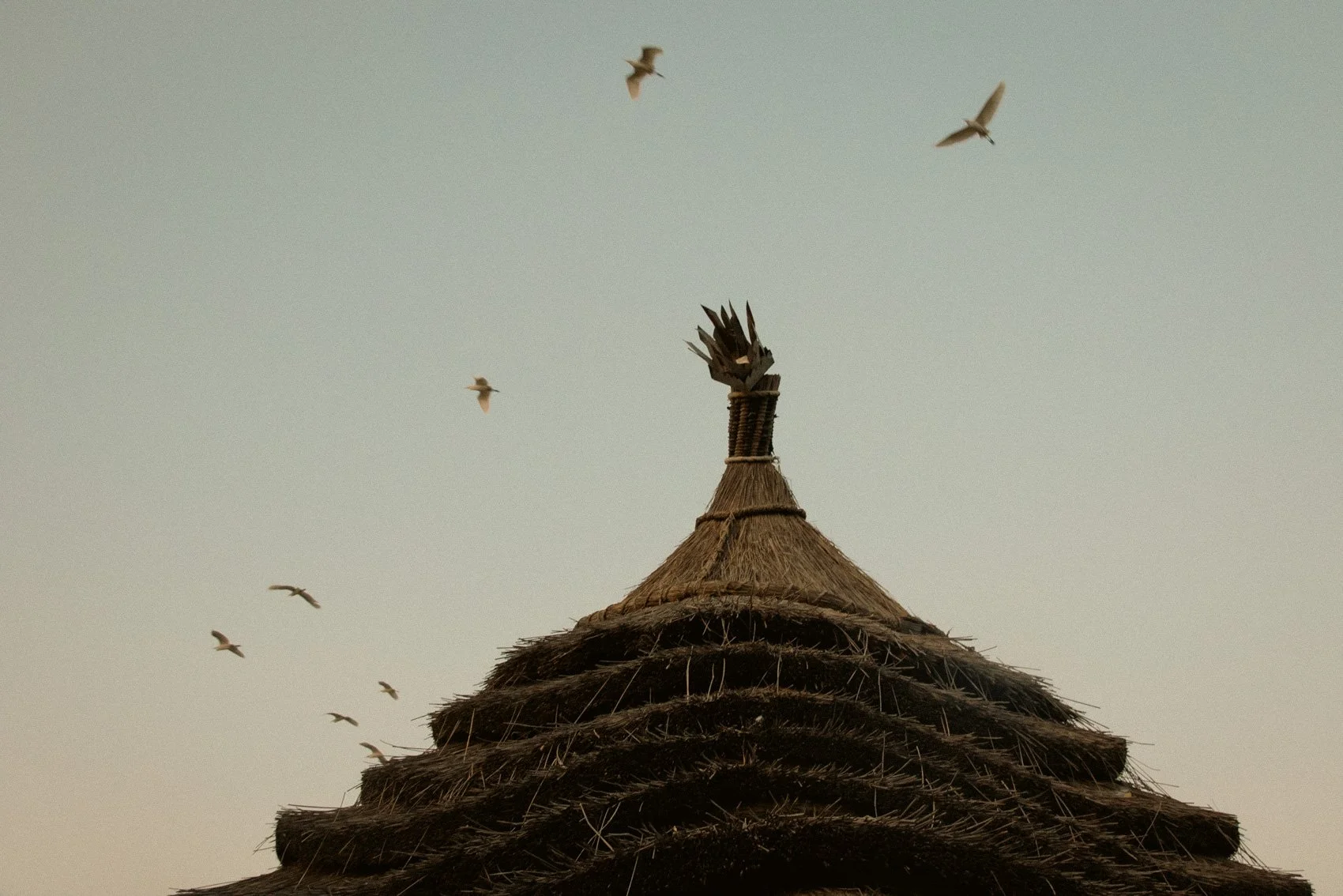
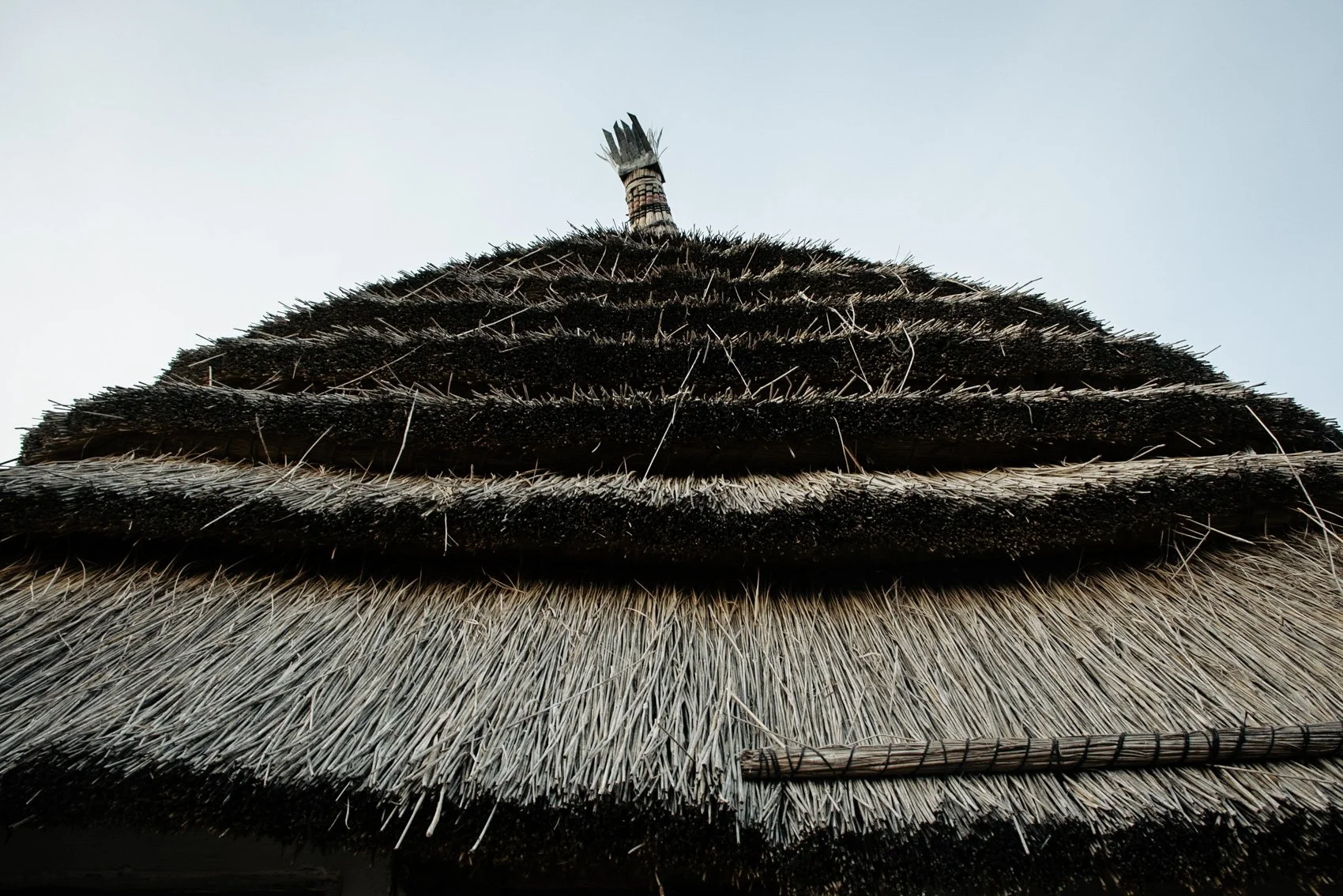
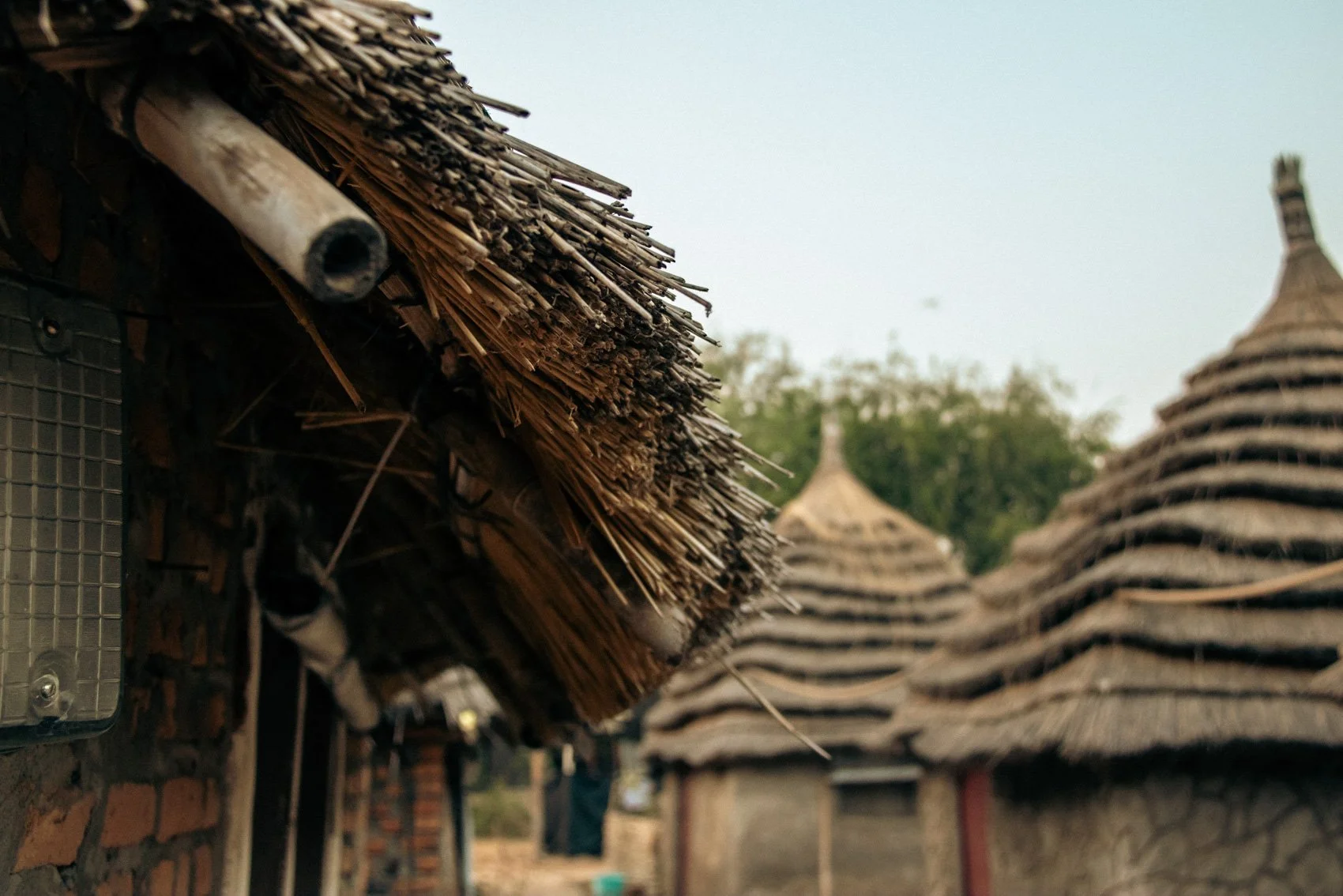
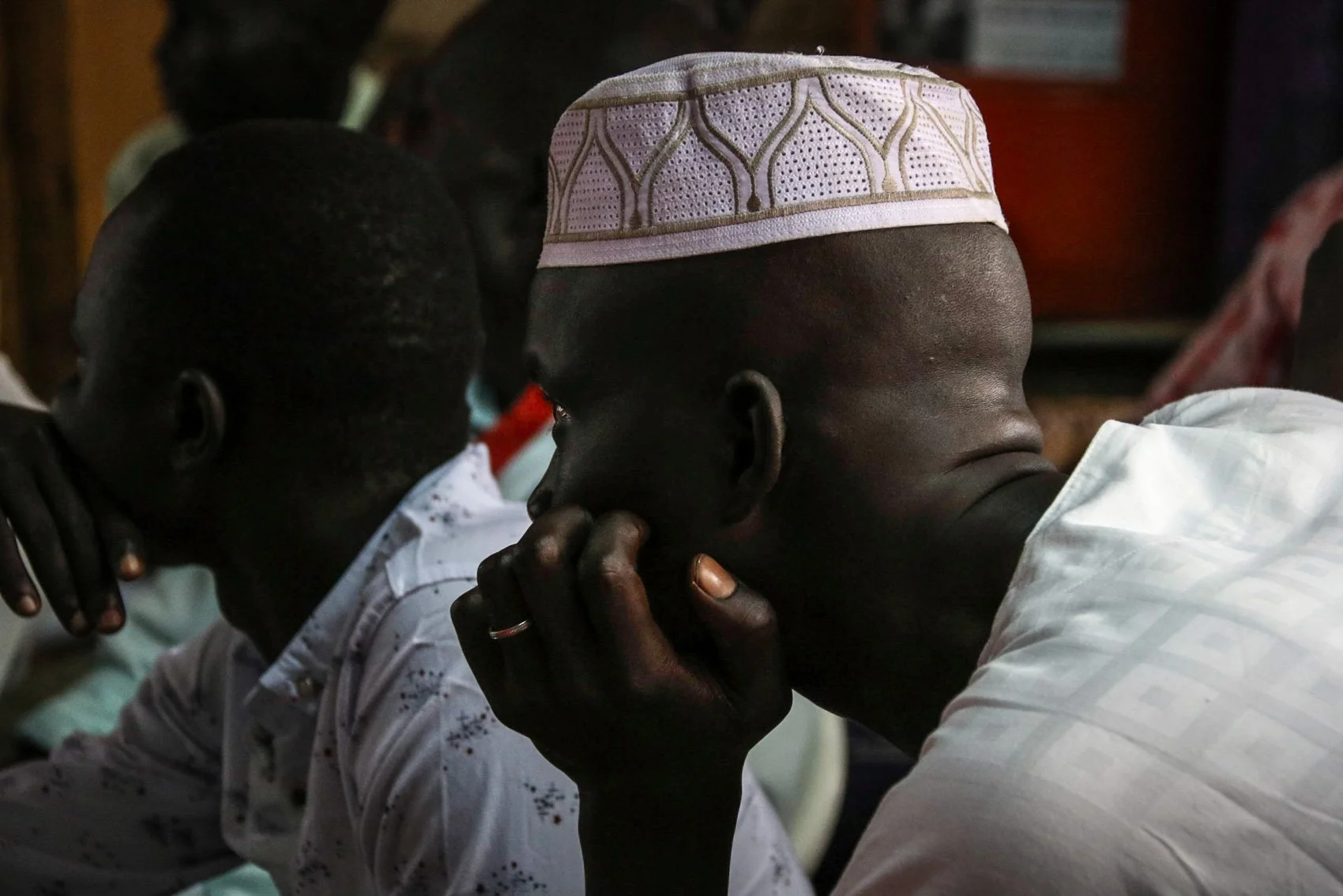
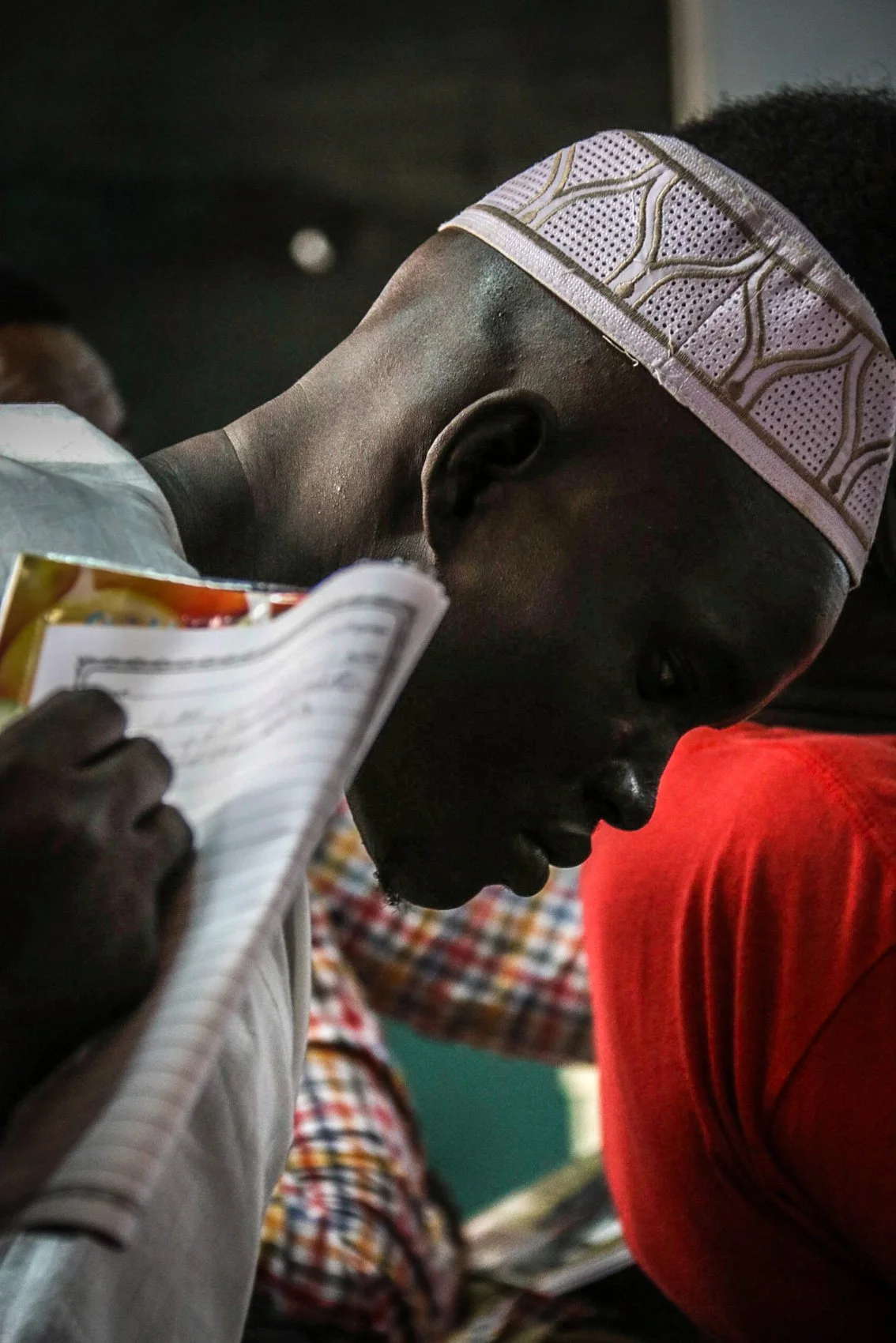
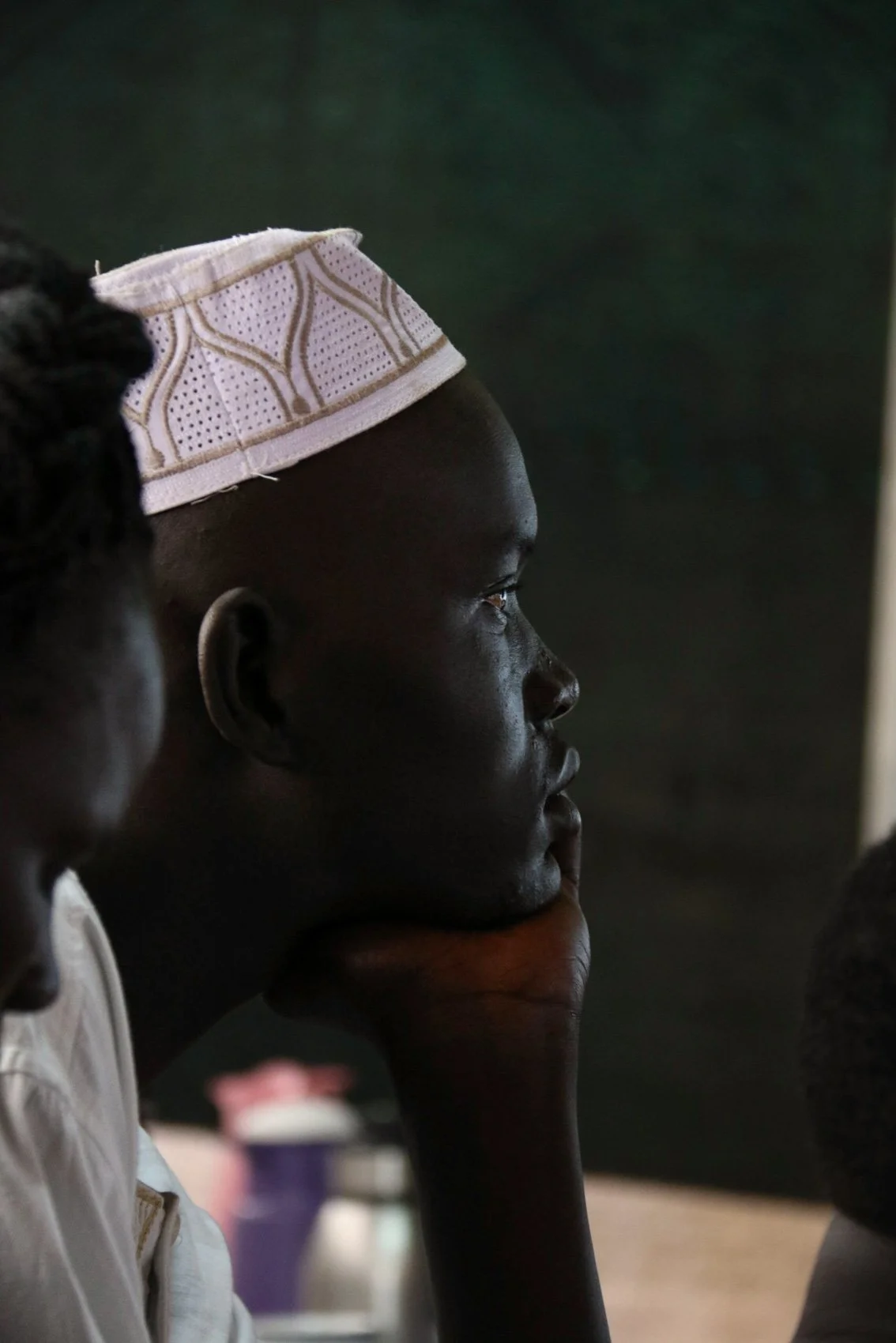
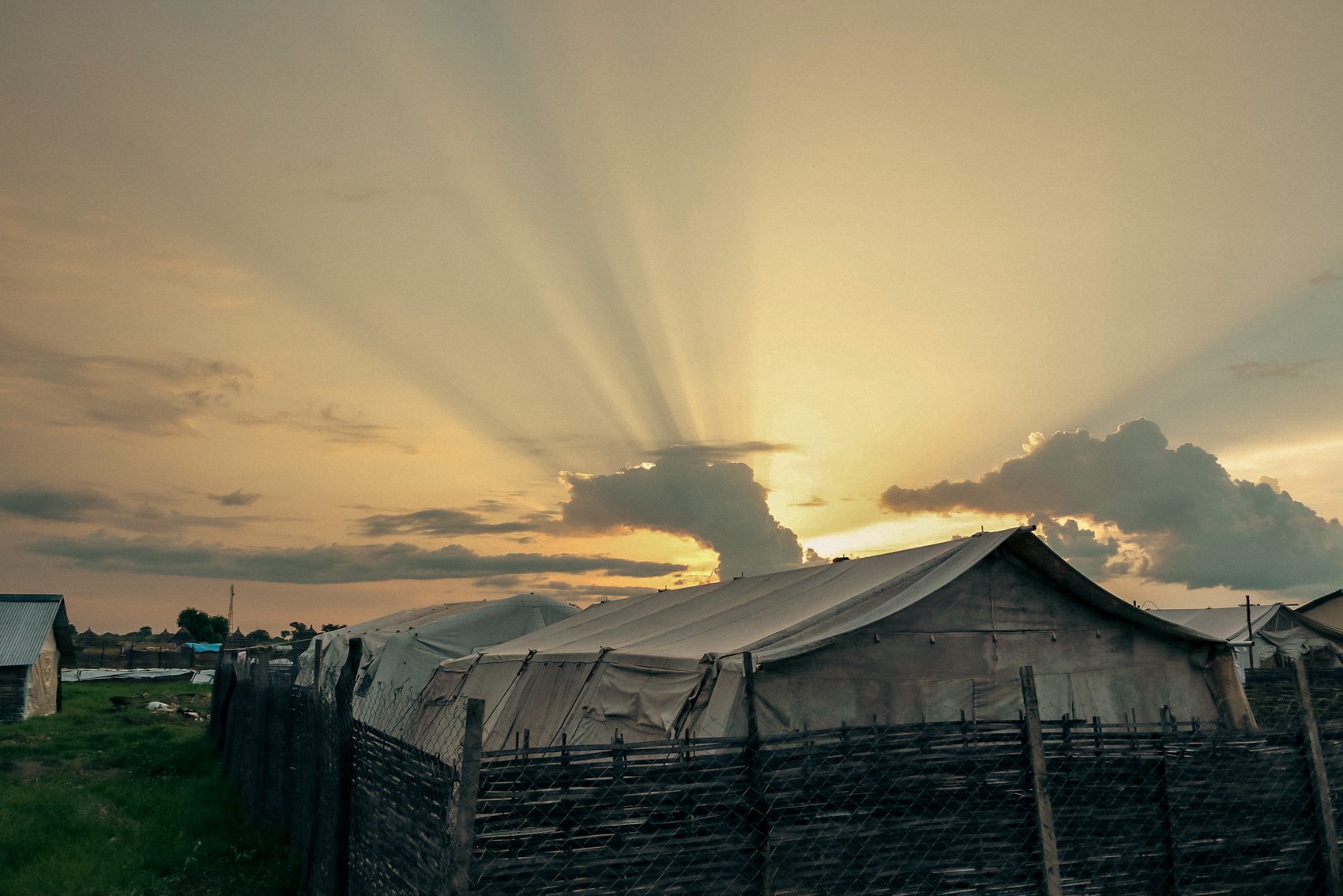
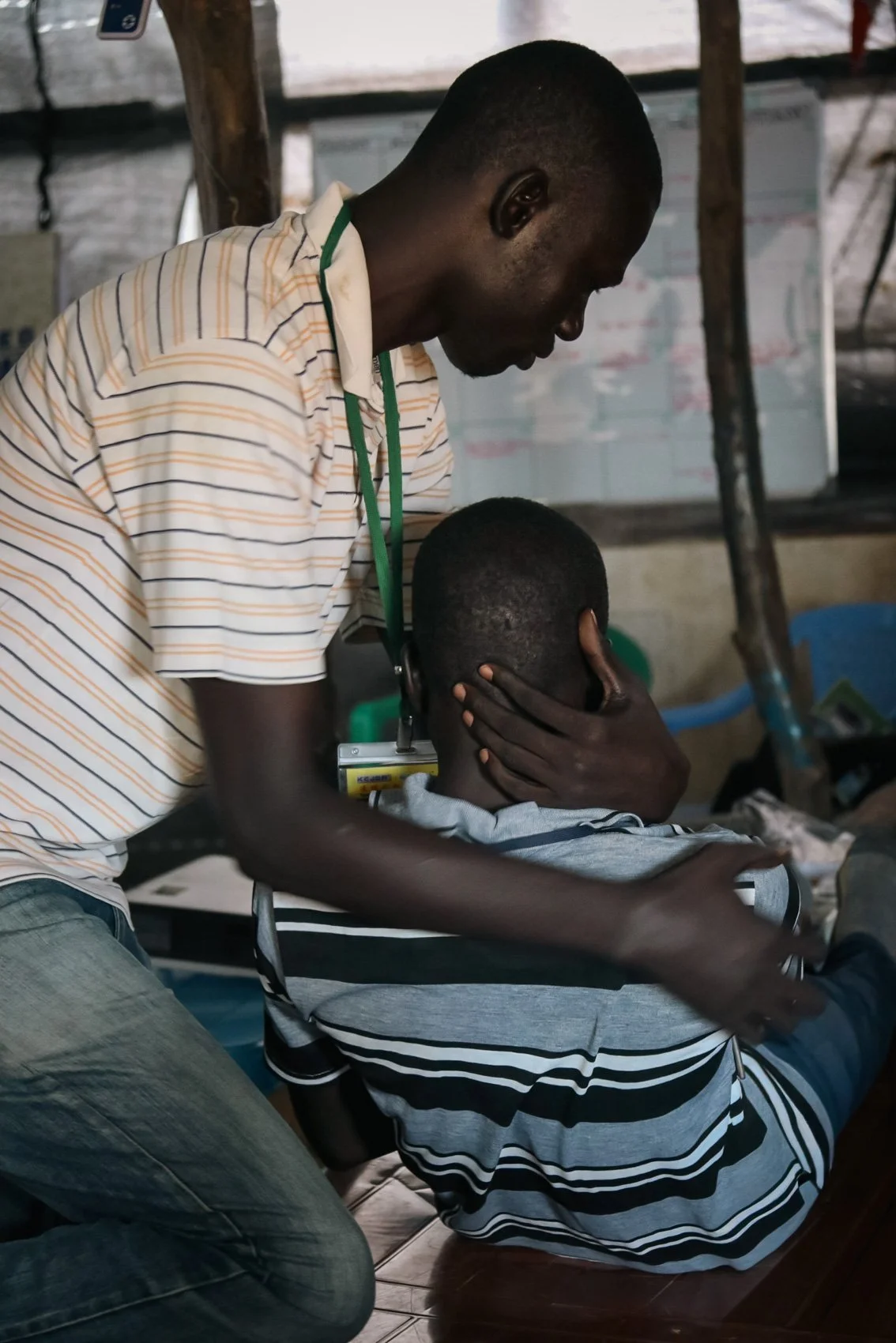
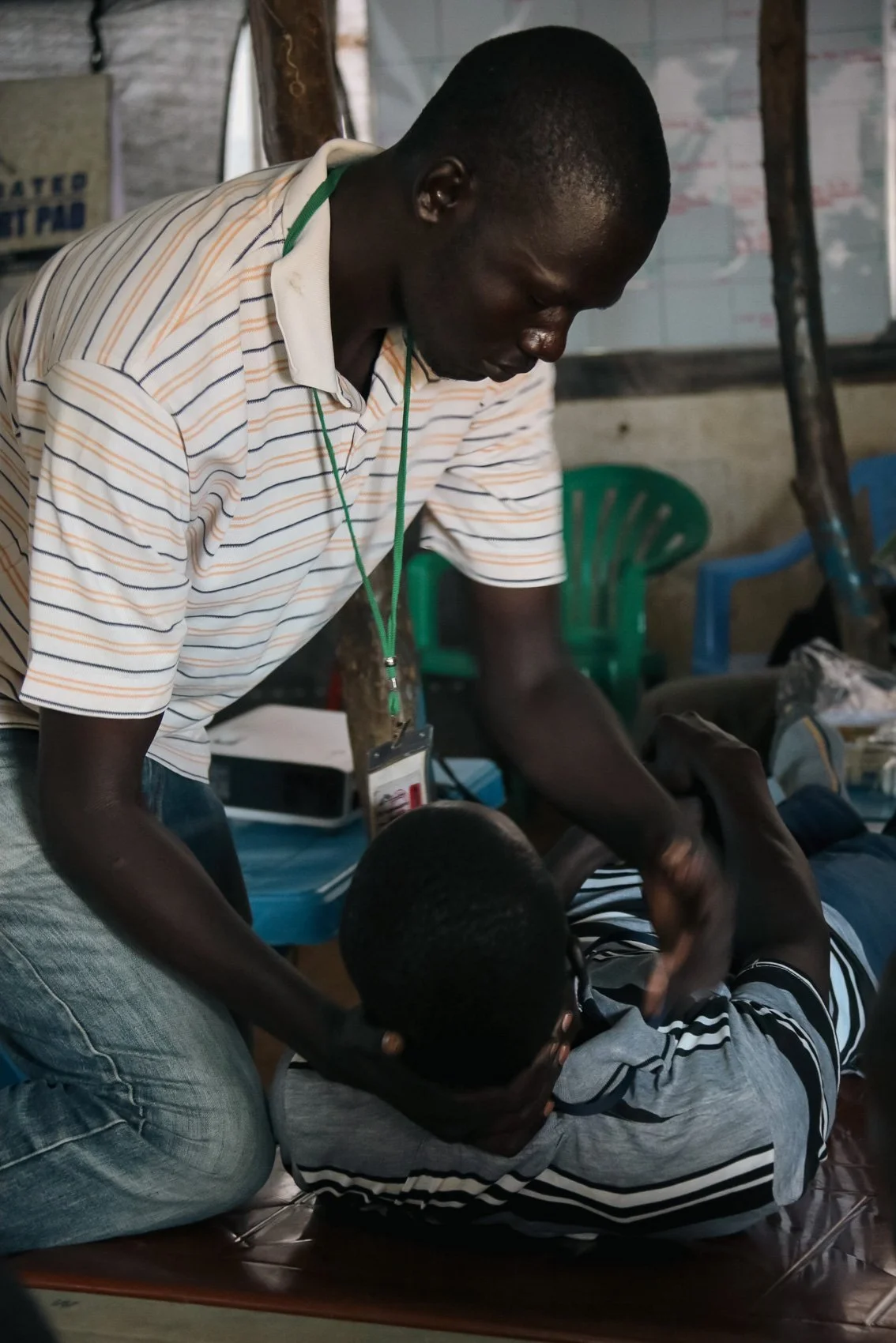
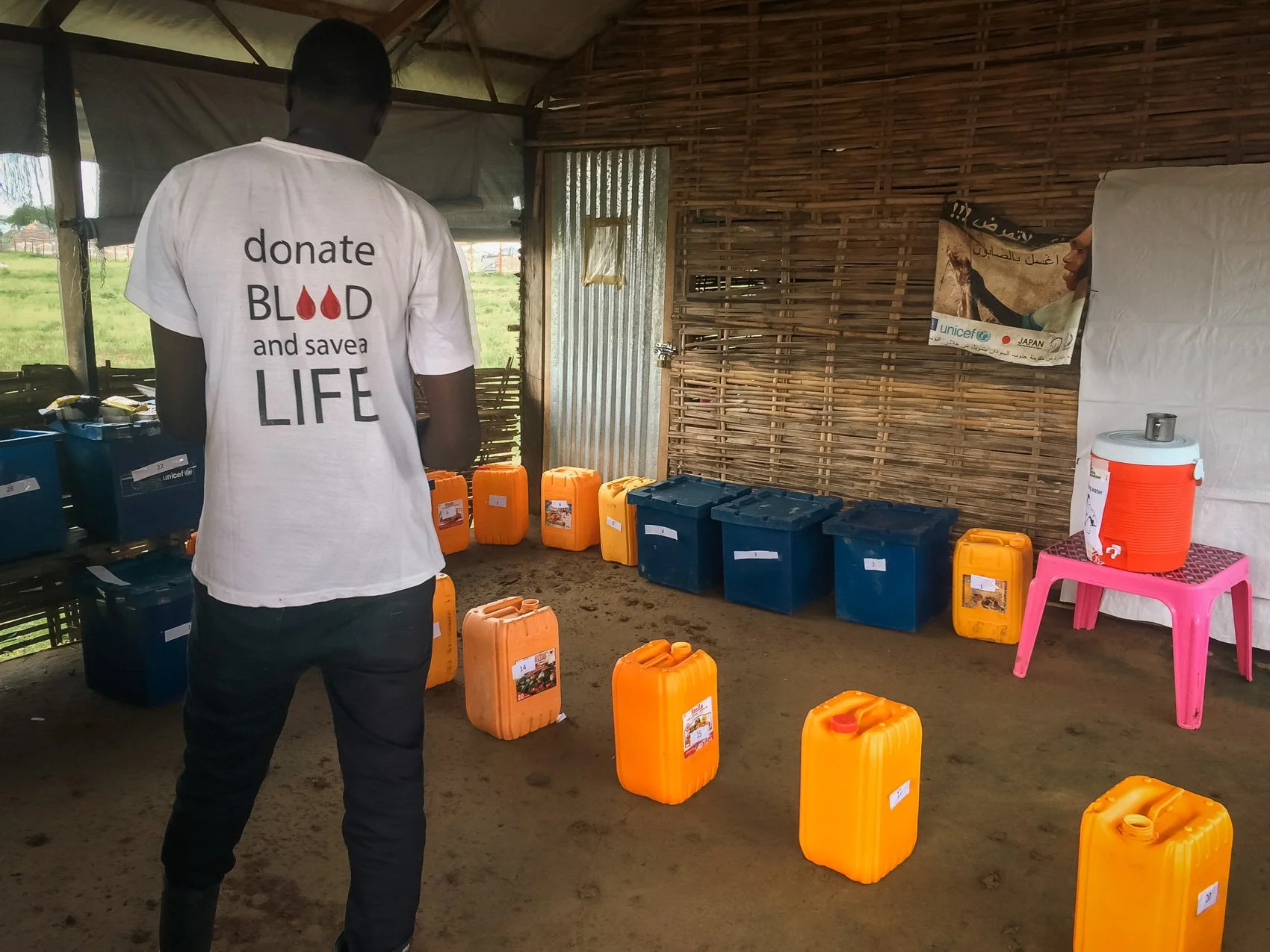
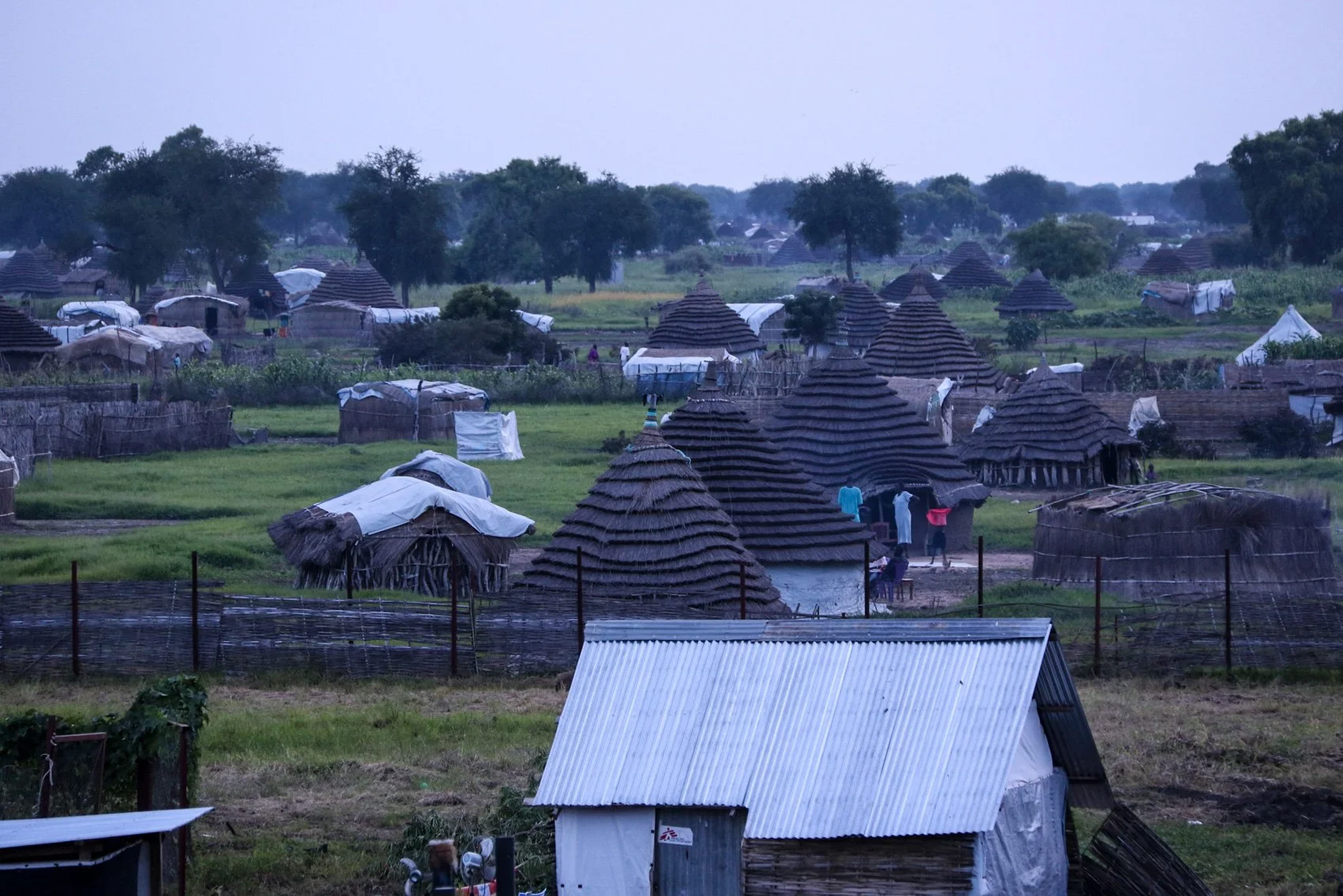
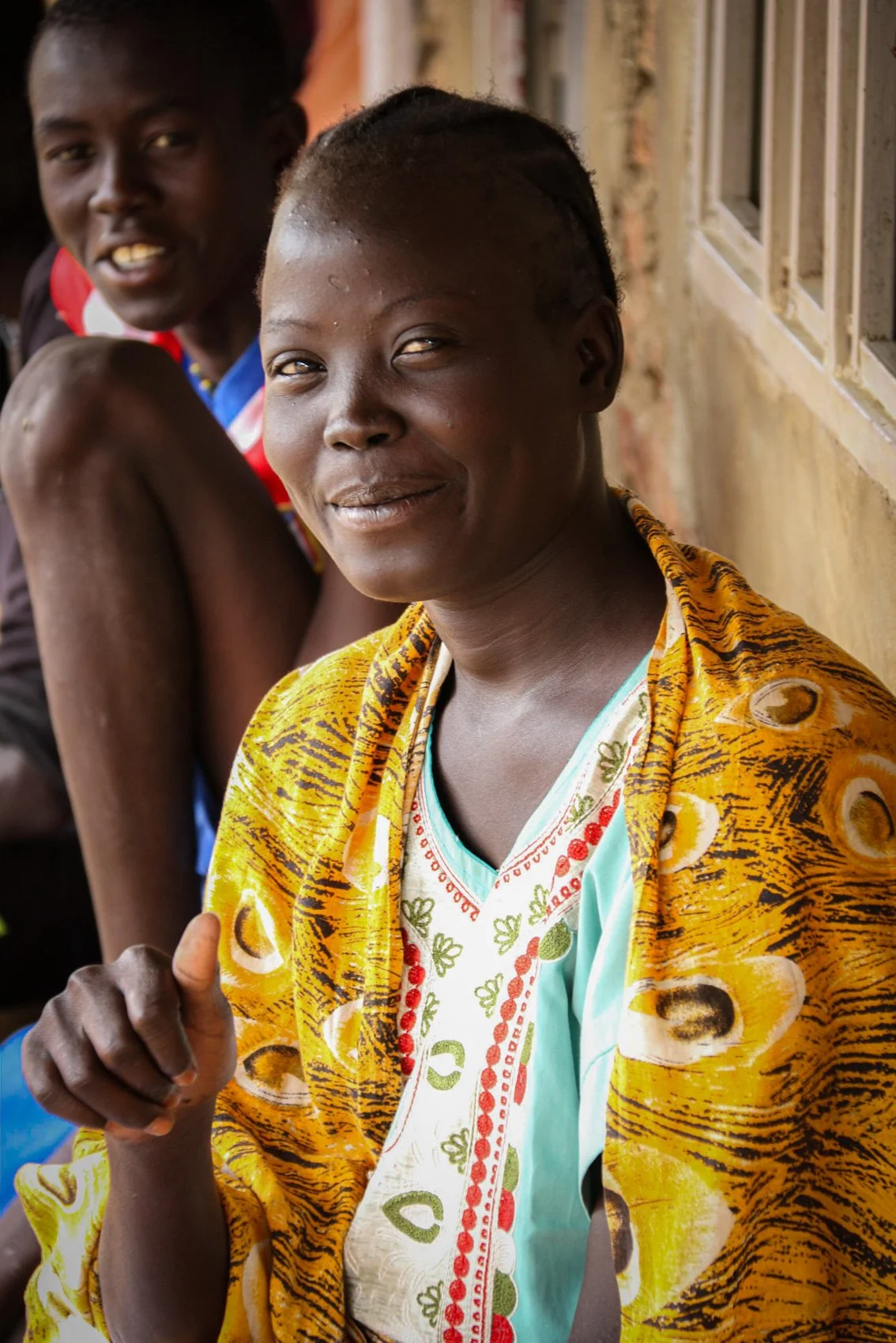
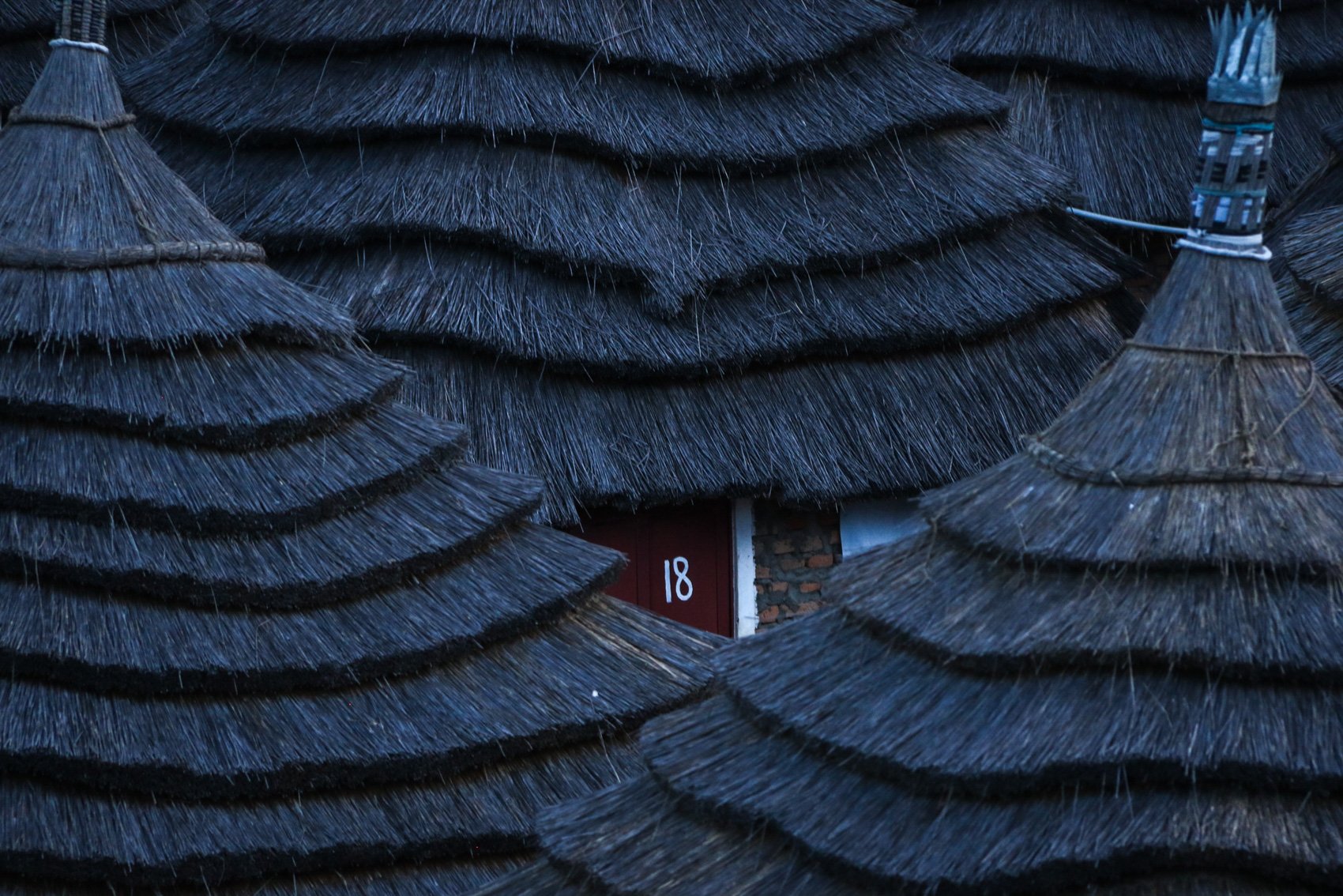
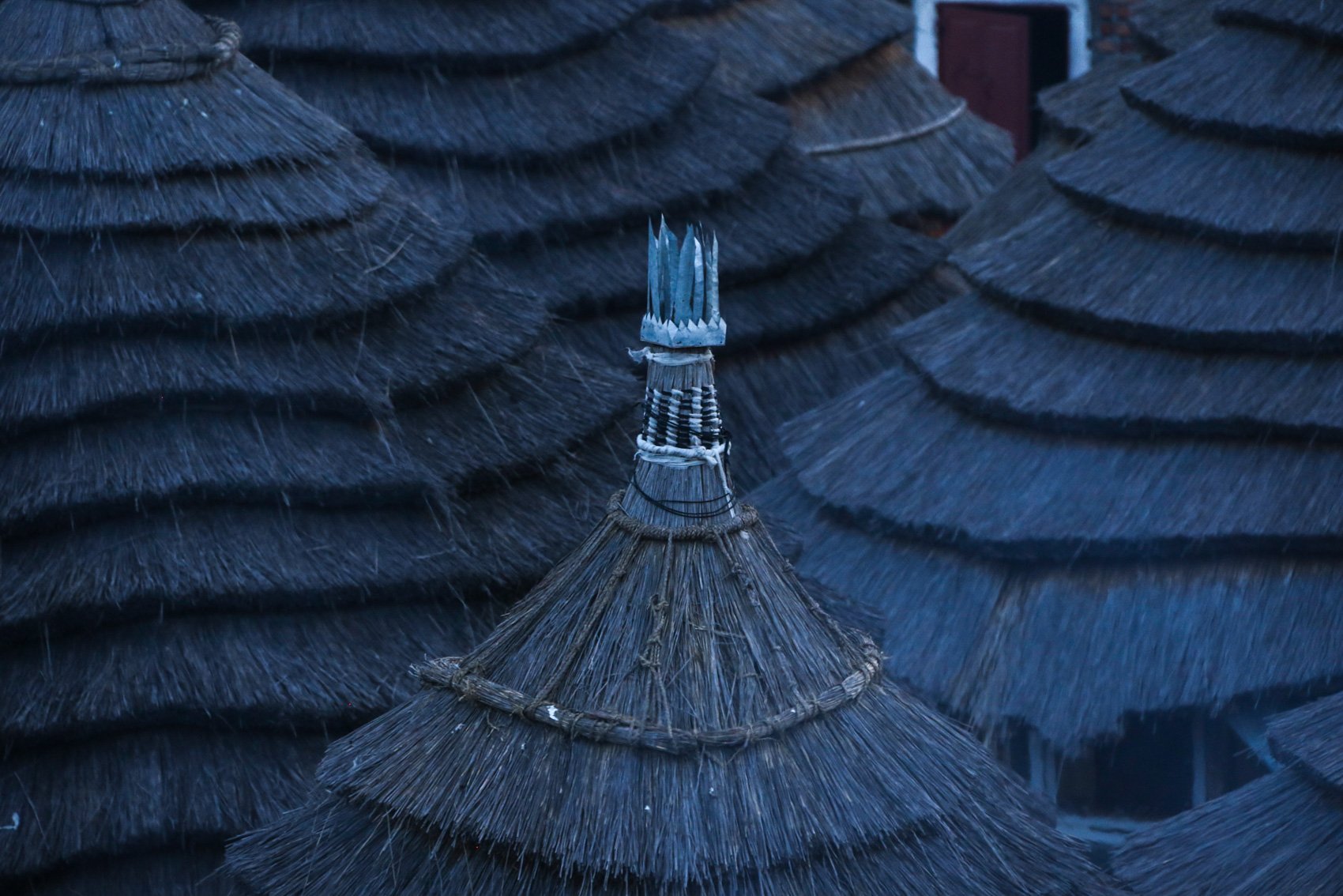
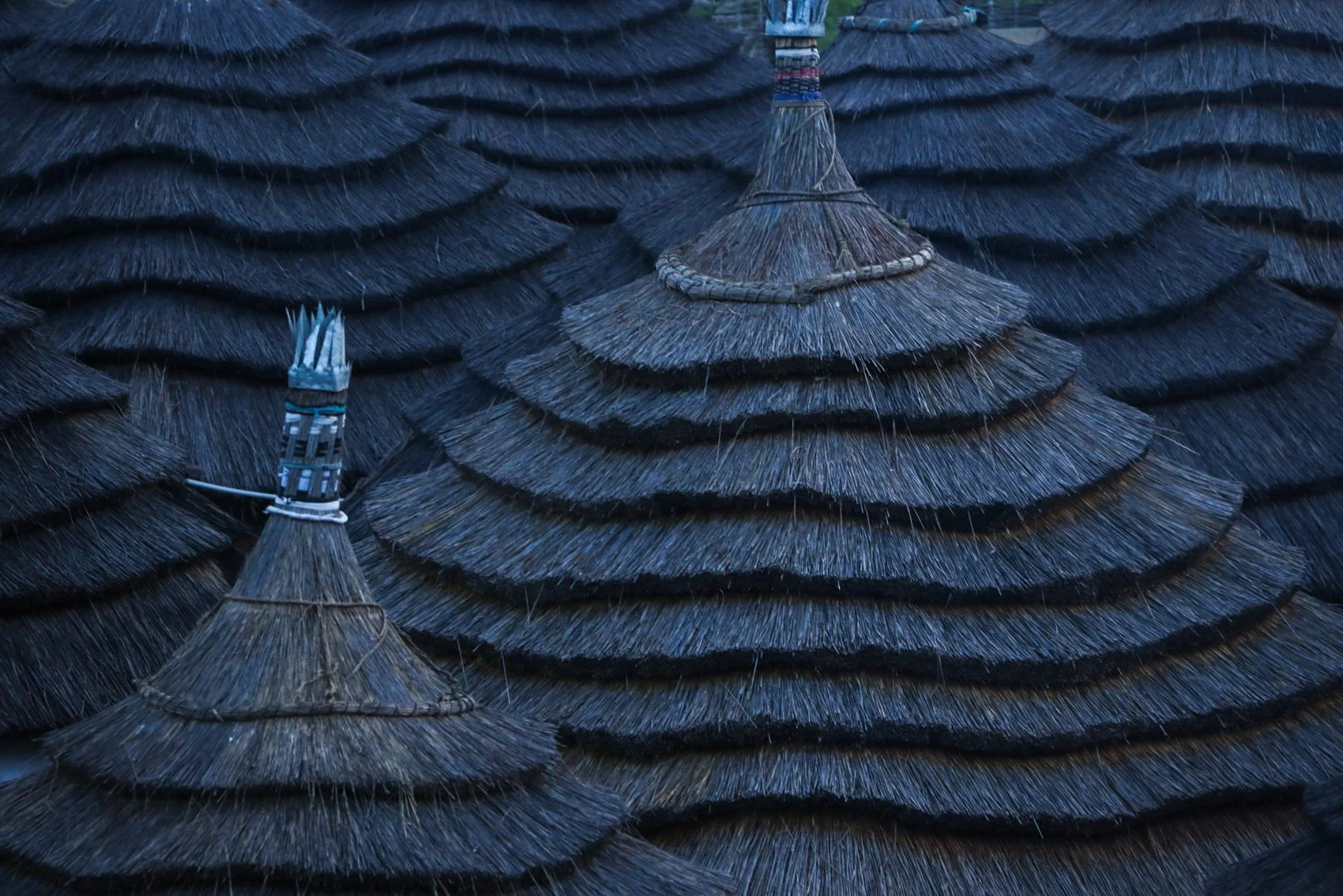
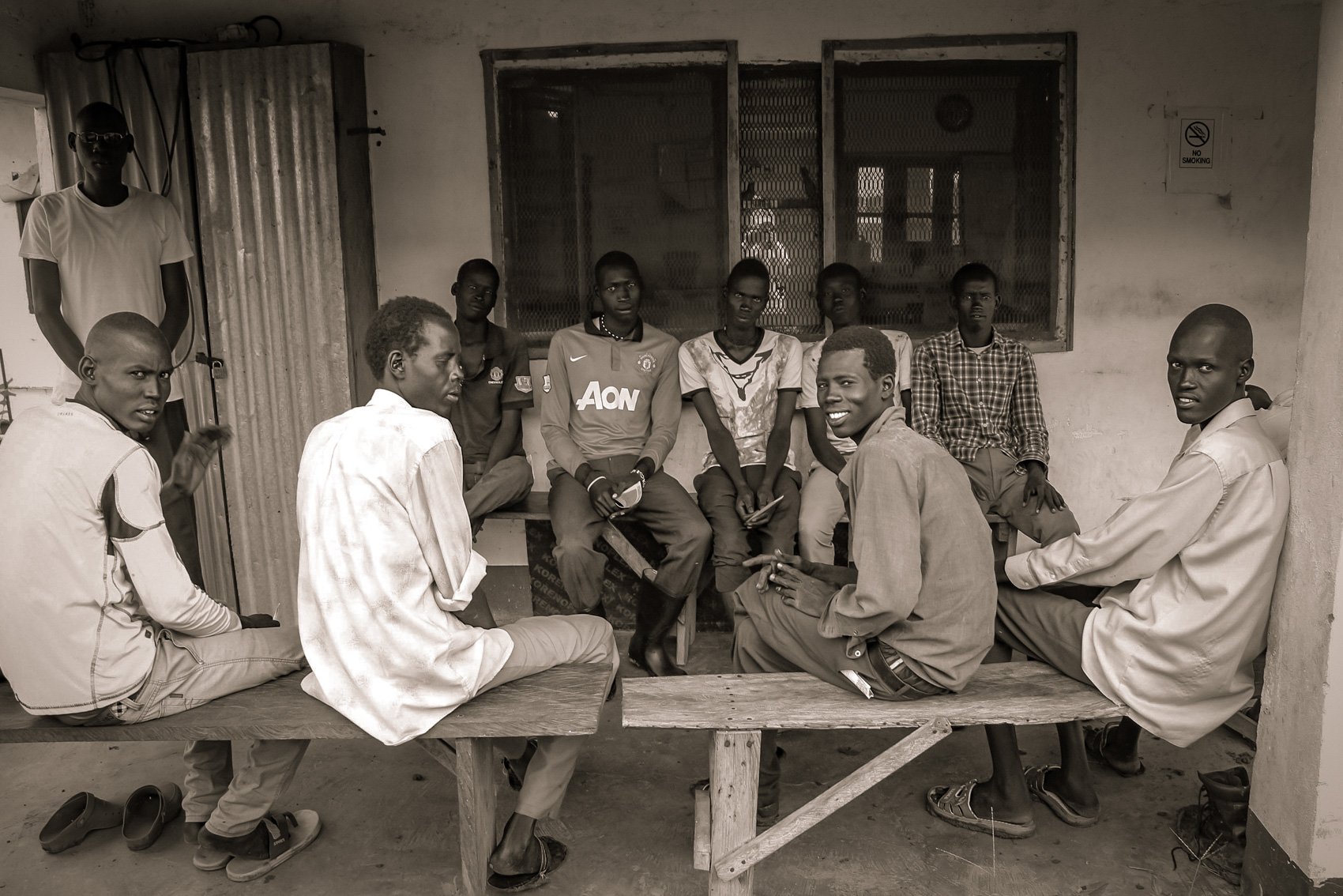
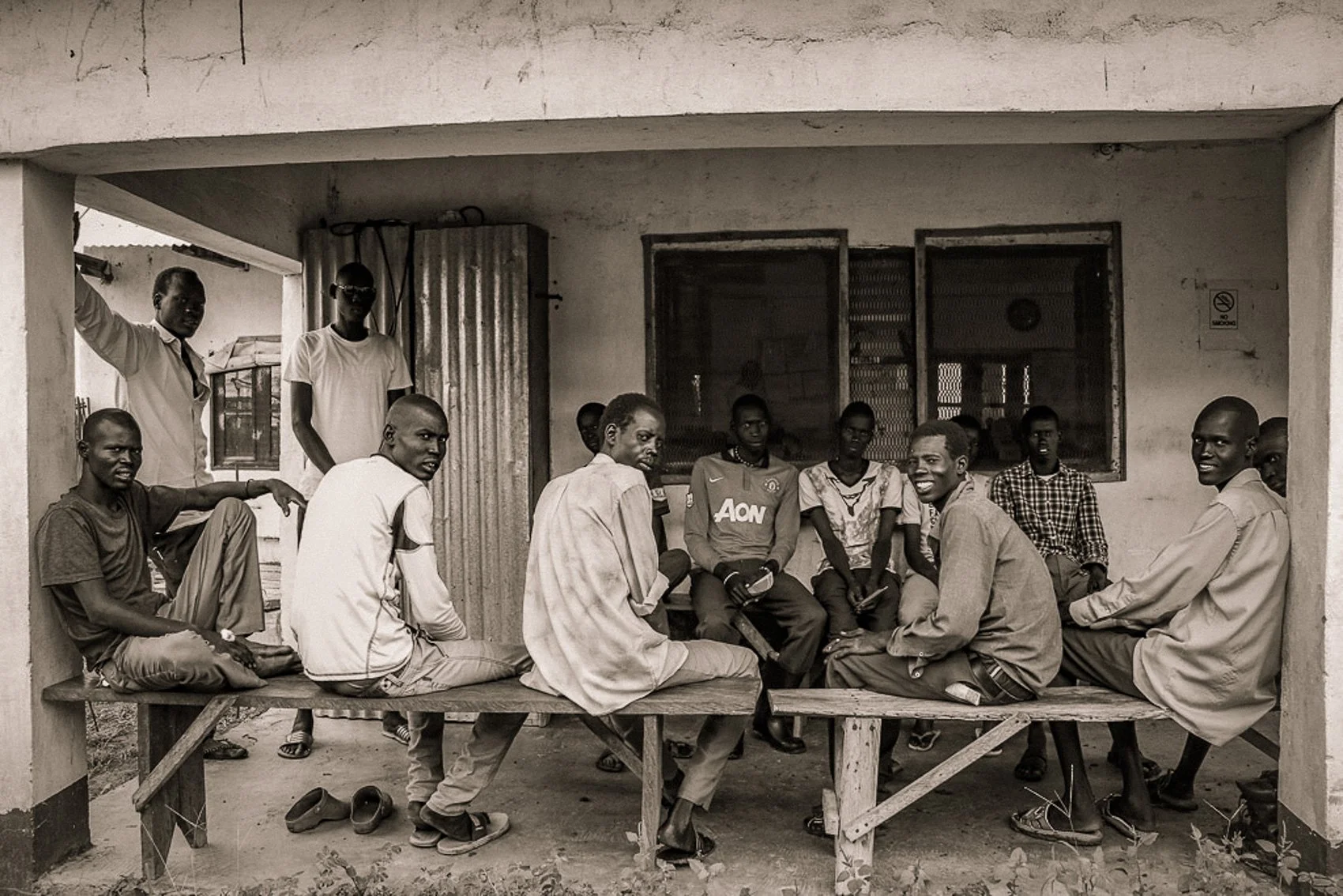
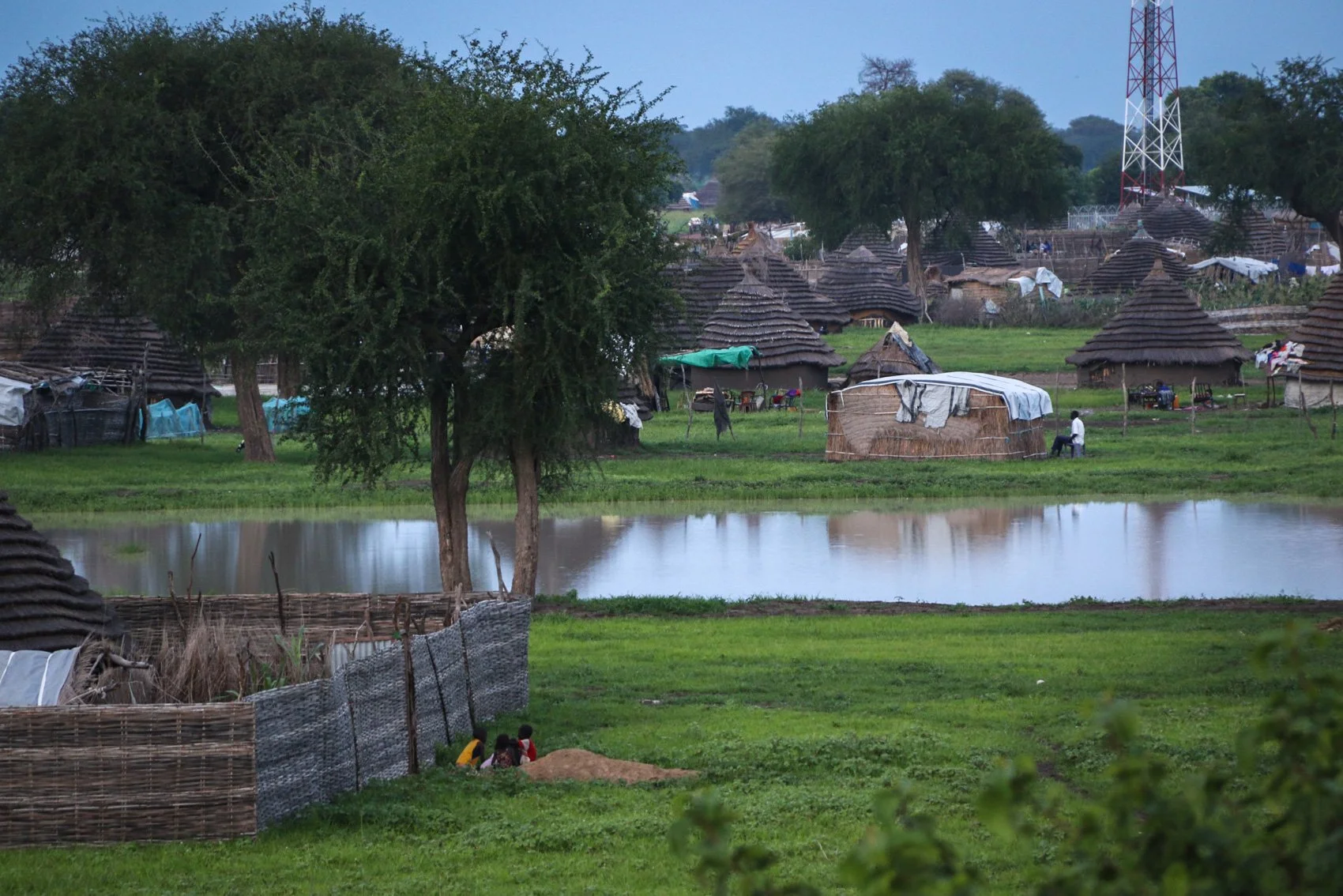
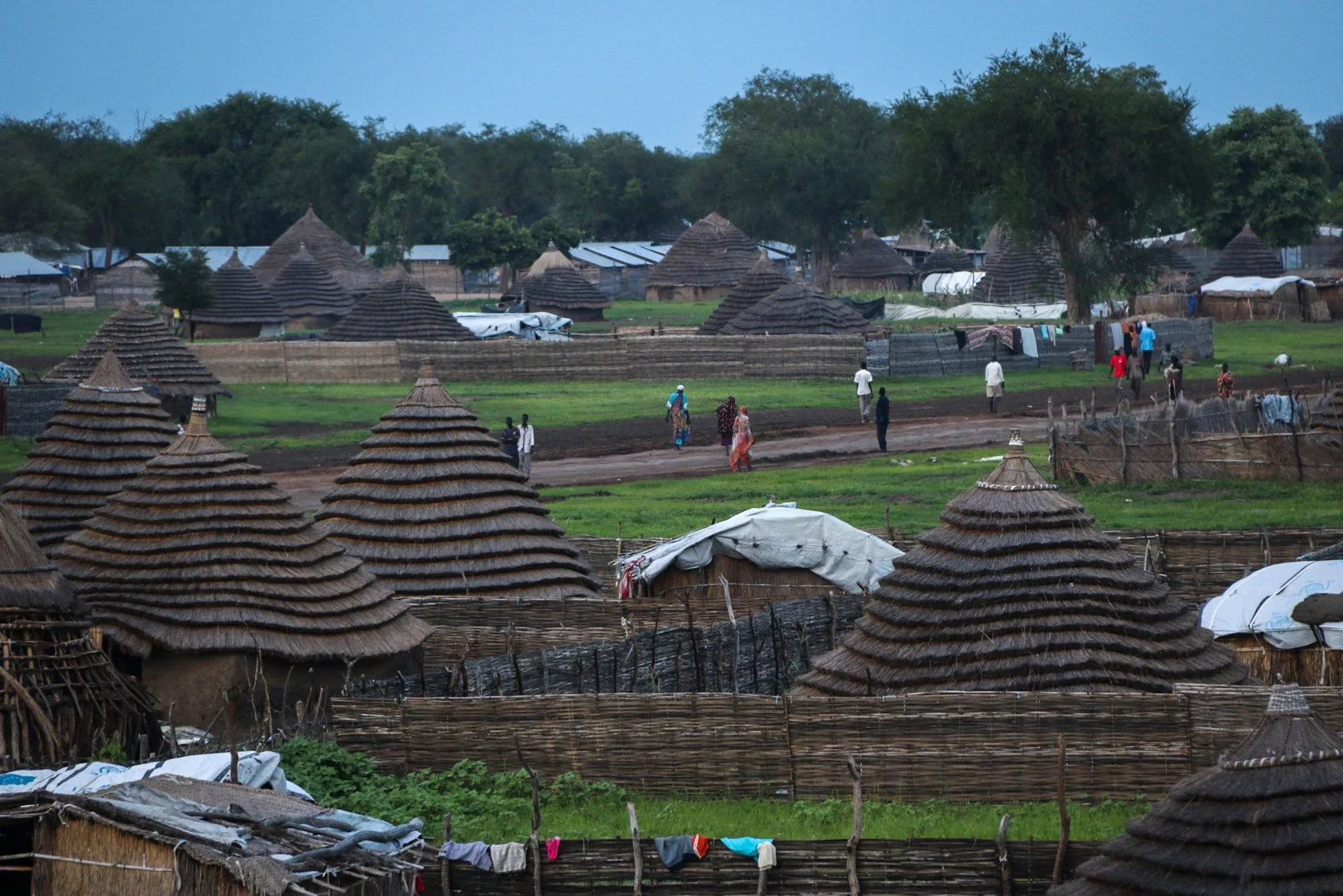
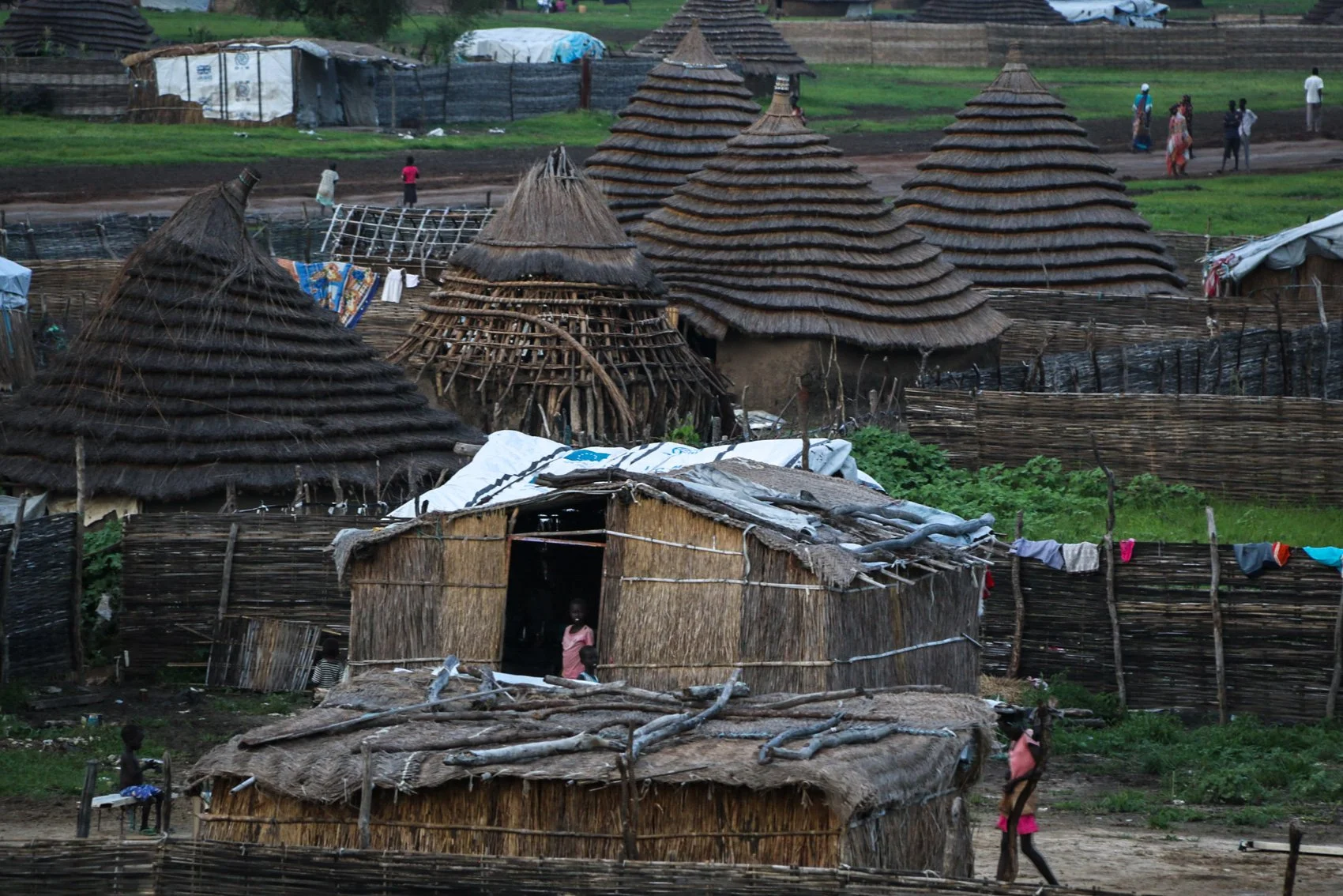
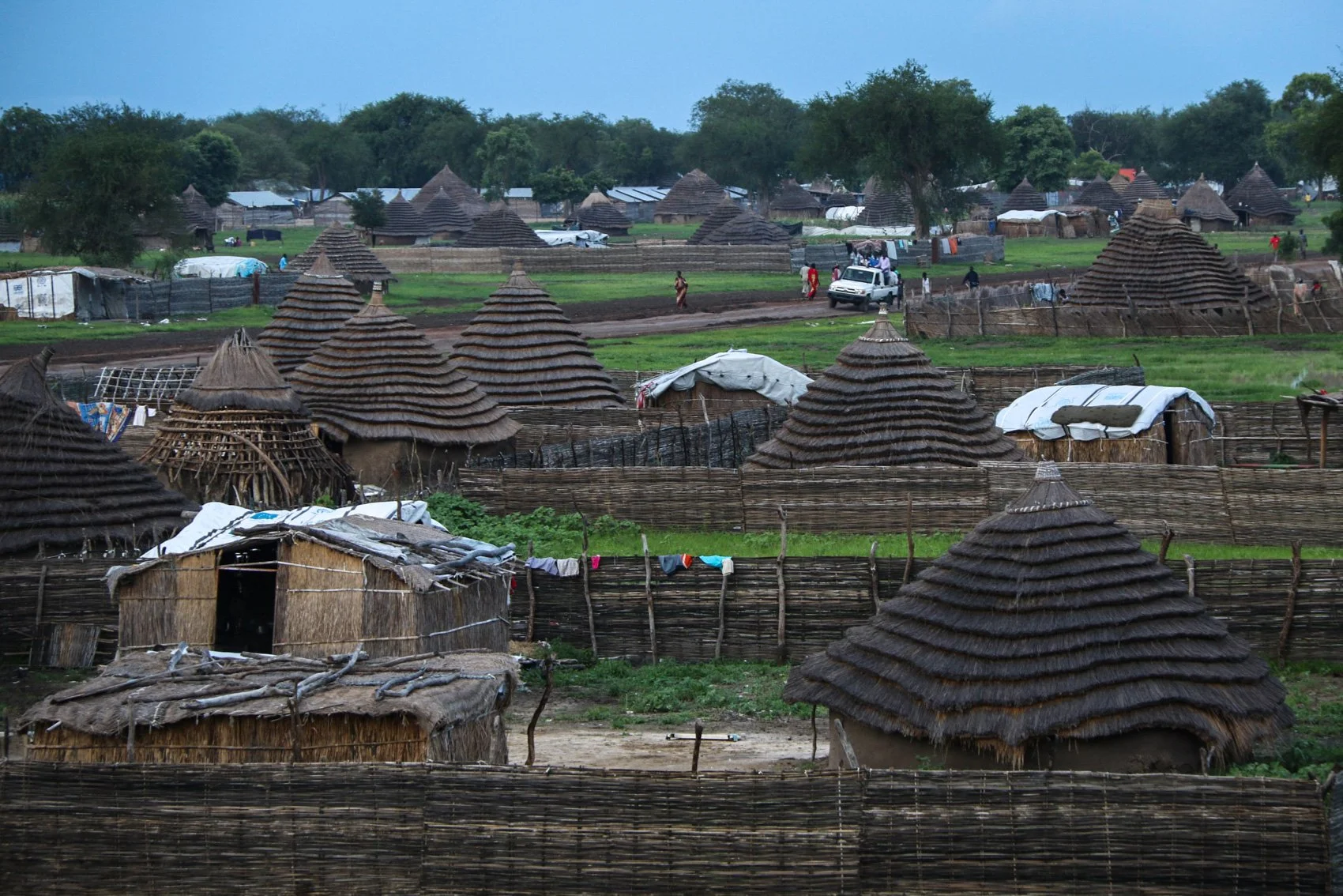
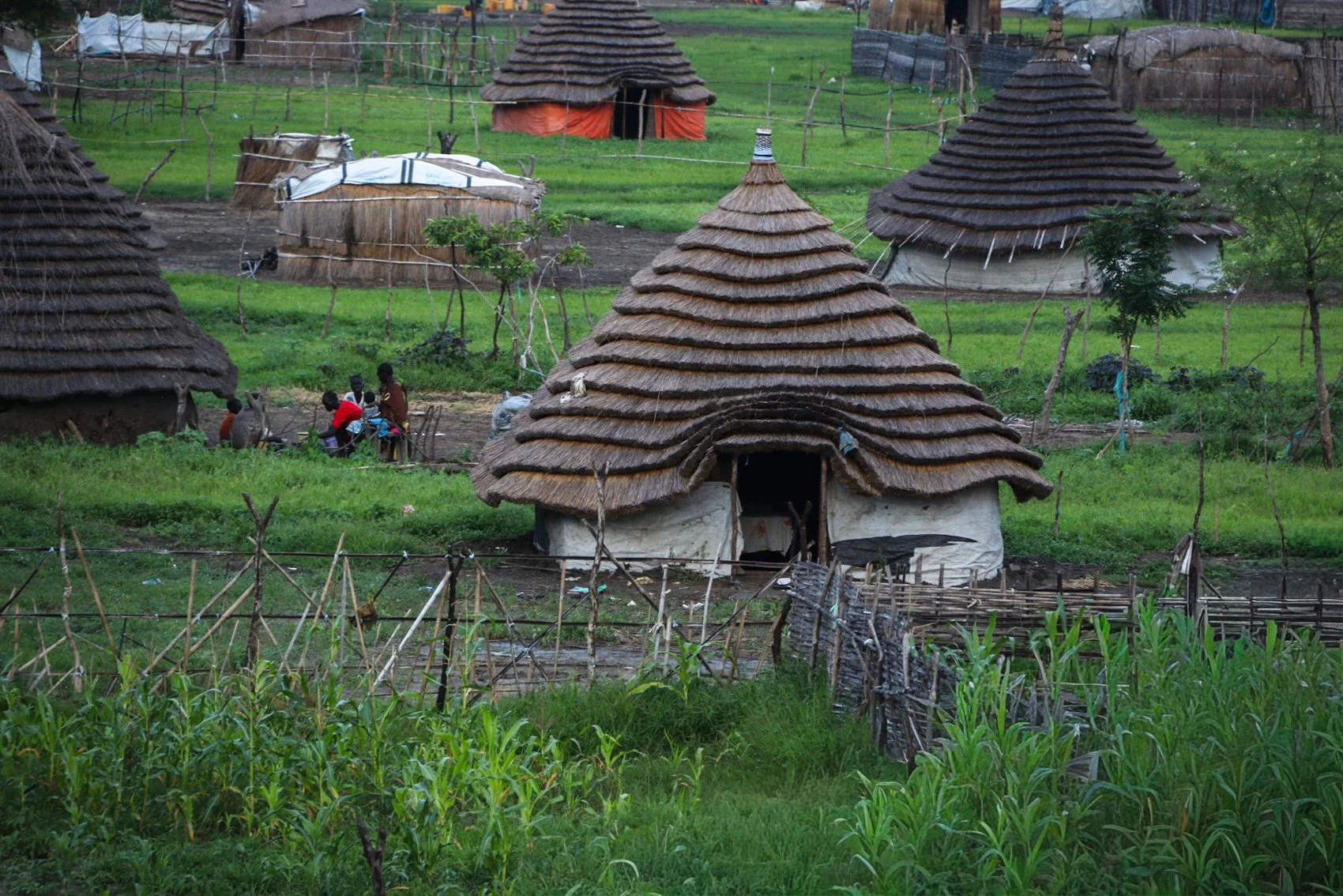
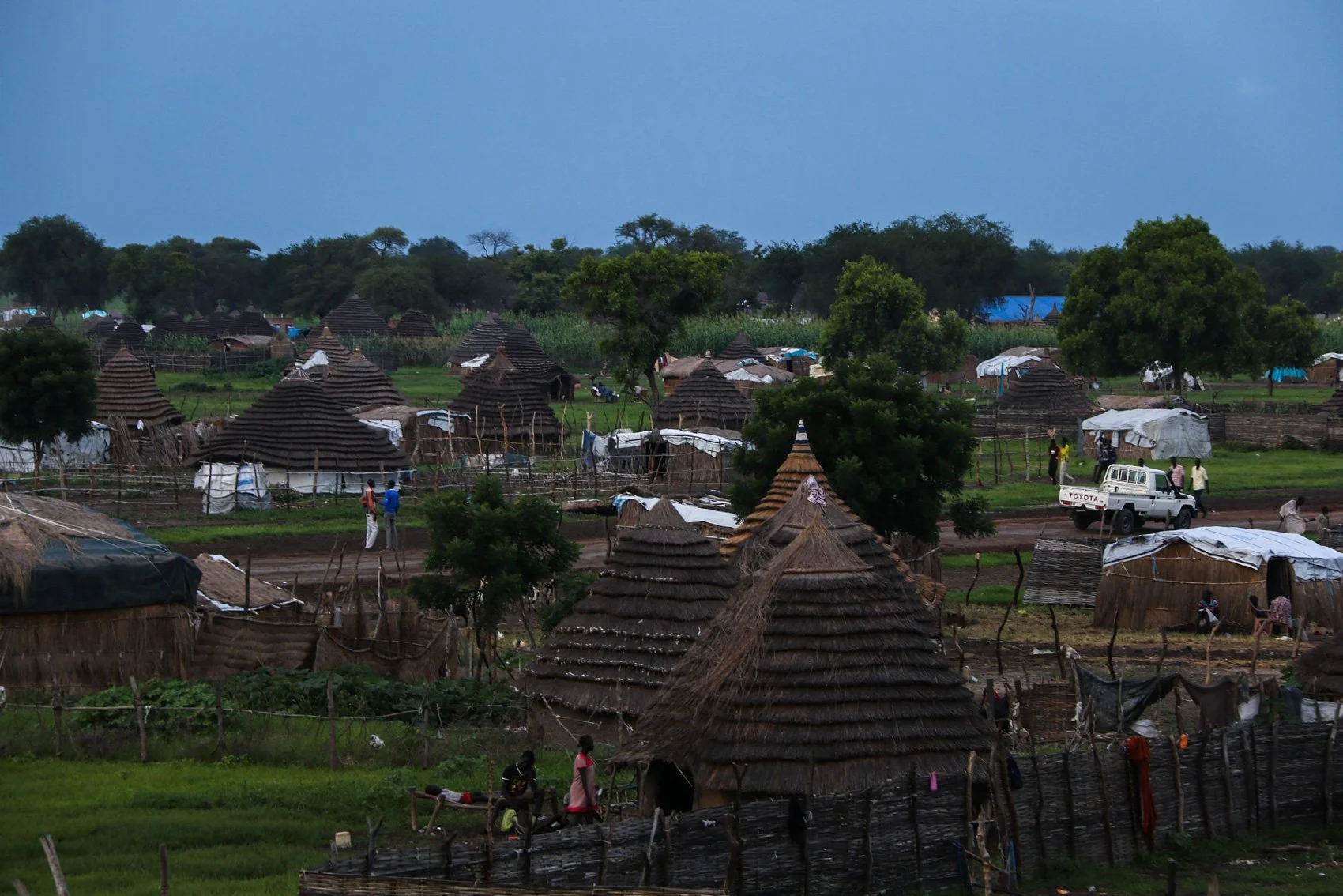
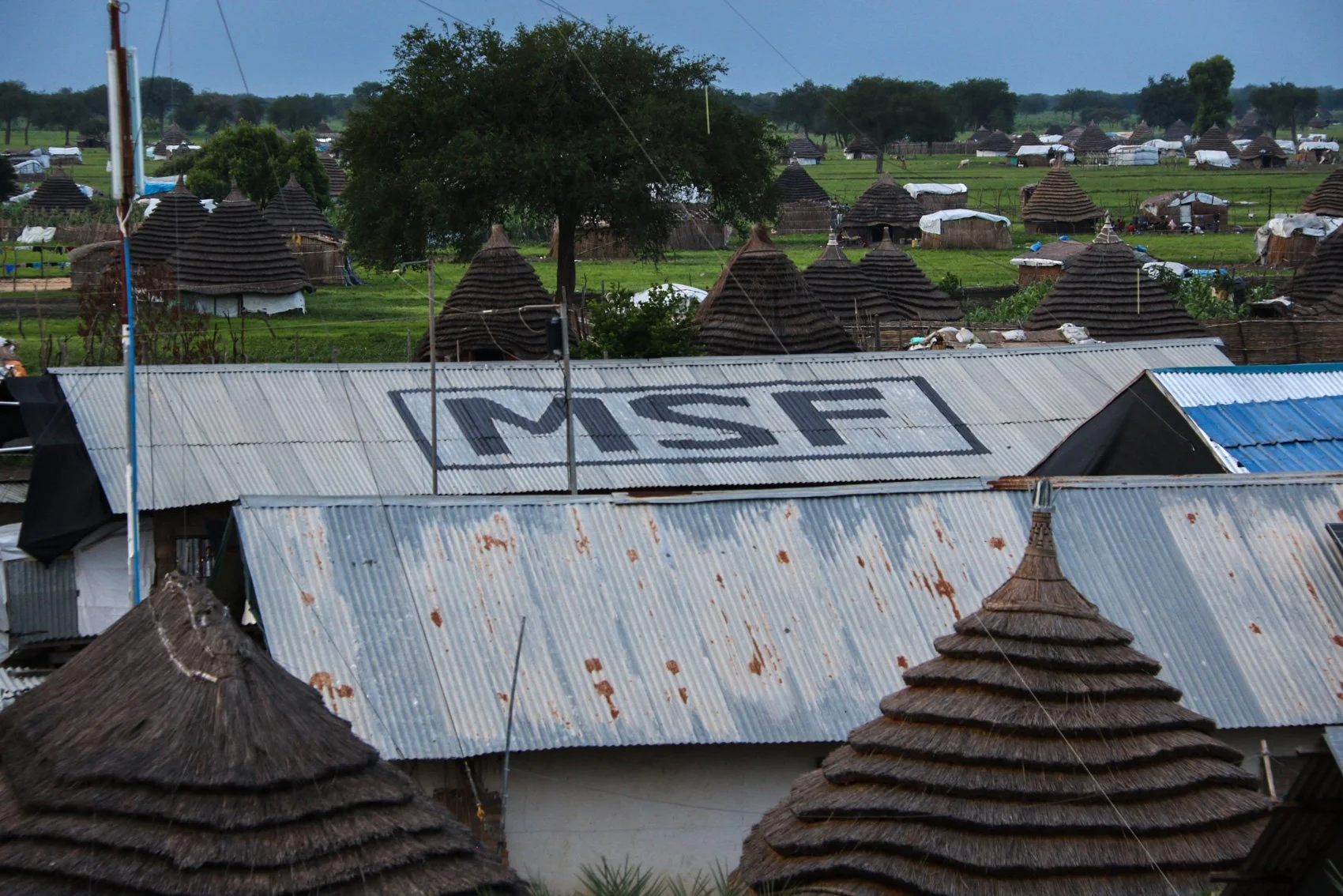
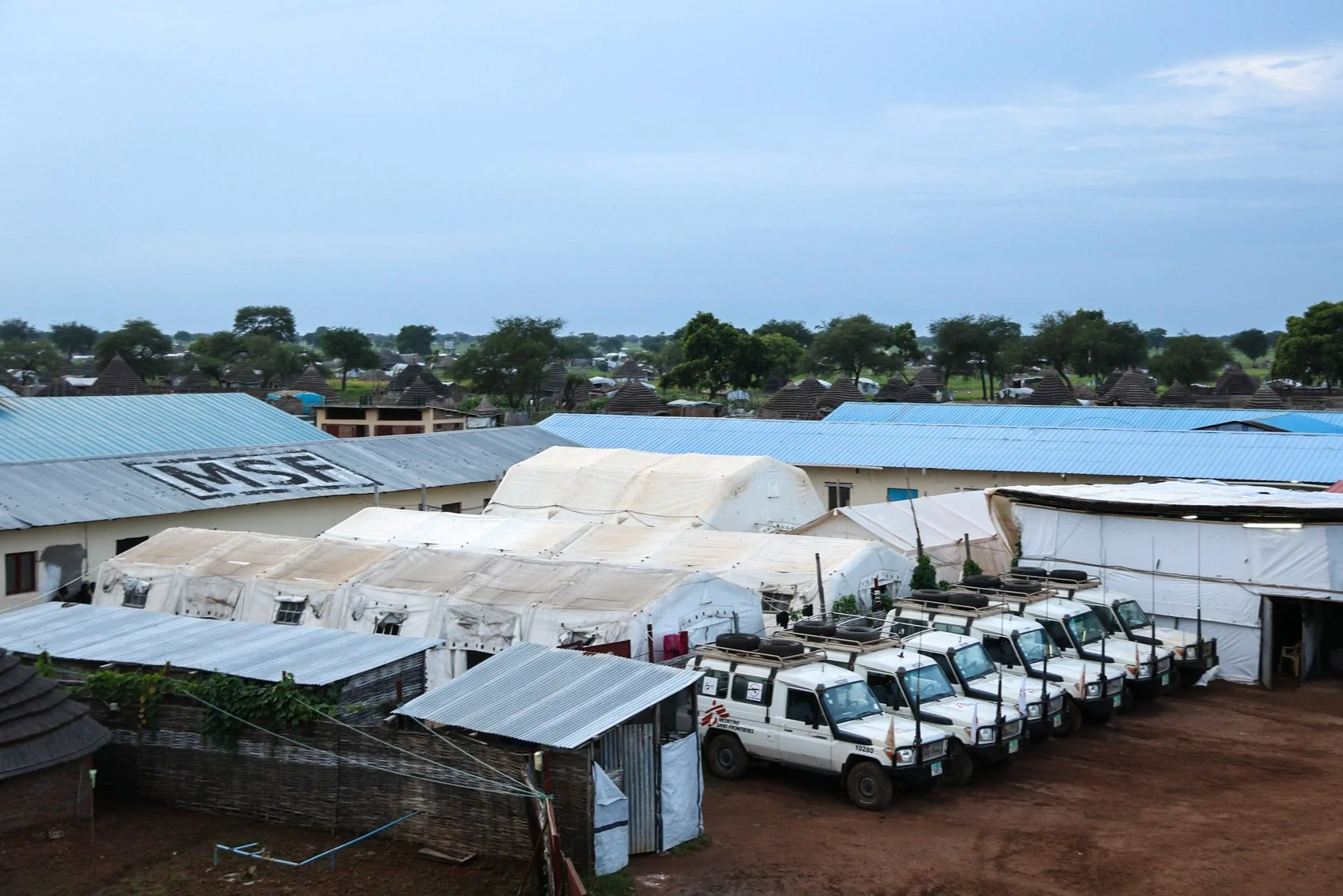
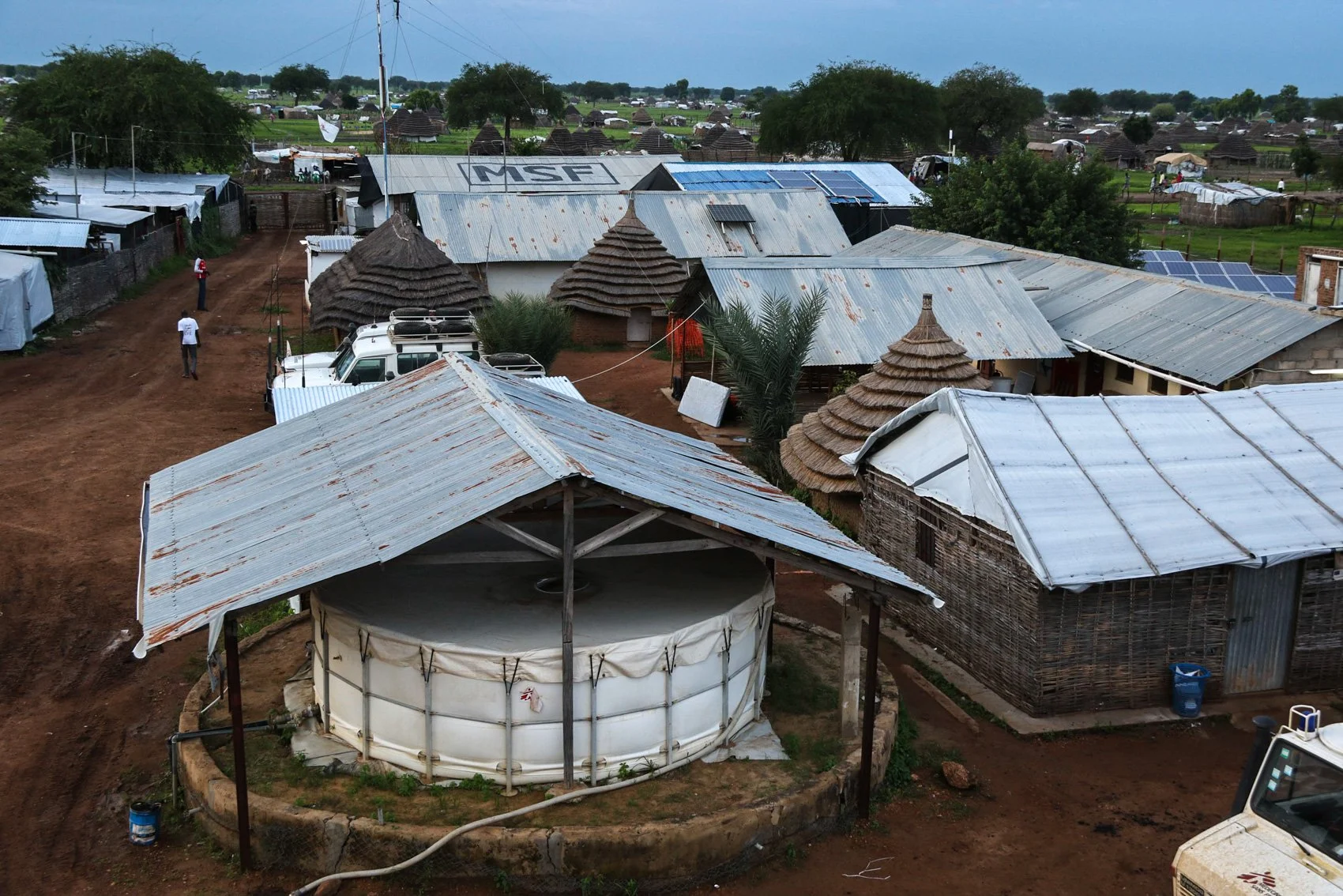
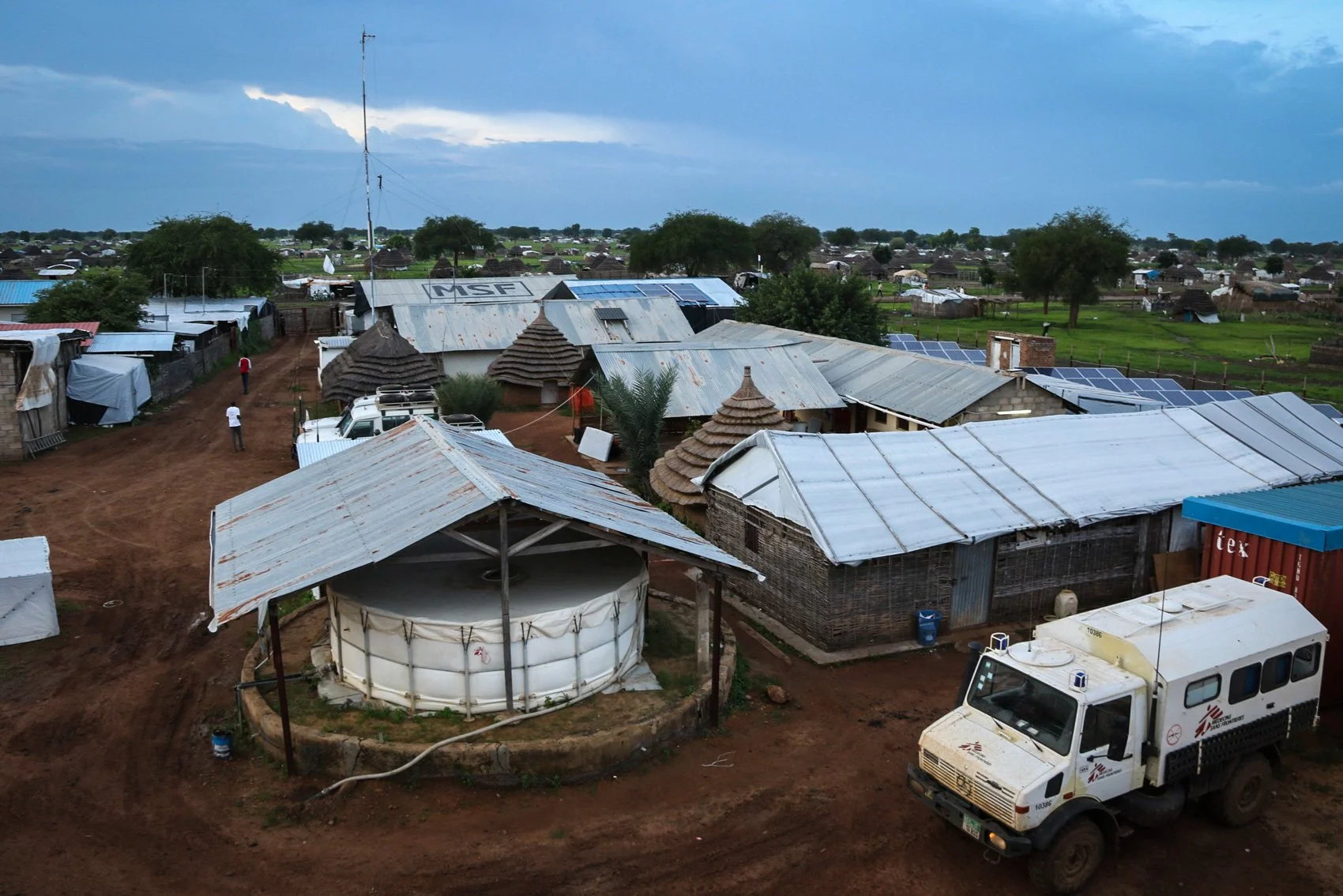
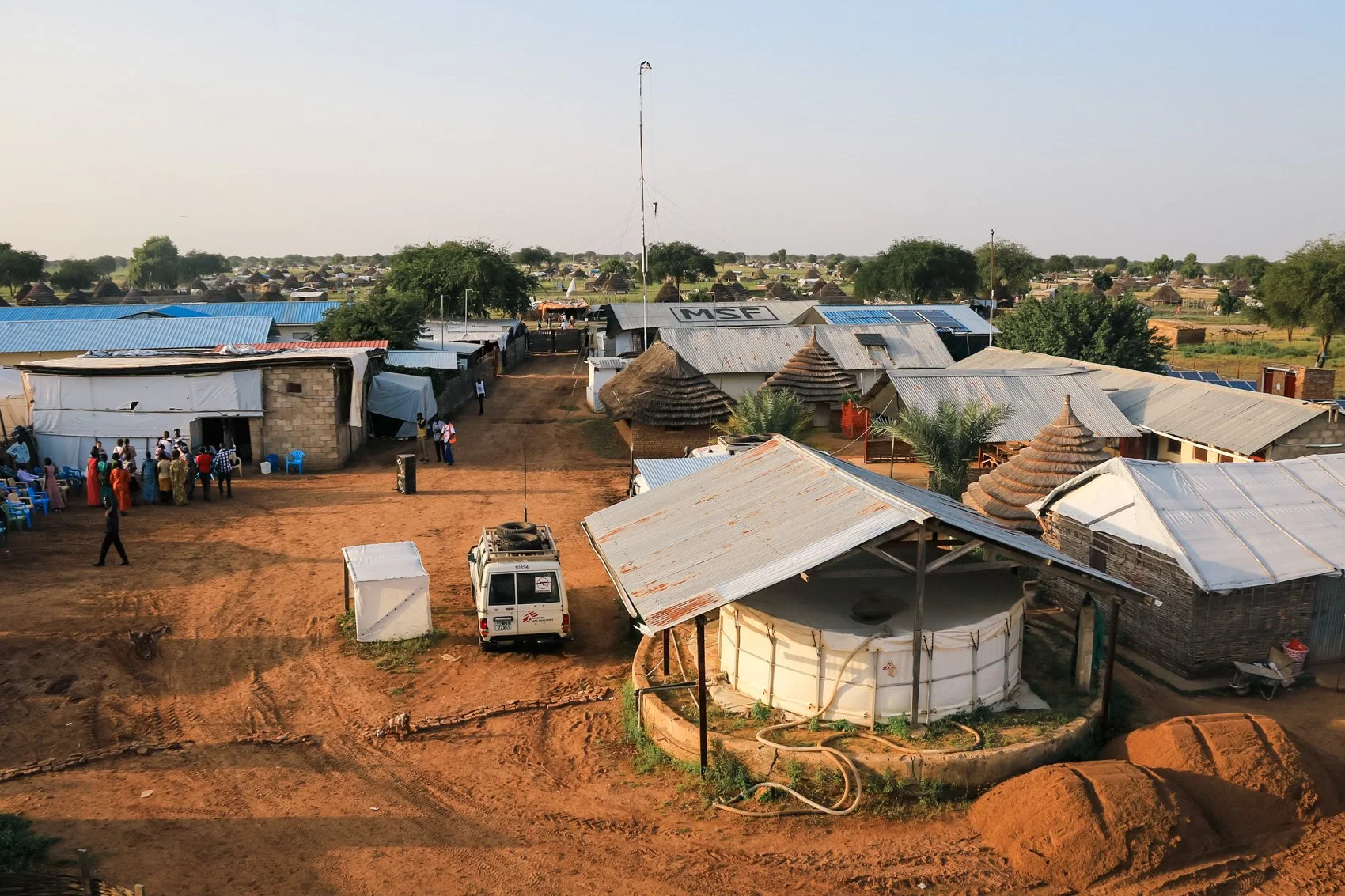
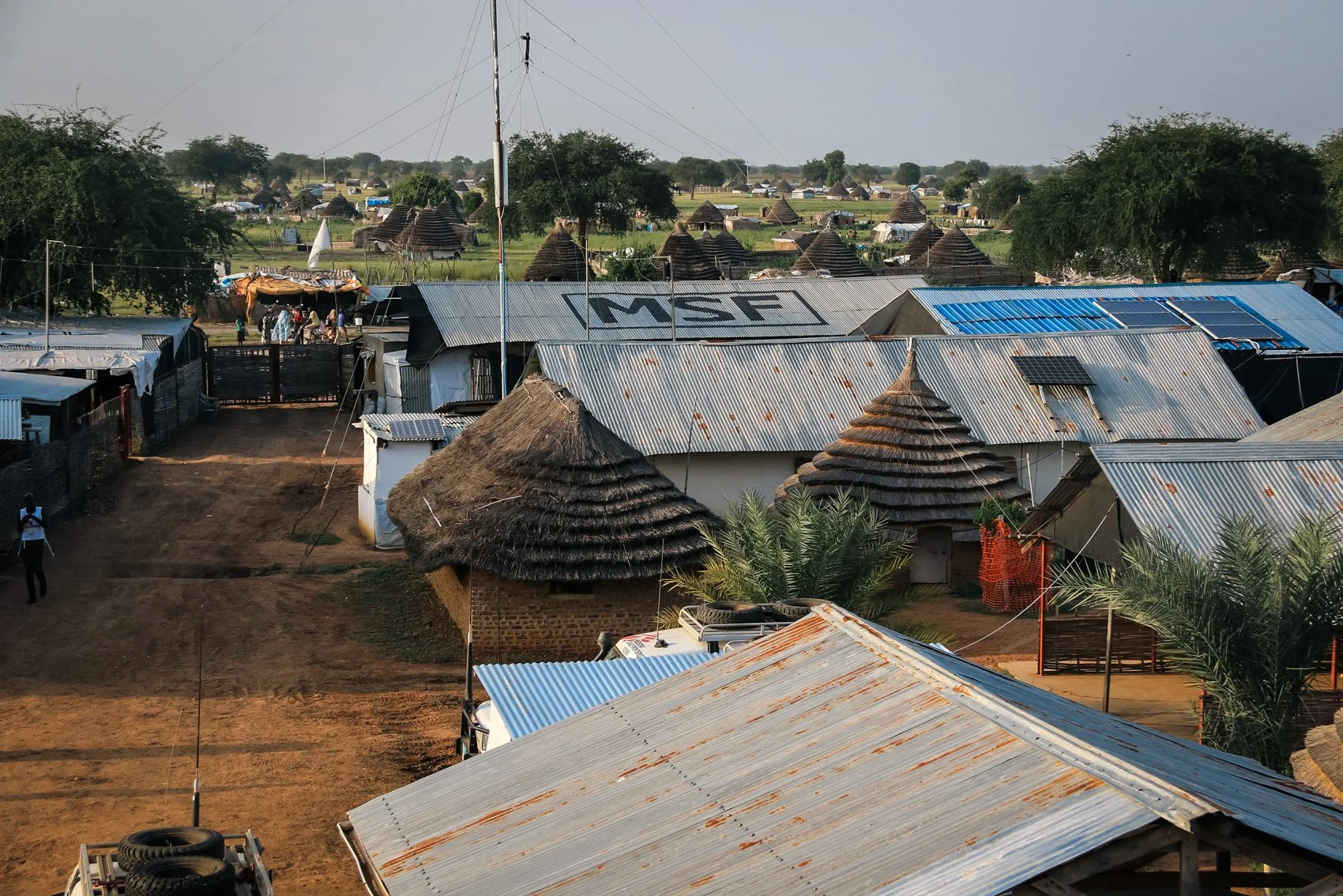
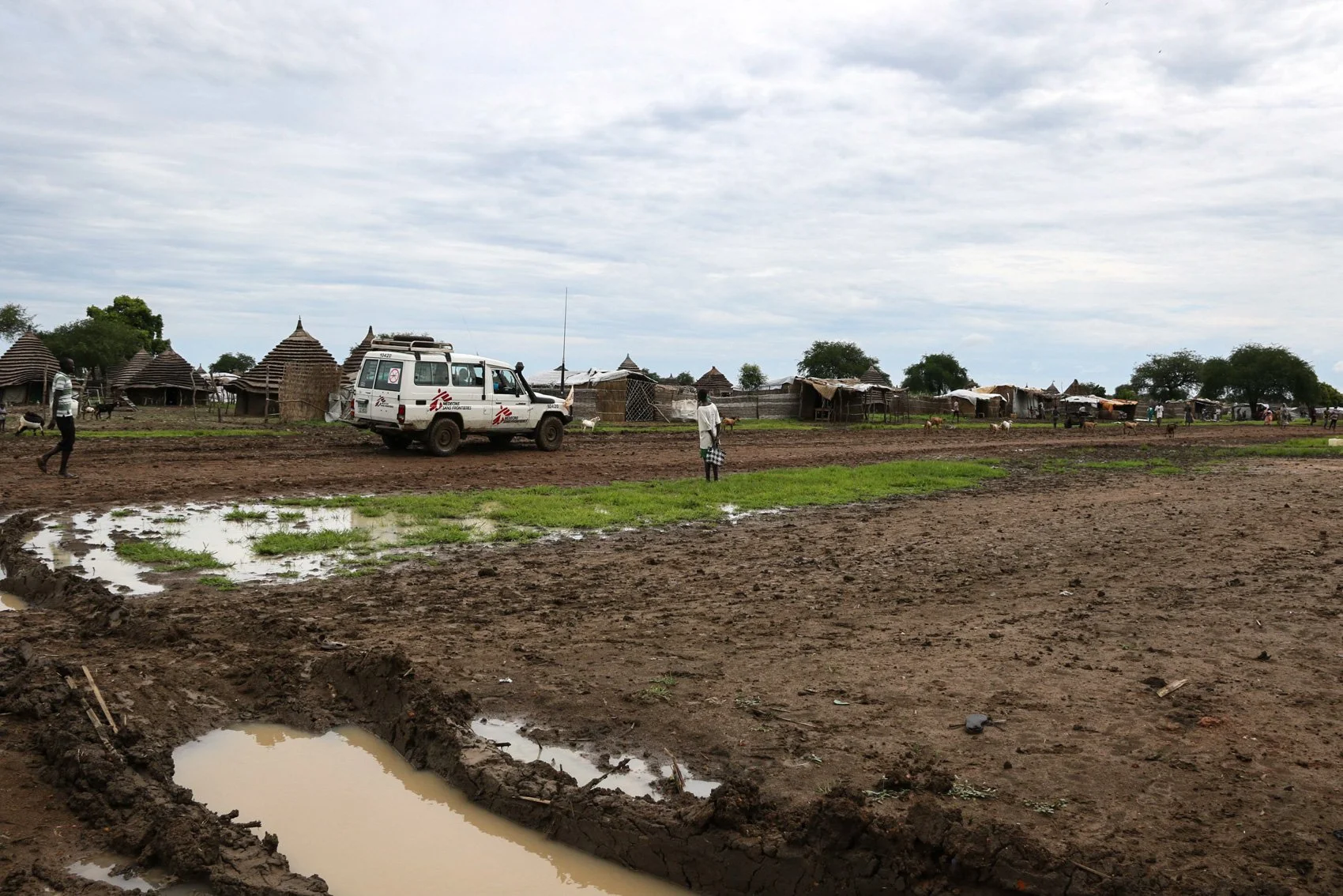
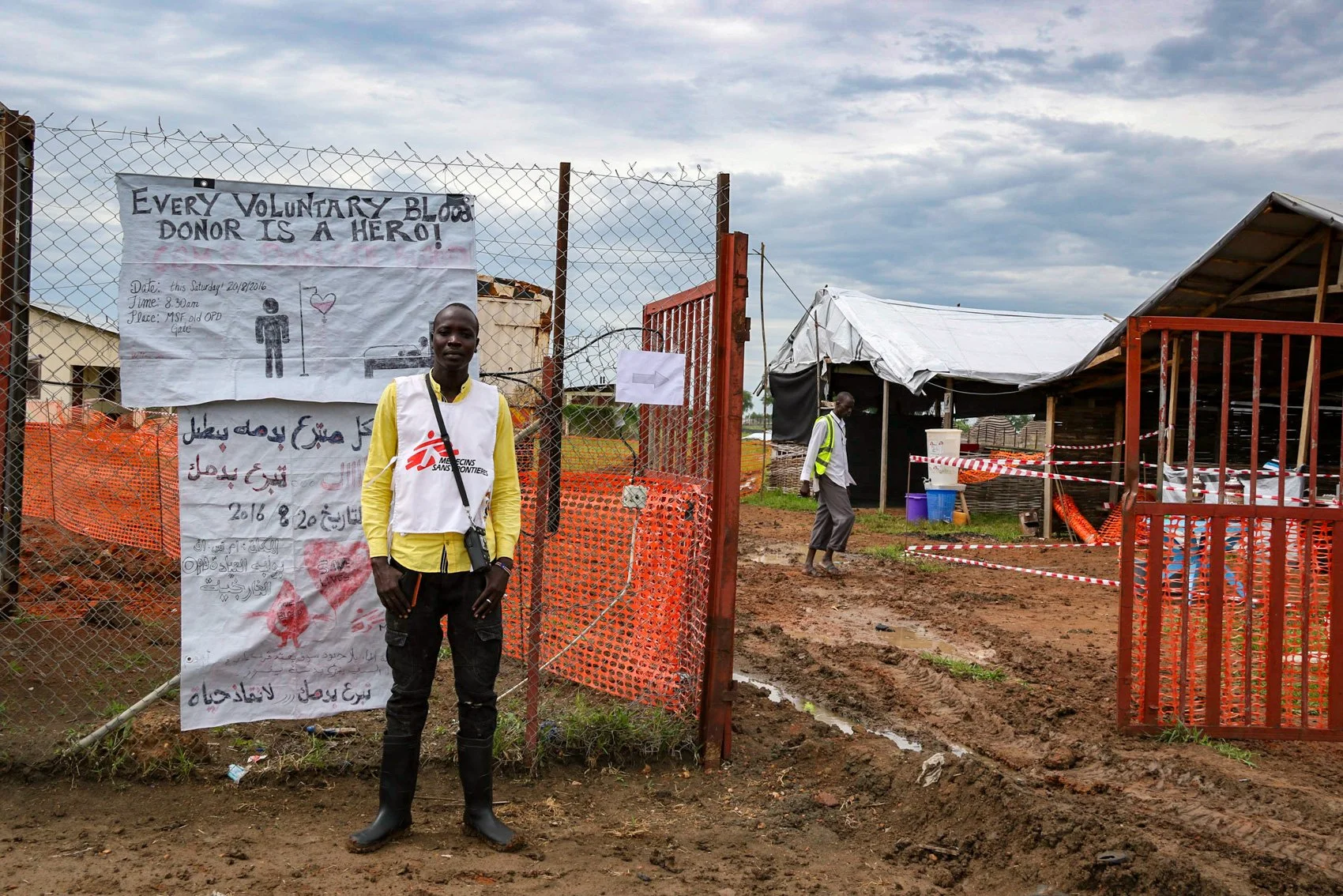
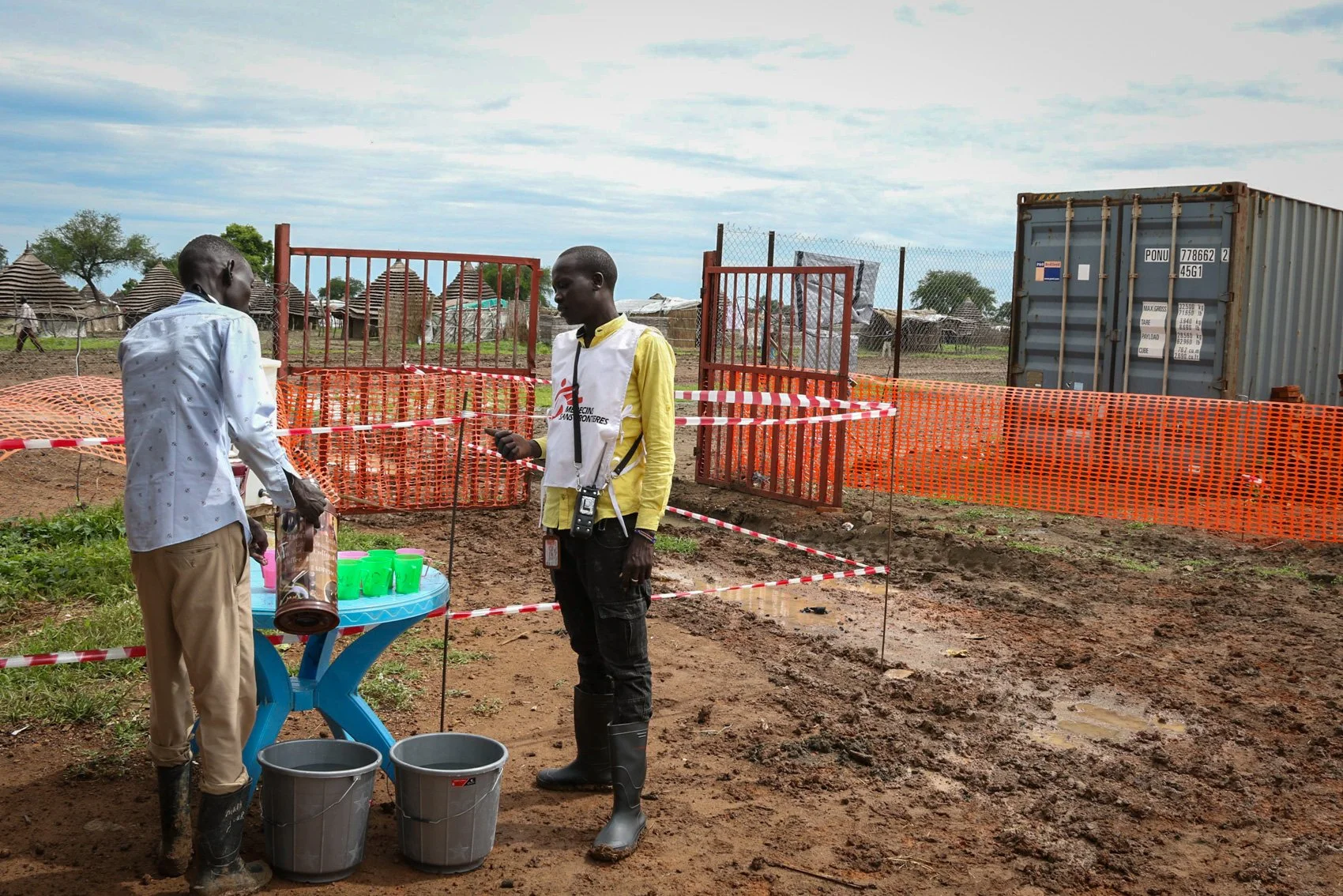
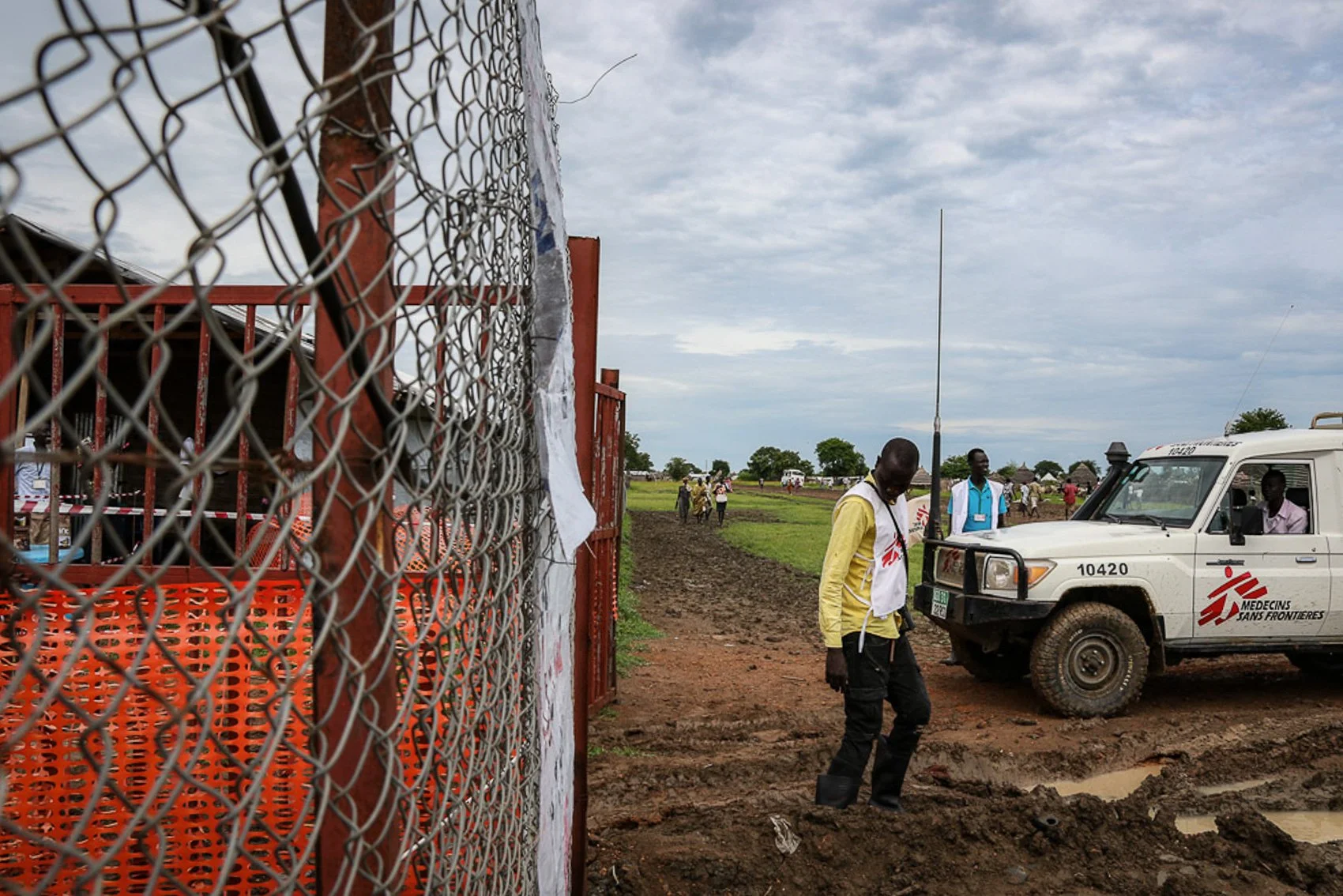
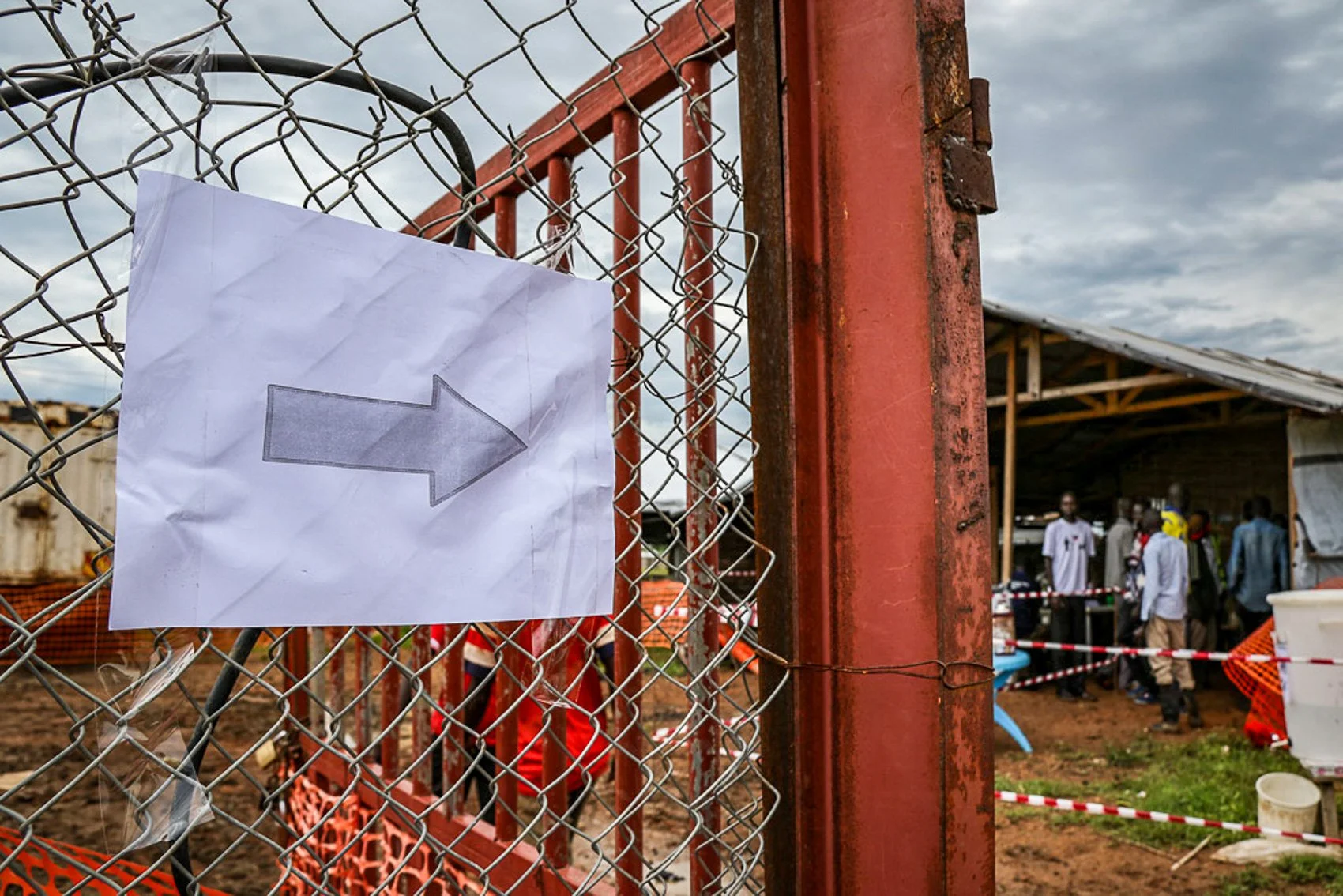
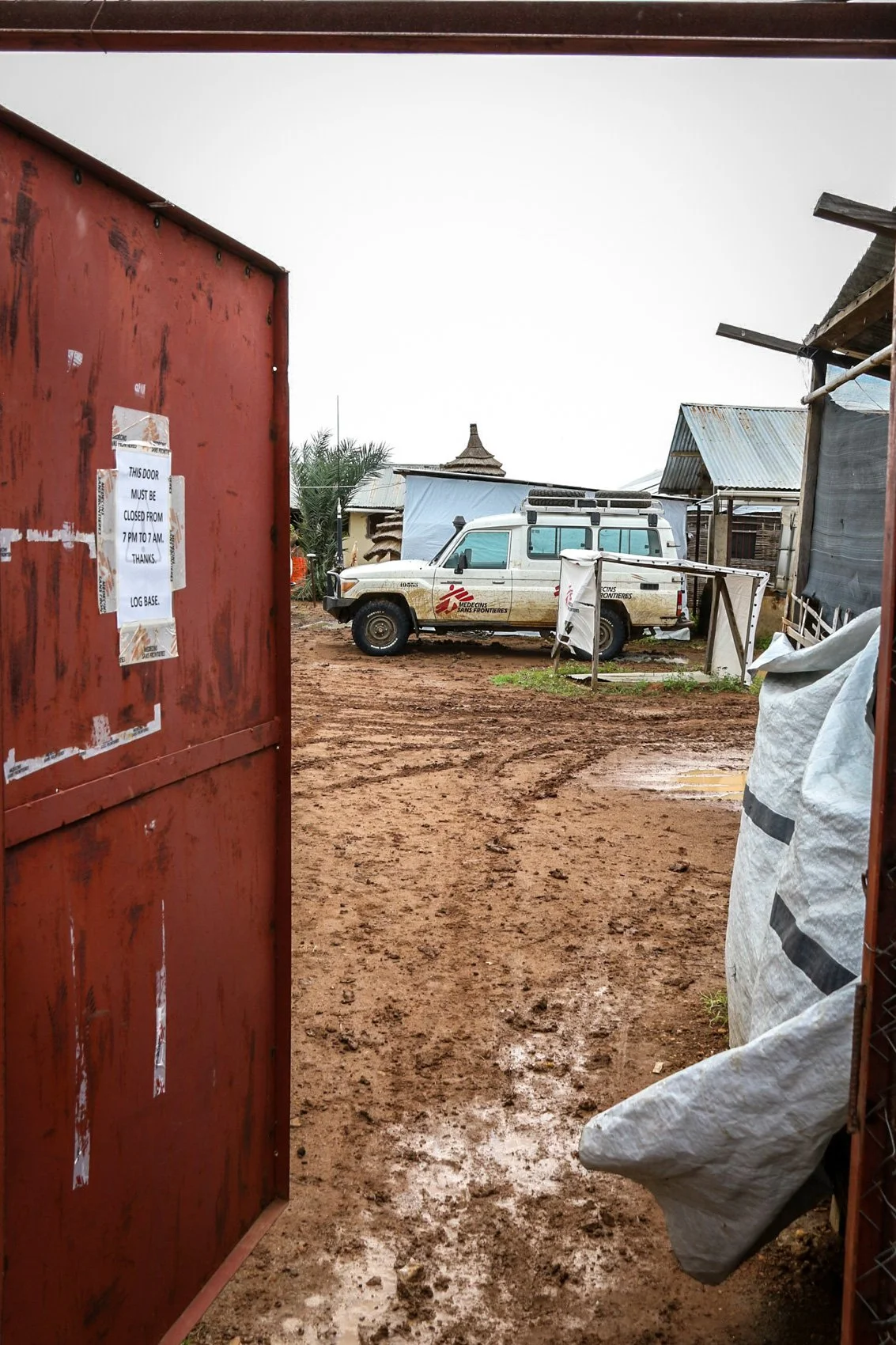
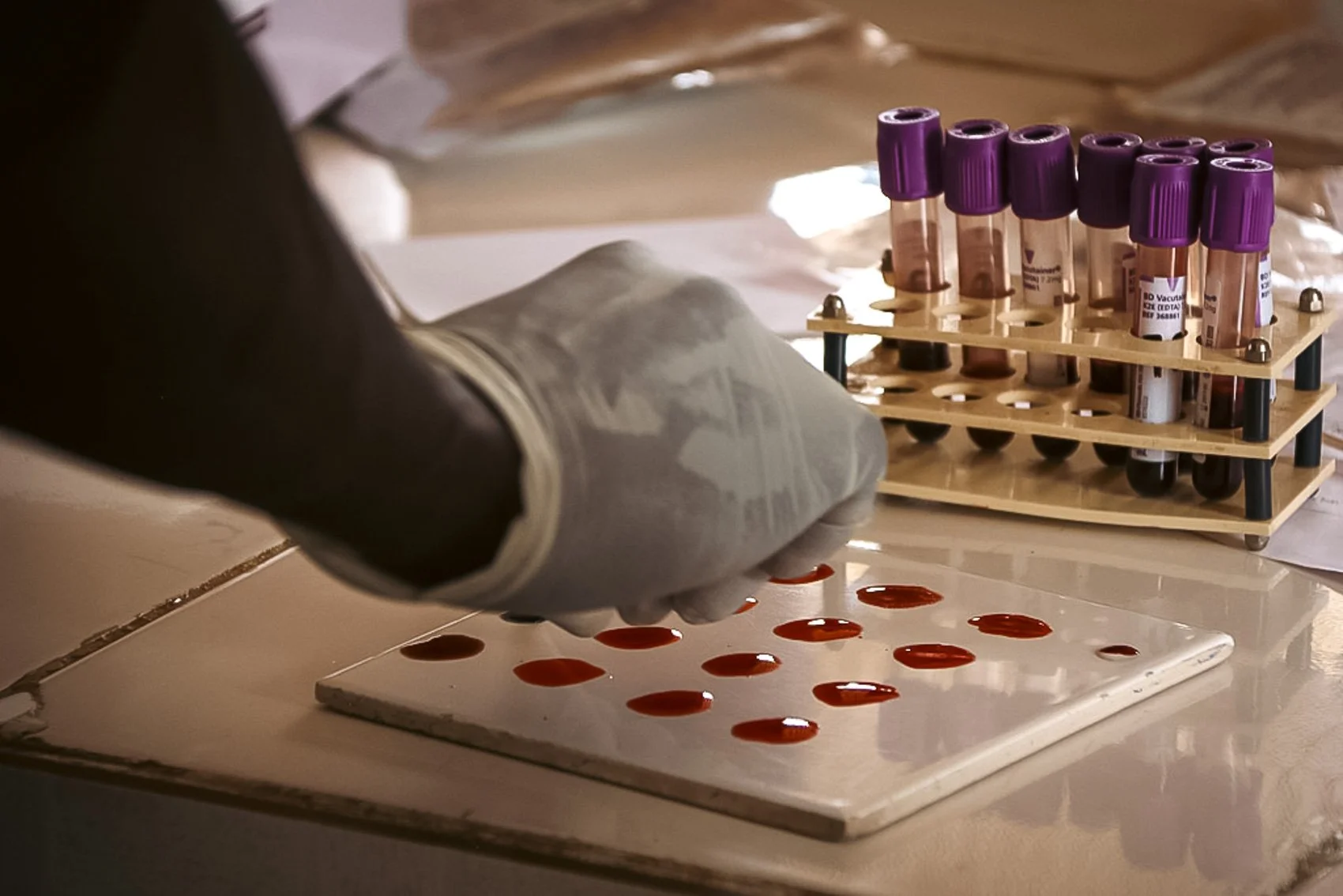
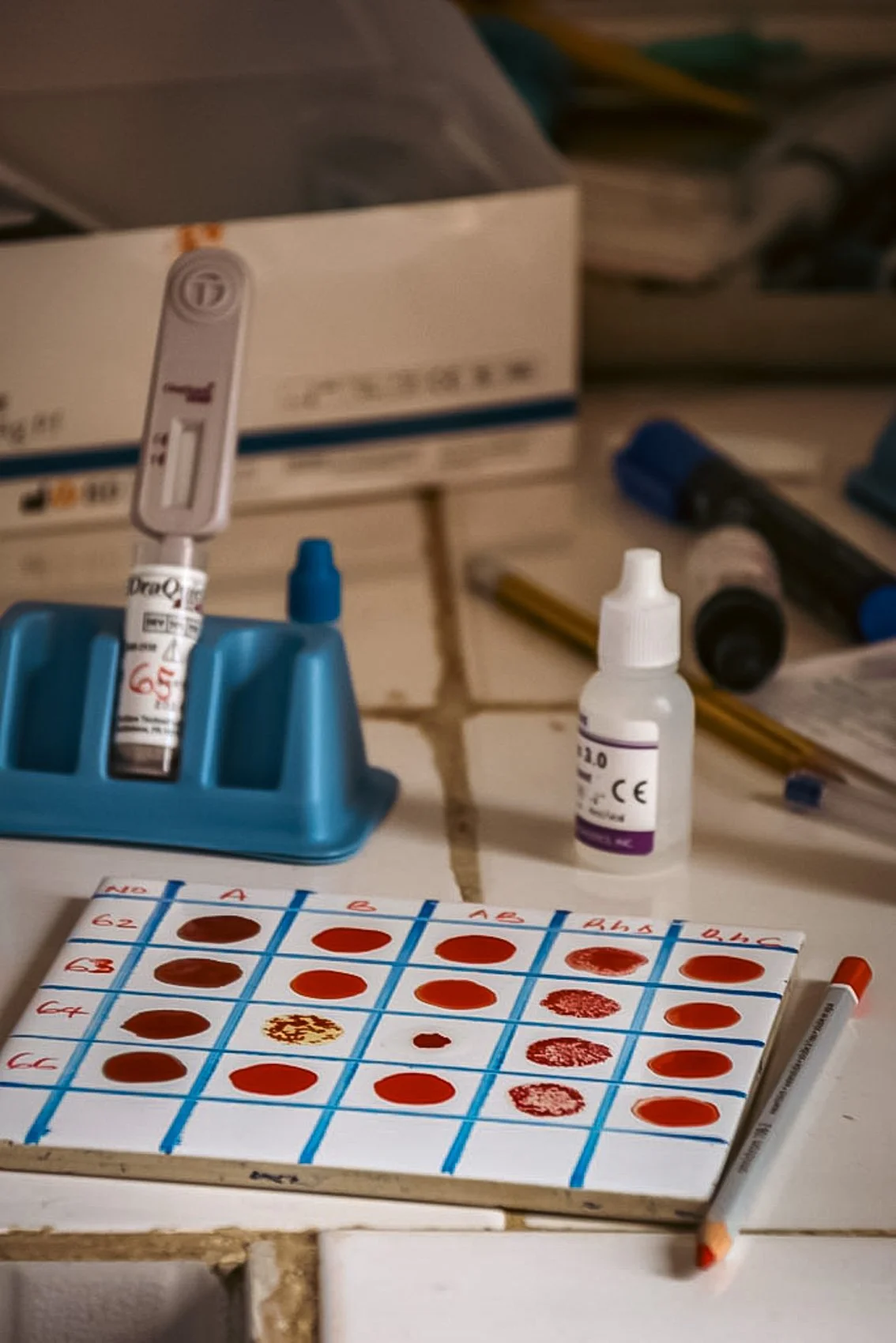
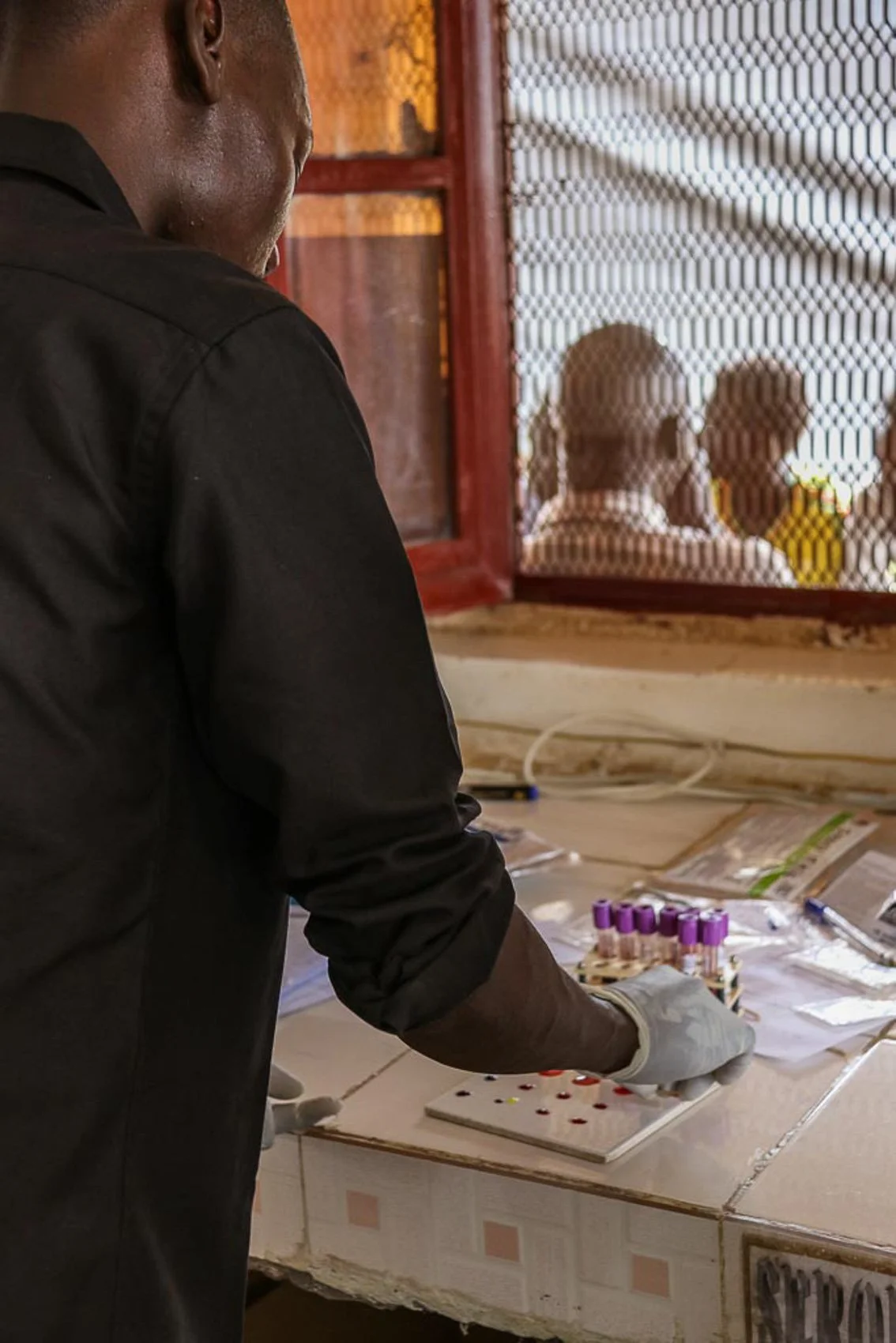
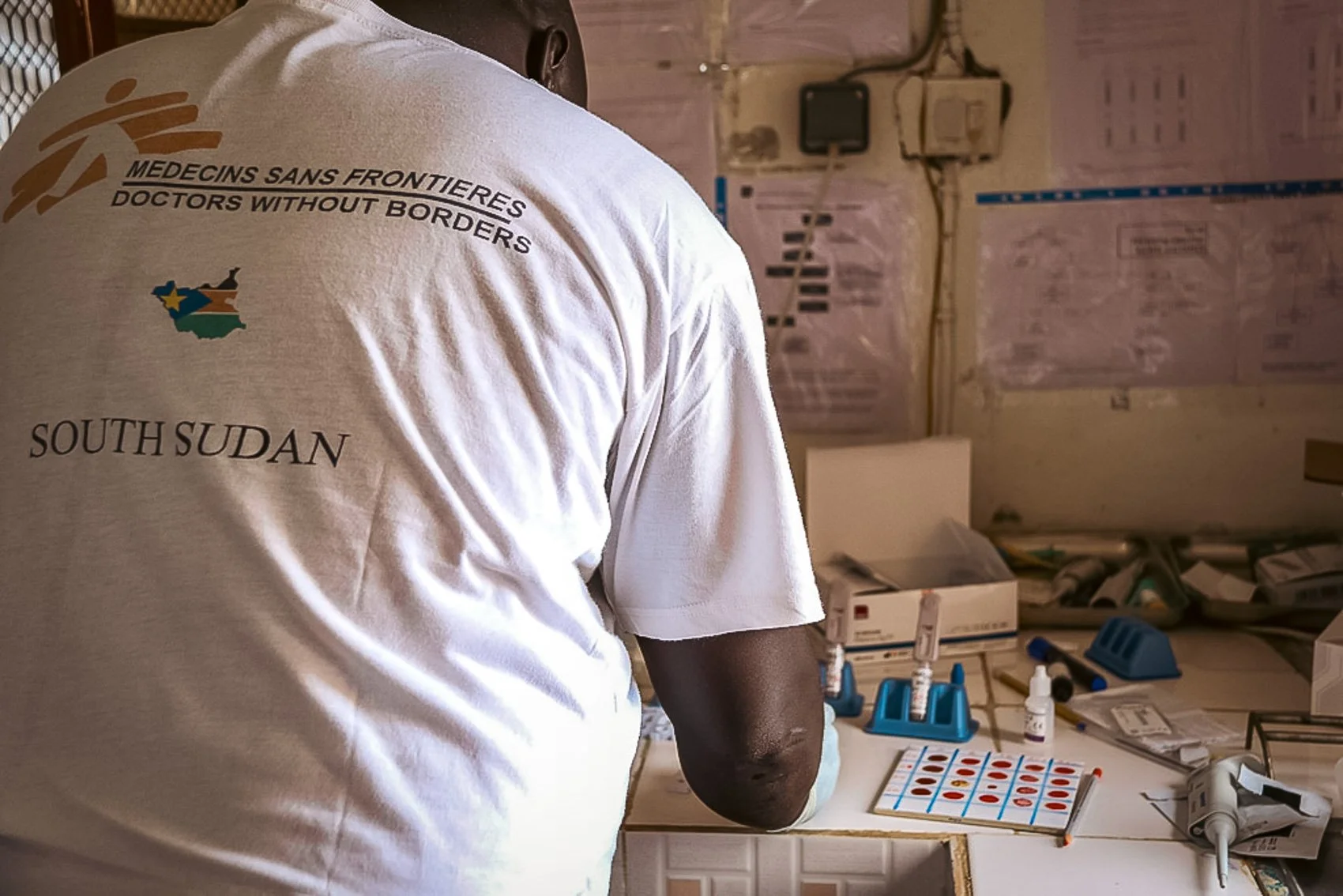
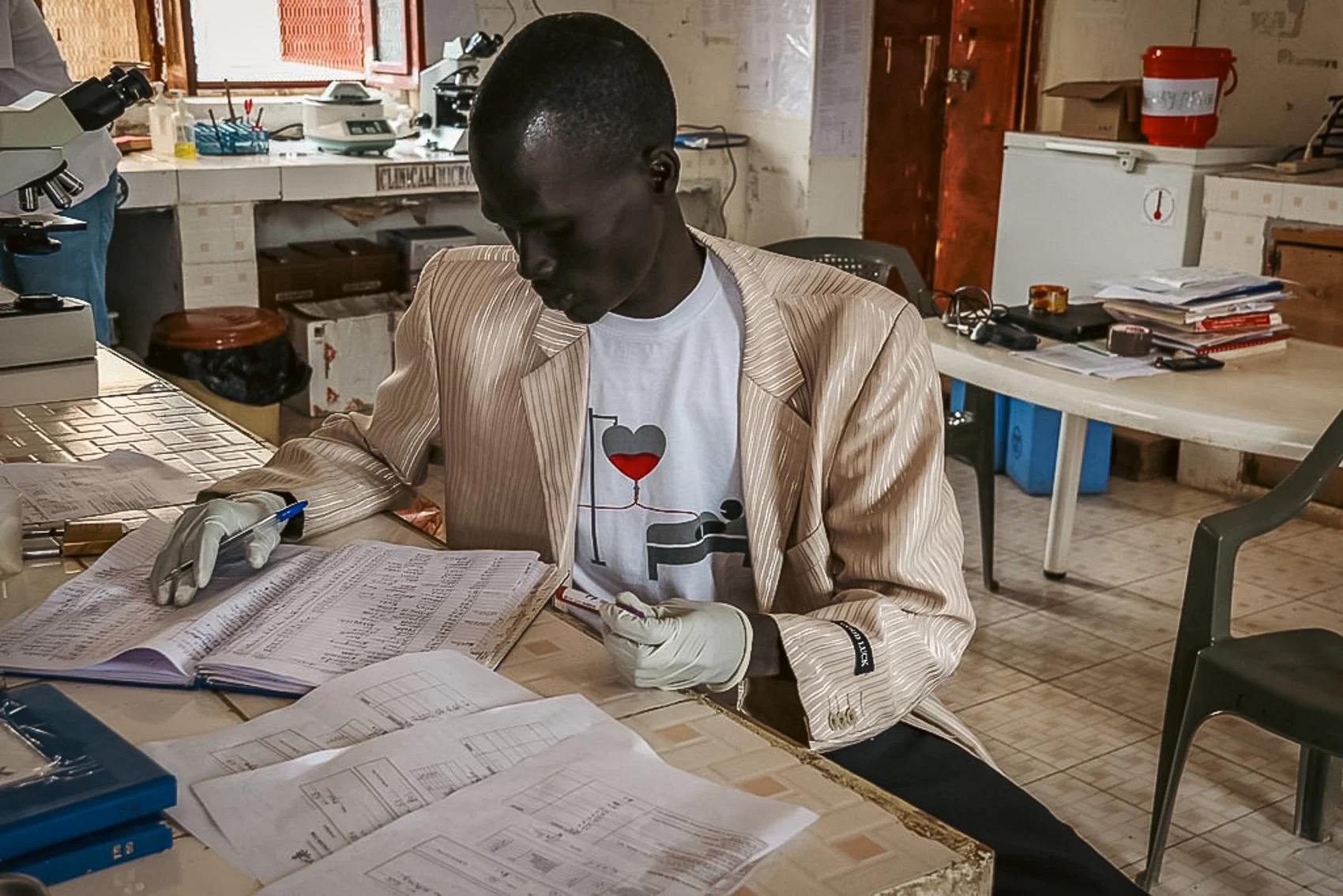
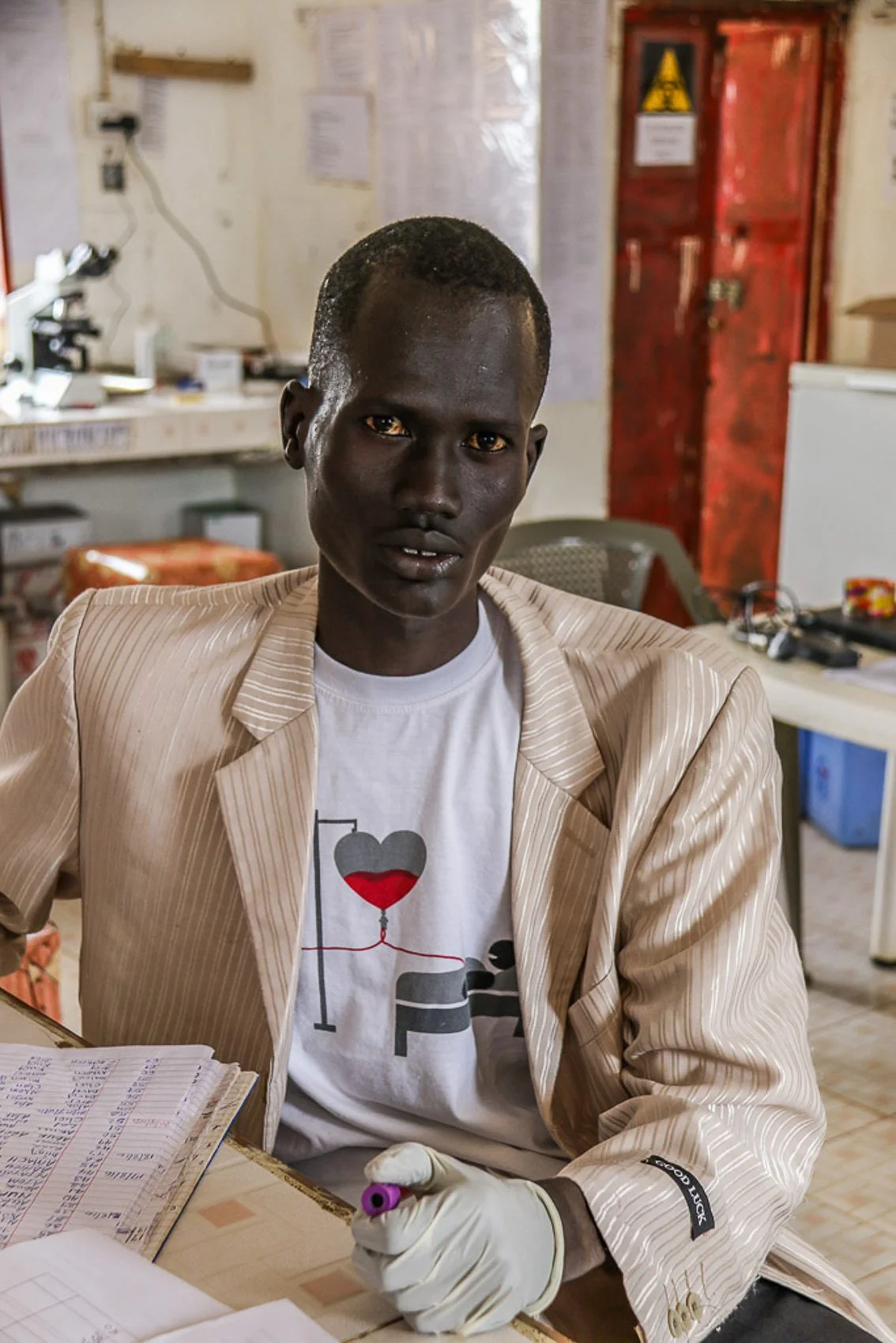
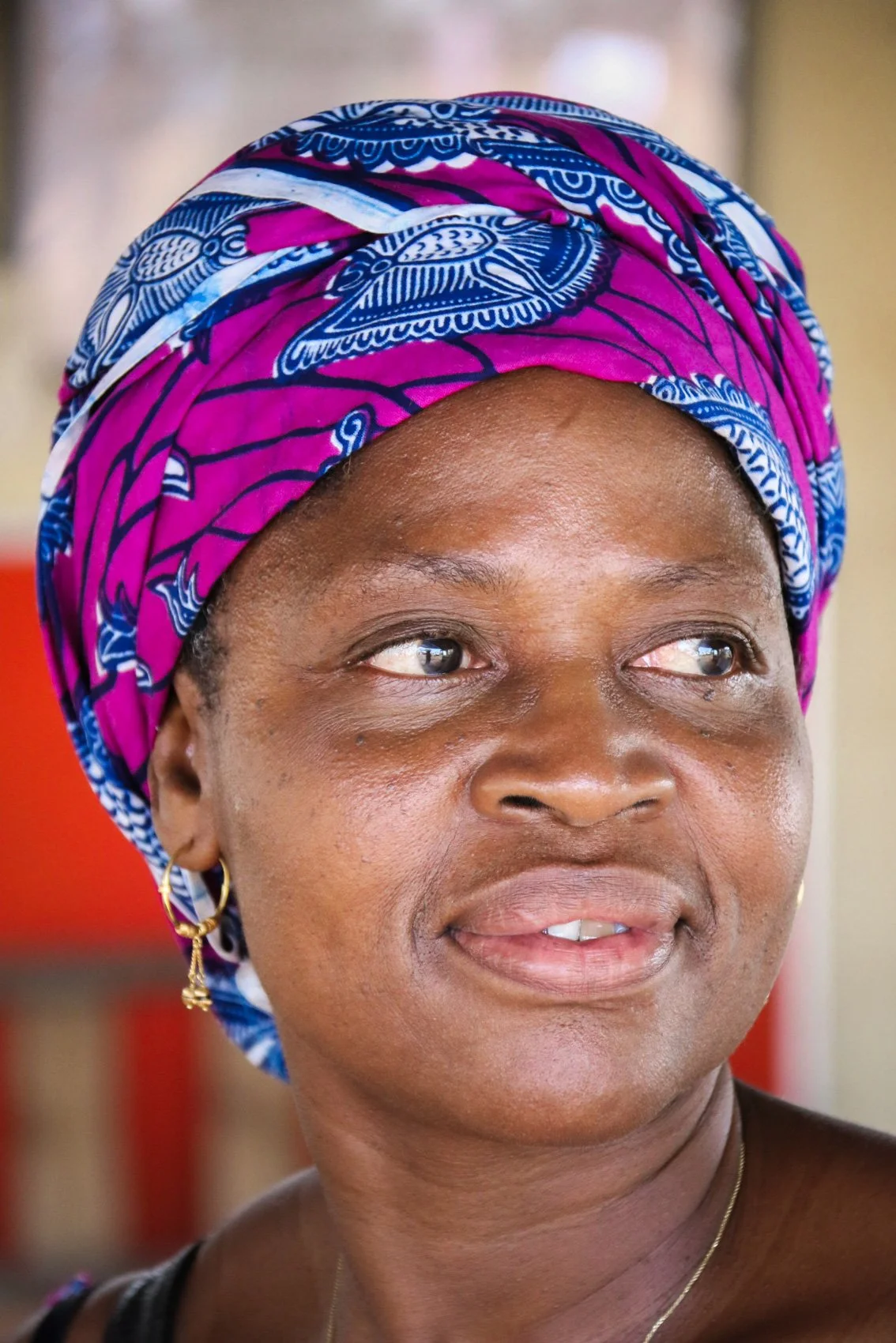
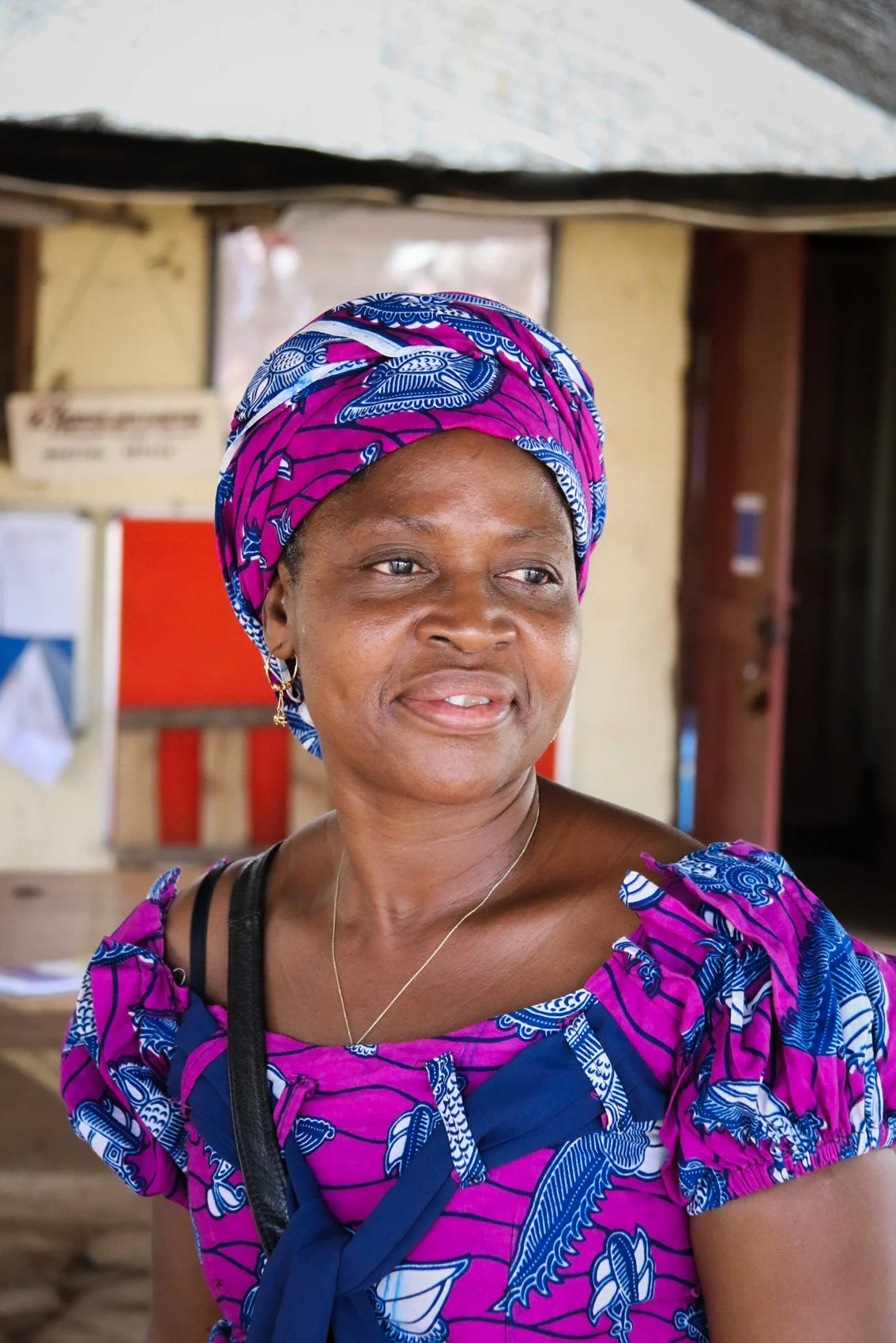
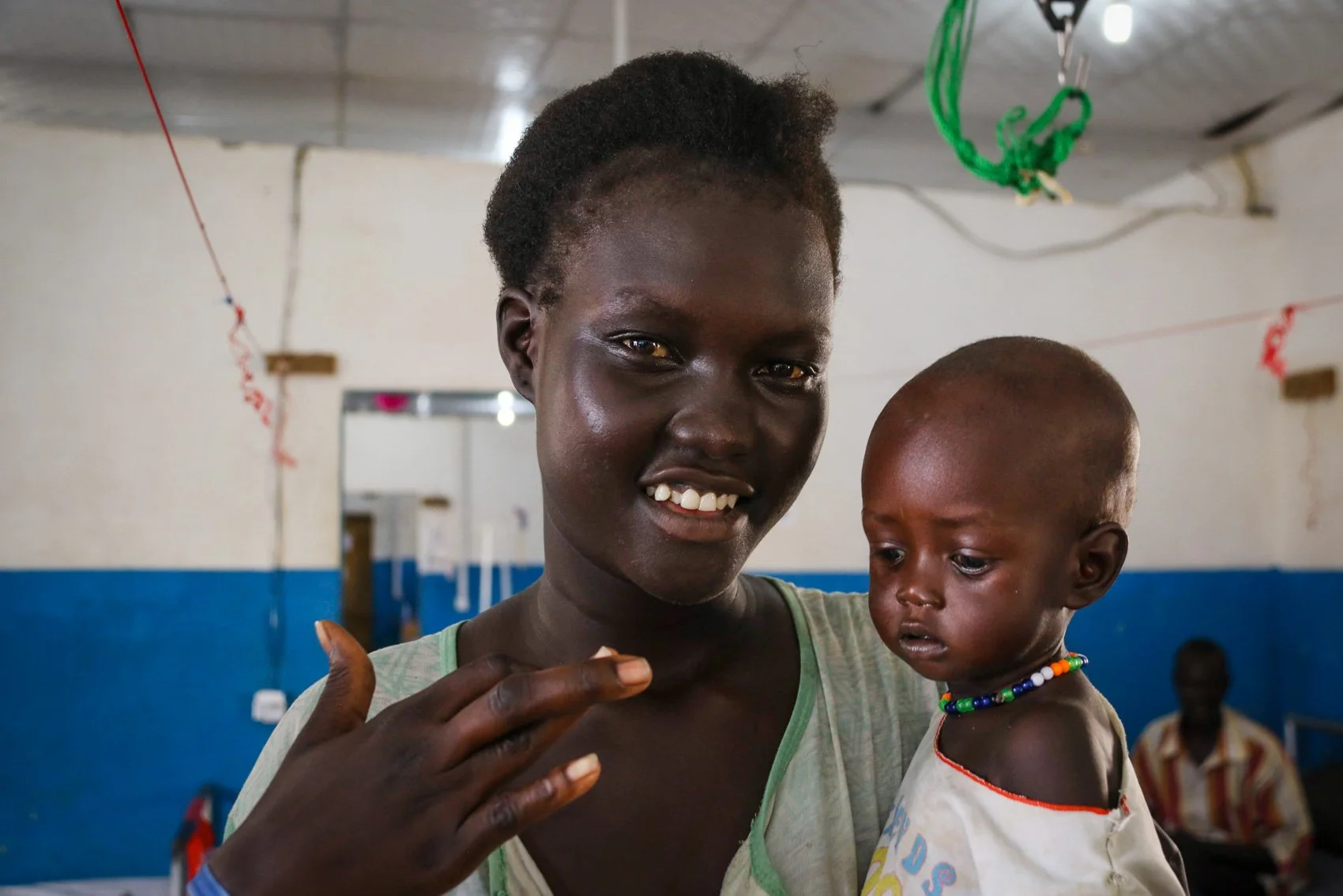
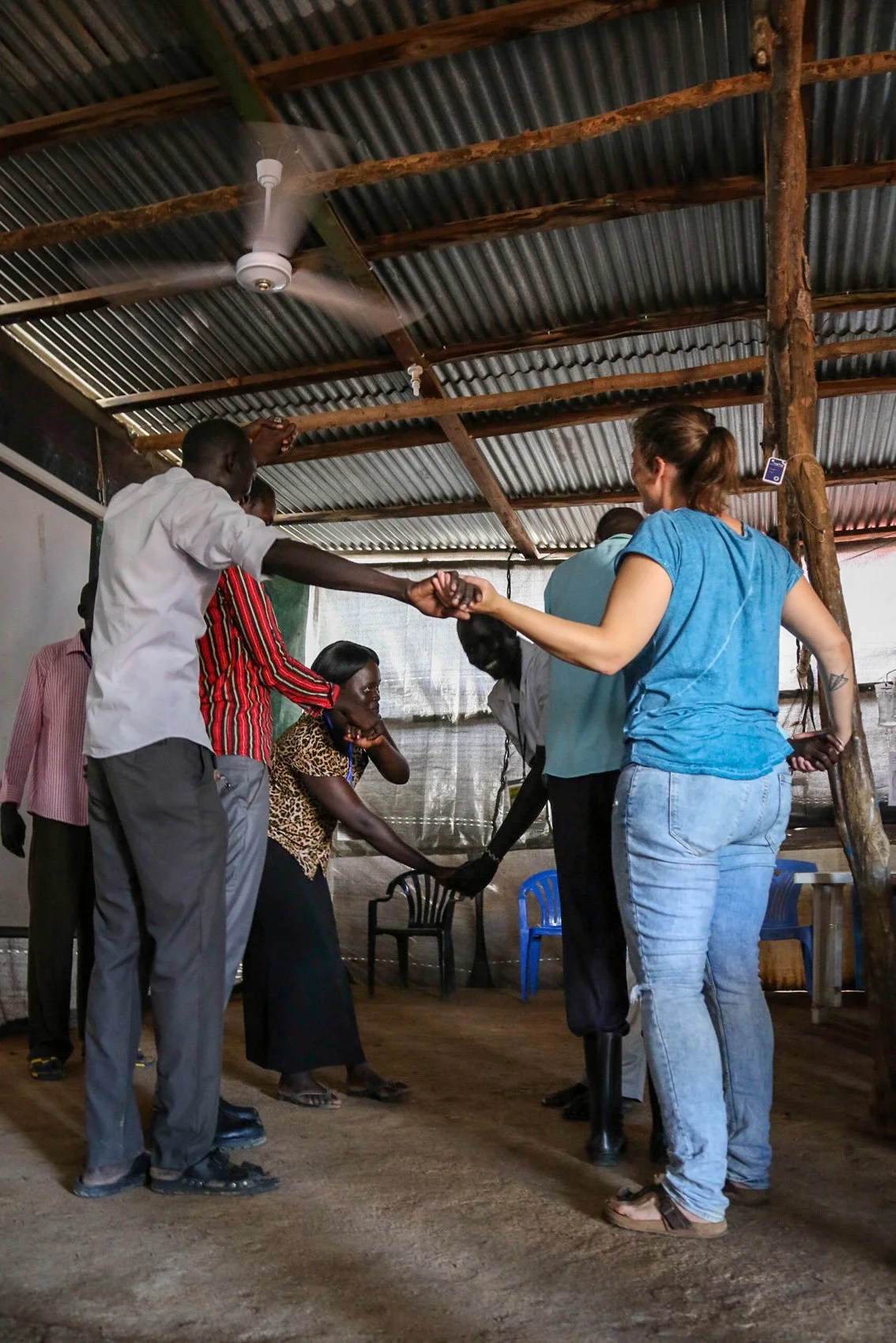
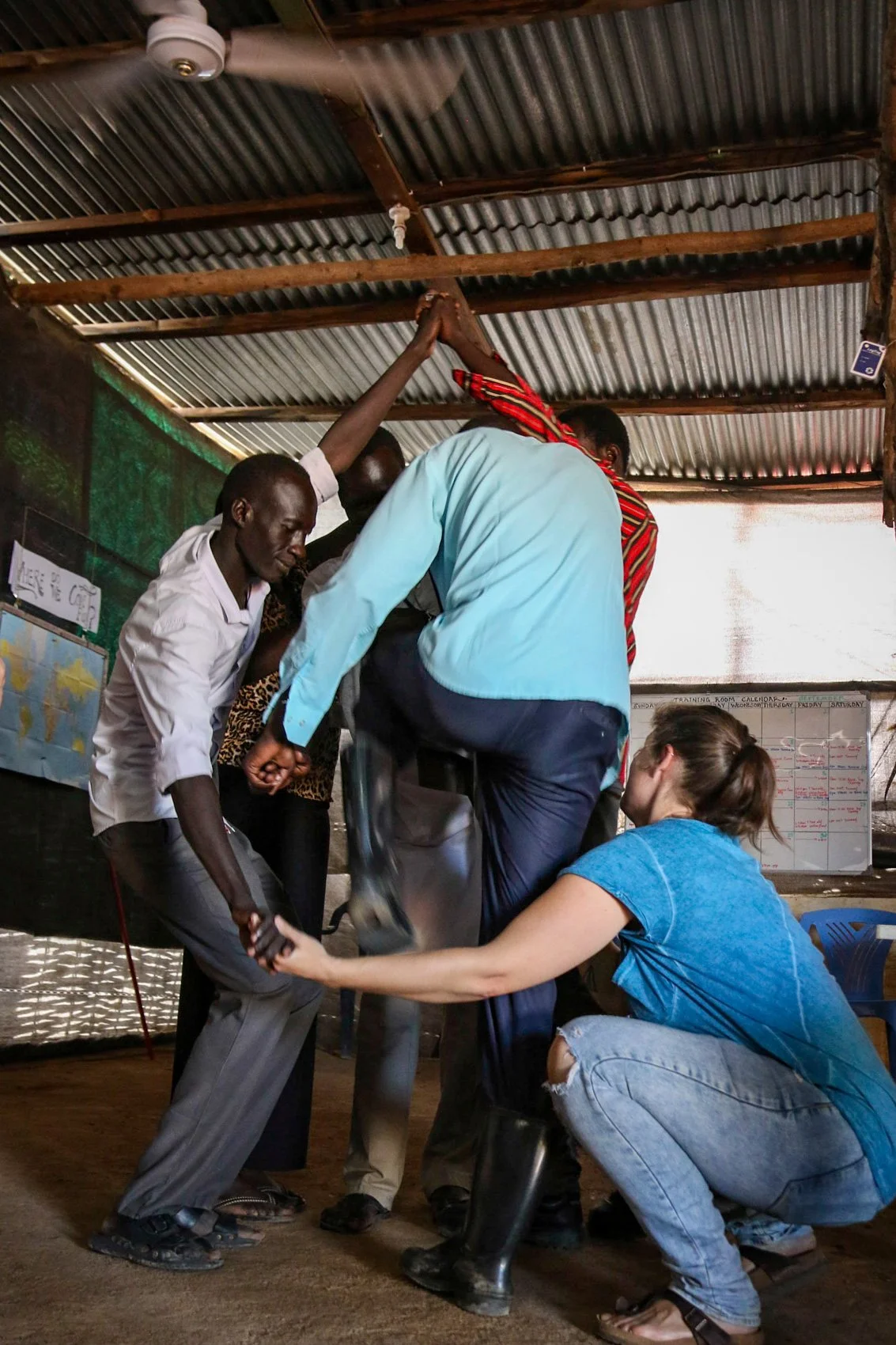
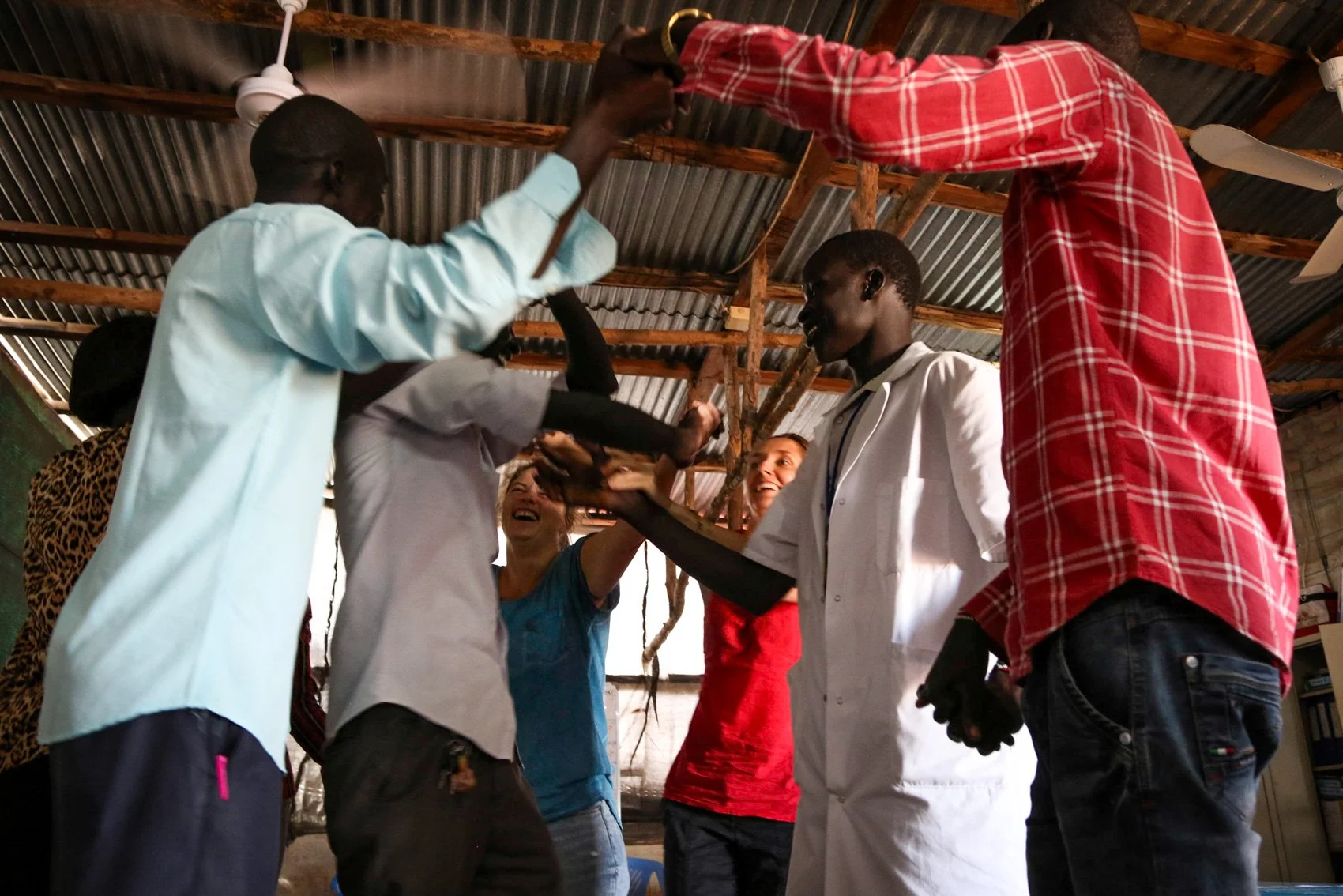
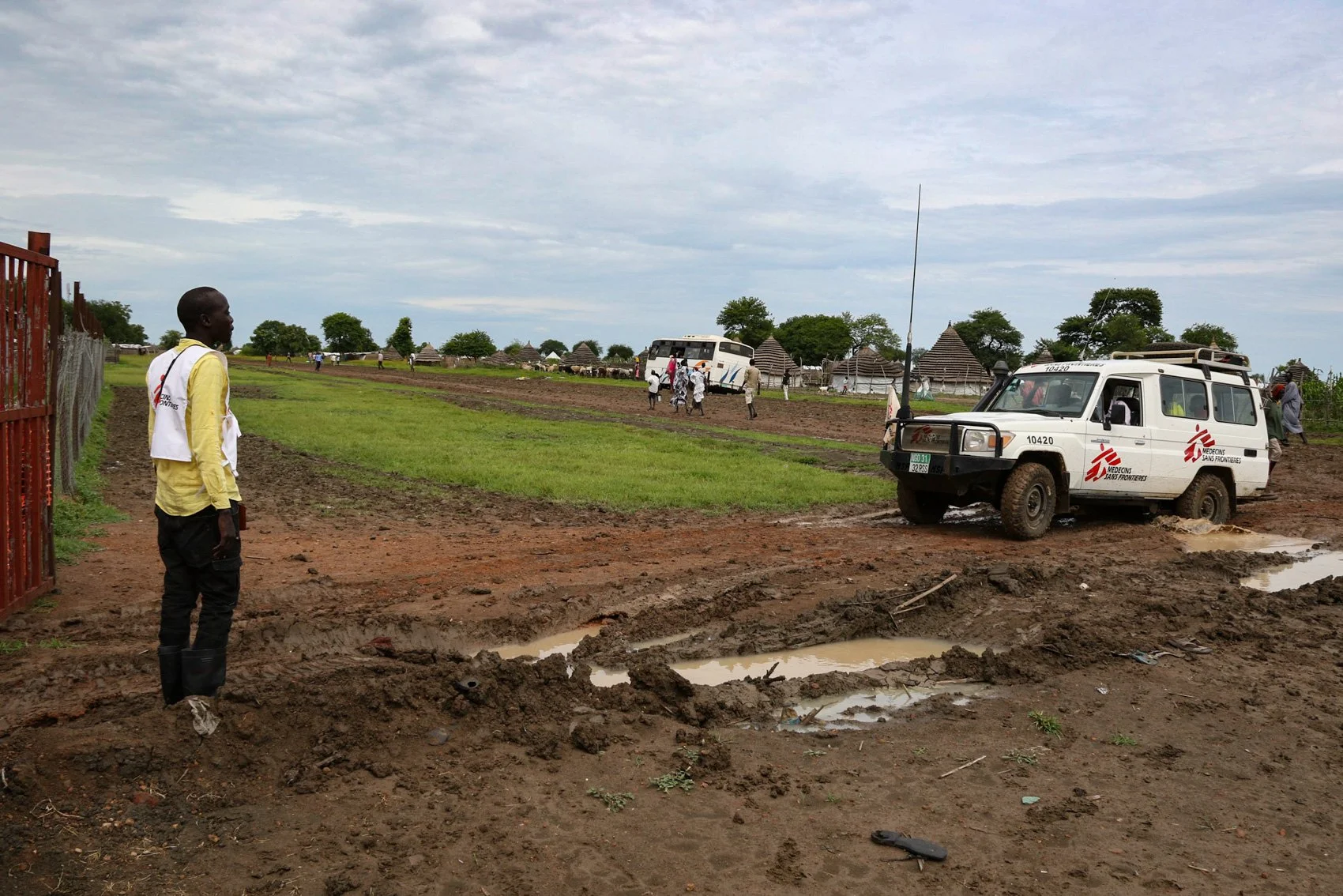
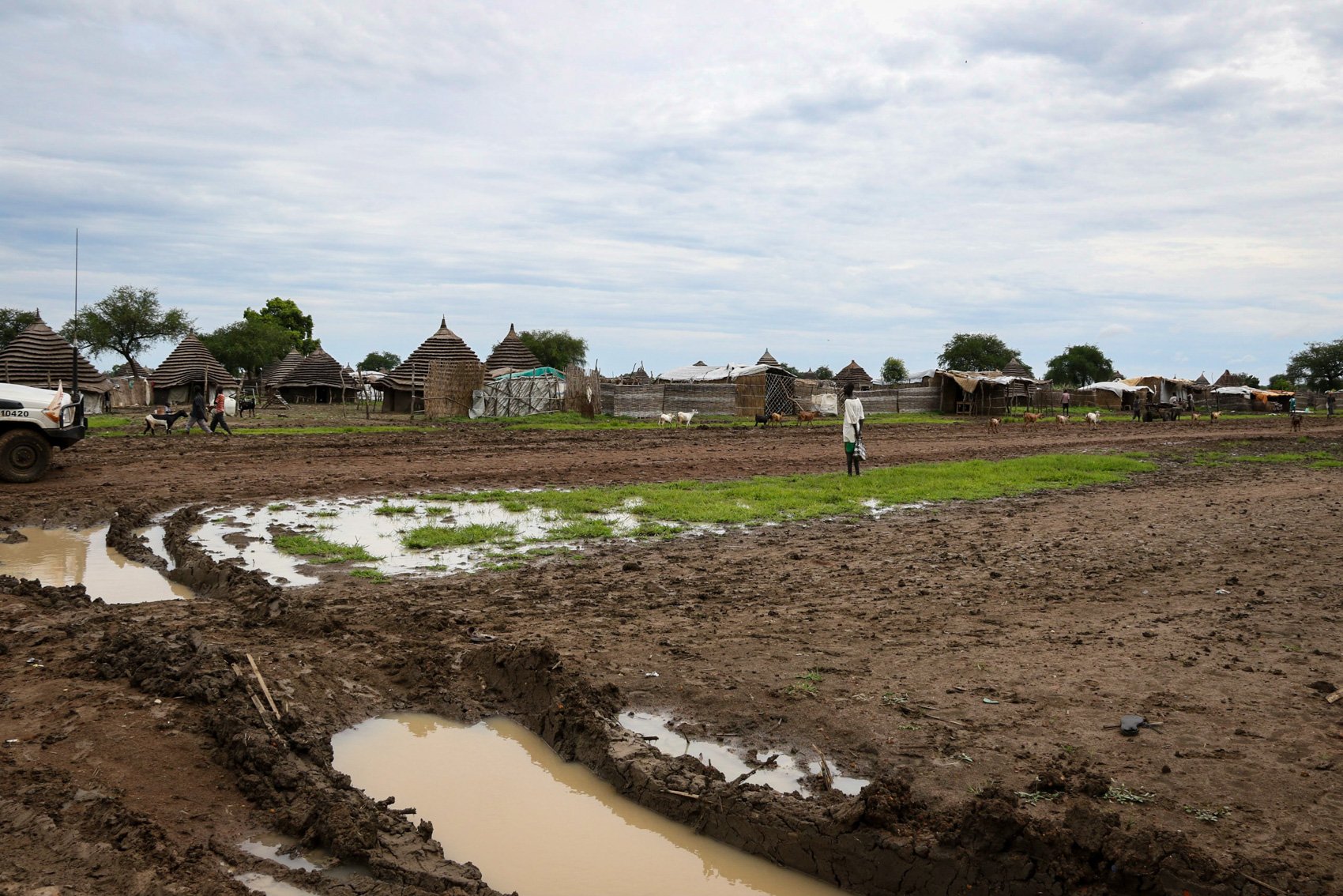
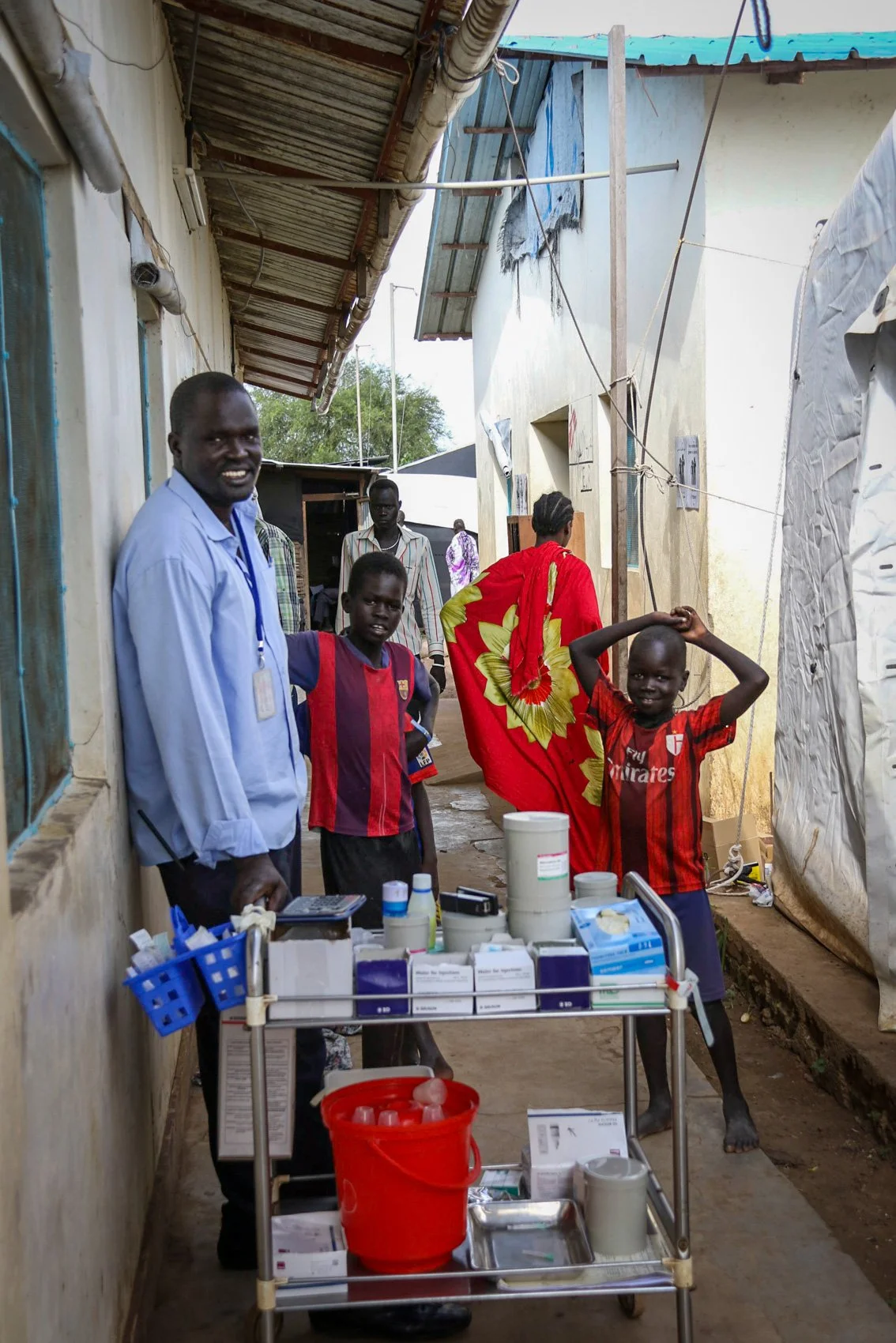
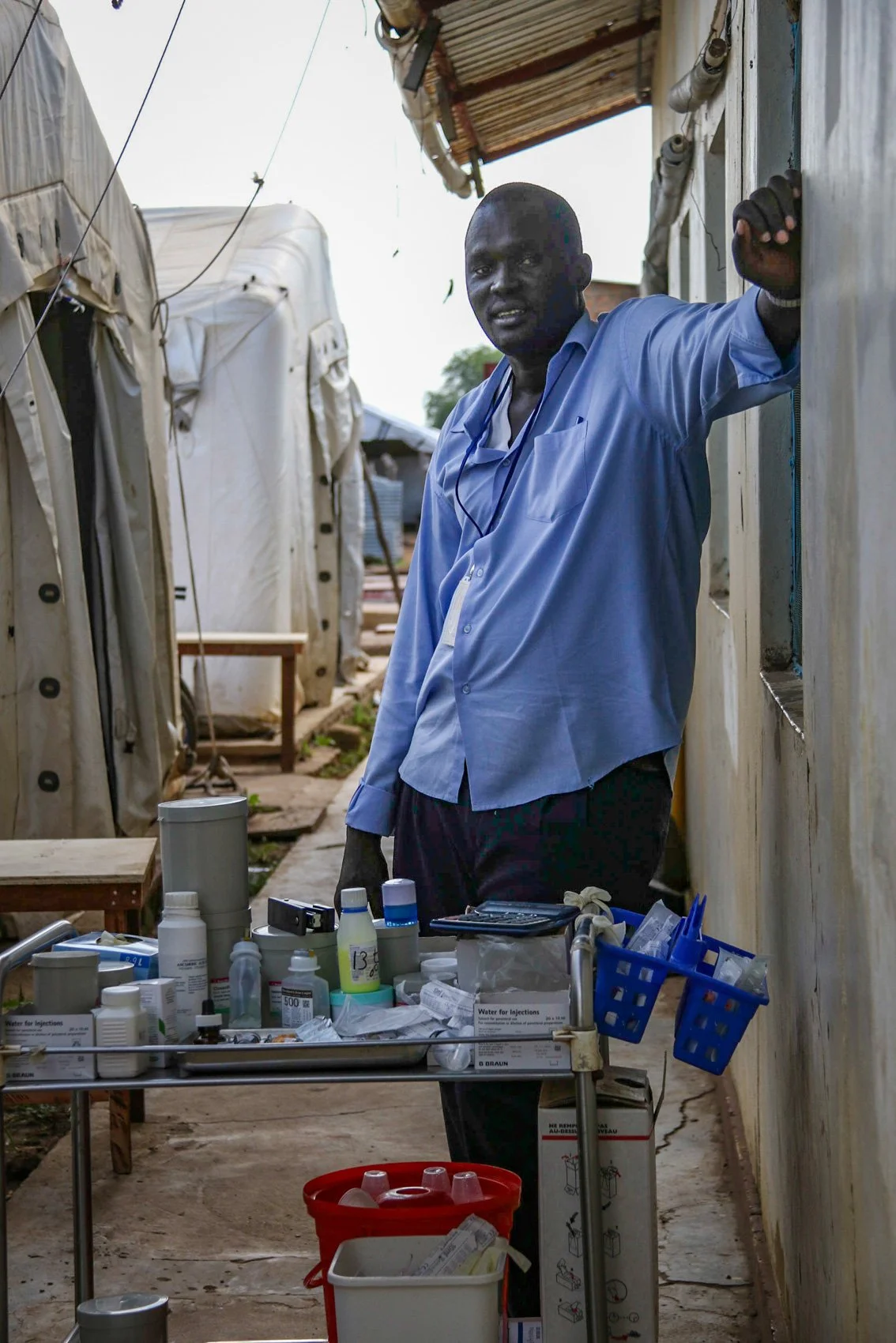
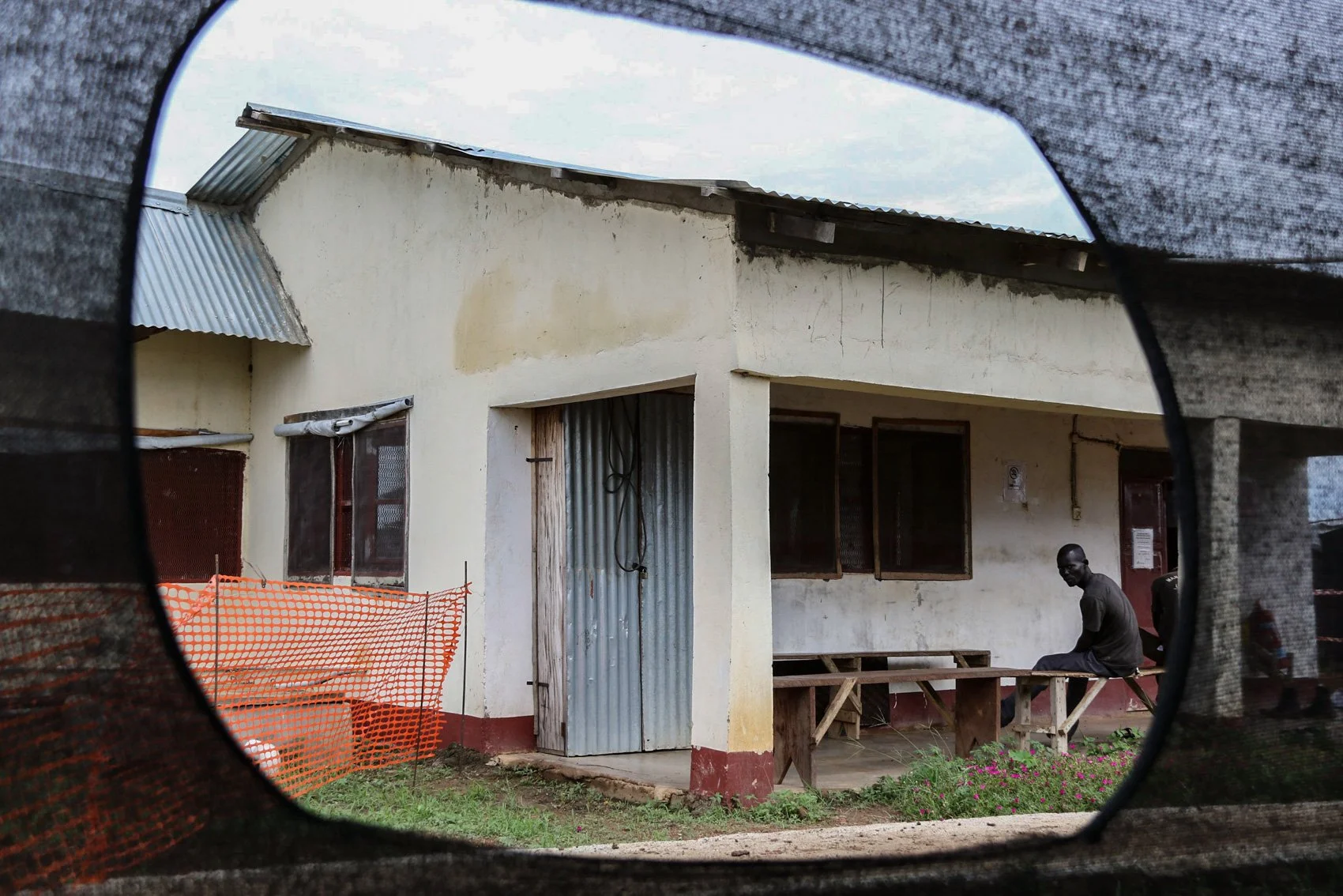
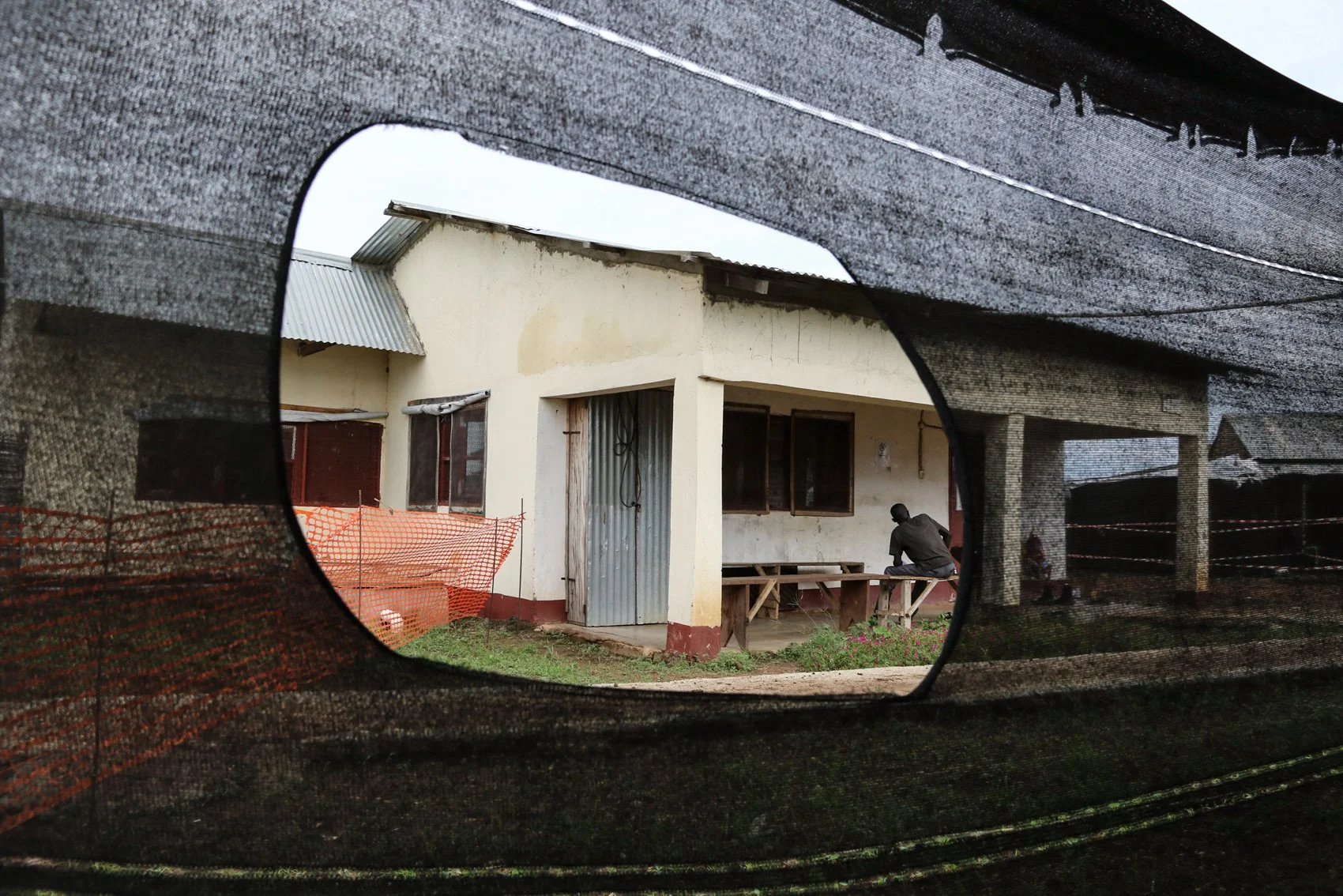
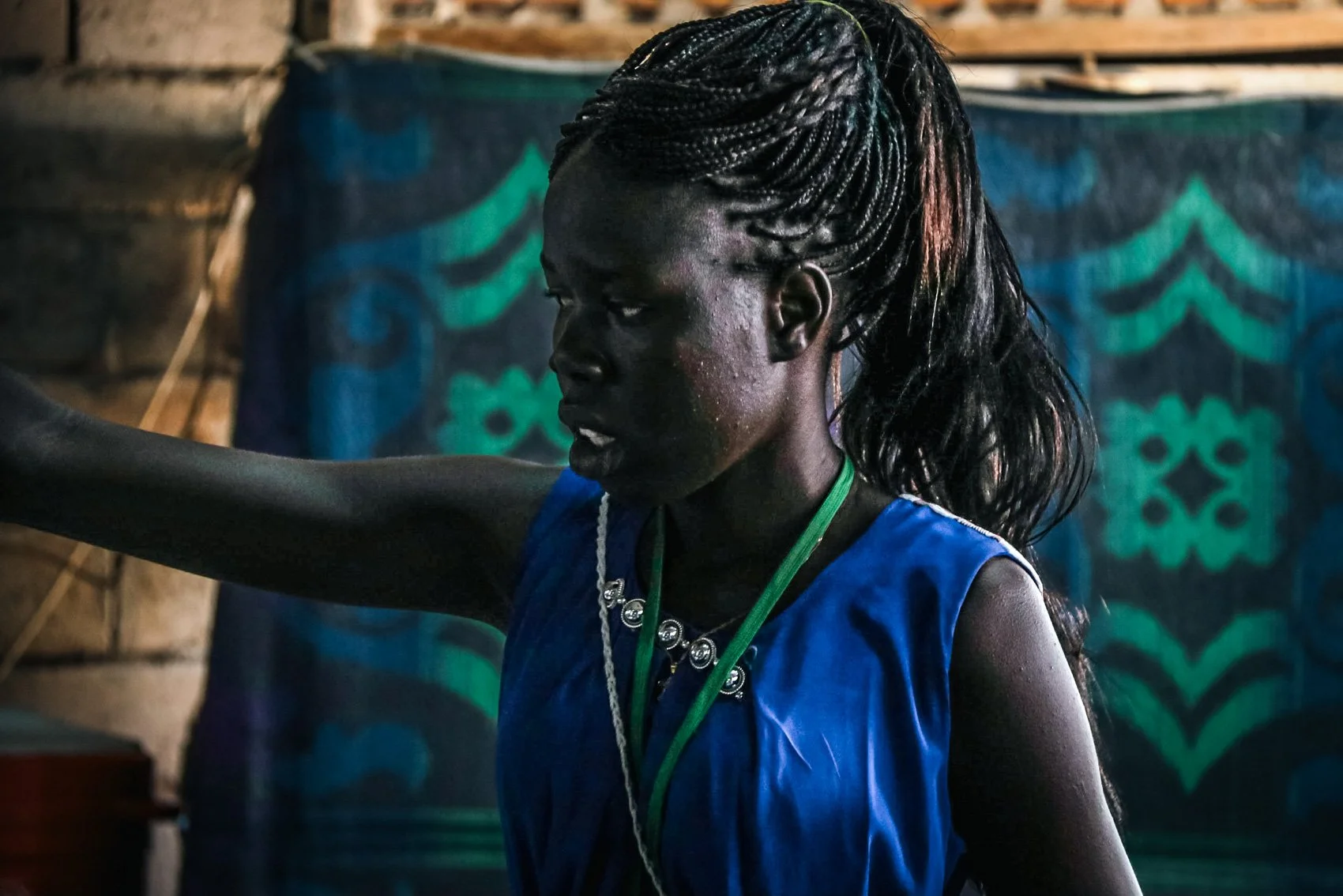
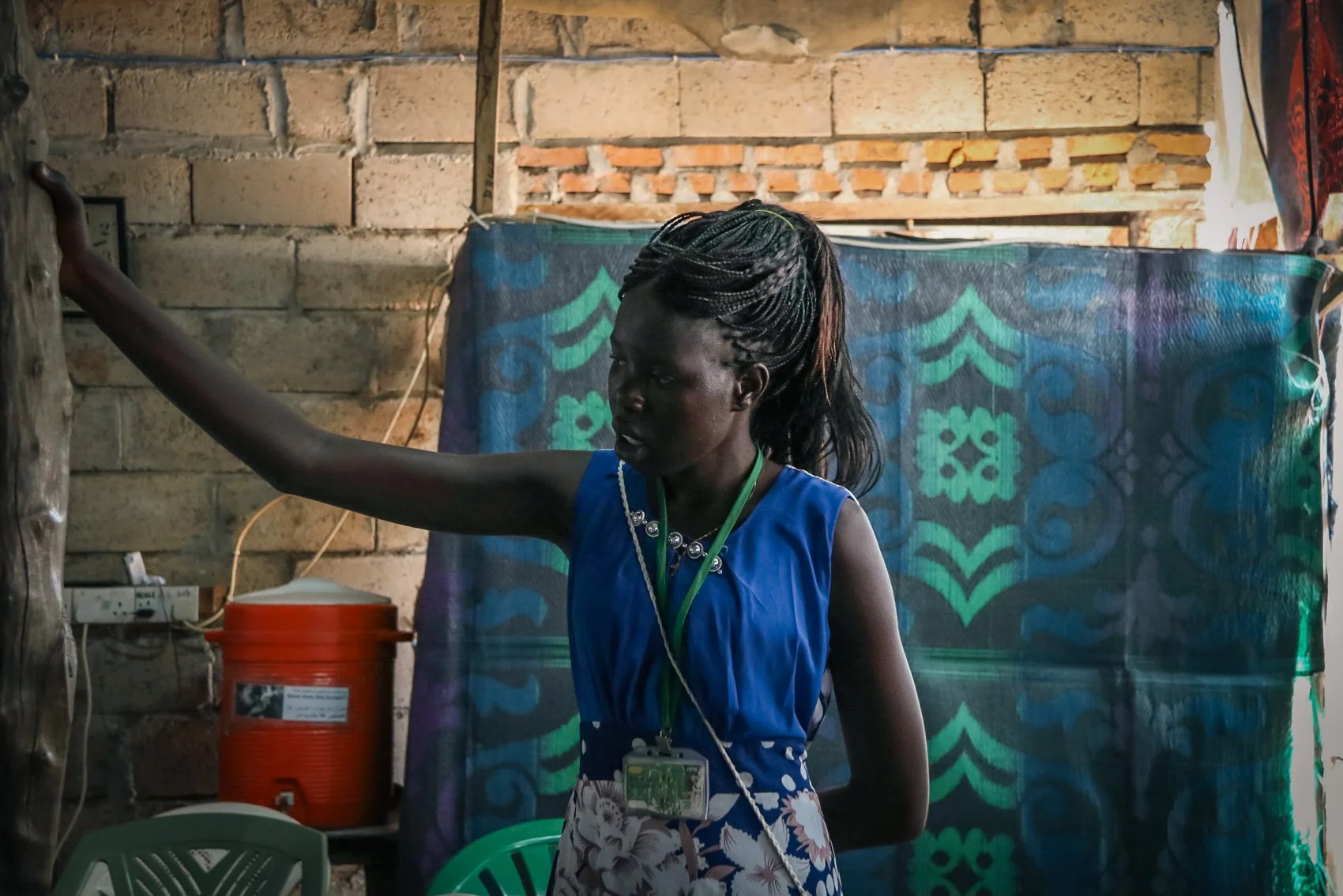
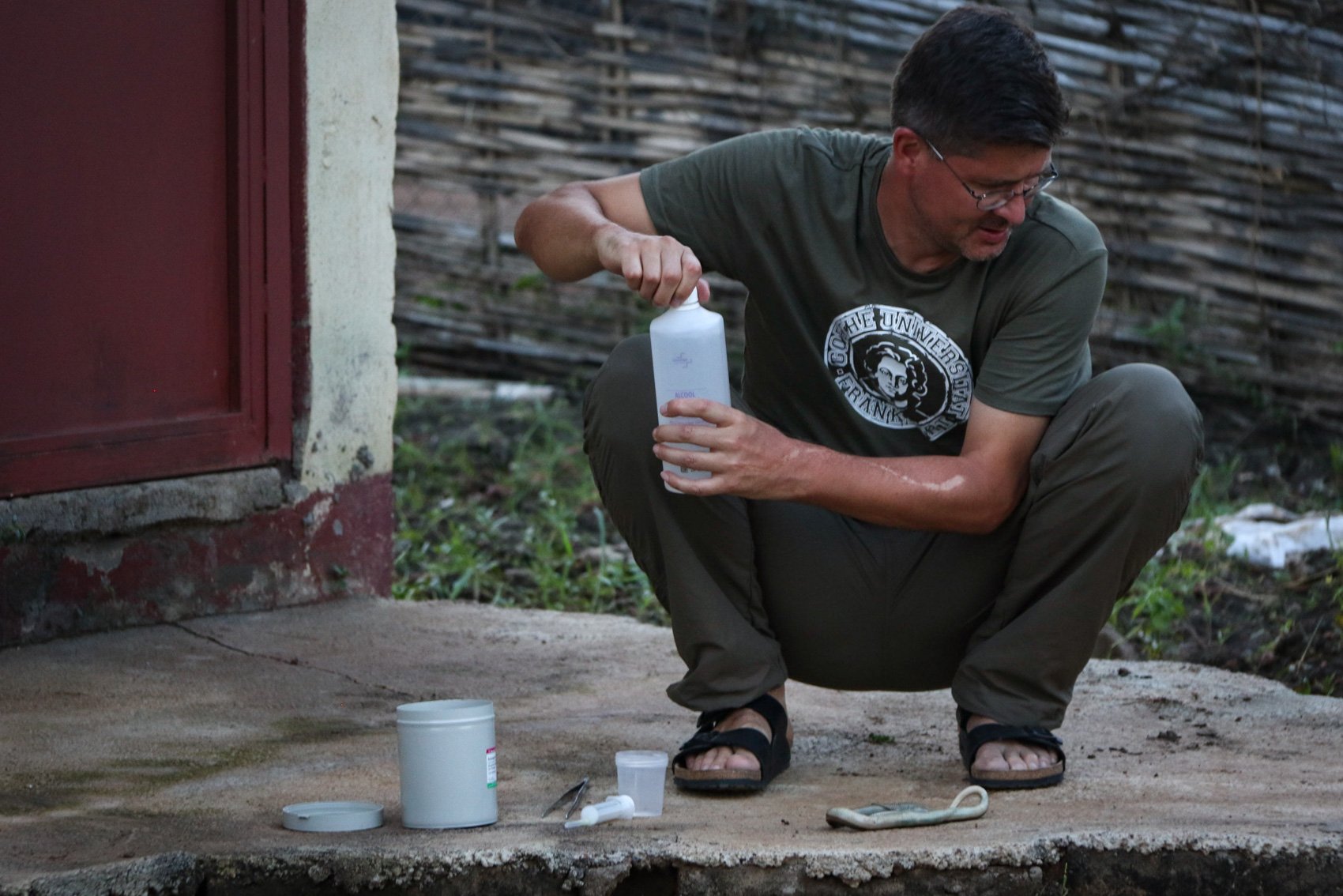
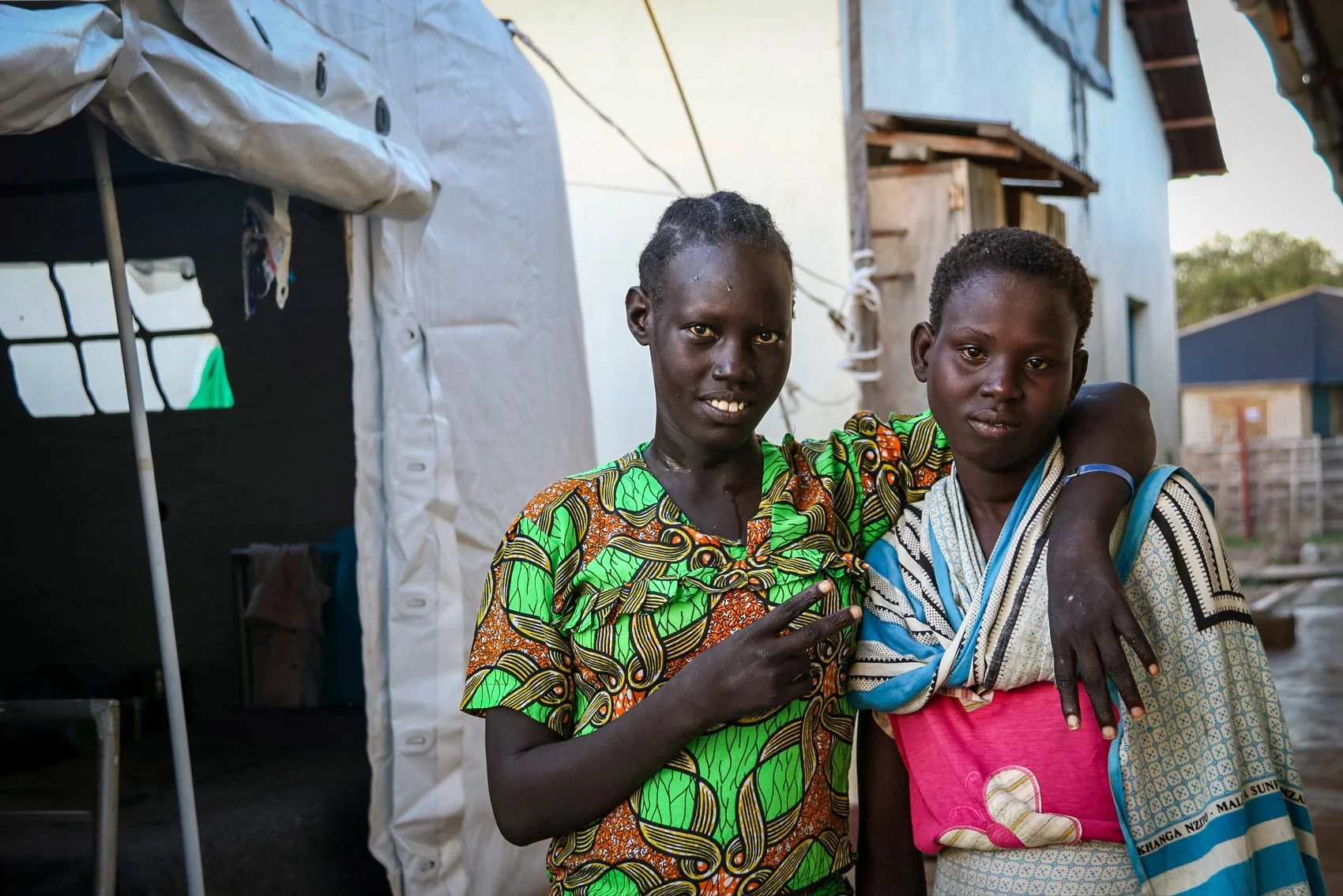
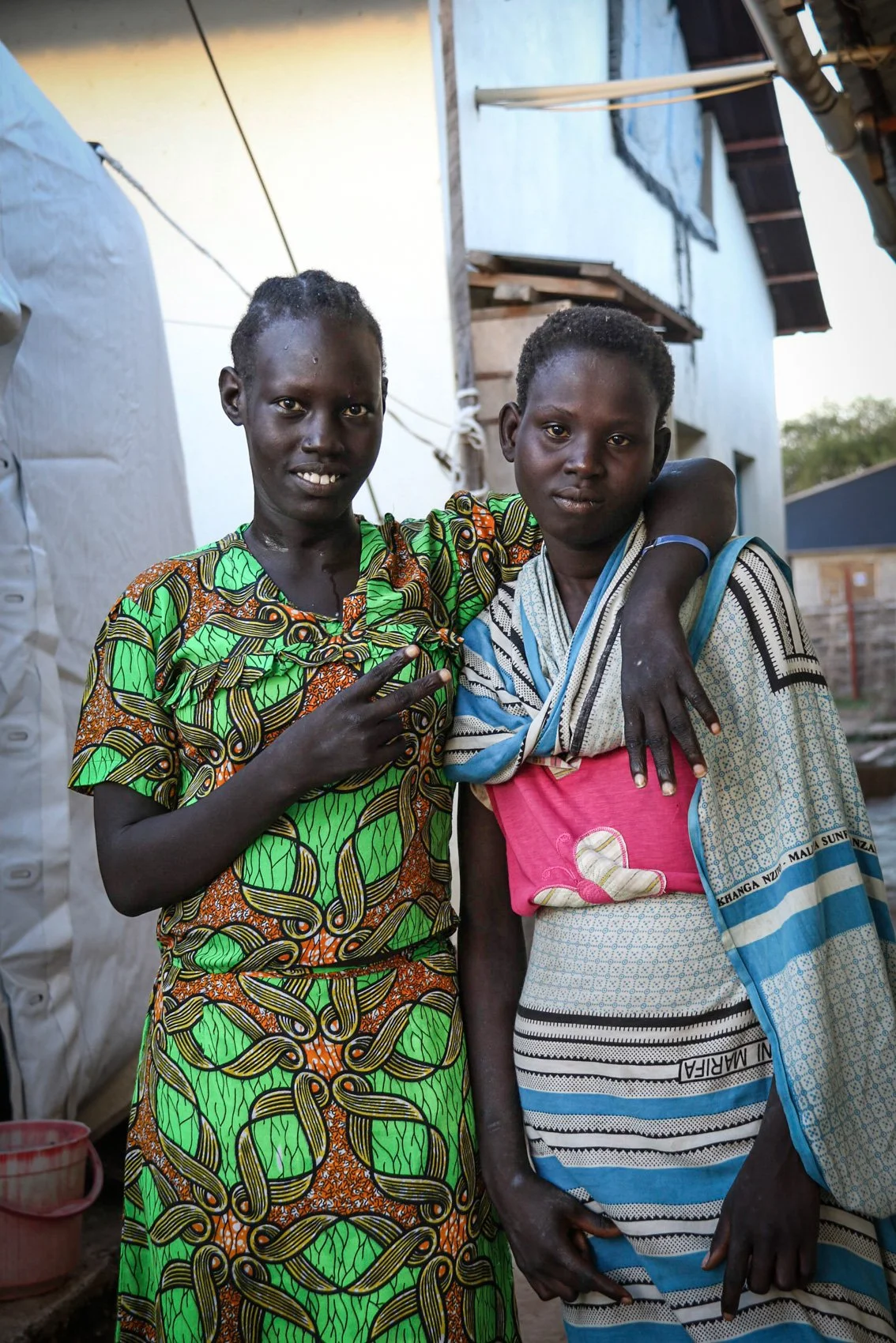
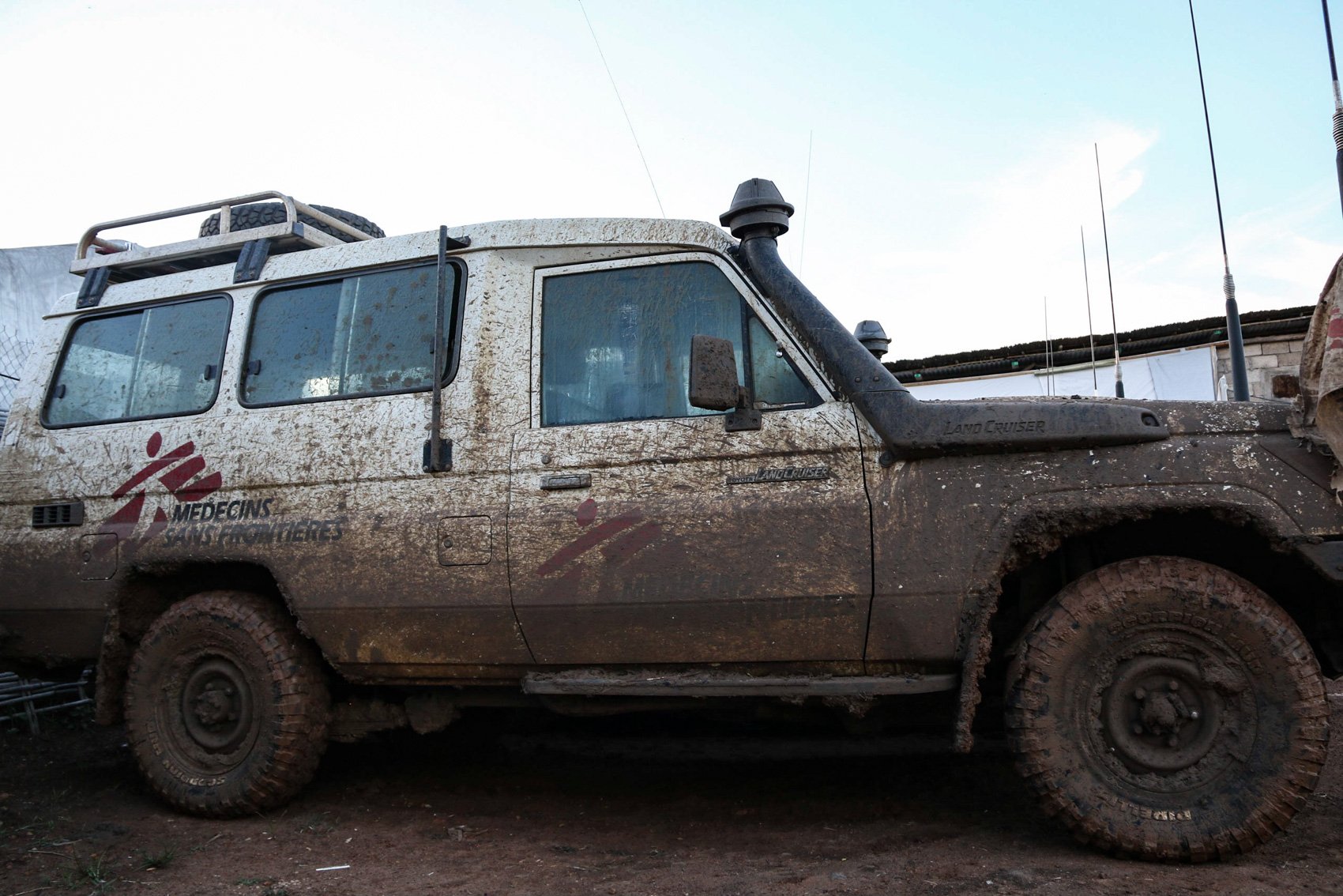
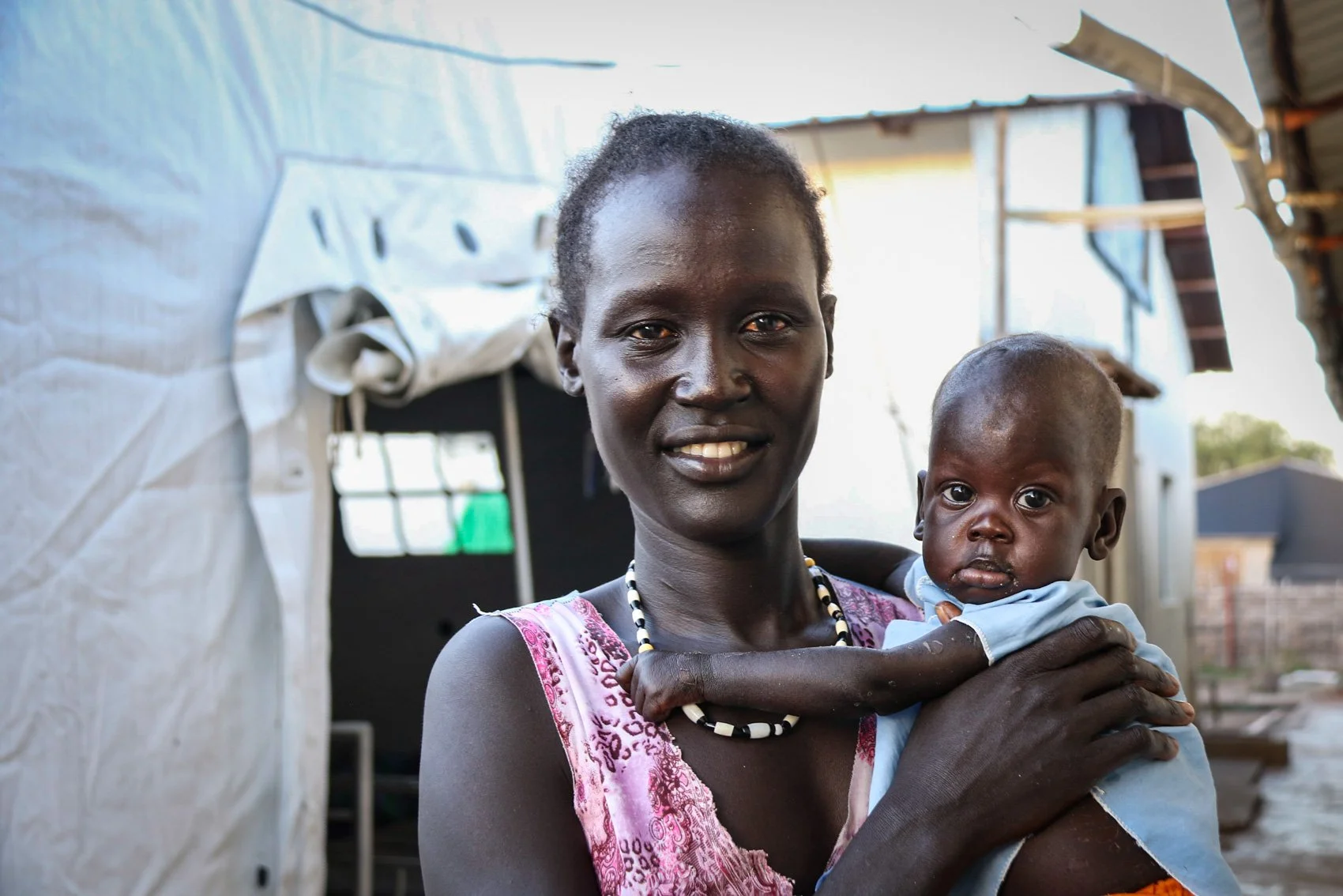
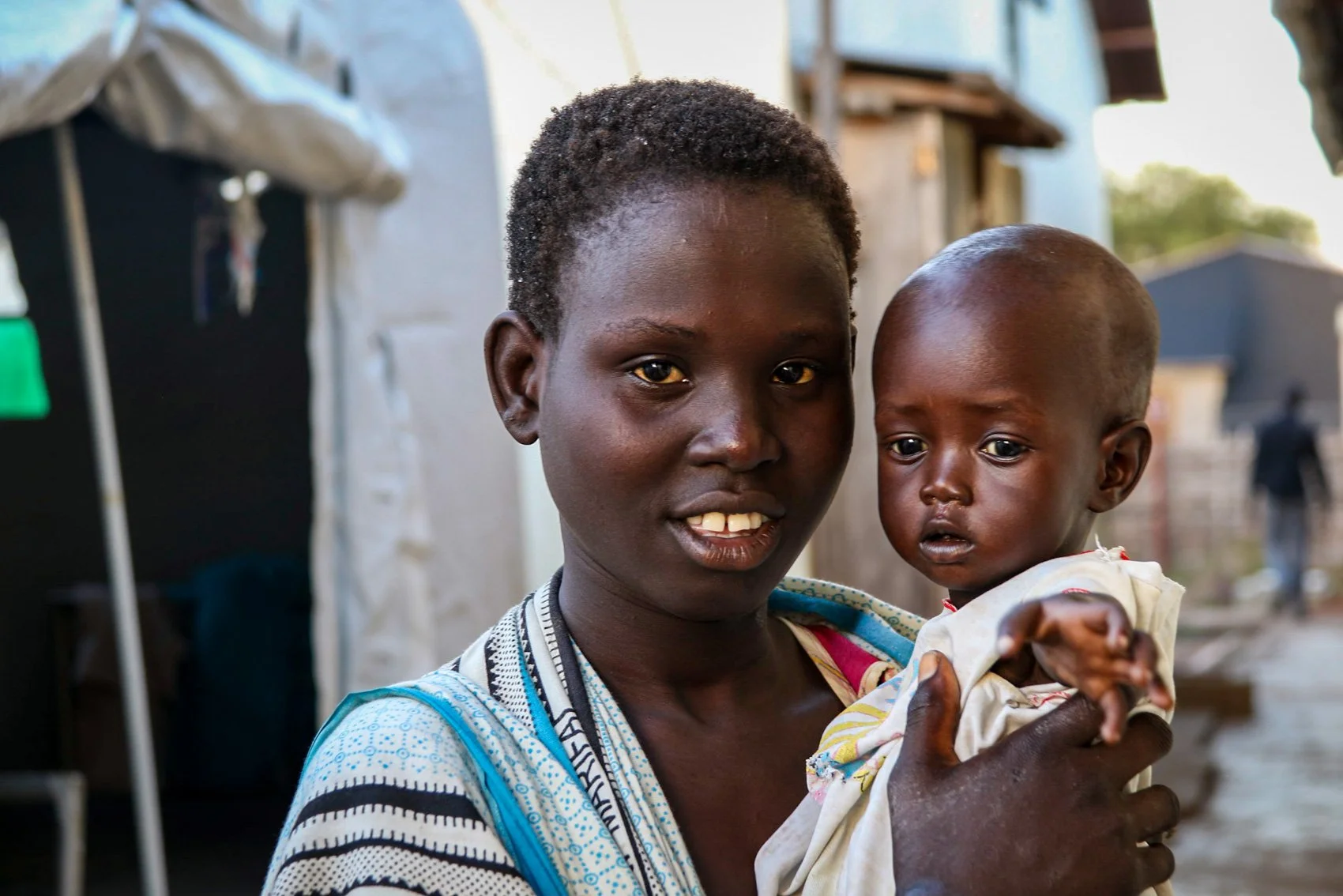
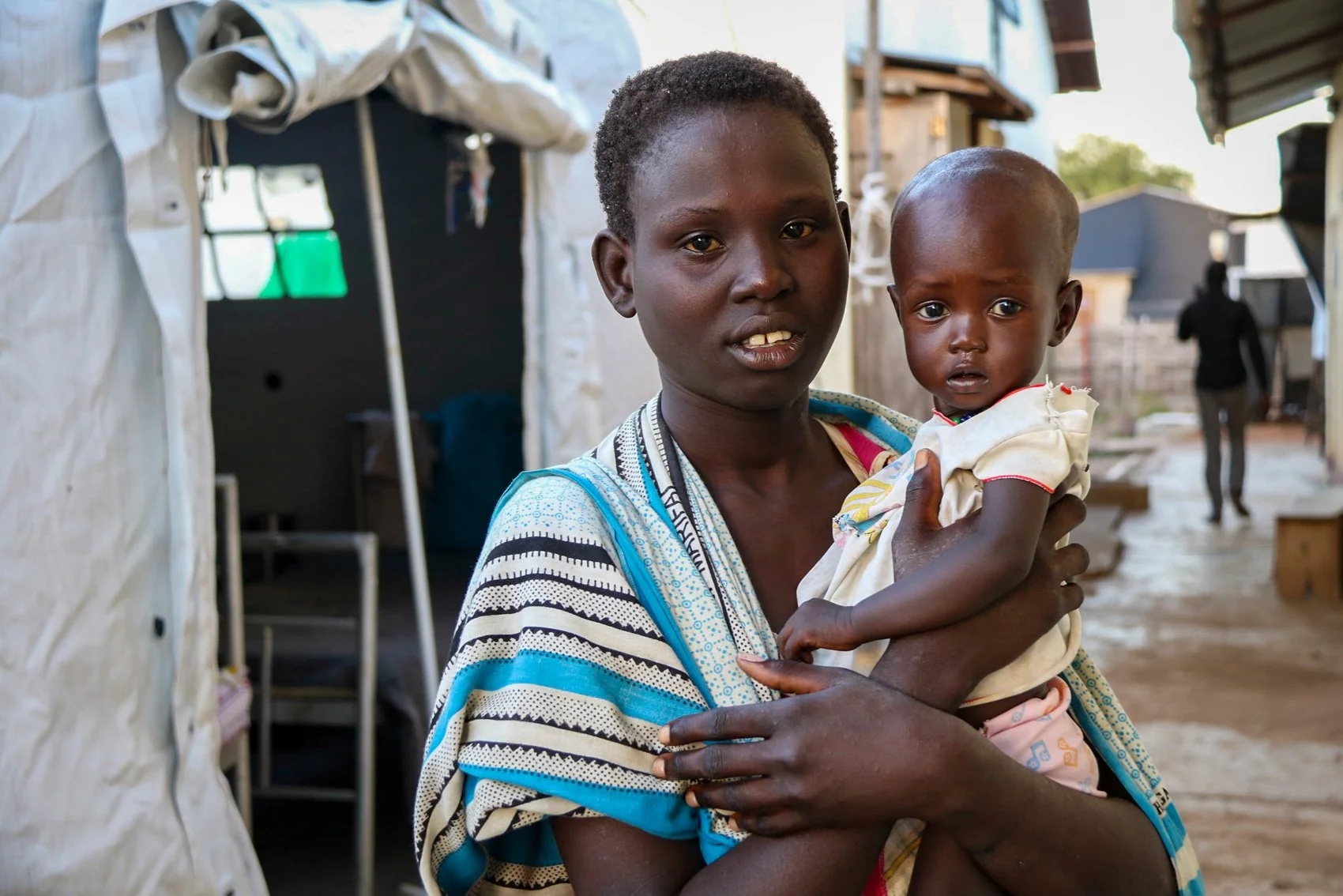
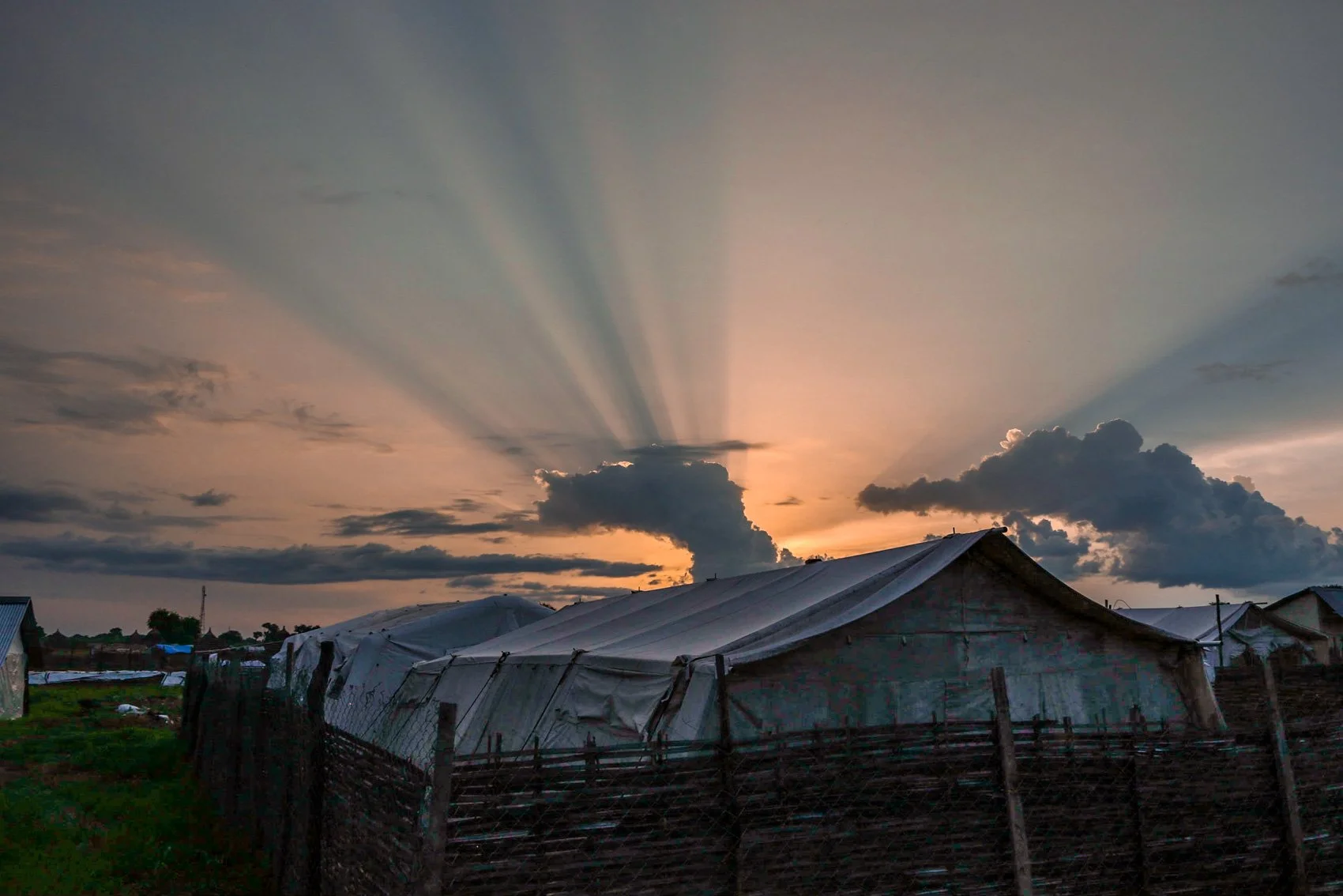
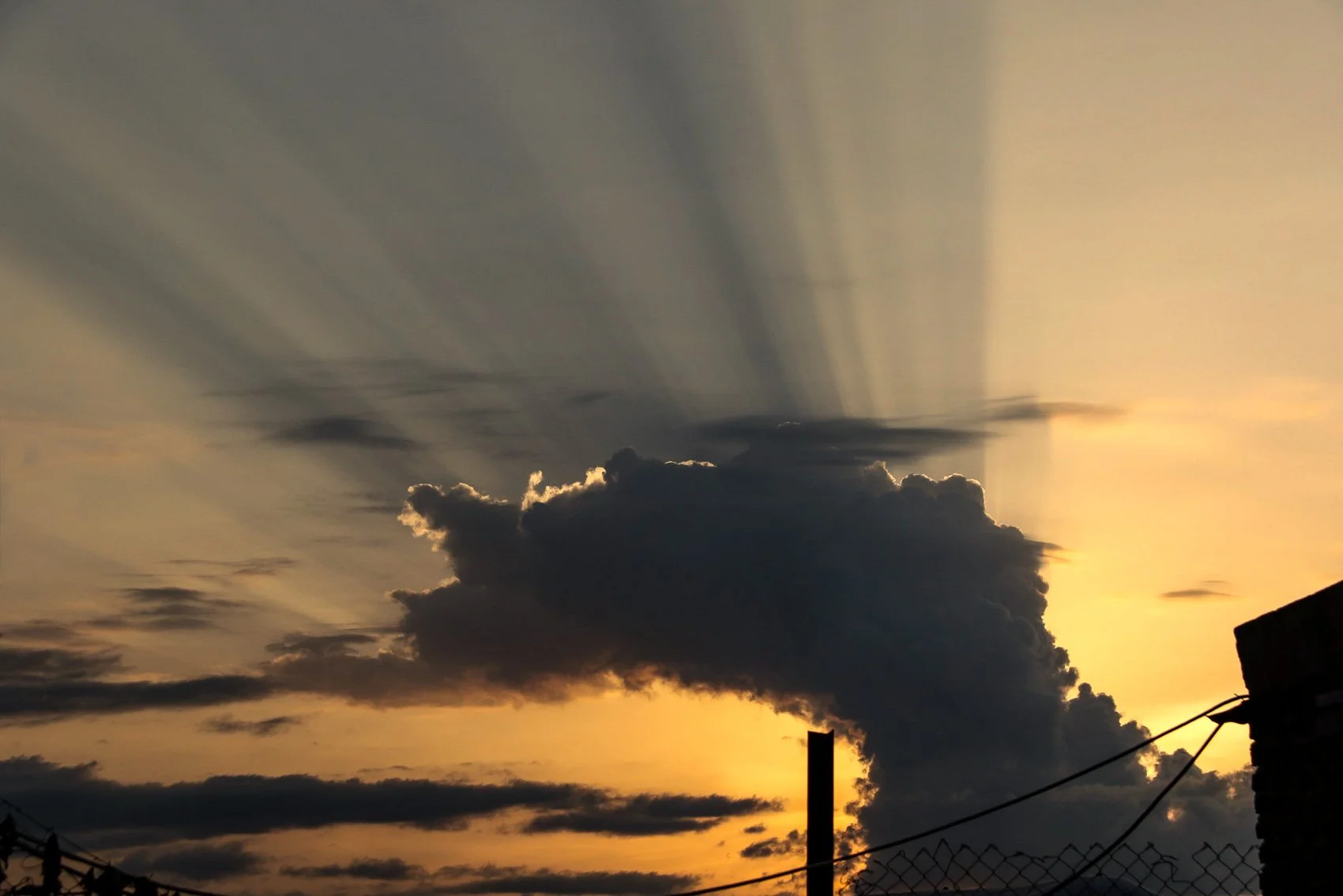
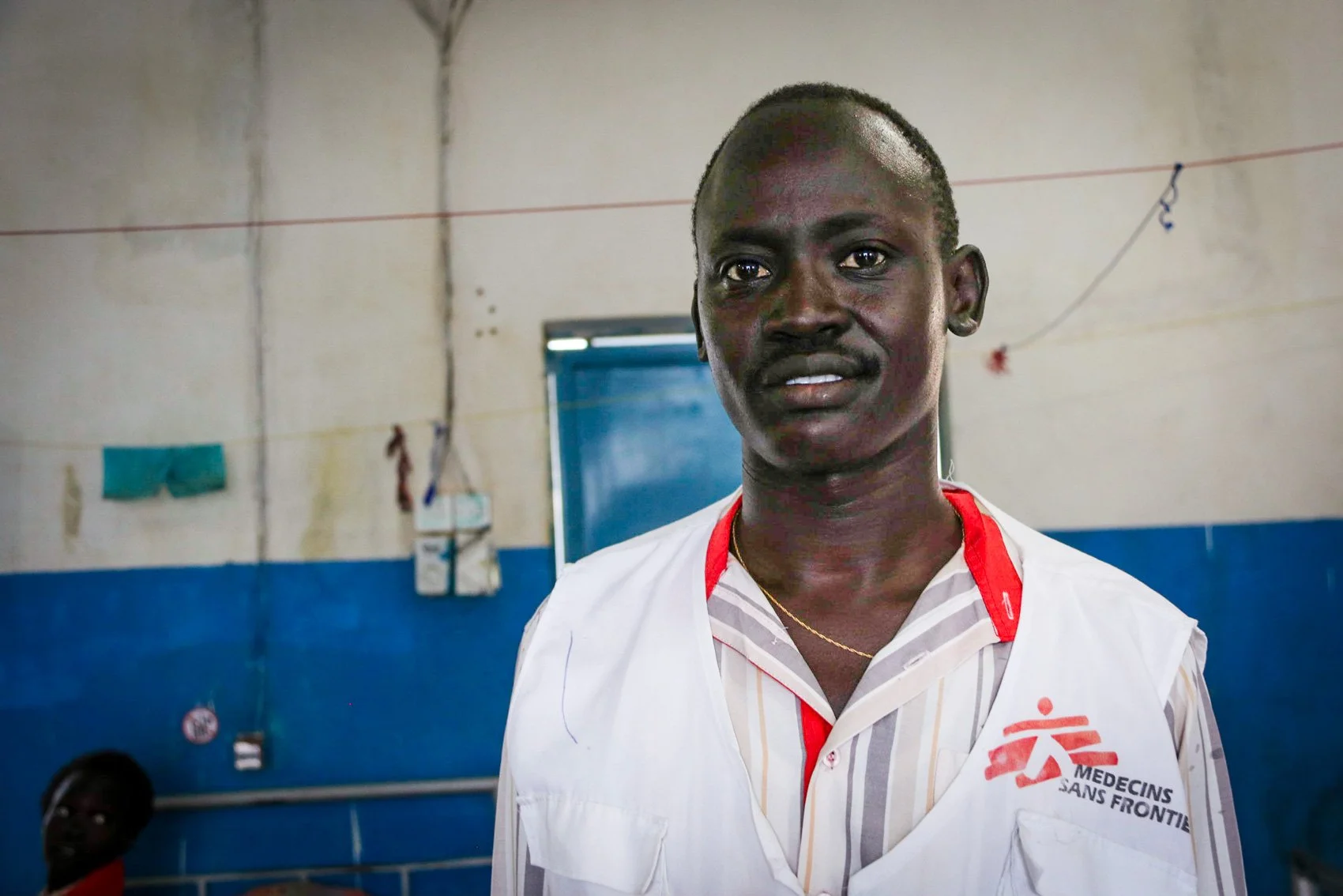
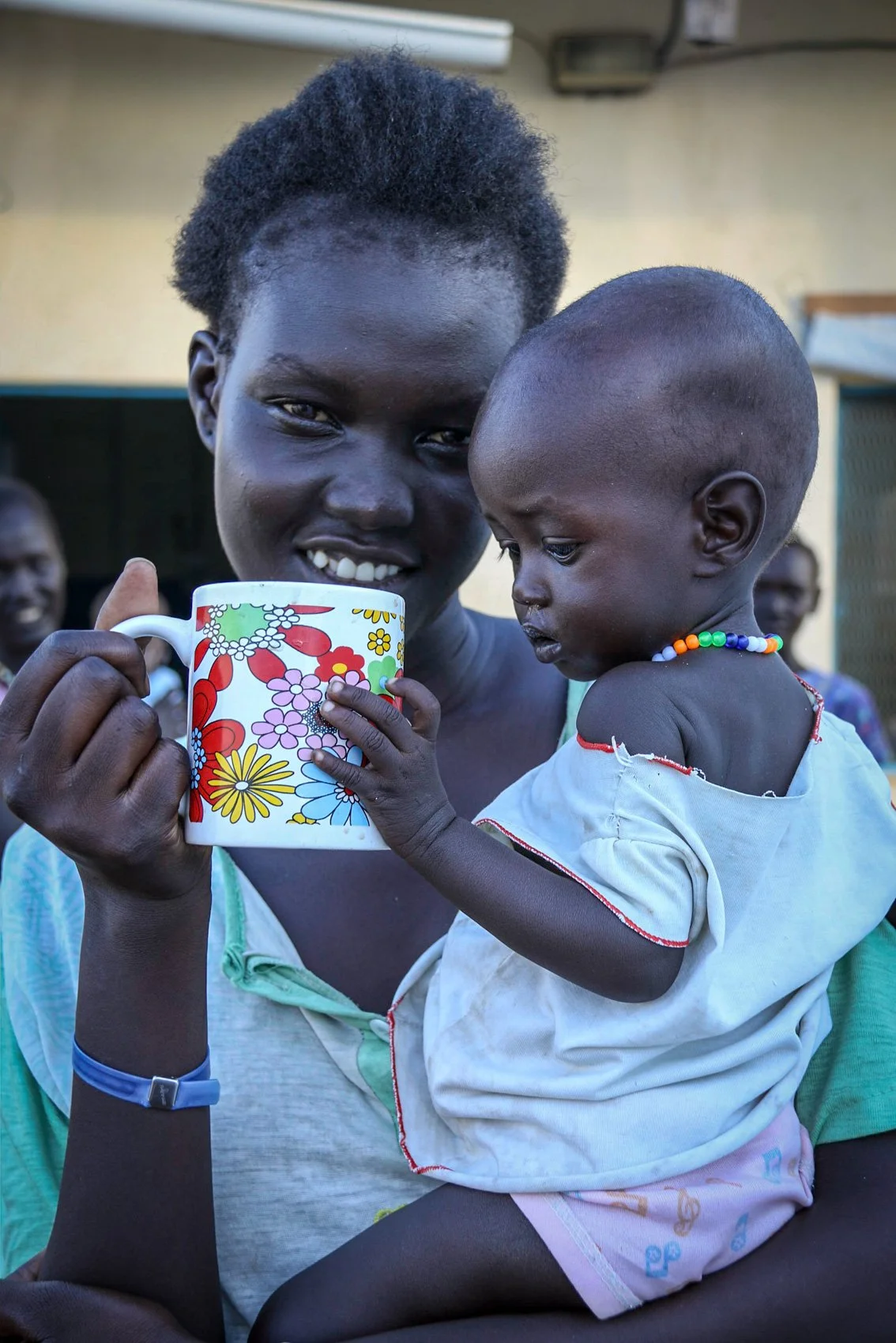
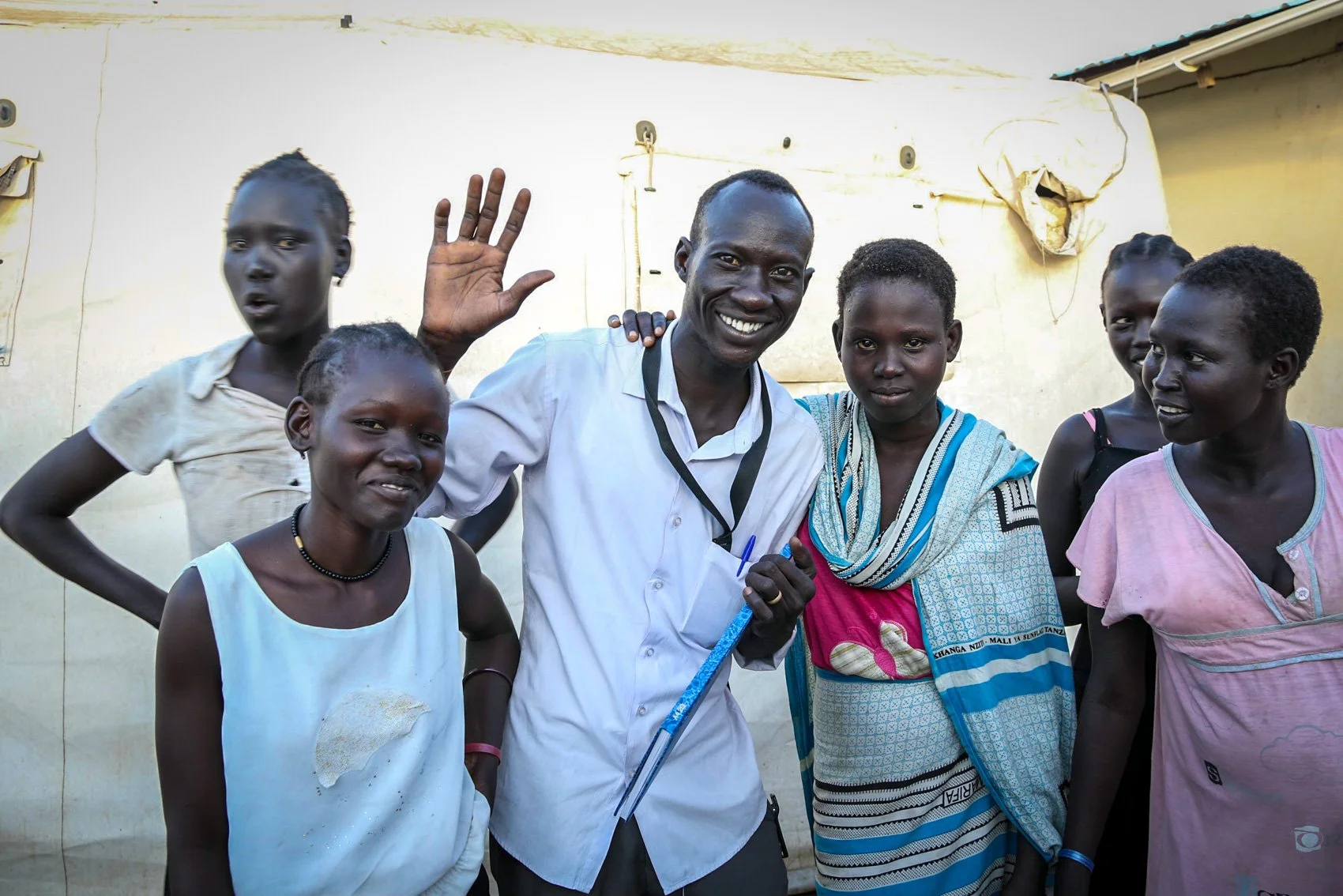
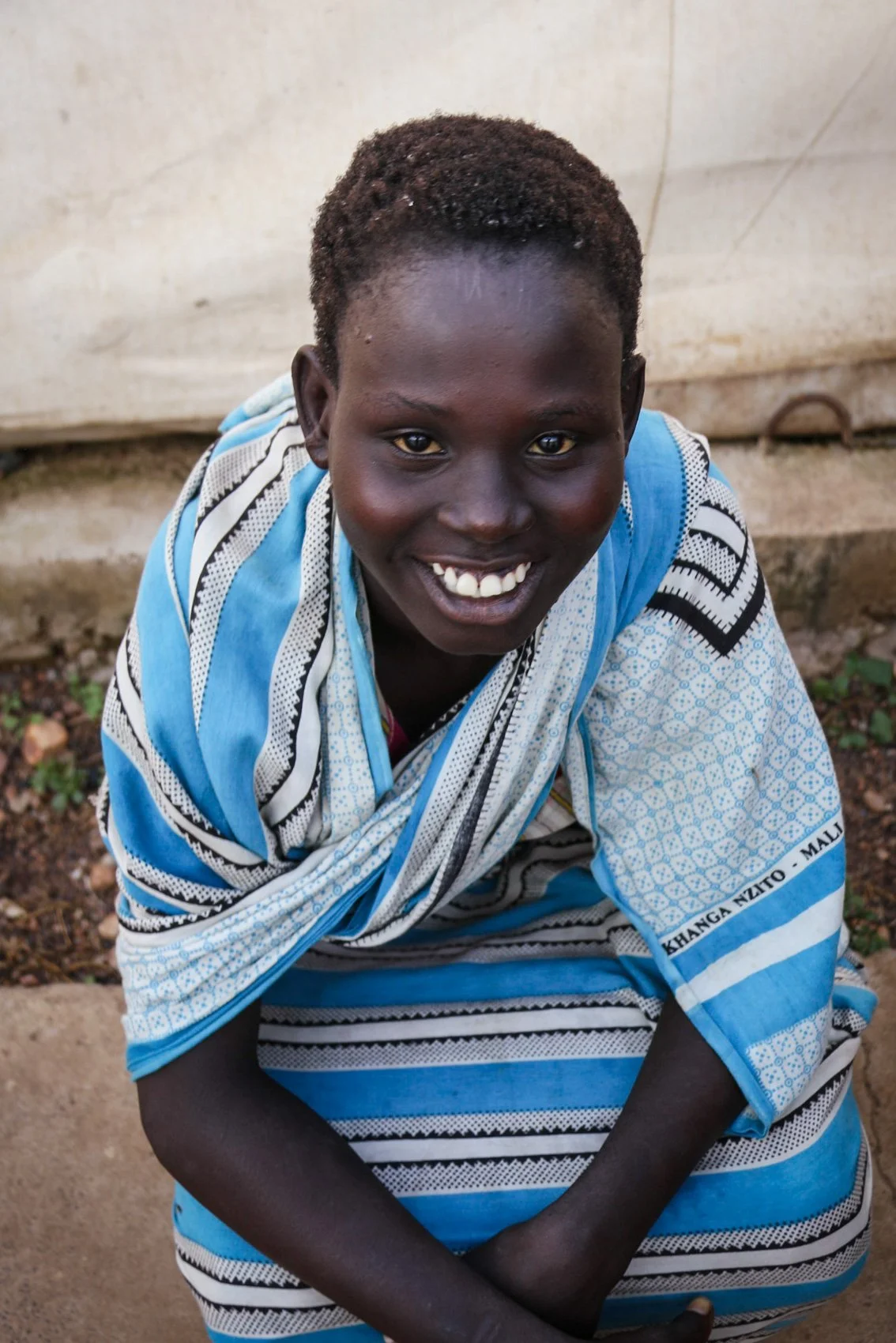
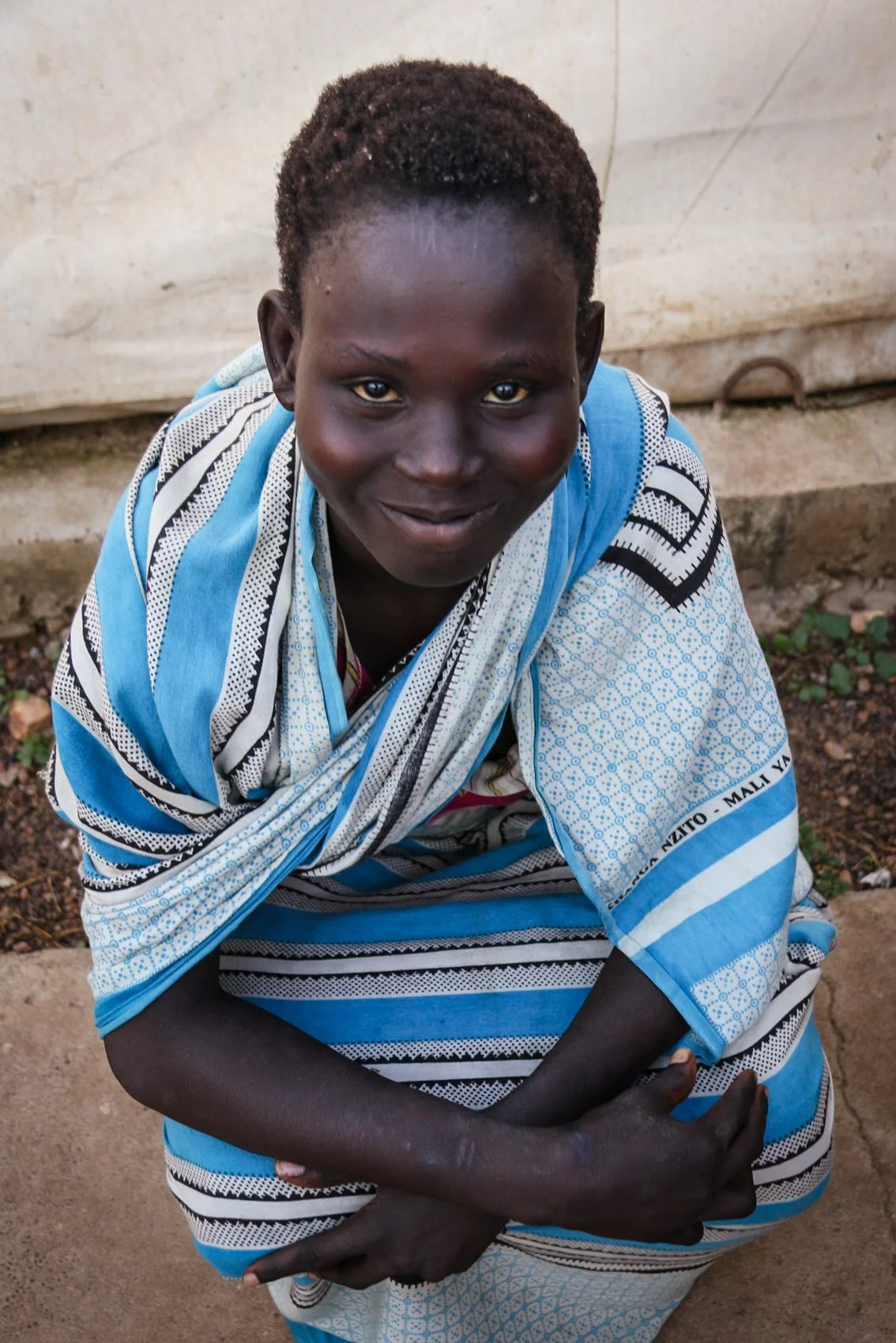
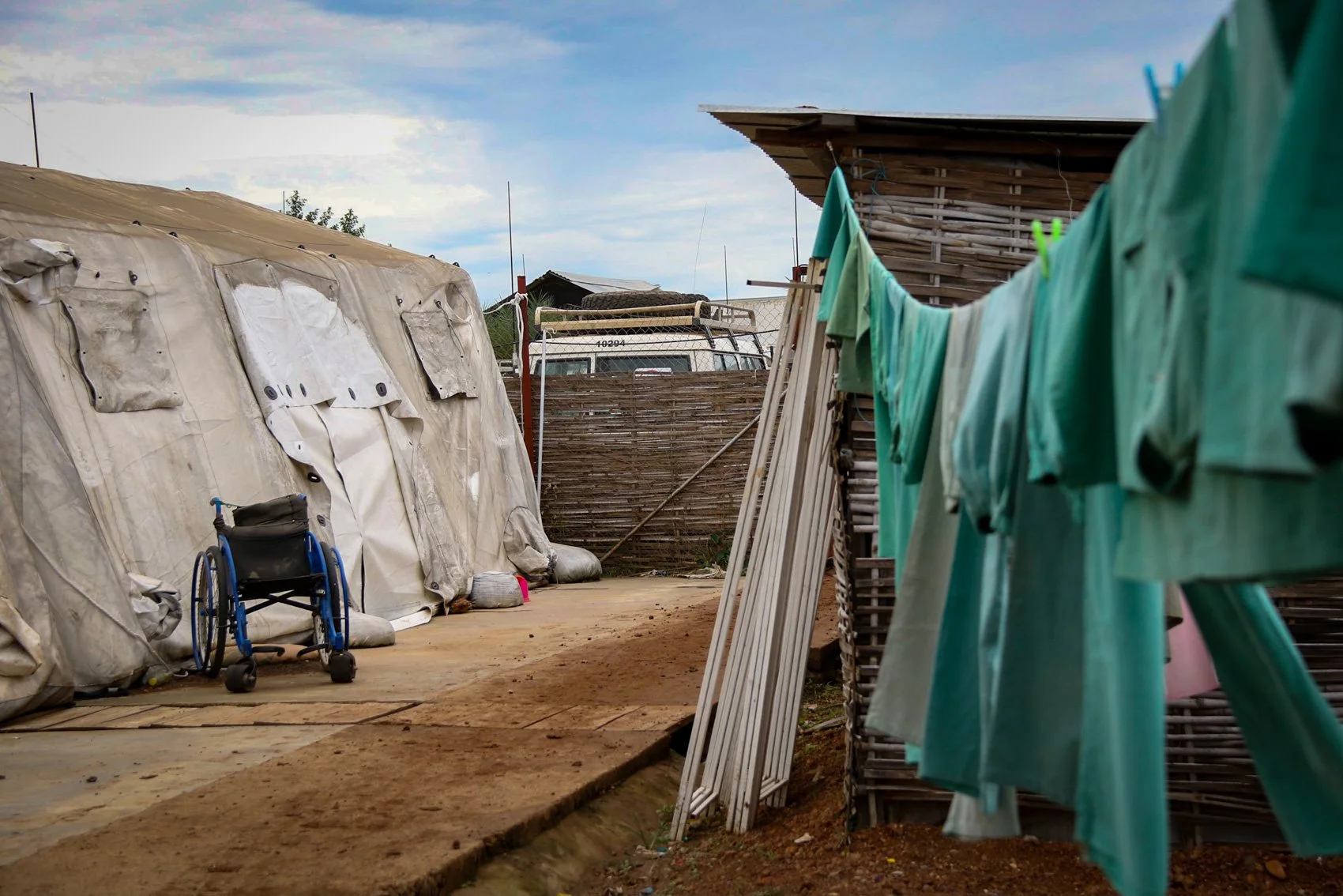
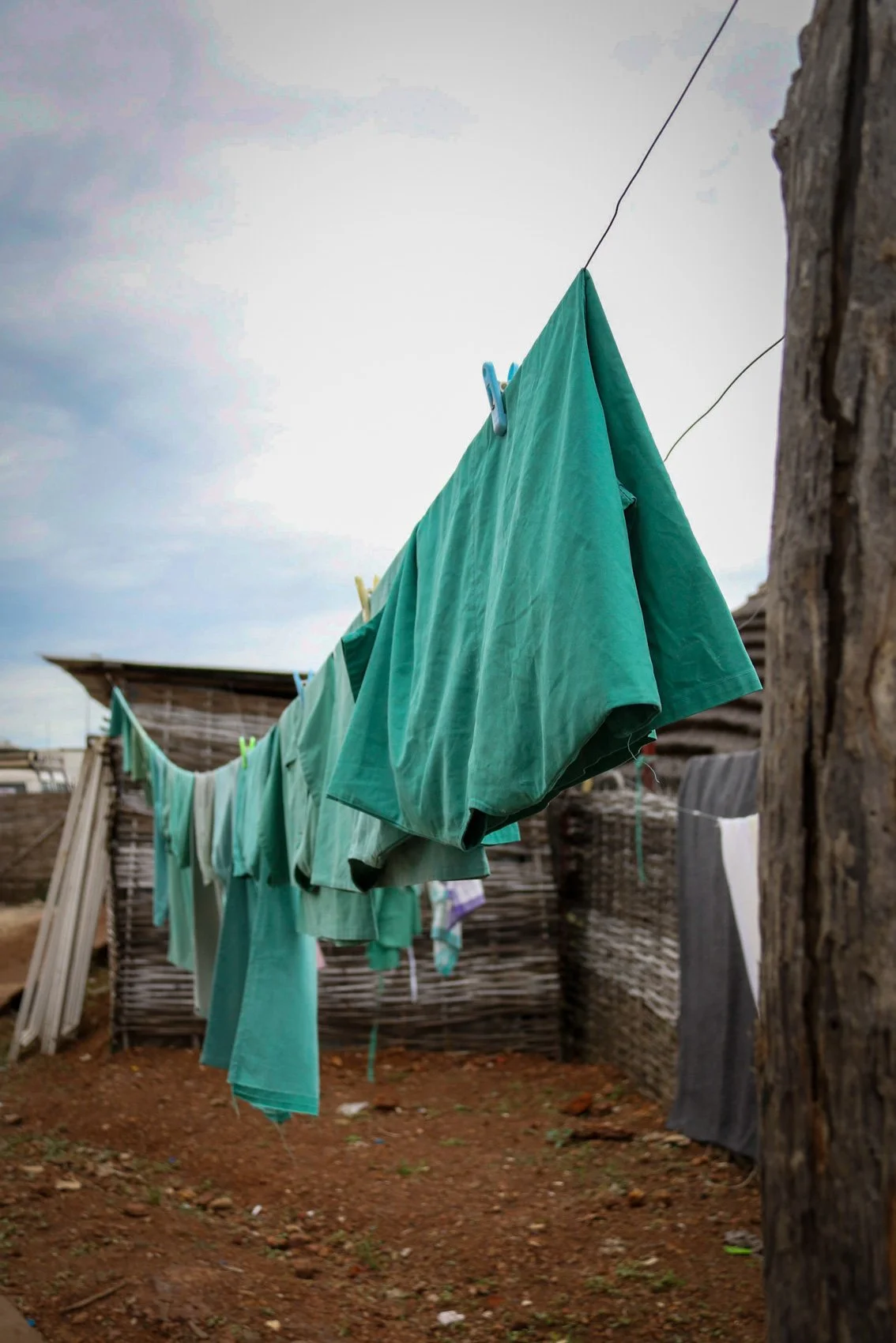
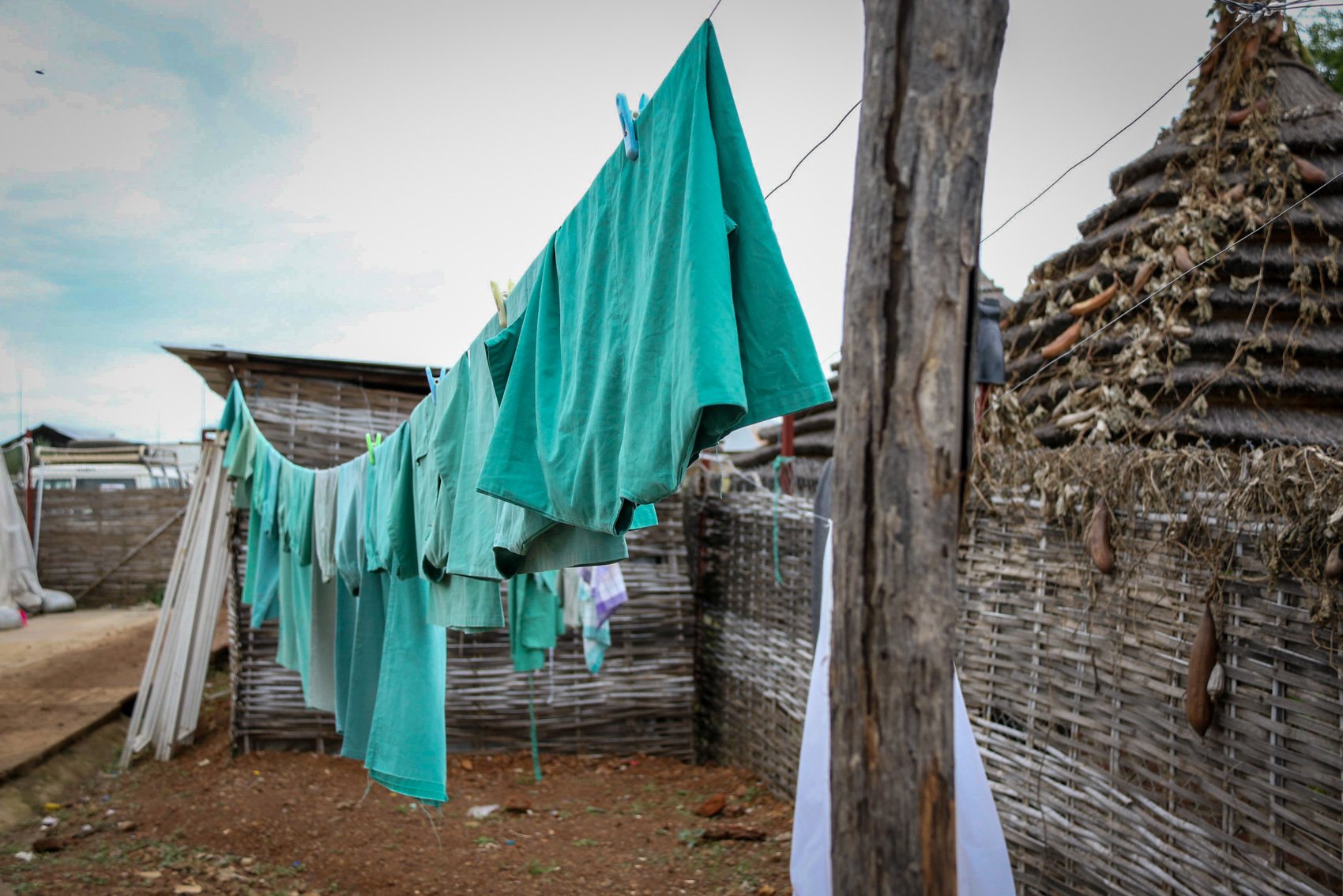
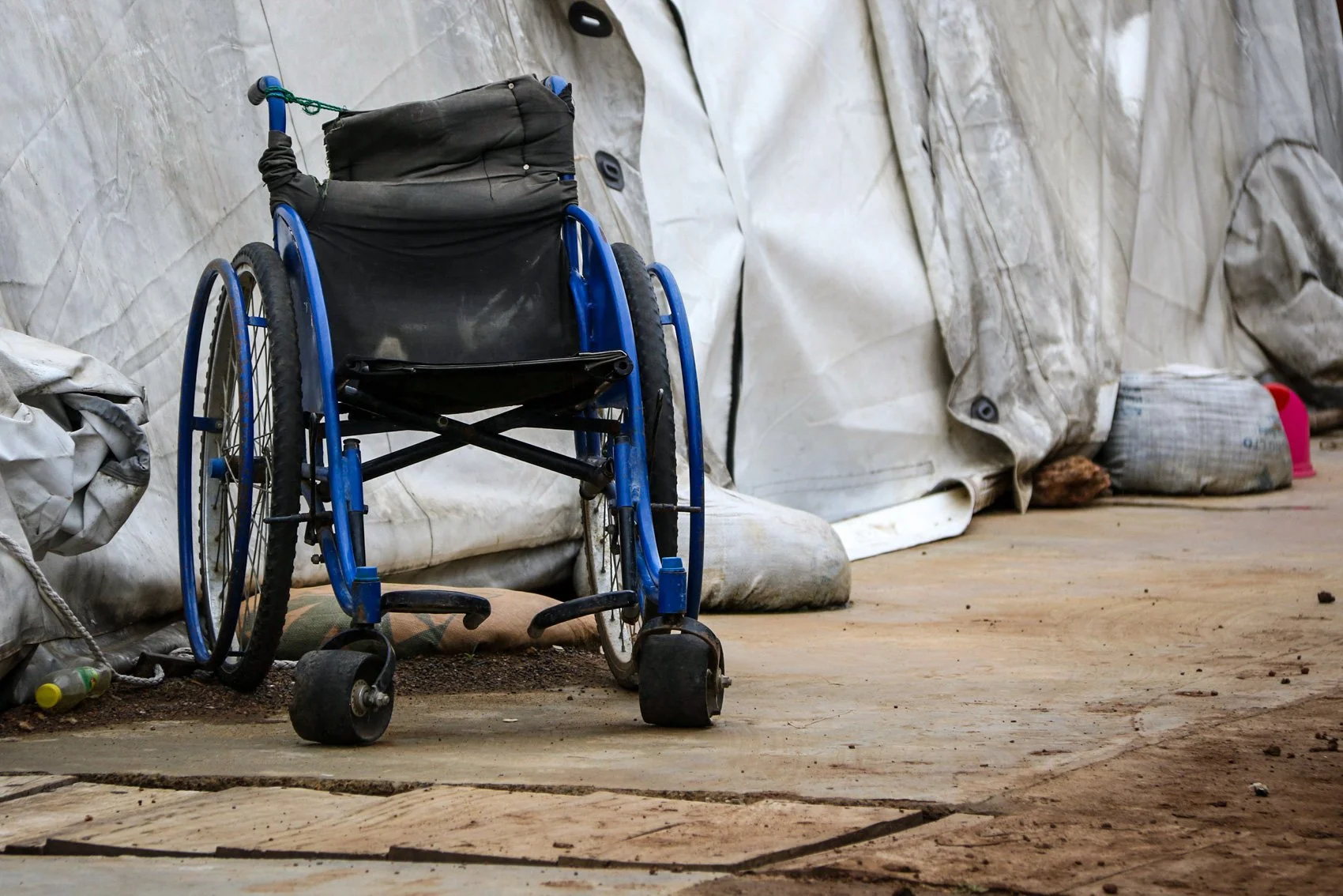
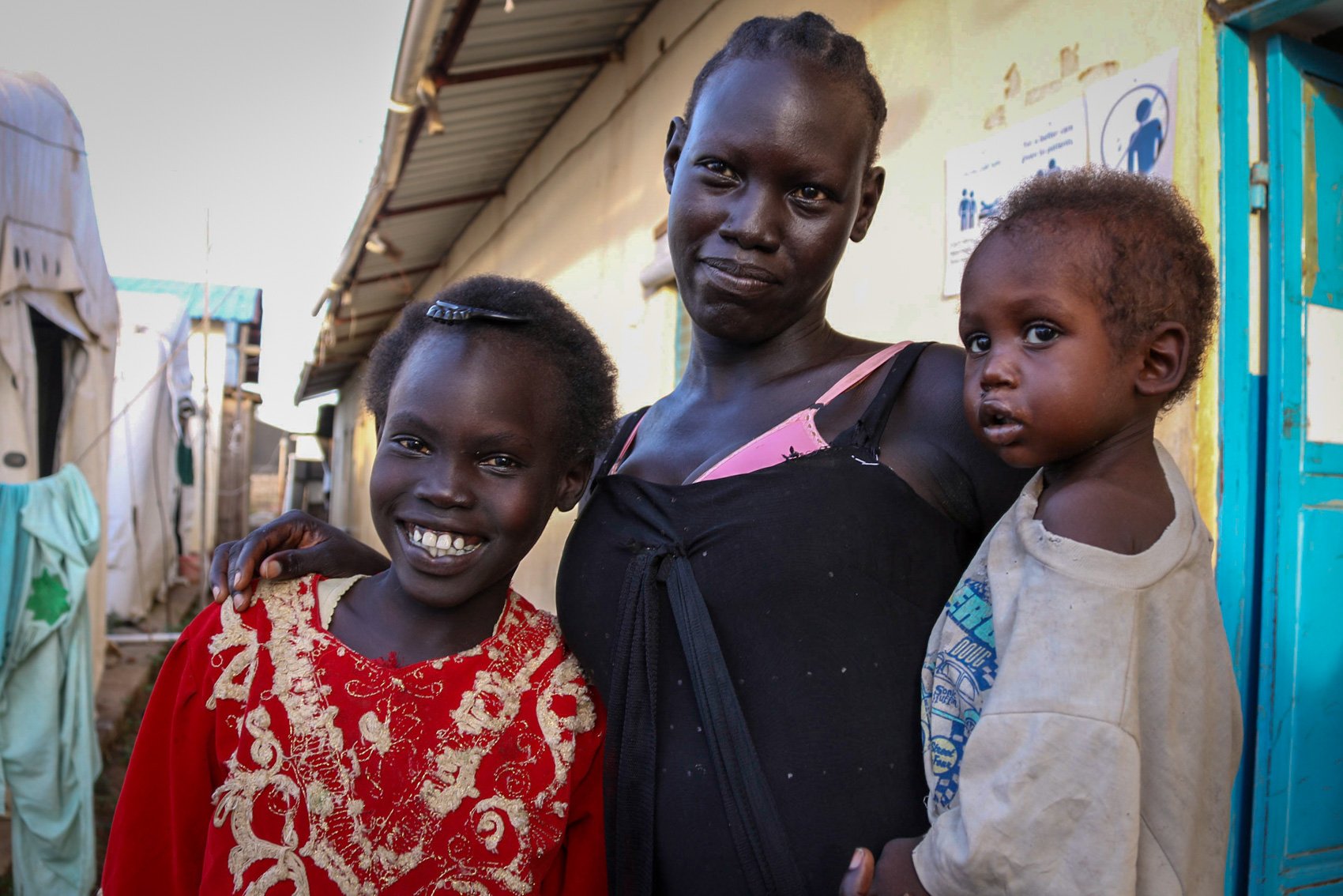
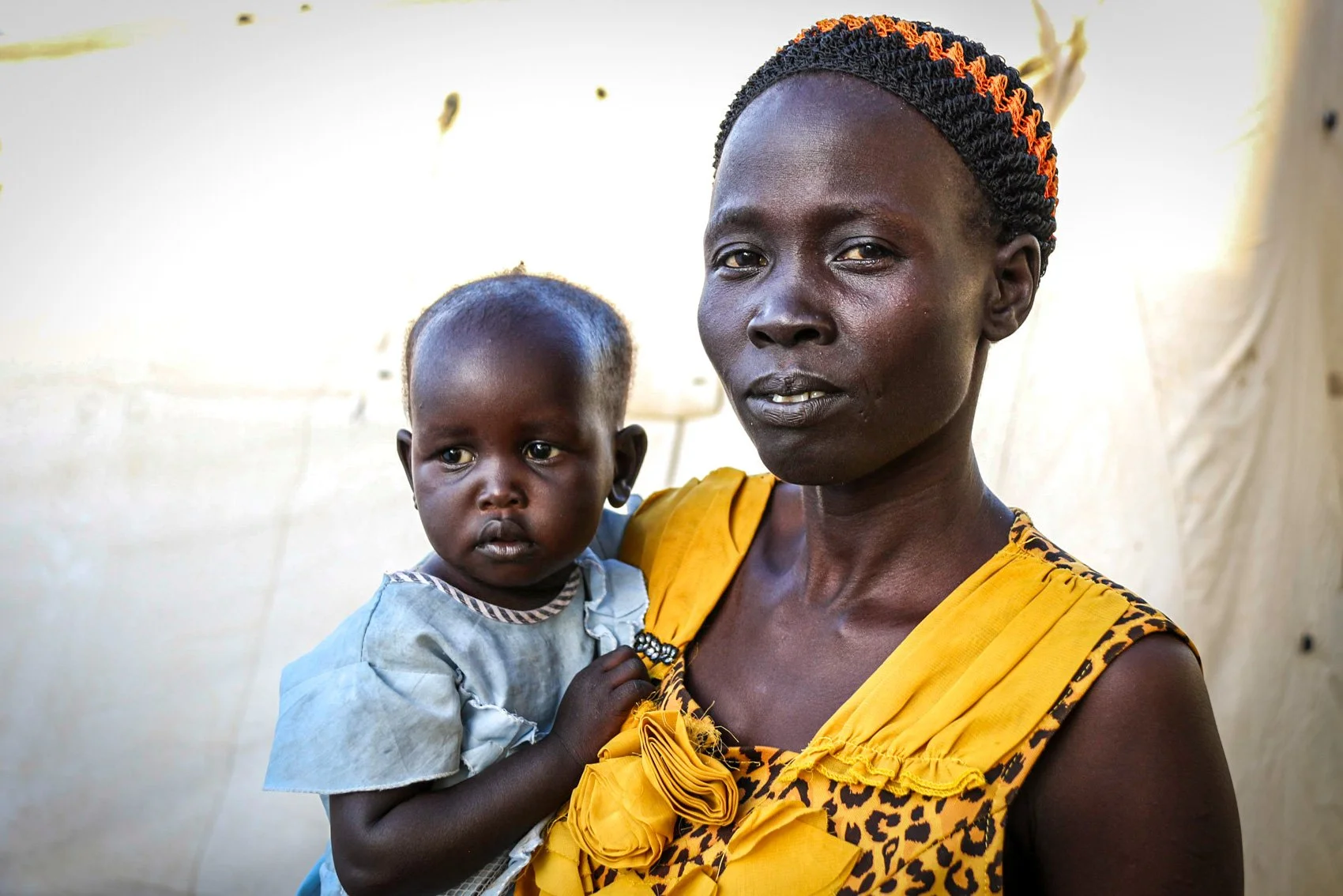
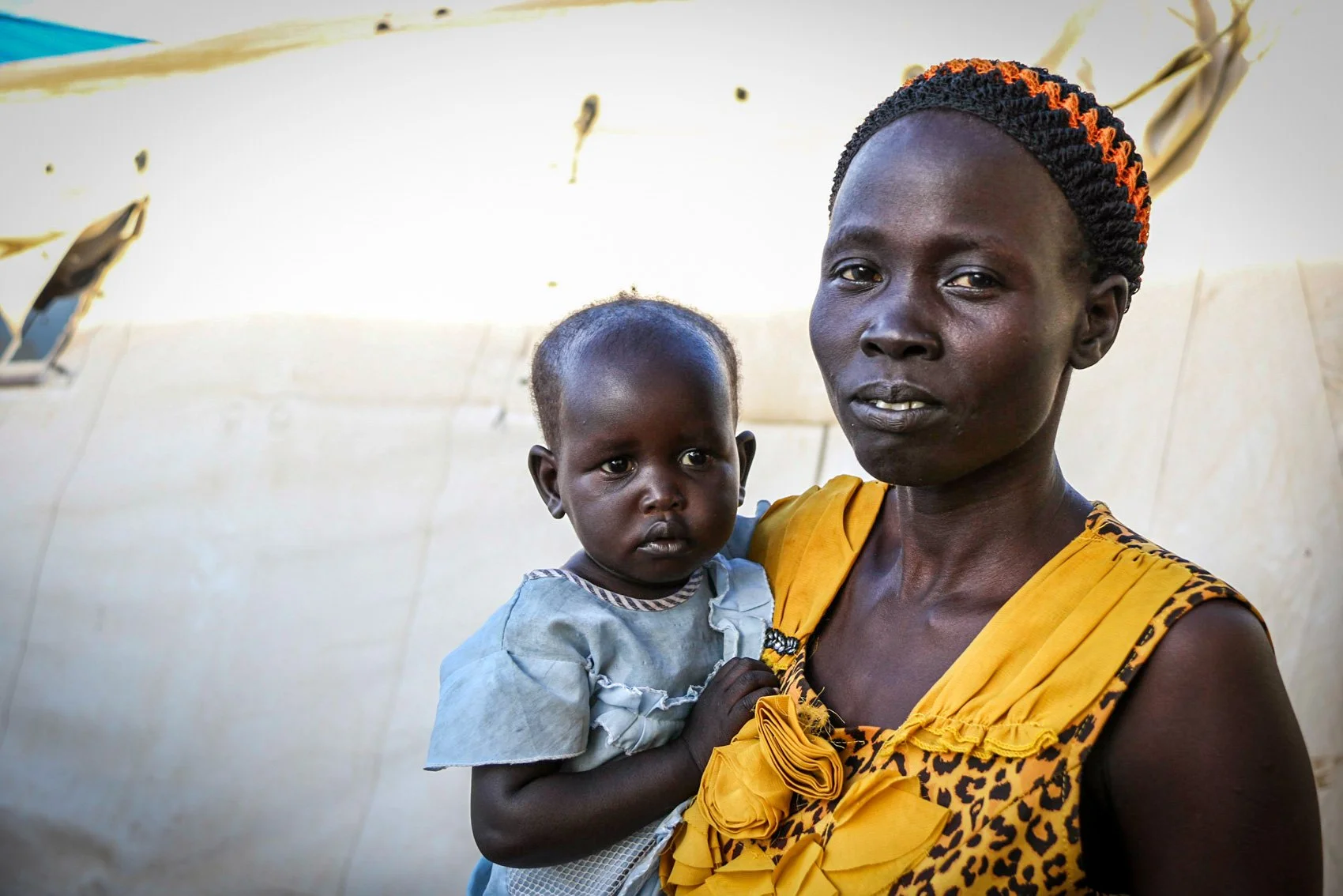
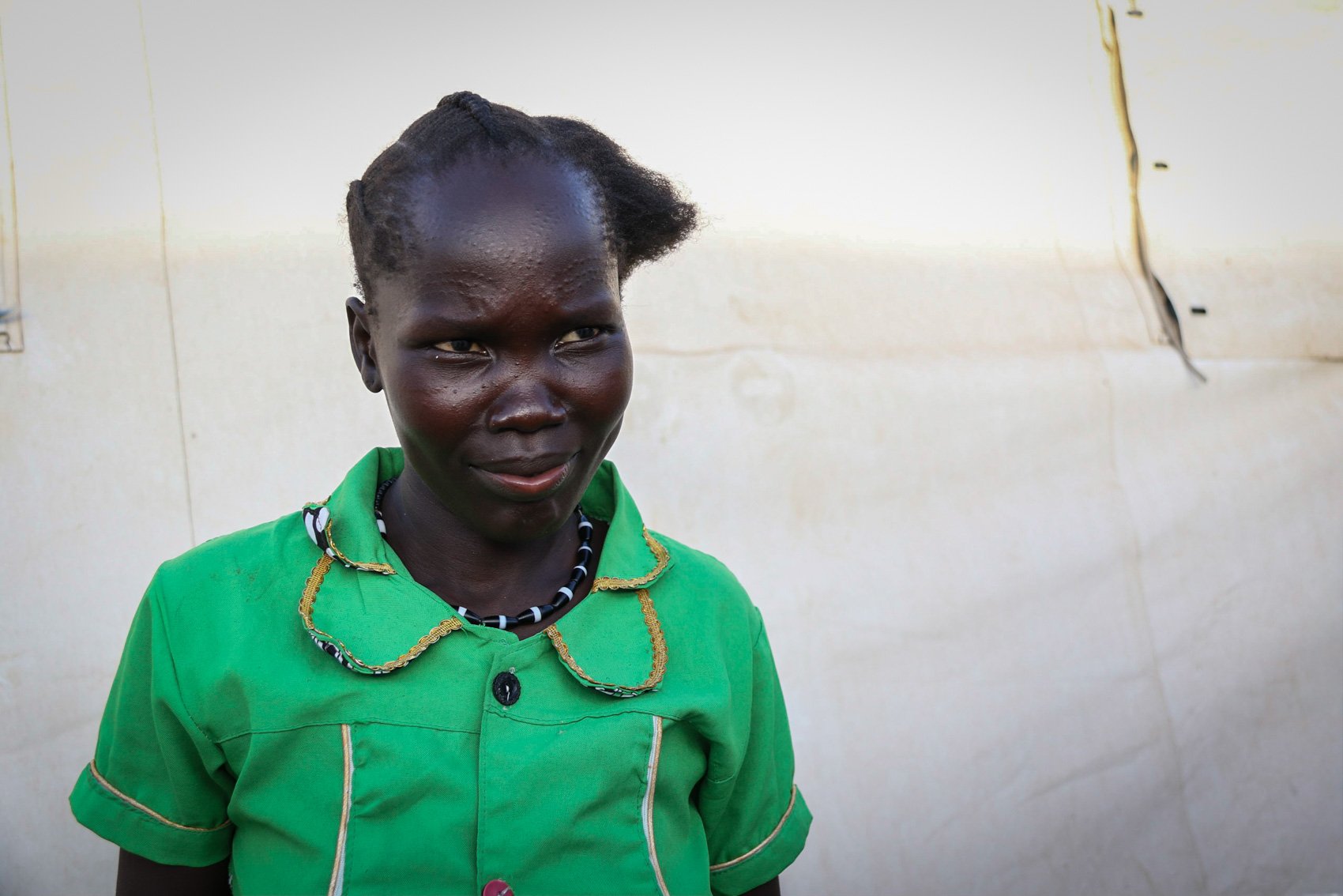
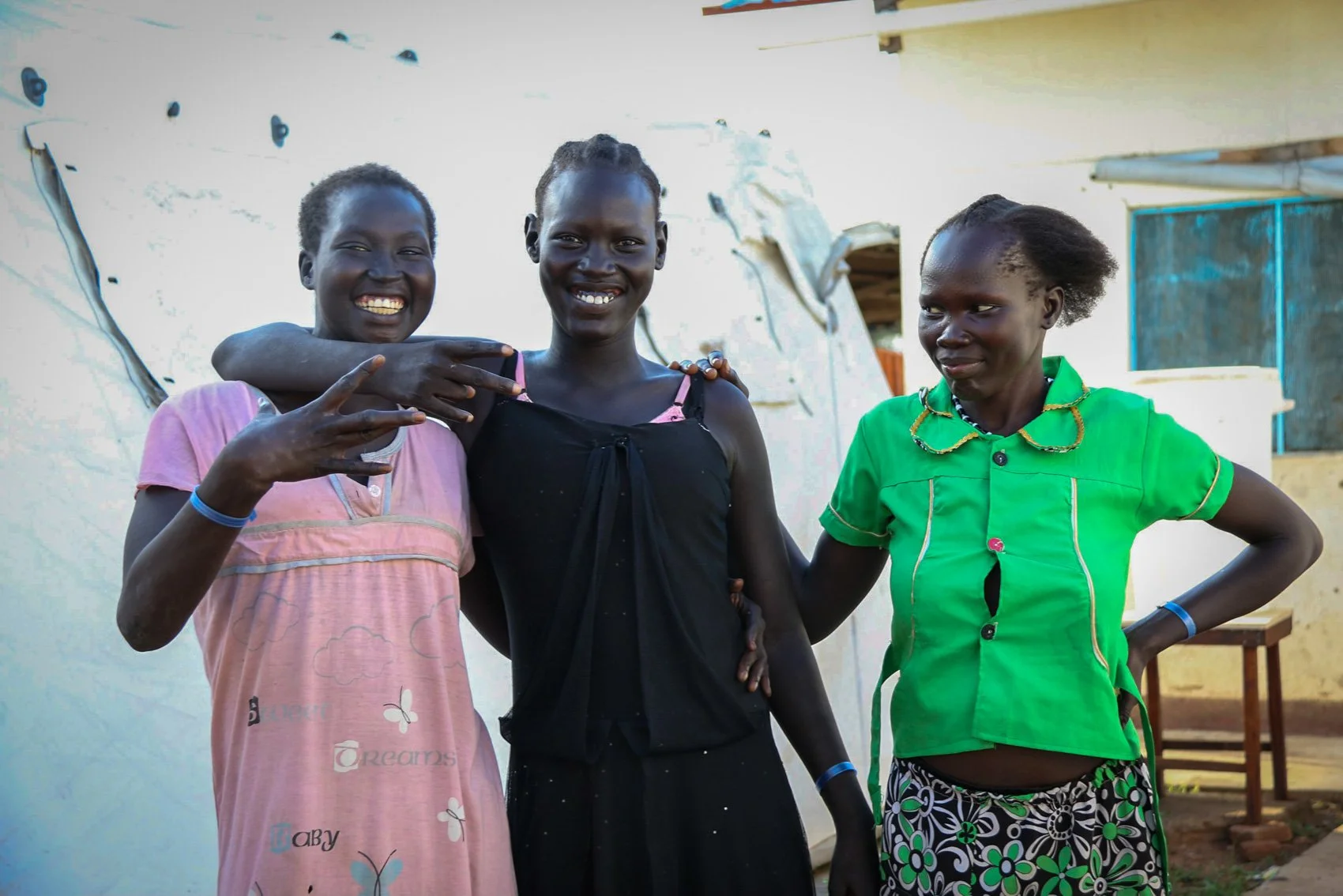
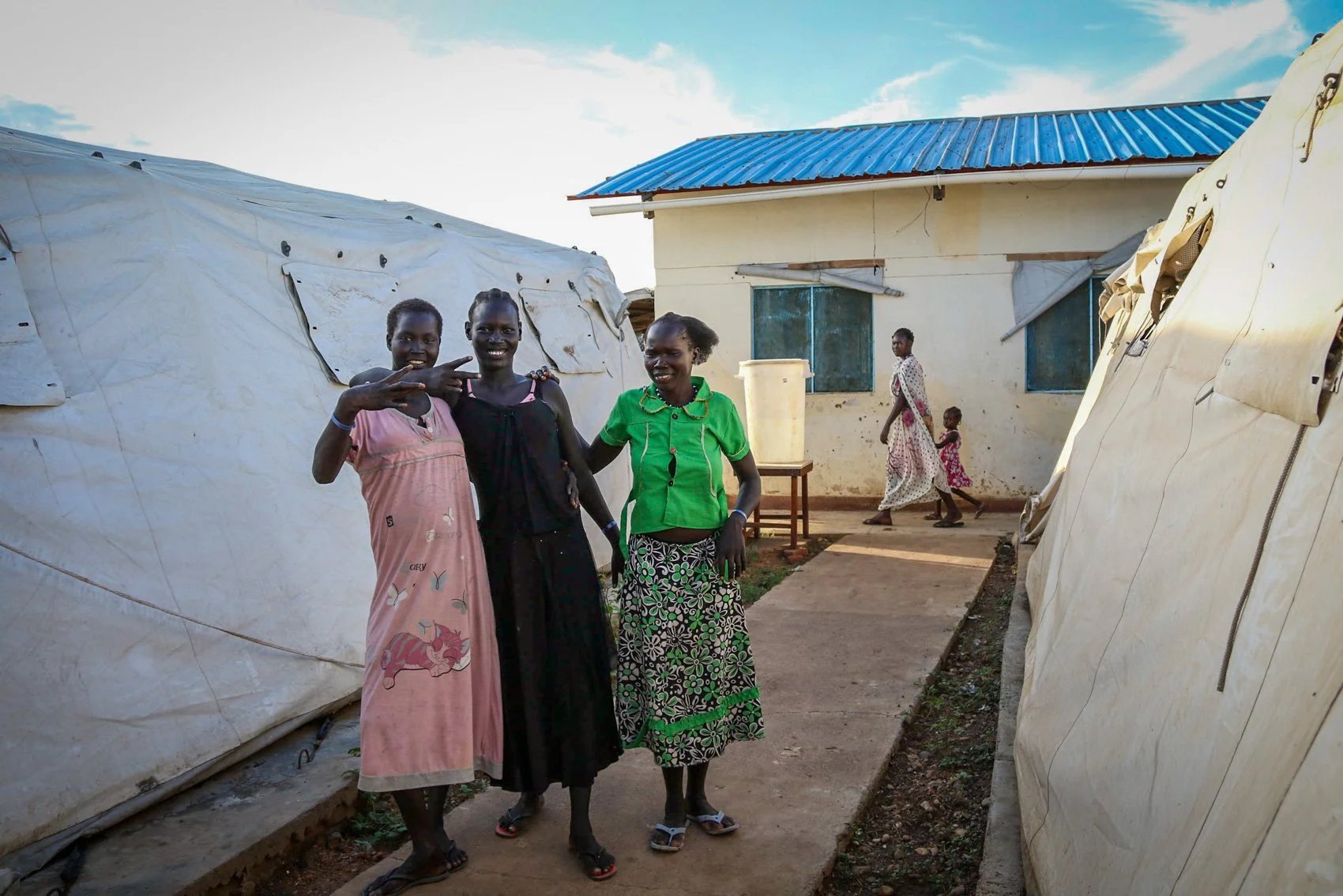
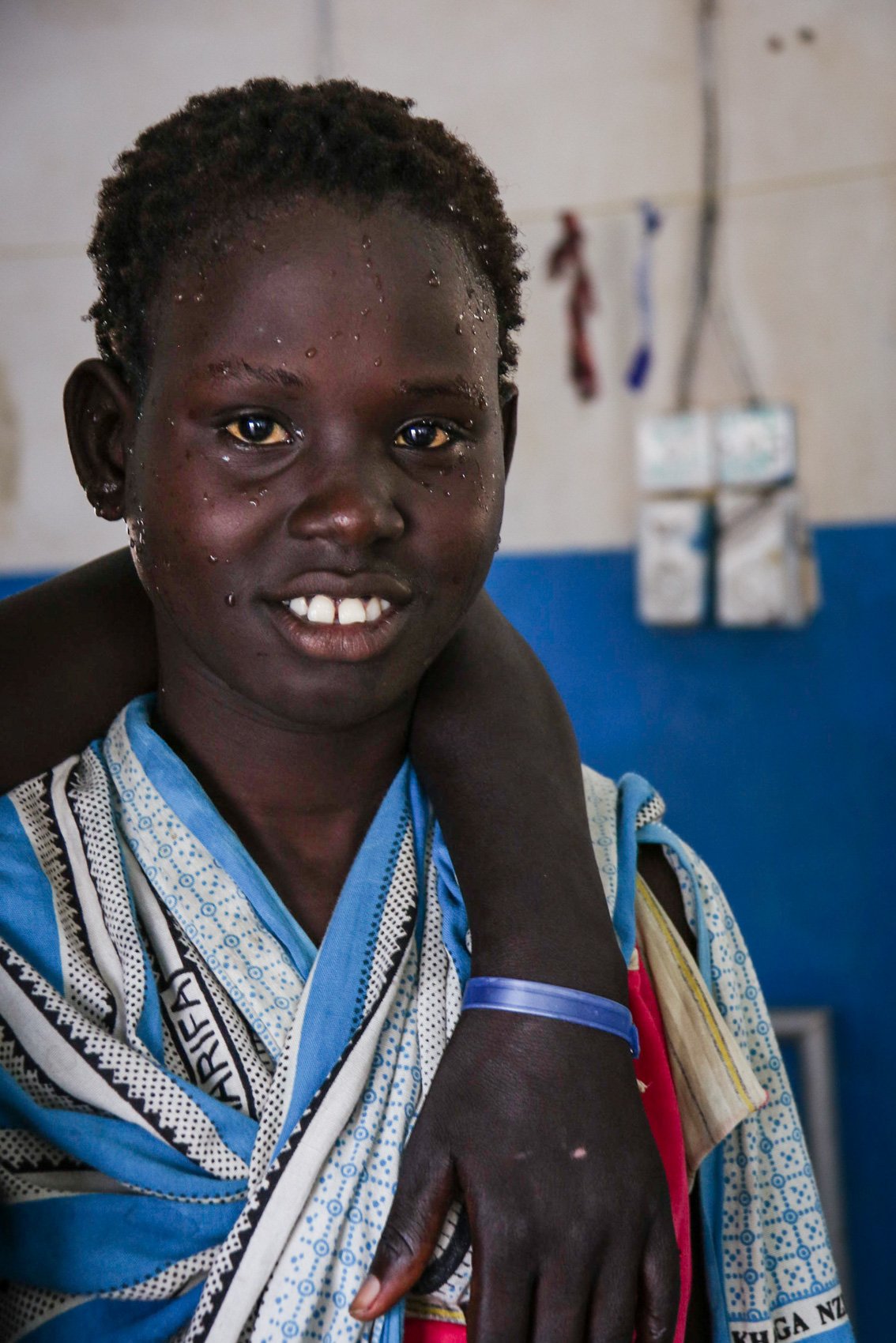
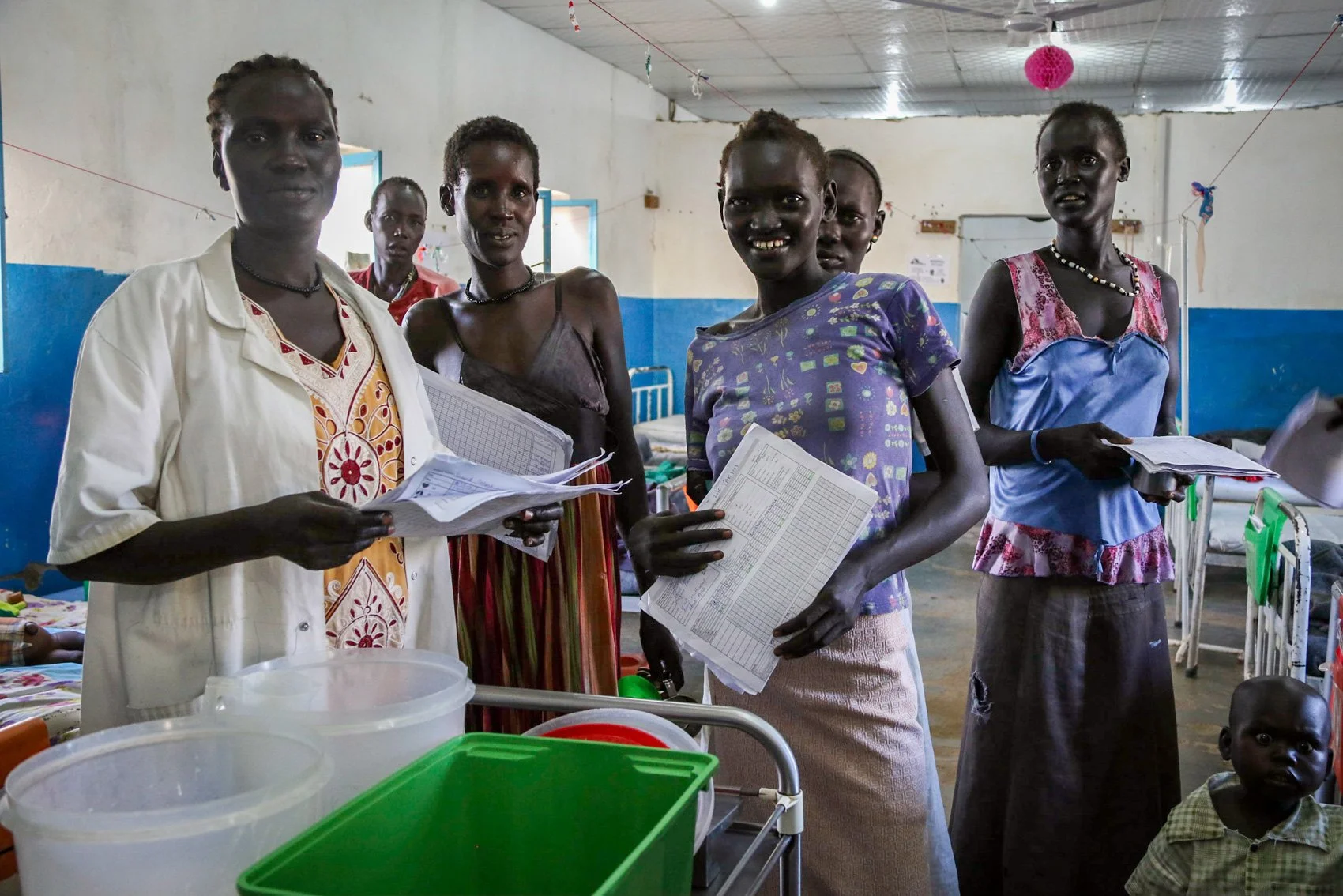
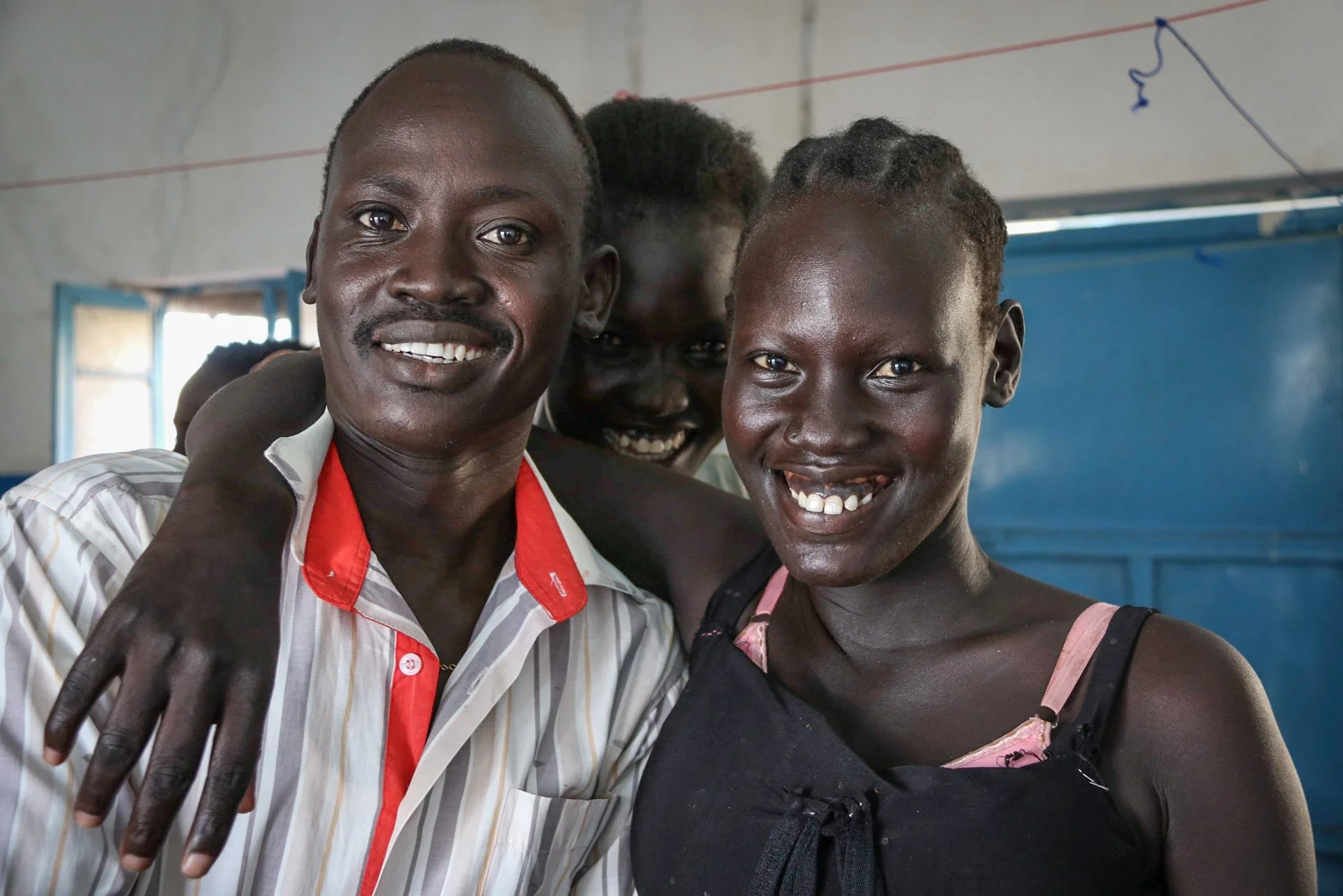
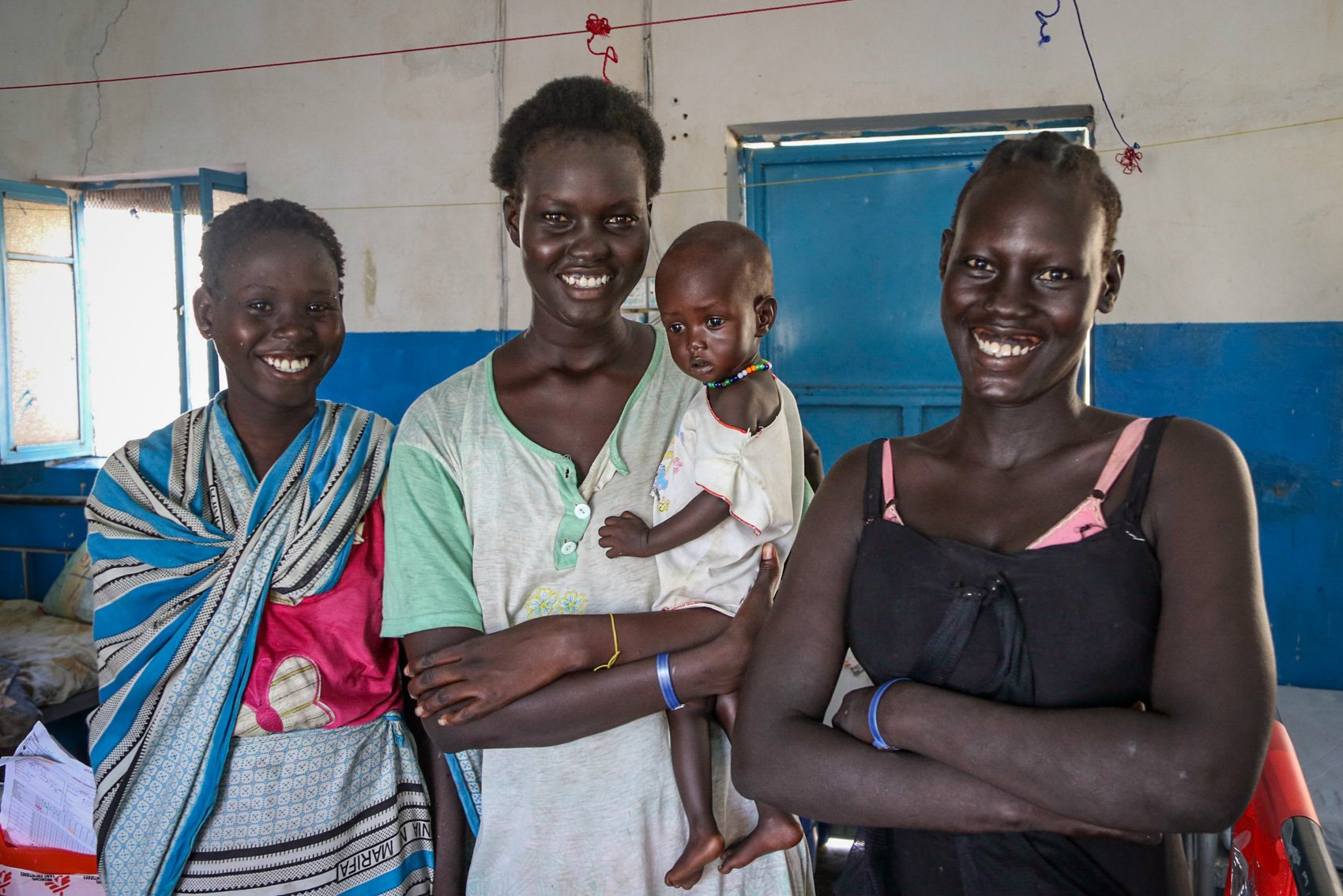
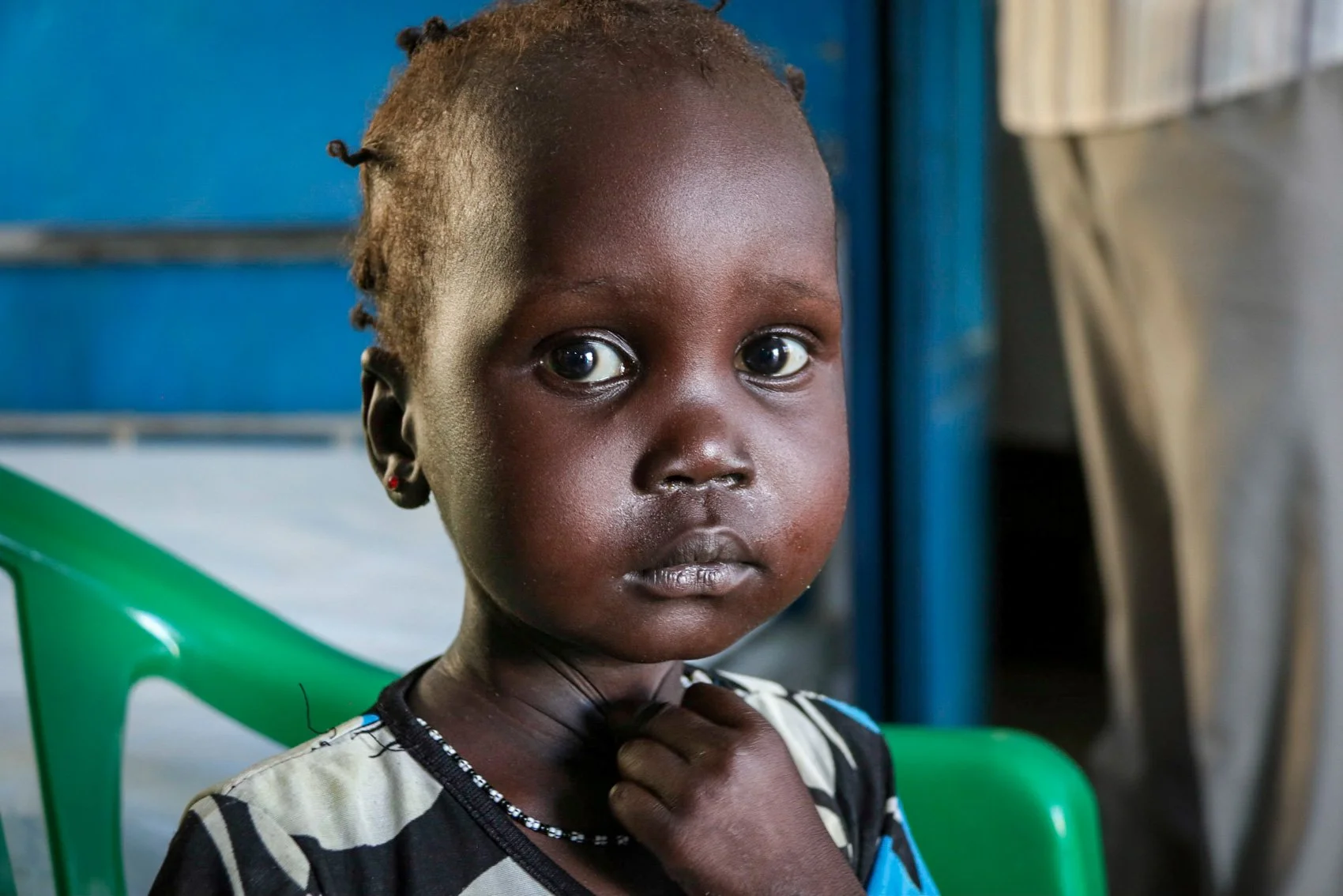
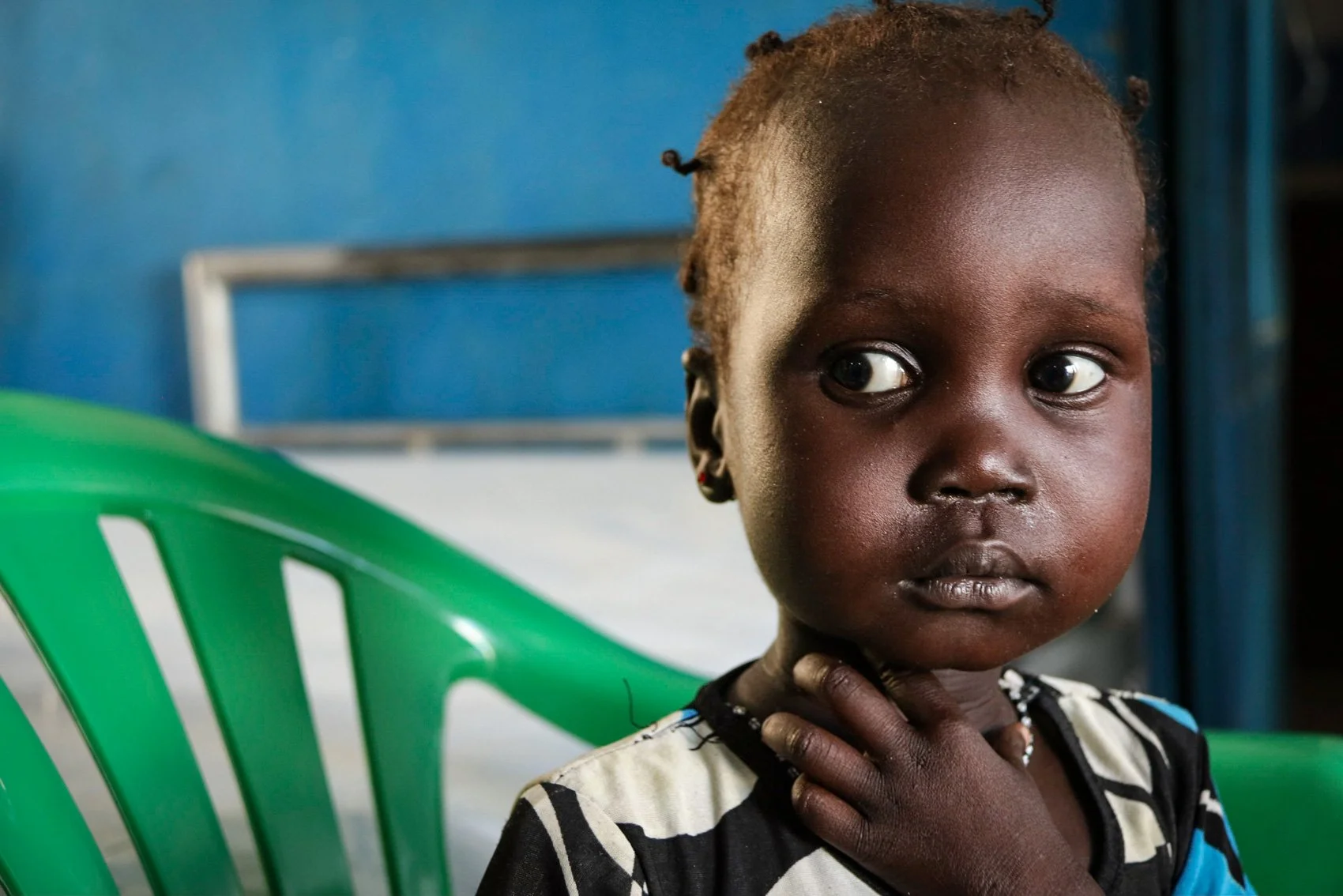
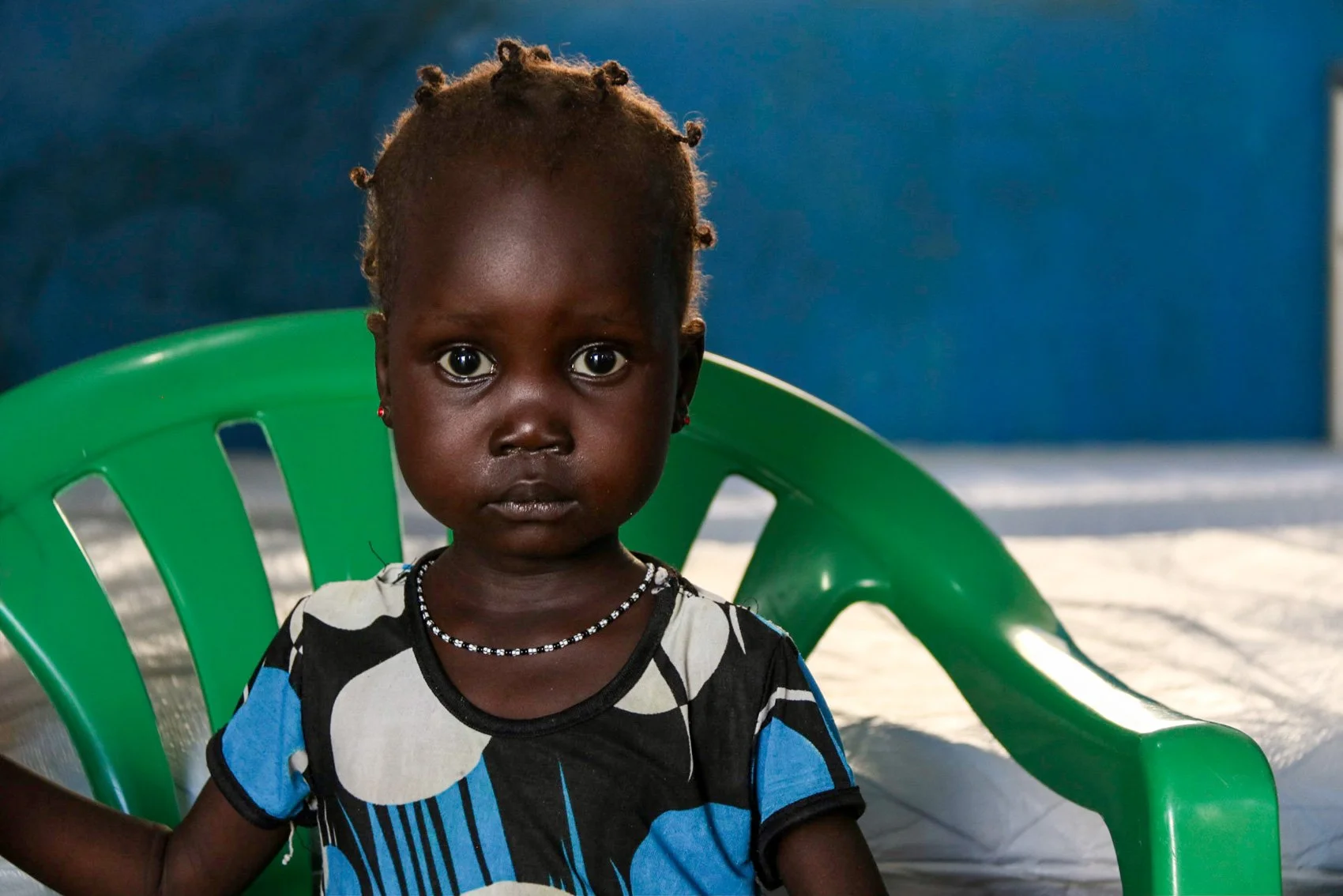
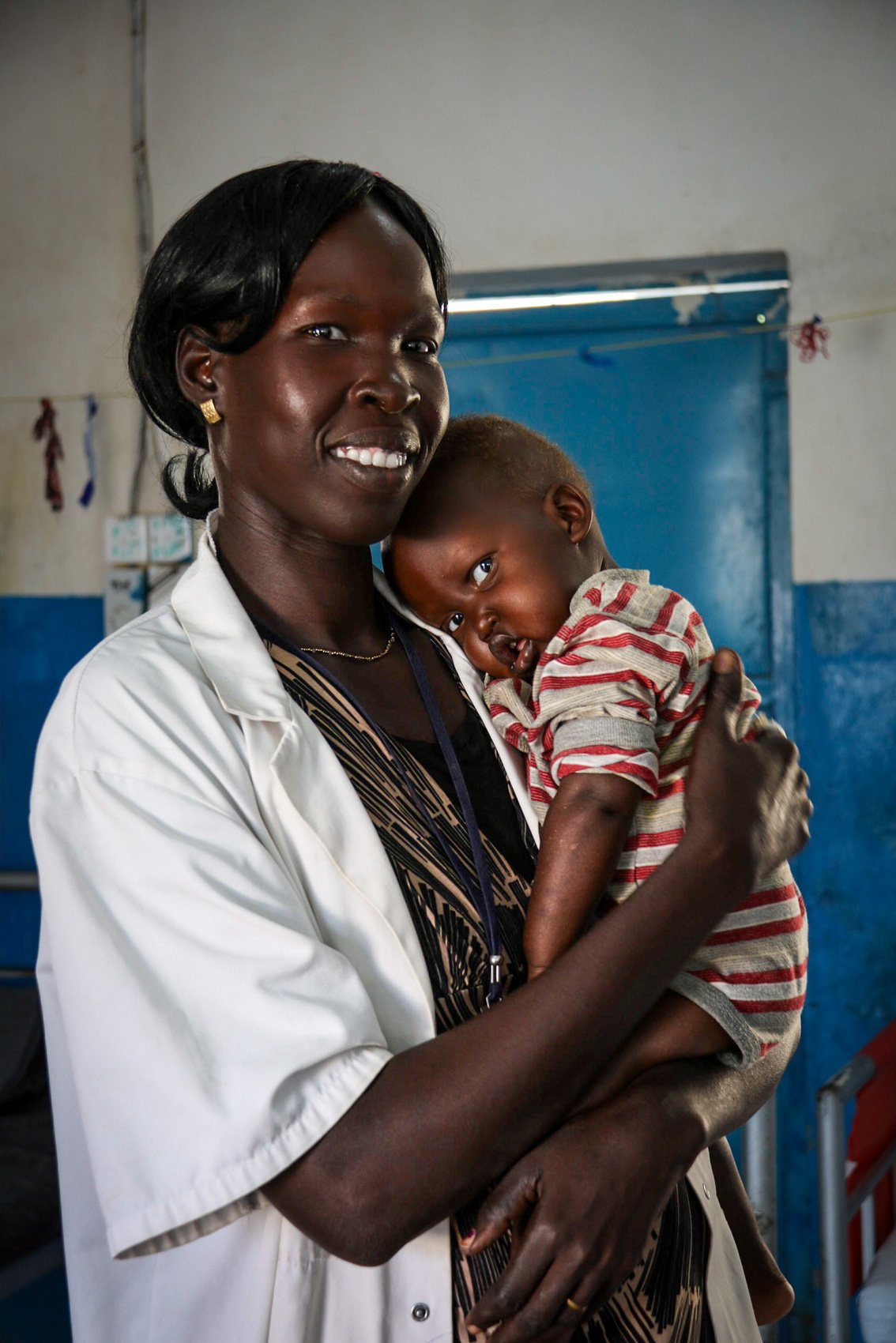
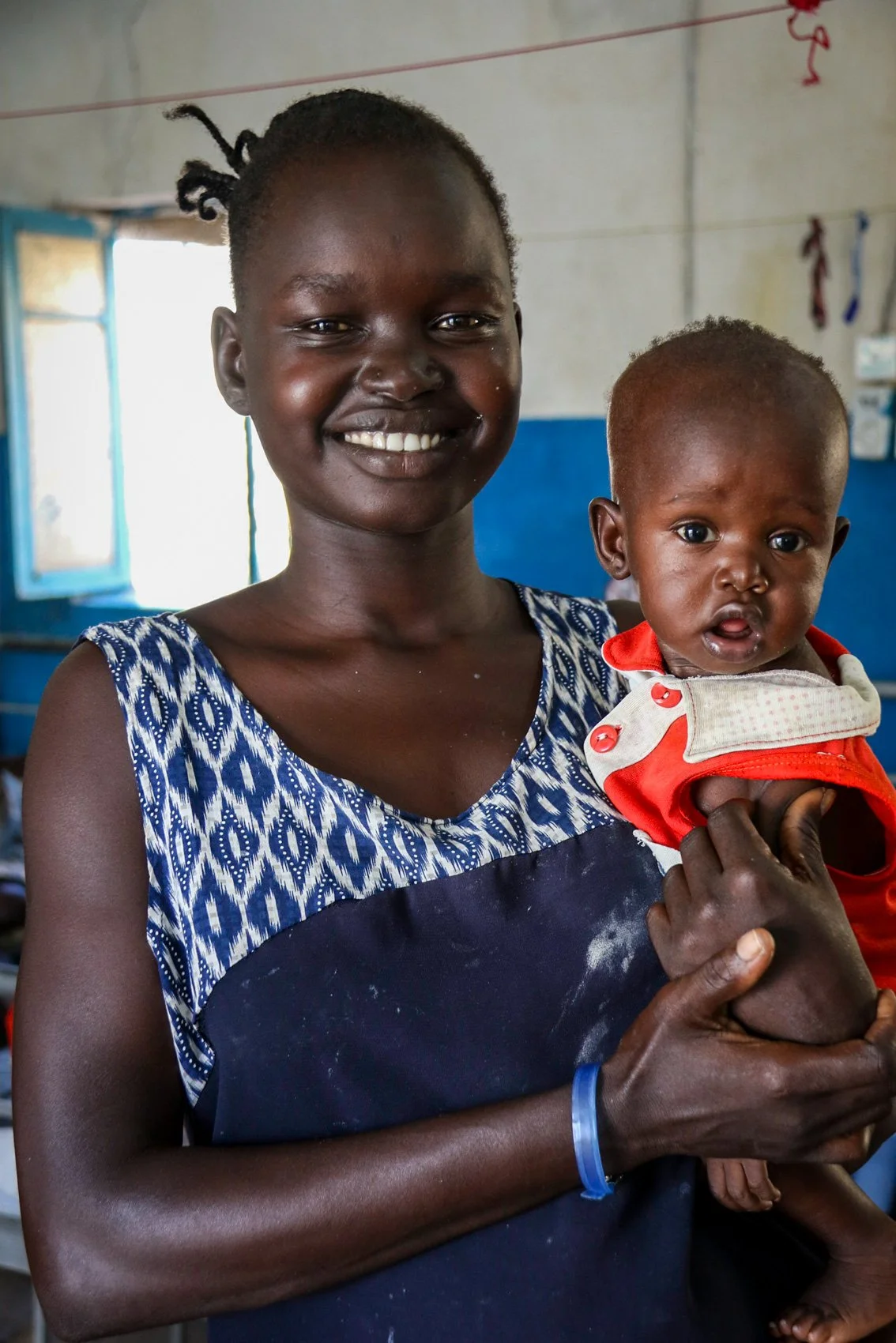
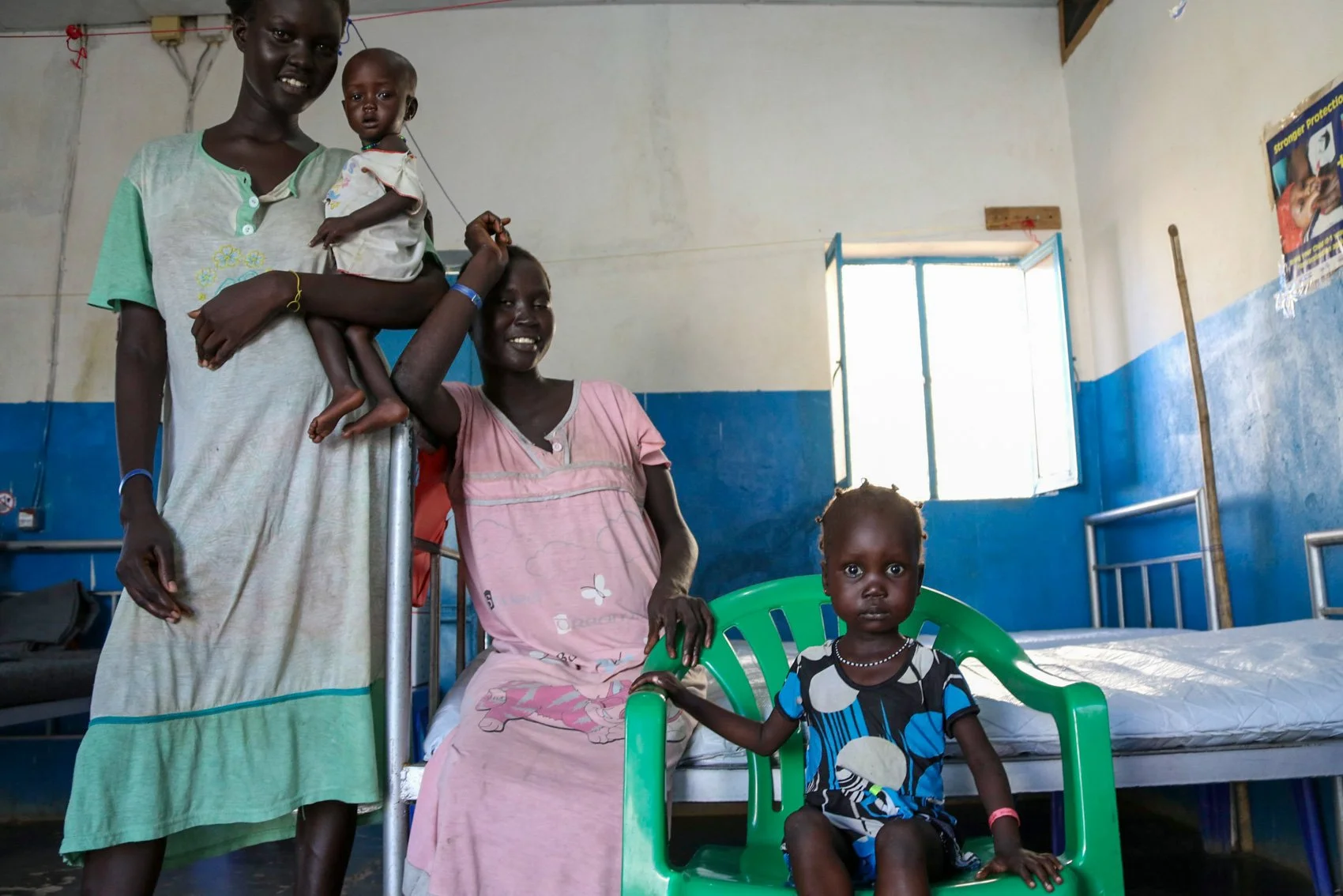
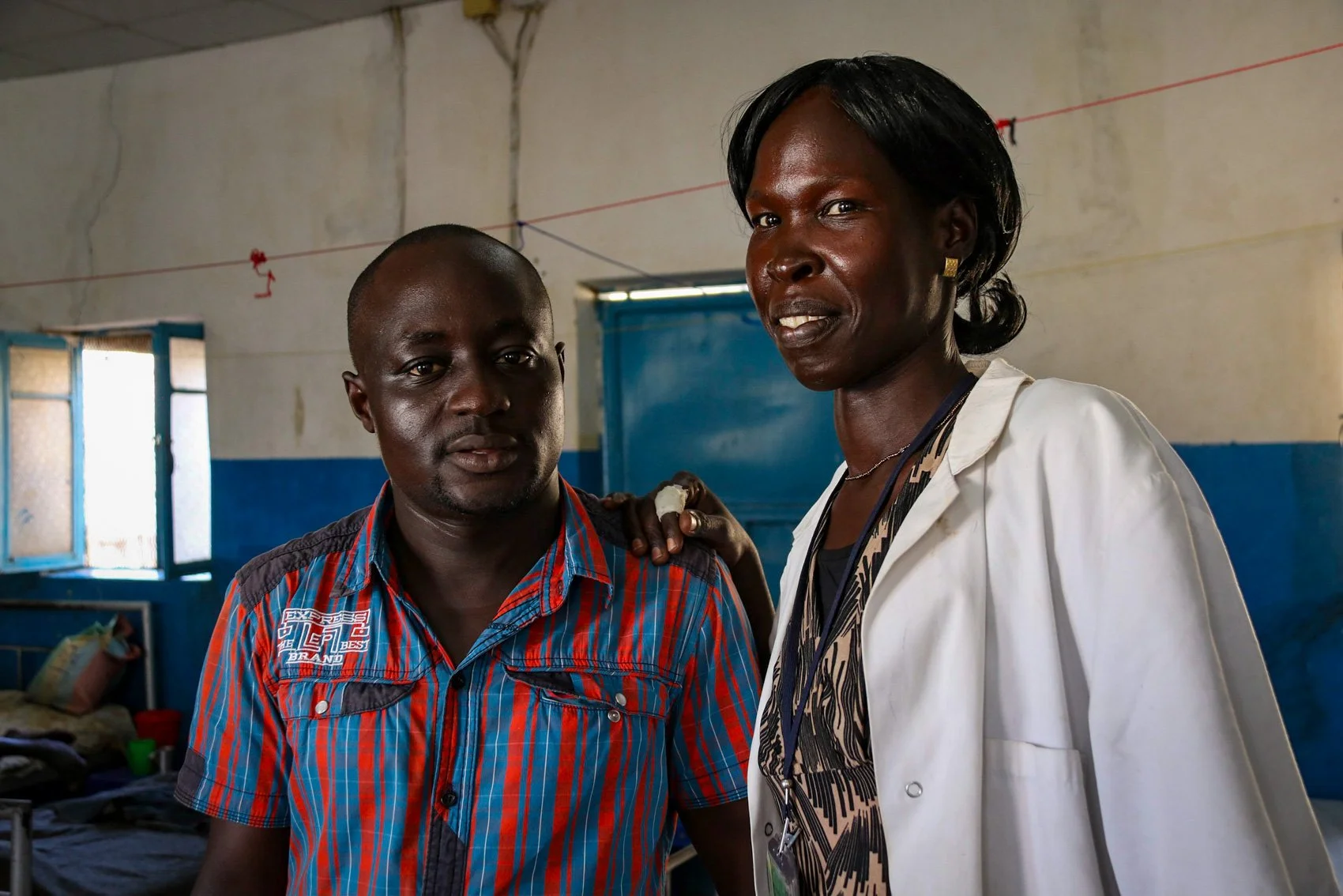
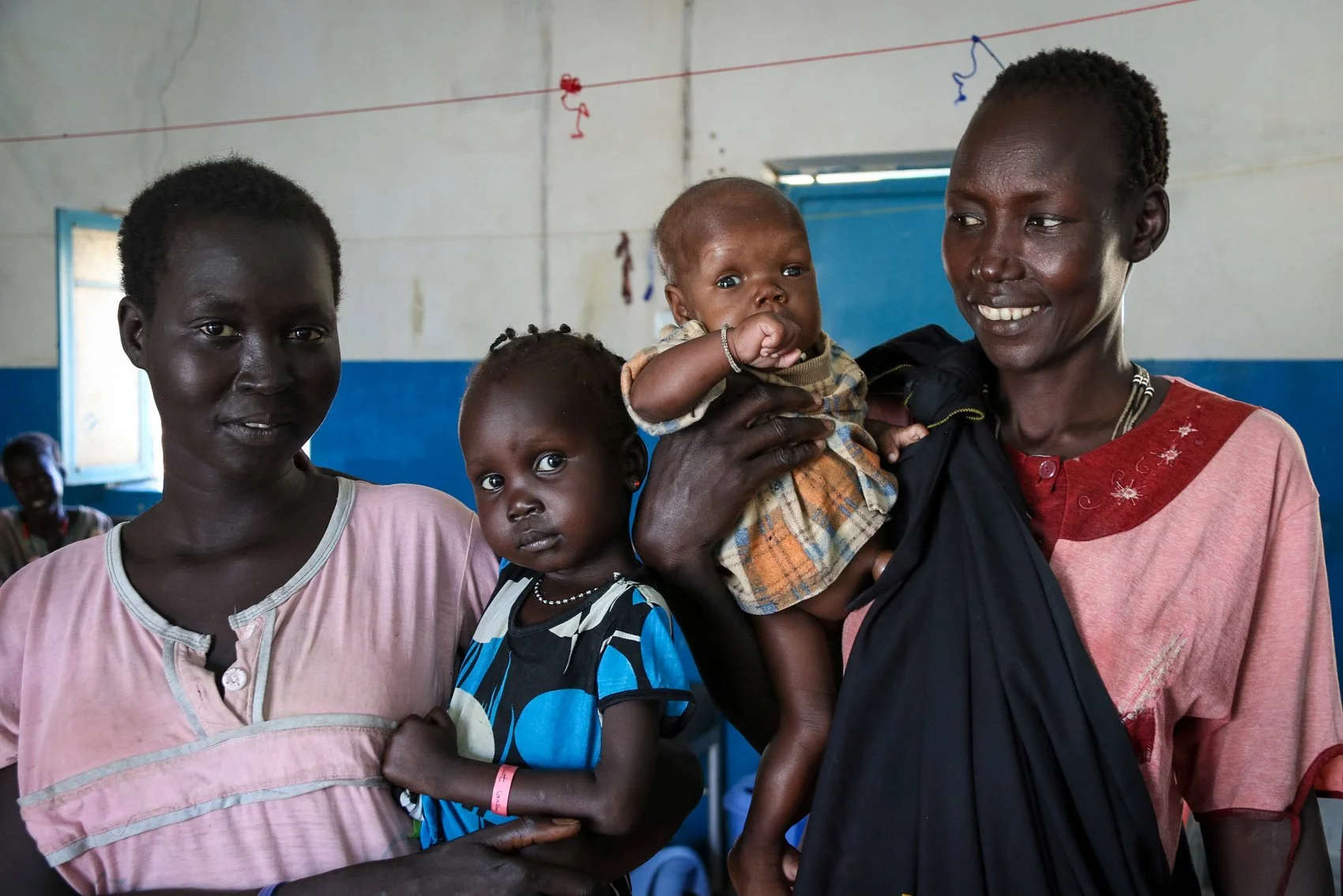
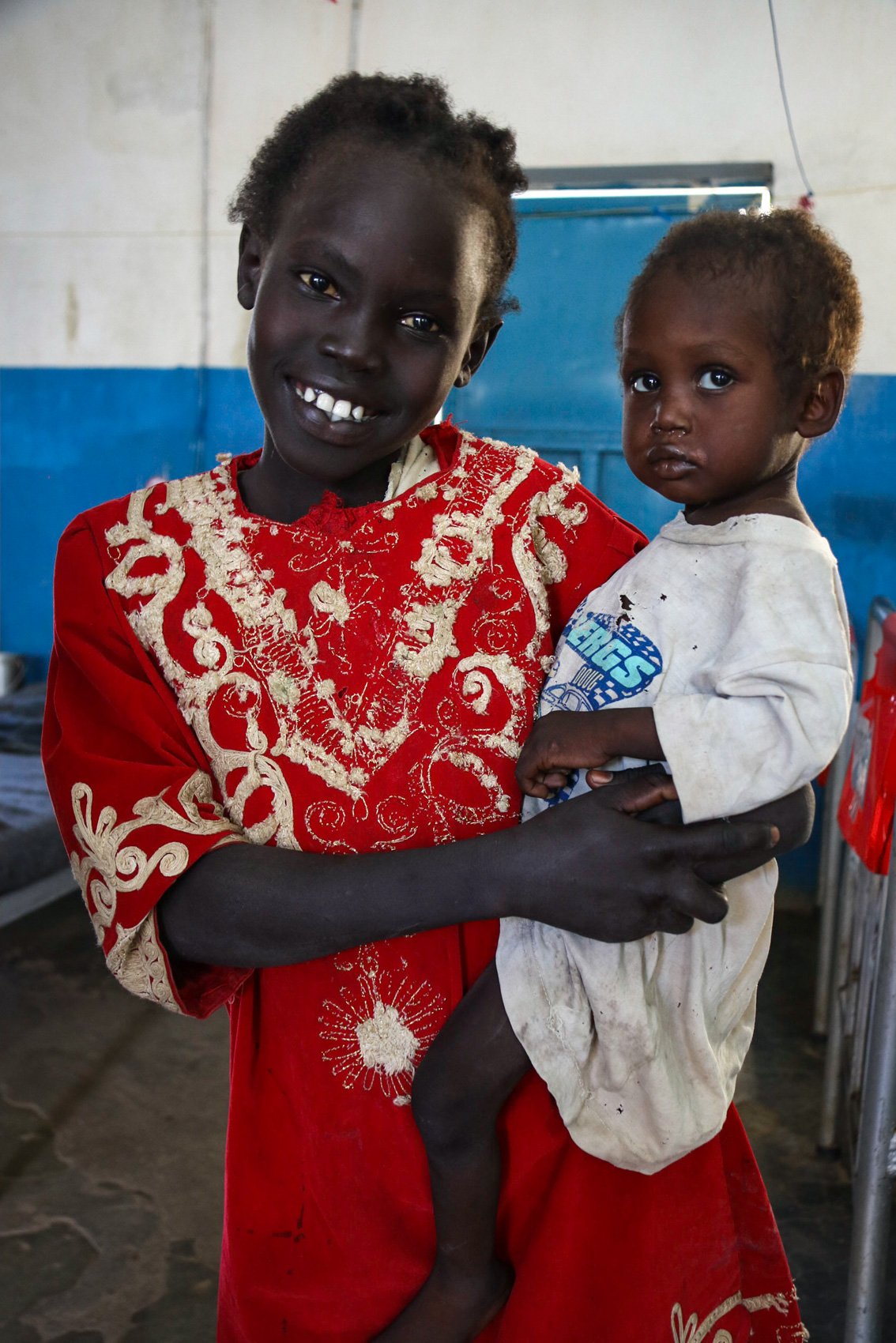
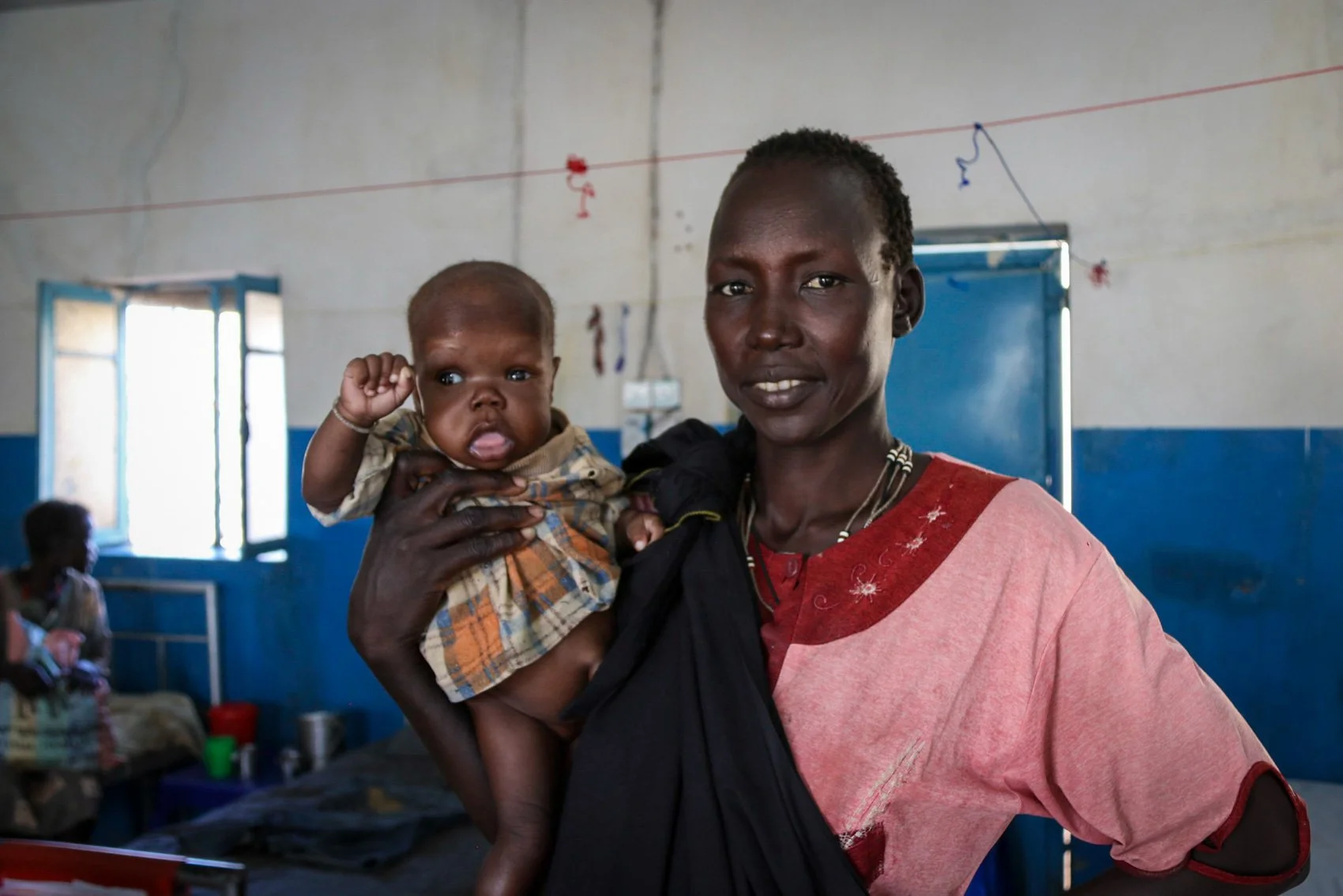
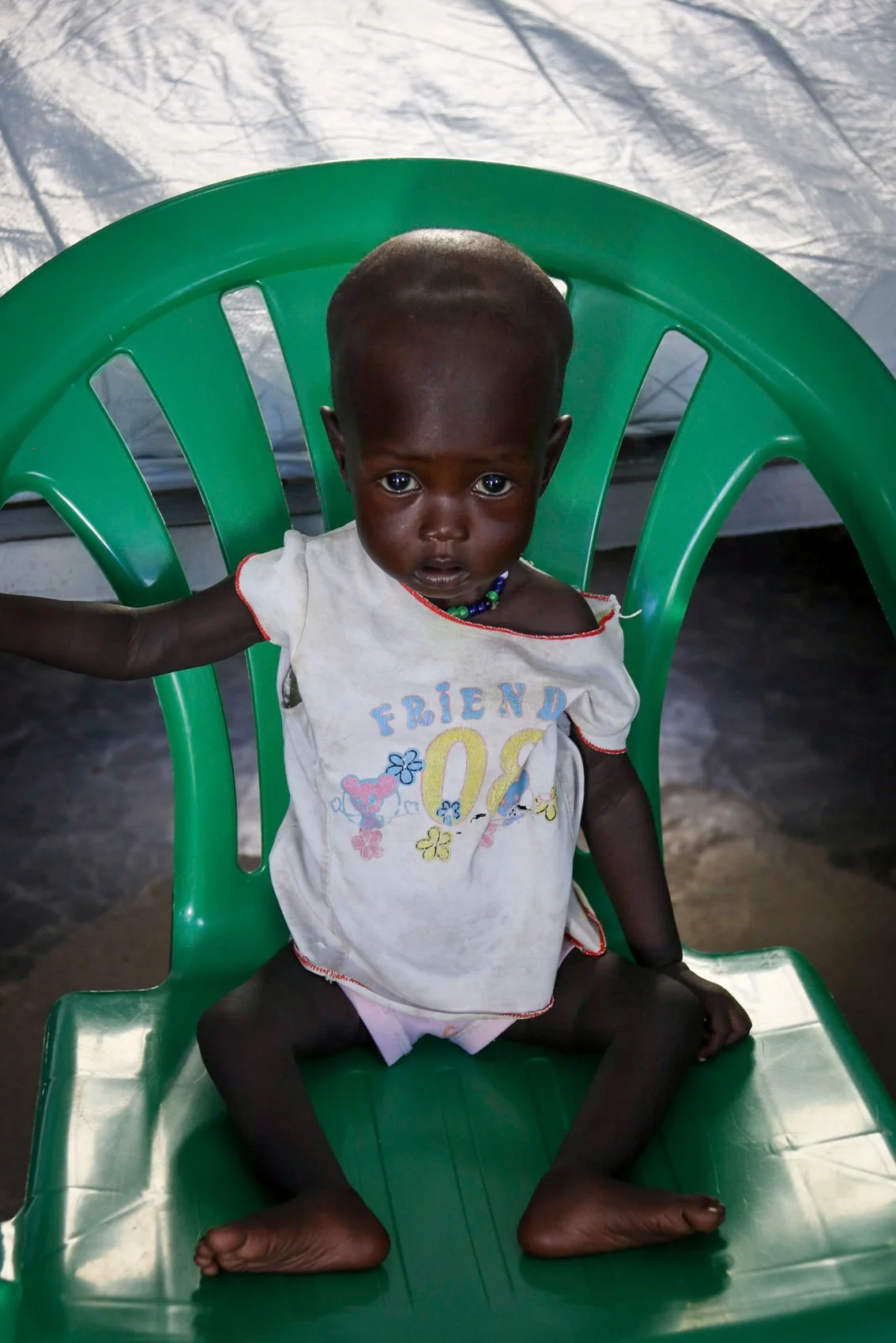
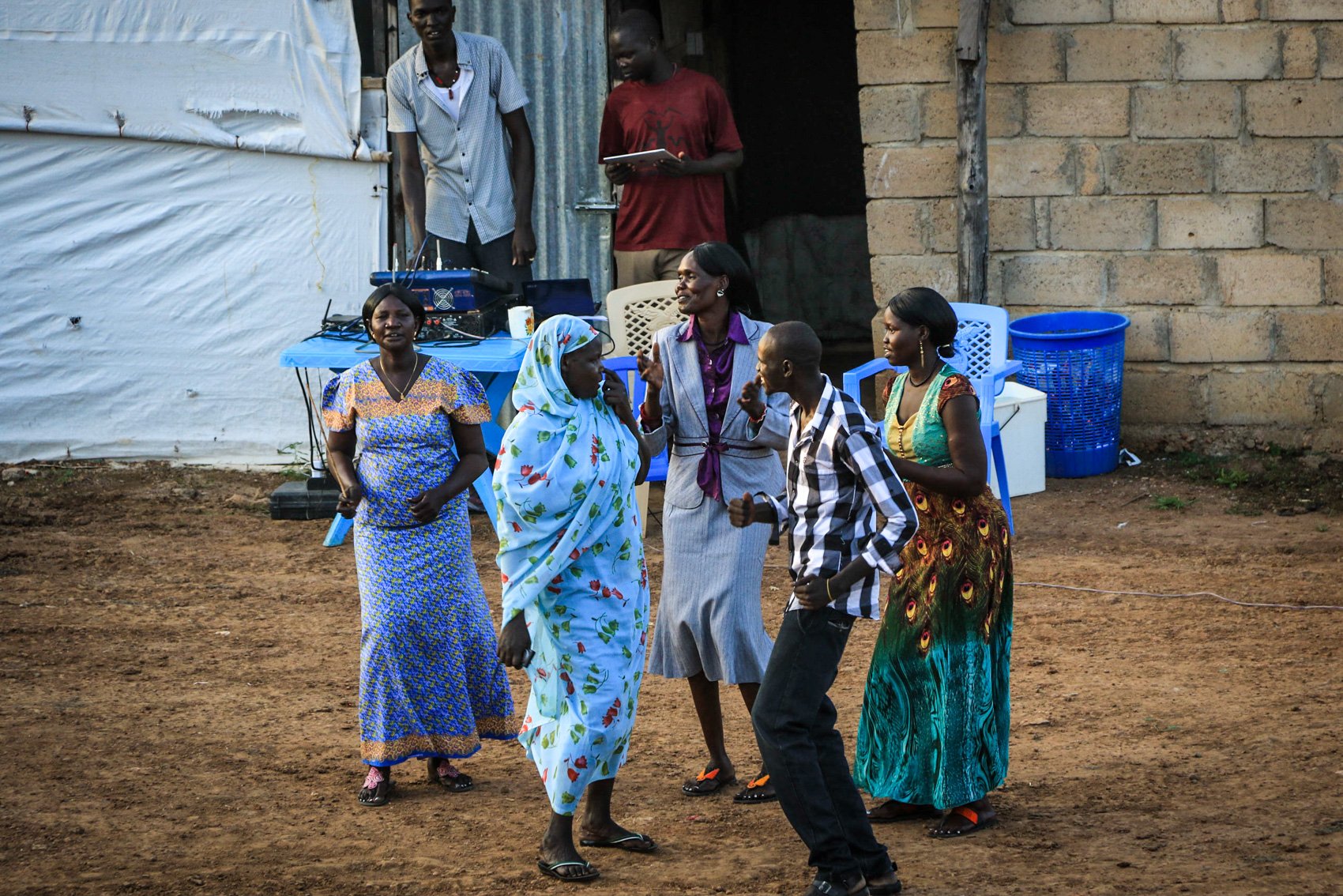
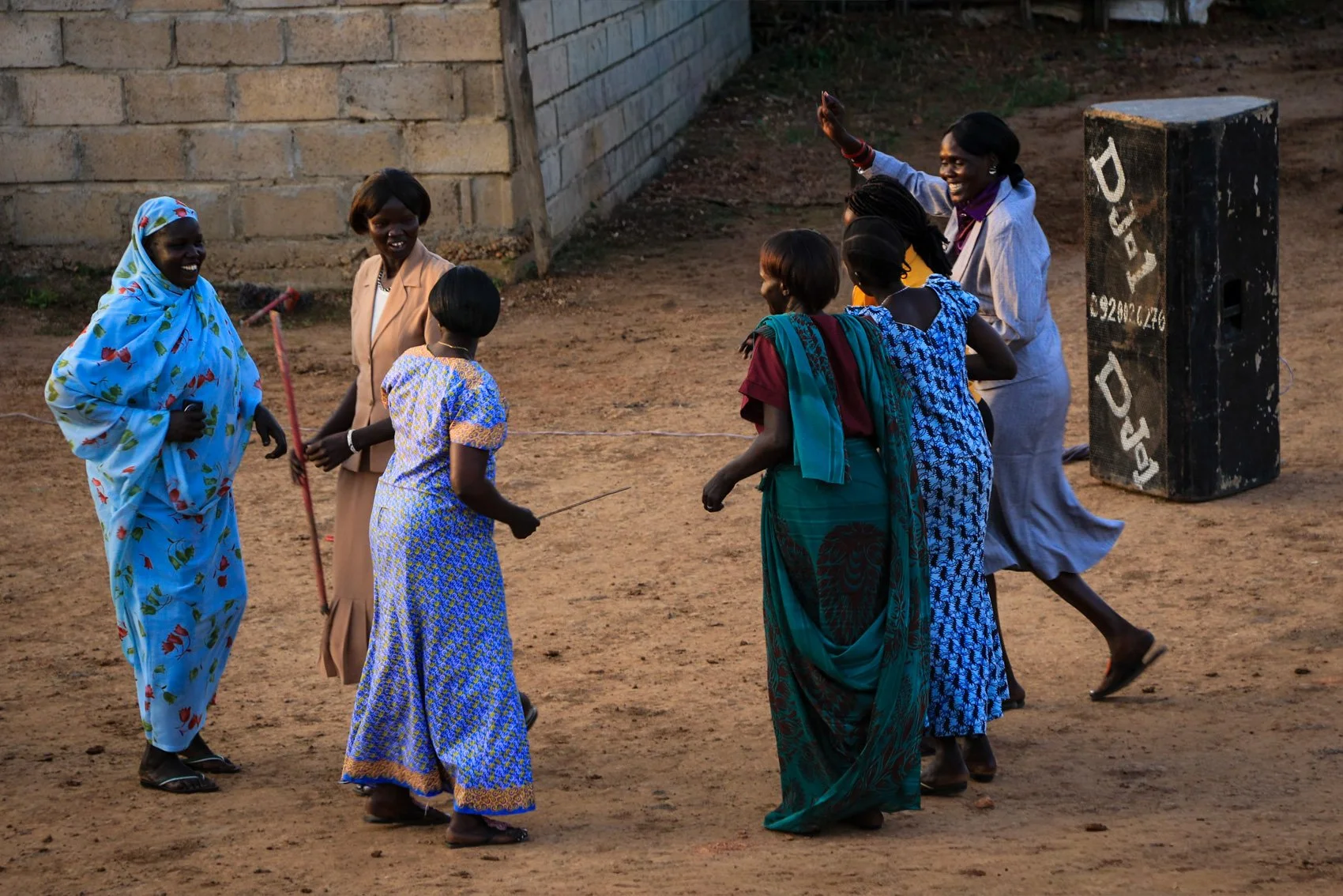
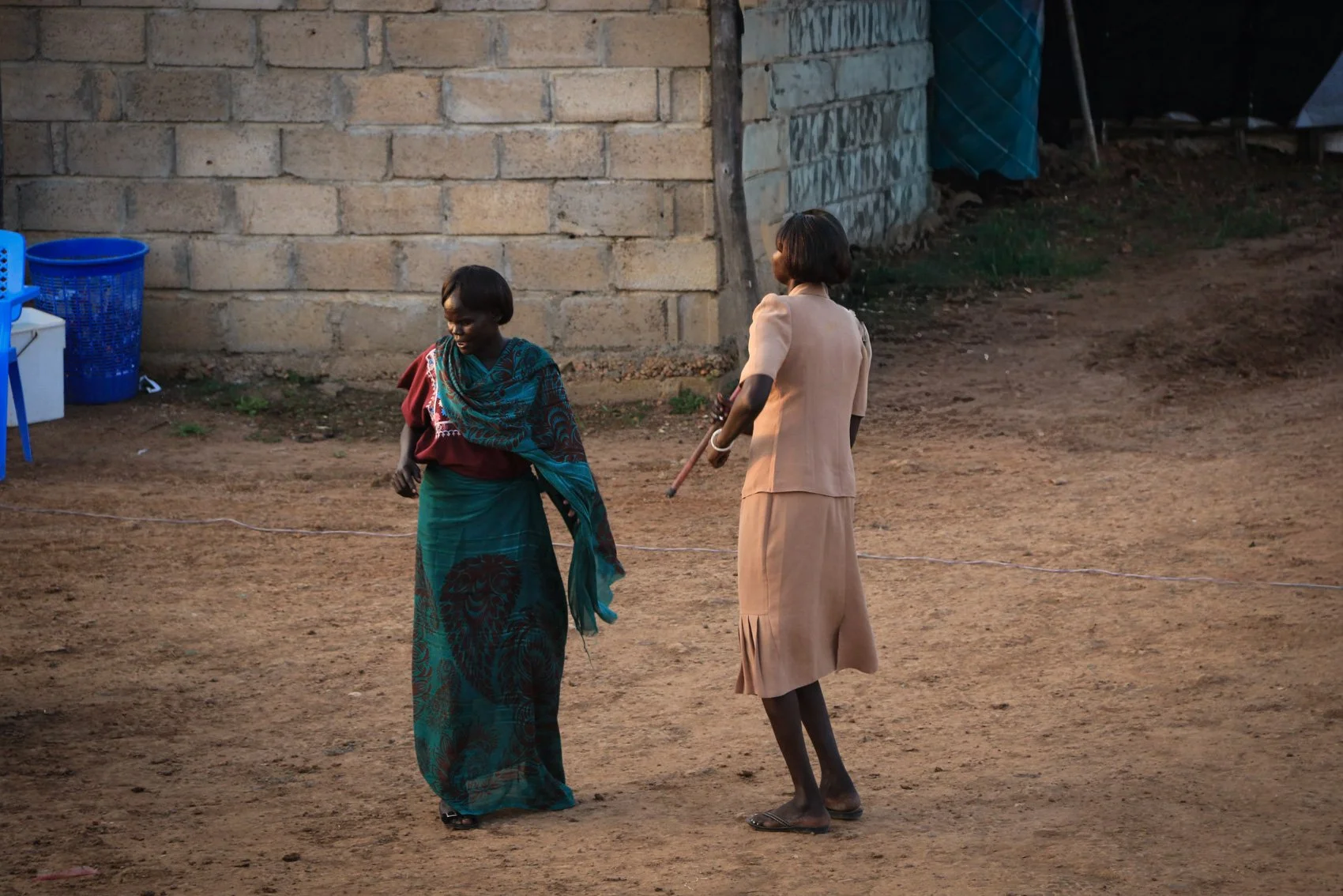
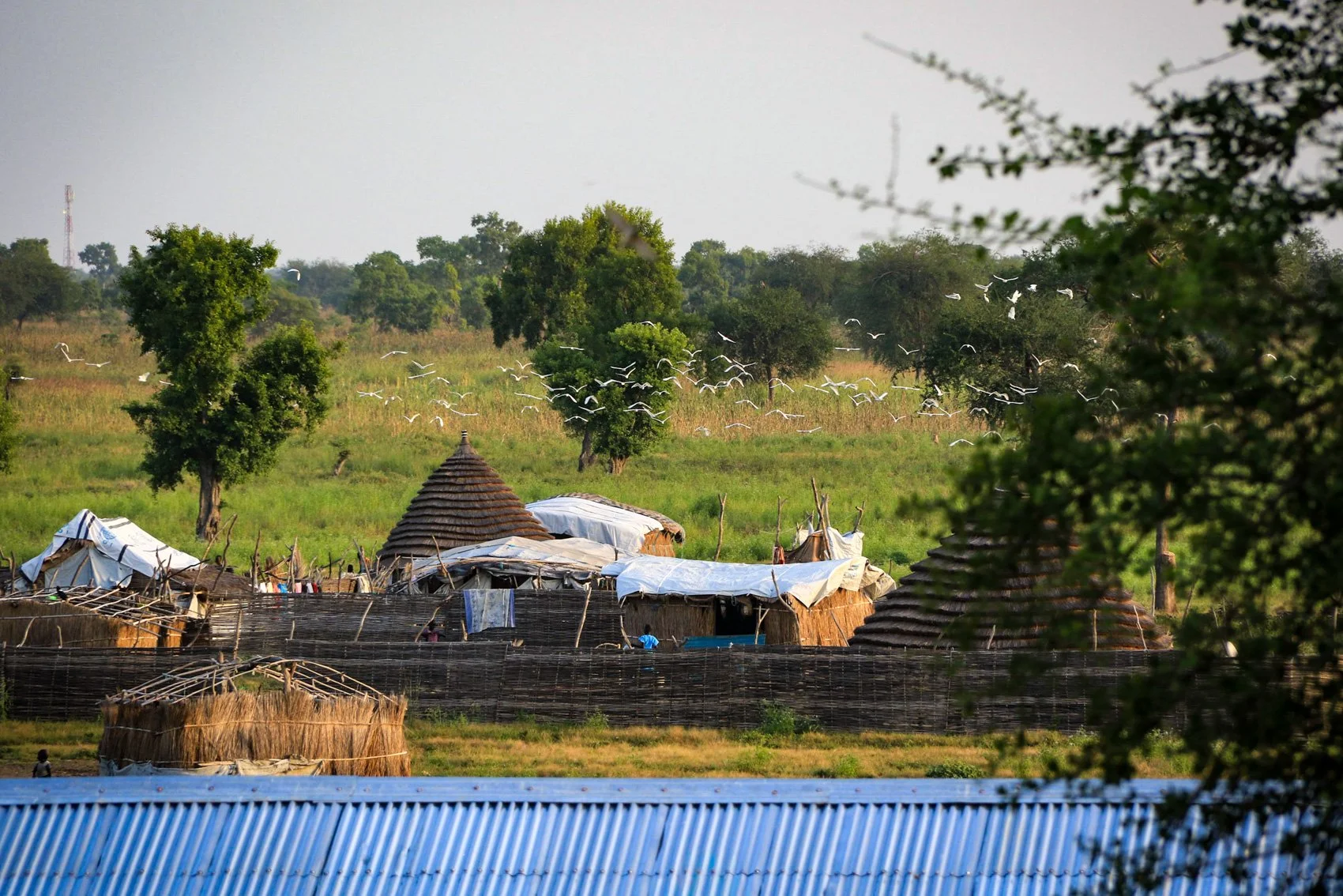
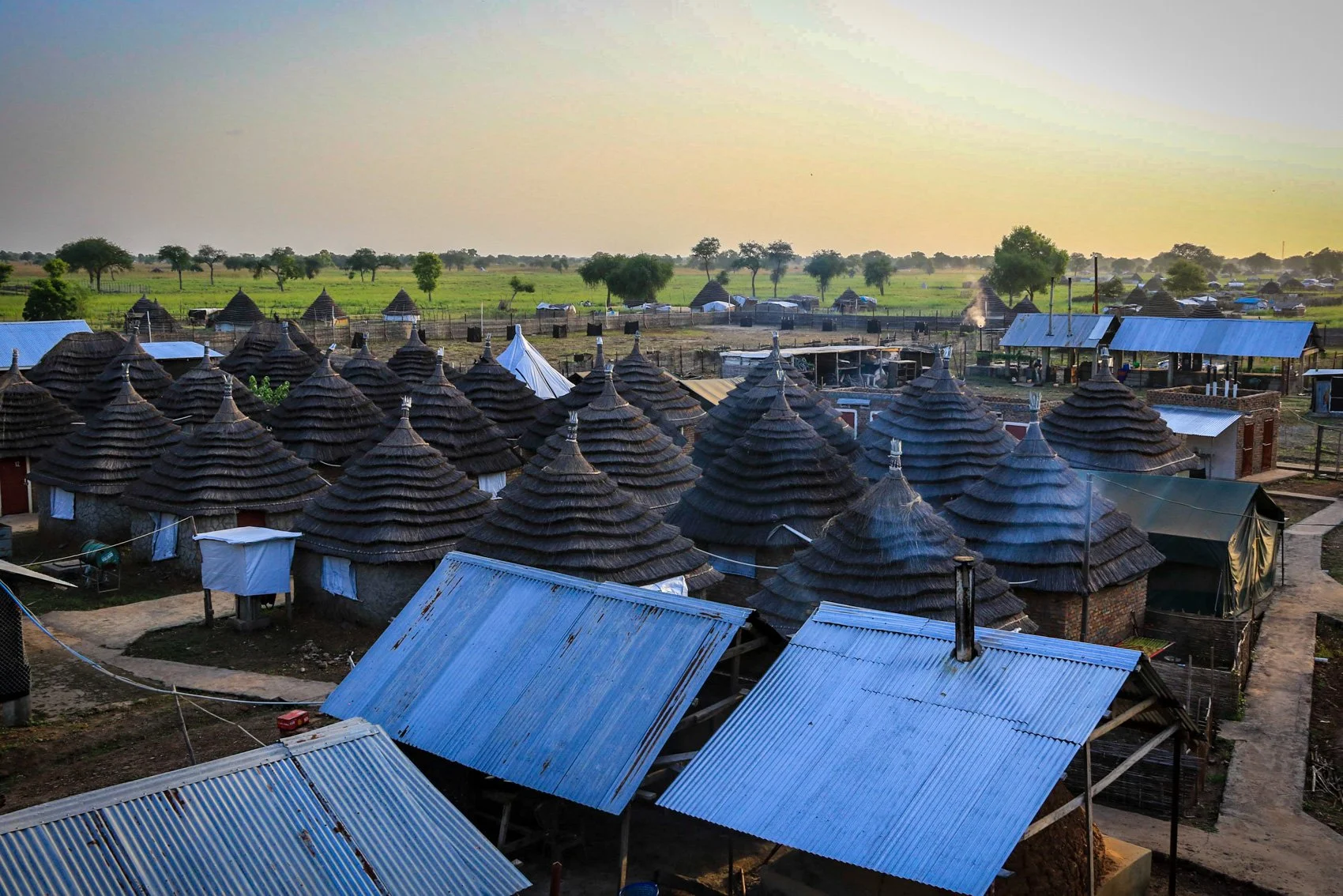
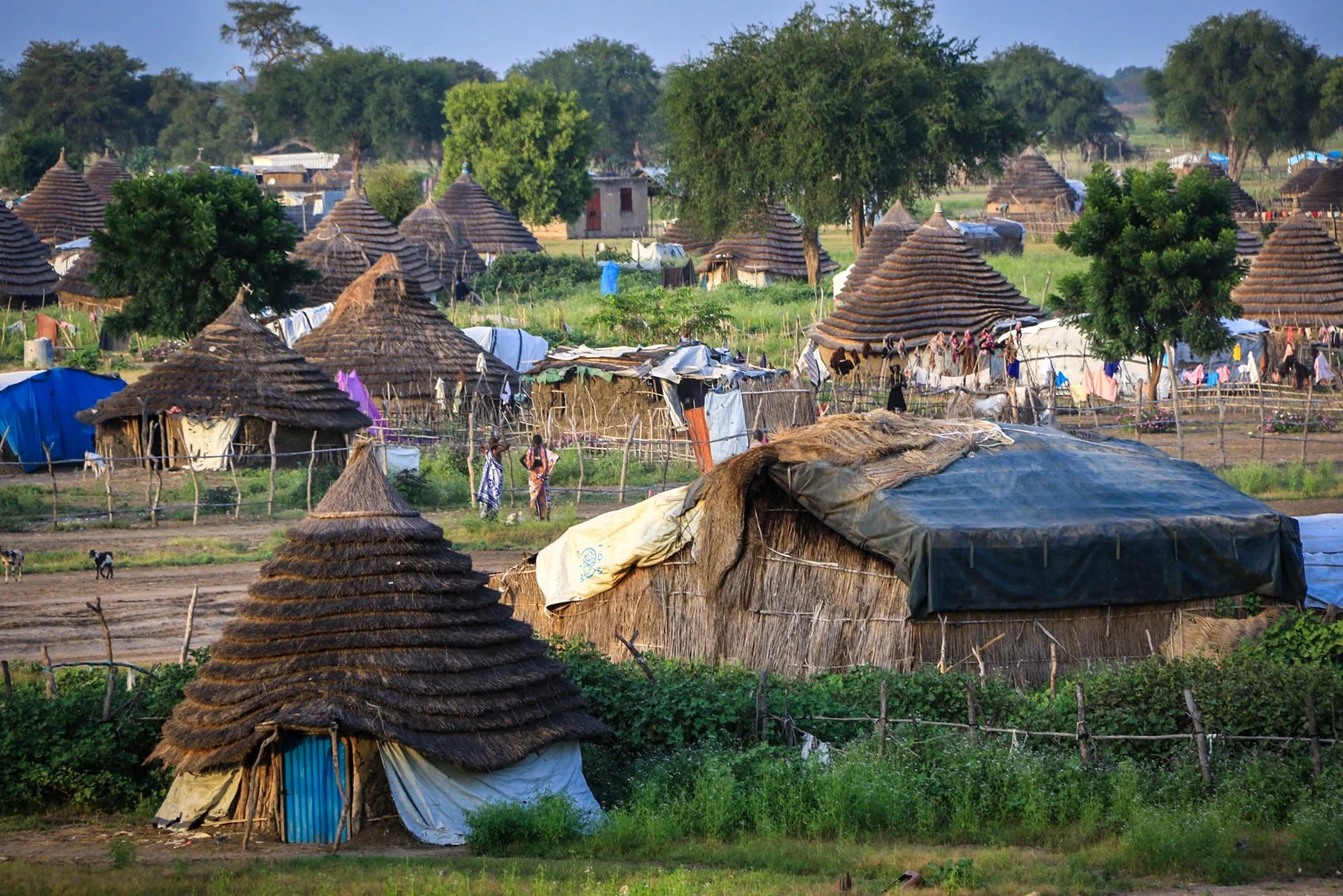
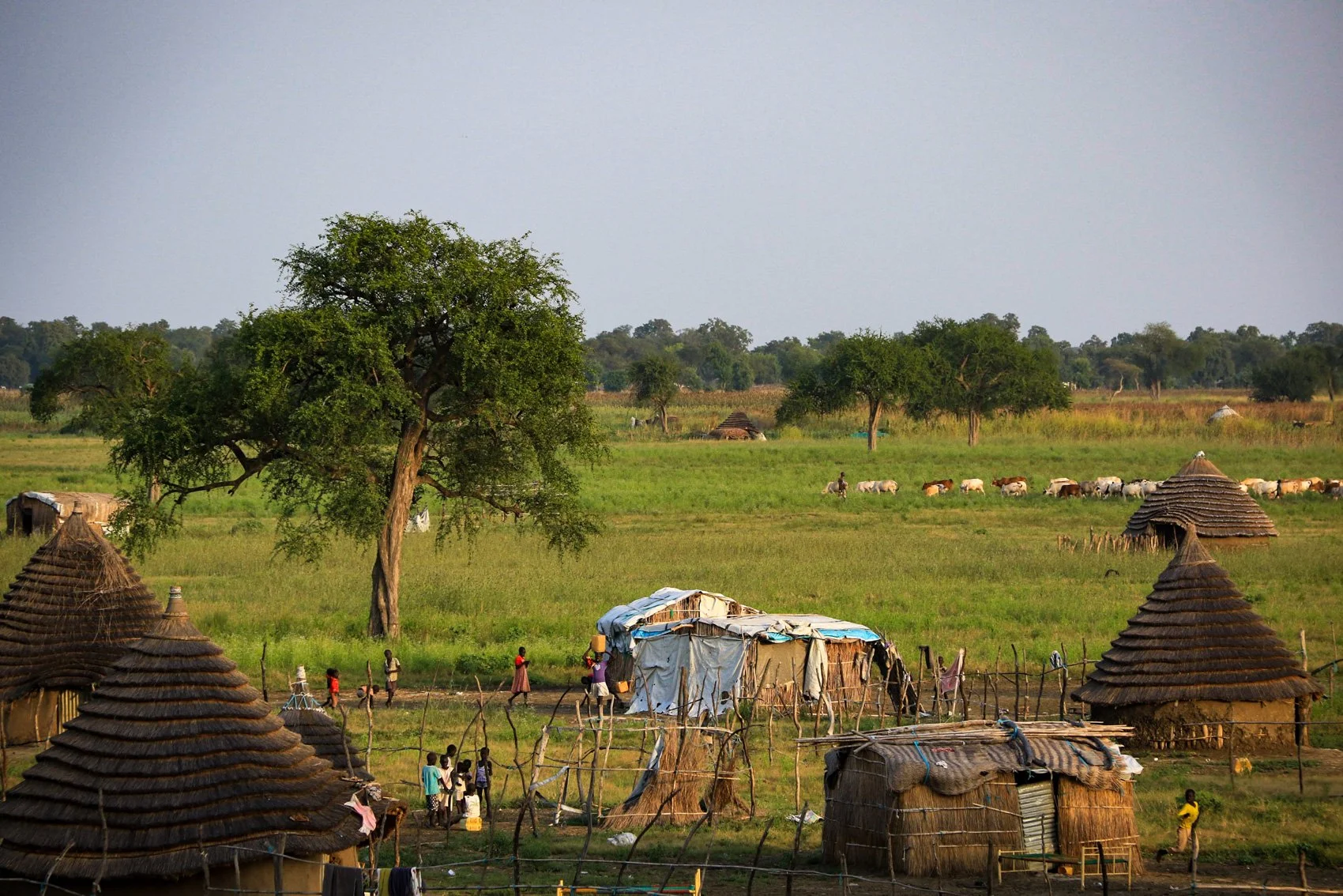
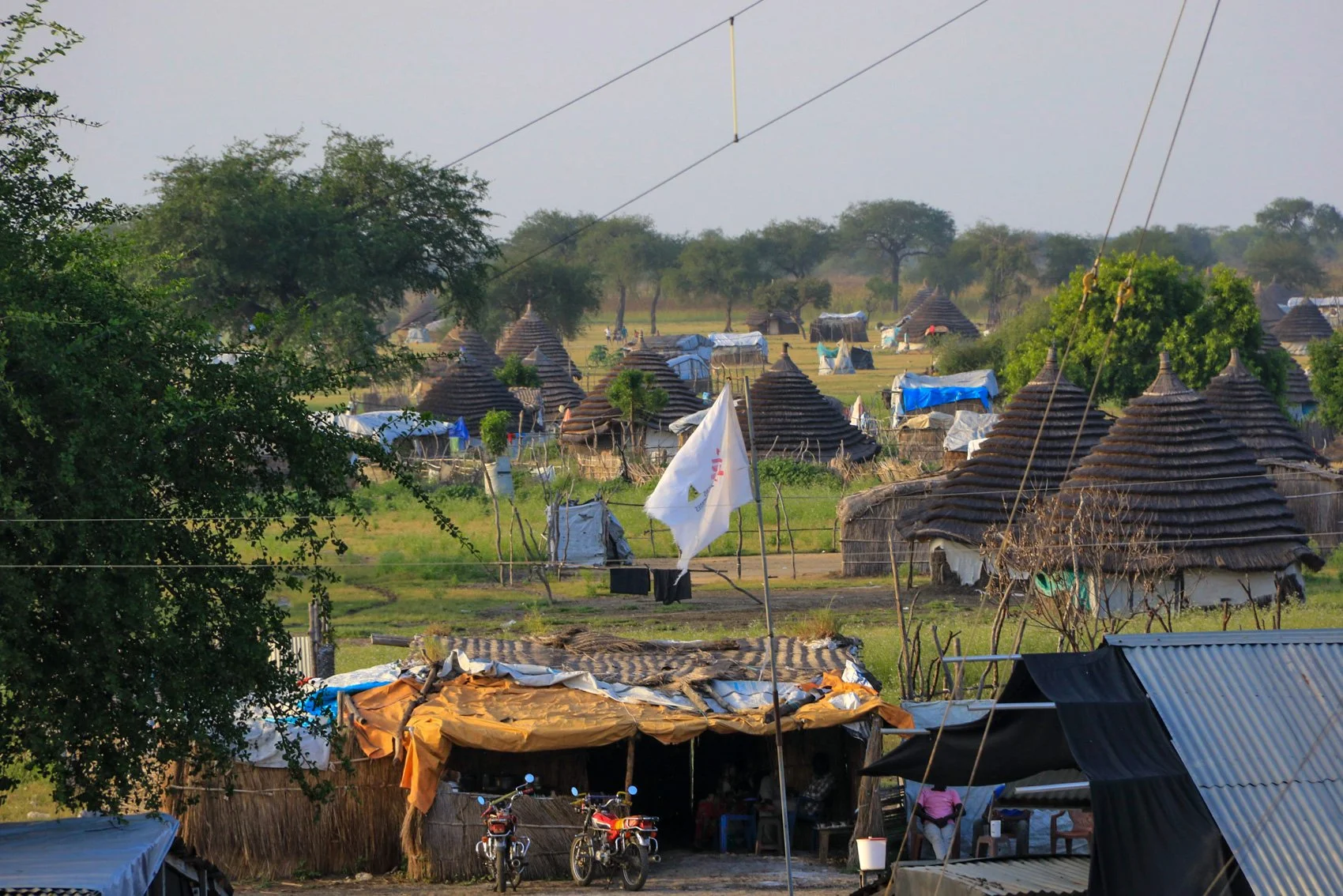
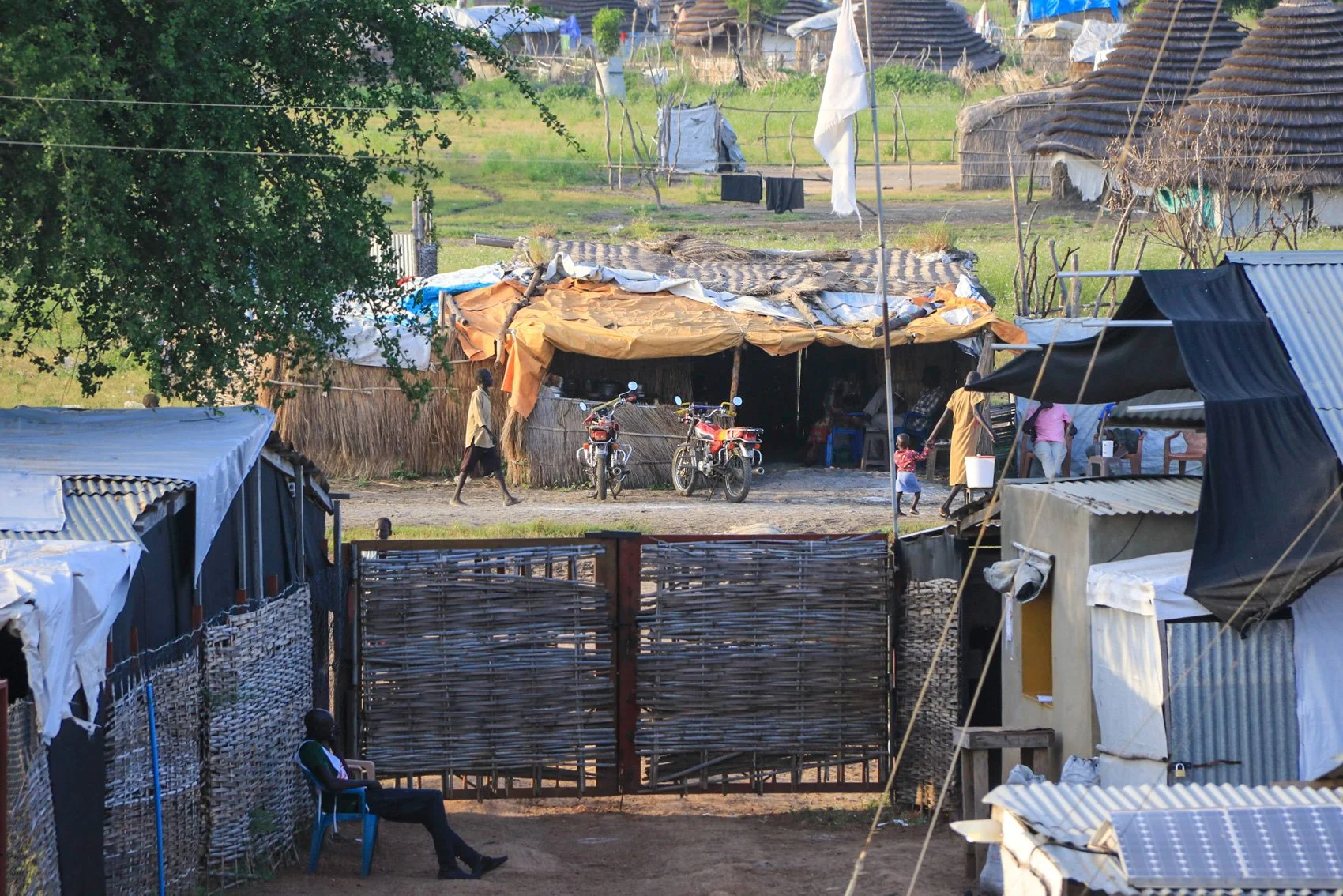
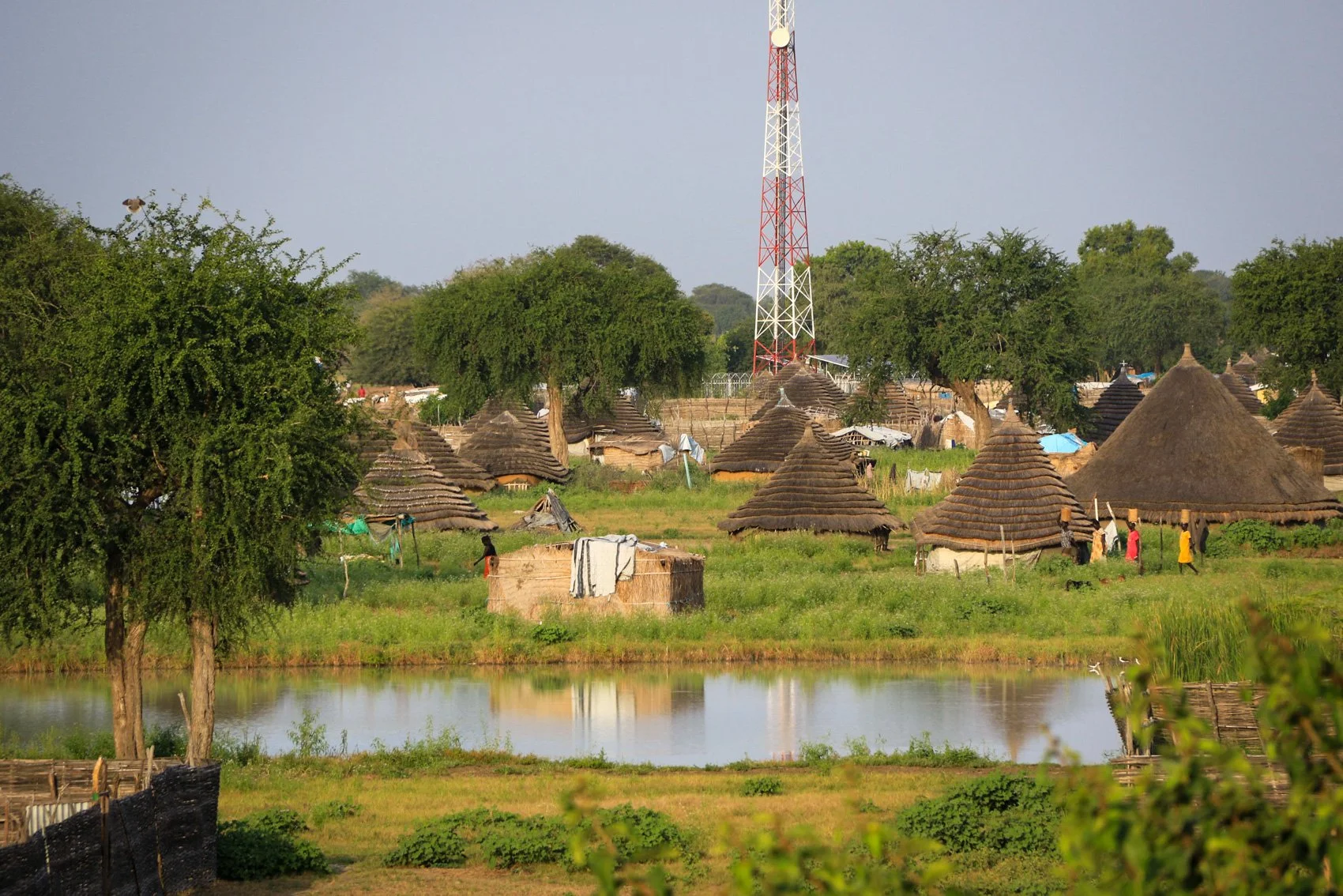
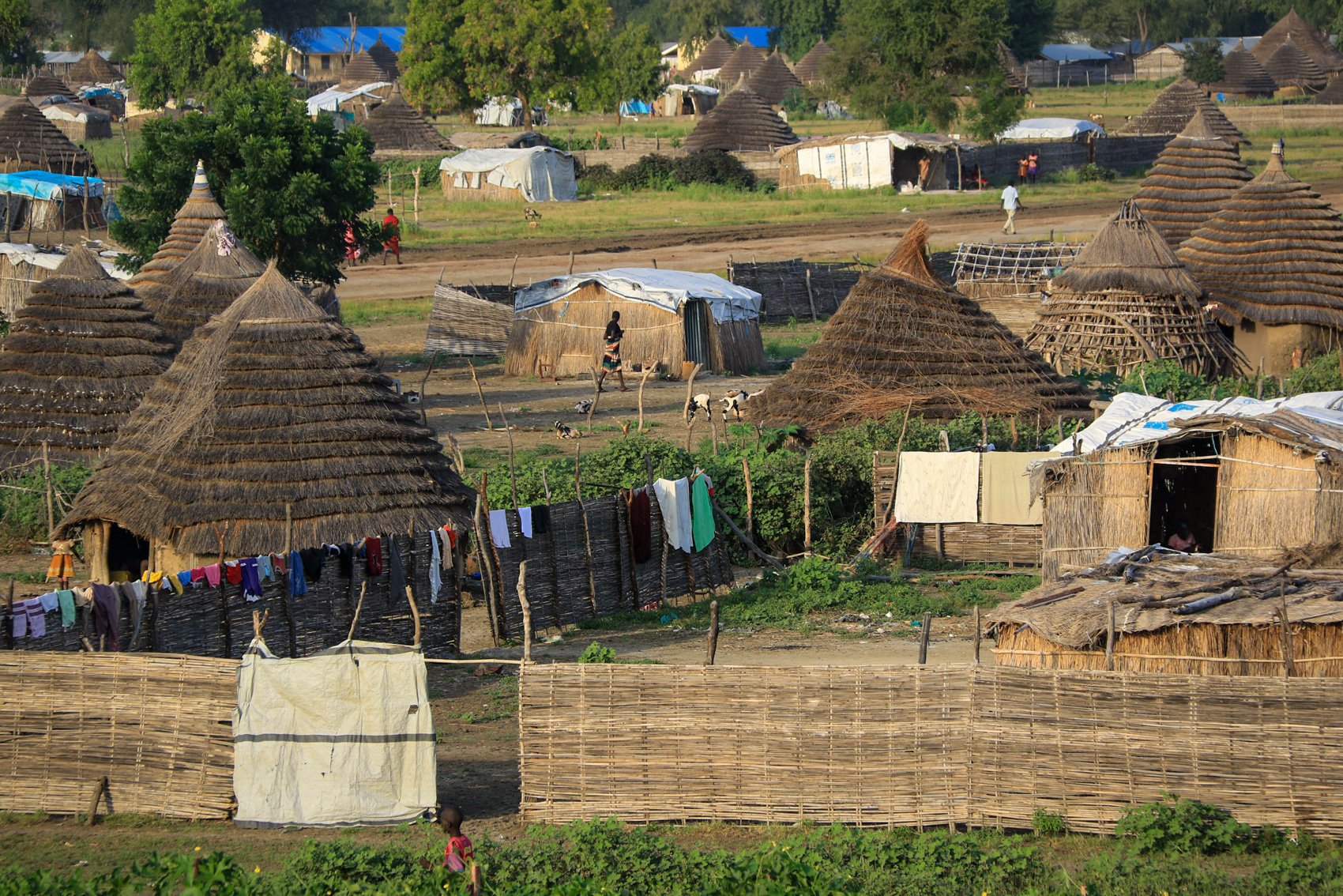
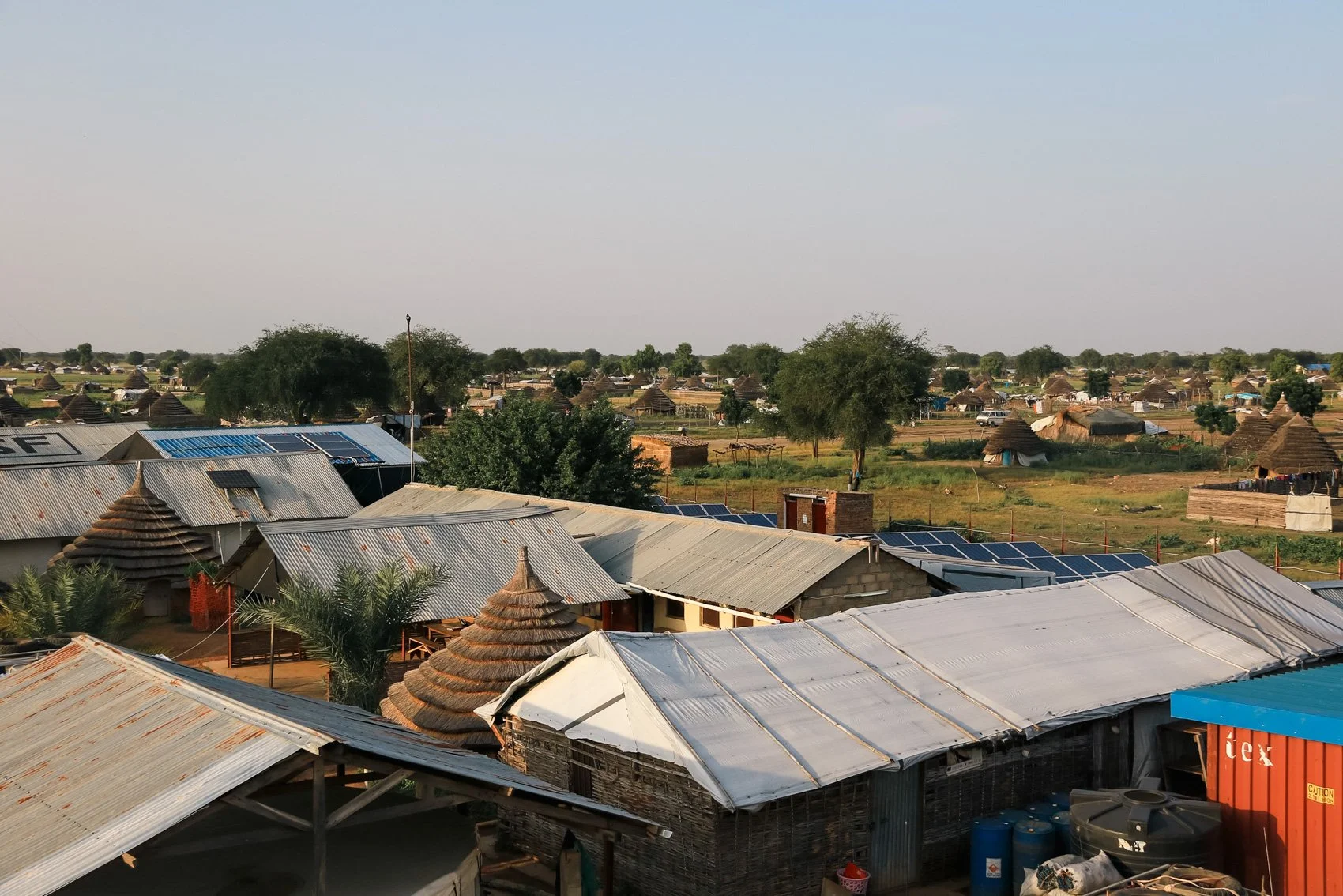
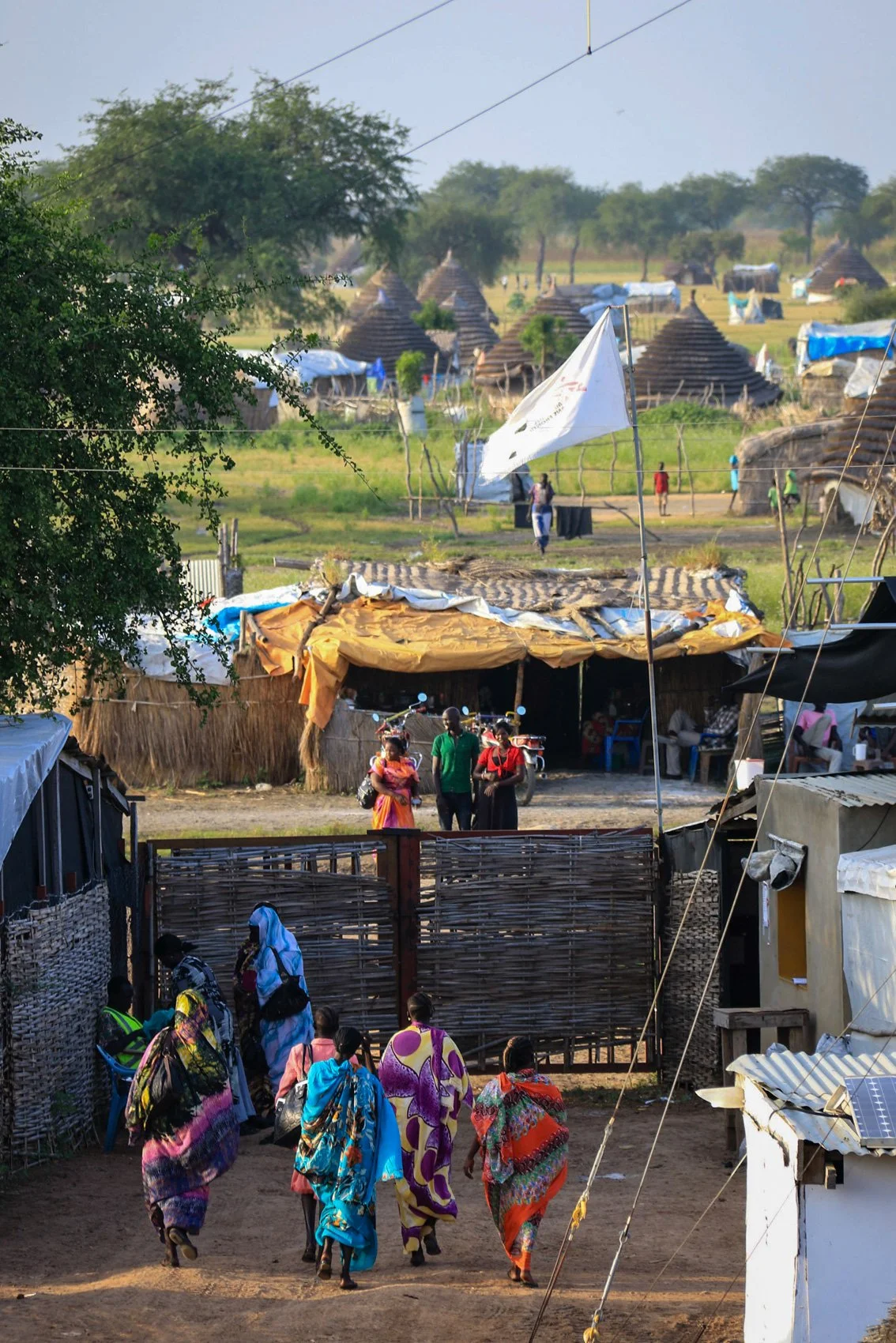
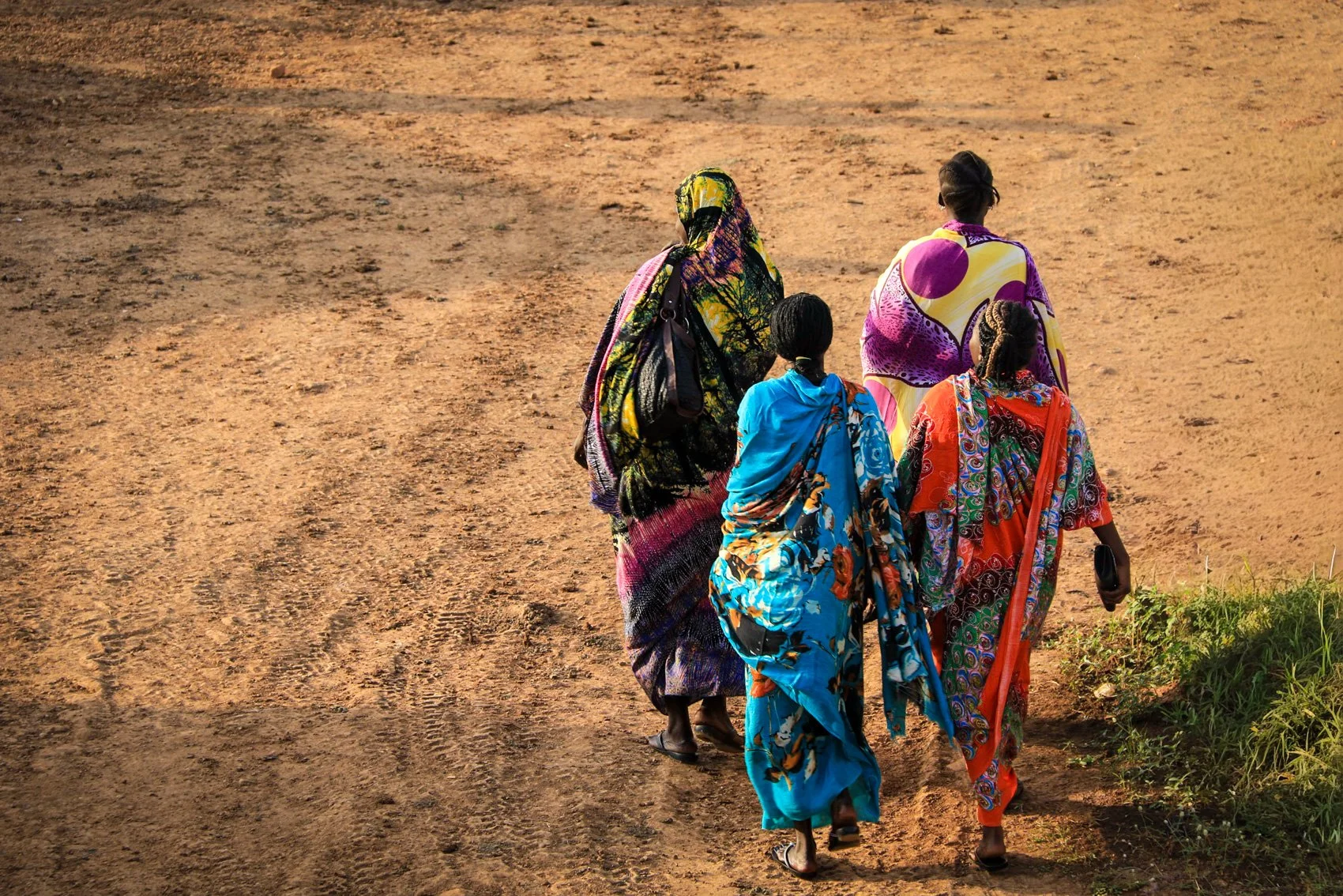
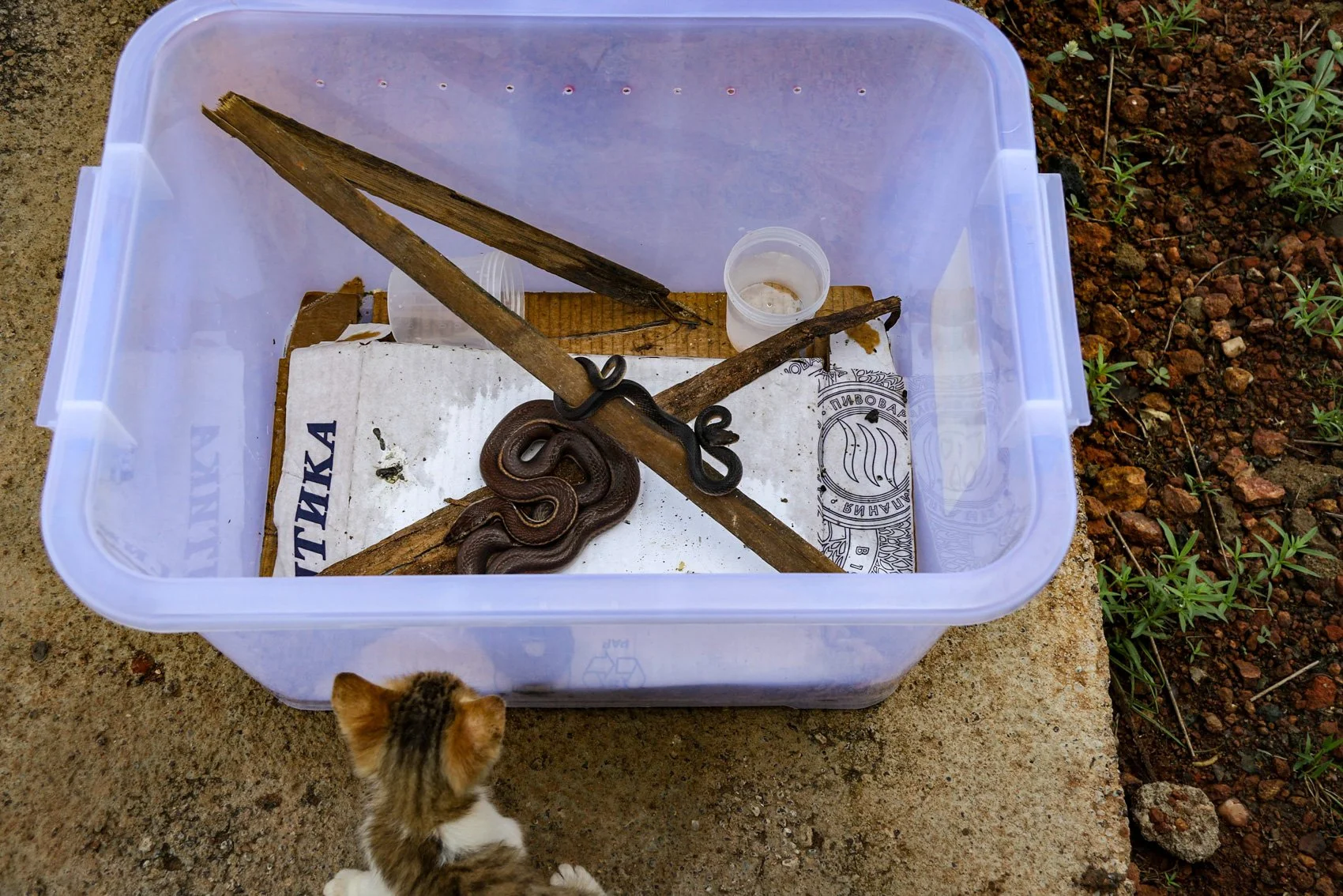
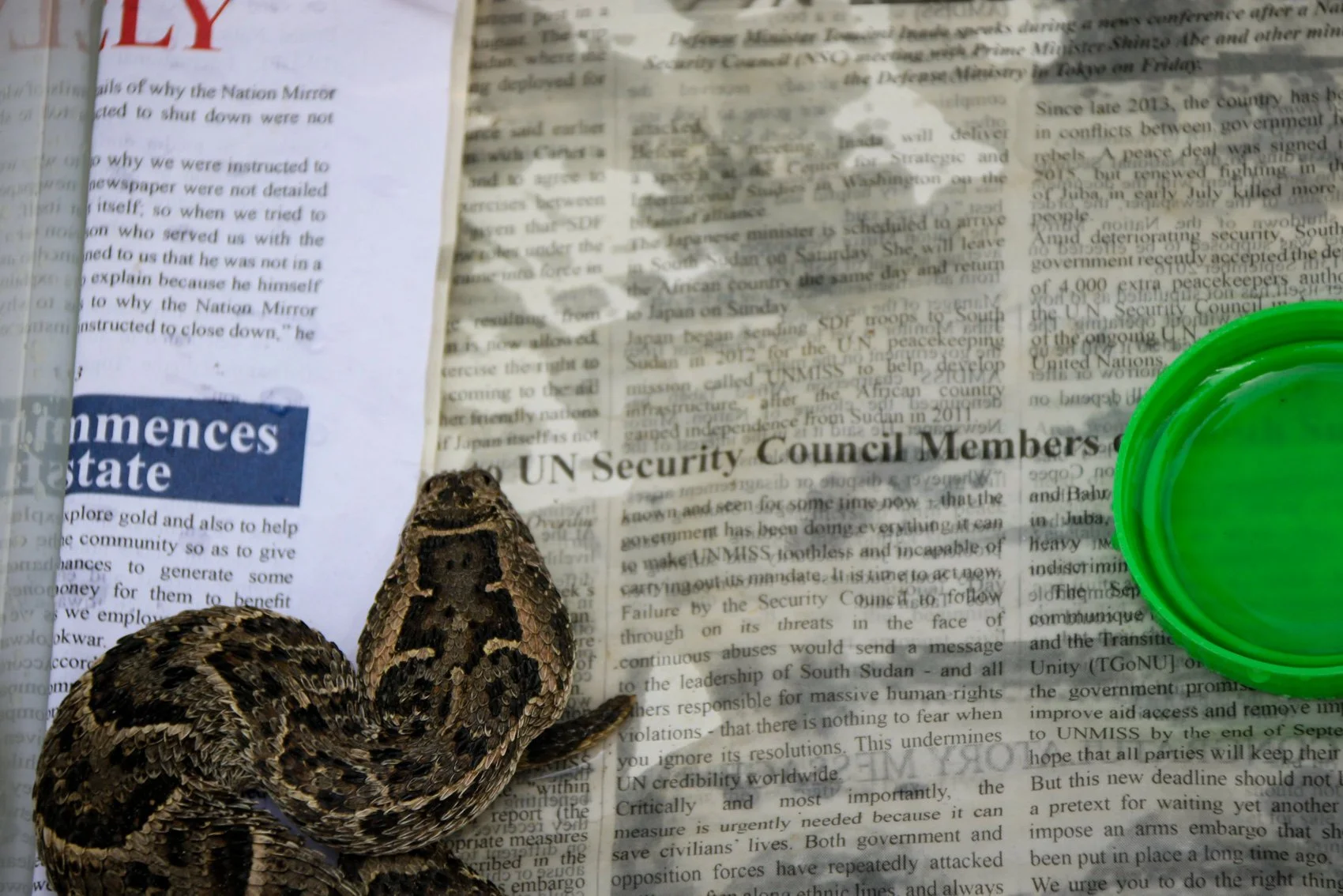
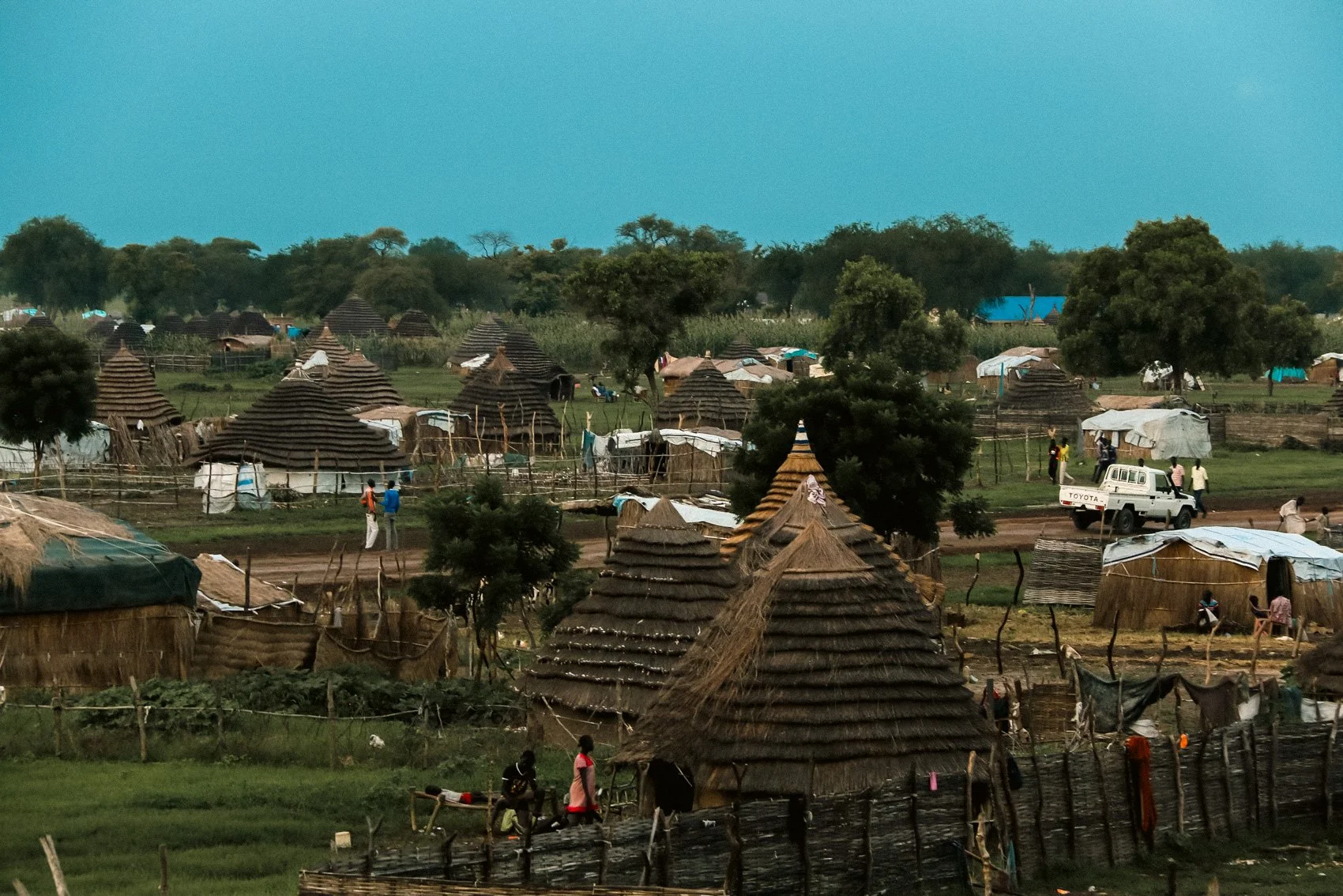
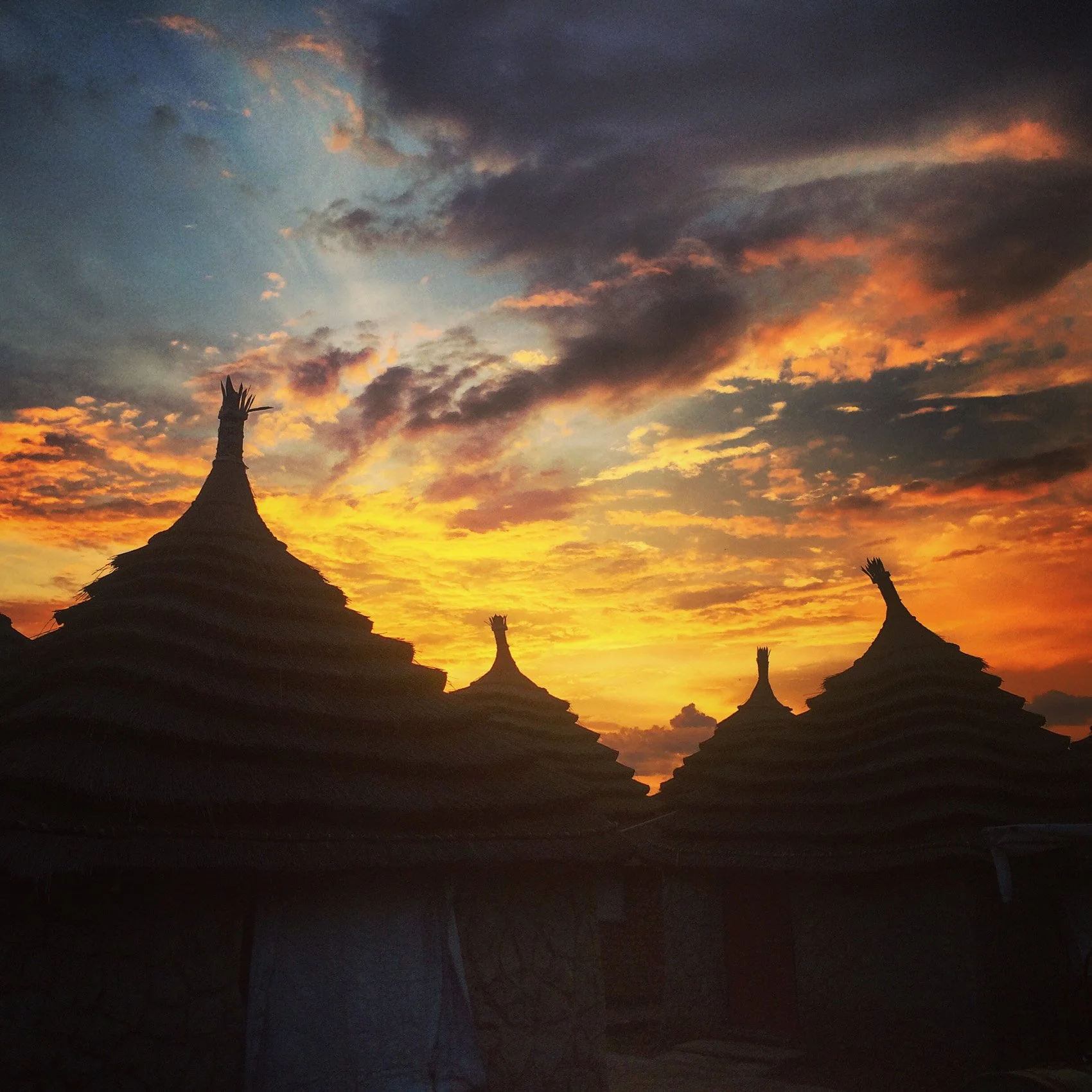
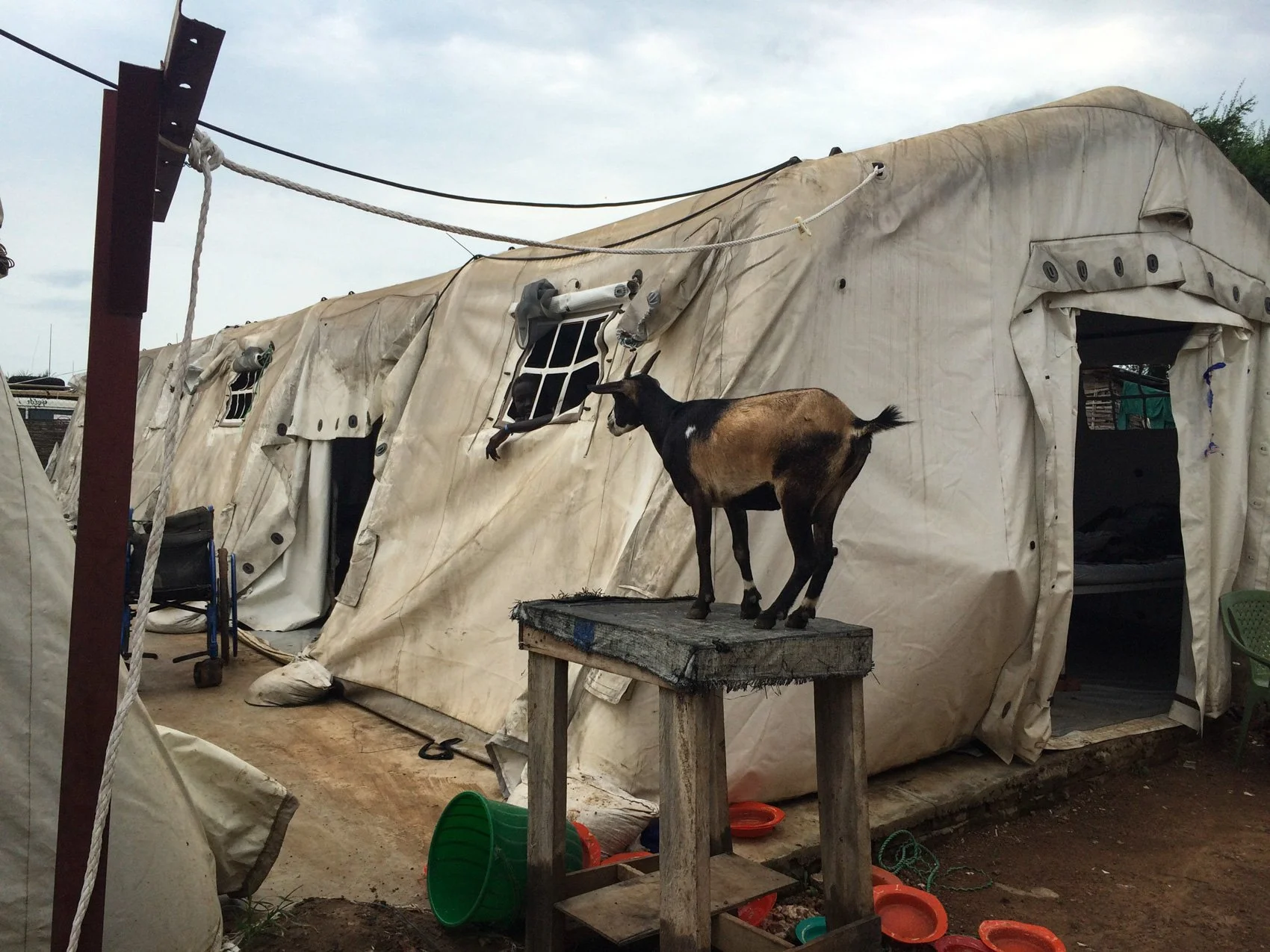
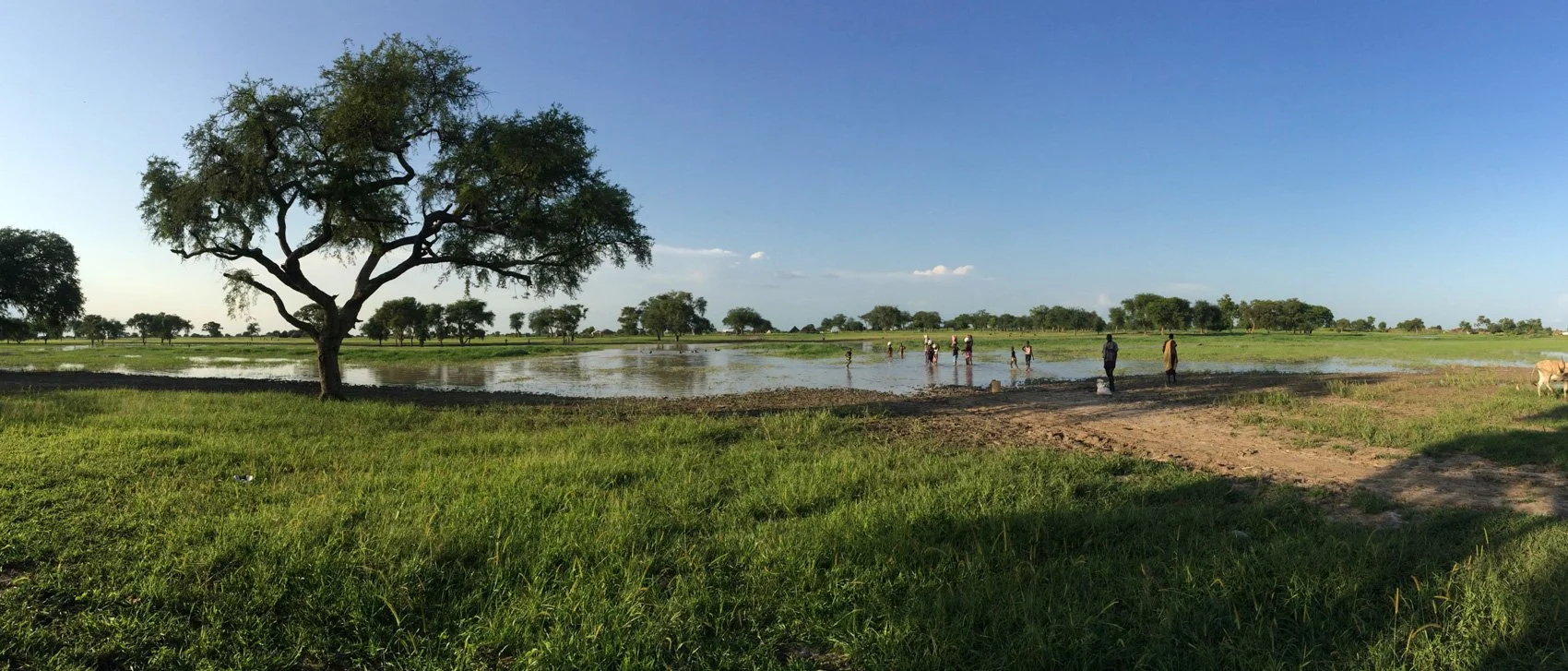
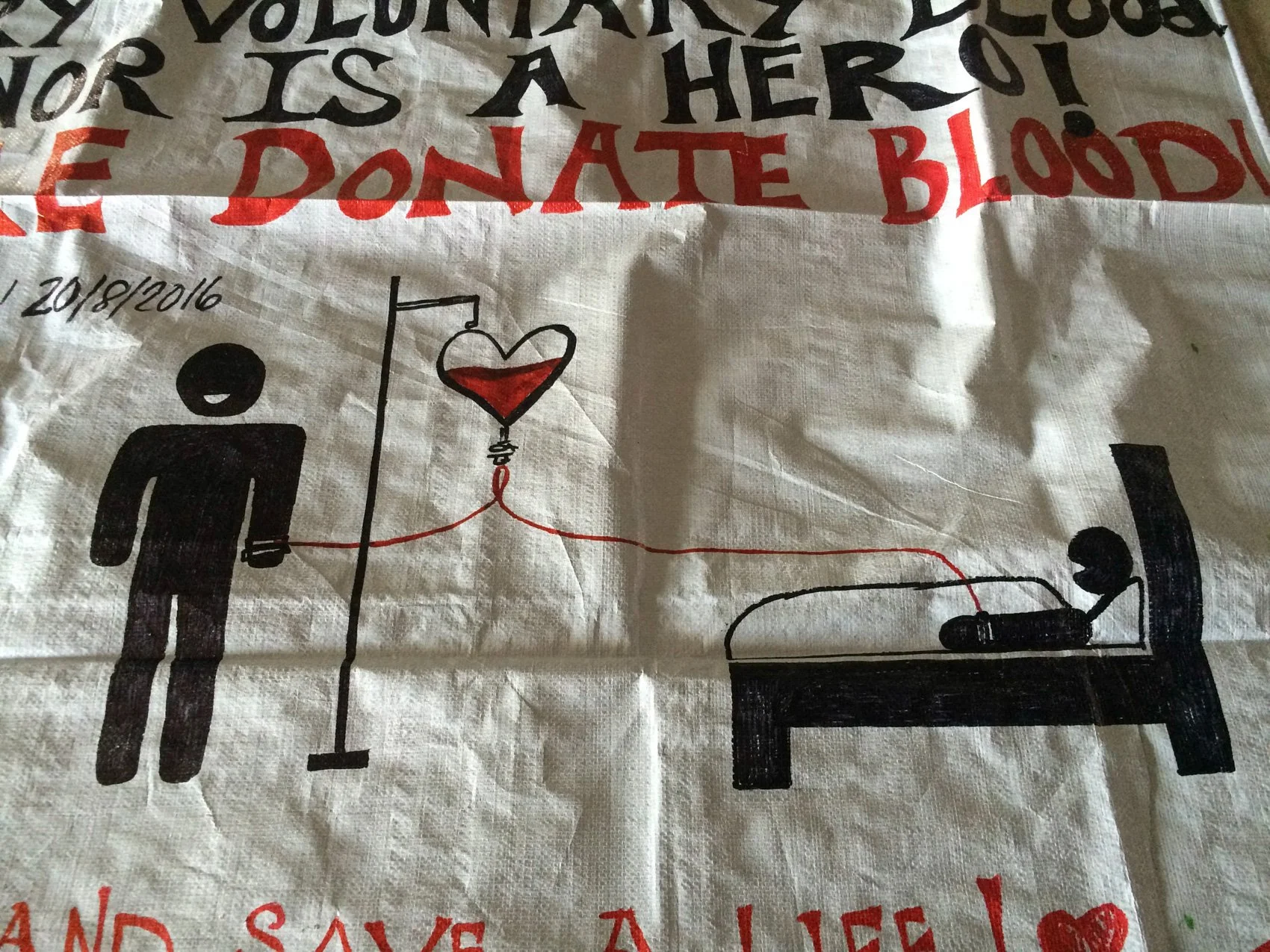
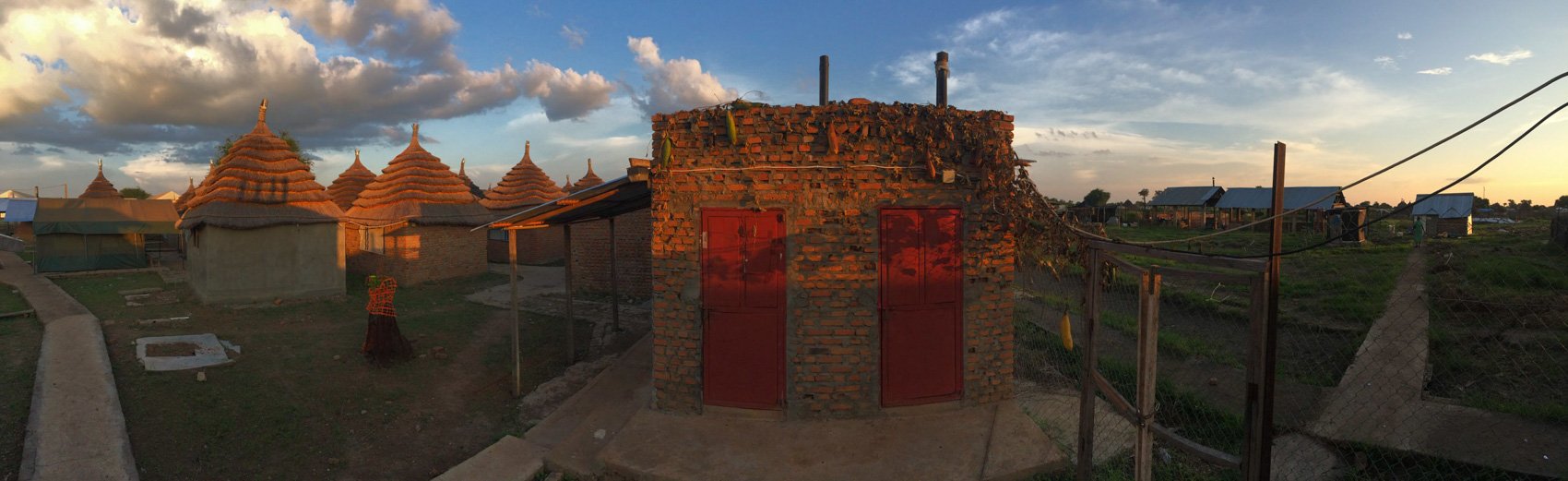
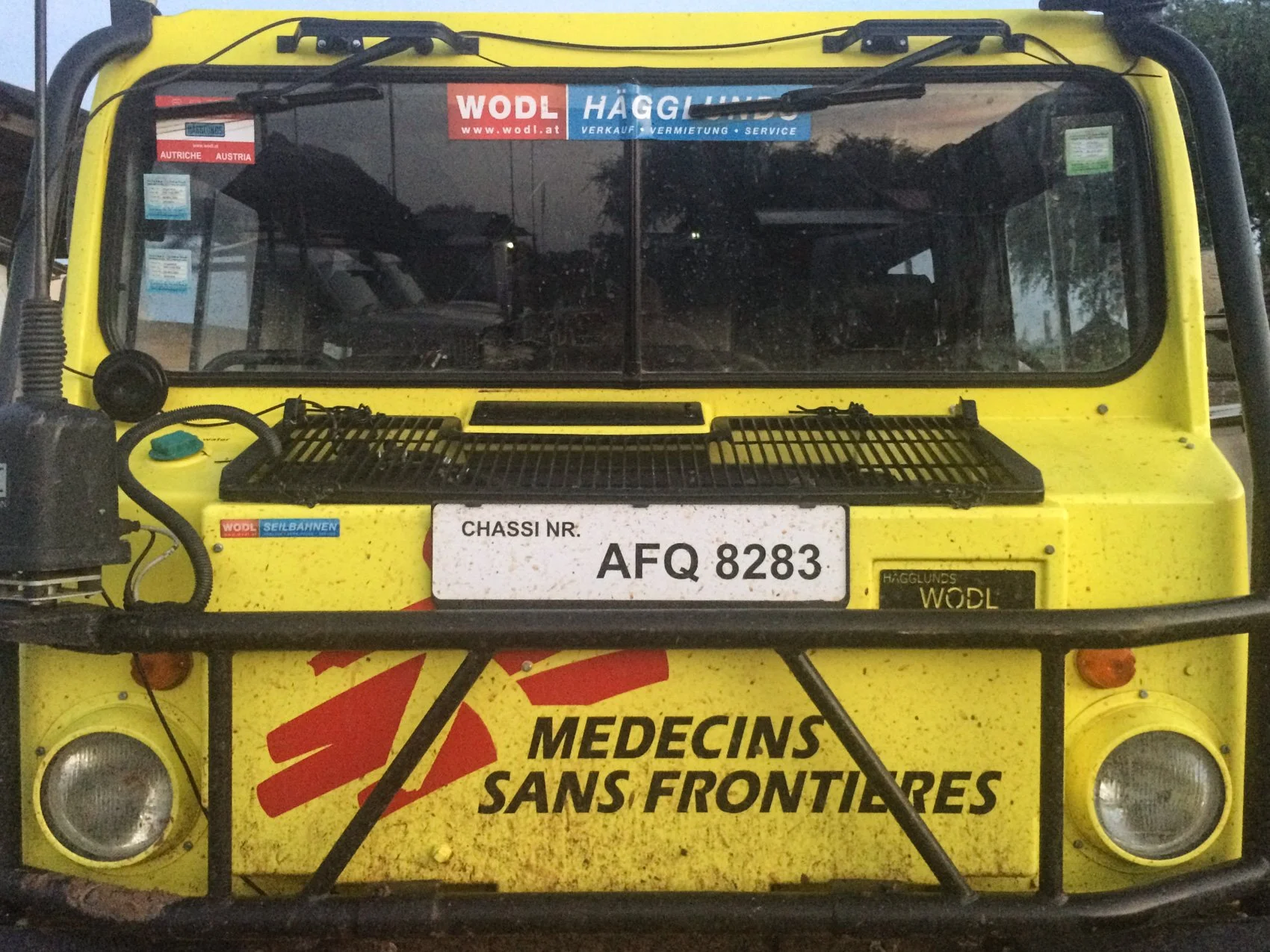
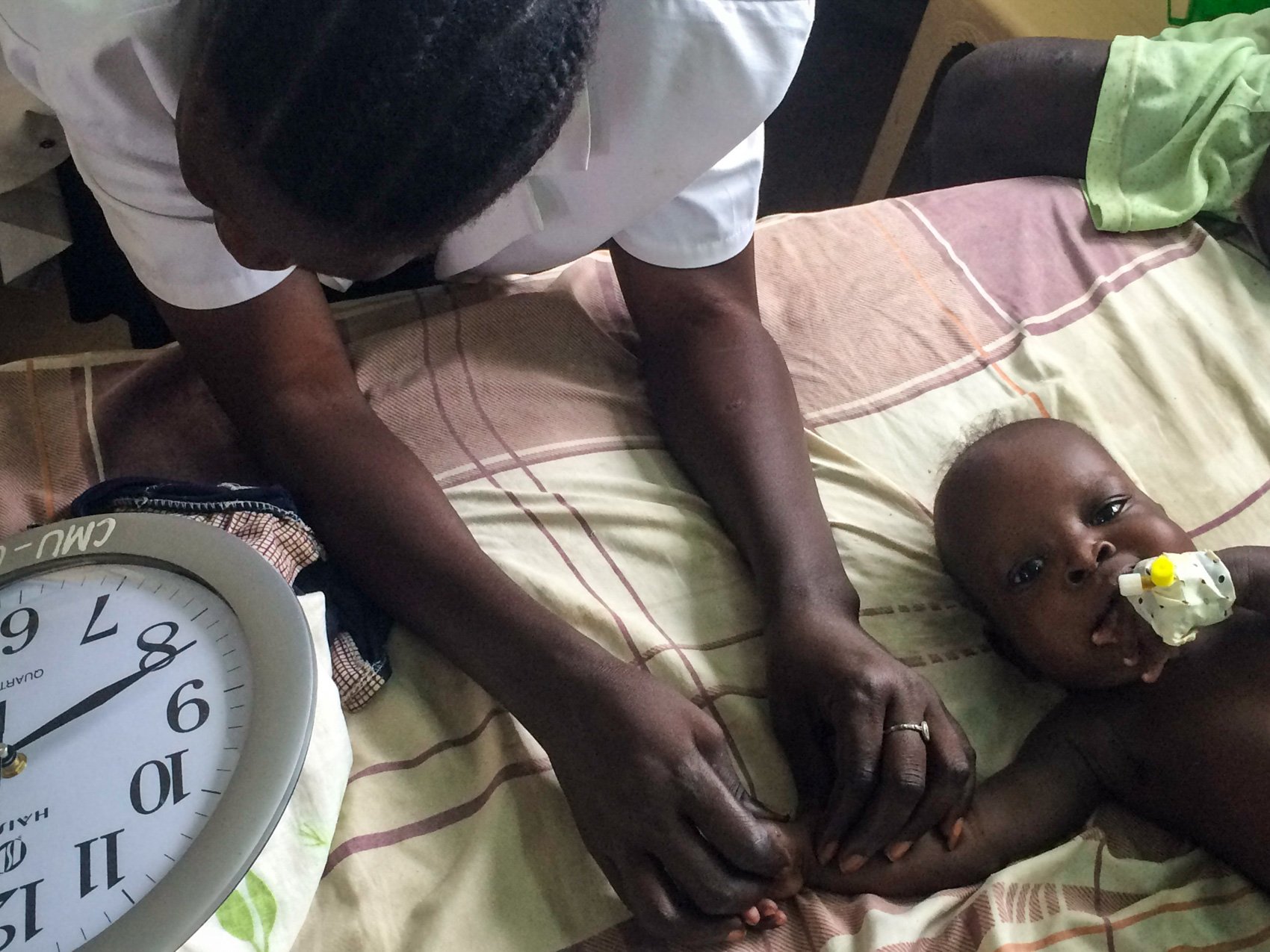
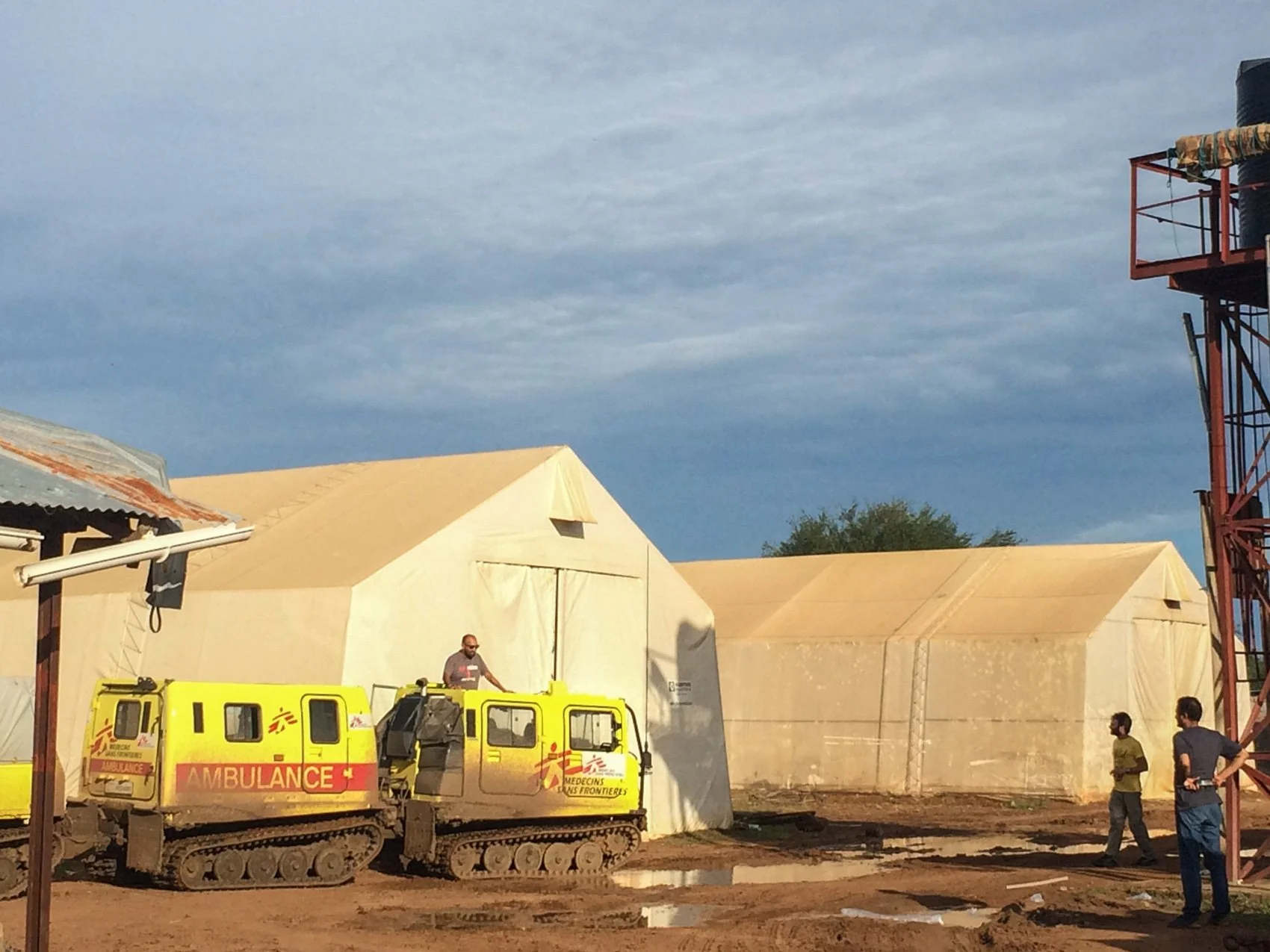
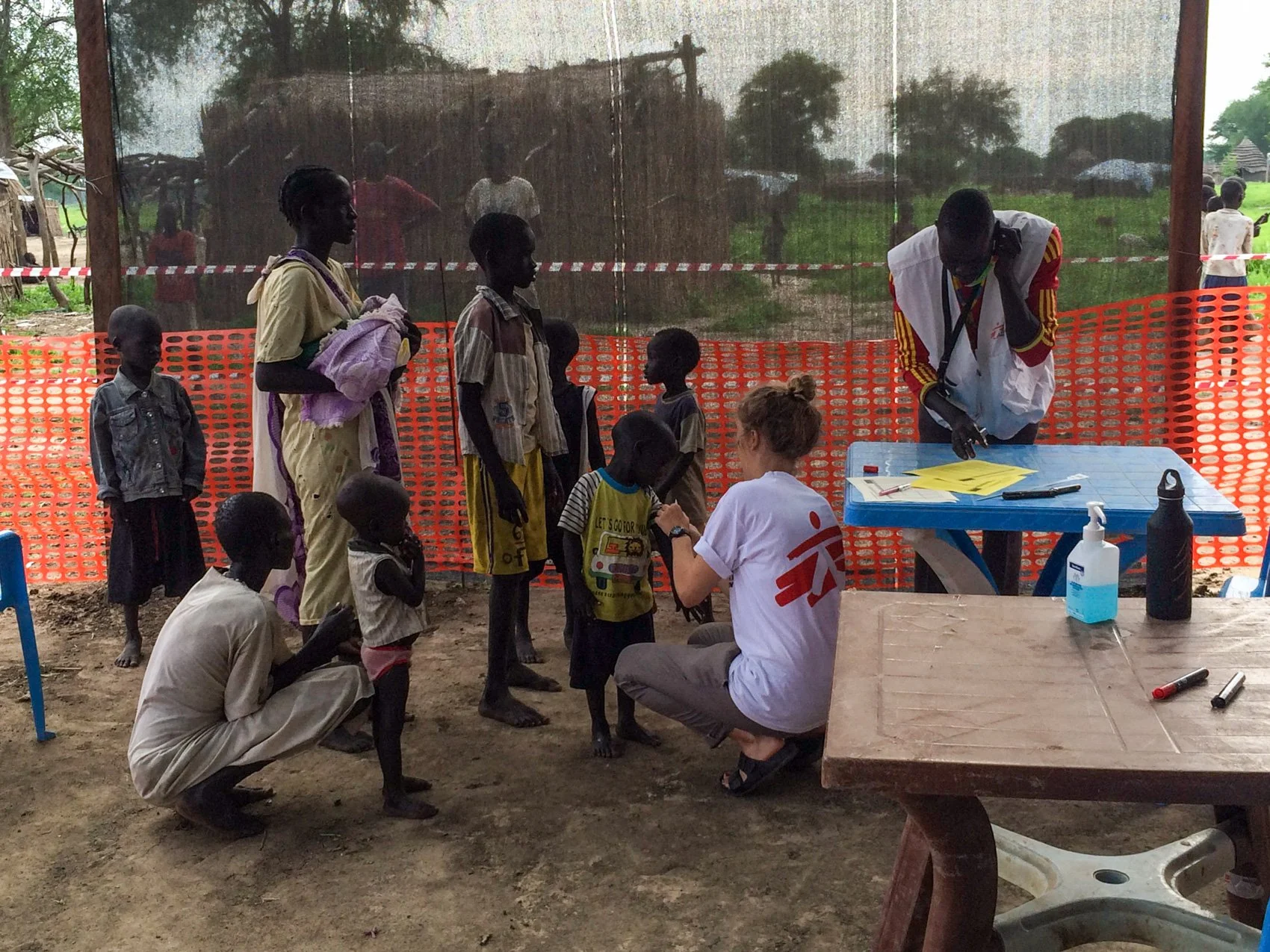
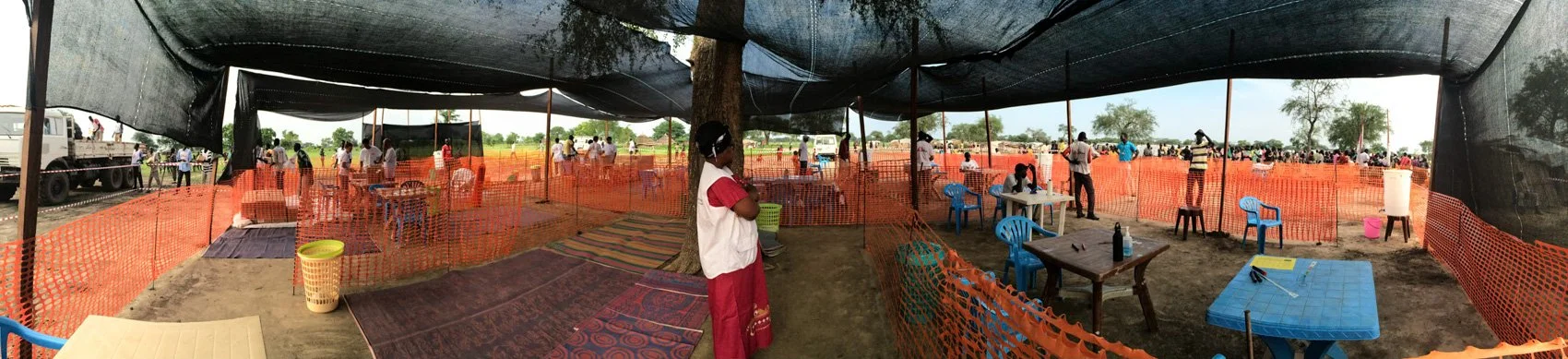
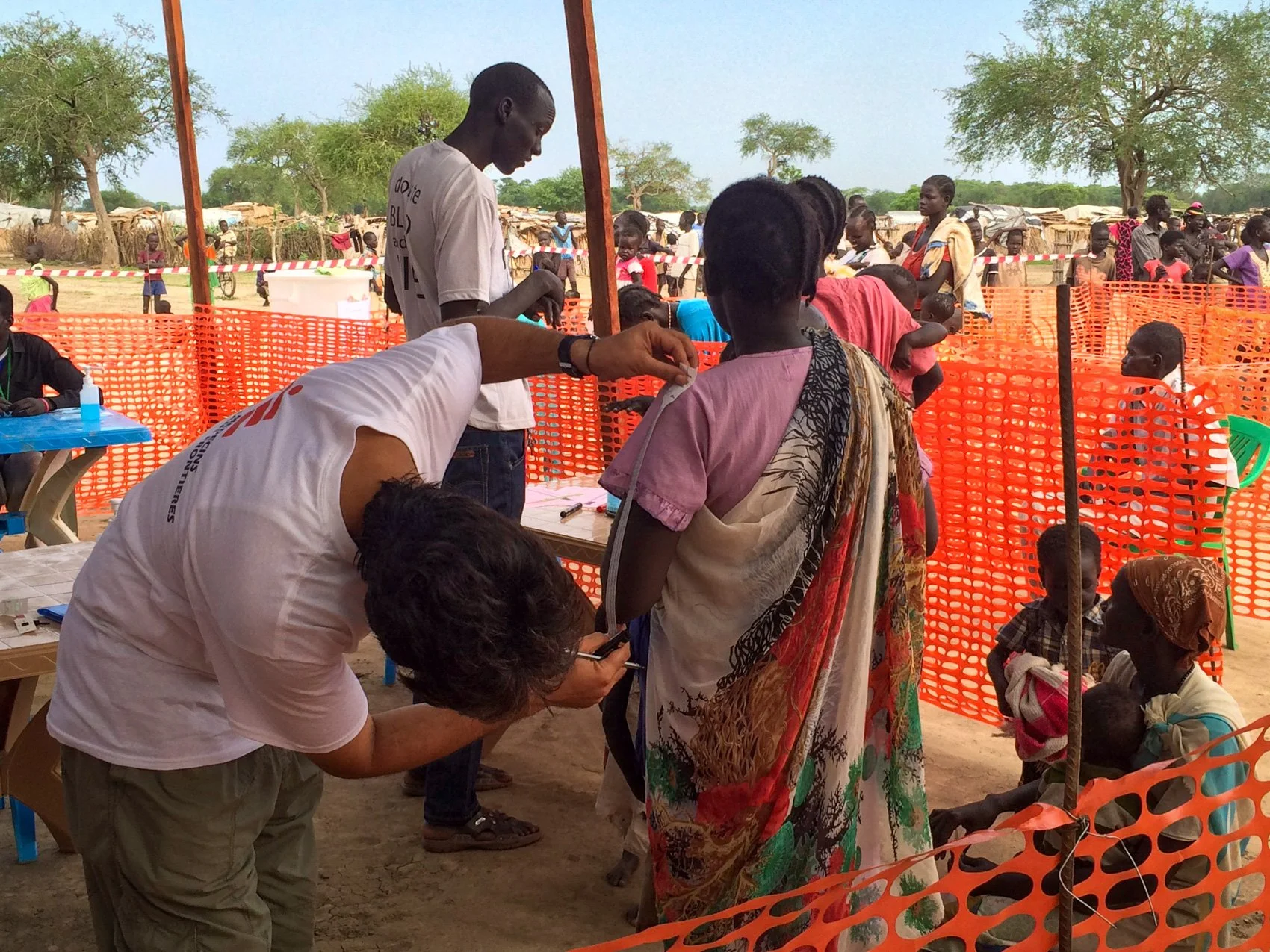
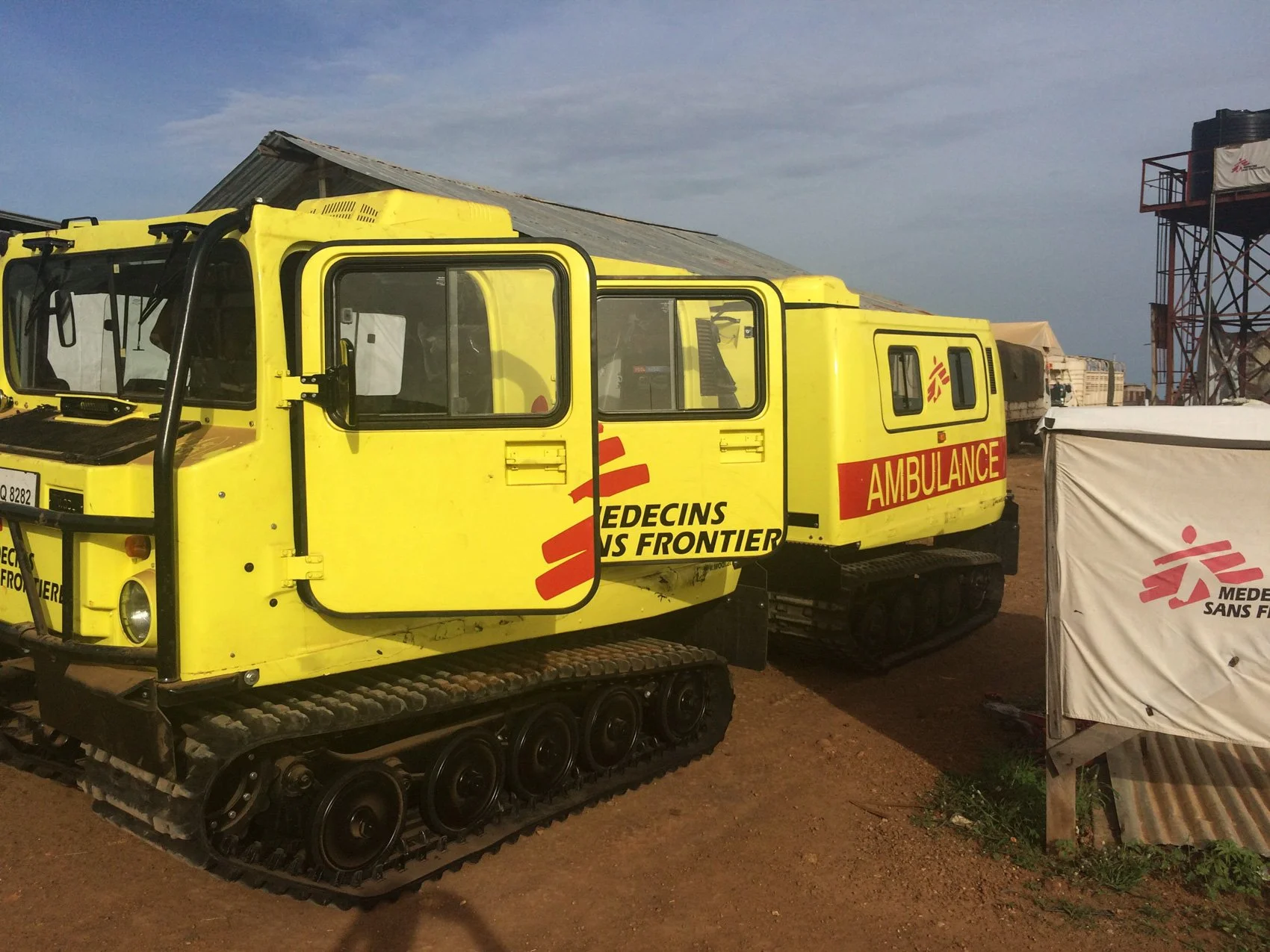
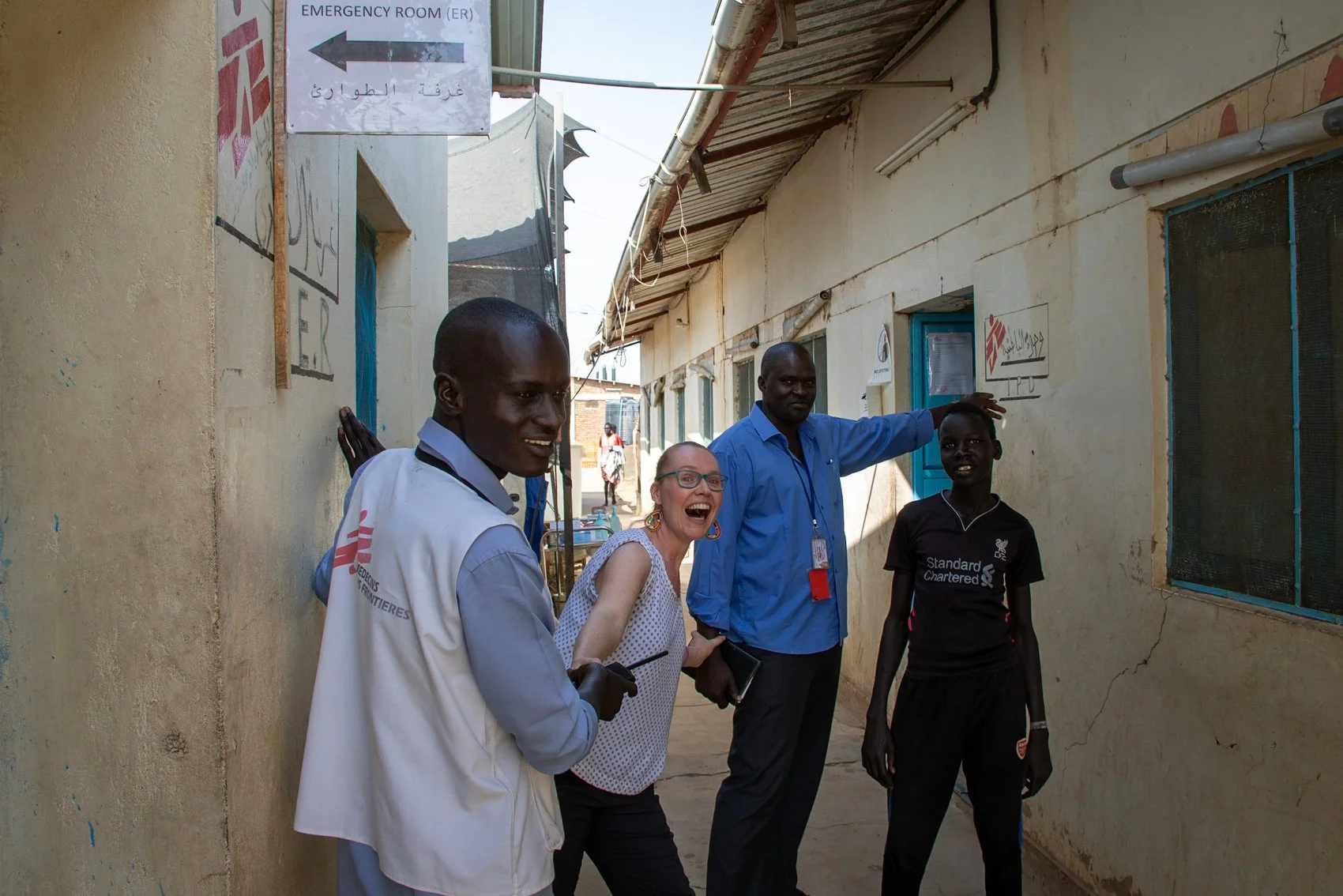
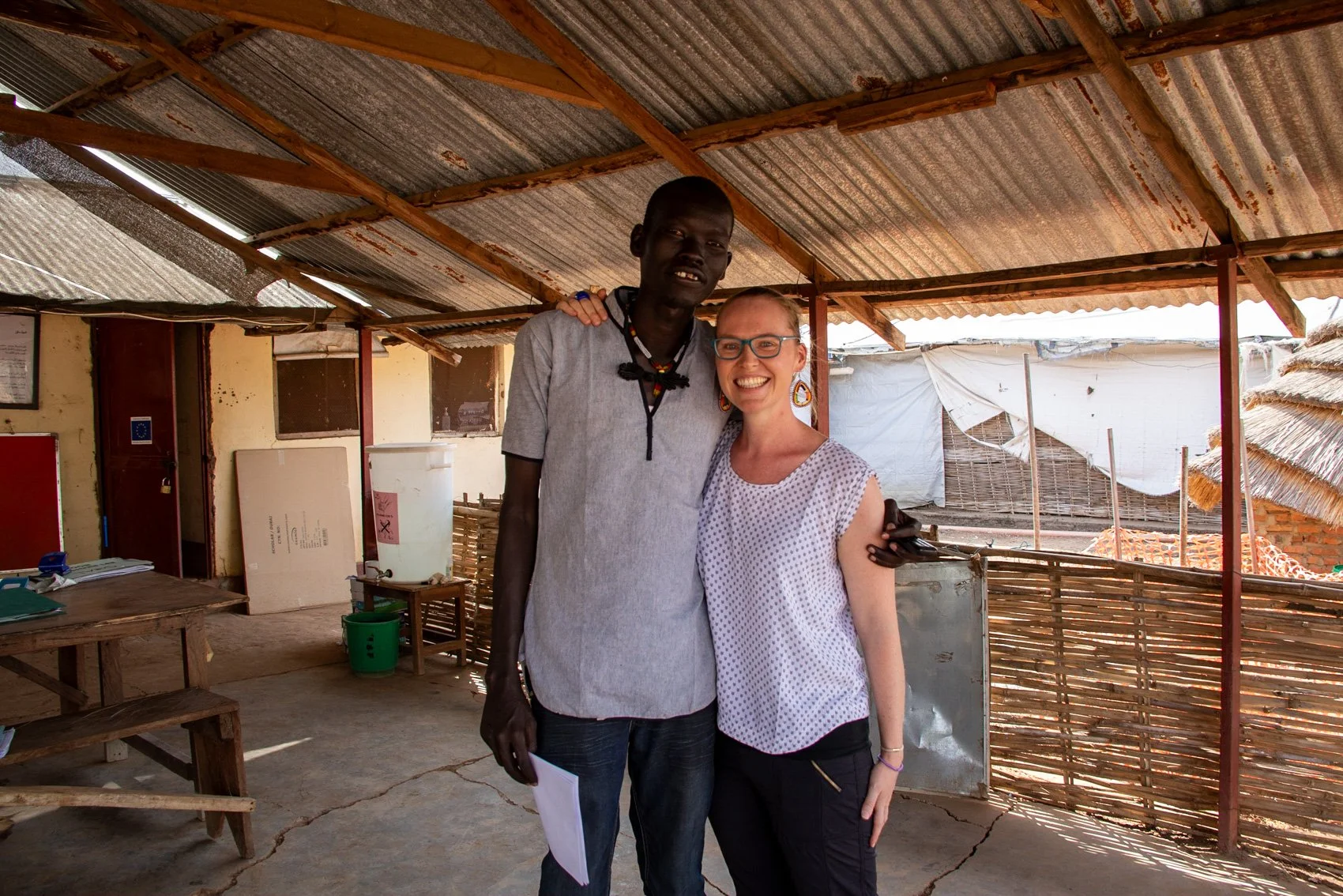
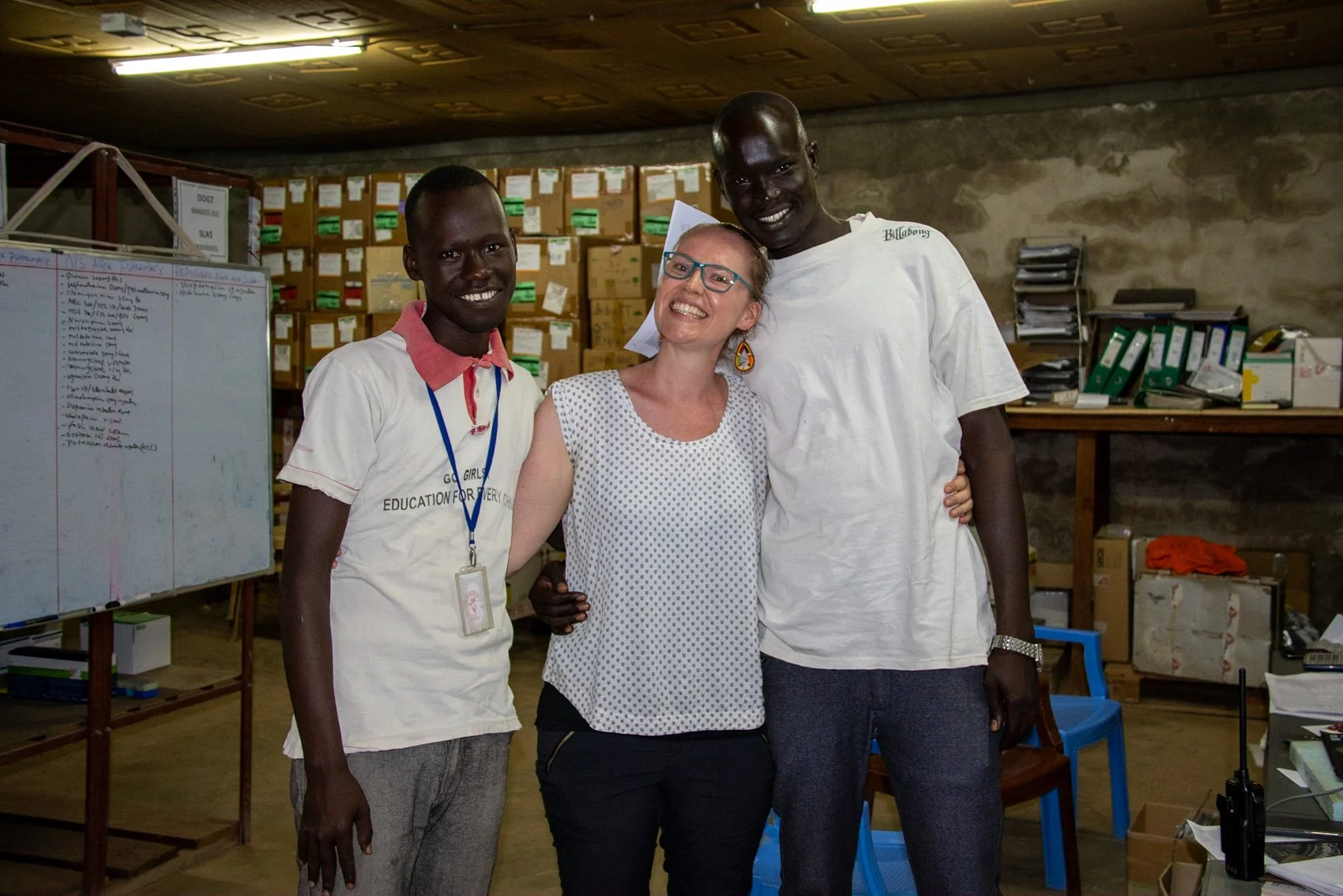
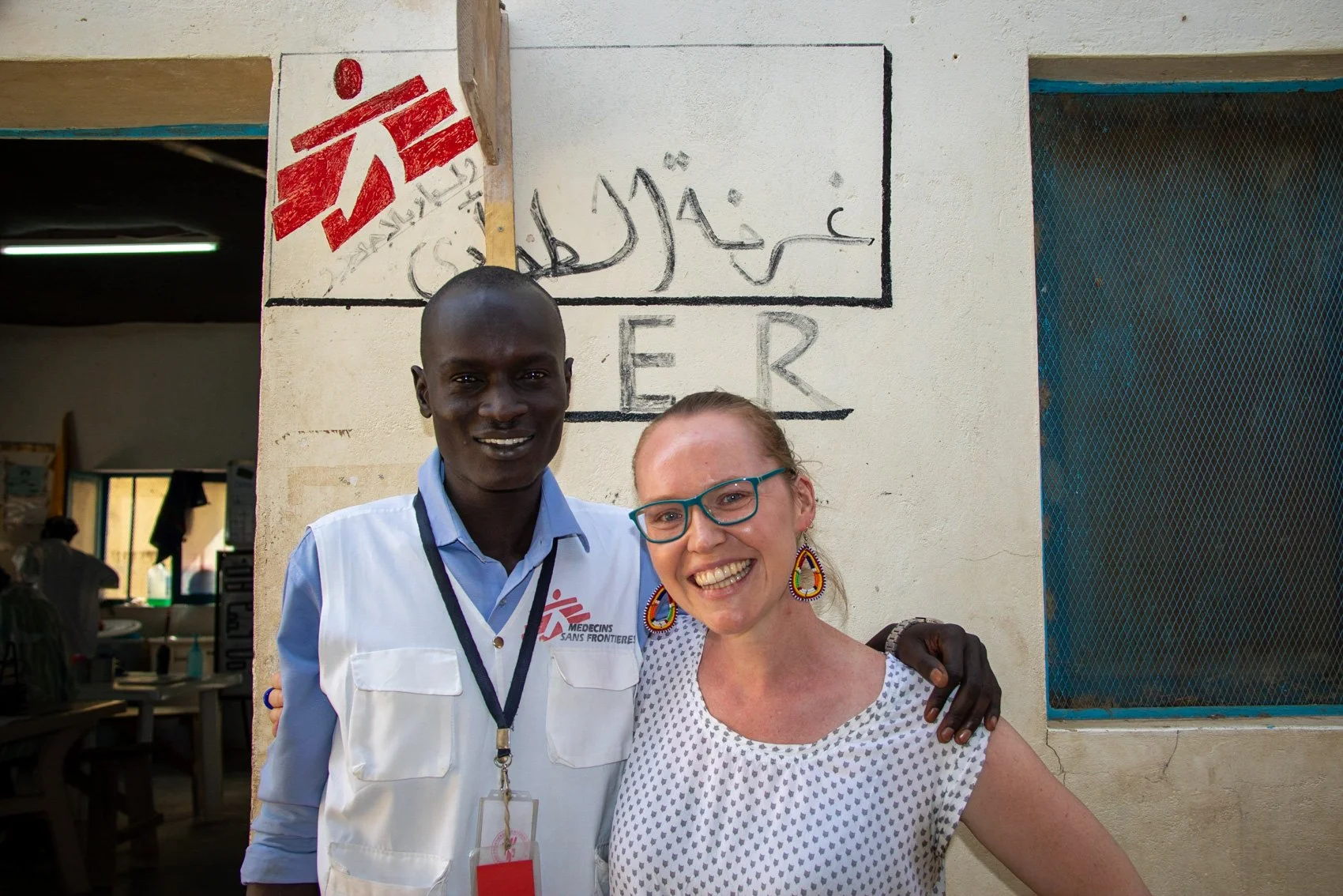
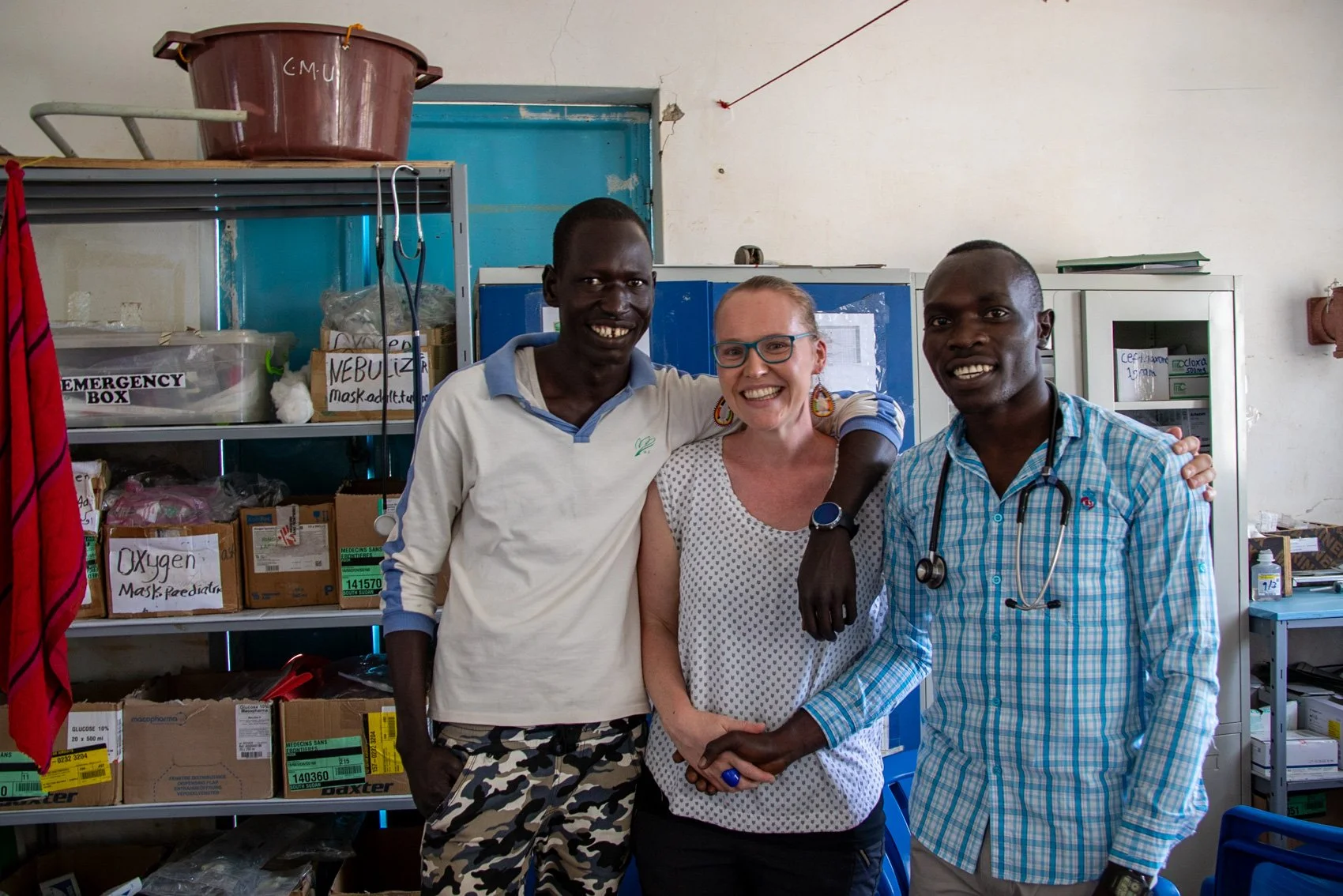
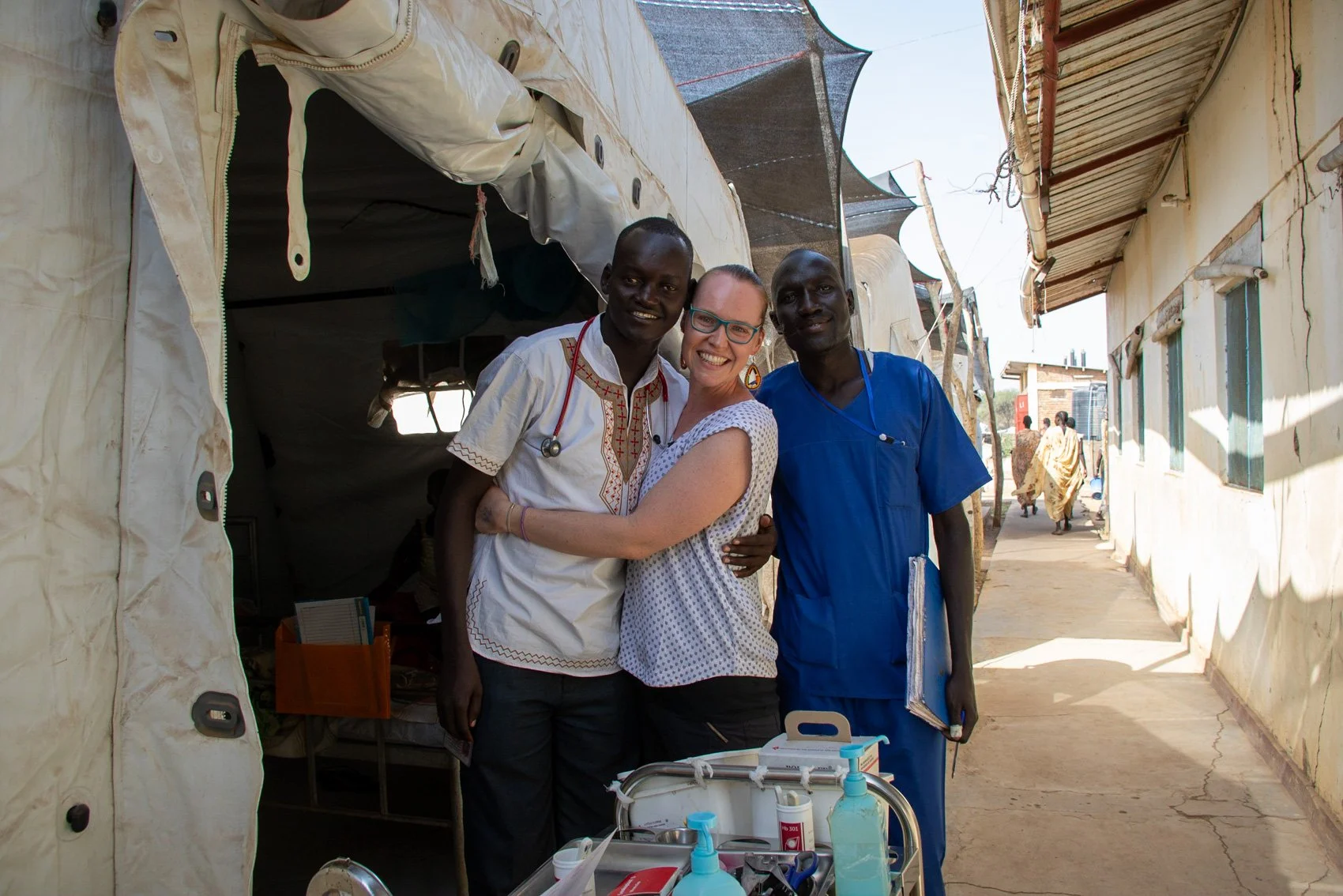
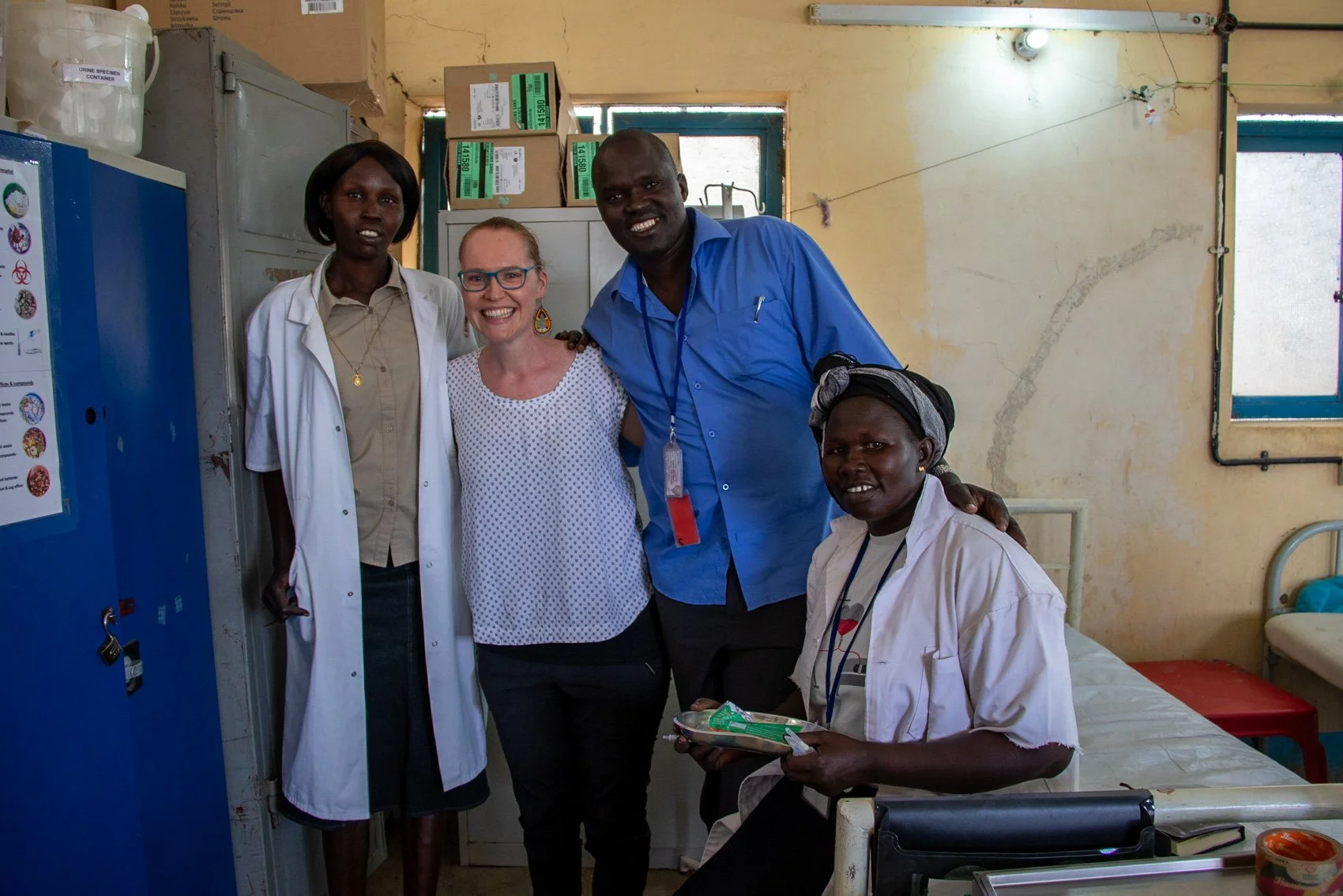
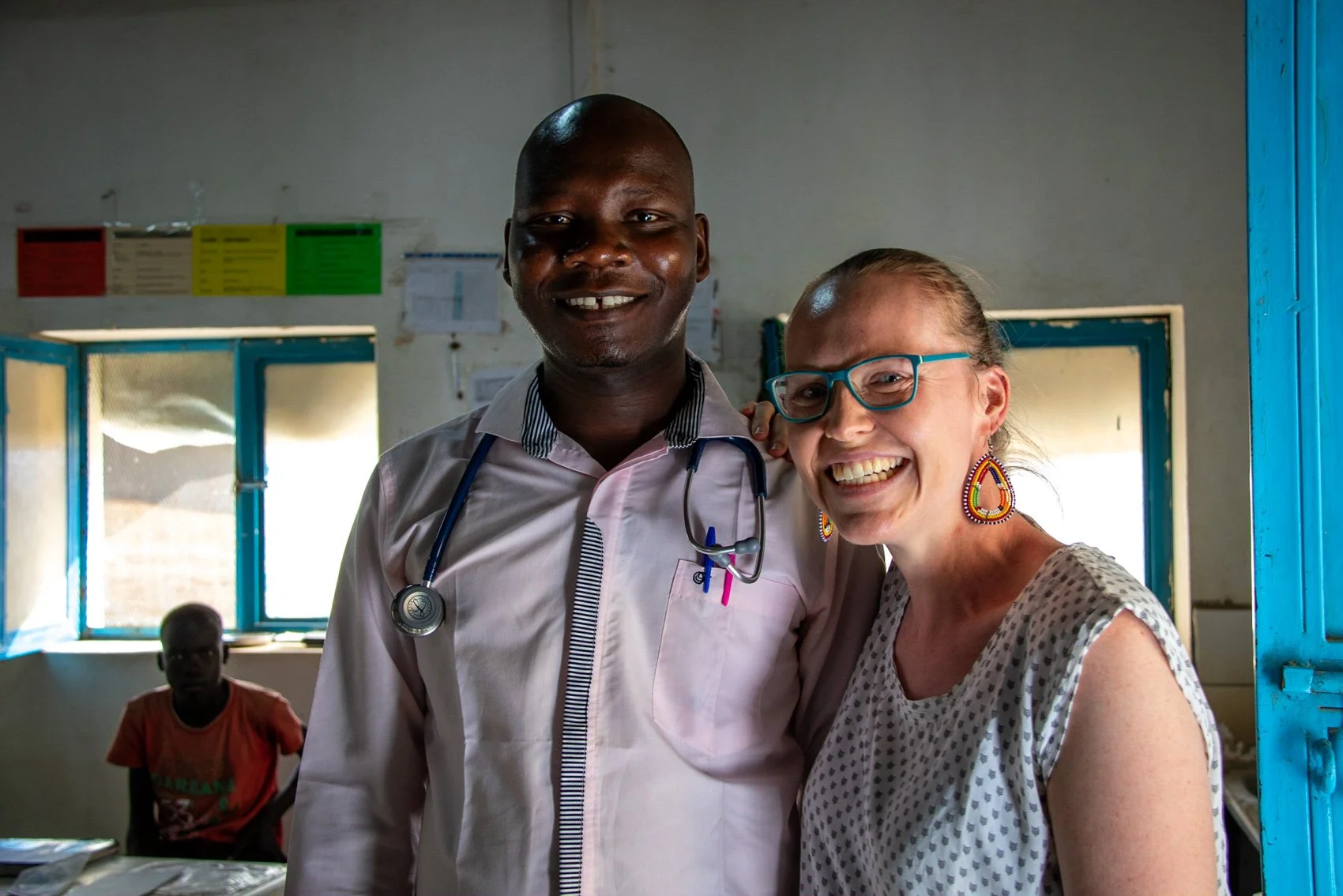
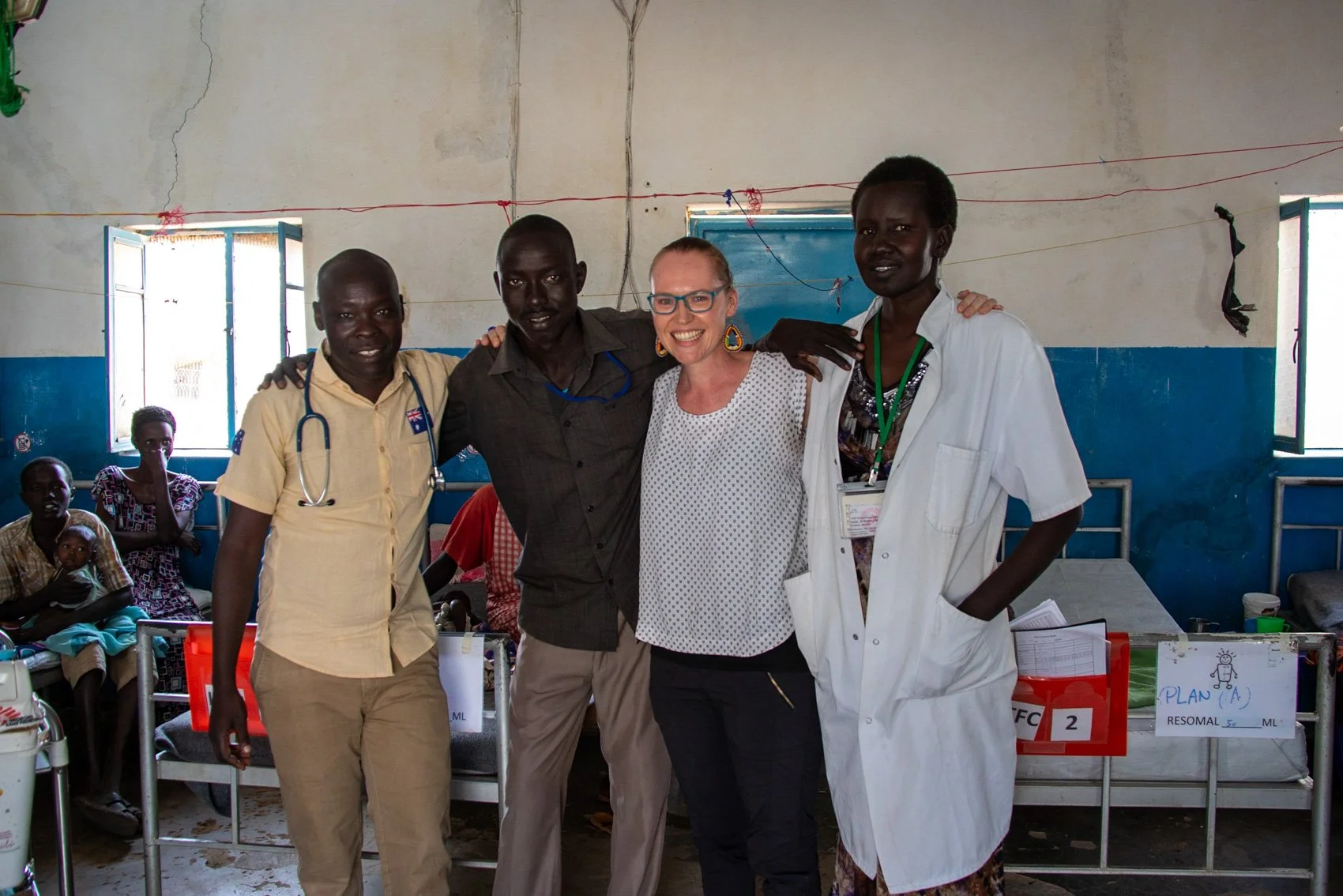
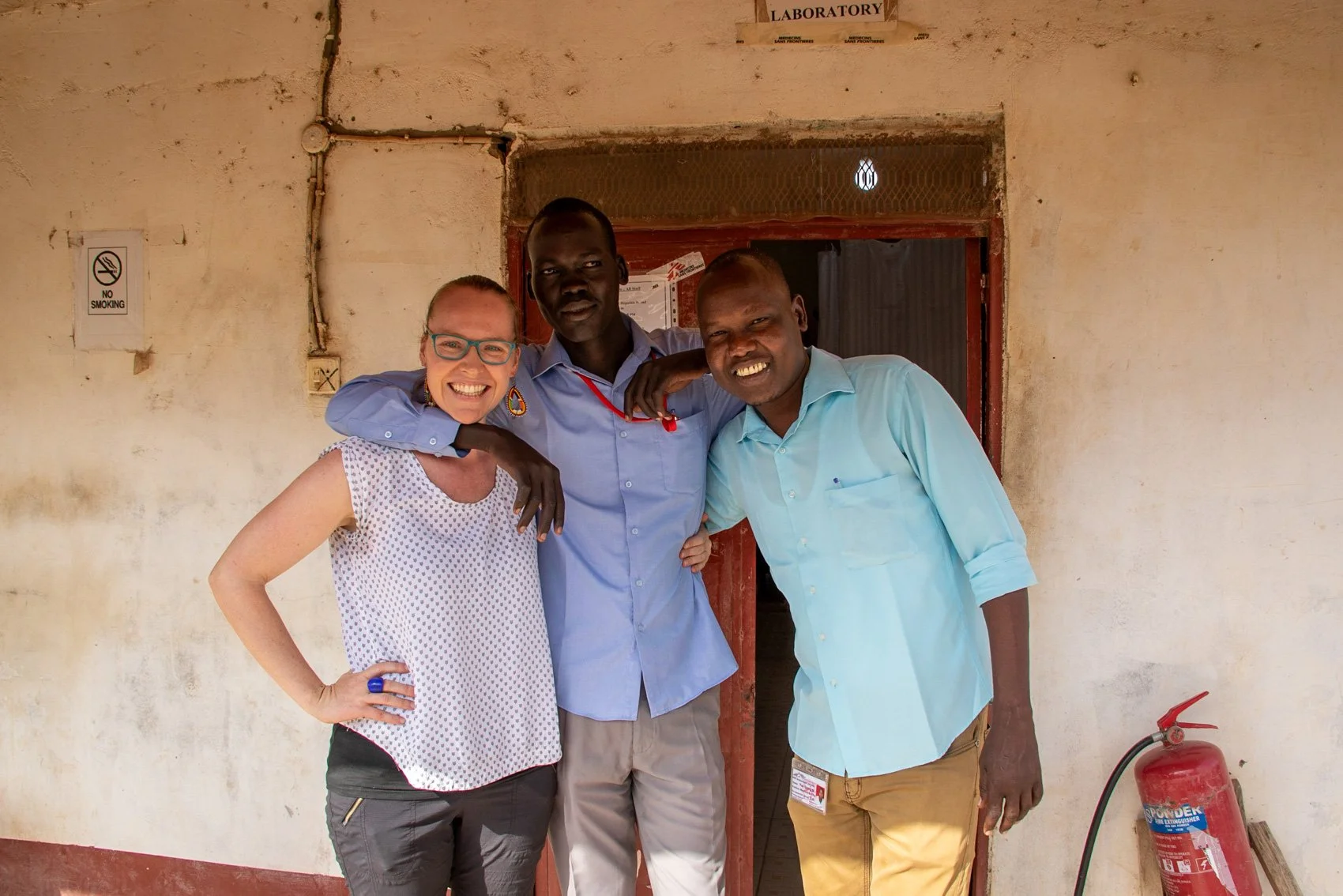
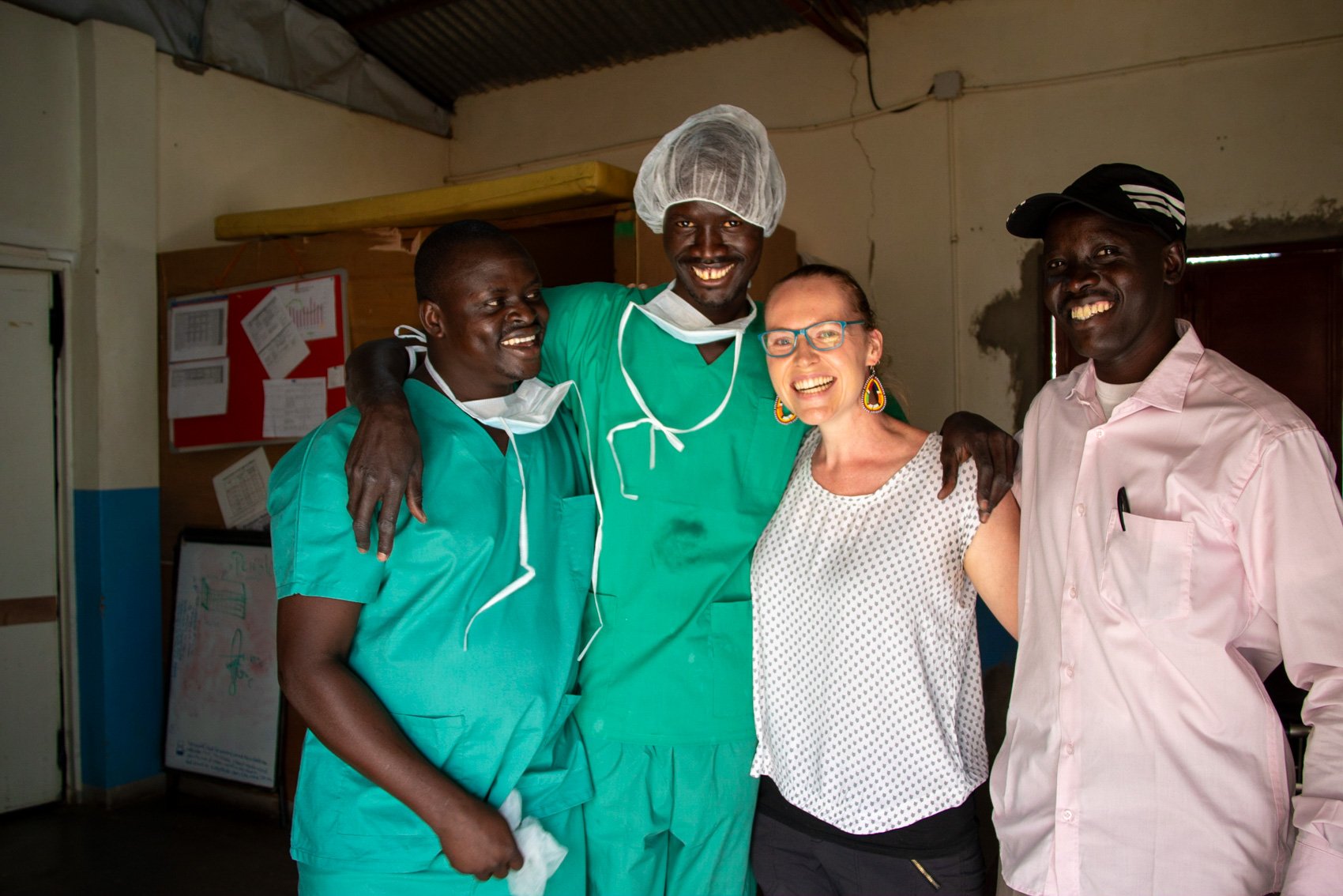
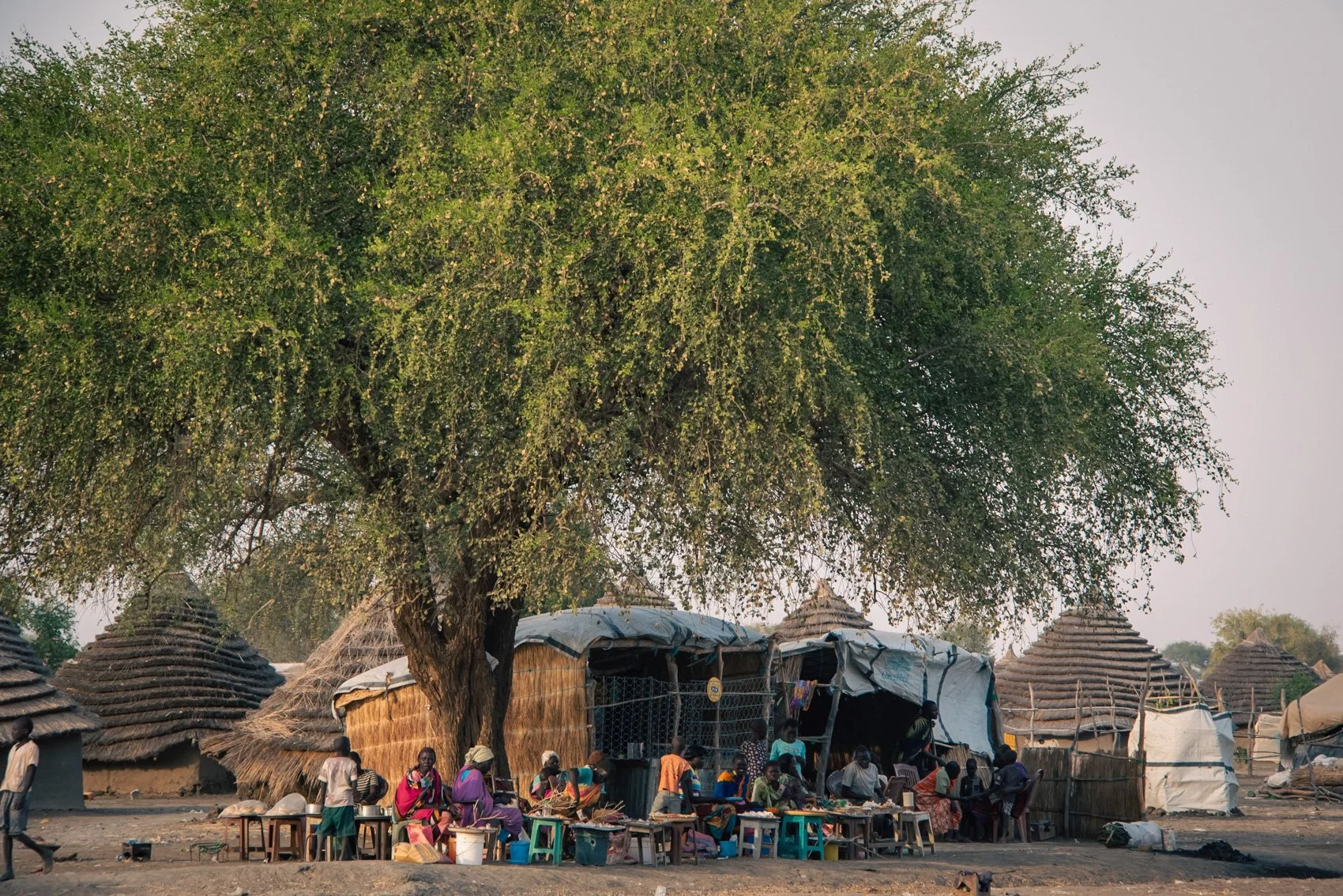
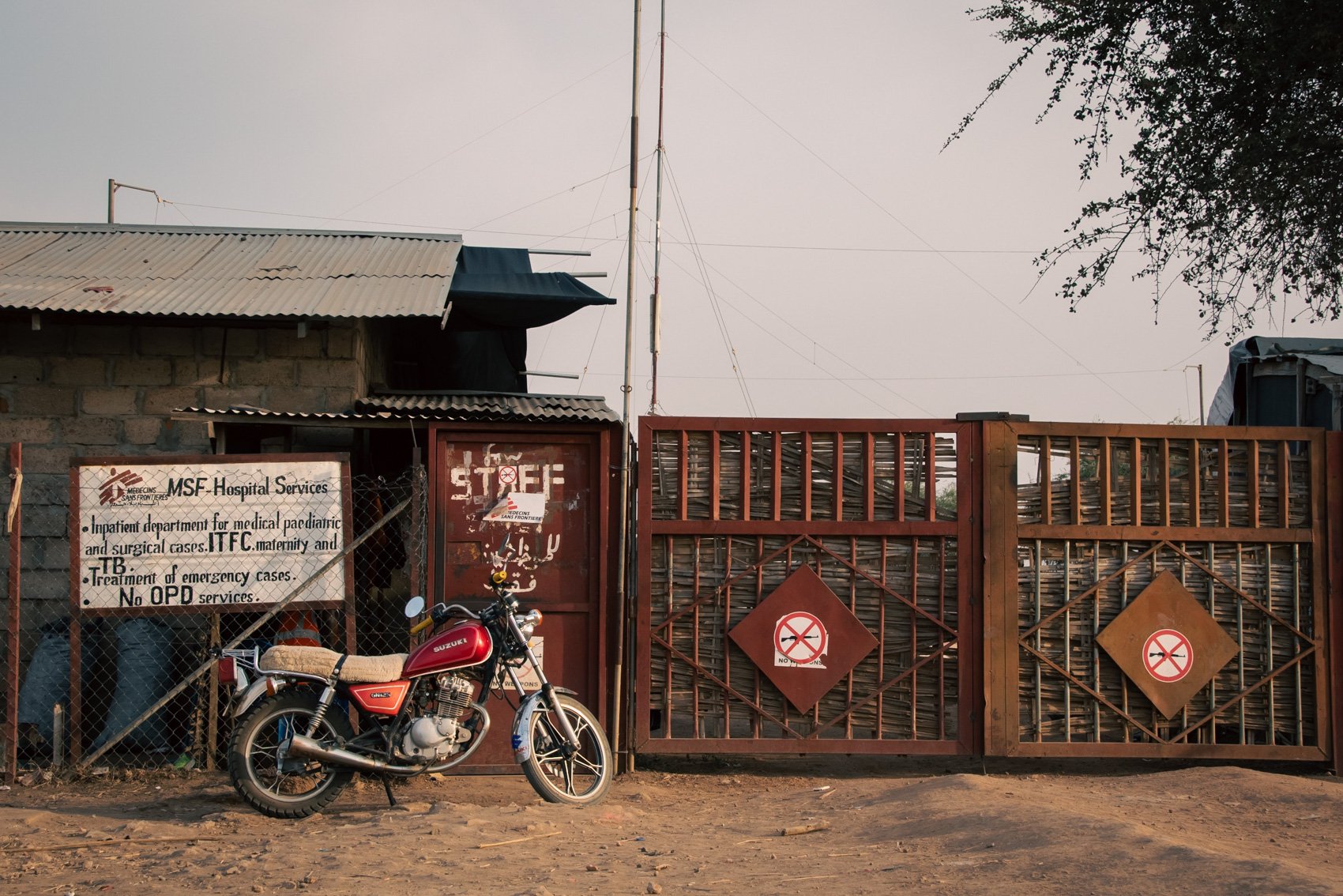
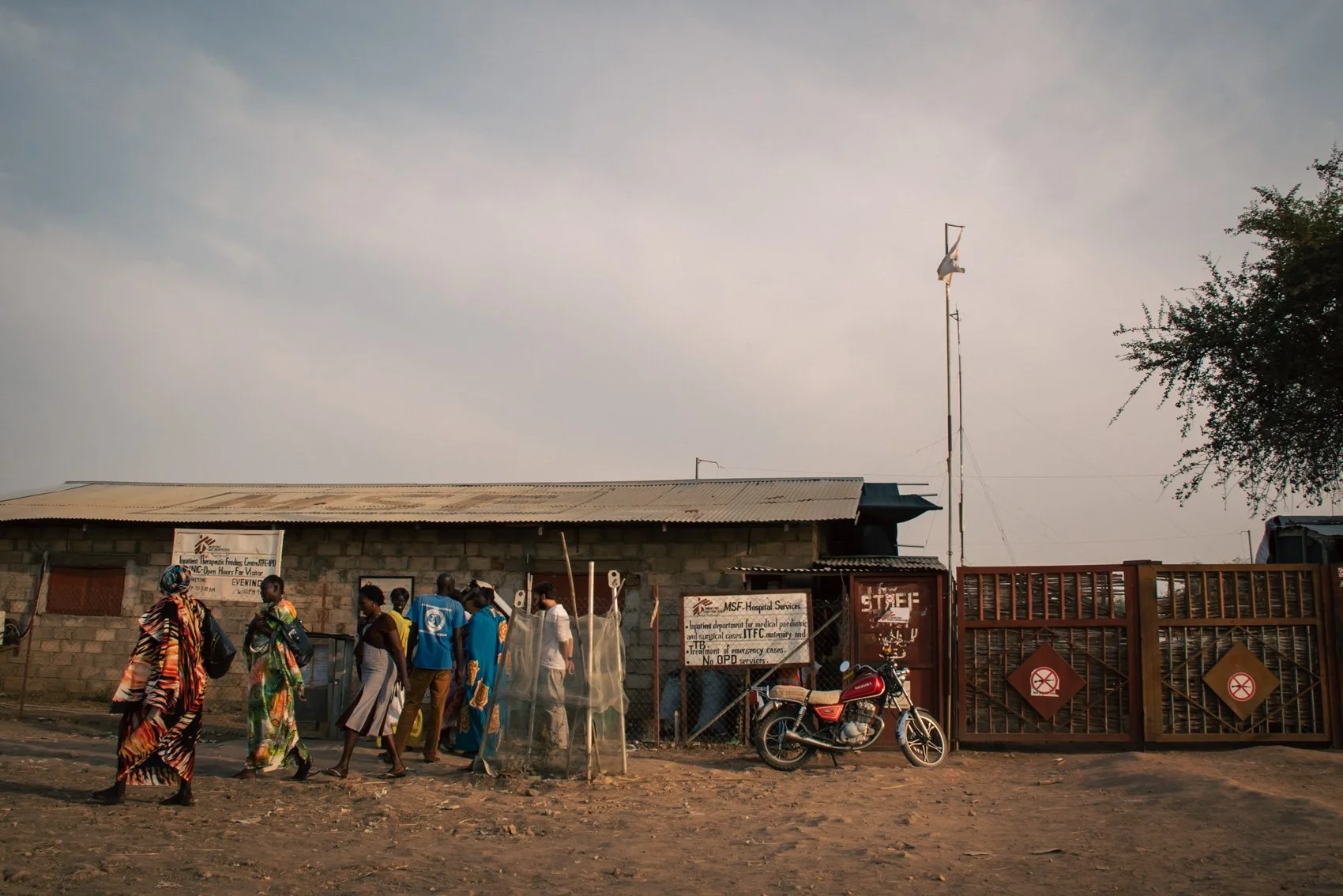
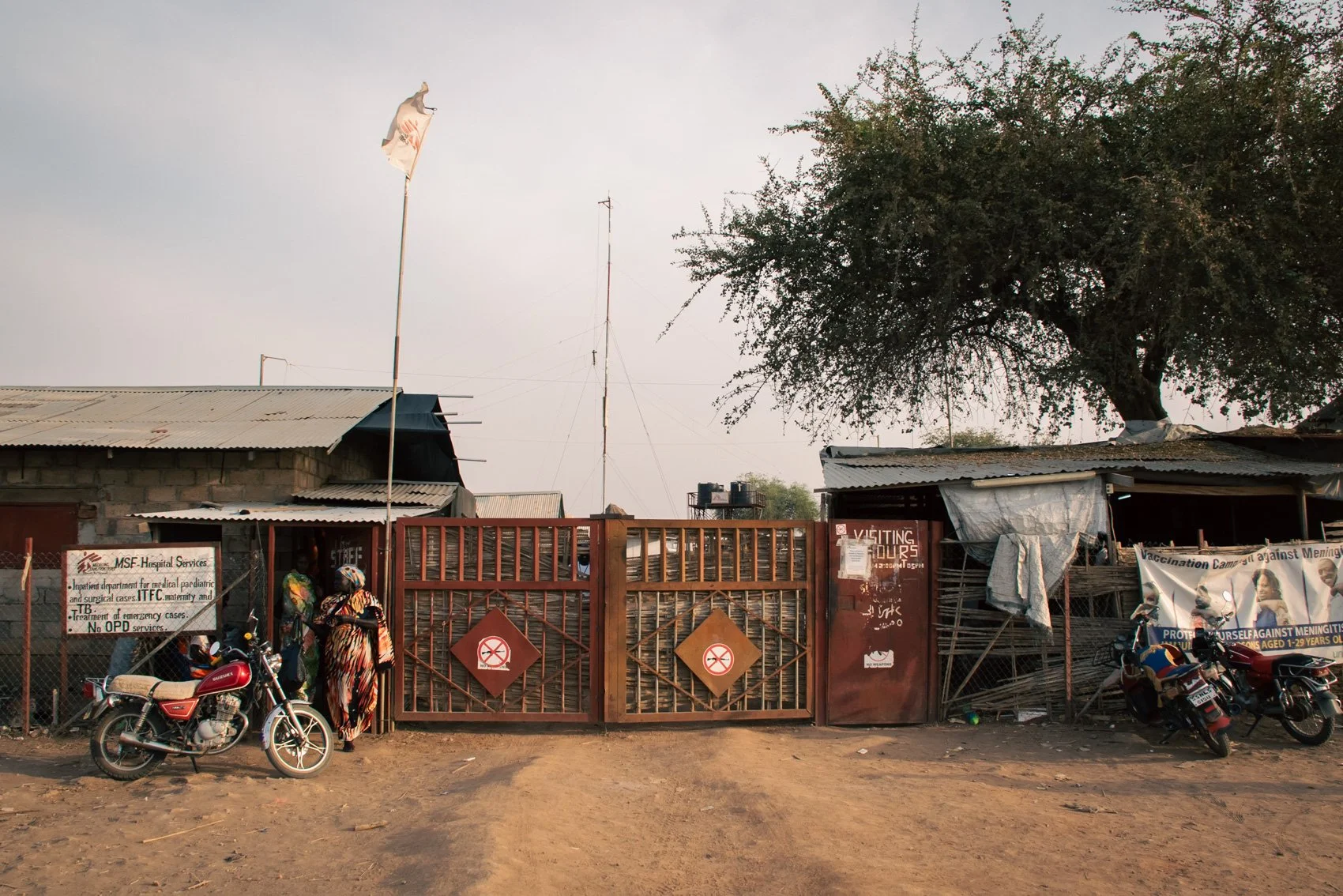
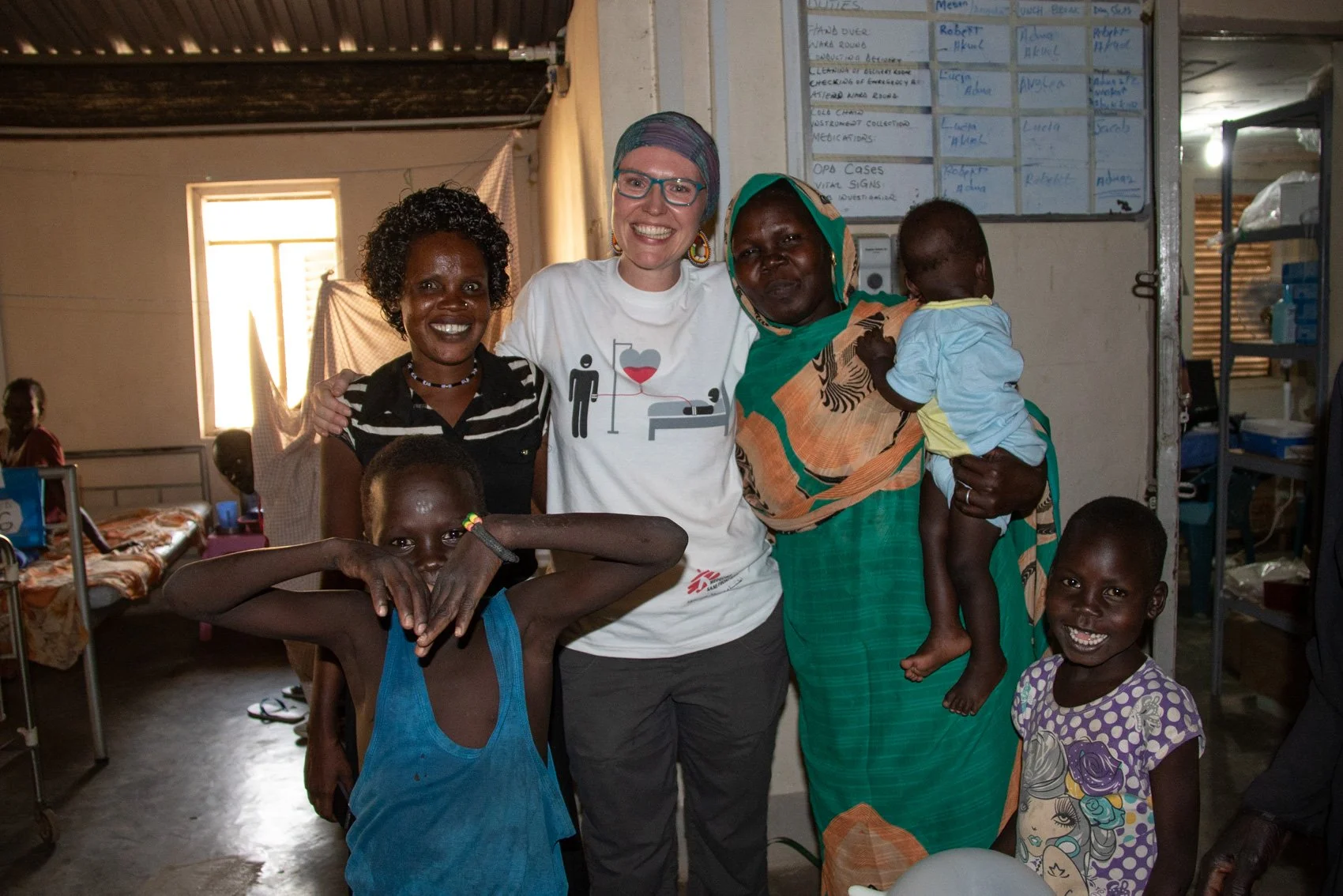
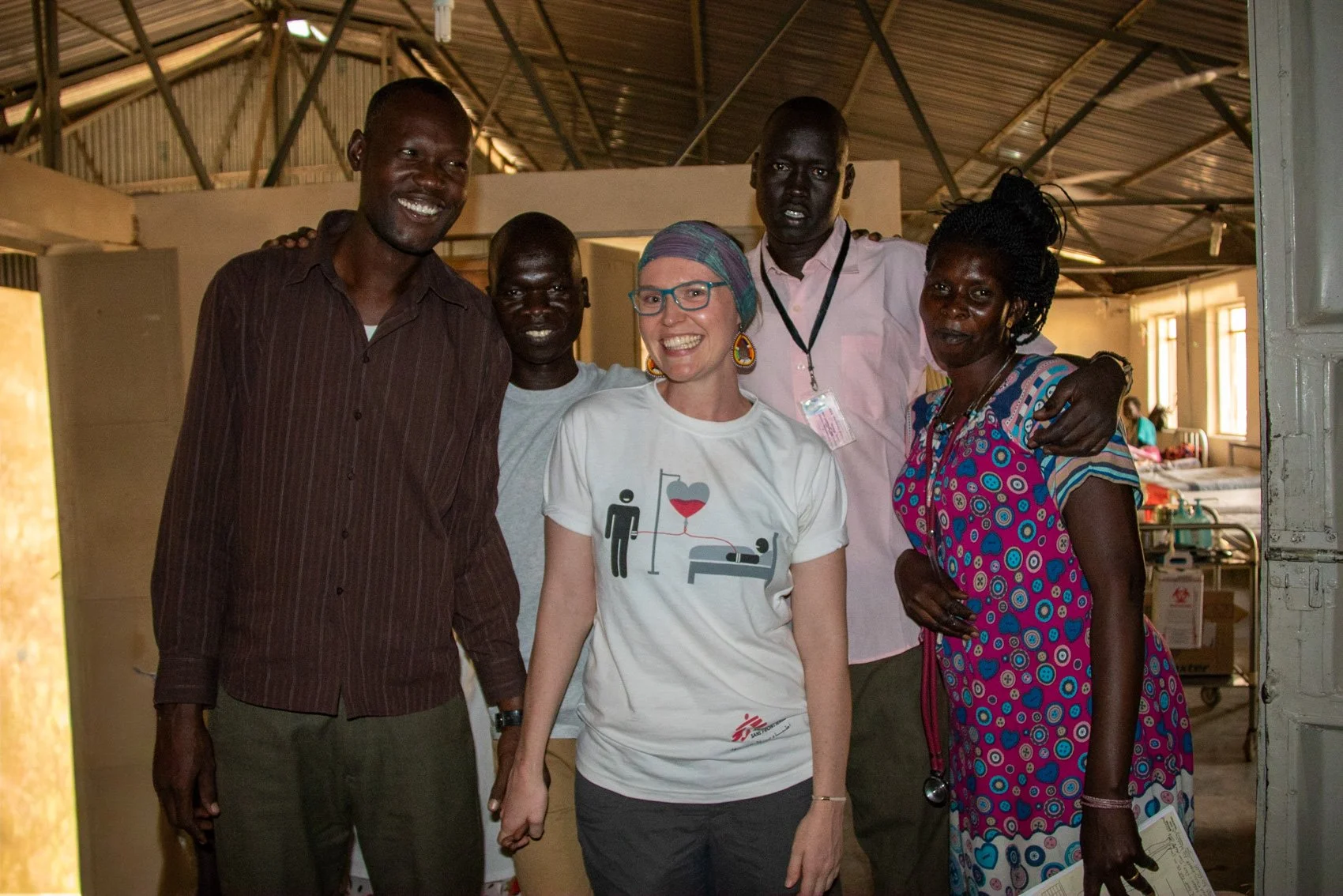
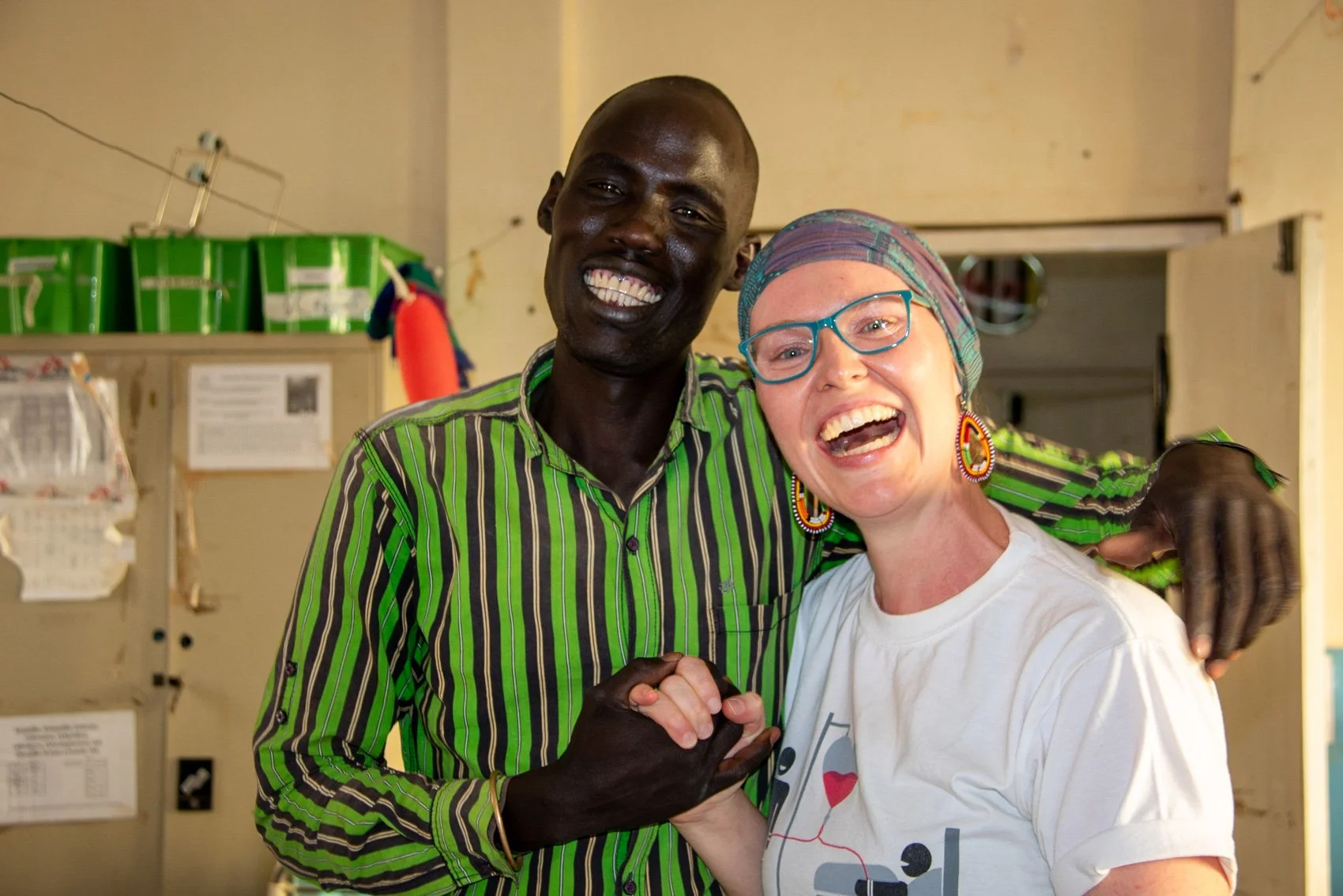
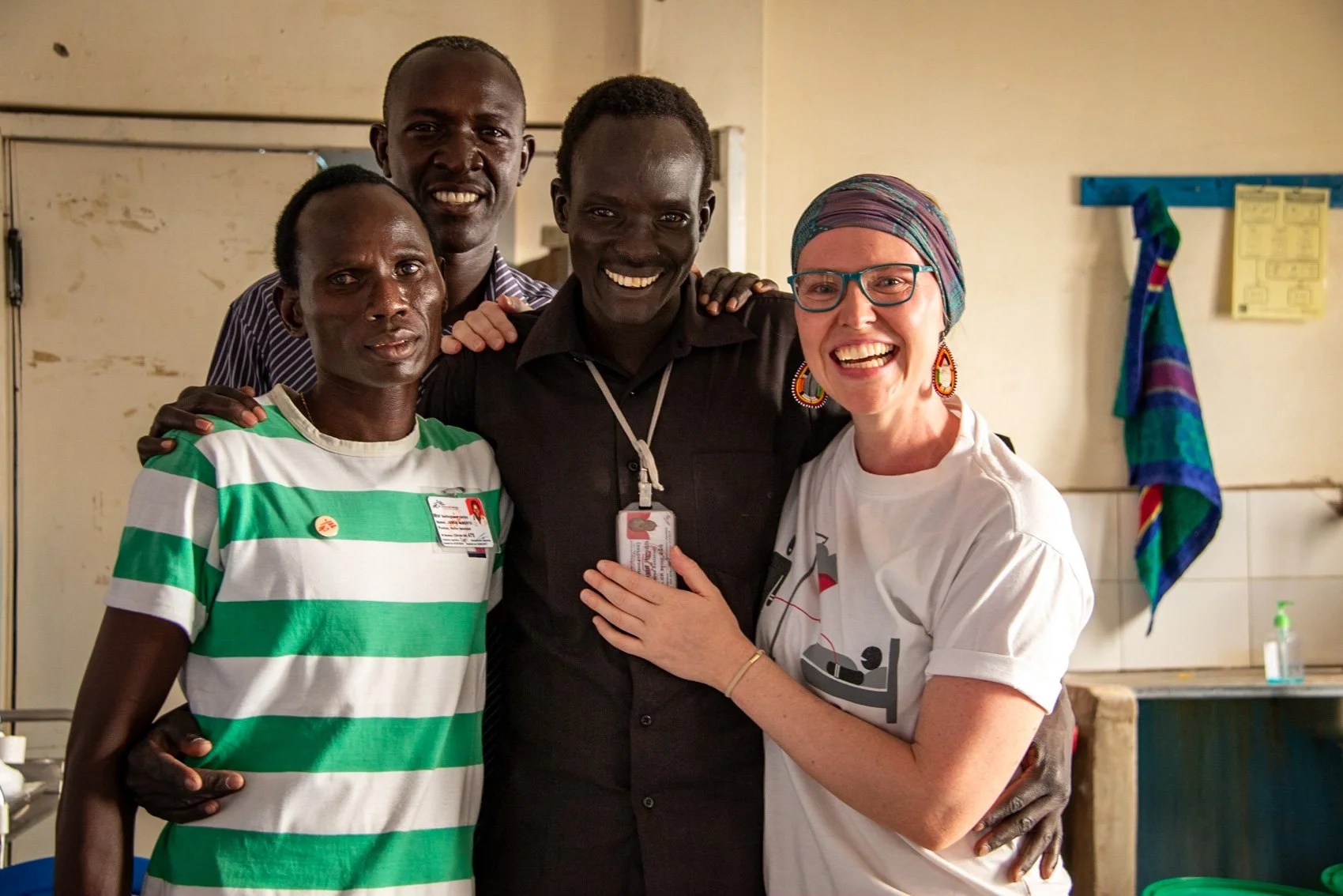
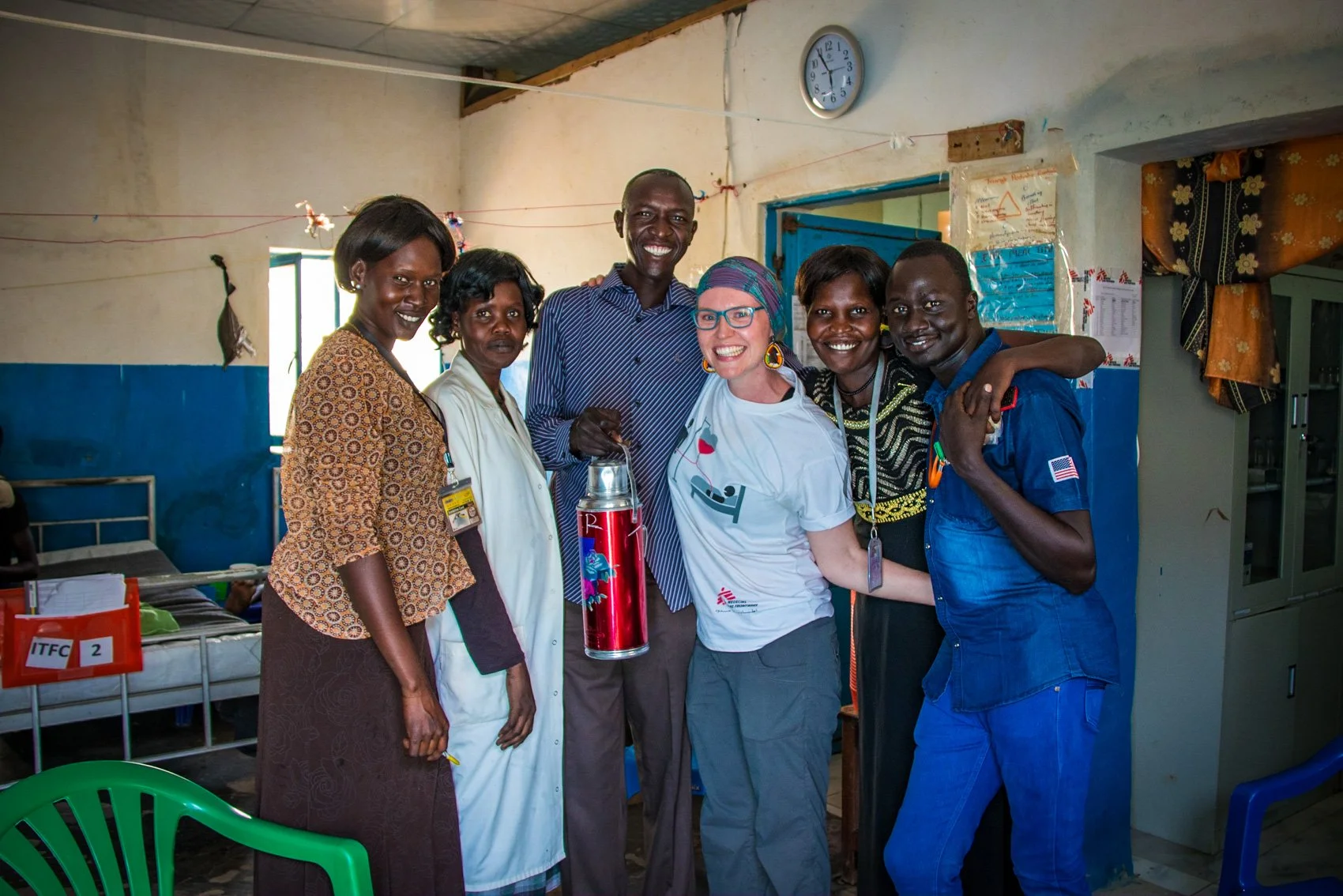
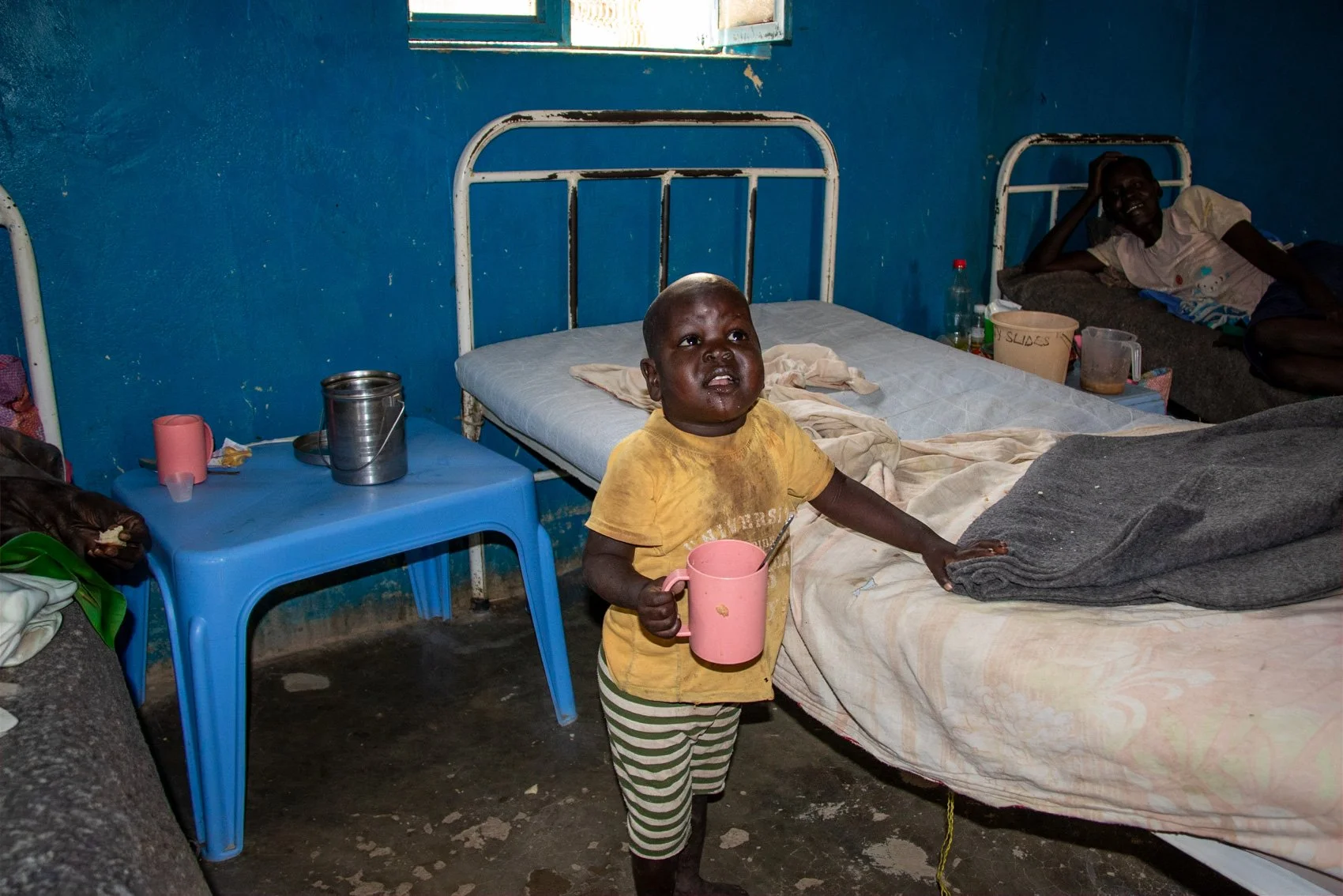
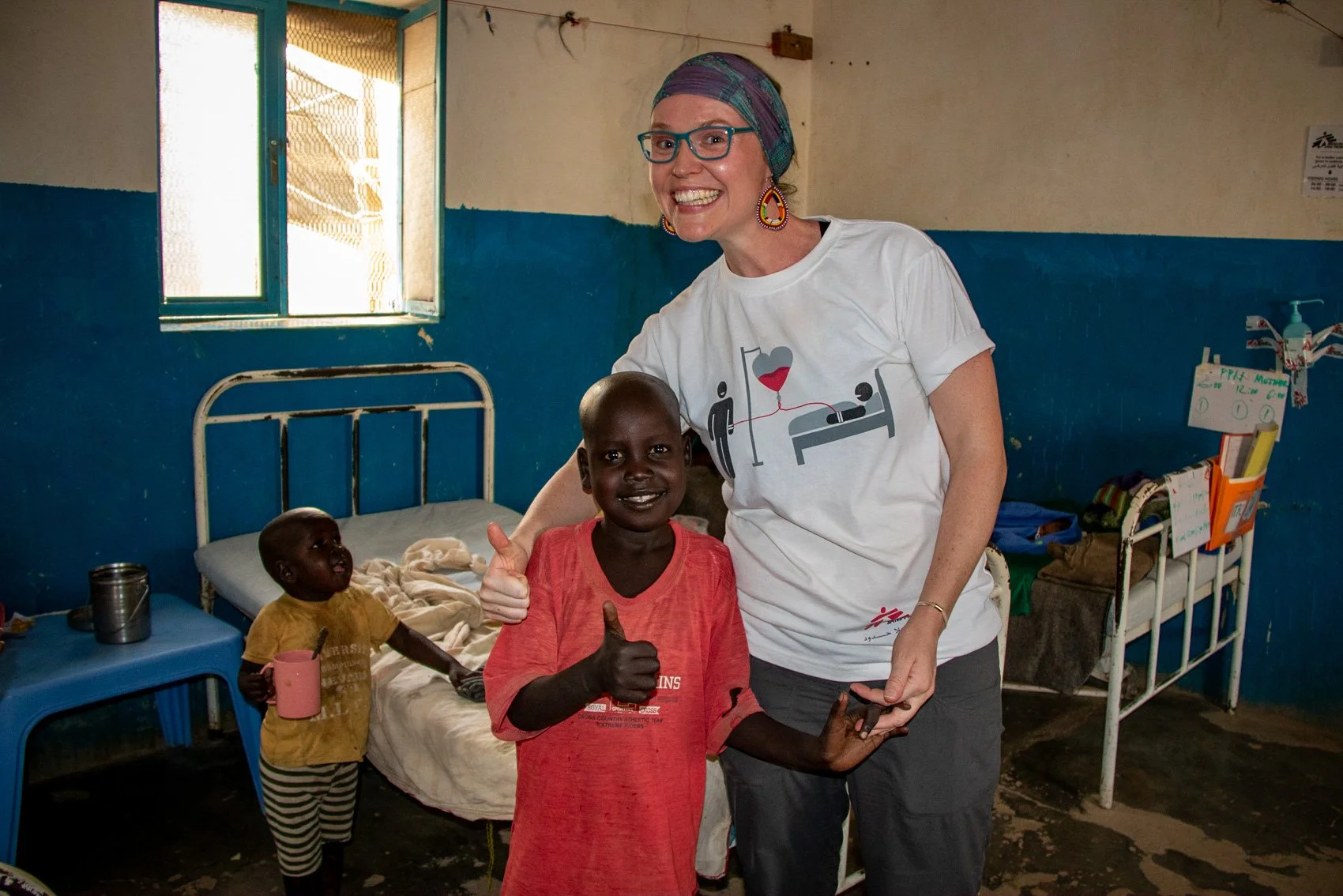
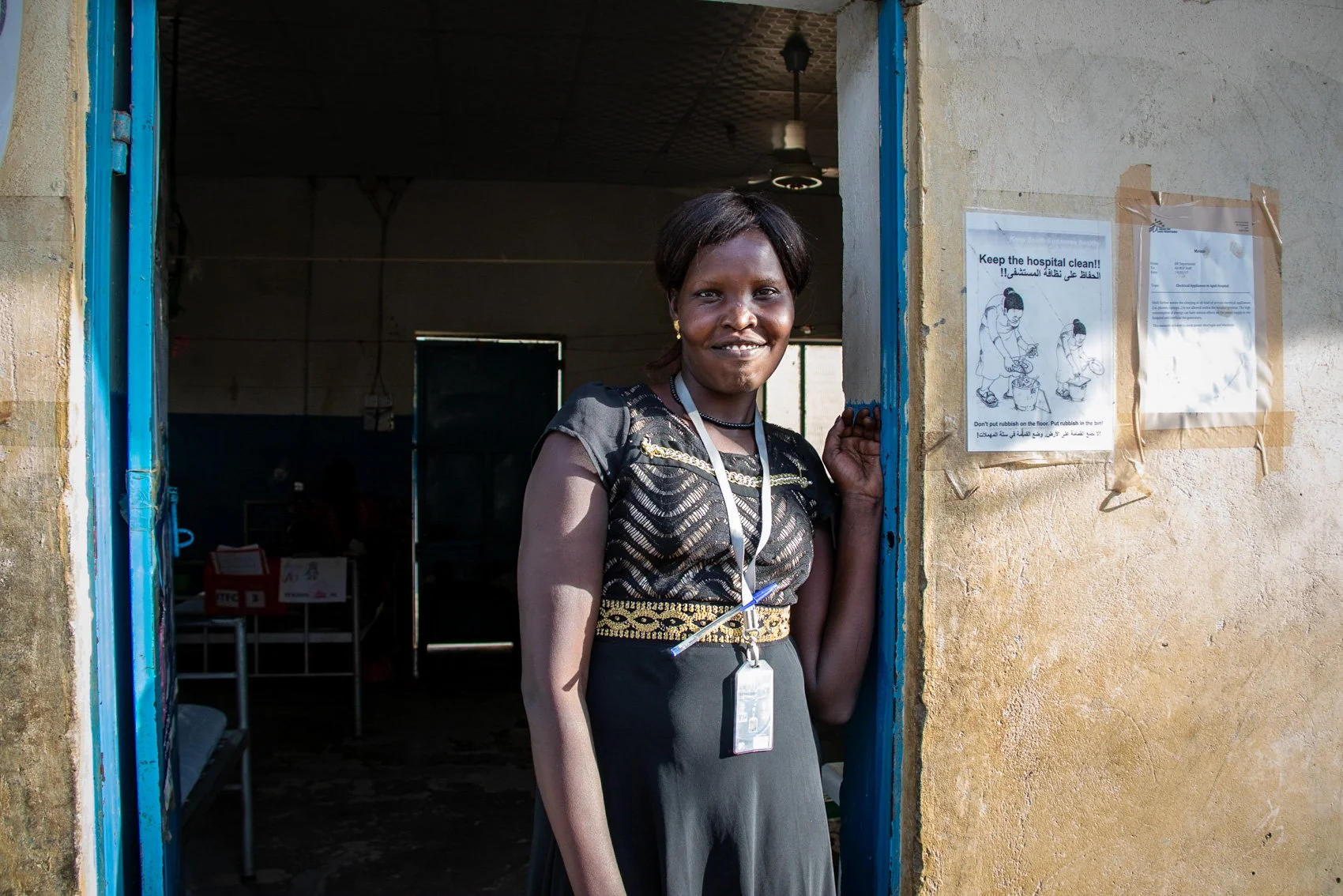
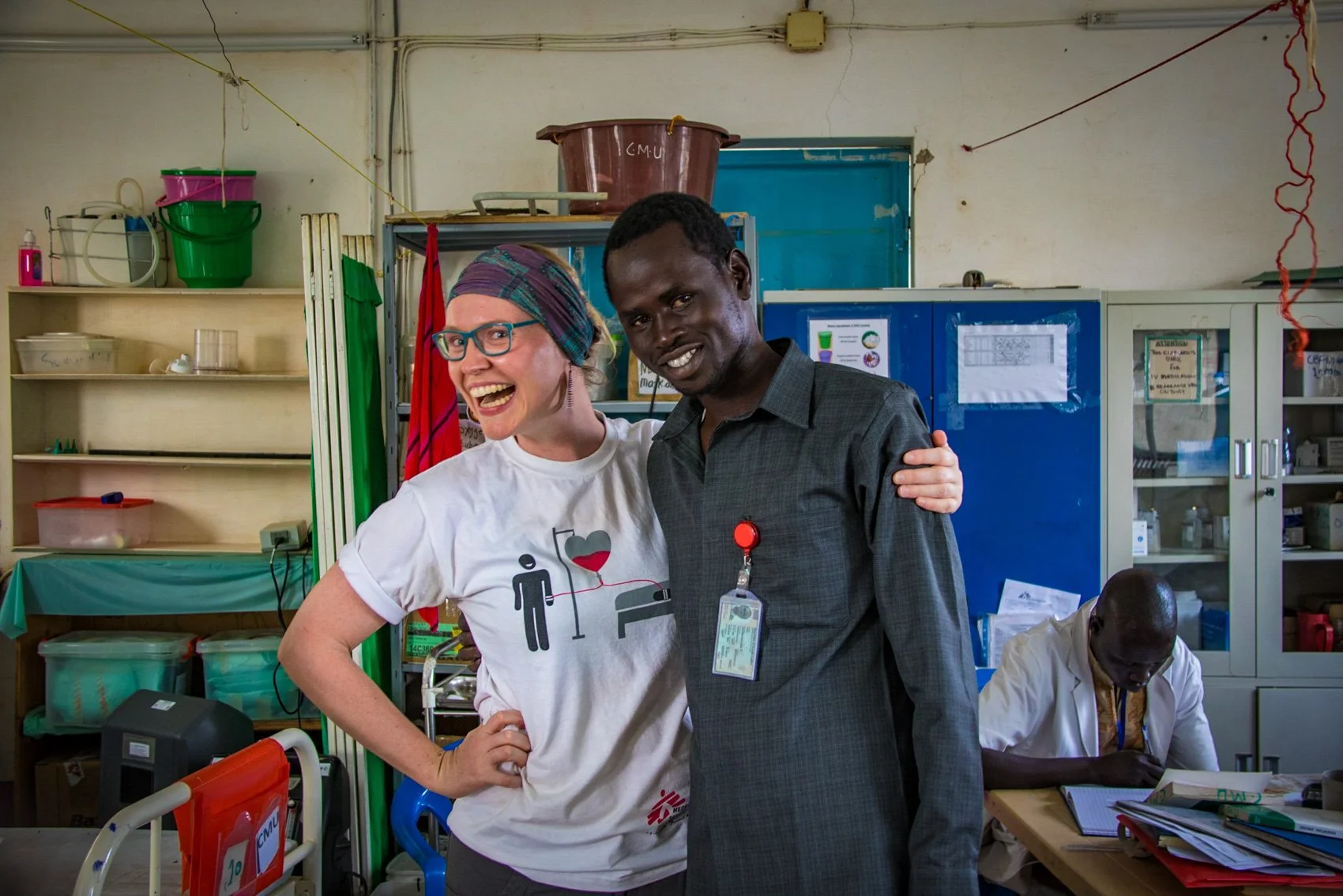
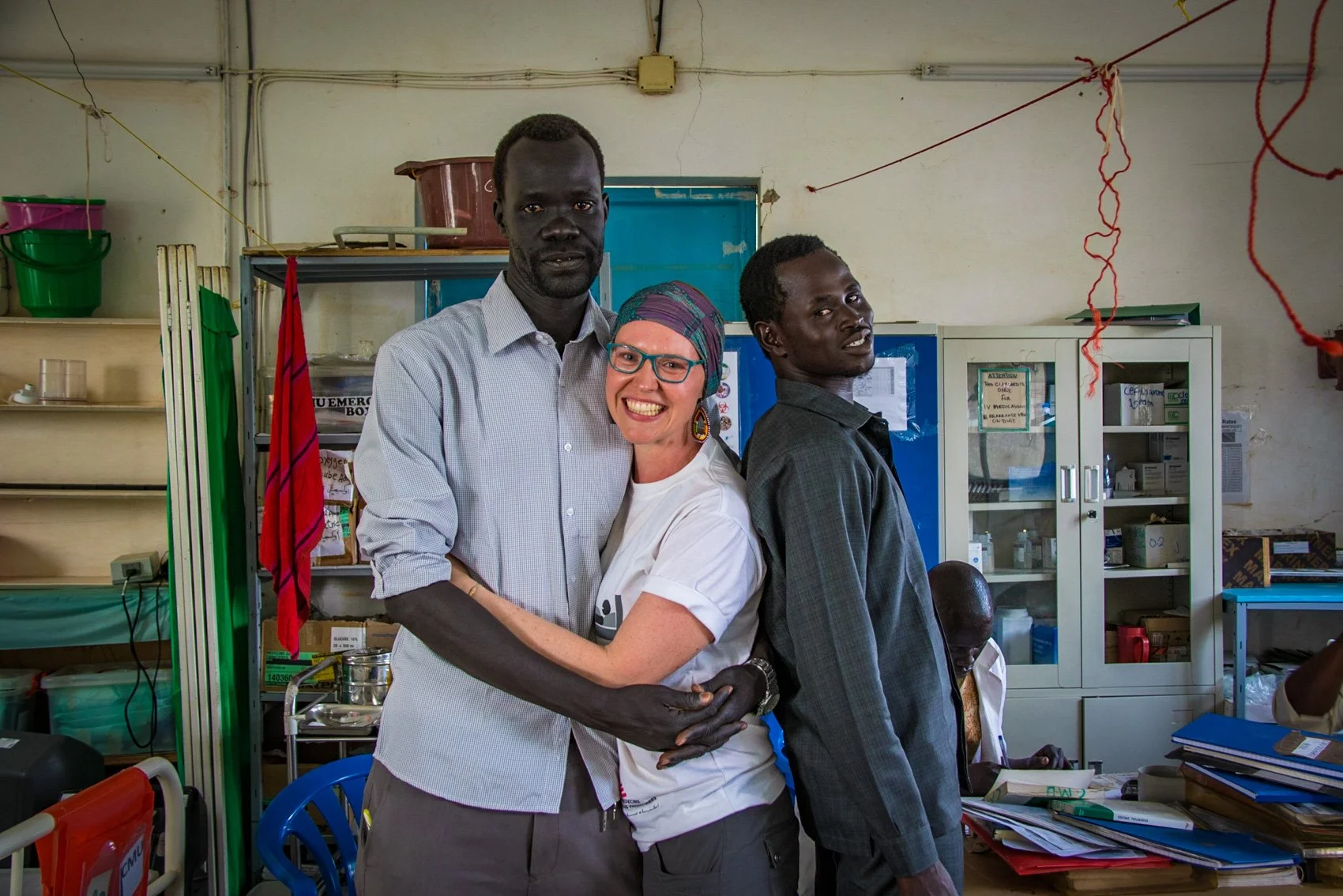
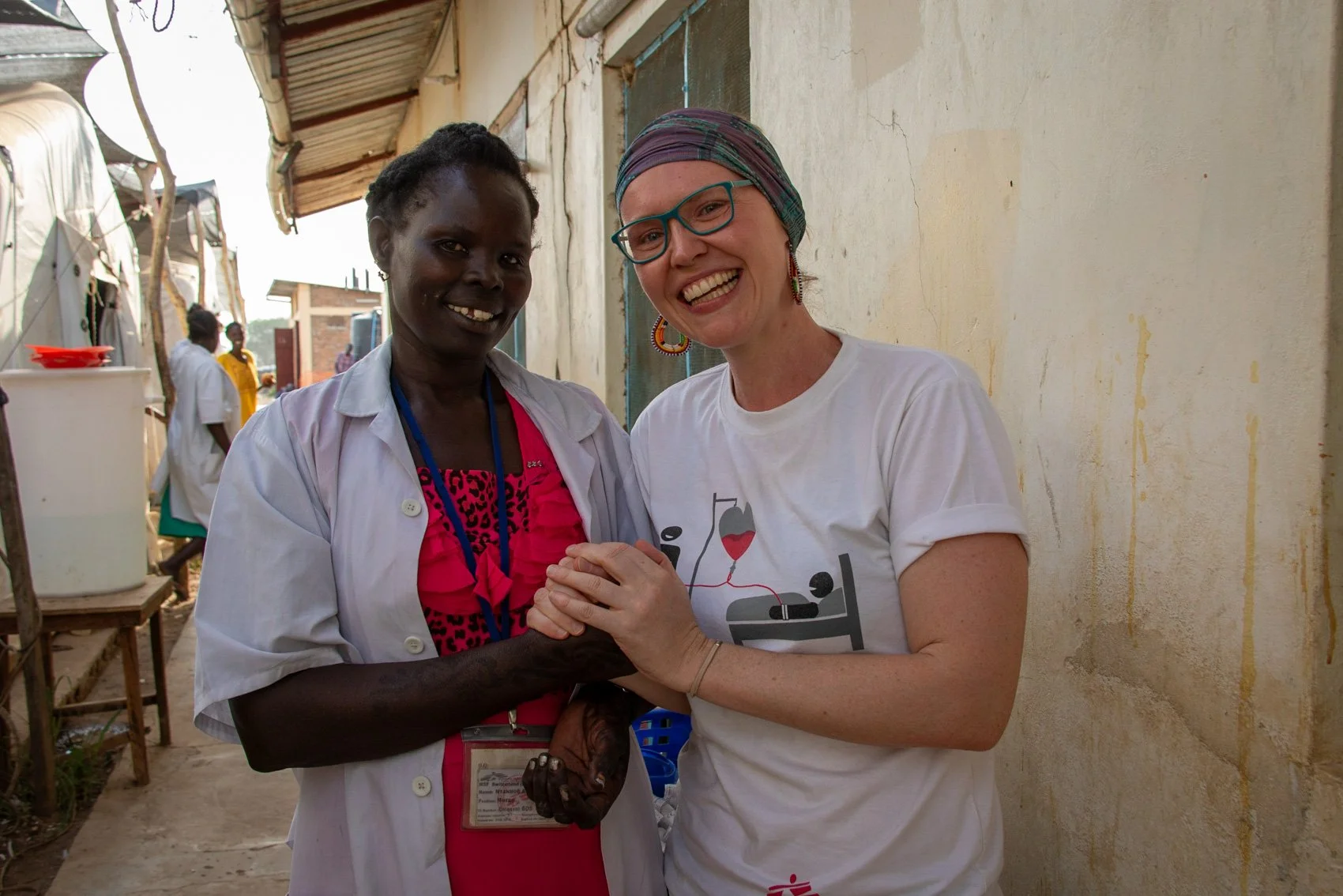
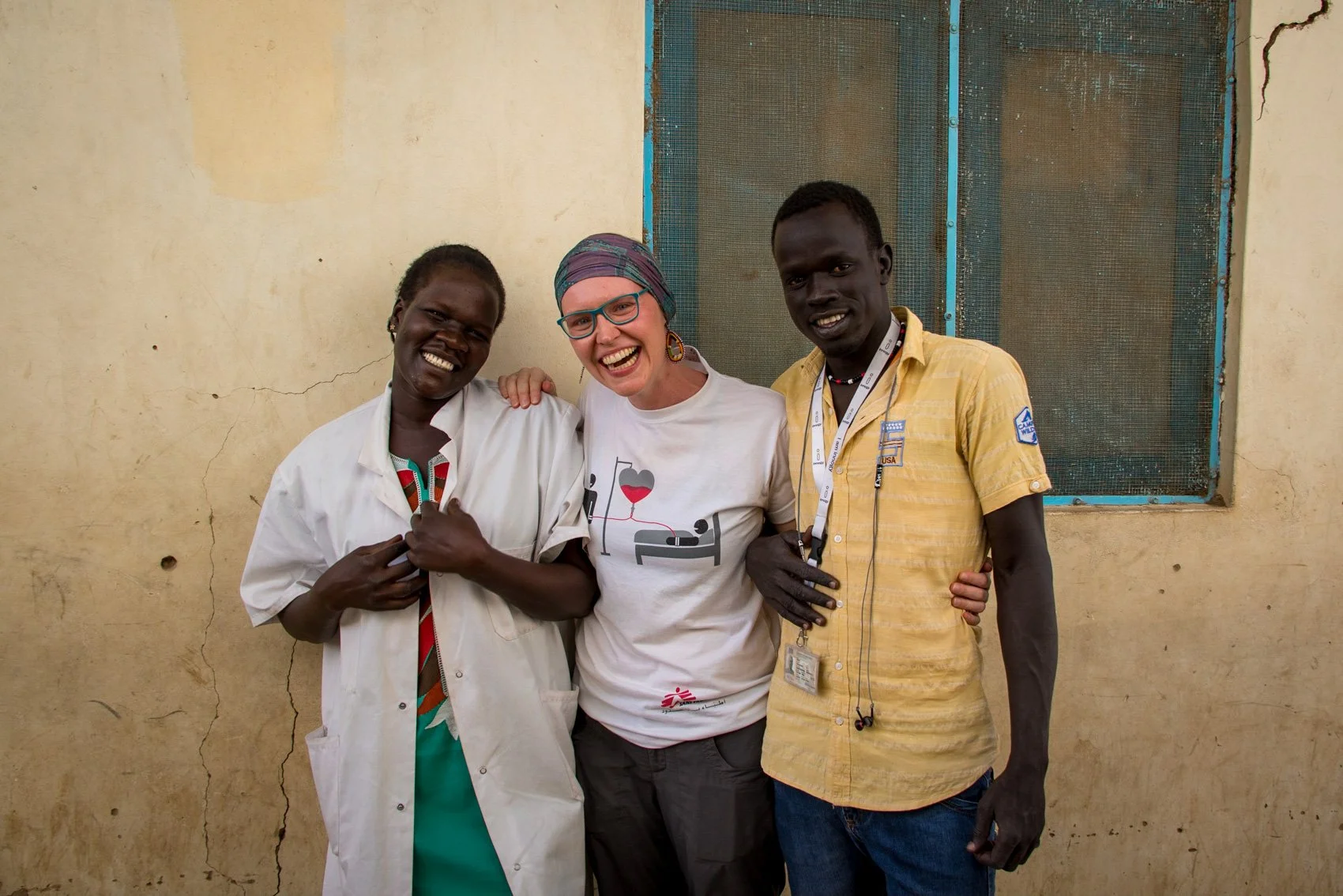
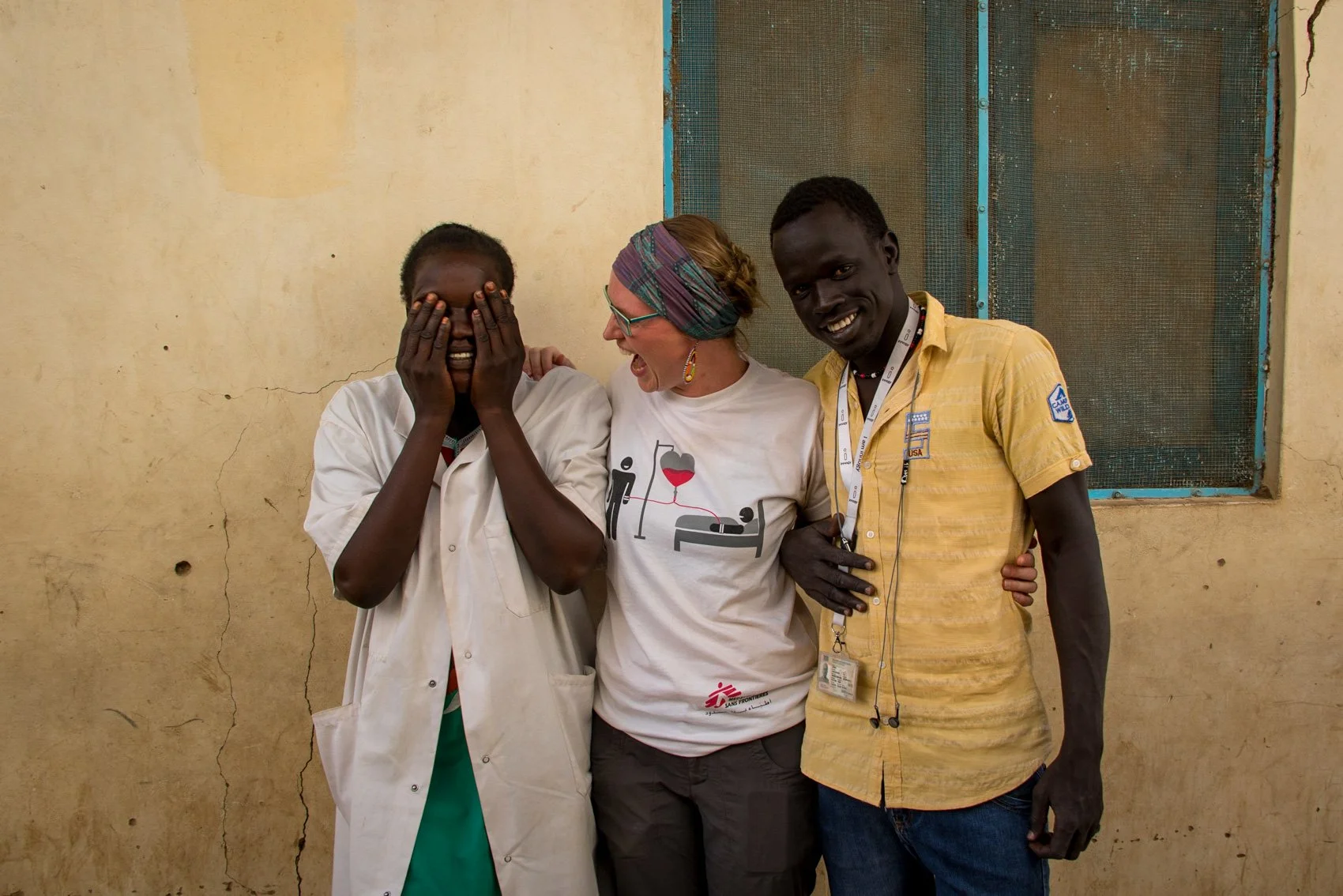
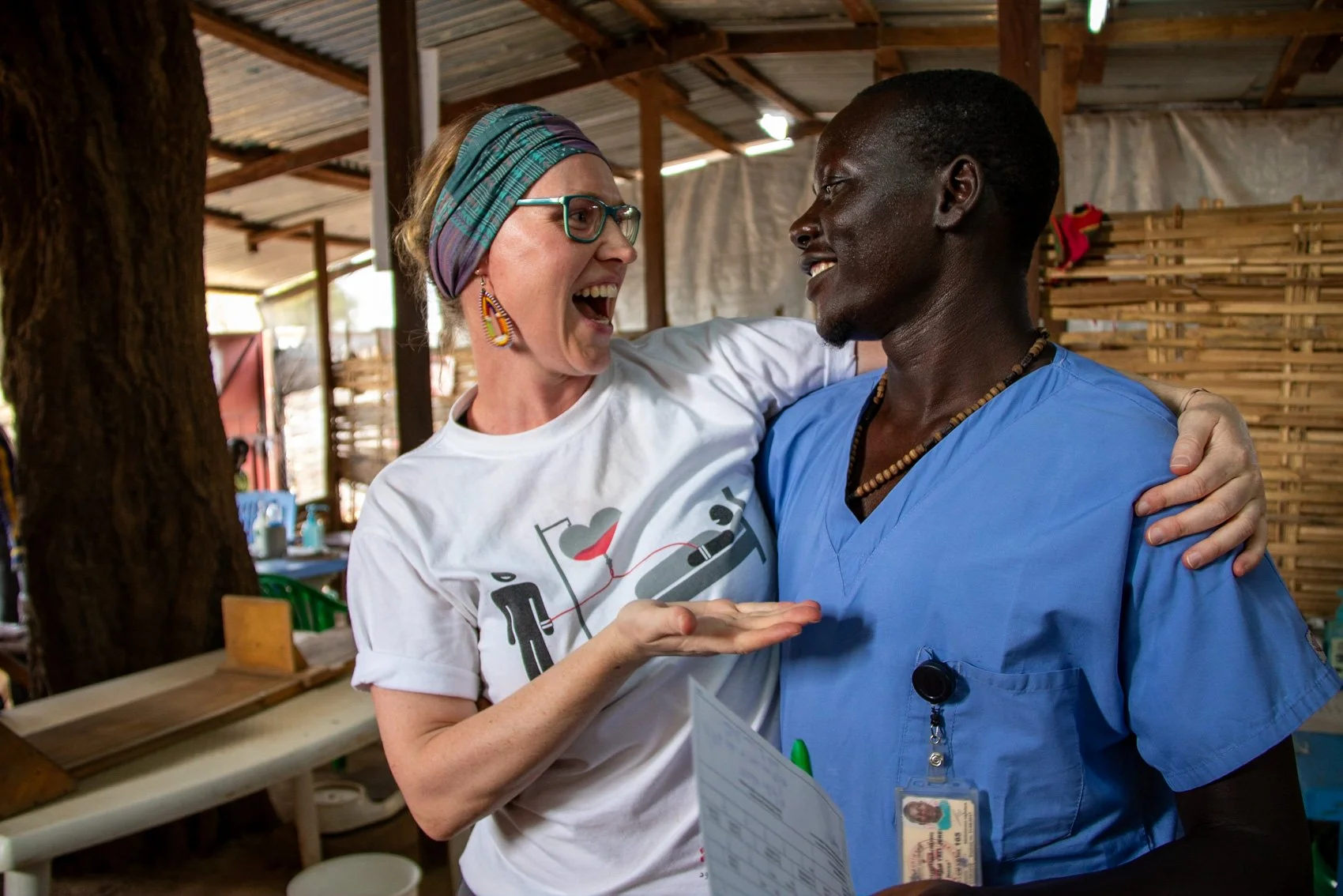
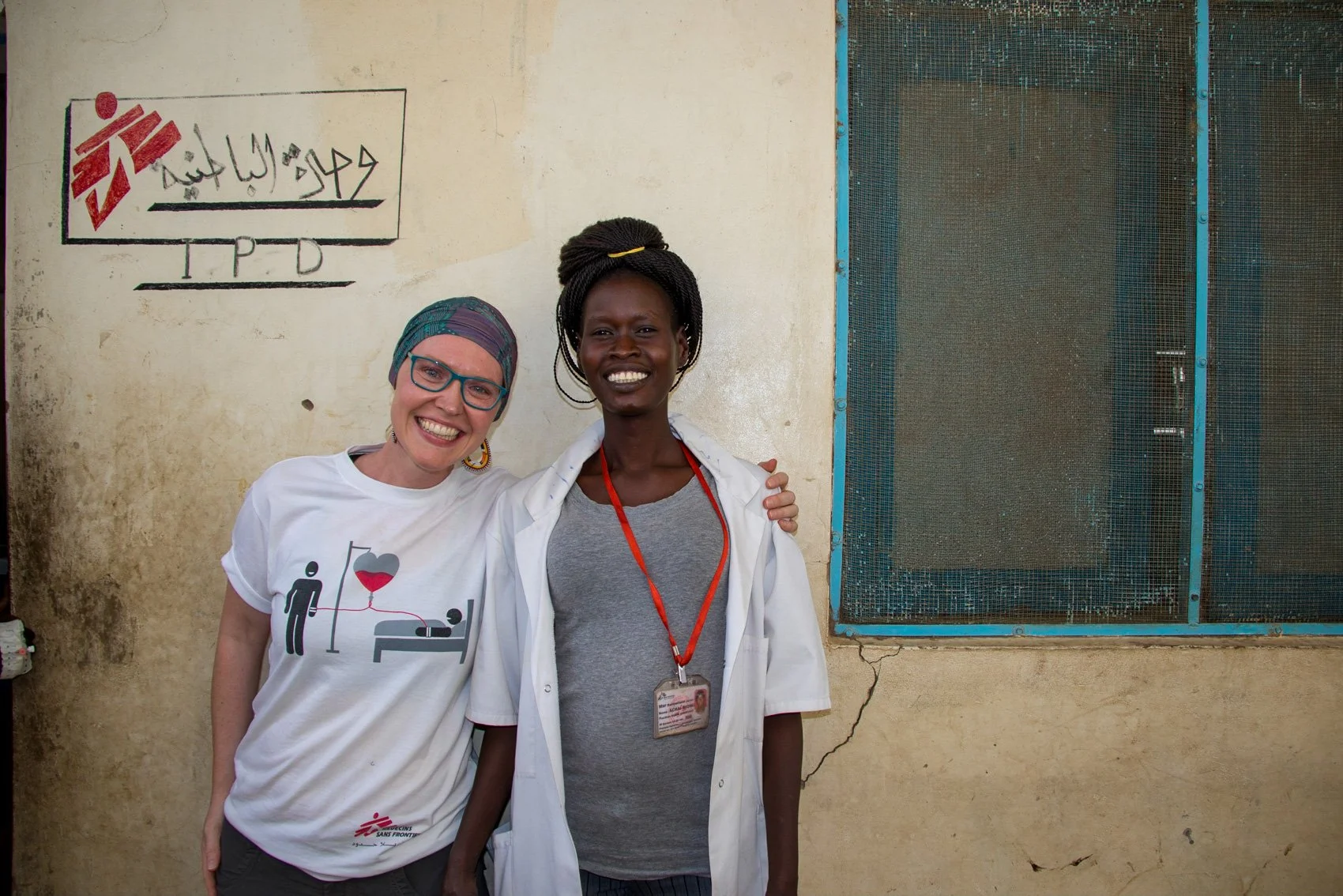
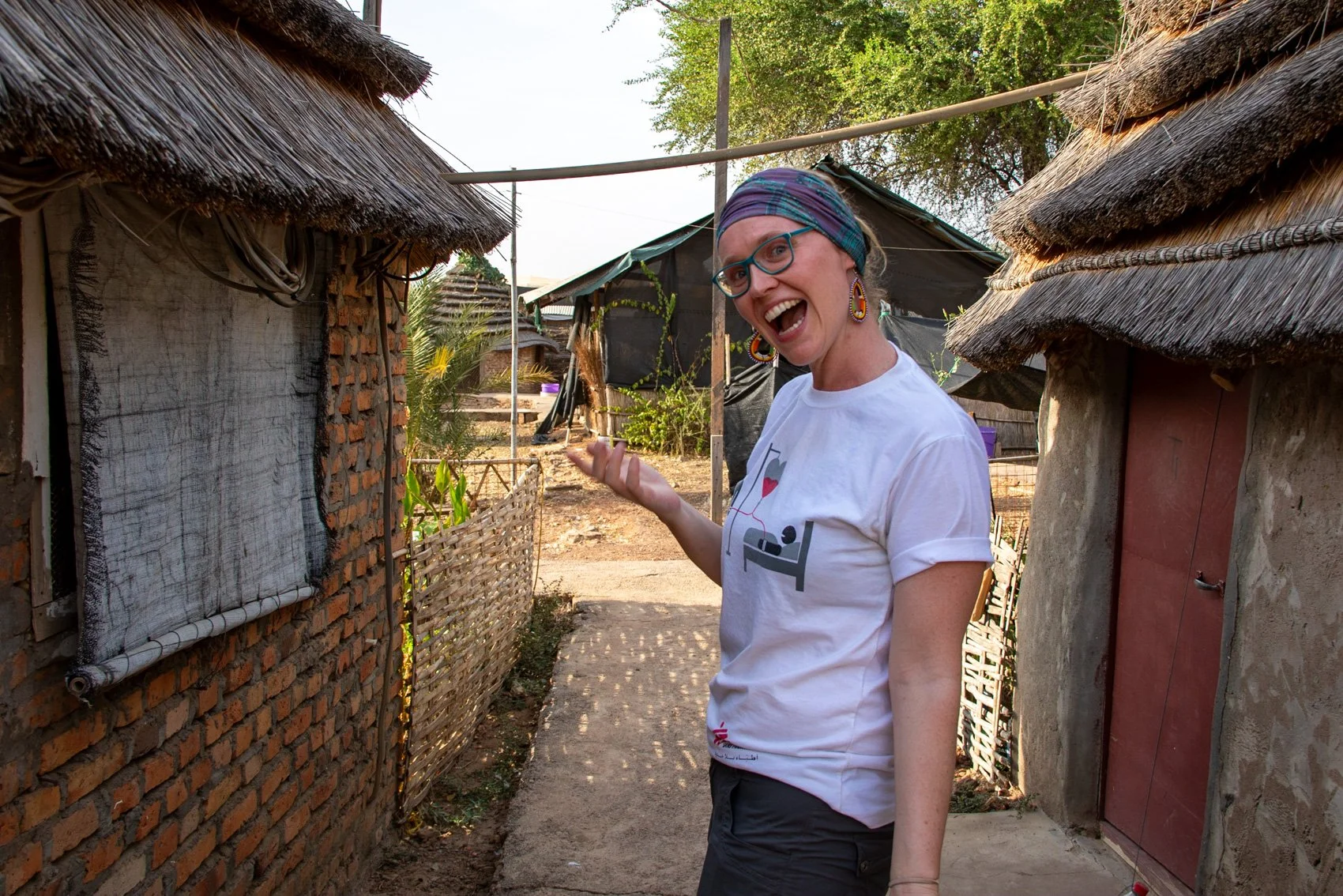
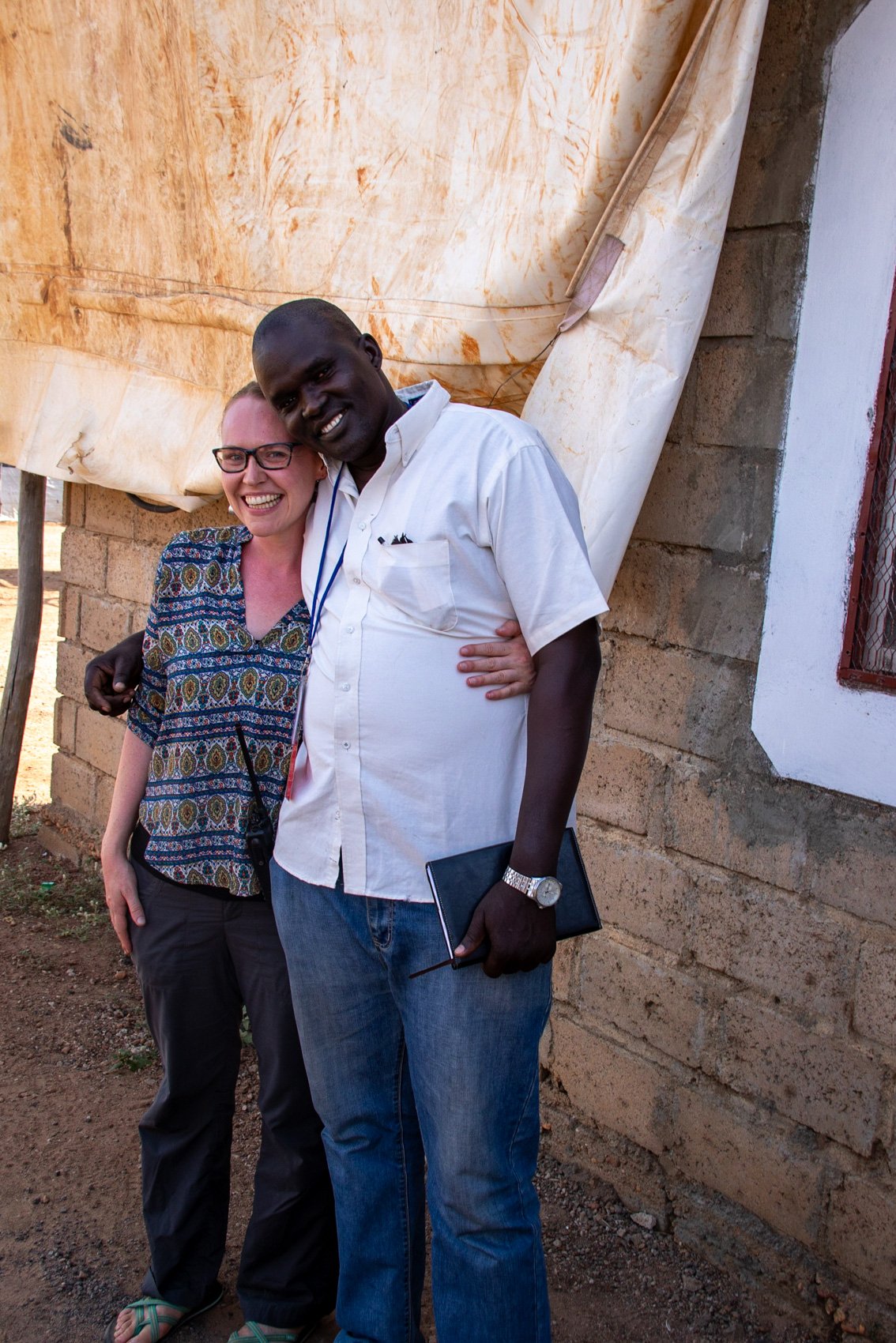
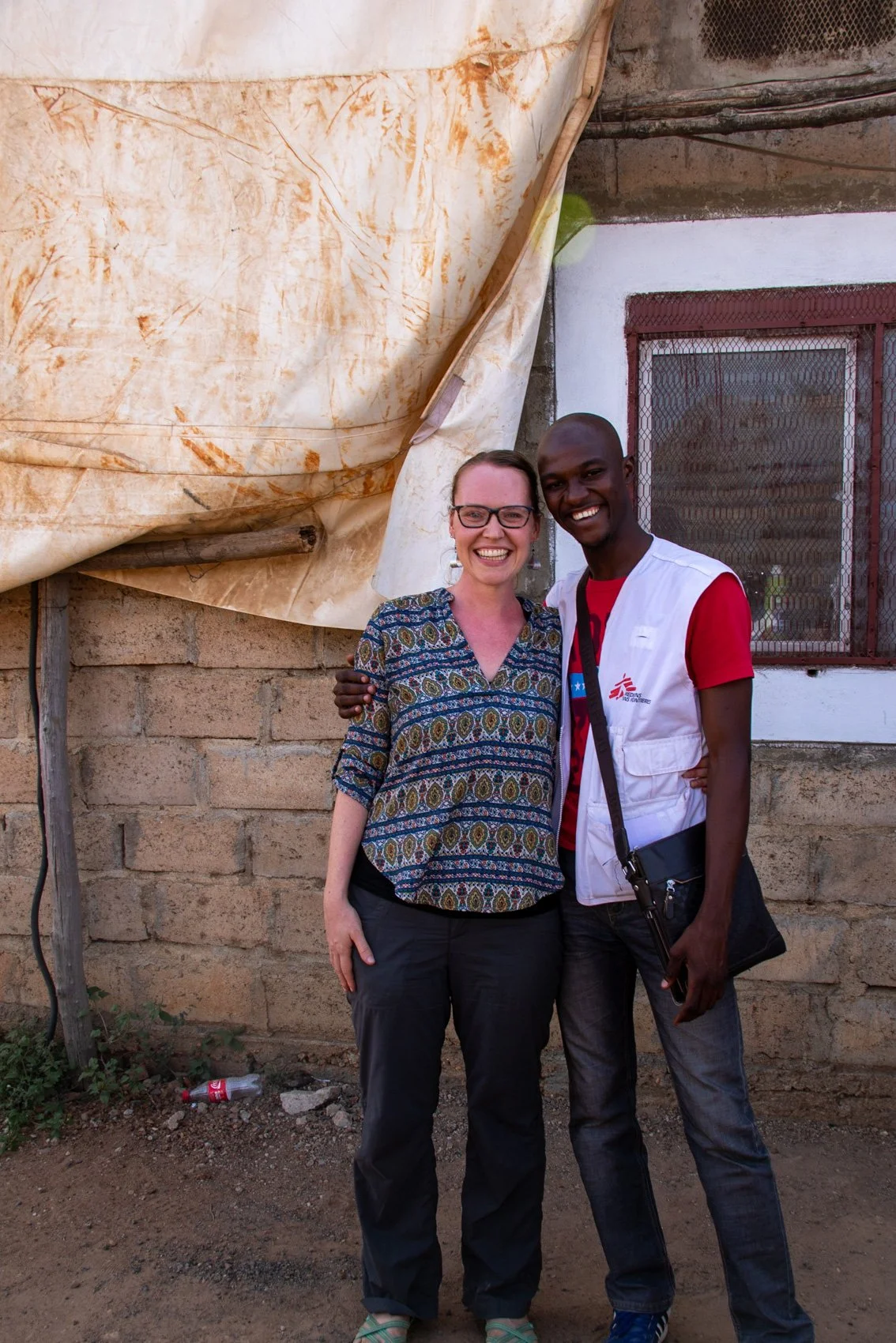
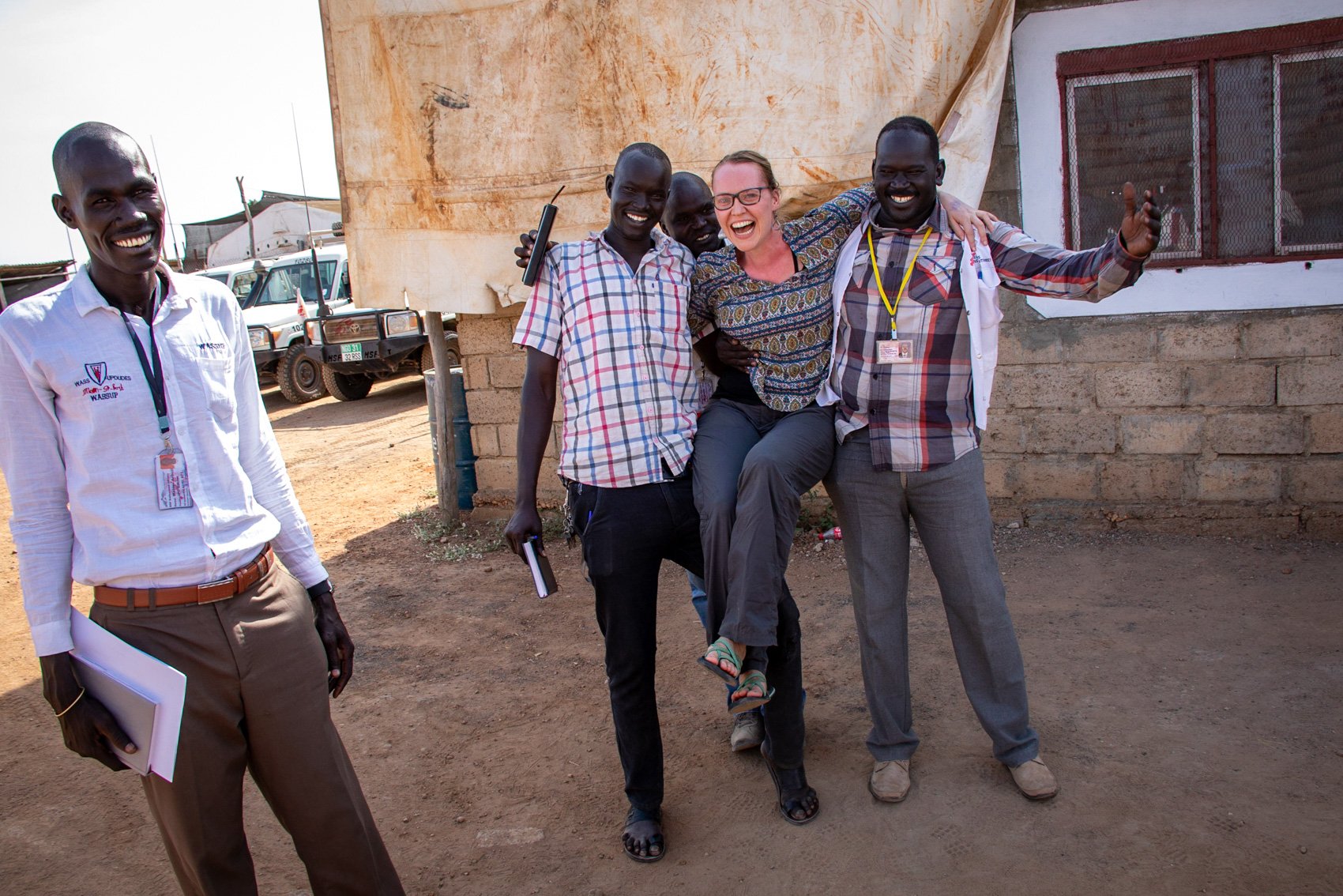
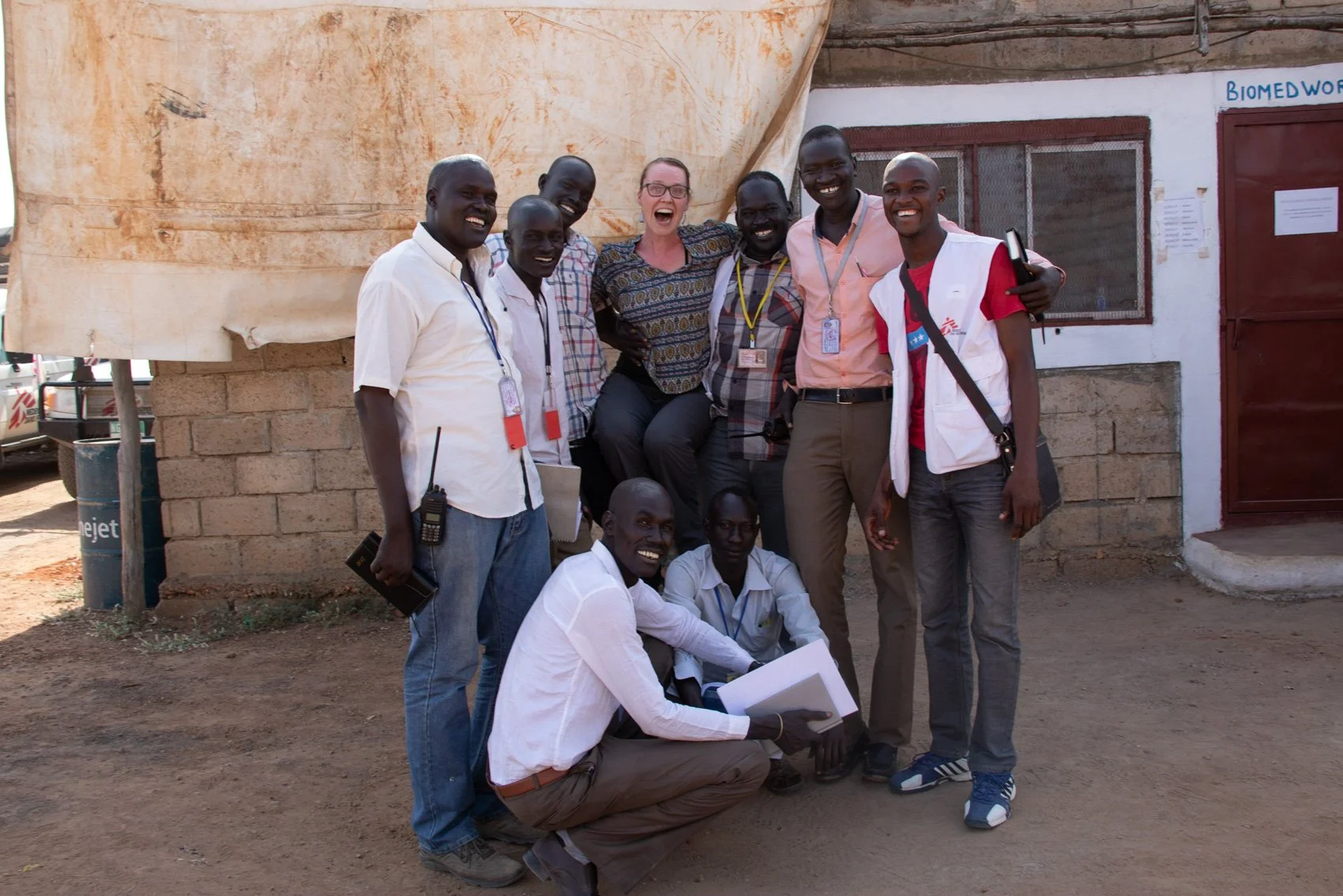
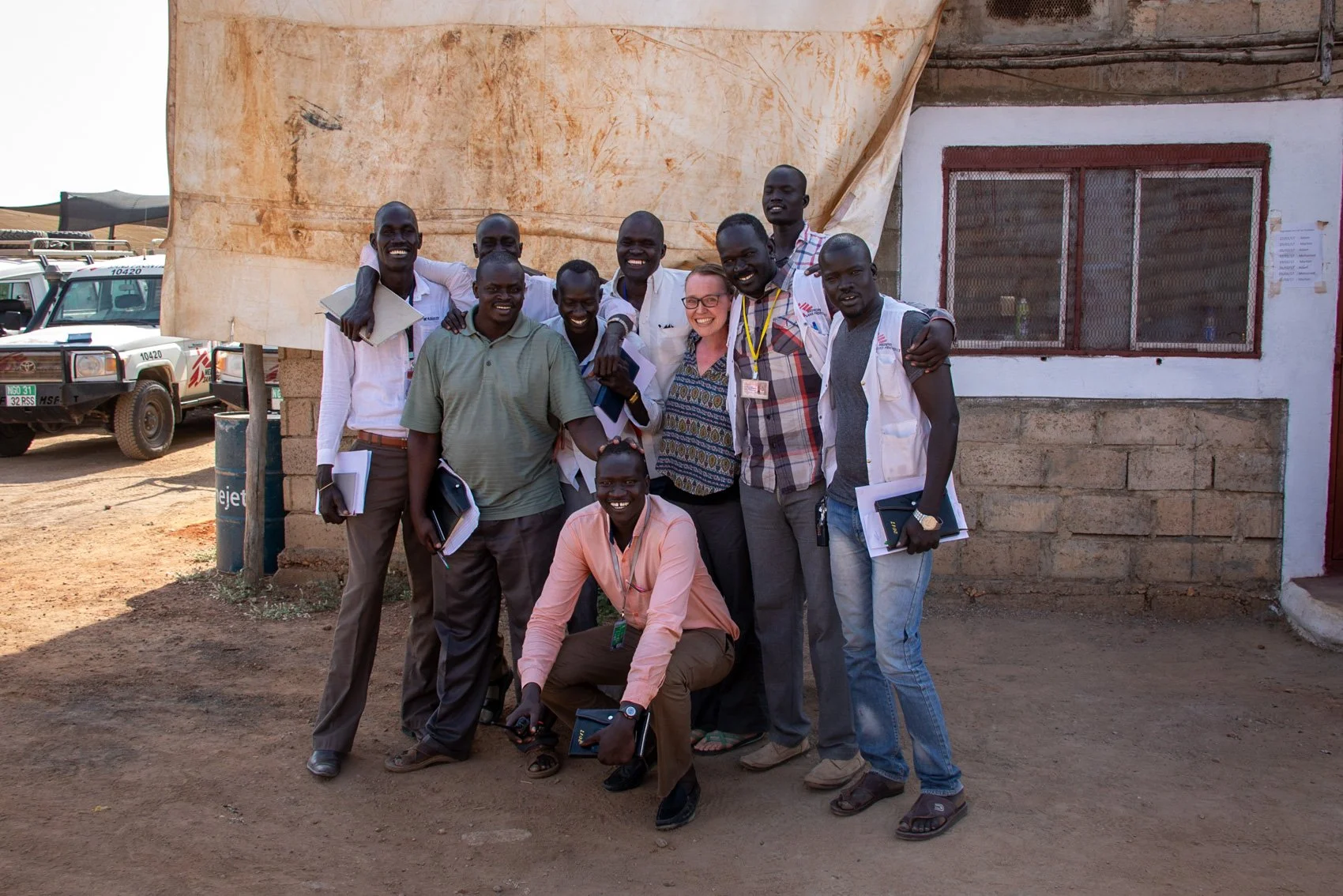
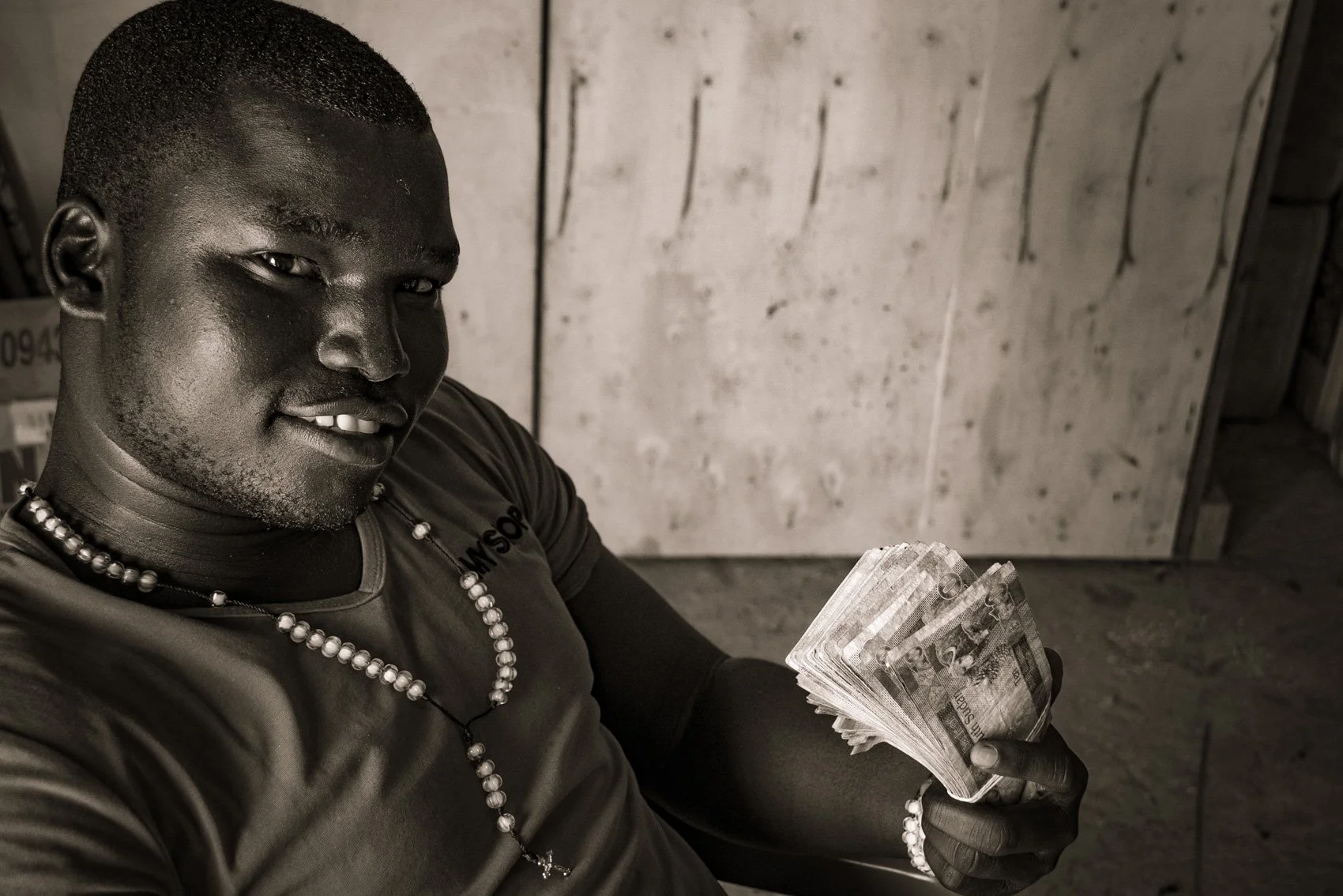
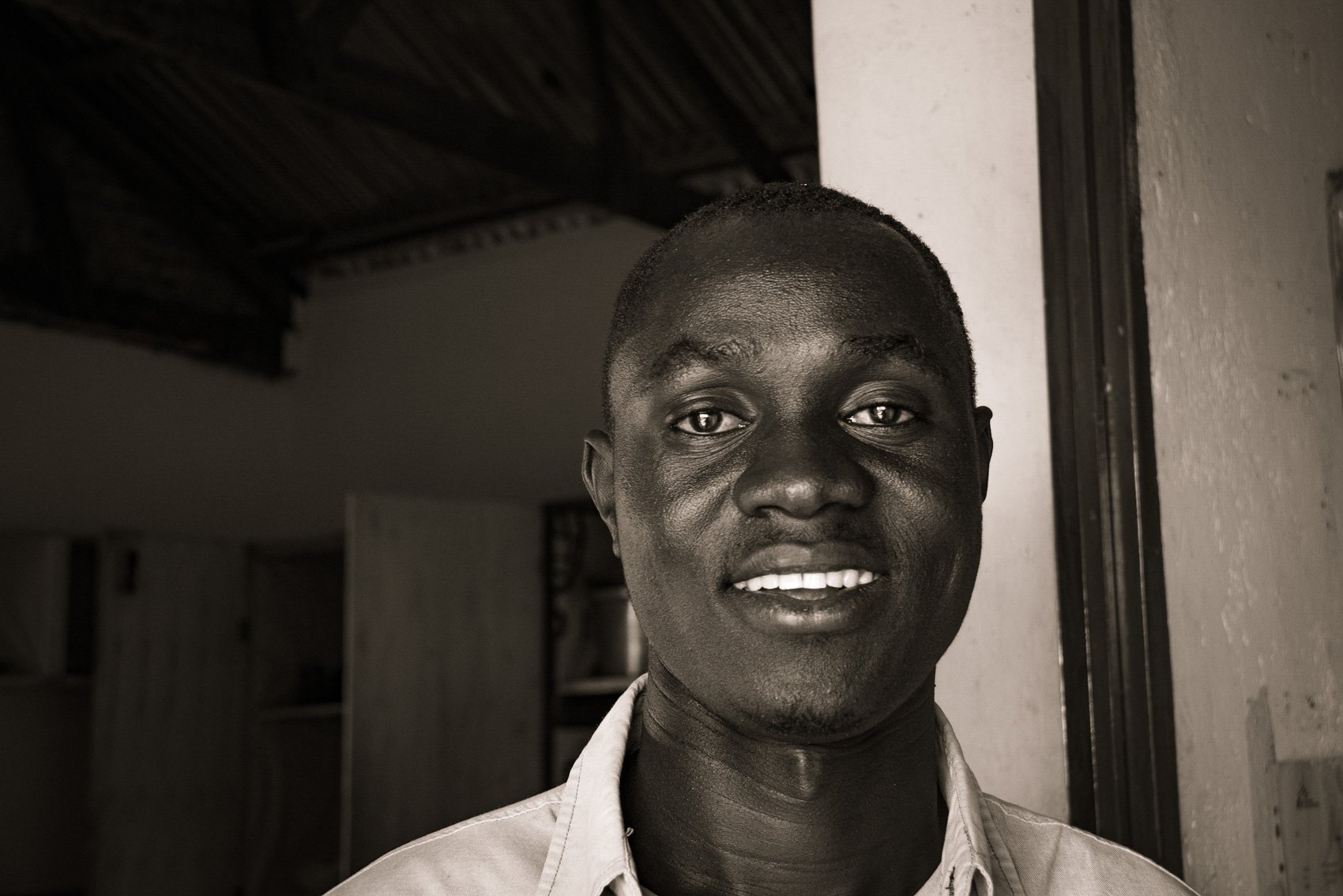
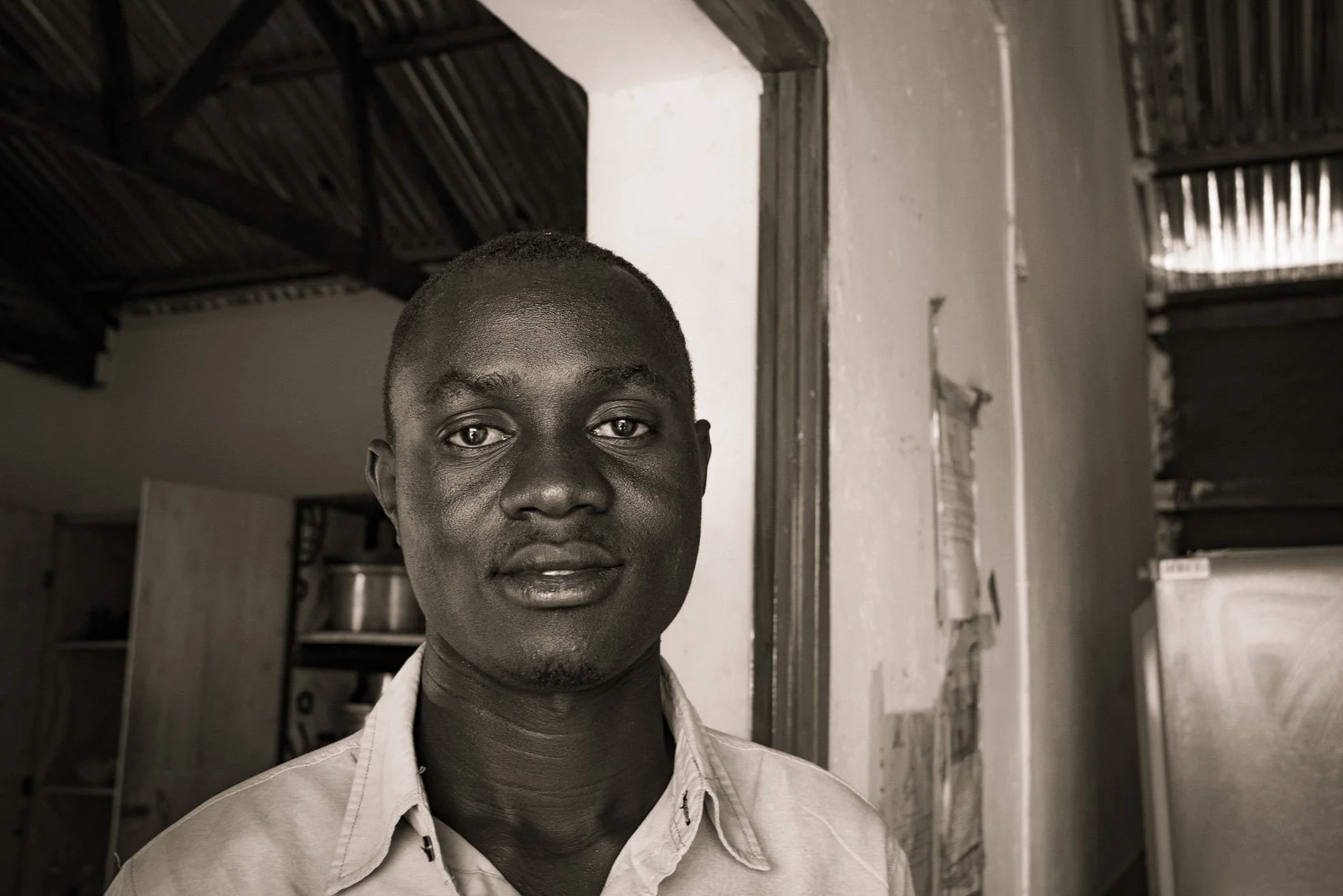
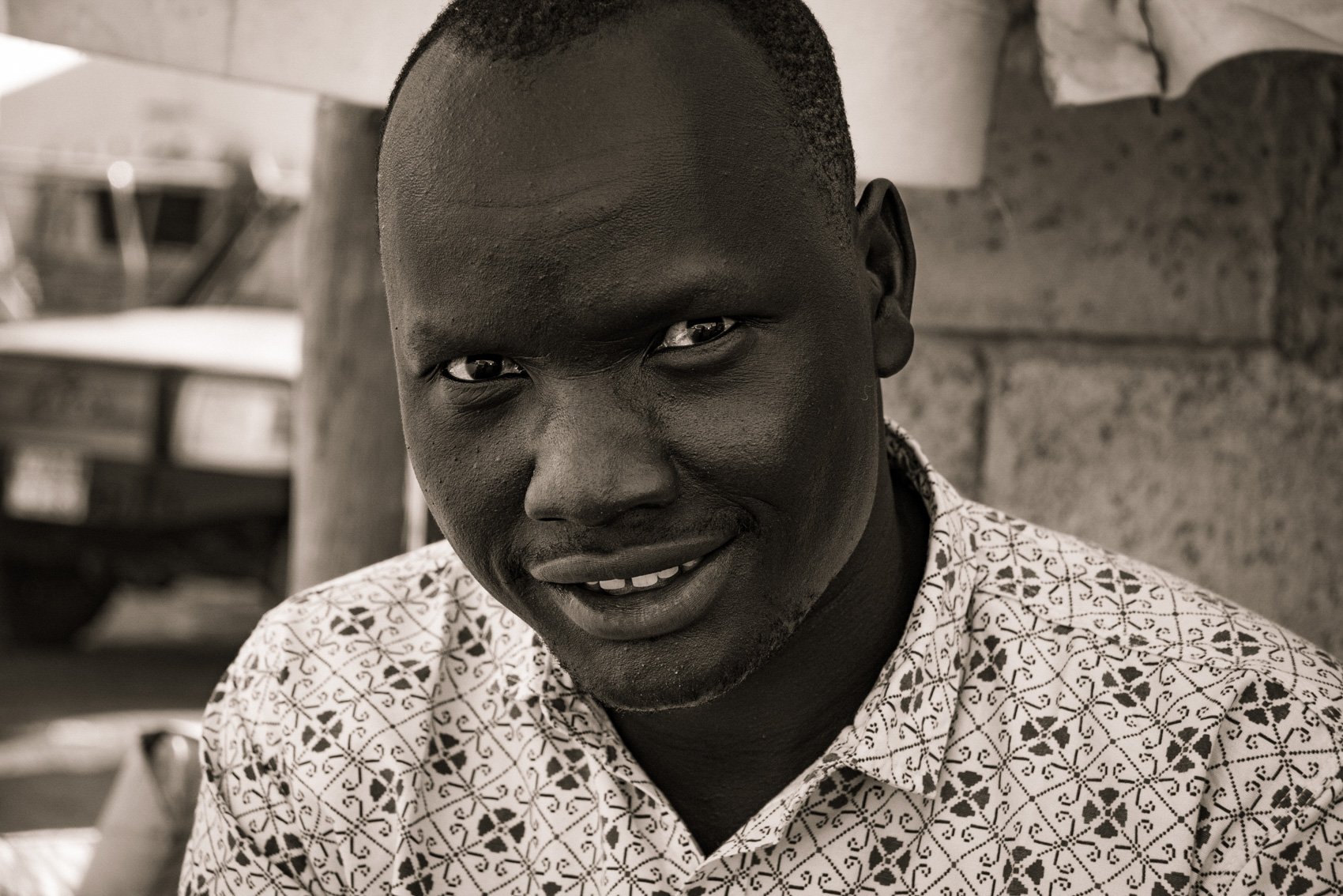
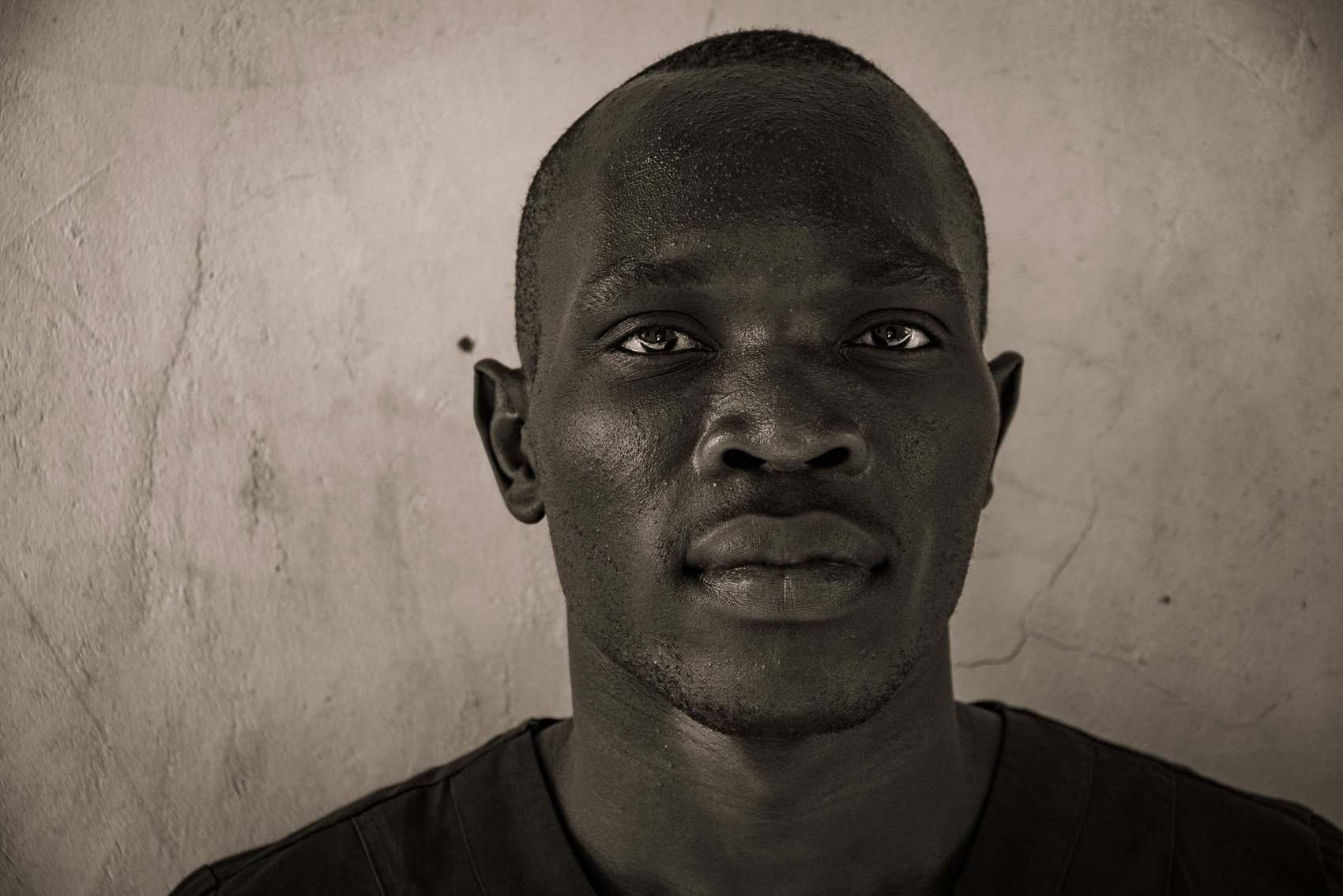
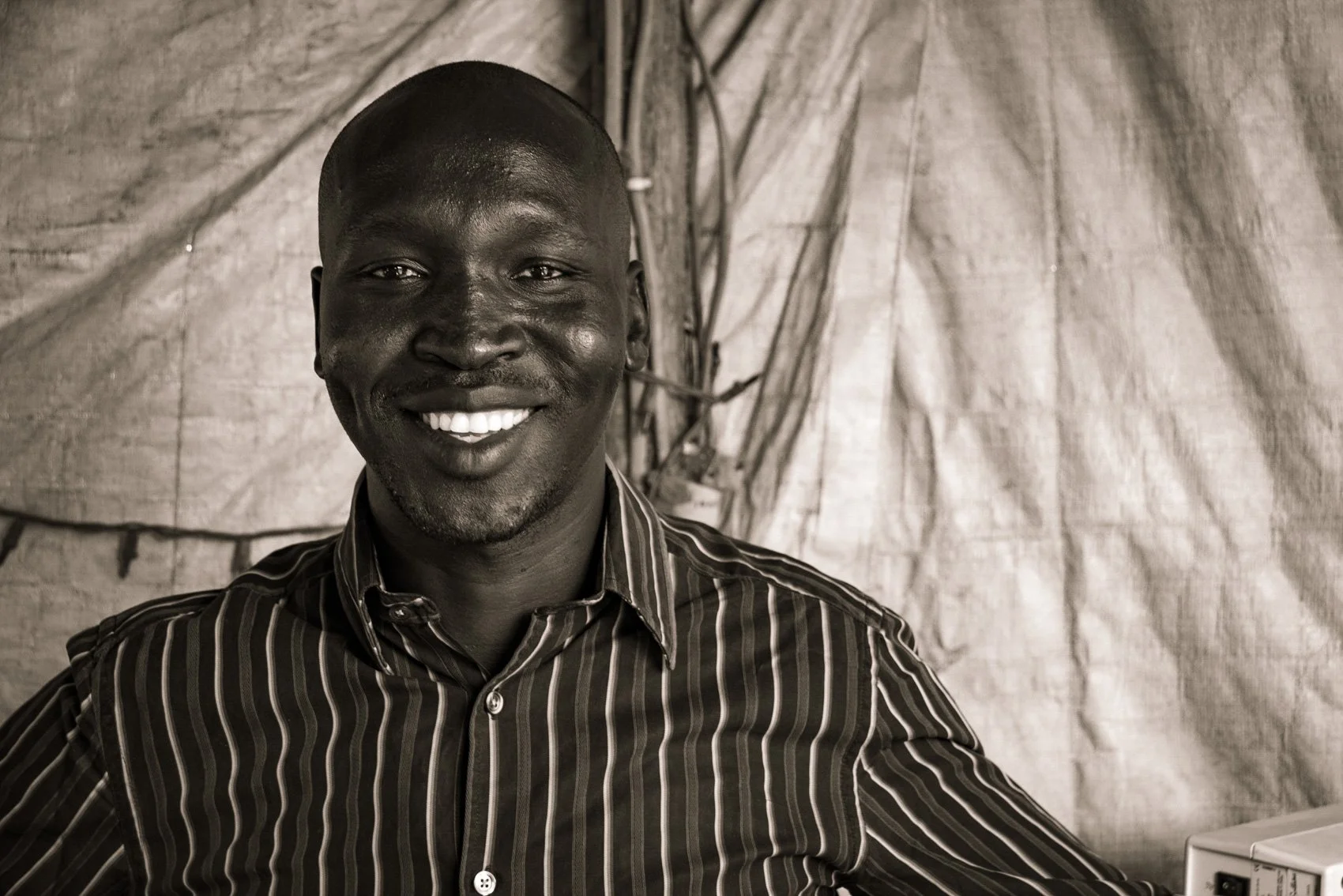
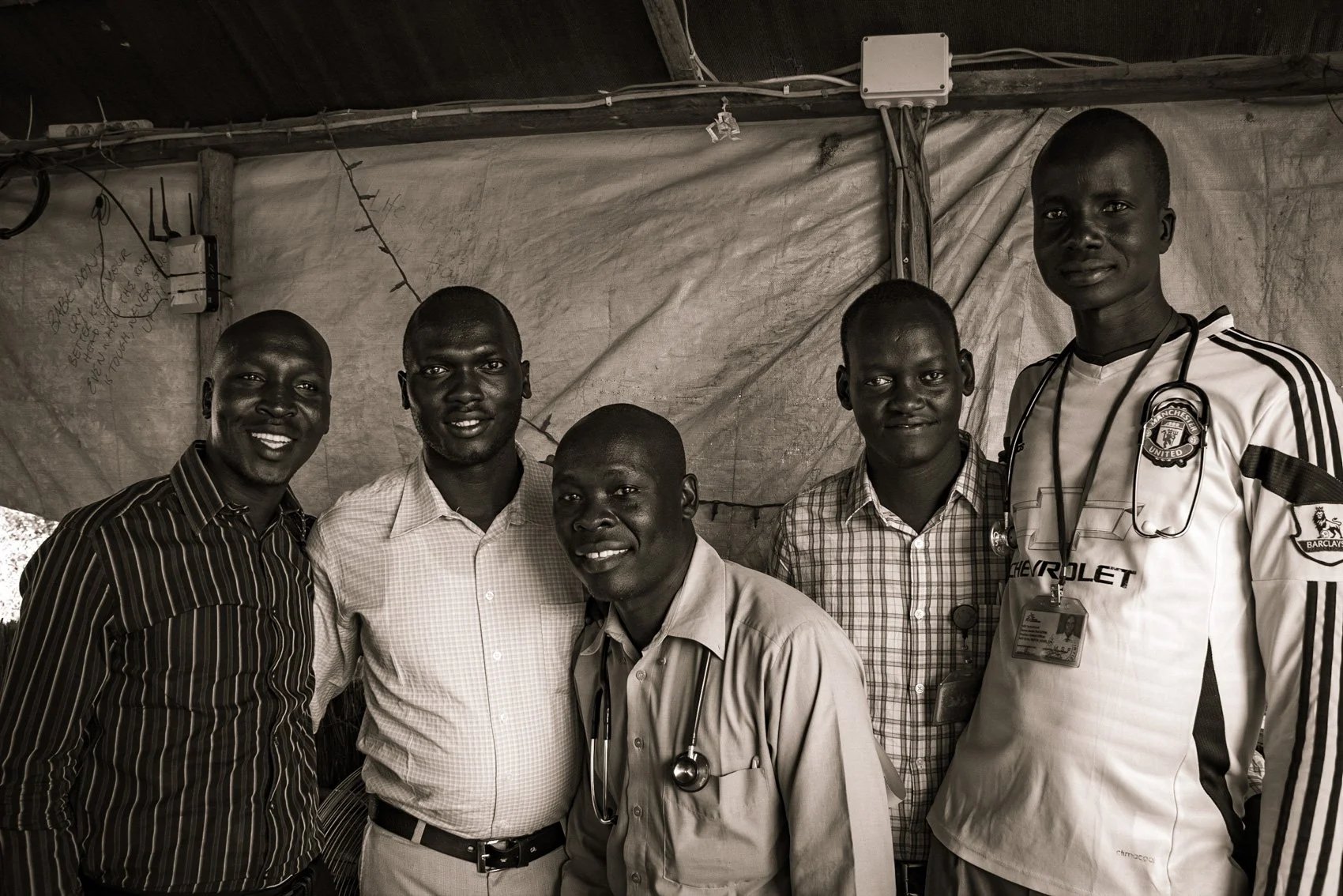
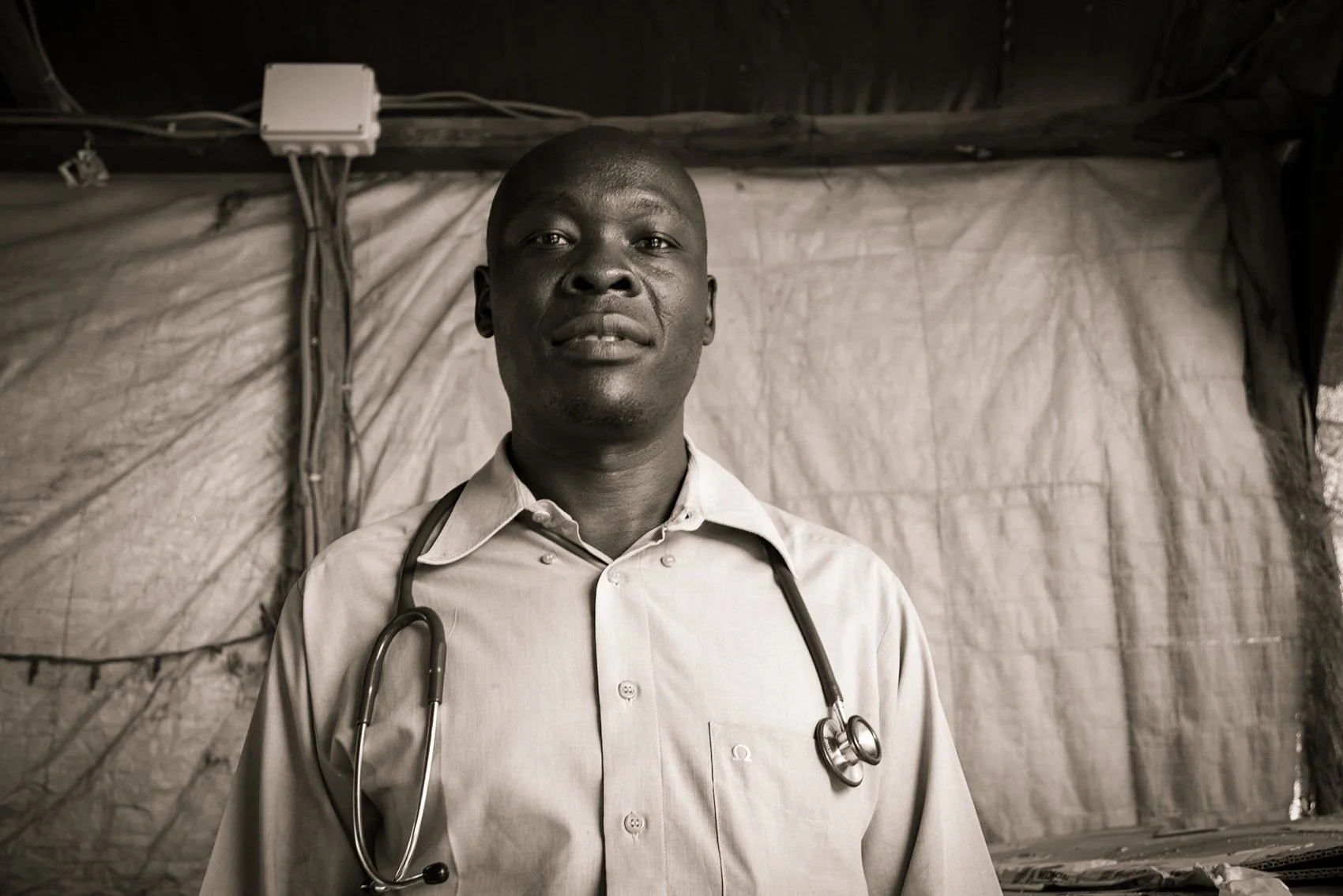
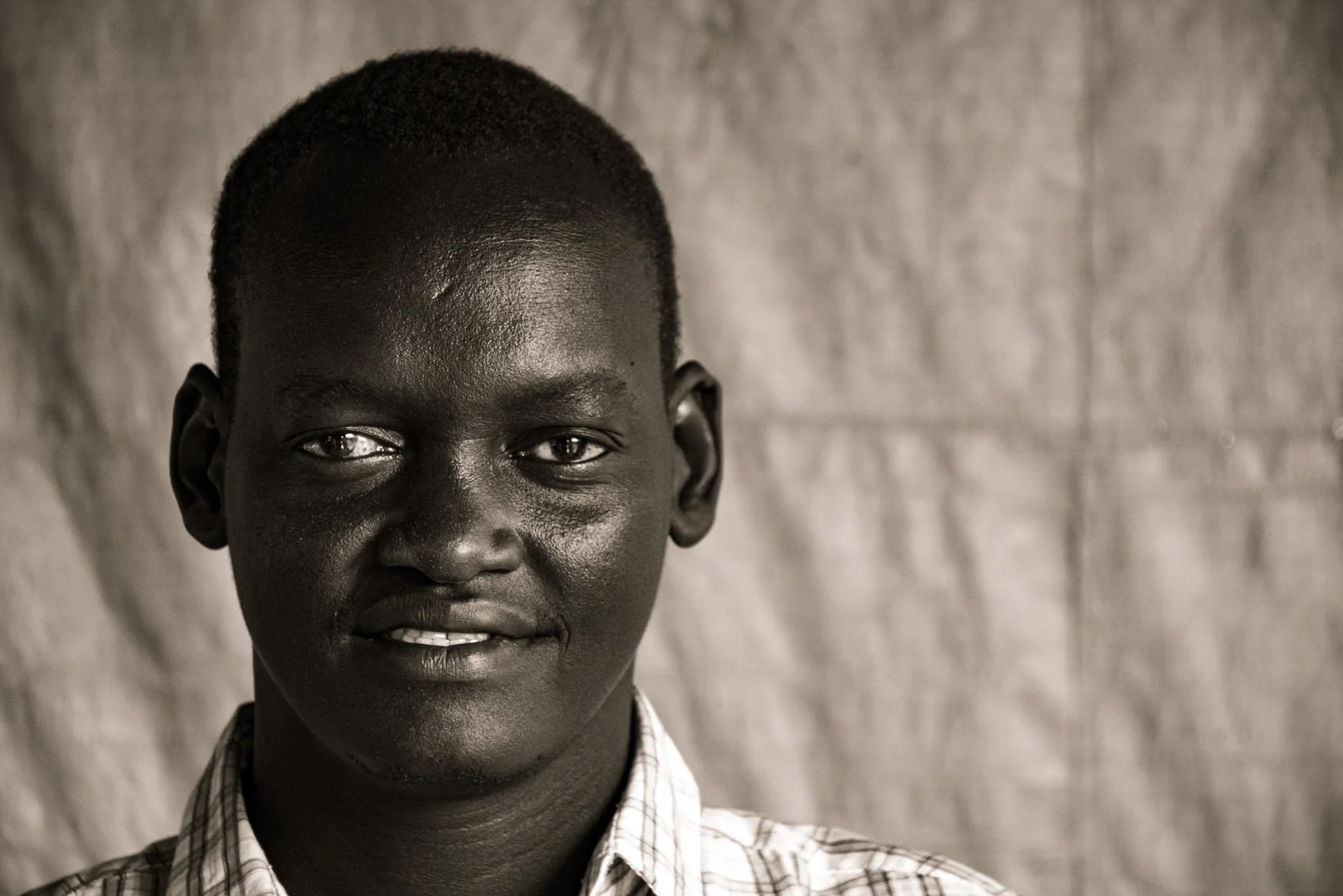
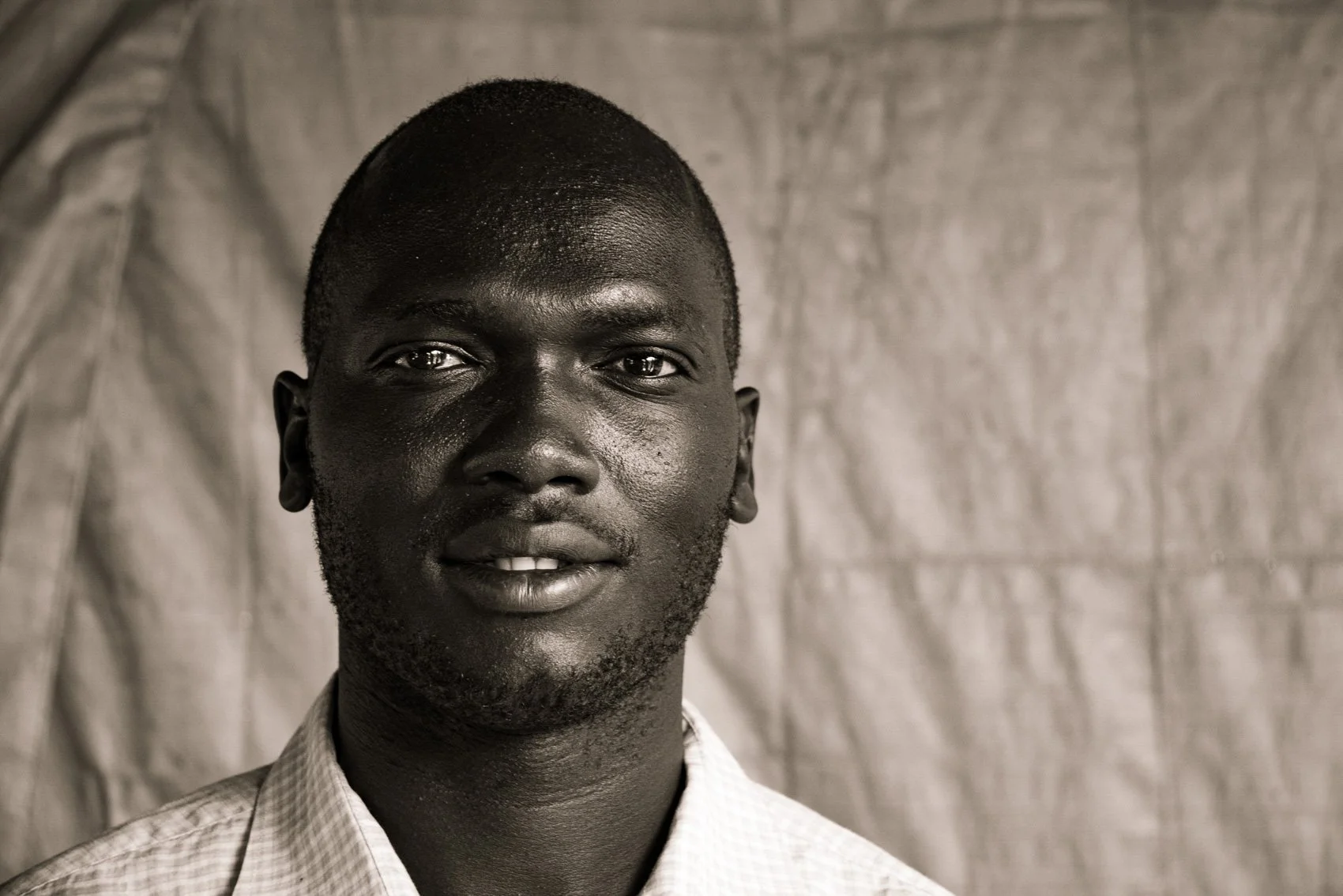
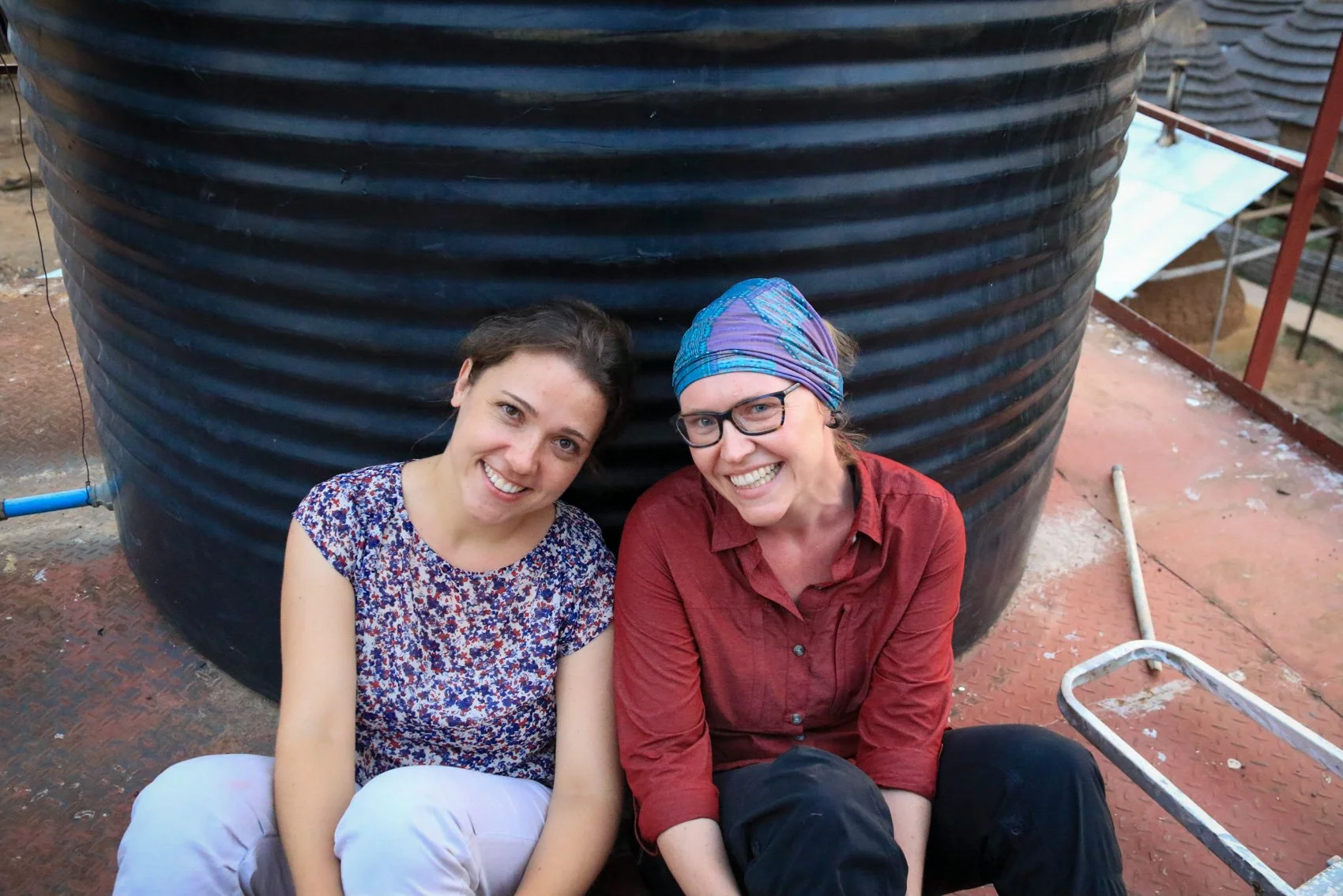
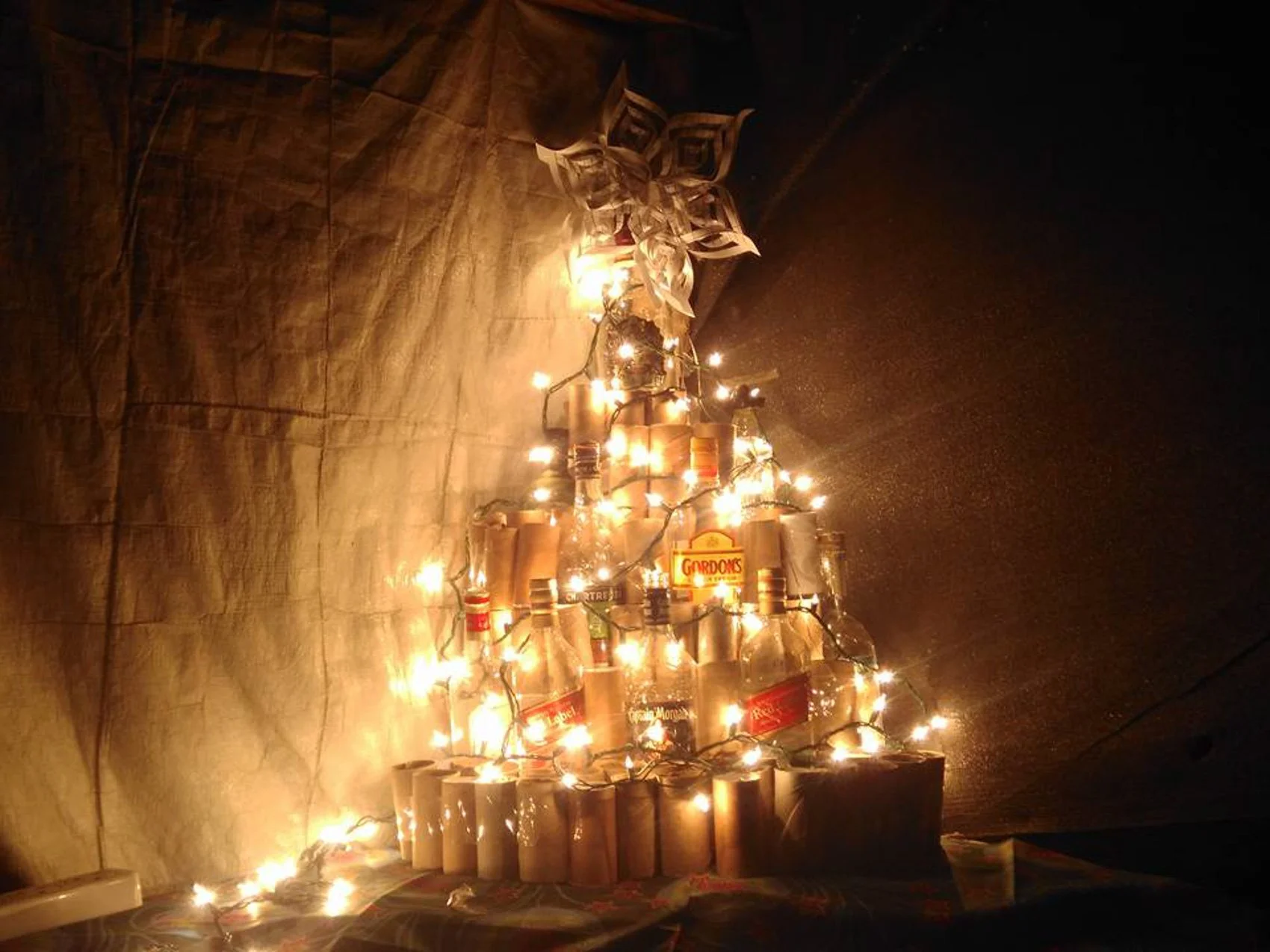
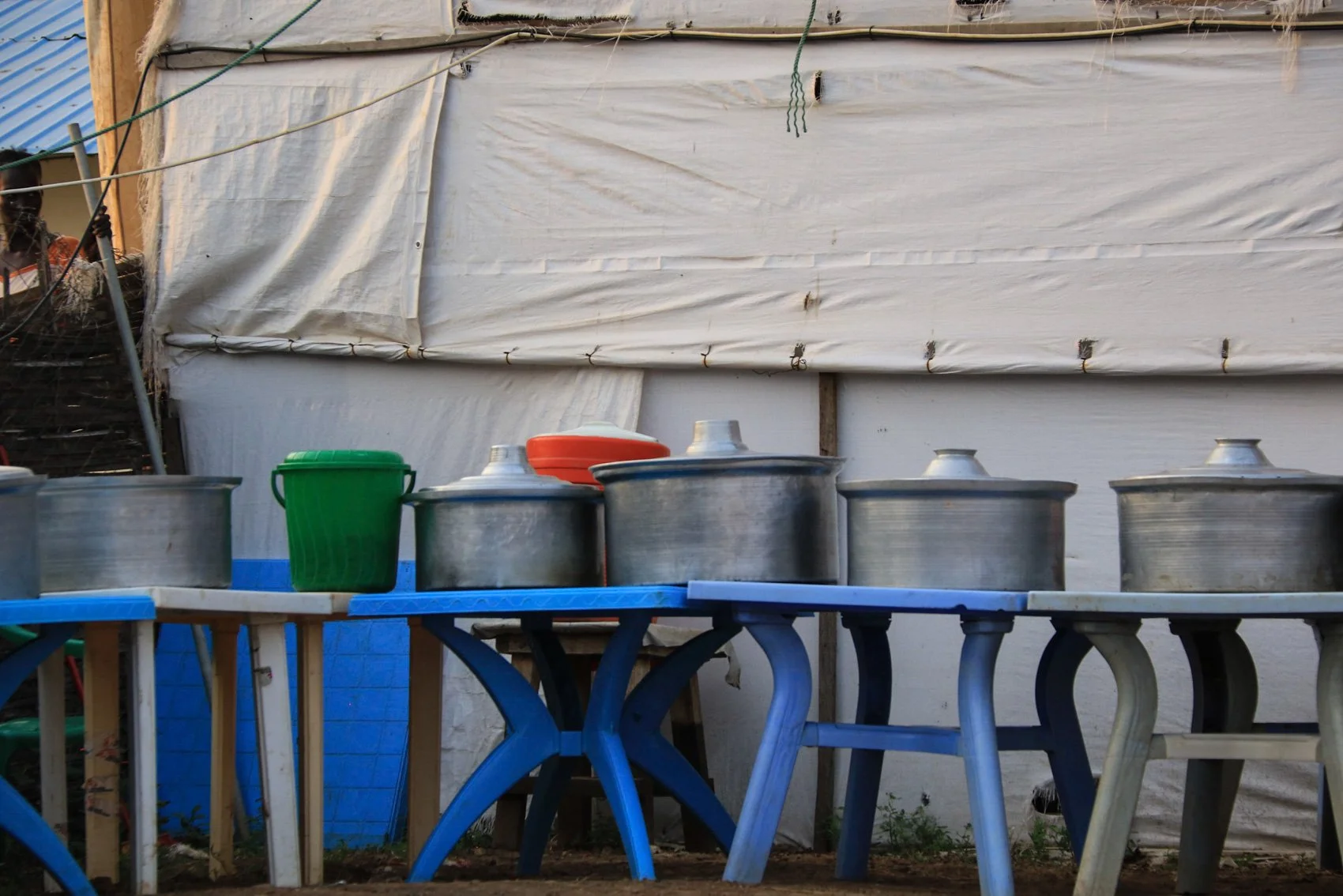
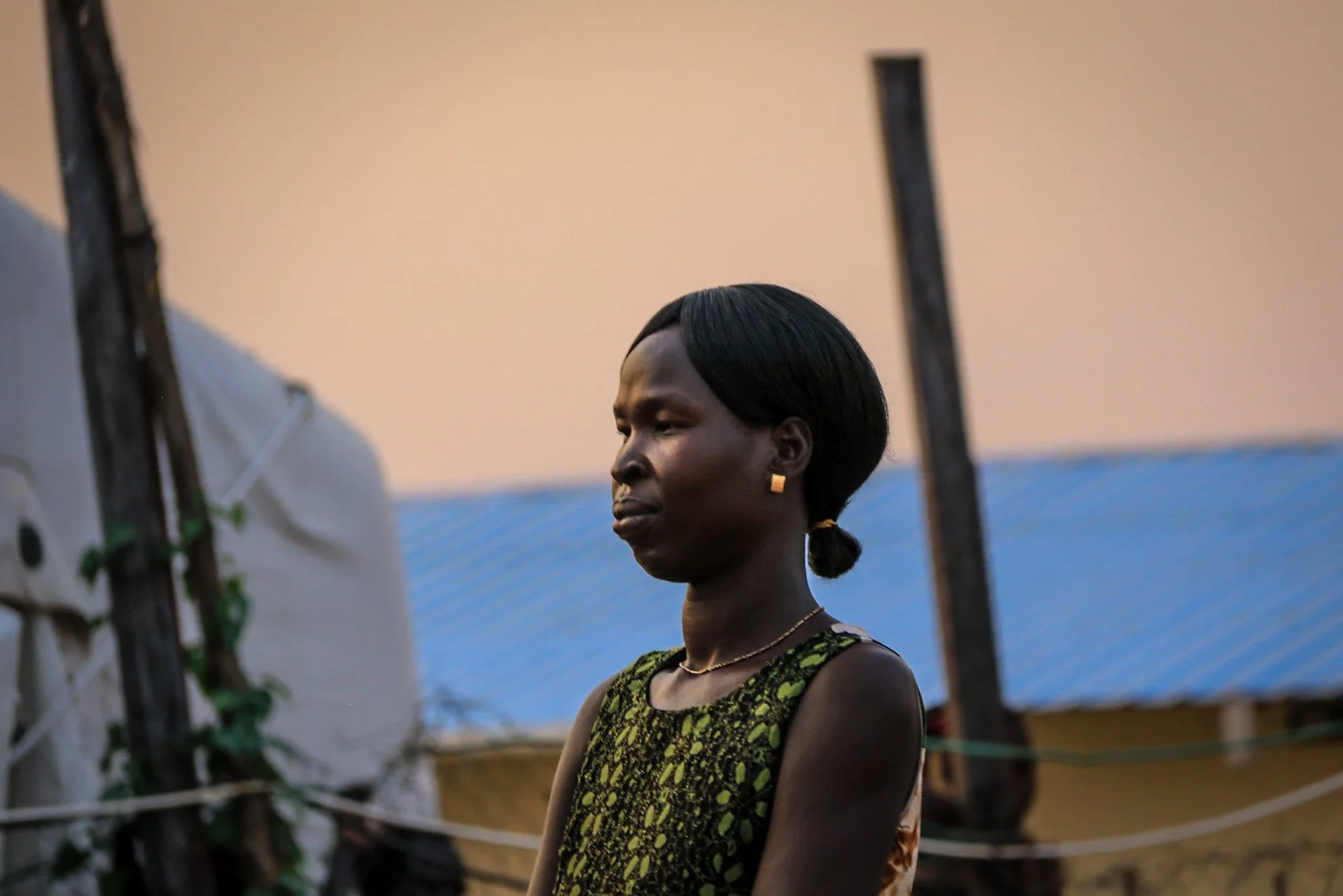
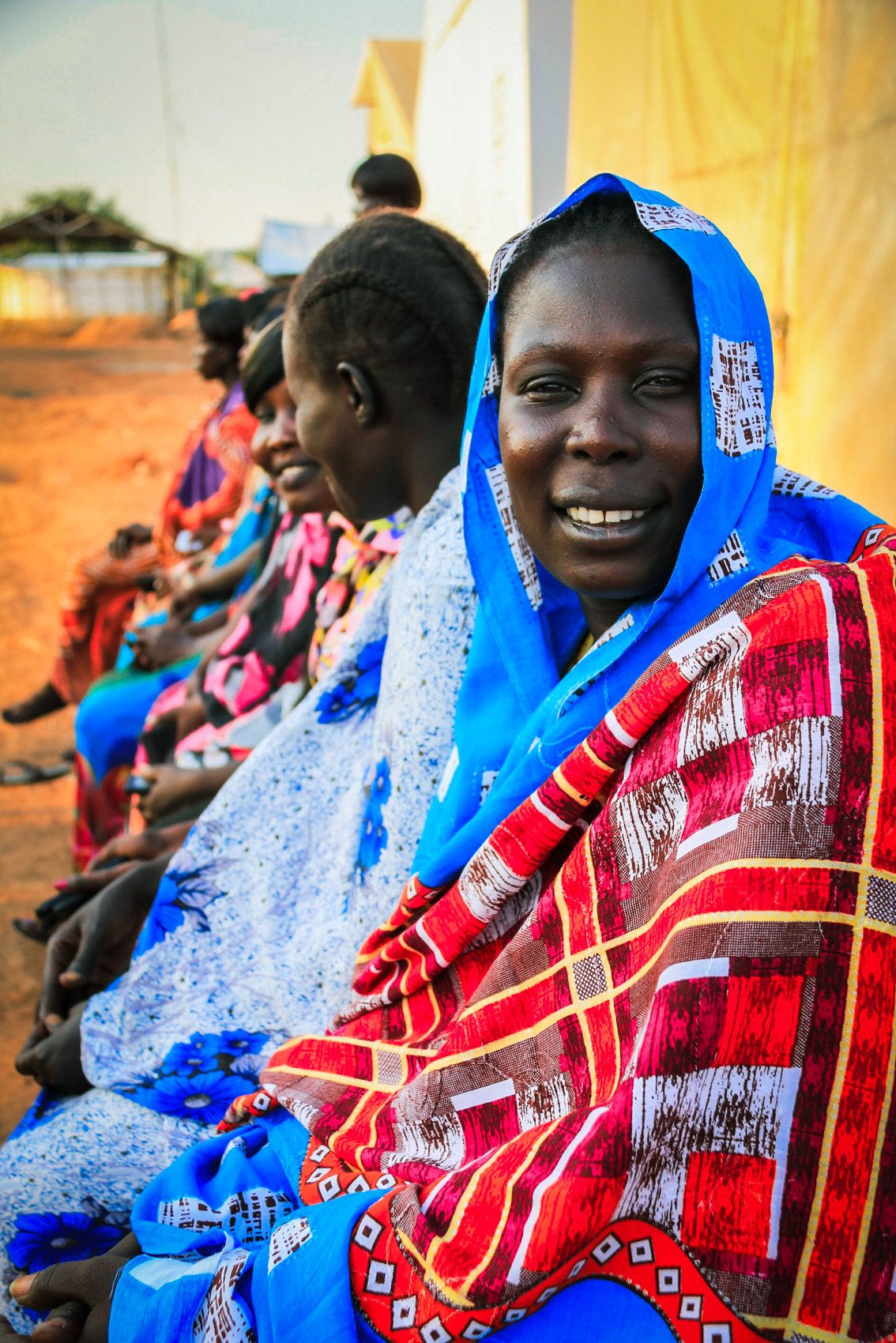
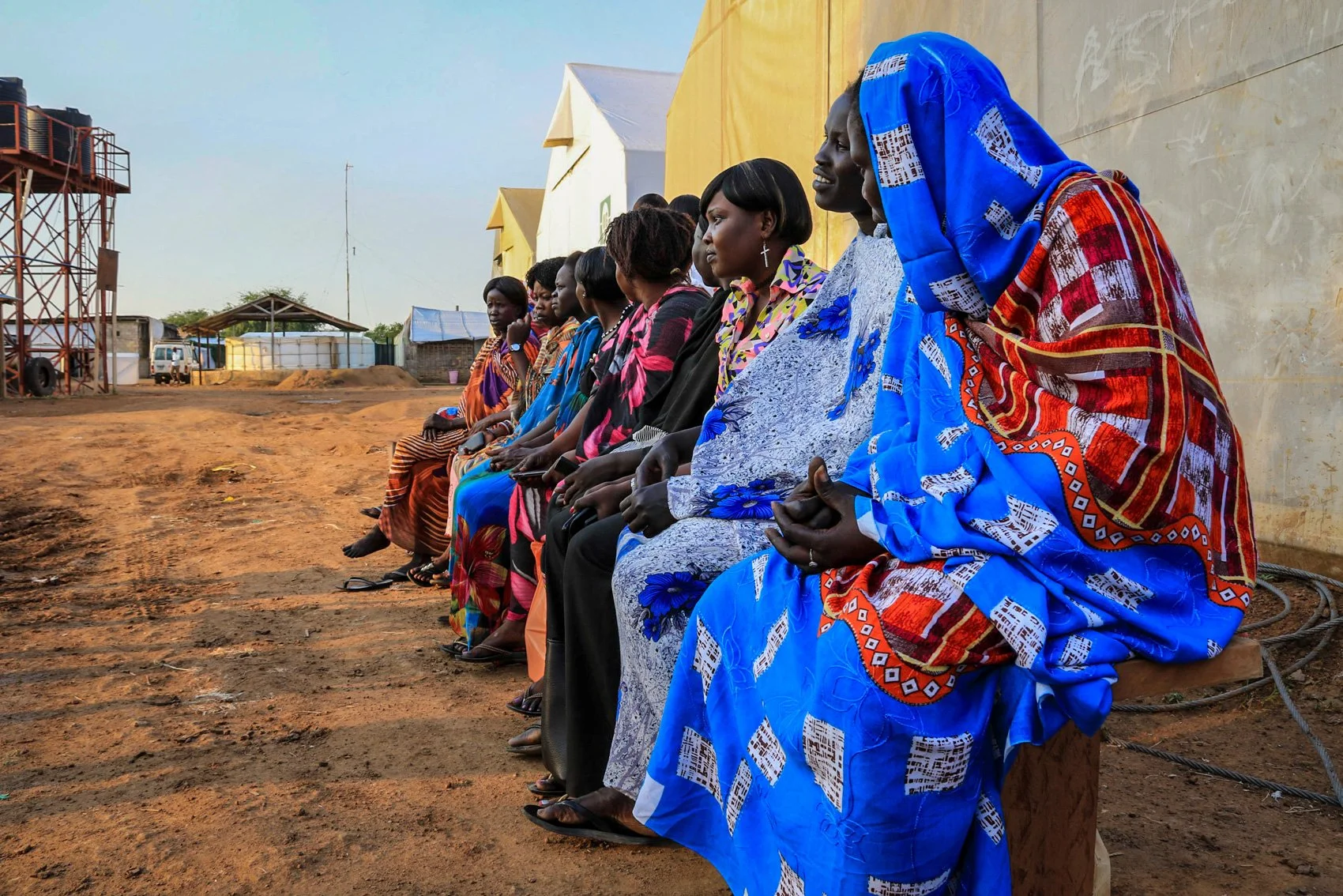
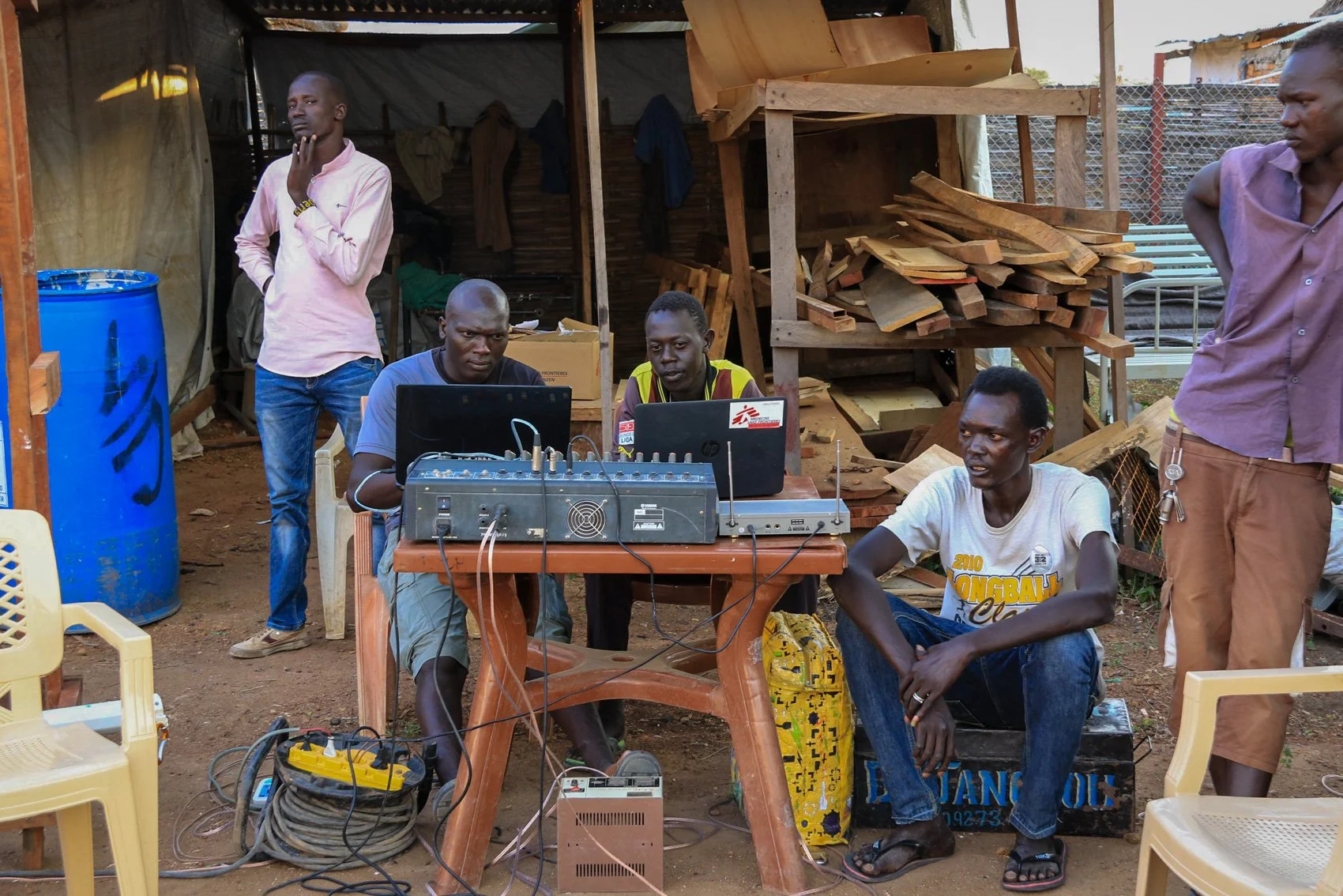
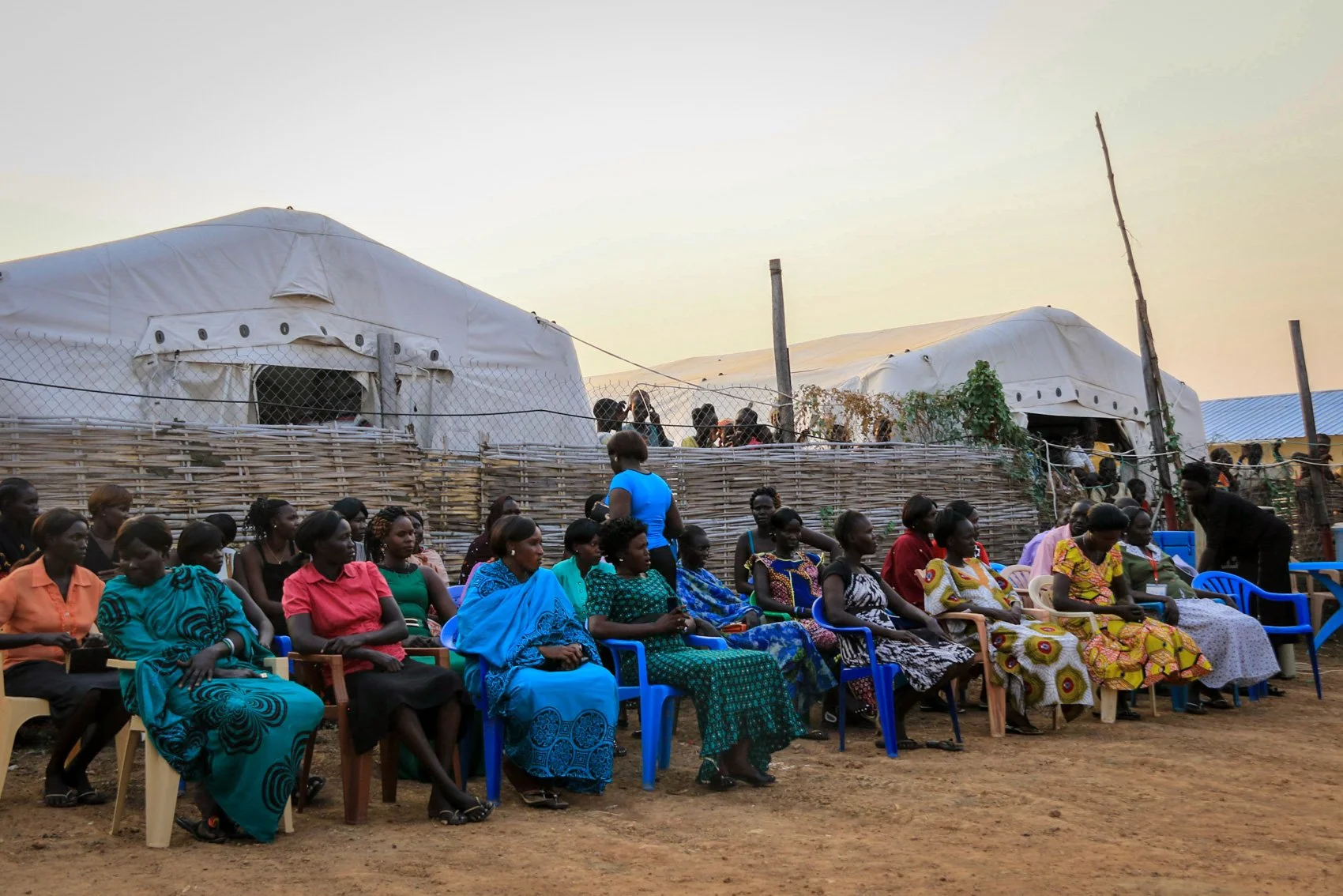
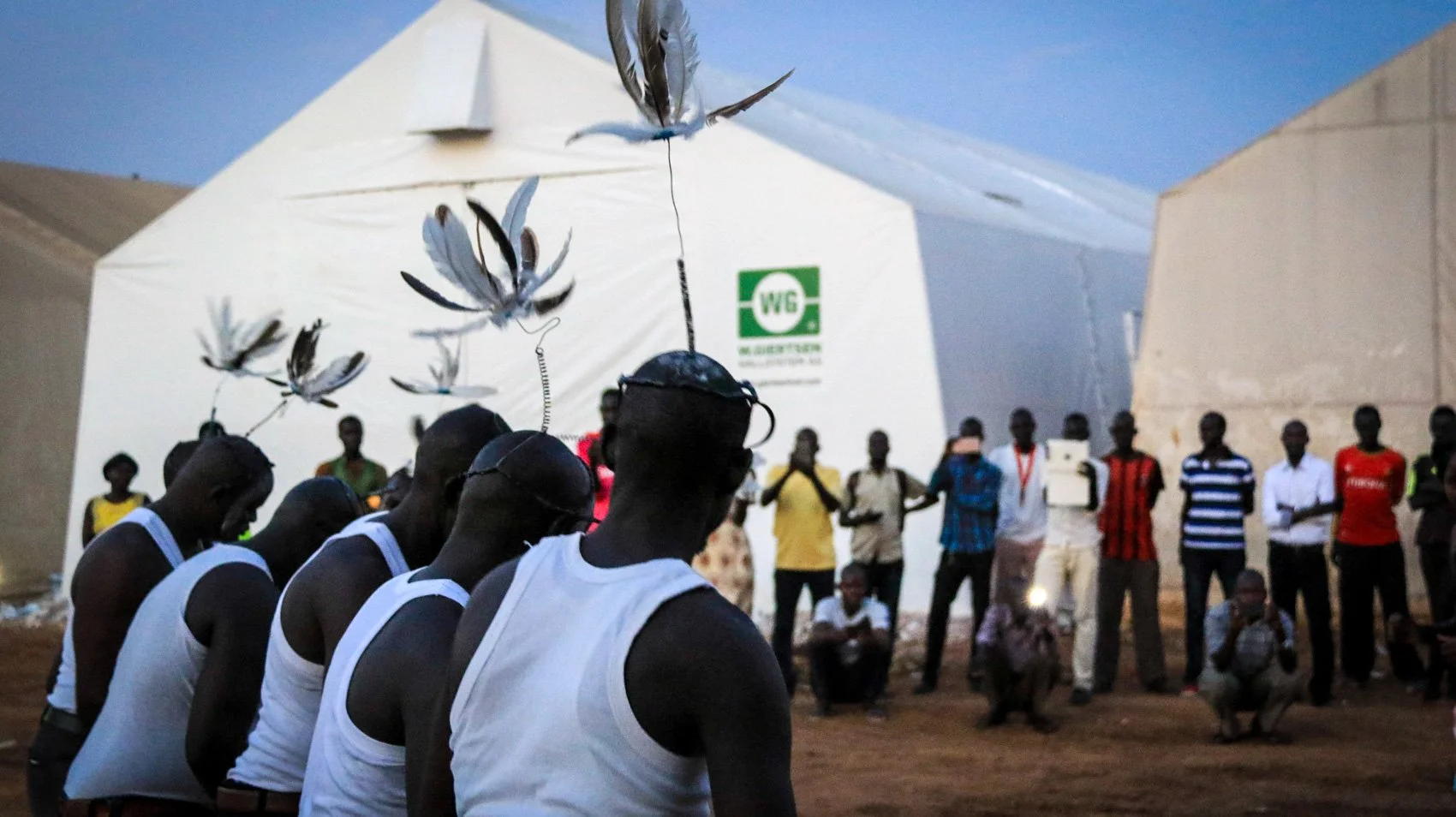
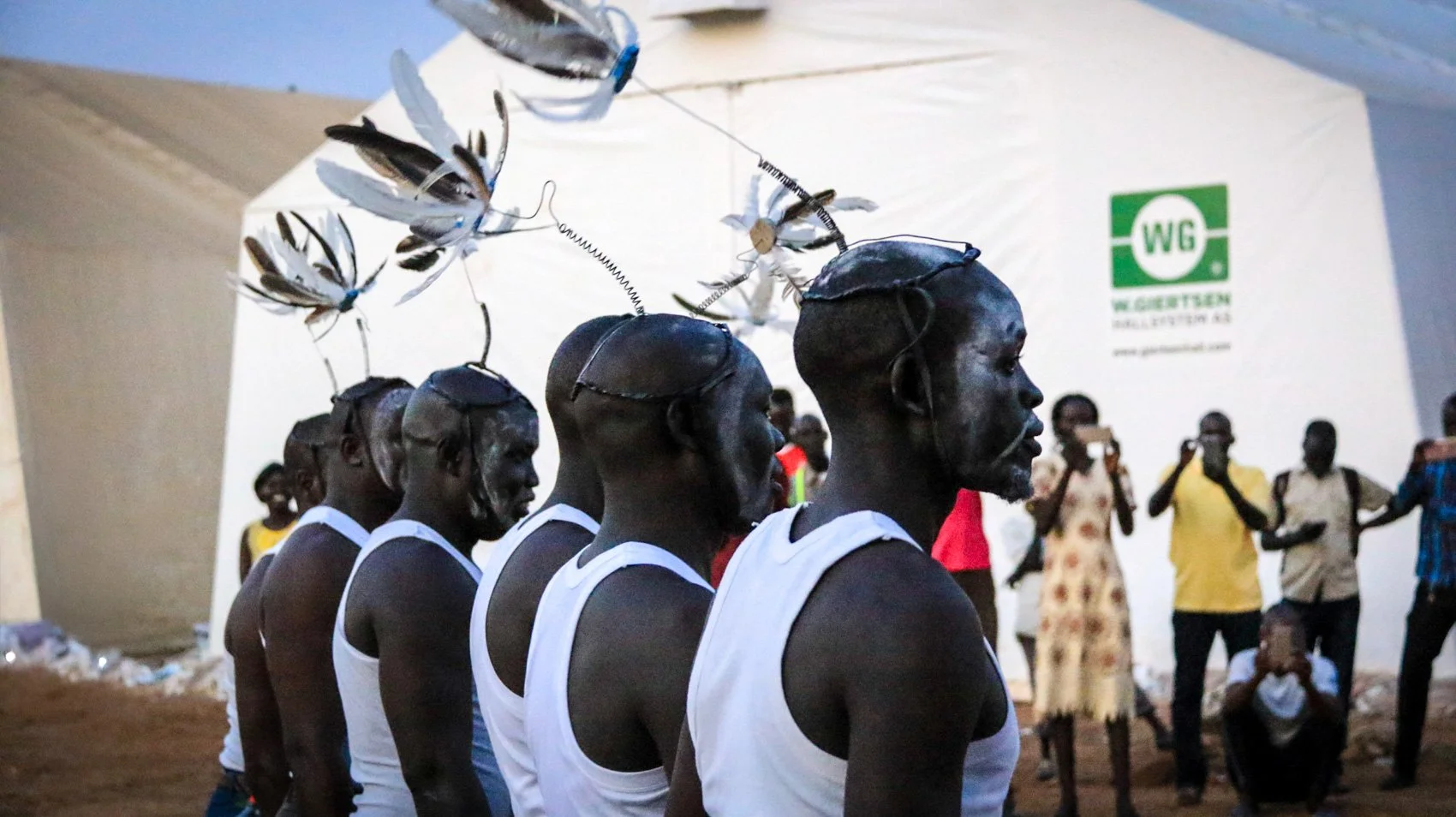
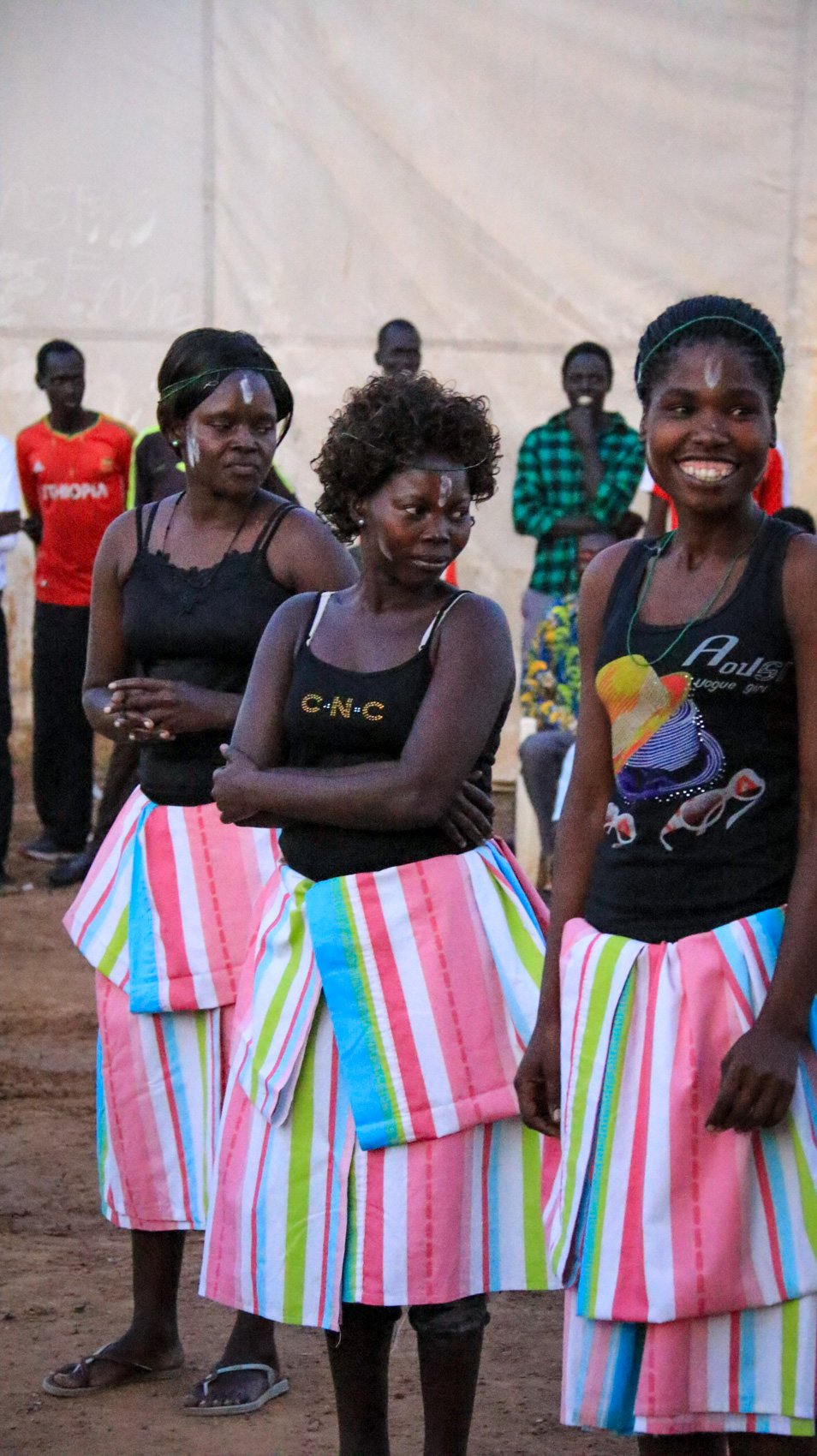
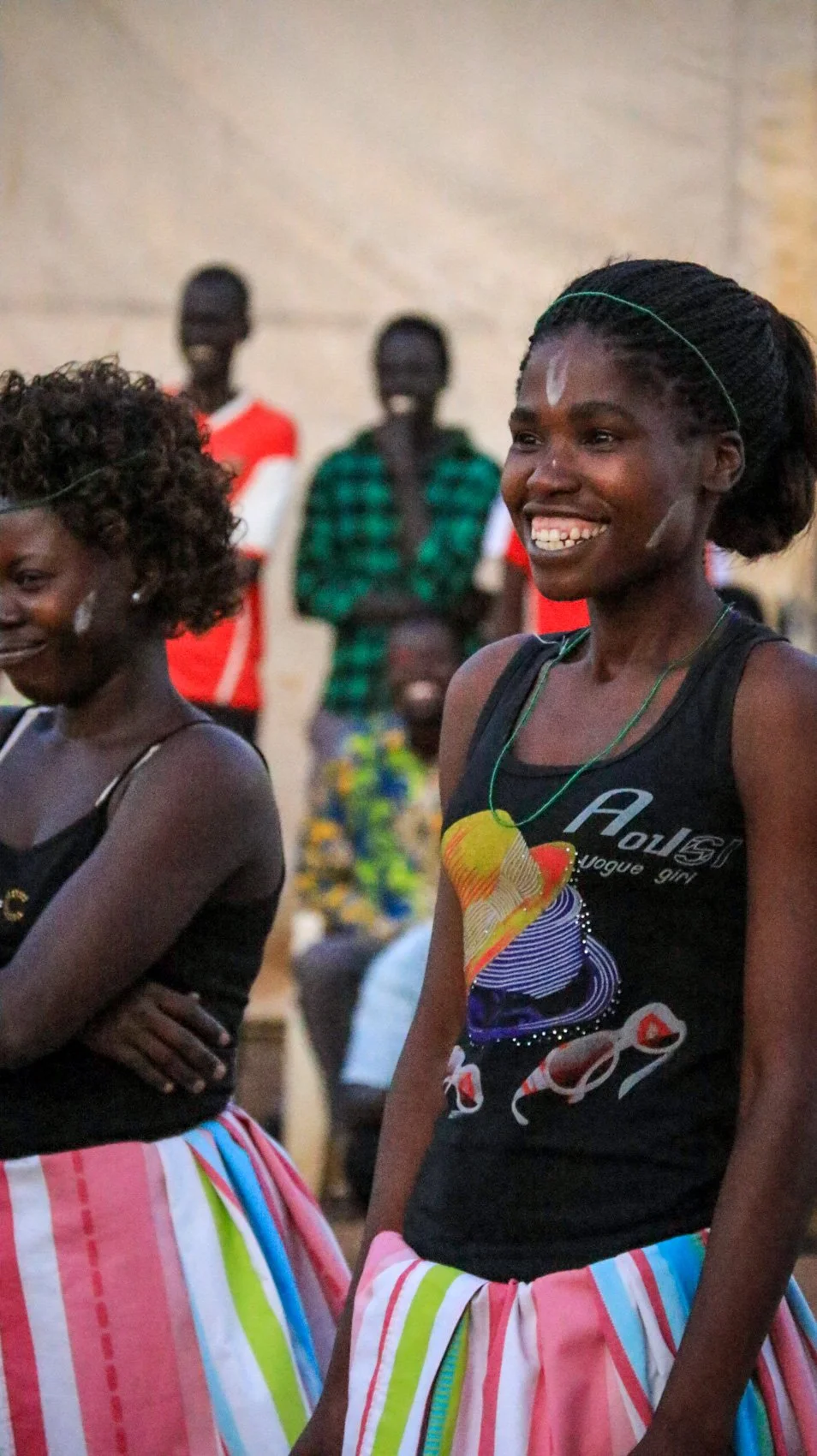
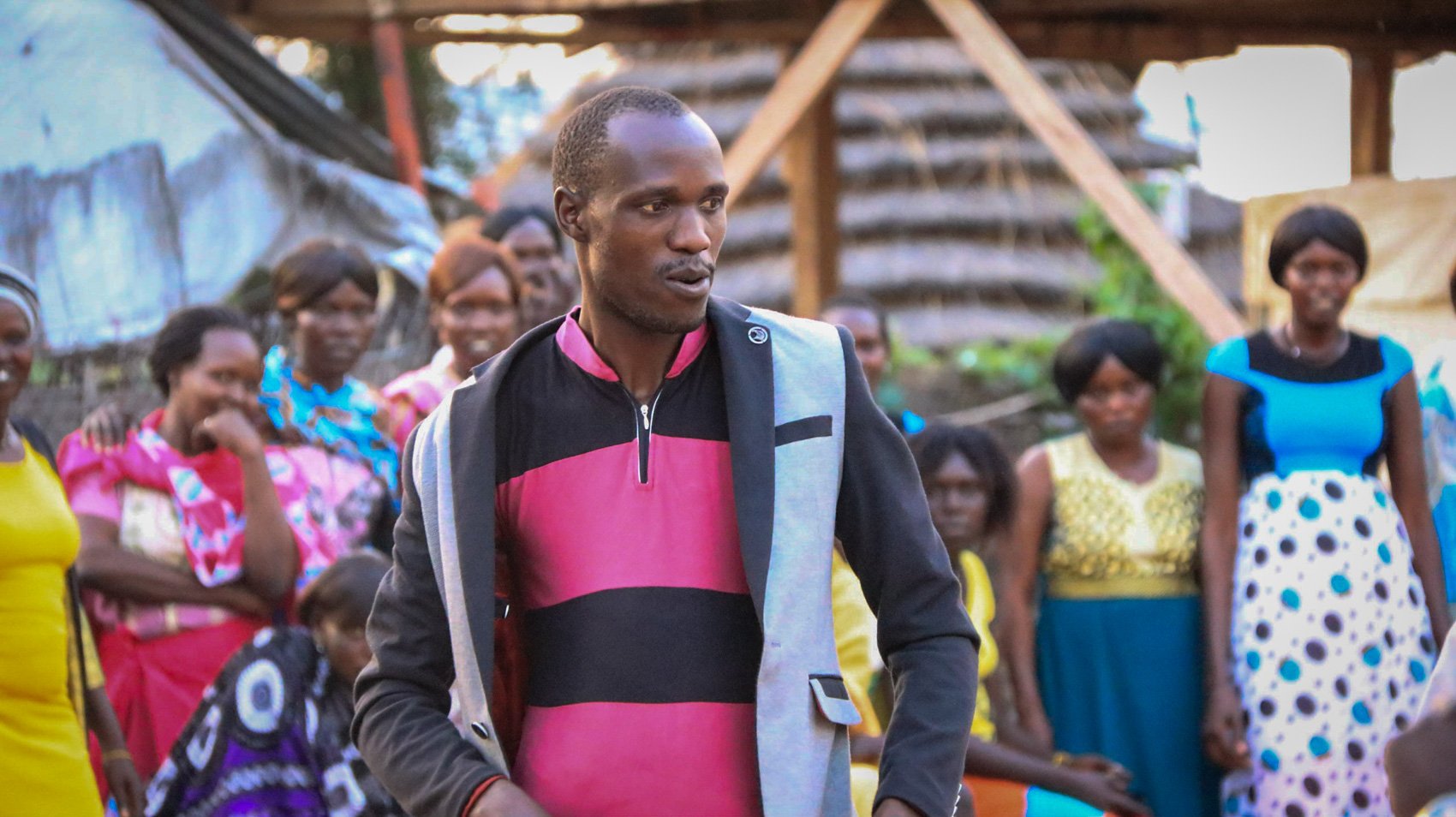
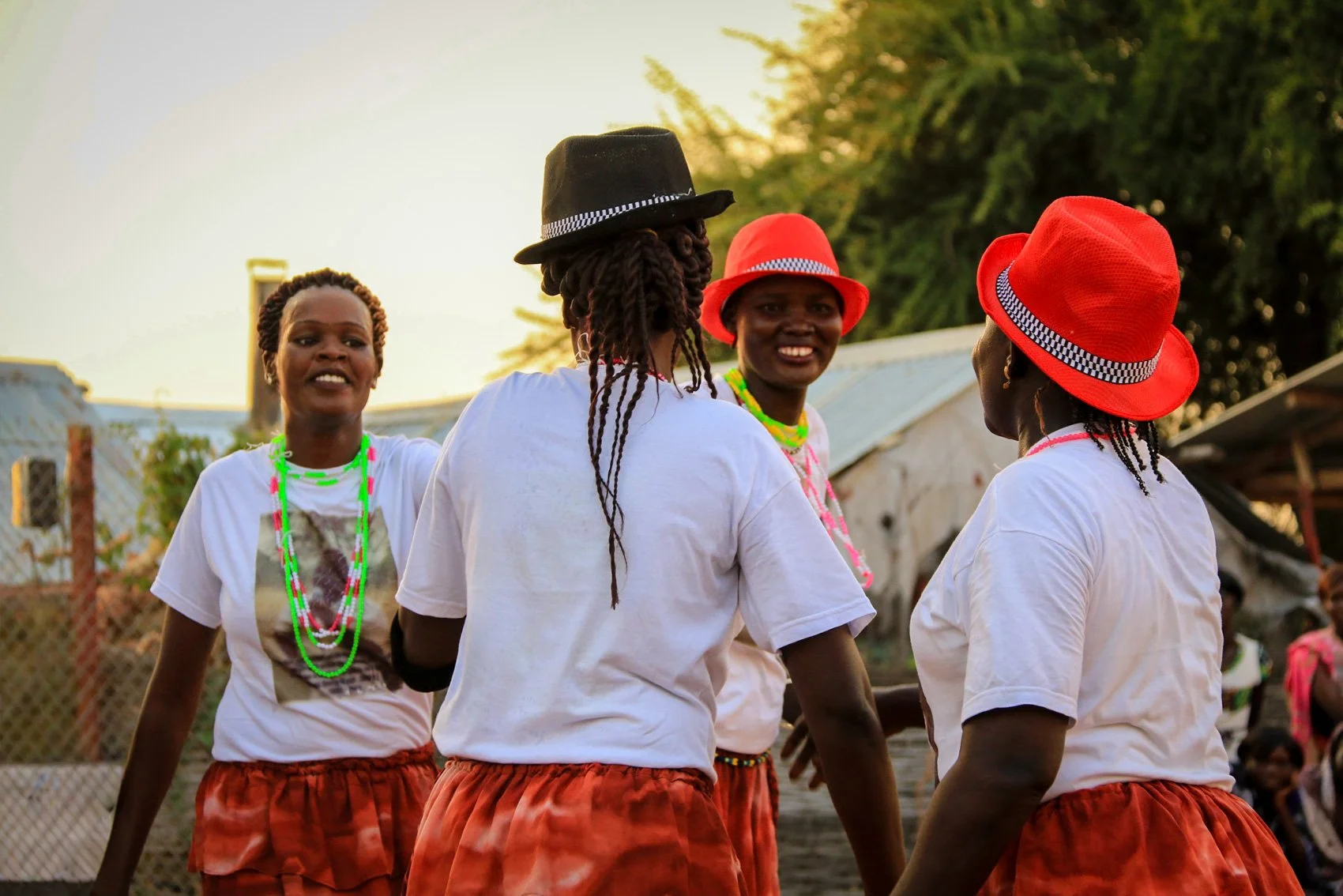
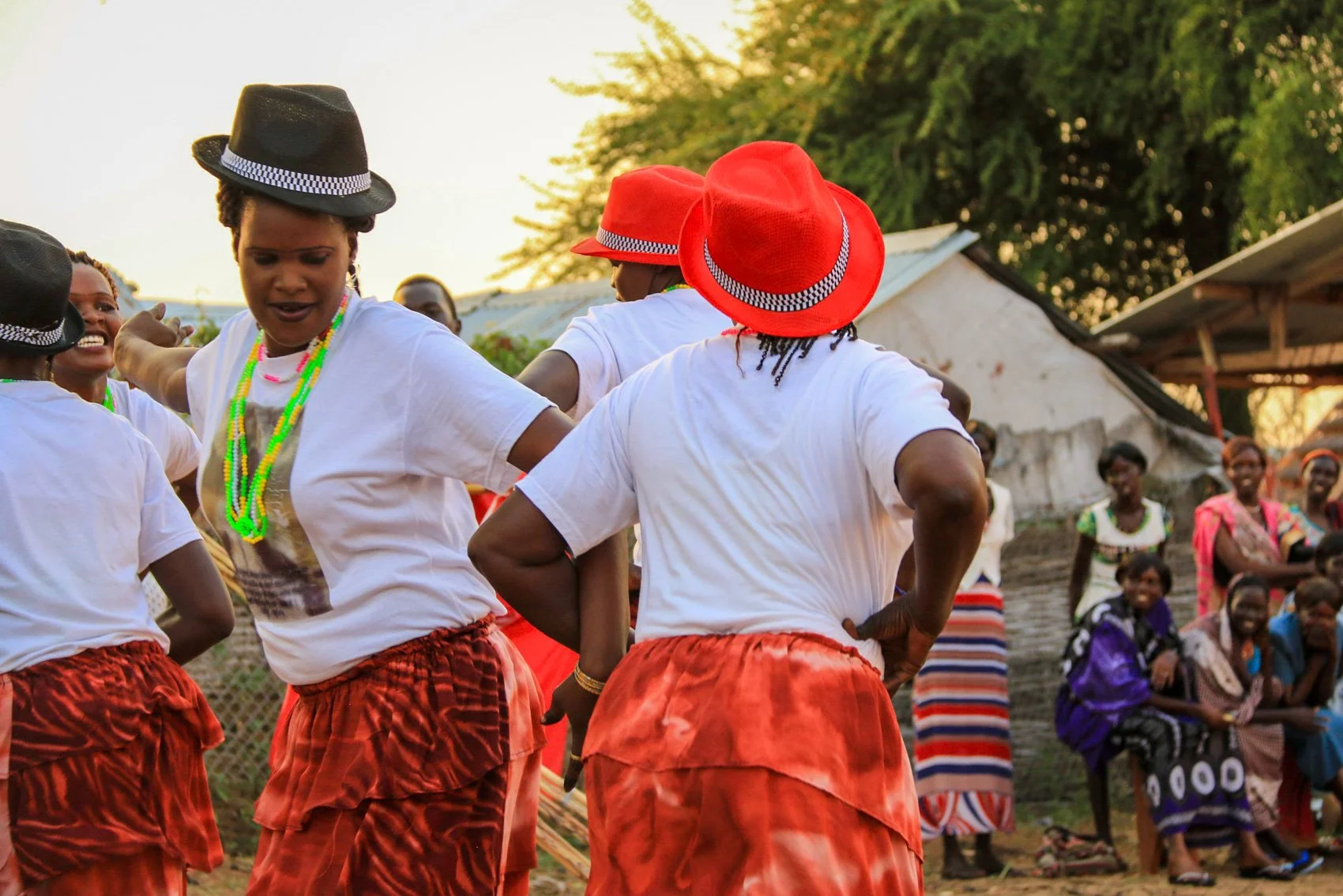
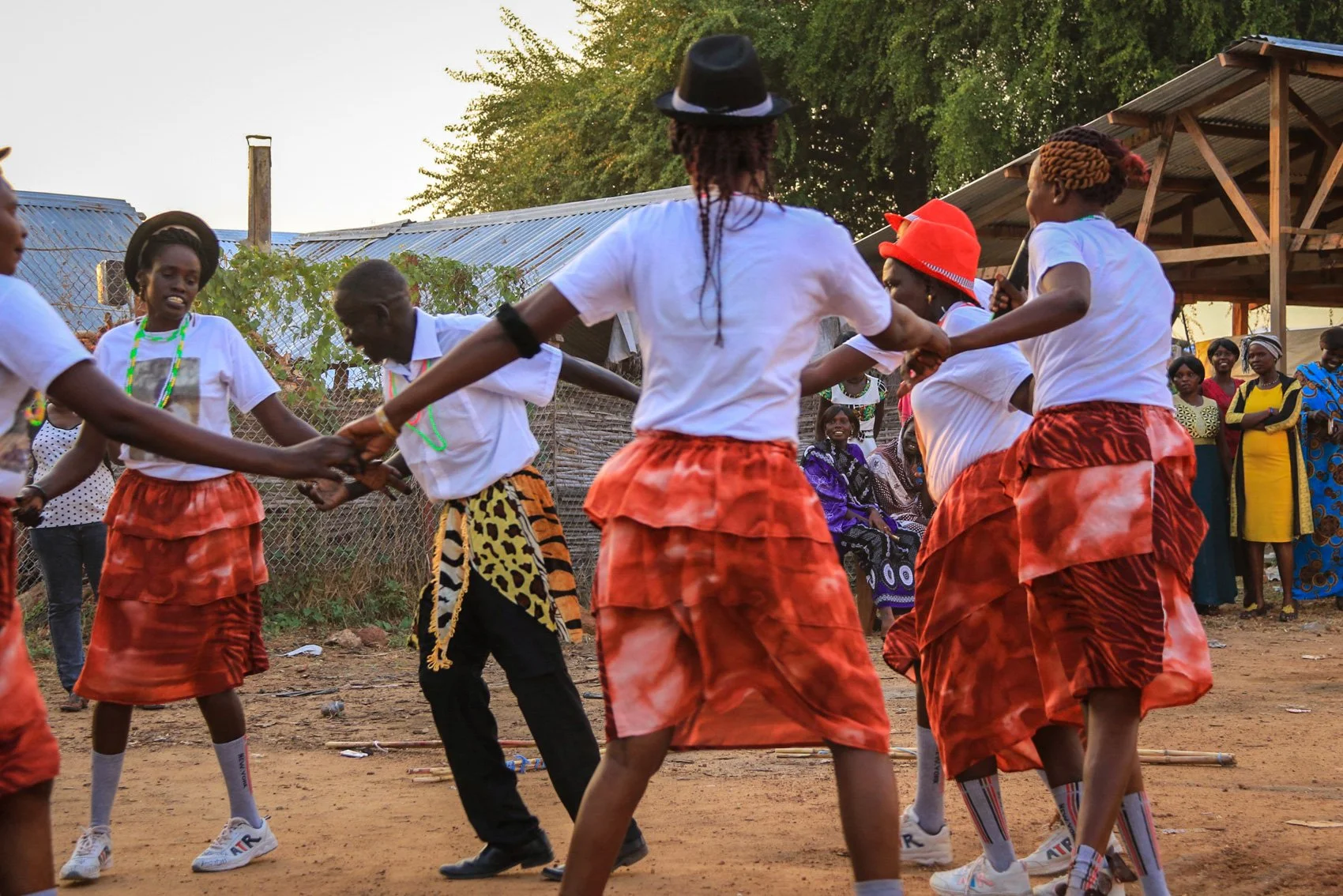
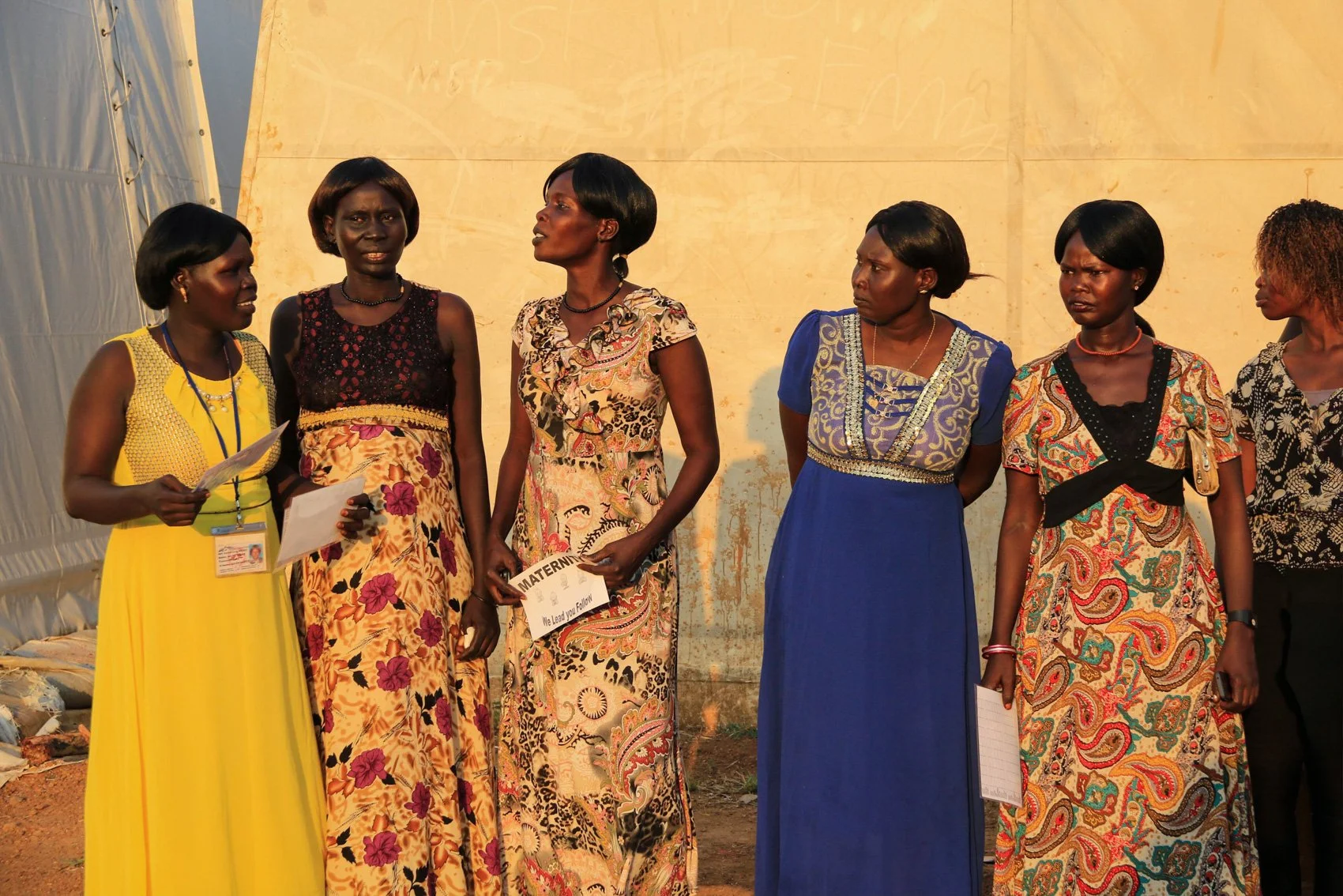
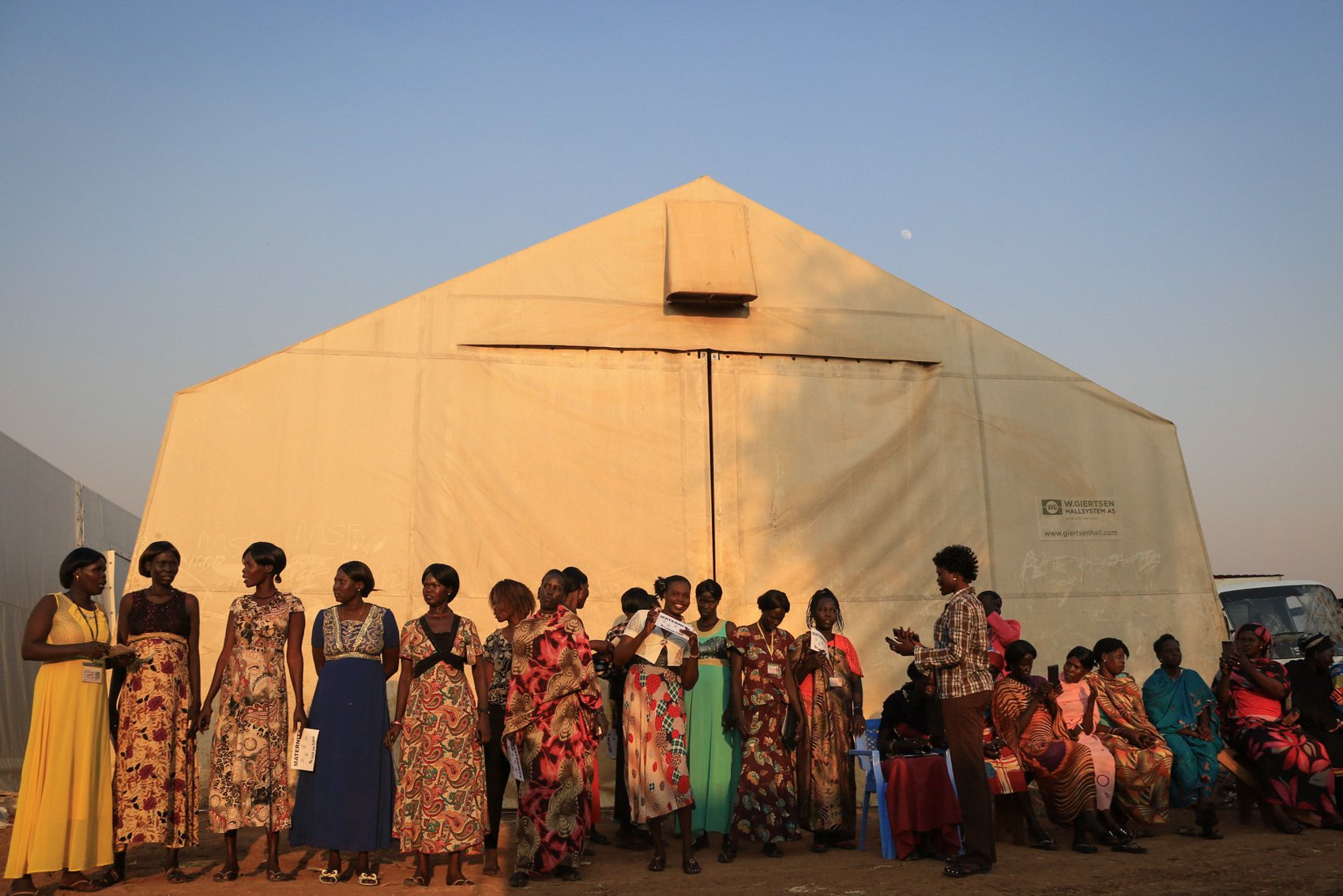
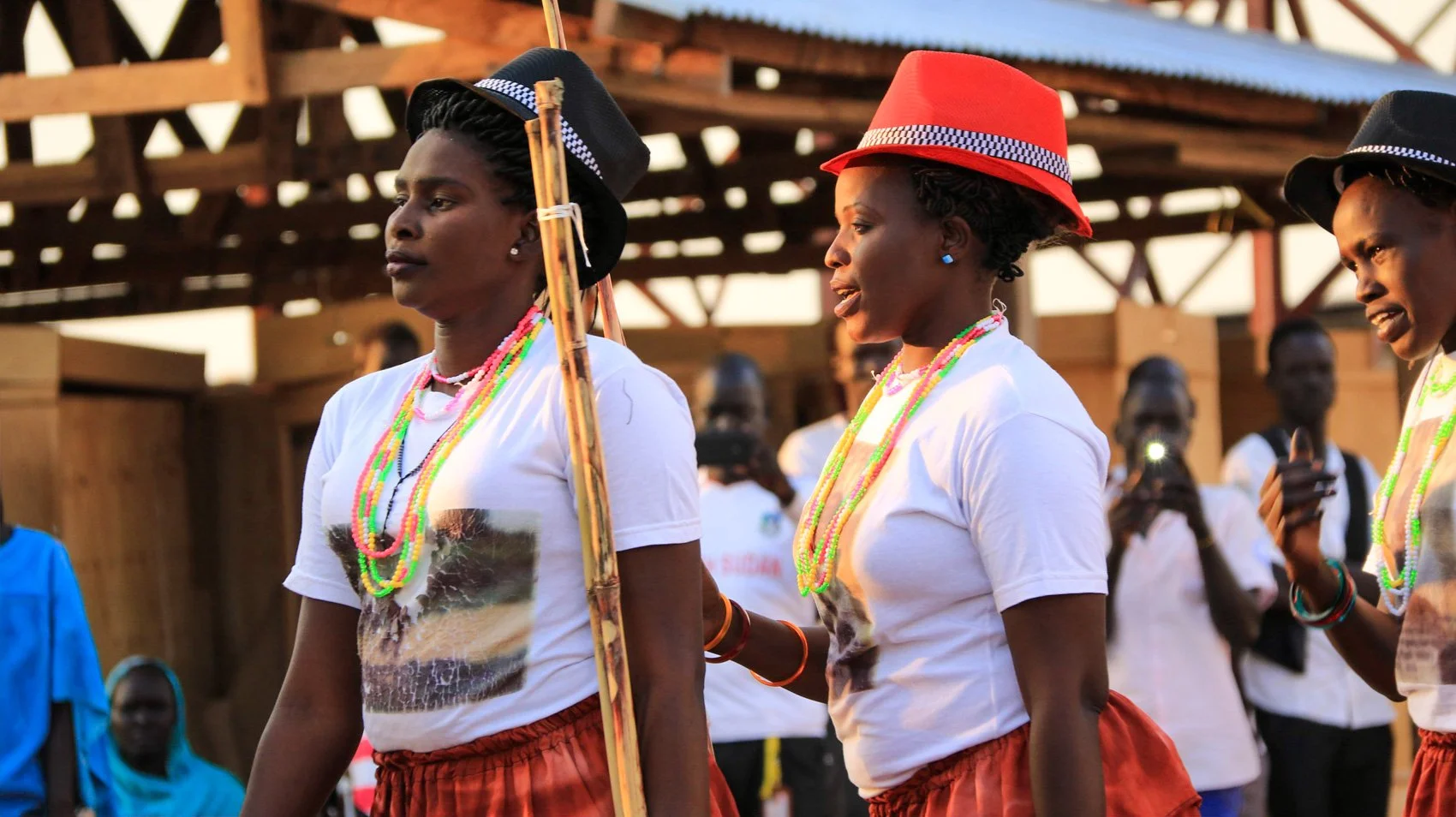
The photographs here were made in the margins of that work — between hospital wards and water towers, celebrations and ceasefires, moments of fatigue and moments of grace. They are not comprehensive, and they are not neutral. They come from proximity, from relationship, from time spent listening more than speaking. They are shaped as much by what I chose not to photograph as by what I did.
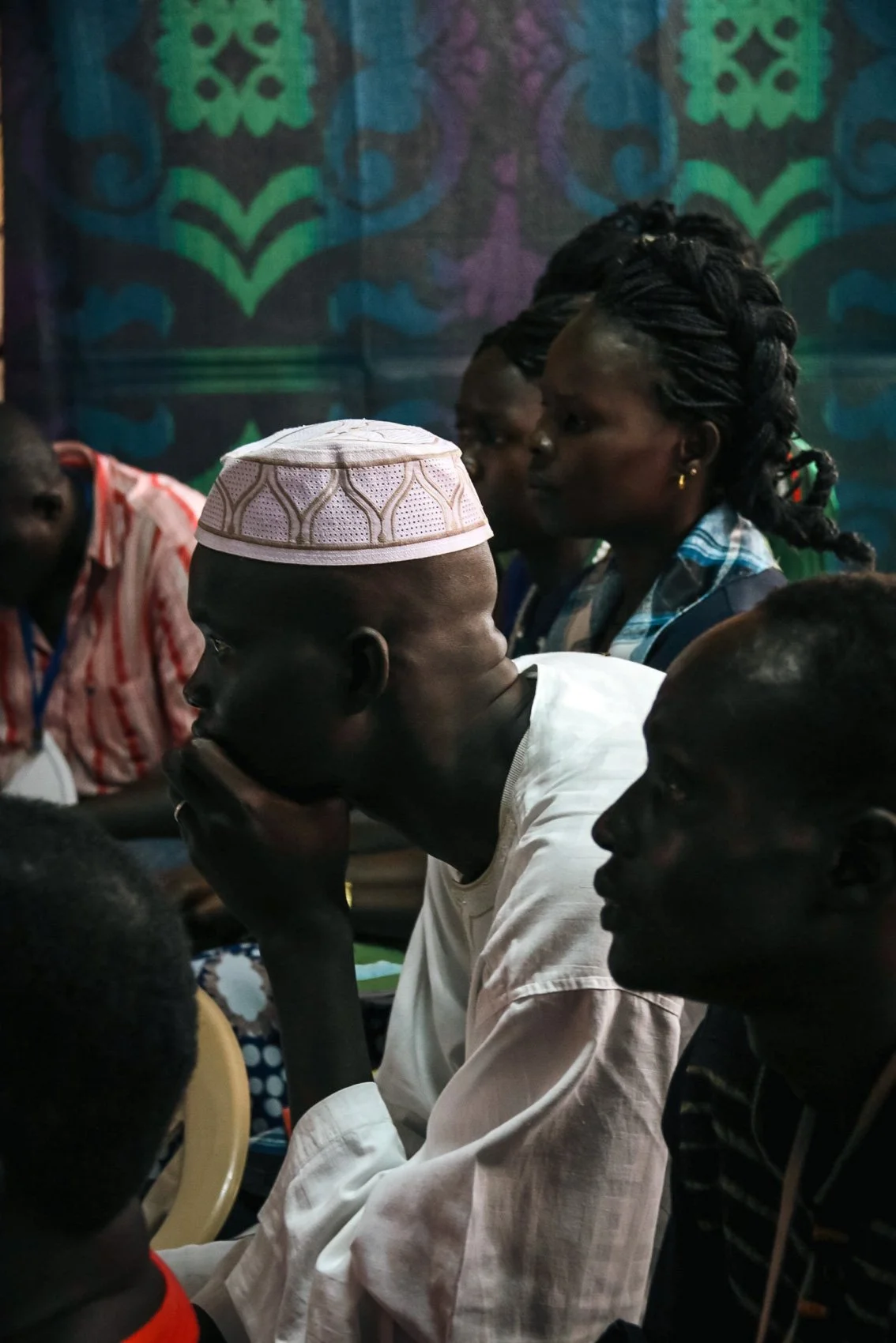
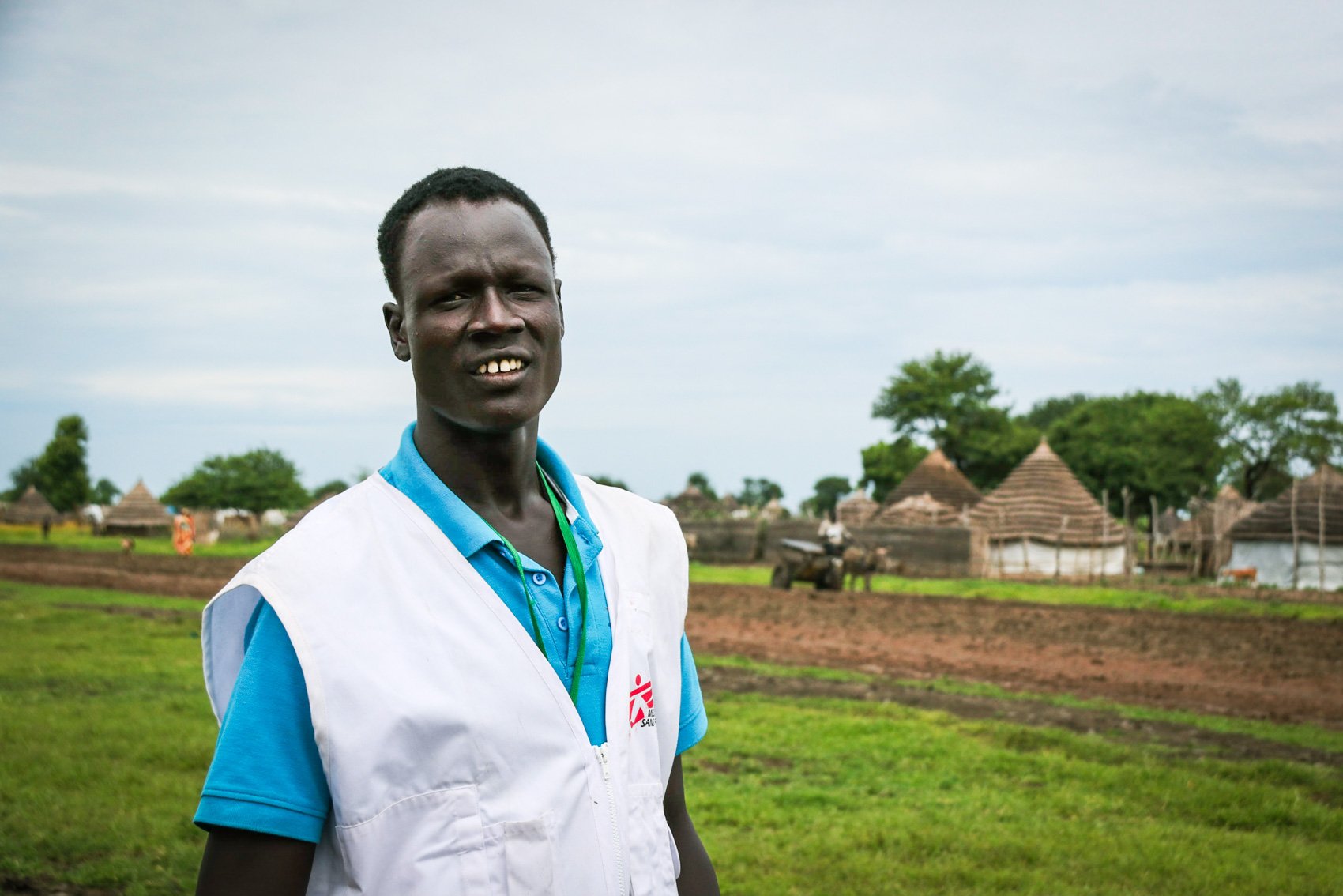
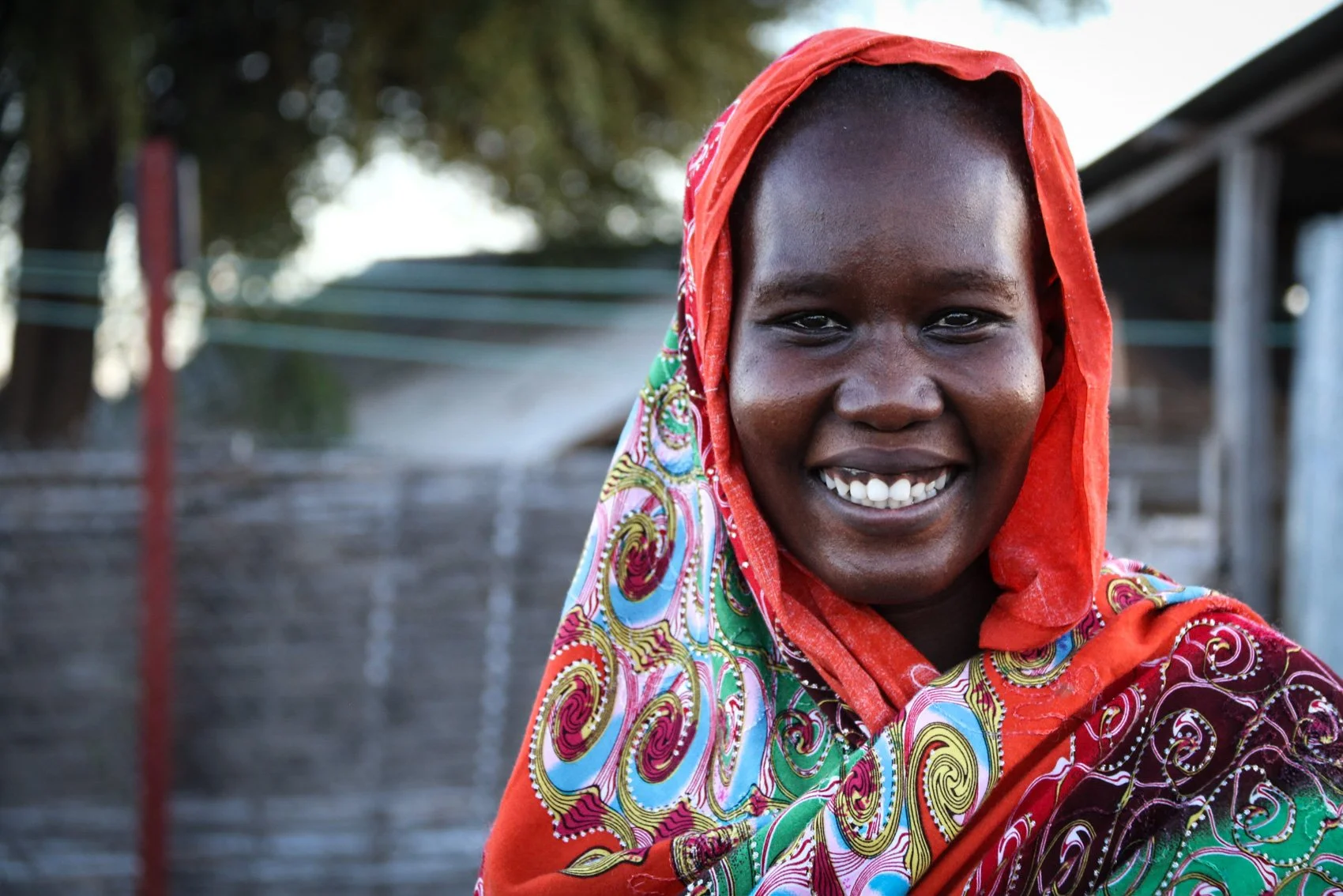
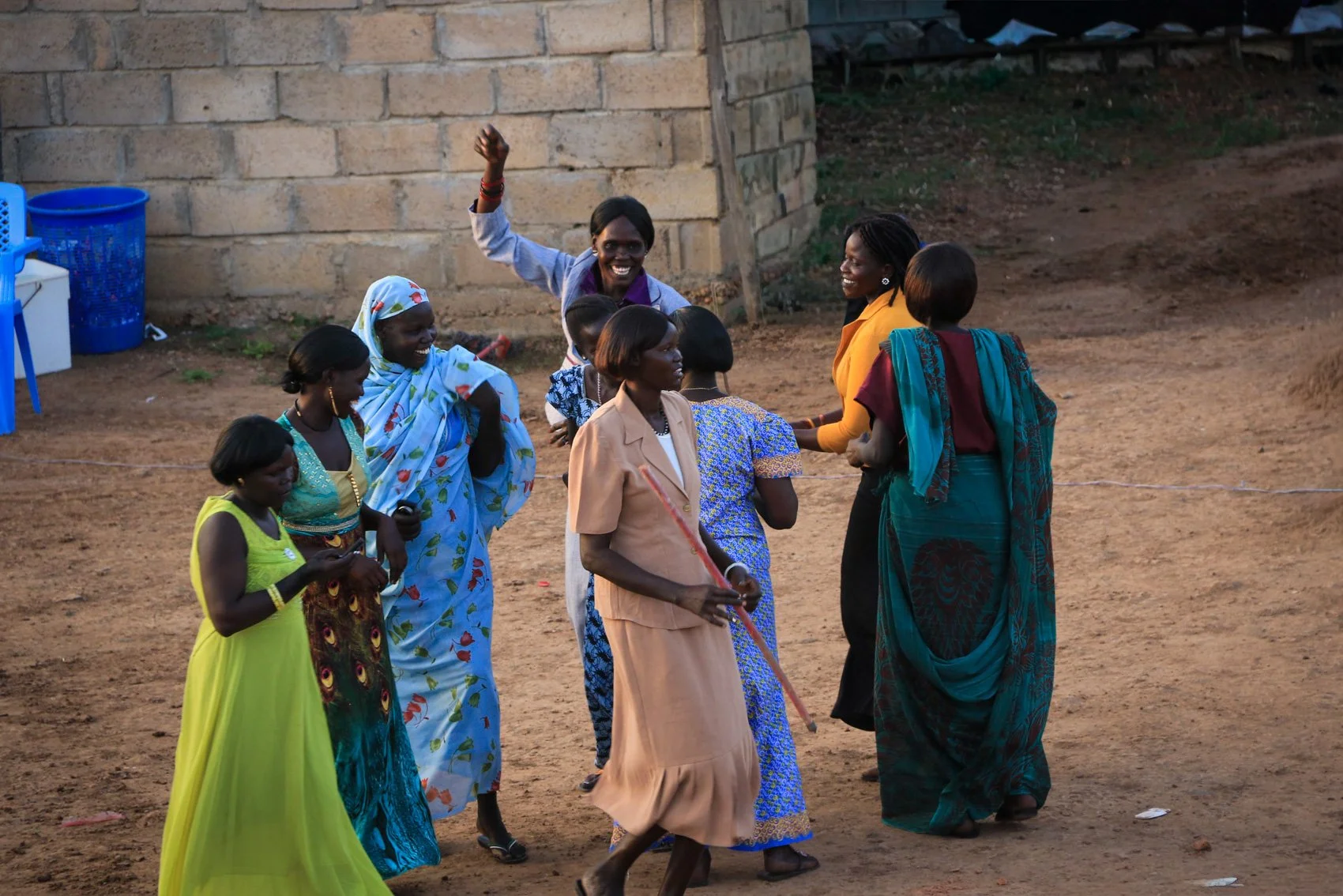
What stayed with me most were not the crises themselves, but the people: colleagues who carried entire family histories inside them, communities who welcomed me into their lives with generosity that felt undeserved, dances staged in the middle of war because joy, too, is a form of resistance. These images are fragments of that world — imperfect, partial, and deeply formative.
I am older now. I’ve worked in more places, inside more broken systems. I understand better how violence is sustained not only by guns, but by neglect, by political convenience, by the slow erosion of international attention. South Sudan remains caught in cycles of conflict and displacement, compounded by climate change and chronic underinvestment. Today, as humanitarian aid budgets are cut and programs scaled back — including significant reductions to U.S. and international assistance — the consequences are not abstract. They are measured in clinics without supplies, in staff stretched beyond capacity, in communities asked once again to endure more with less.
This gallery is not meant to explain South Sudan. It is a love letter — written with the humility of someone who was allowed to witness, briefly, a place and a people who deserved far more than they were given. These photographs ask only that you look slowly, that you come with curiosity and that you care.
*South Sudan is the world’s newest nation — and one of its most fragile. More than a decade after independence, conflict continues, displacement remains widespread, and humanitarian needs are acute. As international attention wanes and aid funding is reduced, the burden falls, as it always has, on ordinary people. What happens here matters — not only because of suffering, but because of the quiet, persistent dignity with which people continue to live.
Some of the photographs and reflections in this gallery come from journals I kept while living and working in South Sudan. If you’d like to read those entries in their original form, you can find them here:
→ First Impressions
→ Everyone Has Stories
→ May We Continue to Pursue Peace
→ The Cast of the Walking Dead Come to Agok — A Little Fun with the Mass Casualty Drill
→ Giving Thanks
→ You Know You’re an Aid Worker on Holiday When…
→ The 1st International Agok Dance Competition
→ Reflections from Tumultuous Times