Over the course of a year, I spent more time in Colombia than I did back at home in the U.S. I went there for work- specifically, to help establish a healthcare response for Venezuelan migrants who were arriving in the country by the thousands. Years of economic collapse, political instability, and the breakdown of essential services in Venezuela had forced millions to flee, many crossing into neighboring Colombia in search of safety, food, and medical care.
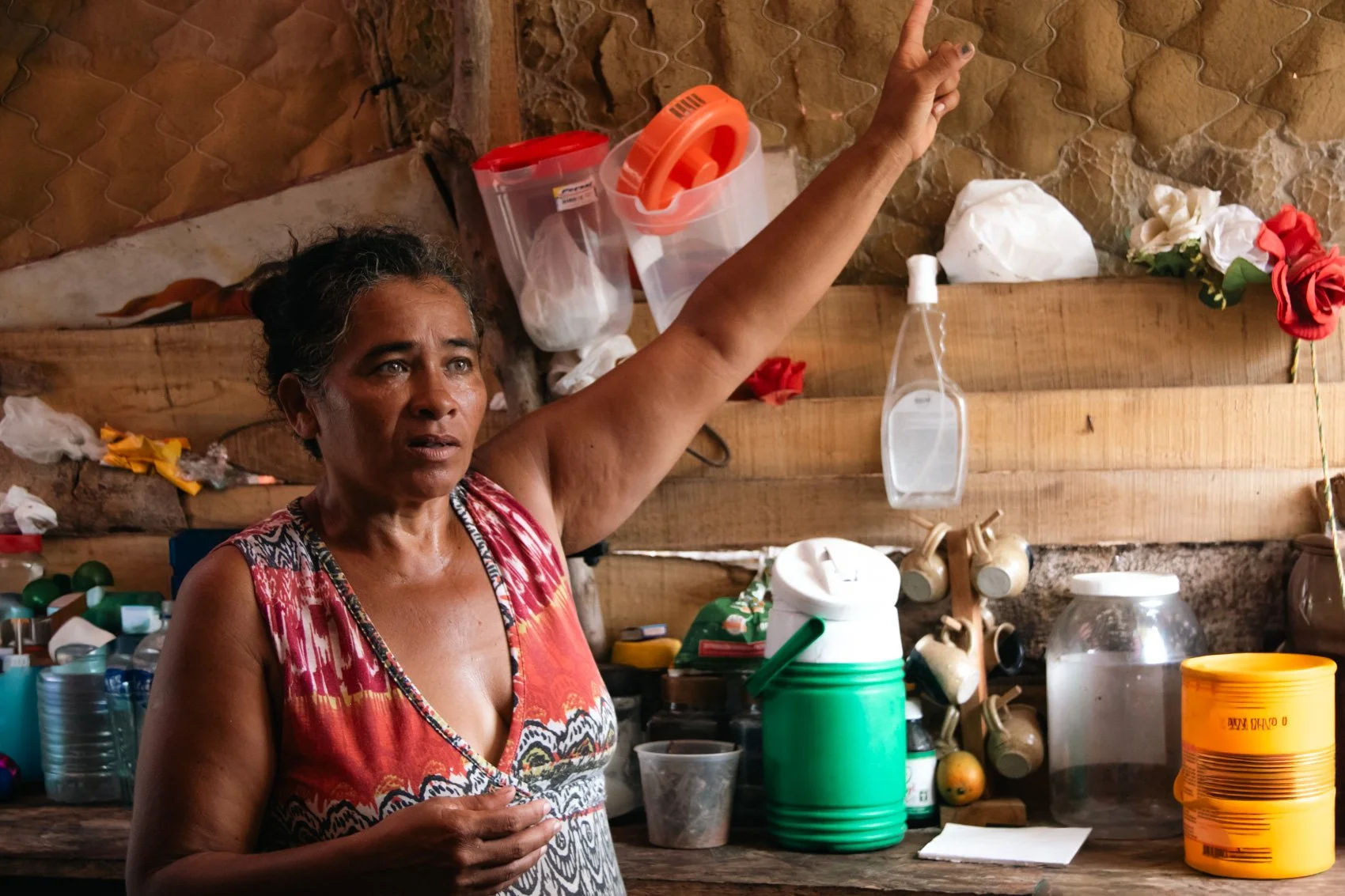
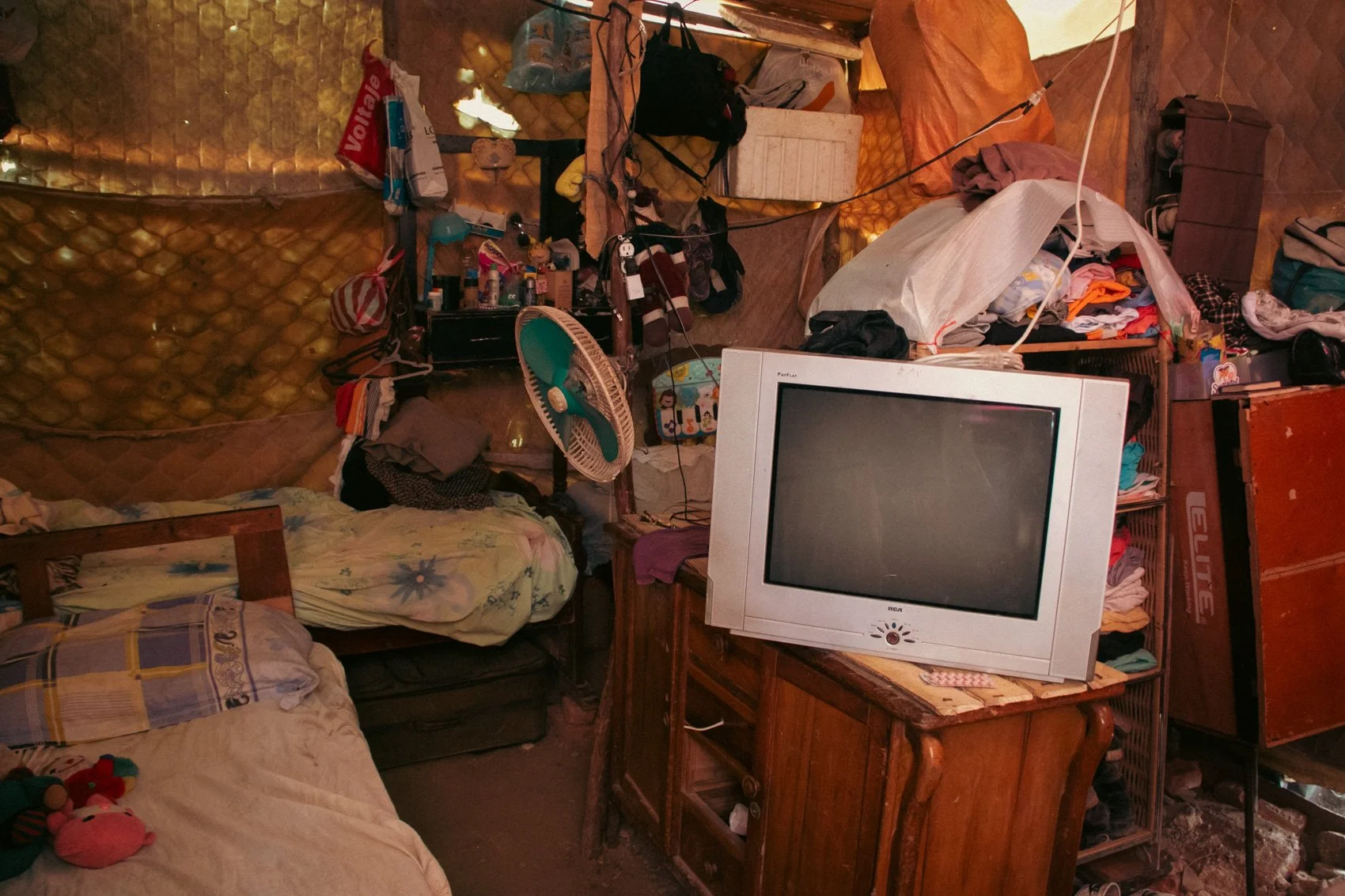
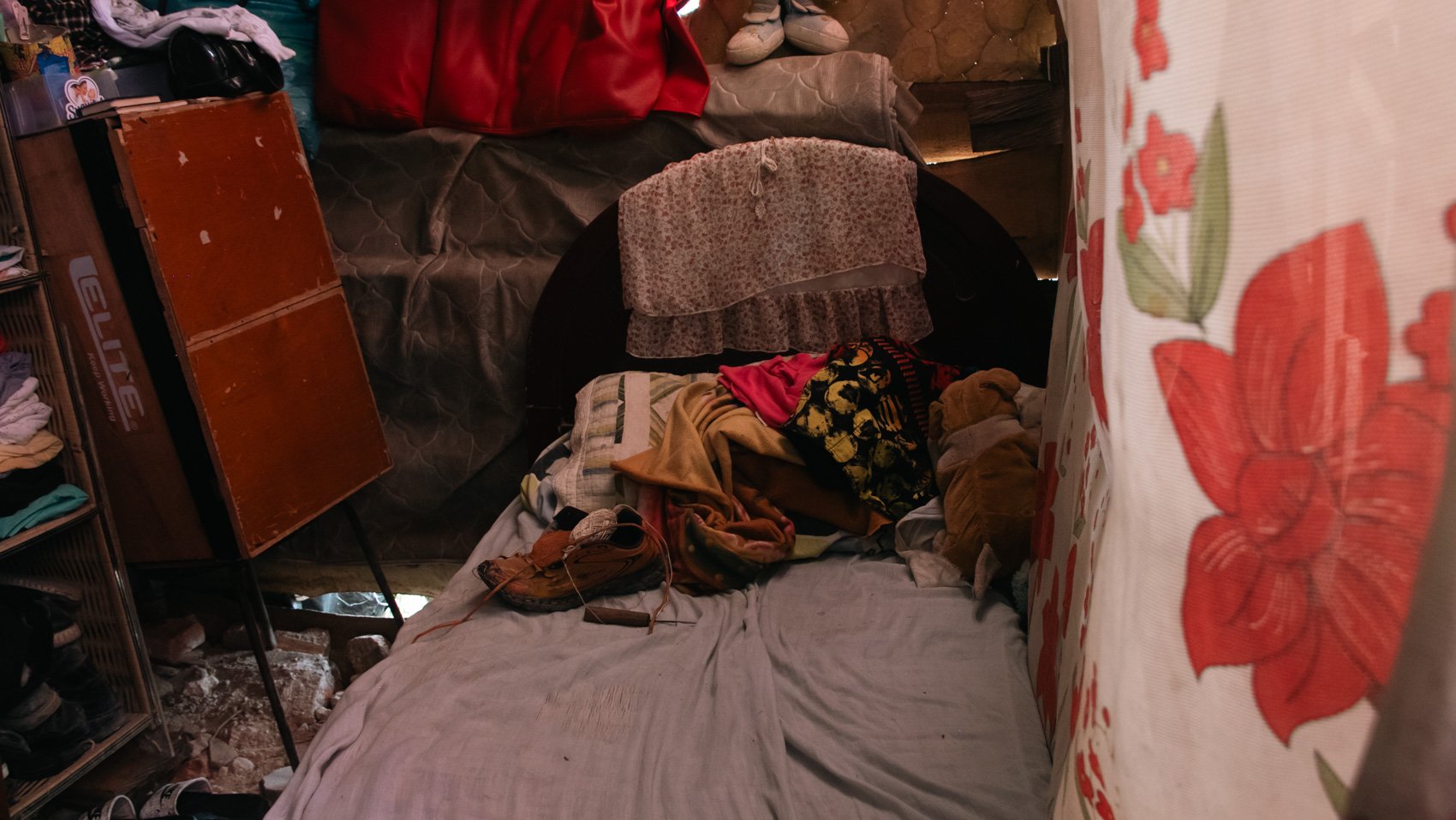
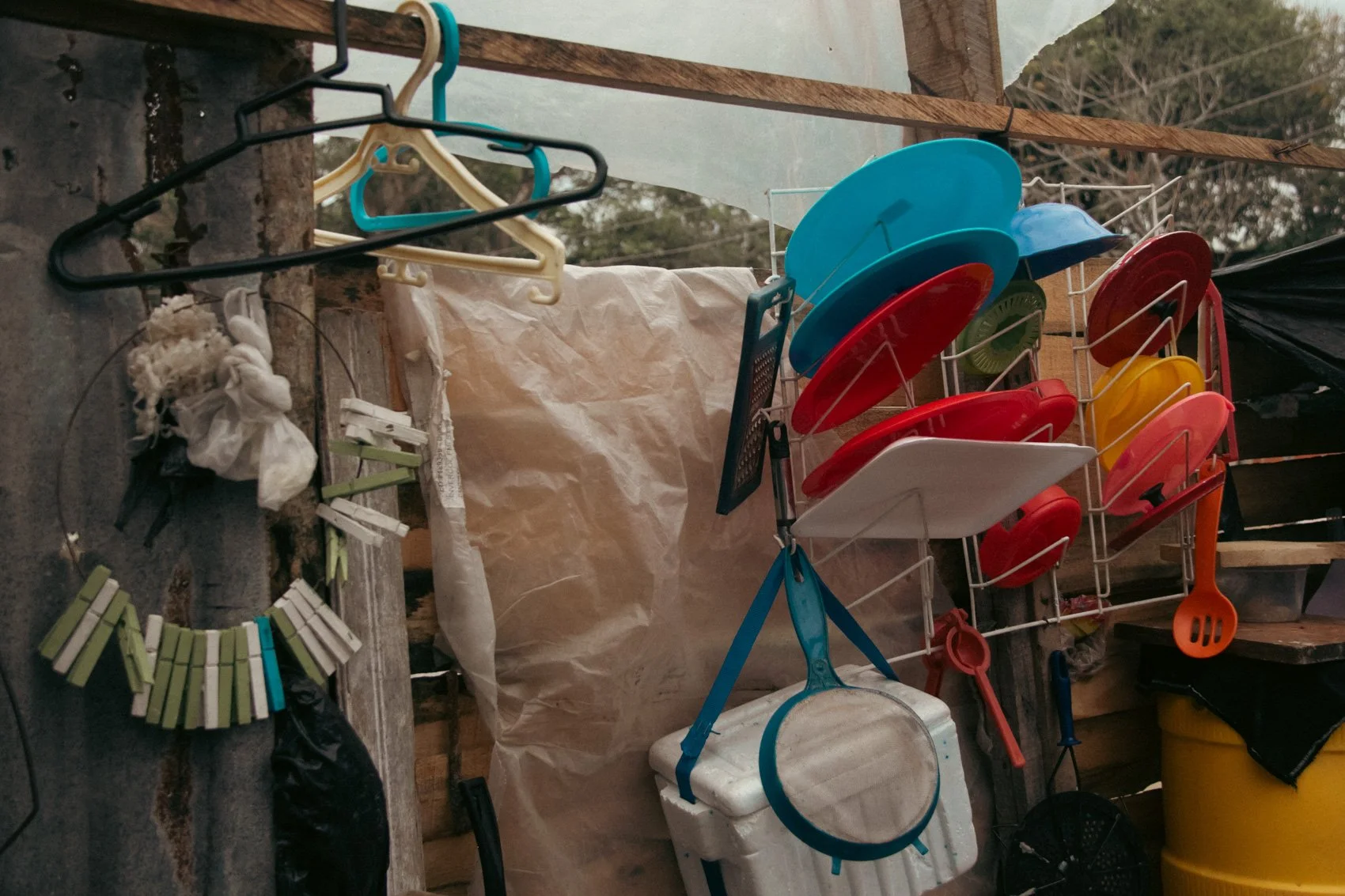
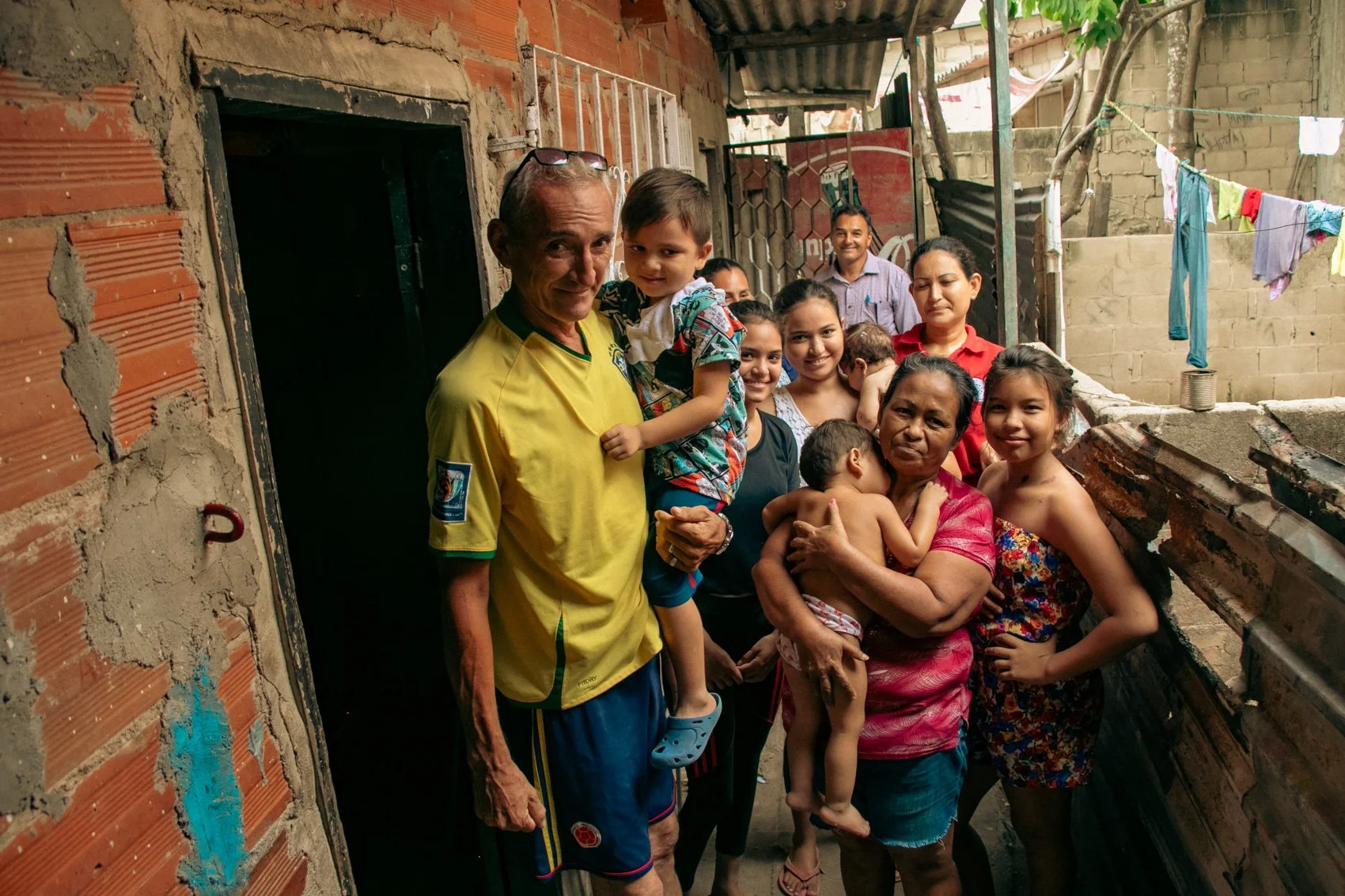
On the outskirts of Barranquilla, a major port city along Colombia’s northern Caribbean coast, we visited informal settlements that had emerged in areas never intended for human habitation. Drawn by proximity to the border and the possibility of work, migrant families had built homes on floodplains and unstable hillsides, often using scrap metal, plastic, and tarps. One such settlement, home to more than a thousand families, was constructed on what was effectively a garbage dump.
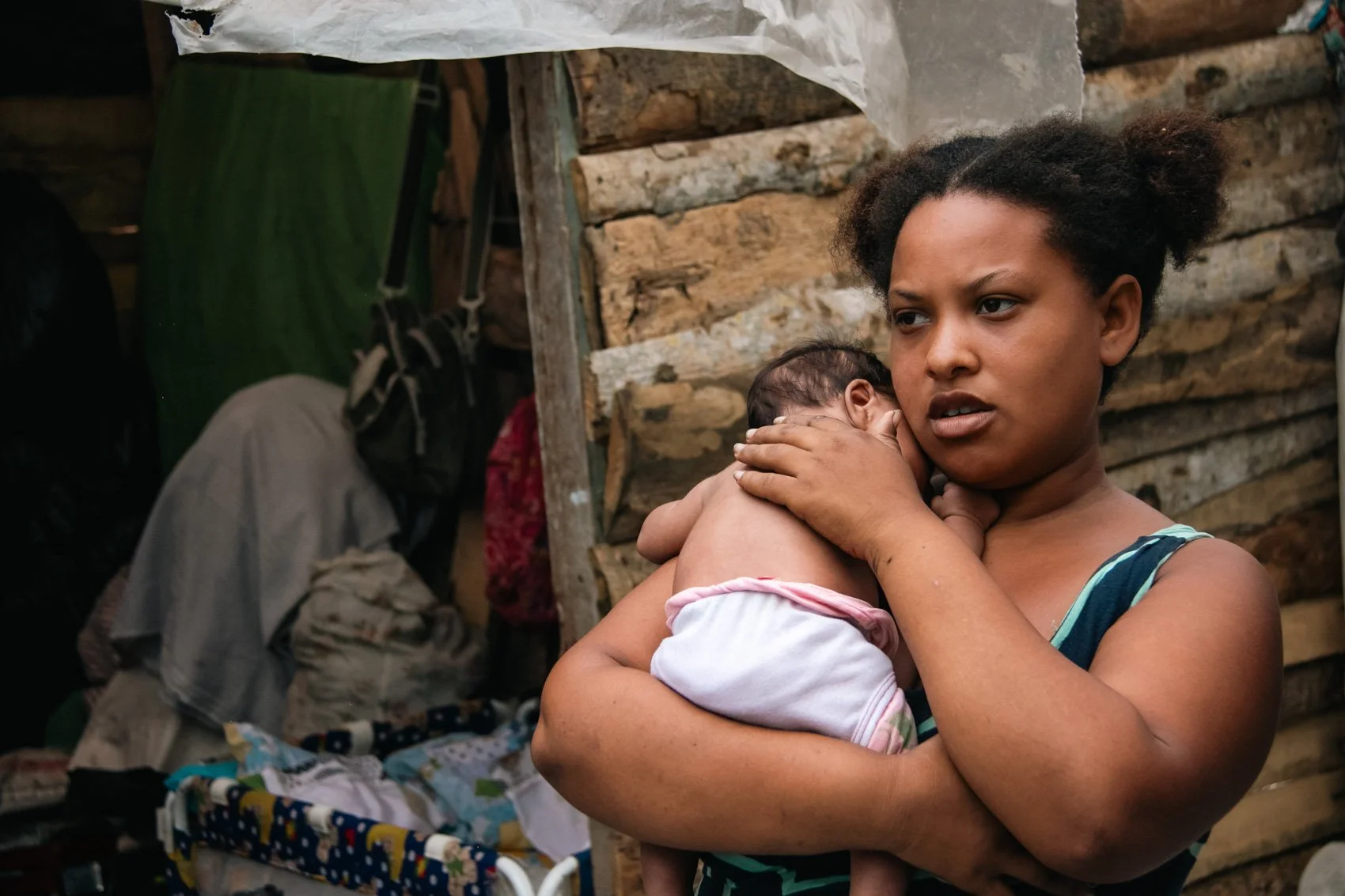
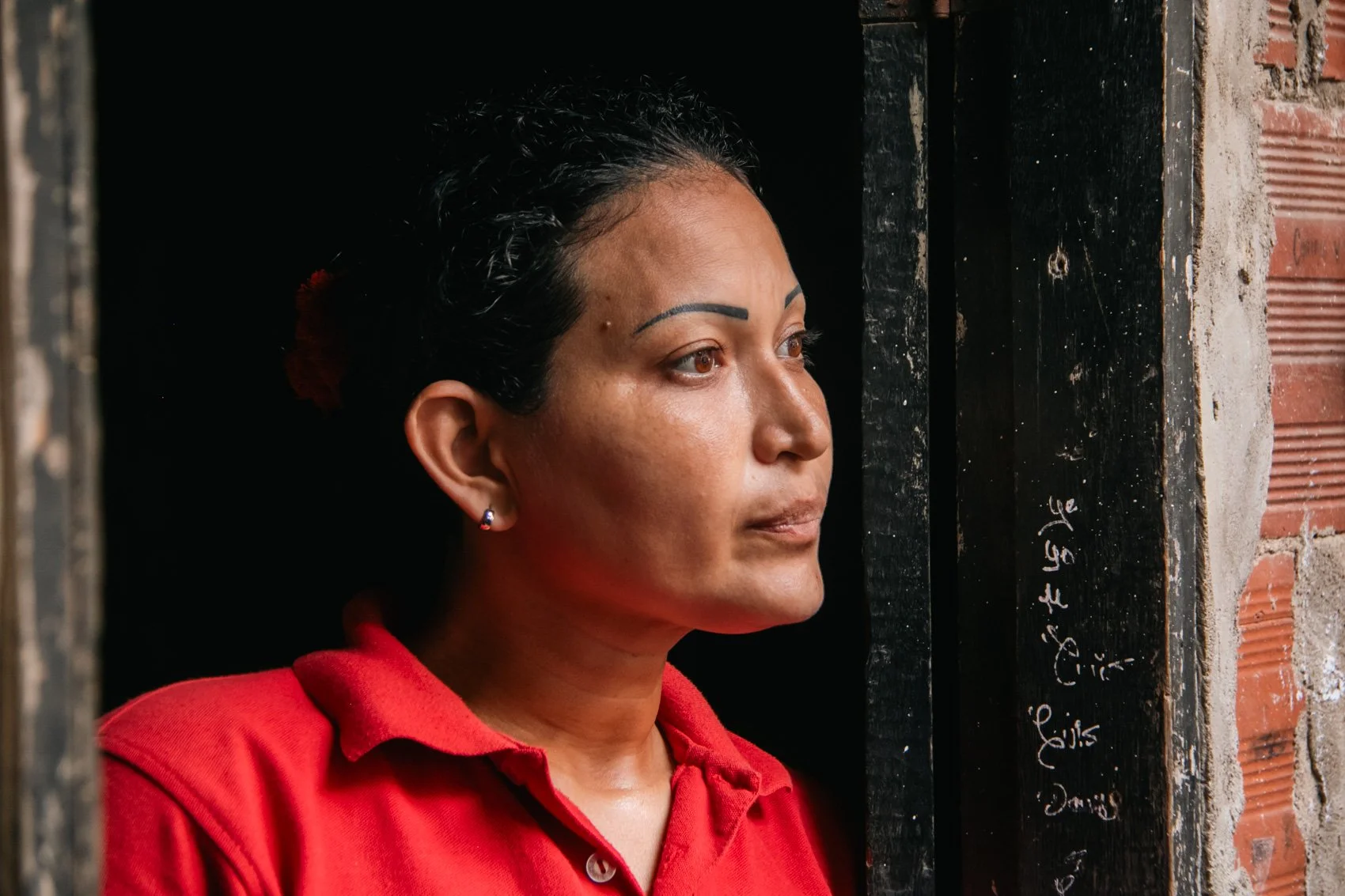
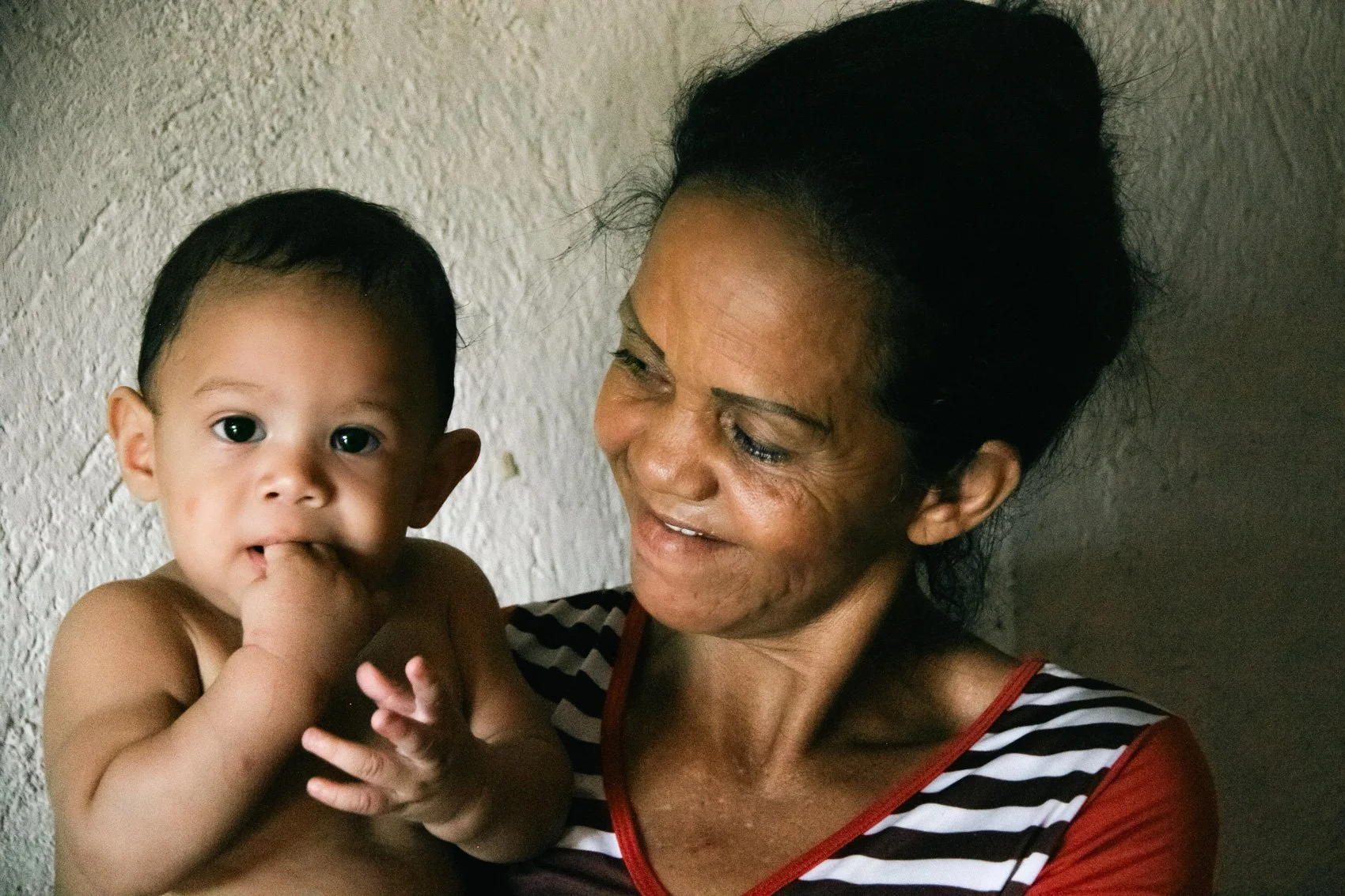
It was there that we met Stefanie, a woman in her early twenties and a single mother caring for her six-month-old baby. Her home consisted of a small, roofless structure made of patched-together materials, offering little protection during the rainy season. Like many undocumented migrants, Stefanie had access only to emergency medical services. Her baby had been delivered in a government hospital, but there had been no prenatal care, no postnatal follow-up, and no clear pathway to continued healthcare. Keeping her child dry, fed, and healthy in an environment thick with smoke from burning garbage was a daily challenge.
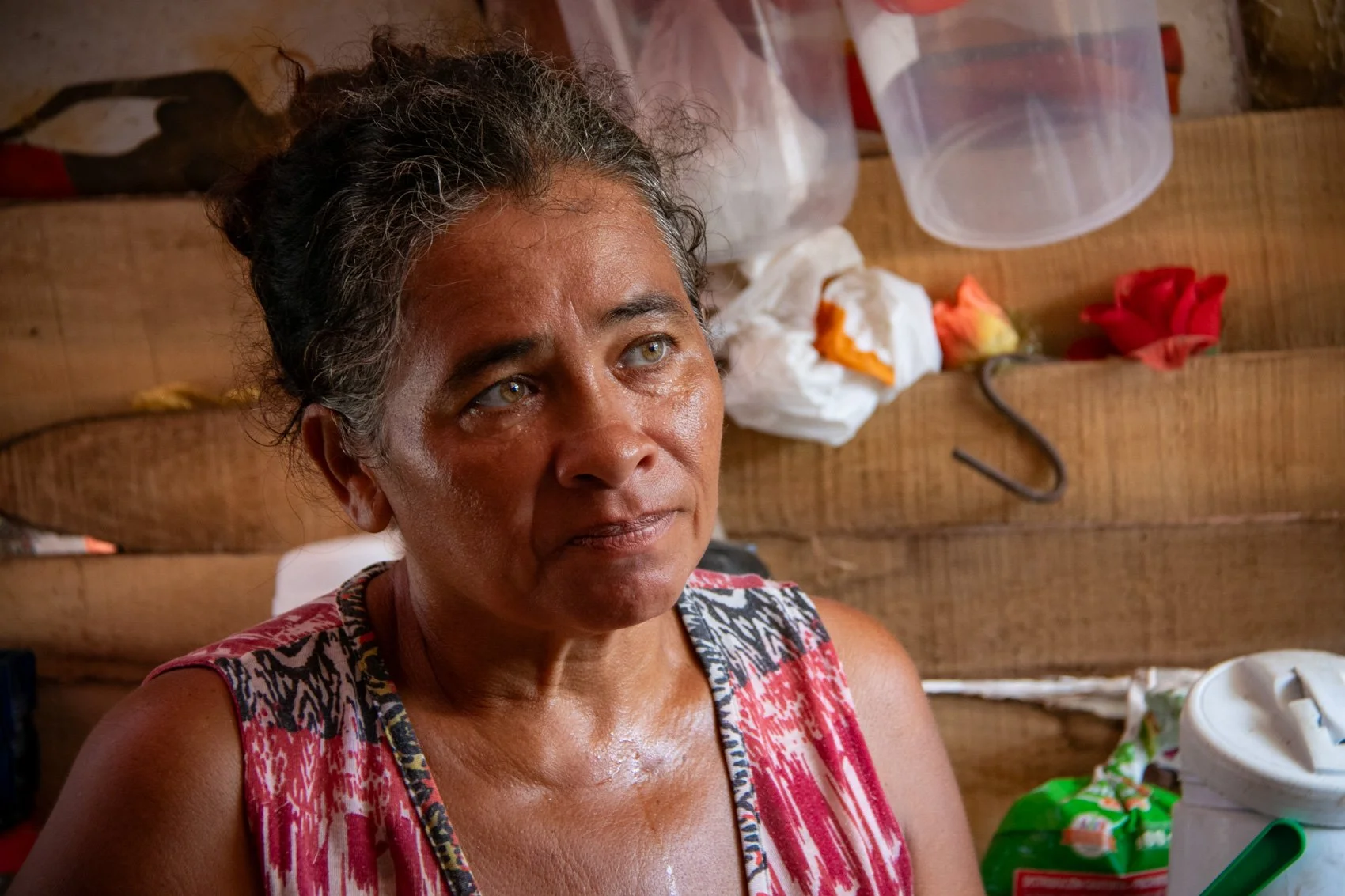
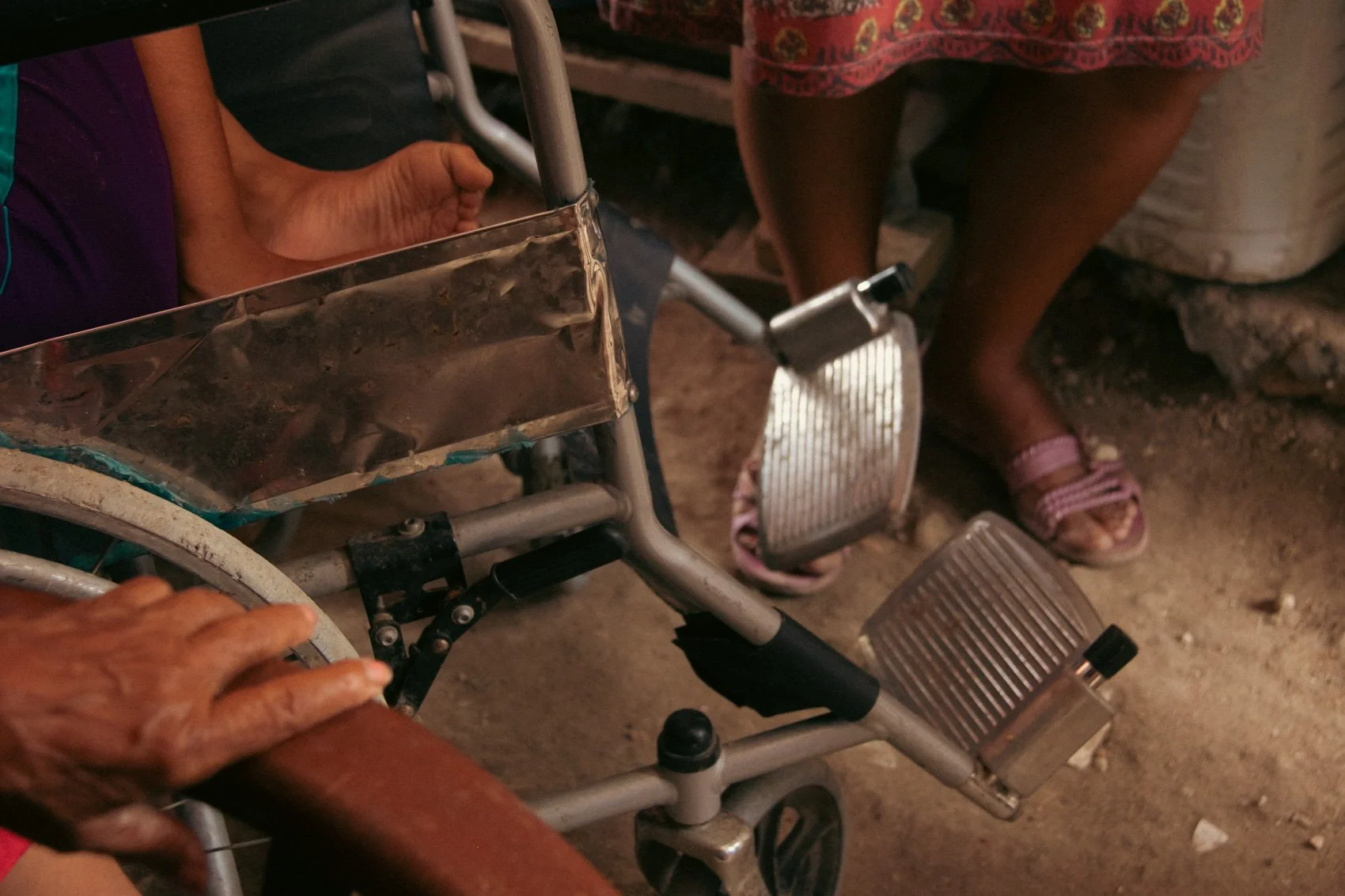
As we moved through the settlement, similar stories emerged. Families described crossing the border through illegal routes after paying bribes they could not afford. Others spoke of rising rents, exploitative labor, and selling off what few belongings they had, simply to survive. Elderly residents and people with disabilities lived without access to specialized care. Parents sent their children out each day to search for food or work, a common reality in communities where formal employment and social services were out of reach.
At the time these photographs were taken, Colombia was absorbing what had become the largest migration crisis in the history of the Americas. Local health systems were already strained and increasingly unable to meet the needs of both host communities and migrants. For many Venezuelans without legal status, medical care was available only in life-threatening emergencies. Preventable illnesses went untreated, chronic conditions worsened, and women gave birth without adequate care.
Today, the situation has only deepened. Continued instability inside Venezuela is forcing people to leave in growing numbers, with most crossing into neighboring Colombia. While Colombia has made meaningful efforts to extend temporary legal status and expand access to healthcare for Venezuelan migrants, international humanitarian funding has largely disappeared. Programs that once helped fill critical gaps have shuttered, placing additional strain on an already fragile system.
These photographs were taken during a period of acute displacement and transition. They document not only crisis, but the everyday realities of people living at the edge of home—navigating uncertainty with resilience, dignity, and a scrappy, tenacious spirit.
→ Read more of Stefanie’s story, and the stories of others pictured here, on a blog post I wrote for Medical Teams International following my first trip.