I began 2014 in a new country. I had long hoped to work with Doctors Without Borders—Médecins Sans Frontières (MSF)—and had worried I might not be accepted into their ranks, in part due to my limited French. That concern was reinforced during a two-hour interview in Portland, where I was told exactly that. On the drive back to Seattle, I was convinced I had failed. I signed up for French classes soon after.
In fact I had not failed the interview. Instead, I was offered a placement in one of the few Spanish-speaking contexts where MSF worked at the time. Not long after, I found myself descending into Tegucigalpa, Honduras—a city whose airport approach is often described as one of the most challenging in the world, dropping sharply into a valley surrounded by densely built hillsides. I didn’t find the graveyard of crashed and abandoned planes alongside the tarmac reassuring.
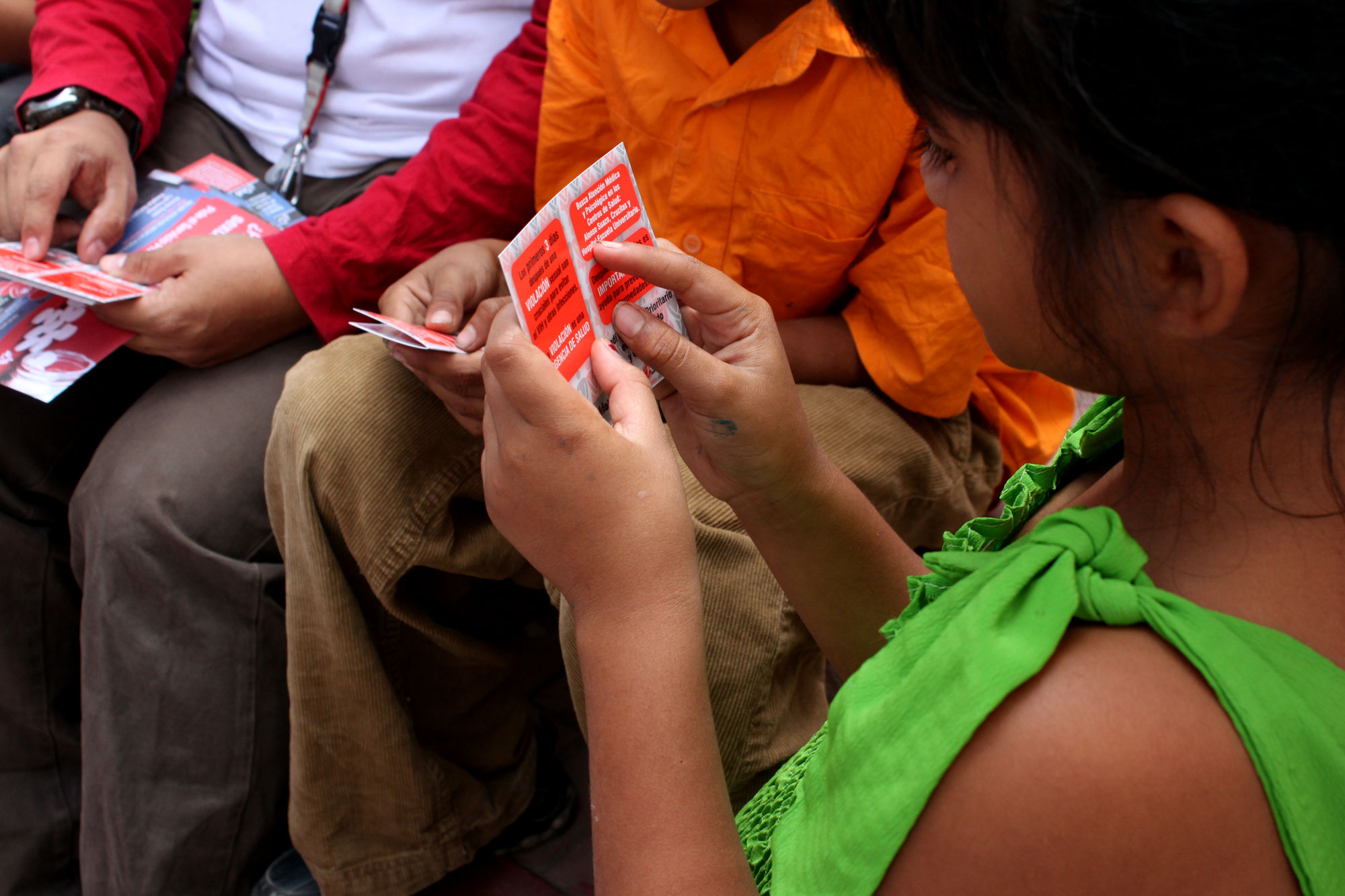
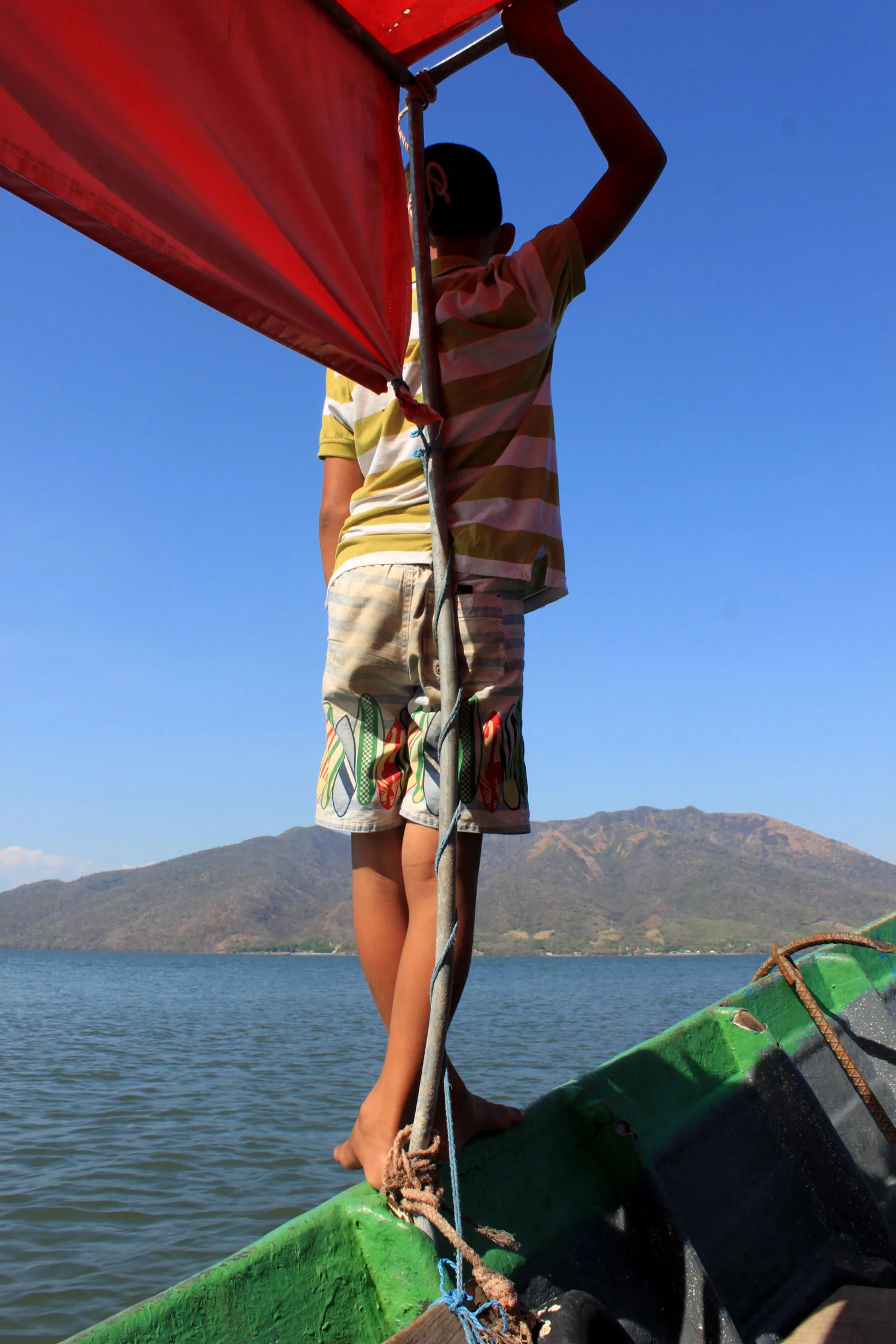
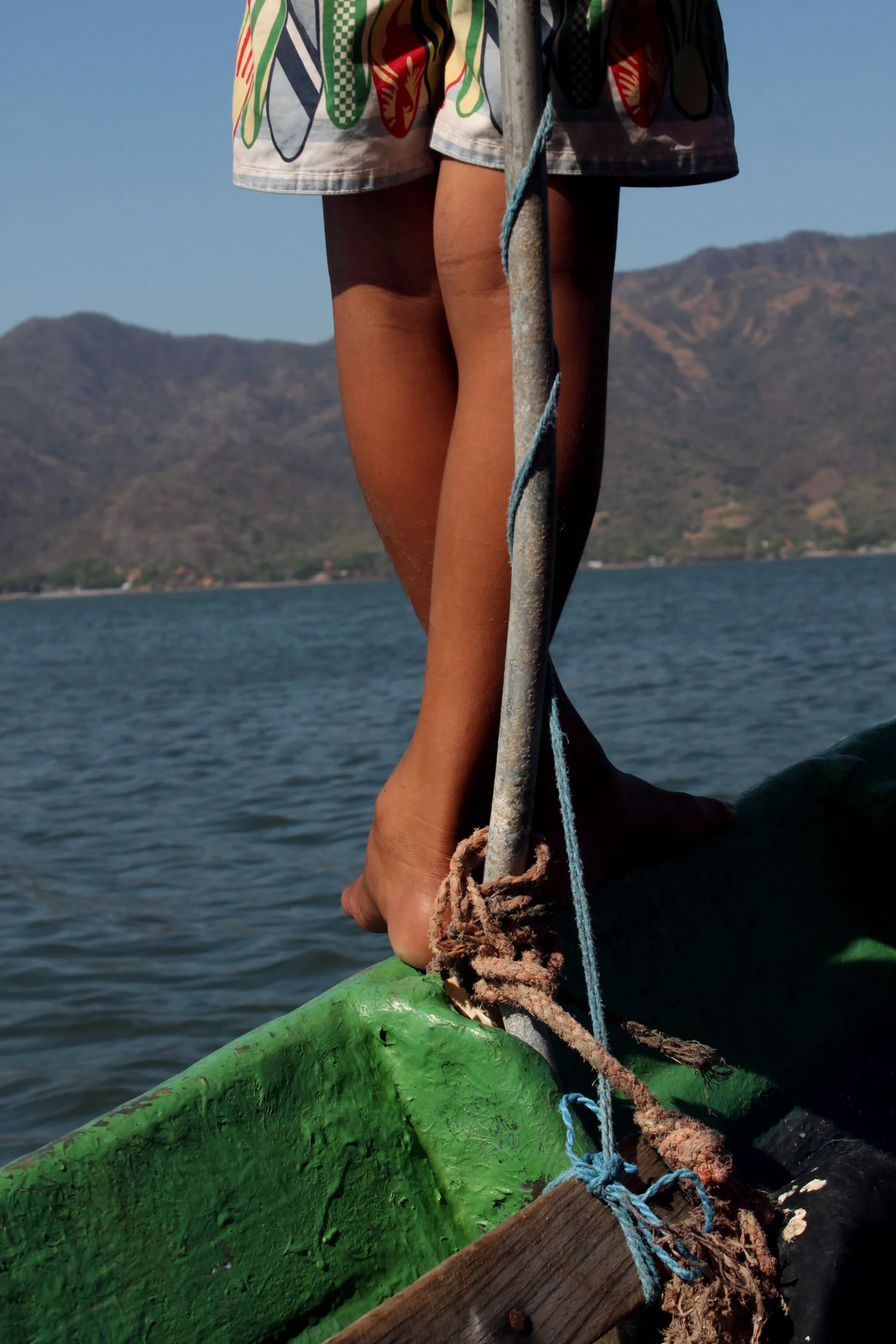
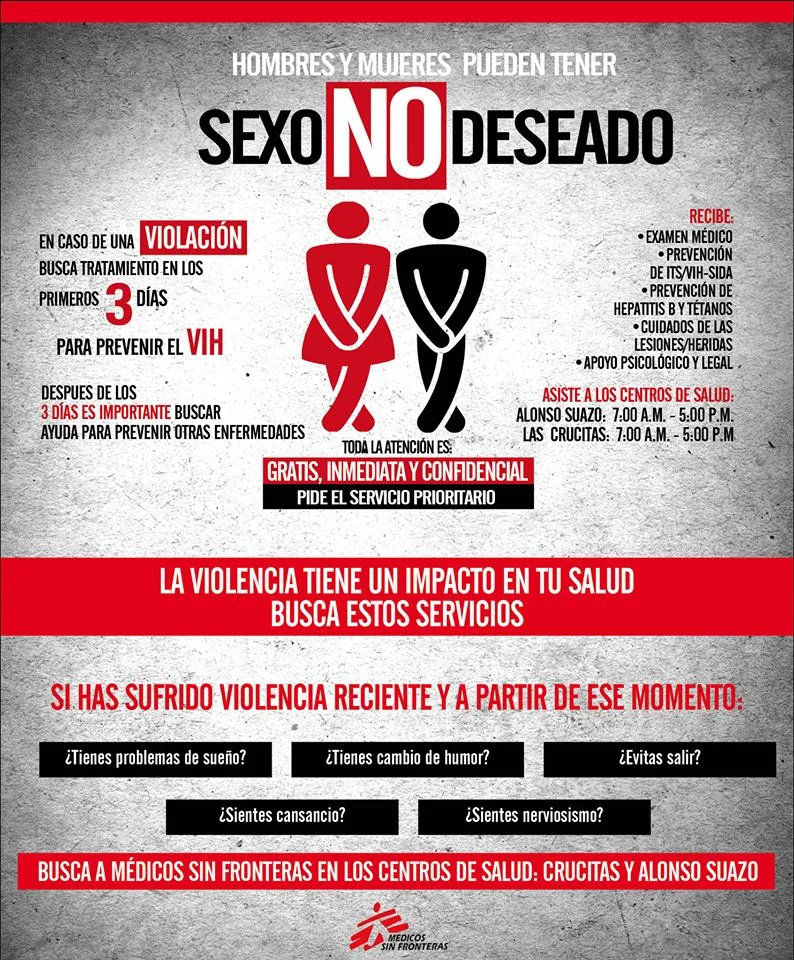
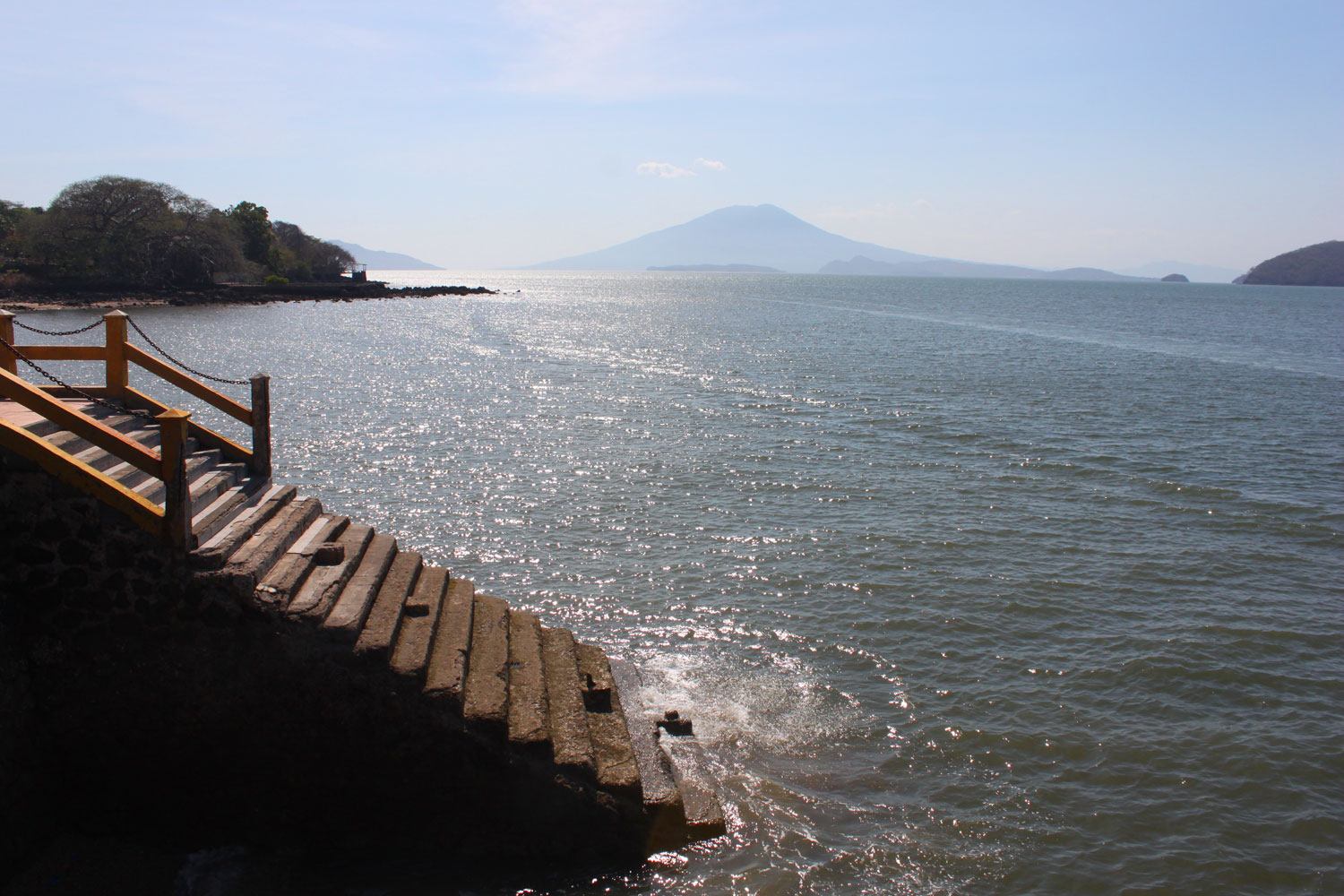
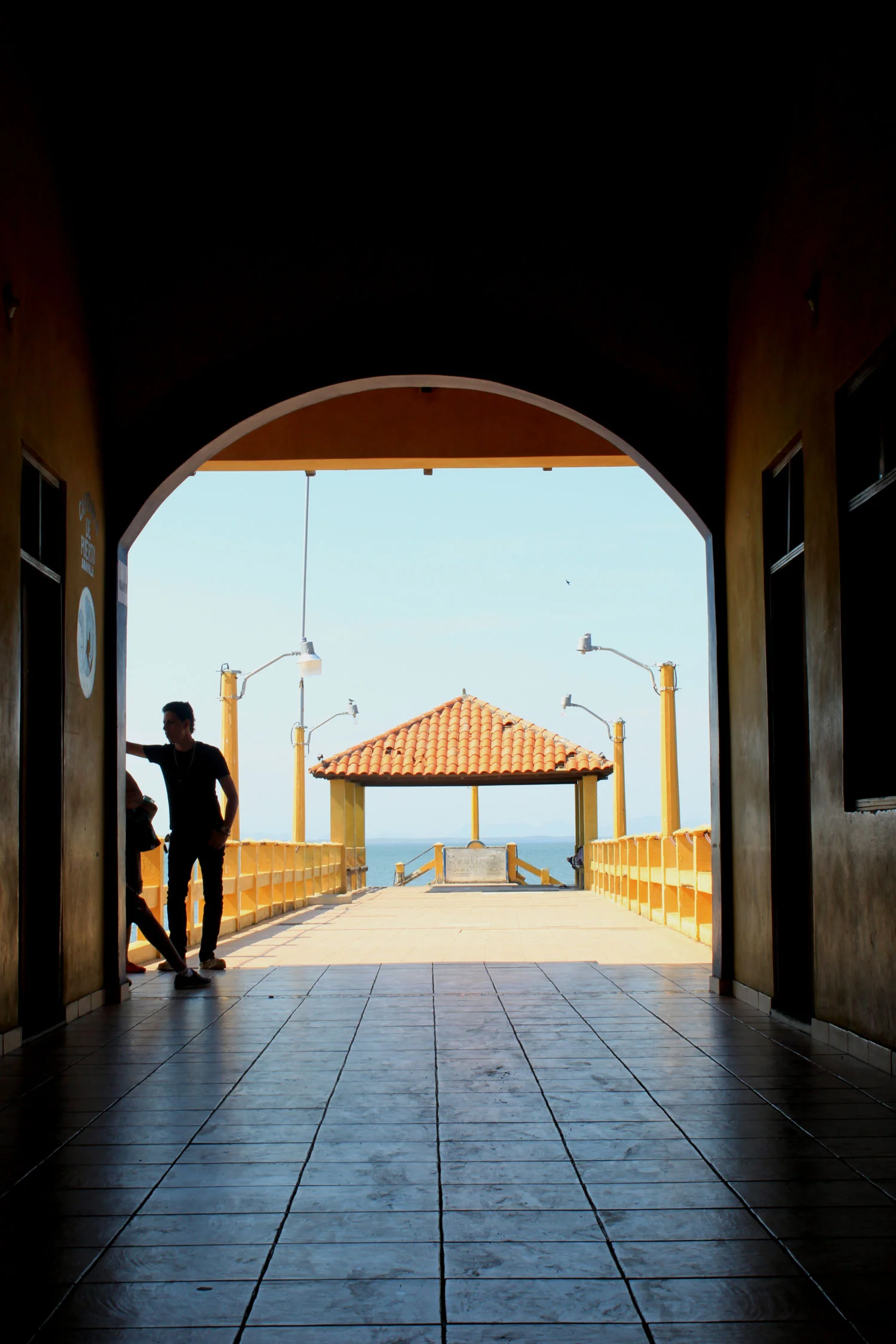
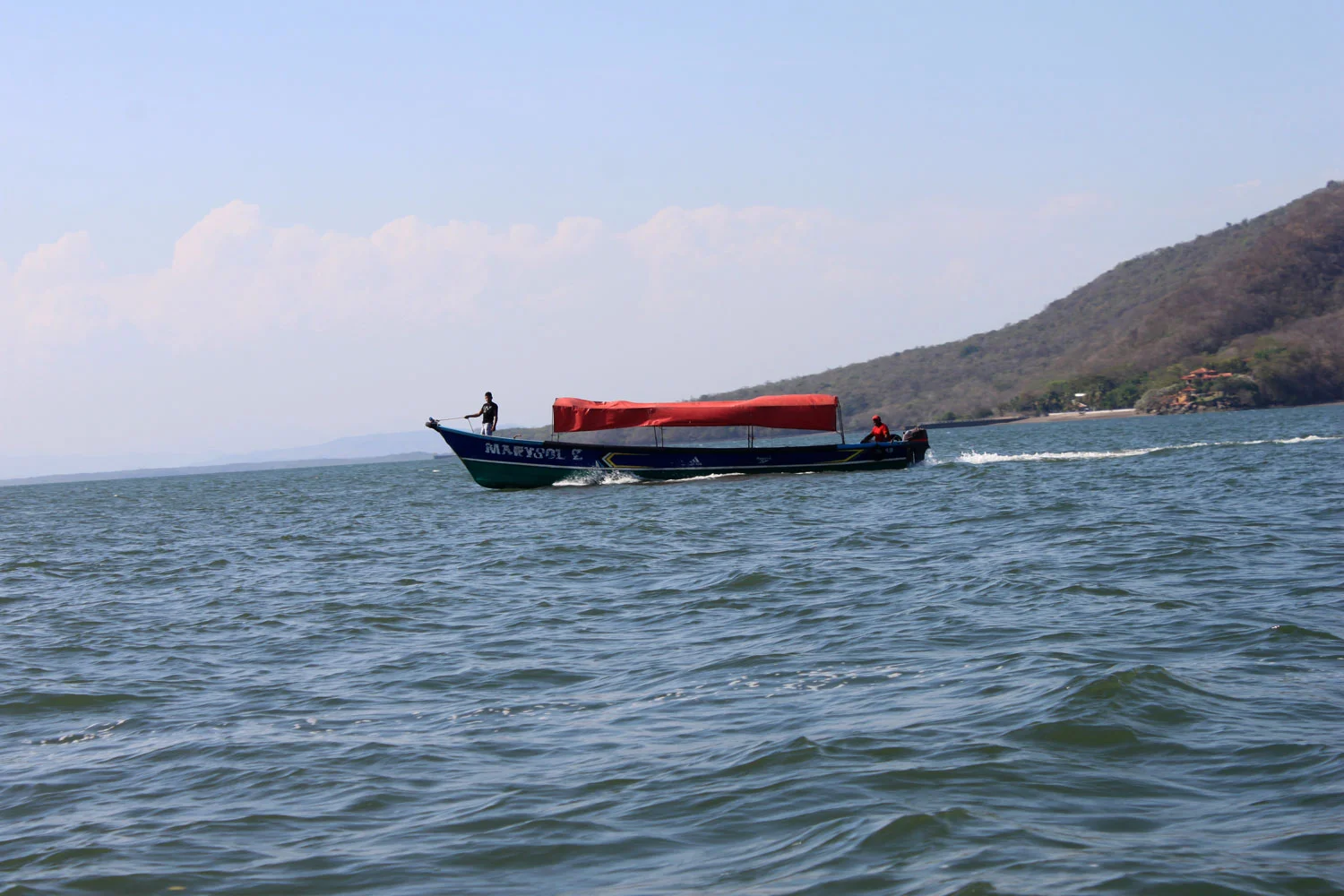
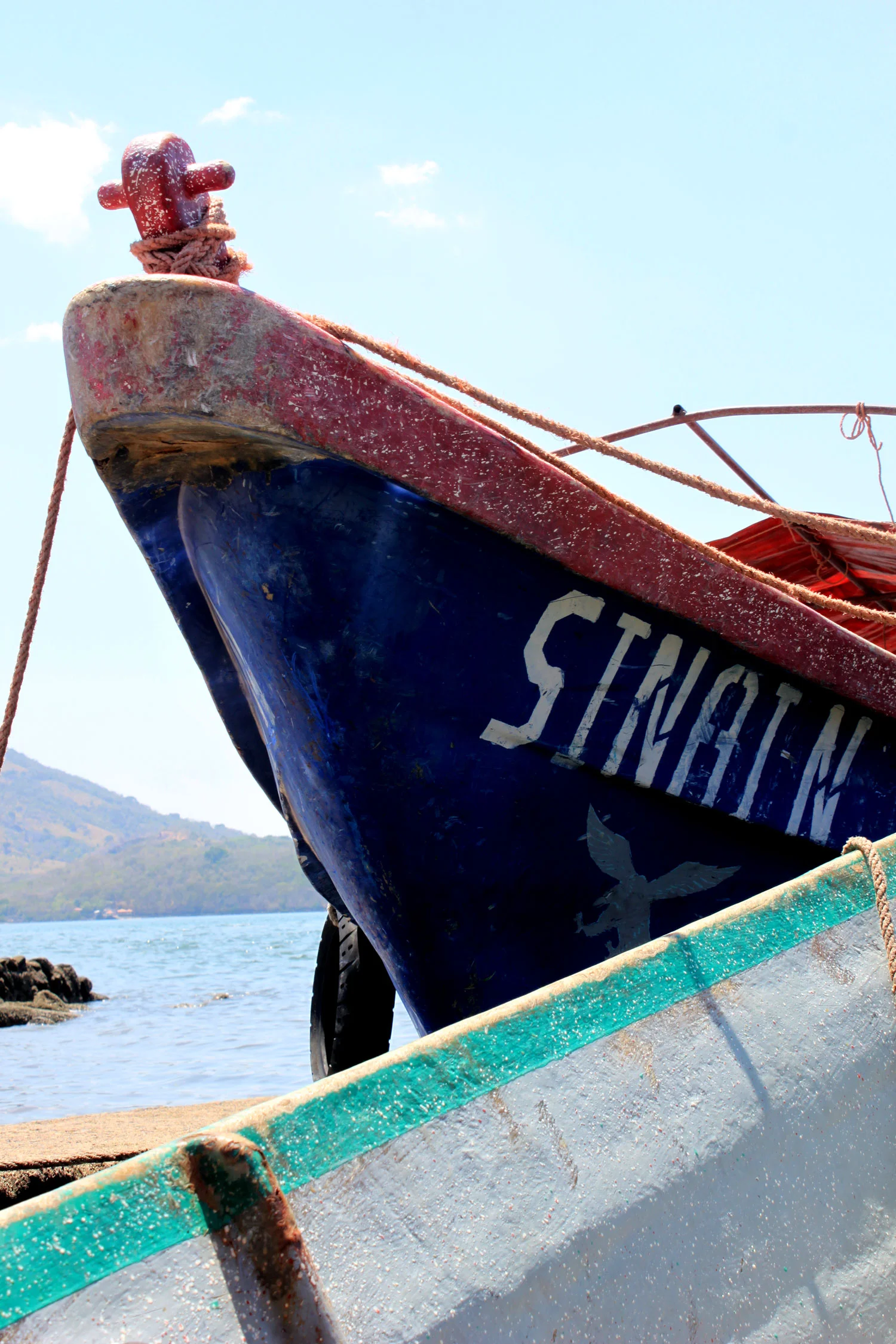
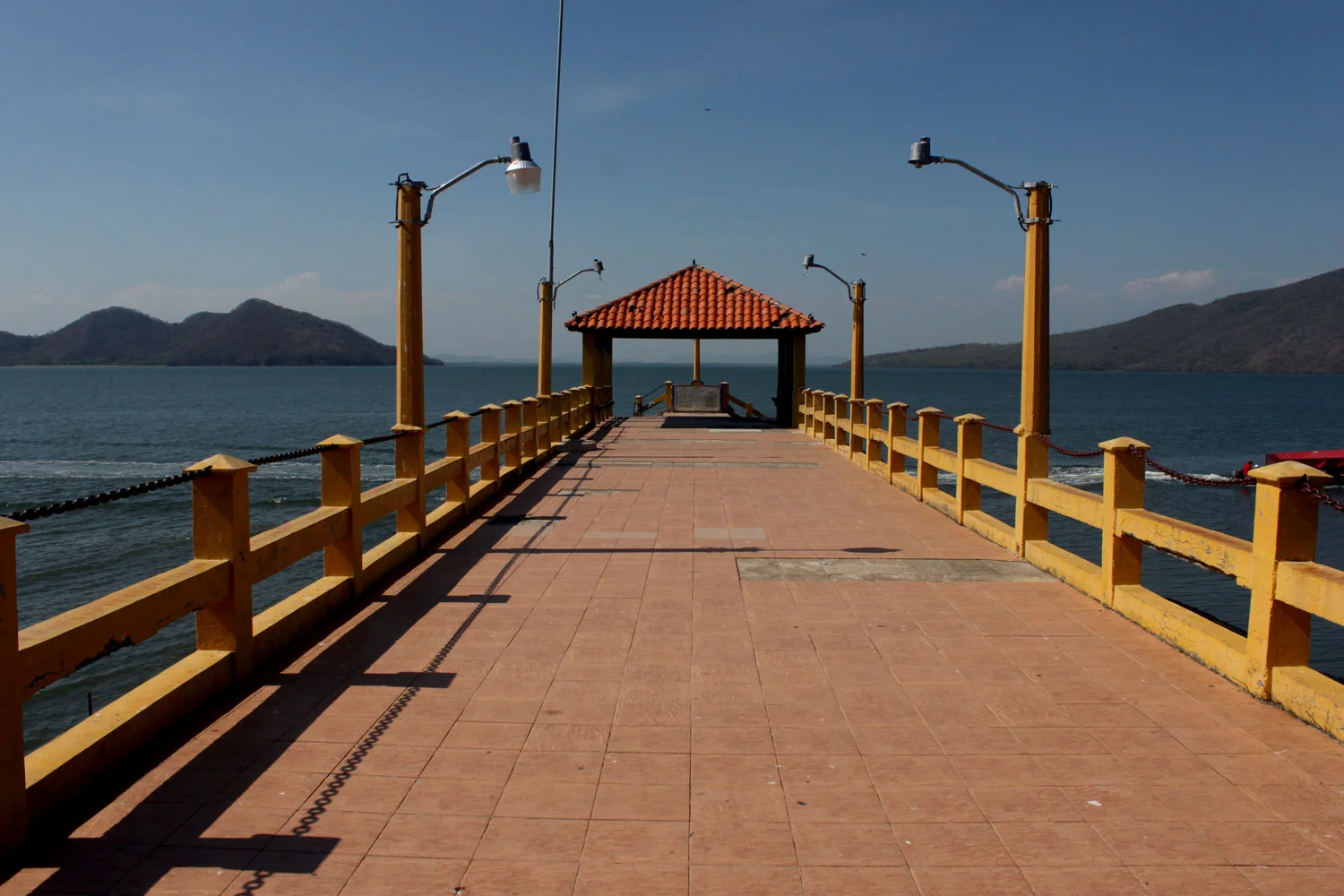
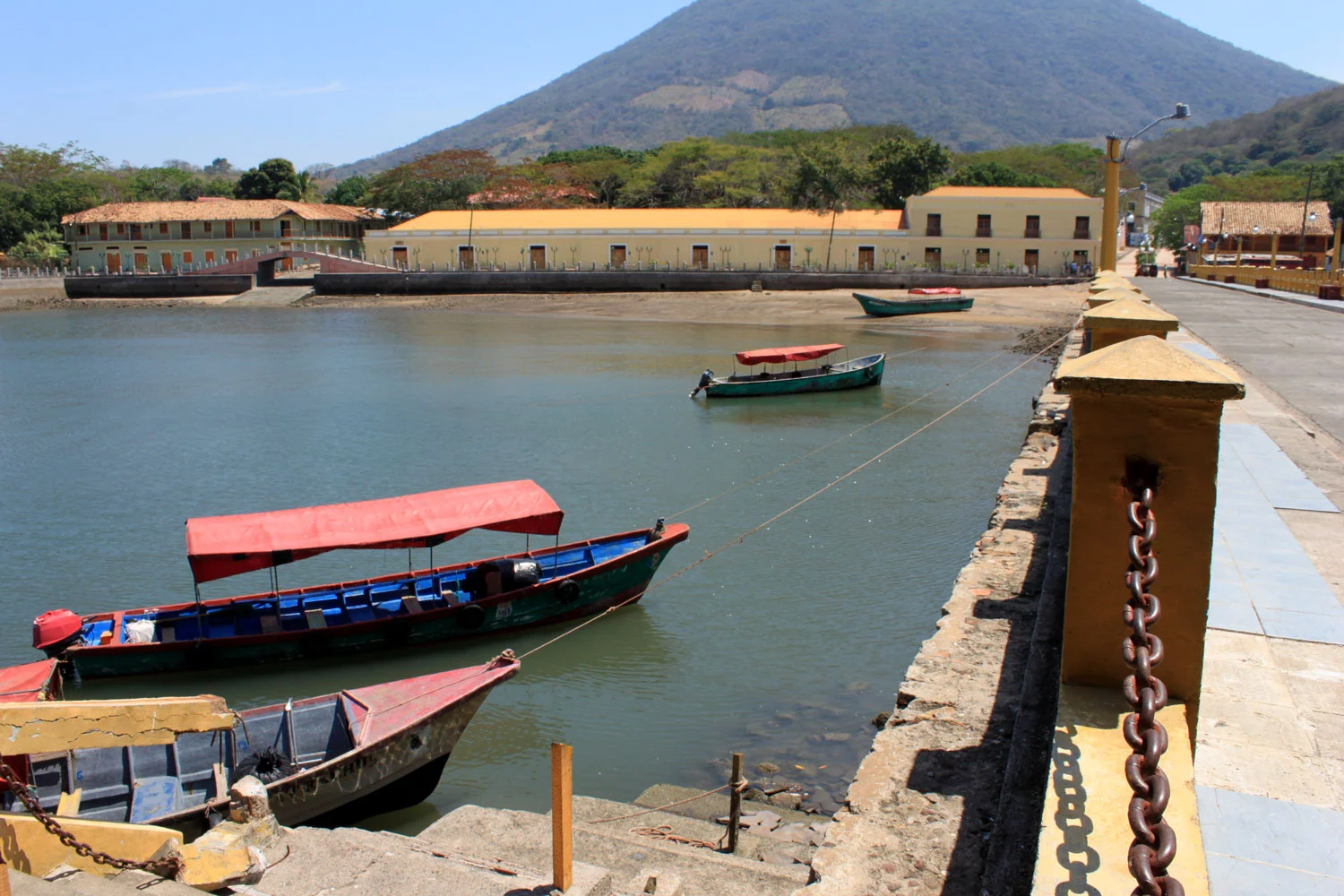
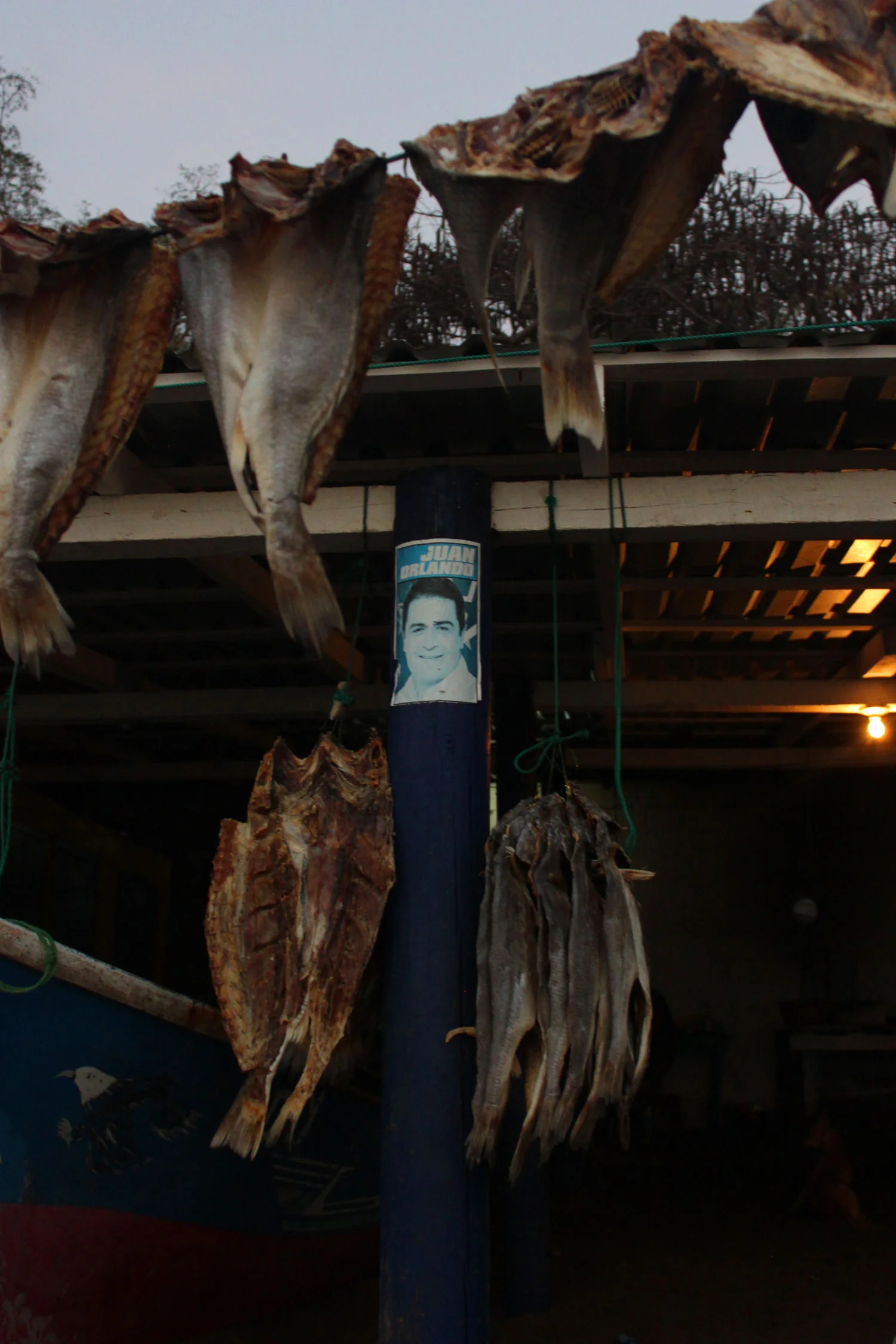
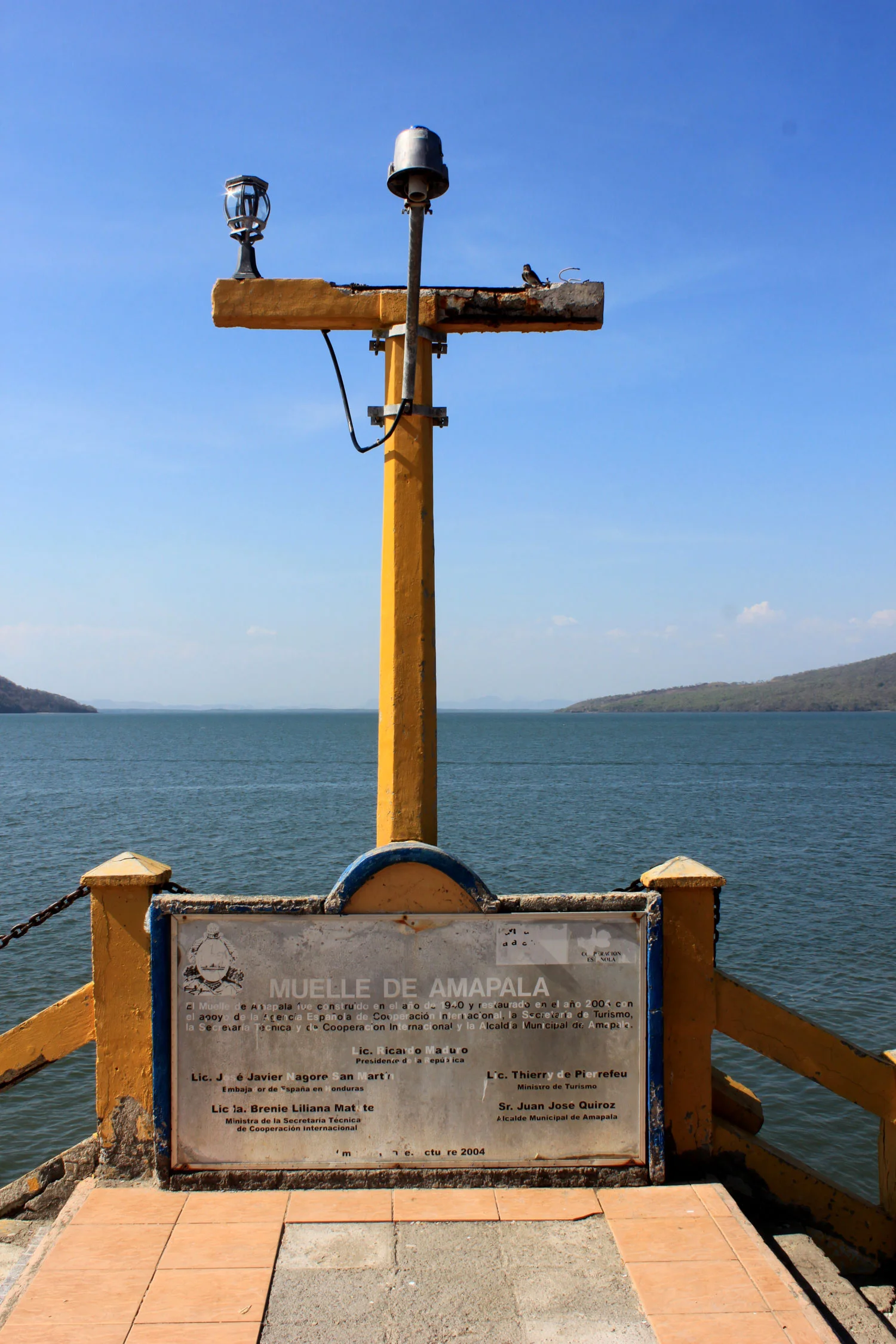
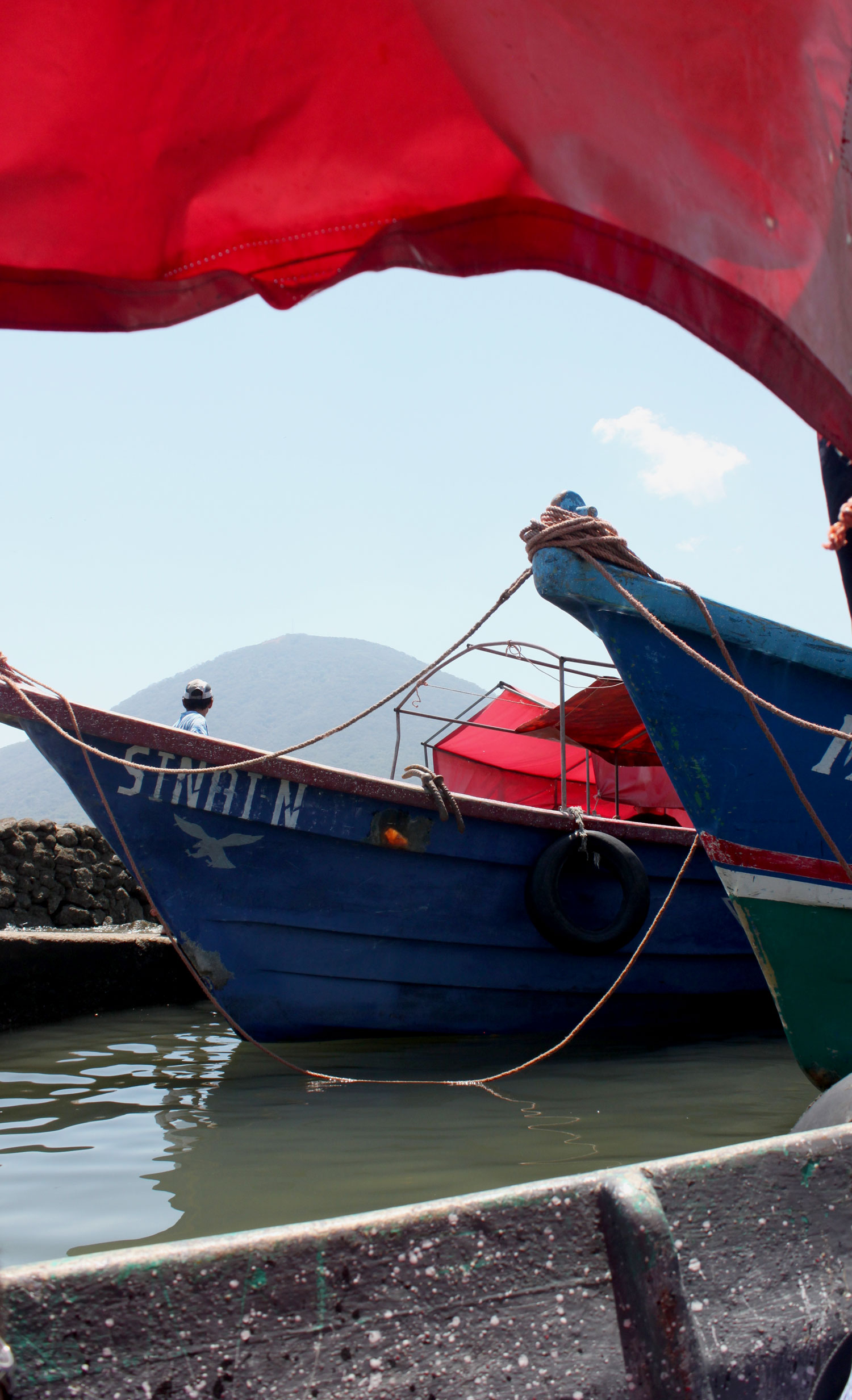
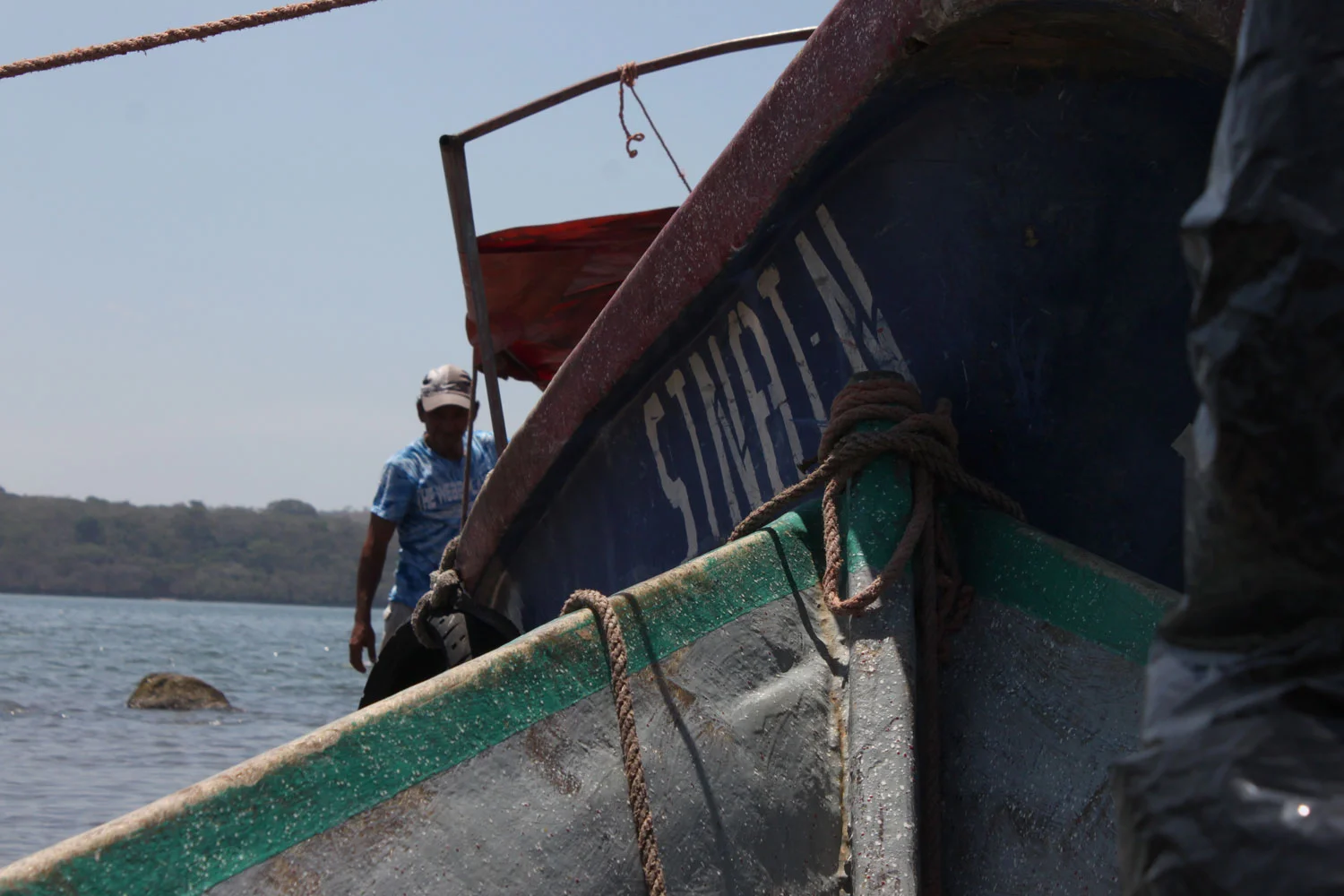
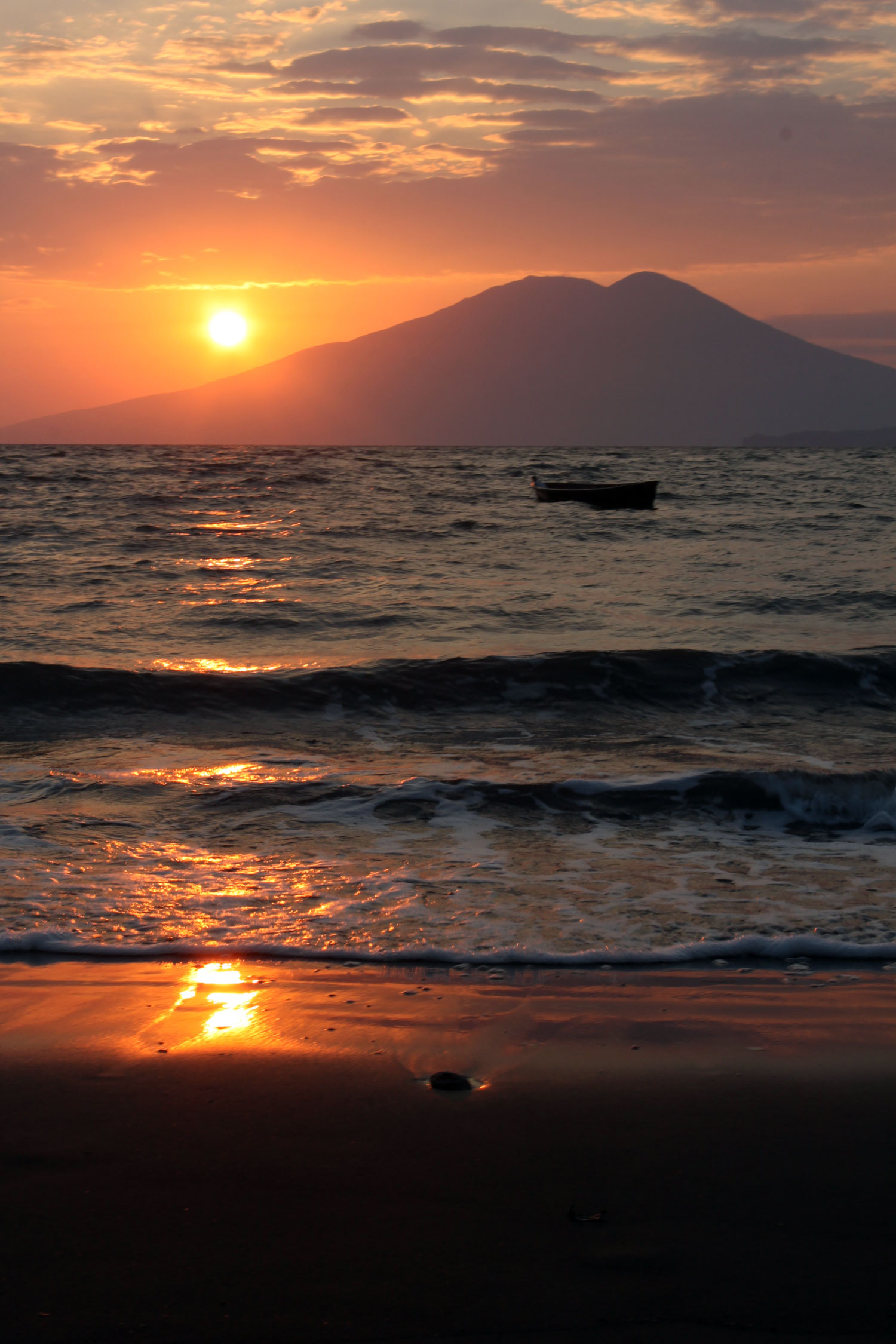
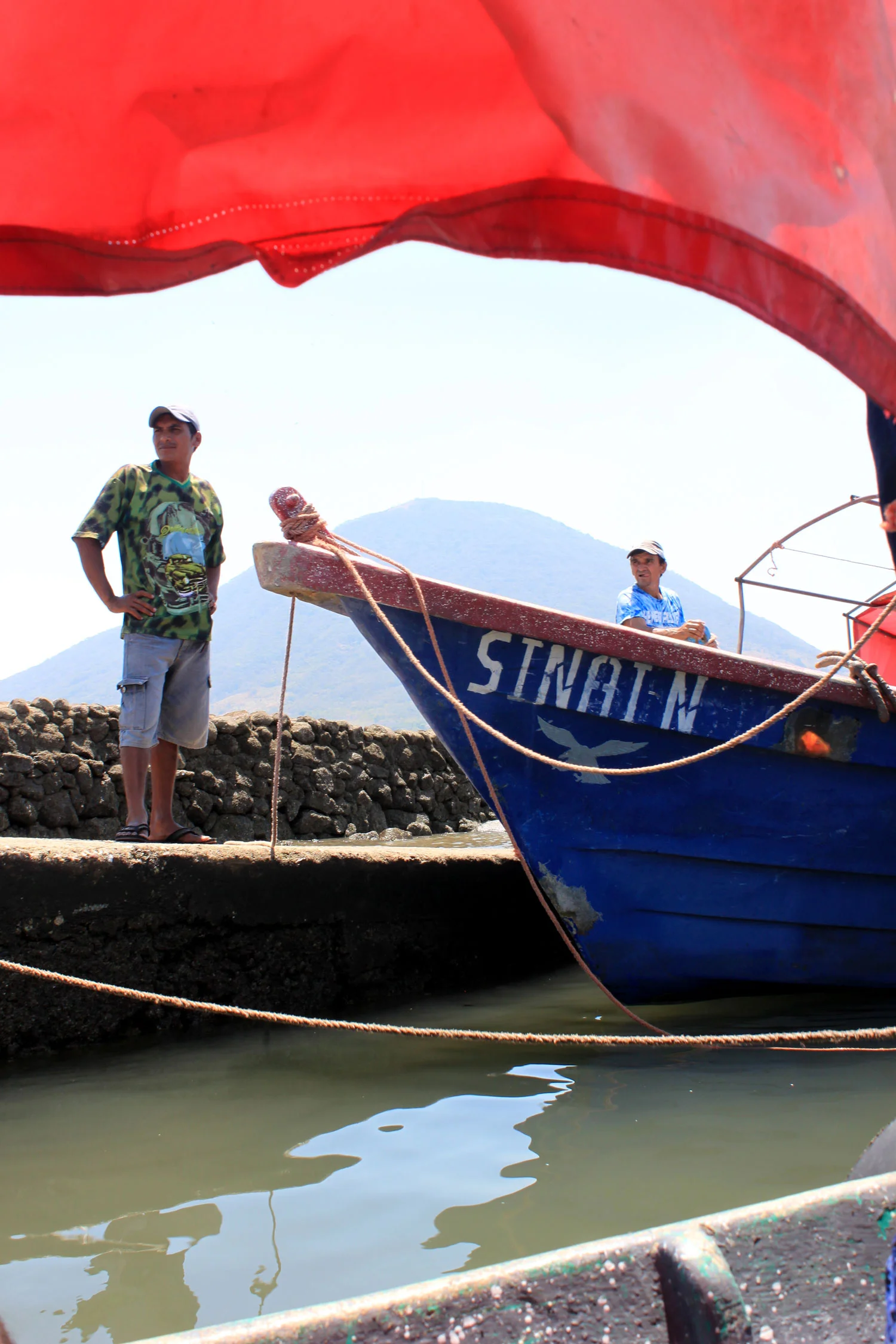
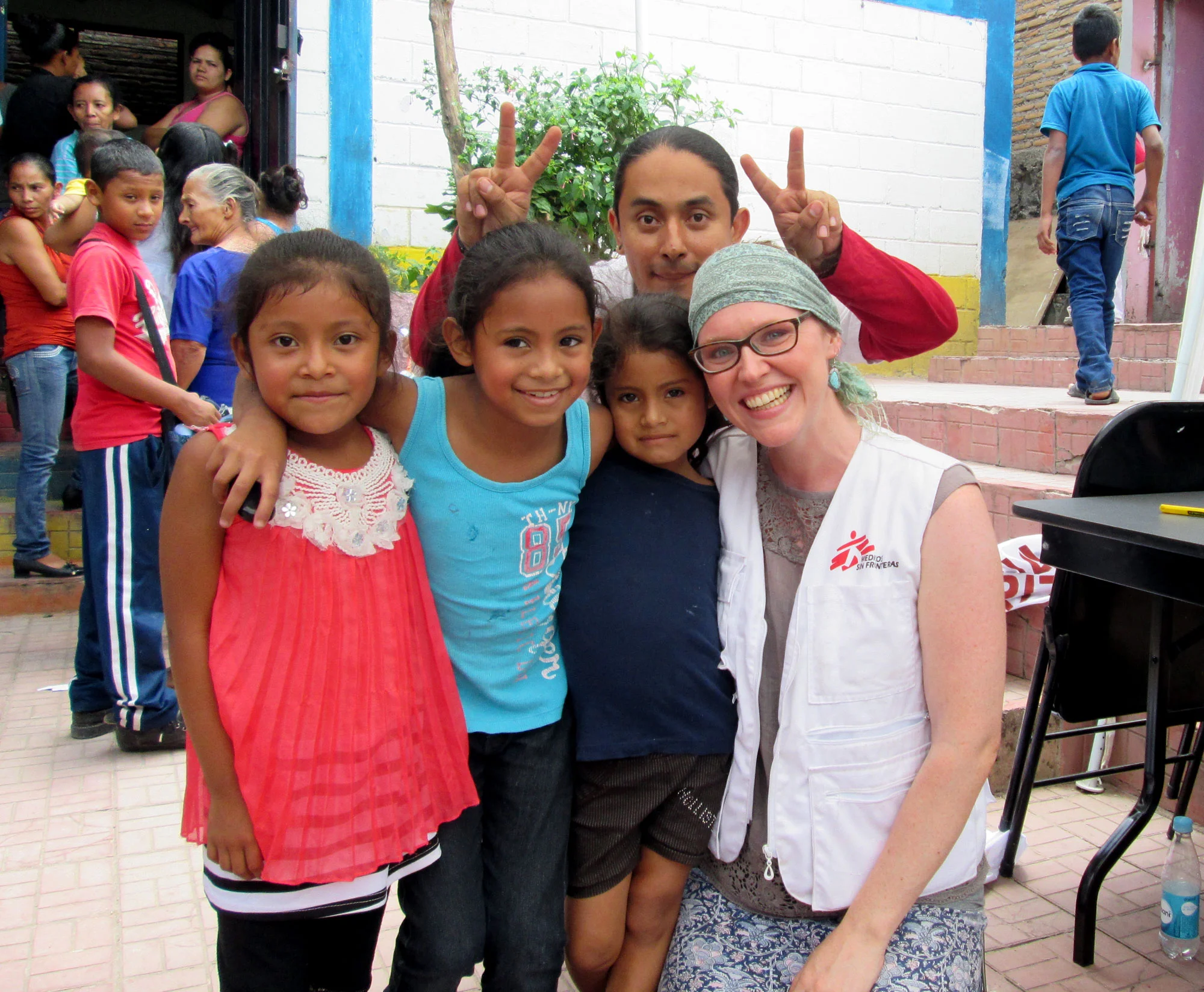
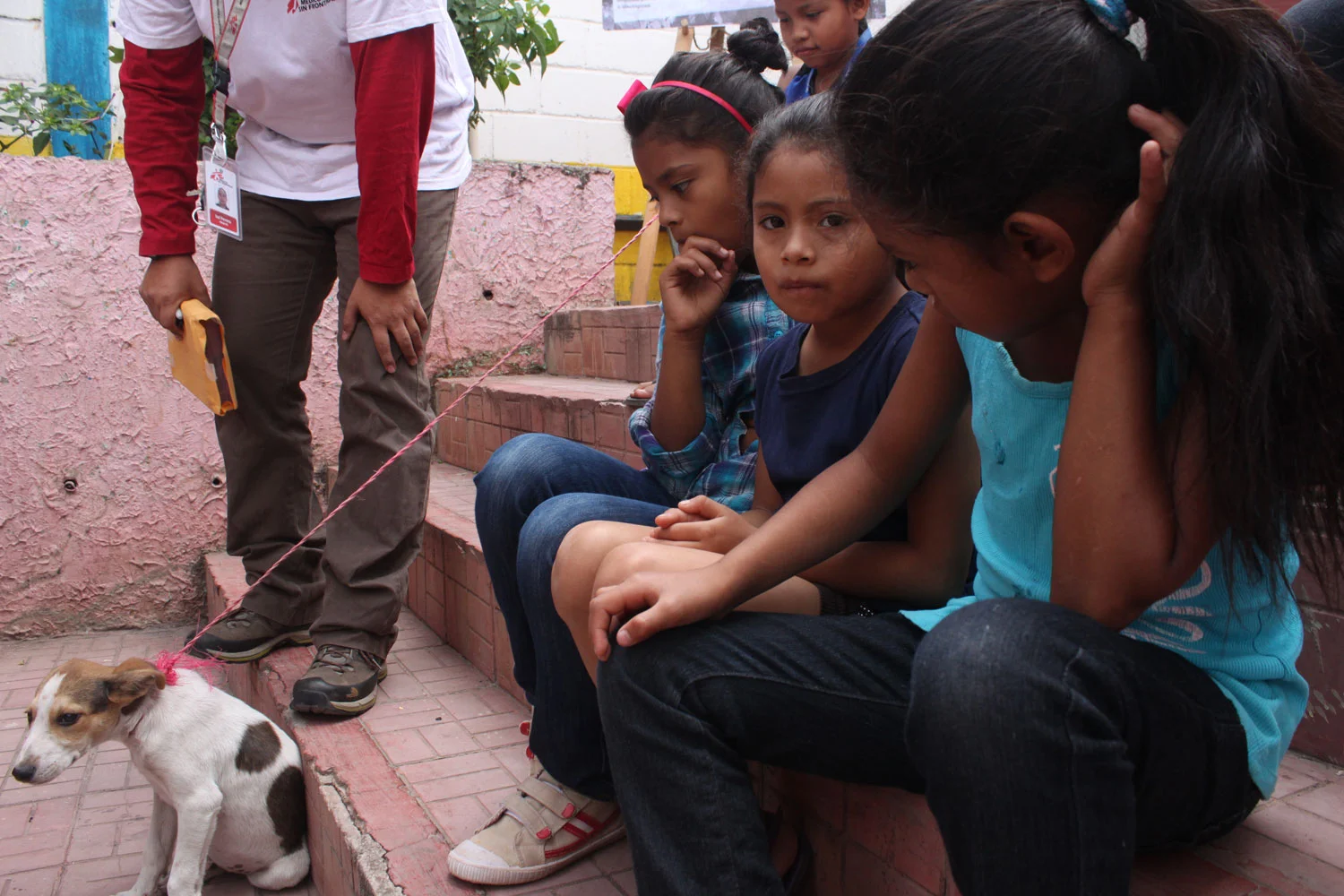
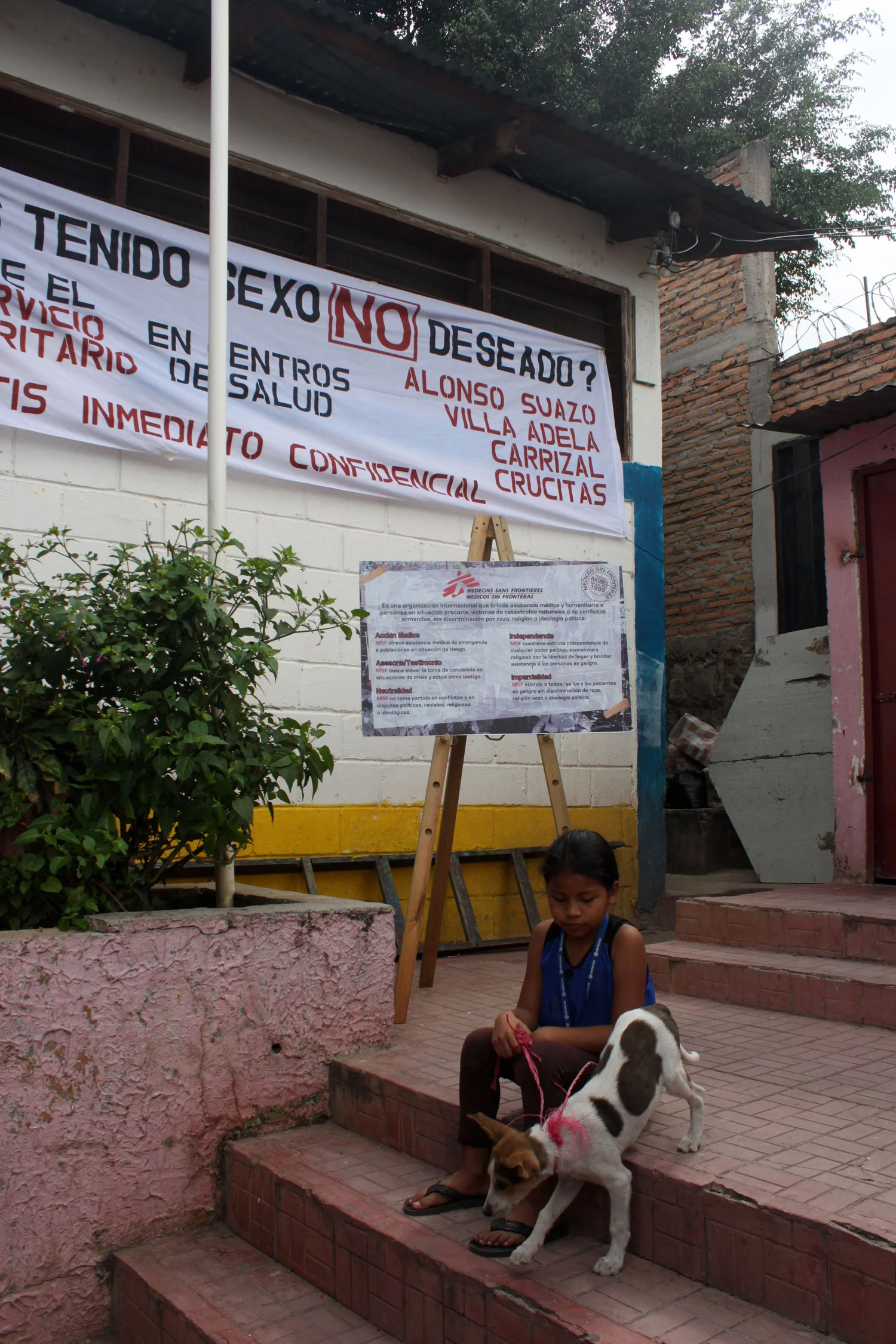
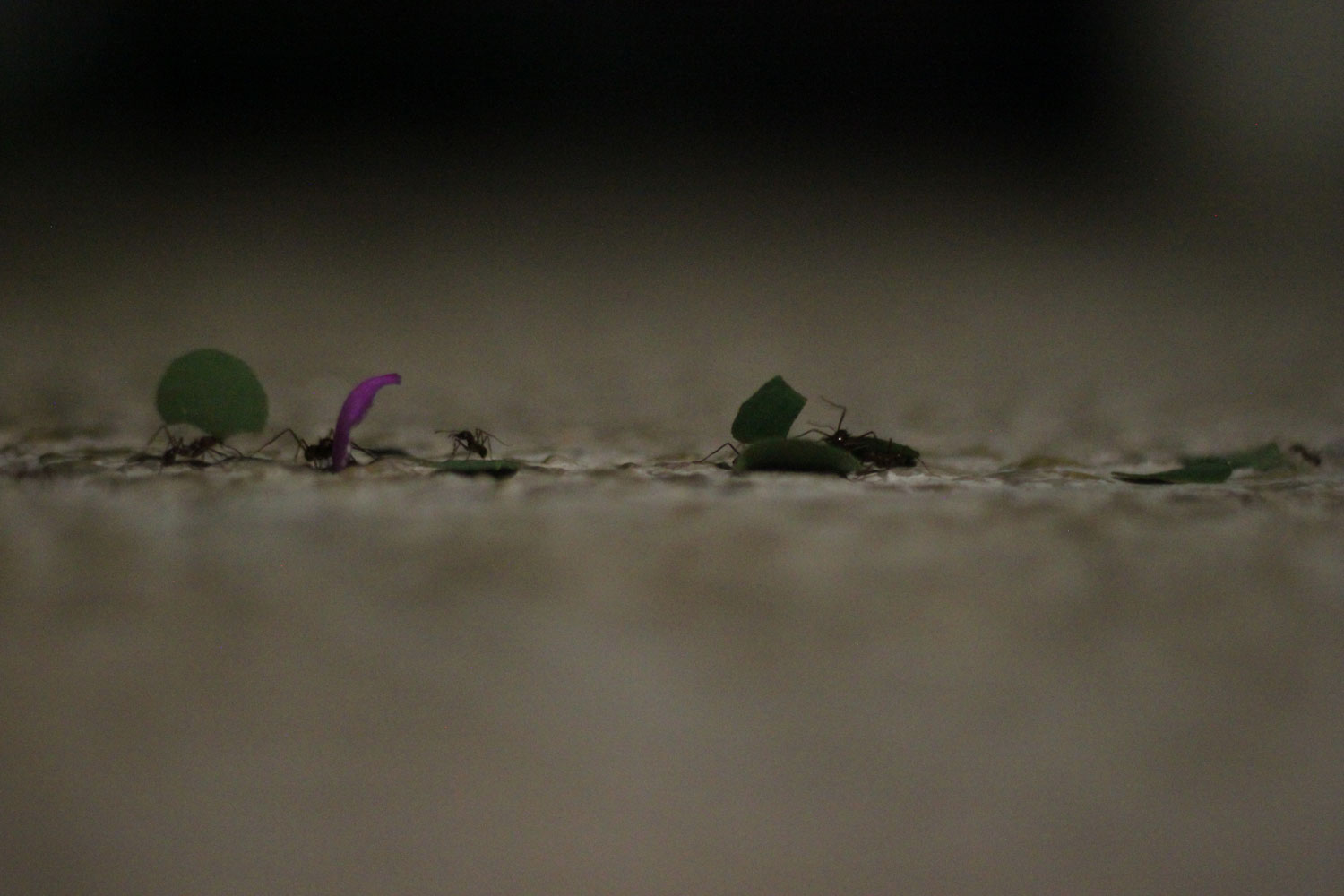
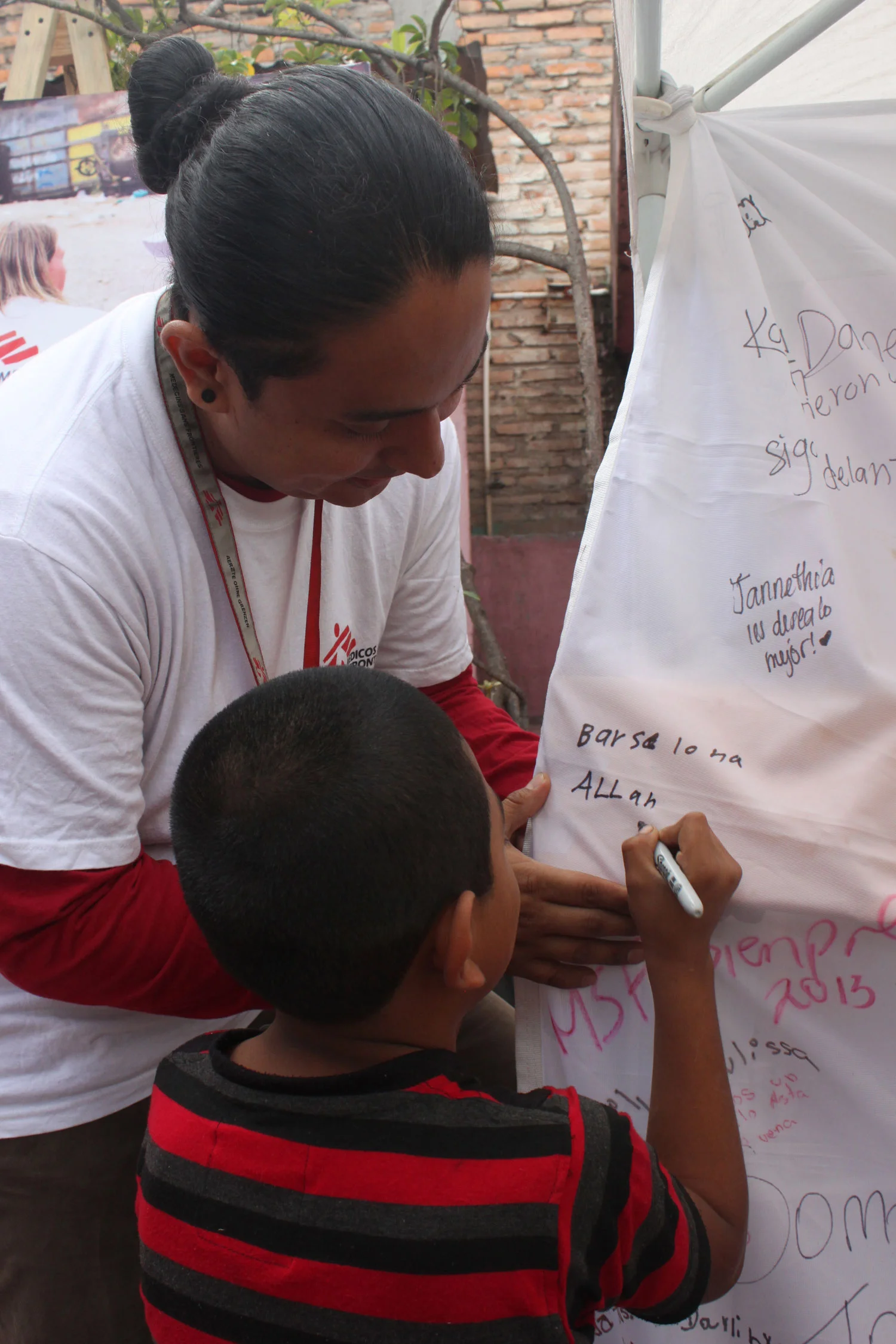
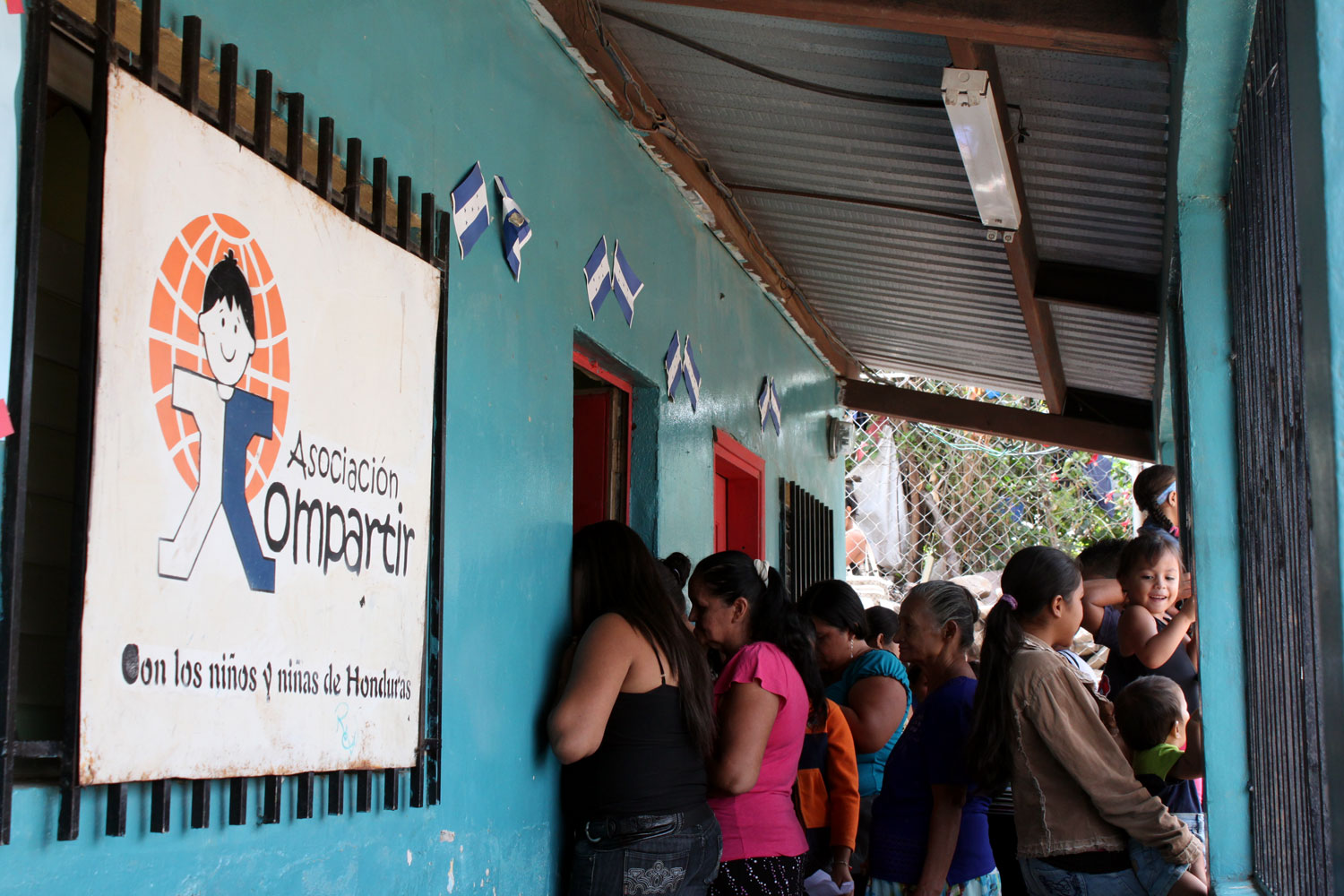
This marked the beginning of nine months in the capital, where I worked on an urban sexual and gender-based violence program in a context shaped by organized crime and deep social inequity. It was one of the most demanding roles I have held. While a small number of the photographs in this section come from that time, much of the work was too sensitive to document. The images here are instead drawn from limited moments of travel and daily life outside of the program context.
I have two blog posts from this period published through MSF, which offer a more detailed account of the work. One of them can be found here:
https://www.msf-me.org/media-centre/news-and-stories/tegus-sexual-violence-and-saying-goodbye